Beets are a healthy, delicious vegetable. Many gardeners grow them in their own plots. They grow in all regions of our country, and you can get a good harvest without much effort. Different varieties vary in color and shape.
Content
- 1 Selecting a variety
- 2 Planting Beets According to the Lunar Calendar in 2023
- 3 Choosing a location for planting beets
- 4 Preparing a plot for beets
- 5 Seed treatment
- 6 Technology of planting beets in open ground with seeds
- 7 Technology of planting beets in open ground with seedlings
- 8 Caring for beets
- 9 Diseases and pests of beets
- 10 Top.tomathouse.com recommends: secrets to growing delicious beets
Selecting a variety
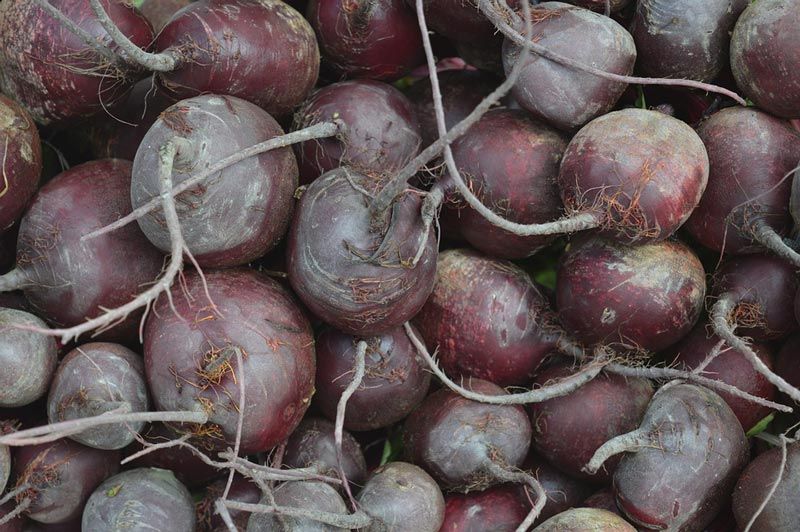
When choosing planting material, it's important to consider the purpose for which it's being grown. Beets are classified as sugar beets, table beets, and fodder beets. Each variety has its own distinctive color, root appearance, and ripening time. Any variety can be grown, provided their characteristics are taken into account. By ripening time, beets are classified as early, mid, and late.
Early-ripening varieties are used in dishes as early as summer, while others can be stored for a long time. When choosing seeds for planting, it's important to consider the specific characteristics of a specific region. This is essential to ensure ripe fruit.
The best varieties include:
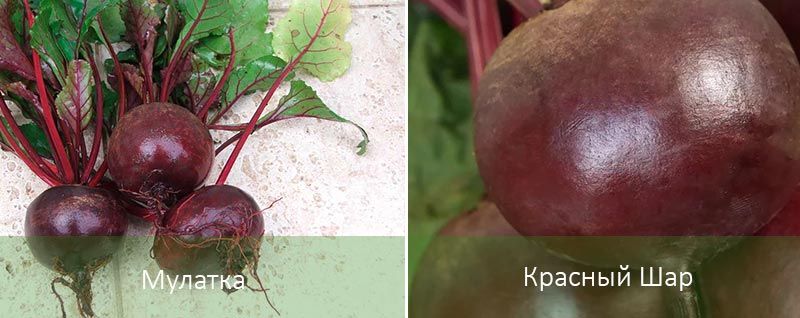
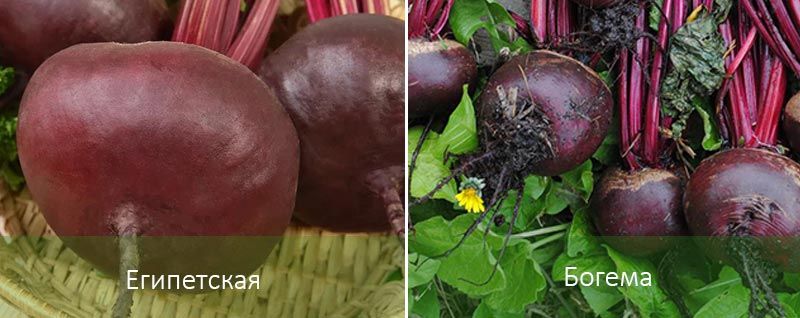
- Early varieties: Red Ball, Naval, Egyptian. They are ready for use when they reach 2 cm or more in diameter. Young leaves are added to salads and soups.
- Medium-season varieties: Mulatka, Bohemia, Bona. They do not tolerate sudden temperature fluctuations well. They store well over winter. They are best planted in areas where late-season varieties cannot be grown due to climate conditions.
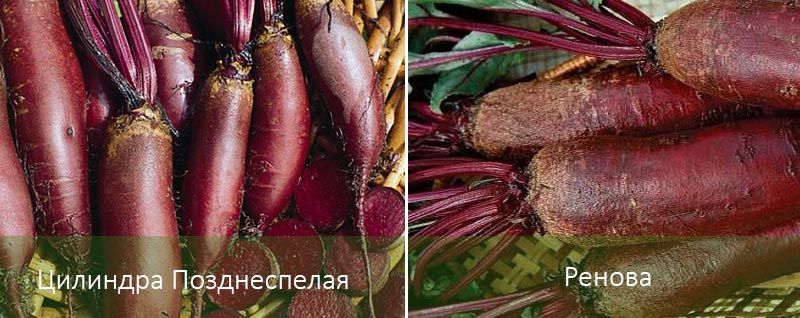
- Late varieties: Cylindra Late-ripening, Renova. They require 4.5-5 months of suitable weather to ripen. They grow best in areas with hot summers.
Planting Beets According to the Lunar Calendar in 2023
This vegetable is planted in well-warmed soil at temperatures ranging from 6 to 10°C. Planting times vary by region and variety. In warm southern regions (Krasnodar Krai), seeds are sown in the first half of spring; in central European Russia (for example, the Moscow region) – in early May; and in the Ural region, Western and Eastern Siberia – in late spring. These are approximate dates for mid-season varieties. Early varieties are best planted earlier, while late varieties should be planted later. This is important to consider if you want to obtain high-quality root vegetables. Specific dates are selected using the lunar calendar.
| Region | Favorable days |
Unfavorable days |
| Kuban | March: 8 (from 17:43 pm)-10, 13 (from 10:21 pm)-17 (until 17:24 pm), 19 (from 18:12 pm)-20 (until 20:21 pm), 23 (from 21:41 pm)-25. April: 7 (from 09:29)-13, 16-17. |
March: 7, 21, 22. April: 5, 6, 7, 19, 20. |
| Middle zone | April: 7 (from 09:29)-13, 16-17. | April: 5, 19. |
| May: 1-4 (until 8:34 pm), 7-10, 17 (from 3:26 pm)-18 (until 6:52 pm), 22-24 (until 5:34 pm). | May: 5, 6, 19, 20. | |
| Urals and Siberia | June: 5 (from 06:40)-7 (until 11:41), 9 (from 13:14)-11 (until 16:19), 13 (from 21:30)-15, 19 (from 07:37)-20, 26-30. | June: 3, 4, 17, 18. |
| July: 1-2 (up to 14:38), 6 (from 20:32)-13 (until 10:25 a.m.), 15 (from 8:12 p.m.)-16 (until 9:31 p.m.), 25 (from 7:55 p.m.)-31. | July: 2, 3, 4, 17, 18. |
Choosing a location for planting beets
This is a crucial step if you want a good harvest. Don't plant the same crop in the same spot every year; it's better to choose a new one each time. Consider what vegetables were grown previously. Beets thrive best if they were grown in the nightshade, pumpkin, or onion families, but it's not recommended to plant them after cruciferous vegetables (all types of cabbage, radishes, and turnips).
The site should receive ample sunlight. It should be watered generously, but not allowed to stagnate. The soil should be sandy, well-drained, and have a pH of 6.5-7. Sandy loam and loam are suitable.
Preparing a plot for beets
In the fall, after harvesting, dig up the plot, first spreading mineral fertilizer (0.3 kg per m²) over the surface. Add organic matter to a depth of 30-35 cm. If desired, prepare a warm bed, allowing time for it to decompose—this should occur by the time the beet roots develop. Adding crushed eggshells, wood ash, or dolomite flour can reduce soil acidity. In the spring, dig up the planting area again and add a layer of mulch (peat or sawdust).
Seed treatment
Before sowing, seeds must be prepared:
- They are tested for suitability by placing them in 200 ml of water with salt. Those that rise to the surface are discarded.
- They are dipped alternately into hot and then cold water several times, keeping them in each for 1-2 hours, and hardened.
- Keep for 12 hours in a solution (2-3 grains of manganese per 1 liter) for disinfection.
- Soak in a stimulant.
- They germinate if they want to get seedlings.
If sown before winter, only check and disinfect. The other steps are skipped to prevent sprouts from appearing and the plant from dying.
Technology of planting beets in open ground with seeds
Beets (also known as beetroot or burak) are biennial plants. Seeds for planting are obtained from the stalks in the second year, and the edible root crop is obtained in the first. They are planted in prepared furrows spaced 25-30 cm apart. Water the soil thoroughly, then wait until the moisture is absorbed but not allowed to dry out. Place the seeds 2-3 cm deep, leaving 1.5-2 cm between them. Cover with soil, smoothing the furrows. Water again. If the seeds haven't sprouted or haven't been soaked in water, sprouts will appear in two weeks. Otherwise, seedlings will appear in seven days.
Technology of planting beets in open ground with seedlings
You can get an early beet harvest by planting seedlings. This method typically involves harvesting a small amount of root vegetables and then sowing the rest through seed. A soilless method works well, as it doesn't require much space. Young plants are then pricked out and planted in greenhouses near tomato plants. This will also protect the nightshade crop from diseases.
The procedure for obtaining seedlings:
- Place toilet paper on a plastic bag, folding it several times;
- moisten with a spray bottle;
- place the seeds on top, leaving 1 cm between them, and 1-1.5 cm from the edge;
- roll the paper into a roll and place it in a container, covering it with cellophane on top;
- direct the empty edge to the bottom of the container;
- sign the name of the variety for memory;
- The container is moved to a warm place, where a little water is added to it and the paper is sprayed from time to time.
The seedlings will emerge in 7 days. Plant them in well-warmed soil, digging deep holes. The roots should not bend in the holes. Gently press them into the soil. Water the seedlings generously.
Caring for beets
Key points of care:
- Loosening the soil. This is done regularly. It is necessary to ensure air access to the roots.
- Thinning seedlings. A single seed produces several sprouts. If you don't remove the excess, the root vegetables will grow small. This is done twice a season in the dark on damp soil: after 3-4 leaves have formed, leave a distance of 5 cm between plants; once the roots have formed, leave 7-10 cm. During the first thinning, the removed seedlings can be replanted, and during the second thinning, the small tubers are eaten.
- Water not only the roots but also the foliage, which also needs moisture. You can make furrows between the rows and direct water along them. In dry weather, water should be applied more frequently and more generously. A lack of soil moisture negatively impacts the taste and size of the fruit. It's best not to wet the soil for 7-14 days before harvesting.
- Fertilize only when necessary with herbal infusions or yeast-based fertilizers. Other methods are not recommended. Beets require only the fertilizer added to the soil before planting. You can water them with salt water once a month (10-15 g per bucket of water).
Diseases and pests of beets
Beets rarely get sick. If you maintain proper gardening (harvesting and digging), practice proper crop rotation (alternating beets with other plants that aren't susceptible to similar diseases), and treat them with copper preparations, you'll get a good harvest. For prevention, treat the beds with a manganese solution or hot water.
The harvested crop must be dried before being stored.
The main pests of root crops include rodents, mole crickets, and moles. Slugs, snails, wireworms, aphids, and beet flea beetles also damage them. They are also affected by molds (gray, red, etc.) and nematodes (a dangerous parasite).
Fight pests with folk remedies:
- onion peel infusion;
- dusting with wood ash or tobacco dust;
- infusion or decoction of hot pepper.
If this is not enough, then approved medications are used.
Top.tomathouse.com recommends: secrets to growing delicious beets
To grow a delicious, sweet root vegetable, proper care is essential. Additionally, a number of other steps are recommended:
- Watering with salt water to increase the sugar content and prevent the appearance of pests (summer flies, cabbage white butterflies).
- Irrigation with a solution of boric acid (10 g per 10 l) once per season or soaking seeds in it (10 g per 2 l) before planting for 10-15 minutes.
- Thinning. It's best to leave 6 cm between plants. Any more than that and the root vegetables will be larger but less tasty.
- The beets' protrusion from the soil will add sweetness.
- Prevent crust formation on the surface. Loosening is essential. Mulch (grass clippings, peat, or black spunbond) can be applied between rows.
- Harvest promptly. Don't allow root vegetables to grow larger than 6-8 cm in diameter.