The saxifrage burnet belongs to the Umbelliferae family and has a huge number of other name variations: yadrenets, angelica, tooth root, anison and others.
The name "saxifrage" has two possible interpretations. According to the first, the burnet grows well in rocky soil and is capable of literally breaking apart rocks to reach the sun.
The second option is more prosaic: being a medicinal plant, saxifrage helps remove stones from the body.
The first mentions of saxifrage appear in books from the 15th century. They say the flower was widely used in Ancient Greece to treat heart disease, as well as sexual ailments, including infertility.
Content
- 1 Burnet Saxifraga: Description, Characteristics, and Photos
- 2 The use of saxifrage in official medicine
- 3 The use of saxifrage in folk medicine
- 4 The use of saxifrage in cosmetology
- 5 Traditional medicine recipes using saxifrage
- 6 Culinary uses of saxifrage
- 7 Contraindications for using Saxifraga femoralis
- 8 How to grow Saxifraga saxifrage
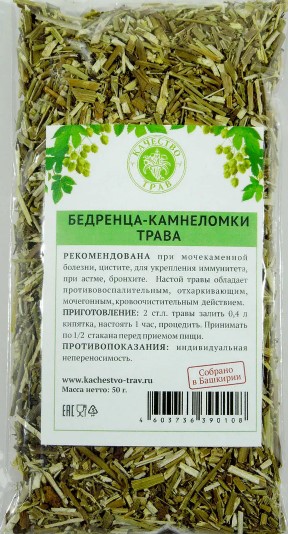
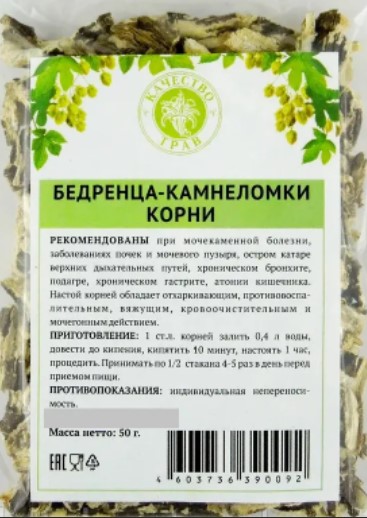
- 9 How to prepare raw materials from saxifrage
Burnet Saxifraga: Description, Characteristics, and Photos
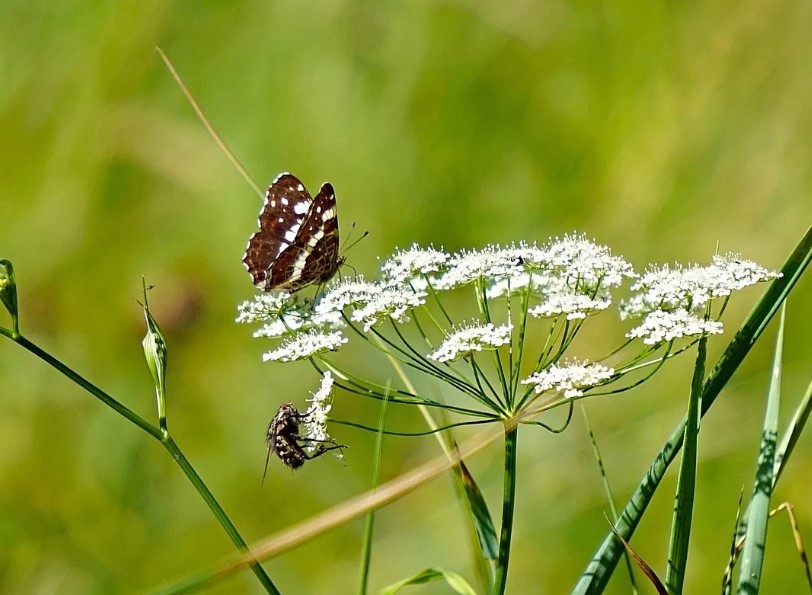
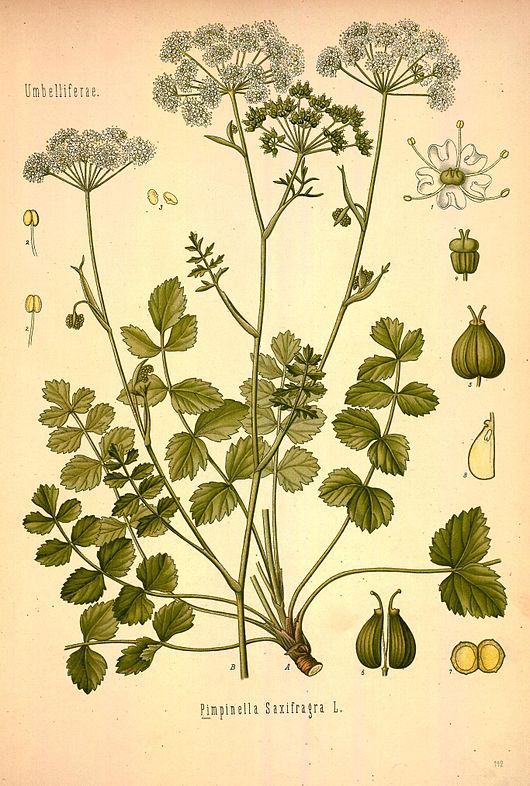
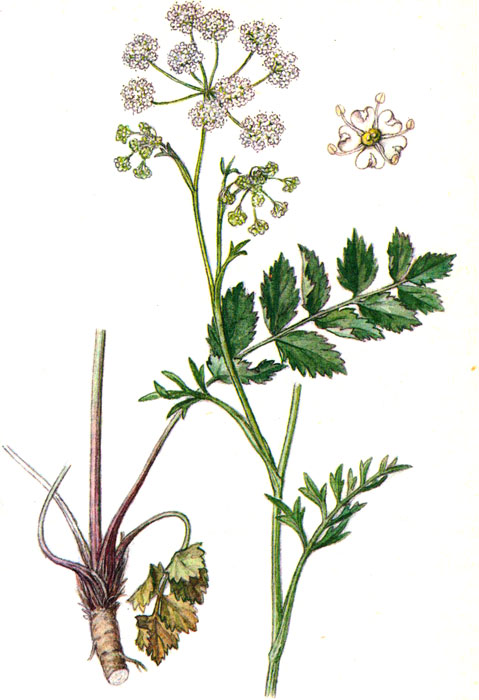
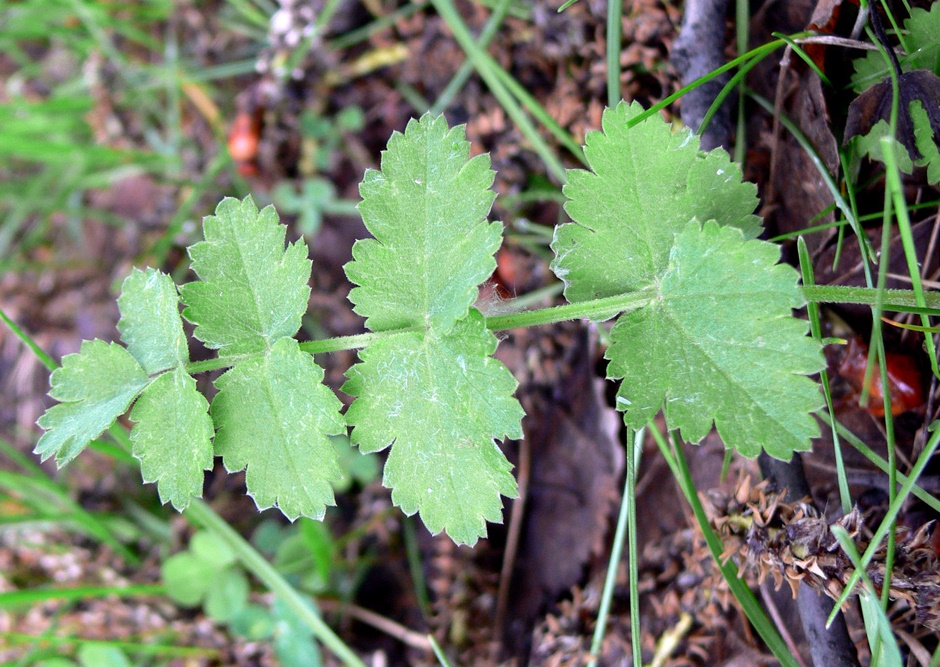
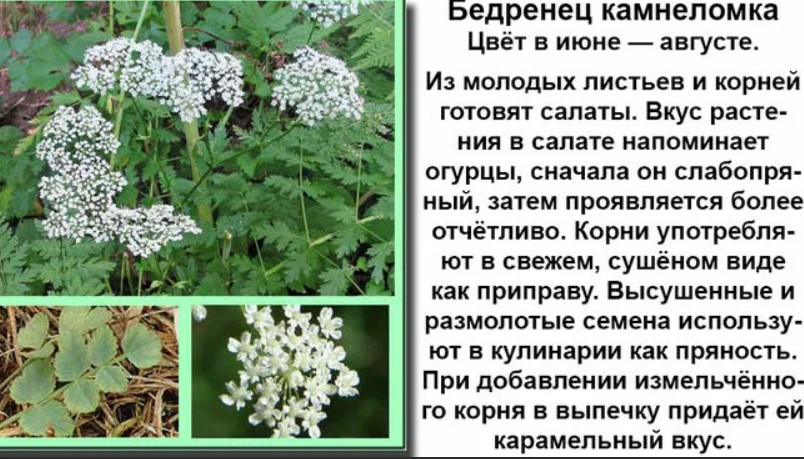
| Description | A perennial plant with a high essential oil content. The stem grows up to 60 cm tall and is erect. Branching begins at the top. Leaves are very few, and those that are present have petioles and grow up to 10-20 cm in length. |
| Inflorescences | They have the shape of umbrellas, the diameter reaches 8 cm. The peduncles are small, simple, white. |
| Bloom | June-August |
| Seed collection | Late August - first half of September |
| Compound | The roots contain essential oil, coumarins, umbelliferone, pimpinellin, zobergapten, resin, sugar, tannins, etc. The smell can be sharp and unpleasant due to the presence of saxazulene in the essential oil. During flowering, the leaves contain ascorbic acid and carotene. The aboveground parts are rich in proteins, fiber, potassium and calcium. |
| Application | See below. |
| Root | The roots are used to prepare decoctions that have antiseptic, anti-inflammatory, antipyretic, diuretic, lithiasis, and analgesic properties. Gargling can be used to treat rhinitis, sore throat, and other conditions, and compresses are effective for removing age spots. |
| Leaves | The leaves are used for gargling and are included in herbal teas. |
| Inflorescences | They help relieve the symptoms of vetiligo. Young umbels are added to brines and wine infusions. |
| Stem | Used to give drinks a golden hue. |
| Seeds | They are used in cooking for bread baking and in cheese production for cheese starter. They can replace anise or caraway and are added to soups or vegetable dishes as a seasoning. |
Don't confuse the saxifrage and the saxifrage. They are plants from different families. Read more in the article about saxifrage.
The use of saxifrage in official medicine
The plant Saxifraga saxifrage is widely used in modern pharmacology. It is included in medications for ENT diseases, asthma, pneumonia, and other conditions. Gargling with an infusion is prescribed for mouth ulcers and sores. The plant's juice is beneficial for lingering runny noses.
Saxifraga burnet has antipyretic, expectorant, diuretic, anti-inflammatory, antitumor, and sedative properties. It is used in therapy for the removal of sand and stones from the kidneys.
An infusion of the herb promotes the rapid healing of ulcers and other wounds of various etiologies. A poultice made from the infusion can help relieve pain and discomfort in cases of joint problems.
There is evidence that the herb is used in foreign medicine to create anti-cancer treatments. However, we are unsure of this medicinal property and do not recommend self-medication.
You can buy the herb in pharmacies.
The use of saxifrage in folk medicine
In folk medicine, a decoction of saxifrage is taken internally to combat ENT diseases and treat the genitourinary, respiratory, nervous, digestive and reproductive systems.
External compresses promote wound healing, and gargling treats sore throats and ulcers on the mucous membranes of the mouth.
A small amount of alcohol tincture has a pain-relieving effect and relieves spasms. The plant's juice helps fight a runny nose.
The use of saxifrage in cosmetology
Thanks to the nourishing properties of its essential oils, the plant is widely used in cosmetology. It can be found in whitening creams, as well as shampoos and toothpastes. Saxifraga has proven effective in combating age spots.
Traditional medicine recipes using saxifrage
Saxifraga burnet is widely used not only in pharmacology but also in folk medicine. It helps in the complex treatment of various diseases.
We do not recommend self-medication. Always consult a doctor. These recipes are for informational purposes only.
Oncology
Saxifraga burnet has an antitumor effect, and the plant is included in medications for sarcoma.
For oncological diseases, it is recommended to take an infusion of different parts of the plant.
Roots and stems:
- Grind 15 g of ingredients;
- Pour 1 cup of boiling water;
- Place in a water bath for 30 minutes, strain;
- Take 70 g 3 times a day before meals.
Leaves and flowers:
- 20 g pour 1 glass of boiling water;
- Place in a water bath for 15 minutes;
- Let cool, strain;
- Drink 70 g 3 times a day before meals.
Gynecology
In gynecology, saxifrage is effectively used to combat chlamydia and trichomoniasis.
Roots:
- 10 g of roots must be crushed and poured with 500 ml of boiling water;
- Place in a steam bath for 25 minutes;
- Cool, strain;
- Take 100 ml 5 times a day.
Leaves, stems, flowers:
- Take 15 g of crushed plant;
- Pour in 500 ml of boiling water;
- Place in a steam bath for 20 minutes;
- Let it brew for 60 minutes;
- Strain and drink 100 ml 5 times a day.
Sedative
Prepare a decoction of saxifrage in a water bath (15 g per 500 ml of water).
- Add 15 drops of decoction to linden tea;
- Take 2 times a day before meals or one hour after.
Diabetes and lung diseases
- Take 1 tablespoon of crushed plant;
- Pour in 1 glass of boiling water;
- Infuse for 30 minutes and strain;
- Honey is added to the decoction;
- Take 3 tablespoons 3 times a day.
Stomach pain and upper respiratory tract diseases
- 1 tbsp of crushed roots is poured with 1 cup of boiling water;
- Boil for 10 minutes in a water bath;
- Infuse for 30 minutes and cool;
- It is filtered;
- Add 1 tbsp of honey;
- Take 50 ml 4 times a day.li>
Kidney stones
The infusion is drunk in a 3-week course and is prepared according to the following recipe:
- 1 teaspoon of crushed plant is poured into 1 glass of boiling water;
- Infuse for 2 hours and strain;
- Add 1 tbsp of honey and 1 tbsp of rosehip decoction;
- Take 2 times a day.
Heart failure and edema
- 10 g of crushed roots;
- 100 ml of alcohol.
The tincture is kept in a dark place for 21 days. Then it is filtered and taken 30 drops 4 times a day.
Constipation
- 100 g of crushed roots are poured with 600 ml of red wine;
- Infuse for 7 days;
- Take 15 drops 3-4 times a day.
Strengthening the immune system
- Pour 1 cup of boiling water over 5 tablespoons of crushed flowers and leaves;
- Heat in a water bath for 15 minutes;
- Let it brew for 60 minutes and strain;
- Take 50 ml up to 6 times a day before meals.
Pigment spots
Pigment spots can be removed by wiping them with freshly squeezed saxifrage juice 3-4 times a day.
Culinary uses of saxifrage
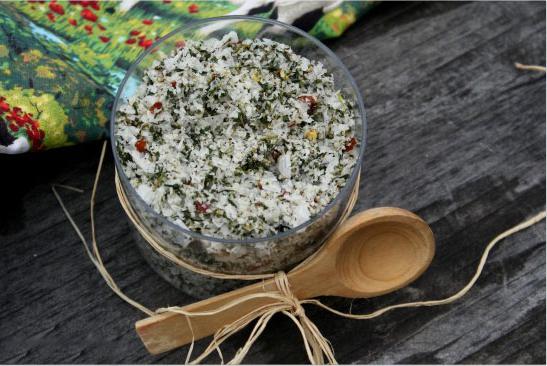
A seasoning made from saxifrage is widely used in cooking. It's prepared as follows:
- Grind the leaves and roots using a meat grinder;
- Place them in a glass jar, adding salt every 3 cm;
- Pour in oil, preferably olive oil;
- Add 15 g to dishes.
You can grind the dried rhizomes in a coffee grinder and use them as an addition to soups and main courses.
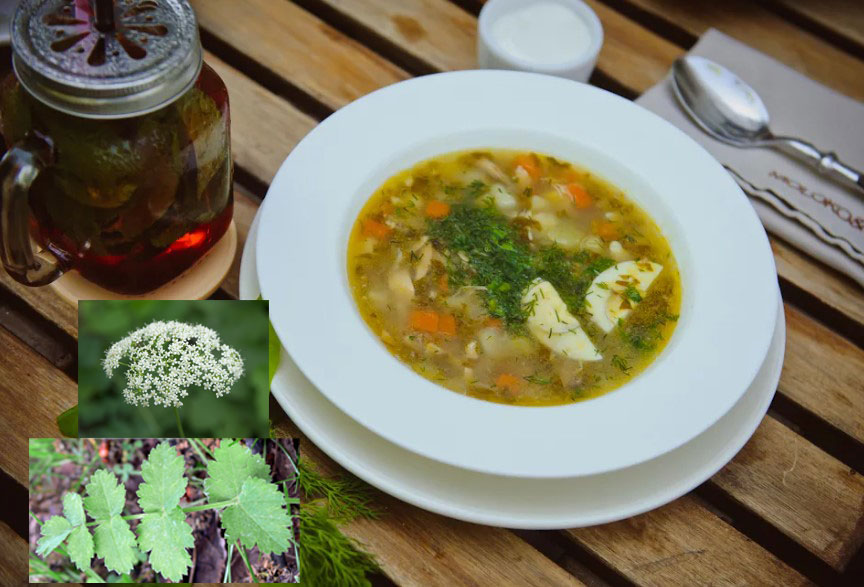
In addition, the leaves of the plant can be used to prepare cabbage soup or green salads.
Contraindications for using Saxifraga femoralis
Like any medicinal plant, saxifrage has a number of contraindications:
- Individual intolerance to components;
- Pregnancy and lactation;
- The presence of blood clots or a tendency to form them;
- Exacerbation of gastrointestinal diseases;
- Heart and kidney failure;
- Large kidney stones;
- Allergic reactions;
- Glomerulonephritis.
For treatment of chronic and acute diseases, you must consult a doctor.
How to grow Saxifraga saxifrage
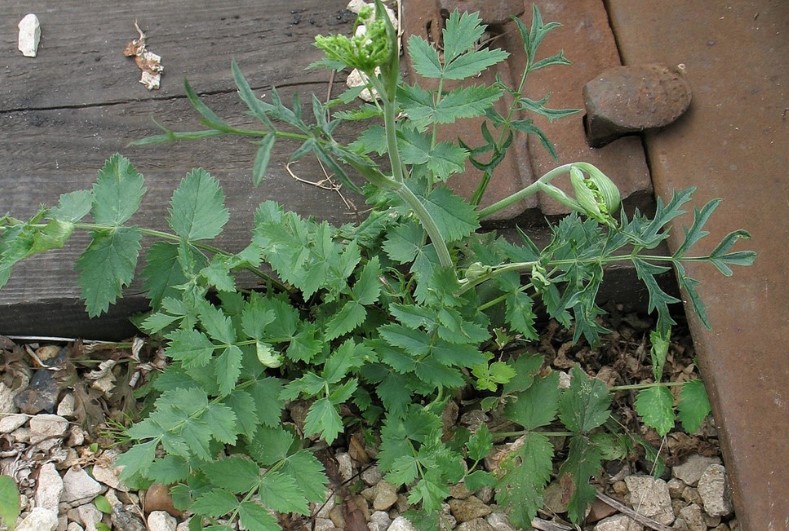
Saxifraga burnet is an easy-to-grow plant. Propagation occurs by seed. In spring, seedlings emerge within 2-3 weeks, and the winter plant begins to sprout in late April.
Flowering begins in mid-June. Winter burnet may produce buds this season, while spring burnet will only begin blooming and bearing fruit the following year.
How to prepare raw materials from saxifrage
It is very easy to confuse the burnet with poisonous umbelliferous plants, so when growing it, it is necessary to clearly distinguish between them and set aside a separate area for medicinal plantings, which should be weeded regularly.
The roots are harvested in September–October, as soon as the above-ground portions begin to wilt. They are removed from the soil, washed, and cut. They are then dried either in an oven, a special device, or in an attic or shed. Once completely dry, the roots will develop a pungent odor. They should be either crushed or stored whole in a jar with a tight-fitting lid. The shelf life is 3 years.
It's recommended to harvest the leaves before they begin to bloom, when they contain the most nutrients. They should be placed in a shaded, well-ventilated area. They should be stored in a glass jar in a dark place for up to three years.
Seed harvesting occurs in late August to early September. The umbels should be cut and hung upside down over a cloth. Once dry, they should be threshed to extract the seeds and cleaned of any impurities. It is recommended to store them in a glass jar for no more than two years.