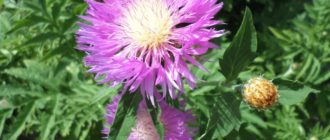
Lavatera (also known as mallow or wild rose) is an annual, biennial, or perennial plant, depending on the species. It belongs to the Malvaceae family and is a popular flower for landscaping., A true garden charmer. Firstly, this is due to its long and magnificent flowering period. Secondly, the mallow seeds have a high germination rate, and the plant itself requires little care.
Lavatera is primarily grown from seedlings, but can be sown directly into open ground if needed. There are many species and varieties of this plant. We'll cover them in more detail, including all the rules and planting considerations.
Content
- 1 Description of Lavatera (Mattma)
- 2 Brief information about planting and caring for Lavatera in the table
- 3 5 species and 24 varieties of Lavatera
- 4 Growing Lavatera
- 5 Planting Lavatera seedlings in the ground
- 6 Caring for Lavatera
- 7 Diseases and pests of Lavatera
- 8 Helpful tips on growing Lavatera from Top.tomathouse.com
- 9 Lavatera in landscape design + 10 photos
- 10 Use of Lavatera in Medicine
- 11 Reviews of perennial lavatera
Description of Lavatera (Mattma)
Depending on the species, it can reach 0.5-2 m in height. The root system is well developed. The crown is robust. Most varieties have lobed, alternate, and hairy leaves.
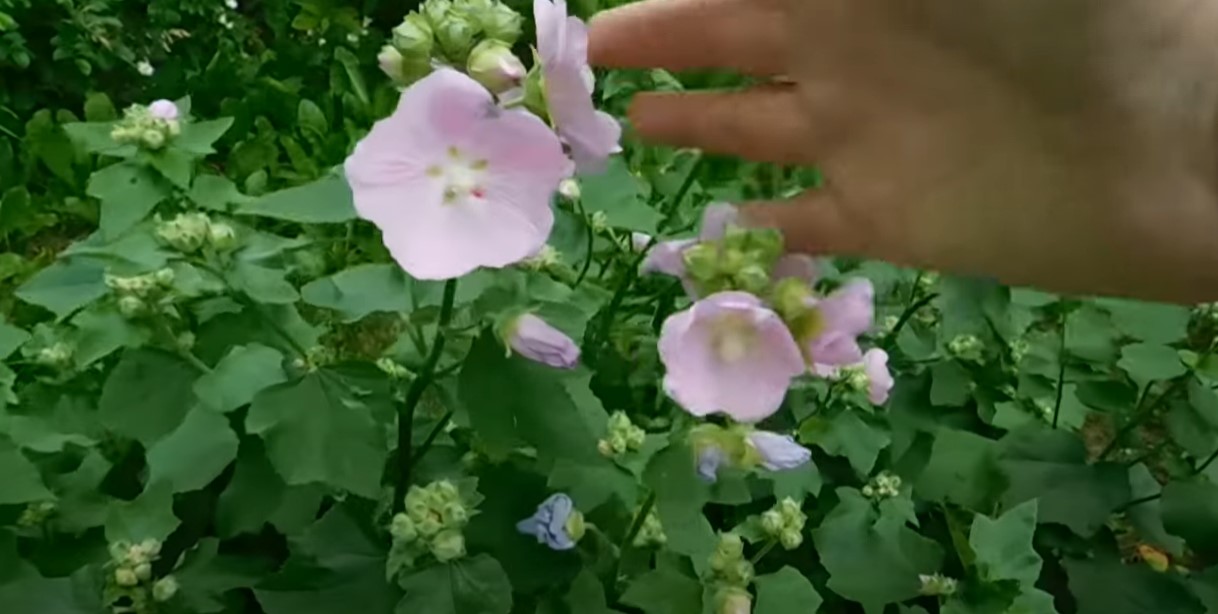
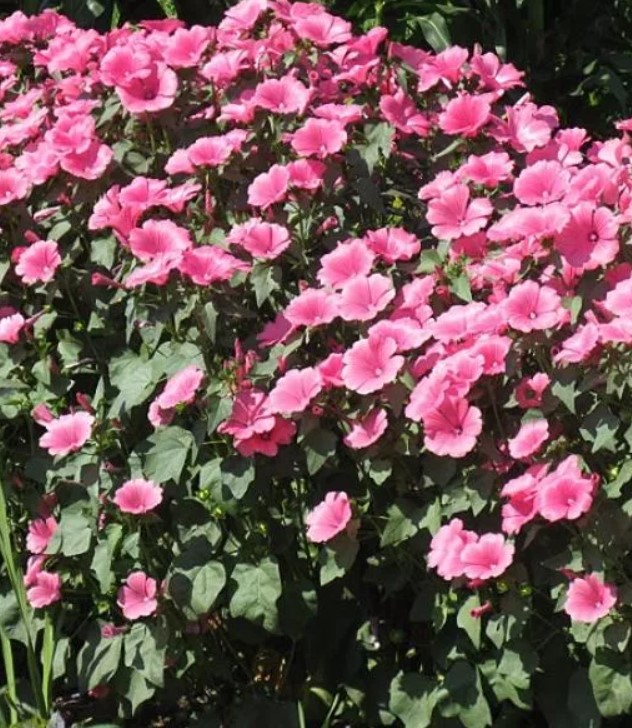
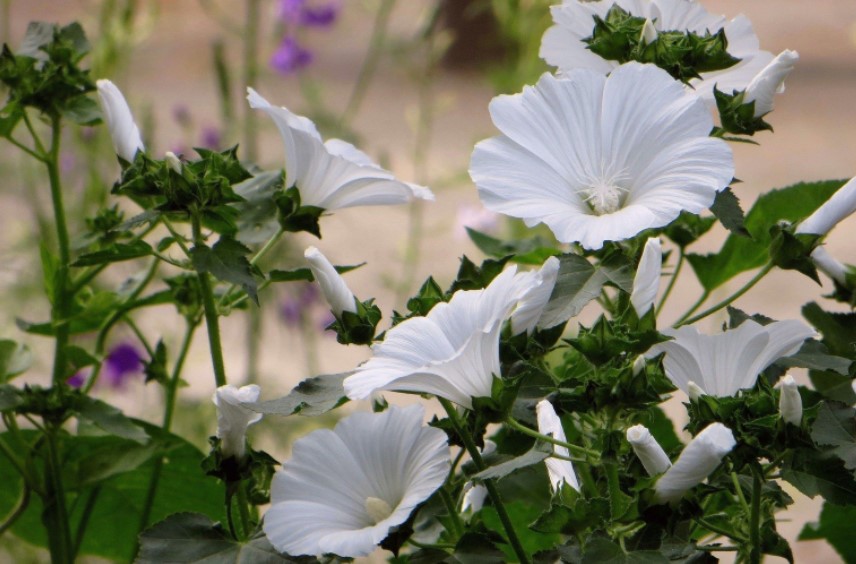
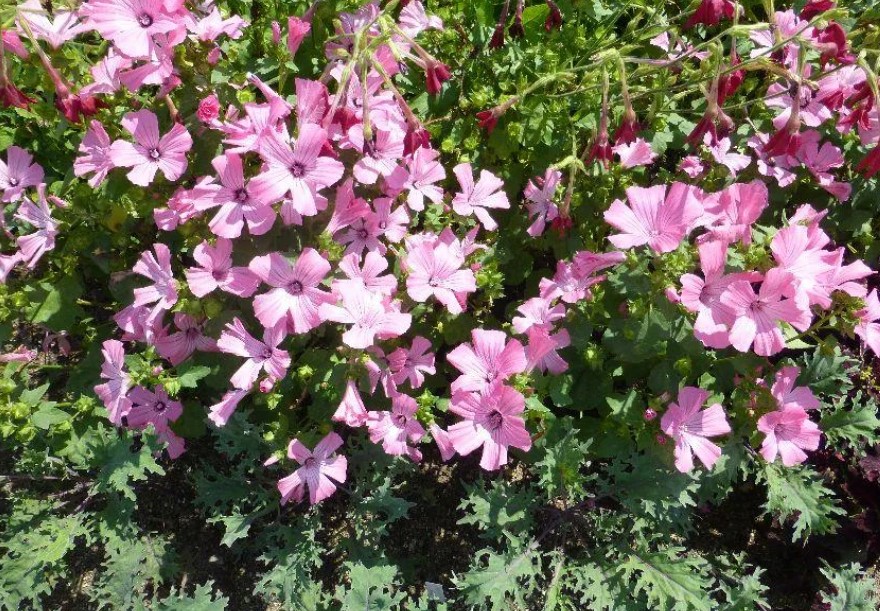
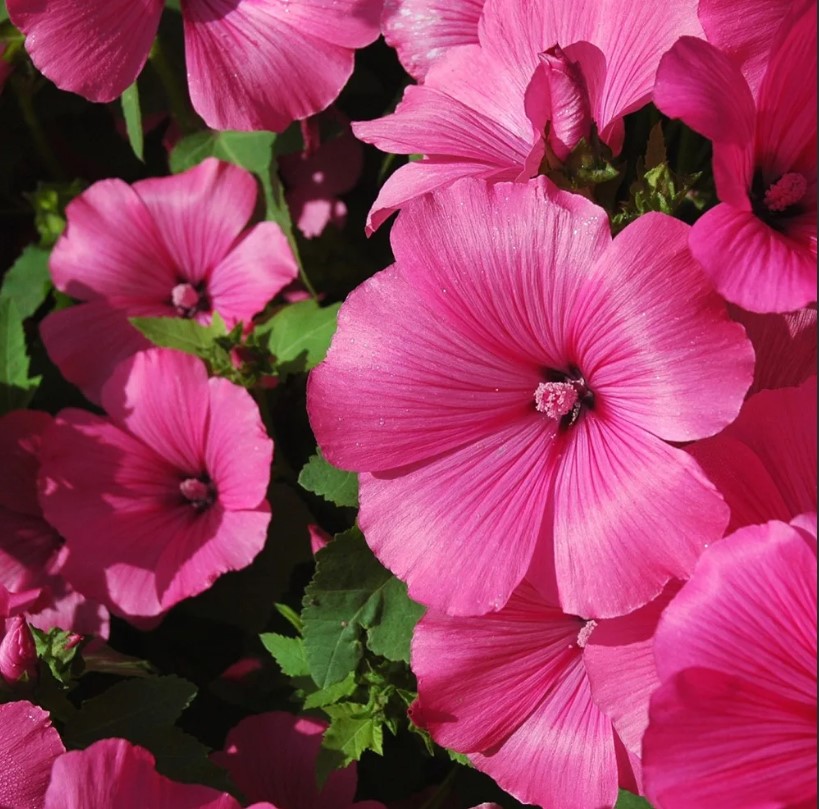
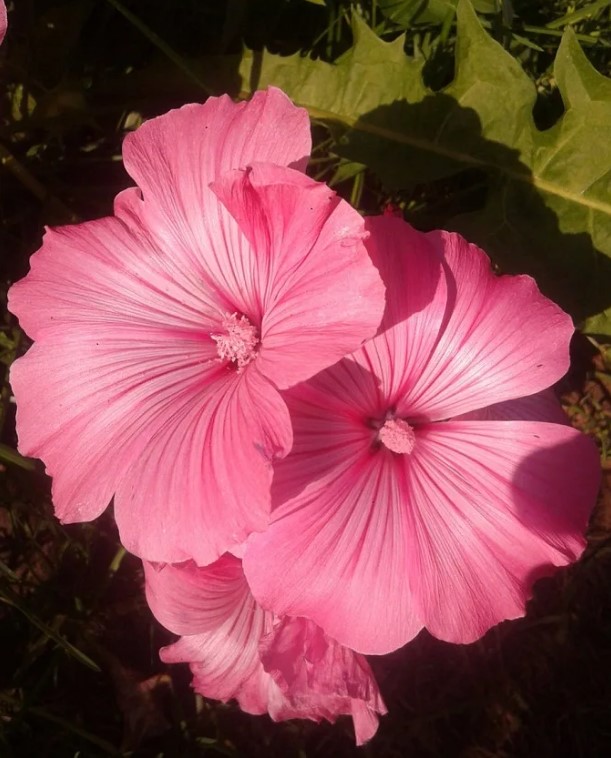
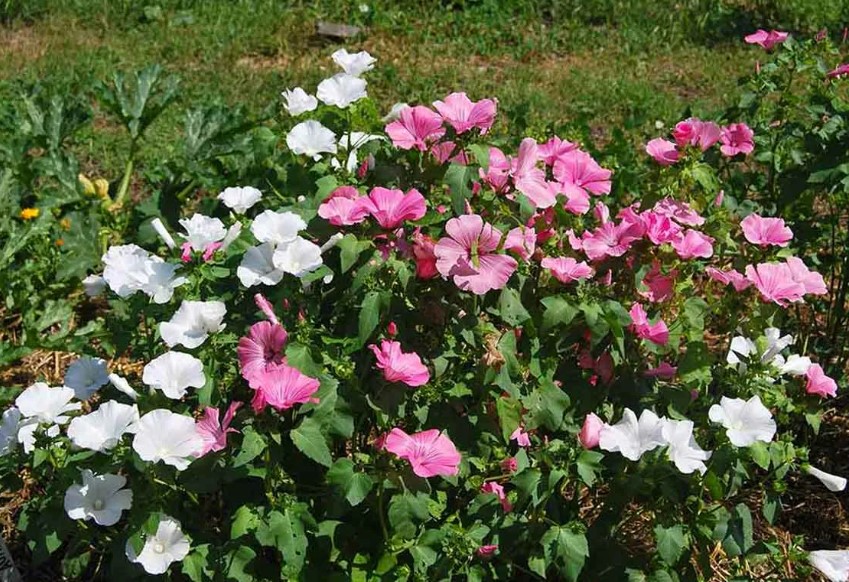
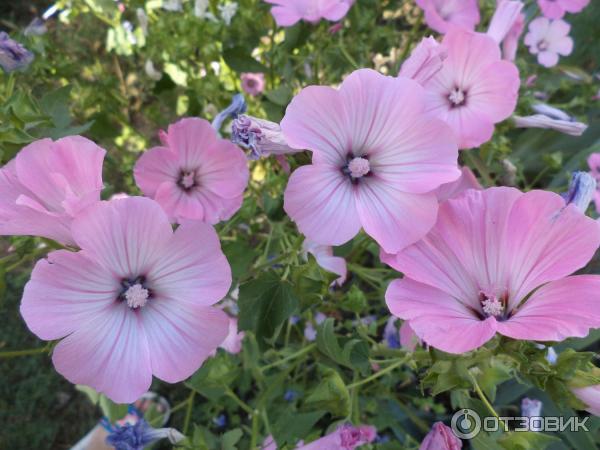
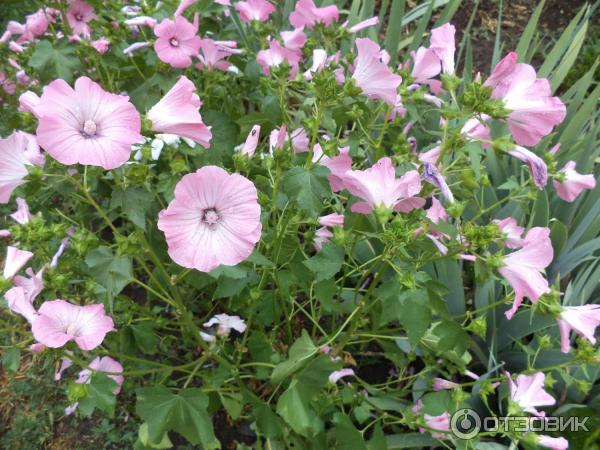
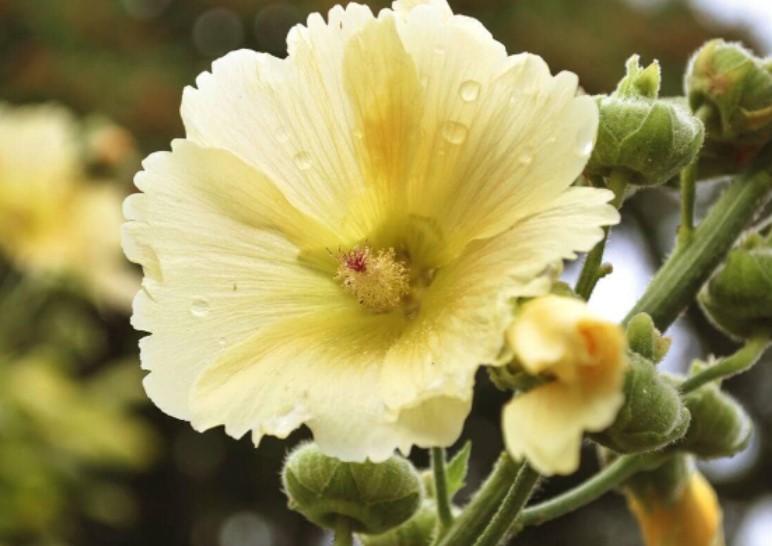
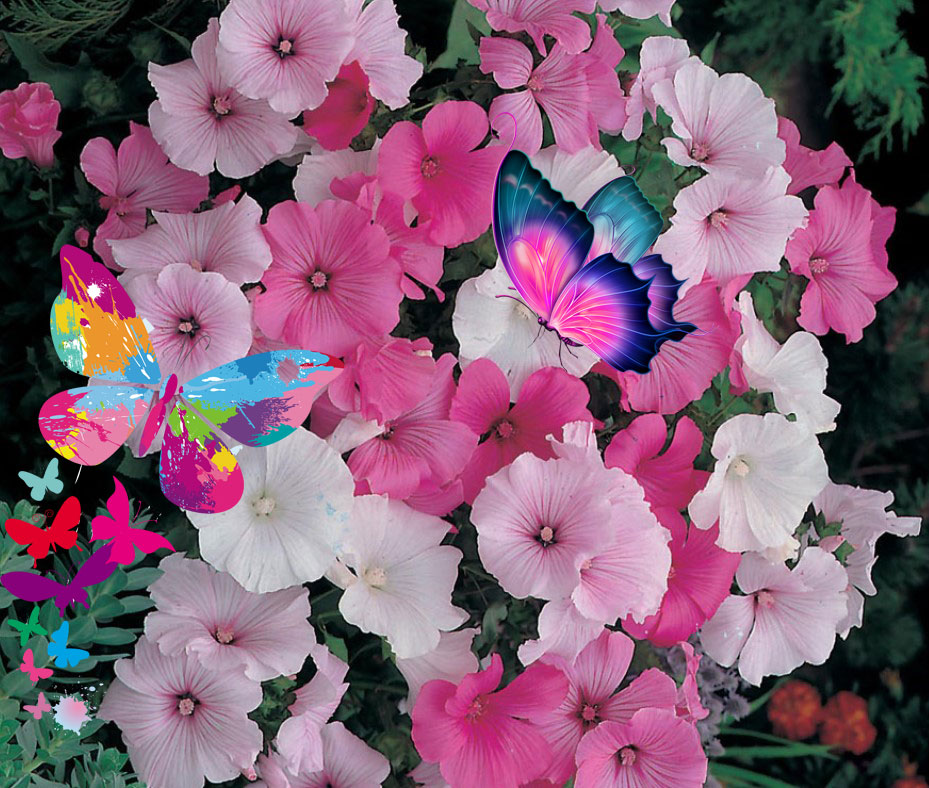
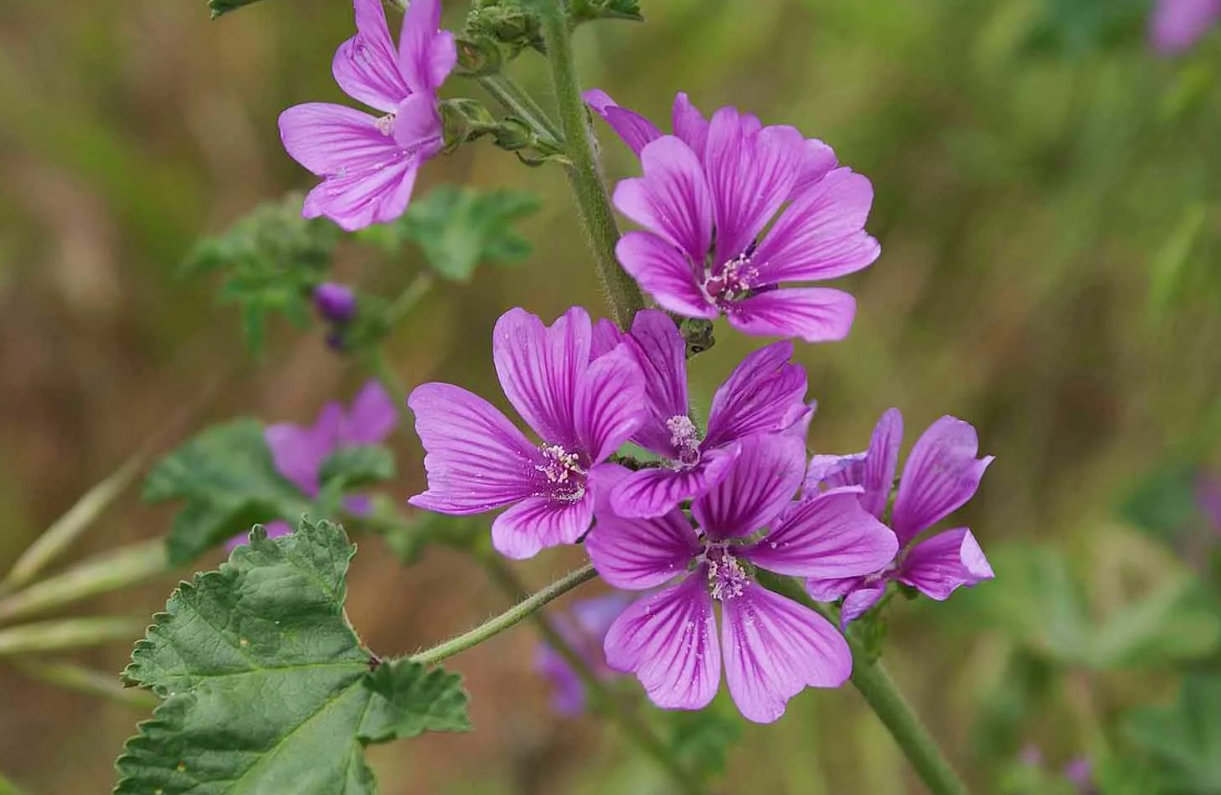
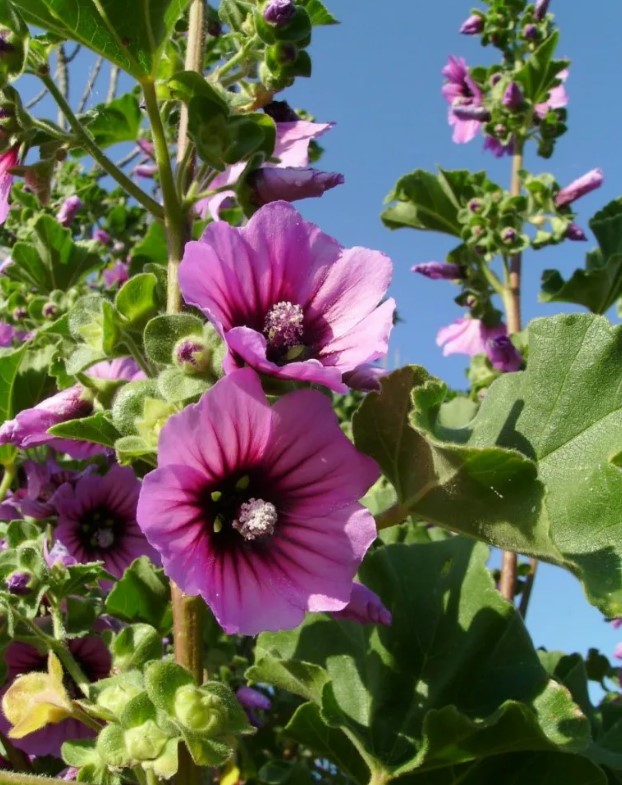
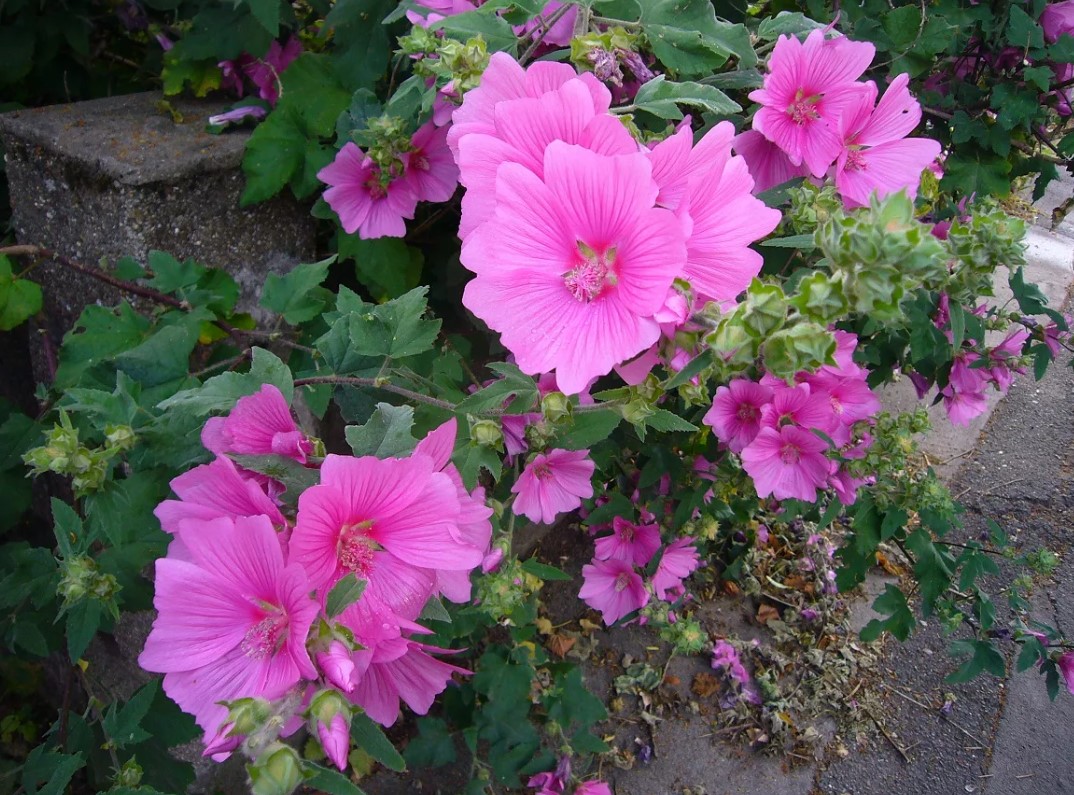
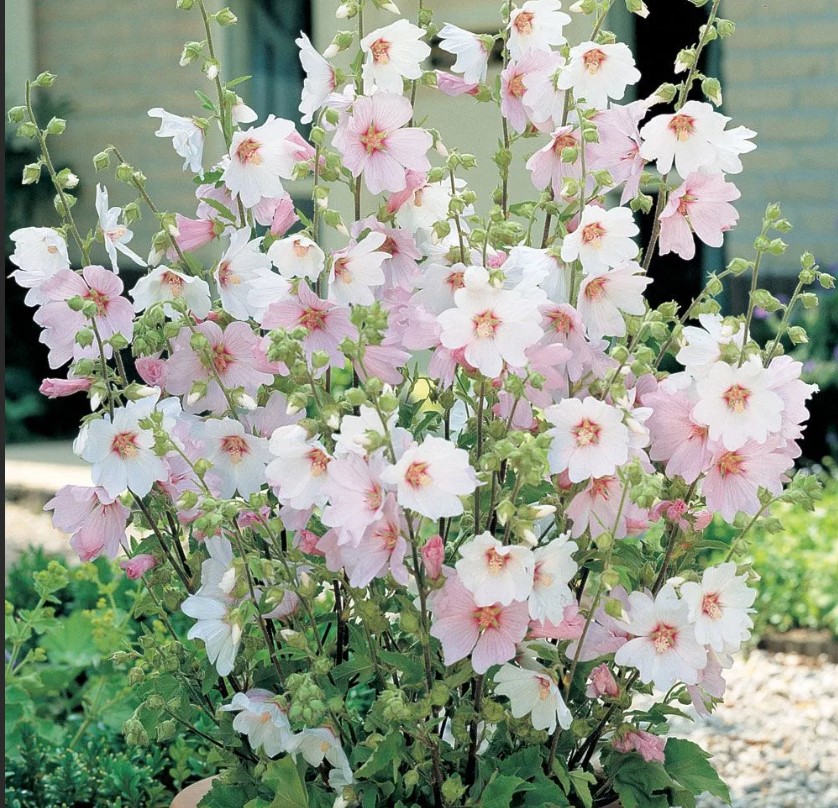
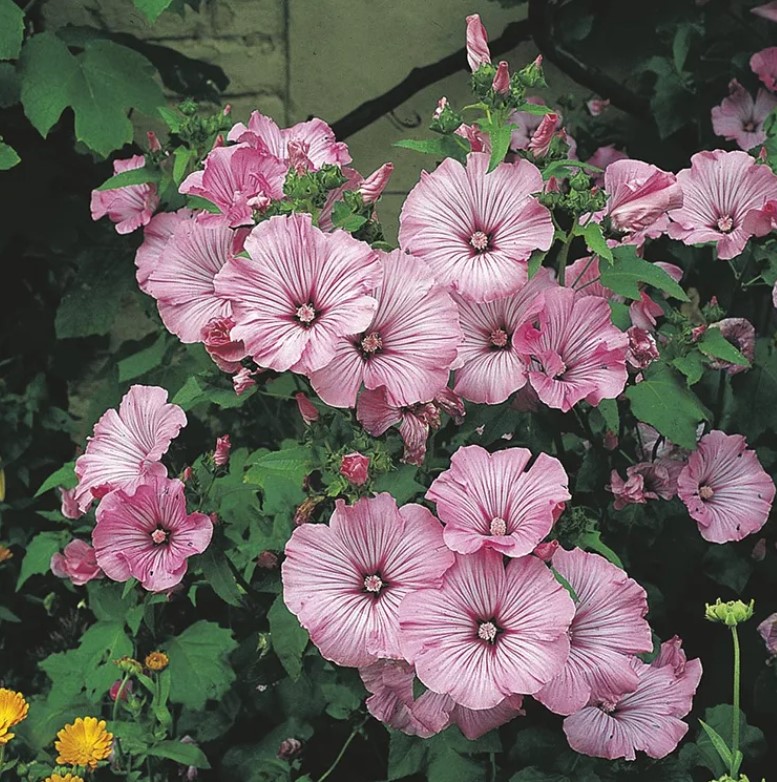
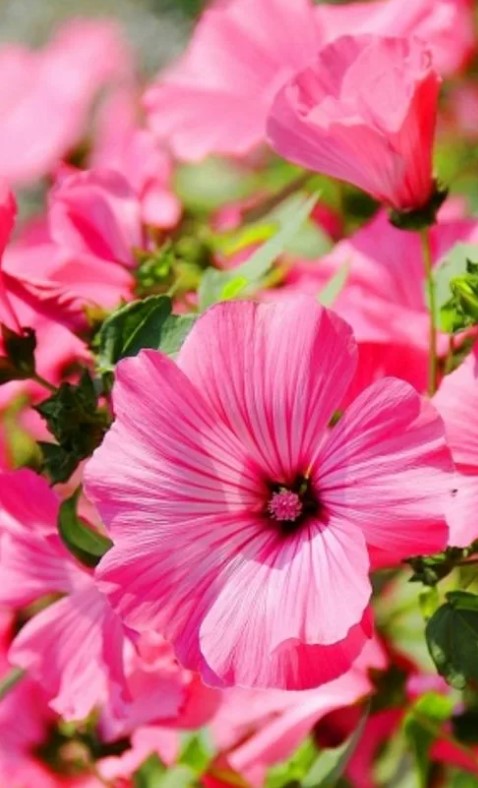
The buds are large—up to 10 cm in circumference. Petals can be white, crimson, ruby, purple, pink, or, rarely, yellow. They are borne singly or in groups of several in the axils of the bracts. They are gathered in spike-shaped or racemose terminal inflorescences. Flowering begins in June and doesn't finish until October. You can see what Lavatera looks like in the photo.
Lavatera (Mallow) flower photo gallery
Brief information about planting and caring for Lavatera in the table
The table shows general information about sowing, planting and caring for Lavatera.
|
Deadlines |
|
|
Lighting |
Bright sunlight. |
|
Substrate requirements |
Loose, light, with good drainage. Doesn't have high fertility requirements. |
|
Watering |
Moderate. |
|
Garter |
Only tall species require support. Staking is done to a support that is installed during planting. |
|
Top dressing |
Only necessary when planting in poor soil. Apply once every 4-8 weeks using complex mineral mixtures for flowering plants. |
|
Reproduction |
With seeds. |
|
Insects |
Aphid. |
|
Diseases |
Rust. |
5 species and 24 varieties of Lavatera
There are over 25 species of wild roses. However, only a few are grown in gardens. New varieties are constantly being developed. Let's take a closer look.
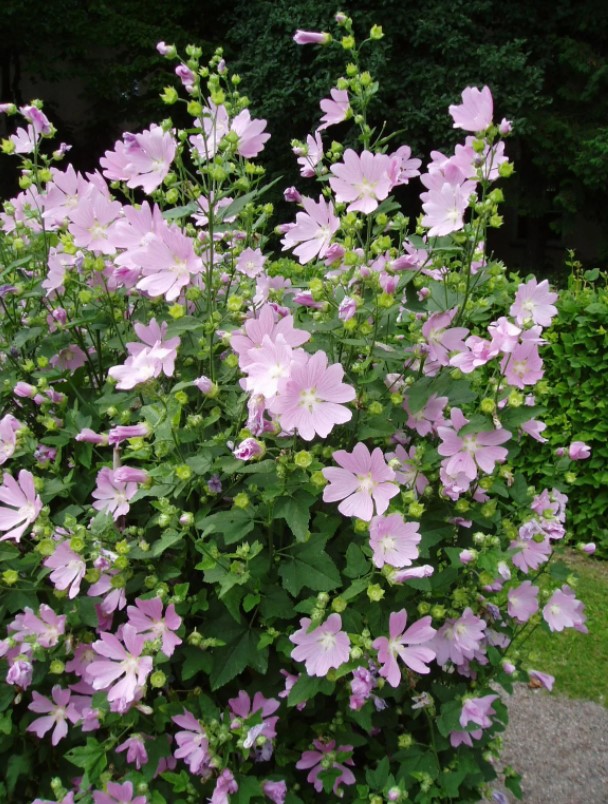
Three-month Lavatera (Lavatera trimestris)
A tall annual with serrated or lobed leaves and large, solitary flower buds. The closer to the top they are, the shorter the flower stalks will be. Common varieties of three-month Lavatera (Trimalou) include:
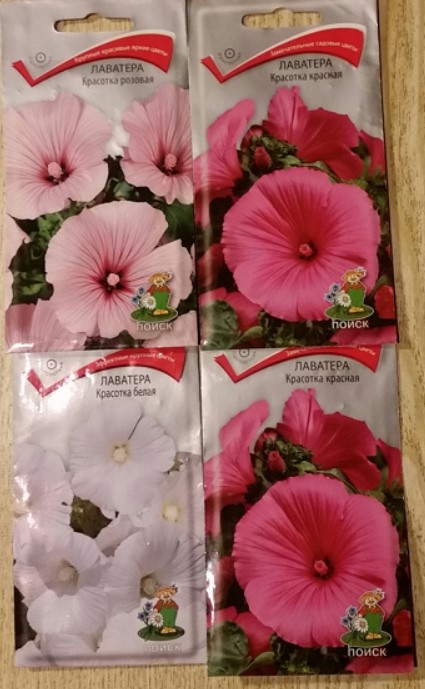
- Beauty - can be pink, white, red;
- Melange - flowers from white to pink;
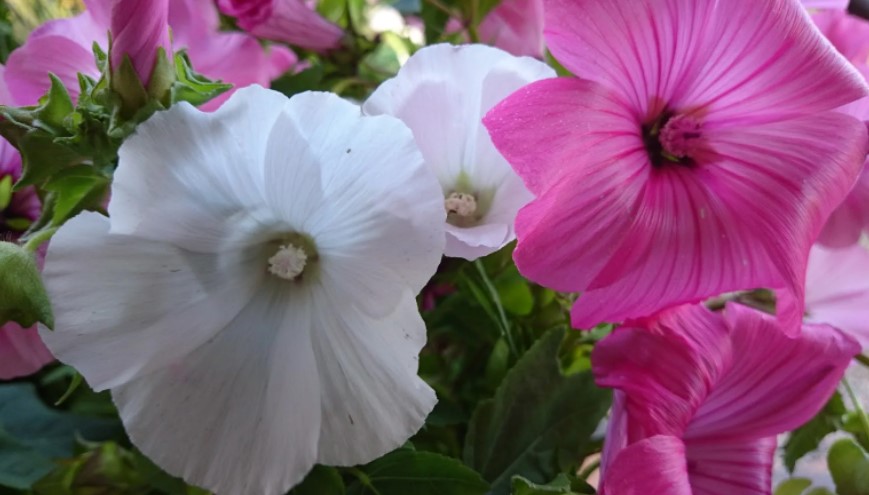
- Silver Bowl - salmon flowers;
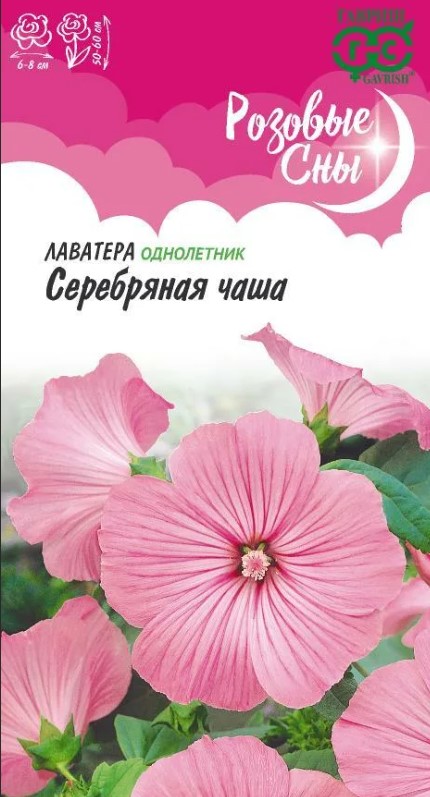
- Silver Cup - flowers are pink with burgundy stripes, have a silvery sheen;
- Ruby Queen - large red flowers;

- Mont Blanc;
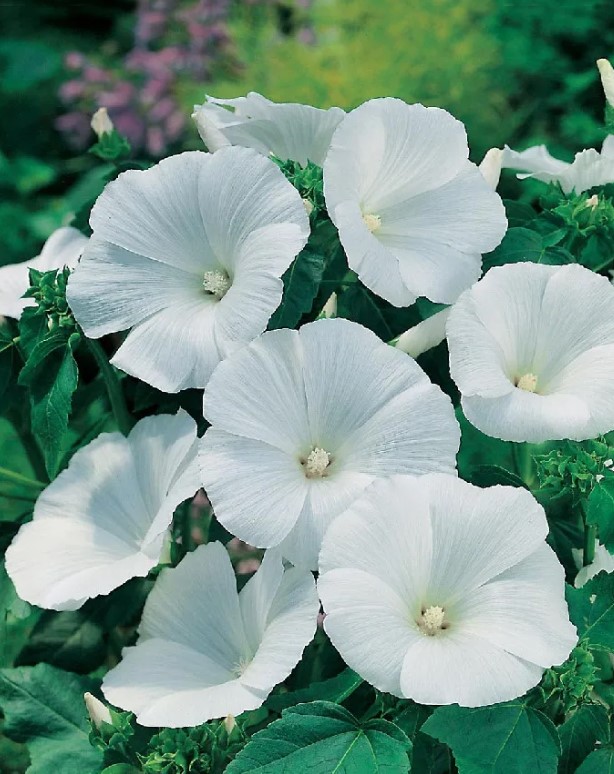
- Blush Dwarf - white flowers with pink veins;
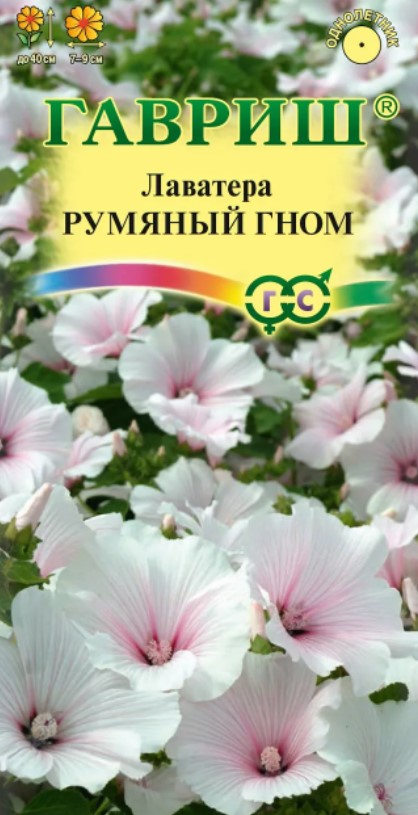
- Lavalines - deep pink with darker veins;
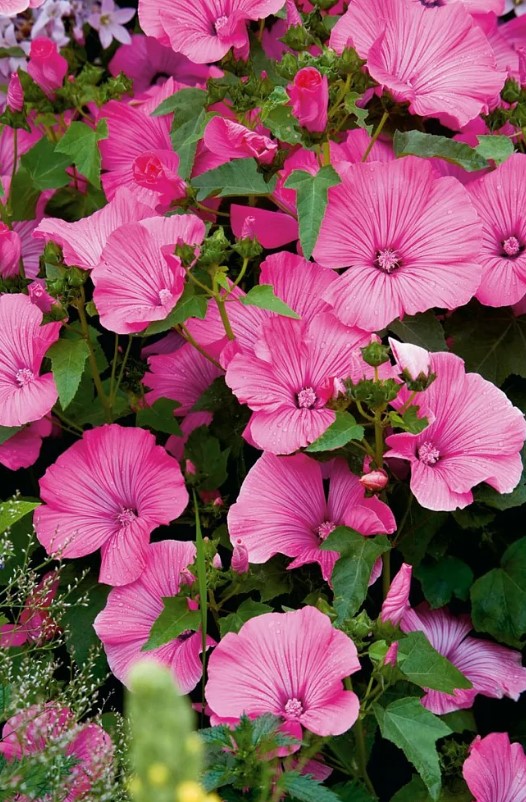
- Lada - flowers are deep pink with bright veins;
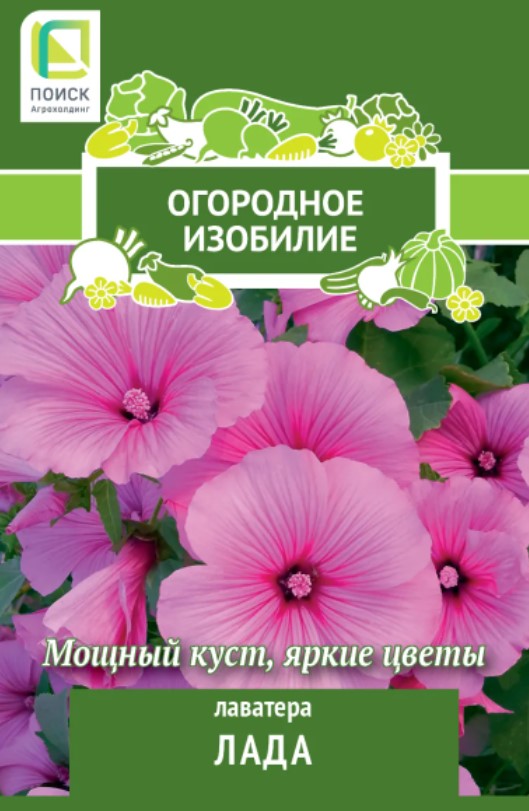
- Novella is a pink lavatera;
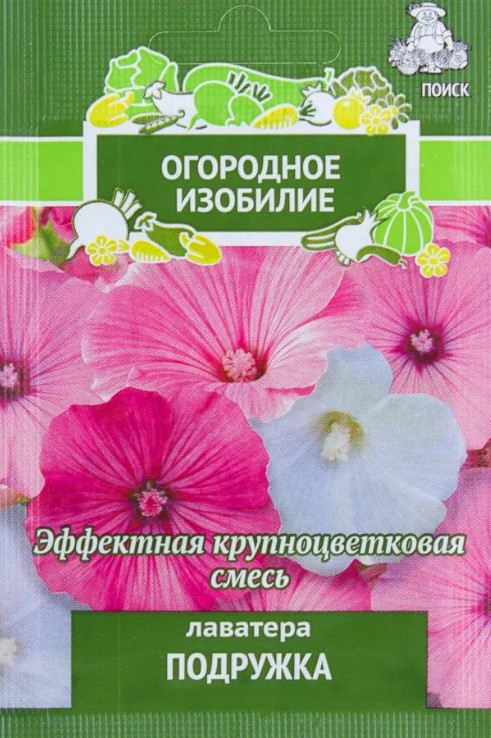
- Girlfriend is a mix of pink and white flowers;
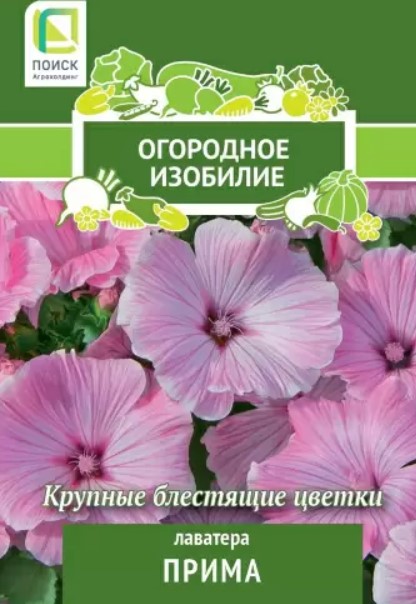
- Prima is a bright pink flower with darker veins;
- Ruby - large ruby flowers;
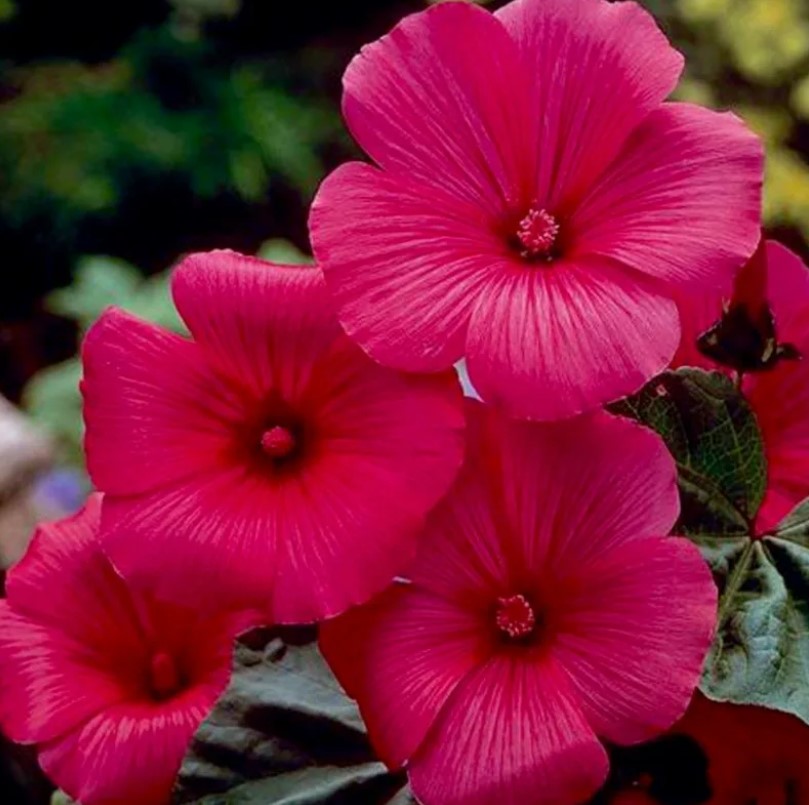
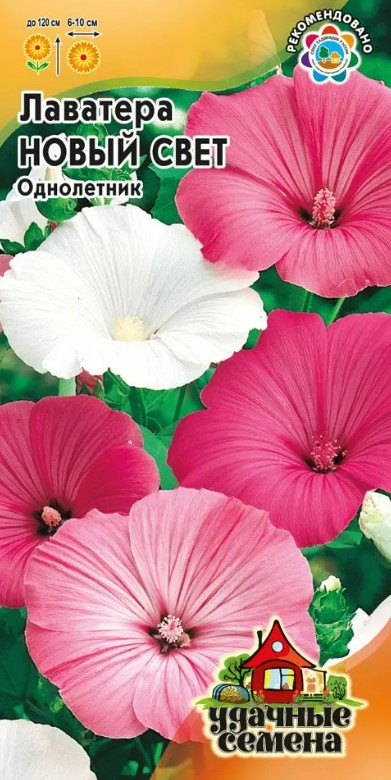
- Lavatera New World (metallized series) - a mixture of white and pink flowers;
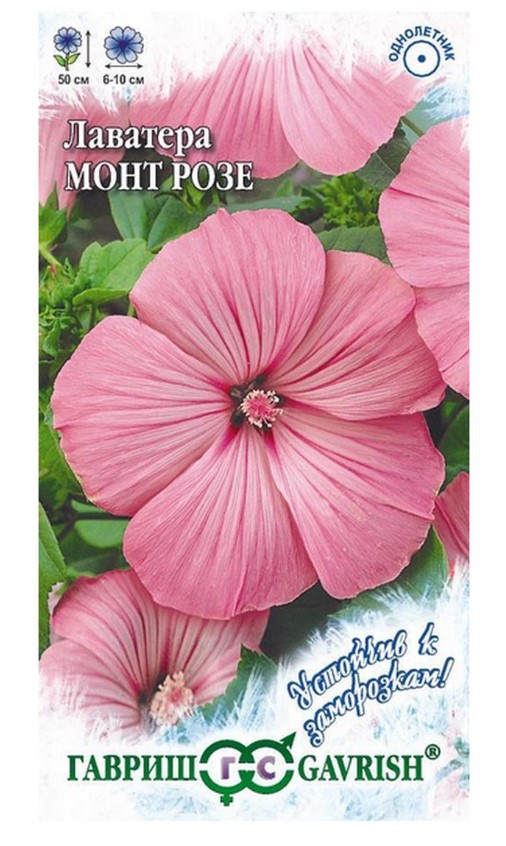
- Montrose - intense pink flower color, cold and drought-resistant variety;
- Princess - flowers with silver highlights;

- Pink Magic - deep pink inflorescences.
According to descriptions, the buds are typically crimson, pink, or snow-white. New varieties of this species are constantly being developed. Seeds are available from various companies: Aelita, Poisk, Gavrish, Plasma Seeds, Ogorodnoe Izobilie, Udachnye Seeds, and others.
Read more about annual Lavatera and its varieties in the articleLavatera annua: planting and care, 15 varieties with photos and descriptions, reviews.
Cretan Lavatera (Lavatera cretica)
Native to southern latitudes, it nevertheless thrives in temperate climates. The shoots and serrated leaves are pubescent. The flowers are medium-sized—up to 4 cm—and come in purple, soft pink, and lilac.
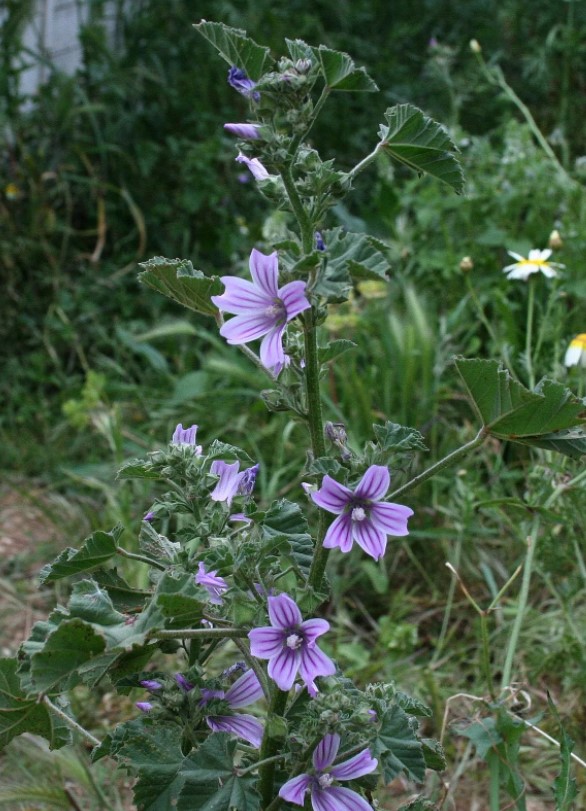
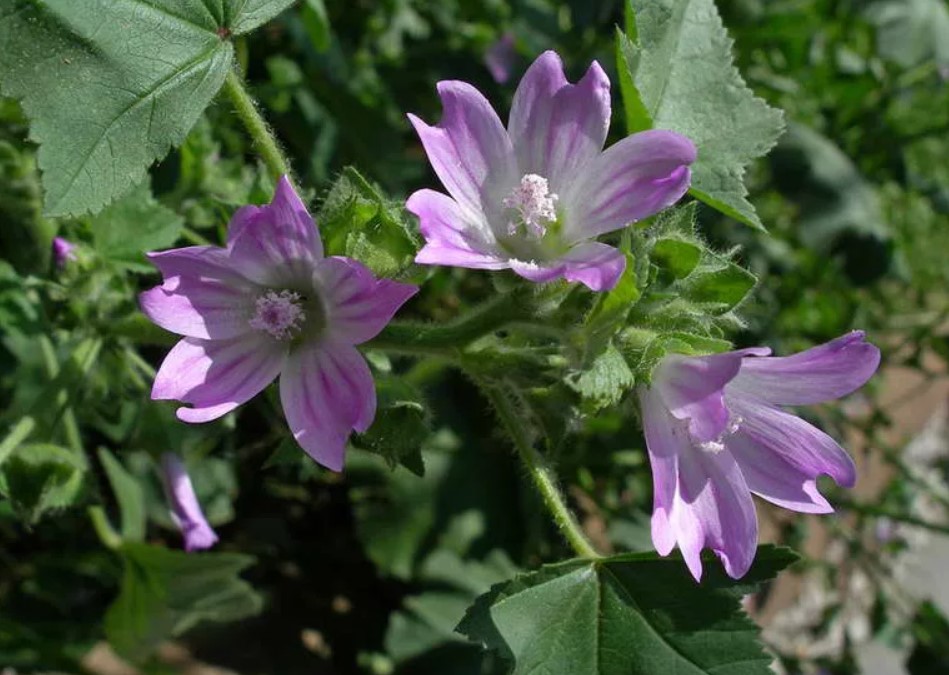
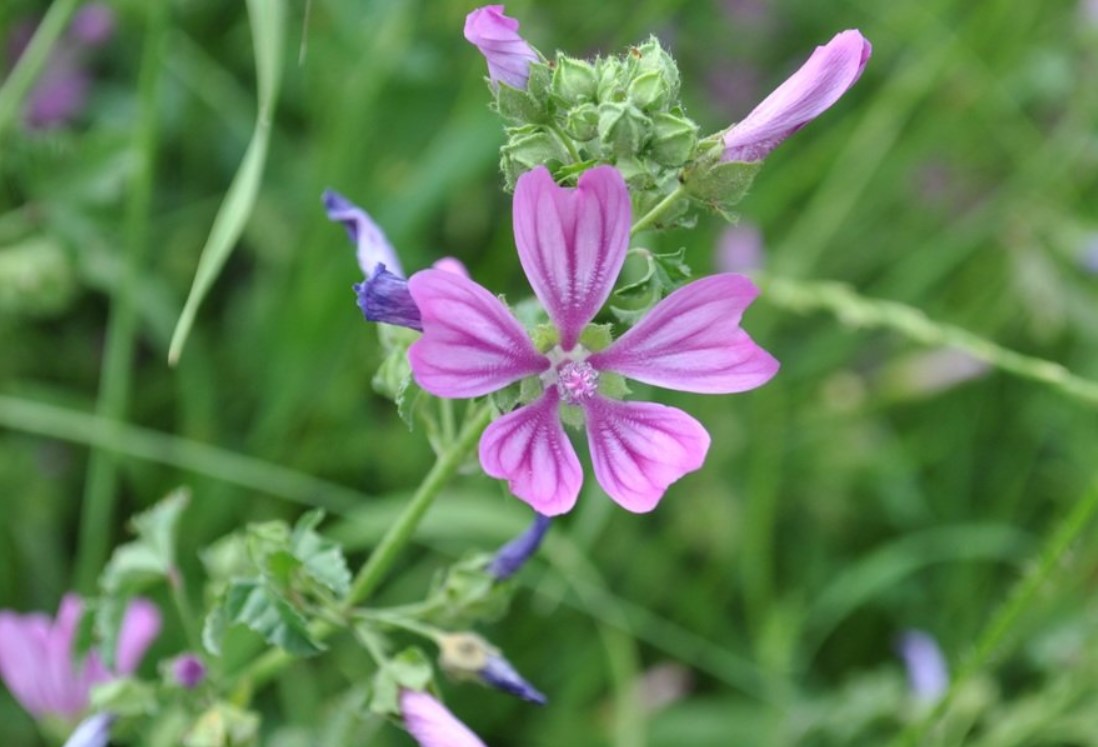
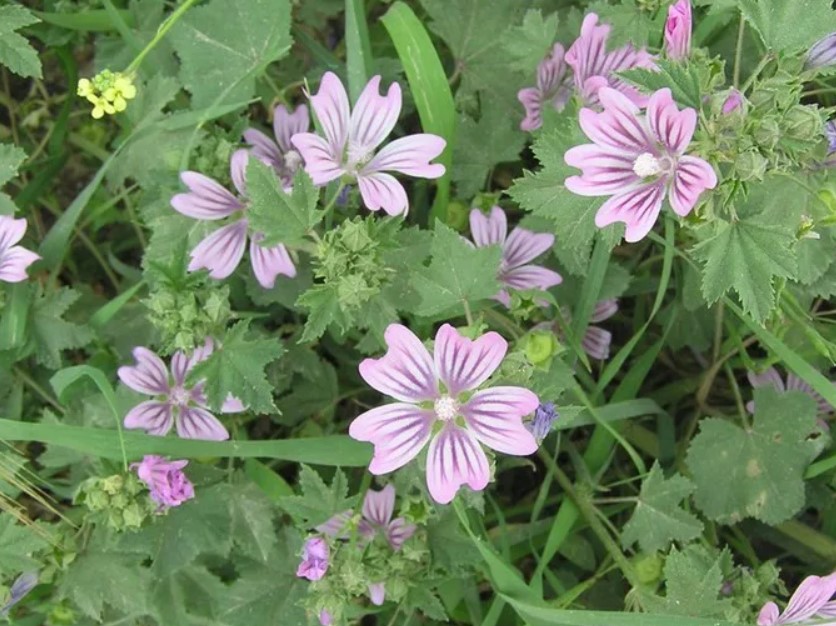
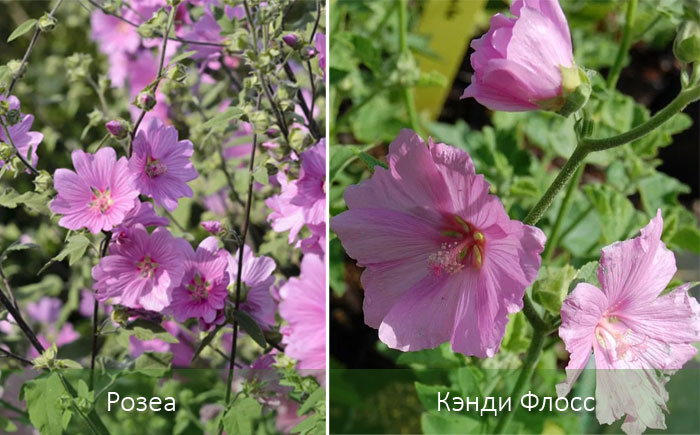
Lavatera arborea
A tall, annual or biennial species, its straight shoots resemble tree trunks. The leaves are large, reaching 20 cm in length. The flowers are red or purple, reminiscent of hibiscus (Chinese rose).
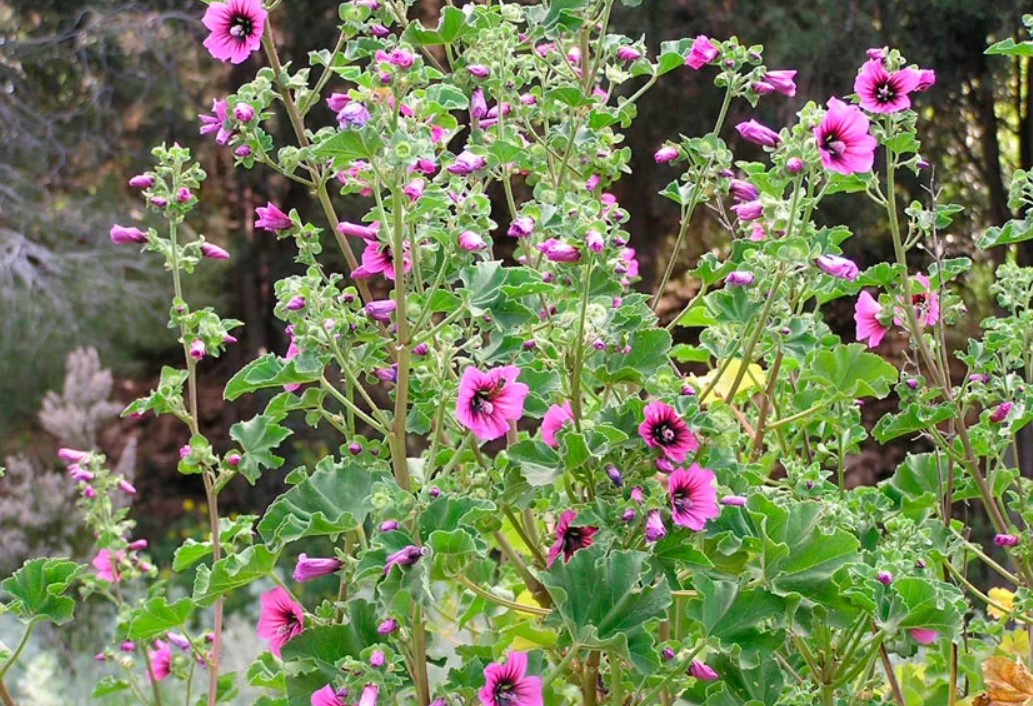
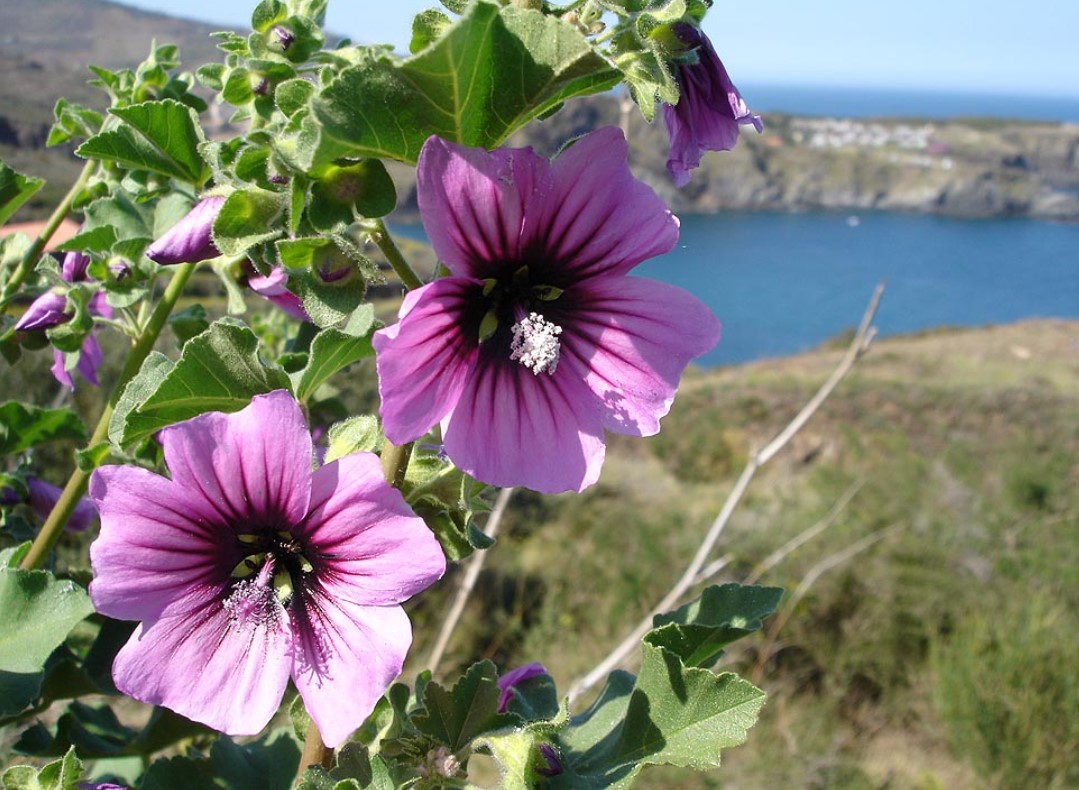
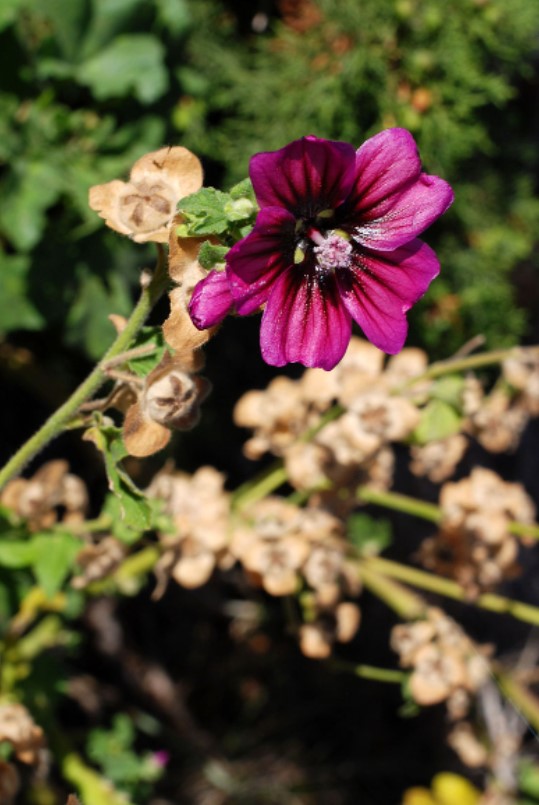
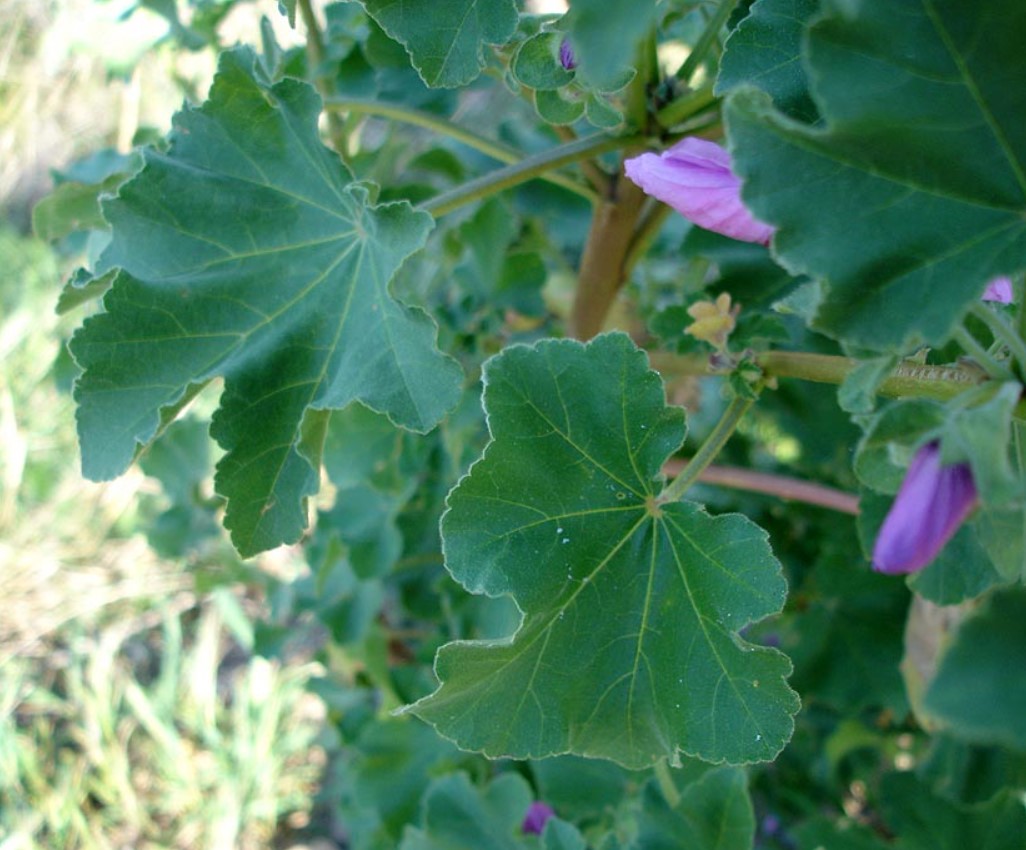
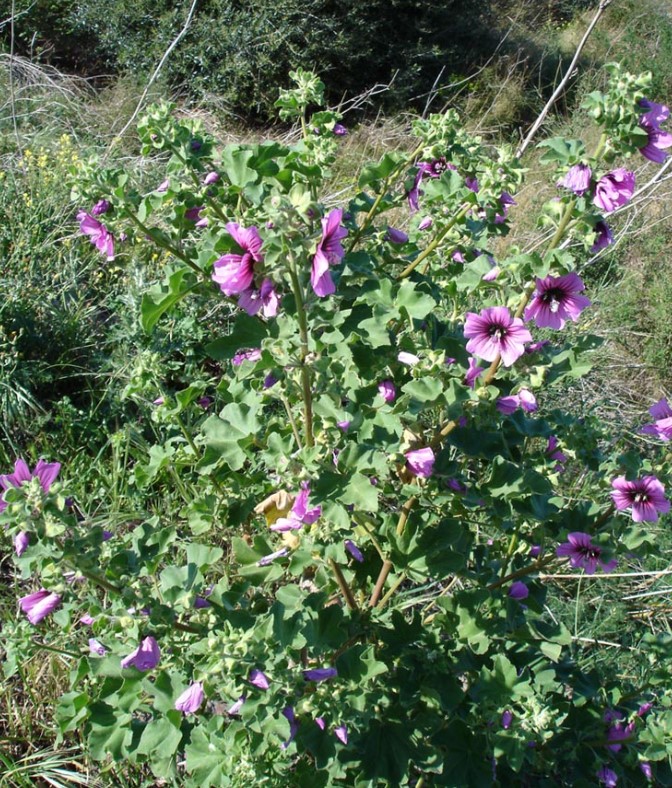
The most popular varieties are Candy Floss and Rosea.
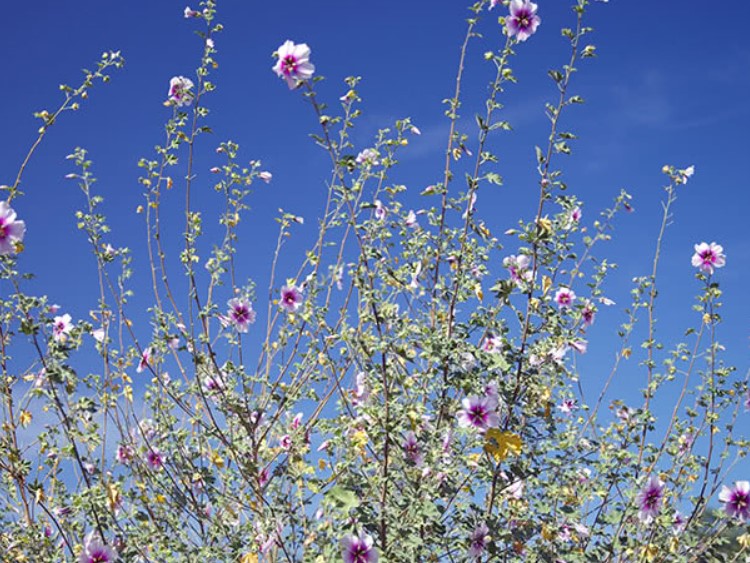
Lavatera thuringiaca
A perennial species of Lavatera, also known as dog rose, it forms sturdy, branched, heavily leafed bushes. Unlike other species, it can reach a height of 200 cm. The leaves have a silvery sheen and are pubescent. The flowers are lilac, pink, or purple. They are large, borne on elongated stems, and are nectarine plants. Blooms from June to September. This species has medicinal value, and its fibers are used to make twine and rope.
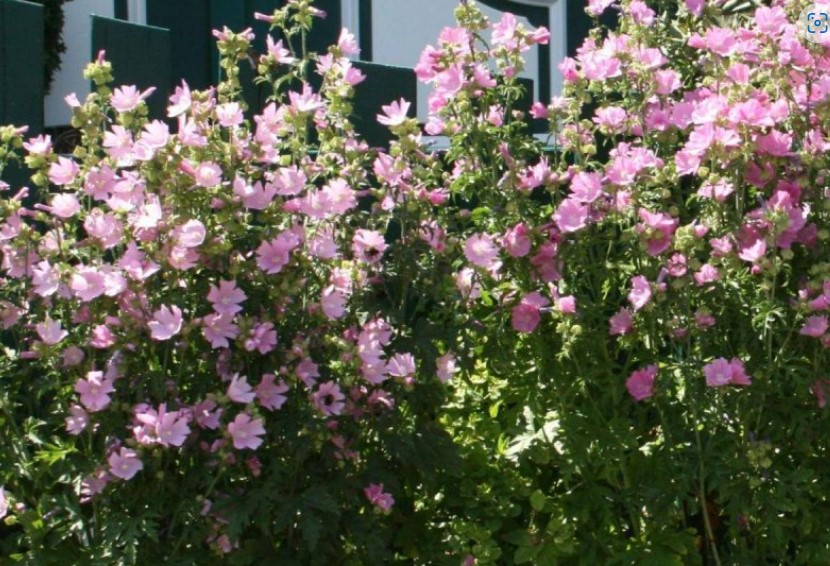
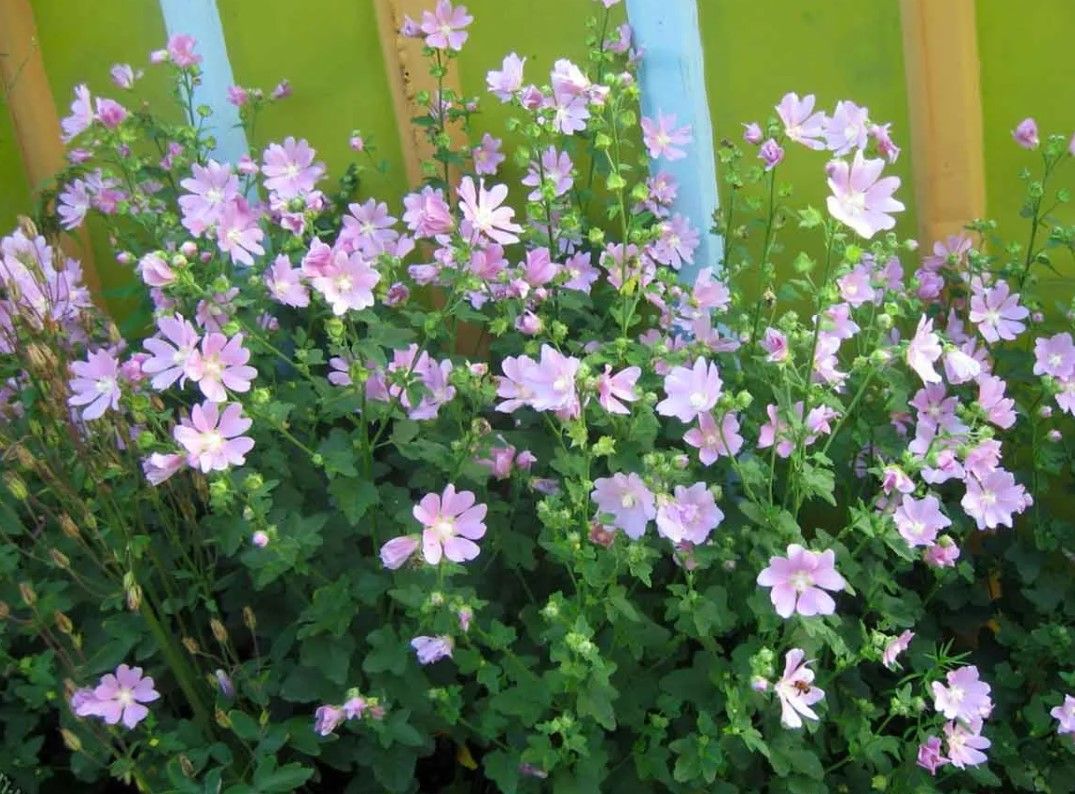
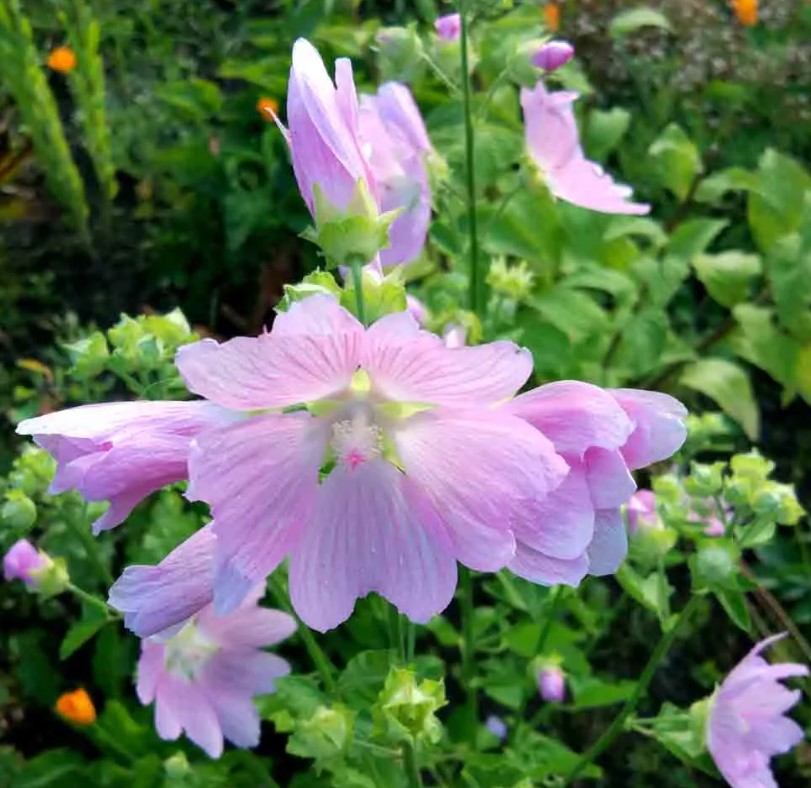
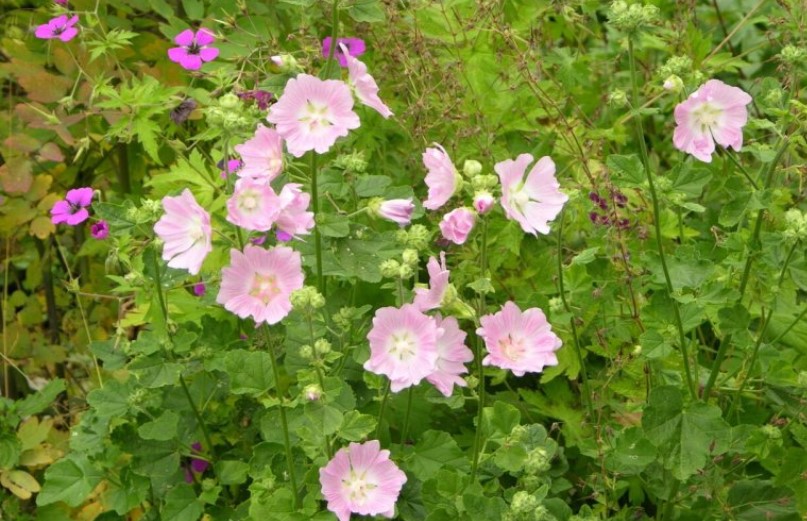
Some of the most popular varieties of Thuringian Lavatera:
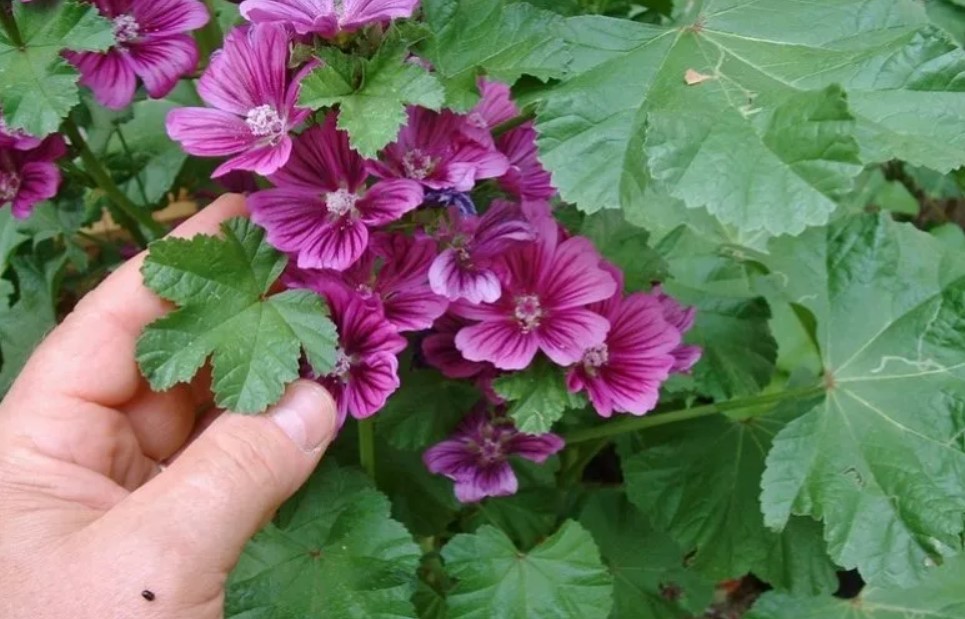
- Mystic Marlin - a rich lilac color with bright burgundy stripes;
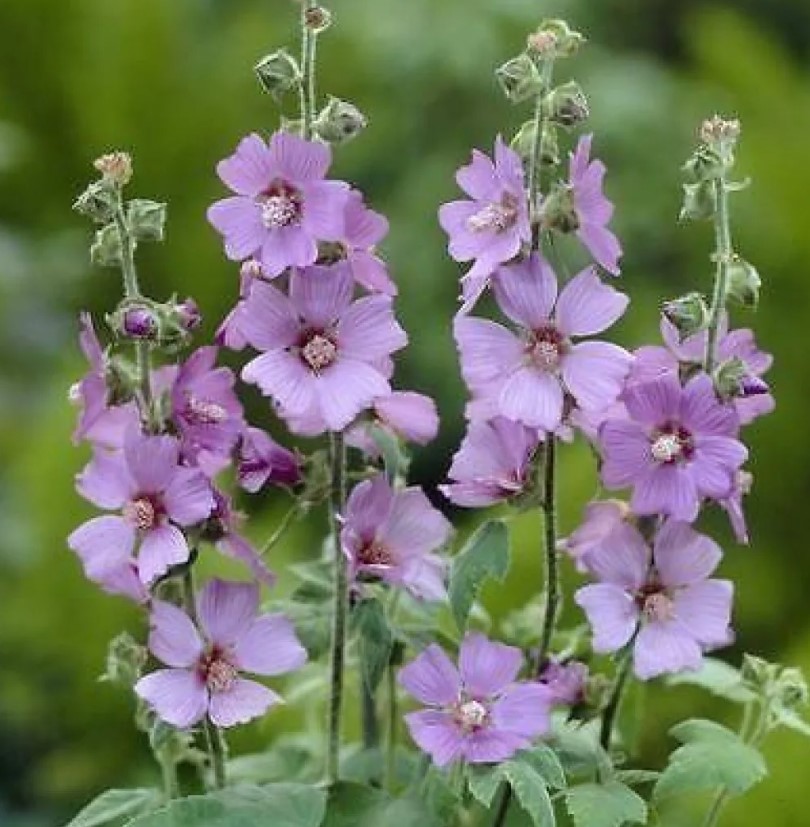
- Lilac Lady - light lilac shades;
- Ai Catcher - deep pink inflorescences;
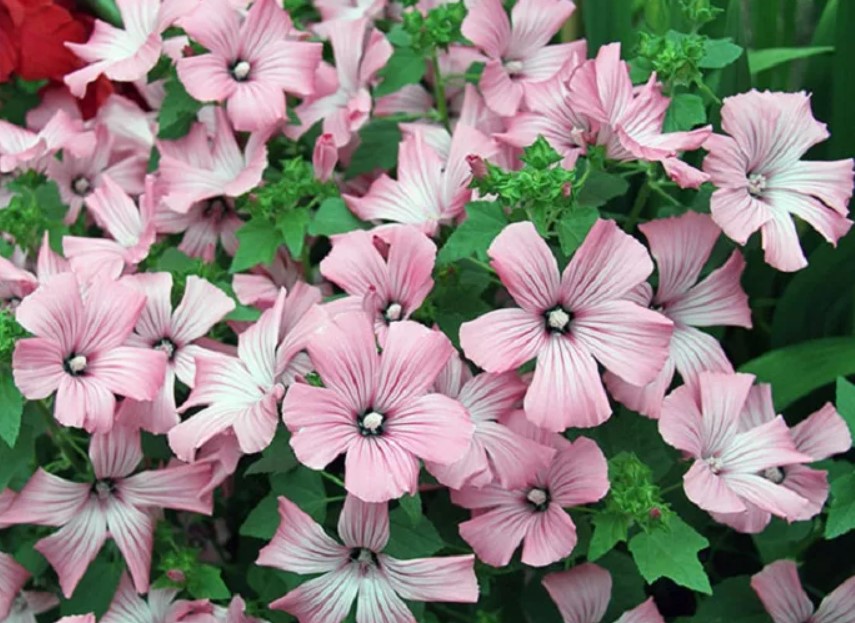
- Barnsley Baby - white flowers that gradually turn soft pink;
- Bregon Springs - deep pink flowers with crimson veins.
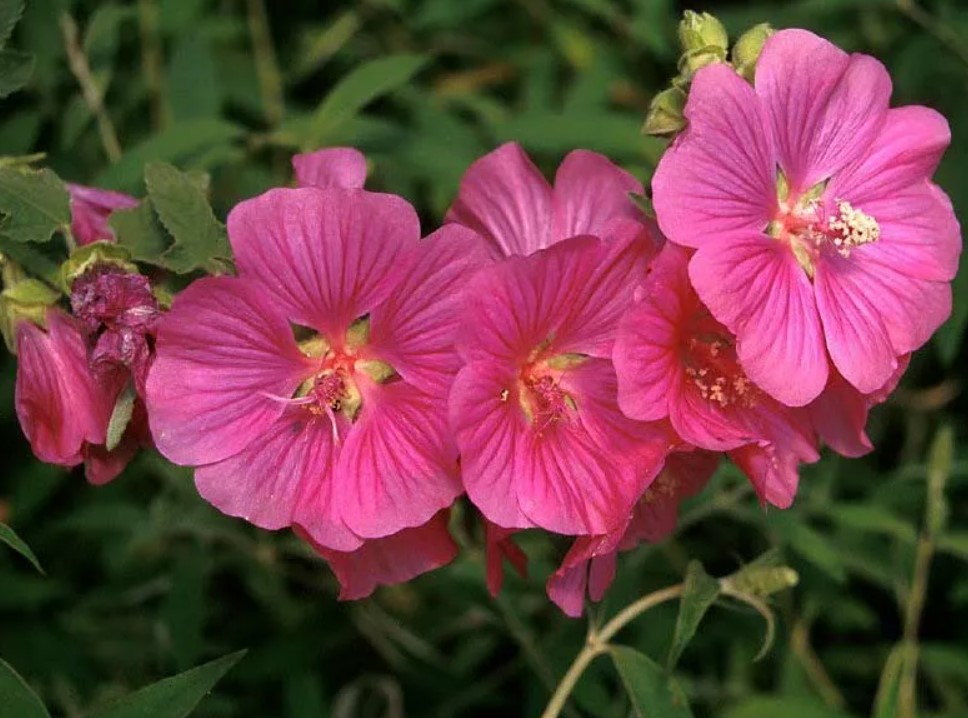
Lavatera mauritanica
This is a heat-loving annual or biennial species, recommended for growing in southern regions. The petals are unique, featuring two-tone coloring (lilac and violet).
Growing Lavatera
This plant is grown in two ways: through seedlings and by sowing seeds directly into the garden.
Sowing in the ground
Lavatera - growing in open ground step by step:

- Dig up the beds, adding compost and nitrophoska (10 l and 2 tbsp per 1 sq. m, respectively).
- Level the ground, make furrows 1.5 cm deep.
- Water the furrows with warm, settled water and sow only completely dry seed material.
- Sprinkle the top with garden soil mixed with humus in equal quantities.
- Cover the crops with covering material, for example, ordinary plastic film.
The first shoots emerge within a week. When they reach 5 cm in height, remove the covering material, thin the seedlings, and carefully earth them up.
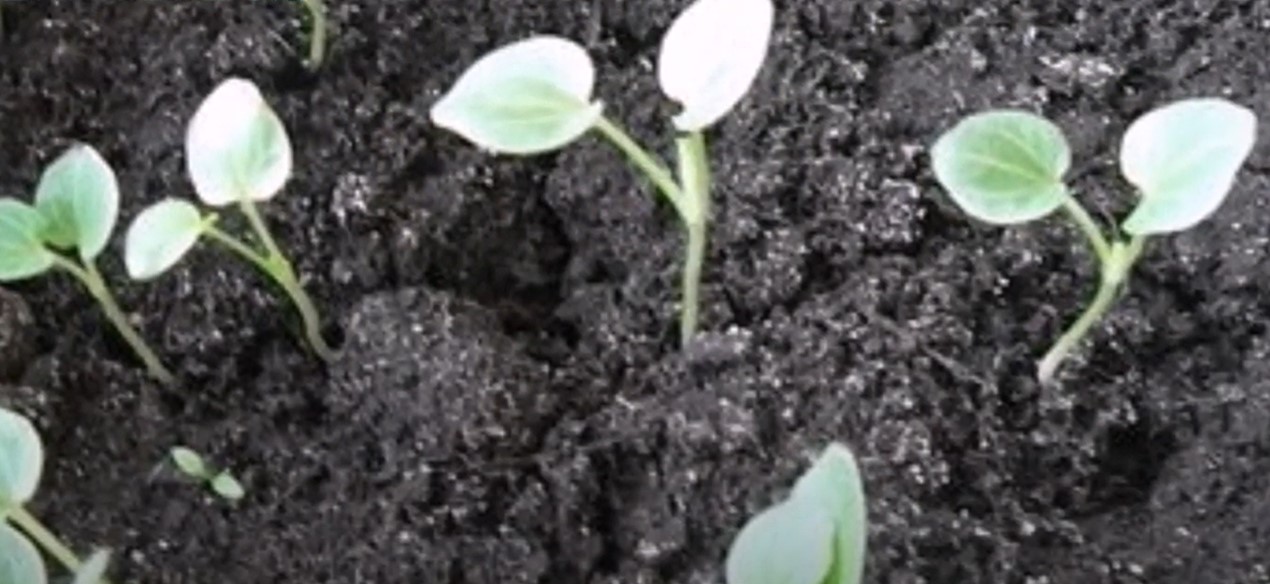
Please note! If nutrients were not added during digging, plants should be fed with complex mineral compounds immediately after removing the covering material.
Sowing for seedlings
Growing Lavatera from seedlings is preferable, as this method will result in early flowering. Step-by-step instructions for sowing seedlings at home:
- Place a drainage layer in the pot. Top with a nutrient-rich soil specifically designed for Lavatera.
- Water the soil with water at room temperature.
- Deepen the seeding material by 1 cm. Cover the flowerpot with glass or plastic film.
- Place the seedlings in a well-lit place.
The first shoots appear in about 2 weeks.
Caring for Lavatera seedlings
After planting, remove the cover daily to allow air to air out and remove condensation. Moisten the crops as needed with a spray bottle.
Once the sprouts emerge, remove all covering. The seedlings will require additional lighting, as they become very elongated and thin without adequate light. Grow lights or table lamps can be used. Further care consists of regular watering and rotating the pot clockwise to distribute the light evenly.
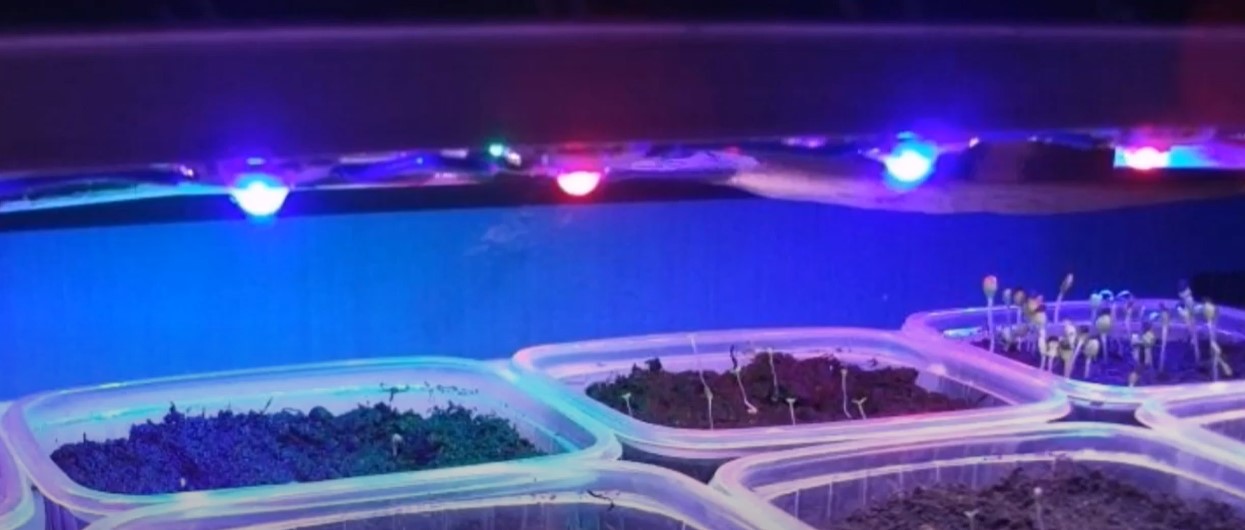
Please note! Lavatera seedlings don't need to be pricked out. In the second half of May, when the soil has warmed sufficiently and the risk of frost has passed, they can be planted directly in the garden. There, they will show off their full glory.
Planting Lavatera seedlings in the ground
Lavatera perennials don't have any special planting or care requirements. However, to ensure strong plants, some guidelines should be followed.
Planting dates
Transplant seedlings to their permanent locations once the threat of frost has passed, including at night. In southern regions, the favorable time is late April, while in central Russia, the Irkutsk region, the Urals, and Siberia, it's the last days of May. It's recommended to consult the lunar calendar.
| Months | Favorable days | Unfavorable and prohibited dates |
| March | 1-5, 8 (from 17:43)-13 (until 10:21), 15 (from 15:05)-17 (until 17:24), 19 (from 18:12), 20 (from 20:21), 23 (from 21:41)-25, 28 (from 13:21)-31 | 6 (from 15:39), 7, 8 (until 15:39), 17 (from 17:24), 18, 19 (until 18:12), 20 (from 20:21), 21, 22 |
| April | 7 (from 09:29 a.m.)-9 (until 15:57 p.m.), 16-17, 21 ((7:13 a.m.)-22 (until 1:11 p.m.), 24 (from 21:58 p.m.)-27 (until 9:29 a.m.) | 1, 2 (up to 13:58), 5, 6, 7 (until 09:29), 19, 20 |
| May | 4 (from 5:31 p.m.) -4 (until 8:34 p.m.), 9-10, 13 (from 07:39 a.m.)-15 (until 10:56 a.m.), 17 (from 15:26)-18 (until 18:52), 22-24 (until 17:34, 29 (from 17:50)-31 | 5, 6, 11, 12, 13 (until 07:39), 15 (from 10:56)-17 (until 15:26), 19, 20 |
| June | 1-2, 9 (from 13:14)-11 (until 16:19), 13 (from 9:30 p.m.) - 15, 19-20, 23 (from 13:34) -30 (until 17:59) | 3, 4, 17, 18 |
How to plant Lavatera
Before transplanting to its permanent location, it's recommended to harden off the Lavatera. To do this, start by placing it outdoors (for example, on a balcony) a week before planting. Start for 5 minutes, gradually increasing the time. On the last day, leave it outdoors for the entire day and night.
Step-by-step instructions on how to plant Lavatera seedlings in open ground:
- Choose a well-lit spot in your garden, dig it over, and loosen the soil. The correct location directly affects the flowering period.
- Dig holes 20 by 25 cm. Water them with warm, settled water.
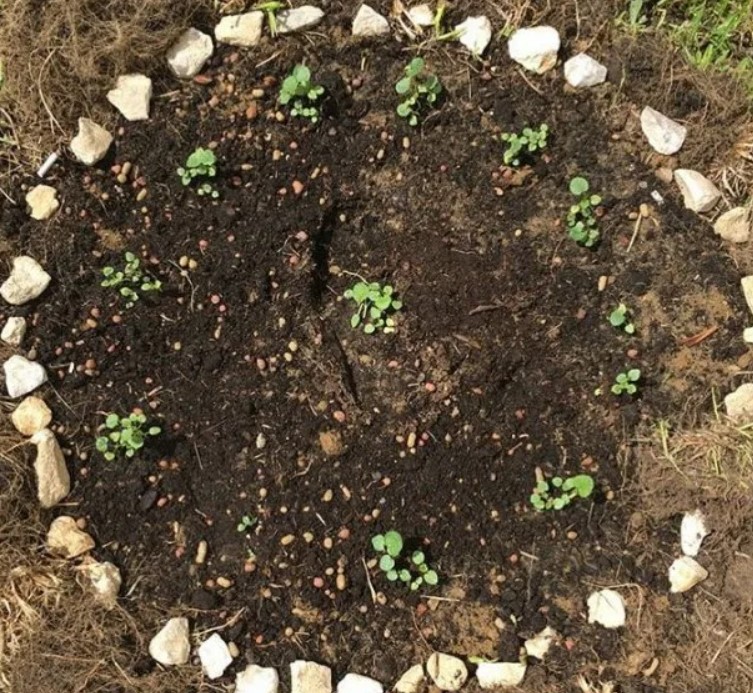
- Place the seedlings in the center of the holes, spreading out their roots and covering them with soil. Lightly compact them.
As a rule, Lavatera seedlings tolerate transplantation well and quickly adapt to a new location.
Caring for Lavatera
To ensure that the plant develops well and blooms profusely, it is necessary to follow basic agricultural practices.
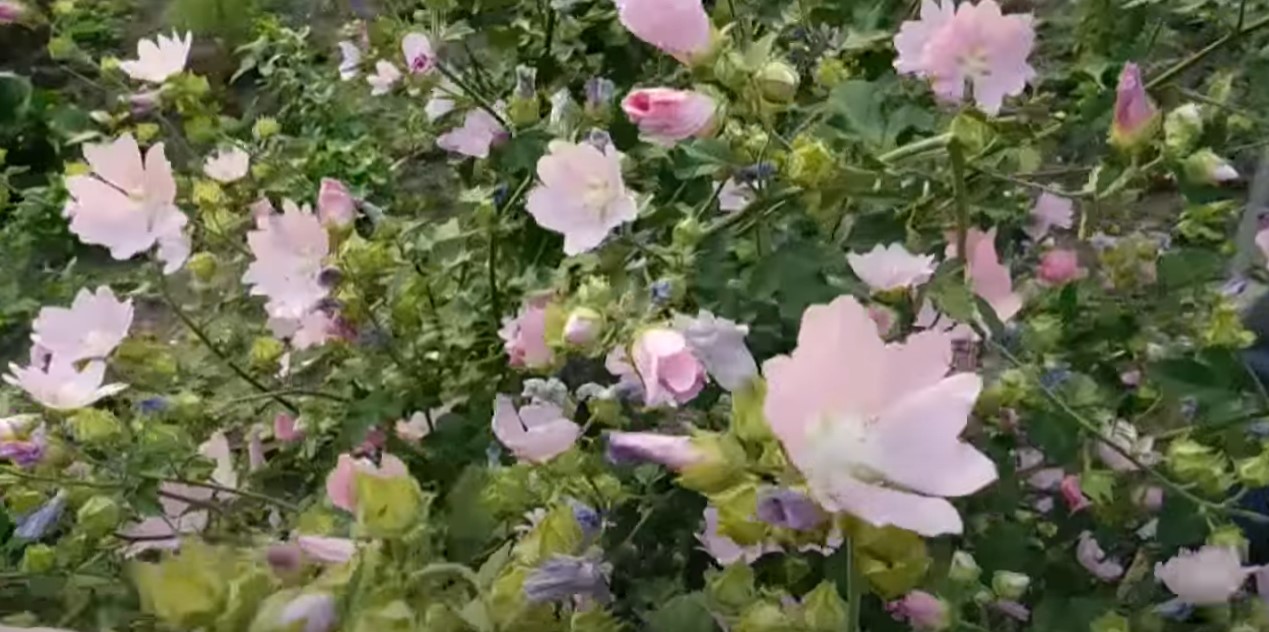
Lavatera is planted in a well-lit spot. In the shade, it develops and blooms less well. Fewer buds appear, they are smaller, and not as vibrant.
Lavatera is a drought-tolerant plant, but it still requires watering. Without water, it won't be able to properly absorb nutrients from the soil. Avoid overwatering, as this will cause the roots to rot. In hot weather, watering once a week is sufficient. A mature plant requires 2-3 liters of water, as the root system extends deep into the soil. Without water, they simply won't be able to absorb the moisture. In moderately hot summers, water once every 2-3 weeks. If it rains, watering is unnecessary; natural precipitation will suffice.
Pinching the main stem is not necessary. However, pinching will result in more abundant flowering.
Lavatera can thrive without fertilizing. However, for better growth and lush flowering, it's recommended to apply fertilizer twice a day during the growing season:
- The first application is made after the seedlings have acclimated to their permanent location. Use 1 tablespoon of urea and nitrophoska diluted in a bucket of water. If you're planting seeds or already fertilized seedlings in open ground, skip the first application.
- The second feeding is done during the budding period. One tablespoon of sodium or potassium sulfate, diluted in a bucket of water, is added under each bush.
Please note! If the soil where Lavatera grows is fertile, there is no need for fertilizer. Fertilizer is used only in poor soils.
Annual species are completely removed in late autumn. The plant can reproduce by self-seeding. If the seeds ripen and fall, new bushes will appear in the same spot the following year, but only in southern regions.
Unlike annual Lavatera, biennial (perennial) plants need to be prepared for winter so they can be preserved for the following year. To do this, bend the branches toward the ground and secure them with a stapler. It's best to keep them off the ground to prevent rot. For example, you can place a trellis or a piece of plywood underneath them. Cover them with spruce branches, covering material, or dry leaves.
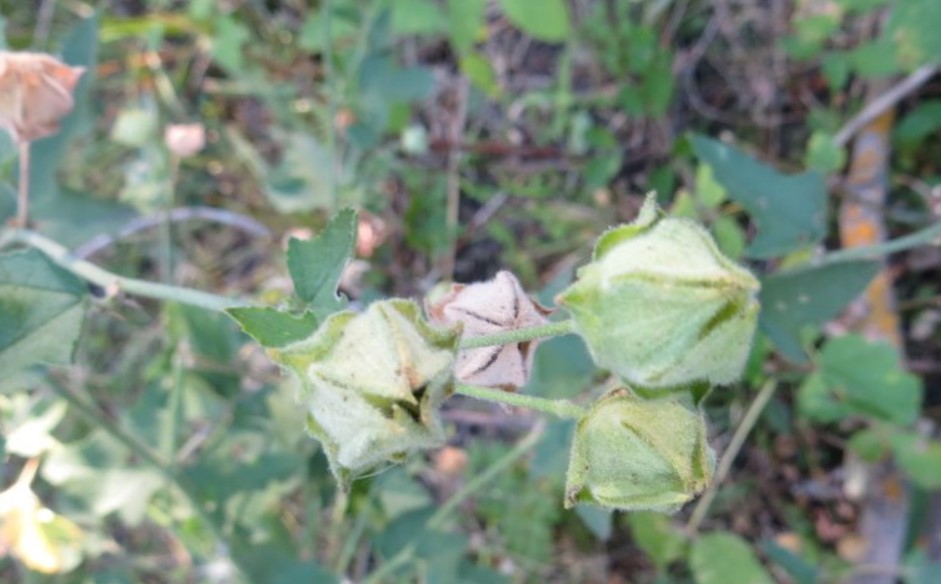
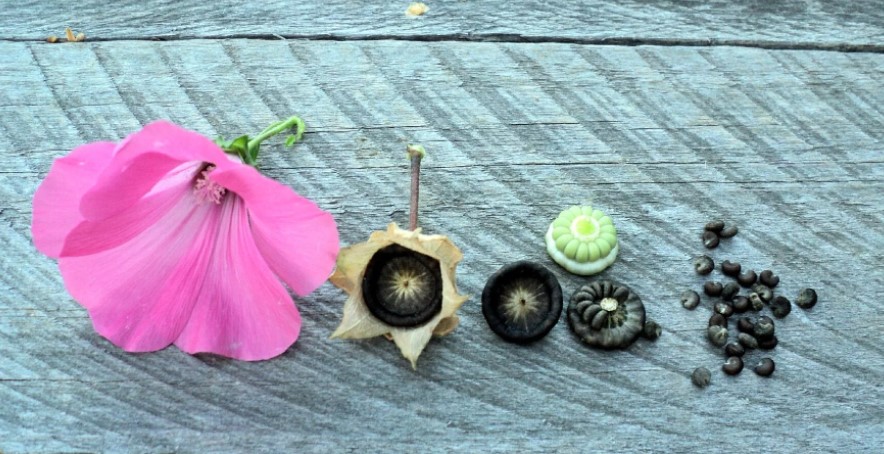
After flowering, the buds begin to develop into fruits—green capsules containing seeds. When they turn brown, you can begin harvesting the seeds. Ripe seeds will be gray-brown and fall easily from the capsule.
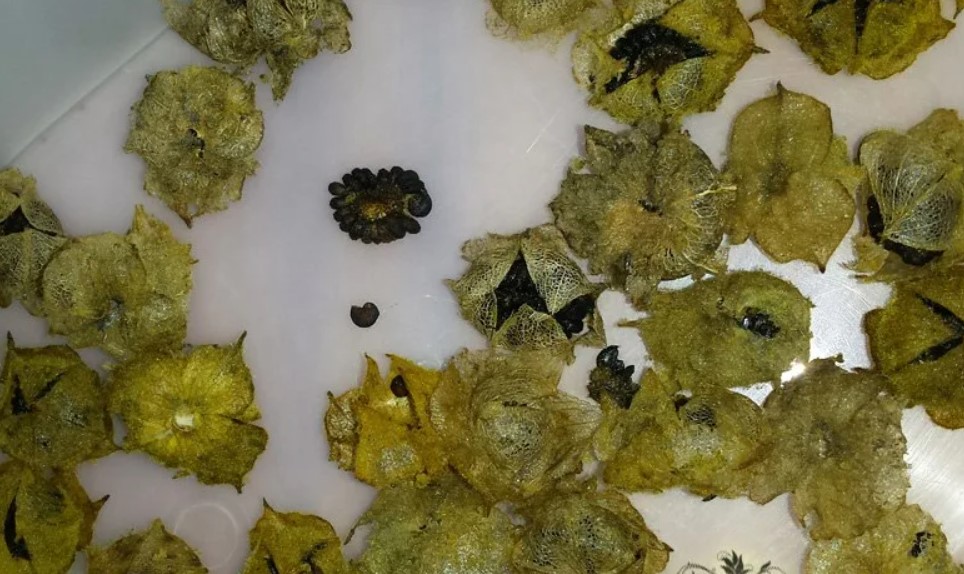
The seeds should be collected in late summer. Be sure to dry them naturally. After harvesting, store them in paper bags or linen sacks.
Diseases and pests of Lavatera
Aphids and rust pose a threat:
- Brown, yellow, and tan spots will indicate the disease. Affected areas should be removed, and the plants treated with Cuproxat or Topaz. If a large portion of the bush is affected, it is best to destroy it.
- If the aphid infestation is minor, folk remedies can help. For example, spraying with a soap solution (300 g in a bucket of water and adding a pinch of pepper). For severe infestations, insecticides (Biotlin, Aktara) will be necessary.
Lavatera is resistant to fungal and bacterial infections. Insects rarely infest it. This usually occurs when agricultural practices are not followed.
Helpful tips on growing Lavatera from Top.tomathouse.com
Some tips for gardeners, which will help make the bushes stronger and more beautiful:
- Tall varieties need to be tied to a support. This will give them a neat appearance and prevent them from falling over in strong winds. Short, dwarf varieties don't need support. Dwarf varieties are not affected by gusts of wind.
- After flowering, remove the flower stalks if you don't plan to collect seeds. This way, the plant won't waste energy on seed maturation and will bloom longer and more vibrantly. Furthermore, faded buds don't look very attractive. After rain, water droplets accumulate on them, which act as a magnifying glass in the sun, potentially causing sunburn.
- For better flowering at the budding stage, it is recommended to apply fertilizers with a high content of potassium and phosphorus, and a minimum of nitrogen.
Overall, the plant is easy to grow. It won't die if left unattended. However, it may lose its beauty.
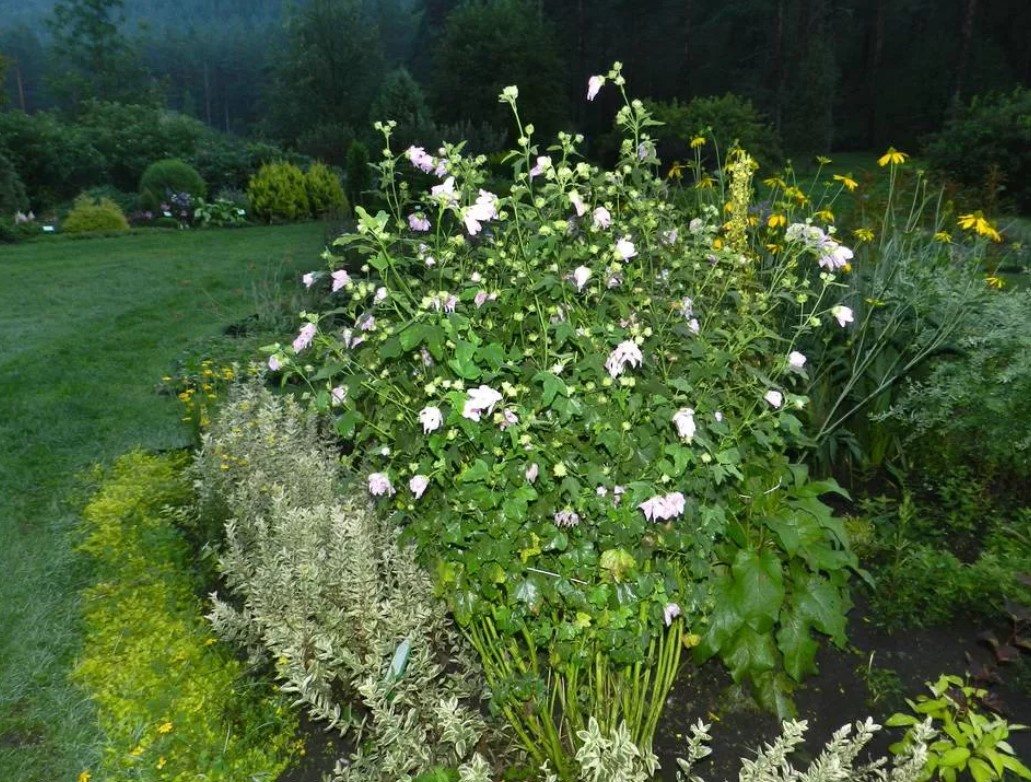
Lavatera in landscape design + 10 photos
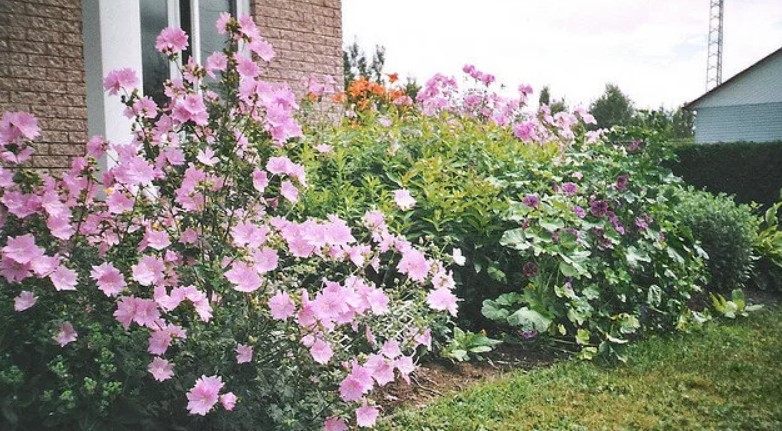
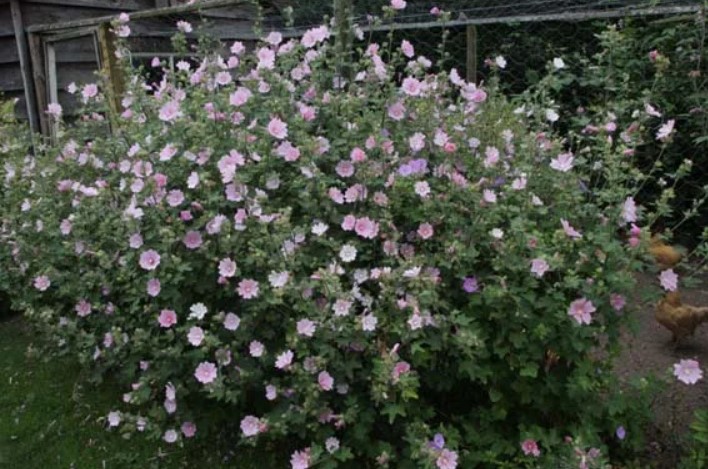
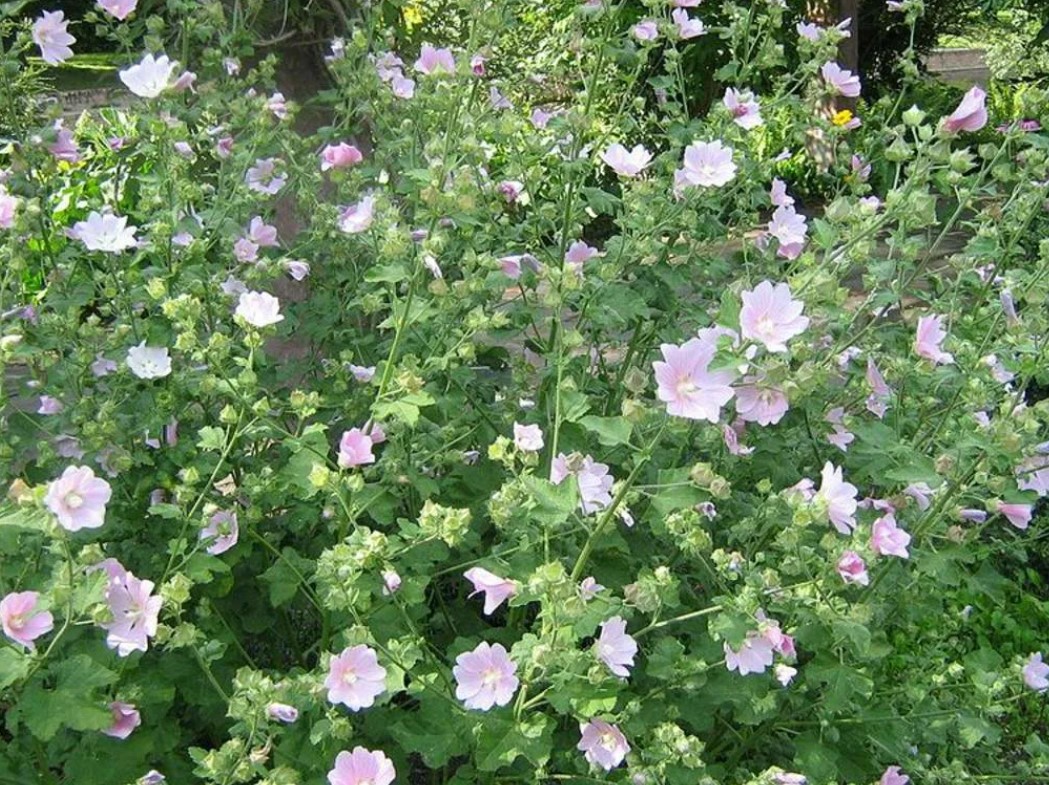
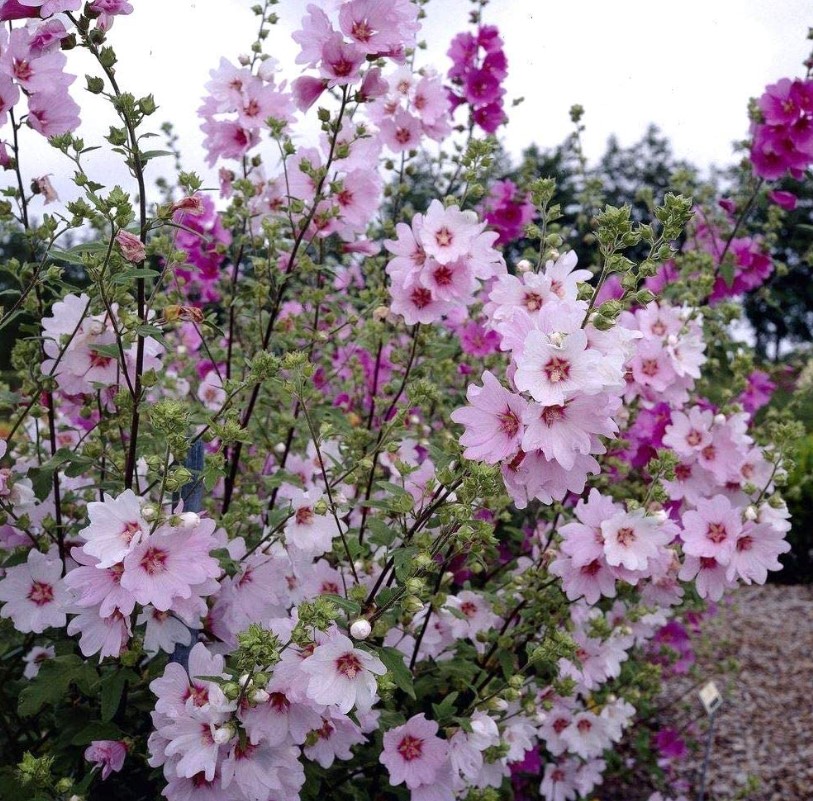
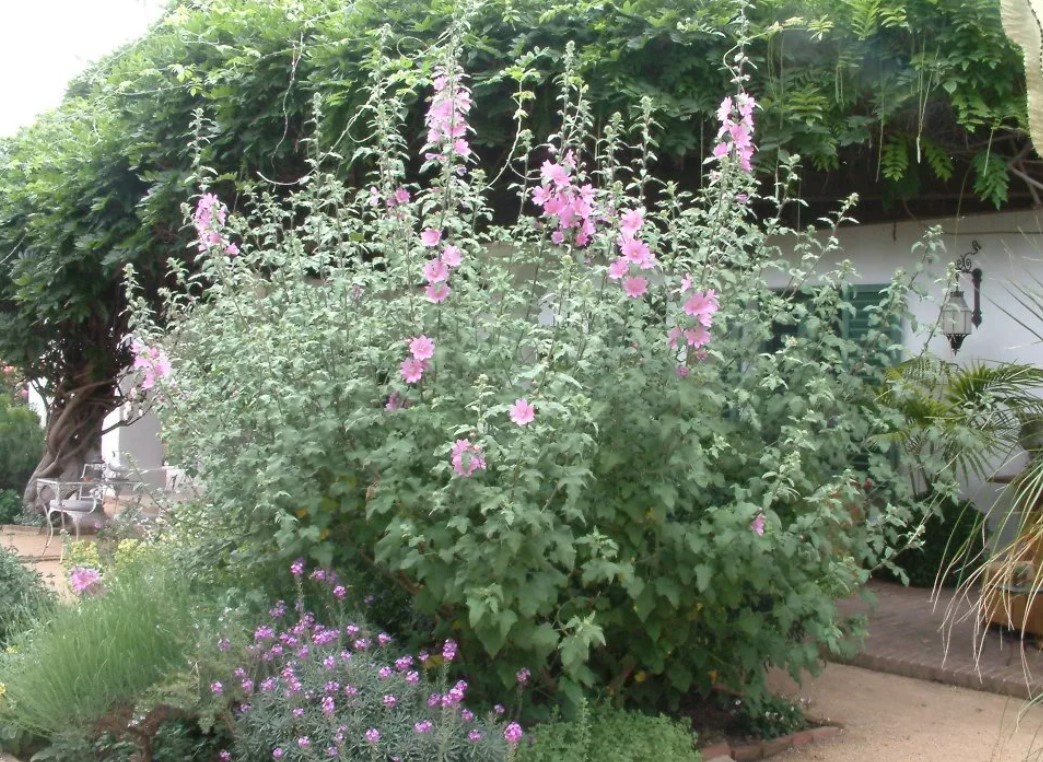
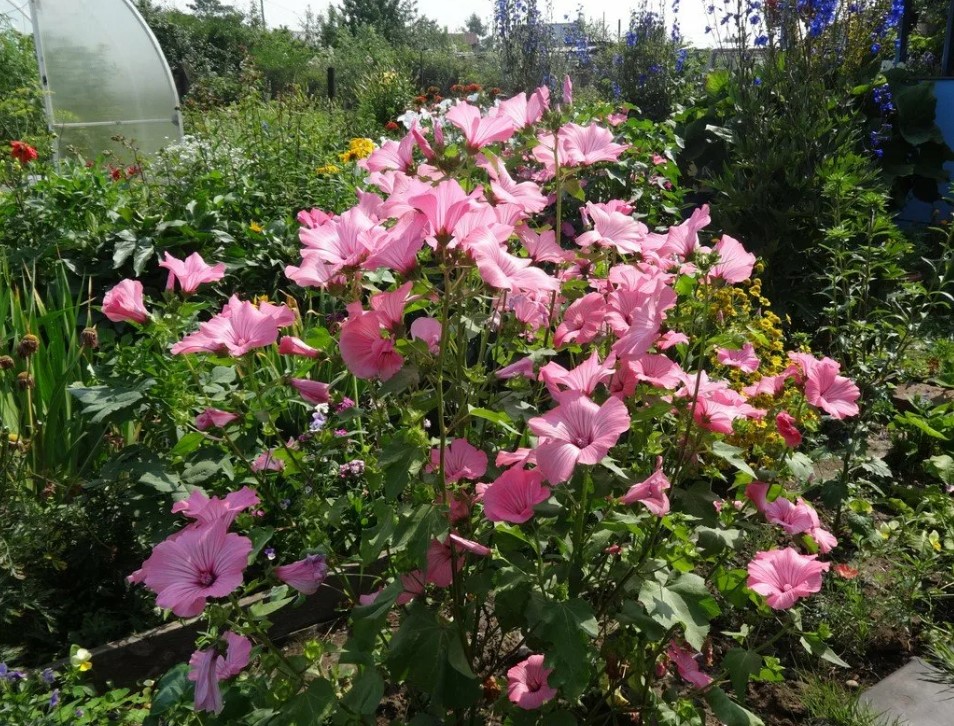
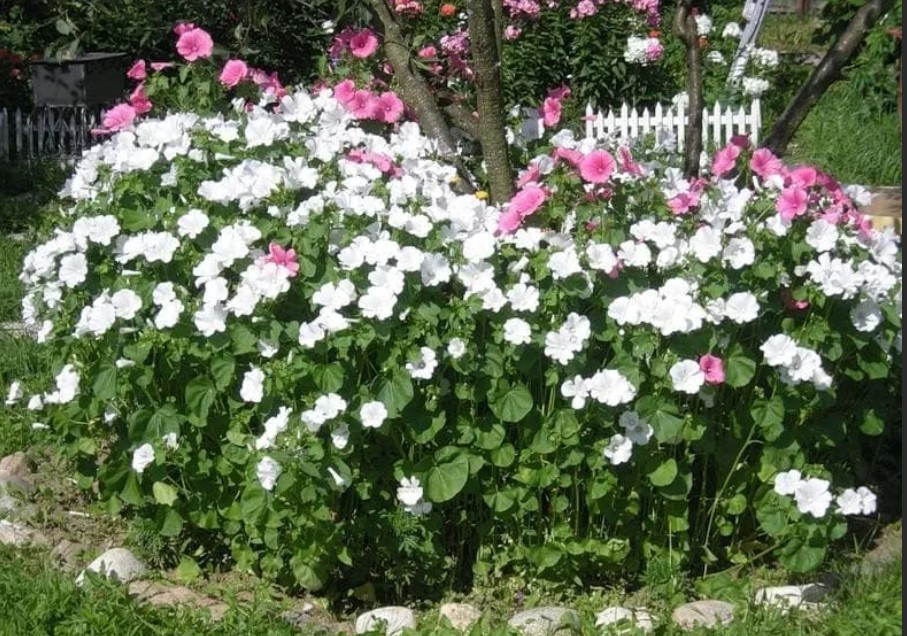
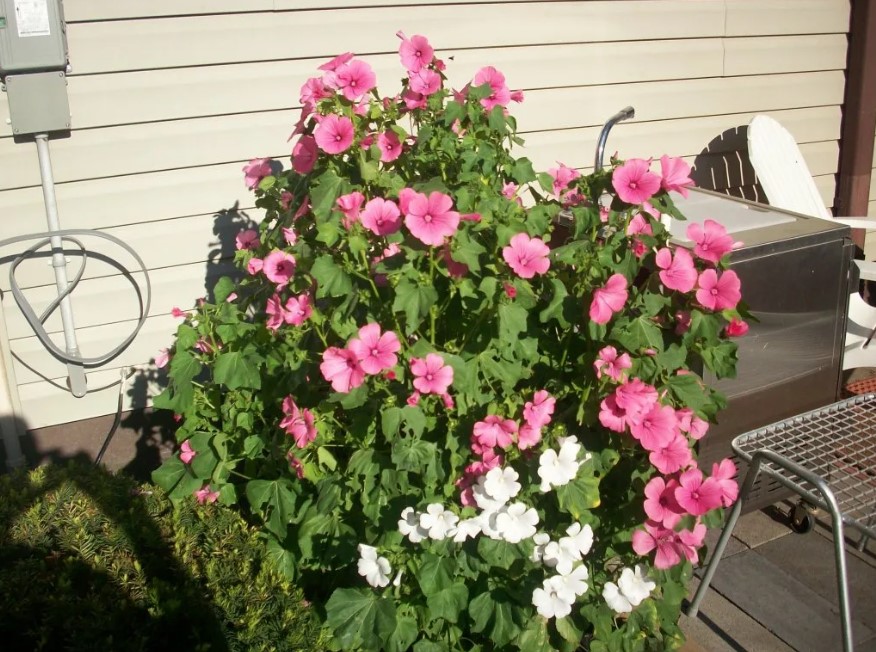
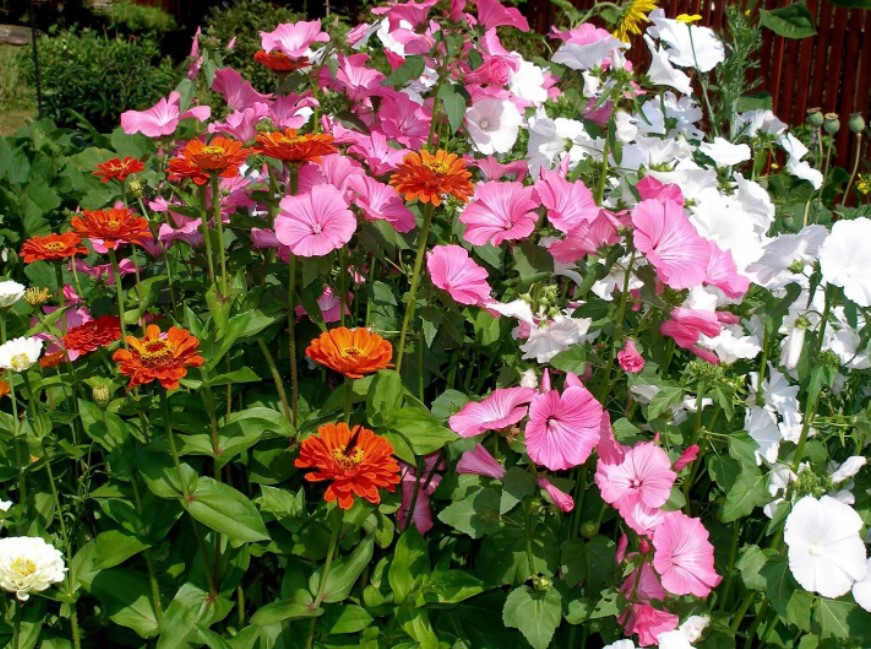
Lavatera in a flowerbed can beautify any yard. Thanks to the different species and varieties, you can choose plants to suit a variety of landscape designs.
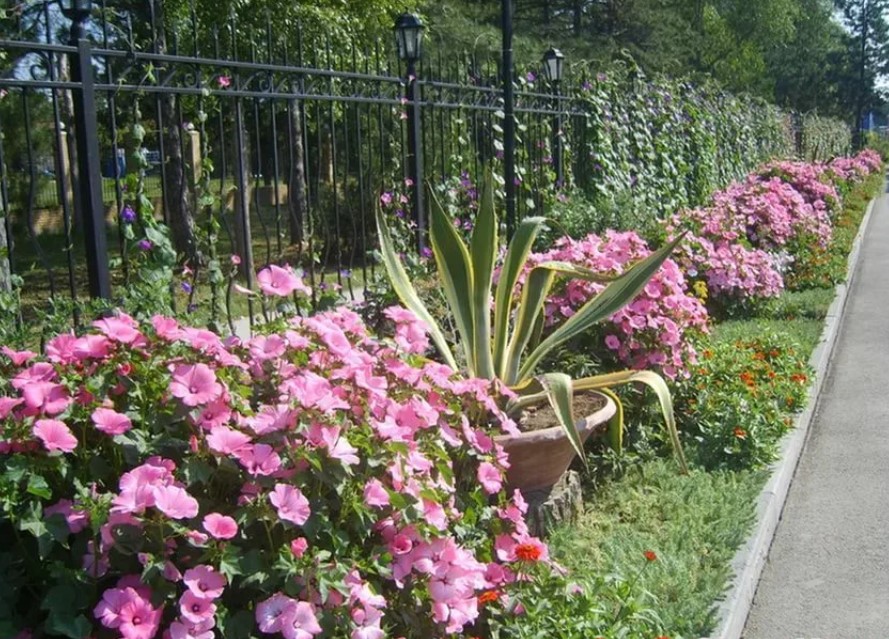
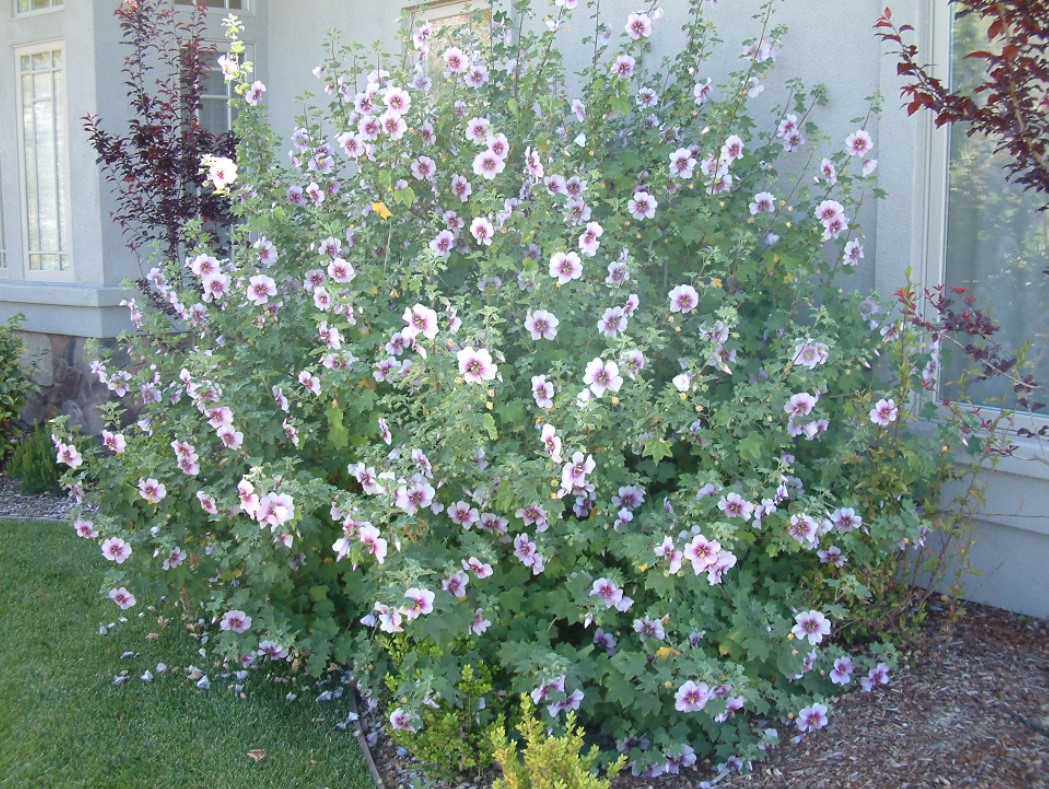
Lavatera is used in flowerbeds, to decorate borders, and to decorate arbors in summer cottages. It pairs beautifully with figs, salvia, verbena, phlox, dahlias, sage, valerian, clematis, and millet. This flower carpet lends a magical, vibrant appearance to the garden. Lavatera is usually planted in a background grouping, paired with low-growing plants. It creates a wonderful contrast.
Use of Lavatera in Medicine
Due to its medicinal properties, the Lavatera thuringiensis flower is often used in folk medicine to treat many illnesses and pathological conditions. Moreover, all parts of the plant—the leaves, buds, and roots—have healing properties.
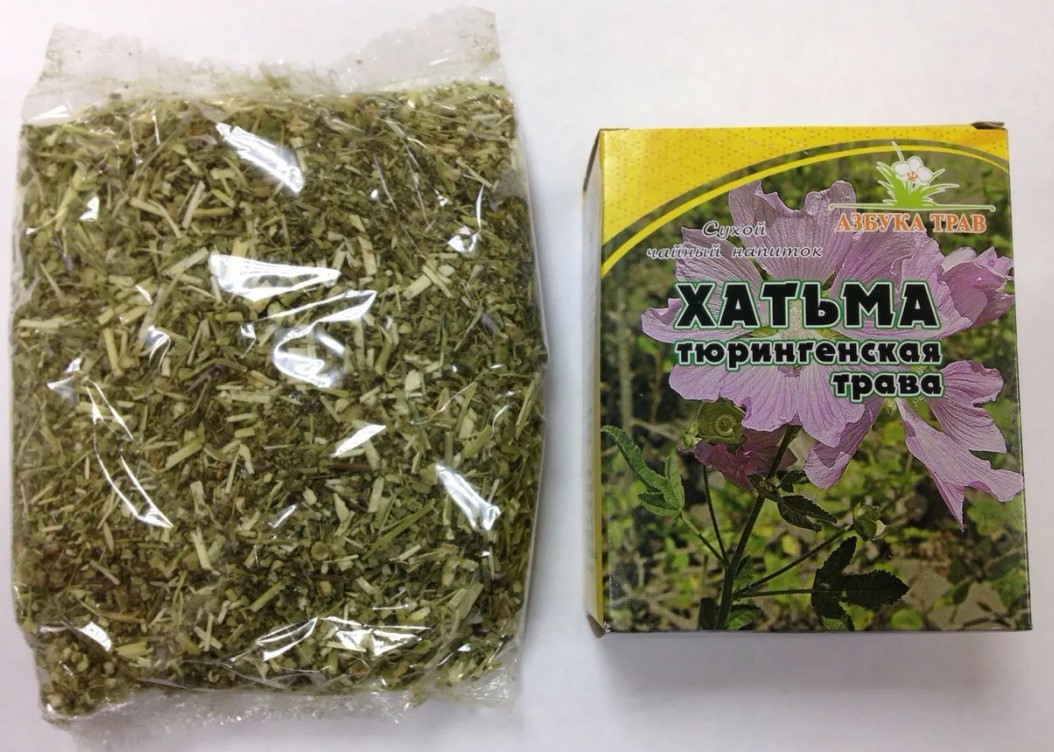
The leaves and flowers are harvested during the budding period. They are dried naturally outdoors under a canopy or in a well-ventilated area. The leaves contain large amounts of ascorbic acid and are used to treat dermatological problems. An ointment made from the dried leaves relieves muscle and joint pain and alleviates discomfort associated with peripheral nerve damage. Flowers and leaves should be stored in a glass container with a lid for no more than 2 years.
The roots are harvested in the fall. Drying occurs in an oven or vegetable dehydrator at temperatures between 50°C and 60°C. The dried roots are stored in bags or boxes for up to two years. A decoction made from them is effective for respiratory ailments and colds.

The medicine is also effective for digestive problems.

Please note! Although these folk remedies are natural, they still have some contraindications. Consult a specialist before using them.
Reviews of perennial lavatera
Read reviews of annual Lavatera in another article (see above). Here we present some comments from gardeners about perennial Lavatera (Hatma).
Lavatera grows in St. Petersburg, and how
My grandmother sows them directly into the ground; she has both white and pink varieties. She also has a perennial lavatera, though I always called it mallow.
Zoia, I love the perennial Lavatera. It's a beautiful bush, covered in blooms, and lasts a long time in a bouquet. I planted it last year, and it grew well over the summer. I hope it will be even more lush this year.
Ladies, my dear, my Lavatera is a perennial plant and every year it grows taller and wider, and there's a riot of blooms... Three meters wide... so I disagree that it's an annual plant...