Every gardener dreams of a true English lawn. It's the perfect place to relax and enjoy a barbecue. A beautiful, dense green carpet becomes possible with regular maintenance. Some of this work is done in the fall, and I'll discuss it below. I'll move from theory to practice, sharing my own experience and observations of my neighbors.
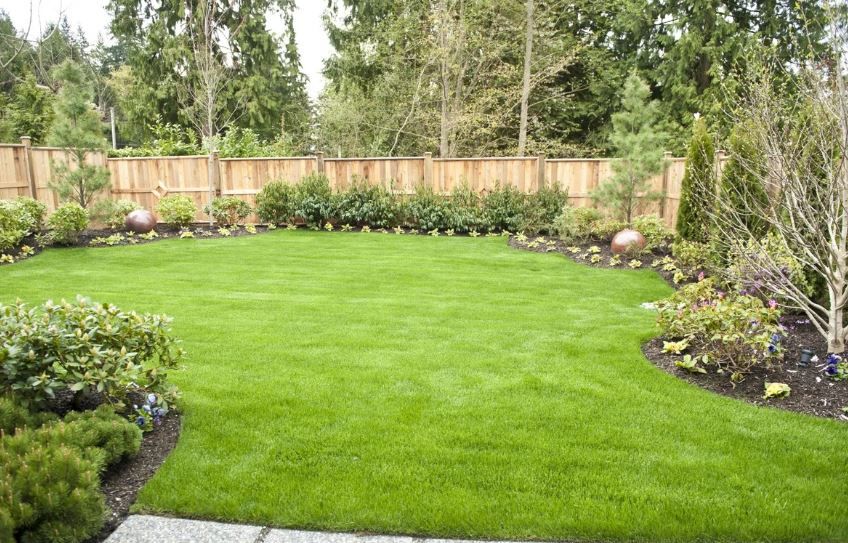
Should I mow the lawn before winter and when should I do it?
There's no need to shave the grass completely; snow covers a layer of 6 to 8 cm. Preparing the lawn for winter begins as soon as the leaves begin to fall. Sometimes the first leaves begin to fall as early as late August, but this isn't a sign to mow it in the fall.
When the trees begin to shed their leaves en masse, it's time. The garden and vegetable beds are empty at this time, the main harvest already in.
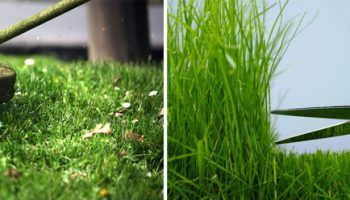
It's essential to mow your lawn before winter. Grass that's too tall will interfere with spring growth. The final mowing should be done in the fall before frost, when the grass hasn't wilted and will cut through well.
The green carpet can be seriously damaged if the grass is cut too late. The roots need protection until the snow cover sets in.
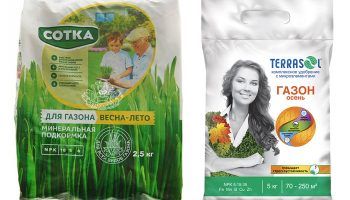
Fertilizing your lawn in autumn: when and what to use
Fertilizers containing nitrogen should not be added to the soil.
Plants need urea and ammophoska in the spring, when growth begins. As the grass goes dormant, it needs minerals.
Autumn fertilizers include:
- Superphosphate is a source of phosphorus. Apply up to 40 mg (2 matchboxes) per square meter, depending on soil fertility. If the superphosphate is double, the rate is halved.
- Potassium-containing preparations are wood ash (up to a glass per m2 is needed), potassium nitrate, potassium sulfate or potassium chloride (the norm is 20 g per m2/matchbox).
Calcium is found in slaked lime, chalk, and dolomite flour.
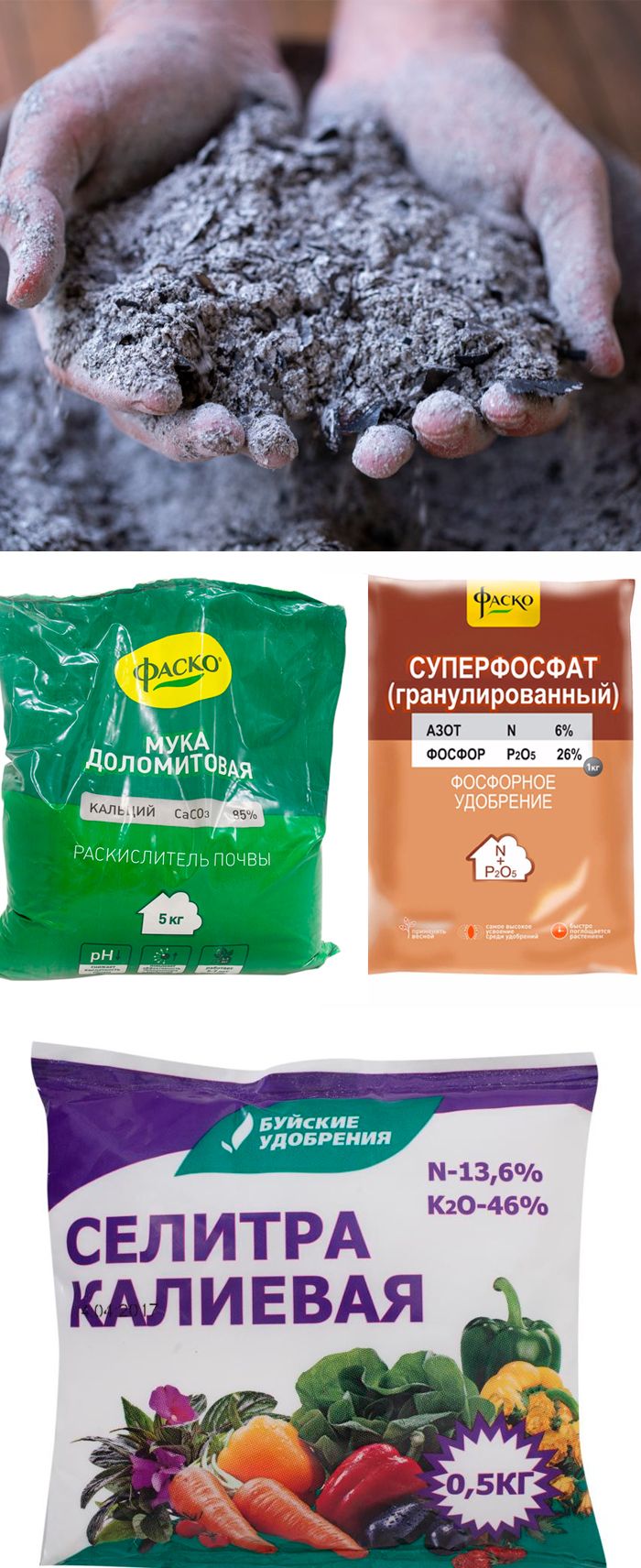
All these components are deoxidizers and reduce soil acidity.
More about lawn fertilizersLawn fertilizers.
The norm is one glass per m2, but if the soil is acidic, the norm can be increased by 1.5–2 times.
A complete fertilizer is applied to dry grass before watering. The minerals stimulate root growth and the formation of new growth points. Fertilize lawns no later than a month before the onset of severe frost.
Scarifying the lawn in autumn
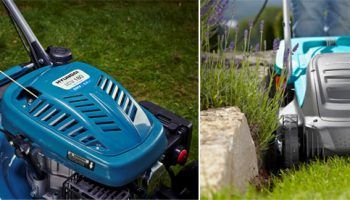
When mowing the grass it is difficult to remove all the cut grass blades. When lawn mower With a storage container, the bulk of the green mass is collected. When trimming, it scatters all over the area. It's impossible to rake the cuttings thoroughly. Over time, a shaggy, felt-like coating forms on the ground.
Scarification is the process of clearing lawns of thatch, which interferes with the development of new growth buds. When the green carpet is clogged, the soil cannot breathe, and over time, the grass becomes thin and brittle. Removing fine thatch strengthens lawns and encourages new apical shoots to emerge.
Some grass varieties are creeping, and scarification is especially important for them.
The entire thatch layer shouldn't be cleared; a 5 mm layer is considered normal for natural protection. Rake the thatch with a fan rake. Avoid using regular rakes with sharp teeth, as they will dig into the grass and pull out bushes. Wealthy gardeners use a verticutter—a special device with vertical blades.
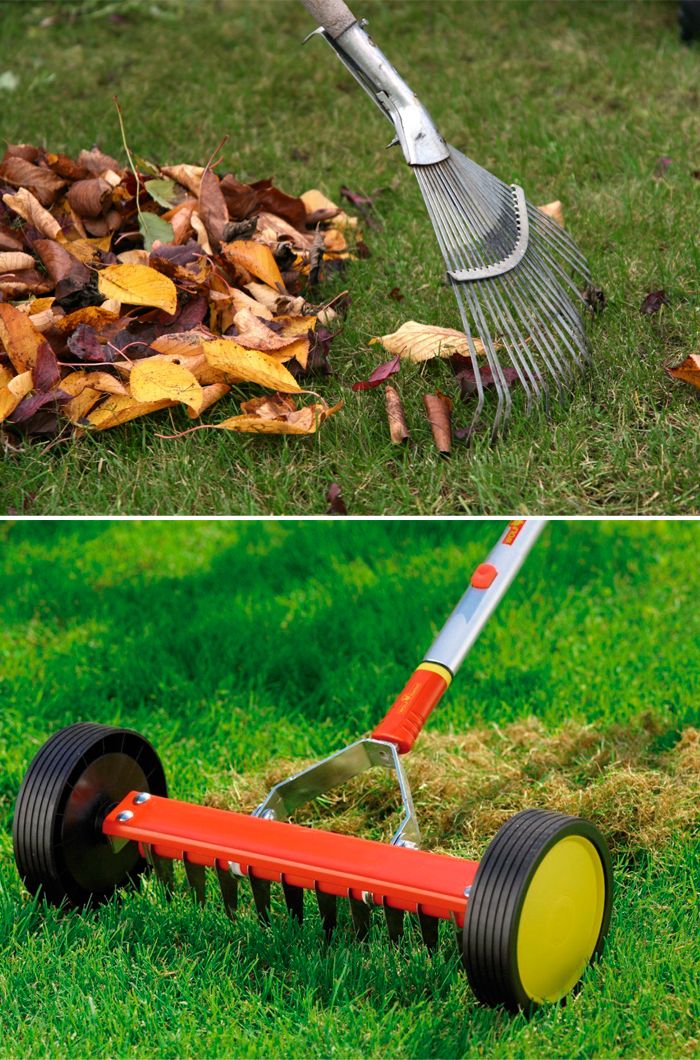
This tool runs on electricity or a mixture of gasoline and motor oil. The mechanism cuts the felt surface by rotating at a specific frequency. After this treatment, lawns are usually rejuvenated by seeding, mulching with a thin layer of compost, and watering thoroughly.
Lawn aeration in autumn
Let me start by explaining what aeration is and why it's necessary. Aeration is essentially a deep loosening process. The usual method used in garden beds won't loosen the lawn; the vegetation will die, and bald spots will appear.
Lawns are pierced with a large pitchfork or a special device called an aerator. Through the holes in the turf and the compacted soil layer, oxygen reaches the roots. The grass breathes and grows better.
Aeration can be done at any time of year. In the fall, the soil is aerated when the weather permits: dry and relatively warm. It's best not to trample on a damp lawn unnecessarily; it will do more harm than good.
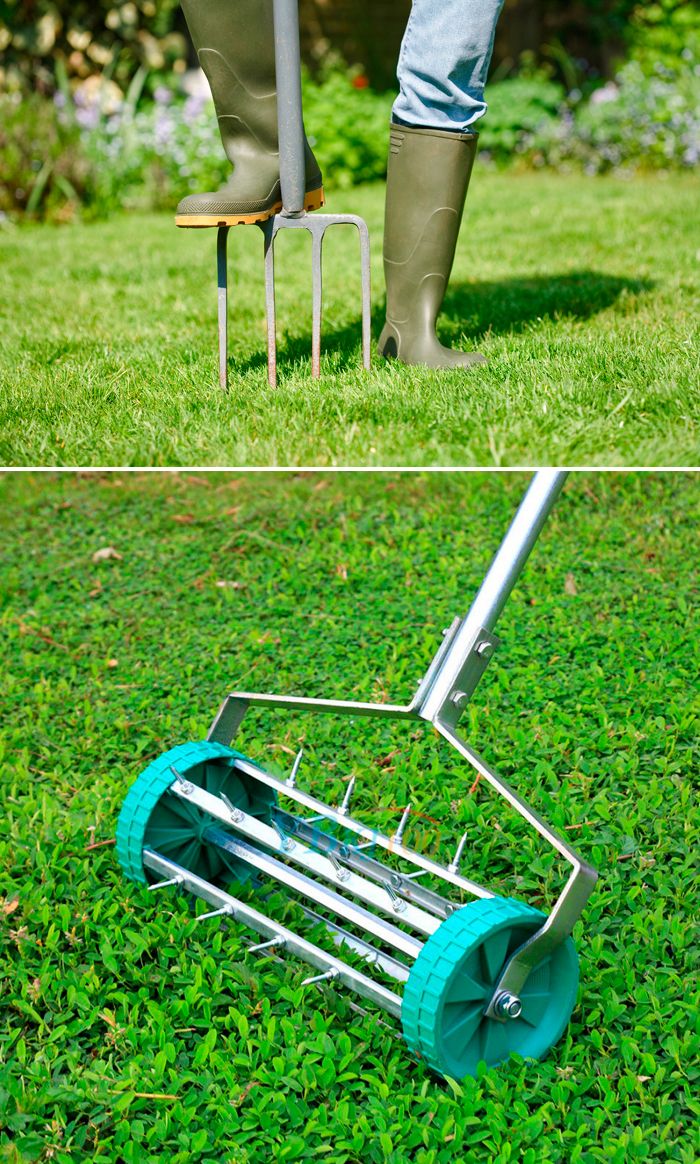
The pitchfork is inserted into the turf at intervals of up to 20 cm, but not too closely. The turf layer is slightly lifted by tilting it toward you. Ideally, the tines should penetrate to a depth of at least 20 cm. Incidentally, during periods of heavy rainfall, the holes drain excess moisture well.
After autumn aeration there are no puddles on the green carpet.
Aerators are essential when you have large lawn areas. Small areas require a heavy, spiked roller, making it difficult to maneuver. A pitchfork is much more convenient.
More detailsLawn aeration: what it is, how, when, and what to do it with.
Watering the lawn in autumn
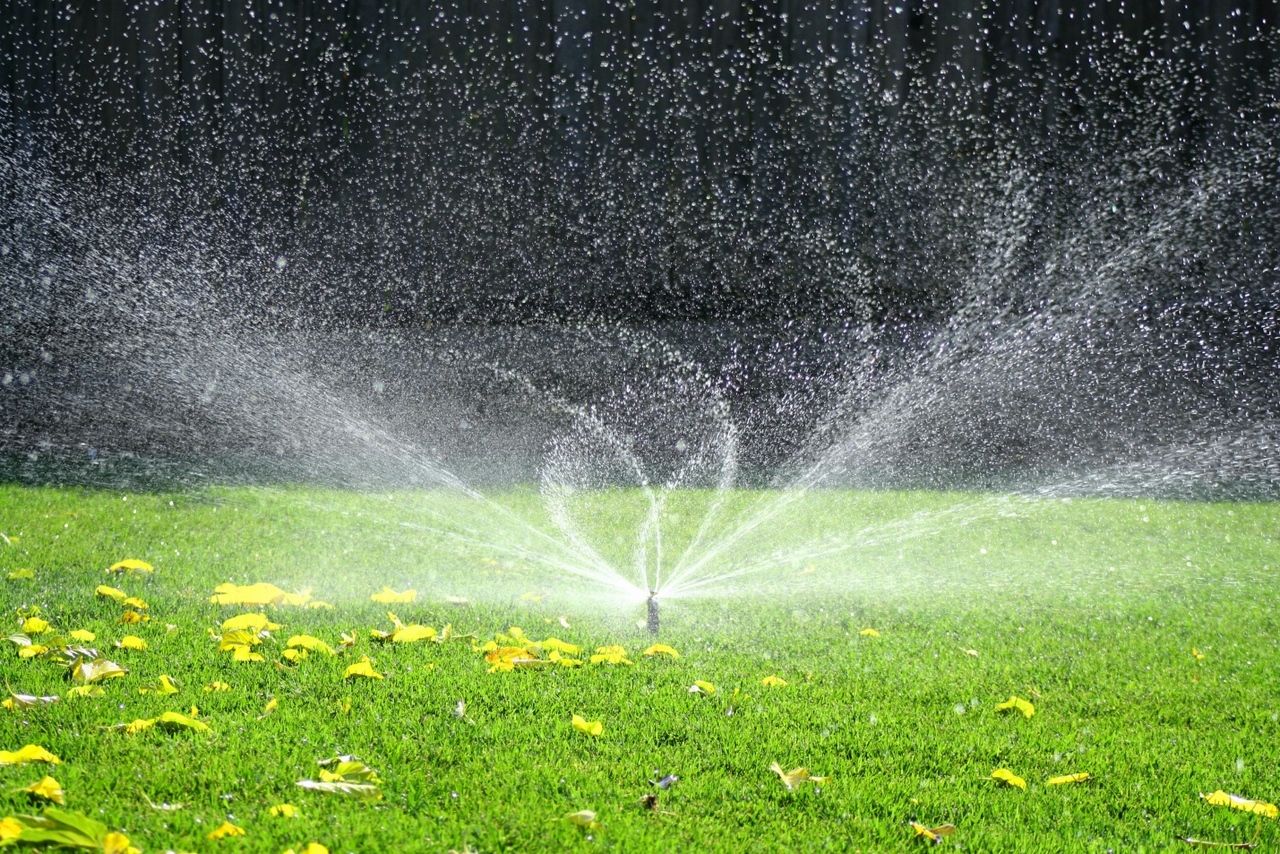
Watering is an important part of lawn care. It's done using sprinklers.
Automatic watering is turned on when there is no rain for several days; it is undesirable to allow the soil to dry out.
It's generally accepted that soil should be soaked to a depth of at least 30 cm to prepare for winter, but this isn't a universal requirement. Much depends on the soil's composition. In loamy soils, water stagnates in the fall, forming puddles, while in sandy soils, on the contrary, it drains too quickly into the lower layers.
Watering is stopped when frost is visible on the grass in the morning. Sometimes, after a cold snap, warm weather returns and the sun shines. But this is no reason to start watering the lawn again. The condensation that forms at night when the temperature drops is quite sufficient for the grass. The plant is preparing for the dormant season, and metabolic processes slow down.
If you don't water your lawn at all in the fall, it will be uneven in the spring – the grass hummocks will inevitably stick out in some places where there are small depressions.
They have to be compacted in the spring, the soil leveled, and the seeds sown. This is a tedious task. So, autumn watering is a must.
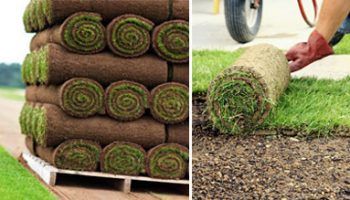
Rolled lawn in autumn
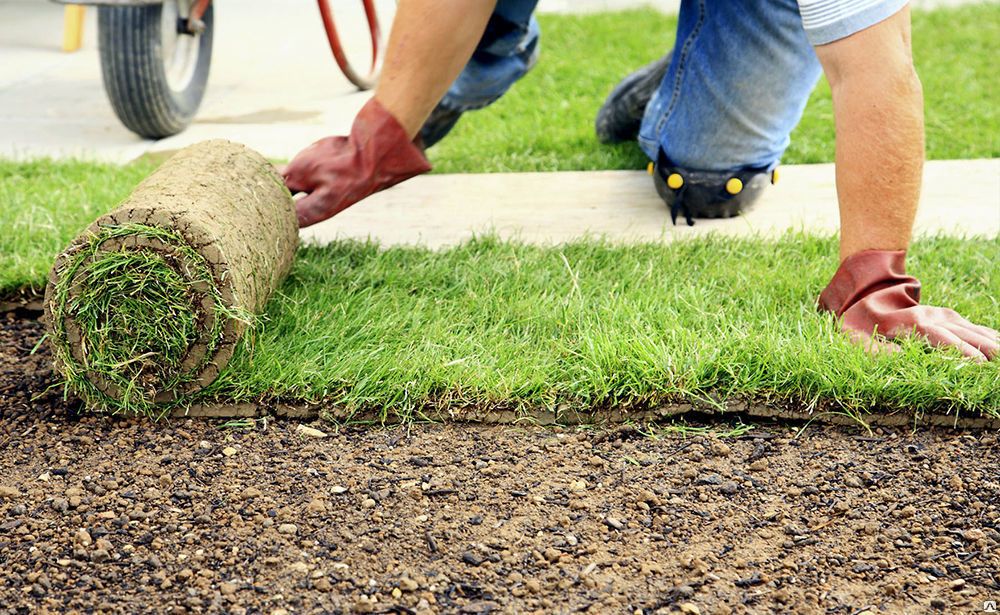
Once the turf has established itself, it should be cared for like a regular lawn. In the fall, it needs mowing, watering, and fertilization. While the root system is developing, it's worth checking the lawn's establishment.
Don't lay new rolls in the fall; they won't take root. Traditionally, turf slabs are installed in the spring.
Over the summer, they have time to acclimatize and put down new roots. People try to avoid walking on the new lawn, but autumn is not the time.
Grass withers and turns yellow when the roots rot. If necessary, provide additional drainage by raising the slabs, digging up the soil, and adding vermiculite, sand, and dry peat.
Damaged areas are best replaced the following season. If the cover is uneven, after aeration and removal of felt, sow the seeds.
Planting before winter is effective for cereals, ryegrass, bluegrass herbs.
From experience, I know it's best to use the same lawn seed mix you used to grow the turf. This is especially true for bare spots. When broadcasting seeds to thicken the lawn, you can use a single plant species.
It is recommended to cover the green artificial grass carpet (some people use this type of covering in their backyards) with film or fabric to prevent it from fading in the spring sun.
Read more about rolled lawn in the articleRolled turf: application, step-by-step installation, prices.
Top.tomathouse.com recommends: two tips
- A few words about the fight against mossIt grows everywhere, especially in semi-shaded areas. Sphagnum moss should be removed immediately as soon as small patches appear, otherwise it will quickly spread across the entire lawn. First, we water the lawn with Florovit, diluting it according to the instructions. There are packages marked "M," which have a higher concentration. This is ferrous sulfate, which darkens the moss and eventually causes it to disappear completely. Regular aeration reduces the formation of moss beds.
- What to do with leaves? I've learned from personal experience that it's better to rake up the leaves. I do it myself after the first snow, early in the morning, while the ground is frozen. I sweep the leaves to the edge of the lawn and then collect them from the path in garbage bags. Fall leaf raking takes much less time than spring. The lawn thaws more evenly, and dark, rotted spots often appear under layers of frozen foliage. When leaves are few and far between, they're not as damaging to the green carpet.