The Minsunsky Apple Tomato is another variety of the well-known Minusinsk tomatoes, renowned for their pleasant taste and impressive yield.
Content
- 1 Table with characteristics of the Minusinsk Apple tomato variety
- 2 Photo gallery of the Minusinsk Apple tomato variety
- 3 The origin of the Minusinsk Apple tomato variety
- 4 A detailed description of the Minusinsk Apple tomato variety
- 5 Advantages and disadvantages of the Minusinsk Apple tomato variety
- 6 Planting Features of the Minusinsk Apple Tomato Variety
- 7 Care, watering and fertilizing of the Minusinsk Apple tomato variety
- 8 Resistance of the Minusinsky Apple tomato variety to diseases and pests
- 9 Storage and use of Minusinsk apple tomatoes
- 10 Comparison of the Minusinsky Apple tomato variety with other varieties in the table
- 11 Real reviews from gardeners about the Minusinsky Apple tomato variety
Table with characteristics of the Minusinsk Apple tomato variety
| Characteristic | Description |
| Description | An indeterminate variety with a medium ripening period, intended for film shelters and greenhouses. |
| Ripening period | 110-112 days |
| Fruit weight | 250-500 g |
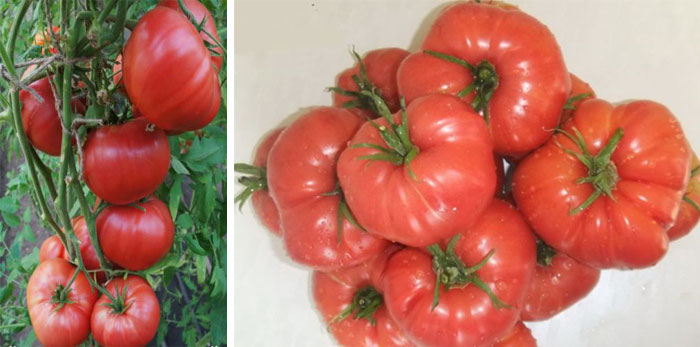
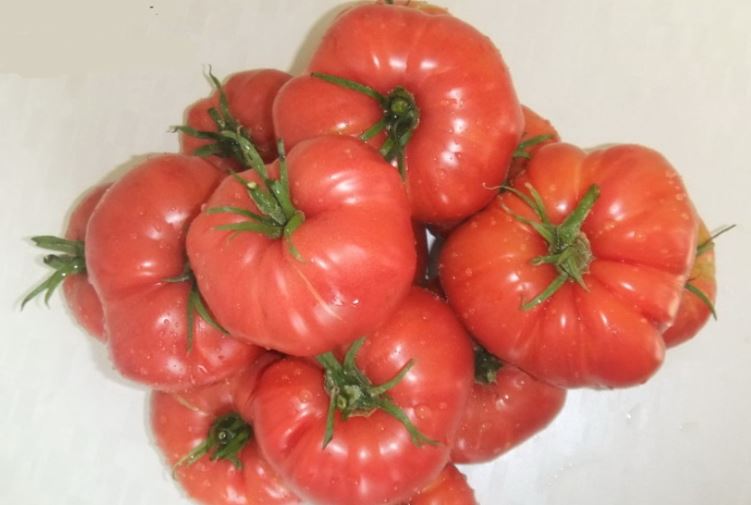
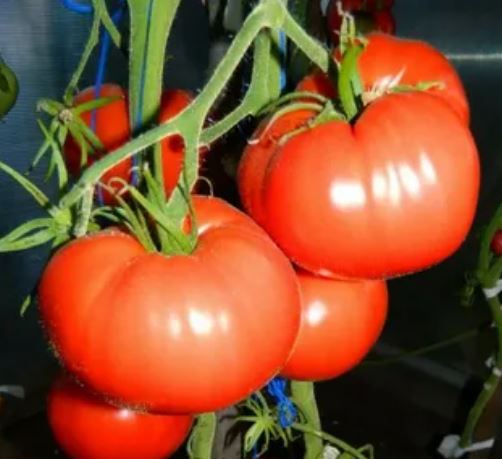
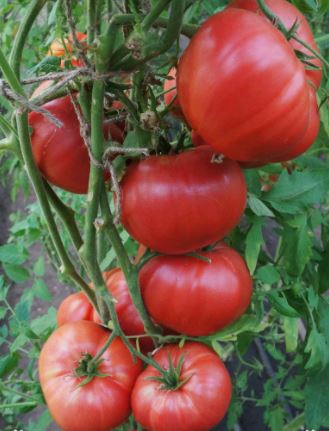
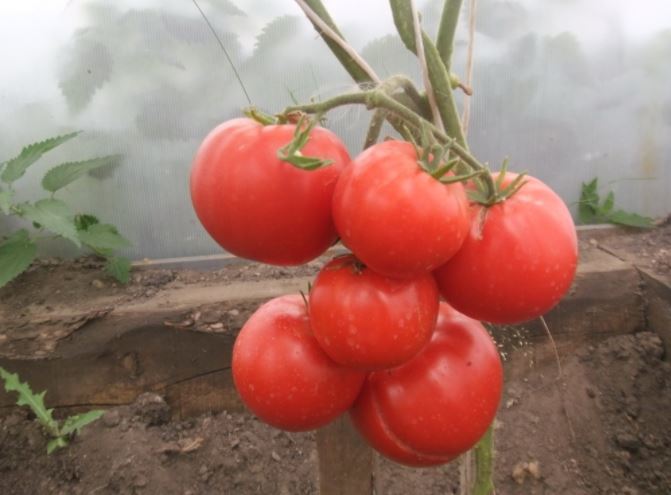
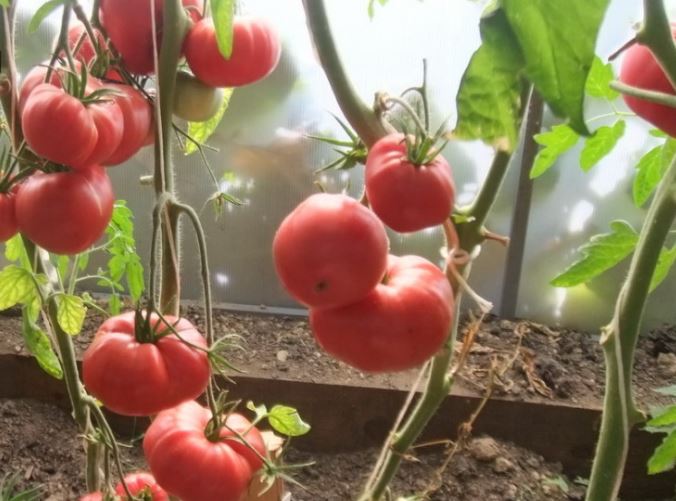
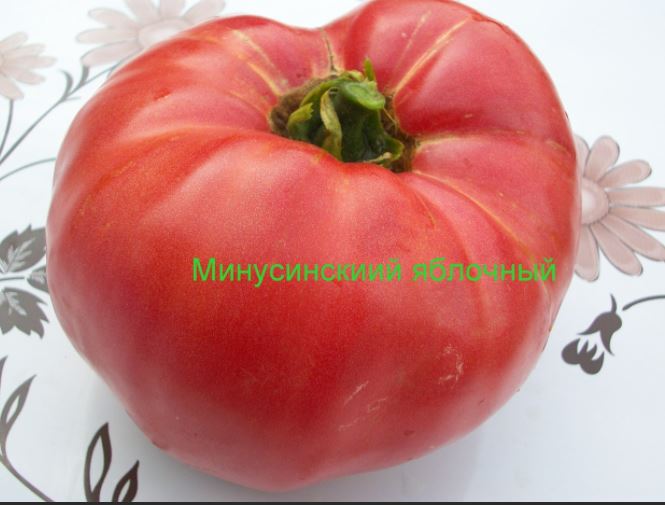
| Description of the fruit | The fruits are round, slightly flattened, red-pink in color, and the surface of the tomatoes is ribbed. |
| Productivity | Up to 2500 c/ha |
| Usage | Considered a salad variety, it is eaten fresh. It is suitable for making sauces, pastes, juice, and ketchup. |
| Preferred growing regions | Originally intended for cultivation in greenhouses in regions with cold climates, today it is successfully grown in all regions of the country. |
| Disease resistance | It has a strong immune system, but if care rules are not followed, it can become infected with late blight. |
| Agricultural technology | The shoots are tall and will require support and tying when growing tomatoes. The bush is formed into 1-2 stems. |
| Not included | |
| Country of origin | Russia, Minusinsk, folk selection |
Photo gallery of the Minusinsk Apple tomato variety
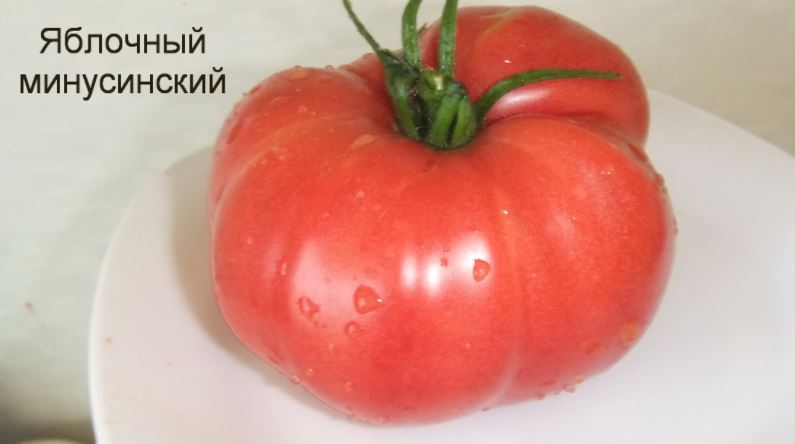
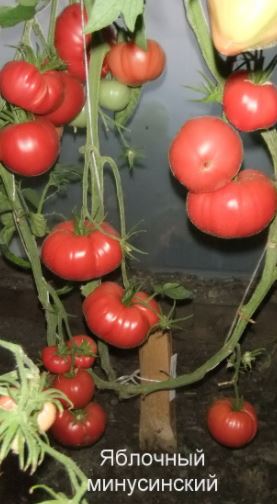
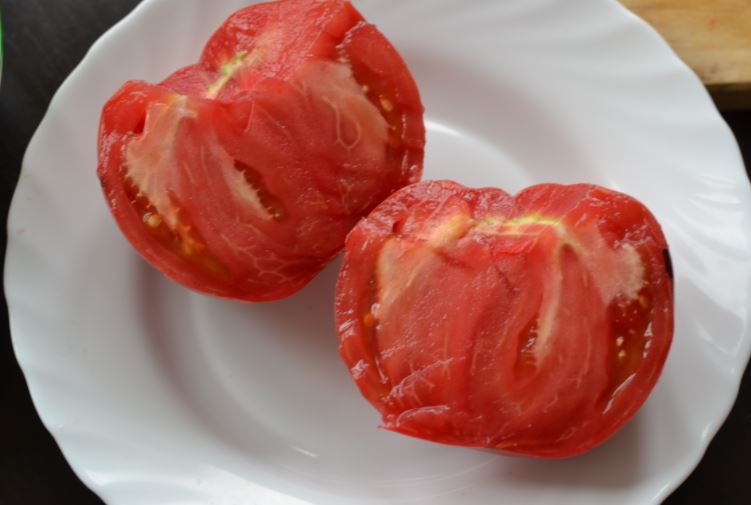
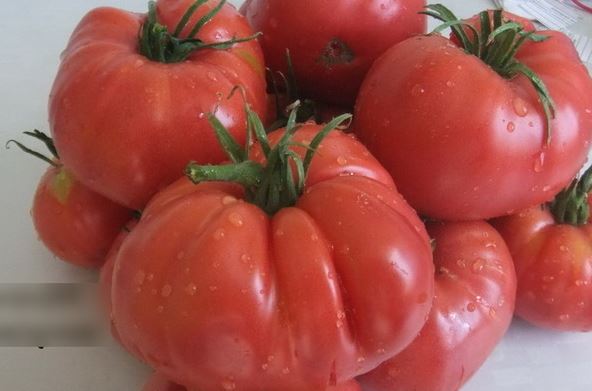
The origin of the Minusinsk Apple tomato variety
Many gardeners know that the city of Minusinsk, located in the Krasnoyarsk Krai, has an experimental station. It is thanks to the breeders working there that a large number of varieties of Minusinsk tomatoes have been developed, including the Minusinsk Apple. It gets its name from the shape of the fruit, which resembles ripe apples, ignoring the pronounced ribbing. The variety is not registered, although it is very popular among gardeners across the country. Originally intended exclusively for greenhouse cultivation, residents of southern regions successfully plant it in open beds and enjoy excellent yields.
A detailed description of the Minusinsk Apple tomato variety
The variety is distinguished by its tall shoots, on which a large number of tomatoes ripen, which from a distance look very much like ripe apples.
Bushes
Indeterminate shoots grow from 180 to 250 cm, so they require support and staking. It's important to note that the bushes are tied up almost from the first days of planting. The stems are very delicate and fragile, and can easily break if you try to tie them up after they reach a significant height.
The foliage is average, the lower part of the leaves is removed after the formation of the ovaries of the tier closest to the ground begins.
The bushes are formed into two stems, with the second shoot remaining being the one that emerges beneath the first flower cluster. It is recommended to remove all other side shoots, otherwise the fruits will be small and slightly sour.
Fruit
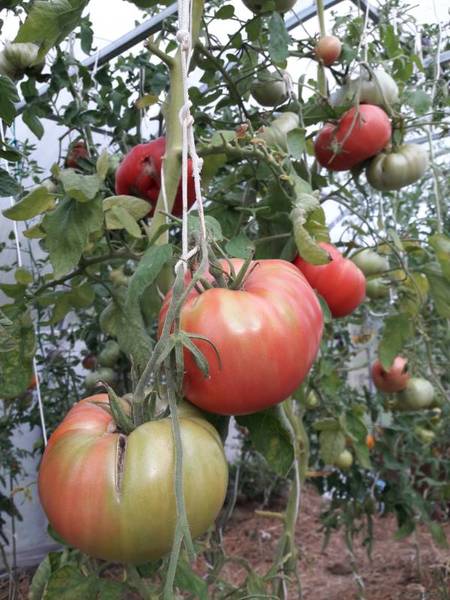
The tomatoes are round, slightly flattened, and have distinct ribbing. Ripe fruits weigh between 250 and 500 g. They are reddish-pink in color. The flesh is dense, juicy, sweet, and aromatic. There are very few seeds inside.
Productivity
With proper care, the Raspberry Apple tomato yields very high yields—up to 2,500 c/ha. Each bush can yield up to 5 kg of fruit.
Ripening time
This variety has a medium ripening time, with 110 to 112 days from germination to harvest. This period largely depends on the region and growing conditions.
Advantages and disadvantages of the Minusinsk Apple tomato variety
The Minusinsky apple variety has its own advantages and disadvantages, which are described in the table below.
| Advantages | Flaws |
|
|
Planting Features of the Minusinsk Apple Tomato Variety
The Minusinsky Apple tomato is recommended for growing using seedlings, as the variety was developed exclusively for greenhouses in the Krasnoyarsk Territory. However, some gardeners in the southern regions continue to successfully grow it in open ground.
Sowing seeds and growing seedlings of the Minusinsk Apple tomato variety
The Minusinsky Apple variety is not a hybrid, so you can collect the seeds yourself. Purchasing them is also easy; you can buy them at almost any store.
Before planting seeds, they must be properly treated to ensure the seedlings grow strong and healthy.
First of all, disinfection is carried out by soaking for 20 minutes in a weak solution of potassium permanganate.
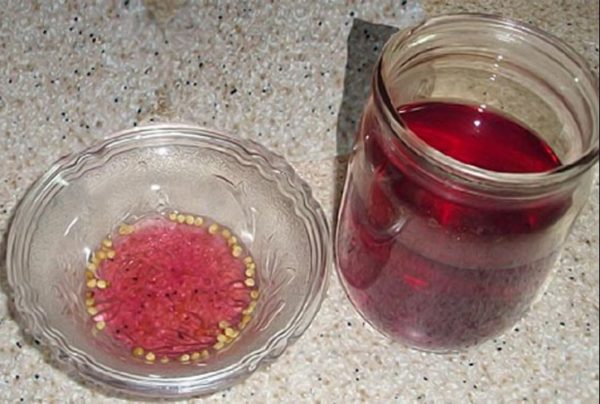
Next, the seeds are treated with growth stimulants. You can use Epin or Photosporin, diluted according to the manufacturer's instructions.
Important! If you're using store-bought seeds, they often don't require any treatment, as the manufacturer has already done so. This information is listed on the packaging.
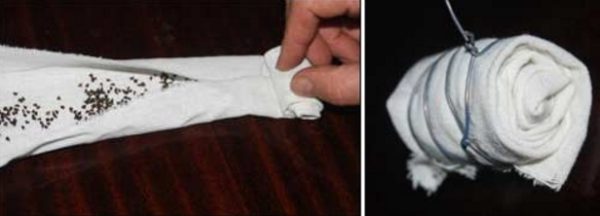
Experienced gardeners strongly recommend against planting dry seeds; pre-germination significantly accelerates germination. To do this, place the seeds in a damp cloth and store the cloth in a warm, well-ventilated area. By the second day, all viable tomatoes will have sprouted, and you can begin planting them in the ground.
The Minusinsk apple variety prefers well-drained soil, so to prepare it, use equal parts garden soil, sand, humus, and peat. This mixture must be disinfected with a weak solution of potassium permanganate or baked in the oven. Alternatively, you can purchase pre-mixed soil for seedlings from specialty stores.
Wooden boxes and plastic containers are both suitable. These will also need to be disinfected by rinsing in a weak solution of potassium permanganate, especially if they are to be reused.
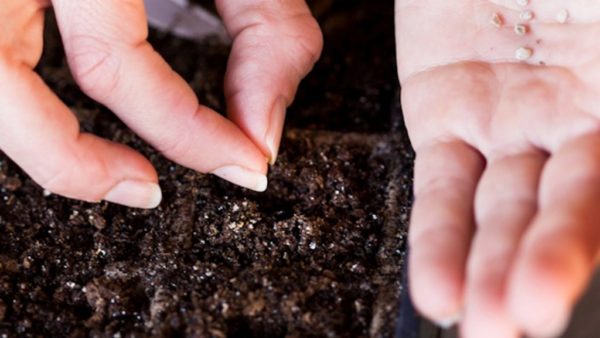
Fill the container halfway with the prepared soil mixture. Plant the seeds in furrows no more than 15 mm deep, preferably with a layer of soil no more than 10 mm thick.
After planting, water the tomatoes with a spray bottle, but there's no need to fertilize them at this stage. They're still getting enough nutrients from the seed coat.
The selected container is covered with glass or thick film and then stored in a warm place where the temperature ranges from 24 to 26°C. The "greenhouse" will remain there until the cover can be removed. This occurs after all the seedlings have emerged.
The "lid" of the makeshift greenhouse is gradually removed to ensure the seedlings survive this period as smoothly as possible. The open box is placed in a room with a temperature no higher than 22°C. During this period of growth, tomatoes need adequate lighting to prevent the shoots from stretching in pursuit of sunlight. A phytolamp can serve as an additional light source.
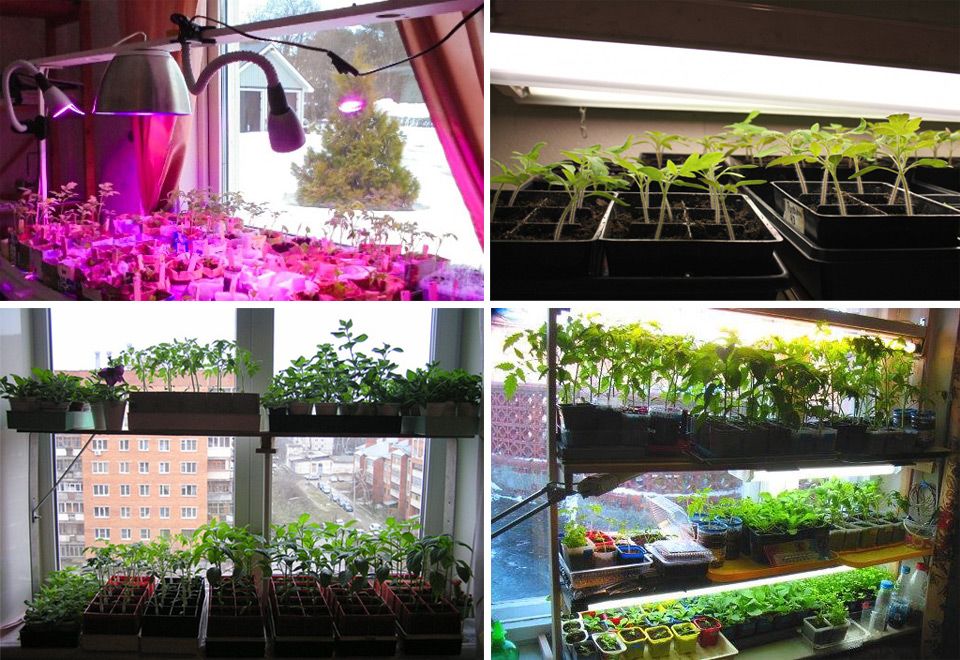
Once the plants have three full leaves, they are transplanted into individual containers, where they will remain until planting in the garden. The overall cycle of tomatoes at home is approximately 55 days. They are then moved to a greenhouse or open ground.
Planting the Minusinsky Apple tomato variety in the ground
Only gardeners in the southern regions can safely plant seedlings outdoors. Spring arrives early there, so the risk of night frosts in May is virtually zero.
Residents of other regions are less fortunate in this regard; they begin planting in greenhouses only in April or May, and in the north, this moment may not arrive before the beginning of June.
To help the soil in the greenhouse warm up faster, you can cover it with black plastic. To increase its nutritional value, you can plant green manure in the bed two weeks before planting.
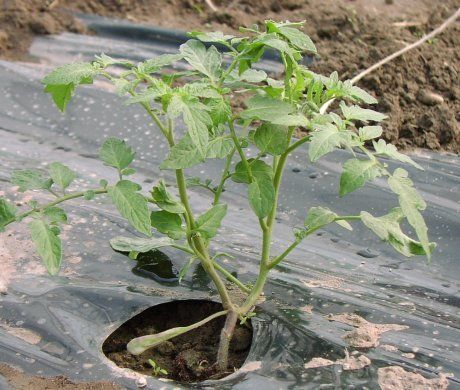
But the main work with the soil occurs in the fall, when it is dug over with all the necessary fertilizers. In the spring, it needs to be dug over again.
For tomatoes, dig holes 25 cm deep and 5-10 cm wider than the diameter of the cup, as the seedlings will be placed in the soil with the root ball still attached. Some gardeners add a little ash and onion peel to the bottom. The distance between plants should be at least 60 cm, and the row spacing should be 70 cm.
Care, watering and fertilizing of the Minusinsk Apple tomato variety
The Minusinsk Apple tomato is considered a tall variety, so its shoots must be tied up. Furthermore, this is recommended from the very first days of the seedlings' growth in the permanent garden bed, as the stems are very fragile.
The bush is formed into two shoots; if more shoots are left, the harvest will be small and sour.
Tomatoes need to be pinched out as they can grow quite widely.
Watering should be timely to prevent tomatoes from cracking on the vine from lack of water or rotting from excess. Many gardeners prefer to install a drip irrigation system, especially if they can't visit their plot every day. It's best to water with settled water in the evening.
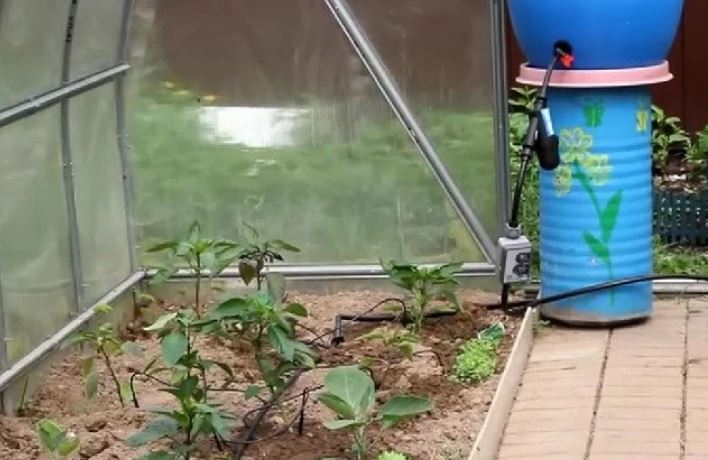
Read the article to learn how to set up drip irrigation. DIY Drip Irrigation for a Greenhouse + Review of Ready-Made Systems.
The first fertilizers can be added to the soil only 10-14 days after planting. A mullein solution (500 ml per 10 liters of water) has proven effective. To increase the nutritional value, you can add 1 tablespoon of nitrophoska. The application rate for each bush is approximately 200 ml.
At the stage of ovary and fruit formation, tomatoes need potassium and phosphorus, so you can use the following fertilizer:
- Potassium sulfate – 1 tbsp;
- Superphosphate – 1 tsp;
- Water – 10 l.
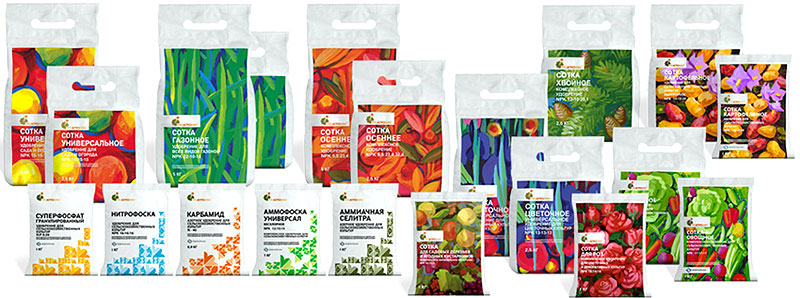
Many gardeners prefer not to bother and use ready-made complex fertilizers, which can be purchased at any specialty store.
Resistance of the Minusinsky Apple tomato variety to diseases and pests
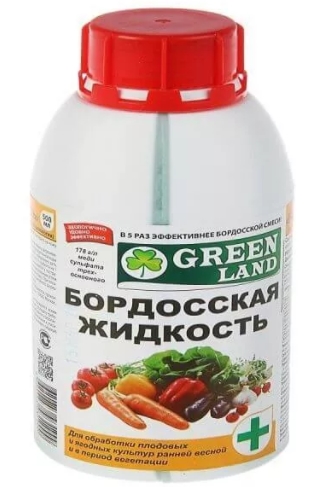
The Minusinsk apple variety has a strong immune system that resists most fungal and viral diseases. Late blight can develop if watering rules are not followed and humidity fluctuates. To prevent this, spray the plants with Bordeaux mixture and regularly treat them with Fitosporin. However, if late blight is already present, insecticides are the most effective way to combat it. Apply them no later than two weeks before harvesting. Even these don't always eliminate the infection; if the plants are heavily infested, they will have to be removed from the garden and burned.
Storage and use of Minusinsk apple tomatoes
The Minusinsk apple variety ripens in 112 days from germination. The tomatoes' skins are not particularly thick, so their shelf life is relatively short. At the right temperature, such as in a refrigerator, they can be stored without losing flavor for no more than 10-14 days.
They are not suitable for whole-fruit canning, but are widely used for processing into pastes, sauces, ketchup and juice.
Comparison of the Minusinsky Apple tomato variety with other varieties in the table
Please note! How can you easily convert centners/ha to kg/sq.m? Simply divide by 100! For example, the Abakansky Pink tomato yields 400 centners of marketable fruit per hectare. This equals 4 kg per square meter. It's that simple! Also, keep in mind that typically no more than 3-4 plants are planted per square meter. This way, you can calculate the yield per bush. In the case of the Abakansky Pink, it's about 1 kg.
| Variety | Ripening period (number of days from full germination to ripening)
Yield of commercial fruits |
Brief description | Fetus |
| Minusinsk apple | 110-112 days
Up to 2500 c/ha |
A mid-season indeterminate variety for greenhouses. Requires staking and training into two stems. Suitable for salads and processing into tomato products. | Flat-round, ribbed, red, up to 500 g. Excellent taste. |
| Minusinsk bulls | 110-118 days
1200 c/ha |
A mid-season indeterminate variety for open ground and greenhouses. Suitable for salads, canning, and processing into tomato products. | Heart-shaped, elongated, with a spout, ribbed, raspberry-pink, 200-250 g (up to 400 g). The taste is good to excellent. |
| Minusinsk balls | 110-122 days
Up to 1500 c/ha subject to agricultural practices |
A mid-season indeterminate variety for greenhouses. Requires staking and training into single or double stems. Suitable for salads and processing into tomato products. | Round-heart-shaped, ribbed, pinkish-red, 150-250 g. Excellent taste. |
| Minusinsk barrel | 112-125 days 900-1200 c/ha |
Mid-season indeterminate variety for open ground and greenhouses. Requires staking and shaping into 1-2 stems. Suitable for salads, processing into tomato products, and canning. |
Flat-round, slightly ribbed, red, 250-500 g. Good to excellent taste. |
| Abakan pink | 120 days or more
400 c/ha |
A late-ripening determinate variety for open ground and greenhouses. Requires staking and training. Suitable for salads and processing into tomato products. | Flat-round, slightly ribbed, medium density and pink in color, 200-500 g. Good taste. |
| Altai masterpiece | 110-150 days
up to 1000 c/ha (under film) |
A mid-season indeterminate variety for open ground and greenhouses. Requires staking and shaping. Suitable for salads. | Flat-round, medium-ribbed, medium density, red, 300-400 g. Good taste. |
| Amethyst jewel | 110-120 days
It is not known exactly, according to some sources it is more than 1000 c/ha |
A mid-season, tall, indeterminate variety for open ground and greenhouses. Suitable for salads and canning. | Flat-round, dense, fleshy, pink from the top and purple from the shoulders, 150-300 g. Excellent taste. |
| St. Andrew's surprise | about 120 days
800 c/ha |
A late-ripening indeterminate variety for greenhouses (can be grown outdoors in the south). Suitable for salads, juices, and tomato paste. Seedlings tolerate low light conditions well. | Flat-round, smooth, medium density, pink, 150-230 g. Excellent taste. |
| Big Beef | 99 days
940 c/ha |
An early-ripening indeterminate variety for greenhouses. Suitable for salads and processing into tomato products. Tolerant of low temperatures. | Flat-round, slightly ribbed, red, 210 g. Excellent taste. |
| Steak | 85-90 days
1100 c/ha |
A mid-early indeterminate variety for open ground and greenhouses. Requires staking and shaping. Suitable for salads. | Flat-round, slightly ribbed, medium density, red, 200-280 g. Good taste. |
| Big Dipper | 100-110 days
1150-1450 c/ha |
An early-ripening indeterminate variety for open ground and greenhouses. Requires staking and shaping. Suitable for salads. | Flat-round, slightly ribbed, medium density, pink, 210-260 g. Good taste. |
| Mikado Red | 115-120 days
700-900 c/ha |
A mid-early indeterminate tomato for open garden beds and plastic shelters. Suitable for salads. | Round, flattened, with pronounced ribbing, dark pink or burgundy, 270 g. Excellent taste. |
| Mikado Pink | 90-95 days
500-600 c/ha |
A mid-early indeterminate variety for greenhouses. Suitable for salads. | Flat-round, large, ribbed, medium density, pink, 300-360 g. Excellent taste. |
| Mikado Sibiriko | 90-95 days
800 c/ha |
An early indeterminate variety from Siberian breeders. For salads, juice, and pasta. | Heart-shaped, ribbed, pinkish, 400-600 g. Excellent taste. |
| Openwork | 105-110 days
610 c/ha |
An early-ripening, determinate variety for open ground and greenhouses. Requires staking and shaping. Suitable for salads. | Round, smooth, dense, fleshy, red, 220-250 g. Good taste. |
Real reviews from gardeners about the Minusinsky Apple tomato variety
Gardeners note that the Minusinsky Apple variety is very productive. The first fruits can significantly exceed the 500g claimed by the growers. This tomato is easy to grow, as confirmed even by those who have planted it outdoors instead of in a greenhouse.
Minusinsky Apple. A magnificent variety. It became one of my favorites of the 2017 season. It's very productive, tall (1.7 meters in the greenhouse), and mid-season. The fruits weigh up to 1 kg, are flattened and apple-shaped, and pink in color. They are delicious, fleshy, sweet, and tender.
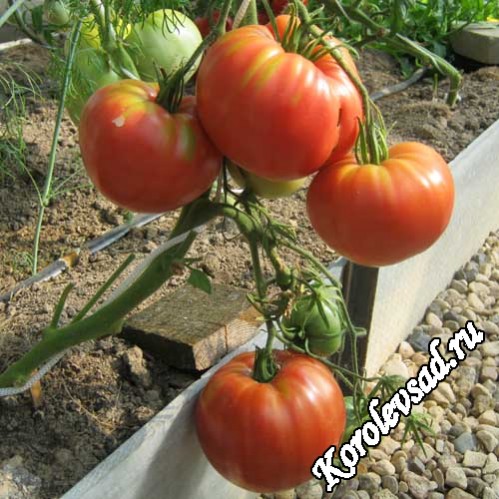
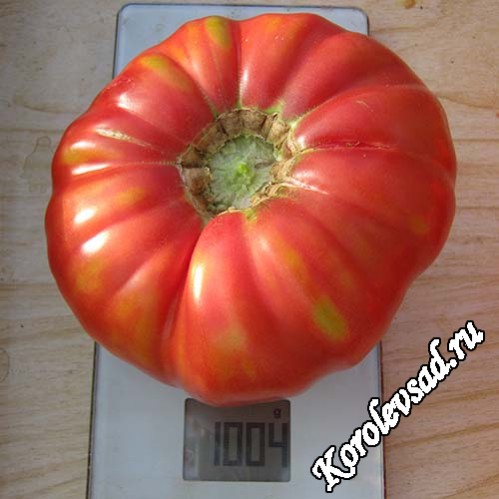
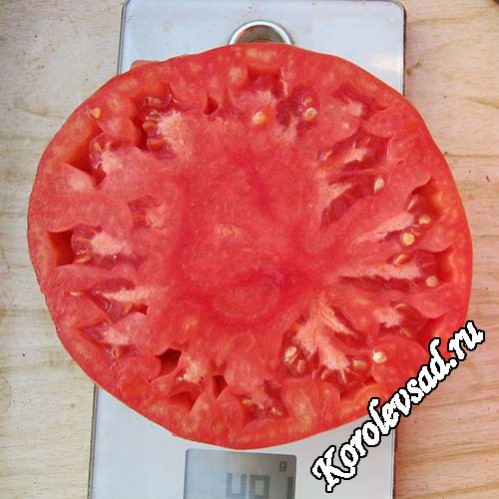
This variety has been a favorite of mine for the second year in a row. The yield is good; we grew them in a greenhouse with two stems (or one, too). The tomatoes are all large, flat-round, pink beauties, weighing up to 500g-700g, with some up to 1kg. They have a very good taste, a true pink classic. :yep:
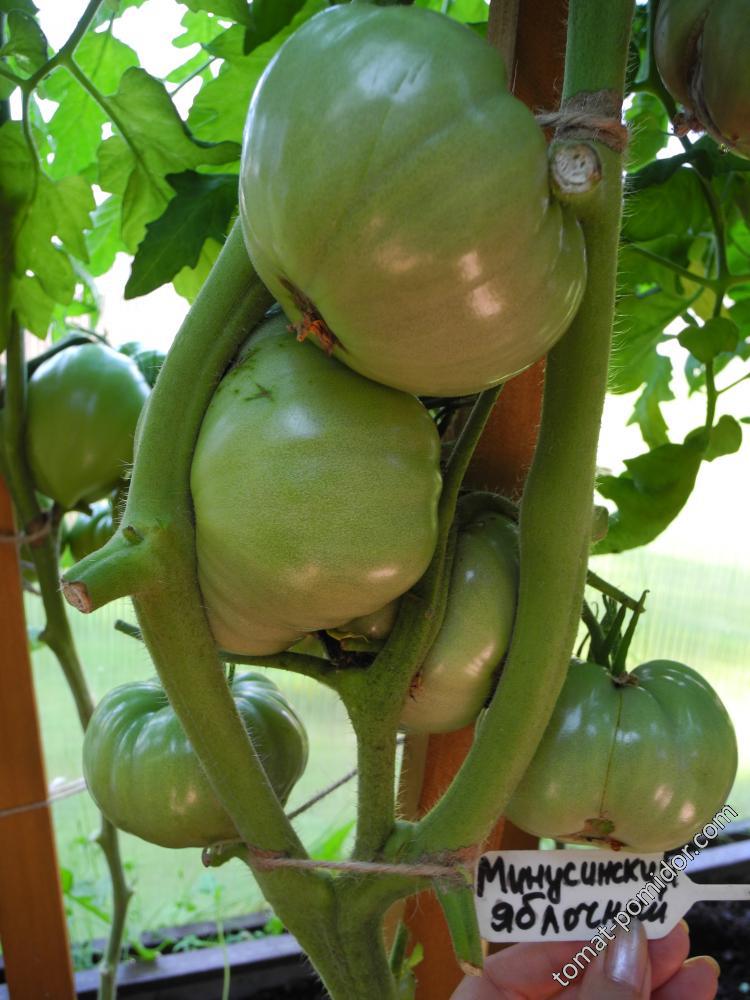
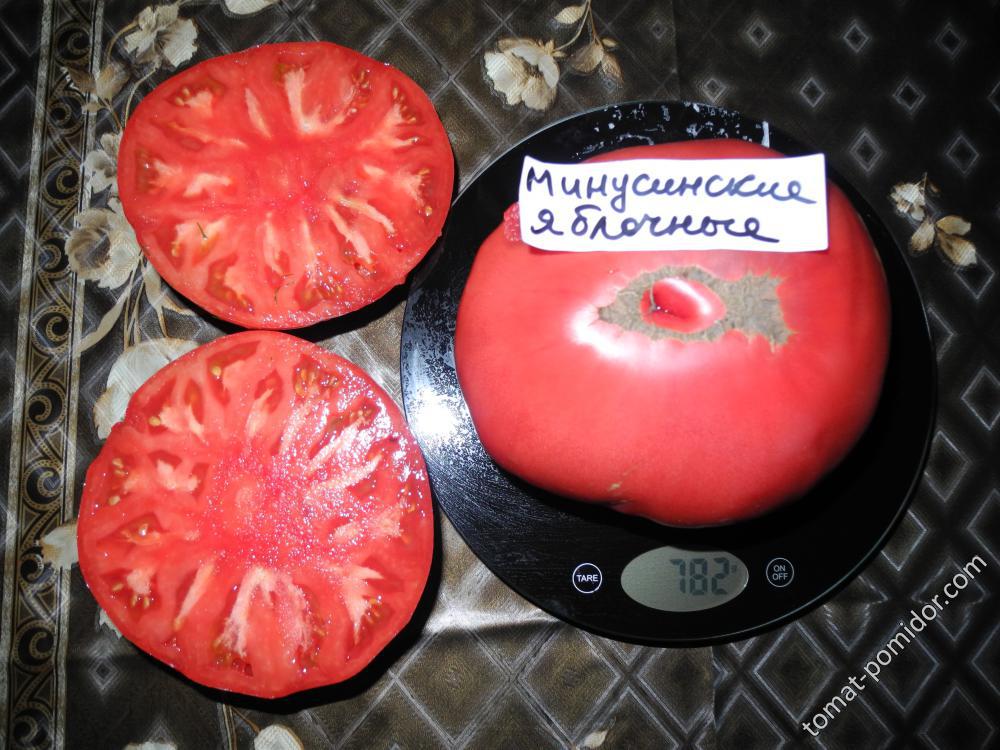
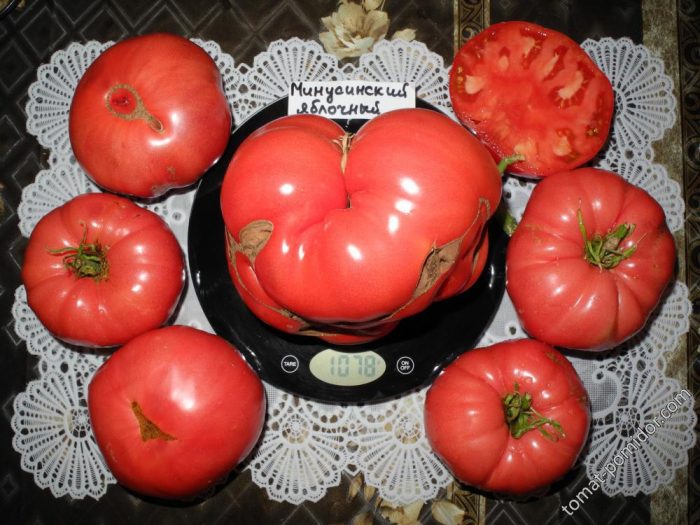
Greenhouse with 2 stems, open ground with 2 stems. The bush is strong, the stems are thick. The leaves are large, long, drooping, but not dense. It responds well to fertilizer. The bush width with 1 stem is ~50 cm. Bush density is ~50%. The fruits are large, flat, and juicy. The flavor is unbalanced, with sweetness predominating and lacking other flavors. About the same as Khuloury from Adjara: 4.8 out of 5. I haven't achieved a high yield yet, but it's higher in the greenhouse than in the open ground, ~4 kg. I left the seeds.
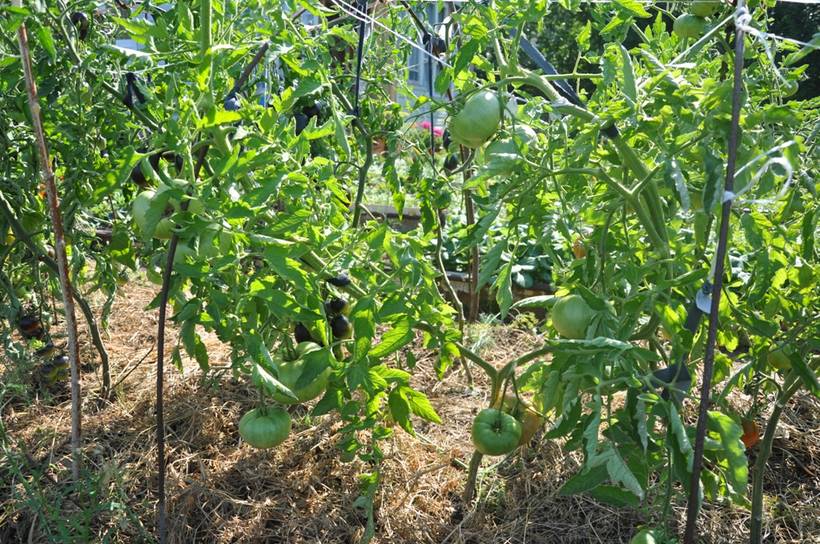
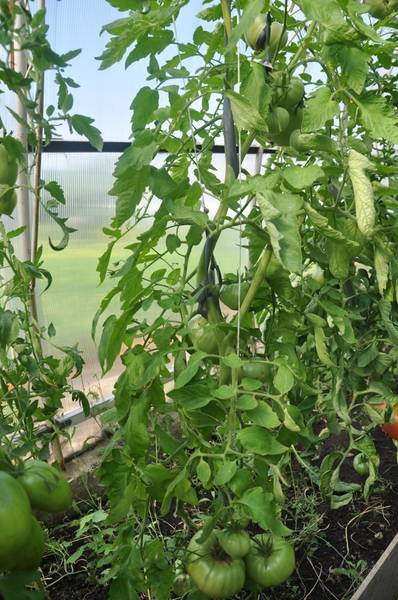
The Minusinsk apple tree has grown tall and vigorous, with light green foliage. The yield is good, with large fruits (up to 500 g) and a good tomato-like flavor.
The Minusinsk apple tree is dormant. Mine isn't dormant at all yet. I accidentally thinned out its cluster when I was trimming the leaves.