Pumpkin is a herbaceous plant of the Cucurbitaceae family, whose fruits are widely consumed as food. It has been cultivated for a long time and is now widely popular among gardeners worldwide due to its ease of cultivation and excellent taste.
Content
Classification of pumpkins
There are several varieties, differing in their appearance, care requirements, and taste: large-fruited, nutmeg, and hard-skinned, which are subdivided into pumpkin, squash, and pattypan squash. For practical purposes, another classification has been developed. Using it, any gardener can select the appropriate specimen.
- By ripening time. Different varieties have their own growth and active vegetation periods. Depending on this period, plants ripen at different dates.
- By fruit size. It's quite easy to distinguish large pumpkins from small ones by appearance. Size plays an important role, as it affects the amount of pulp and seeds.
- By variety: table, ornamental, fodder. Each has its own characteristics, which are well reflected in their names.
- By vines. There are compact, long, and bushy varieties.
Hard-shelled pumpkins
Ripe representatives of this group have a thick, dense rind, woody in places, which well protects the pulp of the fruit from external influences.
The seeds of hard-shelled pumpkins are noted to be particularly tasty. The medium-sized fruits ripen fairly quickly and are known for their ease of cultivation and disease resistance.
Hard-rind pumpkin varieties
| Variety | Description | Weight (kg) | Ripening period |
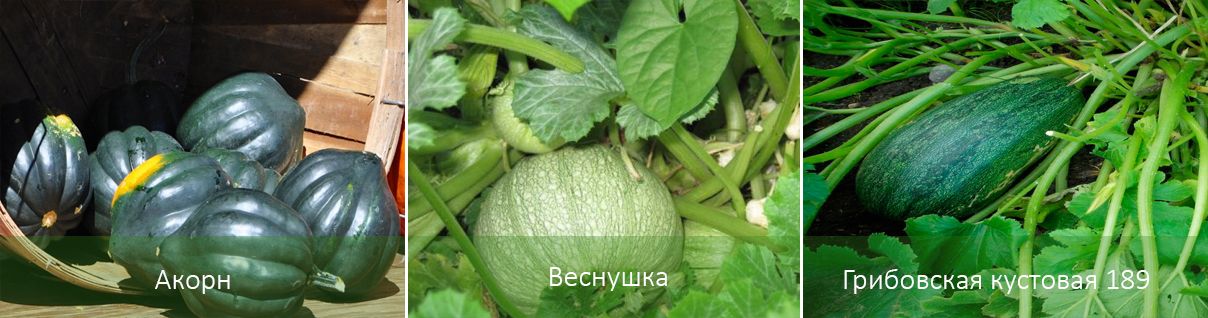
| Acorn. | A delicious table variety with rich flesh and large seeds. Bush and compact varieties are available. The surface is smooth, and the color is usually yellow, but black, green, and white with an orange tint are also found. | 1-1.5. | 80-90 days. |
| Freckle. | A variety with distinctive flesh. It has a unique coloring: a rich green rind with white markings resembling freckles. It grows as a bush. | 0.5-3.2. | Early maturing. |
| Gribovskaya bush 189. | Unusual, with a beautiful coloring: light orange or yellow, covered with black and white lines or large spots. It grows as a bush. | 2.5-5. | 80-100 days. |
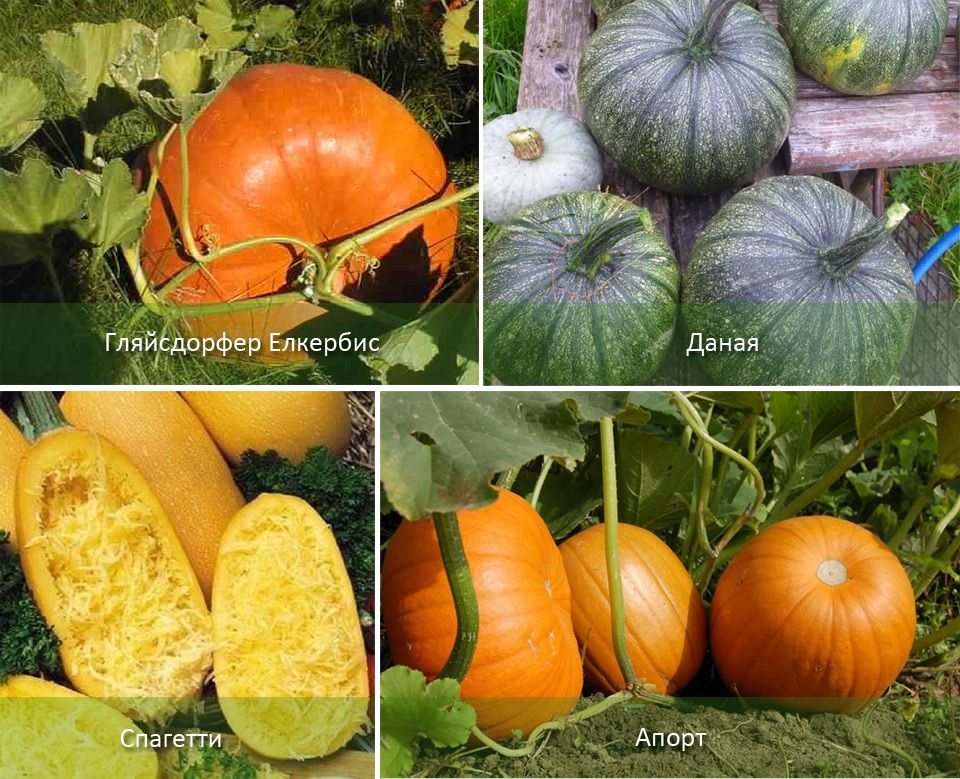
| Gleisdorfer Elkerbis. | A climbing table grape with a unique flavor and classic yellow color. The rind is smooth and firm, turning orange when ripe. The flesh is juicy, and the seeds are large and white. | 3.5-4.5. | Mid-season. |
| Danae. | A branched variety, its vines spread out for many centimeters around. It is characterized by a bright orange rind and tasty flesh. Due to its flavor, this variety is often used in porridge. | 5-7. | |
| Fetch. | A compact shrub with small branches. The fruits are juicy, sweet, and orange or yellow. | 4.5-7.5. | |
| Spaghetti. | The fruit is oblong in shape and bright yellow in color, reminiscent of a melon. It has fibrous, juicy flesh and large, grayish seeds. When cooked, it breaks into distinctive segments. | 2.5-5. |
Large-fruited pumpkins
These very sweet, large pumpkins are a favorite among gardeners. They grow on a smooth, round, cylindrical stem.
Easy to care for, many varieties can tolerate drought and sudden frosts. They store well without losing their flavor.
Varieties of large-fruited pumpkins
| Variety | Description | Weight (kg) | Ripening period |
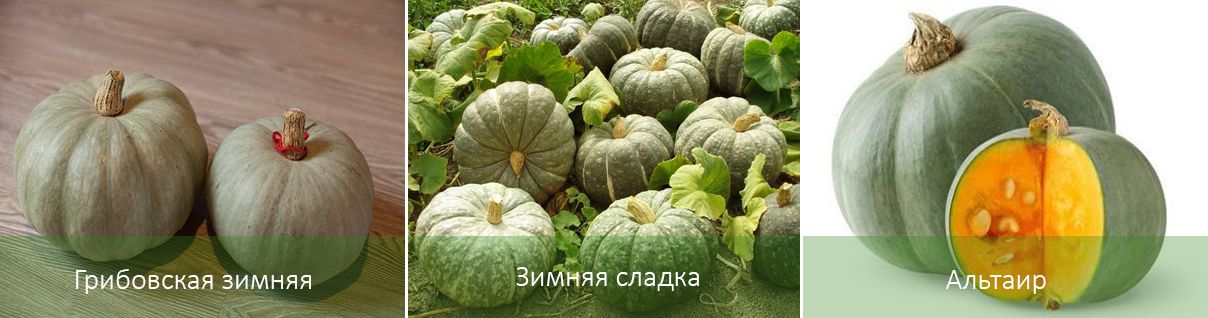
| Gribovskaya winter. | It has long vines and a flattened gray-green rind. The flesh is orange-red, vibrant, with a distinctive flavor and rounded beige seeds. It can be stored for a long time. | 2-3.5. | 120-140 days. |
| Winter sweet. | Dark gray, segmented fruits, flattened on the sides. Thick, sweetish flesh, orange in color. Can withstand prolonged drought. This variety is used to make juices and purees for baby food. | 5.5-6. | Late-ripening. |
| Altair. | The skin is gray with a bluish tint. The flesh is juicy, fibrous, bright orange, and contains numerous large seeds. The shape is slightly flattened with characteristic stripes along the sides. | 3-5. | Mid-season. |
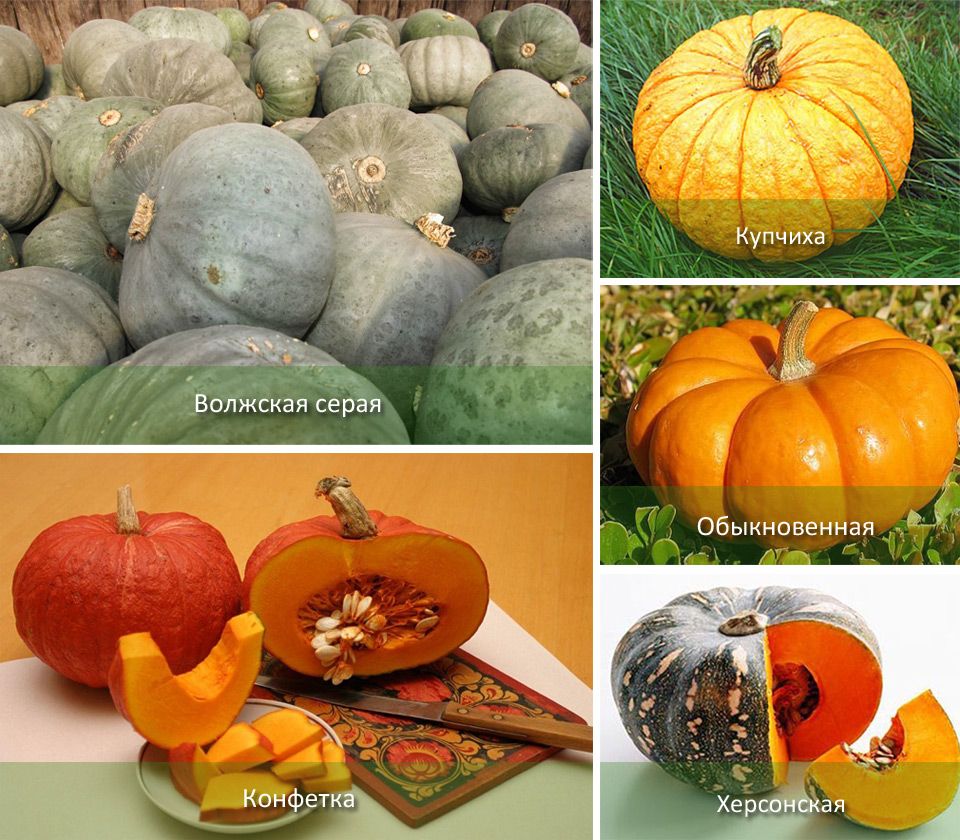
| Ordinary. | The most popular, grown for its ease of cultivation and excellent flavor. It has pale orange skin with greenish flecks, standard seeds, and orange-colored flesh. | 5-20. | |
| The merchant's wife. | A common table apple with a delicate yellow skin and a mild, pleasant flavor. It has a shelf life of up to 5 months, after which it can be used as animal feed. | 10-20. | |
| Candy. | Capable of vigorous growth with proper care and nutritious soil. Produces at least 8 fruits at a time. The rind is orange-red with scarlet markings. The flesh is dense, crisp, and rich in vitamin C and minerals. | 2-2.5. | |
| Kherson. | A vining variety with a gray-green rind with light gray spots. The flesh is juicy and sweet. It tolerates short periods of drought and light frosts and has a long shelf life. | 4.5-6. | |
| Volga gray. | Characterized by long vines and round, bluish-gray fruits, the variety boasts average flavor, bright orange flesh, and standard-sized seeds. It tolerates drought and stores well. | 5-8. |
Butternut squash
Grown in southern regions with a hot climate and low temperature fluctuations, this rather capricious variety boasts excellent flavor and is notable for its unique fruit colors and shapes, which can ripen even indoors after being picked from the garden.
Varieties of butternut squash
| Variety | Description | Weight (kg) | Ripening period |
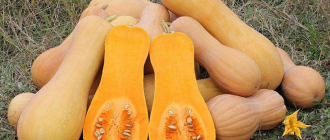
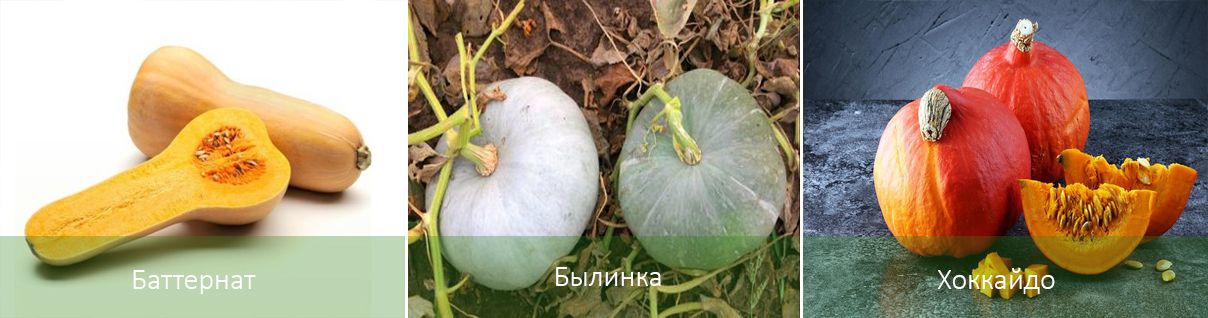
| Butternut. | Shaped like a pear, the rind is bright orange and segmented. The flesh is very juicy, watery, and sweet, with a vibrant aroma. It's widely eaten, even raw. It contains numerous vitamins and minerals. | 0.5-1. | Mid-season. |
| A blade of grass. | Small, glaucous fruits, flattened on the sides. The bright orange flesh is eaten raw for maximum flavor. | 2-3. | |
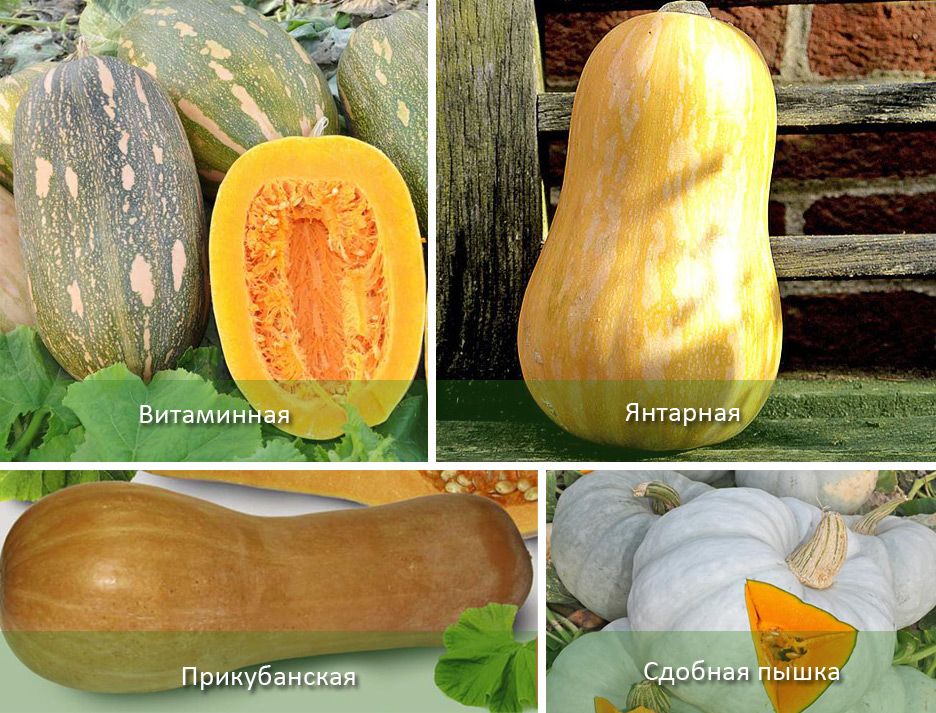
| Amber. | Long-vine variety. The orange rind has a brown tint and a slight waxy coating to protect against pests. It tolerates hot weather well. The pulp has a classic flavor, and the seeds are large. | 2.5-6.5. | |
| Hokkaido. | A table variety with stunningly sweet flesh and a pleasant nutty flavor. Its shape is round, slightly elongated, and bulbous. | 0.8-2. | 90-110 days. |
| Crumpet. | A heavily branched variety with greenish fruits. The flesh is bright orange, very sweet, and high in calories, hence its name. It is widely used in cooking. | 5-7. | Late-ripening. |
| Vitamin. | A highly branched variety with long, large vines. The fruits are bright green, elliptical, and marked with yellow vertical spots. The pulp has a fairly high sugar content (7-9%) and contains a unique component, beta-carotene, which is beneficial for the human body. It is recommended for use as baby food and for making juices. | 5-6. | |
| Prikubanskaya. | Common in southern Russia, it has a unique flavor and a cylindrical shape. Its color is brown with an orange tint. The flesh is tender, sweet and sour. | 2.5-6.5. | 90-130 days. |
Decorative pumpkins
They have an unusual shape and color.
Representatives are used to decorate a site or create compositions; they are rarely eaten.
| Variety | Description |
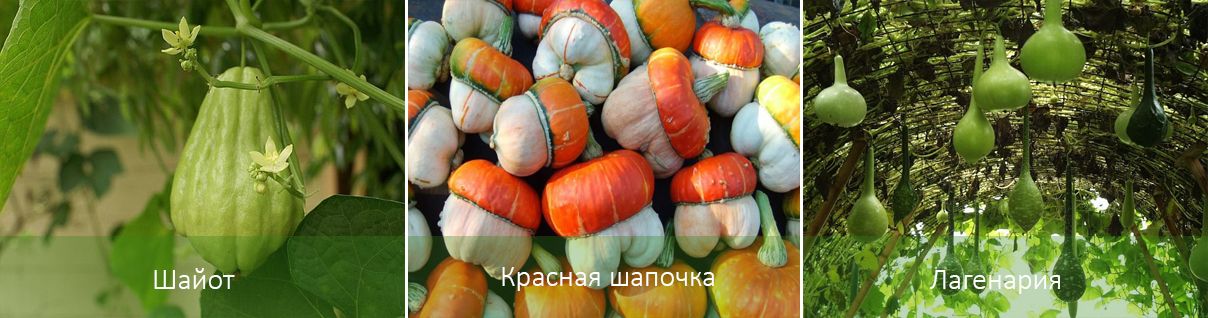
| Shayot. | Pale or bluish-gray in color with a predominant green tint. The skin is ribbed and slightly rough. The shape is tapered in the middle, resembling a pear. It has large seeds suitable for further propagation. Undemanding, it can tolerate light frosts and dry periods. |
| Little Red Riding Hood. | Medium-sized fruits with a modified rind: the top resembles a mushroom cap and is red or bright orange, while the bottom is pinkish or yellow. The coloring is very unique and deepens with ripening. |
| Lagenaria. | Large, with a thick, firm rind. Used for garden decoration, and it's used to make Halloween crafts. It requires quite a bit of care; harvesting should be done before frost sets in, otherwise the fruit will crack and spoil. After natural drying, the pumpkins become lighter. |
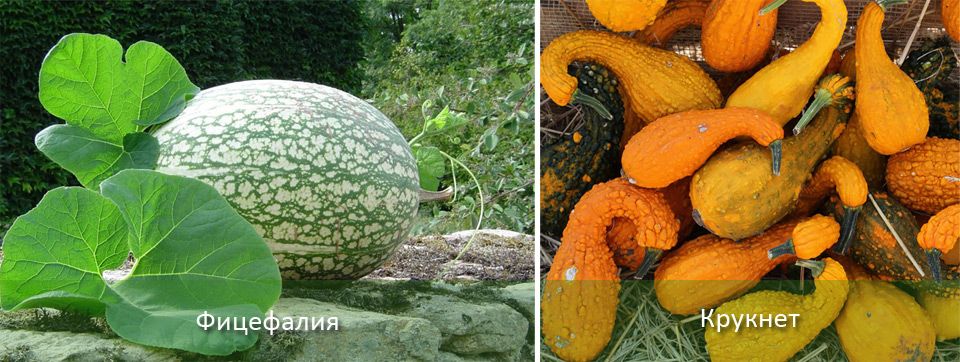
| Phycephaly. | A unique variety with fig-shaped leaves. The seeds are black, and the flesh is edible when cooked. The fruits can be stored for up to 3 years in a cool, dark place. |
| Crookneck. | Small, oblong, and slightly tapering toward the top, the dark orange rind is covered with numerous wart-like growths. Stores well in a cool place. |
Pumpkin varieties for the Moscow region
The climate of this region is conducive to growing pumpkins, but there are some varieties that produce the highest yields.
| Variety | Description | Ripening period (days) | Application |
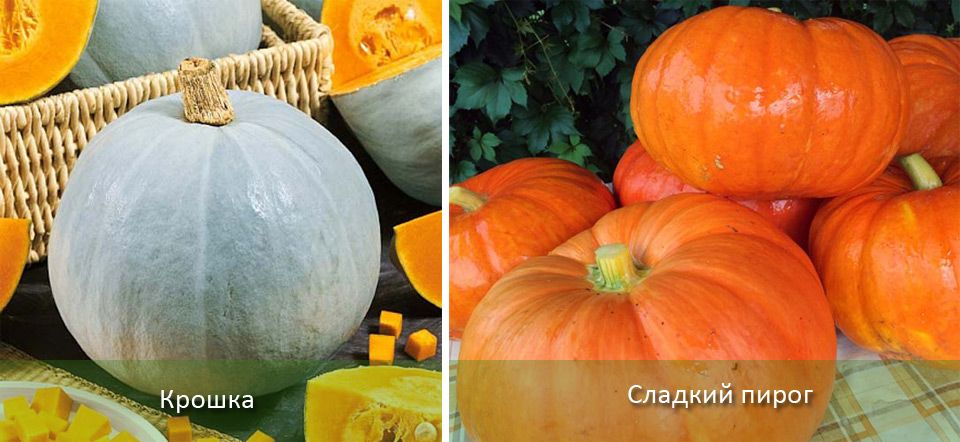
| Chit. | Small fruits with a slightly juicy, sweet flesh. The rind is dense, gray-green with fine transverse stripes. It has a long shelf life. The bushes are resistant to various diseases, but are susceptible to insect pests. | 120-130. | Dietary nutrition. |
| Sweet pie. | This round pumpkin with juicy yellow flesh can weigh up to 3 kg. It doesn't spoil quickly and is quite easy to grow. | 90-100. | Soups, sweets. |
| Melon. | The most popular variety due to its characteristics. It can grow up to 30 kg, while having sweet, tender flesh rich in vitamins and a taste similar to melon. It can withstand frost and drought, and has a long shelf life. | 115-120. | Baby food, juices, salads. |
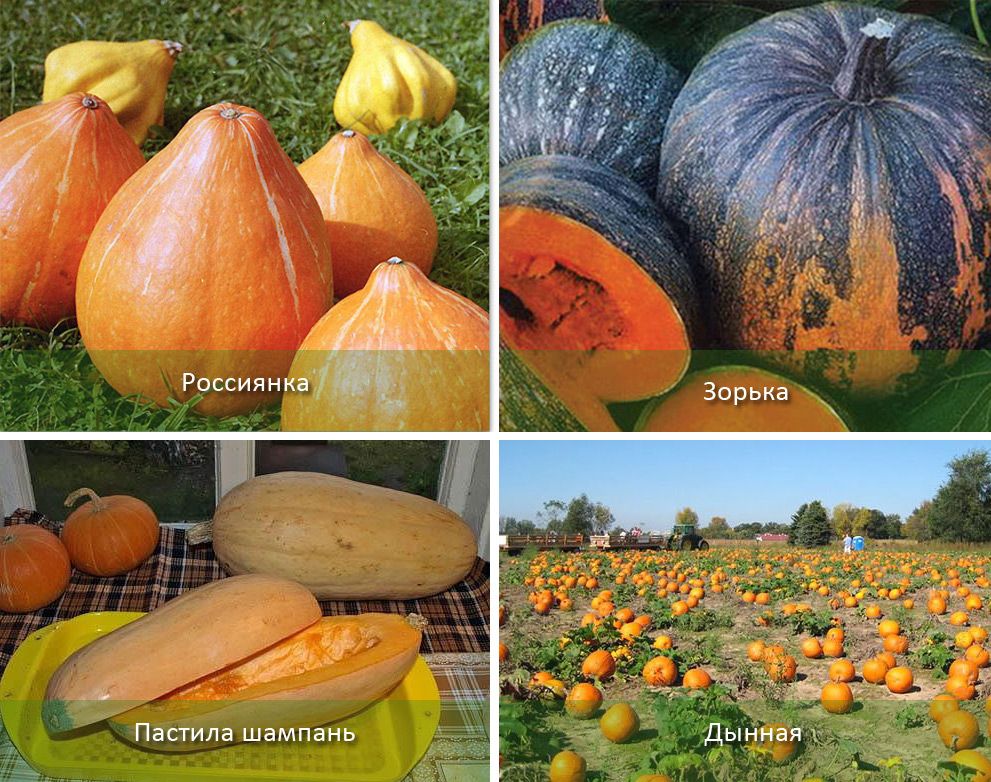
| Pastila champagne. | Large, oblong fruits with a thin, pale orange rind. The flesh is firm, with a light vanilla aroma, reminiscent of carrots. | Mid-season. | Juices, stews, pies. Consumed fresh. |
| Dawn. | A large-fruited pumpkin with an unusual coloring: bright orange and yellow spots appear on the dark green rind. The flesh is not juicy, but has a slightly sweet flavor. | 100-120. | Dietary nutrition. |
| Russian woman. | A medium-sized fruit with orange skin. The flesh is soft and sweet, with a melon-like flavor. A very productive variety, it can withstand extreme temperature fluctuations and frost. | Early ripening. | Sweets, baked goods. |
Pumpkin varieties for Siberia and the Urals
The temperature in these areas is variable, frosts and droughts often occur, so there are several unpretentious varieties.
| Variety | Description | Ripening period | Application |
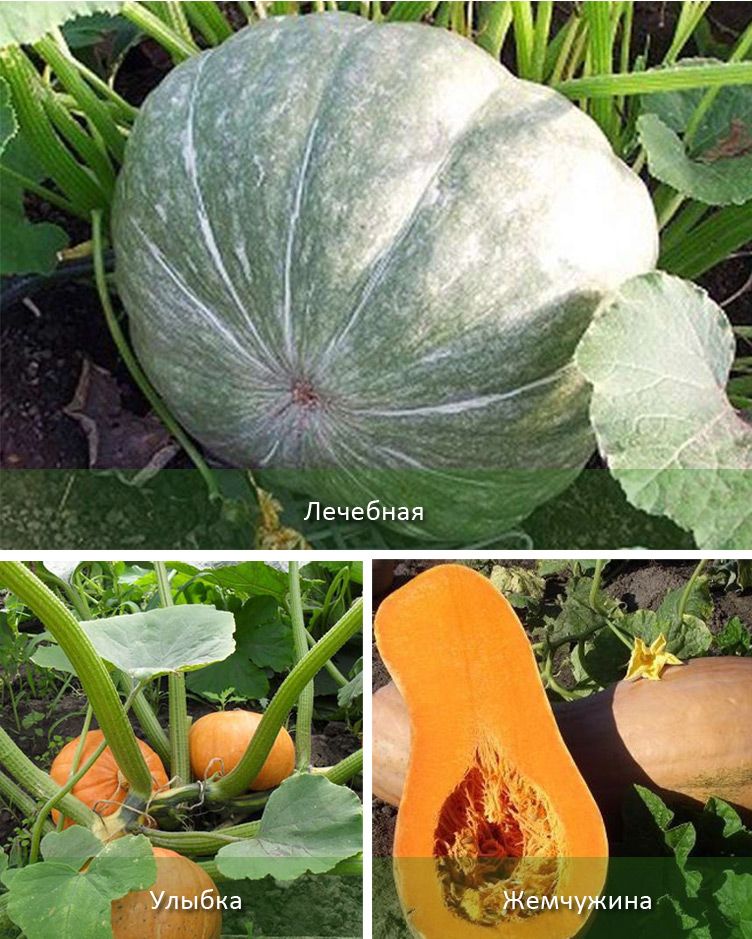
| Medicinal. | Medium-sized fruits with a bluish tint and small greenish flecks. Can withstand temperatures down to -2°C and have a long shelf life. Can reach up to 5 kg in weight. | Early ripening. | Dietary nutrition. |
| Smile. | It grows in bushes, each bearing up to 8-9 pumpkins. The rind is orange with beige longitudinal stripes. It can be stored for a long time, retaining its rich flavor and aroma even at room temperature. | Early maturing. | Salads, soups, stews. |
| Pearl. | A fairly robust variety with large, elastic vines. The dark yellow rind is covered with a fine orange mesh and bright markings. The reddish flesh has an unusually pleasant flavor. It grows up to 6 kg. | Late-ripening. | Baked goods, baby food. |
Top.tomathouse.com recommends: pumpkin is a healthy product
Pumpkin pulp is enriched with numerous substances beneficial for the human body: proteins, fiber, pectin and vitamin C.
It has a beneficial effect on intestinal health, strengthens the cardiovascular system, and is used to treat iron deficiency anemia and liver disease. Most varieties are low in calories, despite their sweetness, and are used in dietary nutrition. Even the seeds are eaten after being thoroughly dried.