Champignons are considered one of the most easy-to-grow mushrooms. However, to ensure a good harvest, you need to prepare a high-quality substrate. Compost is used for this purpose. Learn how to make it at home in this article.
Content
- 1 Do you need compost to grow mushrooms at home?
- 2 The benefits of making your own mushroom compost
- 3 Materials and equipment needed to prepare high-quality compost
- 4 Preparing a site for compost
- 5 Stages of compost preparation
- 6 Types of compost for growing mushrooms
- 7 Compost for growing champignons from horse manure
- 8 Compost for growing mushrooms from bird droppings
- 9 Compost for growing mushrooms from corn and chicken manure
- 10 Compost for growing mushrooms from sheep manure
- 11 Compost for growing mushrooms from sawdust
- 12 Blood meal compost for growing mushrooms
- 13 Peat-based compost for growing champignons
- 14 Compost for growing mushrooms based on rice straw
- 15 Tips from experienced mushroom growers on composting
- 16 Reviews of compost preparation for growing champignons from experienced mushroom growers
Do you need compost to grow mushrooms at home?
As is well known, plants require chlorophyll to synthesize nutrients. However, this living organism lacks it. This is why mushrooms cannot be grown in ordinary soil, even with the addition of all kinds of fertilizers. The mycelium simply cannot develop. Therefore, it requires a specialized mixture that creates conditions conducive to the proliferation of beneficial microorganisms.
The benefits of making your own mushroom compost
Compost for growing mushrooms can be purchased at a specialty store. However, it's quite possible to make your own. The latter option offers gardeners several advantages:
- This method is considered less expensive, so you won’t have to spend a lot of money.
- You can be confident in the quality of each component, because purchased compost with an expired shelf life from a negligent manufacturer will be useless.
- Good quality compost will increase crop yields several times over.
Materials and equipment needed to prepare high-quality compost
To prepare high-quality compost for champignons, which are known to prefer organic matter, you will need the following materials:
- Manure – enriches mushrooms with nitrogen. Horse manure is considered the most suitable. It used to be affordable, but once mushroom production began on a large scale in private farms, its price skyrocketed. Therefore, at home, it can be easily replaced with cow manure or poultry manure.
- Straw improves aeration. Rye or wheat straw is best, as they produce the most nutritious compost. If this is not available, oat, rice, or barley straw can be used. It's important to note that it must be fresh and free of signs of rot. Therefore, it's important to know where the straw was stored to avoid mold.
- Gypsum or chalk adds carbon. It is used to enrich compost with minerals and improve its structure.
- Water – maintains the required level of humidity.
Once you've prepared all the necessary composting ingredients, it's time to think about equipment. You'll need:
- Concrete area (4 sq.m.), covered with a roof and well ventilated.
- Barrel.
- Plastic bag.
- Tol.
- Hose or watering can.
Full instructions, How to grow champignons in a greenhouse on your property Read on our website Top.tomathouse.com.
Preparing a site for compost
The composting area must meet a number of simple requirements:
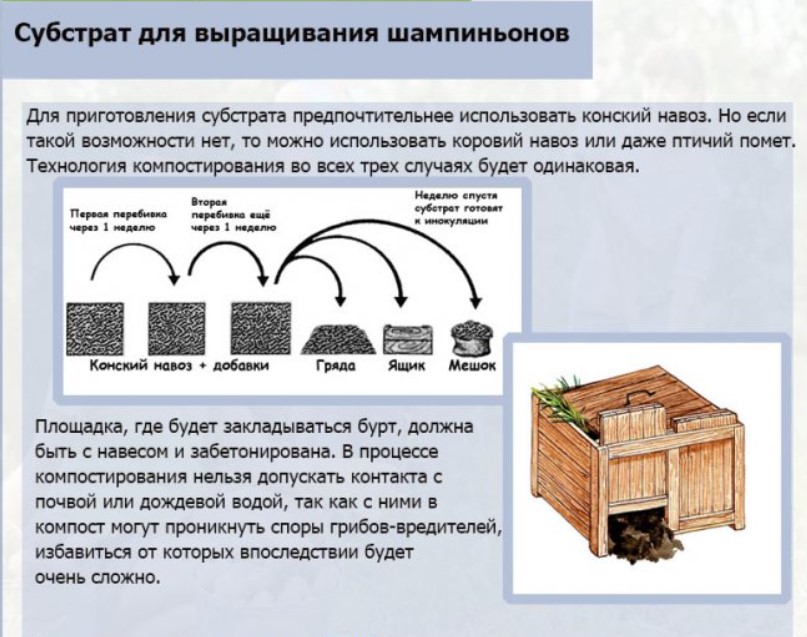
- The site for the future compost should be in a well-ventilated room or part of the garden. It should be protected from direct sunlight and rain.
- The area of the plot should be at least 4 square meters, which is quite enough to mix the compost during the preparation process.
- The air temperature should not be below 10 degrees to prevent rotting processes from activating.
- On all sides of the site, it is necessary to construct wooden borders 50 cm high to enclose it, but at the same time leave free access to air.
Stages of compost preparation
To ensure high-quality compost, it is necessary to approach each stage of its preparation responsibly.
Sterilization or pasteurization
To prevent the development of pathogenic microorganisms, straw must be sterilized or pasteurized.
- Sterilization involves immersing the material in a solution of water and hydrogen peroxide.
- Pasteurization is carried out by steam treatment of straw at a high temperature.
Decomposition
At this stage, the compost rots, and organic matter decomposes under the influence of heat and moisture.
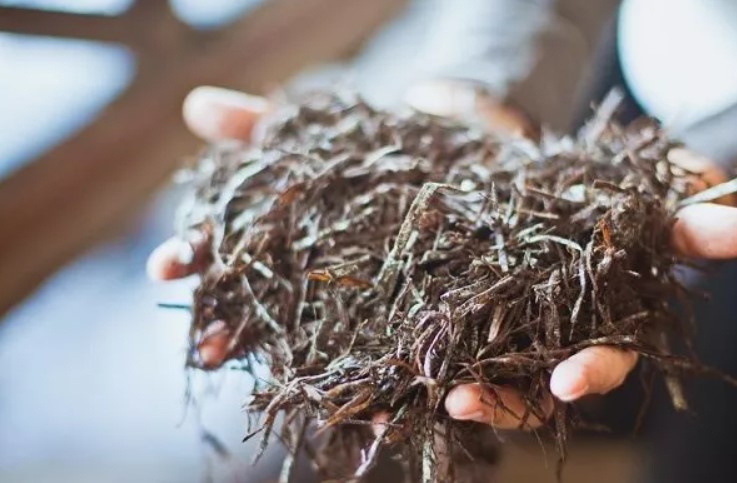
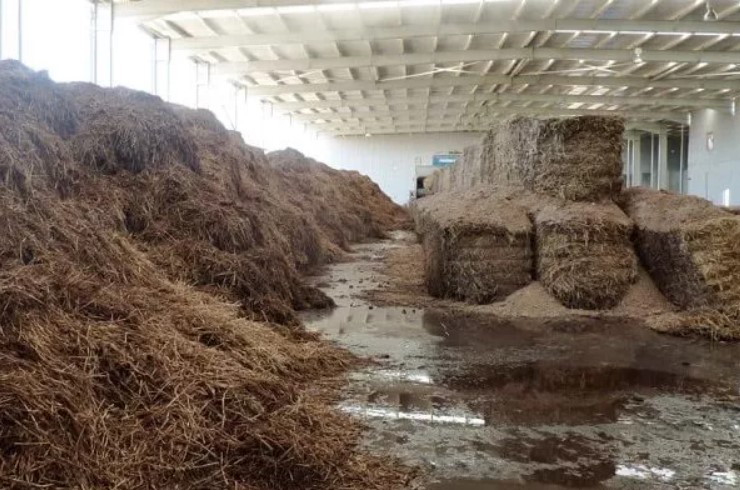
To start the process, lay a layer of straw up to 35 cm high on the site, add manure on top, then water and compact the pile. The layers should be repeated several more times, after which the pile should be covered with plastic film to simulate a greenhouse effect.
Gumming
This is done a week after composting. The pile is turned with a pitchfork, which improves aeration and allows oxygen to enter.
Mineralization
Mineralization is the final stage in the composting process, when all the organic matter has rotted and the compost has become rich and suitable for use.
Even a beginner can handle growing mushrooms.Read how to do this on our website.
Types of compost for growing mushrooms
For a long time, only manure was considered the most suitable ingredient for composting. But in recent decades, other types of manure from organic-eating livestock (cows, poultry, rabbits) have also become widely used.
There are three main types of compost:
- Natural – only fresh horse manure is used for its preparation.
- Semi-synthetic – horse manure is mixed with other types of manure.
- Synthetic – the compost does not contain horse manure.
Below, we'll look at eight options for preparing compost for growing mushrooms at home. We'll explain the ingredients needed and provide complete step-by-step instructions.
You don't have to grow mushrooms, but try to find them, for example, wild mushrooms, field or buy, even such delicacies as royal.
Compost for growing champignons from horse manure
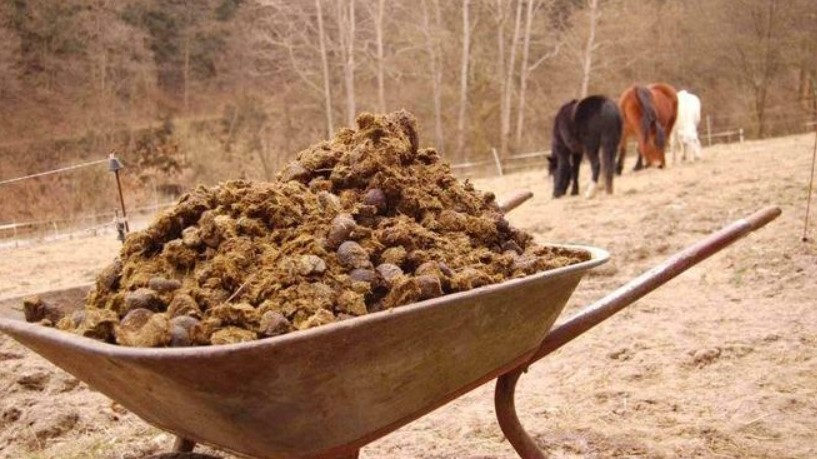
Horse manure is used in a classic compost recipe:
- 25 kg horse manure (42%).
- 25 kg of wheat or rye straw (42%).
- 8 kg dry chicken manure 13%).
- 1.5 kg of gypsum (3%).
Step-by-step instructions for making horse manure compost for mushrooms
To prepare compost using horse manure, all ingredients must be divided into 5 equal parts and arranged in layers in the following order:
- Straw.
- Horse manure.
- Dry droppings.
Each layer must be watered so that water does not run off. Watering is then repeated twice daily for the first five days. After this, the pile is pitchforked and moved to a new location within the same plot. Each layer is covered with plaster of Paris. The above recipe calls for 100 liters of water per day. The next pitchfork can be repeated after another five days, then twice more at the same interval. The compost does not require watering for the final time. The temperature inside the pile should be around 60 degrees Celsius.
The substrate is considered ready on the 24th day, and it should not emit an ammonia smell or stick to your hands; the color should be brown.
Compost for growing mushrooms from bird droppings
Chicken manure can be used instead of horse manure:
- 25 kg of droppings (47%).
- 25 kg of high-quality straw 47%).
- 3 kg of gypsum (6%).
Step-by-step instructions for making bird droppings compost for mushrooms
All ingredients are divided into 4-5 equal parts. The first layer is straw, followed by the remaining ingredients. Less water is used than in the horse manure recipe.
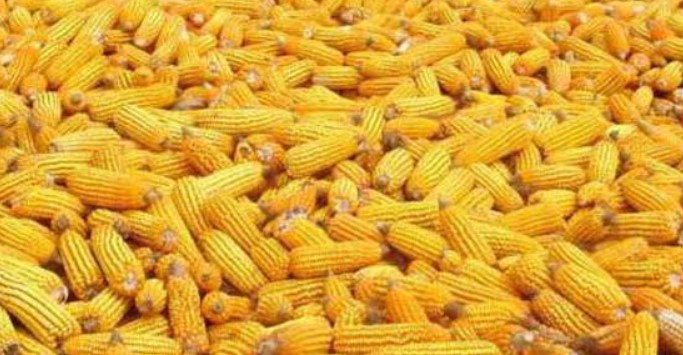
Compost for growing mushrooms from corn and chicken manure
Corn further enriches the compost and makes it more nutritious for the mycelium:
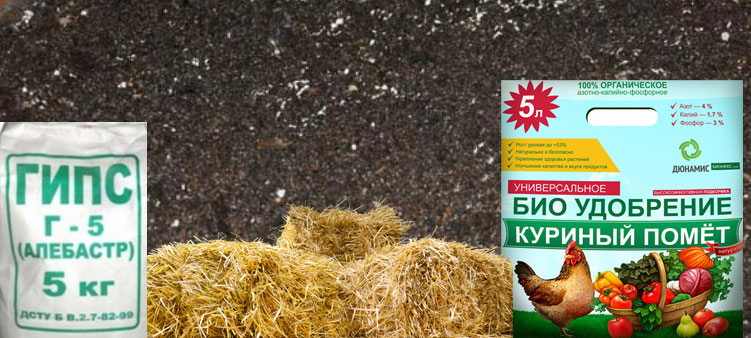
- Chicken manure – 60 kg (36%).
- Straw – 50 kg (30%).
- Corn cobs – 50 kg (30%).
- Alabaster – 3 kg (4%).
Step-by-step instructions for making corn and chicken manure compost for mushrooms
When preparing compost, the components are divided into five equal parts, corn cobs are placed on the straw, then manure. Each layer must be watered. The pile is covered with plastic wrap. Plaster of paris is added only during the composting process.
If dry alfalfa is used instead of straw, the amount of alabaster increases to 4.5 kg.
Compost for growing mushrooms from sheep manure
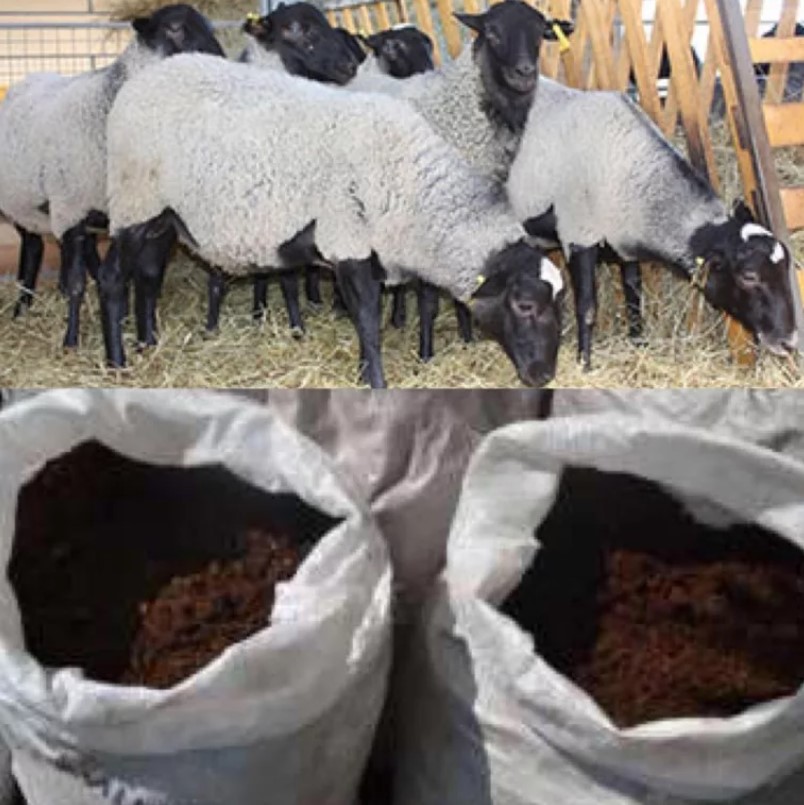
Sheep manure is also considered organic and is used in a mixture with chicken manure.
- Sheep manure – 20 kg (19%).
- Chicken manure – 30 kg (29%).
- Straw – 50 kg (49%).
- Alabaster – 3 kg (3%).
Step-by-step instructions for making sheep manure compost for mushrooms
When using sheep manure, it's the first ingredient after the straw. Chicken manure is then placed on top. There should be five layers, each one watered as it's laid. The alabaster is added during the mixing process.
Compost for growing mushrooms from sawdust
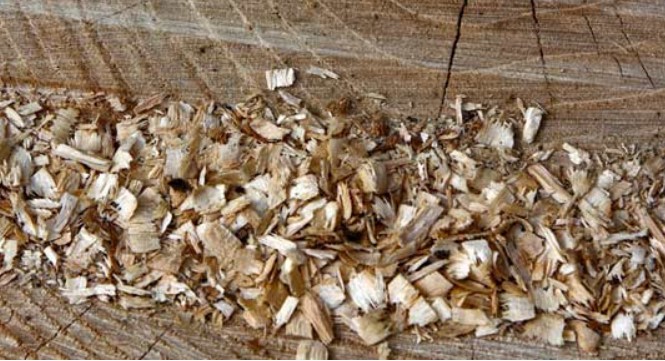
The sawdust recipe uses the ingredient Thomas slag, which is sold in powder form and is a waste product of the metallurgical industry.
Thomas slag contains phosphorus and a large amount of lime.
- Straw – 100 kg (43%).
- Wood sawdust – 100 kg (43%).
- Malt – 15 kg (6%).
- Calcium carbonate – 10 kg (4%).
- Urea – 5 kg (2%).
- Thomas slag – 3 kg (1%).
Step-by-step instructions for making sawdust compost for mushrooms
The preparation process is similar to the methods described above: sawdust and all other ingredients are placed on top of the straw. This compost is prepared very quickly, in just 15 days, and requires turning twice, 5 days apart.
Blood meal compost for growing mushrooms
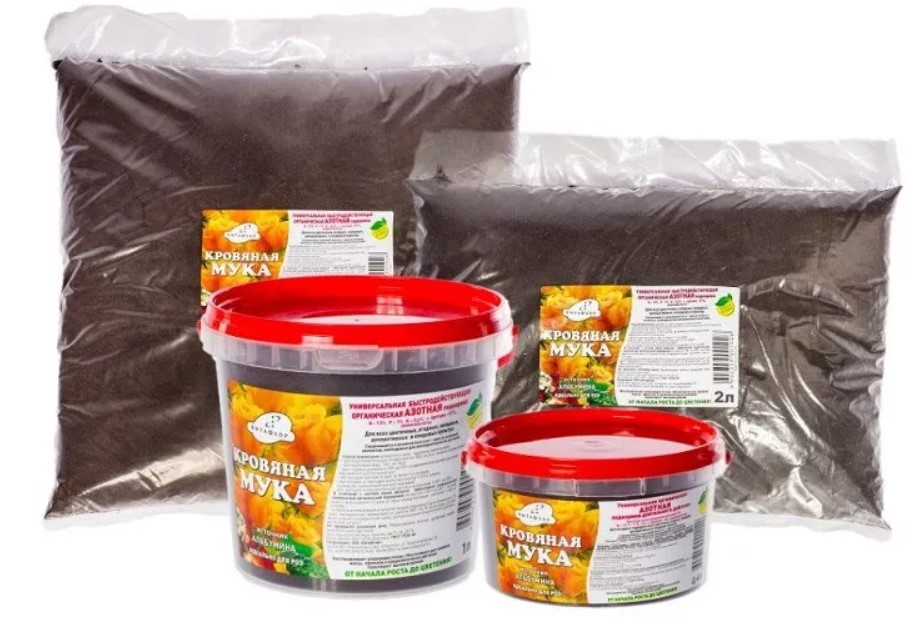
An expensive method of composting due to the high price of blood meal, which is considered a storehouse of nitrogen, phosphorus, calcium and iron.
- Straw – 100 kg.
- Blood meal – 15 kg.
- Chalk – 2.2 kg.
- Alabaster – 1.5 kg.
- Potassium sulfate – 630 g.
- Superphosphate – 630 g.
Step-by-step instructions for making blood meal compost for mushrooms
Blood meal compost is ready after 31 days. Blood meal is spread on the straw, each layer is sprinkled with the remaining ingredients, and watered. Turning should be done on the 5th, 11th, 18th, 28th, and 30th days. Water the compost each time except the last.
Peat-based compost for growing champignons
To prepare compost, you will first need to prepare a nutrient solution:
- Ammonium sulfate – 7 kg.
- Sodium nitrate – 1.5 kg.
- Potassium phosphate – 1.5 kg.
Next, a mixture of 200 kg of straw and 800 kg of peat flour is prepared, which is watered with a solution through each layer.
Step-by-step instructions for preparing peat compost for mushrooms
A mixture of 200 kg of straw and 800 kg of peat flour is made, which is watered with a solution through each layer.
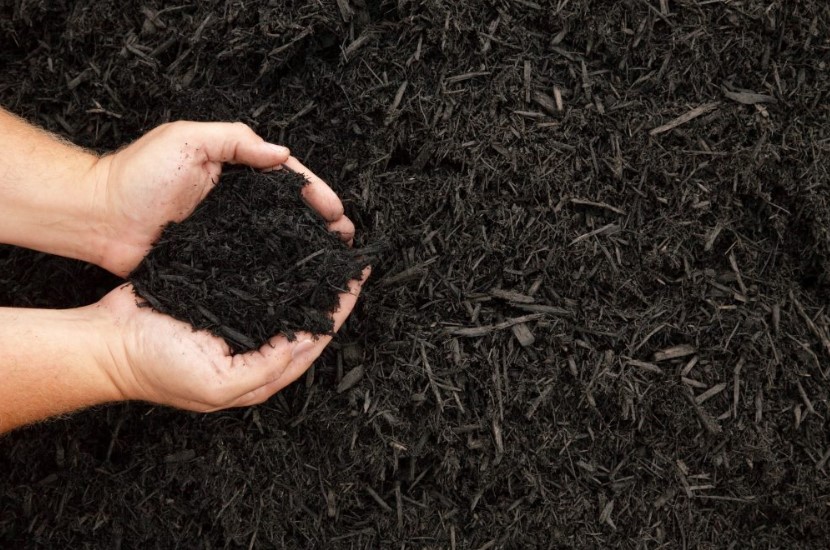
Compost for growing mushrooms based on rice straw
This recipe is widely used in Asian countries. It is prepared using:
- Rice straw – 200 kg.
- Chalk – 30 kg.
- Urea – 5 kg.
- Superphosphate – 20 kg.
- Ammonium sulfate – 20 kg.
Tips from experienced mushroom growers on composting
Experienced mushroom growers have developed several universal recommendations for compost preparation:
- Be sure to maintain the ratio of ingredients. If you increase the ratio, the temperature will rise, and the mycelium won't survive in such conditions. A lack of nutrients will negatively impact the yield.
- In high-quality compost, the acidity level should be maintained at 7.5, humidity – 70%, nitrogen no more than 2%, potassium within 1.6%, phosphorus – 1%.
How to speed up the composting process
Specialized composting products like Embiko, Baikal, and Siyanie can help speed up the composting process. You can also make your own green herbal infusion and water the mycelium with it. To prepare it, you'll need 20 parts water, 5 parts weeds, and 2 parts chicken manure. Let this mixture steep for a week in a warm place.
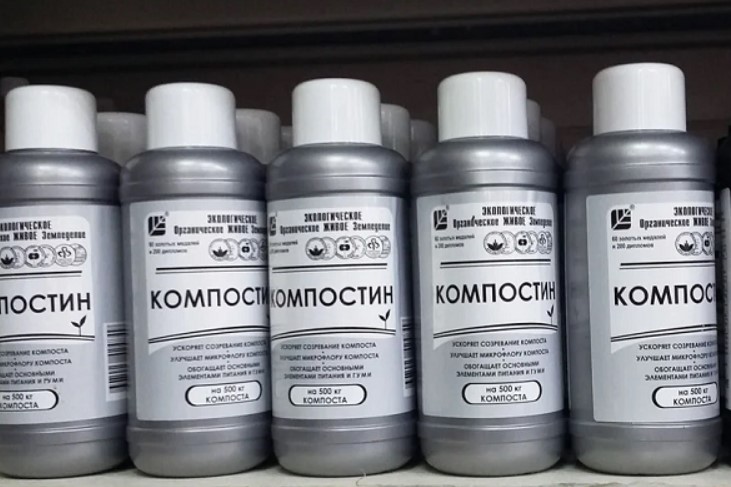
A yeast mixture stimulates compost maturation well: dissolve 3 tablespoons of yeast in 3 liters of warm water, add 600 g there and leave to ferment for several hours.
There's no need to throw away used compost after harvesting; it still contains a wealth of useful substances that can be used in the garden, for example, as a mulch layer, fertilizer, or as a warming agent for plantings.
Ah, you know that champignons are eaten raw And used in diets, especially for weight loss.
Reviews of compost preparation for growing champignons from experienced mushroom growers
Mushroom compost is a nutritious substrate for productive mushroom cultivation. I invite mushroom experts and enthusiasts to share their thoughts on our forum about which mushroom compost you personally use to ensure a bountiful harvest.
There are quite a few recipes. Here's how to prepare synthetic compost according to the recipe of the American specialist R. Edwards. For one ton of dry straw with a moisture content of 14% add 150 kg of blood meal; 6.3 kg of superphosphate; 15 kg of gypsum; 6.3 kg of potassium sulfate; 22 kg of chalk. Also add 334 grams of manganese sulfate; 35 grams each of zinc sulfate, boric acid and ammonium molybdate; 7 grams of potassium bromide; 340 grams of iron sulfate; 70 grams of copper sulfate; 14 grams of chromium sulfate and 7 grams of potassium iodide.
To prepare compost for mushrooms, straw cut to 20 cm thick is moistened for a week. After a week, the straw is watered with a micronutrient mixture dissolved in 5 liters of hot water and laid in 30 cm thick layers. The layers are compacted into a pile to maintain natural ventilation. After a couple of days, the pile will heat up to 58 degrees Celsius, and after 16 days, to 74.
The compost is turned according to the following schedule: 0-5-11-18-28-30. During the final turning, 6.3 kg of superphosphate and 31.6 kg of gypsum are added. The compost will be fully ready on the 31st day. Its appearance and quality are indistinguishable from fermented horse manure.
Here's another example of preparing synthetic compost using S. Peschke's recipe. This compost was made in the Soviet Union using peat, as it was abundant. The basic ingredients are peat flour and rye straw in a 4:1 ratio. For 100 kg of chopped rye straw, take 400 kg of peat flour, mix, and water with a salt solution: 0.7 kg of sodium nitrate, 3.5 kg of ammonium sulfate, and 0.7 kg of potassium phosphate. Spray the resulting mixture with a 2% urea solution, mix, moisten with water, and leave for 15 days, stirring again at days 5 and 8. The moisture content of the finished compost should be between 67-69%.
Let's continue.) As is well known, mushrooms prefer substrates containing wood sawdust. Fresh sawdust contains nitrogen, phosphorus, potassium, and calcium—everything necessary for mushroom growth and nutrition. Furthermore, sawdust is well-ventilated and absorbs a lot of water, creating a loose and moist environment. Here's G. Remka's recipe for the best compost for mushrooms. For the mixture, take 1,000 kg of dry sawdust and the same amount of dry wheat straw. Add 100 kg of calcium carbonate, 30 kg of 16% Thomas slag, 150 kg of malt, and 50 kg of urea. Moisten everything, stack it in a pile 1.6 meters high, and wrap it in straw. The compost is ready in 14 days, with two stirrings every week.
Compost for growing mushrooms can be prepared in several ways. This is how my uncle prepares compost for mushrooms: manure (50 kg) + straw (50 kg) + superphosphate (1 kg) + chalk (2.5 kg) + gypsum (4 kg) + urea (2.5 kg). The compost should be fibrous, brown in color, free of ammonia odor, and moderately moist. The compost ingredients are layered in a designated area in a specific order.
The straw must first be prepared by soaking it in water for a couple of days. The dry ingredients are mixed together. The prepared straw is laid out as the first layer and lightly moistened with water. Sprinkle the prepared dry ingredient powder on top, then add a layer of manure and sprinkle with more powder.
Continue alternating layers in this manner. There should be about eight of them (four manure and four straw). This layered pie should be left for several days.
Its temperature will rise. Then you'll need to stir the layered cake and add enough water to keep the compost moist but not wet. You'll need to stir the compost weekly, or even more frequently. Water is essential. It should be four times as much as the amount of straw. This means you'll need to continually add water while stirring. The compost is ready: it will be crumbly but moist, free of ammonia odor, and brown in color.
Chatlanets wrote:
Richer wrote:
Champignon mushrooms require manure:This statement is not entirely true; you can do without manure.
The statement is very true: manure is essential for making a profit from mushroom cultivation. While you can certainly infect champignon mushrooms with rotted straw, the resulting harvest won't be enough to cover your cost. As for the technologies for growing oyster mushrooms and champignons, they're different, no matter what's written here. Briefly, there are many similarities: seeding with mycelium, adjusting the substrate, temperature, humidity, harvesting. Several waves and many other similar points are discussed, but everything is different, from the racks to the substrate, watering, hygiene, lighting, and harvesting methods.
Hygiene when growing champignons is no less important than when growing mycelium for champignons (as was mistakenly stated above). During sowing, stacking, watering, and harvesting, everything must be clean—not just the premises but also the workers themselves (special clothing, shoes, hats, gloves). Hygiene directly impacts the yield. Oyster mushrooms, on the other hand, are not as fussy about hygiene, but even here, failure to adhere to basic hygiene standards can result in a lost harvest.
But everything I've written above has strayed a bit from the topic. As I understand it, the topic is looking for ways to use vermicompost for mushroom cultivation, so they can sell it in large quantities without the hassle. Unfortunately, I have to disappoint you—it's completely unnecessary for oyster mushrooms, and for mushroom mushrooms, too, for several reasons: it's dirty (it has its own microflora and other microorganisms), it's expensive compared to peat, and it's separated and somewhat dry. So, no business owner will buy vermicompost from you at their own peril.

What's better: oyster mushrooms or champignons? Read on our website Top.tomathouse.com.