Chanterelles are among the most sought-after mushrooms for mushroom pickers. They can be found in coniferous, deciduous, and mixed forests throughout virtually all of Russia. These mushrooms are distinguished by their funnel-shaped cap, which blends smoothly into the stem. They have a mild flavor and a pleasant aroma with hints of apricot. However, in some cases, a bitter taste can spoil the flavor. Let's explore why this occurs and how to get rid of it.

Why are chanterelles bitter?
The main factors that provoke bitterness:
- Too many toxic substances. Mushrooms absorb harmful compounds. The highest concentrations are observed in mature specimens. Therefore, mushrooms should not be collected near industrial plants or roads. It is recommended to keep only young specimens in the basket.
- Poor processing. That is, the mushrooms were poorly washed.
- It wasn't a chanterelle that I got, but its lookalike. They always have a strong bitterness. Moreover, its bitterness can spread to other mushrooms.
- I came across an old specimen. They tend to have a more bitter taste.
- The mushrooms were harvested during a drought. These specimens often have a bitter taste that persists even after soaking.
- Failure to comply with storage and use requirements for culinary purposes.
Knowing the causes of bitterness can significantly reduce the risk of its occurrence.
Rules for collecting chanterelles so they don't taste bitter
When harvesting, you must adhere to the following rules:
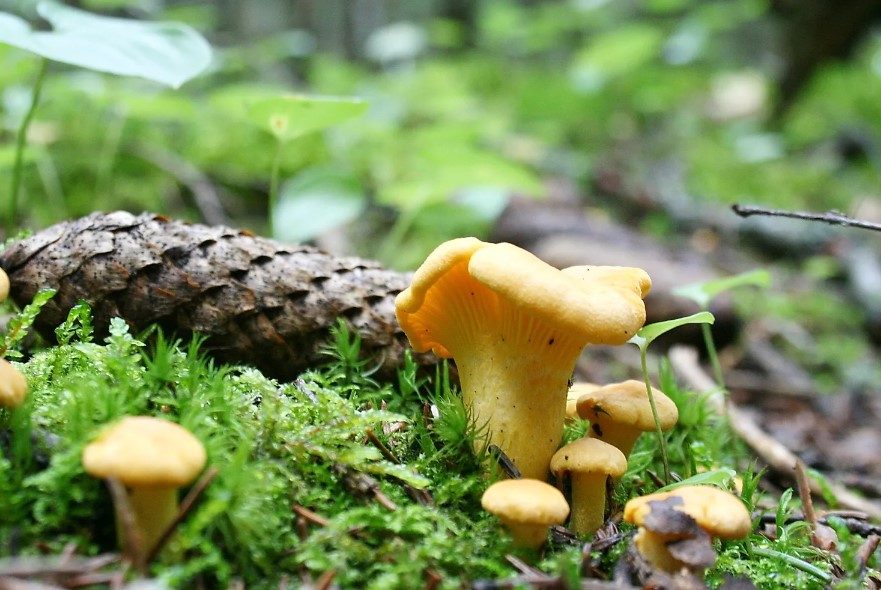
- avoid “silent hunting” if dry weather persists for a long time;
- do not collect chanterelles near roads, factories, or within city limits;
- Do not collect mushrooms that grow near coniferous trees and surrounded by moss;
- put only young specimens in the basket.
Important! Before heading into the forest, carefully research how to distinguish true chanterelles from their fake counterparts. If even one such variety ends up in your basket, all your future mushrooms will taste bitter.
Where to find chanterelles, types of chanterelles, how to distinguish real from false ones, and how to grow chanterelles yourself, read the articles:
Growing chanterelles at home and in the garden step by step + on an industrial scale.
Rules for the initial preparation of chanterelles
The following rules for primary processing must be followed:
- Clean the mushrooms. Remove any rotten or damaged areas.
- Rinse through a colander.
- Soak the mushrooms in cool, brackish water for 2-3 hours. This will completely clean the mushrooms.
- Cook for 20 minutes.
- Let's start cooking.
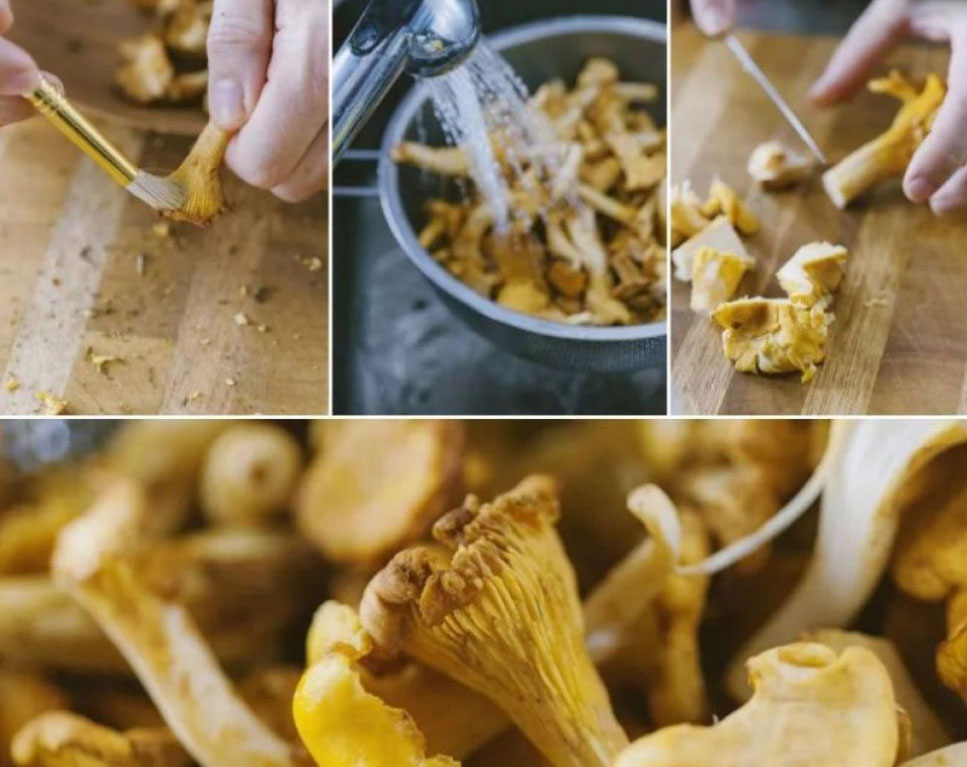
However, even after these steps, bitterness may remain. There are ways to eliminate it for each type of subsequent processing.
How to freeze chanterelles so they don't taste bitter
To avoid bitterness after freezing, follow these rules:
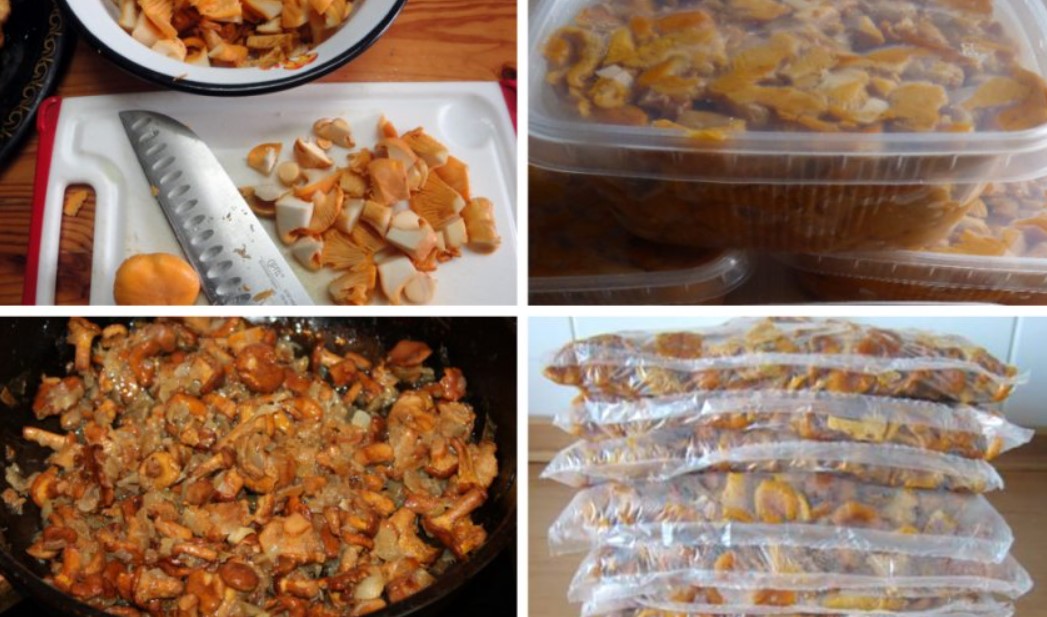
- Don't soak the mushrooms. Simply rinse them under running water and then dry them thoroughly on a paper towel.
- Freeze only young and dense mushrooms.
- Pour cool water over the chanterelles, add salt and boil for 15 minutes.
- Dry naturally, pack into containers or plastic bags and freeze.
Please note! Mushrooms can be stored in the freezer for a very long time without spoiling. However, it's not recommended to store them for more than three months, as their flavor will deteriorate.
Read more about the correct freezing of chanterelles in the articleChanterelles for the winter: freeze raw or cooked, 4 ways to avoid bitterness, in the freezer.
How to remove the bitterness from defrosted raw chanterelles
After defrosting, immediately place them in boiling water for 15 minutes, keeping the heat low. You can also add salt and citric acid.
You might be interested inCan you eat raw chanterelles? The benefits and harms of mushrooms, how much you can eat, and for different purposes..
How to remove the bitterness from defrosted cooked chanterelles
Step by step actions:
- Remove and defrost the chanterelles. Drain any liquid that appears. Rinse the mushrooms under cool running water.
- Fill with water.
- Add the onion, cut into quarters.
- Cook for 10 minutes on low heat.
Finally, pass the mushrooms through a colander to allow the liquid to drain completely.
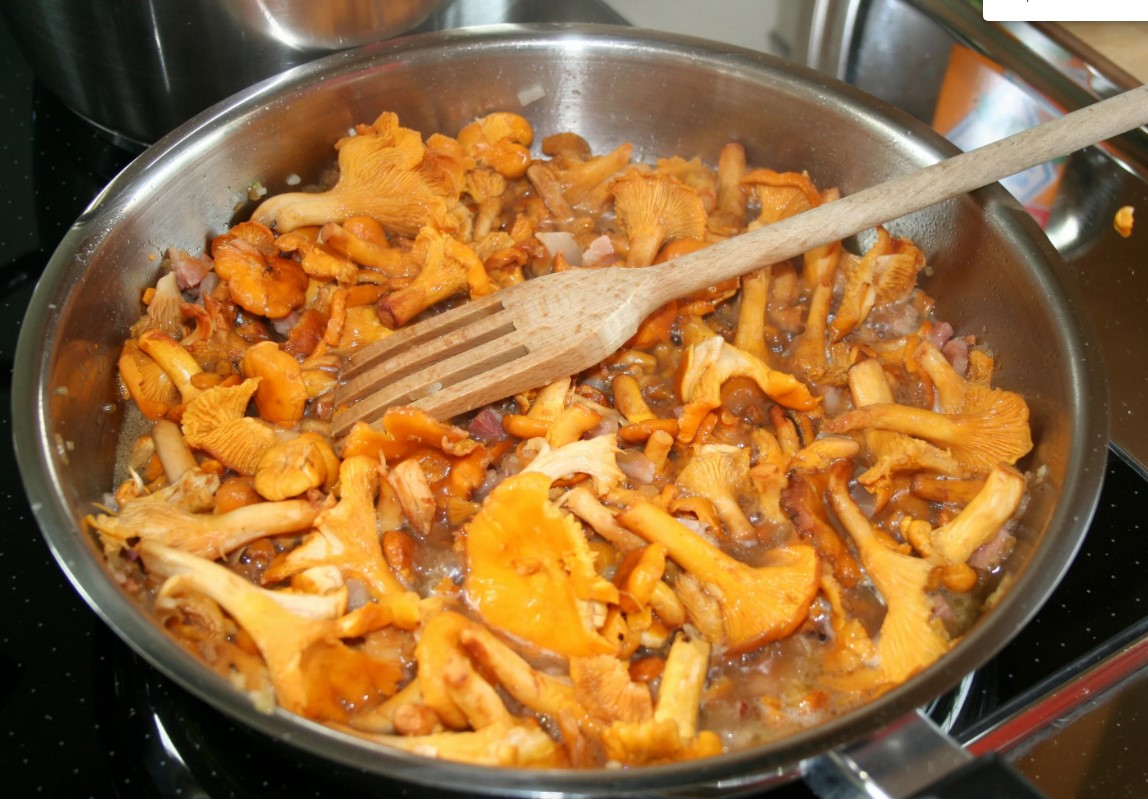
Read more about cooking chanterelles in the articleDo chanterelles need to be boiled? How long do they need to be boiled before frying, in soup, until done?.
How to remove the bitterness from chanterelles after frying
Sometimes mushrooms taste bitter even after being soaked and boiled. Most likely, they were burnt or fried in bitter vegetable oil.
There are several ways to eliminate bitterness:
- Add sour cream or mayonnaise and seasoning. Simmer for 15 minutes.
- Dredge the pre-boiled chanterelles in flour. Then fry them in butter with onions that have been sautéed with granulated sugar.
- When cooking, add a gauze bag filled with various herbs to the broth.
If you've tried all possible options and the bitterness still persists, the only option is to throw the product away. Don't feel sorry for it.

How to remove the bitterness from dried chanterelles
There are several ways:
- Soak in cool water for 8 hours. Change the water at least twice during this time. Otherwise, the product will begin to sour.
- Pour warm milk over the chanterelles until they are covered. Leave for several hours.
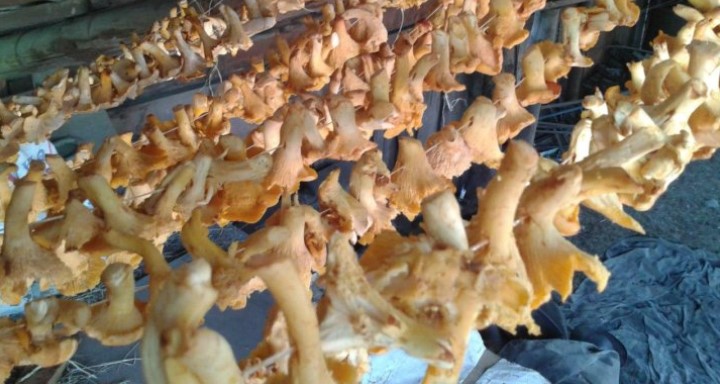
Helpful advice! To ensure that the bitterness is removed, after soaking the mushrooms, it is recommended to boil them with the addition of citric acid and herbs.
Read more about how to dry chanterelles in the article.Dried Chanterelles: 6 Drying Methods, Calorie Content, Benefits and Harms, Uses, and Recipes