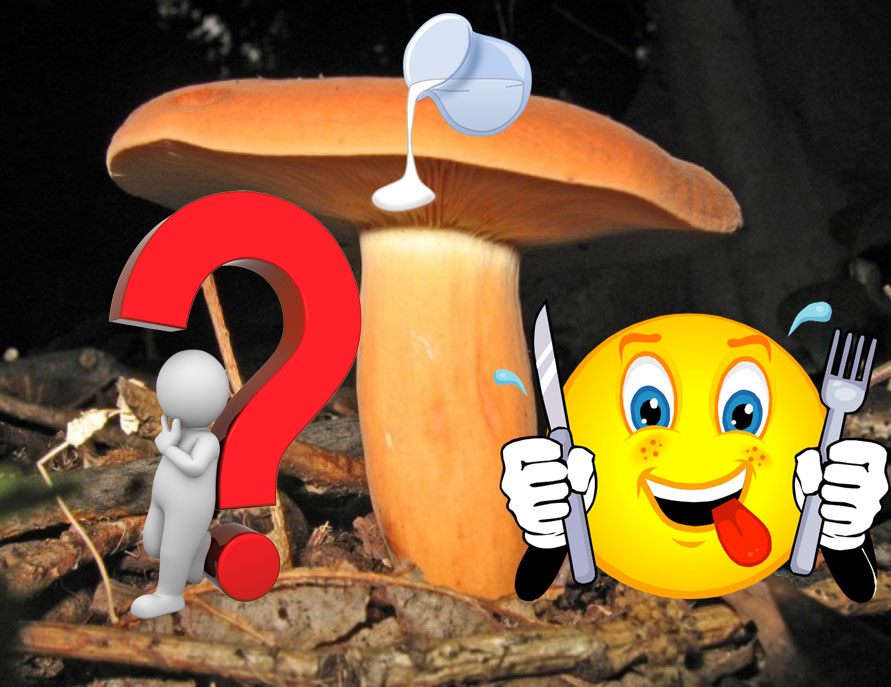
The spurge mushroom is known to many mushroom pickers as the "podoreshnik" (little spurge), as it's often found in forests under hazel trees. In this article, we'll explain what it looks like and what you can do with it.
Content
- 1 Description of the spurge mushroom
- 2 Other names for the mushroom Euphorbia
- 3 Where and when does the Euphorbia mushroom grow?
- 4 Milkweed look-alikes and differences
- 5 Is the Euphorbia mushroom edible?
- 6 Composition and caloric content of the Euphorbia mushroom
- 7 The benefits and harms of the Euphorbia mushroom
- 8 Culinary uses of the milkweed mushroom, recipes
- 9 Growing Euphorbia mushrooms
- 10 Interesting facts about the Euphorbia mushroom
- 11 Reviews of the Euphorbia mushroom from experienced mushroom pickers, cooking recipes
Description of the spurge mushroom
The mushroom itself is distinguished by its medium size and specific aroma – experienced mushroom pickers assure that the older the mushroom, the more pronounced the fishy smell.
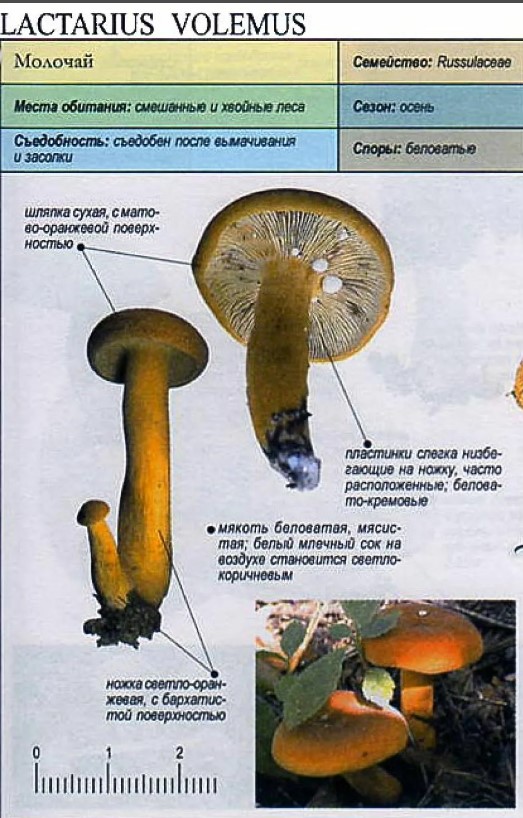
hat
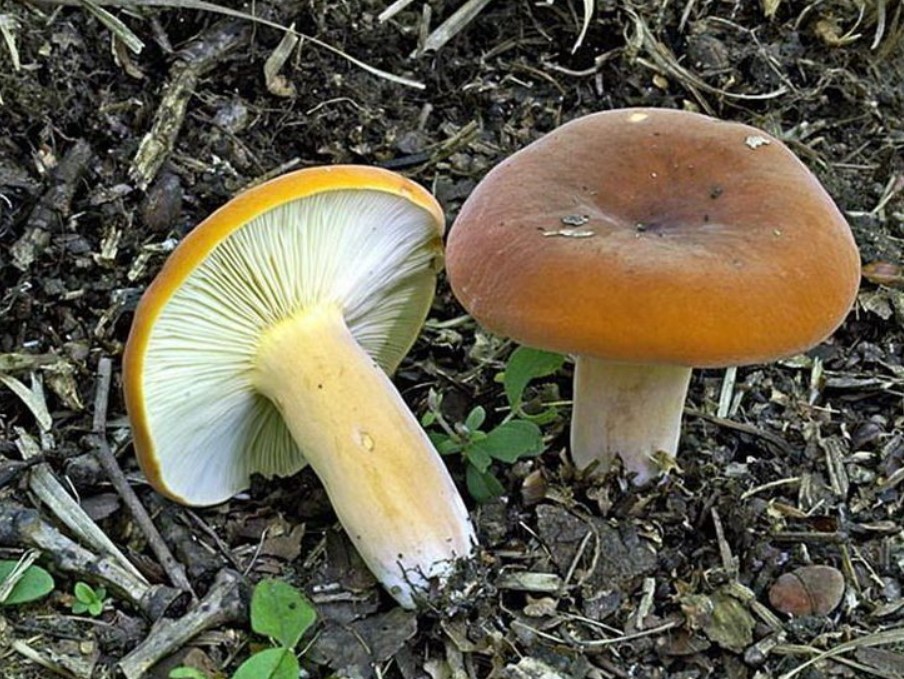
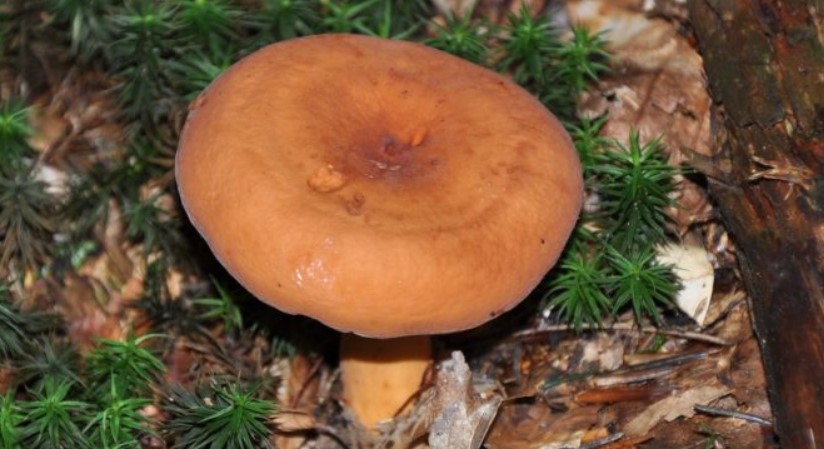
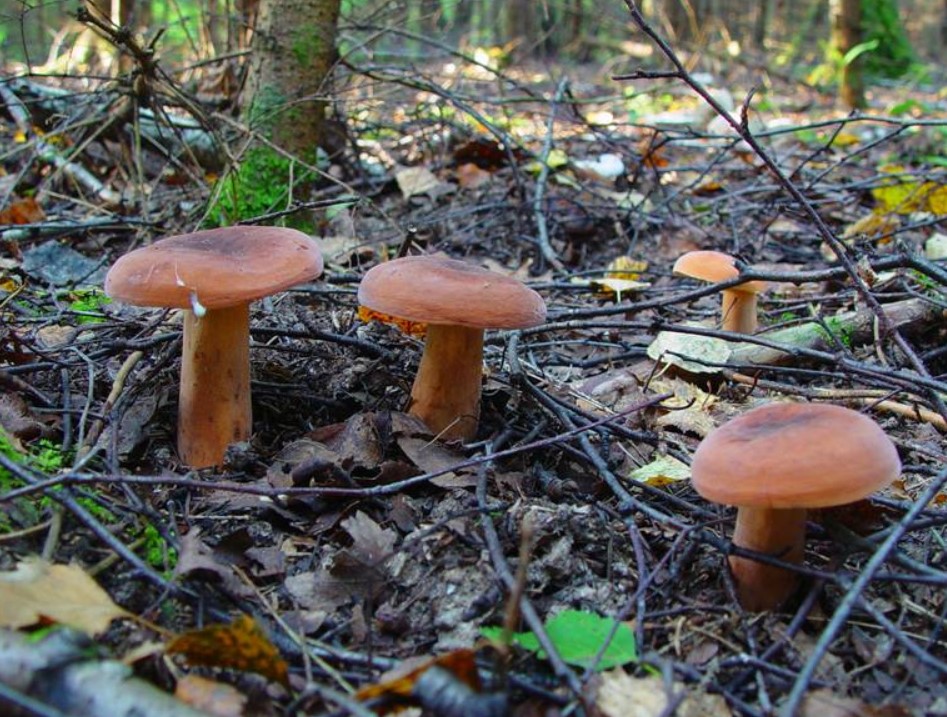
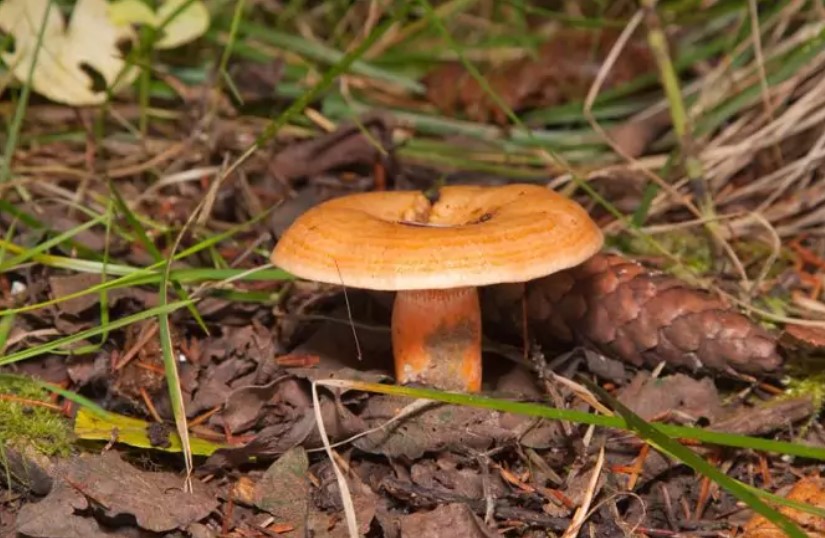
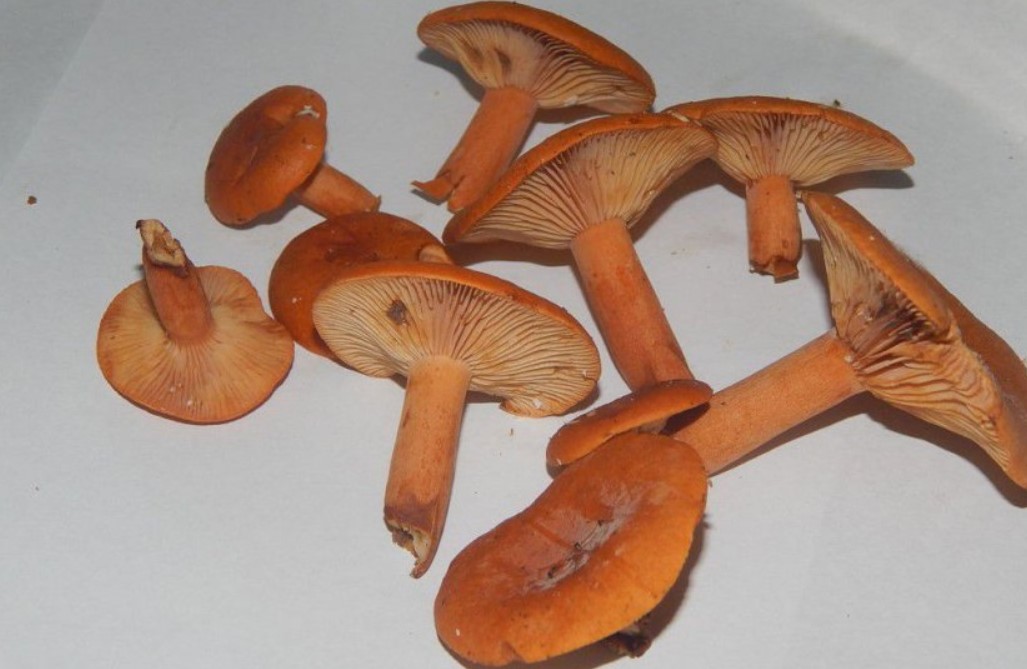
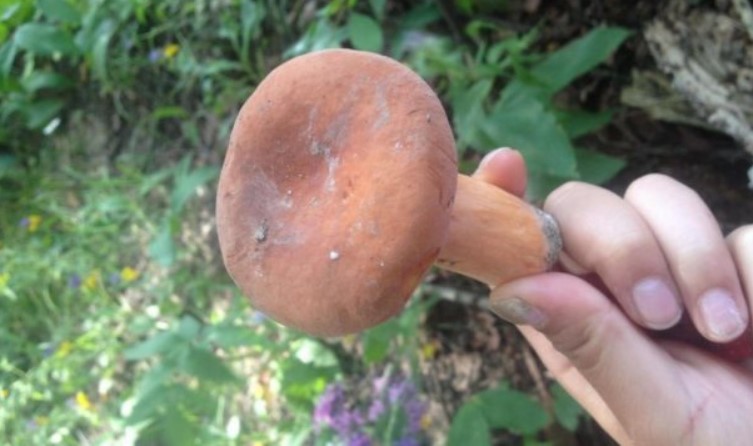
The cap diameter is 5-17 cm. Initially, it is convex, then becomes spreading, with a slightly depressed center. The edges of young mushrooms are rolled in, later becoming slightly raised. The color is reddish-brown, brownish, or rusty. The skin changes from velvety to smooth as the mushroom develops, and may crack over time.
Leg
The stem is tall, growing up to 12 cm. The diameter is 4 cm, the shape is cylindrical, and may widen slightly at the center. The surface is velvety, and the interior is initially dense, then becomes tubular. The color is identical to the cap or slightly lighter.
Pulp
The flesh is light-colored and remains unchanged when cut. The texture is firm but brittle. A fishy aroma develops as the mushroom matures.
Records
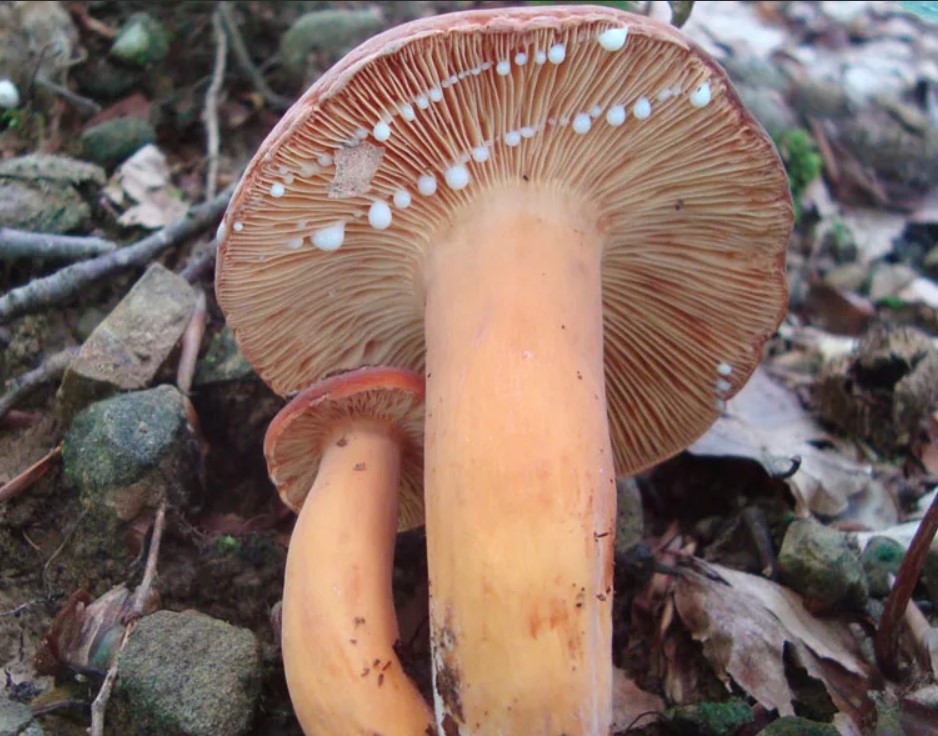
The gills are milky in color with a pink or yellowish tint. The shape is fork-shaped. The gills are closely spaced, running slightly down the stem.
Milky juice
The mushroom secretes a milky sap, which thickens and takes on a caramel hue when oxidized. The taste is sweetish, with a resinous, bitter flavor in mature mushrooms.
Spores and spore powder
The spore powder is white, the spores themselves are spherical in shape.
Other names for the mushroom Euphorbia
Milkweed has several other names:
- underbrush;
- the best milkweed;
- red-brown milk mushroom;
- milk jug;
- rubella;
- underbrush;
- poddubenok.
For more information on other types of milk mushrooms and milk caps, see the following articles:
Yellow Milk Mushroom: 20+ photos, description, when and where to pick, benefits and harms, recipes;
Aspen Milk Cap: Description, 60+ Photos, Edible, 10 Similar Mushrooms;
Black Milk Mushroom: 22 Photos, Description, Edible or Not, What It Looks Like, and Where to Find It;
Where and when does the Euphorbia mushroom grow?
Euphorbia is most often found in coniferous or mixed forests, preferring to grow near oaks, spruces, or hazels in small groups. It thrives on dead tree remains and moist, mossy soil. Its range extends over a vast territory from the southern regions to the European part. The first mushrooms can be found as early as July, and fruiting ends in October.
Milkweed look-alikes and differences
Beginner mushroom pickers may confuse milkweed with other similar mushrooms. Below, we'll describe them and discuss their distinctive features.
- The gray-pink milkcap is distinguished by a lighter cap color and a herbal, not very pleasant aroma.
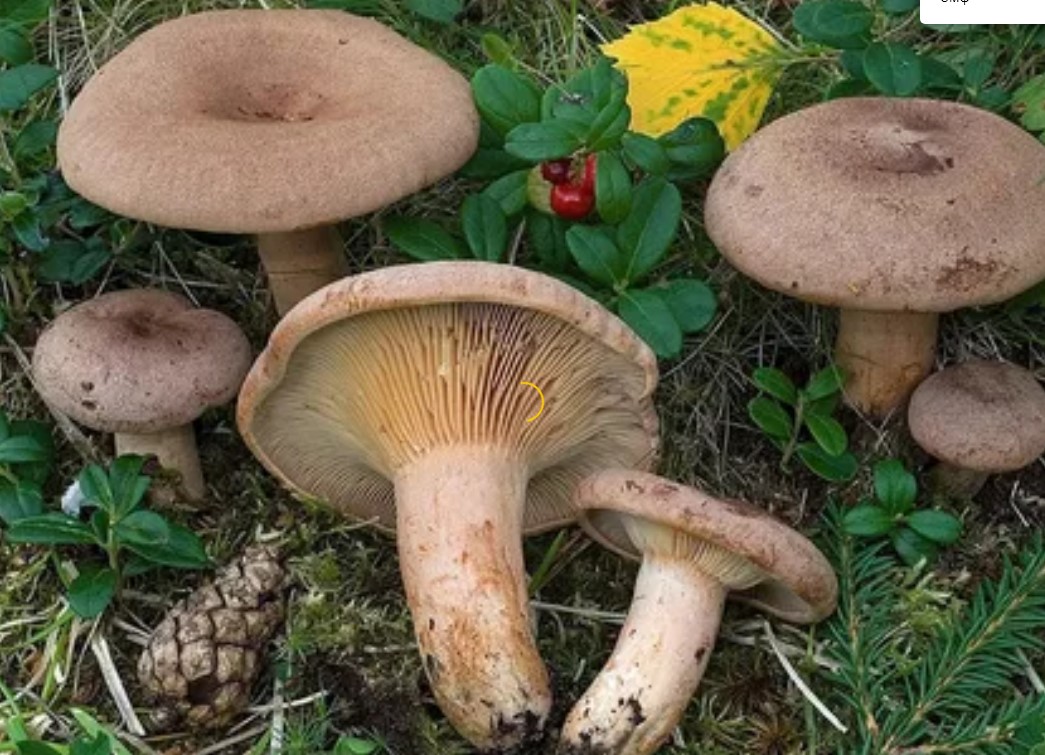
- The caustic milkcap - inedible specimens have a large cap, its surface is covered with cracks.
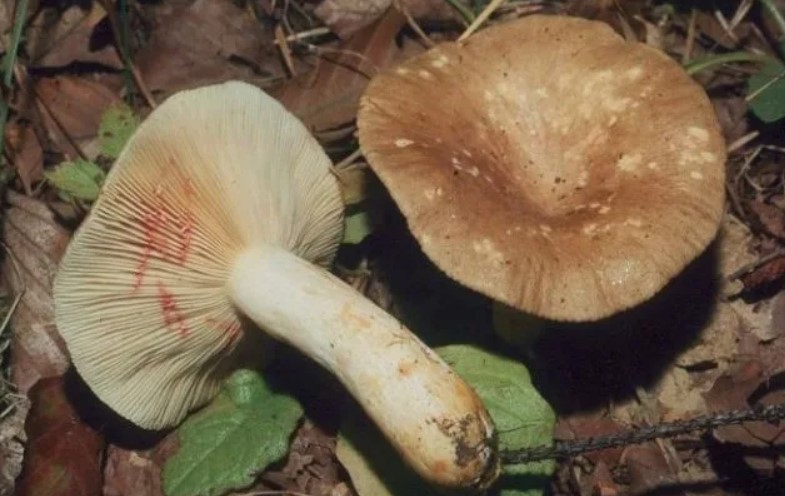
- The Hygrophorus euphorbia is an edible mushroom that differs from the common spurge by its milky juice, which does not change color when broken.
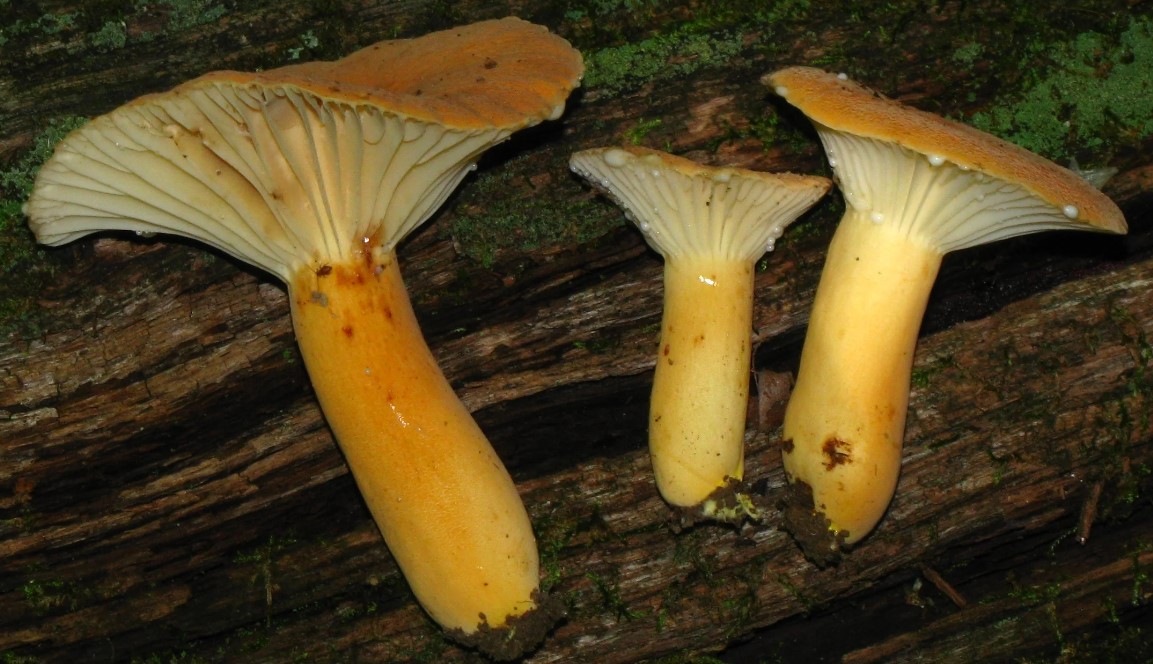
- The common saffron milk cap is an edible mushroom that can easily be confused with the milkweed. It has a bright red cap with circles on its surface.
Is the Euphorbia mushroom edible?
The milk cap is considered an edible mushroom; it has a slightly sweet taste. The flesh and milky juice are not bitter, so soaking for hours is not necessary. In many European countries, the mushroom is considered a delicacy. It is recommended to boil it before cooking to soften the stem. It can also be salted, pickled, or added to salads and appetizers.
Composition and caloric content of the Euphorbia mushroom
The milk cap mushroom is low in calories, making it suitable for dietary menus. 100 g of fresh mushroom contains:
- 65 kcal;
- 3.7 g protein;
- 1.3 g fat;
- 1.3 g carbohydrates;
- 88.9 g of water;
- 1.1 g ash;
- 1.8 g dietary fiber.
Milkweed contains over 10 different beneficial microelements: selenium, iron, fluorine, rubidium, calcium, sodium, and others. They help strengthen the cardiovascular and skeletal systems.
Among the vitamins, the main mass is vitamin C, which strengthens the immune system, vitamin PP, E, vitamins of group B,
The benefits and harms of the Euphorbia mushroom
The milkweed mushroom has exfoliating and cleansing properties. When consumed in moderation, it can have a beneficial effect on the body.
Several beneficial properties of the mushroom can be noted:
- anti-inflammatory effect due to the presence of cortisol in the composition;
- strengthening the immune system;
- acceleration of metabolic processes;
- support of visual function;
- increase in hemoglobin levels;
- normalization of the cardiovascular system.
The use of milkweed in folk medicine
For medicinal purposes, milkweed is used to prepare tinctures, which, according to folk (non-traditional) medicine, have many beneficial properties:
- help fight tumors;
- relieve skin itching, treat psoriasis and dermatitis;
- help in the treatment of colds and viral diseases;
- have a preventive effect on heart disease;
- strengthen teeth, bones and joints.
Contraindications to the use of milkweed
Euphorbia mushrooms are beneficial only when consumed in moderation. They are not recommended for the following individuals:
- pregnant and lactating women;
- children under 14 years of age;
- people with gastrointestinal disorders.
Culinary uses of the milkweed mushroom, recipes
Euphorbia is widely used in cooking. The mushroom has a distinctive fishy aroma, which is more pronounced in older mushrooms. The aroma intensifies even more after boiling, so it's a good idea to soak the euphorbia before cooking.
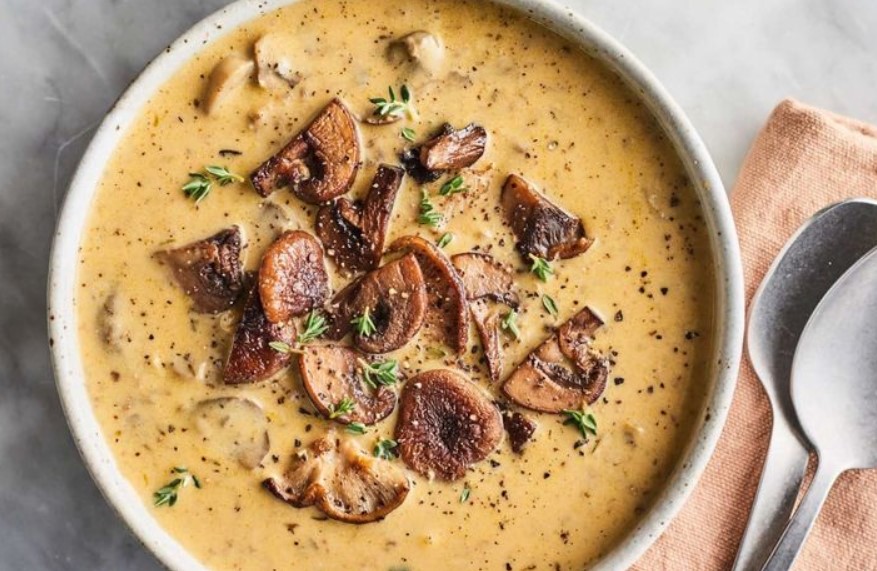
Cooked mushrooms can be used in soups and salads. If euphorbia is sautéed with onions, it can be added to omelets, pie fillings, or porridge. Mushrooms are often an ingredient in cutlets.
Pickling and salting milkweed
Salted podoroshniki are very easy to prepare.
- The mushrooms are washed thoroughly to remove sand and forest debris.
- If the caps are large, they can be cut into 2-3 pieces.
- Next, take horseradish leaves and line the bottom of the container with them.
- Place the mushrooms cap-side down, sprinkle with a teaspoon of salt, and layer with finely chopped garlic. If desired, add a currant leaf. And so on, layer by layer.
- At the end, the last layer of mushrooms is covered with gauze, and a plate with oppression is placed on top.
- The salting period is 2-4 weeks.
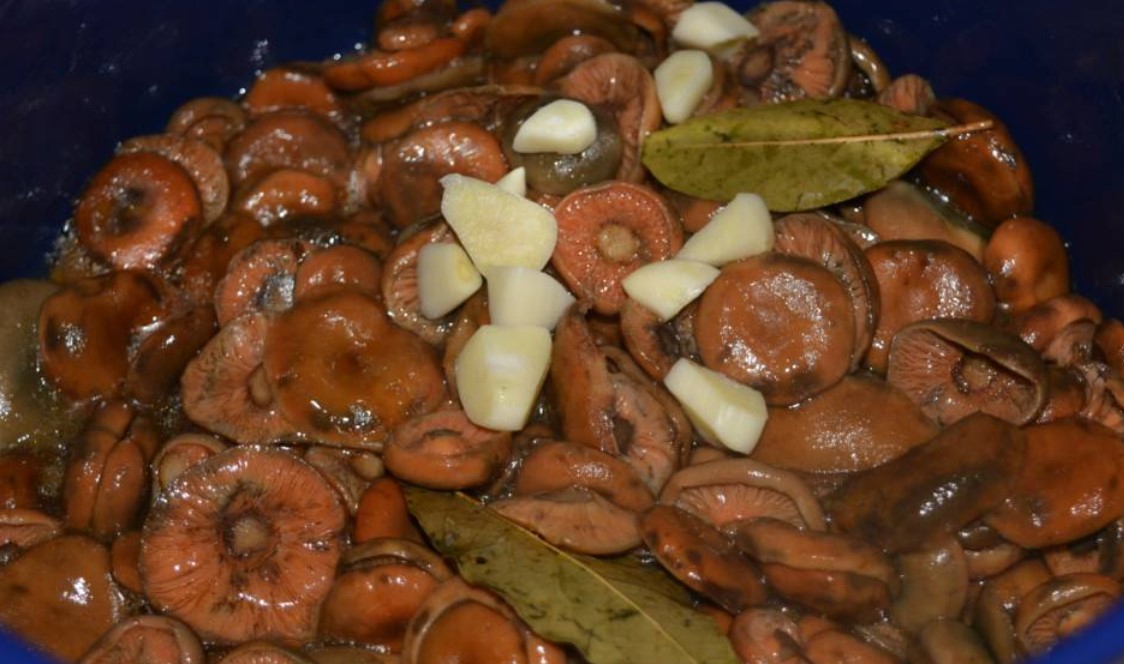
To marinate milkweed, you can use a universal marinade recipe:
- 1 liter of water;
- 2 tbsp sugar;
- 4 tbsp salt;
- 3 tsp vinegar essence;
- 6 peppercorns;
- 3 bay leaves;
- 3 pcs. cloves.
Recipe:
- The water is brought to a boil, sugar and salt are added.
- Carefully add vinegar essence in a small stream to avoid foaming.
- Next, add the spices and boil the marinade for another 5 minutes.
- Then the cleaned mushrooms are placed there, cooked for another 15 minutes, after which they are placed in jars and rolled up.
Read more videos on how to cook milk mushrooms in the following articles:
How to soak milk mushrooms before pickling, how many days, cold method + for different types.
Growing Euphorbia mushrooms
Euphorbia mushrooms can be grown using mycelium. It's prepared quite simply: old mushrooms are cleaned of debris without using water. Next, the caps are minced and covered with water. The container is placed in a dark place for 14 days, then the liquid is strained. The pulp can be discarded; the remaining solution will become the mycelium. If desired, you can purchase ready-made mycelium at a specialty store.
Growing milkweed is carried out as follows:
- A suitable tree is selected, preferably hazel.
- The soil around the roots must be carefully loosened to a depth of 15 cm.
- Liquid mycelium is poured onto the prepared area, dry mycelium is mixed with soil at the rate of 15 g per 500 g of soil and poured under the roots.
- Cover the mycelium layer with forest soil and humus mixed in equal proportions, water and cover with a layer of sawdust.
- After three months, if the work was carried out in the spring, the first harvest can be collected.
Interesting facts about the Euphorbia mushroom
Did you know? In many countries, milkweed is considered a delicacy. In Italy, for example, it's used to make piquant sauces served with main courses and commanding exorbitant prices.
Reviews of the Euphorbia mushroom from experienced mushroom pickers, cooking recipes
Hi everyone, I've been collecting this mushroom for a while now. It has a unique aroma. I like it because it's worm-free, and in my forest, there are enough of it for cooking.
The only recipe that worked for me was fried Euphorbia. The problem is that the mushroom is a bit tough, but the flavor is sweet and has a nice, concentrated aroma. I fry it like this: I cut off the stem and take only the cap. I slice the cap into small pieces and add it to a hot frying pan with butter and onions. Simmer for about 30 minutes, then add a couple of eggs—a great breakfast.
If anyone has any recipes, please share. They say they're dry-salted. Has anyone tried it? What's the result?
I haven't tried them dry, but I did try them hot at the market at my grandma's—they were delicious. Her pickled ones were very small, though, no more than 5 cm long.
I tried marinating these little ones - they were okay, but I wasn't particularly impressed.
My mother-in-law makes caviar out of it. She fries it with onions and puts it through a meat grinder. I haven't tried it myself, but my wife says it's amazing! I always use it. It's good for pickling and frying.
Try baking them in batter on a baking sheet, with the legs facing up. I can't tell you the exact batter recipe, but a mixture of mayonnaise, sour cream, and grated cheese might work.
After young milkweed fried with onions in sour cream, I don’t even want to look at chanterelles... You can’t confuse it whether it’s orange or reddish...
I'm not the only one who loves it! :rolleyes:And they say it smells like herring... :128: It's very tasty and hardly gets fried. And you can eat it raw. I always nibble on one in the forest.
I finally got around to making milkweed! I brought it three times last year, but never got around to it. I'll share my impressions, as told by my mushroom eaters (I was eating pancakes at the time and had no interest in mushrooms whatsoever:smile1:)
We had three young mushrooms. We washed them, sliced them, fried them (in melted butter), added a little sour cream, and simmered them for a bit. They took no more than 15 minutes to cook.
Unusual. Interesting. Has a nutty note. Crunchy. Yummy! Our mushroom!
We'll definitely be picking them again. As for the notorious herring smell, I detected something similar in older mushrooms last year, but that's all.
In mid-August, I salted milkweed using the cold method.
I bought it just for fun, enough to fill a jar. Now I think I should have bought more because I loved it. It's delicious with sour cream and onions!
And I’m especially pleased that this is actually my first experience with cold pickling and it worked! :82:One mistake I made was soaking them out of ignorance. A day later, when experts here told me soaking would ruin the mushrooms, I took them out and layered them in an enamel saucepan, sprinkling them with salt, spices, currant and cherry leaves, and dill umbels. I covered it all with horseradish leaves and pressed it down. Two and a half weeks later, we tried them and loved them.