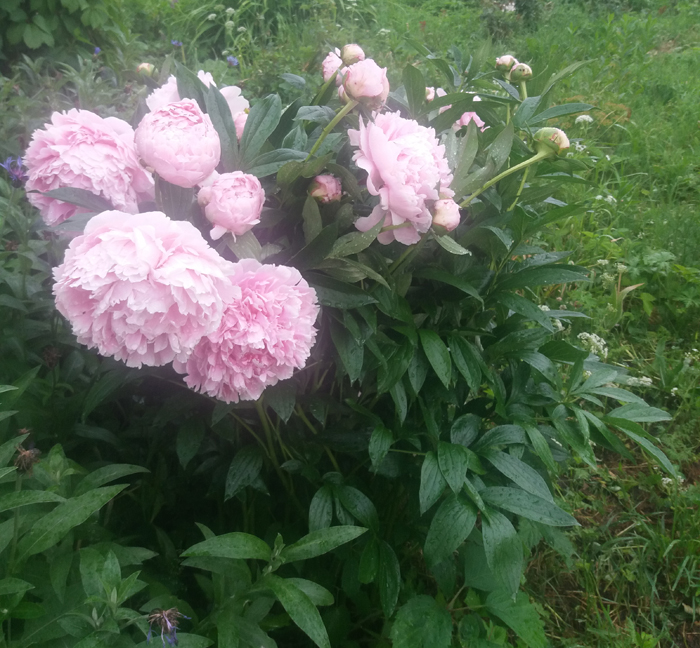
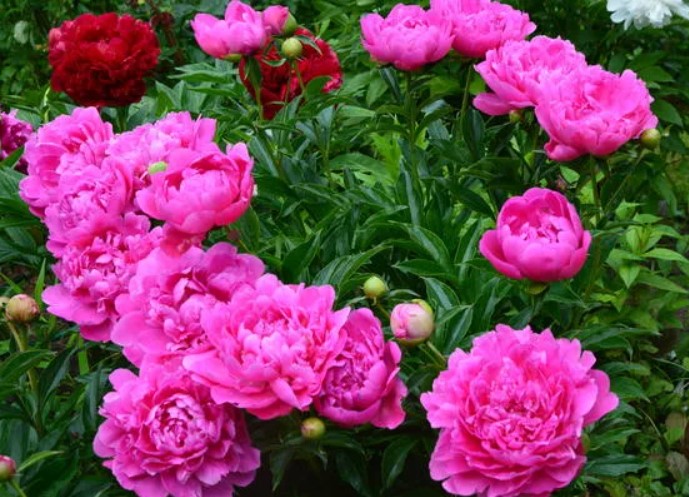
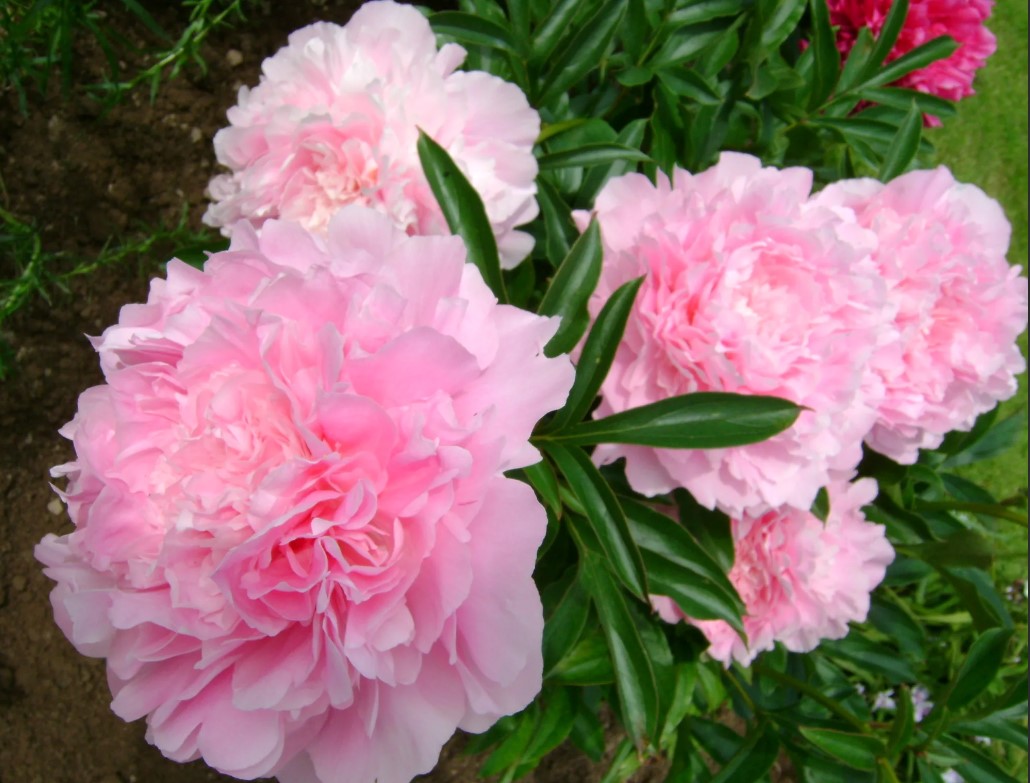
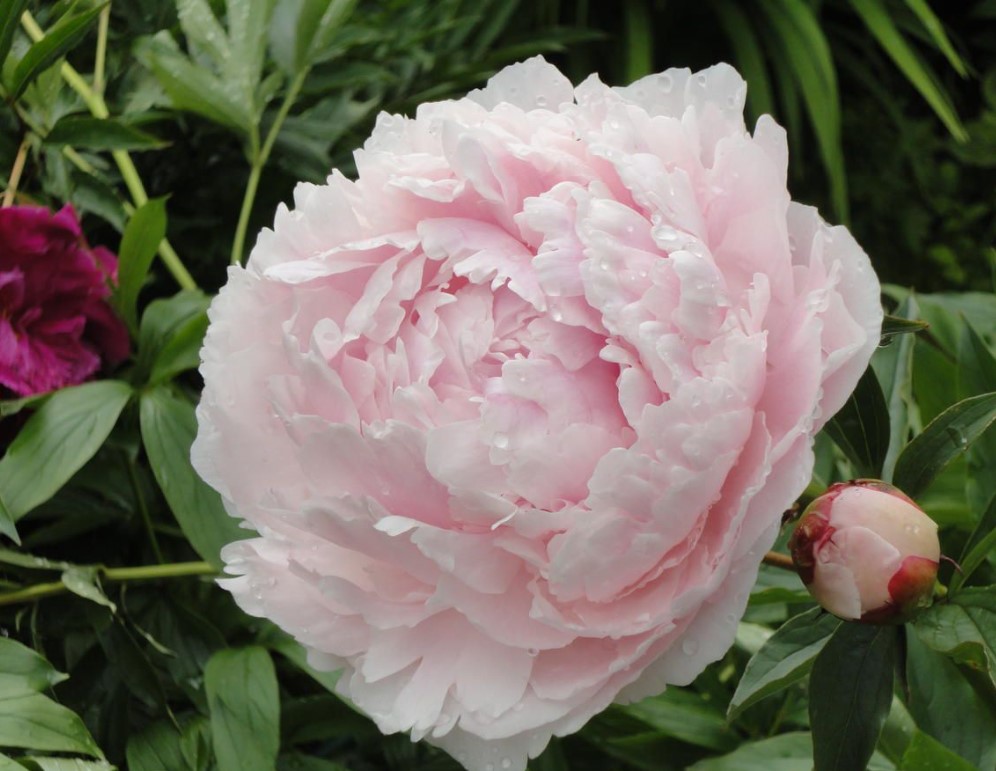
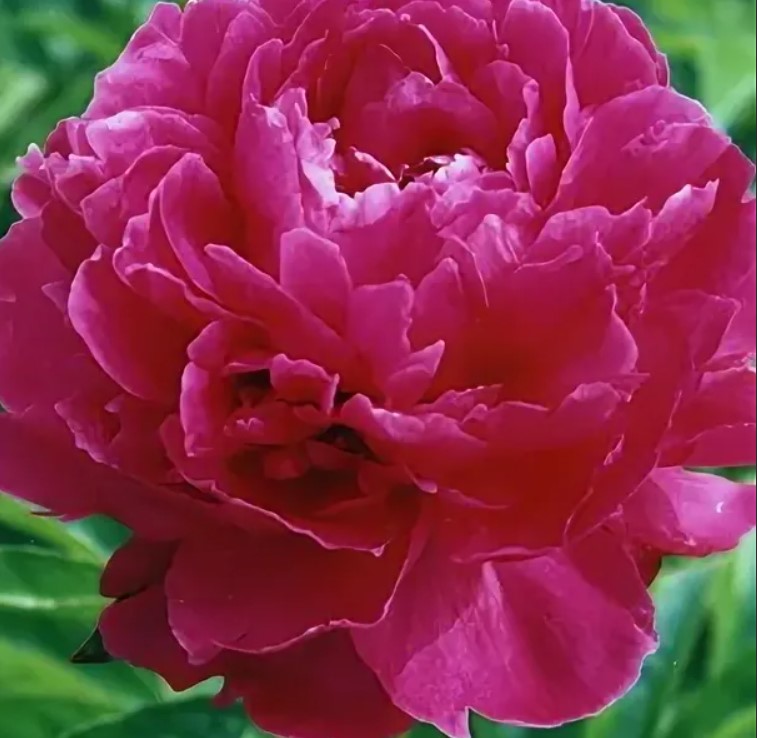
The herbaceous peony includes more than 3,000 varieties, varying in height, size, shape, and color. This plant is in demand worldwide. It is grown in garden plots, urban flowerbeds, and used in bouquets. Let's take a look at the herbaceous peony—photos and descriptions., The most popular varieties, cultivation and care features.
Content
- 1 Description and photo of herbaceous peony
- 2 5 types of herbaceous peonies
- 3 Milky-flowered herbaceous peony: differences
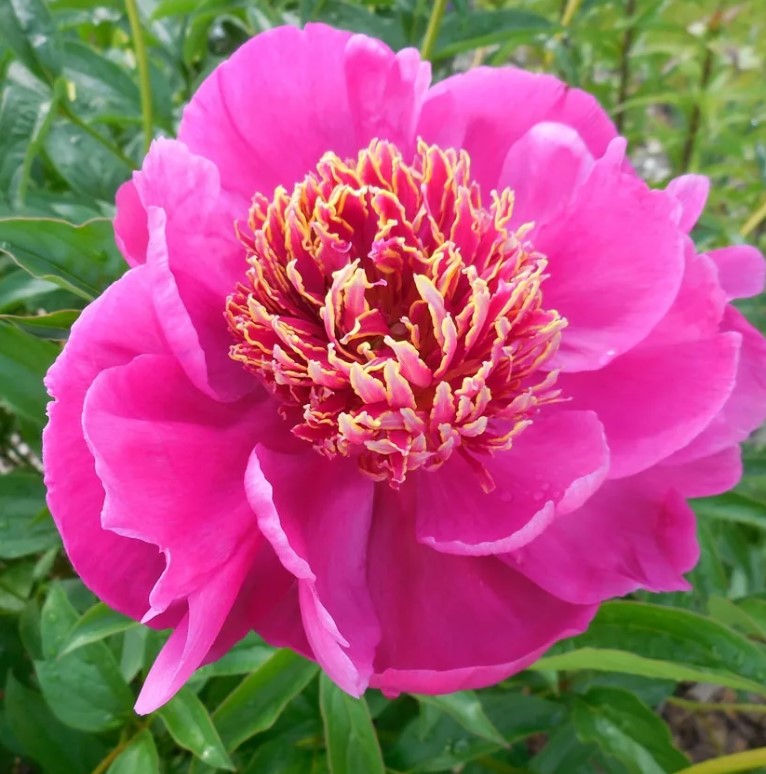
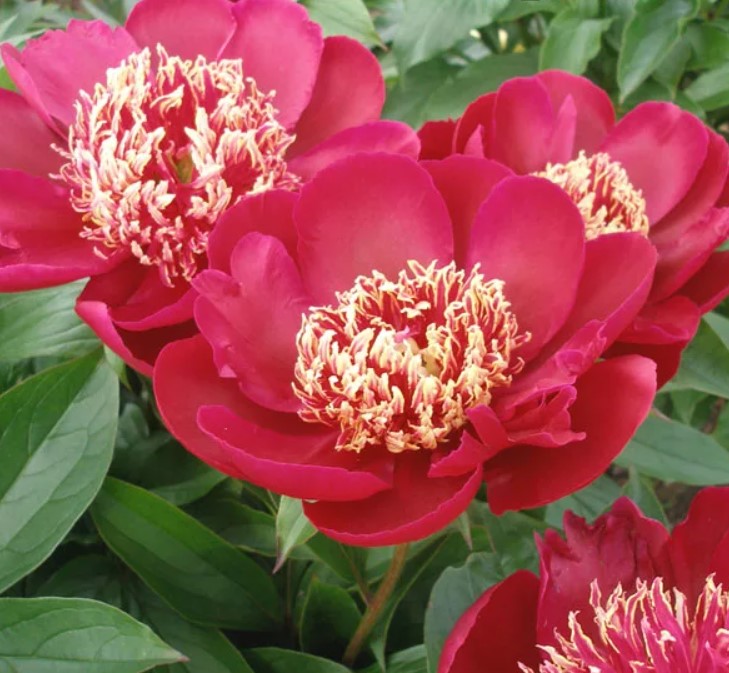
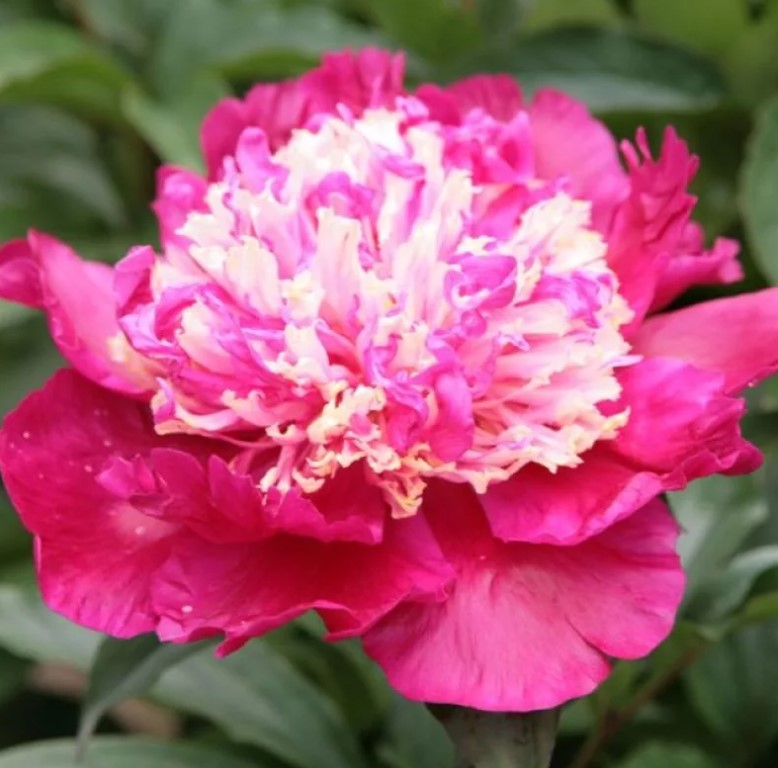
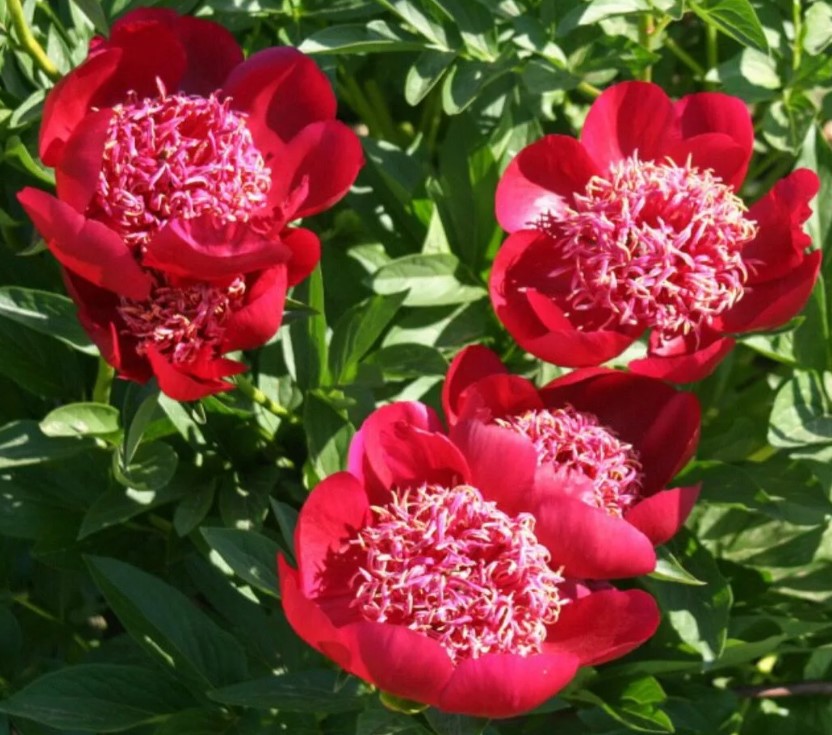
- 4 14 Best Varieties of Milky Peonies
- 5 9 American Herbaceous Peony Varieties
- 6 6 French historical varieties of herbaceous peony
- 7 8 Interesting Dutch Herbaceous Peony Varieties
- 8 6 varieties of Russian selection
- 9 Chinese developments: 4 varieties of herbaceous peonies
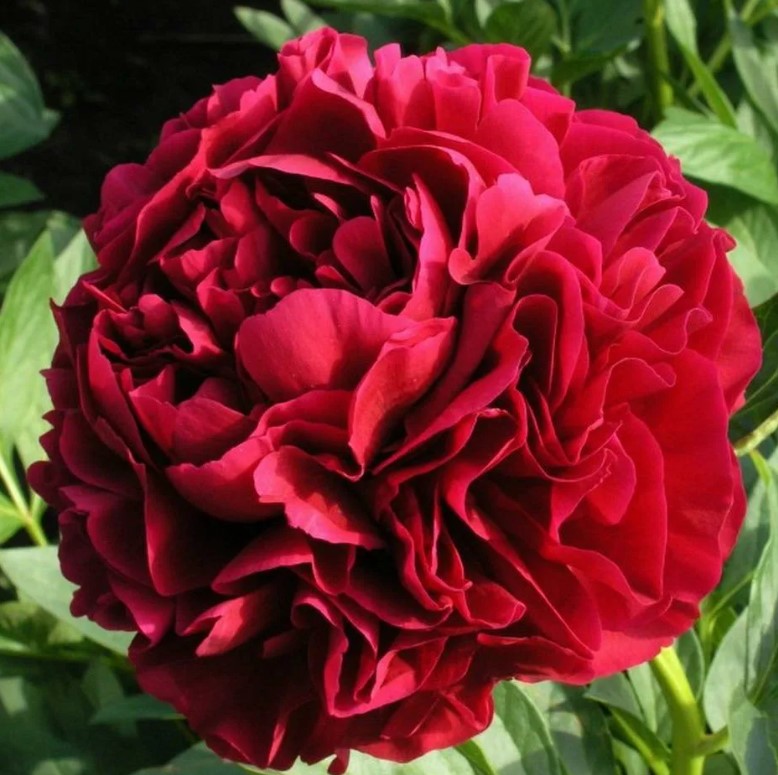
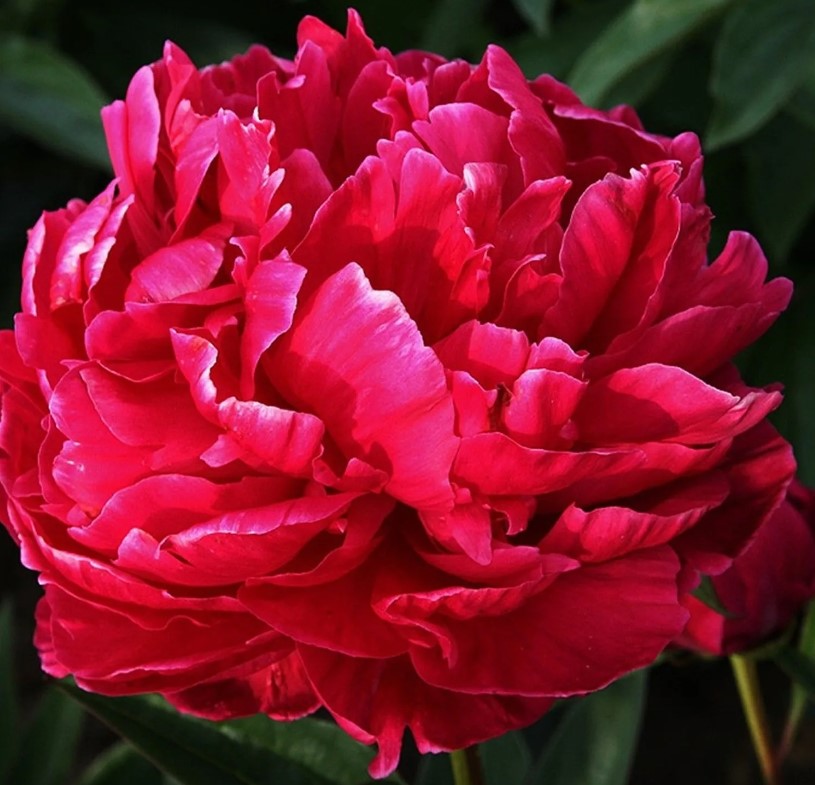
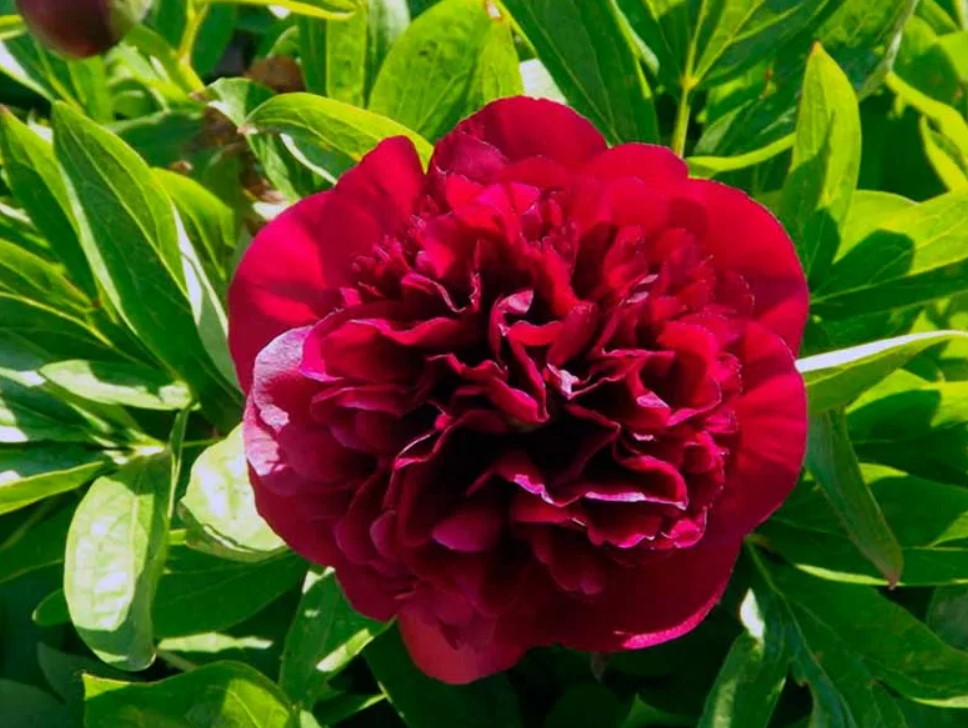
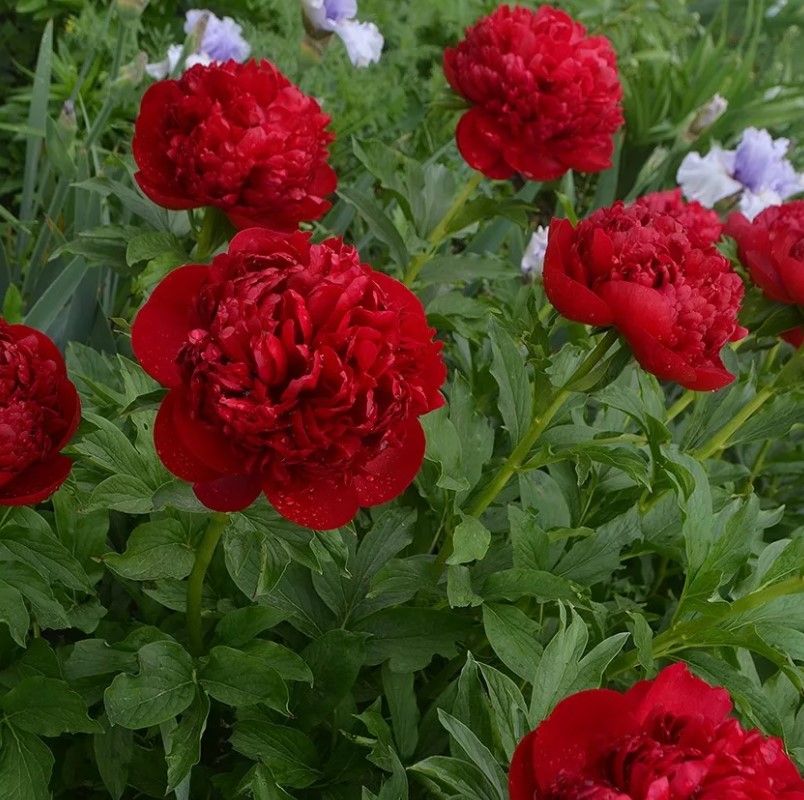
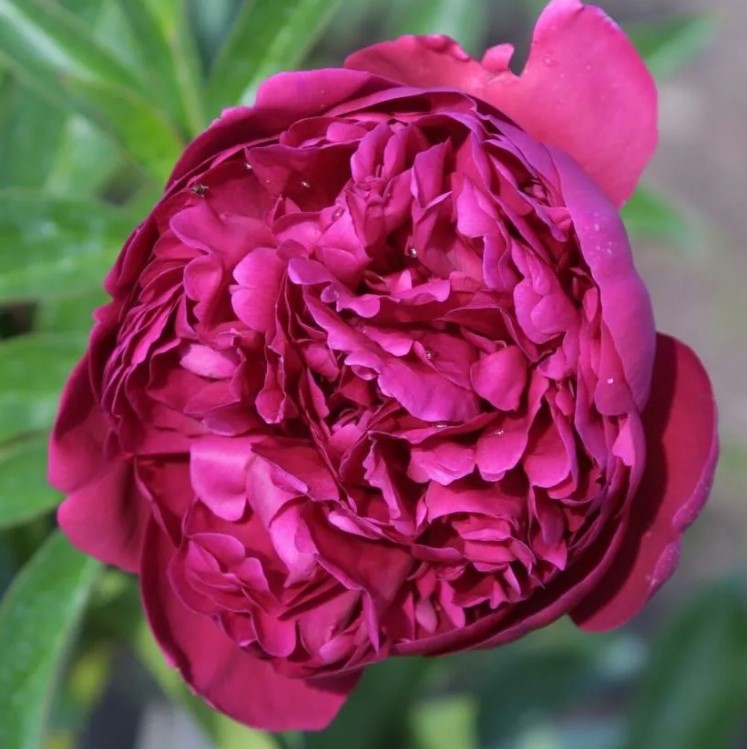
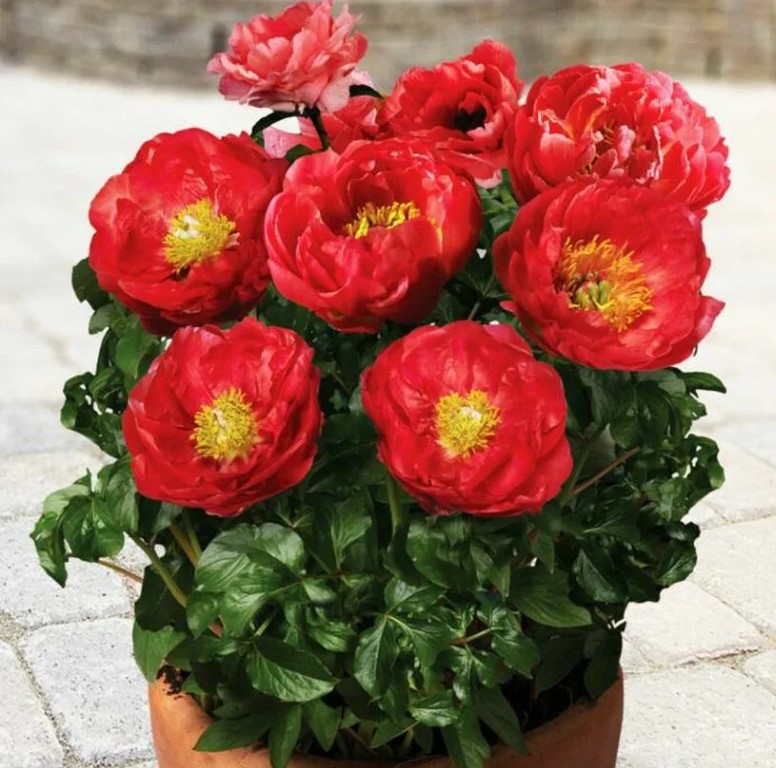
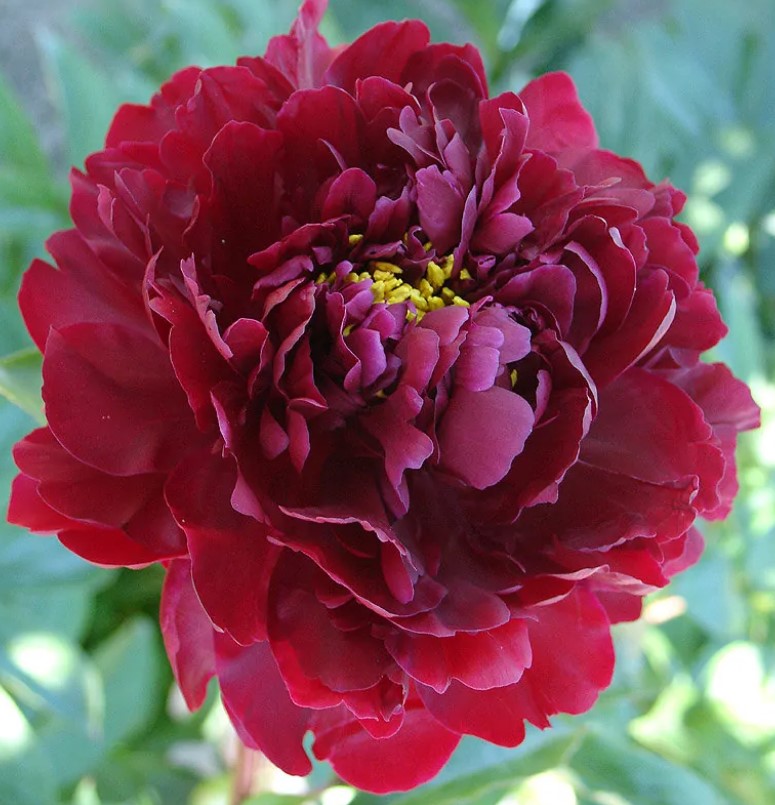
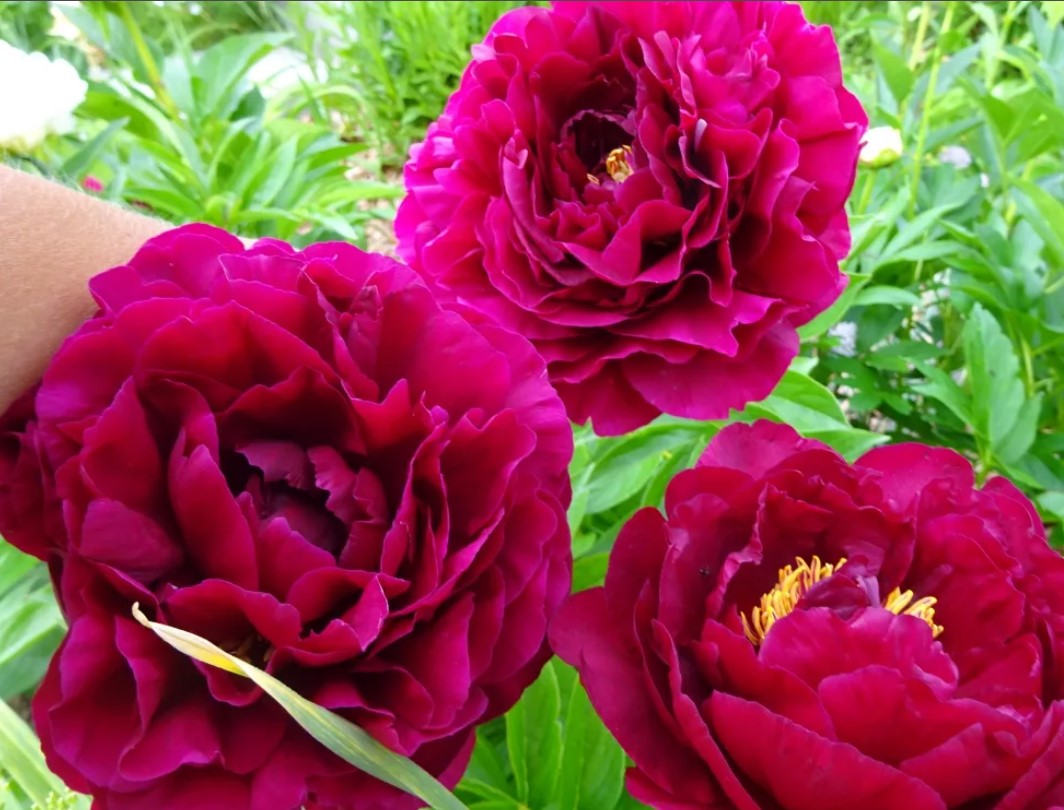
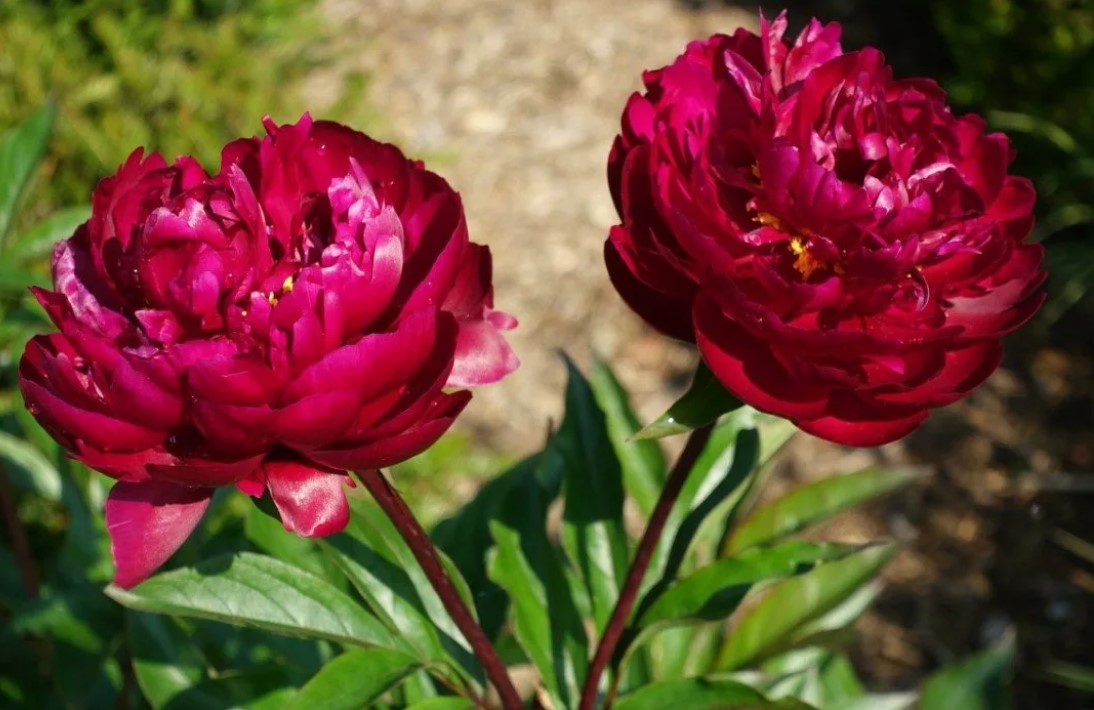
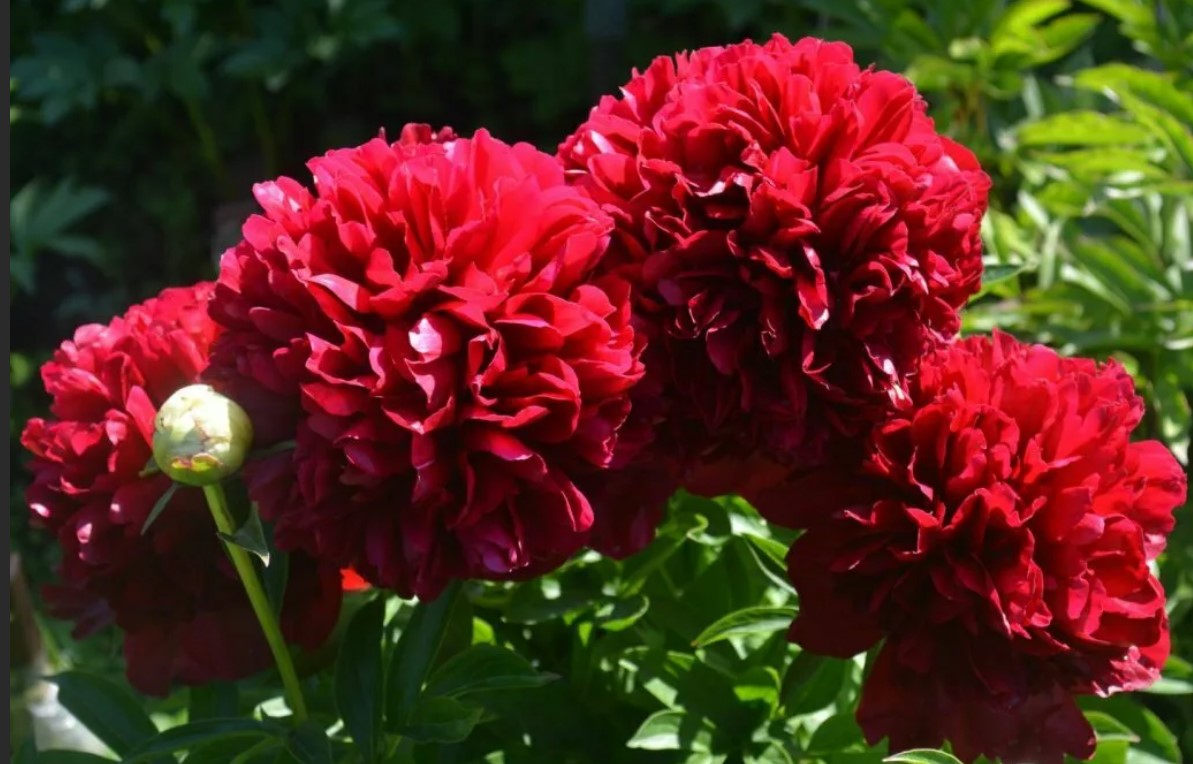
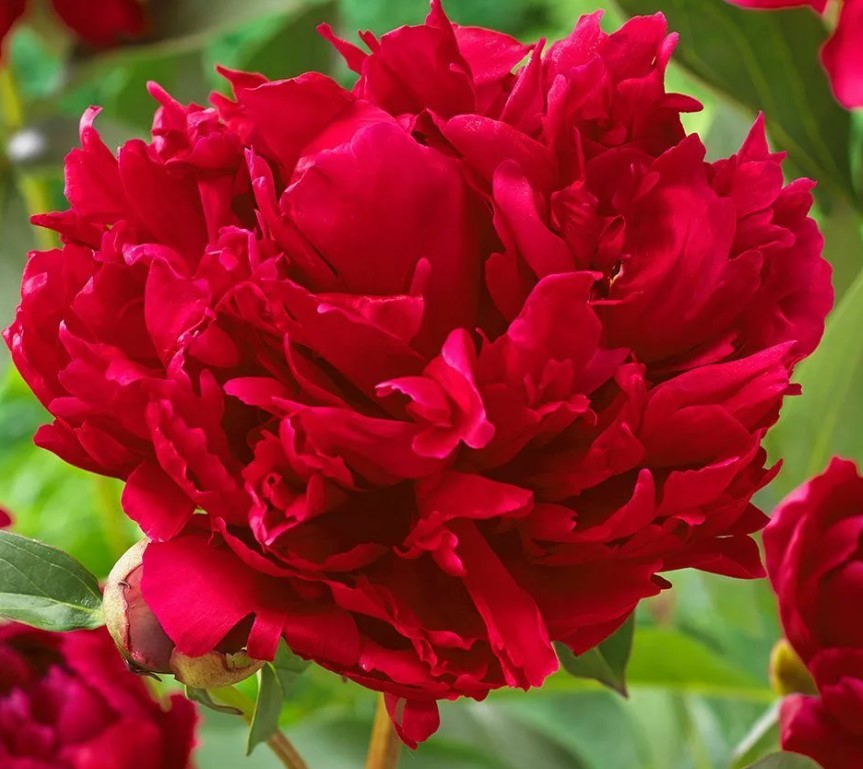
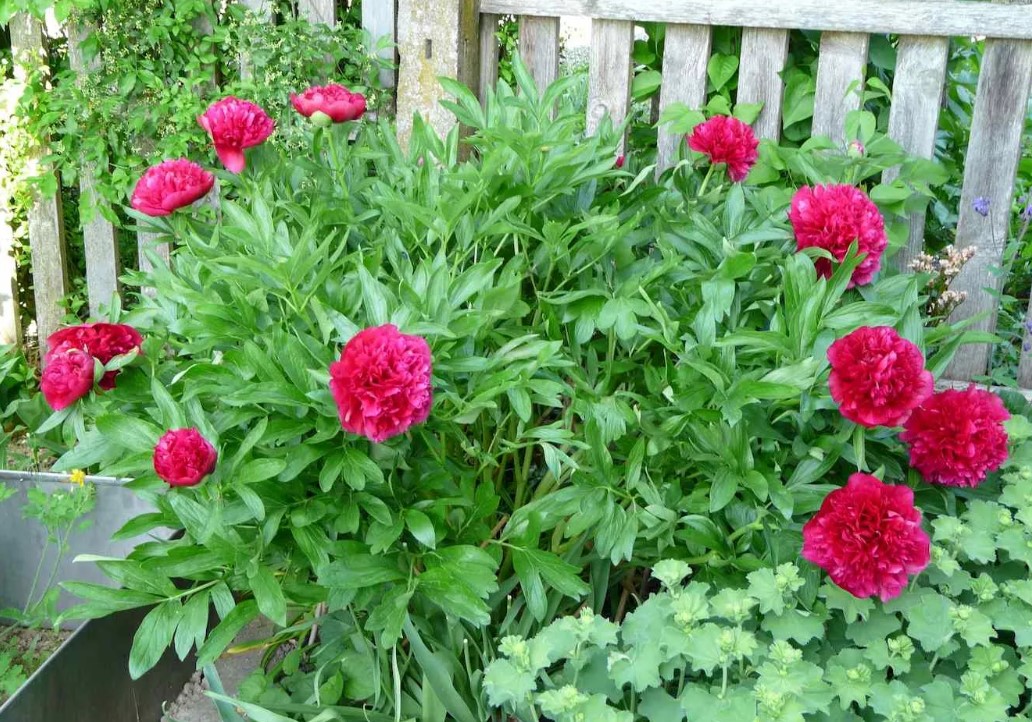
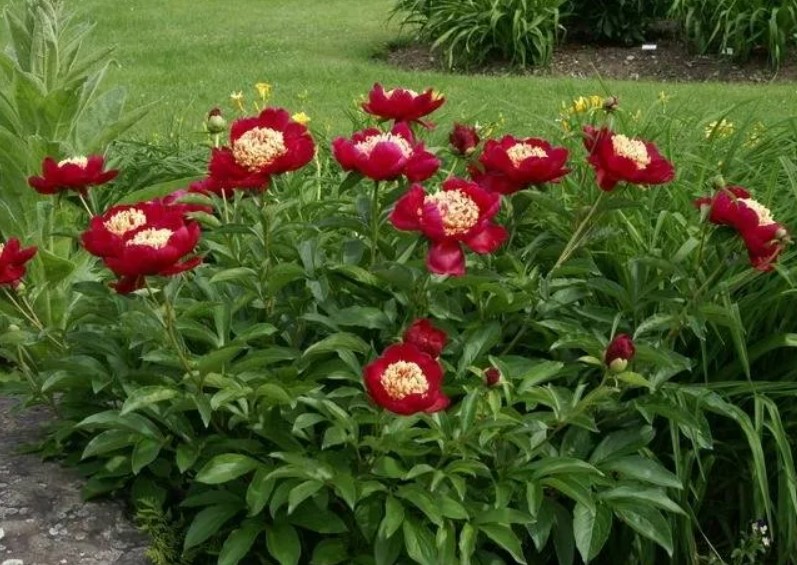
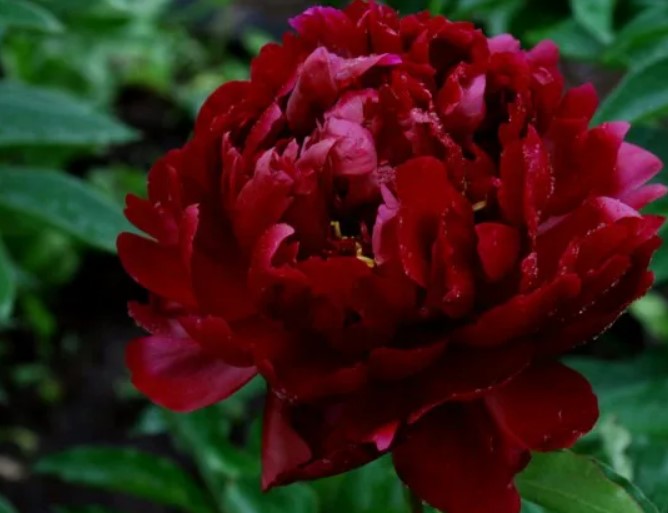
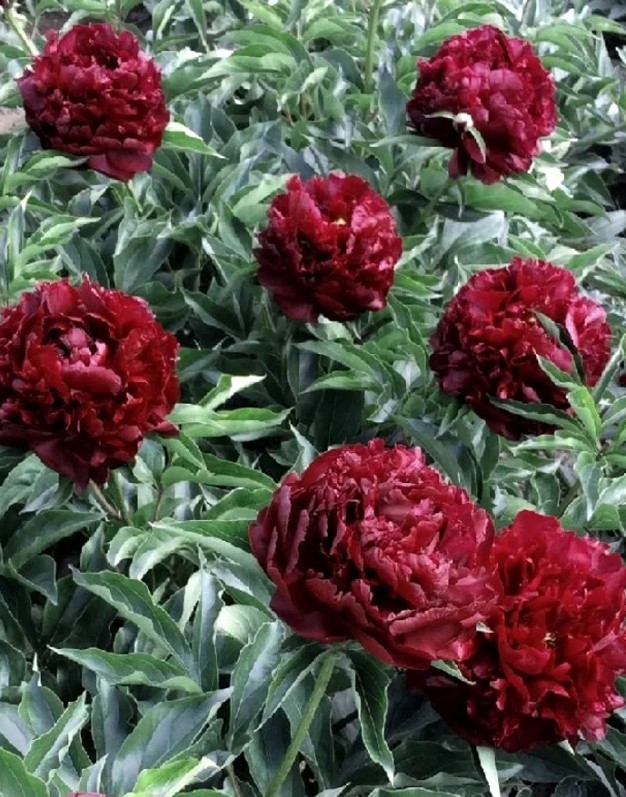
- 10 17 varieties of red herbaceous peonies
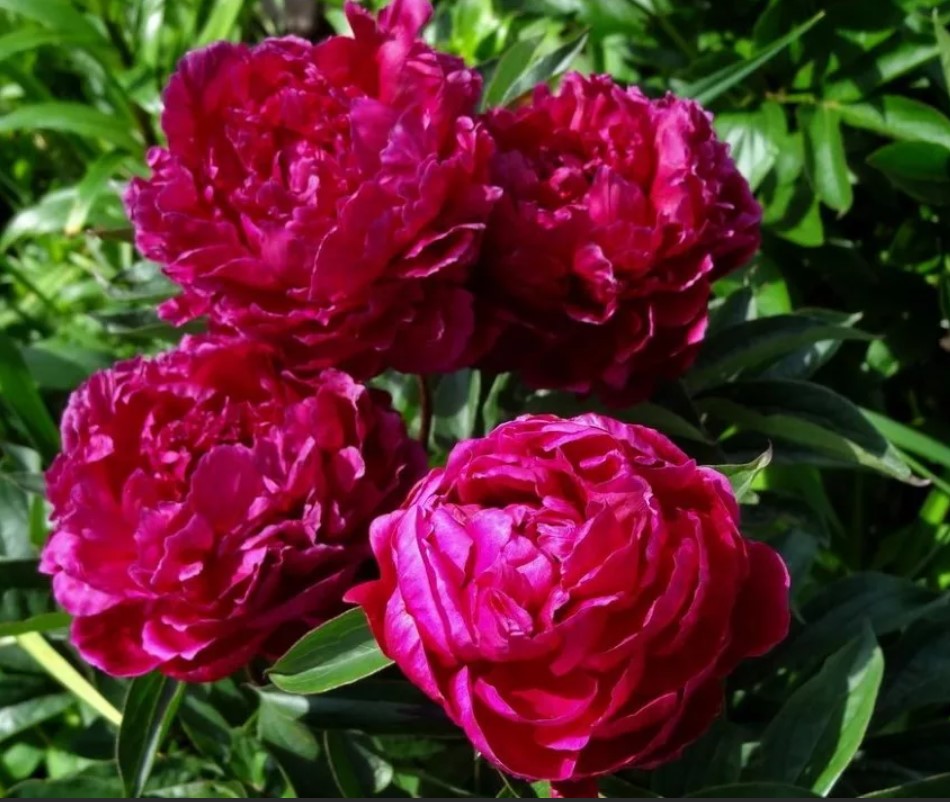
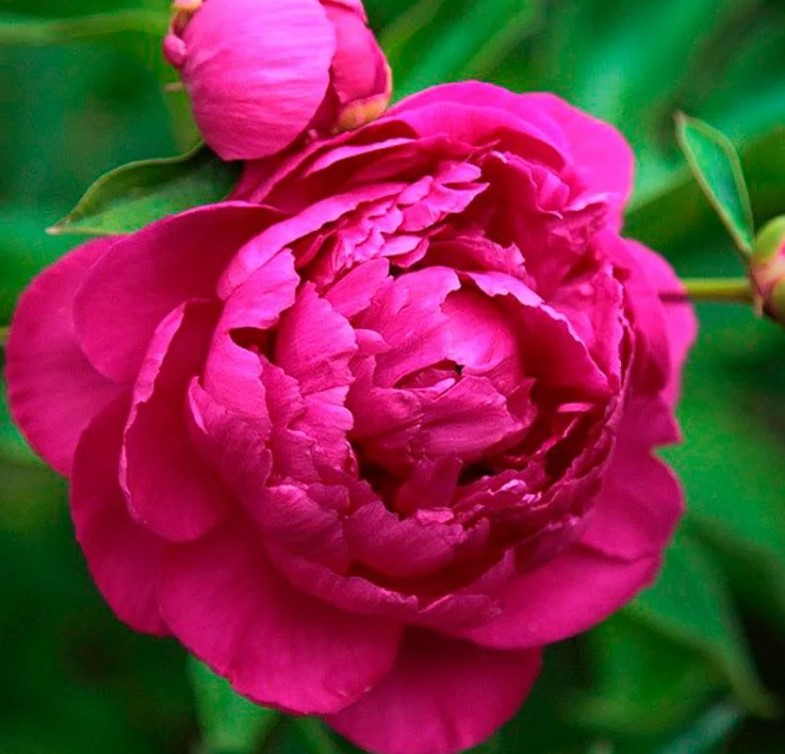
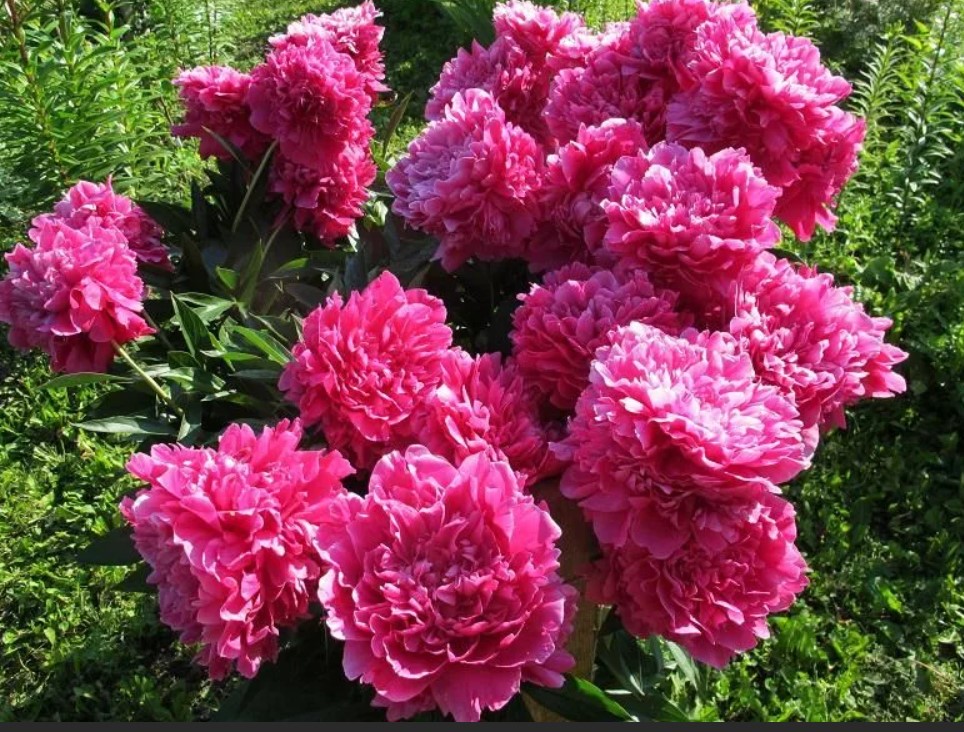
- 11 3 varieties of herbaceous raspberry-colored peonies
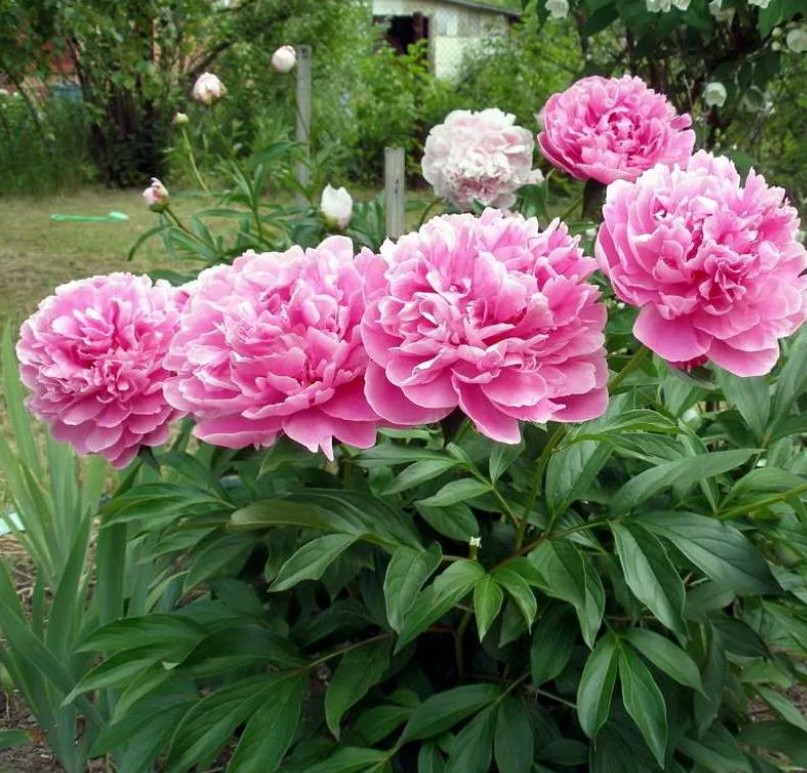
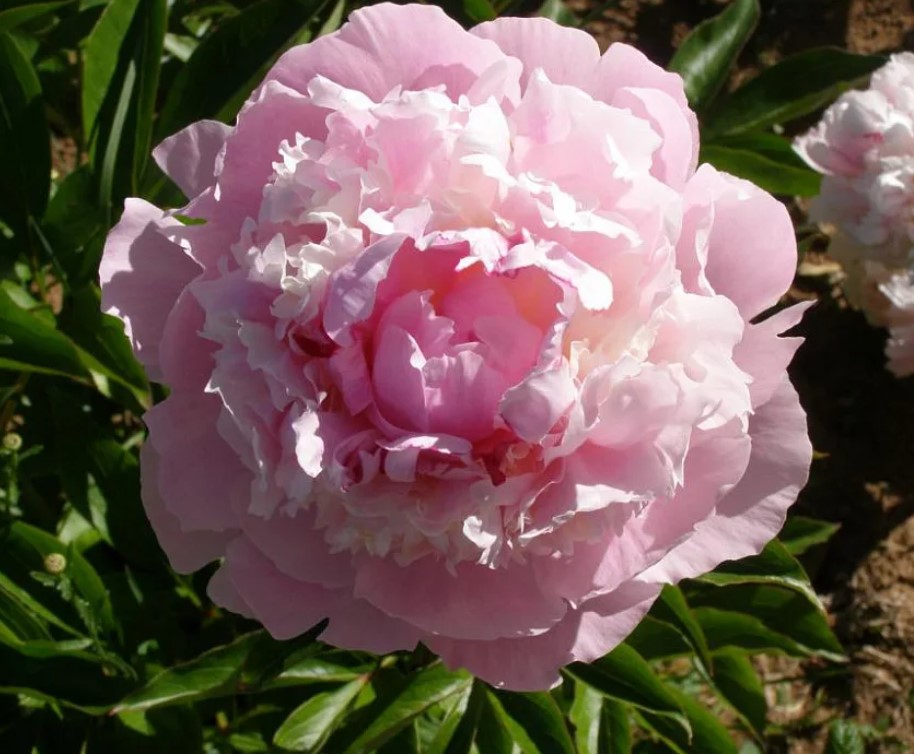
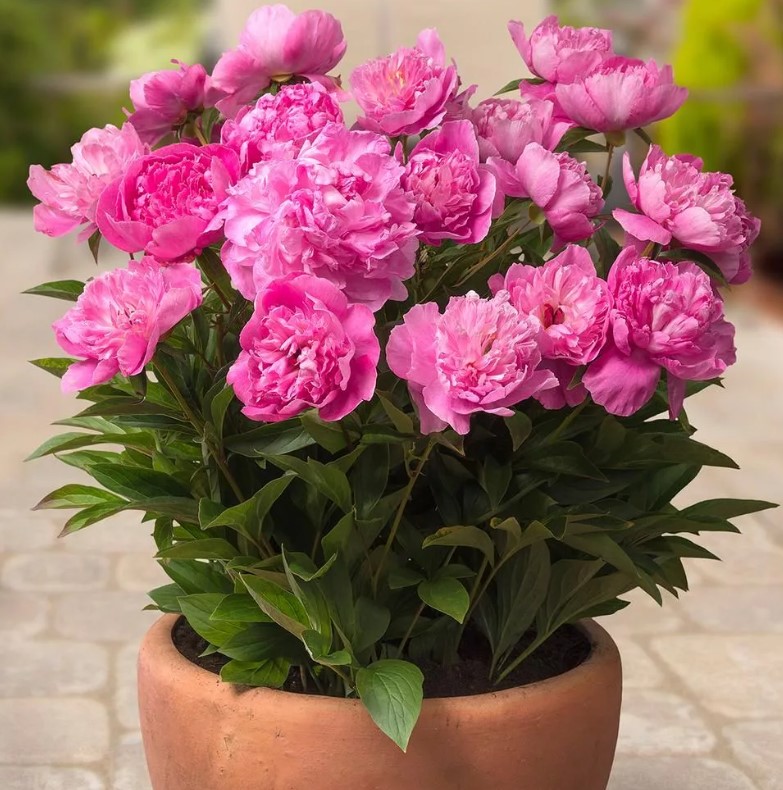
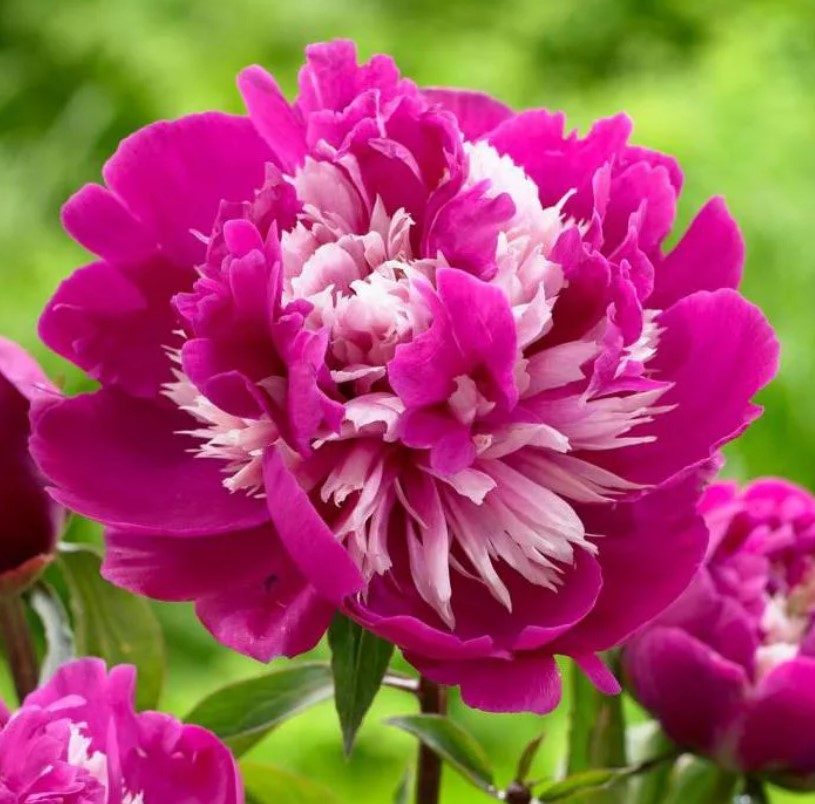
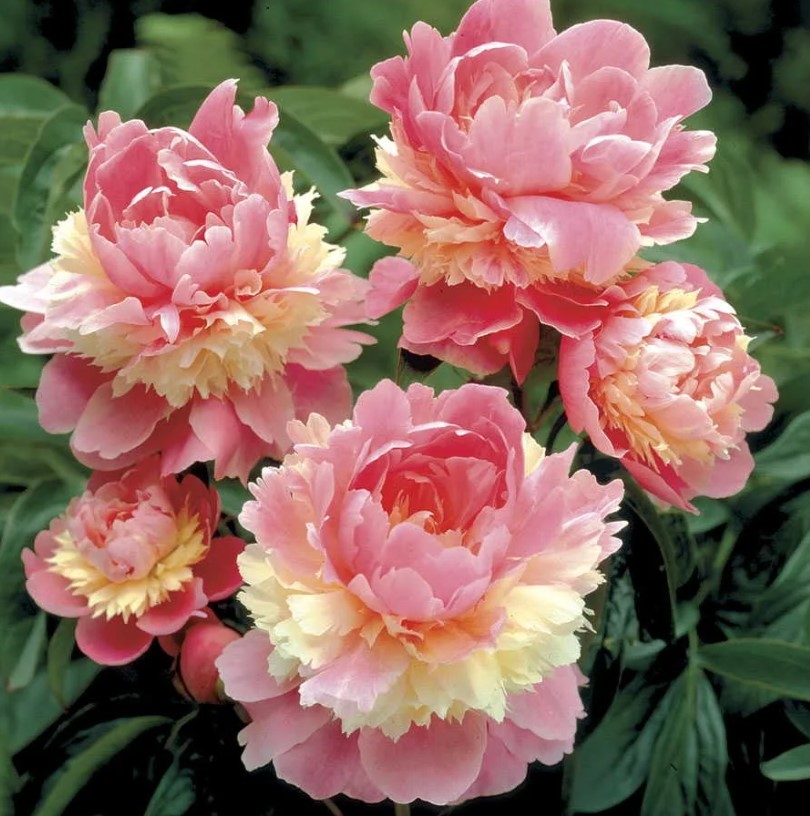
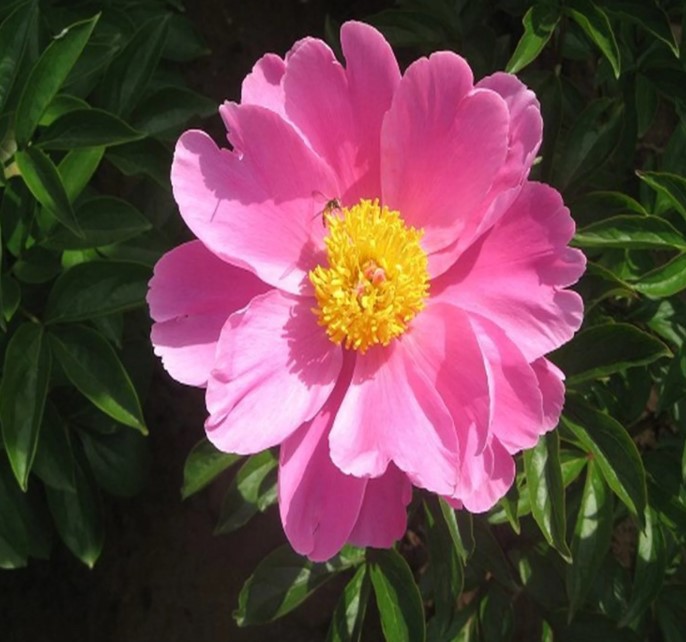
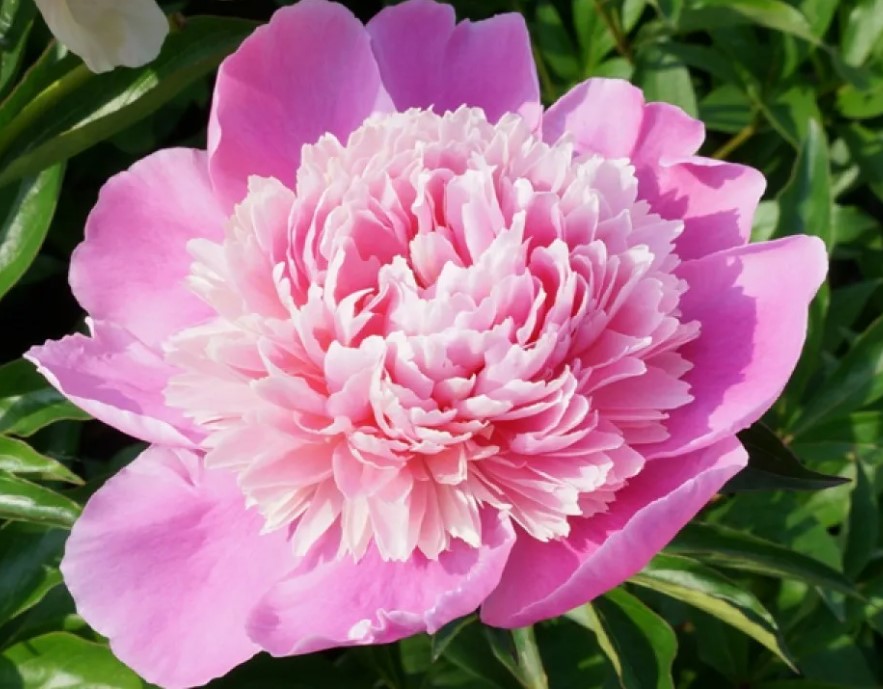
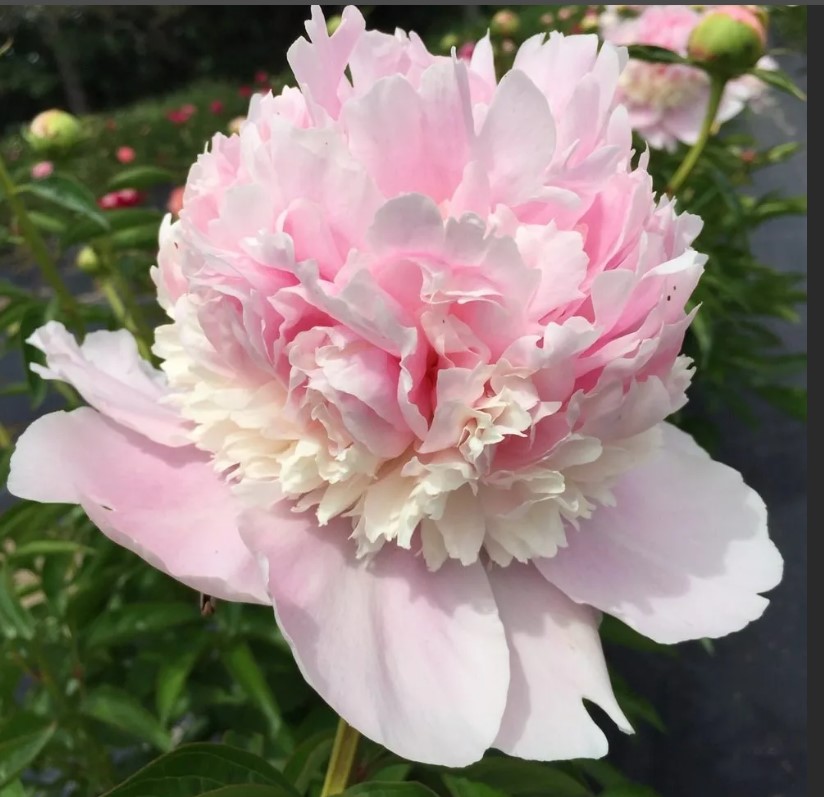
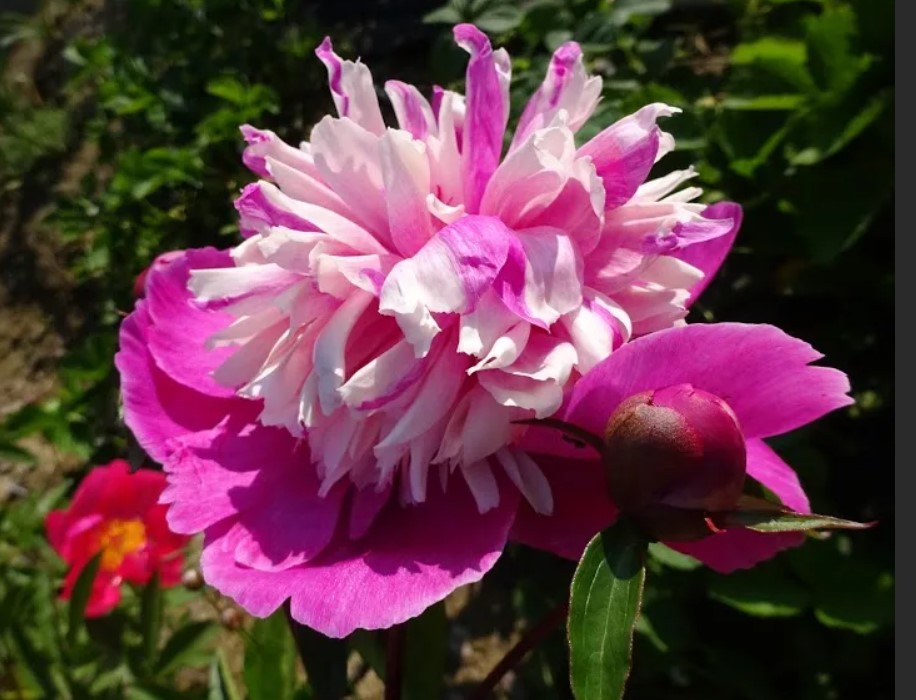
- 12 21 varieties of pink herbaceous peonies
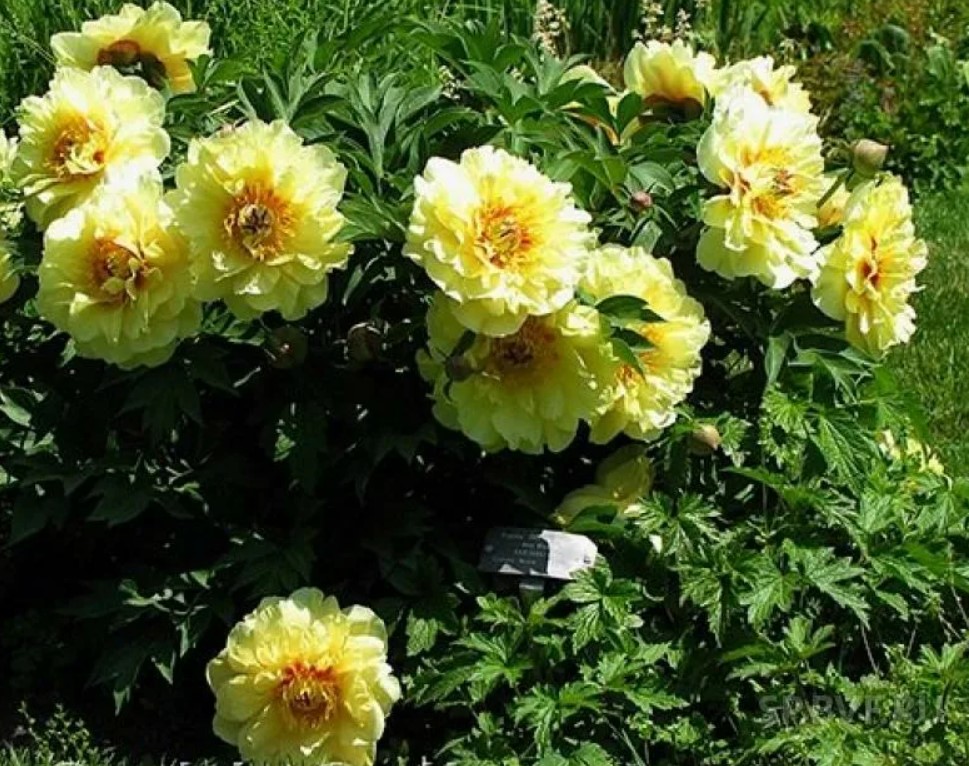
- 13 6 varieties of yellow ITO peonies
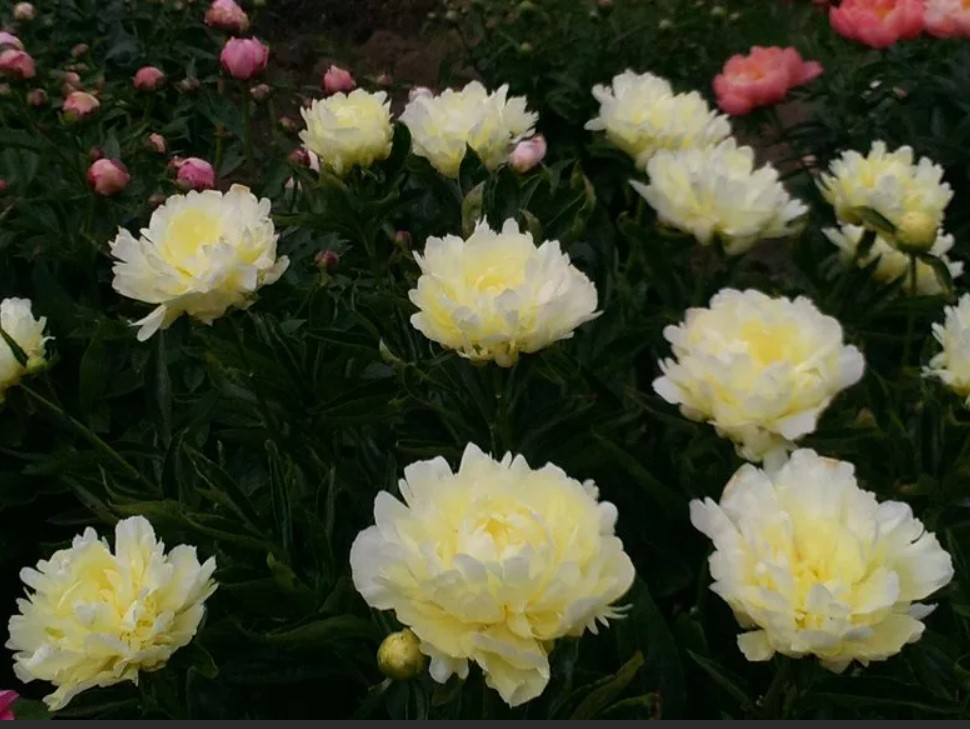
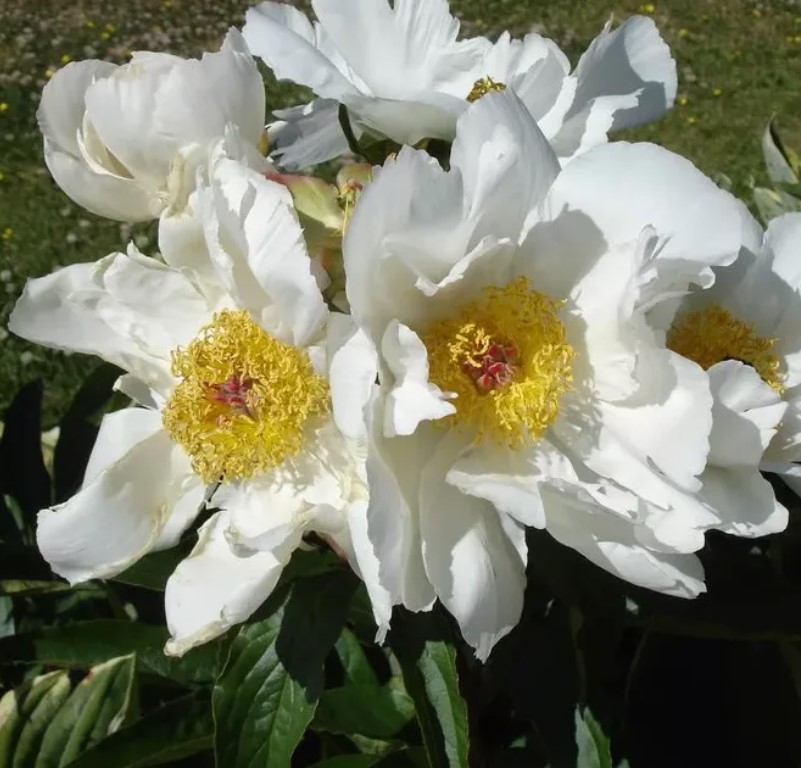
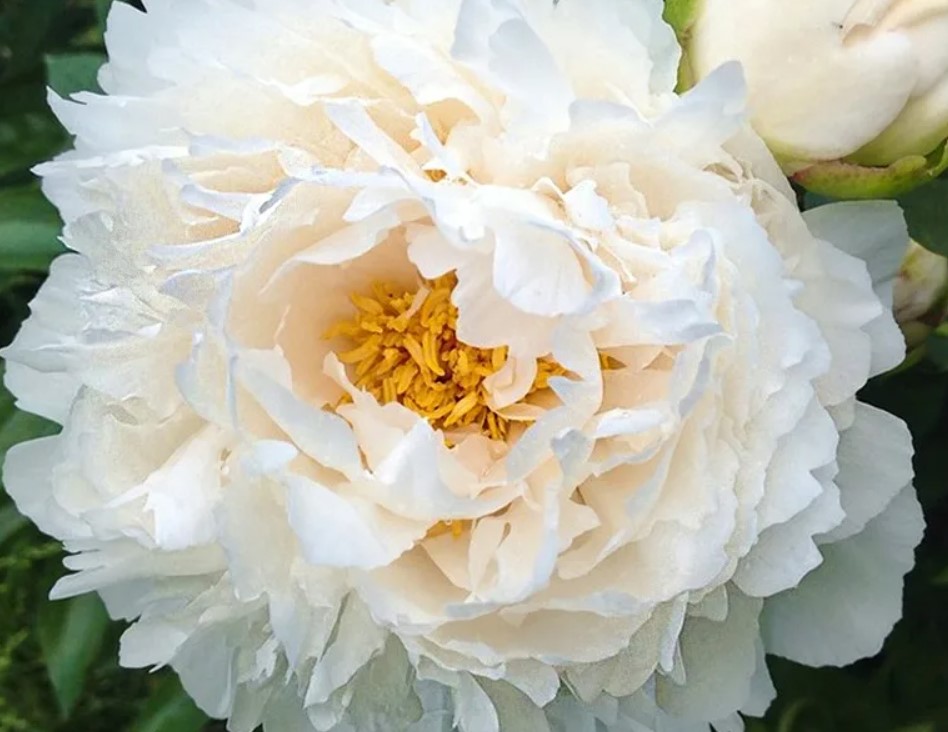
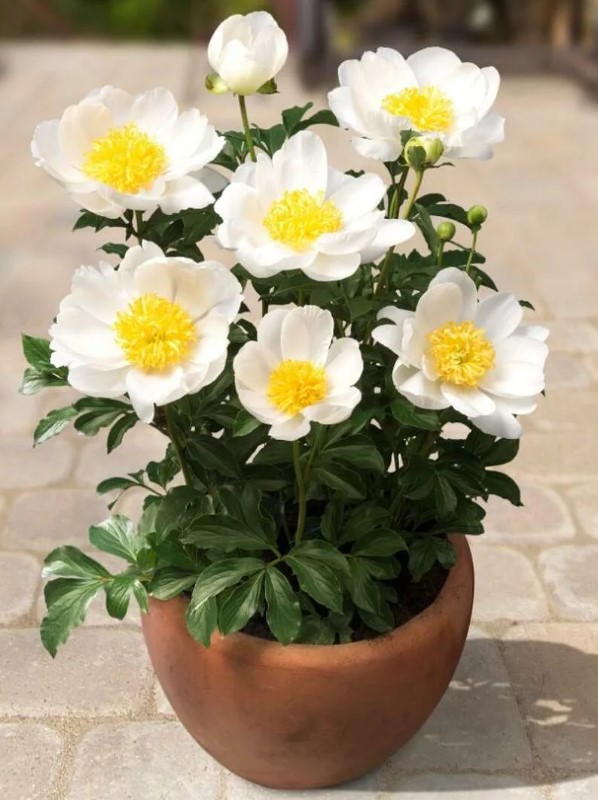
- 14 10 varieties of white herbaceous peonies
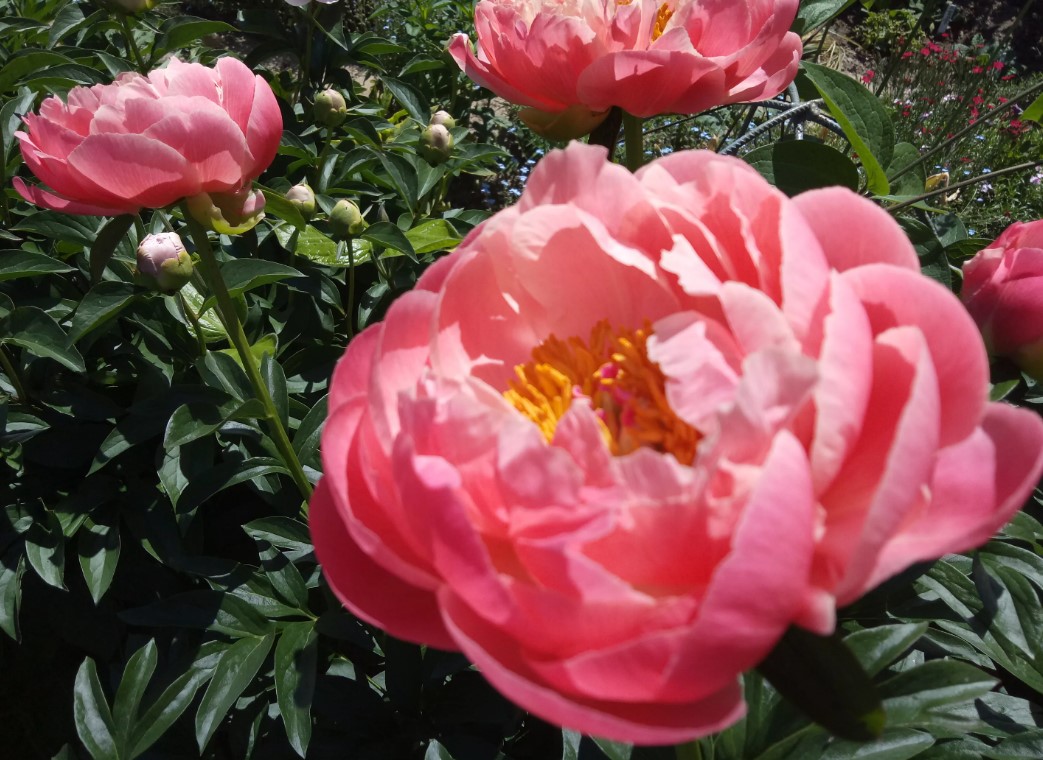
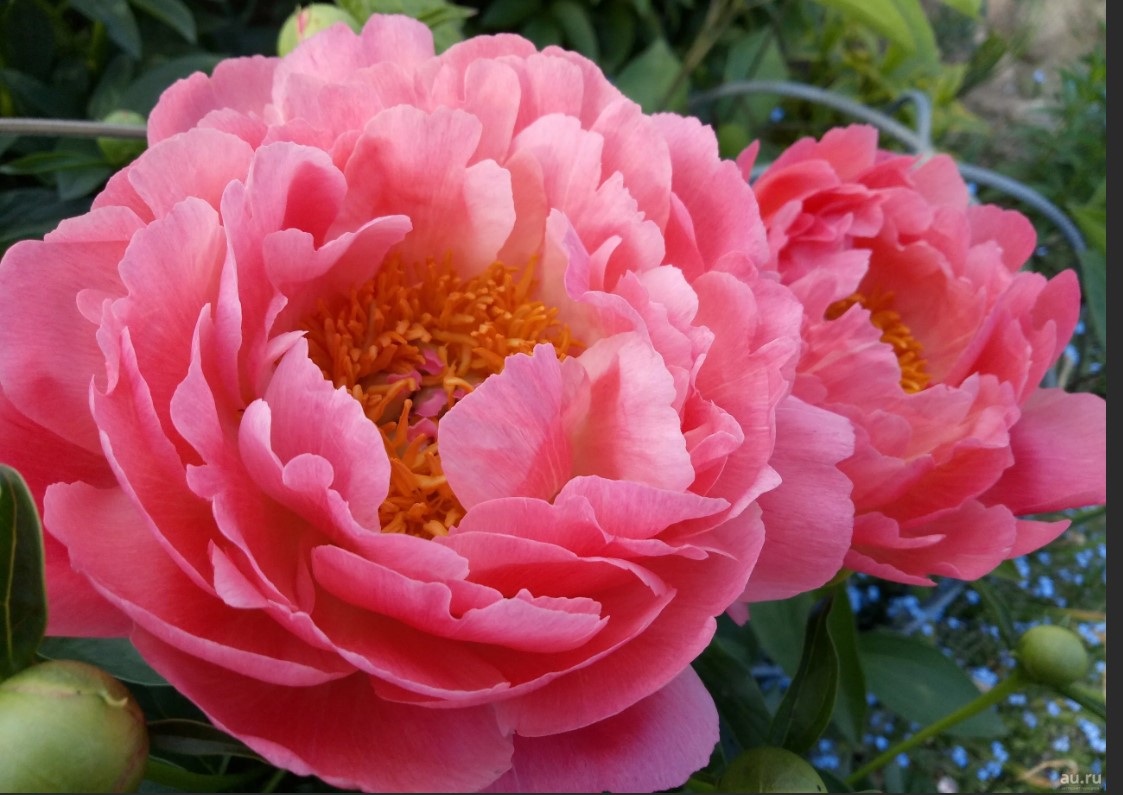
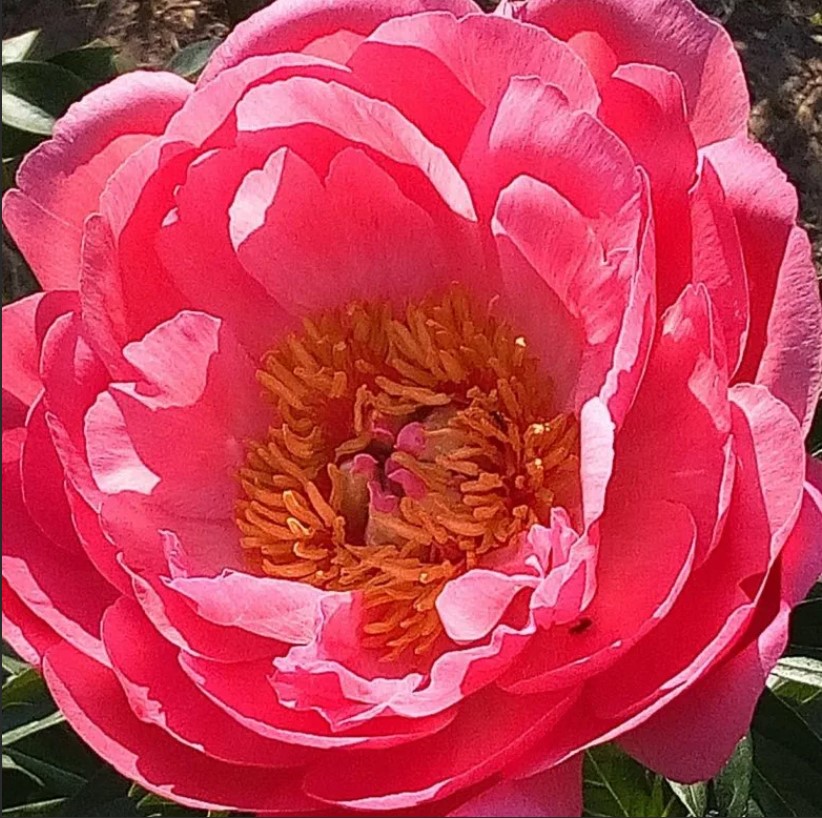
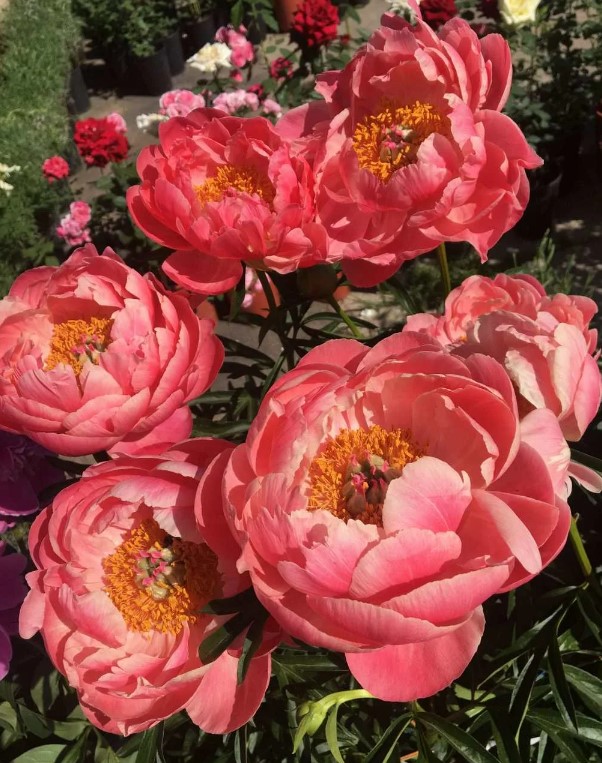
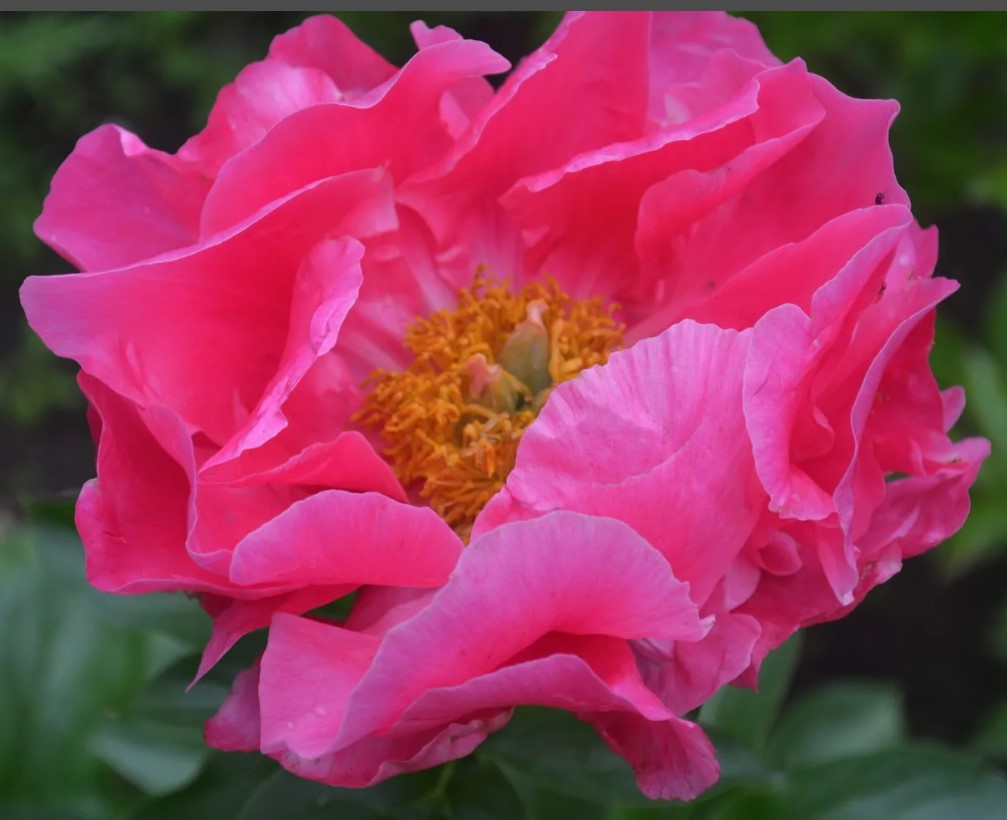
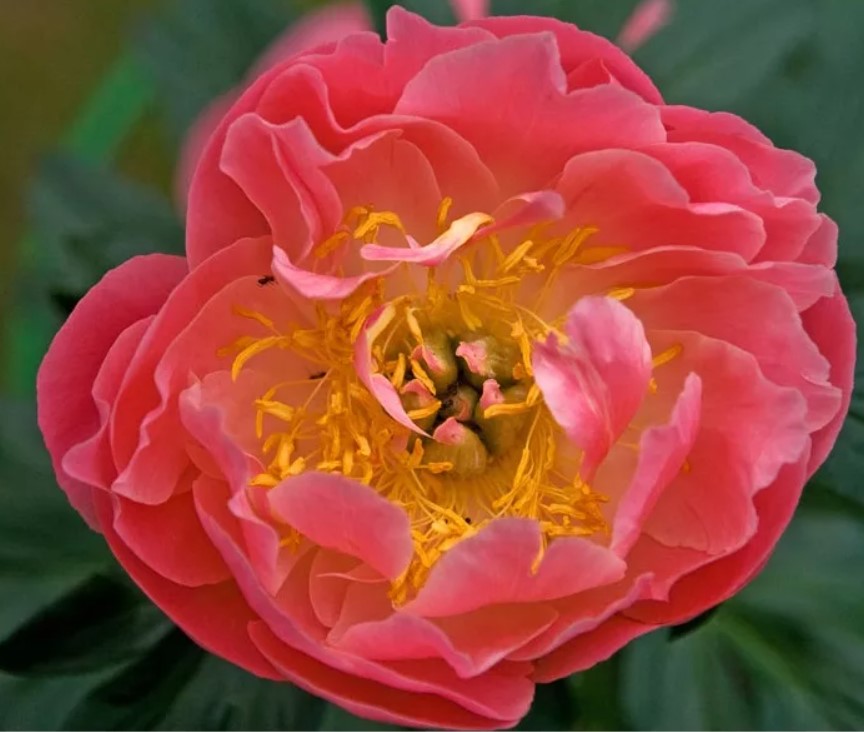
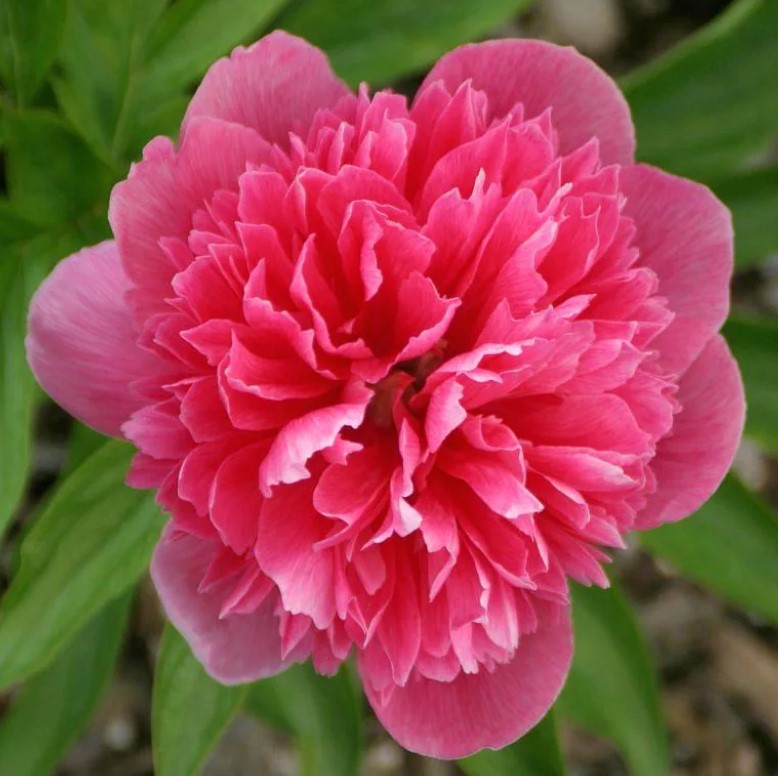
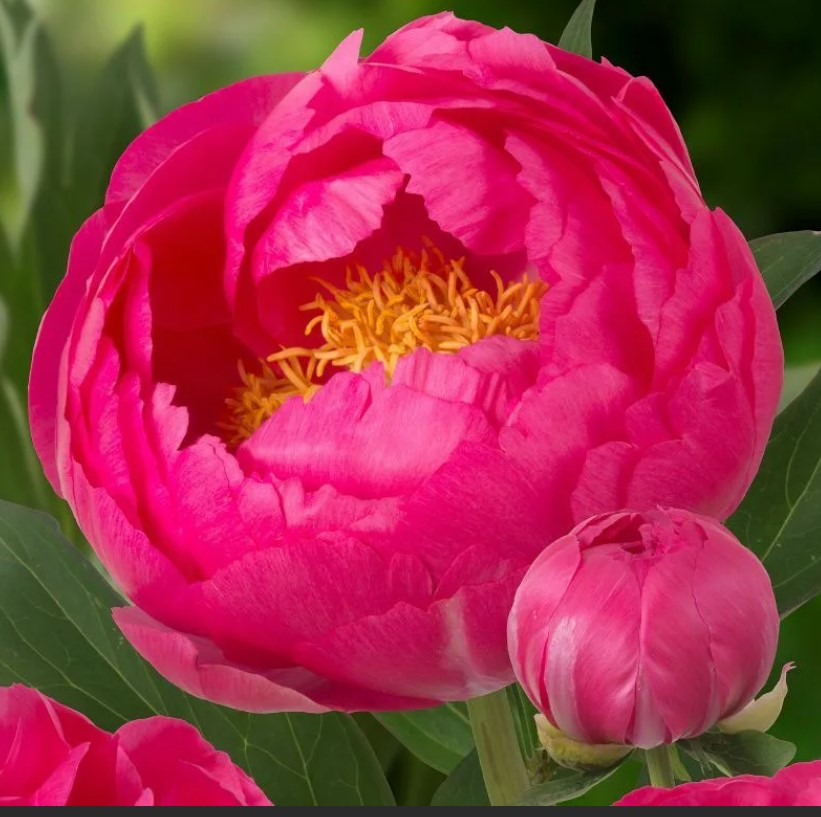
- 15 9 varieties of coral herbaceous peonies
- 16 Location and soil for herbaceous peonies
- 17 Preparing a site for planting herbaceous peonies
- 18 Planting dates
- 19 Planting herbaceous peonies
- 20 Step-by-step care for herbaceous peonies
- 21 Diseases and pests of herbaceous peonies
- 22 Overwintering of herbaceous peonies
- 23 Propagation of herbaceous peonies
- 24 Differences between tree and herbaceous peonies
- 25 Planting tree peonies grafted onto herbaceous plants
- 26 How do ITO peonies differ from herbaceous peonies?
Description and photo of herbaceous peony
These flowers are prized for their attractive, vibrant appearance and low maintenance. Even novice gardeners can grow them.
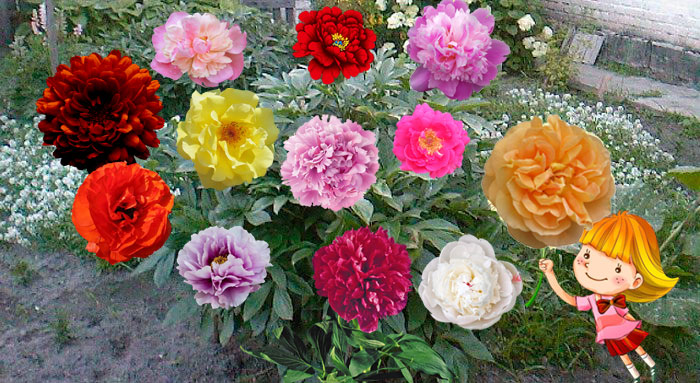
Interesting fact! It is surprising that peony petals can come in a variety of shades, and they are not repeated.
Varieties differ by the type of buds:
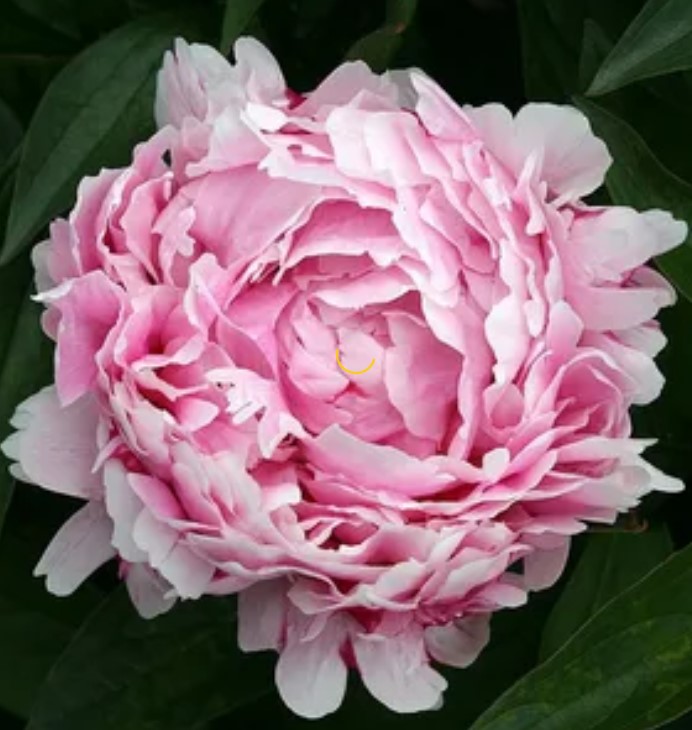
- Double. Distinguished by a large number of petals surrounding the stamens, which can be either traditional or petal-shaped.
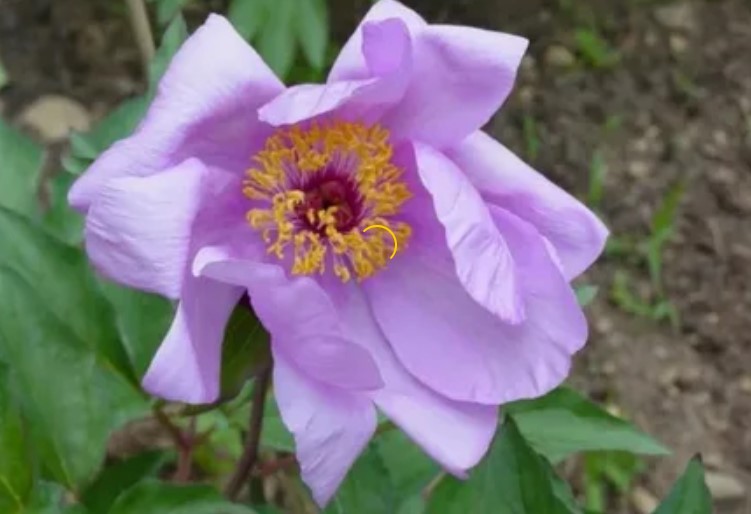
- Non-double. They surround the pistil and stamens in two rows. They can be asexual or unisexual.
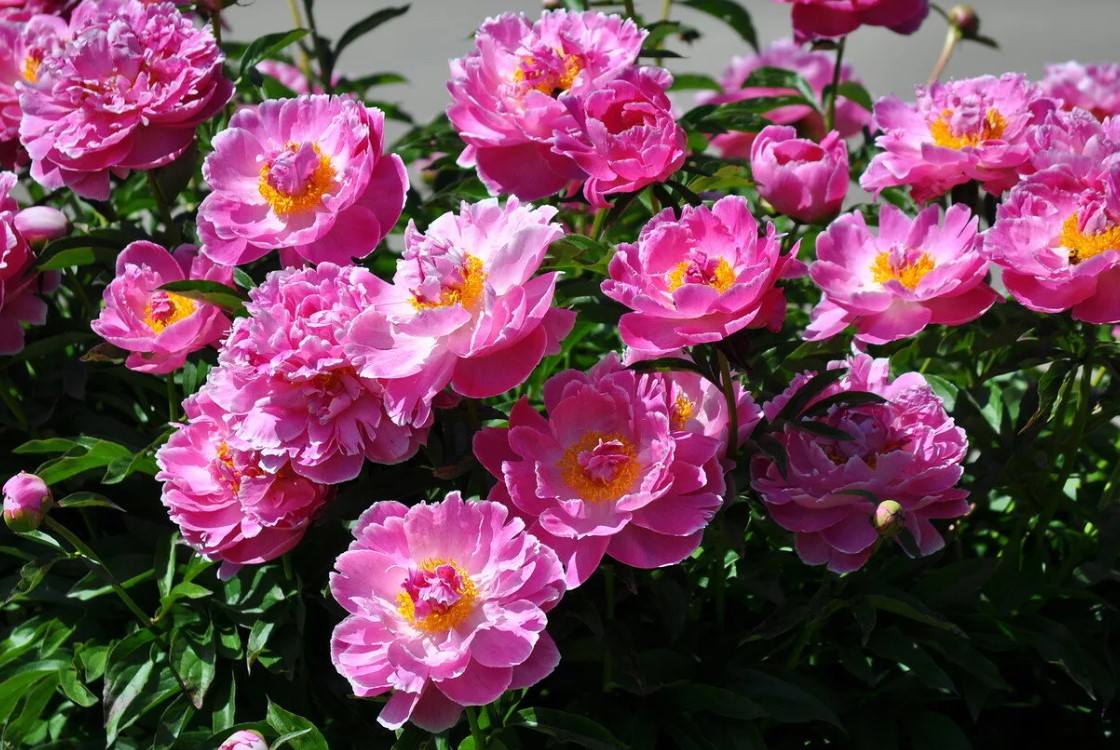
- Semi-double. Consisting of both double and single petals. The stamens are brightly colored to attract pollinating insects.
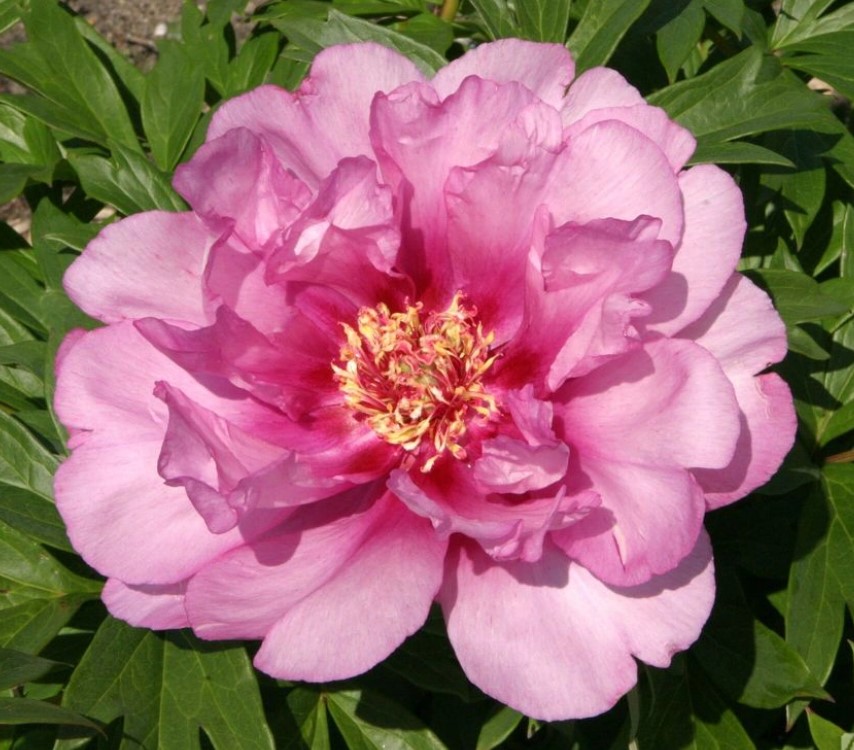
- Japanese or transitional varieties. The stamens are most often yellow. This type is intermediate between double and single-flowered varieties. These varieties are named after their place of selection.
- Anemone-like. The lower petals are larger than those above. Bushes reach 0.6-1 m. Leaves come in various shades of green. Buds reach 20 cm in diameter. If planted in shade, the bushes will have more leaves and fewer inflorescences. Up to 15 buds can be present on a single bush. The shoots are strong and easily support these.
5 types of herbaceous peonies
There are 5 types:
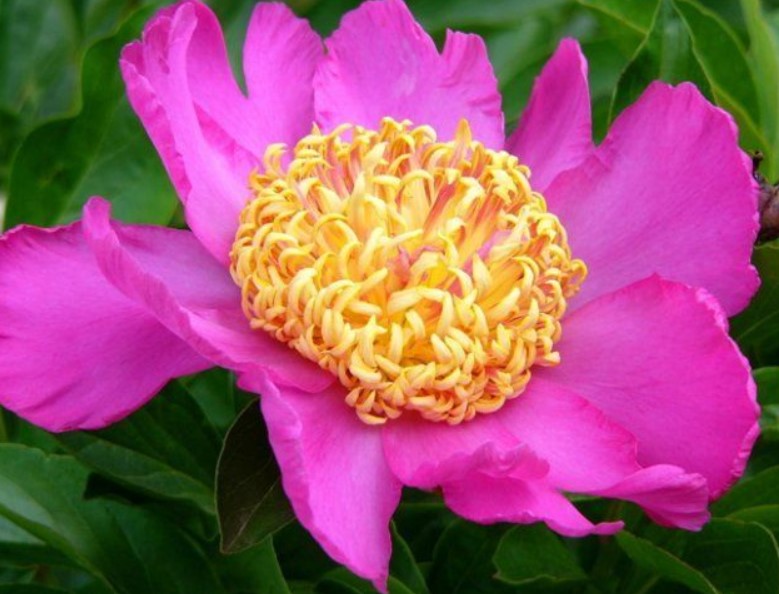
- Evasive. It has thickened shoots and large, single inflorescences, reaching 13 cm. The petals are most often bright pink.
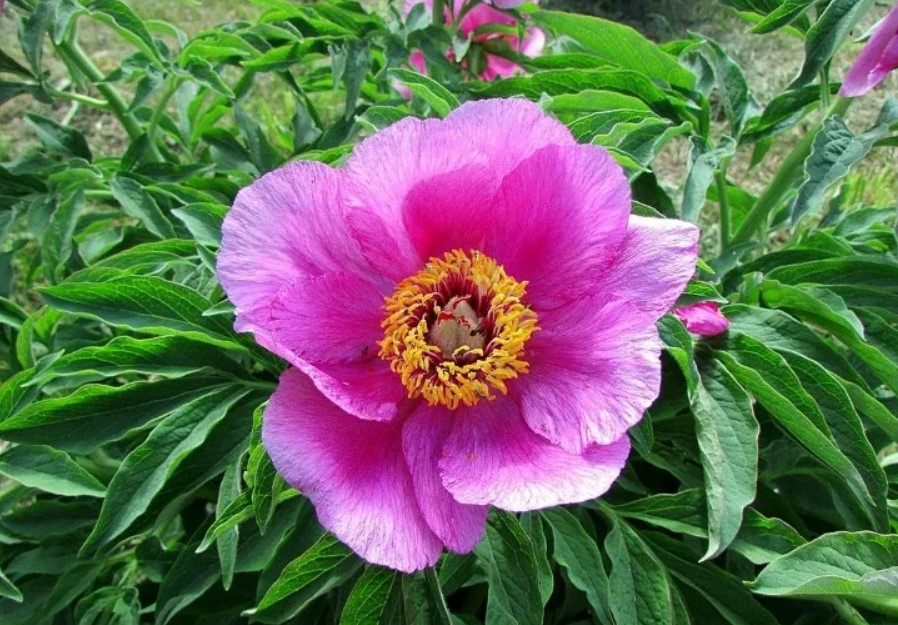
- Medicinal (common). This species was grown for the treatment of many ailments, but due to its attractive appearance, it eventually began to be used for ornamental purposes. The buds are dark red, medium-sized, and virtually odorless. Flowering occurs at different times depending on the variety.
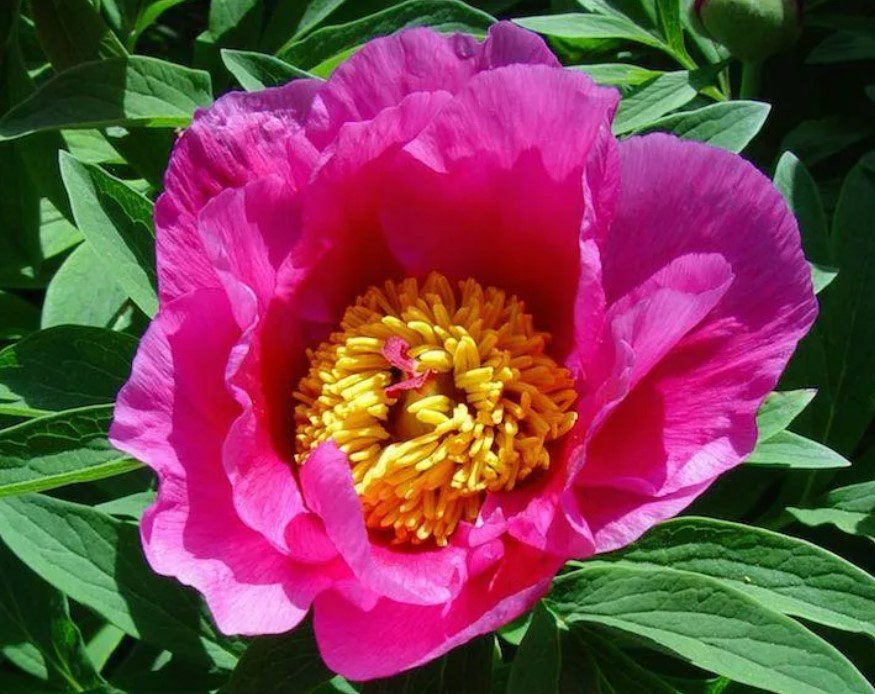
- Narrow-leaved (meadow). Inflorescences are small—6-8 cm. Petals are bright crimson or red.
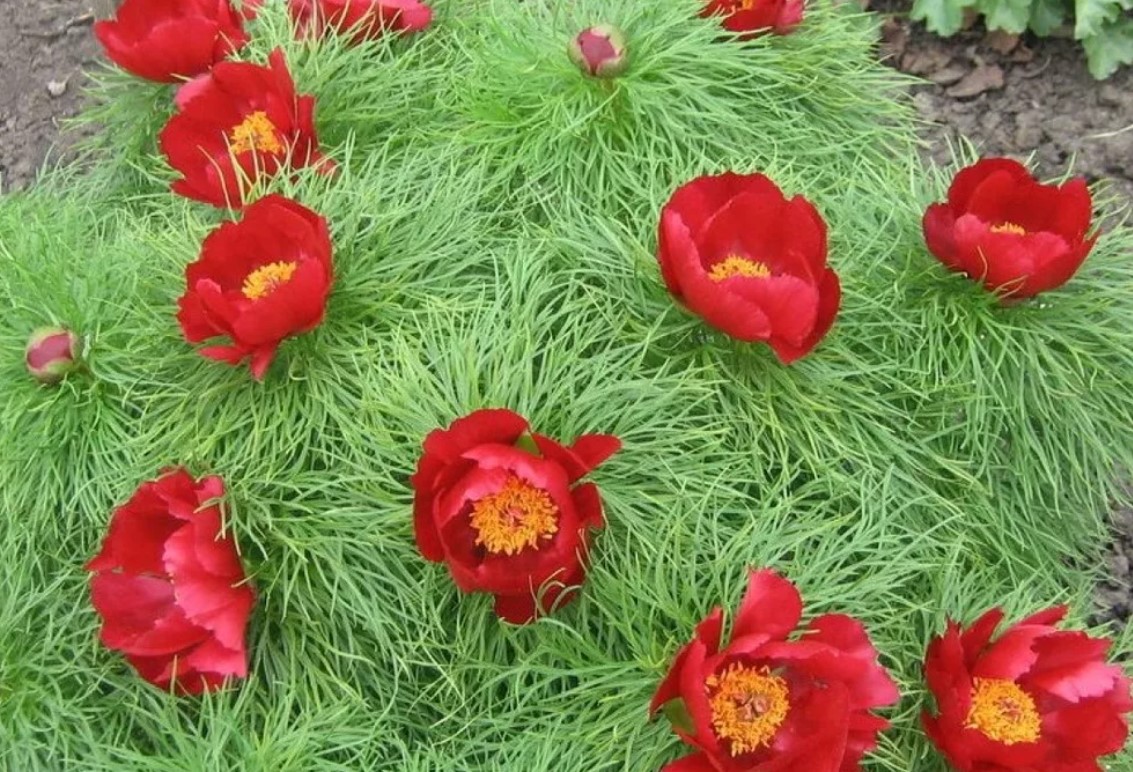
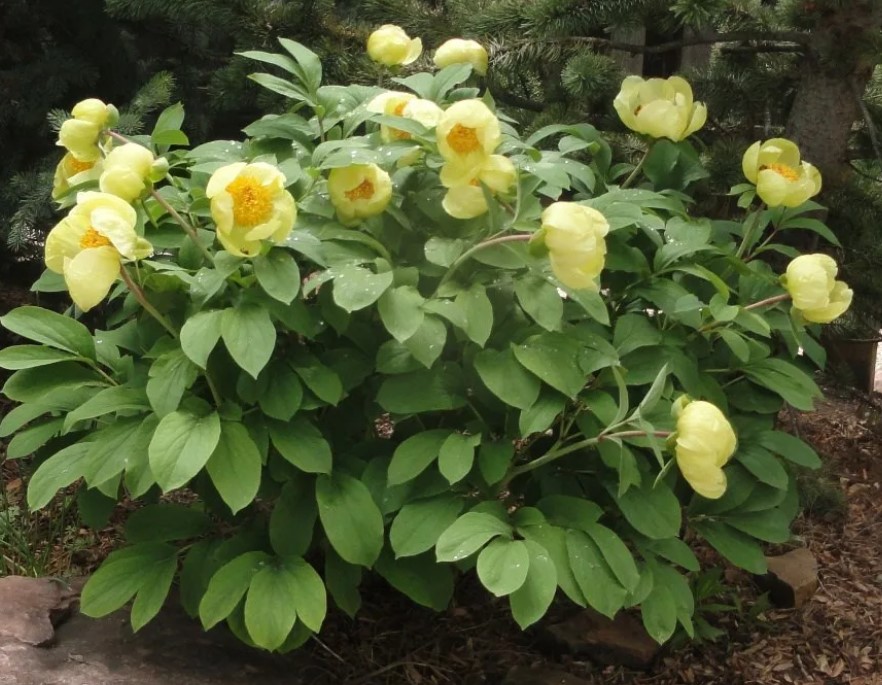
- Mlokosevichi. This variety is very decorative—bright yellow buds, glaucous foliage, and pinkish stems. The buds open very slowly, allowing for a long bloom. The flowers reach 12 cm.
- Milky-flowered (white-flowered). The buds come in a variety of shades. Many varieties have been bred on this basis.
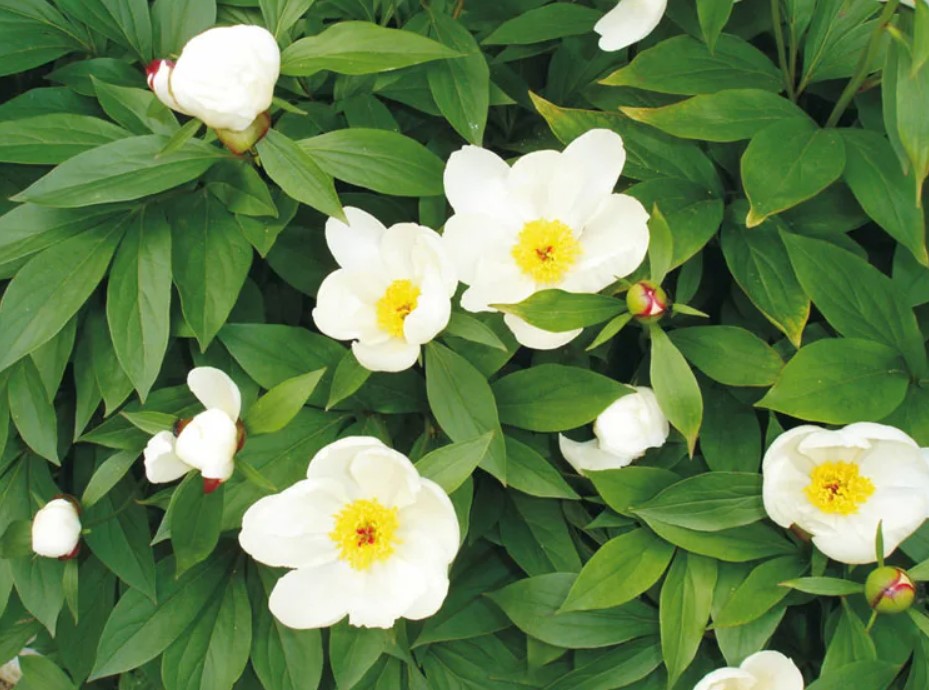
All varieties are easy to care for. If basic agricultural practices are followed, they will grow in the same spot for many years.
Milky-flowered herbaceous peony: differences
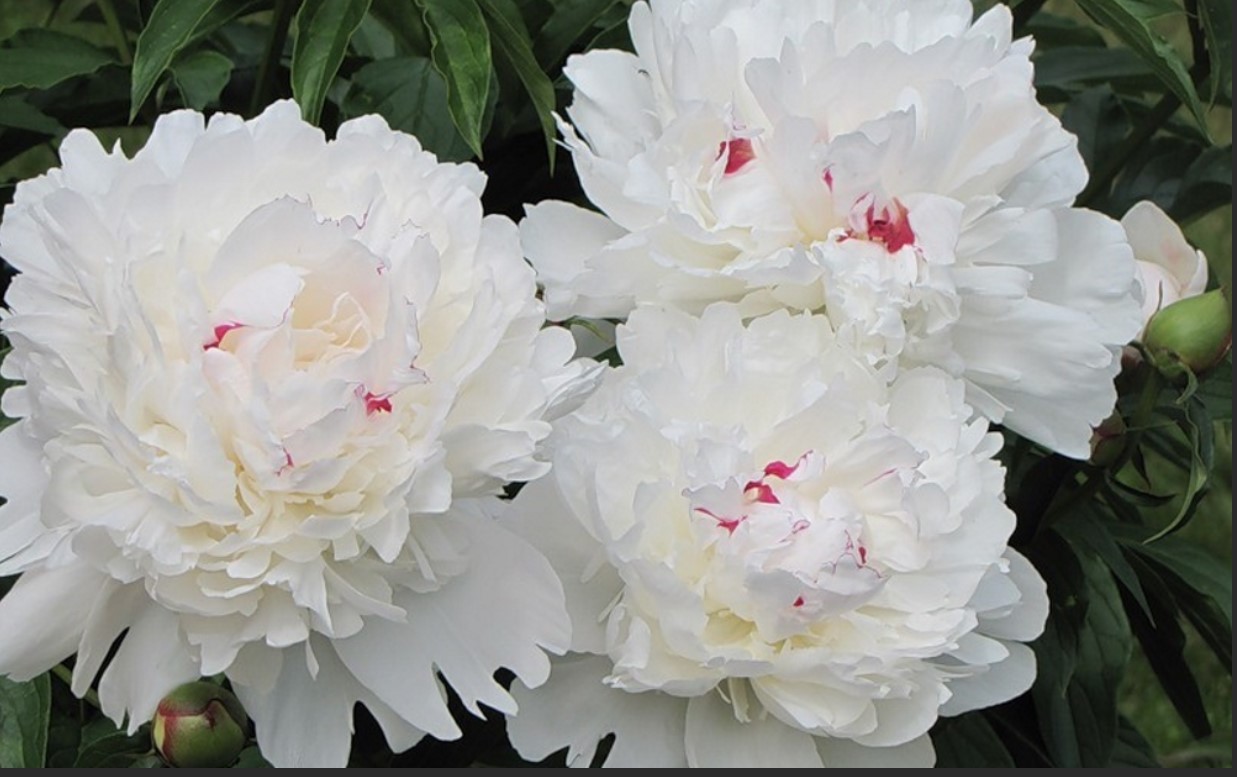
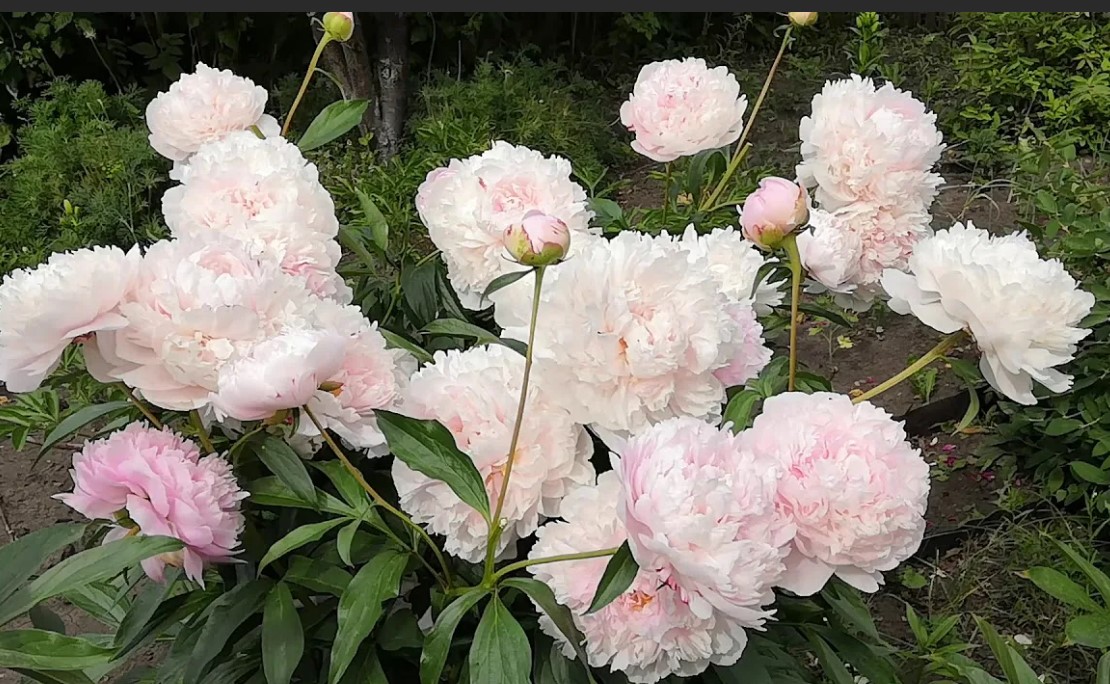
There's no difference. Lactiflora is a large group of herbaceous peonies. They are also called the Japanese form of herbaceous peonies. This species is also called "white-flowered," but the petal color can vary.
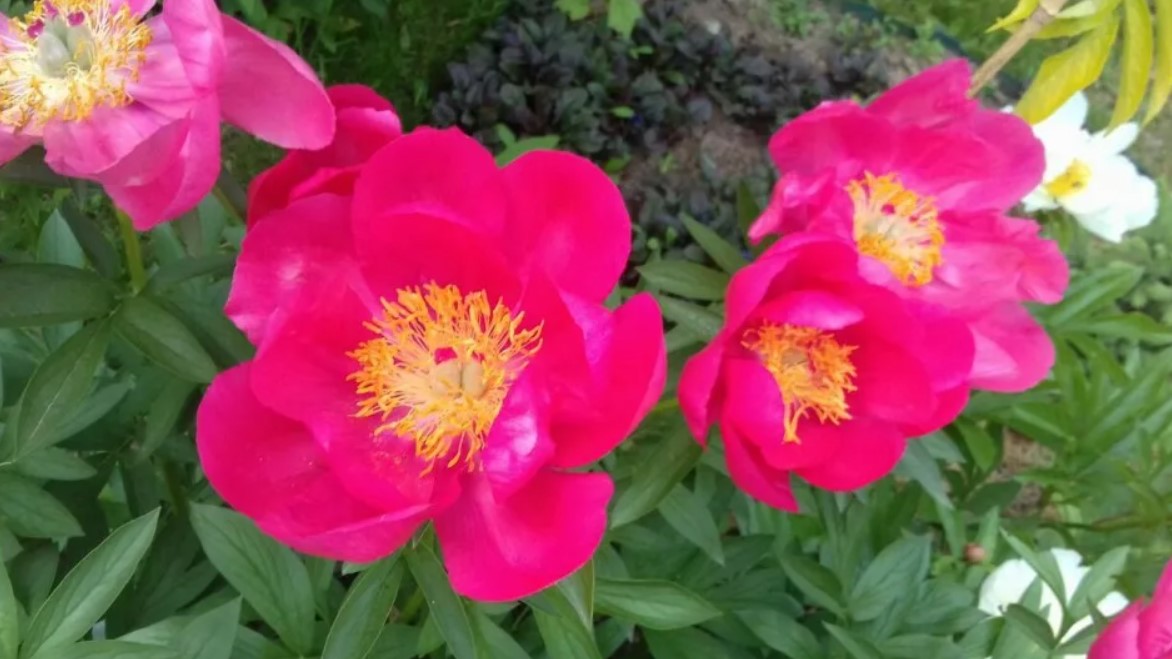
The difference between lactiflora peonies and other herbaceous species:
- height no more than 0.9 m;
- leaves up to 40 cm, have a pointed shape;
- large buds, up to 18 cm;
- blooms in June-July.
In the wild, this species grows throughout Russia, the Asia-Pacific region, and Mongolia. It is cultivated for ornamental purposes. Its buds are also cut and used to create beautiful, vibrant, and lush floral arrangements.
14 Best Varieties of Milky Peonies
| Variety | Height, leaves | Description of flowers | Peculiarities |
| Bu te (Bu te)
|
Up to 90 cm. Green, not shiny. | Light pink when opened, then turning white. Staminodes are long, yellow, up to 16 cm, fragrant. | It has a mid-late flowering period. |
| Isani Gidui
|
Up to 80 cm. Corrugated. | Snow-white, with a rounded center of thin yellowish-beige staminodes. Inflorescences up to 19 cm, with a perfectly cupped shape. The fragrance is moderate, not to everyone's taste. | Flowering begins in the first days of summer. |
| Kukeni Jishi
|
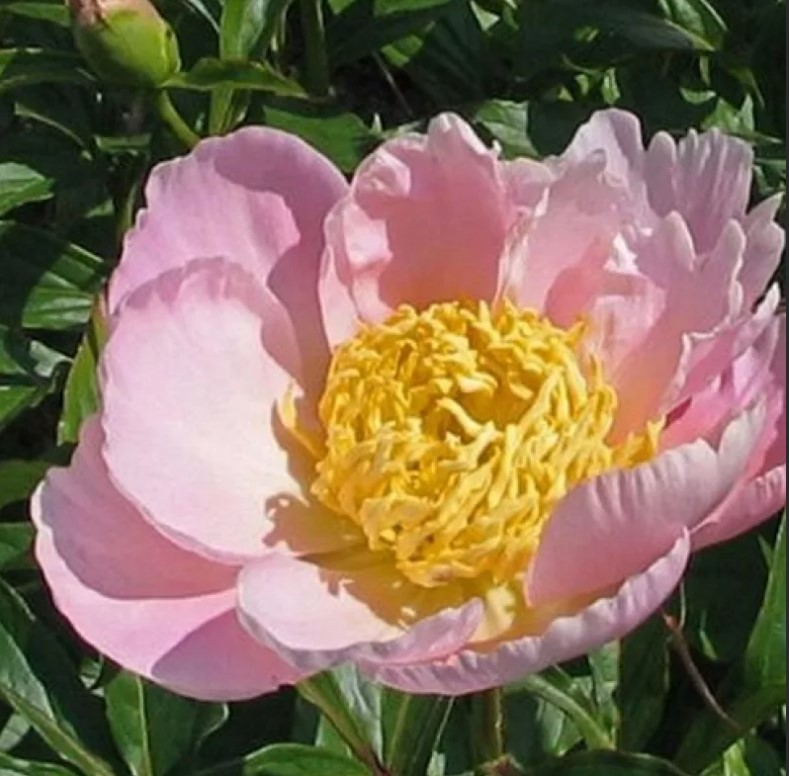
Up to 90 cm. Bright green color. | Delicate pink, with light yellowish staminodes. Inflorescences reach 14 cm. Pleasantly scented. | Flowers bloom in the first half of summer. |
| Lois Choice (Lois Choice)
|
Up to 75 cm. Large, bright green, decorative. | A rare peony, this complex bicolor combines several shades: pink, powder pink, and creamy yellow. They flow beautifully in a gradient. The buds measure up to 16 cm in circumference. The fragrance is distinct. | Flowering occurs in mid-early terms. |
| Nellie Saylo
|
Up to 90 cm. Green, medium size. | The outer petals are burgundy. The center, consisting of several petals, is creamy pink. The inflorescences are up to 14 cm. The buds are located significantly above the foliage. The fragrance is delicate. | Flowers bloom in the second half of summer. |
| Neon
|
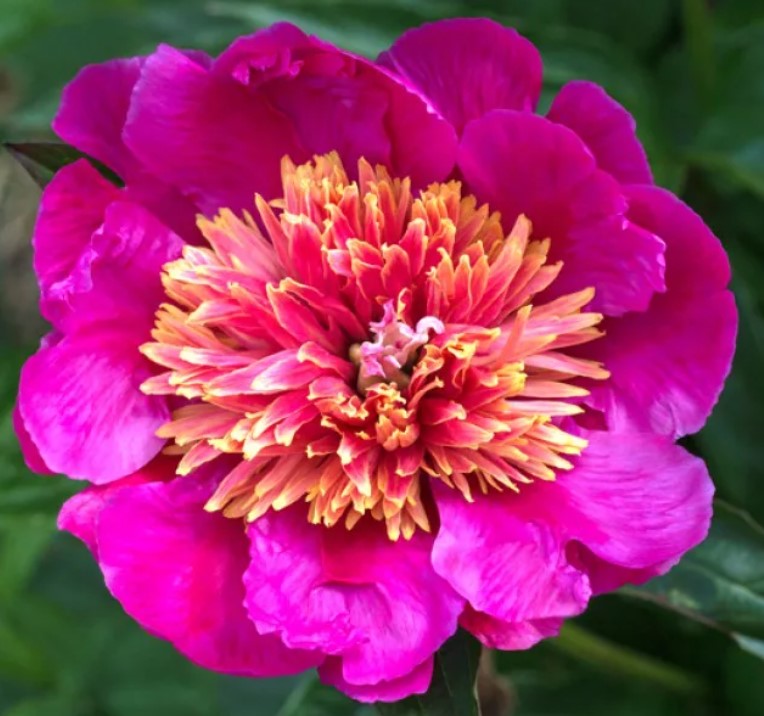
Up to 85 cm. Green. | Pinkish-lilac, fragrant. Staminodes of a similar tone with golden tips. Up to 16 cm. | May-June. |
| Rashoomon
|
Up to 70 cm. Green. | Raspberry-pink. Staminodes are beige-pinkish, with a golden edge of sufficient width, narrow, with a curled tip. Up to 16 cm. | |
| Spiffy
|
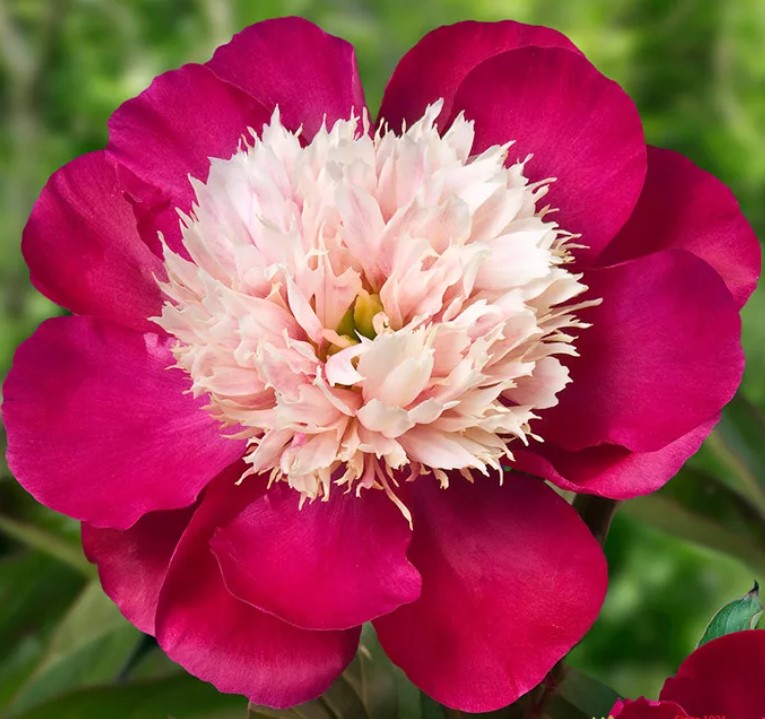
Fuchsia-colored. The center consists of tapered and shortened creamy-pink petals. It is several shades lighter than the outer petals. The buds are up to 12 cm in circumference. The scent is not very strong. | ||
| Walter Mains
|
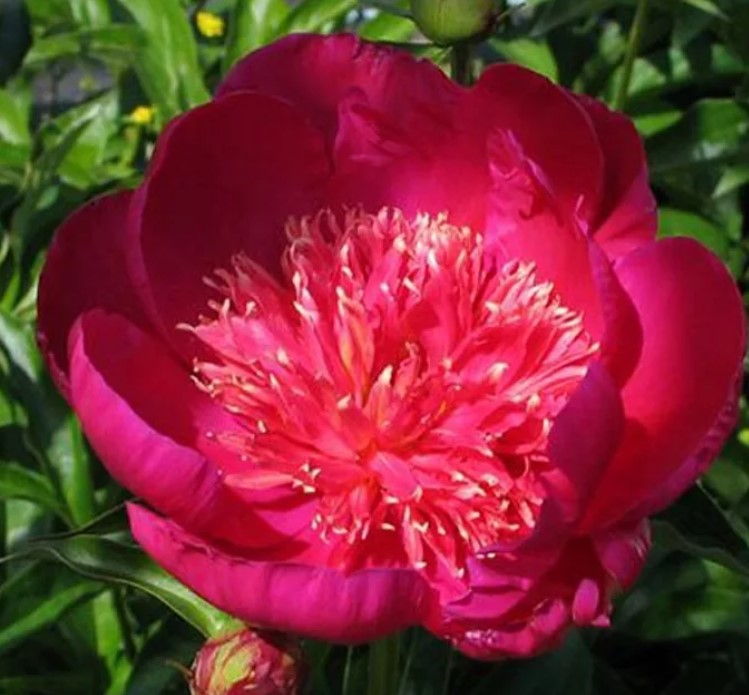
Up to 75 cm. Leaf blades are small, light grass-colored. | Dark red, with an attractive sheen and brown tint, up to 15 cm in circumference. Staminodes are narrow, reddish-purple with golden edges. The scent is fresh. | The buds open early. |
| White Cap
|
Up to 80 cm. Narrow, medium size. | Dark pink with a cap of light yellow, almost snow-white staminodes. The buds reach 14 cm in circumference. The fragrance is pleasant. | Flowering occurs in the first ten days of summer. |
| Waikiki
|
Up to 70 cm. Leaves are dark emerald, shiny. | Deep cherry red, up to 14 cm. The outer petals are arranged in two rows. The staminodes are red with creamy tips. The scent is pleasant. | |
| Hit Parade
|
Up to 90 cm. Foliage is rich green. | Pink, with fluffy staminodes with yellowish tips. The buds reach 19 cm in circumference. The aroma is fragrant and noble. | |
| Charles Burgess
|
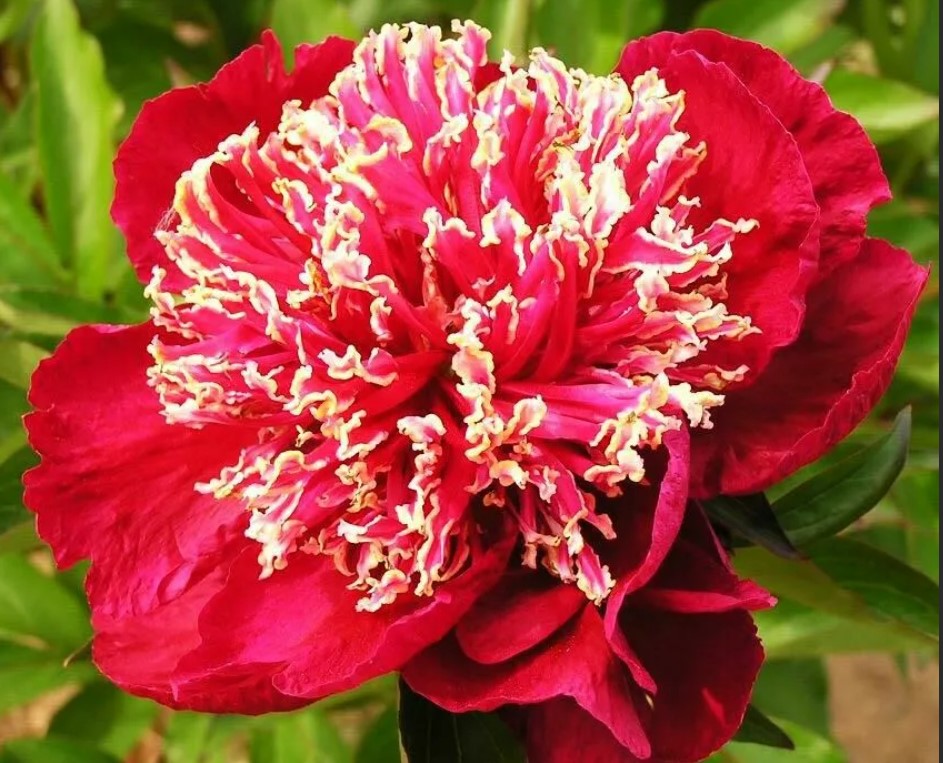
Up to 80-100 cm. Emerald. | Raspberry-reddish with narrow red-golden stamens. Pleasant aroma. | June. |
| Jan van Leeuwen (Jan van Leeuwen)
|
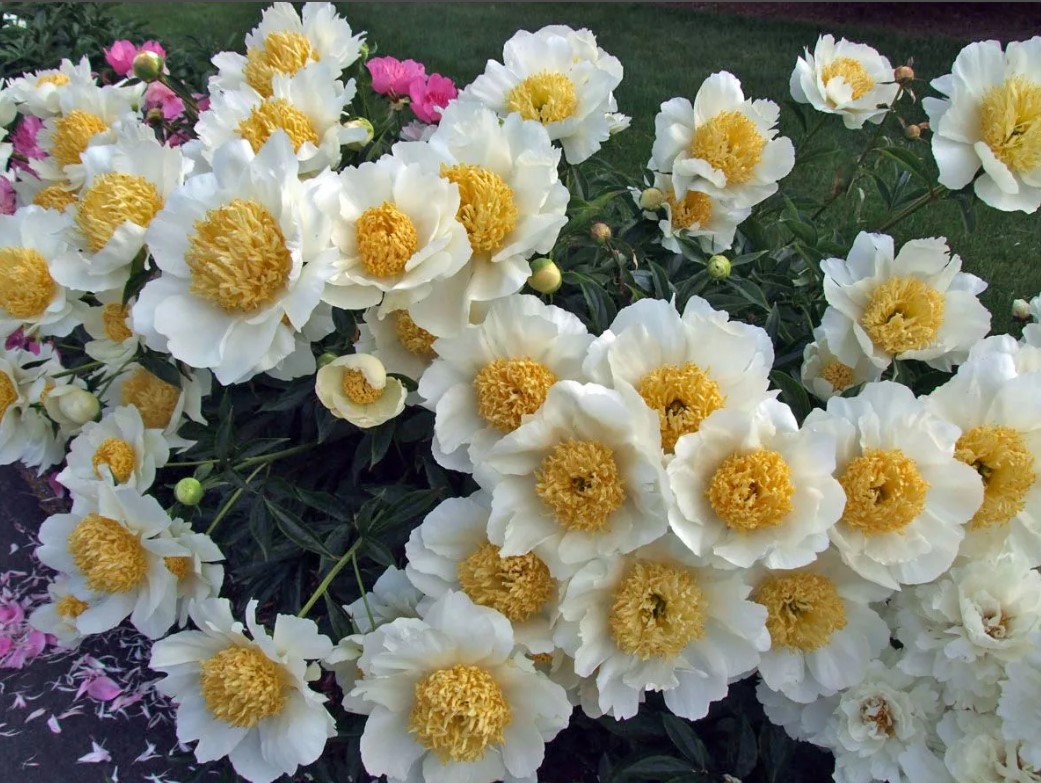
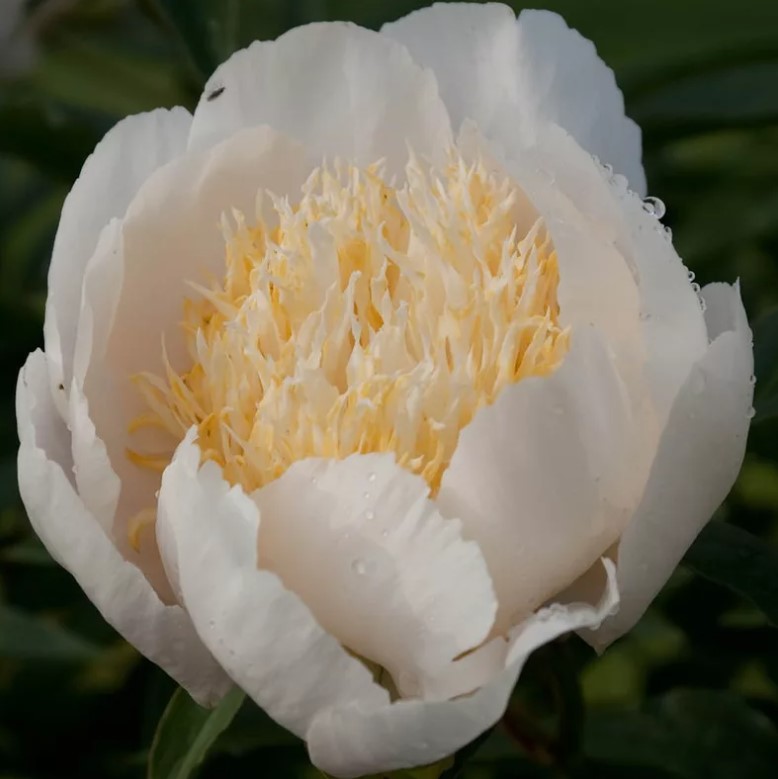
Up to 70 cm. Foliage is dark green. | The buds are snow-white and dense. A ball of yellowish staminodes forms the center. The inflorescences are up to 17 cm in circumference. The fragrance is not very pronounced. | Average flowering period. |
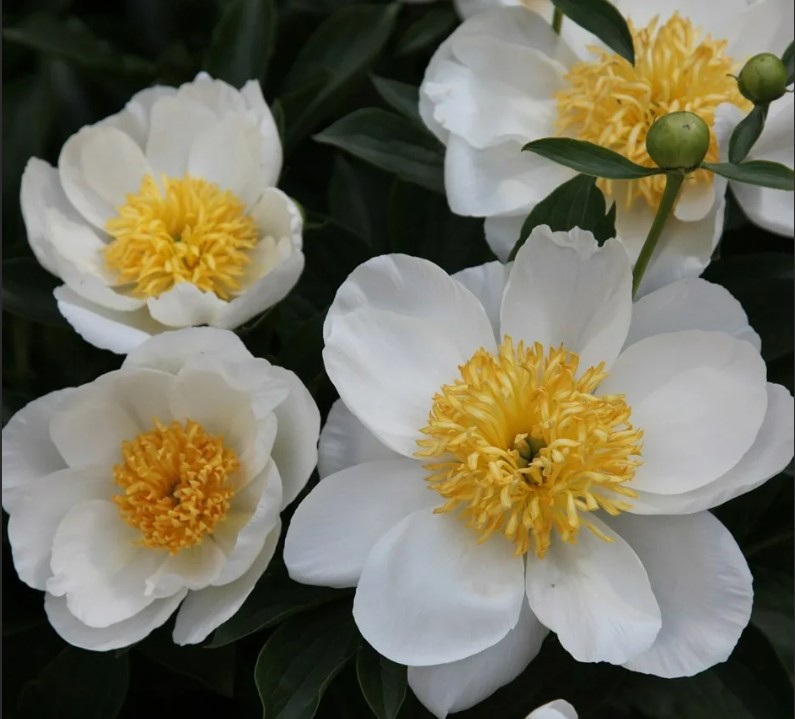
9 American Herbaceous Peony Varieties
Peonies were first cultivated in France, but the center of breeding later shifted to America. Most of the popular varieties originate from there.
| Variety | Height, leaves | Description of flowers | Peculiarities |
| Black Beauty (Black Beauty)
|
Up to 80 cm. Dark green. | Burgundy with a brown tint. The buds are up to 17 cm in circumference. The scent is faint. | Flowering occurs in June. |
| Henry Bockstoce
|
Up to 100 cm. Green, tapered, shiny. | Rich red color, shiny, up to 20 cm. With a distinct aroma. | It blooms with the onset of the first warm days. |
| Gladys Taylor
|
Up to 90 cm. Light green. | Pink, up to 18 cm in circumference, with a faint odor. | Average flowering time. |
| Dinner Plate
|
Up to 90 cm. Neat, light grassy. | Light pink, up to 20 cm. Medium aroma. | The second ten days of June. |
| Jessie Gist
|
Up to 80-90 cm. Dark emerald with a silver tint. | Pinkish with a creamy hue, up to 18-20 cm, fragrant, with fruity-caramel notes. | June. |
| Jay C.
|
Up to 100 cm. Rich, juicy. | Pinkish-raspberry, up to 20 cm. The aroma is distinct, with notes of cherry, almond and grape. | Average flowering period. |
| Mrs. Franklin D. Roosevelt (Mrs. Franklin D. Roosewelt) 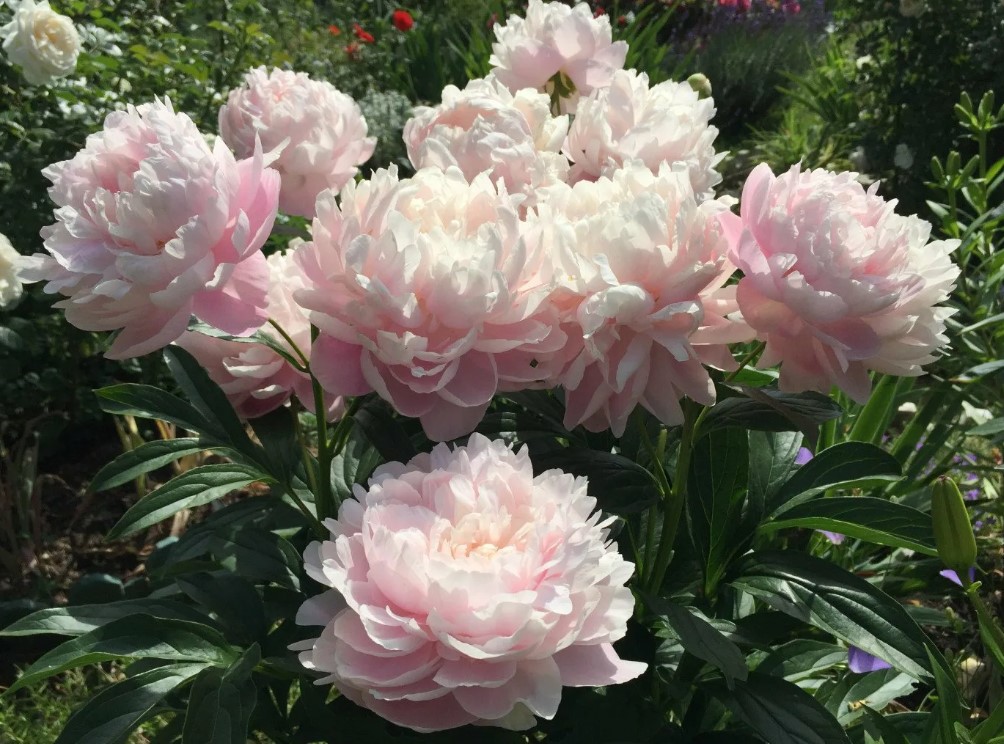 |
Up to 100 cm. Greenish, medium-sized. | With a salmon tint, up to 18 cm. The aroma is not too pronounced. | June. |
| Princess Margaret
|
Up to 100 cm. Ruffled, green. | Dark pink. Distinctive aroma. | |
| Miss America
|
Up to 80 cm. Lanceolate, glossy, green. | With a slight pinkish tint. Later they become snow-white. The buds are very large, up to 25 cm. The fragrance is weak or completely absent. | Flowering occurs from mid-May to June. The blooming period lasts approximately 20 days. Each flower lasts 5-6 days, after which it fades. |
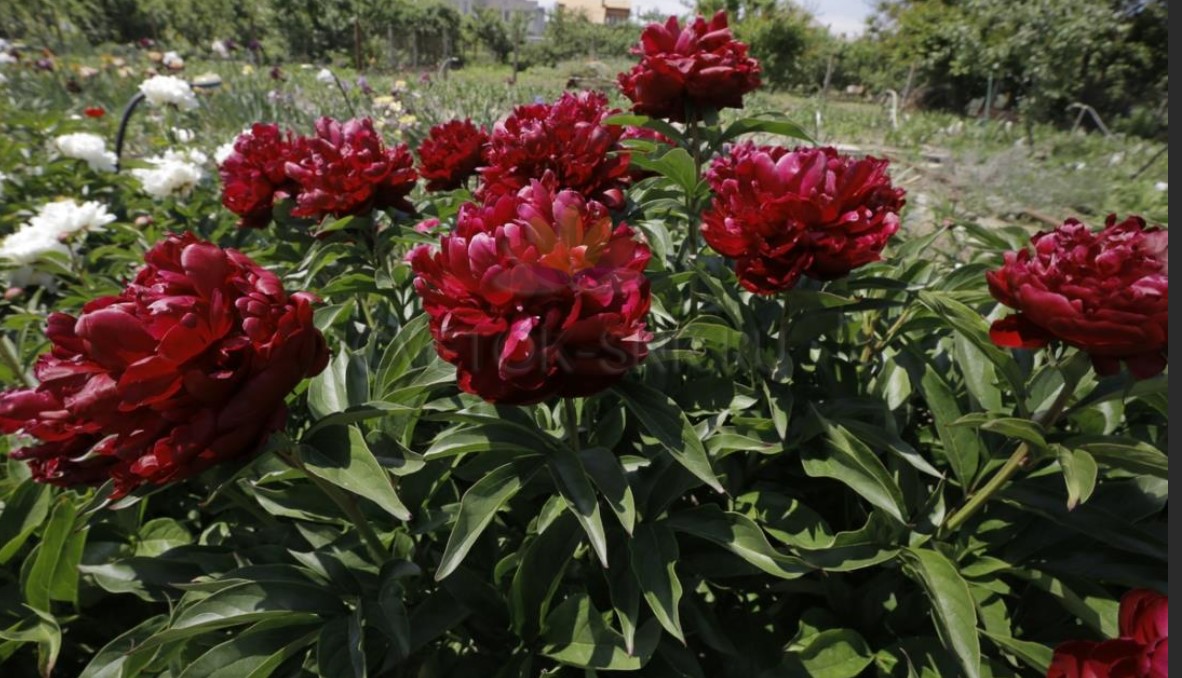
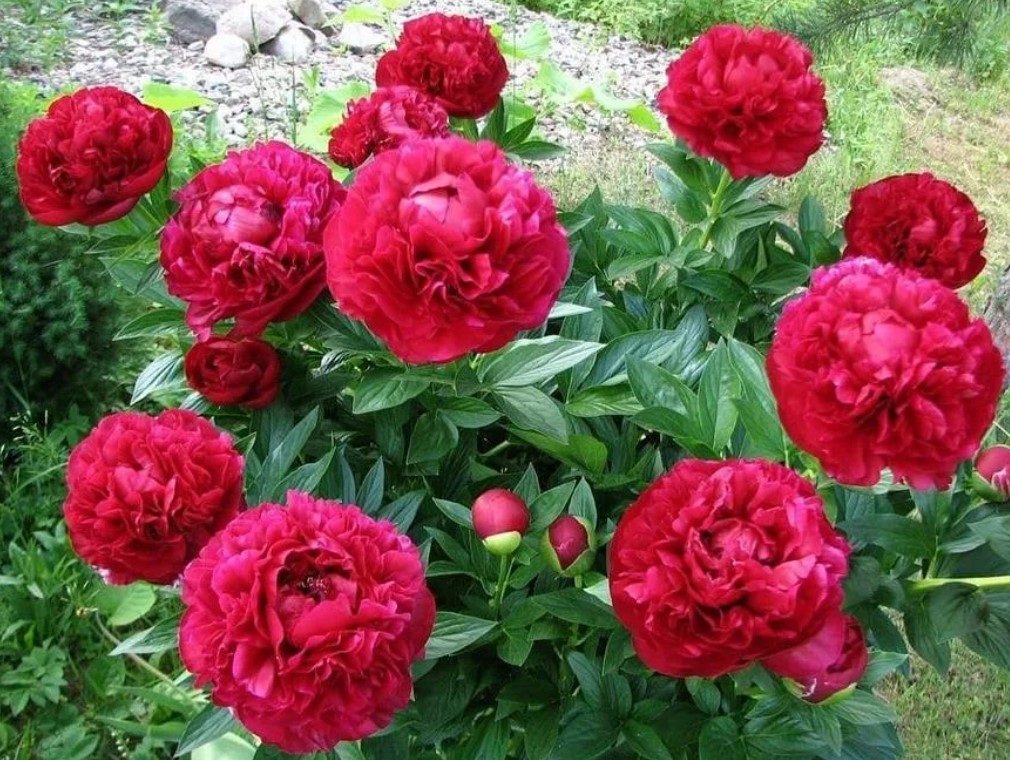
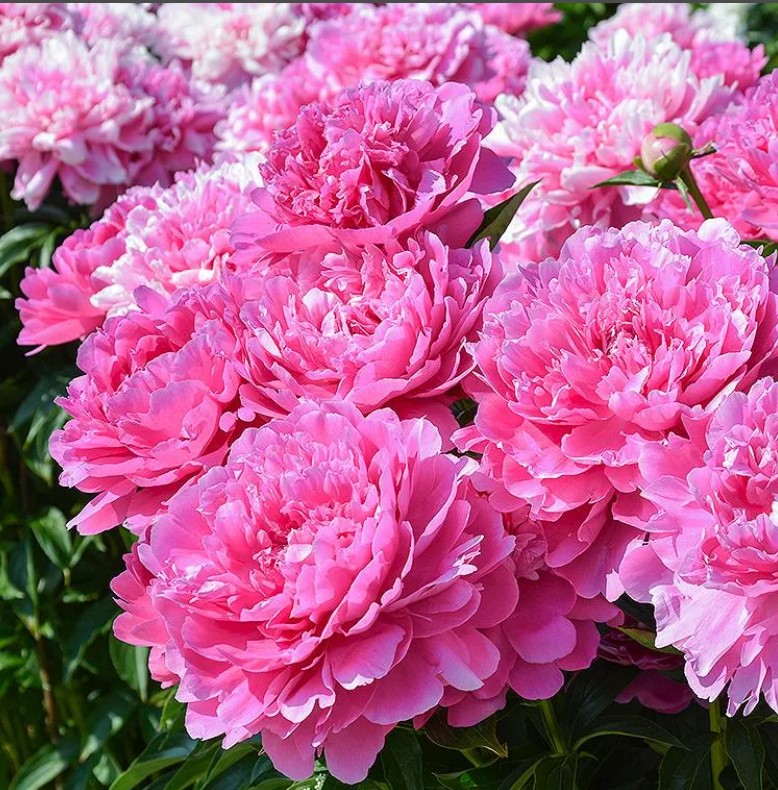
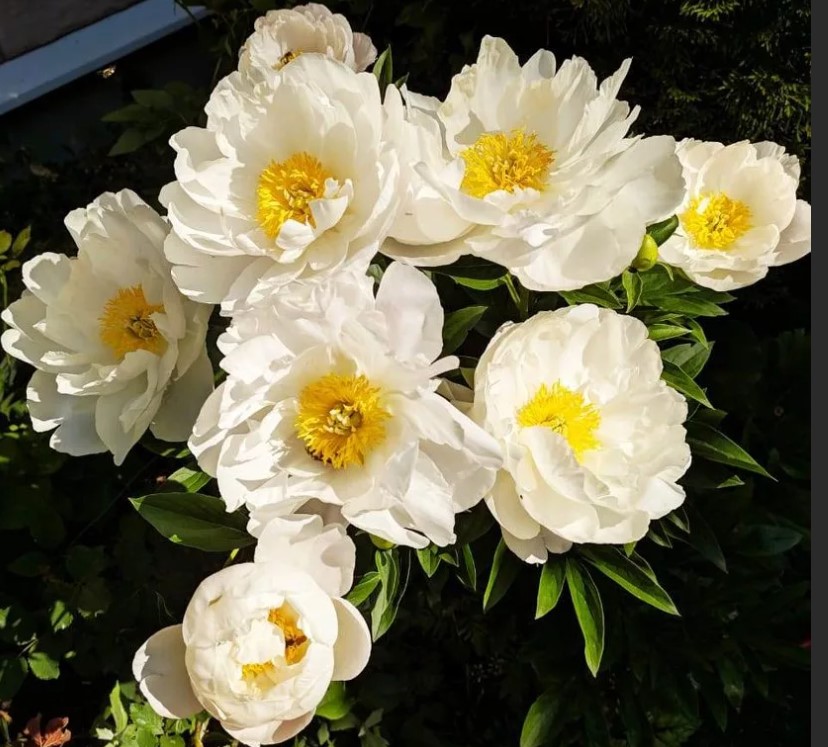
6 French historical varieties of herbaceous peony
The first varieties of ornamental peonies were developed by French breeders. Most of them have densely double, rose-shaped or crown-shaped buds and a distinct, pleasant fragrance. These varieties are over 200 years old, but they remain popular.
| Variety | Height, foliage | Description of flowers | Peculiarities |
| Inspector Laverne (Lavernie) Inspector Lavergne
|
Up to 100 cm. Green, decorative, lacy. | Dark red, with light speckling in the middle, up to 18 cm. The aroma is distinct and pleasant. | Flowers bloom in midsummer. |
| Herbaceous peony 'Sarah Bernhardt'
|
95-100 cm. Green with a brownish-red tint. | Pinkish-lilac. The edges are lighter, sometimes silvery-white. Up to 20 cm. The aroma is moderate. | Flowering occurs in late spring to early summer and lasts 7-20 days.
Popular manufacturers: Kaper, Unique. |
| Festiva Maxima (Festiva Maxima)
|
70-90 cm. Openwork, dissected. | Milky flowers with a slight pink shimmer, with scarlet portions of the petals in the center. Up to 20 cm. Sweet scent. | Flowering occurs in the first half of summer. |
| Albert Crousse
|
90-100 cm. Glossy, dark green. | Pinkish, with lighter, creamy tips. They reach 16-18 cm. The aroma is intense. | |
| Felix Crousse
|
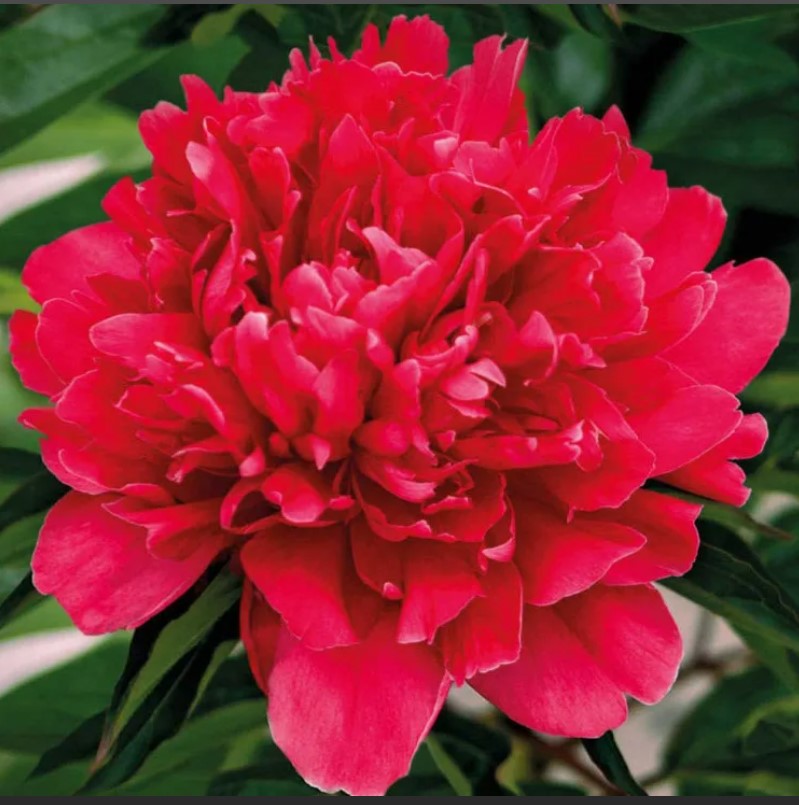
Up to 90 cm. Green, shiny. | Dark raspberry-red, up to 18 cm, with a light pleasant aroma. | Flowering begins at the end of June. |
| Marechal MacMahon
|
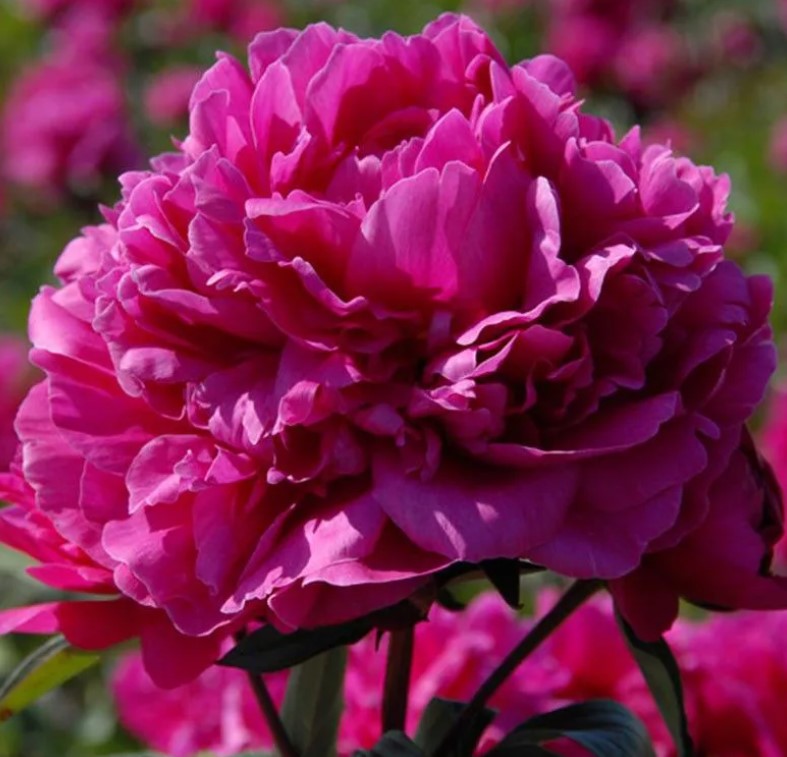
Up to 90 cm. Dark emerald, slightly corrugated. | Red with a purple tint. Up to 18 cm. Medium aroma. | Mid-late. |
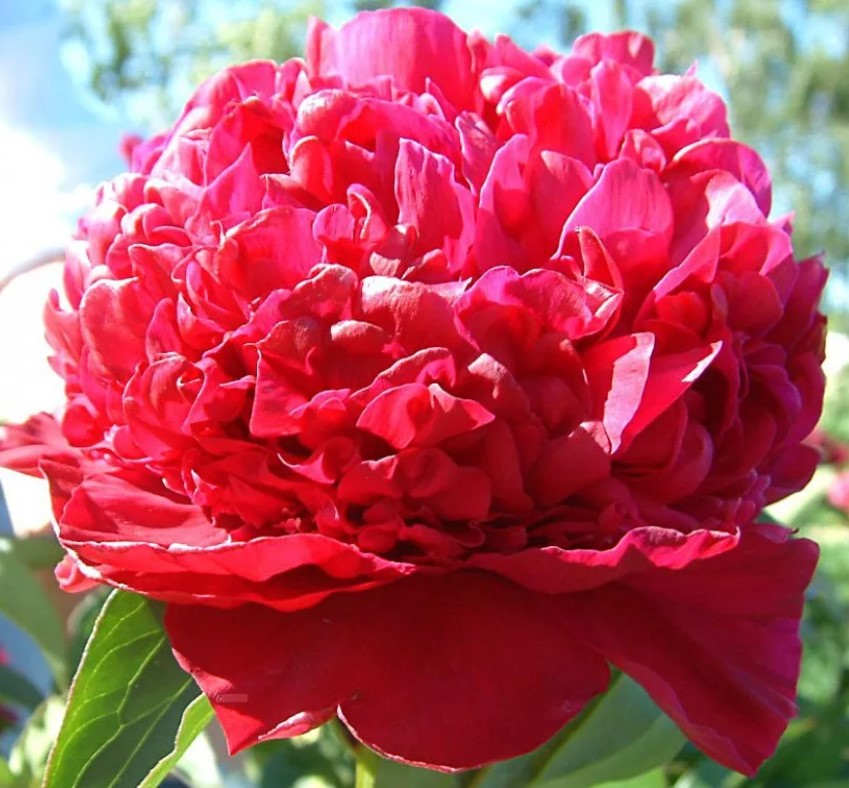
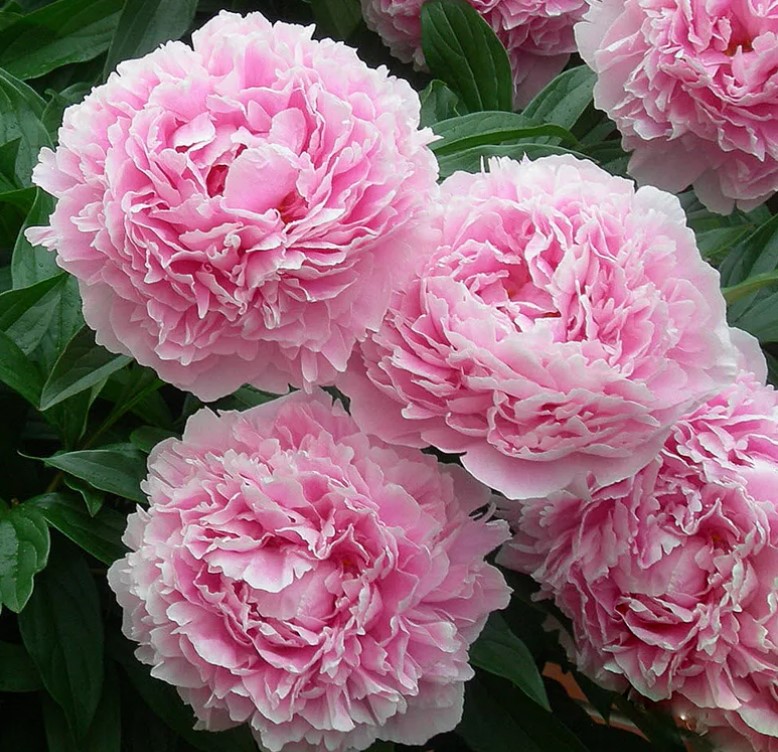
8 Interesting Dutch Herbaceous Peony Varieties
Dutch varieties are popular in Russian gardens.
| Variety | Height, leaf blades | Description of flowers | Peculiarities |
| Athens (Athena)
|
Up to 35 cm. Emerald, compact. | Semi-double, bright pink, up to 15 cm in circumference. Distinguished by a pleasant fragrance. | Flowering occurs in the middle of the growing season. |
| Bowl of Beauty (Bowl of Beauty)
|
Up to 90 cm. Dark green. | Pink with lavender-coral hues. A reddish blush is visible in some areas. Petals and stamens are yellowish. Buds are up to 17 cm in circumference. The fragrance is moderate. | Early flowering. Buds remain on the bushes for a long time. |
| Duchesse de Nemours (Duchesse de Nemours)
|
Up to 100 cm. Green. | White with a yellowish tint. Up to 16 cm in circumference. Scented with lily-of-the-valley. | Lush flowering occurs in the middle season. |
| Nippon Beauty (Nippon Beauty)
|
Up to 90 cm. The leaves are dark green and the stems are dark red. | Cherry-colored, up to 15 cm. Staminodes with yellow tips. Have a subtle aroma. | Flowering begins in the second half of summer. |
| Mister Ed (Mr. Ed)
|
Up to 100 cm. Foliage decorative, green, with openwork carving. |
A distinctive feature of this variety is its flowers, which can change color. One season they can be pure white, the next pink, and a third a combination of both. They reach 16 cm in circumference. The fragrance is light and weightless. | Blooms in summer. |
| Solange (Solange)
|
Up to 90 cm. Stems are thick, curved, with dark green leaves located on them. | Creamy, with a delicate salmon hue. Reaching 18 cm. Moderate aroma. | It blooms closer to autumn. |
| Rasberry Sandy
|
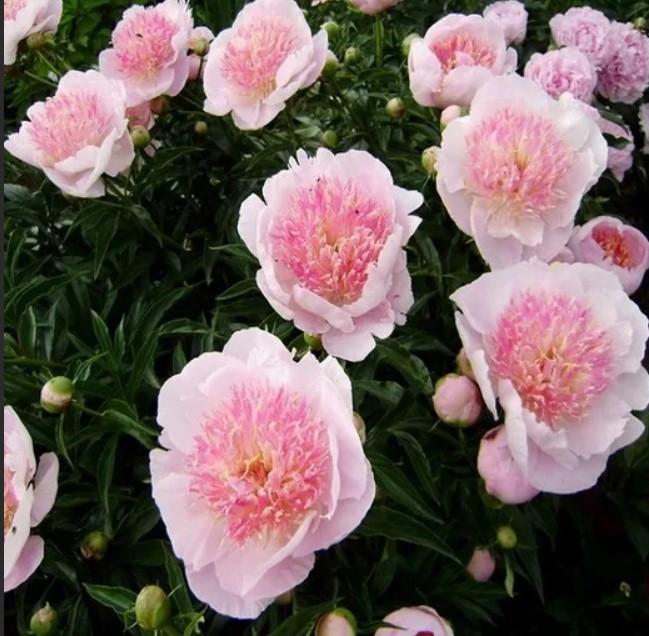
Up to 75 cm. Narrow, light green. | The outer petals are light pink, yellowish-cream in the crown, and pink in the center. The buds are up to 16 cm. The fragrance is distinct. | The buds bloom in midsummer. |
| White Cap
|
Up to 80 cm. Green, decorative. | Dark pink with a cap of light yellow, almost white staminodes. Up to 14 cm in circumference. The aroma is distinct and very pleasant. |
6 varieties of Russian selection
There are many varieties bred by domestic breeders.
Until the second half of the 20th century, no one in the Soviet Union devoted much attention to breeding herbaceous peonies, so there were no domestic varieties. It wasn't until 1949 that a group of breeders was assembled to begin cultivating these plants.
| Variety | Height, leaves | Description of flowers | Peculiarities |
| Altai News
|
Up to 90 cm. Leaf blades are characteristically green in color, large. | A bright pinkish-lilac hue, simple, with wavy edges. Petals grow in two rows. It blooms in clusters—the largest central bud opens first, followed by several smaller side buds. The inflorescences are up to 14 cm long. The fragrance is pleasant. | Flowering occurs early and continues for a long time. |
| In memory of Gagarin
|
Up to 80 cm, leaves are glossy, dark emerald. | At first, they are a soft pink, brightening towards the center. Over time, they become snow-white, with a yellowish tint appearing in the center. The scent is delicate and distinct. The inflorescences are up to 18 cm in circumference. | Blooms buds in mid-season. |
| Varenka
|
Up to 80 cm. Leaf blades are narrowed, dark green in color. | Dark pink, glossy, double, spherical flowers. The scent is similar to linden. Inflorescences up to 18 cm. | Medium flowering time. Buds remain on the bushes for a long time. |
| Arkady Gaidar
|
Up to 90 cm. The leaves are large, dark emerald, located on reddish decorative shoots. | Bright pink, rose-shaped, velvety flowers, 16-20 cm in diameter, with a strong sweet aroma. | Blooms late. |
| In memory of Academician Tsitsin
|
Up to 90 cm. With dark green foliage and colored petioles. | Cream-colored flowers with a pinkish hue, brighter toward the center. They mature to white with a yellowish center and vibrant crimson highlights. The inflorescences are up to 20 cm tall and fragrant. | Average flowering time. |
| Pearl placer
|
Up to 90 cm. Foliage is dark emerald, with small lobes. | Bright pearly pink flowers with creamy pink staminodes. The inflorescences are cup-shaped, flat, up to 16 cm. Distinguished by a delicate rose fragrance. | It blooms in mid-June and continues to bloom for one month. |
Chinese developments: 4 varieties of herbaceous peonies
| Variety | Height, foliage | Description of flowers | Peculiarities |
| Goldmine
|
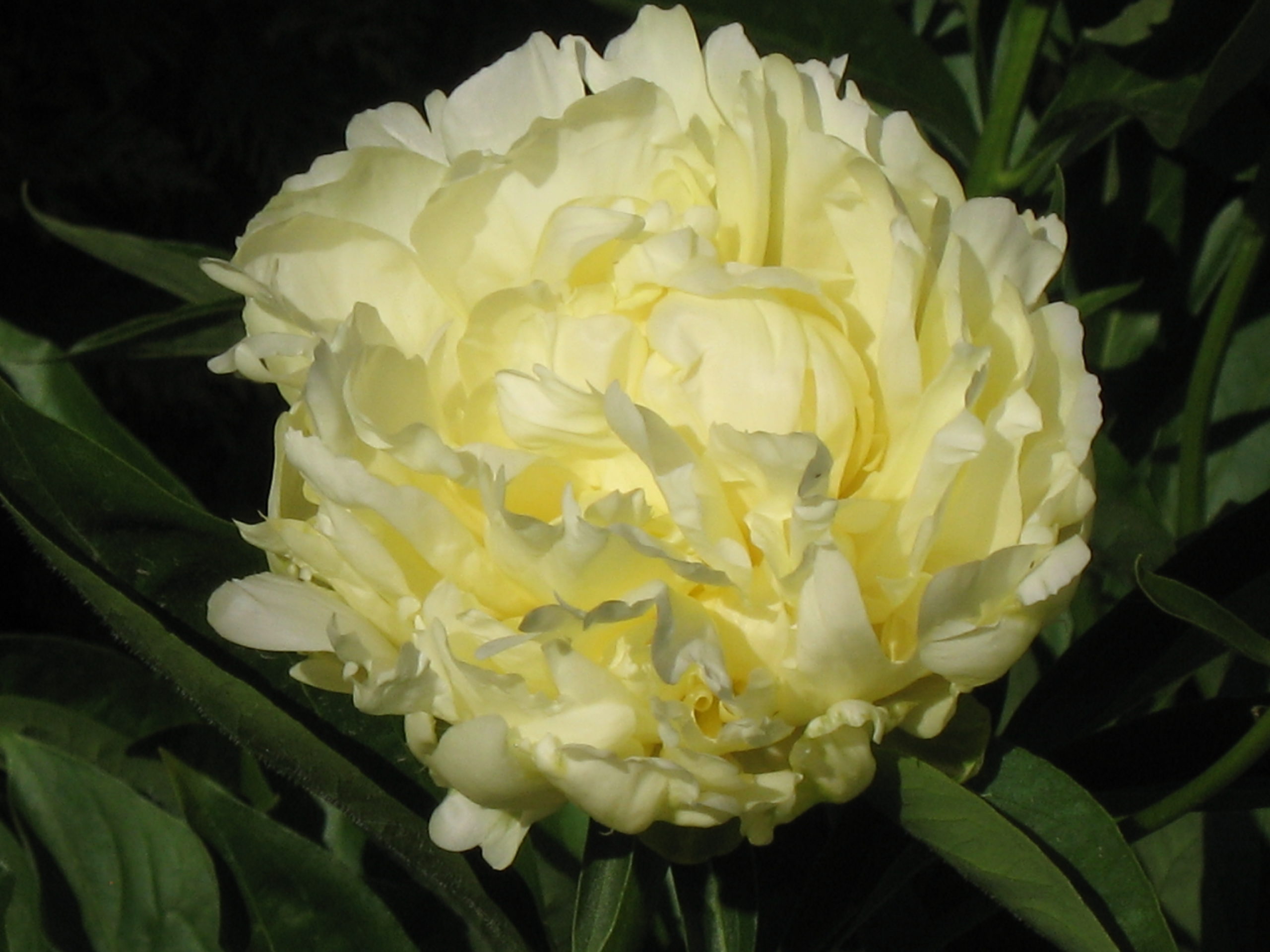
Up to 80 cm. The leaf blades are small. Yellowish-green in spring, bright green in summer. | Initially lemon-yellow, they gradually lighten. The buds reach 16 cm in circumference. The fragrance is moderately intense. | Mid-late flowering period. |
| Karl Rosenfield
|
Up to 100 cm. With lacy smooth olive leaves. | Bright pink, turning ruby in autumn. Reaching 18 cm. Pleasant fragrance. | Flowering begins after 2-3 years. Buds open in midsummer. Flowering lasts 2-3 weeks. |
| Peppermint
|
Up to 80 cm. With small leaves, thin but strong stems. | Soft pink at first, later turning creamy white. Reaching 15 cm. | Flowering is medium-term. |
| Red Star on Snow Hill (Paeonia Xue Shan Hong Xing)
|
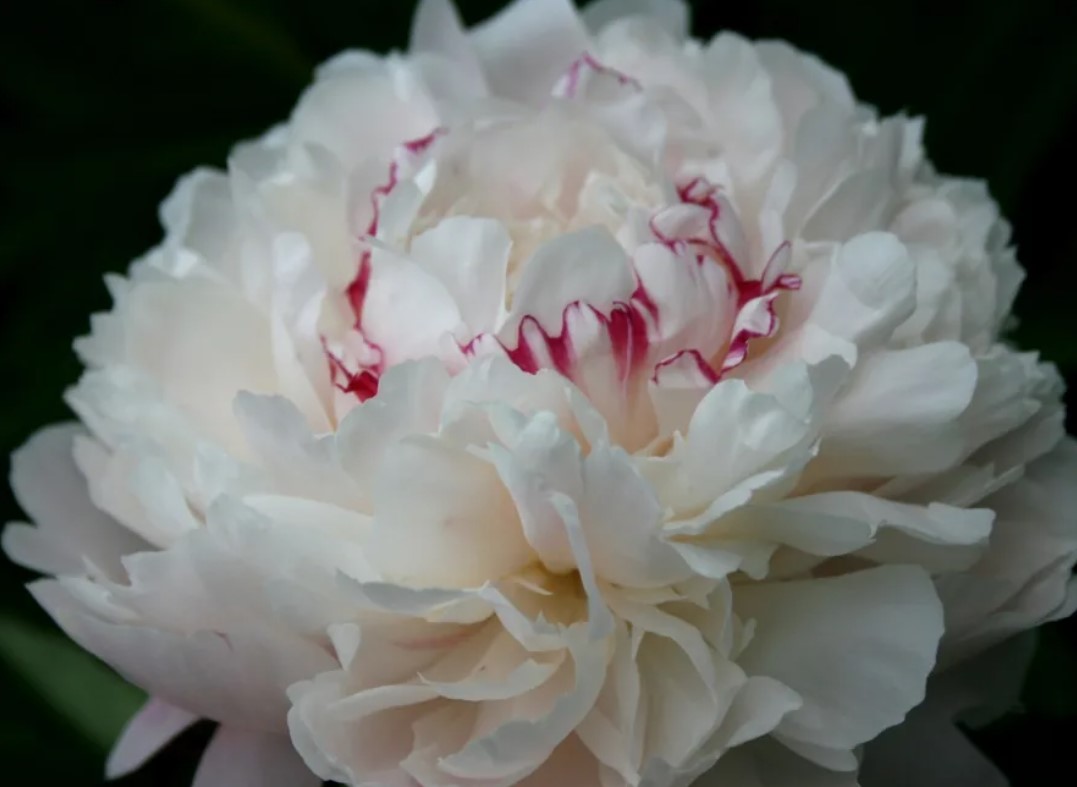
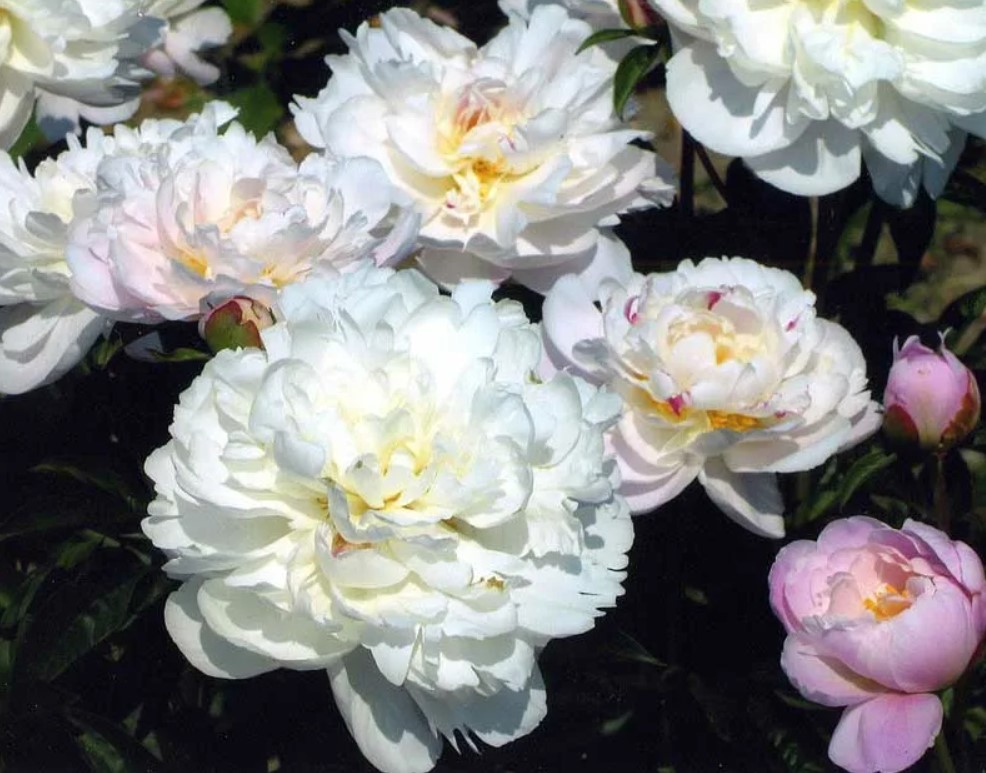
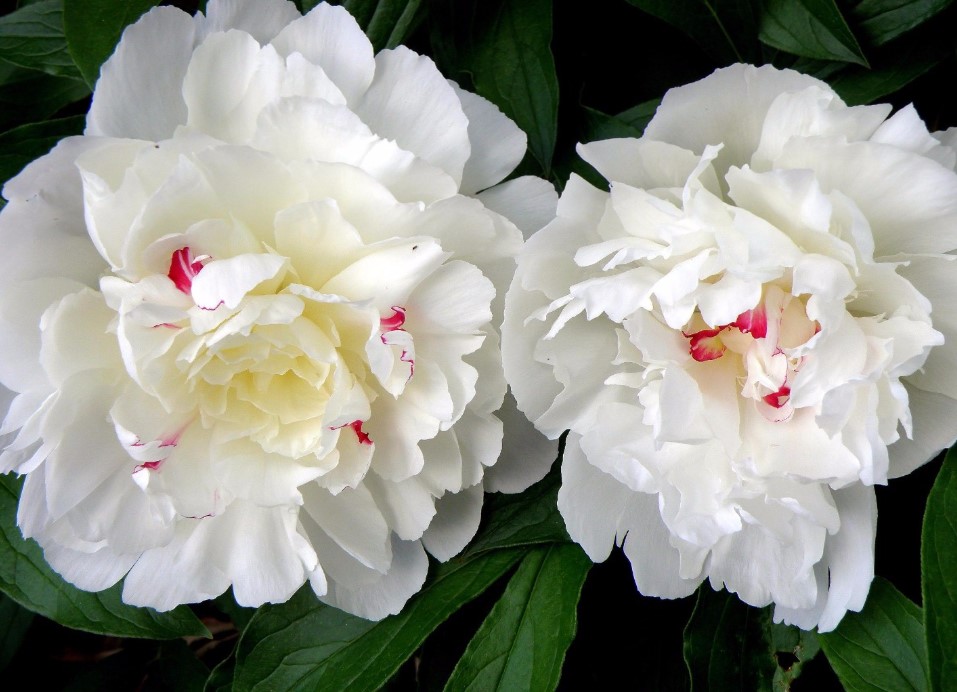
A powerful bush growing up to 100 cm. | Double white flowers with red speckles. Reach 15 cm. | Flowering May-June. |
17 varieties of red herbaceous peonies
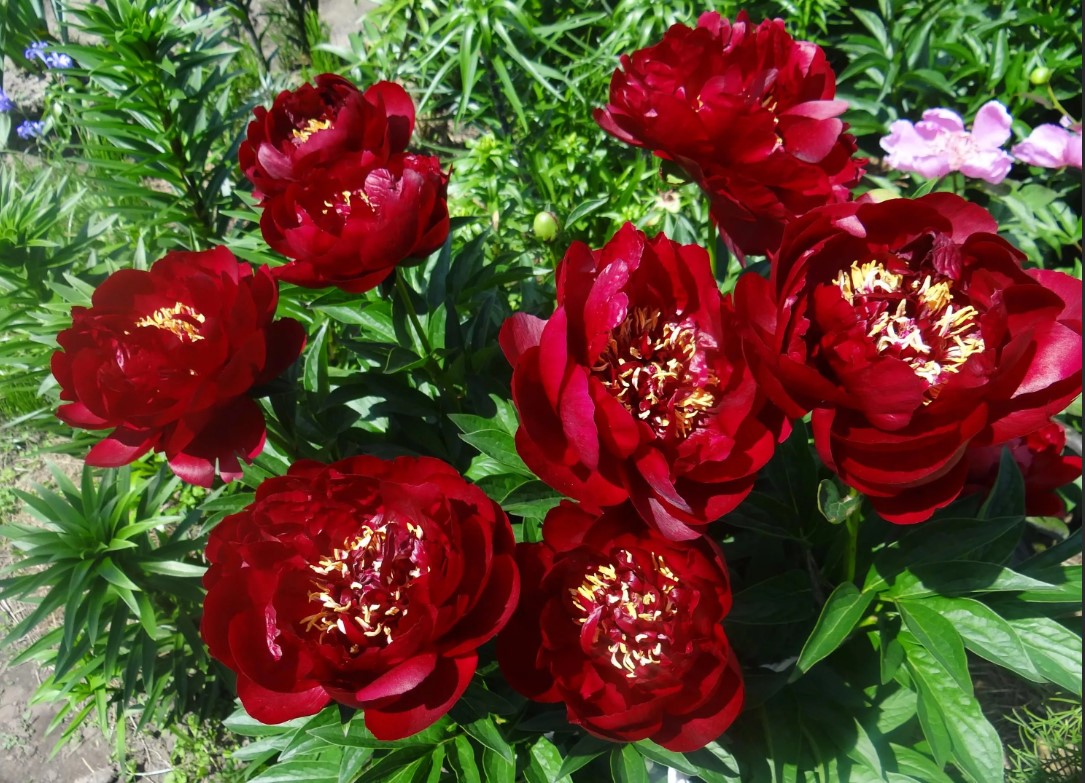
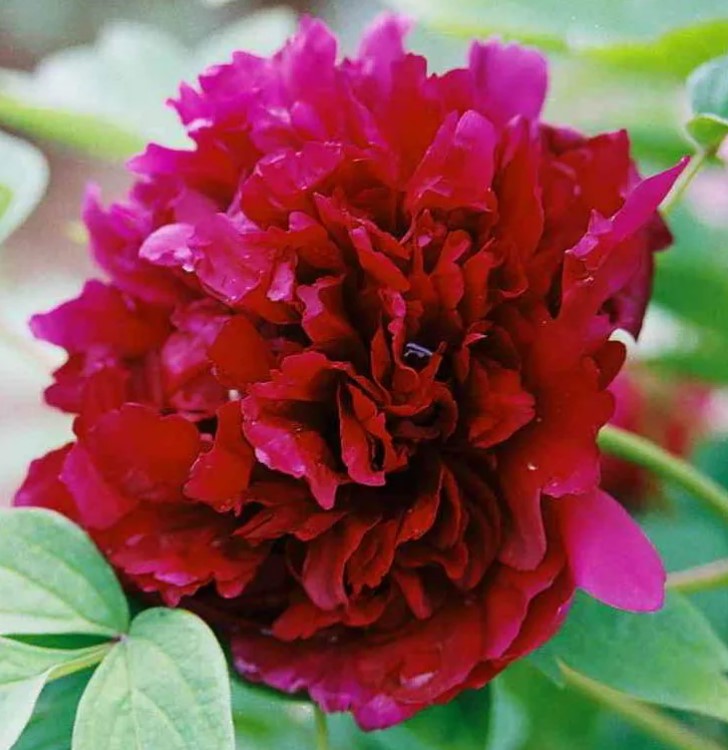
They are in great demand for landscape decoration and for making bouquets.
| Variety | Height, leaf blades | Description of flowers | Peculiarities |
| Buckeye Bell
|
Up to 80 cm. Green. | Dark red, with a burgundy or brown tint, up to 16 cm. Yellow stamens and small petals are located in the center. The aroma is neutral, barely perceptible. | The buds open in early June, and the flowering period lasts for two weeks. |
| Galaxy (Hei xiu qiu)
|
70-80 cm. Bright green. | Dark purple, almost black, up to 14 cm. The aroma is neutral, non-irritating. | April-May. |
| Henry Bockstoce
|
Up to 100 cm. Green, decorative. | Garnet-dark red, shiny, up to 20 cm in circumference. With a faint aroma. | Early flowering period. |
| Karl Rosenfield
|
Up to 85 cm. Tapered, green. | Dark ruby, with jagged edges, up to 20 cm. Weak smell. | Mid-late flowering period. |
| Chinese silk (Chinese Silk)
|
70-80 cm. Juicy greenish color. | Scarlet, up to 15 cm. Pleasant aroma. | 2nd half of the season. |
| Christmas Velvet (Christmas Velvet)
|
Up to 75 cm. Green, arranged in an alternate order. | Velvety red, up to 18 cm, with a pleasant scent. | Average flowering time. |
| Carol (Carol)
|
Up to 90 cm. Large, green, glossy. | Red, with a slight lilac tint, up to 16 cm. The aroma is weak but pleasant. | Mid-early flowering period. |
| Patio Moscow (Moscow)
|
Up to 30-50 cm. Dark green, decorative, located on strong stems. | Bright red, with bright yellow staminodes. Reminiscent of daisies. The buds are up to 16 cm in circumference. The fragrance is delicate. | Beginning of June. |
| Black Pearl (Hei Hai Bo Tao)
|
Up to 80 cm. Large, dense, dark emerald. | Dark red, reminiscent of a carnation when opened. 12-15 cm in circumference. Lightly scented. | Flowering occurs in the second half of summer and is characterized by its long duration. |
| Old Faithful (Old Faithful)
|
Up to 90 cm. Leaf blades are wide and green. | Dark red, velvety, up to 20 cm. Aroma of medium intensity. | Flowering is long lasting and occurs in the middle season. |
| Peter Brand (Peter Brand)
|
Up to 85 cm. Rich green tone. | Deep ruby-red, sparkling flowers with yellow stamens. Up to 18 cm in circumference. Light, delicate aroma. | Mid-early period of bud opening. |
| Red Grace (Red Grace) Red grace
|
Up to 90 cm. Small, green. | Dark red, sparkling. Up to 18 cm in circumference. Lightly scented. | Early flowering period. |
| Red Magic
|
Up to 80 cm. Emerald. | Dark red, with petals gradating from cherry to deep pink. 15-18 cm in circumference. Faint scent. | Red Magic blooms in the middle season. |
| Rubra Plena
|
Up to 60 cm. Green. | Ruby red, up to 14 cm, with a slight aroma. | Flowering occurs early. |
| Sword Dance (Dance with Sabres)
|
80-90 cm. Green. | They consist of curved, gilded ruby staminodes surrounded by raspberry-ruby petals. Up to 15 cm. The aroma is medium-strong. | |
| Francois Ortegat
|
Up to 100 cm. Green, decorative. | Carmine red, up to 14 cm, with a faint odor. | |
| Highlight
|
75-110 cm. Trifoliate, dark green. | Dark red with a chocolate tint. Up to 19 cm, with a sweet aroma. | June-July. |
3 varieties of herbaceous raspberry-colored peonies
Peonies with raspberry-colored buds look impressive.
| Variety | Height, foliage | Description of flowers | Peculiarities |
| Kansas
|
90-100 cm. Dark green, dissected. | Bright carmine-red, with a raspberry hue, double, hemispherical, 18-25 cm in circumference. The aroma is floral, intoxicating. | Flowering continues from approximately June 19 to 25. A single bush can produce up to 17 flowers at a time. |
| Richie
|
60-70 cm. Green. | Raspberry, up to 15 cm, fragrant. | Blooms in mid-season. |
| Felix Supreme (Felix Supreme)
|
Up to 80 cm. Dissected, dark green. | Bright, lilac-crimson, up to 16 cm, fragrant. |
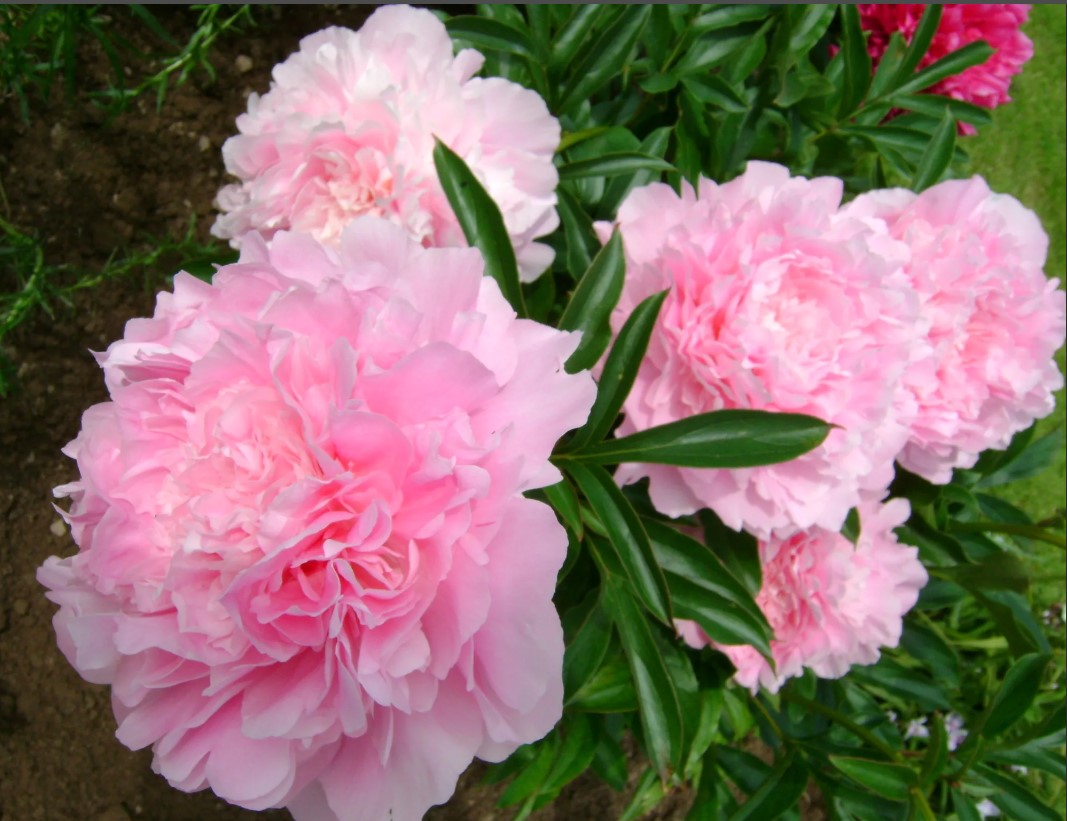
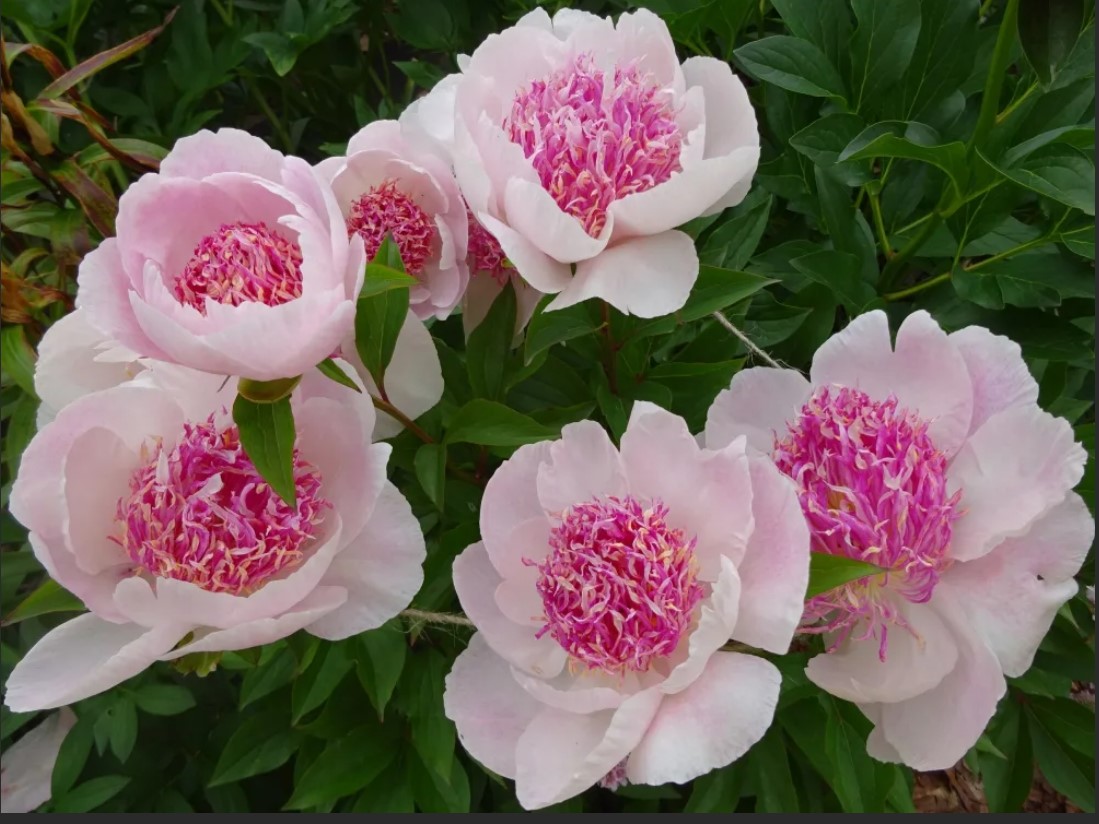
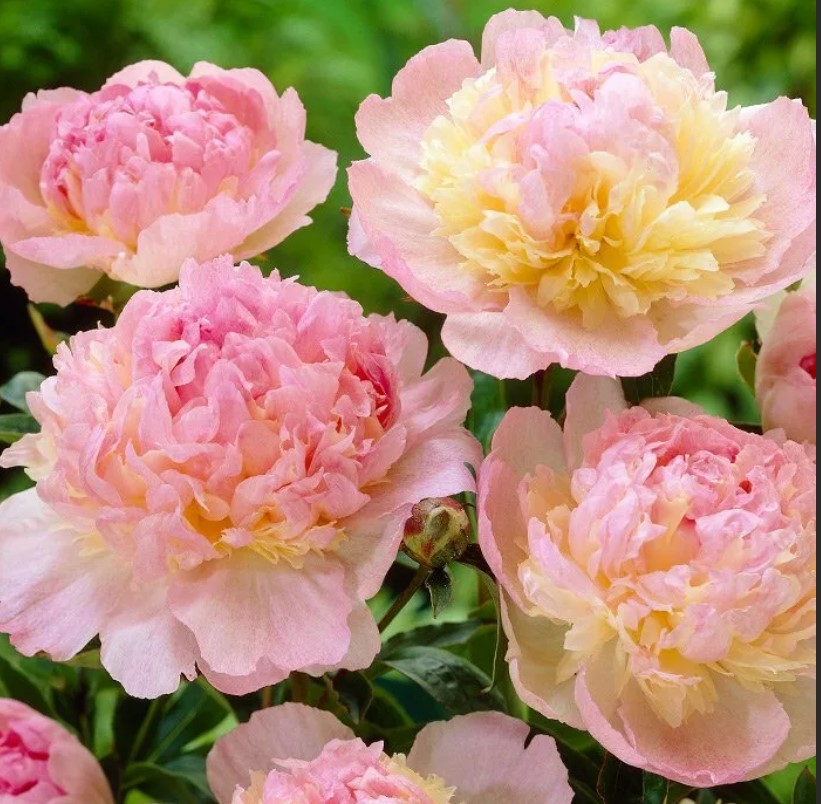
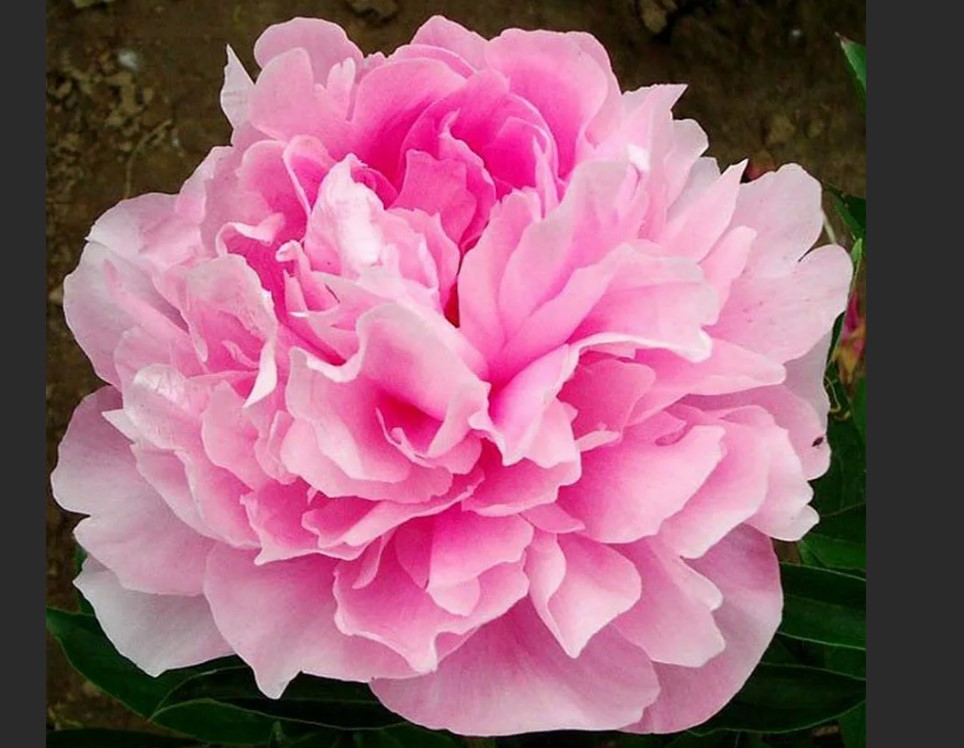
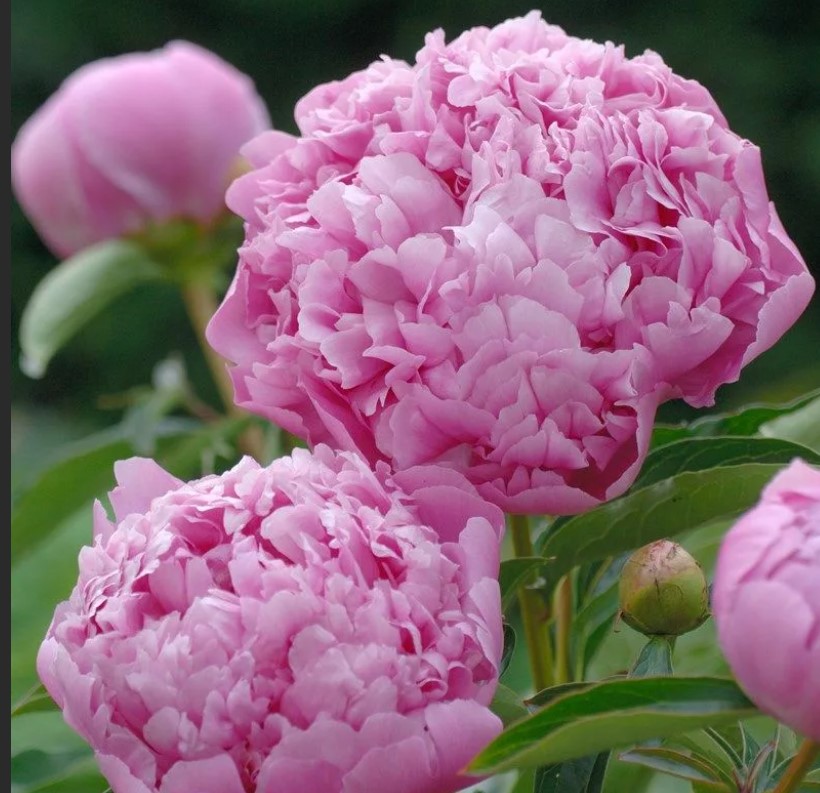
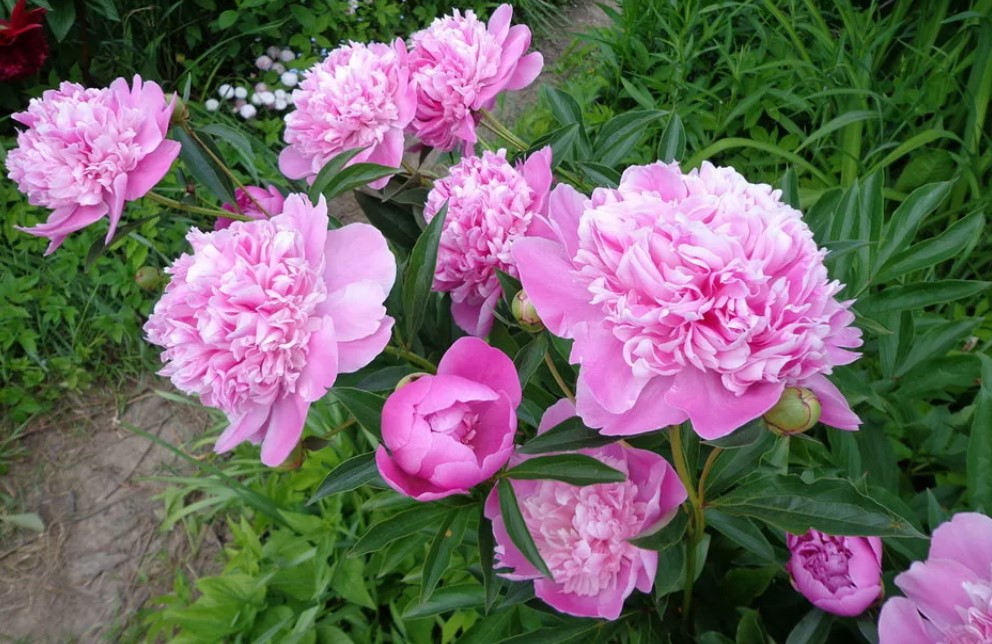
21 varieties of pink herbaceous peonies
They look gentle and romantic.
| Variety | Height, leaf blades | Description of flowers | Peculiarities |
|
Alexander Fleming
|
Up to 90 cm. Green, large, dissected. | Rose-shaped, pinkish in color, with slightly lighter petal edges, up to 18 cm, with a delicate aroma. | Late flowering period. |
|
Eden's Perfume
|
Up to 75 cm. Dark green. | Pink, 15-17 cm, with a pleasant aroma. | June-July. |
|
Dinner Plate
|
Up to 90 cm. Dark green, located on strong shoots. | Light pink with a salmon iridescence, up to 20 cm. Pale yellow staminodes are located in the center. The scent is delicate. | Average flowering period. |
|
Du Tepl
|
Up to 80 cm. Dark green, shiny, dissected, slightly corrugated. | Pale pink, up to 14 cm. Inner petals are snow-white, pink, red, and purple. They create a striking contrast. The fragrance is mild. | |
|
Dewdrop (Qi hua lu shuang)
|
70-80 cm. Green, decorative. | The outer petals are a rich pink. The inner petals are beige, slightly pinkish. The circumference is up to 18 cm. The scent is delicate. | |
|
Katarina Fontaine
|
Up to 100 cm. Bright green, pointed. | White-pink with golden stamens. Up to 20 cm. Sweet aroma. | June-July. |
| Flying Crane
|
80-90 cm. Green, highly decorative. | Pink with a blue tint. Up to 17 cm in circumference. With a pleasant, non-irritating aroma. | Flowering begins in mid-season. |
|
Monsieur Jules Elie
|
Up to 100 cm. Green. | Light lilac-pink. Up to 20 cm. The lower petals are arranged in 1-1.5 rows, horizontal or slightly curved downward. Above them are tapered petals with silver edges, forming a ball. The fragrance is pleasant. | Blooms in May-June. |
| Nick Shaylor
|
Up to 90 cm. Green, decorative. | Flesh-pink, sometimes with red streaks on the petals. Fades to white over time. Up to 20 cm. Subtle fragrance. | |
|
Celestial Brocade
|
50-60 cm. Rich green, lacy. | Pink with a noticeable blue tint, with silky-smooth, shiny petals. Up to 15 cm in diameter. Delicate fragrance. | |
| The Charm of Sunrise (Yan Zhi Dian Yu)
|
70-80 cm. Green. | The petals are arranged in three rows, varying in shape and color. The lower petals are wide and light pink. Behind them are narrower, cream-colored petals. The petals increase in size toward the center. The primary hue again dominates the color, along which run bright crimson stripes. The buds reach 12 cm in circumference. The fragrance is moderately intense. | Blooms in mid-season. |
|
Pink double
|
90-100 cm. Lanceolate, retain bright green color until autumn. | Large, densely double, delicate pink flowers. The petals darken toward the center, with milky tips. The anthers are bright yellow. Up to 17 cm. The fragrance is intense. | Flowering occurs in May-June. The flowers last for two weeks. |
| Raspberry Sandey (Raspberry Sunday) Raspberry Sunday
|
Up to 75 cm. Highly decorative. | The outer petals are light pink. The crown is yellowish-cream. The center is a rich pink. Up to 18 cm. The fragrance is strong. | Average flowering time. |
|
Cheese Country (Bird of Paradise)
|
Up to 70 cm. Green, for decorative purposes. | A cup-shaped base of two rows of large fuchsia petals holds a fluffy ball of yellow petaloids. Faint pink petals are visible through them. Up to 18 cm. Medium fragrance. | |
|
Rome
|
Low-growing variety, up to 20 cm. Dark green, dissected. | Bright pink, with a faint fragrance. Up to 10 cm in circumference. | Blooms in midsummer. |
| Celebrity
|
Up to 100 cm. With a light lace pattern, with the onset of frost they turn crimson. | Large, lush, all shades of white and pink. Up to 15 cm, fragrant. | Flowering begins early, at the beginning of May. |
|
Sorbet (Sherbet)
|
Up to 80 cm. Dark green, lacy. By autumn they turn greenish-crimson. | Bright creamy pink with yellow stamens. Up to 17 cm. Long-lasting fragrance. | Flowering begins in July and lasts 4-6 weeks. |
| Flock of butterflies
|
Up to 60 cm. Green. | Bright pink, with yellow stamens, they cover the bush abundantly, resembling perched butterflies. The scent is pleasant. | Average flowering time. |
|
Suzette (Suzette)
|
Up to 80 cm. Green. | Pink, darker in the center, up to 20 cm in circumference. Lemon stamens. Light aroma. | |
| Angel Chicks
|
Up to 70 cm. Small, green. | Pale pink, with large scarlet strokes, resembling tongues of flame, on the central petals, up to 16 cm, with a faint scent. | |
|
Celebrity
|
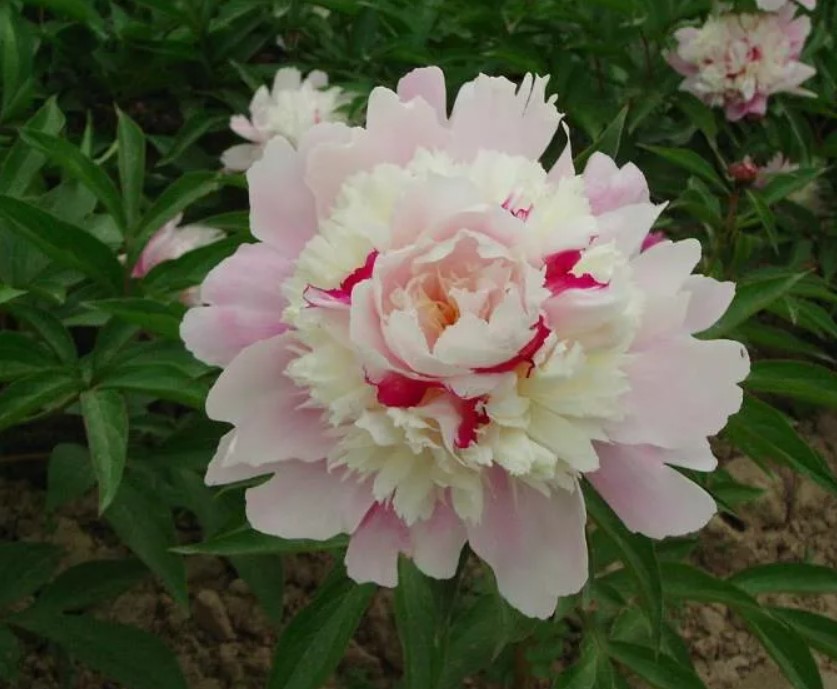
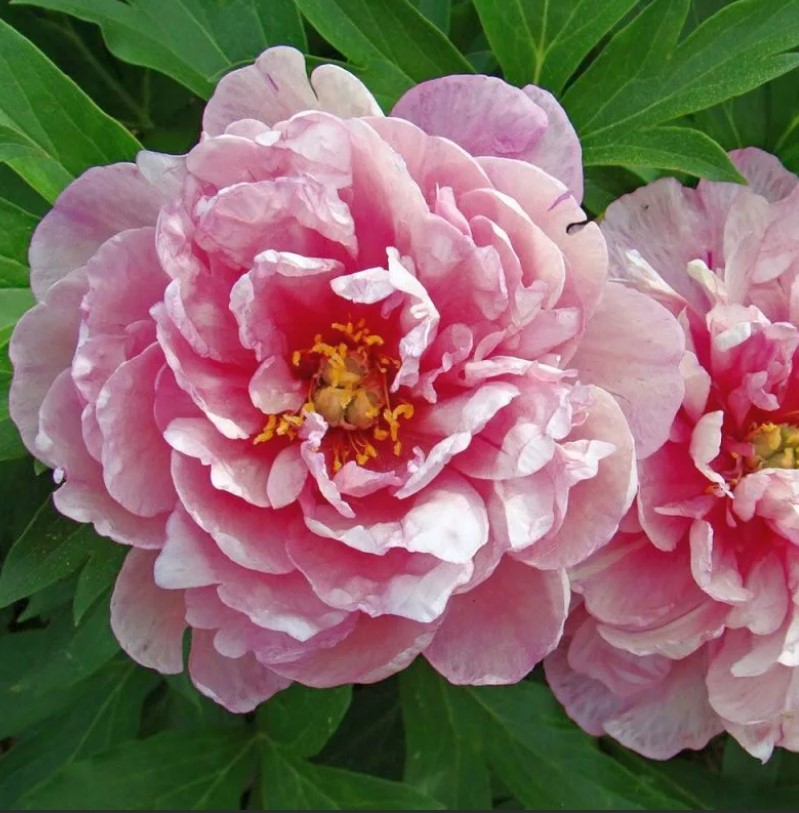
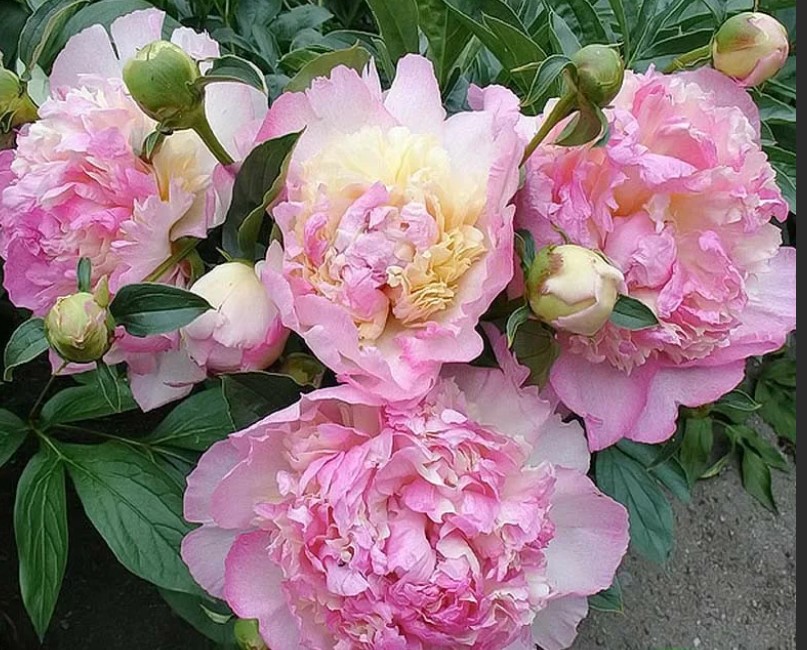
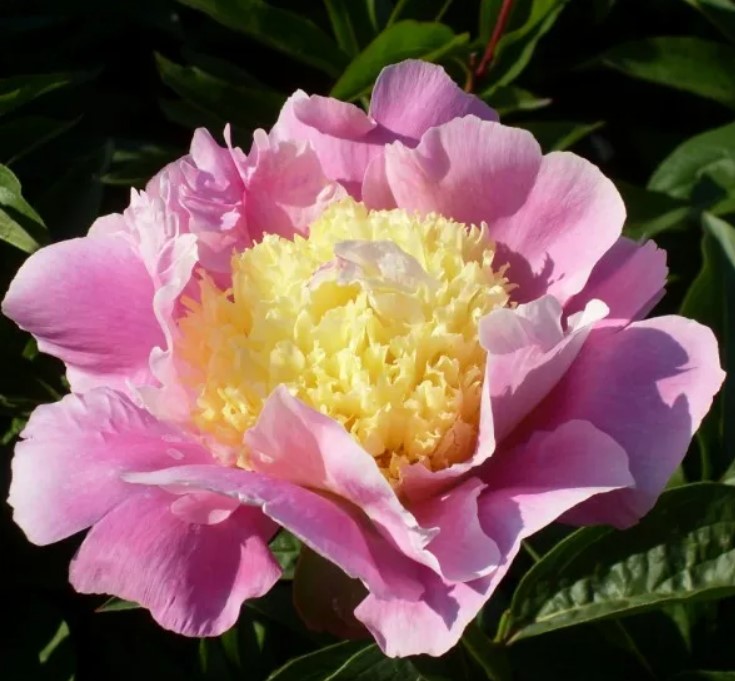
Up to 100 cm. Openwork, green, turning crimson with the onset of frost. | The first petals are bright pink, as they open, lighter, delicate double stripes appear, the buds reach 15 cm, with a light aroma. | Late May-June. |
6 varieties of yellow ITO peonies
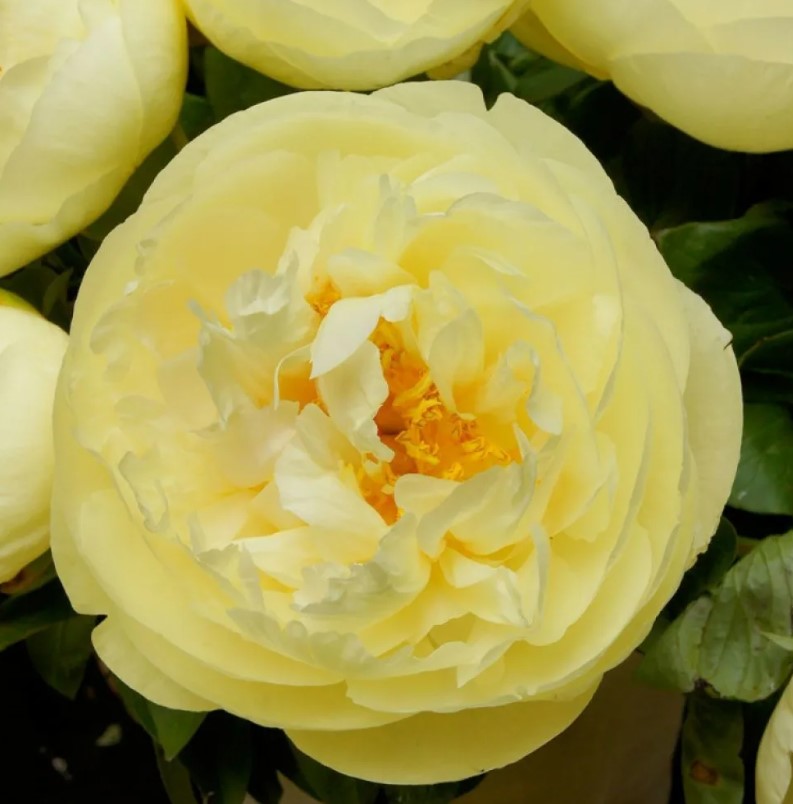
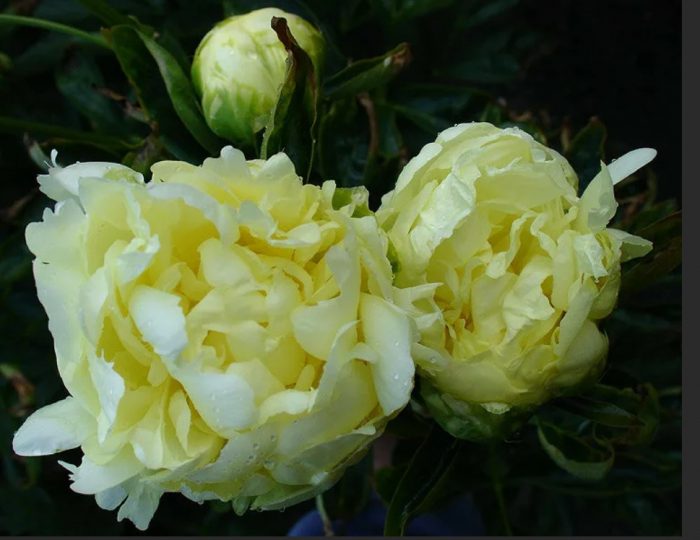
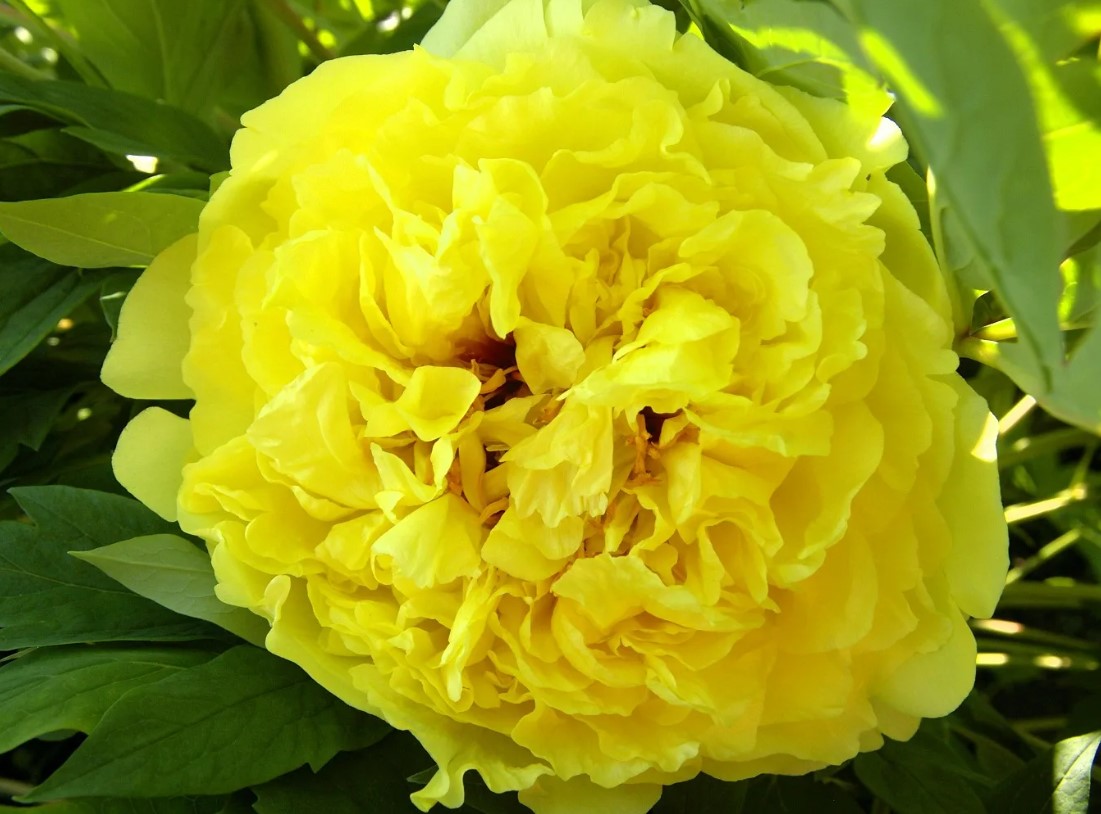
Research into yellow peonies took a long time. This is because the pigment of this shade is not permanent. In 1948, a Japanese breeder finally succeeded in creating a variety with yellow buds by crossing a herbaceous peony with a tree peony.
These plant varieties are called "Ito hybrids" in honor of the specialist who bred them. These peonies are distinguished not only by their unique petal coloring, but also by their long, abundant blooms, winter hardiness, rapid growth, and ease of care.
| Variety | Height, leaf blades | Description of flowers | Peculiarities |
| Goldmine Gold mine
|
70-80 cm. Small, bright green. By autumn, they turn yellow-green. | Double, large (up to 16 cm), lemon-colored, they lighten with age. The scent is moderate. | Flowers appear in the middle period. |
| Laura Dessert (Laura Dessert)
|
Up to 85 cm. Green, lacy. By autumn they turn crimson. | Double. The outer petals are pinkish while the buds are still closed. As they open, they become creamy. The petals are yellow, gradually becoming lighter. The scent is pleasant, with citrus notes. | The hybrid variety blooms in June-July. |
| Lemon Chiffon
|
No more than 80 cm. Bright green, glossy. Young foliage has a reddish tint. | Semi-double, with a double center, creamy yellow. Up to 20 cm in diameter, with a light fragrance. | With proper care, flowering occurs in two stages. The first buds open in late May-early June. Flowering lasts about 30 days. The second buds appear in early August. Flowering continues until September. |
| The Golden Chariot (Huang Jin Lun)
|
80-90 cm. Large, yellowish-green. | Yellow, up to 14-15 cm, with a subtle, delicate aroma. | Flowering is mid-early. |
| Yellow Crown
Yellow Crown
|
Up to 70 cm. Light green. | Semi-double, bright yellow, with a small amount of red stripes at the base of the petals, up to 18 cm in circumference. Distinctive aroma. | It blooms in May and June. The buds remain on the bushes for almost 1.5 months. |
| Garden Treasure
Treasure of the Garden
|
Up to 80 cm. Dark green, dissected. | Semi-double, bright yellow with small reddish spots at the base. Up to 22 cm. The fragrance is persistent and pleasant. | May-June. |
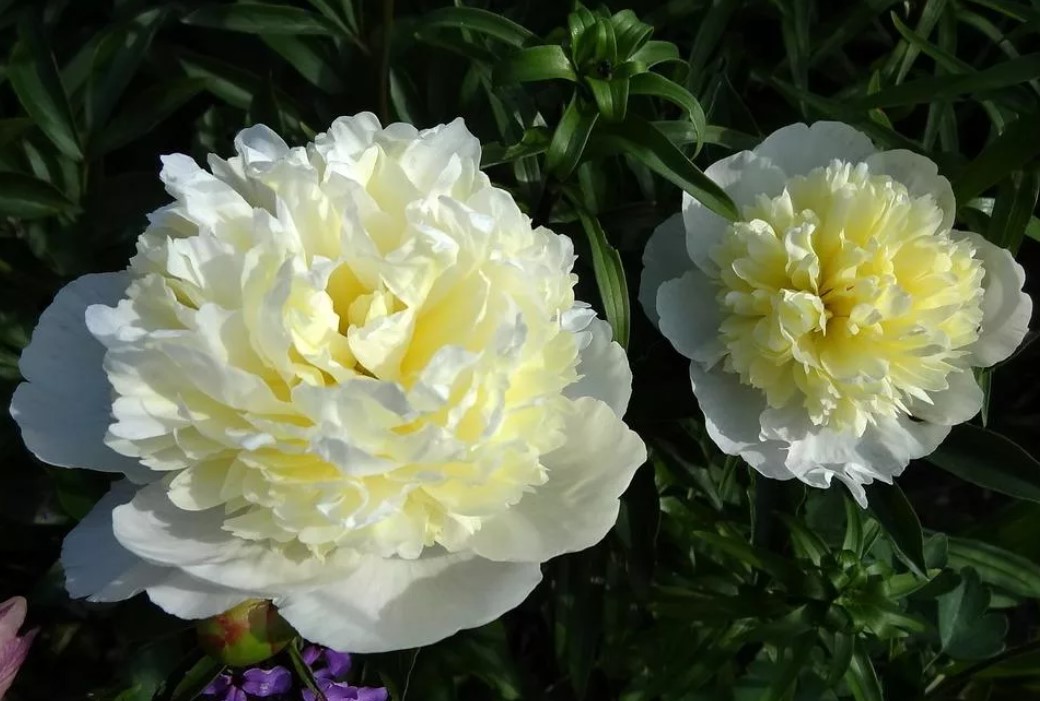
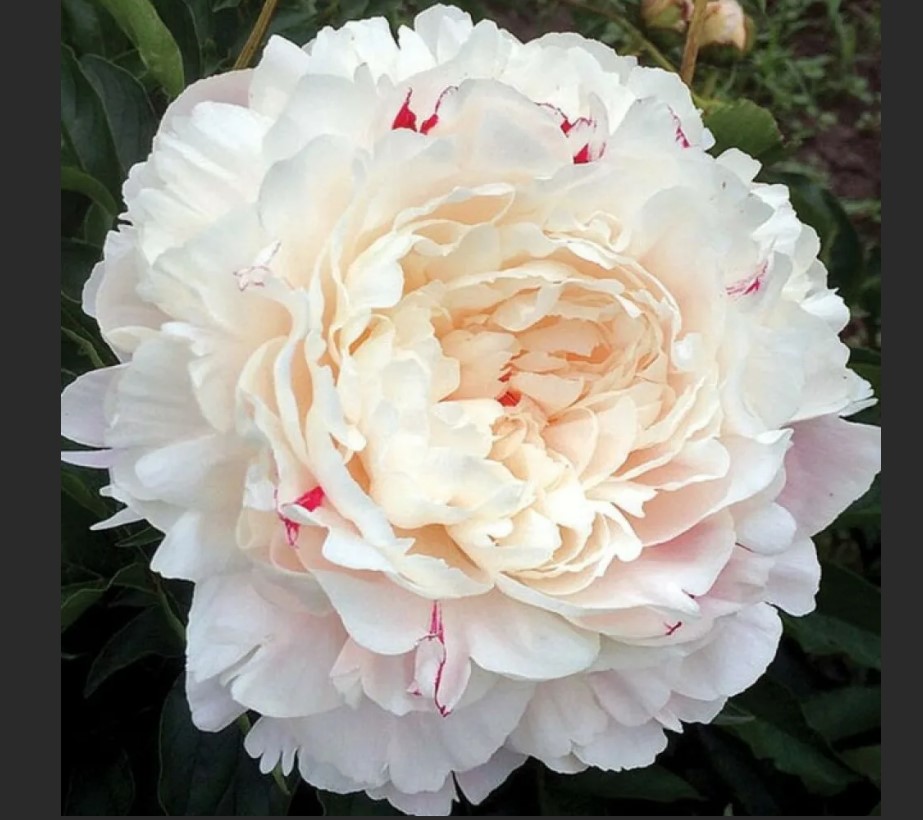
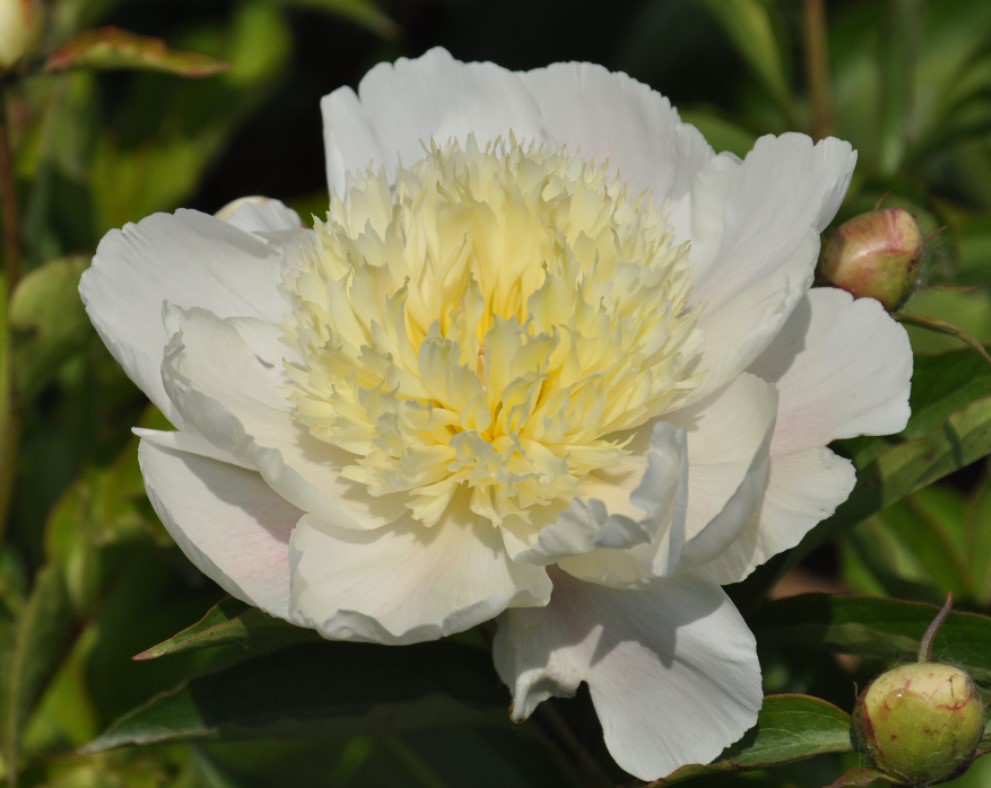
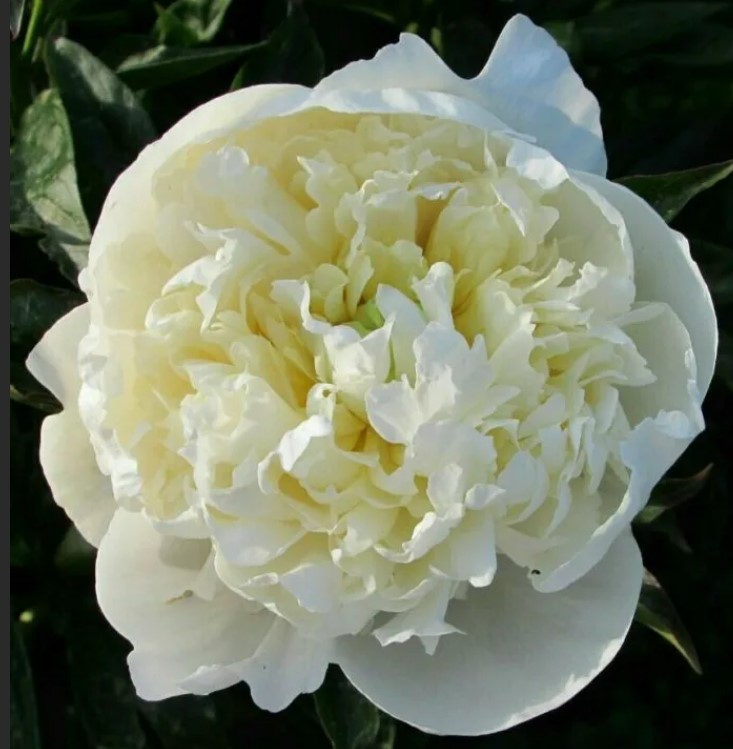
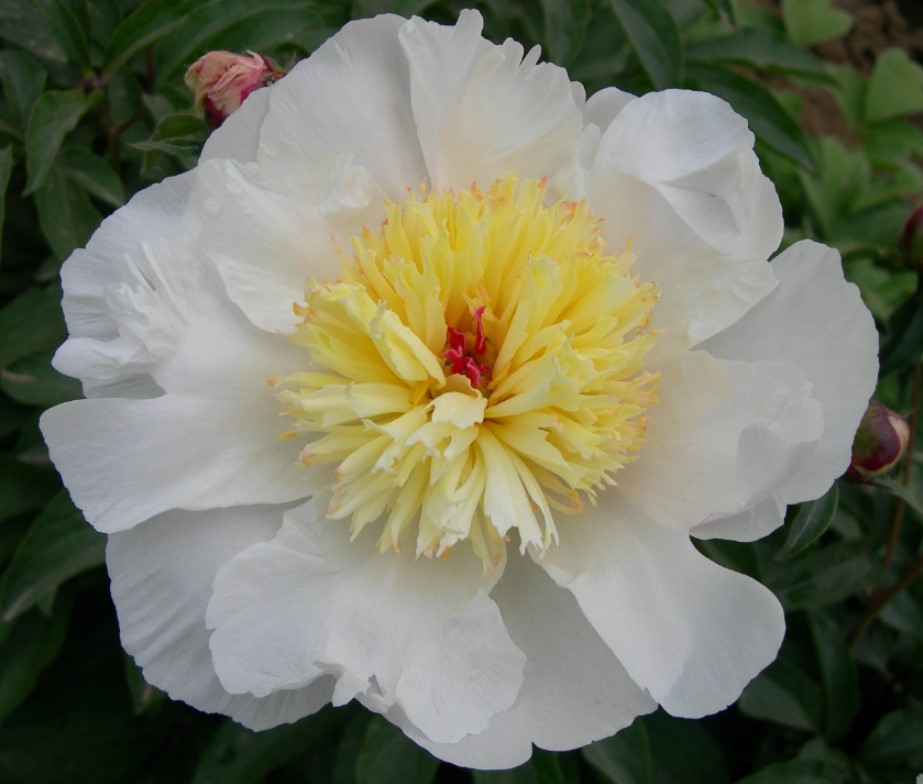
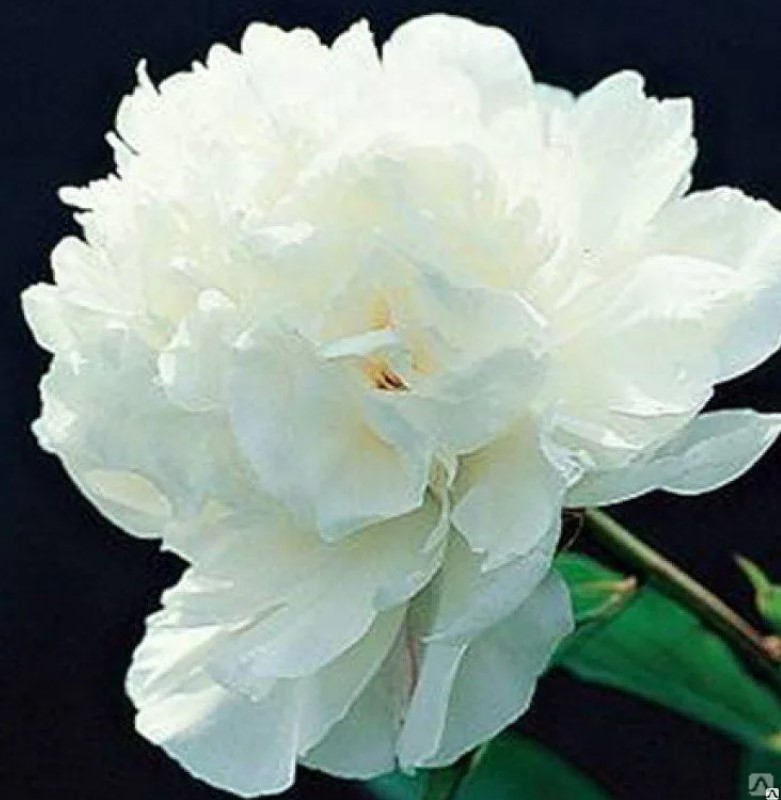
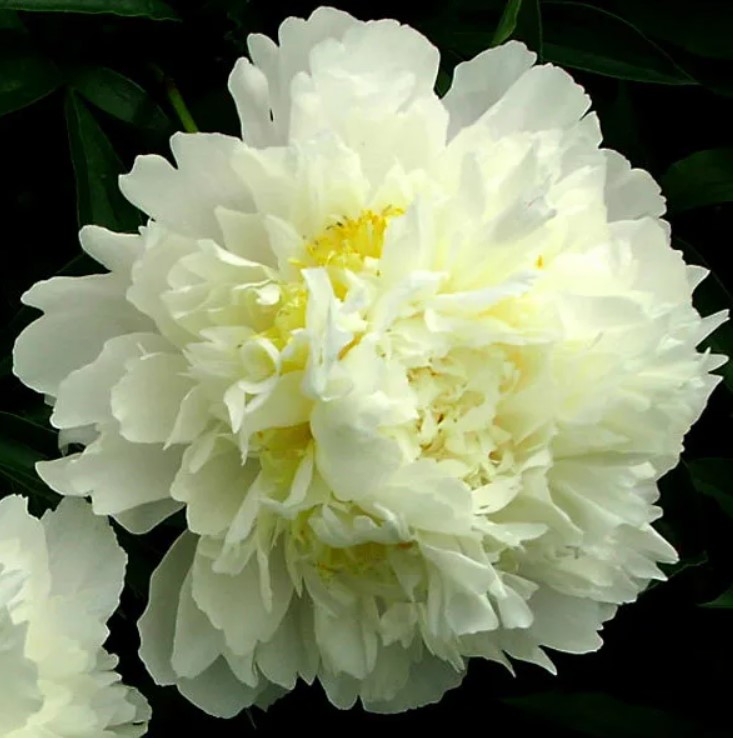
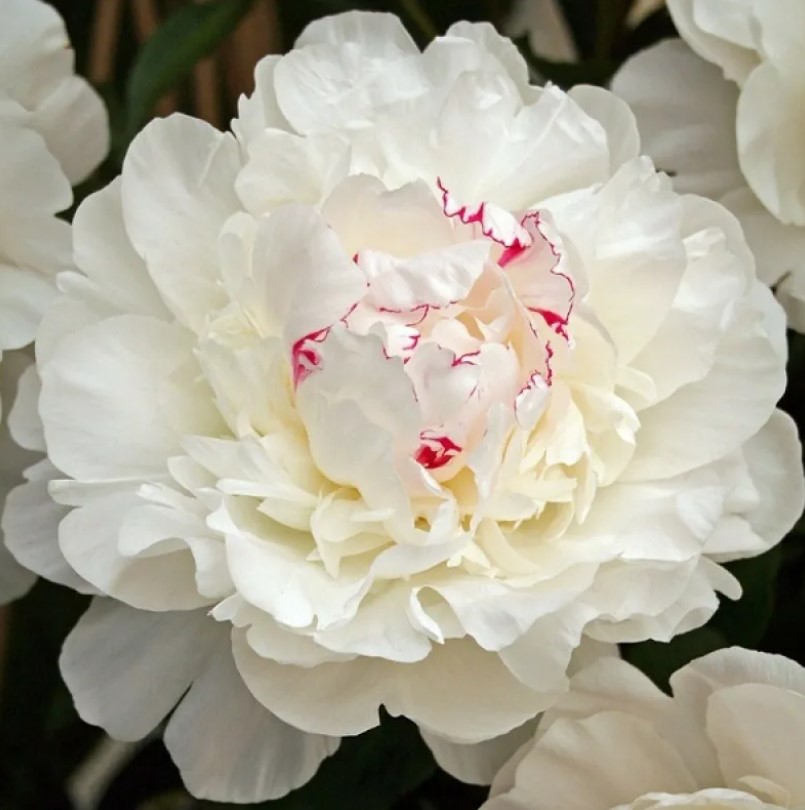
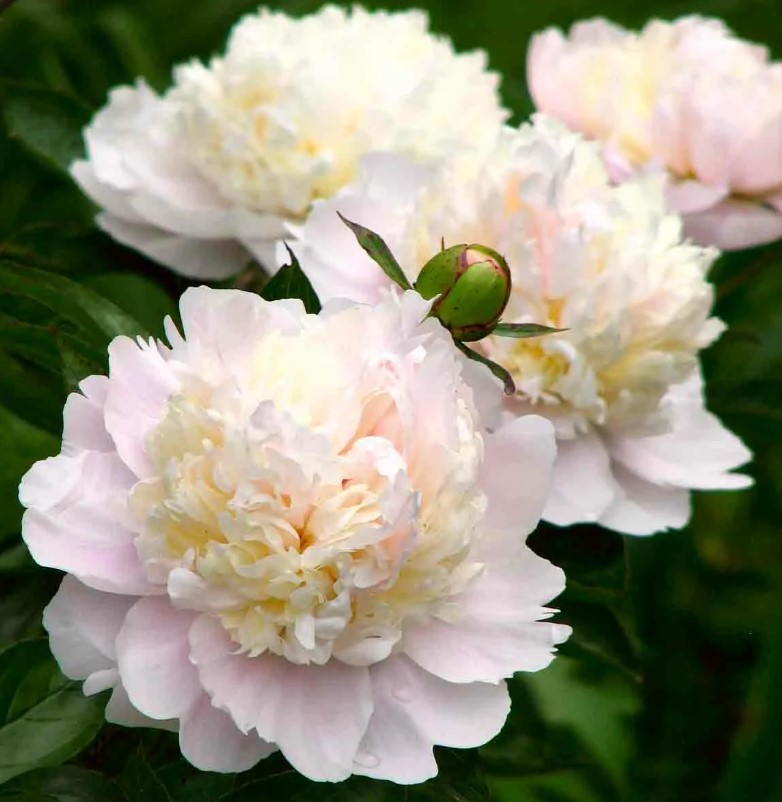
10 varieties of white herbaceous peonies
Because of their noble coloring, these peonies are called royal peonies. They are used to develop hybrids of other shades.
| Variety | Height, foliage | Description of flowers | Peculiarities |
| White Wings White wings
|
Up to 100 cm. Grassy shade. | Snow-white, golden-yellow in the center, up to 30 cm, with a pleasant fragrance. Reminiscent of camellia flowers. | Average flowering time. |
| Gardenia
|
Up to 90 cm. Large, dark emerald. | When the buds emerge, they are pinkish-white. As they open, they turn creamy white. They resemble gardenias. Up to 22 cm. The scent is delicate. | |
| Dublin
|
Low-growing, up to 25 cm. Twice ternate, pointed. | White with a yellow center, up to 10 cm, weak smell. | May-June. |
| Golden hairpin
|
Up to 60 cm, green. | Snow-white, up to 13 cm, with a pleasant aroma. | May. |
| White swan
|
Up to 90 cm. Green. | Snow-white, up to 20 cm, with a sweet aroma. | May-June. |
| Golden amulet
|
Up to 80 cm, green. | The outer petals are large and snow-white. They may have a slight powdery pink tint. The inner petals are elongated and narrow, light yellow in color. They reach 20 cm in circumference. The scent is pleasant. | Early flowering period. |
| Icy breeze
|
70-80 cm. Green. | Pure white, up to 15 cm, with a light aroma. | |
| Golden Halo (Jin dai wei)
|
Up to 90 cm. Decorative, green. | Spherical, ivory-colored, up to 15 cm. Rich scent. | |
| Festival Maxima
|
Up to 110 cm. Decorative foliage, located on strong shoots. | Snow-white, with possible scarlet markings in the center. 20 cm in circumference. The scent is delicate and pleasant. | |
| Shirley Temple
|
Up to 75 cm. Dark emerald, turns crimson by autumn. | Double. Pinkish at first, then turning pure white. Up to 18 cm in circumference. Pleasant fragrance. | May-June. |
9 varieties of coral herbaceous peonies
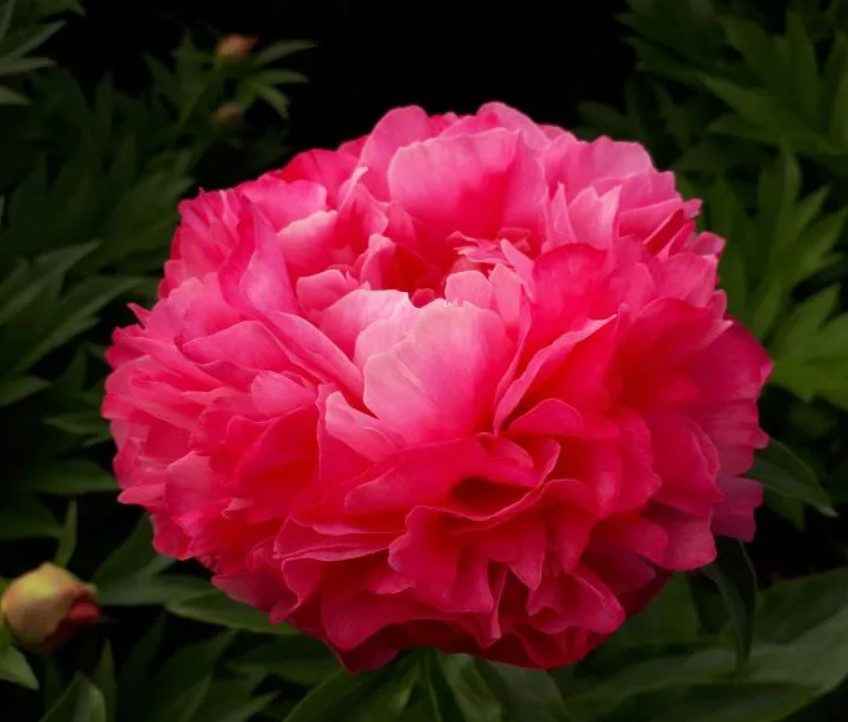
Varieties with this petal color appeared in the middle of the last century.
| Variety | Height, leaves | Description of flowers | Peculiarities |
| Joker
|
Up to 80 cm. Dark grassy. | Coral colors with a pinkish tint, luminous. Over time, a darker border appears around the edges. Up to 18 cm. The scent is practically undetectable. | June. |
| Coral Beach
Coral Beach
|
Up to 100 cm. Dark green. | With variable coral-pink hues and a yellow center. Up to 17 cm in circumference. The scent is faint. | Flowering occurs early. |
| Coral Sunset
Coral Sunset
|
Up to 90 cm. Green. | Fragrant, pink-coral flowers. They then turn peachy-pink, and then the color of baked milk. At the same time, buds of various shades (a mix) can be seen on the bush. They reach 20 cm. | Flowering begins in late spring and lasts for 2-3 weeks. |
| Coral Supreme
|
Up to 100 cm. Elongated, green. | Salmon-pink. Orange stamens are located in the center. Up to 20 cm in circumference. Faint scent. | |
| Coral Charm
|
Up to 100 cm. Odd-pinnate or trifoliate, with narrow lobes, dark green. | Semi-double. Initially dark coral-pink, they later turn coral-peach. When the buds are fully open, a snow-white edge appears. At the very end of flowering, the buds turn yellow-green, with a slight pink tint. Up to 20 cm in diameter. | Coral Charm blooms in May-June. |
| Paula Fay
|
Up to 70 cm. Green, shiny. | Coral-pink, up to 20 cm, with a faint aroma. | Flowering occurs early. |
| Pink Hawaiian Coral
|
Up to 80 cm. They have decorative value. | Semi-double, coral-pink, up to 16 cm. Apricot tones may appear when fully open. The scent is moderate. | Pink Hawaiian Coral blooms early. |
| Rosea Plena
|
45-60 cm. Dark green. | Salmon, up to 13-15 cm, with a sweet aroma. | June-July. |
| Cytherea
|
Up to 70 cm. Green. | Semi-double, initially a rich pink-red, then lightening to salmon pink. Petal tips are pale pink, stamens are yellow. Up to 16 cm in circumference. Faint scent. | Mid-early flowering period. |
Location and soil for herbaceous peonies
For planting, choose well-lit, open, but wind-protected areas. The soil should be moisture-permeable, breathable, and loose.
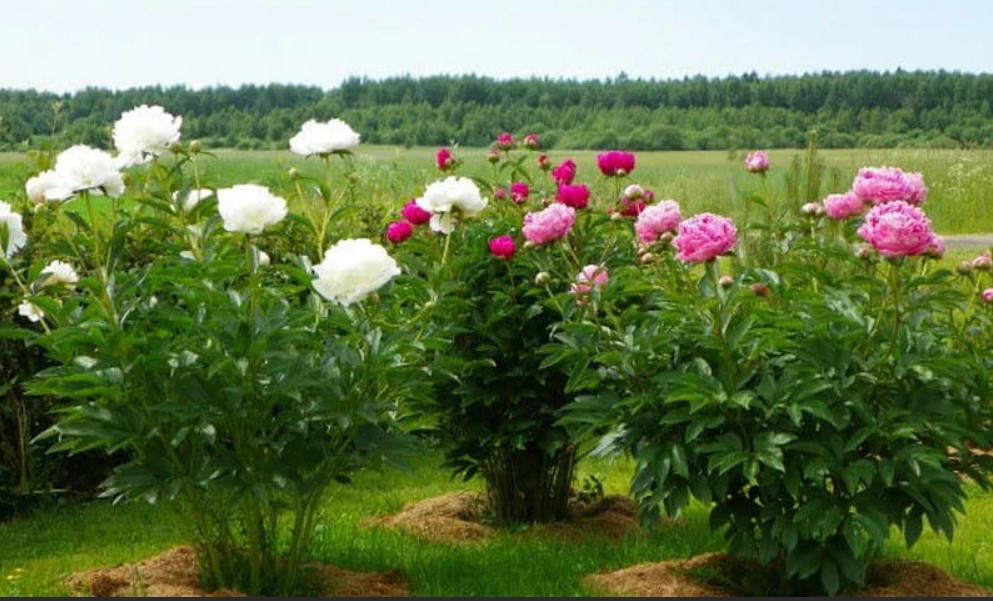
Peonies can grow on various substrates, but depending on their composition, development will proceed differently:
- on clay soil the plant will produce large buds, but the development of the bush itself will be slower;
- On sandy soil, the peony produces many shoots and foliage, but the number of buds will be smaller.
Loamy soil is best. If the soil is heavy, add coarse sand. If the soil is sandy loam, add clay. If the soil is poor, apply fertilizer first (1-1.5 weeks before planting to allow the nutrients to distribute evenly). The soil pH should be within the range pH 5.7-7.

It's crucial to create a drainage system when planting. Peonies' root systems don't respond well to excess moisture, especially when the groundwater table is close to the surface (less than 1 m).
When choosing a location, keep in mind that these plants can only tolerate a little shade in extreme heat. Planting them near tree peonies is not recommended, as these varieties will rob them of moisture and nutrients.
Preparing a site for planting herbaceous peonies
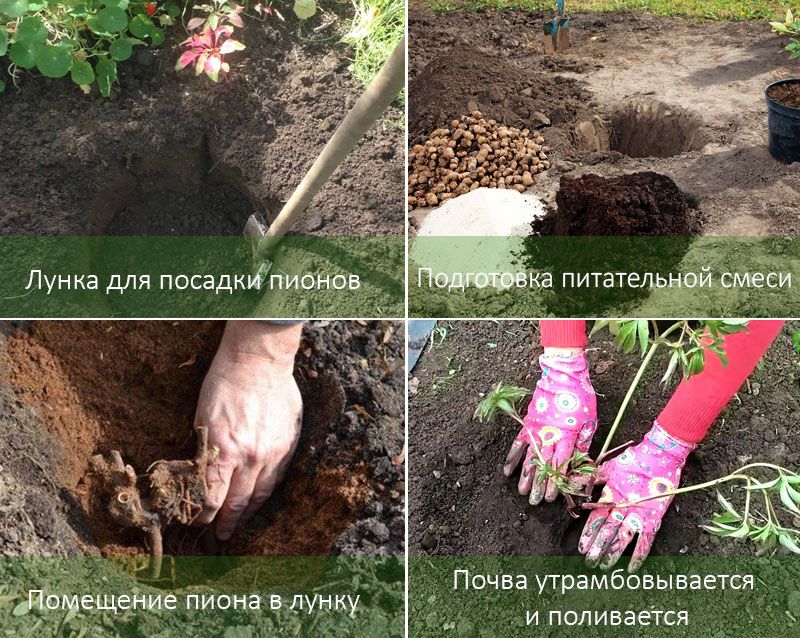
Before planting seedlings, the area should be dug to a depth of at least 70 cm. If you dig too shallow, the roots will encounter hard soil and begin to grow horizontally. If there isn't enough moisture or nutrients at this depth, the growth of the bush shoots will be slowed.
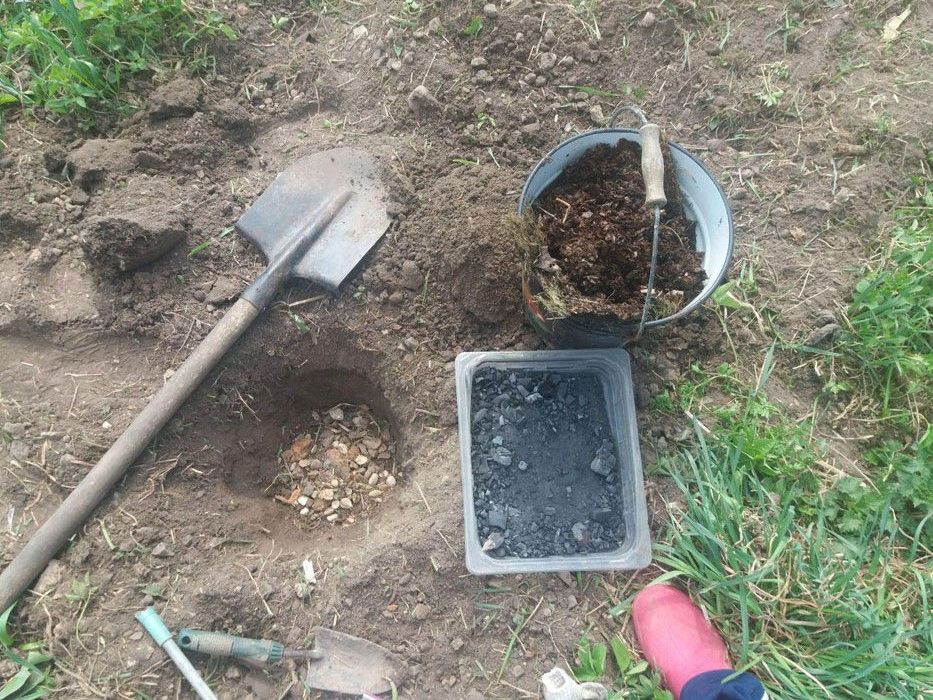
Planting holes should be prepared 2-4 weeks before planting. They should be 50 x 70 cm in size. A drainage layer, such as broken brick or expanded clay, should be placed at the bottom. Next, fill the holes 2/3 full with nutrient-rich soil (2 parts compost and 2 parts peat). It is also recommended to add 500 g of bone meal and 250 g of superphosphate.
Planting dates
The optimal time for planting herbaceous peonies in central Russia (non-chernozem zone) is August 15–September 15. At this time, buds stop forming, roots are not growing, and the fine, absorptive roots have not yet grown. This means the plant is dormant.
If you delay planting, the peonies won't have time to adapt before the first frost. Therefore, if you miss the deadline, it's best to wait until spring. However, in this case, flowering won't begin until a year after planting.
Peony planting dates according to the 2022 lunar calendar
| Month | Favorable days | Unfavorable, prohibited days |
| August | 2-4, 8-10, 13-14, 17, 18, 22-24, 28, 29 | 11, 12, 15, 16, 26, 27 |
| September | 5. 6, 14, 15, 18—24, 27, 28, 29 | 9, 10, 11, 25, 26 |
| October | 2, 3, 7, 8,16-23, 30, 31 | 9, 10, 24, 25, 26-29 |
Planting herbaceous peonies
The following agricultural practices must be observed:
- The distance between adjacent peony bushes should be at least 1 m.
- The buds should be located at a depth of 5 cm. If planted deeper, the bushes will grow but will not bloom. If the buds are higher, they may freeze.
- When planting, carefully spread the roots. Fill them with soil so that there are no air pockets. No need to add any compost or manure.
Please note! After planting, the bushes must be watered. The soil will settle afterward, so you'll need to add more soil.
For information on planting peonies, read the following articles:
Step-by-step care for herbaceous peonies
Caring for a herbaceous peony is not difficult, but if you don't follow certain rules, flowering will be sparse or may not occur at all.
Watering
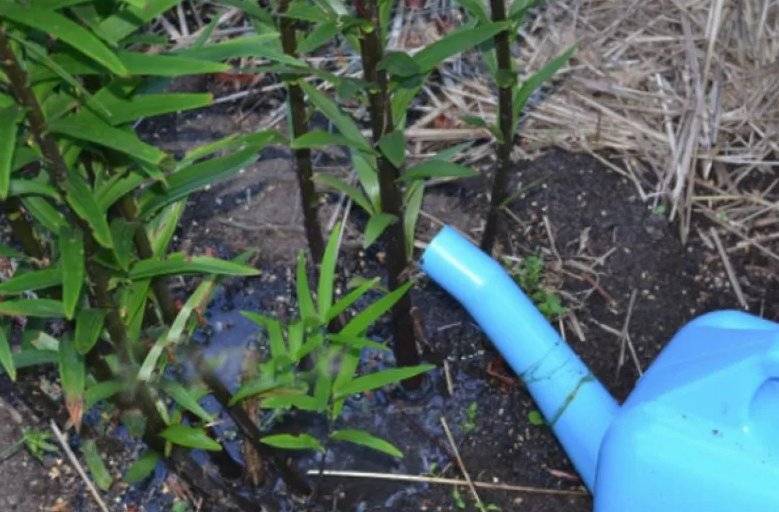
Water infrequently but generously. Moisture is especially needed during the following developmental periods:
- in spring during intensive growth of green mass;
- during the flowering period;
- at the end of summer, when renewal buds are formed.
Bushes need to be watered to the full root depth. However, moisture should not be retained, as this can lead to rot.
Top dressing
It's advisable to alternate organic and mineral fertilizers. The former can be applied dry, but keep in mind that they contain a lot of ammonia, so the dosage should be minimal.
Top dressing is carried out according to the following scheme:
- The first fertilizer application is done in early autumn. During this period, use mineral mixtures containing potassium and superphosphate. These will help the bushes produce strong stems.
- Fertilizers are applied a second time after two weeks. It's preferable to apply organic matter in liquid form, as this will improve absorption.
- After the appearance of stem shoots and leaves, fertilizer is applied every 2-3 weeks under the root.
After the inflorescences have faded, stop applying fertilizer, as the bushes need to prepare for winter.
Trimming
When pruning, adhere to the following rules:
- Remove the side buds, leaving only the central one. This will make it larger and last longer on the bush, as it will receive more nutrition.
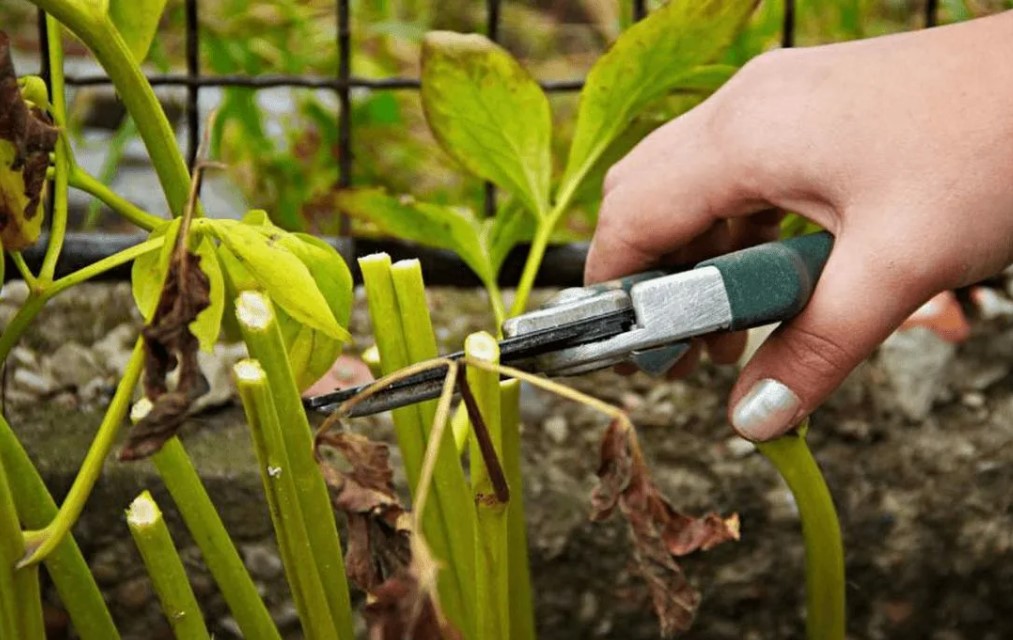
- After the petals have dropped, remove the flower stalks with faded buds. This will minimize the risk of disease. If you plan to collect seeds, leave no more than two buds that bloomed first.
- If the peony blooms during the first two years after planting, remove the inflorescences. This is necessary to allow the bushes to develop a strong root system.
To give the bush a beautiful shape, side branches can also be removed. Sprinkle the cut areas with activated charcoal to prevent infection.
Transfer
Peonies can grow in the same spot for many years. However, to ensure they continue to bloom profusely, repotting is recommended every 5 years:
- 7-12 days before the expected day of transplantation, dig up the soil, add fertilizer, and prepare planting holes.
- Carefully dig up the bushes and inspect the roots for diseases and damage. If any are present, prune off the affected areas and treat them with potassium permanganate.
- Shake off any remaining soil from the roots, but do not rinse.
- Place the bush in the new hole, straighten the roots and sprinkle with soil.
Peonies adapt well after transplantation.
Diseases and pests of herbaceous peonies
Most often affected by the following diseases:
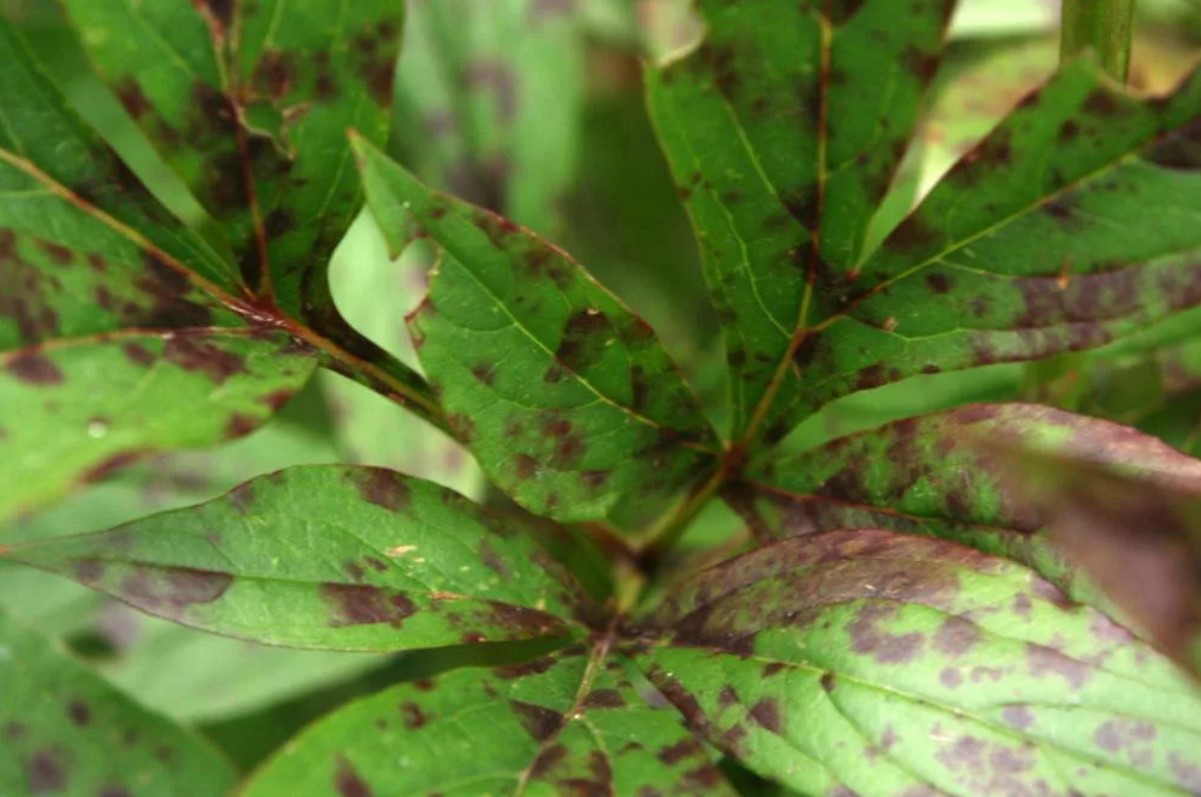
- Ringspot virus. Rings and stripes of various colors (from yellow to green) appear. Affected areas should be cut off and burned. The plant usually tolerates this disease well, continuing to grow and bloom.
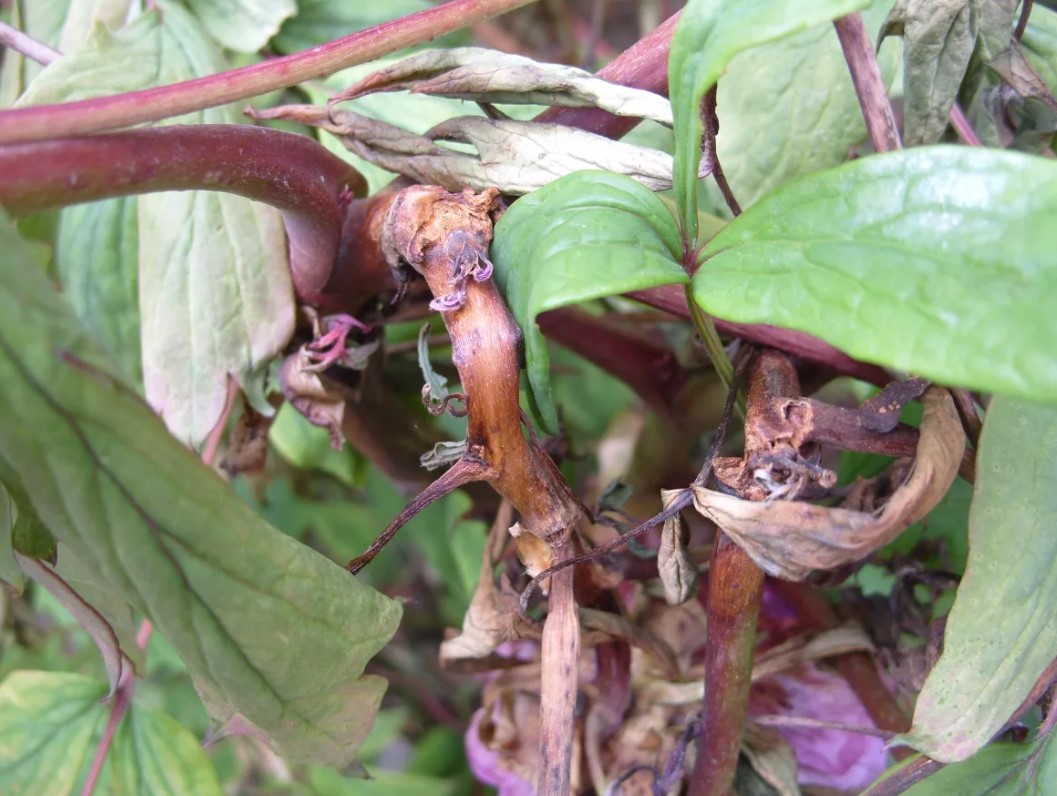
- Gray rot. It usually develops as a result of prolonged rains, a cold summer, or improper watering. A grayish slime appears on the leaves, causing them to wilt. Fungicides are used to control the disease.
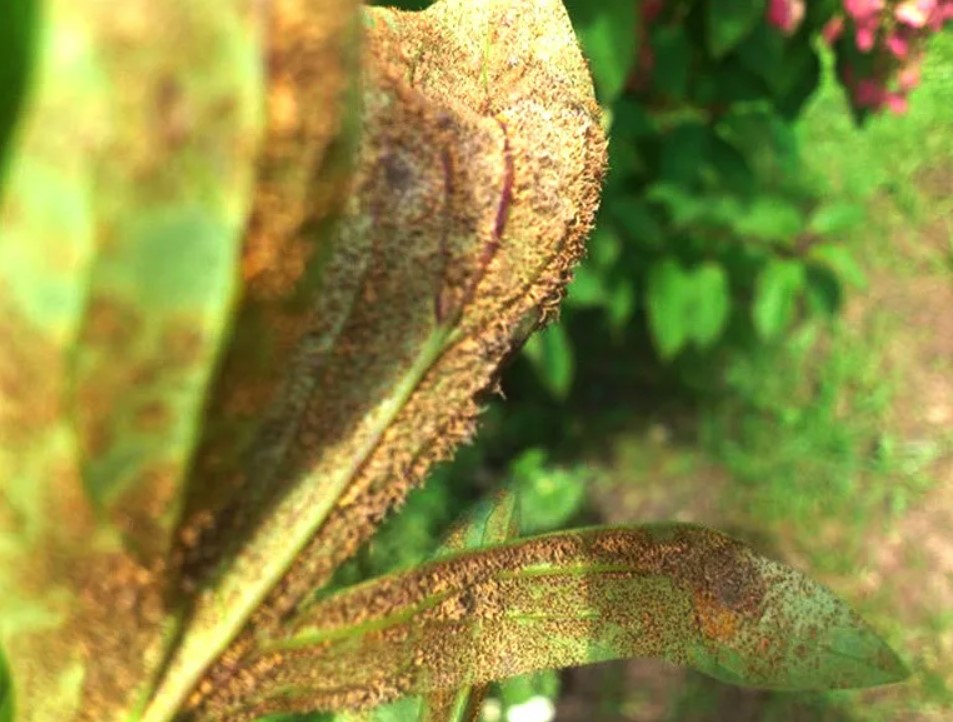
- RustDark spots appear on the leaf blades. After a while, they turn completely black, curl up, and fall off. Fungicides must be used to eliminate the infection.
- Root rot. It's harder to spot because it attacks the roots below ground. When the rot has damaged a significant portion of the root system, the stems will begin to darken and the leaves will curl. If you dig up the bushes, you'll see that some of the roots have softened and become slimy. The affected areas should be cut off, disinfected, and then the bush can be replanted.
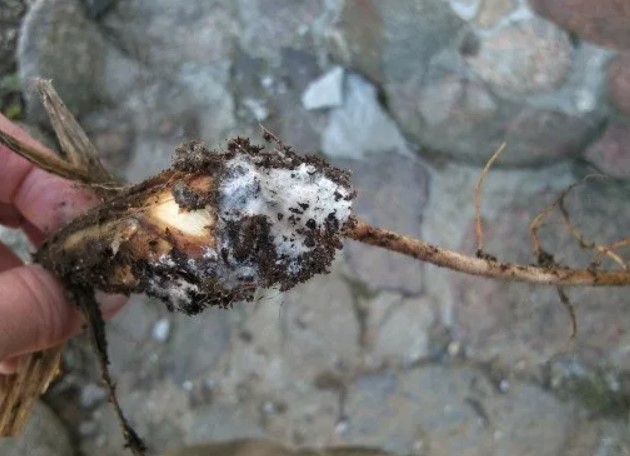
Insect pests that pose a threat include bronze beetles, root-knot nematodes, ants, aphids, and spider mites. Commercially available pesticides are used to control them.
Overwintering of herbaceous peonies
By winter, the above-ground part of the plant dies off completely. It should be cut off and burned to prevent infection.
For the winter, bushes need to be mulched. If it's possible to create mini-greenhouses for them (especially in northern regions, such as Siberia and the Urals), this should be done. This will protect the roots from freezing.
Read the article to learn about caring for peonies in autumn and spring.Caring for peonies in autumn and spring.
Propagation of herbaceous peonies
There are several ways to propagate:
- seeds;
- by dividing the rhizome (each part must have a bud);
- by cuttings;
- layering.
Regardless of the method chosen, flowering will only occur in the 2nd to 4th year. If propagation is by rhizome division or cuttings, the areas where the root or shoot is cut should be treated with activated charcoal to prevent infection.
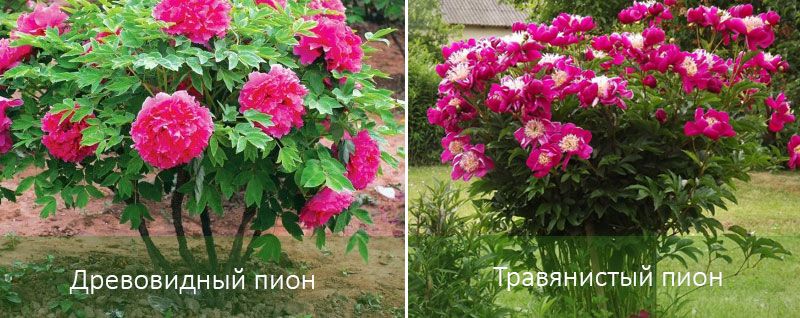
Differences between tree and herbaceous peonies
What is the difference between a tree peony and a herbaceous peony?:
- they are up to 100 cm, and tree-like ones up to 200 cm;
- in autumn their above-ground part dies off completely;
- they need to be replanted periodically, tree-like species can constantly grow in the same place;
- herbaceous buds have smaller inflorescences, rarely more than 20 cm;
- have a huge number of varieties with a variety of shades.
Also, tree and herbaceous peonies have some differences in care.
Read more about tree peonies in the articleTree peony: care and cultivation.
Planting tree peonies grafted onto herbaceous plants
It's hard to say which peony is better - tree or herbaceous. Each has its own advantages and disadvantages. To combine all the best characteristics in a plant, one species is often grafted onto another.
Tree peonies grafted onto herbaceous plants should be planted with the grafting site buried 1-2 cm deep or flush with the soil surface. This will prevent the upper root tip above the graft from rotting.
However, in this case, it's important to remember that the herbaceous rootstock will begin to produce shoots. These need to be regularly removed, otherwise they will prevent the tree peony from developing its own roots.
Furthermore, if planted too high, the tree peony graft may die with the onset of cold weather if not planted deep. To prevent this, create a 15 cm high border around the trunk with a radius of 30-40 cm. Cover the area with fertile soil to allow the tree peony to develop its own roots and prevent the herbaceous peony shoots from growing out.
How do ITO peonies differ from herbaceous peonies?
These peonies are hybrids of herbaceous and tree species, incorporating the best characteristics of both.
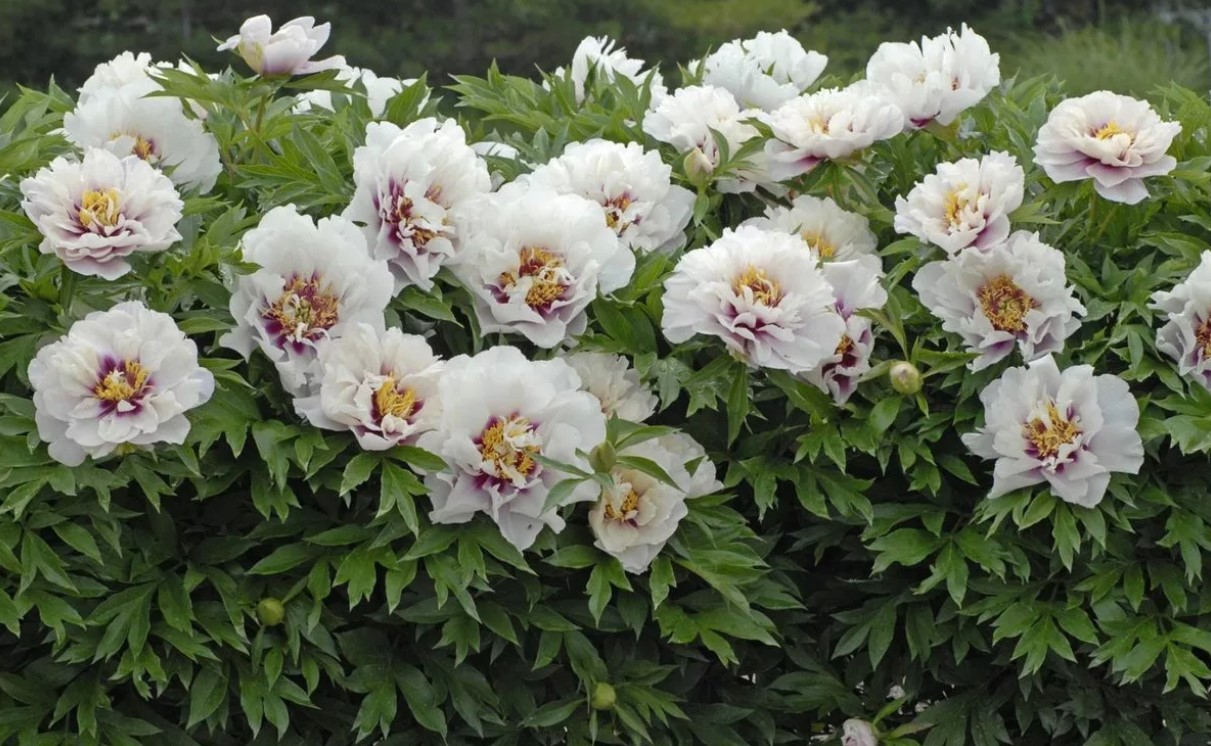
They differ from herbaceous species in the following ways:
- they bloom no earlier than the third year after planting;
- division can be carried out no earlier than 5 years after planting;
- they have woody shoots, so it is not so easy to divide them;
- are more expensive than herbaceous varieties.
Even the most exquisite, select varieties (luxury) of herbaceous peonies require minimal care. Even a novice gardener can manage them. They look luxurious in any garden, truly enhancing any landscape design.