Venidium belongs to the Asteraceae family and is commonly known as the African daisy. The flower's native land is South Africa. It boasts vibrant colors that are impossible to miss. Venidium thrives on sun, so in our climate, it requires special care to ensure it displays a riot of color.
Content
Description of Venidium (African Daisy)
The lifespan of African daisies depends directly on the growing region. In some areas, the plant will be an annual, but in favorable conditions, it can bloom for several years in a row, making it a perennial. The shoots reach 50-70 cm in height, with hairy leaves and shoots. The root system is located close to the soil surface and is quite extensively branched.
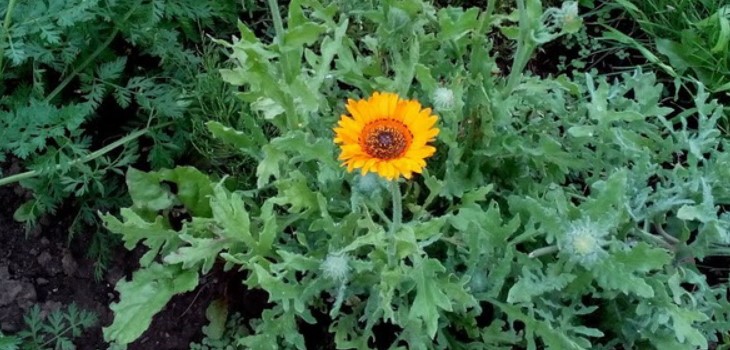
The leaves are dark green, dissected or lobed, and located along the entire length of the stem.
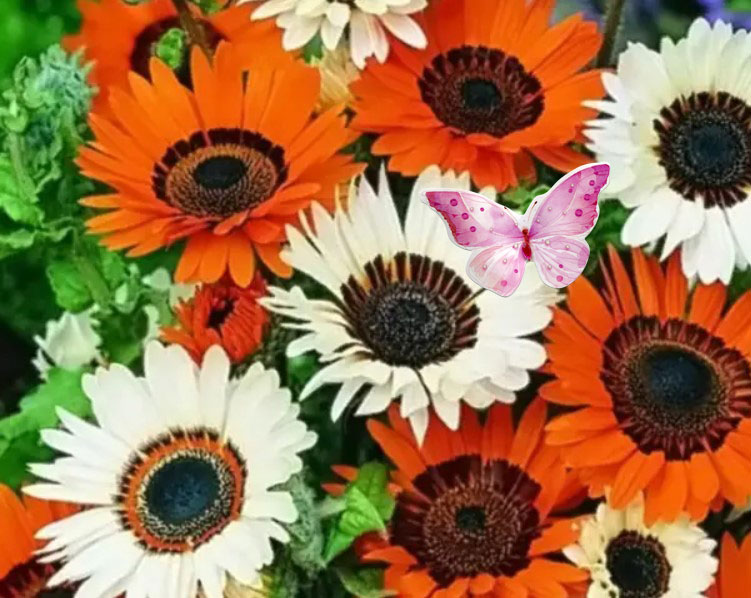
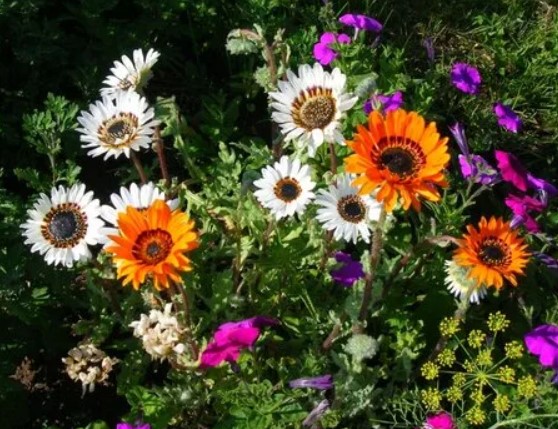
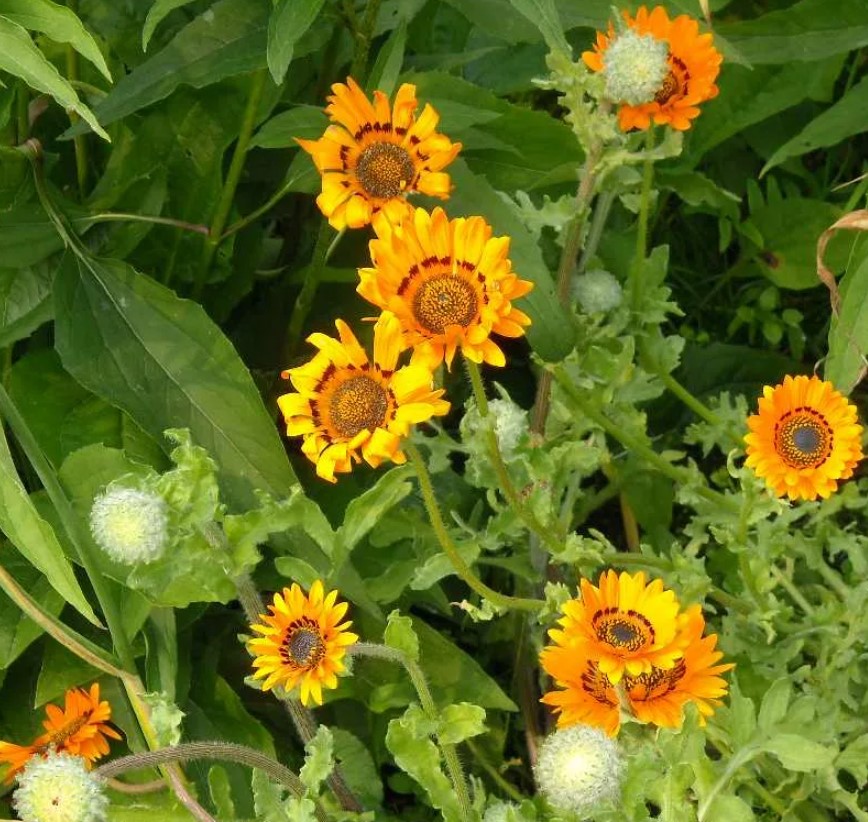
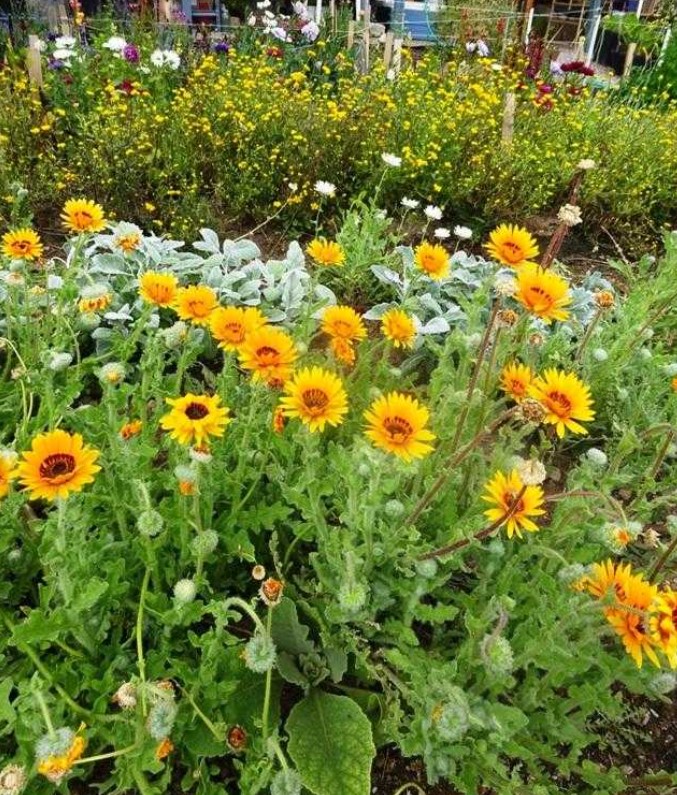
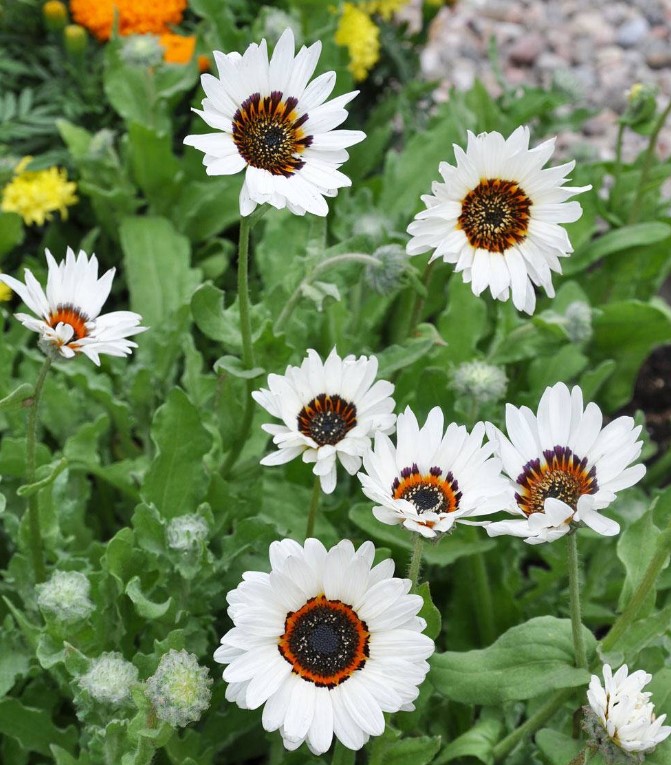
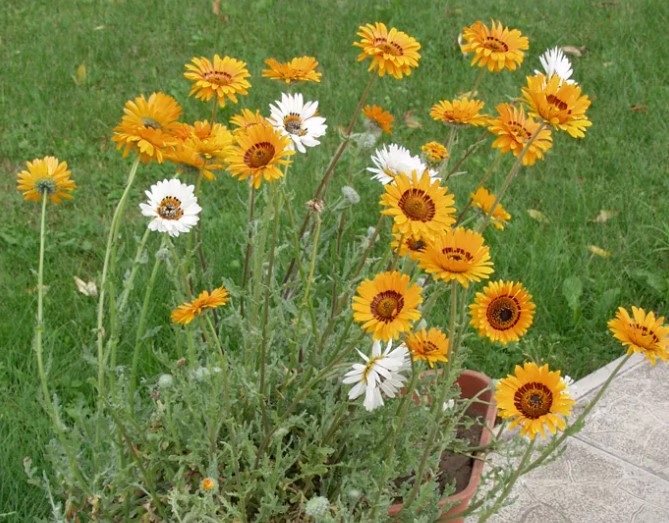
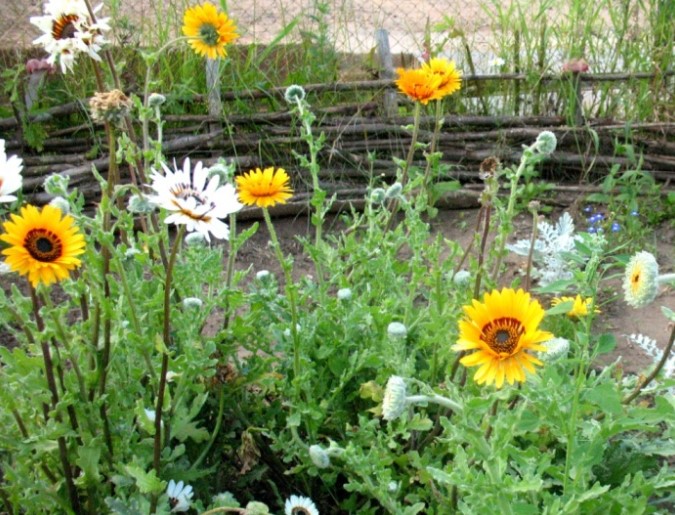
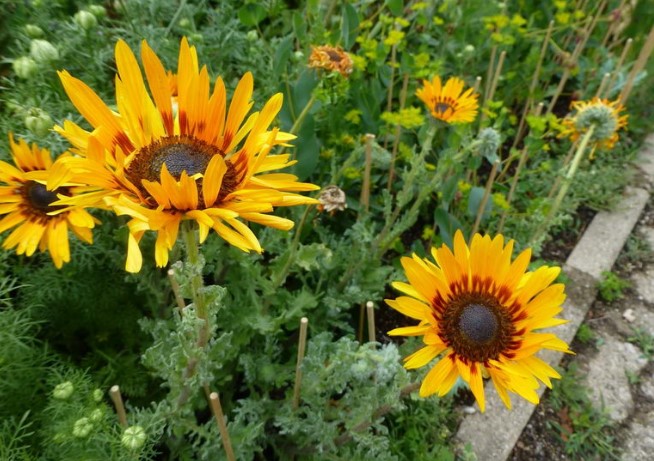
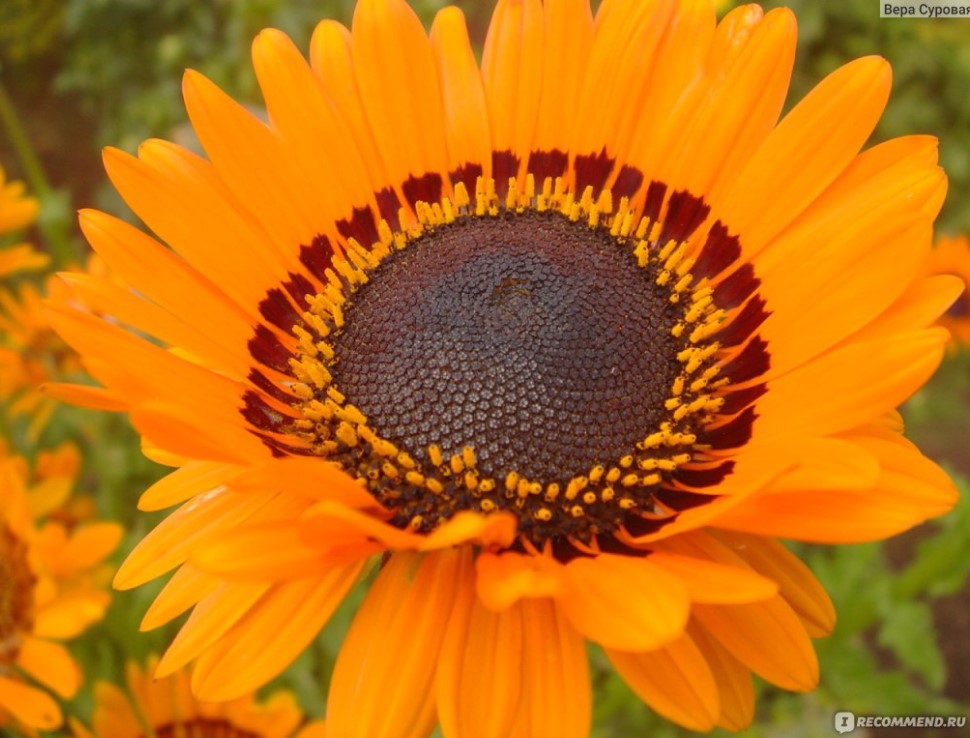
The flowers are spherical in shape, ranging from 5 to 14 cm in diameter. The petals, elongated and pointed at the tips, give the inflorescence a daisy-like appearance. The petals fade from yellow at the tips to orange at the base. A reddish-brown circle is located in the center. White specimens are also available; the color of the African daisy depends on the variety chosen.
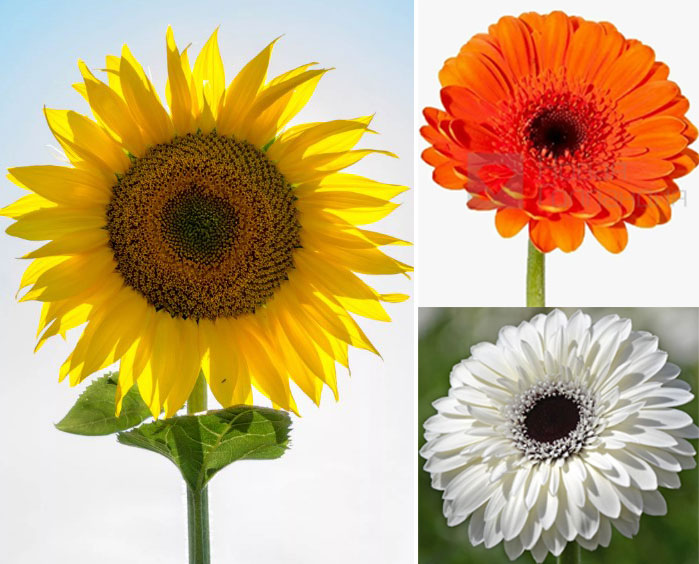
Some gardeners jokingly call venidium a mixture of sunflower and gerbera.
When does venidium bloom?
Flowering begins in June and lasts until September, and in some regions with a warm climate even longer.
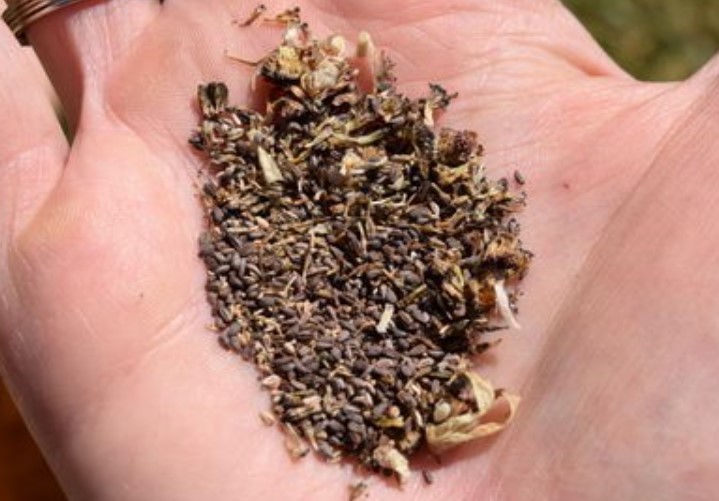
After flowering, a fruit forms, consisting of a smooth, round achene. As it ripens, it splits open, releasing tiny seeds that can be carried long distances by gusts of wind, causing the flower to unexpectedly appear in another corner of the garden.
To prolong flowering, remove faded buds promptly. Some gardeners also recommend removing old leaves to prevent them from robbing the plant of nutrients.
Types and varieties of Venidium
In our country, the African daisy is a fairly rare guest, but in recent years the flower has gained great popularity among gardeners and is increasingly seen in flowerbeds.
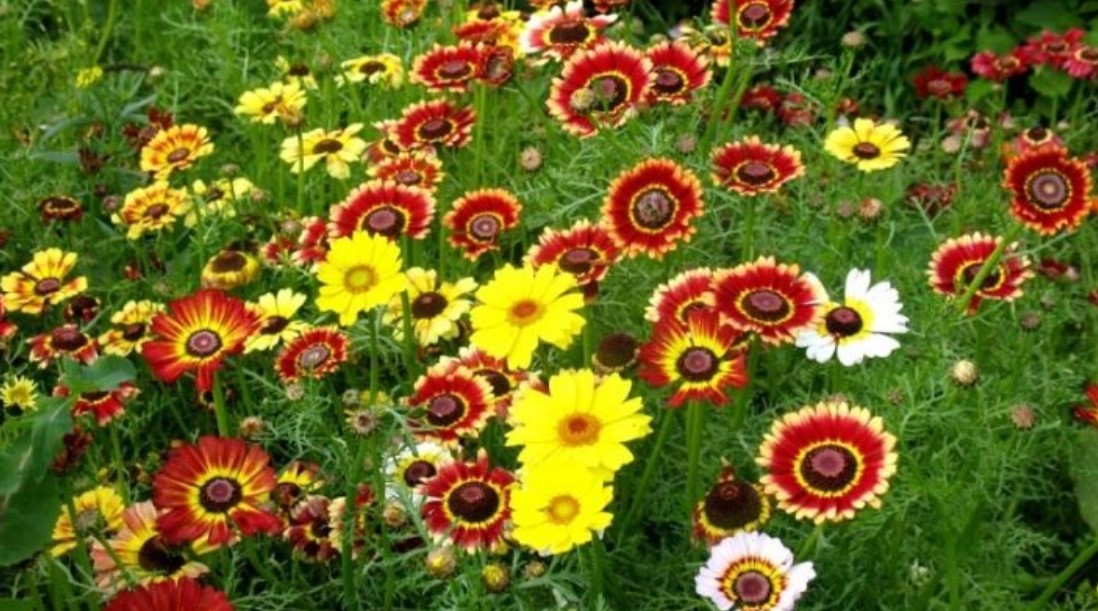
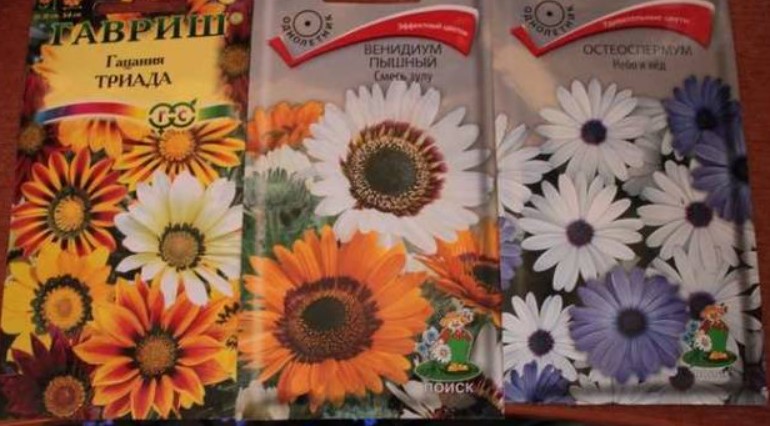
By the way, it looks very similar to flowers. gazania And osteospermum.
Let's look at the most popular species and varieties of venidium.
Venidium calendulaceum
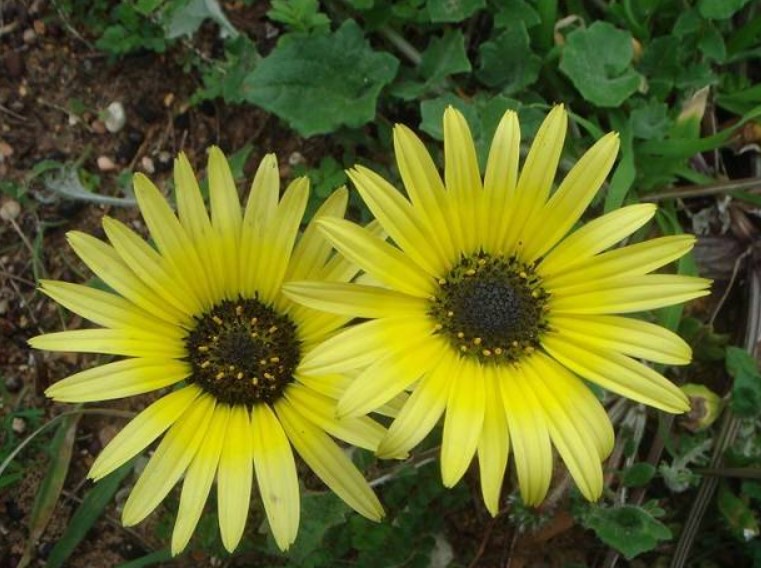
In the wild, this is a perennial flower. In most regions, it is grown indoors or as an annual. The leaves are dark green, pubescent, and lyrate-shaped. The inflorescences are small, about 4 cm in diameter, with light yellow petals and a darker center. The flowers resemble calendula. The collected seeds remain viable for three years.
Venidium fastuosum
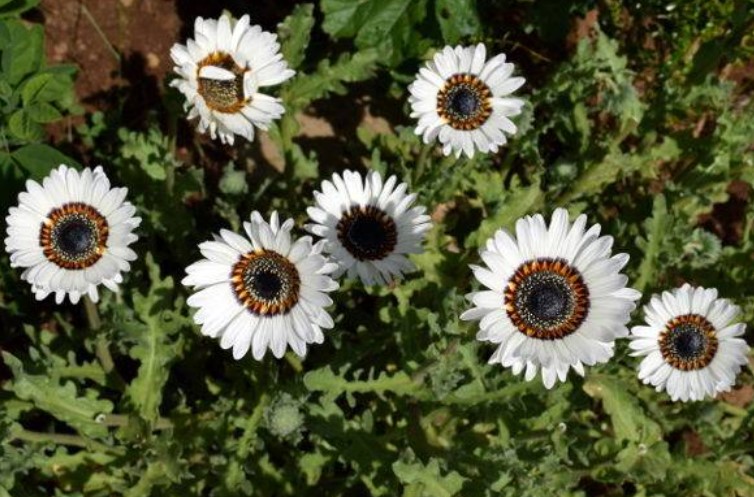
An annual flower. Its shoots reach 70 cm in height, but there are also dwarf hybrids, which reach no more than 30 cm in height. The leaves are pubescent, giving them a white-coated appearance. The inflorescences reach 10 cm in diameter. The petals are white or orange, and the center is black. Venedium luxuriens has several cultivars:
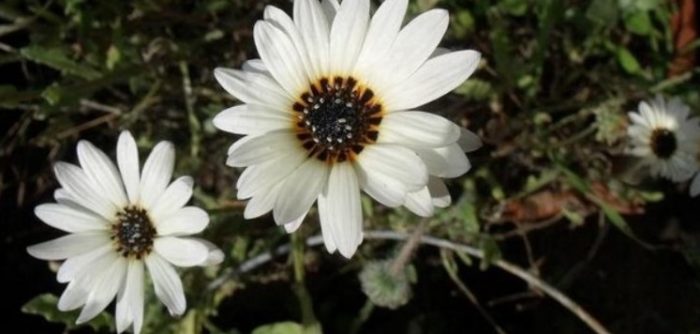
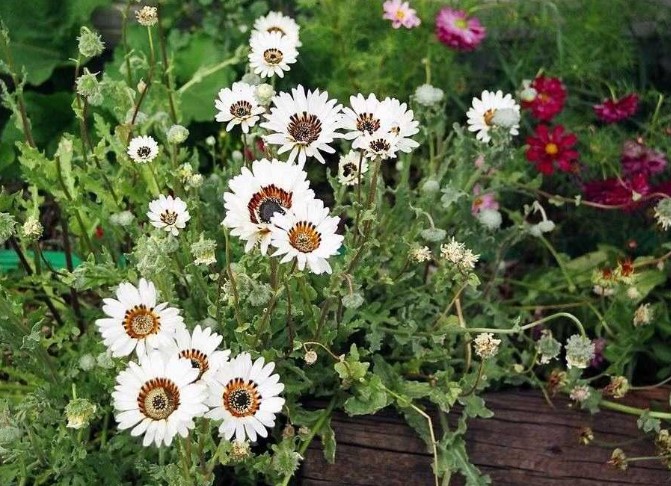
- Prince Zulu is a plant up to 60 cm tall with pointed white petals and a purple center.
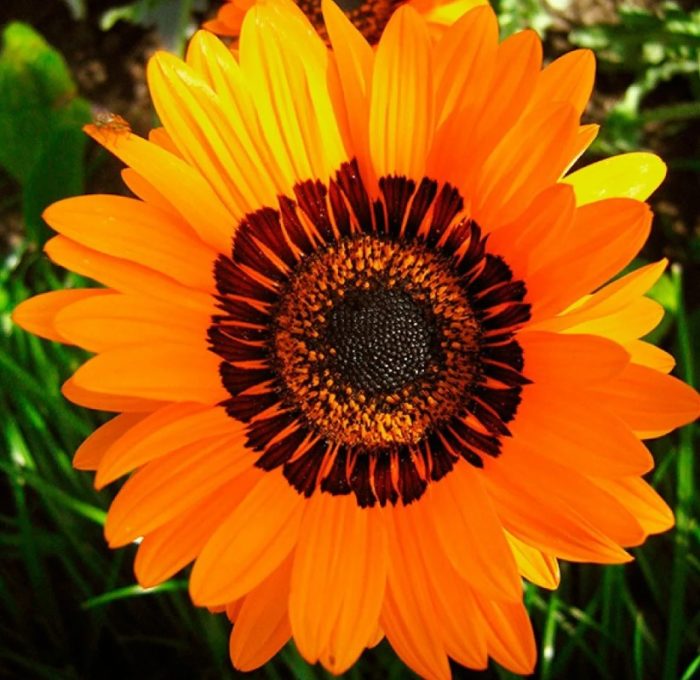
- Orange Prince - petals are orange, they are bent back from the dark brown center.
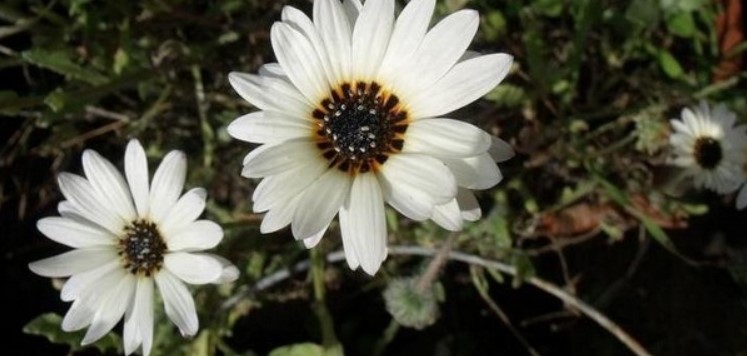
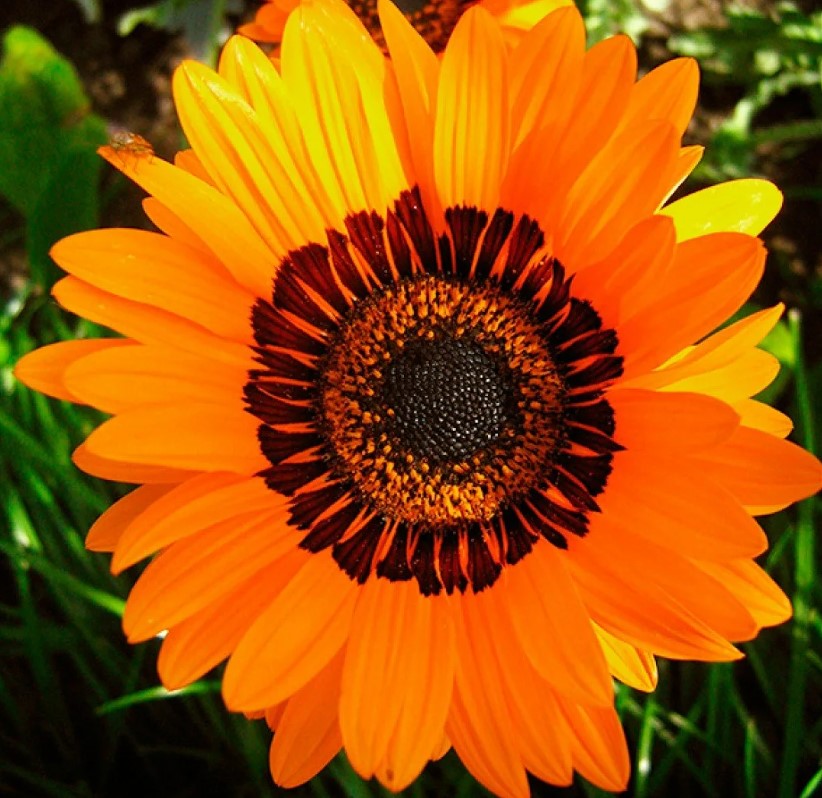
By crossing varieties and species, other colors were developed, including white and pale cream, as well as shoot heights. For example, the Dwarf Hybrids variety was developed – a dwarf variety with shoots up to 30 cm tall. The flowers are round, with white oval petals and a lilac-brown center. The plant is typically grown in pots to decorate balconies, verandas, and terraces, and is also used in rock gardens.
Growing Venidium from Seeds
Venidiums are grown from seeds, which can be purchased at the store or collected from mature plants. In warmer climates, the seeds can be planted directly in the ground, but it's better to germinate the seedlings in a greenhouse or indoors.
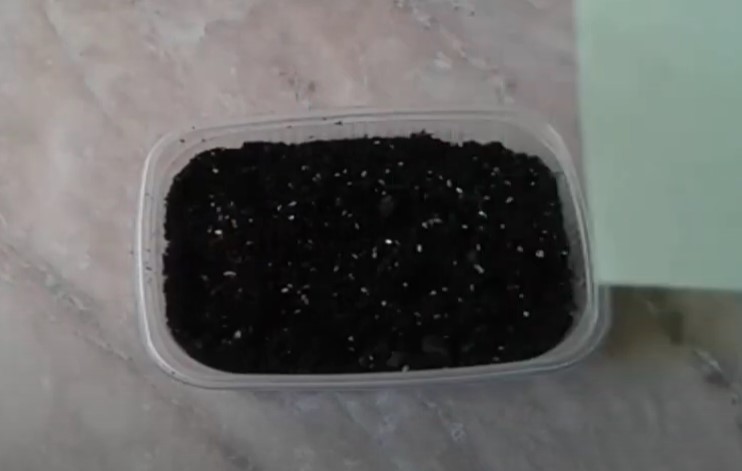
The exact planting time varies by region, but is usually in March or April. For planting, use containers filled with light, nutritious soil. Furrows are dug into the soil and the seeds are sown. They are lightly covered with soil and watered with a spray bottle. Then, cover the container with plastic wrap and place it in a dark, warm place with a temperature of 22 degrees Celsius.
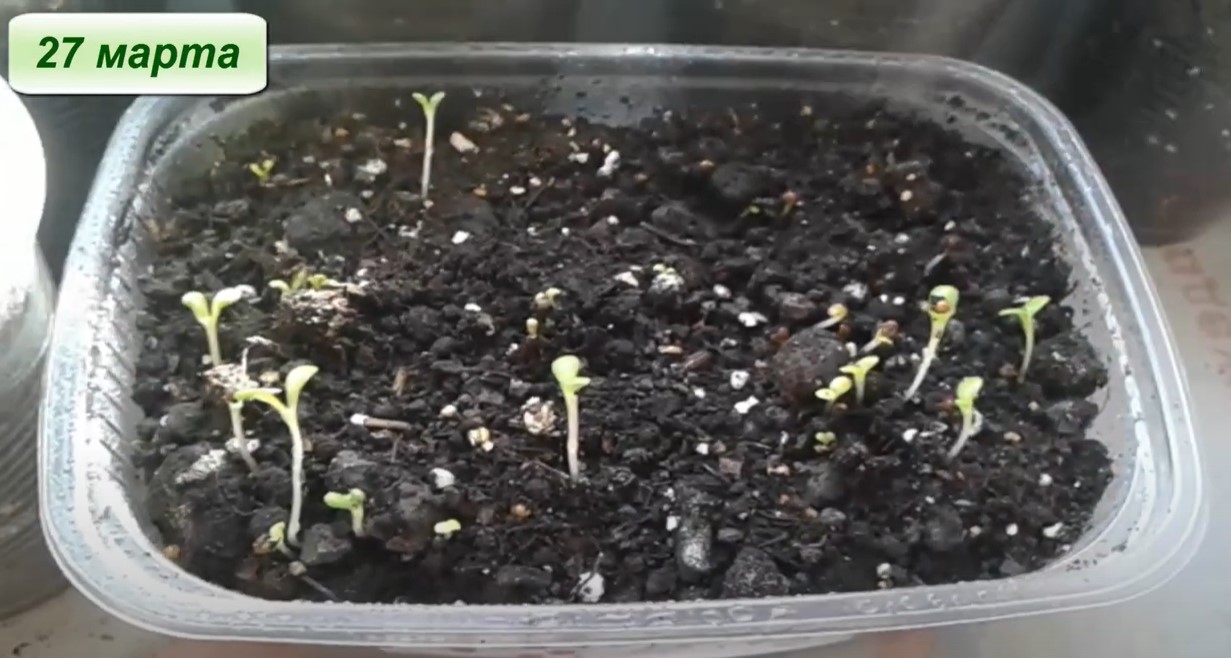
In about 8-10 days the first shoots will appear on the surface of the soil.
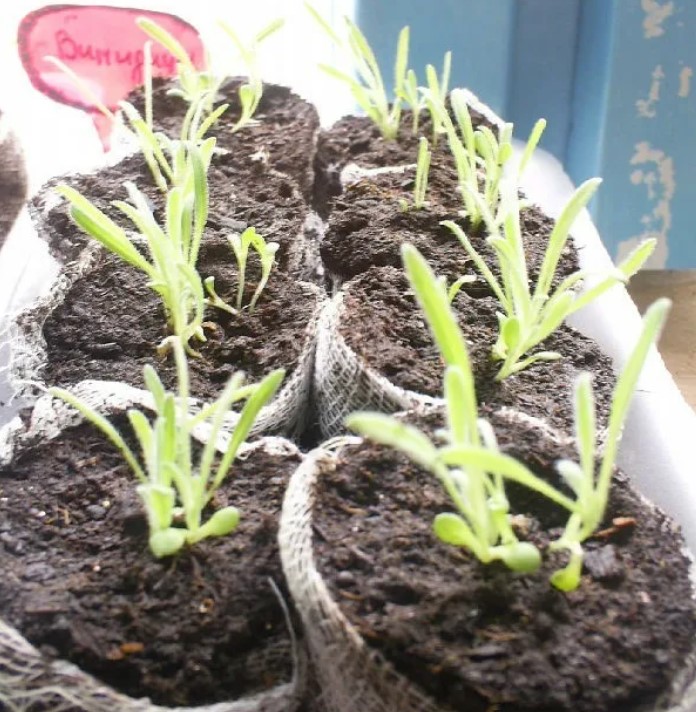
It's best not to sow flowers too densely, otherwise the shoots will compete with each other for light and water, resulting in weak and stunted growth. Therefore, after the seedlings emerge, it's recommended to thin the plantings, removing less viable shoots.
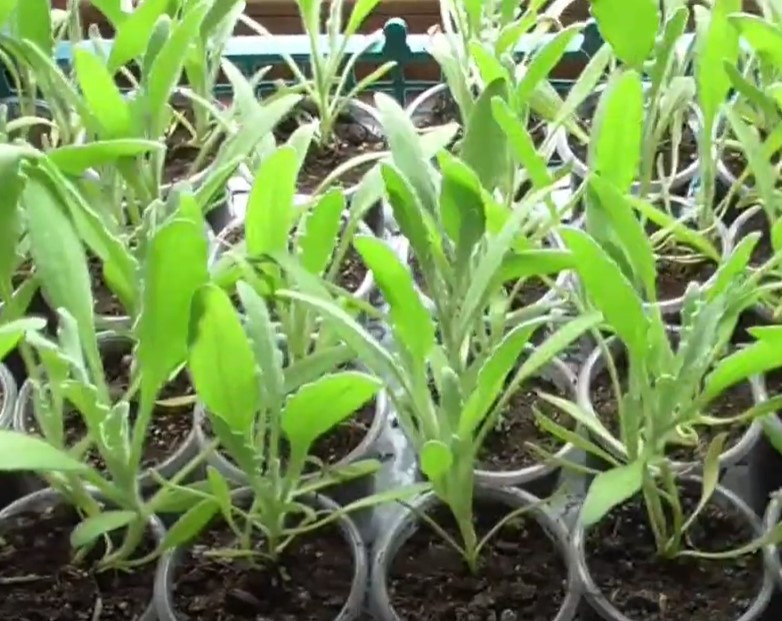
Venidiums are planted in a permanent bed after the threat of frost has passed, which the flowers do not tolerate. In most regions, this period falls in the second half of May. Each flower is placed in a separate hole, spaced 25-30 cm apart. Initially, the seedlings should be protected from direct sunlight and frost. They also do not tolerate over-watering, so watering should be moderate.
Planting and caring for venidium in open ground
Venidiums are planted outdoors after all the snow has melted and the threat of frost has passed. This heat-loving plant will not thrive if there is a sudden cold snap, dropping below freezing.
Location, soil
For African daisies, it's best to choose a well-lit area of the garden away from drafts and strong winds. It's best to plant it on a southeast or southwest exposure.
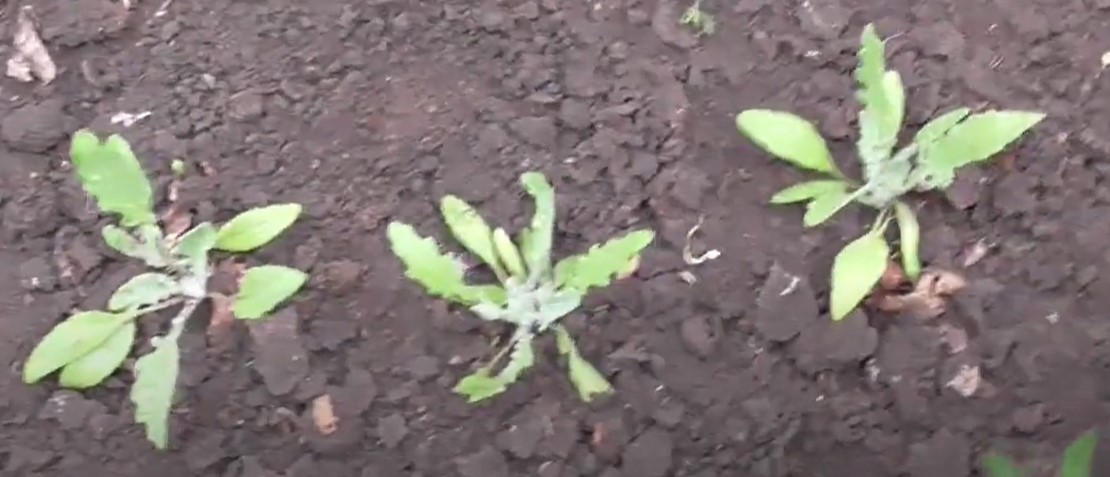
The soil should be light, well-drained, and nutritious. It is prepared in advance by digging in a mixture of complex fertilizers. River sand is added to heavy soil to make it more porous and lighter.
Watering, fertilizing
Venidium doesn't require frequent watering; it's sufficient to moisten the soil once every seven days. If the weather is hot, water twice a week. Avoid allowing moisture to stagnate around the roots to prevent the development of fungal diseases. After watering, it's recommended to loosen the soil and remove weeds.
Fertilize venidiums twice during the summer season. It's best to use complex mineral fertilizers. Apply the first time before flowering, and the second time during bud formation.
Organic fertilizers are used less frequently. They are mainly applied during the garden bed preparation stage, when bird droppings, straw, or bone meal are added.
Support, pruning
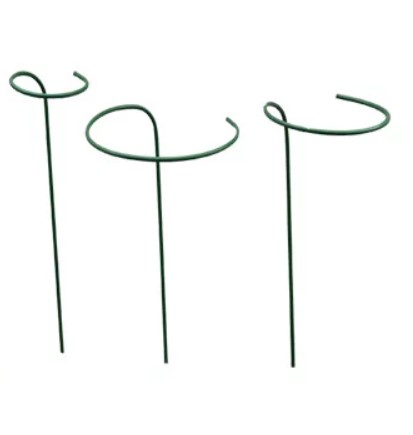
Dwarf varieties of venidiums do not require support, as their shoots do not exceed 30-40 cm in height. Taller plants will need to be secured to a support inserted into the ground near the shoot.
It's important to remember that the plant's roots are located very close to the soil surface, so it's important not to damage them while working.
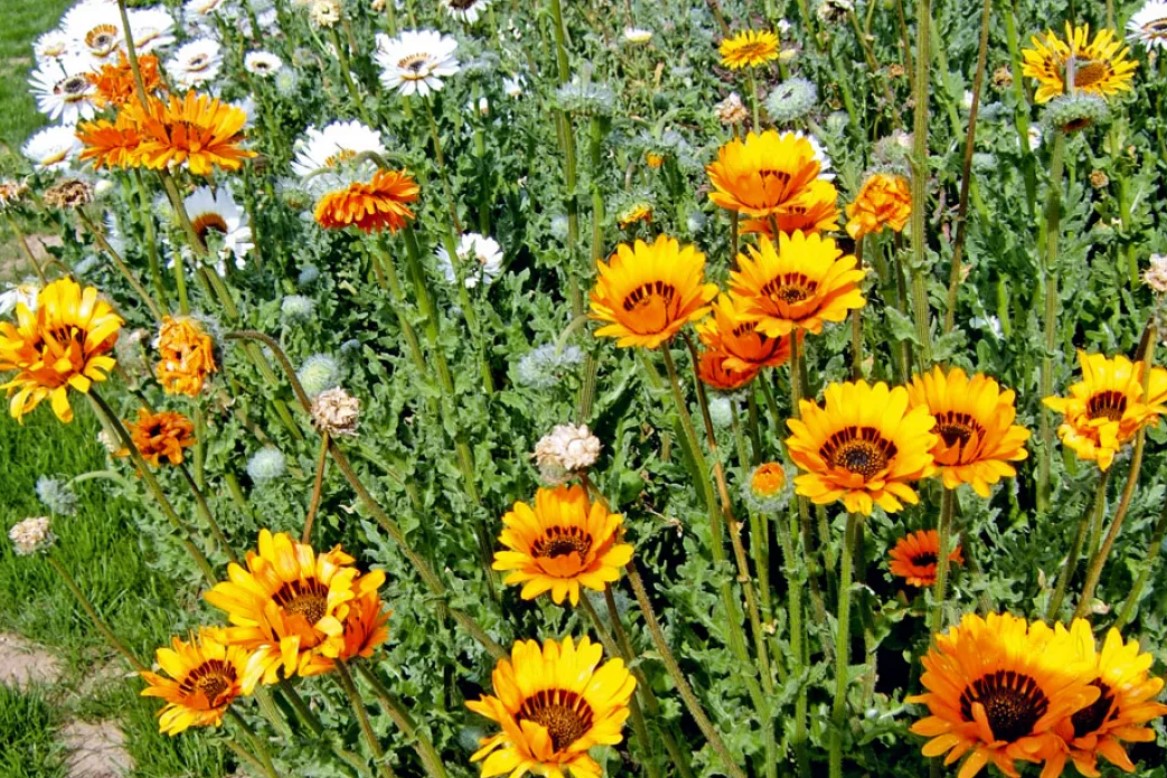
To make the bushes more lush and prevent them from becoming leggy, the tops of the stems can be pinched. It's also important to promptly remove faded buds to prevent self-seeding. This procedure also helps prolong the flowering period. The shoots are cut almost to the ground, leaving 1 cm above ground level. Two new buds will soon appear at this point.
Before winter
African daisy is a heat-loving flower. In its native habitat, it grows year-round. However, in our country, it's most often an annual. Therefore, in winter, all shoots are cut back and placed on a compost heap, and new seeds are sown in the spring. In southern regions, where winter temperatures don't drop below zero degrees, you can try covering the flowers with spruce branches for the winter.
Seed collection
After flowering has finished, you can begin collecting seeds. When the petals fall and a seed pod appears in their place, cut it off and set it aside to dry for a few days. Then, open the pod and remove the seeds. Store them in a cloth bag. The seeds will retain their viability for up to three years.
You can find flowers that interest you with photos and reviews on our website. Top.tomathouse.com: All About Gardening (top.tomathouse.com)
Diseases and pests of Venidium
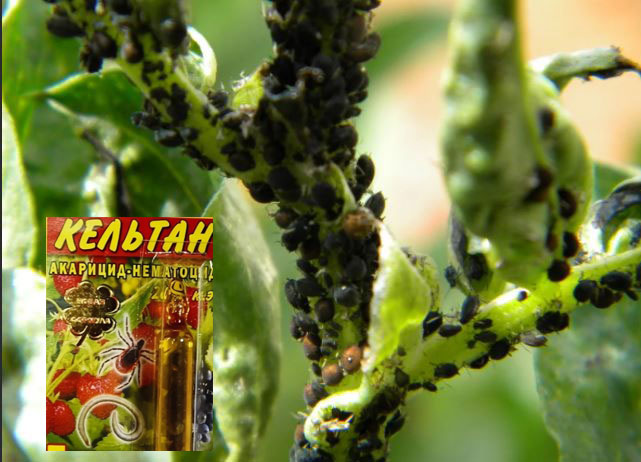
The main pest of African daisy is aphidIt feeds on plant sap, causing them to wither and die. To prevent the disease, remove nearby anthills and weed flowerbeds regularly. If the insects have already appeared, Actellic can help control them.
Rot bacteria only appear when the plant is overwatered and the air temperature is cool. Stagnant water around the roots is extremely harmful to venidiums.
Venidium in the landscape
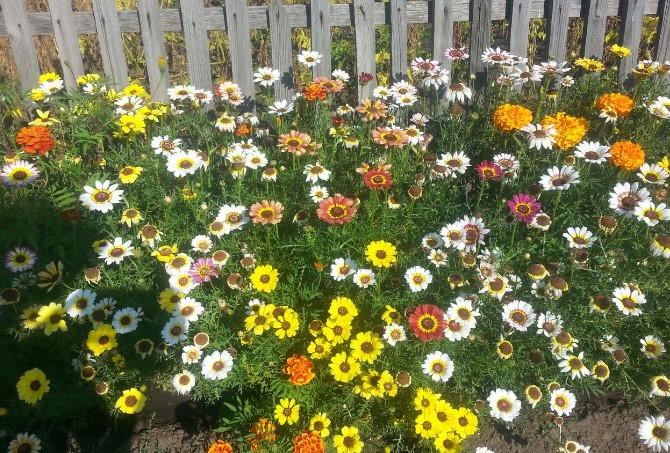
Although the Venidium isn't the easiest flower to care for, it's very popular for its striking beauty. It pairs beautifully with other herbaceous plants in complex mixed borders, but venidiums also look stunning planted alone.
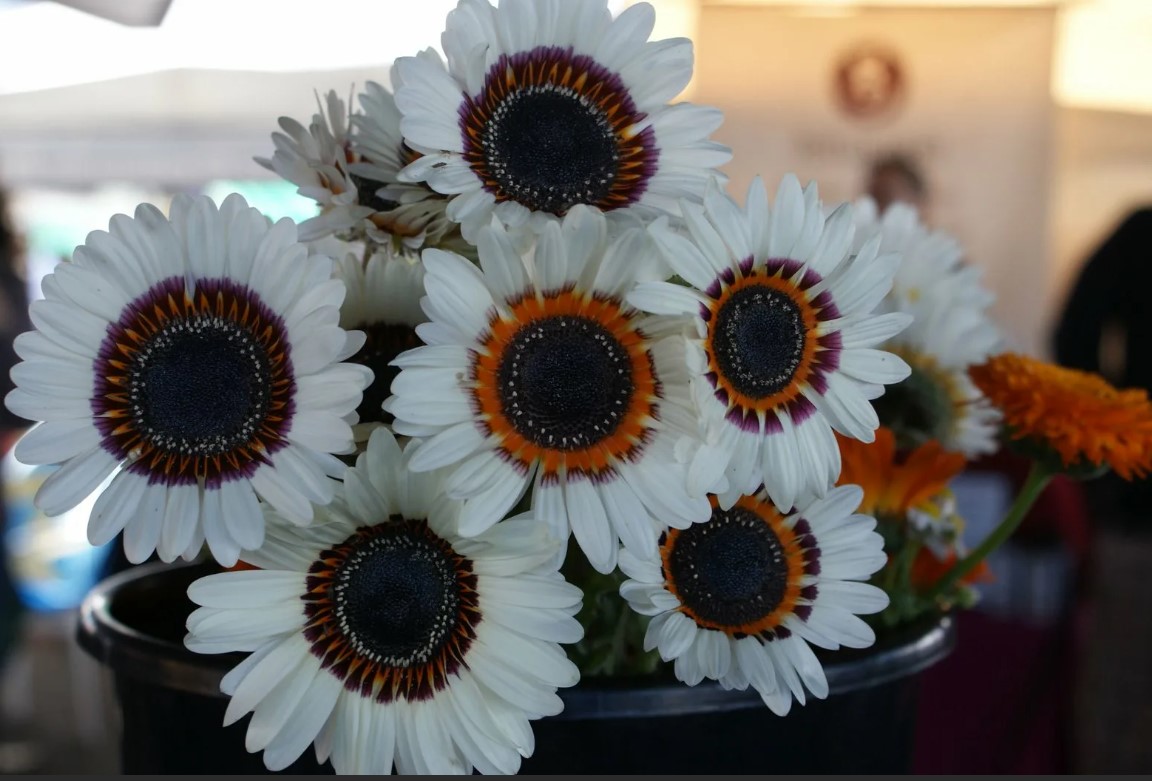
Some varieties are used for growing in pots and serve as decoration for summer verandas, terraces, balconies and gazebos.
African daisies can be used as part of a floral arrangement. Once cut, they last for up to a week.
Photo gallery of Venidium in the landscape
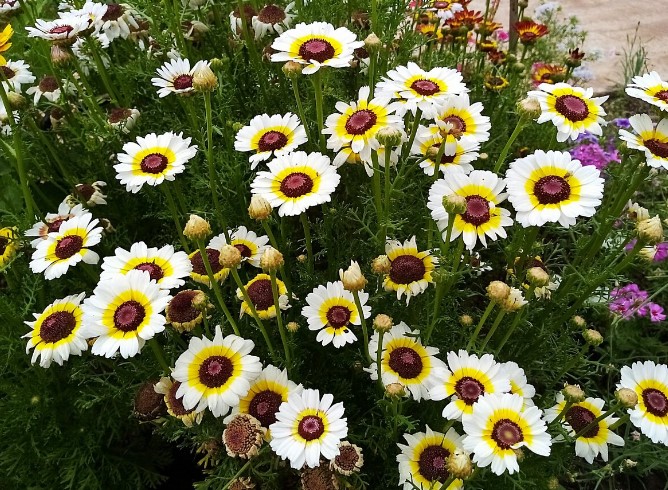
Florist reviews of Venidium
Black Square
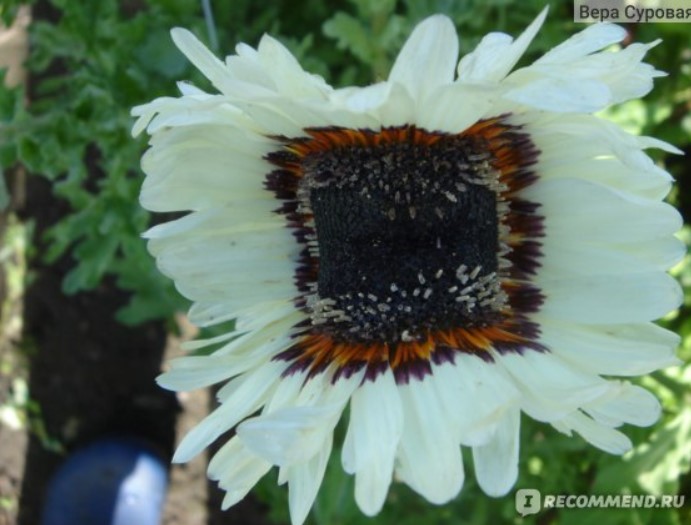
There are many flowers commonly called "daisies," and the Venidium is certainly one of them. It comes in only two colors—orange and white—and can be double or single. But no other "daisy" has such a beautiful, metallic-black center, which gradually changes color and texture, because the center is nothing more than an inflorescence of tubular flowers, as with all "daisies." Venidium is an annual, fairly cold-hardy, can be grown without seedlings, and sometimes even self-sows. The flower stalks are tall and quite sturdy, suitable for cutting. Wind and rain do not spoil the appearance of the flowers, and the seeds usually ripen in our climate.Sometimes, for some unknown reason, the inflorescences take on a funny square shape, as in this photo.
I've only ever seen such "squares" on morning glories. And once, I got double flowers from the seeds of a simple venidium,
although usually it's the other way around.
Venidium seeds (30 pcs) cost 8 rubles.
Advantages
Beautiful and cold-resistant
Review: Flower Seeds Search "Venidium luxuriant (Zulu Mix)" - Orange sunny mood with a reminder of sunny sunflowers.
ADVANTAGES:
Bright flowers, love the sun, stand up well in a vase
FLAWS:
If the summer is rainy, then they may not grow well.
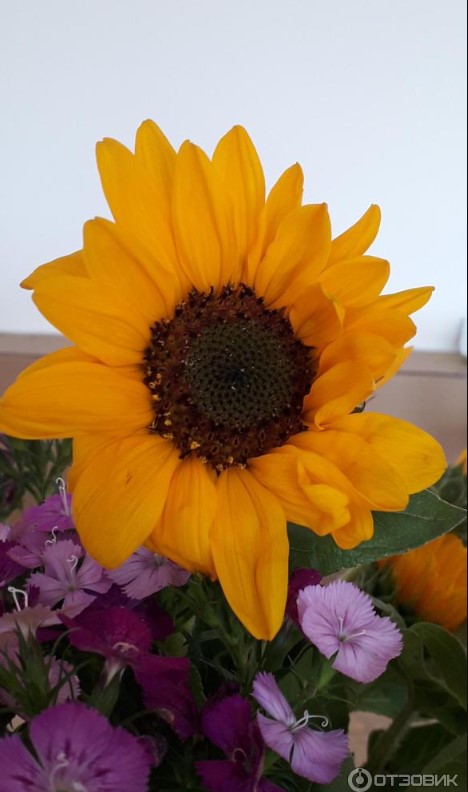
Good day to all, my dear friends and visitors of the Otzovik forum!This is our beautiful Venidium, so similar to one of the many sunflowers that remain in my memory when we were traveling by train a long time ago to our south, and outside the window huge yellow fields floated, so delighting us northerners with their bright colors.
Name:
Venidium.
There are several similar flowers that I know and can sometimes confuse, since they are all from the same group of asters.
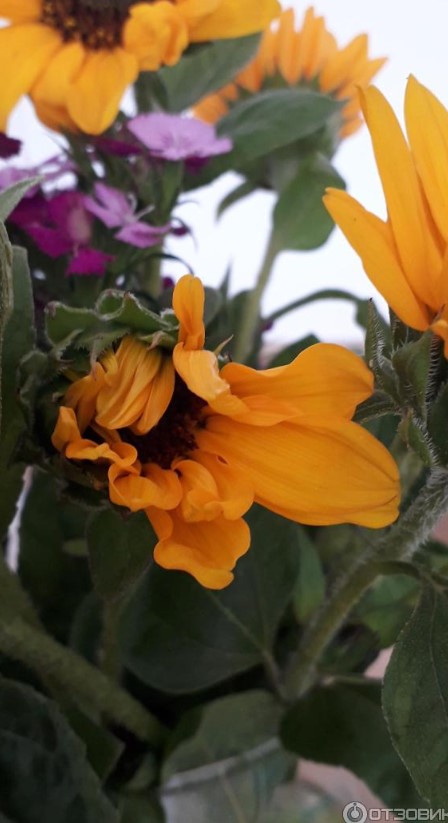
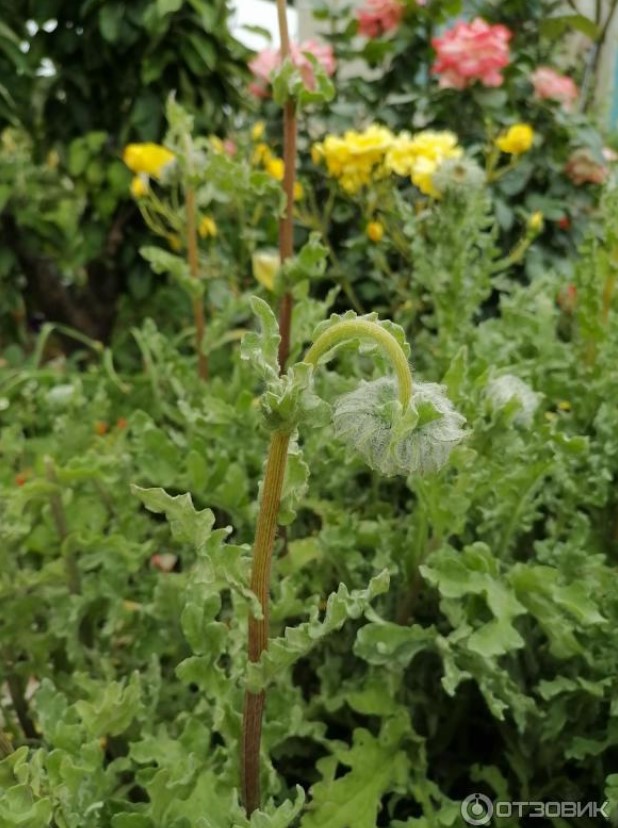
Not all inflorescences open accurately. Here, one of our flowers has opened up like this, as if it is struggling to open its eyelashes today, but in the future, this flower will also open its “arms” to the whole world.
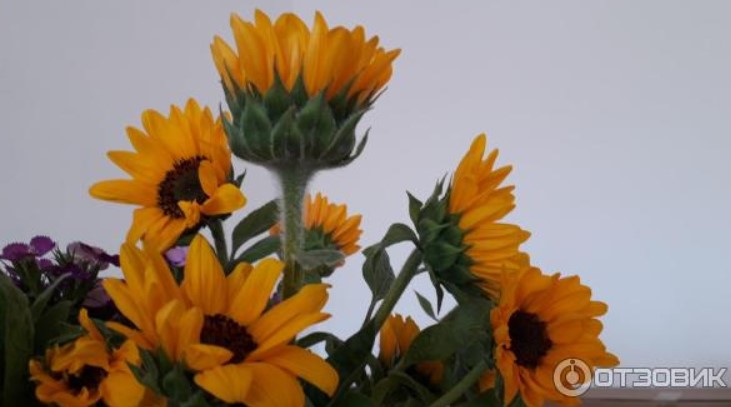
Both the leaves and the stem itself, especially in the part adjacent to the flower head, look like a furry animal, all covered with fluff, which seems sharp, but is in fact delicate and airy, and the leaves are carved3 in bizarre shapes and also with a shimmer, somehow reminding me of silver in the sun.
It is difficult to plant them in open ground in early spring, it is still very cold here, it is better to plant them as seedlings, then the germination rate will be better.
However, if the seeds are of good quality, then the germination rate is excellent.
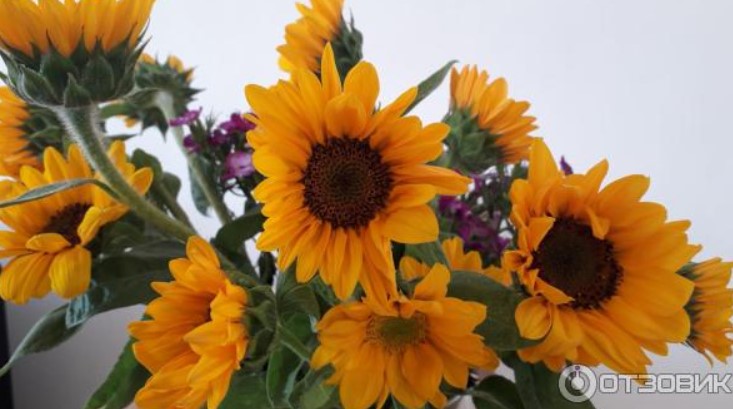
It blooms for a long time, replacing its flowers with others, and at the same time it reminds me very much of the tree peony, which we can enjoy for a very long time.
They look great in a vase at home, making us happy; it’s so delicious to drink coffee in the morning, and next to them there’s such a beautiful bouquet.
They love the sun and will not grow in the shade at all, so for planting, choose only the sunny sides of your site, or they will also grow well in boxes on the loggia, the only thing is that this is a tall plant and can reach a height of up to half a meter.
I recommend this beautiful orange flower to put us all in a great mood.
Thank you very much for your attention and for my feedback.
I recommend it.
Year of manufacture/purchase: 2022
Overall impression: Orange sunny mood with reminiscent of sunny sunflowers.
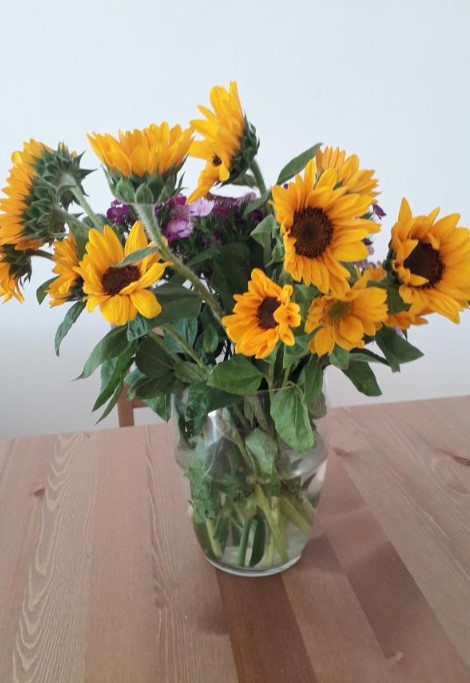
Review: Flower Seeds Search "Venidium luxuriant (Zulu Mix)" - A flower about nothing!
Review recommended by: 17116
ADVANTAGES:
Beautiful foliage
FLAWS:
Short flowering period
Good afternoon, readers of my reviews!
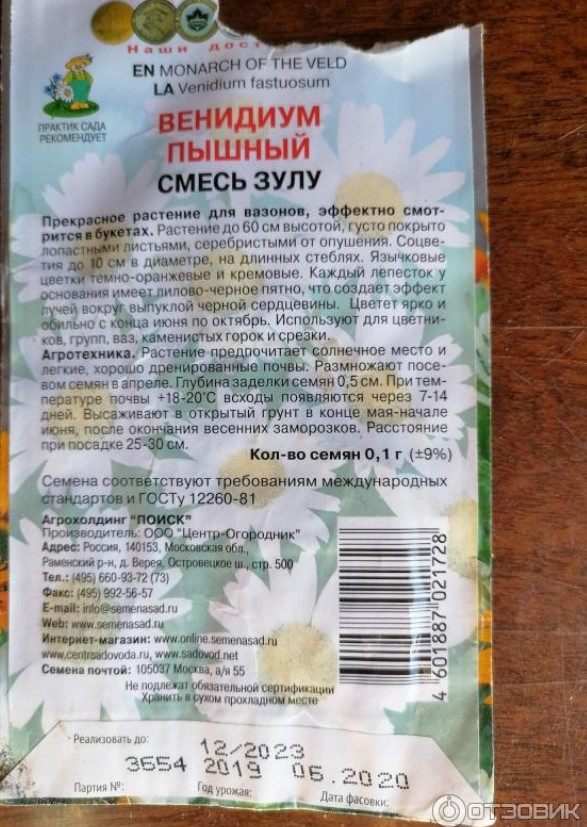
I used to plant gazanias in my garden flowerbed quite often. I mostly bought the "Sunshine" variety. This year, after a break from growing them, I decided to try it again. When I bought the seeds, I didn't pay attention to the flower's name. From the photo, I assumed I had bought a gazania. Only when I started sowing the seeds for seedlings did I realize I had a completely different flower, "Venidium luxuriantum (Zulu Mix)."Well, I had to plant it. I'll say right away that there were only a few seeds, 0.1 g, and not all of them sprouted. In total, I planted eight plants in open ground. But, as it turned out later, even that was too many. This is what the bushes looked like in mid-June. The description says this flower has beautiful leaves. Yes, they do. The leaves are jagged, fluffy, with a silvery sheen. A central flower stalk emerges from the center of the rosette of leaves. At first, the head of the bud points downward, and then, as the flower opens, it straightens up and reveals the flower itself.
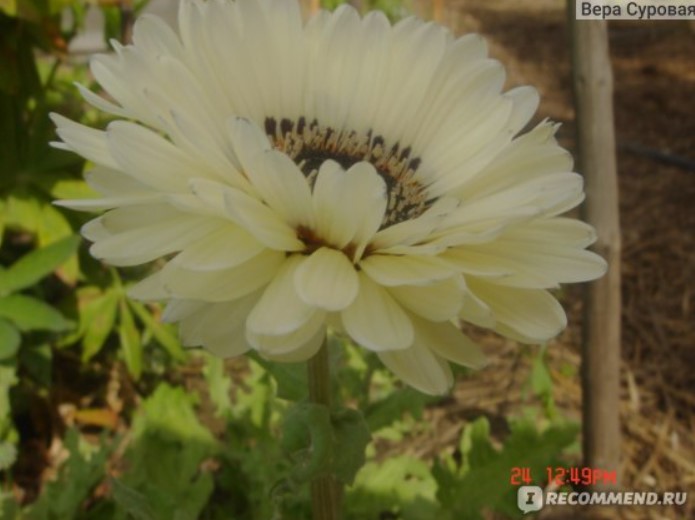
I associate it with garlic scapes, when you know when it's time to harvest by how straight they are. And here's the first flower. Ours was white.
It had a very interesting center, somehow lifeless, like plastic. The flower was about 5-6 cm in size. The description correctly stated that it was up to 10 cm.
That's exactly what happened with us, and they weren't lying. The entire plant, including the blooms, was 40-50 cm tall. There was only one bush with yellow flowers.
This is what the venidium looked like at the end of June. The bushes are large and wide, but the flowers are sparse.
The bushes were often completely bare of flowers. We never saw a gorgeous, vibrant, and long-lasting bloom. Perhaps we compared this flower to the vibrant gazania we'd loved and expected the same results, but in the end, we were only disappointed. We've now removed the Venidium bushes. The pearlescent leaves have turned into unkempt yellow ribbons. To make up for the empty space, we transplanted flowering marigold bushes there. They've taken root well and continue to bloom. In conclusion, I won't be planting "Venidium luxuriant (Zulu Mix)" again. I'm giving it a three-star rating and won't categorically say that others shouldn't plant it. I didn't like it, but it might be someone else's favorite flower. So, try it, plant it, and draw your own conclusions.
Year of manufacture/purchase: 2021
Overall impression: The flower is nothing special!
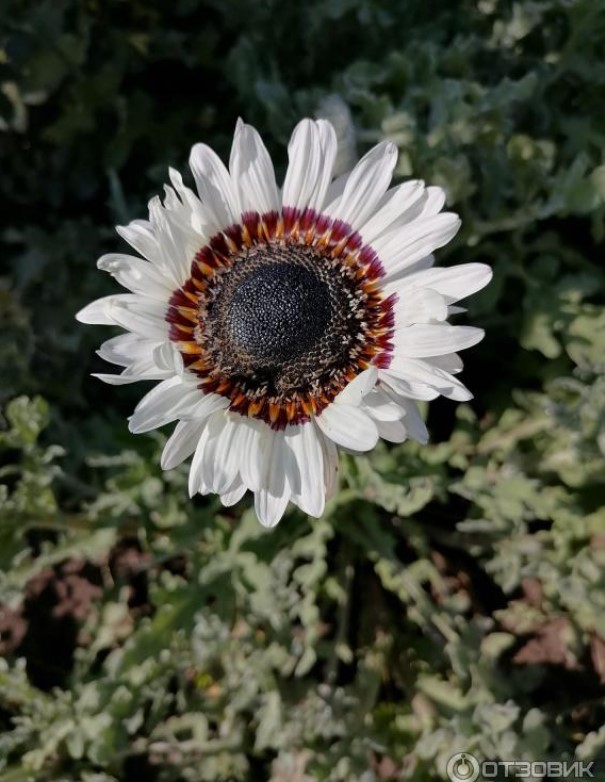
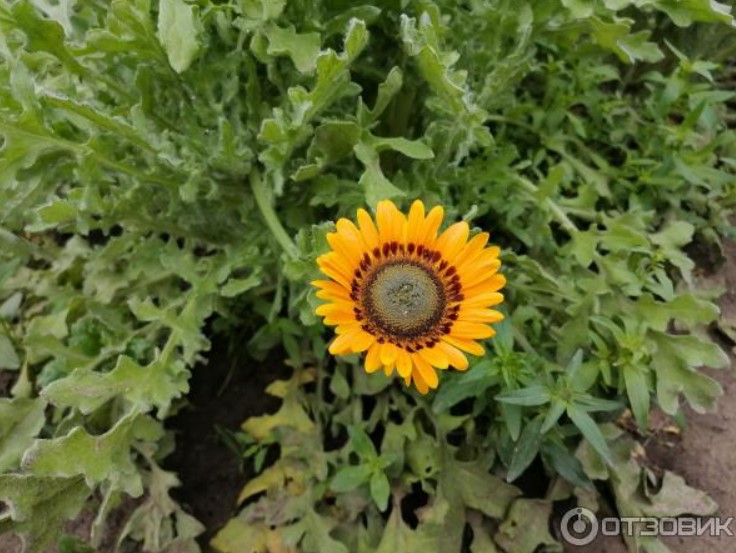
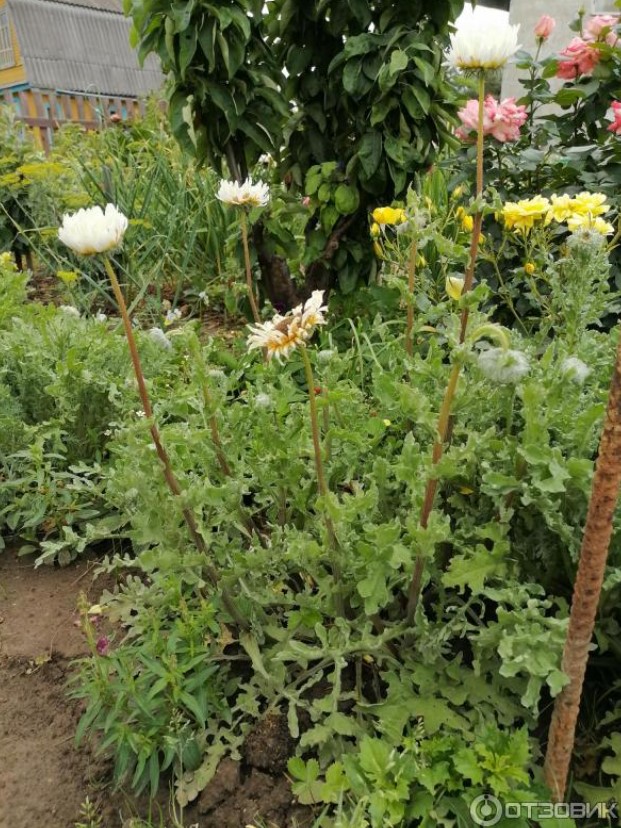
I also grew white and orange Venidiums. The bushes are falling apart, even though the stems were thick. You have to stake them from the start, but it's useless; they crush all the flowers. I found a photo of an orange Venidium.
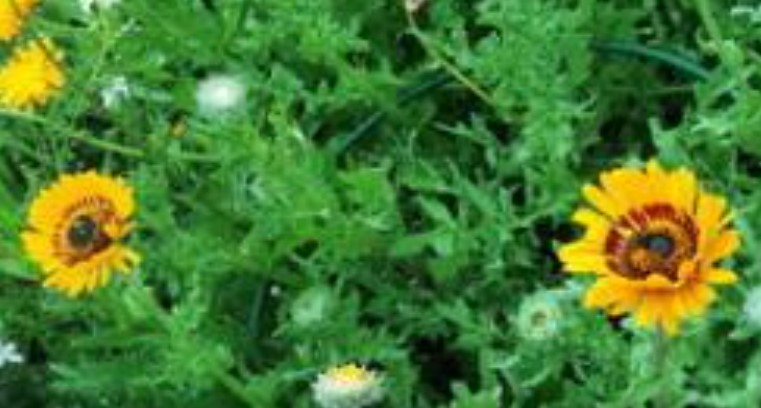
I sowed the same thing. They also fell. And besides, the flowers get very damaged if the weather is damp for a long time. They just rot. I think they'll grow better in the southern regions than here.
I sowed them too. In poor soil and with little watering, they don't grow very tall and don't fall apart as much. True, the flowers aren't as large either. I'm thinking I could try planting them so their stems can rest on some more stable plants.
I sowed this a few years ago too. I planted it in a sunny spot, so I don't remember any bushes falling apart. For some reason, I only got two bushes out of the pack, and they only had a few flowers. For some reason, I wasn't impressed with the abundance of flowers. BUT! The beauty of this flower is very bright and captivating. I brought ONE "daisy" to work—everyone was amazed, asking what kind of daisy it was, taking photos...
Now I've bought two more bags (I've been dreaming about it for a long time), I'm going to plant as many as possible so that I can make a beautiful bouquet in the summer.