Lily is a perennial bulbous plant with straight stems and large, beautiful, bell-shaped flowers. Indoor varieties include agapanthus (African lily), amaryllis, hymenocallis (spider lily), hippeastrum, and eucharis (Amazon lily).
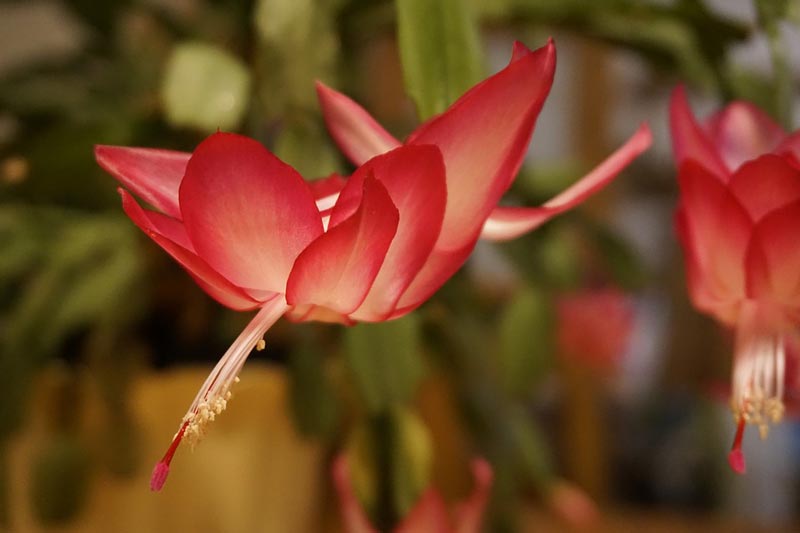
Description and characteristics of indoor lilies
All varieties are distinguished by beautiful flowers in a variety of colors. They grow from a bulb and bloom on a stalk into lush, funnel-shaped gramophones. Some exude a delicate fragrance.
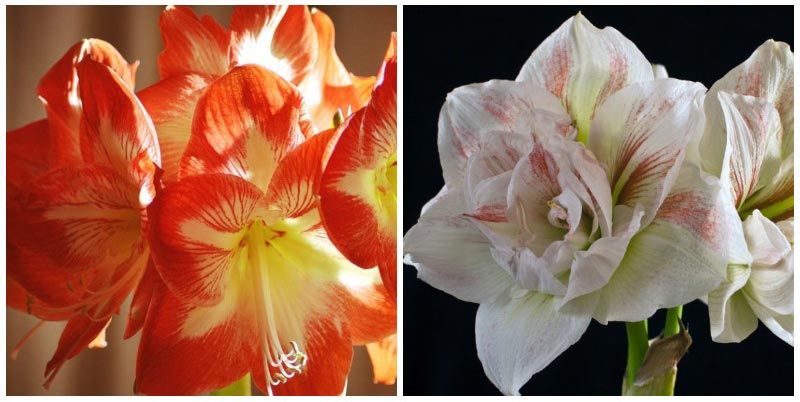
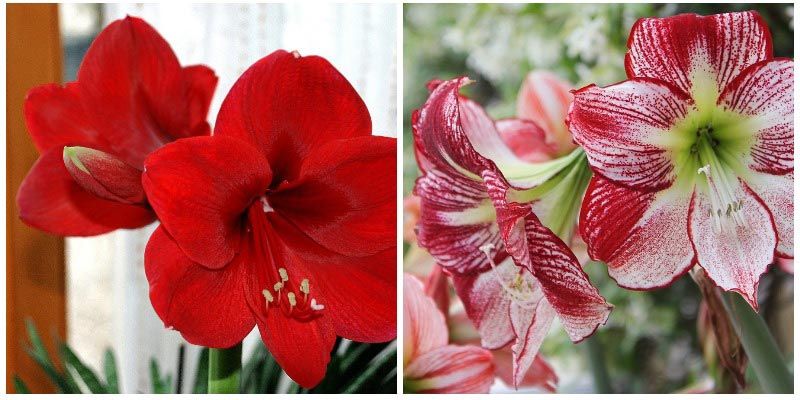
The most popular indoor lilies are amaryllis and hippeastrum.
Types of domestic lilies
To accurately distinguish between amaryllis and hippeastrum, which often cause confusion, it's helpful to follow these guidelines. The former is represented by cultivars, the latter only by hybrids.
| View | Description |
| Amaryllis | It sheds its leaves during dormancy. It blooms in early autumn, in September. Funnel-shaped flowers, ranging in color from white to red, bloom on a thick stem. The bulb is round or conical and covered with light-colored scales. |
| Hippeastrum | Typically covered with lanceolate leaves year-round, only some hybrids shed their leaves during the dormant season. It can bloom twice a year, but is more often used for forcing to a specific time. Flowers bloom on a hollow stalk. Hybrids come in a variety of shades. The bulb is pear-shaped with gray scales. |
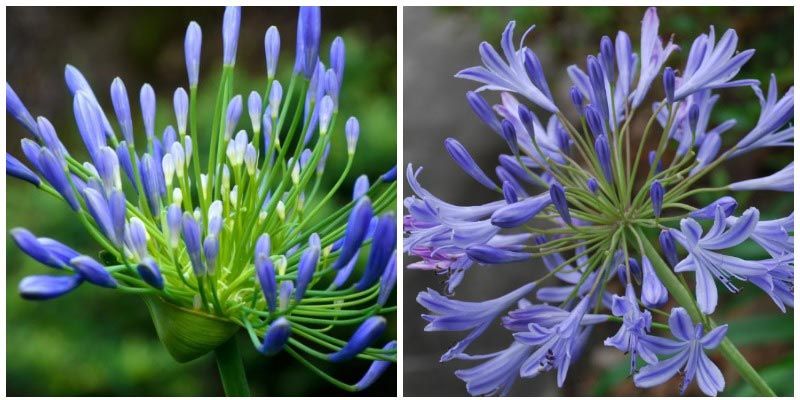
| Agapanthus, African lily | It blooms in late summer and continues until late fall. Agapanthus umbellatus is commonly grown with blue flowers. |
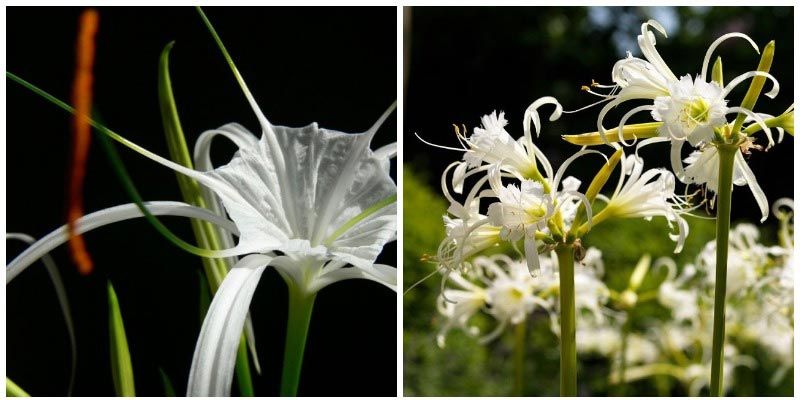
| Hymenocallis | It blooms in summer or winter. It produces a long stalk of flowers with elongated spider petals. |
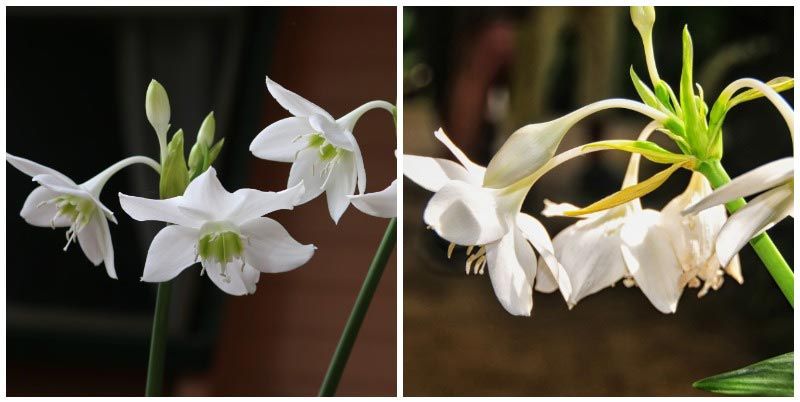
| Eucharis, the Amazon lily | The plant produces a tall, stalked inflorescence of fragrant white flowers. It delights visitors twice a year, in late autumn and spring. The center of the flower features a large crown formed by overgrown stamens. A distinctive feature of the bloom is the large number of offshoots and roots that entwine the root ball. |
Planting a lily in a pot
After purchasing a lily, inspect the bulb and place it in the refrigerator for a short rest for two weeks. Prepare a pot that fits the bulb. Choose a pot with a diameter of 20 cm.
To fill the pot, use a ready-made soil mix for bulbous plants and amaryllis, or create your own. Mix 2 parts leaf mold, 1 part each of turf and peat, then add coarse sand as a loosening agent. Place a layer of expanded clay or small pebbles on the bottom of the container, then fill with the prepared soil.
Before planting, treat the flower bulbs with a weak solution of potassium permanganate or Maxim (4 ml per 2 liters of water). Leave for 30 minutes, then dry and plant in a pot.
Until the sprouts appear, the flowerpot is left in a semi-dark room with a temperature of +18…+20 °C.
Caring for lilies at home
When sprouts appear, place them on a light windowsill where they will receive fresh air.
To ensure proper plant development and beautiful flowering, a number of rules should be followed:
- the soil in the pot must be loosened to allow air to reach the roots;
- regular watering of dried soil with the simultaneous addition of nutrients (using settled water);
- When loosening, remove emerging weeds;
- the leaves need frequent spraying, which can be combined with foliar feeding with growth stimulants;
- When buds appear, supports are installed for the fragile stems.
Conditions for keeping indoor lilies after flowering
After flowering, place the pot containing the bulb in a cool place for 1-1.5 months. Before the next flowering season, repot the plant in fresh, nutritious soil with a small amount of ash added. Select suitable bulblets for propagation.
Lily not blooming: possible errors
The reason for the lack of flowering are mistakes during cultivation:
- The plant needs to be provided with sufficient fresh air and light.
- Choose a small pot for planting, so that in a large volume of soil the bulb will tend to grow babies.
- Provide the flower with sufficient nutrients by regularly applying fertilizer.
- Excessive moisture, as well as its deficiency, prevents the formation of buds.
Diseases and pests
With proper care, indoor lilies are rarely affected by diseases and pests.
However, excess moisture and low temperatures can cause red rot of the bulb. Control measures include cutting out the rotted area and then sprinkling it with crushed charcoal. The bulb is also treated with the fungicide Maxim. The planted bulb is left to dry for several days without watering.
Dry air can cause plants to become infested with spider mites, mealybugs, and scale insects. The easiest way to combat these infestations is to regularly mist the air.
In case of a large number of pests, flowers are treated with insecticides:
- Aktara (4 g per 5 liters of water);
- Karbofos (6 g per 1 l of water).
With timely care, a house lily will delight you with its beauty for many years.