Most of the work is already completed by December. If there's anything you missed, you can catch it up at the beginning of the month. The lunar calendar will tell you which days to carry out certain types of work.

Content
- 1 Favorable and unfavorable sowing days in December 2024
- 2 Favorable and unfavorable days for planting flowers in December 2024
- 3 Favorable and unfavorable days for various crop care tasks in December 2024
- 4 Moon phases and days by zodiac sign in December 2024
- 5 Lunar calendar for gardeners and vegetable growers for December 2024 by date
- 5.1 1.12-2.12
- 5.2 3.12-5.12 (until 07:21)
- 5.3 5.12 (from 07:21) - 7:12 (until 12:48)
- 5.4 7.12 (from 12:48 pm) - 9:12 (until 16:37 pm)
- 5.5 9.12 (from 16.37 pm) - 11.12 (until 18.55 pm)
- 5.6 11.12 (from 18:55) - 13.12 (until 20:21)
- 5.7 13.12 (from 20:21) - 15.12 (until 22:20)
- 5.8 12/15 (from 10:20 p.m.) - 12/17
- 5.9 12/18-12/20 (until 10:37 a.m.)
- 5.10 20.12 (from 10:37 a.m.) - 22.12 (until 22:08 a.m.)
- 5.11 22.12 (from 22.08) - 25.12 (until 11.05)
- 5.12 25.12 (from 11:05 a.m.) - 27.12 (until 10:46 p.m.)
- 5.13 27.12 (from 22.46) - 30.12 (until 07.36)
- 5.14 30.12 (from 07:36) - 31.12
- 6 Gardening in December
- 7 Work of gardeners
Favorable and unfavorable sowing days in December 2024
The table shows suitable and prohibited numbers for planting various crops in greenhouse and indoor conditions.
Please note on highlighted dates, planting work on them must be started and completed at certain times (see below for days according to the signs of the Zodiac).
| Vegetable crop for forcing orseedlings | Auspicious dates | Unfavorable and prohibited dates |
| Green | 2—5, 7—9, 11—13, 18-20, 27-30 | 1, 2, 5—7, 9—11, 14, 15, 16, 30, 31
|
| Tomatoes (with special lighting) | 7—9, 11—13 | |
| Pepper, eggplant (with special lighting) | ||
| Cucumbers (with special lighting) |
7—9, 11—14 |
|
| Onion, garlic (for greens) |
2—5, 7—9, 11—14, 27-30 |
|
| Root vegetables, radish, horseradish | 11—13 (for greens, radishes), 13—14, 16—17, 20—27 |
Favorable and unfavorable days for planting flowers in December 2024
In winter, you can also plant and sow indoors. The table below shows favorable dates for classes with flowering and ornamental plants, days for planting undesirable, A Also favorable only for certain groups or at certain times (see below).
| Variety | Favorable | Unfavorable, prohibited |
| Perennials | 2—5, 7—9, 11—13, 13—14, 16—17, 20—27, 30 | 1, 2, 5—7, 9—11, 14, 15, 16, 30, 31 |
| Curly, hanging | 2—5, 13—14, 20—22 | |
| Bulbous corms | 11—14, 16—17, 20—27, 30 | |
| Indoor | 2—5, 7—9, 11—13, 13—14, 16—17, 20—27, 30 |
Favorable and unfavorable days for various crop care tasks in December 2024
The table below shows favorable dates for various jobs, days on which certain activities prohibited, A Also favorable or unfavorable only during certain hours (see below).
| Works | Favorable days | Unfavorable and prohibited days |
| Transplantation, division of rhizomes | 7—9, 11—13, 16—17, 20—25, 27—30 | 1, 2, 5—7, 13, 14, 15, 16, 25—27, 30, 31 |
| Pruning, cuttings | 2—5, 11—13, 16—17, 20—27, 27—30 | 1, 2, 7—11, 14, 15, 16, 30, 31 |
| Watering, loosening, fertilizing | 2—5(without loosening), 7—9 (with caution), 16—17, 20-27, 30 | 1, 2, 5—7, 9—11, 13, 14, 15, 16, 18-20, 27—30, 31 |
| Disease and pest control | 1-7, 9—13, 20—22, 25—31 | 7—9, 15—17, 22—25 |
| Covering works, snow retention works | 2-13, 16-31 | — |
Moon phases and days by zodiac sign in December 2024
Conventional designations:
- «+" - good fertility;
- «+/-" - average fertility;
- «—" - low fertility;
- ◐ — Waxing moon;
- ◑ — Waning Moon;
- ● — New Moon;
- ○ — Full moon.
Moon phases in December 2024:
- ● — 1 (09:21), 31 (01:26).
- ◐ — 2-14.
- ○ — 15 (12h 01m).
- ◑ — 16-30.
Days according to the Zodiac signs:
- ♐ Sagittarius — 1-3 (until 00:09), 27 (from 22:46)-30 (until 07:36).
- ♑ Capricorn — 3 (from 00:09)-5 (until 07:21), 30 (from 07:36)-31.
- ♒ Aquarius — 5 (from 07:21)-7 (until 12:48).
- ♓ Pisces - 7 (from 12:48) - 9 (until 16:37).
- ♈ Aries - 9 (from 16:37 pm)-11 (until 18:55 pm).
- ♉ Taurus — 11 (from 18:55)-13 (until 20:21).
- ♊ Gemini — 13 (from 8:21 pm) - 15 (until 10:20 pm).
- ♋ Cancer - 15 (from 22h 20m)-18 (until 02h 37m).
- ♌ Leo - 18 (from 02:37 a.m.) -20 (until 10:37 a.m.).
- ♍ Virgo - 20 (from 10:37 a.m.)-22 (until 22:08 p.m.).
- ♎ Libra — 22 (from 10 p.m. 08 a.m.) - 25 (until 11 a.m. 05 a.m.).
- ♏ Scorpio — 25 (from 11:05 a.m.) - 27 (until 10:46 p.m.).
Lunar calendar for gardeners and vegetable growers for December 2024 by date
Below we will provide recommendations on what work can and cannot be carried out on certain dates in December.
1.12-2.12
♐ Sagittarius, +-, ●, days of Fruition
1.12 at 09:21 – Exact New Moon.
It is prohibited to touch or perform any work with vegetable, flower, or ornamental crops.
Retain snow on garlic and onion plantings, winter-sown beds, and around berry bushes. Compact tree trunks. If the winter is snowless, cover the plantings with spruce branches and leaves. Clear tree branches of snow. It's best to wrap roses. Set rodent traps.
We inspect stored vegetables, gladiolus tubers, and other flowers, removing spoiled ones and treating nearby ones with a 0.2% foundation solution, drying them, and storing them in clean containers. We disinfect and prepare containers for sowing and forcing. We arrange for lighting for seedlings.
The following works can be carried out only from 2.12 09:21.
Don't water or prune. Don't bother with houseplants.
| For gardeners | For florists |
In greenhouses and at home:
|
|
3.12-5.12 (until 07:21)
♑ Capricorn, +-, ◐, Root days
It is not recommended to loosen the soil so as not to damage the roots.
| For gardeners | For florists | For gardeners, general work |
In greenhouse and indoor conditions:
|
|
|
5.12 (from 07:21) - 7:12 (until 12:48)
♒ Aquarius, —, ◐, Flower days
It is not advisable to plant, water or fertilize anything.
| For gardeners | For florists | For gardeners, general work |
In the greenhouse and room:
|
|
|
7.12 (from 12:48 pm) - 9:12 (until 16:37 pm)
♓ Pisces, +, ◐, Leaf days.
It is not advisable to prune or treat the plant against insects and infectious agents.
| For gardeners | For florists | For gardeners, general work |
In the greenhouse and on the windowsill:
On the street:
|
|
|
9.12 (from 16.37 pm) - 11.12 (until 18.55 pm)
♈ Aries, +-, ◐, days of Fruition
Planting, sowing, transplanting, and rooting are not recommended. Also recommended are shaping, pruning, fertilizing, and watering.
| For gardeners | For florists | For gardeners, general work |
In greenhouse and indoor conditions:
|
|
|
11.12 (from 18:55) - 13.12 (until 20:21)
♉ Taurus, +, ◐, Root days
Do not replant or loosen the soil in the rhizome area.
| For gardeners | For florists | For gardeners, general work |
In greenhouse and indoor environments:
|
|
|
13.12 (from 20:21) - 15.12 (until 22:20)
♊ Gemini, —, ○, Flower days
12/15 at 12:01 a.m. – Exact Full Moon.
The day before and after the Exact Full Moon, it is not recommended to sow, plant or transplant plants, soak seeds, prune, or fertilize.
Control of weeds, insects, and infections by spraying plants with ash solutions and herbal infusions.
Protection from rodents.
The work presented in the table below can be done 13.12 (from 20.21) - 14.12 (until 12.01):
Under the sign of Gemini, it is not recommended to apply fertilizers, water, or replant, except for plants with long shoots.
| For gardeners | For florists | For gardeners, general work |
In greenhouse and indoor conditions:
|
|
|
12/15 (from 10:20 p.m.) - 12/17
♋ Cancer, +, ◑, Liszt days
It is prohibited to carry out insecticide treatments or engage in harvesting.
On December 16, from 12:01 a.m., the following work can be done:
| For gardeners | For florists | For gardeners, general work |
In the greenhouse and on the windowsill:
On the street:
|
|
|
12/18-12/20 (until 10:37 a.m.)
♌ Leo, —, ◑, Fruit Day
It is not recommended to water or fertilize.
| For gardeners | For florists | For gardeners, general work |
In greenhouses and rooms:
|
|
|
20.12 (from 10:37 a.m.) - 22.12 (until 22:08 a.m.)
♍ Virgo +-, ◑, Root days
Do not soak the seed material.
| For gardeners | For florists | For gardeners, general work |
In greenhouse and indoor conditions:
|
|
|
22.12 (from 22.08) - 25.12 (until 11.05)
♎ Libra, +-, ◑, Flower days
You cannot use chemicals; you should not spray indoor plants.
| For gardeners | For florists | For gardeners, general work |
In greenhouse and indoor environments:
|
|
|
25.12 (from 11:05 a.m.) - 27.12 (until 10:46 p.m.)
♏ Scorpio, +, ◑, Leaf Days
It is not advisable to prune or propagate plants by dividing roots and bulbs.
| For gardeners | For florists | For gardeners, general work |
In greenhouses and at home:
|
|
|
27.12 (from 22.46) - 30.12 (until 07.36)
♐ Sagittarius, +-, ◑, days of Fruition
Don't water or prune. Don't bother with houseplants.
Planning future plantings. Snow retention.
The following works can only be carried out up to 30 (01h 26m):
| For gardeners | For florists | For gardeners, general work |
In closed spaces:
|
|
|
30.12 (from 07:36) - 31.12
♑ Capricorn, +-, ●, Root days
December 31 at 01:26 – Exact New Moon.
It is prohibited to touch or perform any work with vegetable, flower, or ornamental crops.
We are getting ready to celebrate the New Year.
Gardening in December
There is still work to be done in the garden, despite the fact that winter has arrived.
Preparing cuttings for grafting
At the beginning of the month, before severe frosts set in, you can prepare cuttings for grafting, even if the winter is mild. They should be taken only from healthy specimens. They should be at least 40 cm long. Water sprouts, as well as immature or short branches with small spaces between buds, are not suitable.
After cutting, store the cuttings in a box filled with sand in a cool place. If you have only a few cuttings, you can also place them in the refrigerator, wrapped in a damp cloth or plastic wrap. Keep the cuttings upright during storage.
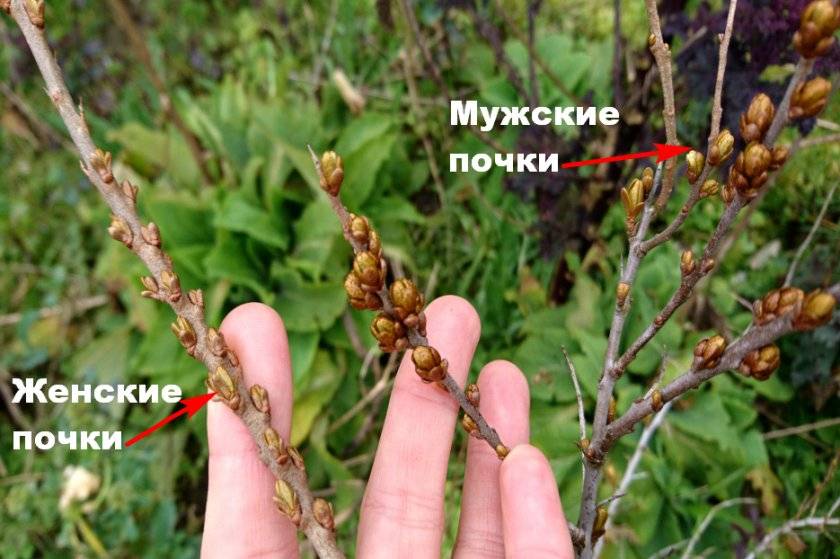
Please note! When harvesting one-year-old cuttings of actinidia, sea buckthorn, and honeysuckle, it's important not to confuse the top and bottom ends. Therefore, it's recommended to make a straight cut at the top, 1 cm above the bud. At the bottom, make a slanted cut, 1.5 cm below the bud. Actinidia buds are hidden under the bark. Therefore, both straight and slanted cuts should be made midway between the internodes.
With sea buckthorn, it is also important not to confuse male and female cuttings, so they must be marked immediately.
Unfinished work left over from autumn
If sanitary pruning hasn't been performed, it can be done in early winter, provided temperatures haven't dropped below -10 degrees Celsius. Removing diseased and dead branches is recommended for pome fruit trees; stone fruit trees are best pruned in the spring.
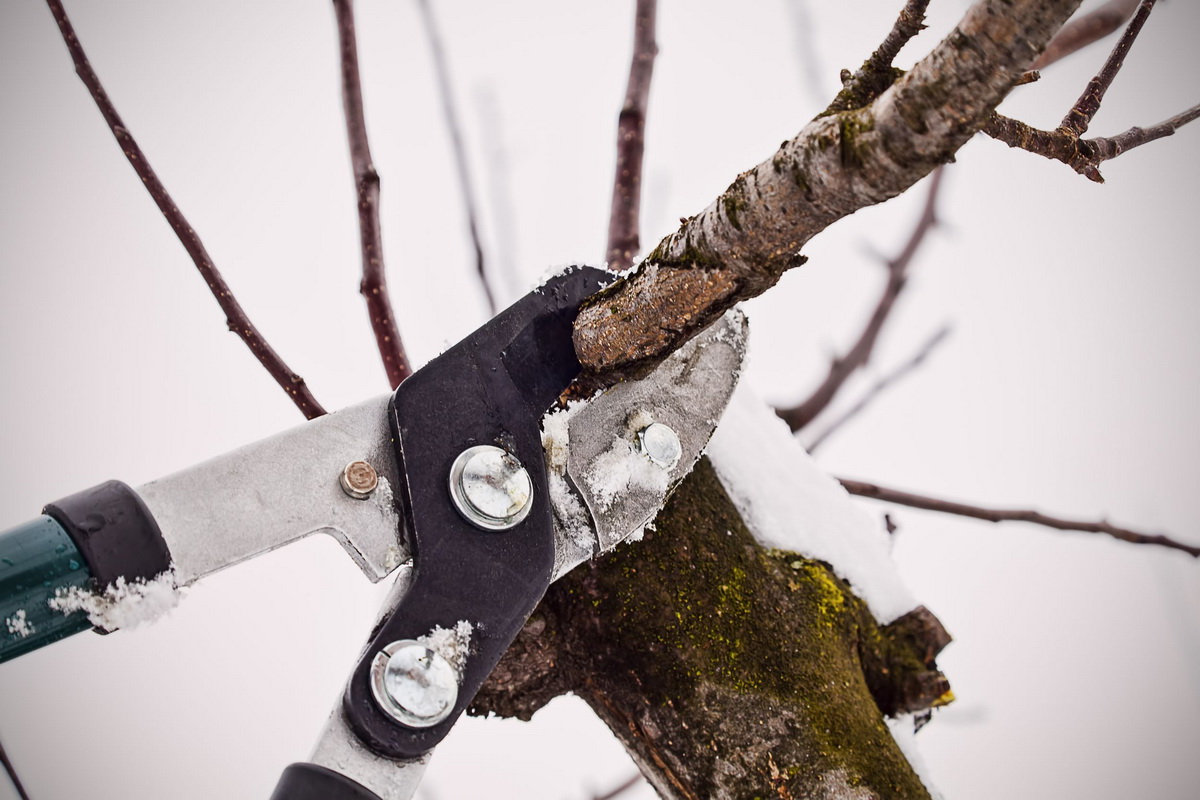
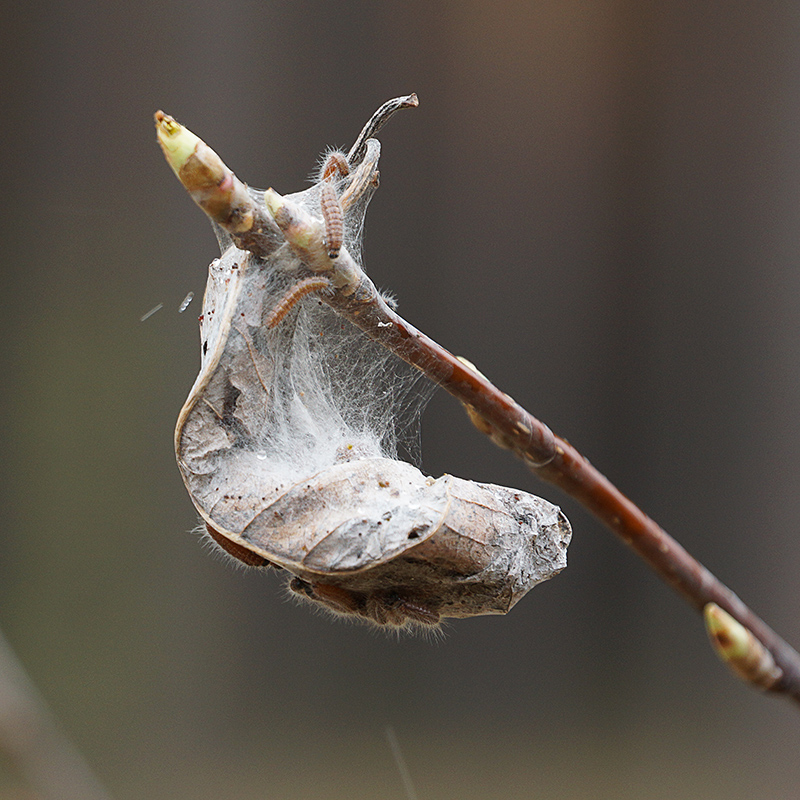
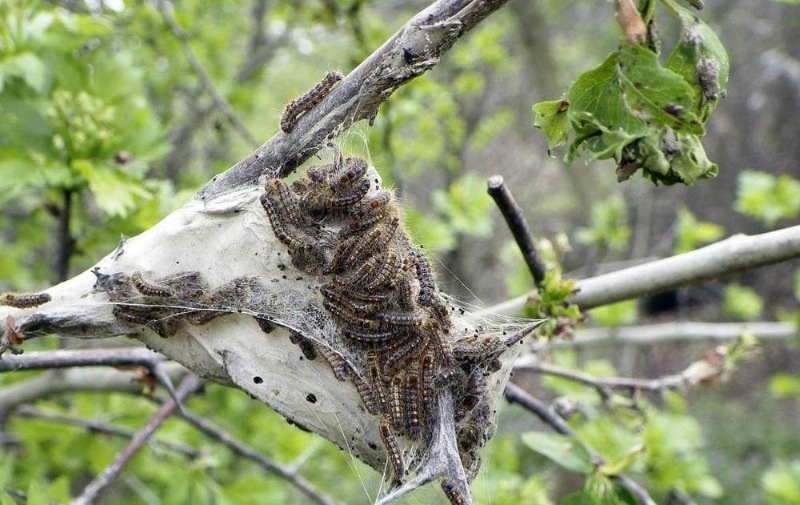
Since the leaves have already fallen by December, it's easier to spot overwintering pests on the branches. Nests of leaves from the goldentail moth, hawthorn moth, and dried fruit are their habitat. Therefore, branches with such areas should be pruned.
Gypsy moths can lay eggs at the base of tree trunks, in stumps, at the bottoms of fences, any buildings, stacked firewood, etc. It won't be difficult to recognize them. The eggs are covered in hairs, resemble fluffy, yellowish-gray pads, and measure 20-30 mm in circumference.
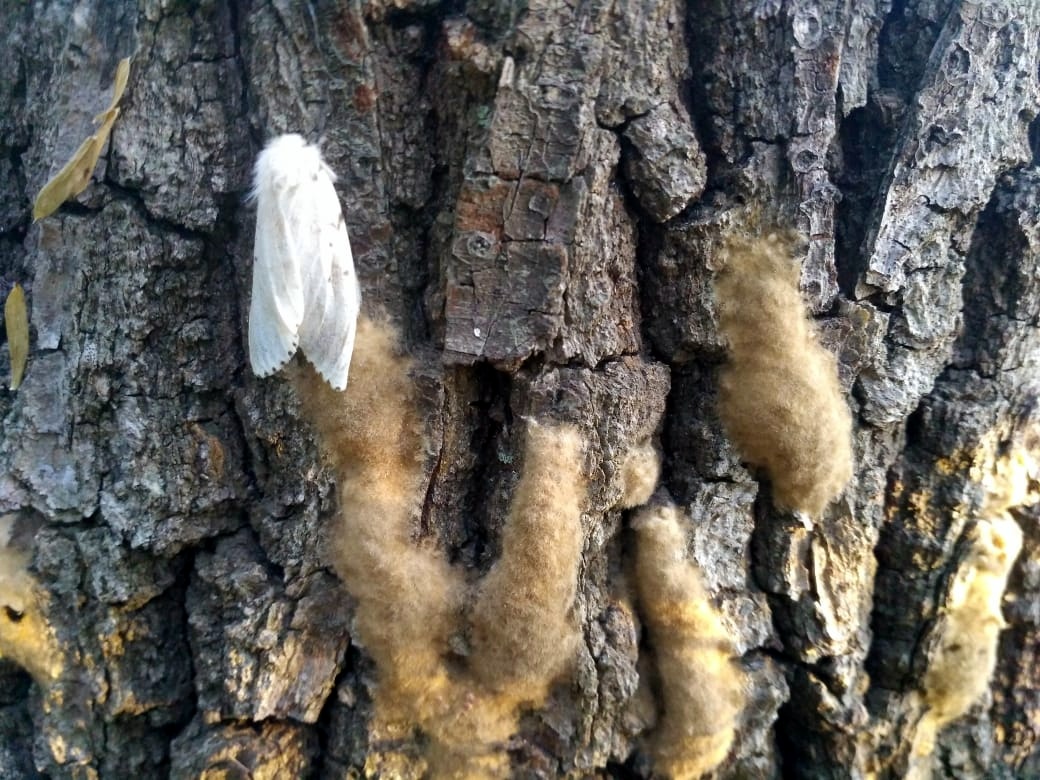
As soon as the leaves emerge, caterpillars hatch. A single caterpillar can destroy 12-35 leaves. Every 6-10 years, they reproduce rapidly and can completely destroy a garden. Therefore, if you find eggs, they should be scraped off immediately with a metal spoon.
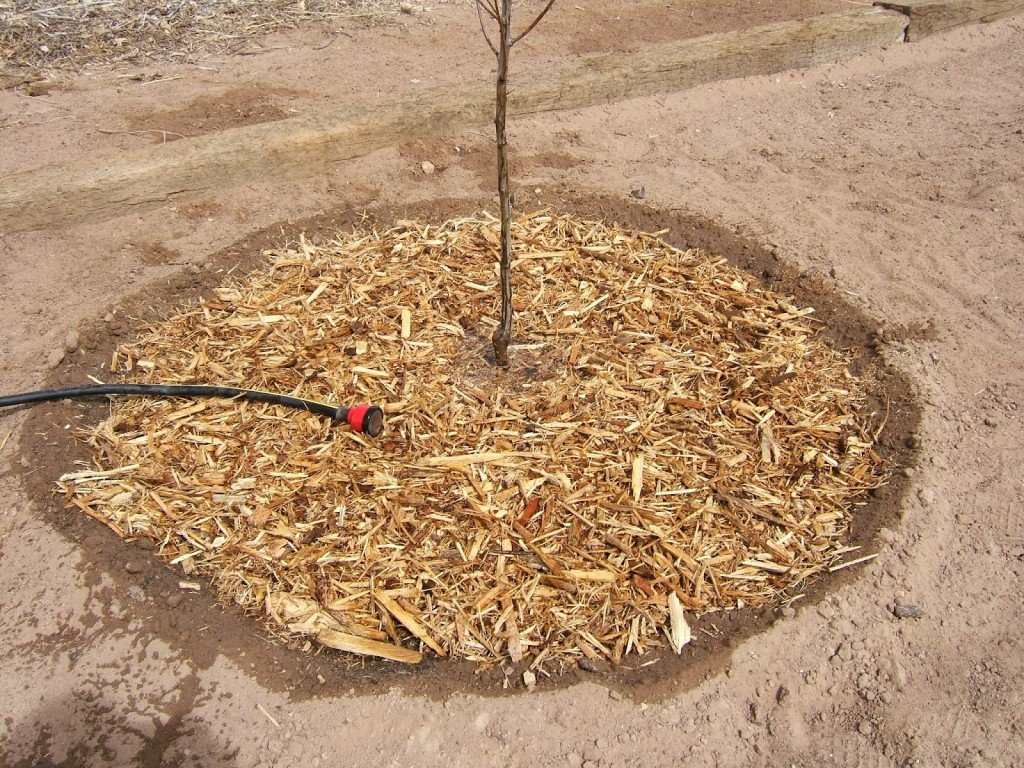
In low temperatures and if there's been little snowfall, tree roots can freeze. This is especially true for young and low-growing trees. To prevent this, mulch the tree trunks with compost or humus (at least 8-10 cm thick). This should also be done for berry bushes, with a 5-8 cm thick layer.
Important! Trees that don't shed their leaves completely for the winter must be cleared of snow, otherwise the branches will break under the weight. Start with the lower branches, gradually working your way up.
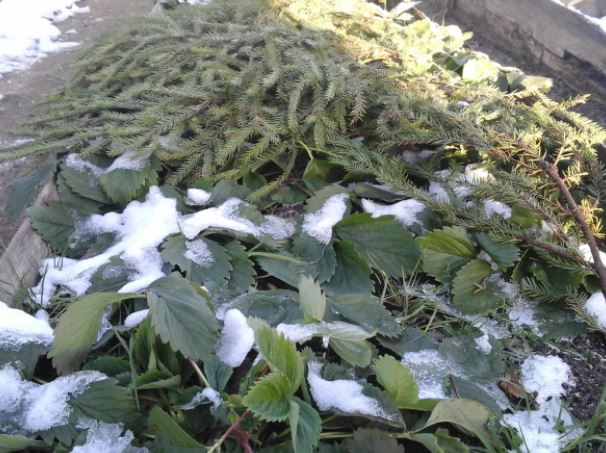
Before the snow falls, it's important to cover strawberries (especially 1-2 year-old ones). You can protect the crop with branches left over from pruning or plant stems. The most important thing is that they aren't diseased.
If the snow around the tree trunks is loose, it's recommended to compact it. This will deter rodents, as they won't be able to tunnel through the dense snow to the trunks.
If whitewashing has not been done before, it can be done now on a frost-free day.
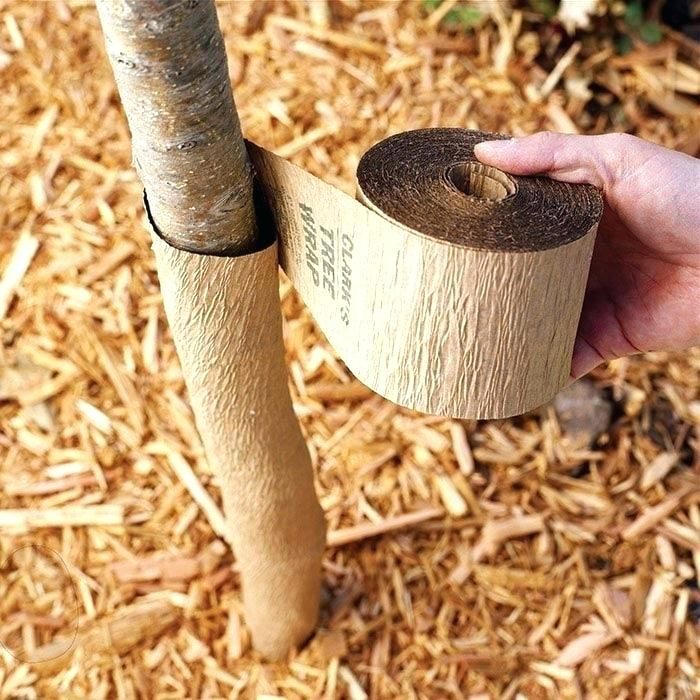
It is also necessary to tie up young trees to protect them from sunburn and rodents.
The skeletal branches of young trees should be pulled toward the trunk and tied with twine. This will prevent them from breaking under the weight of the snow.
For a good wintering, it's recommended to spray the trees with lime milk. To prepare it, dissolve 1 kg of lime in a bucket of water. Spray only in frost-free weather. This will reduce evaporation, preventing the trees from drying out. Spraying will also protect against sunburn.
Stratification
We place seeds of fruit trees and shrubs for stratification.
Apple, cherry, wild cherry, peach, apricot, sea buckthorn, Japanese quince, and hawthorn seeds require 90-100 days of stratification. Blackthorn, Schisandra chinensis, steppe and common cherry, cherry plum, and plum require approximately 120-150 days of stratification. Seeds of tomentose cherry, actinidia, common barberry, Ussuri pear, and Chinese apple require 60-75 days.
If the seeds have sprouted and formed roots during stratification, and there is no place to plant them, they are buried in snow or placed in a refrigerator at zero degrees Celsius and kept there until planting.
Feeders
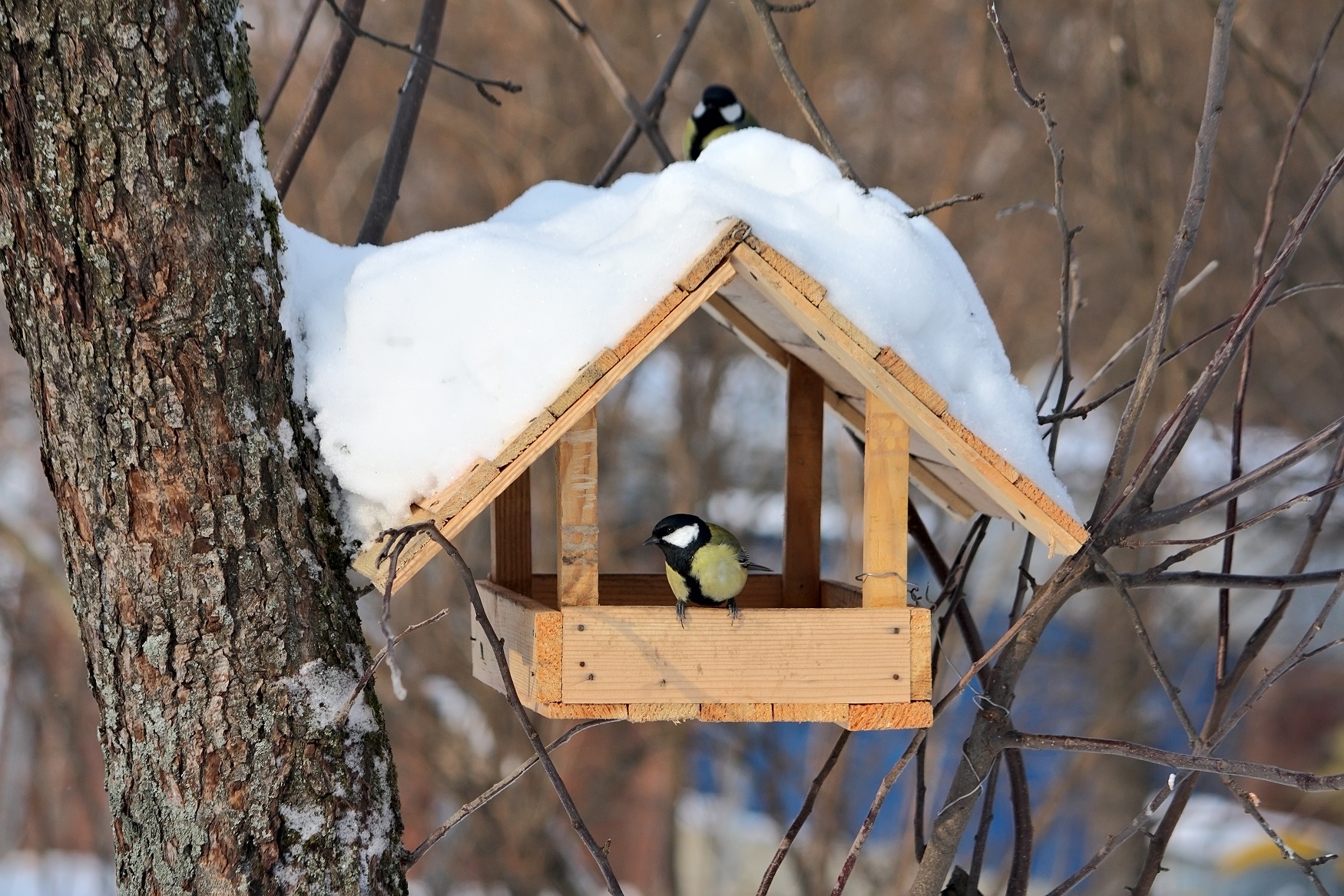
In winter, birds starve, and many even die from it. Therefore, it's a good idea to hang bird feeders around the area and refill them periodically. Any grains (except buckwheat), seeds, and bread crumbs can be used as food. In summer, the birds will reward you by eliminating many insect pests.
Work of gardeners
Gardeners also have plenty of work to do. They need to sow winter crops, insulate beds, plan for the coming year, and check stored vegetables.
Work plan
Crop rotation is essential for successfully growing vegetables and herbs. Choosing the right planting location in advance is crucial. Failure to properly plan your crop rotation can result in low yields, depleted soil, and the emergence of numerous pests and infectious agents. It's also important to consider in advance how much seed, fertilizer, and potting mix you'll need for your seedlings.
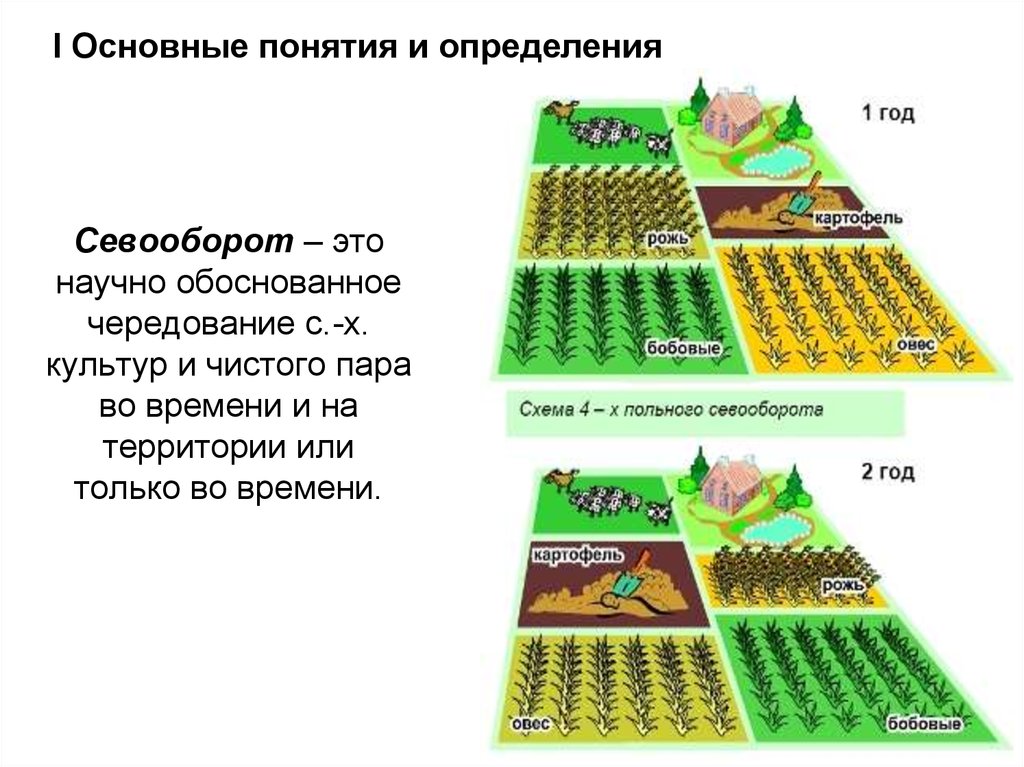
To avoid confusion, it's recommended to take a notebook and draw a site plan indicating the beds. For ease of reference, you can even number them. For each bed, select the crop that will be planted there in the spring. Don't forget to consider crop rotation. It's a good idea to recall what grew in a particular spot not only last season but also 2-3 years ago.
Examples of correct crop rotation:
- After potatoes, you can plant cabbage;
- After cabbage, plant potatoes, tomatoes and cucumbers;
- instead of tomatoes, place zucchini, pumpkin or cucumbers;
- sow the cucumber bed with eggplants, peppers, and tomatoes;
- onions grow well in place of beans, peas, daikon, and radishes;
- plant carrots in the former onion bed;
- plant beets in place of the pepper;
- for radishes, leave rows of garlic, carrots, and beets;
- Green crops, peas, and green onions should be planted as a border around the strawberry plantation.
It is advisable to keep this notebook so that you know what exactly to plant in a particular garden bed over the next few years.
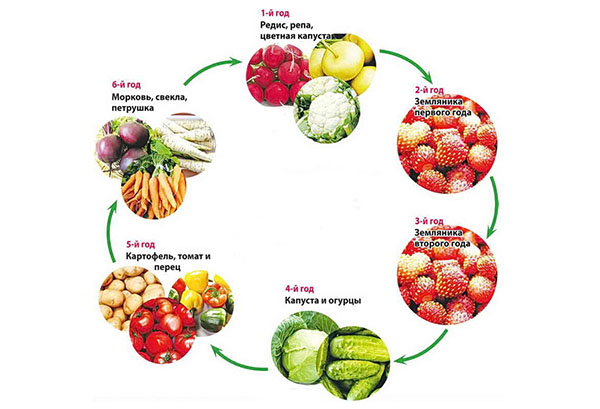
Please note! Tomatoes, peppers, eggplants, and physalis should not be planted in the same area where potatoes were for about 3-4 years. Radishes, daikon, and horseradish should not be planted in the same area after cabbage. Garlic should not be planted after onions. Zucchini and pumpkin will not grow well after cucumbers.
You can also use the notebook to record information about the timing of seed sowing, the time of planting seedlings, when and what nutrient mixtures were added, etc.
Purchase of seed material
With the arrival of winter, it's finally time to go grocery shopping. It's recommended to purchase seeds that retain good germination rates for a long time, such as cabbage, tomato, and dark nightshade seeds. This will save you money, as seeds are cheaper in winter.
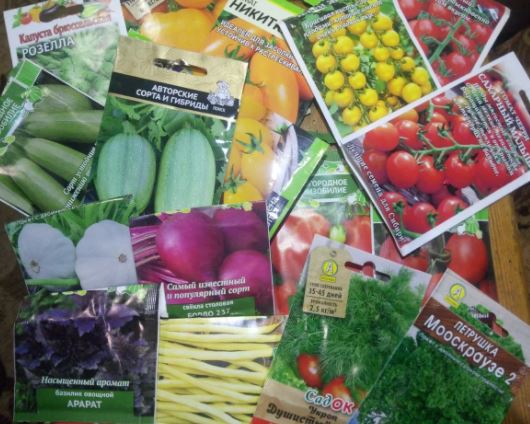
Please note! It is not recommended to purchase carrot, onion, and green crop seeds in advance, as they lose their germination capacity very quickly.
Storage
Fruits in storage must be checked regularly. The optimal temperature for them is between +1 and +2 degrees Celsius. To maintain this temperature, open the storage area during the day and close it at night.
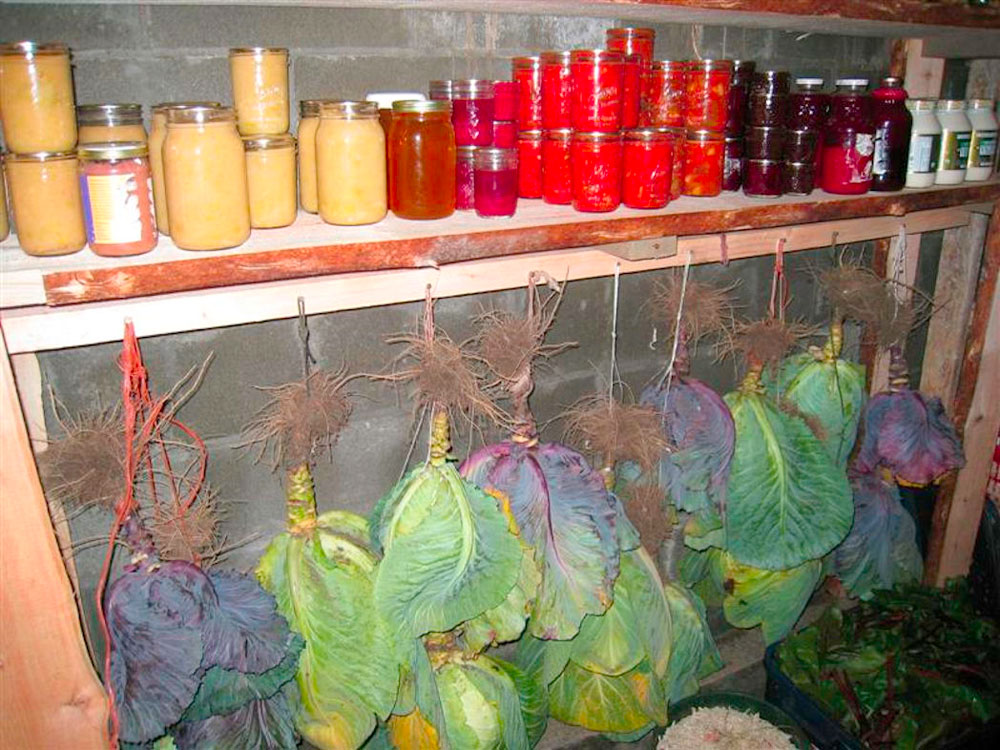
Fruit requires 85-90% humidity. To maintain this level, place containers of water throughout the storage area. Diseased and damaged fruit should be discarded to prevent the rot from spreading.
Land preparation
Of course, there's still plenty of time before planting seeds for seedlings, but you need to think about the soil mix well in advance. To clear the soil from weeds, it's recommended to bring it from outside into a warm room and allow the weeds to germinate. Then, take it out into the cold to kill the seedlings. Repeating this process several times will ensure the soil for the seedlings is weed-free. Furthermore, the sudden temperature change will kill pests and pathogens.
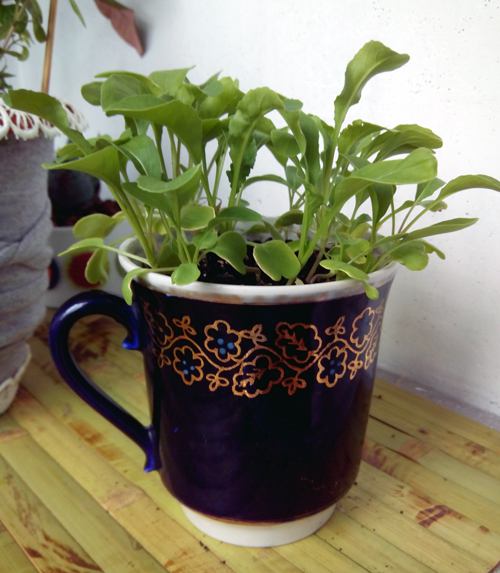
To prevent the soil you've prepared from being unsuitable for seedlings, you should test its nutritional value beforehand. To do this, it's recommended to sow the pots with greens. This will not only test the soil's germination potential but also provide a supply of greens for the winter.
It's important to understand that the germination of green crops depends not only on the fertility of the soil but also on air humidity and daylight hours. Therefore, the location for your indoor winter garden should be planned in advance.
Forcing
In December, you can force green onions, parsley, celery, Swiss chard, and sorrel. You can also plant a small amount of beets and garlic. Crops from the winter garden will provide vitamins and make a wonderful addition to the New Year's table.
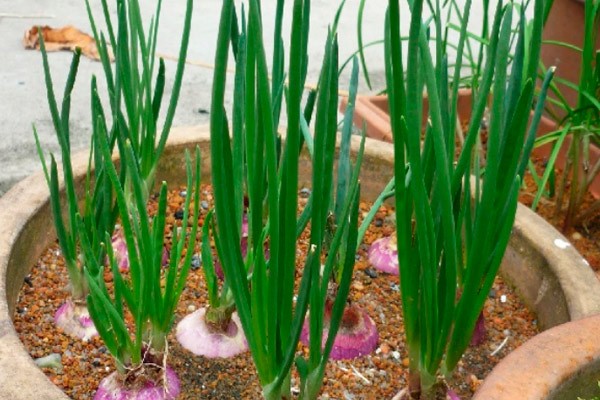
We are engaged in forcing flowers for various holidays, how to do it Read on our website.
Read the article about working with flowers in December.Florist's lunar calendar for December 2024.
Undoubtedly, the lunar phases influence the development and growth of various plants. Our calendar will show you how to use this feature to your advantage. You can see its effectiveness for yourself by following the recommendations.