Hybrid varieties are increasingly being used when growing tomatoes in private gardens. They offer improved characteristics and are distinguished by good resistance to infections and adverse climatic conditions. One popular tomato of this type is the hybrid "Tsarevna Lebed."
Content
- 1 Main characteristics of the tomato variety Swan Princess F1
- 2 Historical background of the hybrid tomato 'Swan Princess'
- 3 A detailed description of the tomato variety Swan Princess F1
- 4 Advantages and disadvantages of the tomato variety Swan Princess F1
- 5 Growing the Swan Princess tomato hybrid
- 6 Harvesting, using and storing the tomato variety Swan Princess F1
- 7 Comparison of the tomato variety Tsarevna-lebed F1 with other varieties in the table
- 8 Gardeners' reviews of the Swan Princess F1 tomato variety
Main characteristics of the tomato variety Swan Princess F1
|
Characteristics |
Description |
|
Ripening period |
90-105 days. |
|
Description |
An early-ripening indeterminate hybrid for unprotected soil and for growing under film in private gardens. |
|
Fetus |
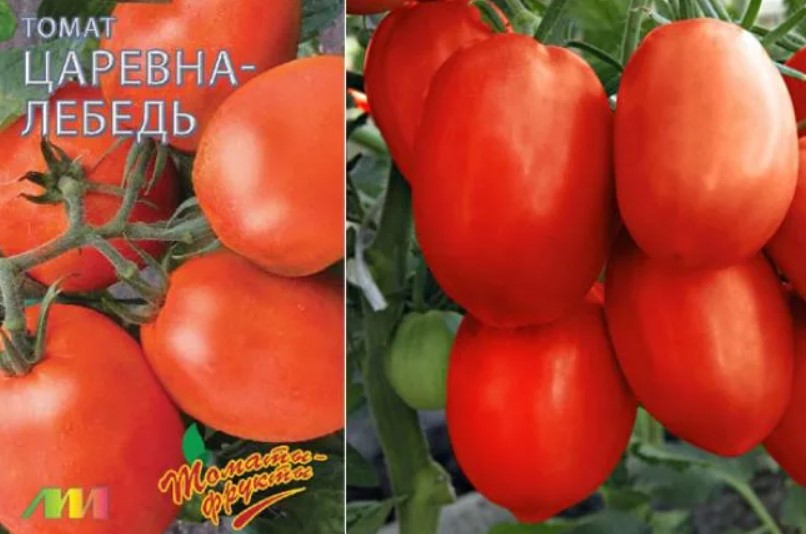
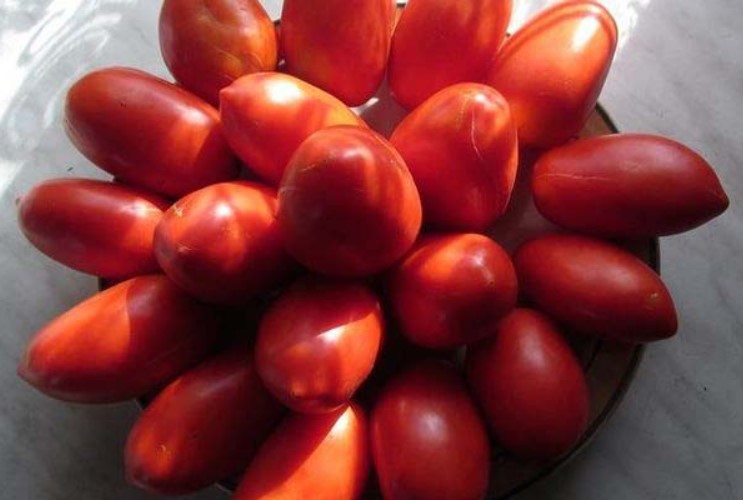
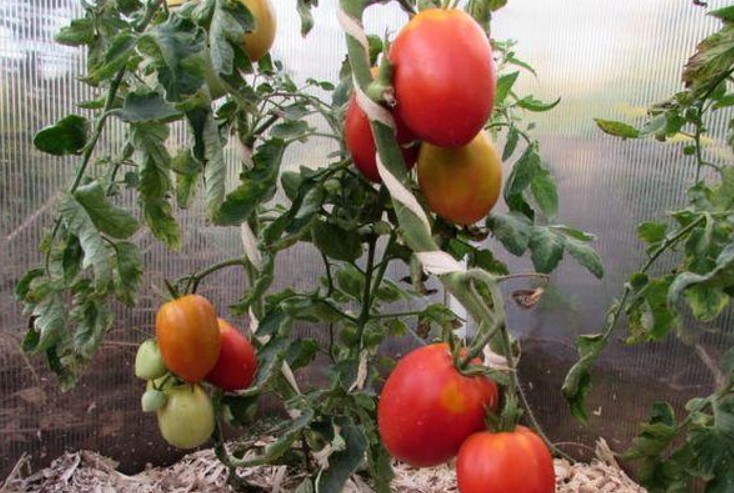
Large, heart-shaped, slightly ribbed, medium density, red. |
|
Weight |
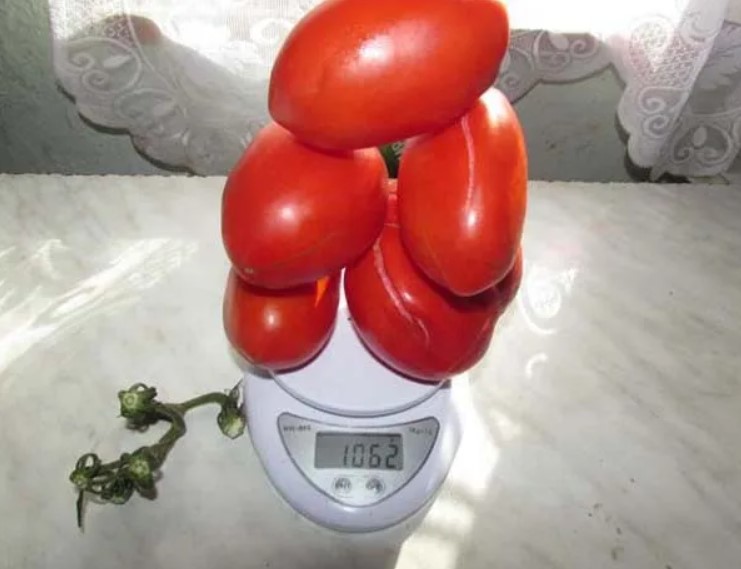
Up to 350 g. |
|
Taste characteristics |
Good ones. |
|
Application |
Salad. |
|
Marketability |
Excellent. |
|
Shelf life |
|
|
Productivity |
1300-1350 c/ha. |
|
Resistance to infectious diseases |
To alternariosis, bacteriosis, TMV. |
|
Agrotechnical requirements |
The need to remove stepsons and shape. |
|
Recommended regions |
Any. |
|
|
2015 |
|
Originator |
MYAZINA LYUBOV ANATOLIEVNA. |
Photo gallery of the Swan Princess tomato variety
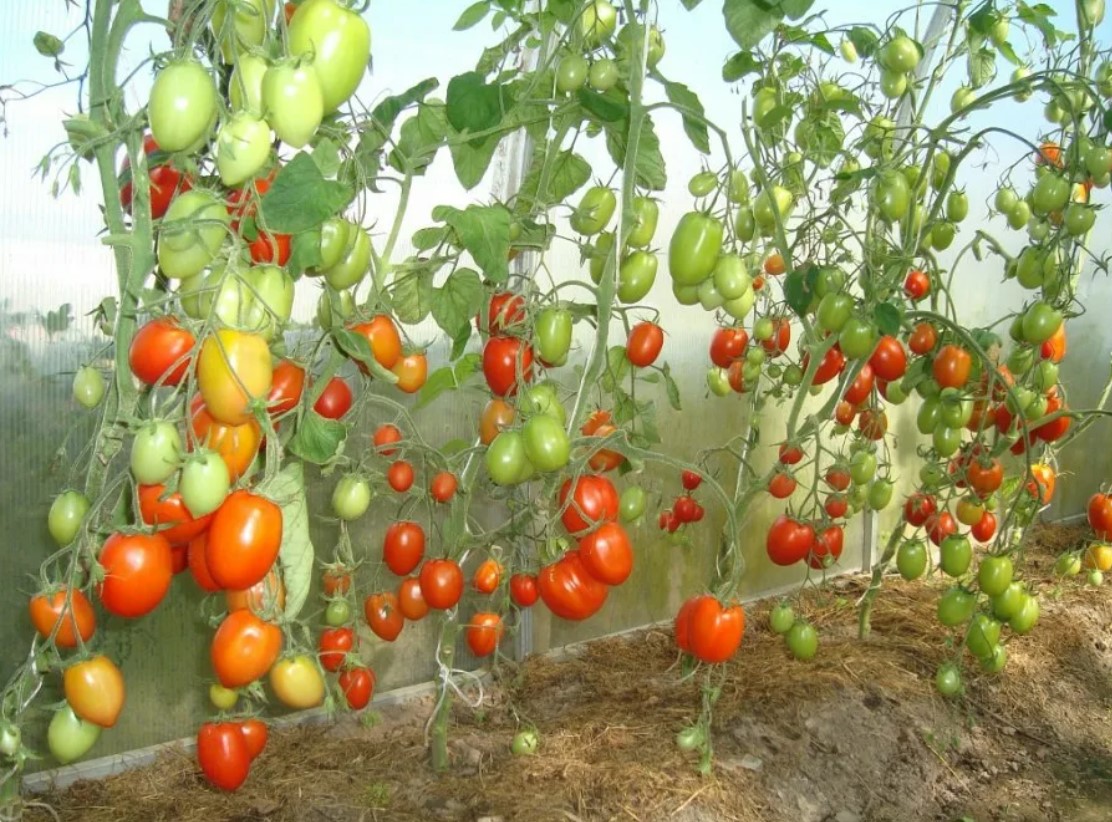
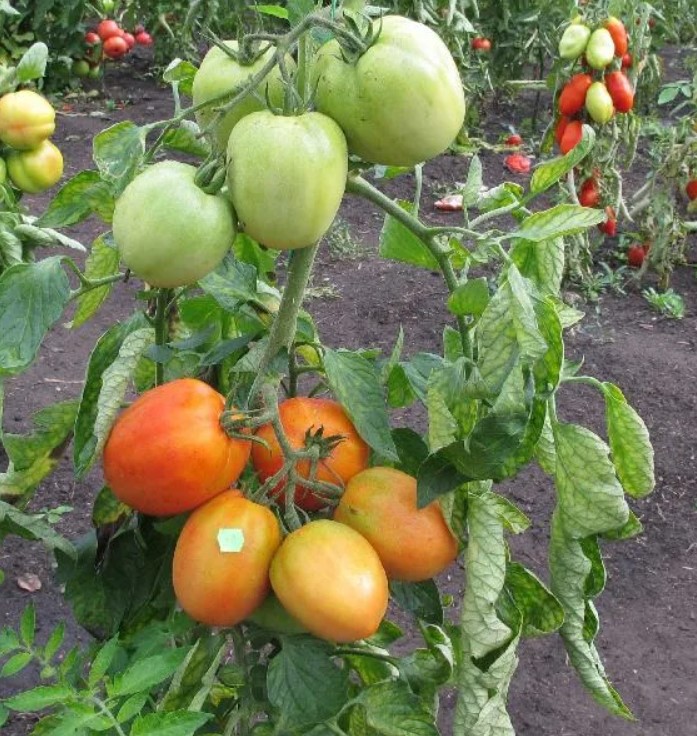
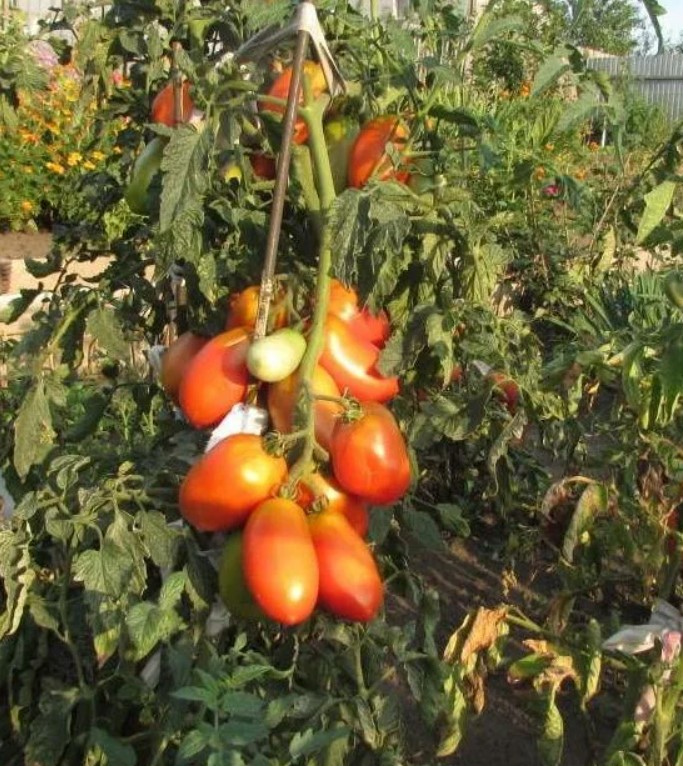
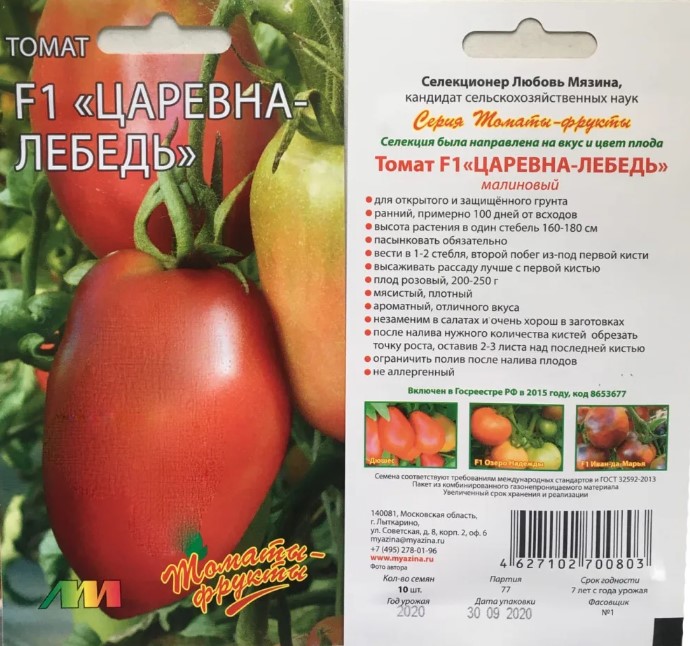
Historical background of the hybrid tomato 'Swan Princess'
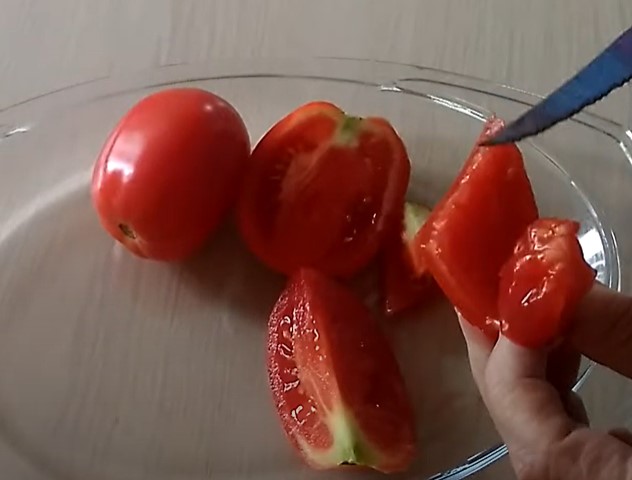
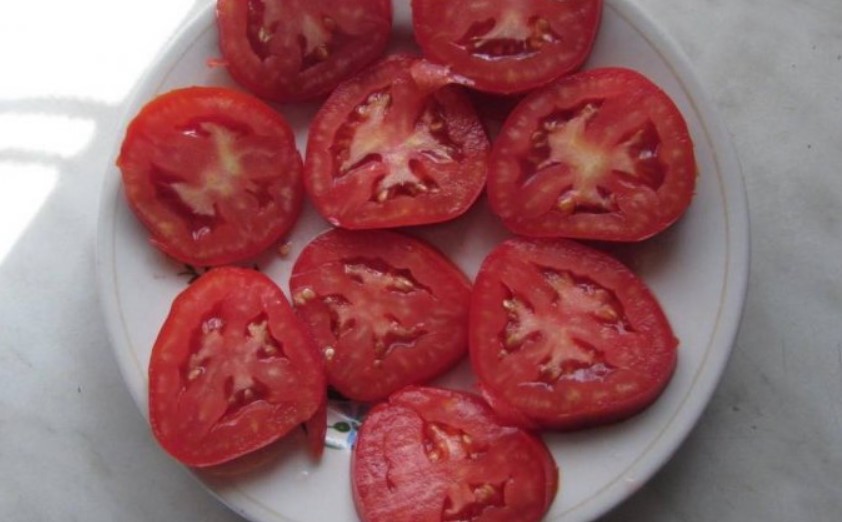
The Swan Princess was developed by Russian breeder L. A. Myazina. In 2015, it was officially added to the Register of Breeding Achievements. This variety received its name because, when cut, its flesh resembles a swan with its wings spread.
A detailed description of the tomato variety Swan Princess F1
The Swan Princess tomato is an indeterminate variety. This hybrid can be grown in a wide range of conditions. In the southern region, it is grown in open fields, while in cooler climates, it is grown in greenhouses.
Characteristics of bushes
Depending on the growing location, the Swan Princess tomato bushes can reach a height of:
- in open ground - 140-155 cm;
- in greenhouses - up to 180 cm.
The bushes have a decent amount of foliage. The leaves are dark emerald in color and narrow in shape. The bushes produce numerous side shoots, which need to be removed regularly.
Fruit characteristics
They have a round and slightly elongated shape. The average weight of one fruit is 210-250 g. The tomato has a bright red color and firm, juicy flesh.
Ripening time and yield
The "Tsarevna-Lebed" tomato is considered an early variety. Harvesting begins 90-105 days after planting. This variety boasts good yields. With proper care, one plant can yield up to 6 kg of tomatoes, and 1 m2 can yield up to 13 kg.
Resistance of the tomato variety Swan Princess F1 to diseases and pests
This hybrid has excellent immunity, making it resistant to most nightshade infections. It exhibits good resistance to Alternaria blight, bacterial diseases, and tobacco mosaic. However, the tomato can be affected by fungal diseases. Late blight is relatively rare, while rot is more common. Therefore, preventative fungicide treatments are essential.
Young plants are also susceptible to insect pests. Caterpillars and aphids are the most common pests. Various home remedies can be used to combat these pests, such as spraying with tobacco, garlic, or onion infusions. Chemical pesticides should only be used at the beginning of the growing season.
About tomato diseases and how to prevent and control them Read on Top.tomathouse.com.
Advantages and disadvantages of the tomato variety Swan Princess F1
|
Advantages |
Flaws |
|
Friendly emergence and ripening of seedlings. |
It's impossible to use your own seed from your own garden. Swan Princess is a hybrid and does not transmit varietal traits. |
|
Resistance to many diseases. |
The need for pinching and shaping. |
|
Early ripening period. |
|
|
Excellent appearance and taste characteristics. |
|
|
Versatility of application. |
|
|
Possibility of cultivation in different regions. |
|
|
Possibility of planting in both unprotected and protected soil. |
Growing the Swan Princess tomato hybrid
Let's look at the basic rules of agricultural technology when growing tomatoes.
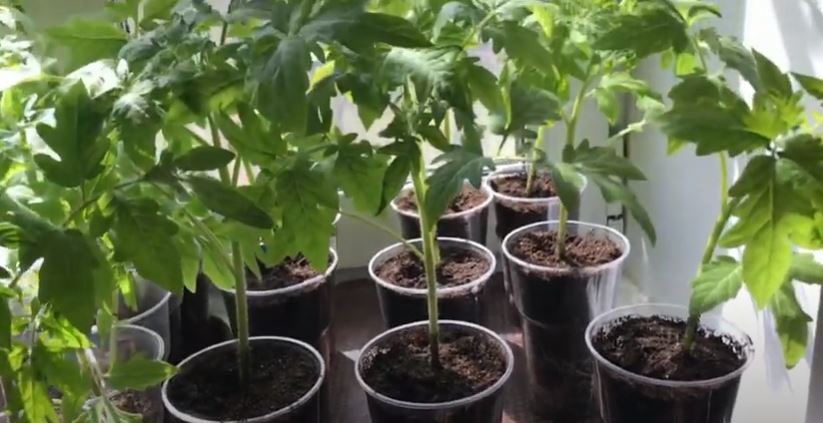
Sowing seeds and growing seedlings
The Swan Princess tomato is grown from seedlings. Depending on the weather conditions in different regions, the seeds are planted from early to late March.
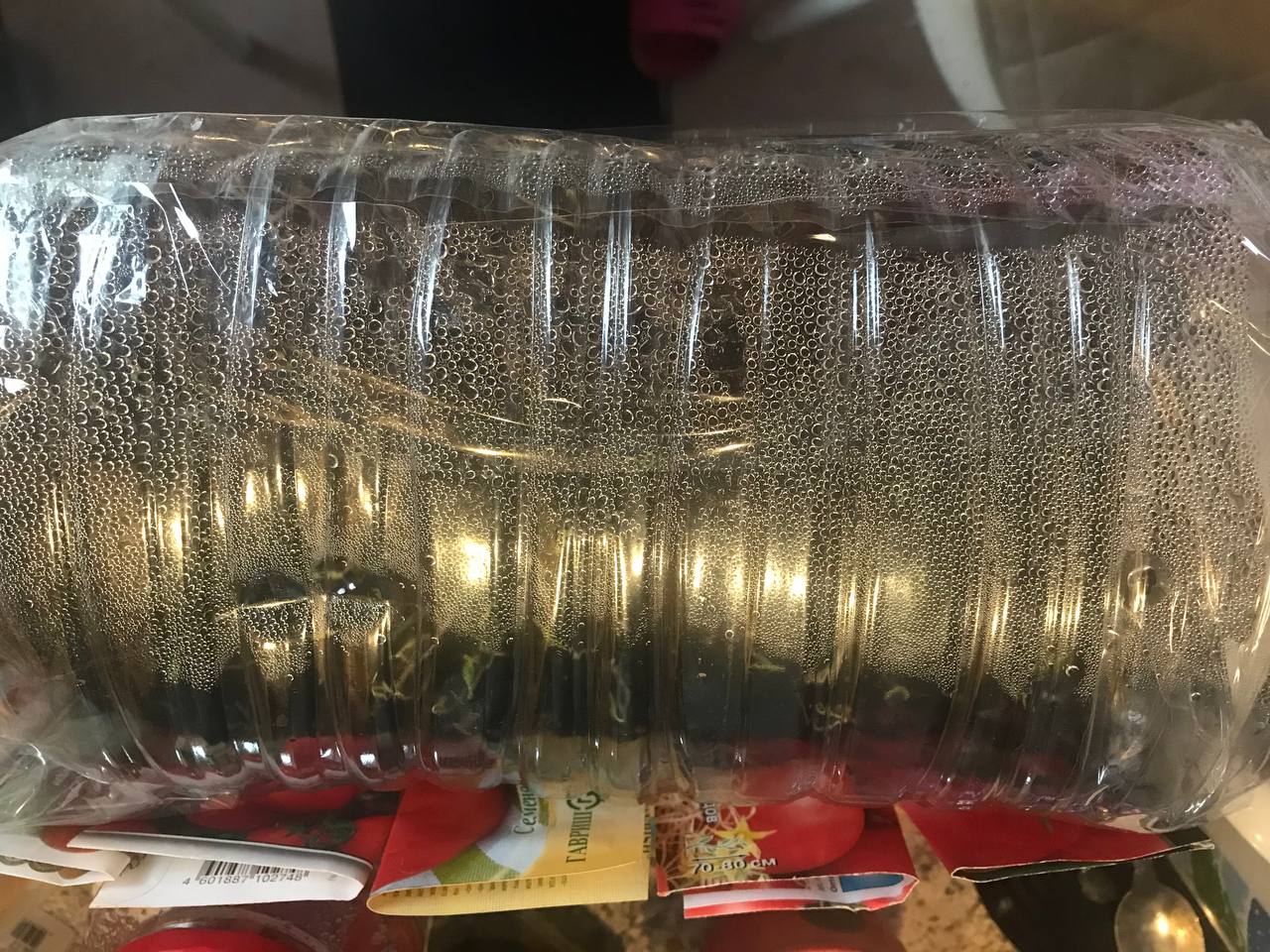
It's recommended to plant seeds in store-bought prepared soil, which already contains all the necessary nutrients.
- The soil should be spread into containers and the seeds should be planted to a depth of 5 mm.
- Pour warm water over it and cover with film.
- When the seedlings emerge, remove the film and move the seedlings to a lighted place.
- When the sprouts have appeared for two weeks, apply nitrogen-containing fertilizer. Water when the outer layer of soil begins to dry out.
- After a couple of true leaves have formed, you can begin transplanting them into other plastic containers or peat cups.
- After two weeks, it is necessary to apply mineral fertilizers for the second time.
About a couple of weeks before planting, the seedlings need to be hardened off. The containers are taken outside and left there for a short time, increasing the time interval each day.
Planting in the ground
The beds must be prepared in advance:
- remove any remaining grass;
- add nutrient mixtures;
- dig up the soil.
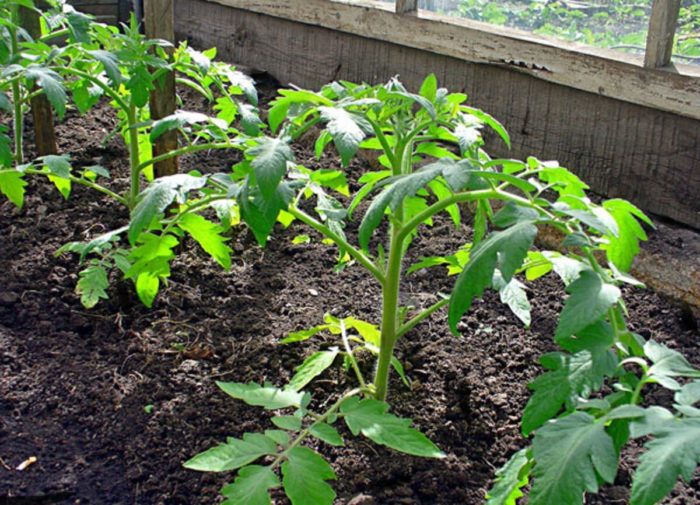
Seedlings are planted in open beds in late May or early June, and in greenhouses in late spring. Plants should be spaced 0.5 m apart, with at least 0.5 m between rows.
Care
Caring for the Swan Princess tomato variety is not difficult. To ensure healthy growth, maintain a regular watering schedule, remove side shoots, fertilize, weed, and loosen the soil. It's best to train the plants into 2-3 stems.
Water the roots in the evening with warm, settled water. Fertilize several times. The first feeding should be done 12-14 days after transplanting, using nitrogen fertilizer. When buds form, apply a phosphorus-potassium mixture.
Subsequent feedings are used during the period of ovary formation, as well as when the fruits are actively ripening.
Harvesting, using and storing the tomato variety Swan Princess F1
Swan princess mushrooms are distinguished by their excellent flavor. They are used in salads, ketchup, vegetable appetizers, pickling, and canning.
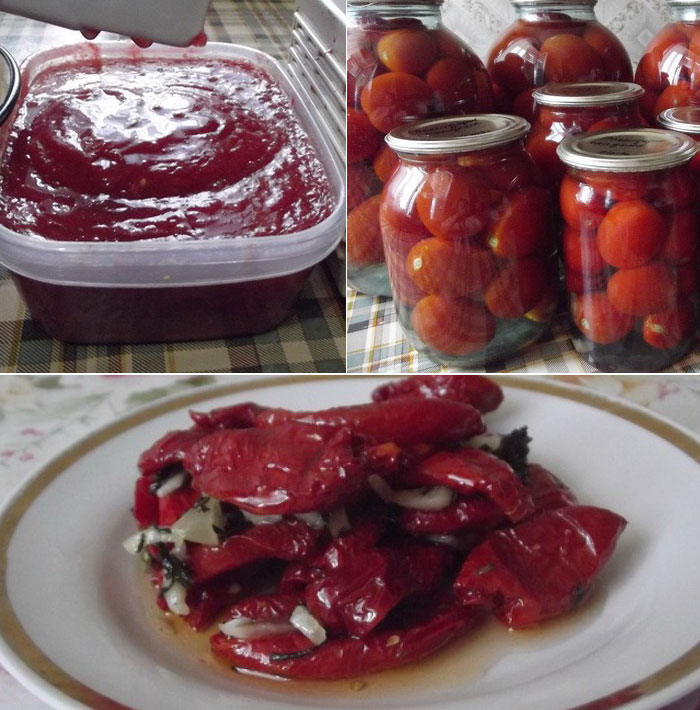
Tomatoes ripen evenly, so they are picked from all the bushes at the same time. They have a good shelf life and can be stored in a dark, dry place for an extended period.
Comparison of the tomato variety Tsarevna-lebed F1 with other varieties in the table
Please note! How can you easily convert centners/ha to kg/sq.m? Simply divide by 100! For example, the Abakansky Pink tomato yields 400 centners of marketable fruit per hectare. This equals 4 kg per square meter. It's that simple! Also, keep in mind that typically no more than 3-4 plants are planted per square meter. This way, you can calculate the yield per bush. In the case of the Abakansky Pink, it's about 1 kg.
| Variety | Ripening period (number of days from full germination to ripening)
Yield of commercial fruits |
Brief description | Fetus |
| The Swan Princess | 95-105 days
Up to 1500 c/ha |
An early-ripening indeterminate variety for open ground and greenhouses. Requires staking and training into 2-3 stems. Suitable for salads, pickling, and processing into tomato products. | Ovoid or elongated, smooth, red, 150-240 g. Good taste. |
| Rio Grande | 110-115 days
1500-1800 c/ha |
A mid-season determinate variety for open ground and greenhouses. Suitable for salads, processing into tomato products, and canning. | Plum-shaped, slightly ribbed, pinkish-red, 100-115 g. The taste is good to excellent. |
| De Barao red | 120-130 days
500-600 c/ha |
A late-ripening indeterminate variety for open ground and greenhouses. Requires staking and training. Suitable for salads and whole-fruit canning. | Ovoid, smooth, red, 30 g. Excellent taste. |
| De Barao giant | 123-128 days
2000-2400 c/ha |
A high-yielding, indeterminate tomato variety with very large fruits, with shoots growing up to 270 cm. Suitable for both open and closed ground cultivation, it requires support, staking, and training. These tomatoes are suitable for fresh eating, as well as for making juices and pastes. They are not suitable for whole-fruit canning. | The tomatoes are oval-round in shape, have a dense skin, weigh 350 g. The taste is excellent. |
| De Barao pink | 111-119 days
600-1000 c/ha |
An indeterminate variety with a mid-season ripening period. It is used primarily for greenhouse cultivation. The foliage is medium, and the bushes barely reach 200 cm in height. The shoots are tied and pinched as they grow; the bush requires shaping. It is suitable for salads and all types of canning. | The fruits are oval, with glossy pink skin and a smooth top, 80-100 g. The taste is excellent. |
| Abakan pink | 120 days or more
400 c/ha |
A late-ripening determinate variety for open ground and greenhouses. Requires staking and training. Suitable for salads and processing into tomato products. | Flat-round, slightly ribbed, medium density and pink in color, 200-500 g. Good taste. |
| Adelina | 82-109 days
242-447 c/ha, maximum 669 c/ha |
A mid-season determinate variety for open ground. Suitable for salads, whole-fruit canning, and processing into tomato products. Heat- and drought-resistant. | Egg-shaped, smooth, transportable red, 59-83 g. The taste is good to excellent. |
| Goose egg | about 100 days
700-800 c/ha |
A mid-season indeterminate variety for open ground and greenhouses. Requires staking and shaping. Suitable for salads and pickling. | Ovoid, large, orange-red, 200-300 g. Good to excellent taste. |
| Countryman | 96-98 days
348-468 c/ha, maximum 778 c/ha (Omsk region) |
An early-ripening, determinate, non-standard variety for open ground cultivation. Suitable for salads and whole-fruit canning. | Plum-shaped, glossy, red, 66-89 g. Good taste. |
| Raspberry Joy | 90-95 days
1400 c/ha (greenhouse and under film) |
A low-growing determinate variety. Suitable for salads and canning. | Ovoid, bright pink, ribbed, with a dense skin, 100-150 g. Tomato flavor. |
| Rocket | 122-129 days
328-618 c/ha |
A mid-early determinate variety for open ground. Suitable for canning. Requires increased doses of potassium fertilizer. | Elongated plum-shaped with a tapering top, smooth, red, 34-58 g. Good taste. |
| Roma | 110-120 days
400-1600 c/ha depending on the growing location |
A mid-early determinate variety for open ground and greenhouses. Suitable for pickling and processing into tomato products. | Plum-shaped, smooth, red, 55-90 g. The taste is good to excellent. |
| Easter Egg | 100-103 days
2000 c/ha |
A mid-early indeterminate variety for open ground and greenhouses. Suitable for salads and canning. | Plum-shaped, slightly ribbed, two-colored red-orange, up to 60 g. The taste is good and excellent. |
| Cream (not in the register, group of varieties) | 90-140 days (depending on the specific variety)
700-1000 c/ha |
Early or late-ripening, determinate or indeterminate varieties for open ground and greenhouses. Suitable for canning, freezing, drying, and salads. | Plum-shaped, smooth, red, orange or purple, 50-120 g. Taste good to excellent. |
| Siberian miracle | 110-115 days
The yield of commercial fruits under film covers is 10 kg/sq.m. |
A mid-season indeterminate variety for open ground and greenhouses. Requires staking and shaping. Suitable for salads. | Ovoid, smooth, medium density, red, 150-200 g. Good taste. |
| Siberian date palm | About 100 days
1.5-2 kg per bush. |
A determinate, early-ripening variety for open ground and greenhouses. Requires staking and shaping into 3-4 stems. Suitable for salads, garnishing, and canning. | Plum-shaped, red, up to 20 g. Excellent taste. |
Gardeners' reviews of the Swan Princess F1 tomato variety
The Swan Princess F1 variety has received many positive reviews. Its pleasant flavor, early ripening, high yield, and ease of care are noted.
Chelyabinsk Meteorite, Balsam, Swan Princess, Snowfall, Snowman, and Superprize—all Myazin varieties—all seemed very mediocre to me, to put it politely. I haven't had a single one of her varieties last a second year.
I bought tomato seeds from Myazina L. I didn't like them. 'Ivan da Marya' grew a plain, non-blue variety. 'Shanson, Vostok,' 'Duchess,' and 'Scarlet Sails' each yielded one fruit. Of her seeds, only 'Swan Princess' was more or less viable. Perhaps acclimatization had an effect. Everything grew in a greenhouse.
https://www.tomat-pomidor.com/forums/topic/1661-%D1%81%D0%B5%D0%BC%D0%B5%D0%BD%D0%B0-%D0%BE%D1%82-%D1%81%D0%B5%D0%BB%D0%B5%D0%BA%D1%86%D0%B8%D0%BE%D0%BD%D0%B5%D1%80%D0%B0-%D0%BC%D1%8F%D0%B7%D0%B8%D0%BD%D0%BE%D0%B9-%D0%BB%D0%B0/page/2/?ysclid=ldsrmzft66520173406
The "Tsarevna Lebed" tomato is a fabulously beautiful, early-ripening variety with a generous harvest. After germination, abundant fruiting begins in 100-105 days, with bushes growing up to 1.7 meters tall. The red fruits weigh up to 240 grams, have juicy flesh, and an excellent, slightly tart flavor. This variety is suitable for pickling, salads, and fresh eating.
Tomato Princess Swan, magnificent!