Pink tomatoes are considered among the sweetest and most delicious. They also contain a high amount of nutrients, making them suitable for dietary and baby food.
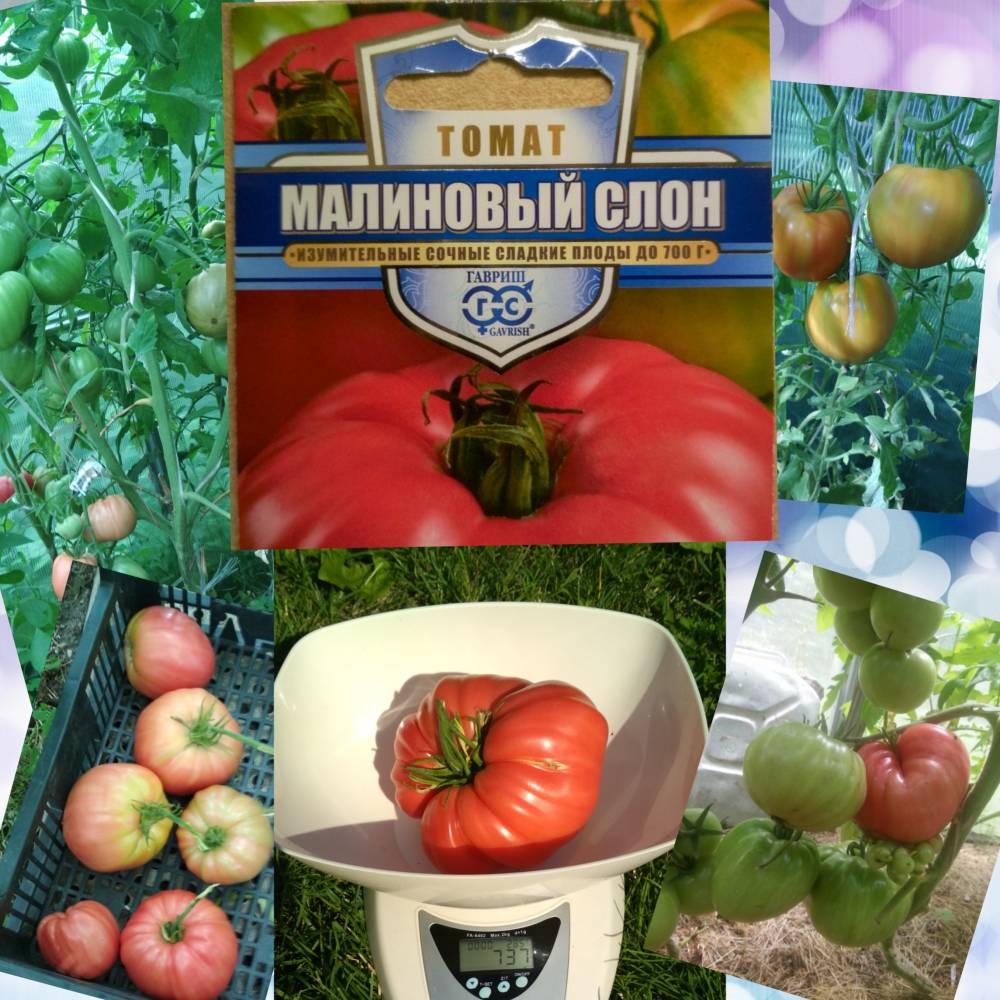
The Raspberry Elephant is a striking example of the rosy-cheeked tomatoes that have won the love and acclaim of gardeners across Russia. Below, we'll discuss its key characteristics and the care required to ensure an excellent harvest.
Content
- 1 Table of characteristics of the Raspberry Elephant tomato variety
- 2 Photo gallery of the Raspberry Elephant tomato variety:
- 3 The origin of the Raspberry Elephant tomato variety
- 4 A detailed description of the Raspberry Elephant tomato variety
- 5 Advantages and disadvantages of the Raspberry Elephant tomato variety
- 6 Growing the Raspberry Elephant tomato variety
- 7 Resistance of the Raspberry Elephant tomato variety to diseases and pests
- 8 Storing and using tomatoes
- 9 Comparison of the Raspberry Elephant tomato variety with other varieties
- 10 Comparison of the Raspberry Elephant tomato variety with other varieties in the table
- 11 Gardeners' reviews of the Raspberry Elephant tomato variety
Table of characteristics of the Raspberry Elephant tomato variety
| Characteristic | Description |
| Description | An early-ripening determinate tomato, intended for growing in greenhouses. |
| Ripening period | 110-120 days |
| Fruit weight | 150-200 g |
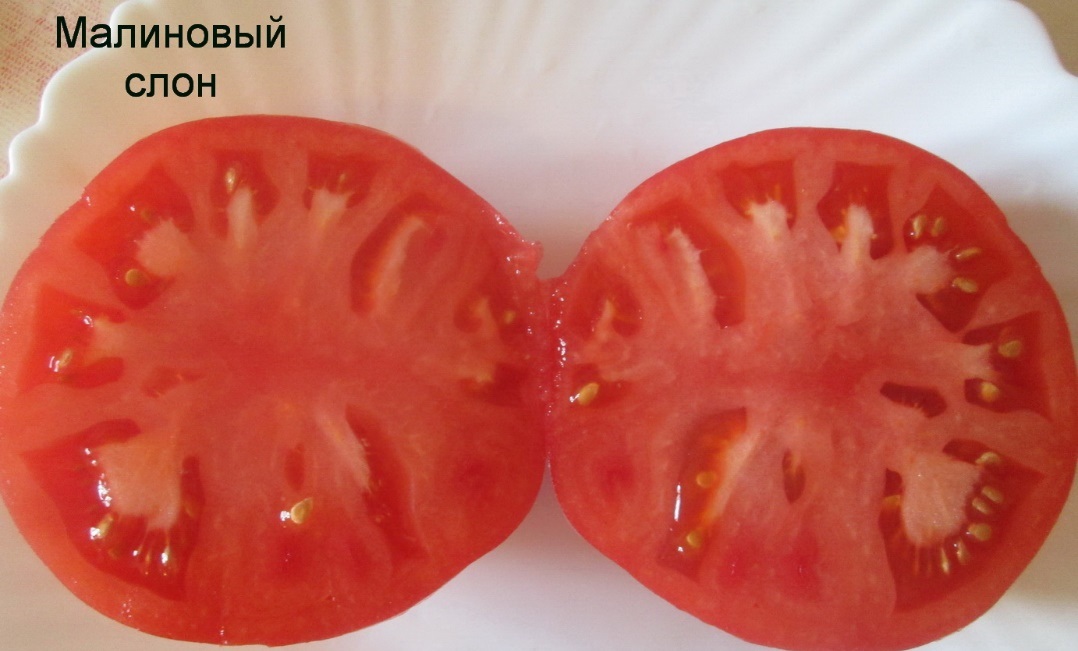
| Description of the fruit | The tomatoes are round, with subtle ribbing. They are medium firm, with a raspberry-pink skin and flesh. |
| Productivity | Up to 650 c/ha |
| Usage | Tomatoes are used as a salad ingredient and can complement any dish. They are not suitable for whole-fruit canning in jars, but they can be processed into paste, juice, adjika, and ketchup. |
| Preferred growing regions | Suitable for growing in various regions of the country, provided it is planted in a greenhouse. In the south, it can be grown in open ground. |
| Disease resistance | It has a strong immune system, but if agricultural practices are not followed, it can be susceptible to late blight and blossom-end rot. |
| Agricultural technology | Grown primarily in closed greenhouses, it requires training and support. It tolerates low light and high temperatures. |
| 2011 | |
| Country of origin | Russia, LLC Breeding company Gavrish |
Photo gallery of the Raspberry Elephant tomato variety:
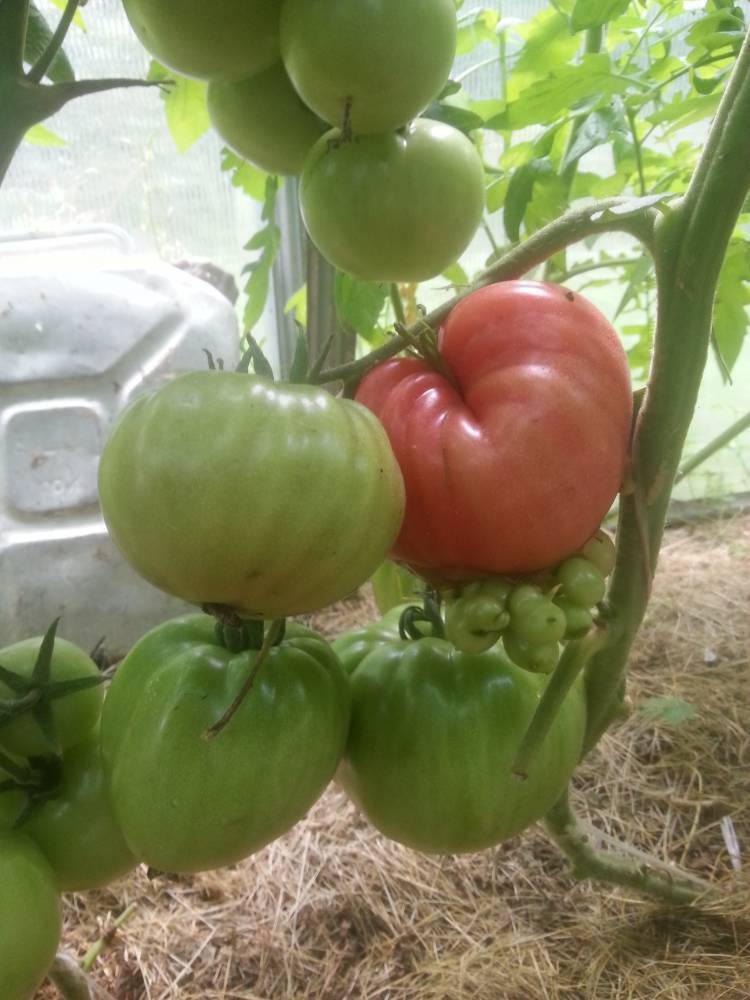
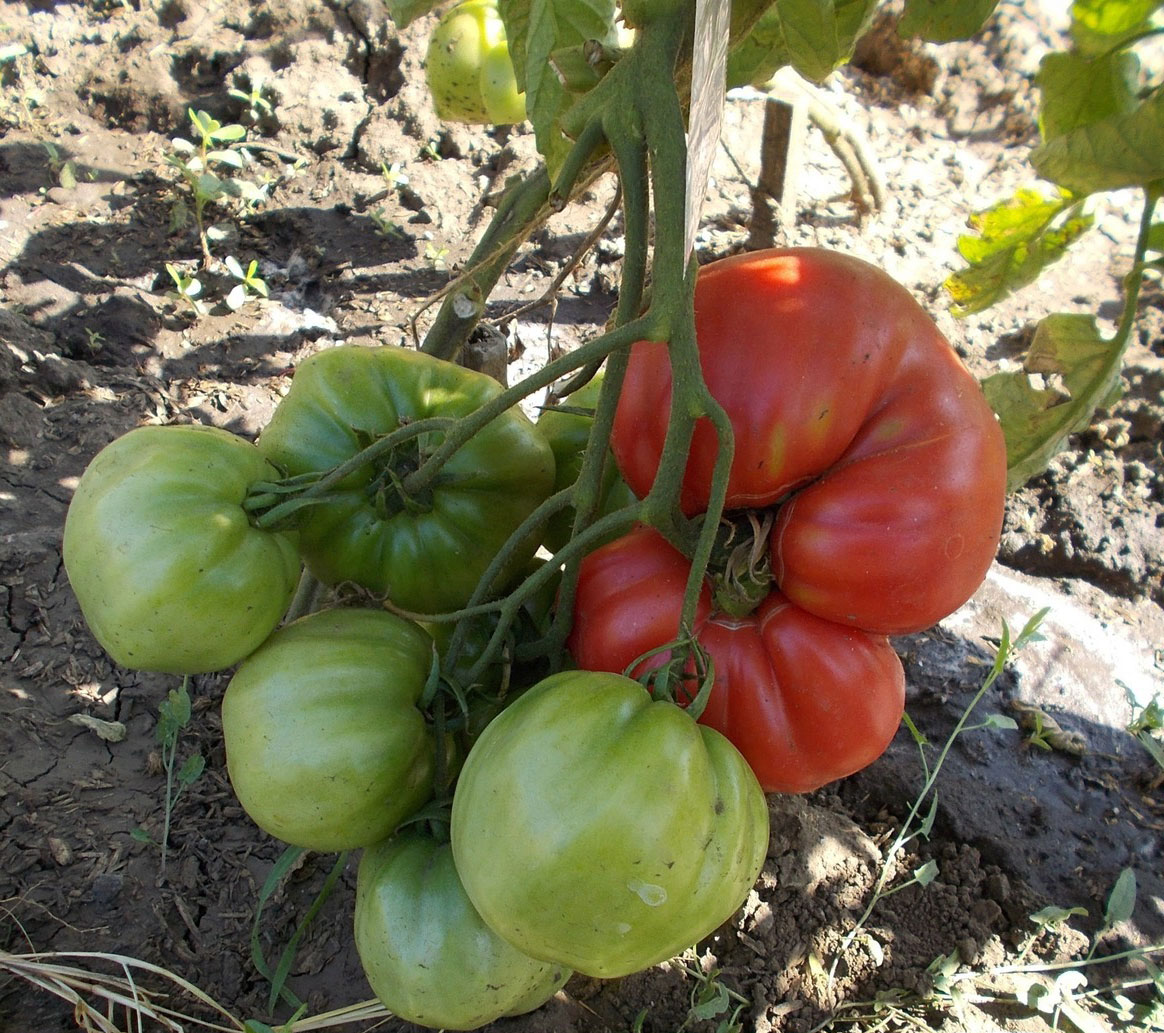
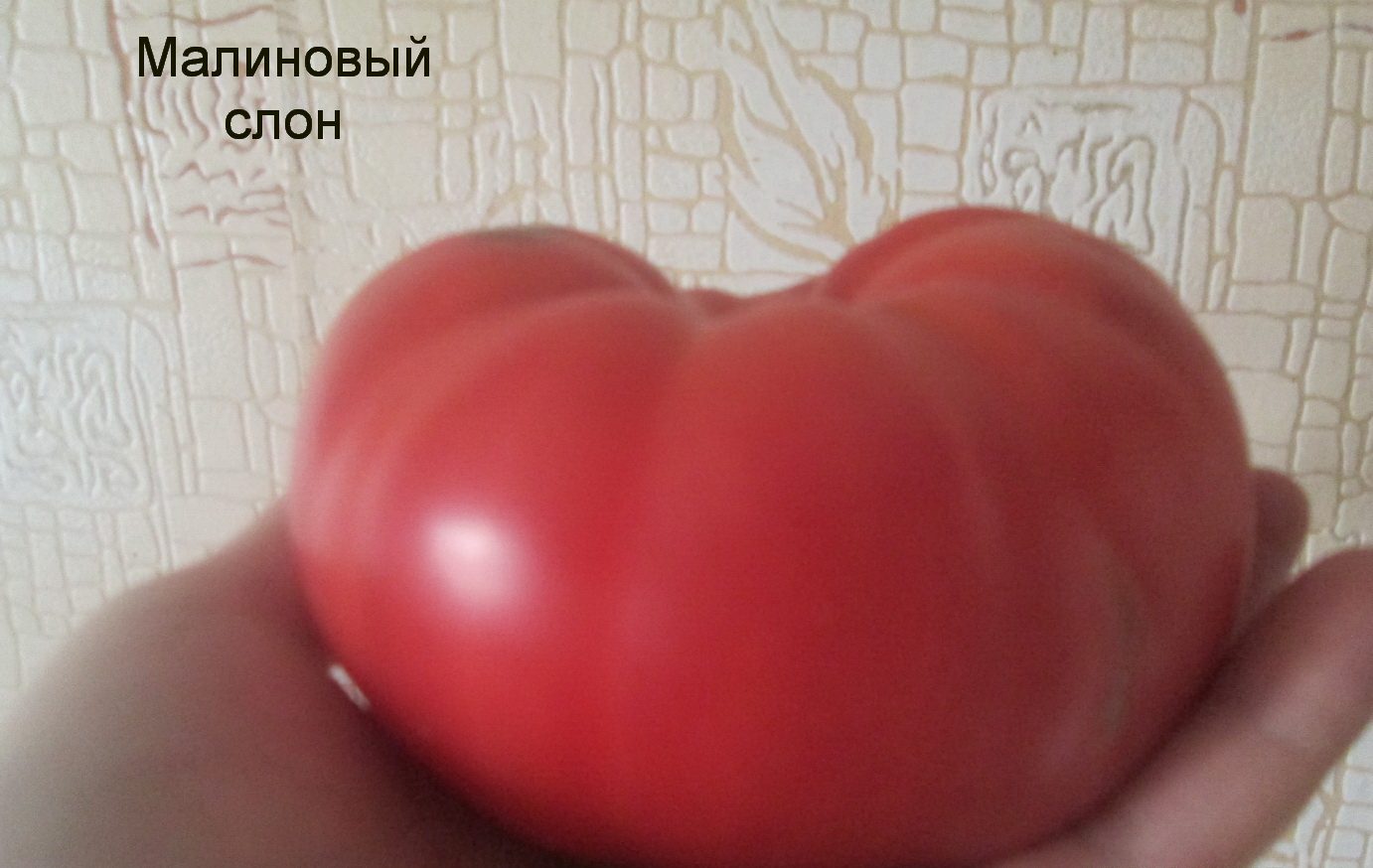
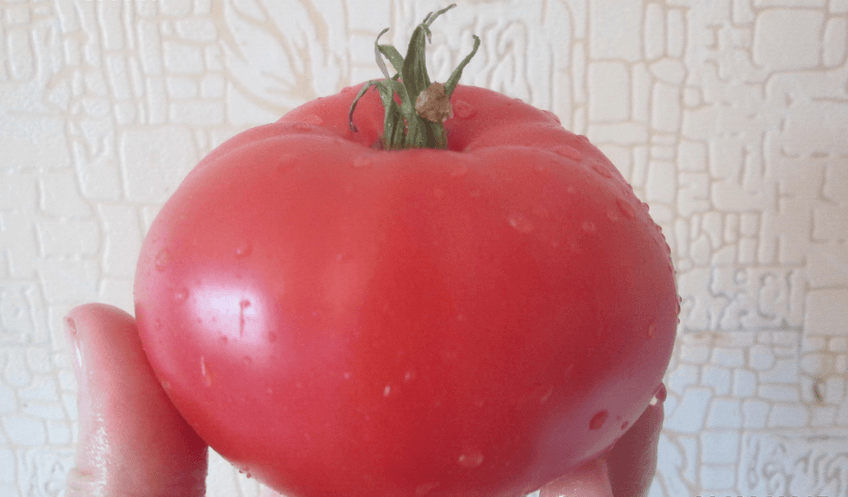
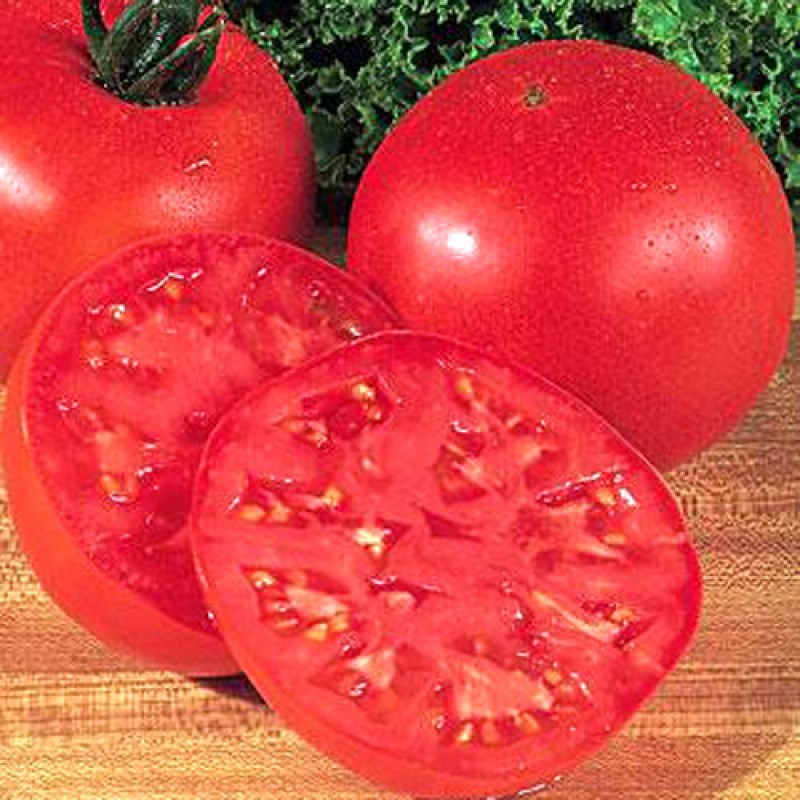
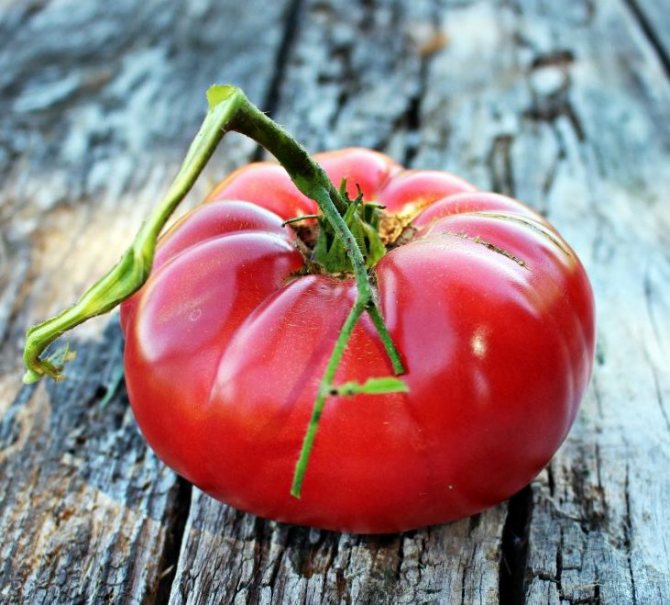
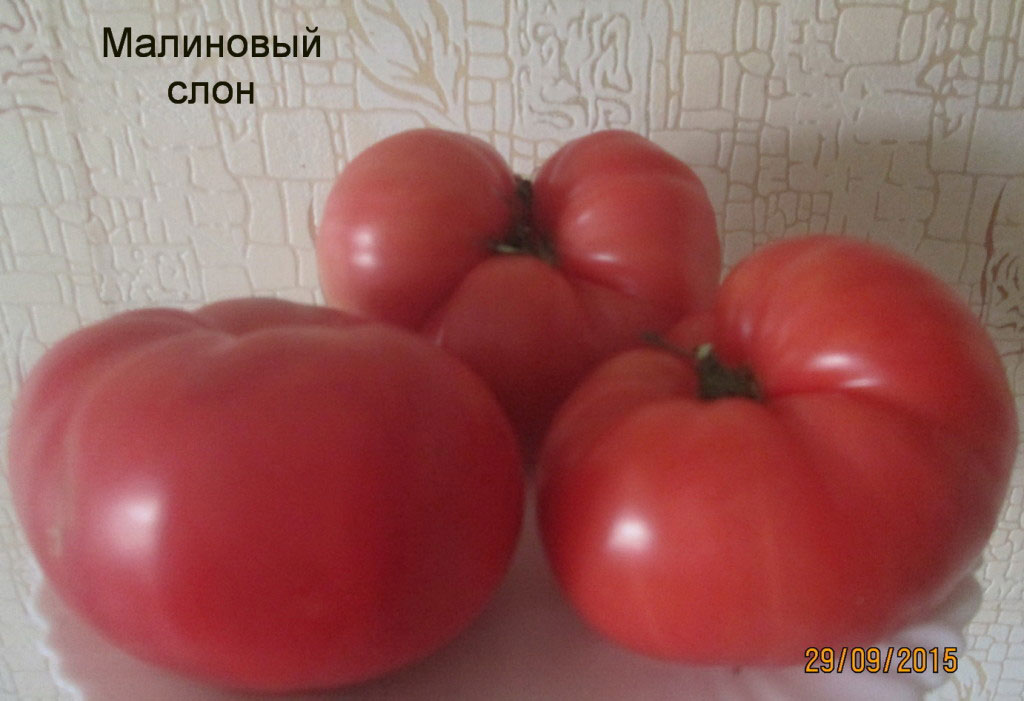
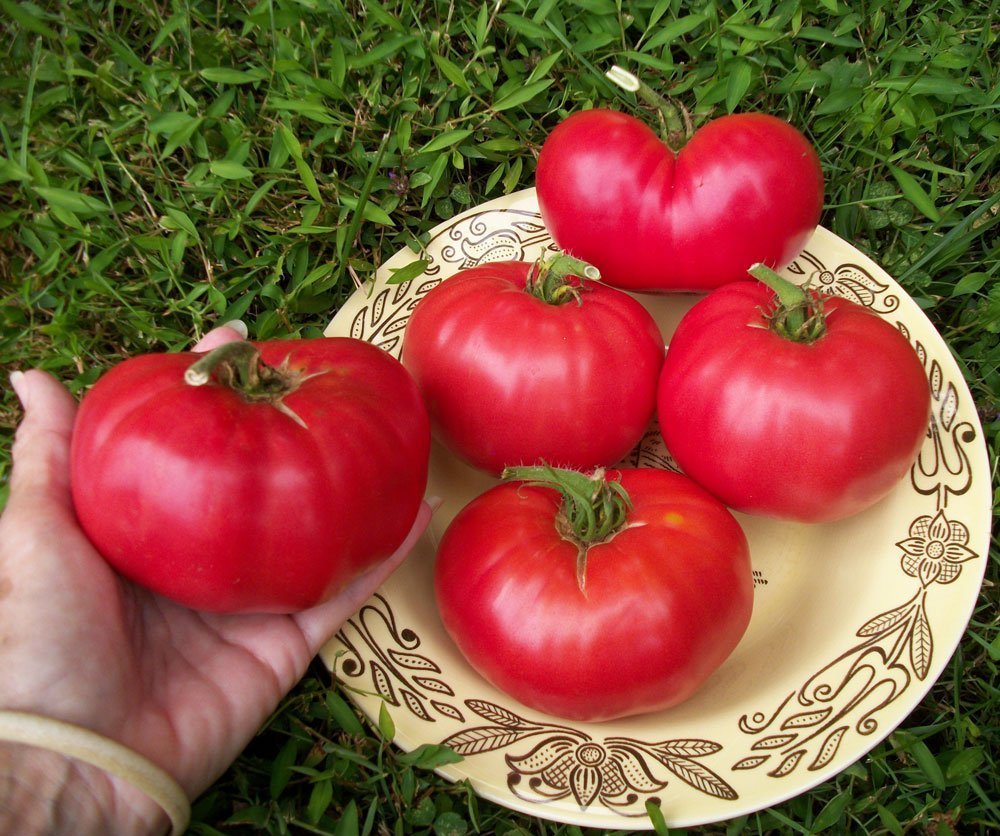
The origin of the Raspberry Elephant tomato variety
The Raspberry Elephant variety was developed just over 10 years ago. It is one of the few varieties that quickly gained recognition not only among consumers but also within the official establishment.
The same year the application was submitted, it was added to the registry. This happened in 2011. Since then, the Raspberry Elephant has spread throughout the country and become one of the favorite pink-fruited tomato varieties among gardeners.
A detailed description of the Raspberry Elephant tomato variety
The originator markets the Raspberry Elephant variety as early-ripening, stating a ripening period of 110-120 days. However, consumers note that the harvest in most regions takes somewhat longer than stated, making these tomatoes more suited to mid-season ripening.
Bushes
The tomato is a determinate plant, with shoots growing up to 150-160 cm, but can reach a higher or lower height depending on conditions. The stems are strong and fairly thick, but even so, they require additional support during fruit formation (in a single stem) and staking. Side shoots should be pinched periodically to prevent lateral shoots from drawing moisture and nutrients away.
The leaves are medium-sized and there are not too many of them on the bushes, so removing them is usually not necessary.
Fruit
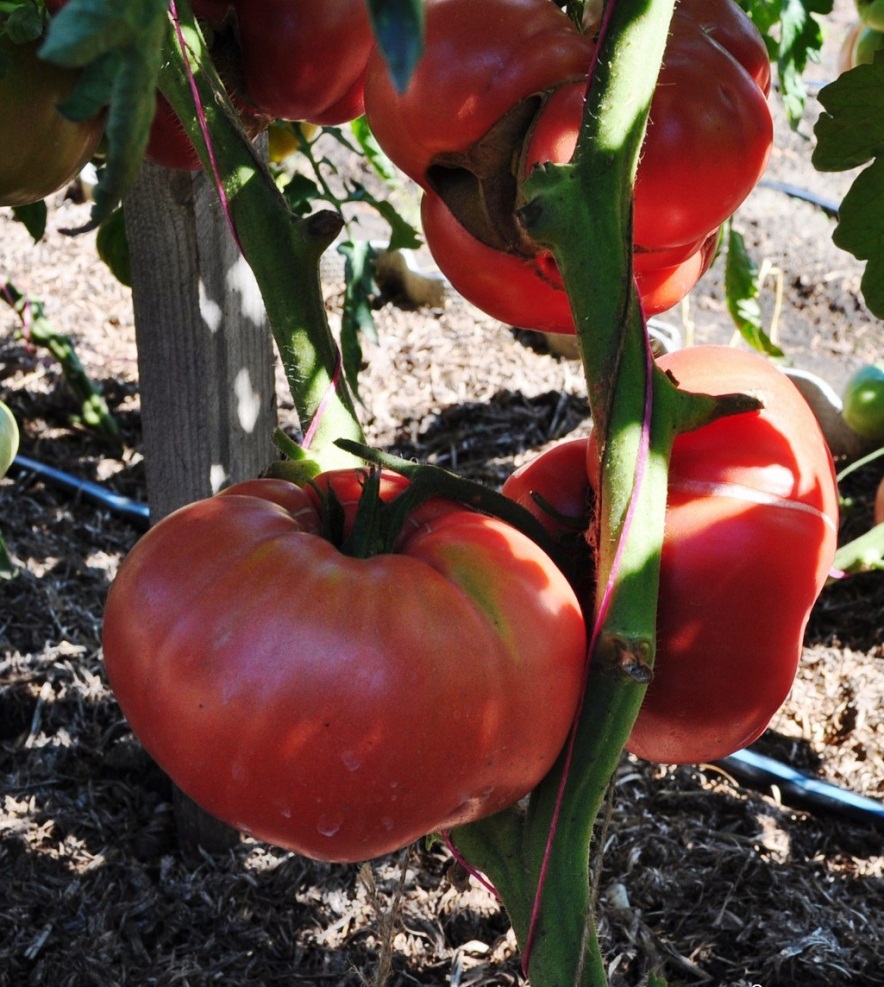
The fruits of the Raspberry Elephant variety are distinguished by their neat, round shape, with virtually no ribbing or irregularities.
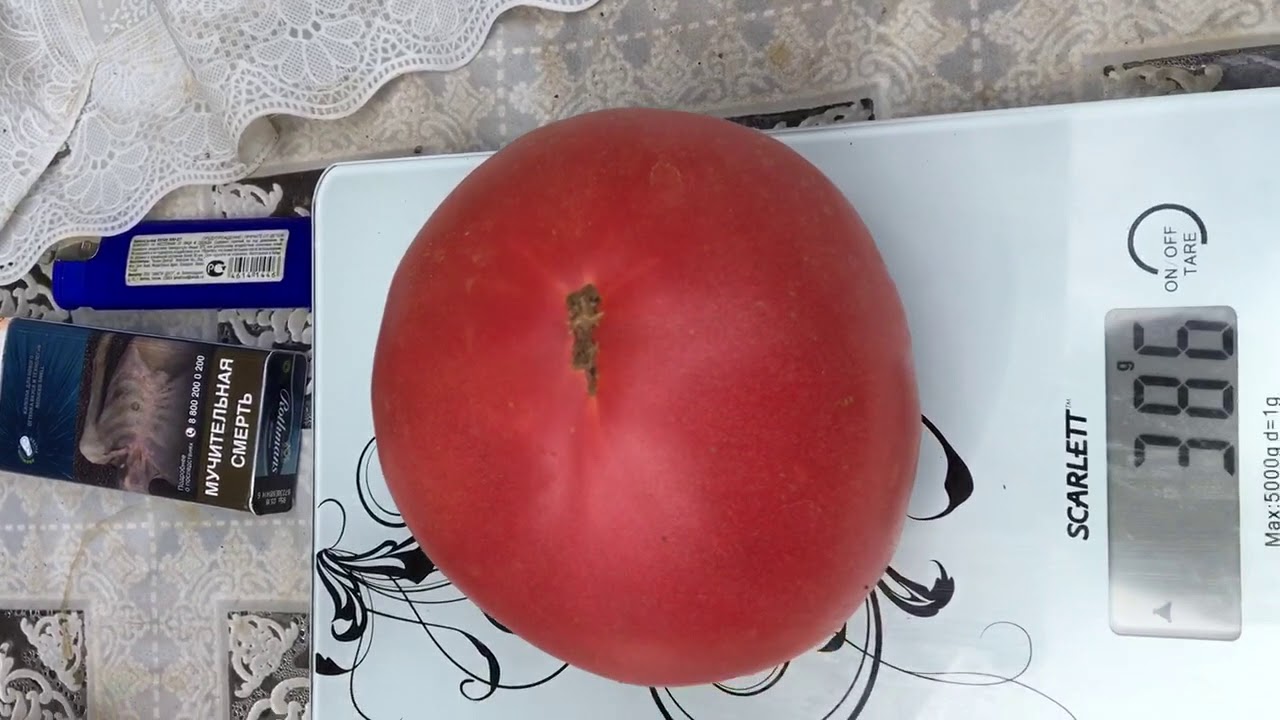
Each bush produces about 8 clusters, each containing up to 5 tomatoes weighing approximately 200 g. With proper care, there are cases where the tomato weight exceeds 500 g.
The fruits are pinkish-crimson in color, with juicy, aromatic, and delicious flesh. The skin is thin and susceptible to damage, so these tomatoes do not transport well. It is recommended to process them immediately after harvesting, as their shelf life is extremely poor.
Unripe tomatoes easily reach maturity even after being picked from the bush, for example, on a windowsill at home.
Productivity
The variety's yield can reach 650 centners per hectare. This yield increases with favorable temperatures and proper care. On average, up to 7 kg of harvest can be harvested per square meter.
Ripening time
The originator claims a ripening period of 110 to 120 days from the first shoots appearing. However, consumers note that under favorable weather conditions and proper cultivation techniques, this period can be reduced by 5 to 10 days. Conversely, if the weather is cold, the ripening process will be delayed.
Advantages and disadvantages of the Raspberry Elephant tomato variety
The Raspberry Elephant variety has both advantages and disadvantages.
| Advantages | Flaws |
|
|
Growing the Raspberry Elephant tomato variety
The Raspberry Elephant tomato is recommended for growing in plastic greenhouses, so it's most often planted in the ground as seedlings. Only southern regions can afford to sow seeds directly into the open garden.
Sowing seeds and growing seedlings
The success of tomato cultivation directly depends on the quality of the seeds. It's best to purchase planting material directly from a trusted producer; this is the only way to ensure a harvest that meets all the stated characteristics.
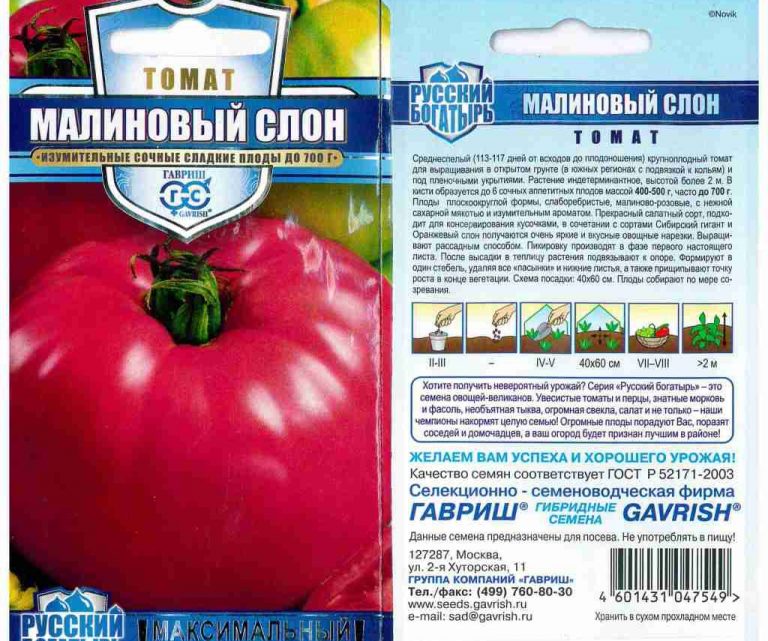
Seeds must undergo preliminary preparation. This is often done by the producer themselves, who treat the seeds with a disinfectant solution or growth stimulant. This information is always indicated on the packaging.
You don't need to test store-bought seeds for viability, as you would with your own seeds, by placing them in a glass of salt water.
If the package does not indicate any processing information, it is recommended to soak the seeds yourself for 20 minutes in a weak solution of potassium permanganate, after which they should be dried by laying them out in a single layer on a flat surface.
Now you can begin germination. To do this, take a piece of damp cloth, sprinkle the seeds into it, and place them in a warm place. As soon as the first shoots appear, you can begin planting them in the ground.

It's best to purchase soil in advance from a specialty store; it's called "Seedling Soil." However, not everyone has the means to buy soil, especially if they're planning a large number of seedlings.
You can make your own potting mix using equal parts garden soil, compost, and sand. In this case, disinfection treatment will be required. This can be done with a potassium permanganate solution or by baking in an oven.
For sowing, it's best to use wooden boxes, which can be knocked together from existing boards. You'll just have to think through the hole pattern and provide a sturdy tray underneath.
The container is half filled with soil, on top of which furrows 2 cm deep are made at a distance of 3 cm from each other.
Seeds are placed in them and covered with soil.
Next, water the plants. It's best to use a spray bottle for this purpose, as a strong stream from a watering can can wash away the soil and drag the seeds deeper.
The container is covered with glass or film and taken to a warm place.
Once the seedlings emerge, the cover is removed. To avoid stressing the plants, this should be done gradually. The tomatoes should be moved from a warm room to a room with a temperature of 20–22°C, and additional lighting should be considered.
As soon as 3 full-fledged leaves have formed on the shoots, they need to be transplanted into separate pots.
It's crucial to harden off seedlings before planting them in the garden. To do this, place them outside or on a balcony for a couple of hours at first, then gradually increase the time.
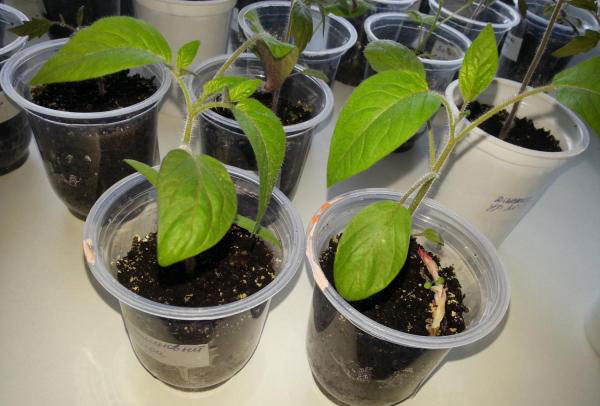
In 60-65 days we obtain viable seedlings with good immunity, ready for the journey to the permanent garden bed.
Planting in the ground
It's recommended to plant tomatoes only when the soil warms up to 14–16°C. Some gardeners use a trick: covering the bed with black plastic, which allows it to warm up much faster.
The soil in the greenhouse is prepared in advance; several weeks before planting tomatoes, it can be planted with green manure, which is mown 5-7 days before the start of work.
It's best to space rows at least 60 cm apart. This will not only make caring for tomatoes easier but also allow them to grow more freely and avoid competing for light and nutrients. A 40 cm distance between the holes is recommended.
The hole should be slightly larger than the pot containing the plant. You can add some onion skins and compost to the bottom.
Care, watering and fertilizing
Tomatoes should be watered approximately once every 5 days, but you still need to take weather conditions into account.
Fertilizer should be applied every 10-12 days. During the initial stage, when active vegetative growth occurs, plants require nitrogen. Later, they will require potassium and phosphorus. Many gardeners prefer organic matter and dilute one bucket of manure in a 100-liter barrel. This mixture is then applied to the underside of the bush at a rate of 2-3 liters per planting.
During the growth process, the bushes need to be tied up and formed into one stem.
Resistance of the Raspberry Elephant tomato variety to diseases and pests
The raspberry elephant has a strong immune system. If you follow the care instructions, it will remain disease-free throughout the season. The only disease to which the tomato is susceptible is blossom-end rot. It can be triggered by overwatering or temperature fluctuations.
At the first signs of disease, plantings should be treated with special products. Brexil Sa has proven highly effective. Sprays should be administered at two-week intervals. If the disease persists, infected bushes will need to be dug up and destroyed by burning.
Fungicides such as Karbofos or Actellic will help protect tomatoes from thrips that appear.

Storing and using tomatoes
Harvesting begins 115-120 days after germination. The fruits may ripen unevenly, so some may be picked unripe at the end of the season; they will ripen at home on the windowsill.
The skin of the Raspberry Elephant fruit is quite thin and susceptible to damage during transportation. Unfortunately for gardeners, they also don't have a long shelf life. Therefore, they need to be processed as soon as possible after harvesting.
Due to their large size, these tomatoes are not suitable for whole-fruit canning. The originator labeled the variety as a salad variety, which means it's versatile for fresh use. However, the juicy flesh makes them suitable for making tomato paste, juice, adjika, and other sauces.
Comparison of the Raspberry Elephant tomato variety with other varieties
Today, you can find a large number of seeds labeled "Raspberry" on store shelves. But if you compare the Raspberry Elephant with the Raspberry Giant or Raspberry Dream, you'll notice that our hero has a much better and more pleasant taste, and its weight and shape are in no way inferior to its competitors.
The only variety to which Slon is inferior in yield is Raspberry Empire.
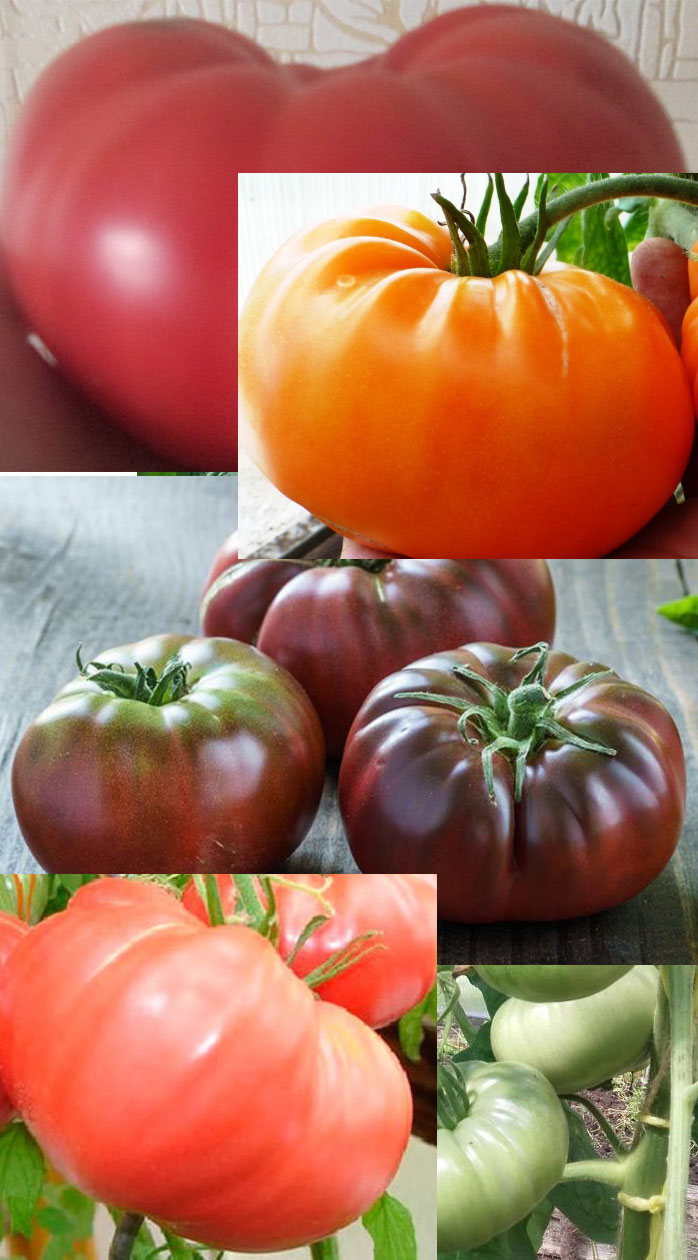
The Raspberry Elephant has almost identical namesakes. The Pink Elephant has semi-determinate shoots, while the Orange Elephant has a different skin and flesh color. But the tomatoes are very similar in appearance: round, smooth, with minimal ribbing.
Comparison of the Raspberry Elephant tomato variety with other varieties in the table
Please note! How can you easily convert centners/ha to kg/sq.m? Simply divide by 100! For example, the Abakansky Pink tomato yields 400 centners of marketable fruit per hectare. This equals 4 kg per square meter. It's that simple! Also, keep in mind that typically no more than 3-4 plants are planted per square meter. This way, you can calculate the yield per bush. In the case of the Abakansky Pink, it's about 1 kg.
| Variety | Ripening period (number of days from full germination to ripening)
Yield of commercial fruits |
Brief description | Fetus |
| Crimson Elephant | 110-120 days
650 c/ha |
An early-ripening determinate variety for greenhouses. Suitable for salads. | Round, slightly ribbed, medium-dense, pink, 150-200 g. Excellent taste. |
| Orange elephant | 100-110 days
690 c/ha |
A mid-early determinate variety for greenhouses. Suitable for salads. | Round, smooth, medium-dense, orange, 130-160 g. Excellent taste. |
| Pink elephant | 112 days
620-820 c/ha |
A mid-season semi-determinate variety for greenhouses. Suitable for salads, canning, and processing into tomato products. | Flat-round, fleshy, medium- to strongly ribbed, notched to smooth top, pink, 280 g. Excellent taste. |
| Raspberry ringing | 115-120 days
450 c/ha |
An early-ripening determinate variety for open ground and greenhouses. Requires staking and shaping. Suitable for salads. | Round, smooth, medium density, pink, 150 g. Excellent taste. |
| Raspberry Viscount | 95-105 days
500-600 c/ha |
A mid-season determinate variety for greenhouses. Suitable for salads. | Flat-round, large, slightly ribbed, medium density, raspberry, 220-260 g. Excellent taste. |
| Raspberry Giant | 105-110 days
590 c/ha |
An early-ripening determinate variety for open ground and plastic greenhouses. Requires staking and training. Suitable for salads. | Round, slightly ribbed, medium density, raspberry, 200-300 g. Excellent taste. |
| Raspberry wine | 105 days
1200-1400 c/ha (greenhouse and under film) |
An early-ripening determinate variety for open ground and greenhouses. Requires staking and shaping. Suitable for salads. | Round, large, smooth, medium density, raspberry, 350 g. Excellent taste. |
| Raspberry Farmer | 85-90 days
1000 c/ha |
An early-ripening determinate variety for greenhouses. Suitable for salads. | Round, dense, slightly ribbed, raspberry, 50-60 g. Good taste. |
| Crimson Dawn | 110-115 days
790 c/ha |
A mid-season indeterminate variety for open ground and greenhouses. Requires staking and shaping. Suitable for salads. | Heart-shaped, loose, ribbed, raspberry, 350-400 g. Good taste. |
| Raspberry Strongman | 112-116 days
880-900 c/ha |
A mid-season indeterminate variety for open ground and greenhouses. Suitable for canning. | Pear-shaped, large, smooth, medium density, raspberry, 150-190 g. Good taste. |
| Abakan pink | 120 days or more
400 c/ha |
A late-ripening determinate variety for open ground and greenhouses. Requires staking and training. Suitable for salads and processing into tomato products. | Flat-round, slightly ribbed, medium density and pink in color, 200-500 g. Good taste. |
| Agatha Plus | 98-113 days
301-798 c/ha |
An early-to-mid-early determinate variety for open ground. Suitable for salads. | Round, smooth, medium density, red, 128-190 g.
The taste is good and excellent. |
| Manych | 92-97 days
610 c/ha |
Early maturing determinate variety for greenhouses. Suitable for salads. | Flat-round, slightly ribbed, dense, red, 200 g. Good taste. |
| Bear's paw | 110-115 days
710 c/ha |
A mid-season determinate variety for open ground. Requires staking and shaping. Suitable for salads. Marketability: 93.0% (Altai Krai). Heat-resistant. | Flat-round, smooth, fleshy, red, 115-300 g (up to 500 g). Excellent taste. |
| Michurinsky | 90-95 days
800-1000 c/ha |
An early-ripening determinate variety for open ground and greenhouses. Suitable for salads, canning, and processing into tomato products (ketchup and sauce). | Round, smooth, red, 80-100 g. The taste is good and excellent. |
| Potato raspberry | 100-105 days
up to 1800 c/ha |
A mid-season, indeterminate, standard variety for open ground and greenhouses. Requires staking and training. Suitable for salads, canning, and processing into tomato products. | Flattened-round, raspberry, 700-800 g. Excellent taste, sugary, rich. |
| Perseus | 108-115 days
600-800 c/ha |
A mid-season determinate variety for open ground and greenhouses. Suitable for salads and canning. | Flat-round, smooth, red, 110-180 g. Good taste. |
| Petrusha the gardener | 111-115 days
640 c/ha (open ground) |
A mid-season, determinate, standard variety for open ground. Suitable for salads. | Cylindrical with a pointed top, smooth, medium density, raspberry, 150-180 g. Good taste. |
| Pink miracle | 70-90 days (in a greenhouse and in open ground)
230 c/ha |
An ultra-early determinate variety for open ground and greenhouses. Requires staking and shaping. Suitable for salads. | Round, smooth, medium density, raspberry, 100 g. Excellent taste. |
Gardeners' reviews of the Raspberry Elephant tomato variety
Gardeners unanimously note the excellent yield and impressive fruit size of the Raspberry Elephant tomato. Despite the large size of the fruit, consumers actively use the sliced tomatoes for winter preserves, which are delicious and flavorful.
Since tomatoes, including the skin, are literally brimming with microelements and healing chemical compounds, it's preferable to eat them fresh. For this purpose, we plant approximately half of our tomato plants each year, producing large fruits of varying shapes. Varieties eaten fresh typically include the largest tomatoes, which, due to their size, juicy, fleshy pulp, and thin skin, are unsuitable for pickling or canning. However, when combined with other vegetables, they can be quickly and easily used to create light, flavorful, and healthy salads.
Last year I planted the varieties "Loving Heart Red" from the Miass-Sortsemovoshch company, "Khlebosolnye" from the Siberian Garden producer, and "Raspberry Elephant" from the Gavrish breeding company.
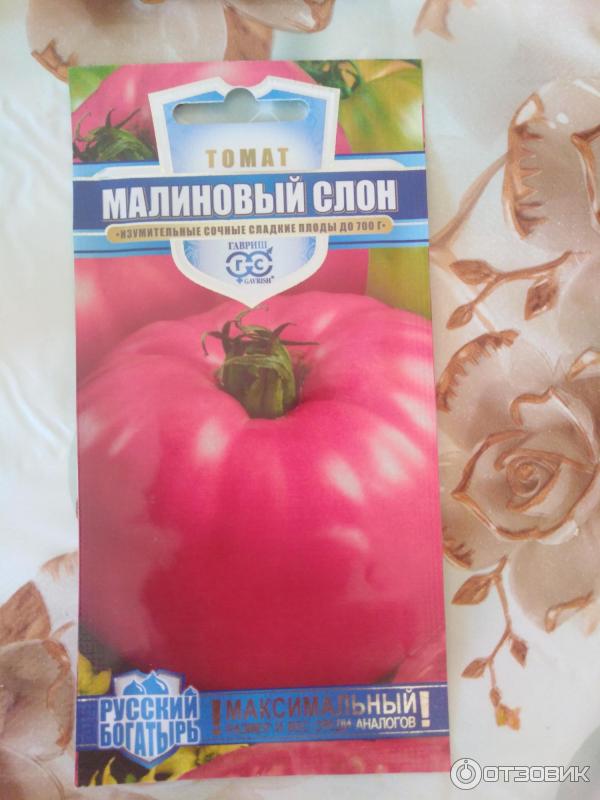
The "Raspberry Elephant" tomato seeds belong to the "Russian Bogatyr" series. This means the manufacturer guarantees that these seeds will grow into giant-sized vegetables. Well, given our conditions, it's safe to say they did.
Last year (2018), I sowed the “Raspberry Elephant” seeds, purchased in 2016 with an expiration date of 12.2017.
Since the seeds were already expired, I decided to plant 6 pieces in order to later select 1-2 of the strongest seedlings.
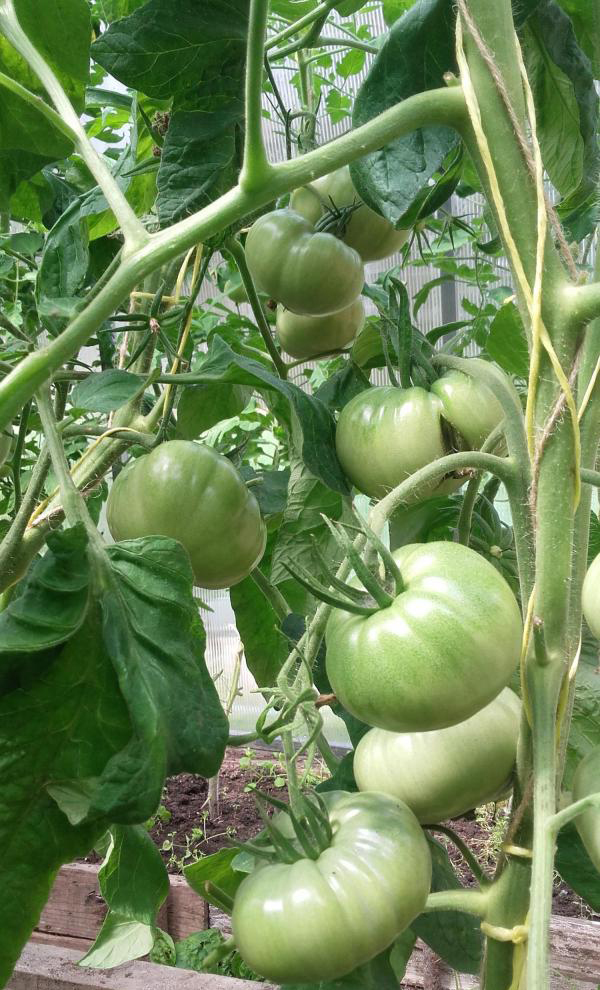
Germination rate: 3 out of 6 seeds. The result is 50%—very good for seeds that are past their expiration date. Planted on March 1, 2018; photo of seedlings taken on March 23, 2018. After transplanting, the photo (April 2018) clearly shows the interesting leaf shape, which distinguishes them from other tomato seedlings. It resembles a potato leaf.
By late April and early May, the seedlings were ready for transplanting into the greenhouse. "Raspberry Elephant" is a tall variety. While the grower promises a plant height of over 2 meters, the branches could grow even taller in our "shaded" greenhouse. To avoid blocking the sun from the low-growing tomatoes, I chose a spot near the entrance on the north side for the "Raspberry Elephant" seedlings.
Last year, 'Raspberry Elephant' was transplanted into the greenhouse on the fourth of May.
The soil has warmed up enough for successful transplantation of heat-loving tomatoes. And the fact that the variety is planted right next to the greenhouse door is an added bonus – tomatoes thrive in drafts and ventilation.The producer of "Raspberry Elephant" Gavrish recommends shaping the bushes by leaving only one stem and removing all side shoots and lower leaves.
I try to follow these instructions, but I also experiment a little. Last year, I left two stems on each of the two bushes. By early July, clusters of 5-7 tomatoes on each branch had formed at the bottom.
By early August, each bush had three clusters. However, the higher stems had fewer fruits—three or four—or only single tomatoes had set. However, some of them were larger.
The first "Raspberry Elephant" is one of the largest, filmed on July 27, 2018:
The next two fruits of the “Raspberry Elephant” were picked on 08/09, 400 g each.
On September 14, I removed 4 more pieces, 400–450 g each, the total weight of which was 1,750 g.
I photographed them when they were pink, but underexposed them a bit, reaching a darker crimson hue. But we only ate them when the "Elephants" had darkened. It's clear they don't handle rough handling well. They can wrinkle and crack.
The tomatoes are tasty and the color is quite rich when fully ripe.
They look very appetizing on the plate. Quite juicy. The slices don't spread out, they retain their shape perfectly, and they taste wonderful. They can be used for canning in pieces, but in our case, these varieties are simply eaten. Just slice a tomato or two onto a plate, and your dinner side dish is ready.
I recommend the "Raspberry Elephant" variety for those who enjoy fresh tomatoes. When grown in a greenhouse, the yield is quite high. These fleshy, bright crimson tomatoes are very original when sliced, or in salads with bell peppers, basil, or fresh cucumbers, like "Emerald Stream F1" from Sedek.
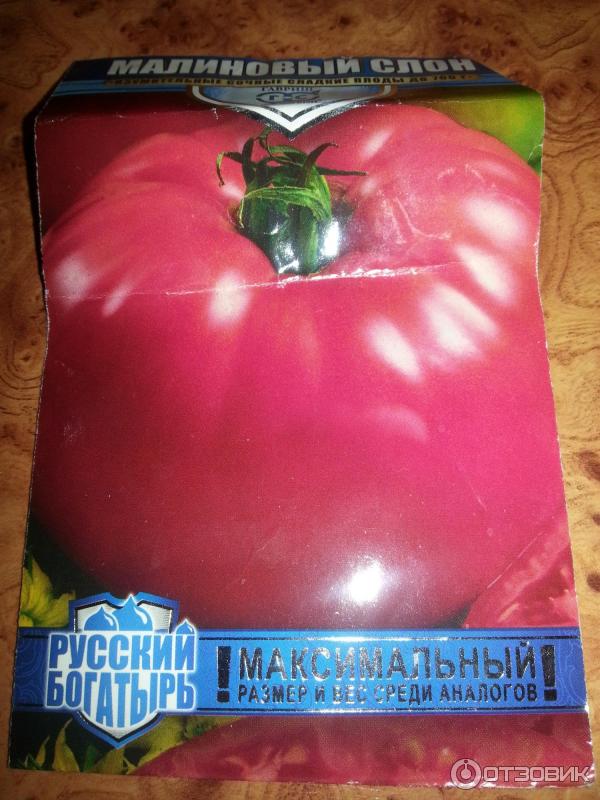
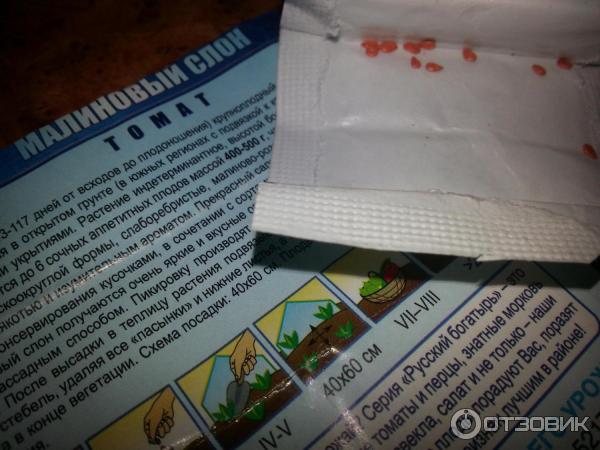

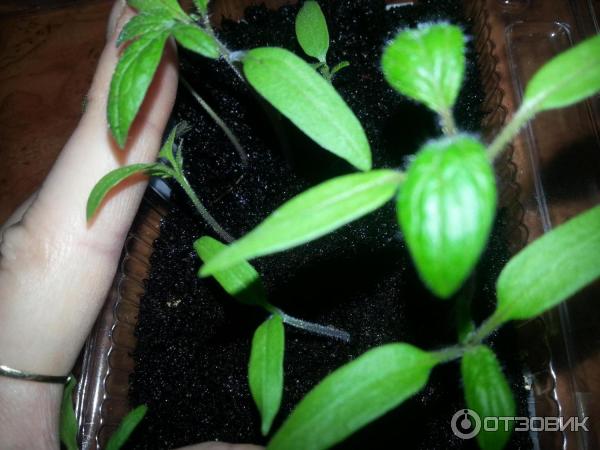
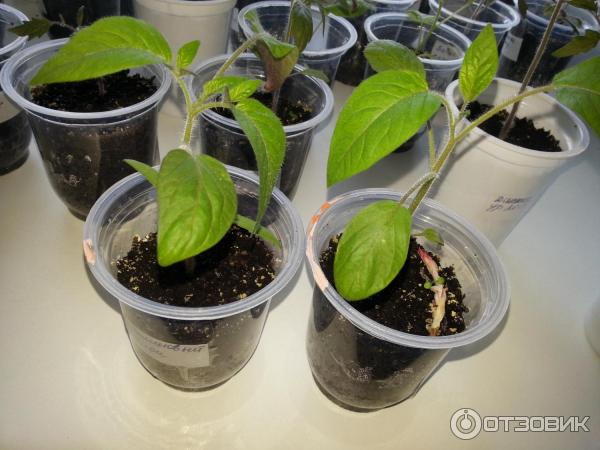
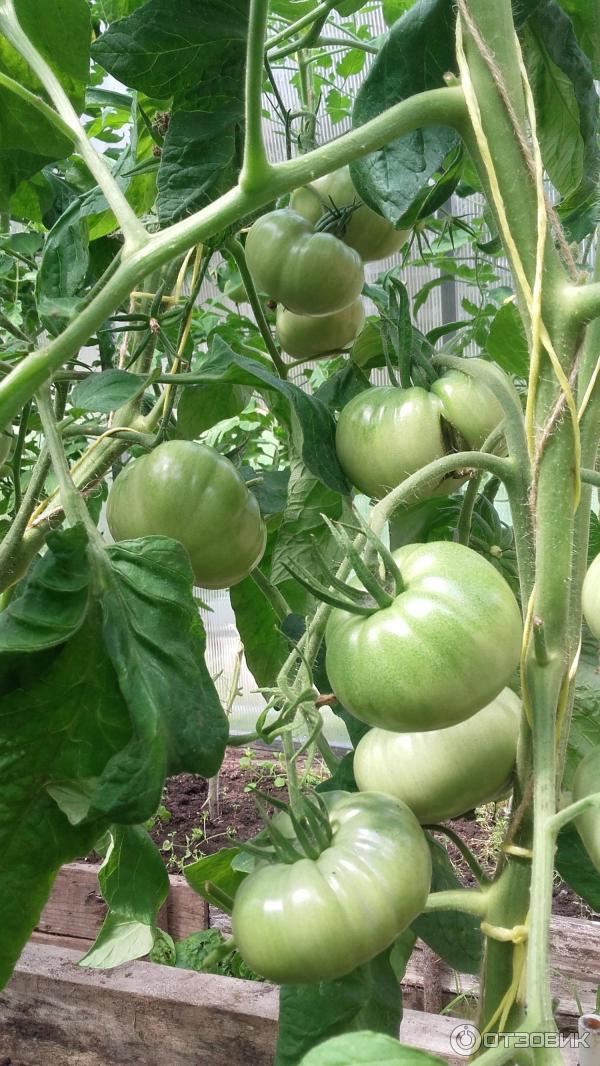
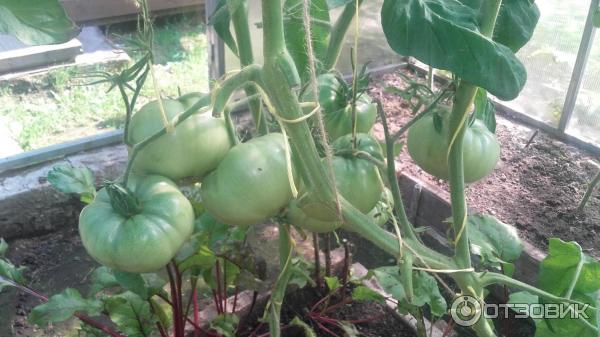
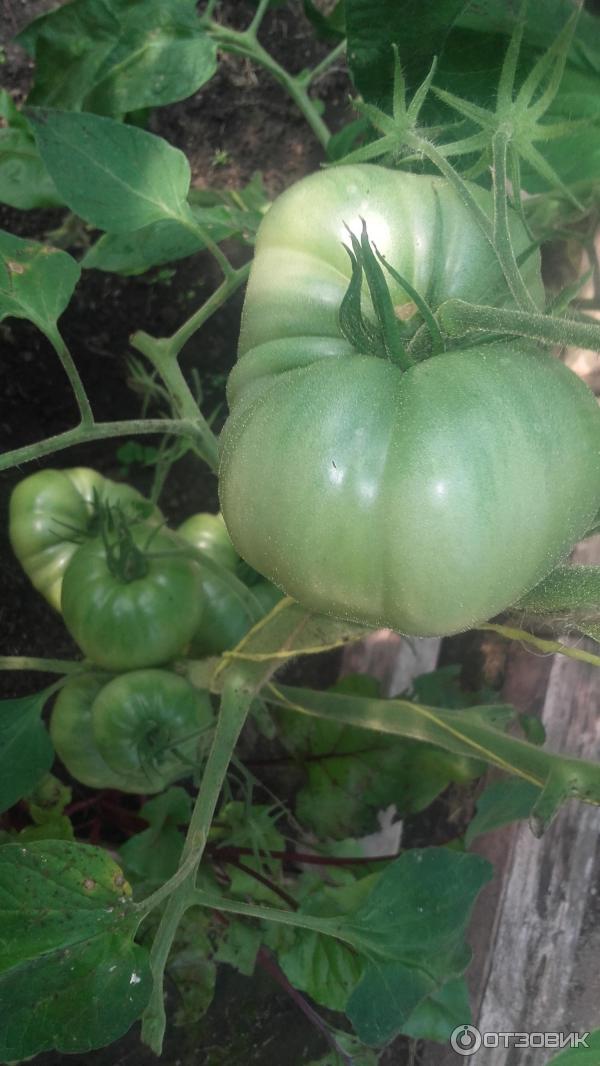
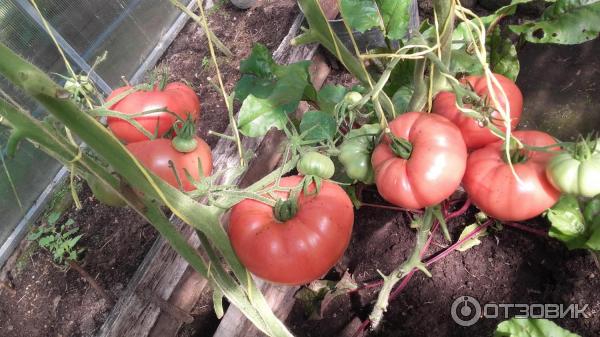
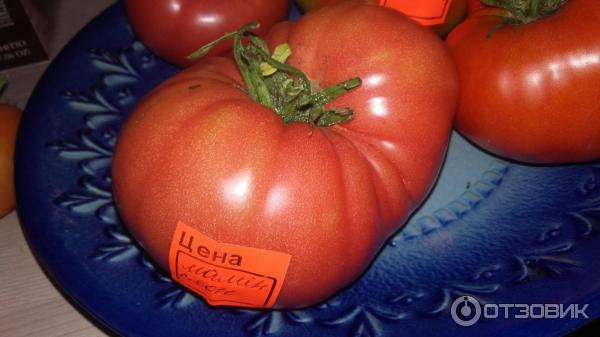
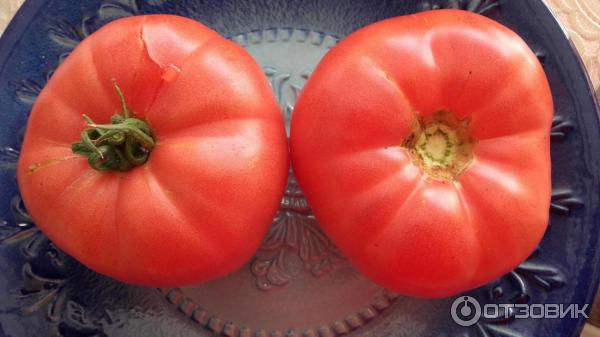
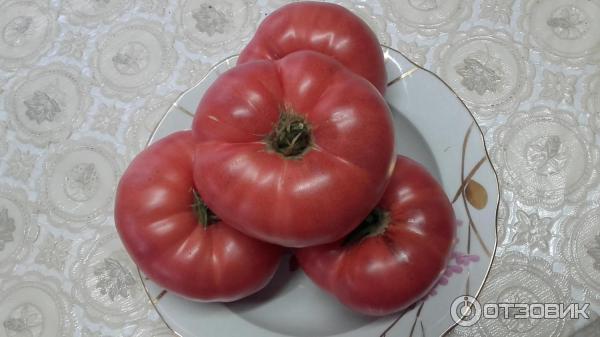
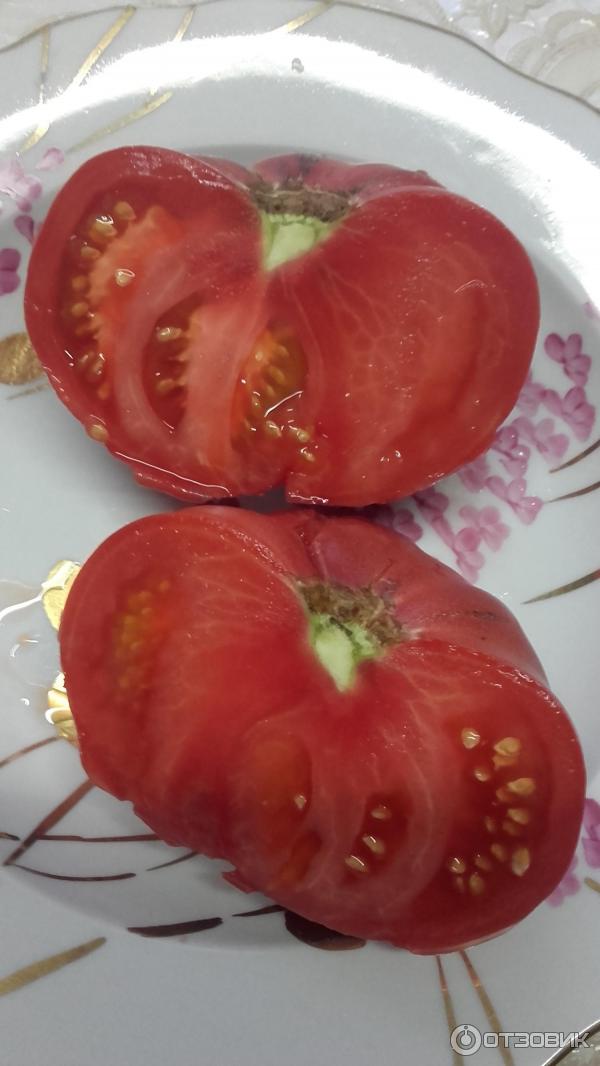
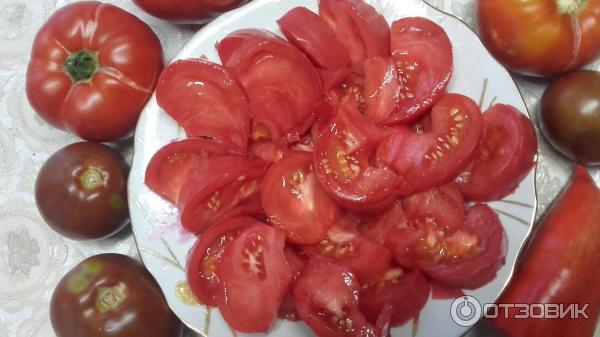
Good afternoon. Today I'll tell you about the Gavrish tomato variety, "Raspberry Elephant." I don't know why they're red when they're raspberry-colored. The bush grew to 1.2 m. The distance between the flowers in the cluster is wide so the large tomatoes have room to grow. I noticed this right away when I was watching a newcomer grow in my garden. I grew it on a single stem and removed the side shoots. When the seedlings were growing, the stem tips were barely noticeable. It was as if the top had been pinched. I thought the growth would stop altogether and nothing would grow. But then it took off. I picked my first tomatoes in mid-July. The tomatoes are fleshy, juicy, and large. The skin is soft and thin on ripe tomatoes. They're great for salads and just eating fresh. They're a favorite for everyday lunches. Delicious. But if they get overripe, the flavor isn't as good. For some reason, this particular variety curled its leaves. You can even see it in the photo. I sprayed them with boric acid during the active growth period. It seemed to help. Then, once they grew, I stopped spraying.
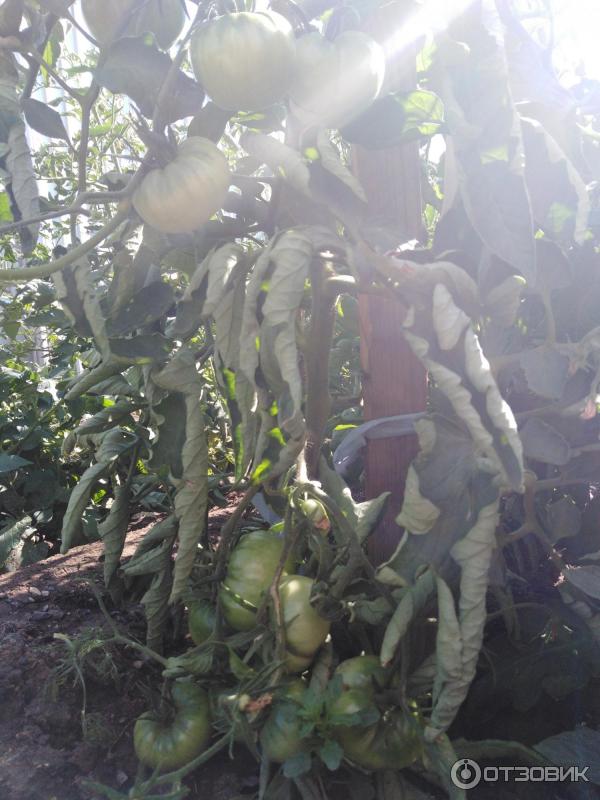
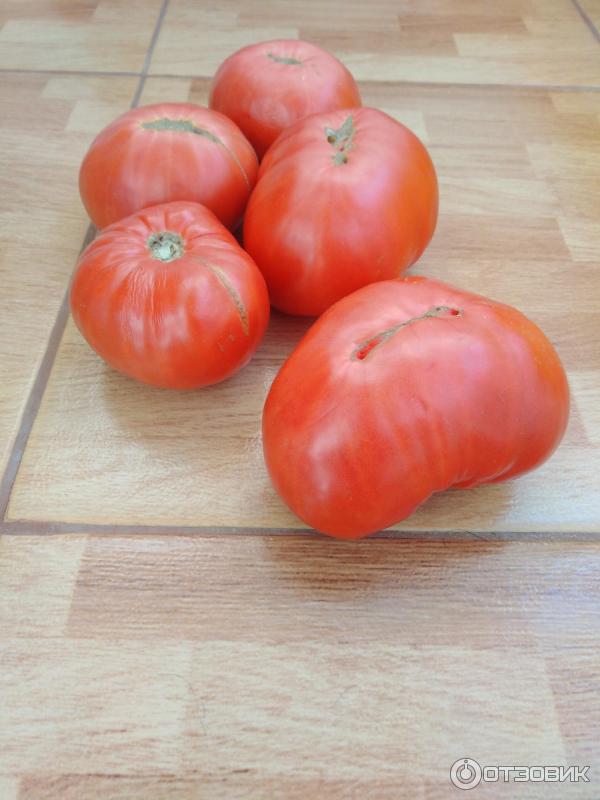
Good afternoon everyone! I'd like to share my experience growing the "Raspberry Elephant" tomato variety.
Growing this tomato variety is a pleasure; the seedlings grow strong. If you transplant the tomato seedlings less frequently in the box, the seedlings develop on thick stems, curl up, and look stunning, dark green!The plant grows tall—up to 2 meters—and requires sturdy support. Given this tall tomato variety, the distance between plants should be 50 cm, and between rows—70 cm.
To ensure large tomatoes, I recommend forming the tomato bush into two trunks; it is best to remove all unnecessary shoots.
The tomato is suitable for growing both in a greenhouse and in open ground; it is a mid-late tomato, ripening in August.
The tomatoes grow really large, weighing from 500g to 800g, the tomato pulp is very fleshy and sugary, the color is raspberry.
It's a pleasure to water these giants, admire the ripening of the fruits and enjoy the unique taste of real tomatoes!
I recommend everyone to grow this variety, you won’t regret it!
This is my raspberry elephant