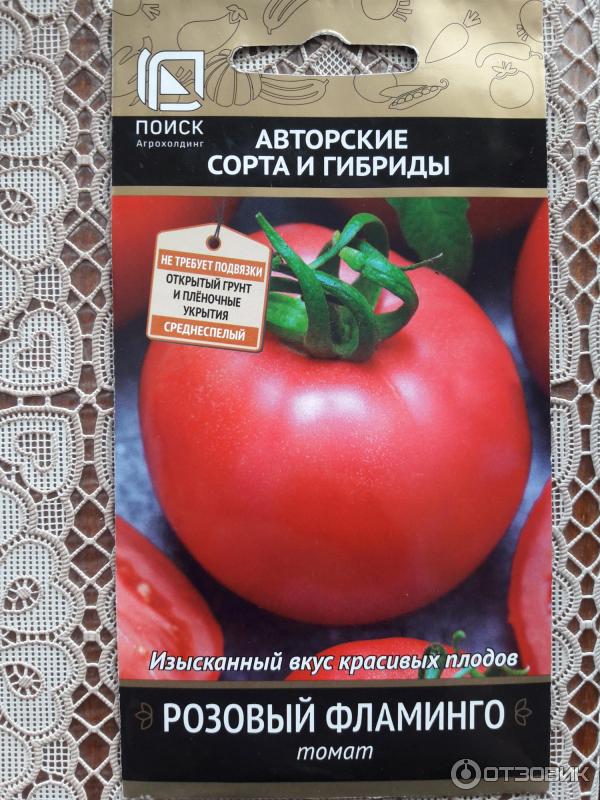
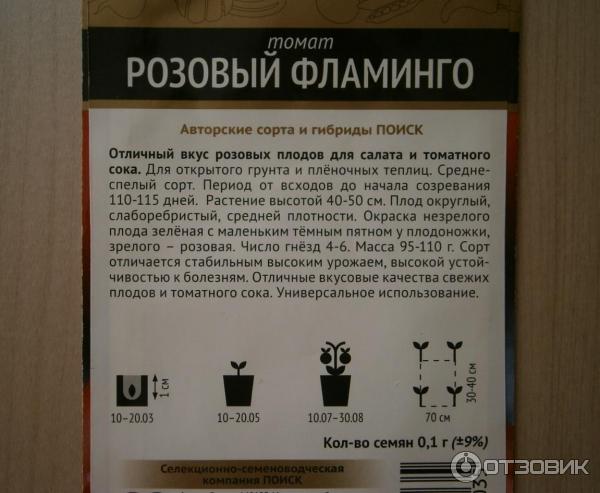
The Pink Flamingo tomato is very popular among gardeners because it is planted directly into open ground, adapts well, and is virtually disease-resistant.
Content
- 1 Characteristics of the Pink Flamingo tomato variety in a table
- 2 The history of the Pink Flamingo tomato variety
- 3 A detailed description of the Pink Flamingo tomato variety
- 4 Advantages and disadvantages of the Pink Flamingo tomato variety
- 5 Growing the Pink Flamingo tomato variety
- 6 Resistance of the Pink Flamingo tomato variety to diseases and pests
- 7 Harvesting, using and storing the Pink Flamingo tomato variety
- 8 Varieties with the same name from different producers
- 9 Comparison of Pink Flamingo tomato varieties with other varieties in the table
- 10 Gardener reviews of the Pink Flamingo tomato variety from Poisk
Characteristics of the Pink Flamingo tomato variety in a table
The table lists the main varietal characteristics of the Pink Flamingo tomato.
|
Ripening period (number of days from full germination to ripening) |
110-115 days |
| Description | A mid-season tomato variety for open ground with a long fruiting period. |
| Fetus | The fruits are small in size, although they can produce large ones in greenhouses; the color changes from green to pink during ripening; the skin is dense and glossy. |
| Fruit weight | 75-110 g, 400 g. |
| Taste | Pleasant, sweet and sour |
| Usage | Universal purpose of fruits |
| Marketability | 68-87% |
| Shelf life | Good |
| Yield of commercial fruits | 234-349 c/ha |
| Disease resistance | High |
| Agricultural technology | Tomato seedlings are sown in mid-March; after 50-60 days they are planted in open ground. |
| Growing regions | North Caucasian |
| Inclusion in the State Register | 2007 |
| Originator | Ognev V. V., Maksimov S. V., Klimenko N. N., Kostenko A. N., Agrofirma POISK LLC, Federal Scientific Center for Vegetable Growing |
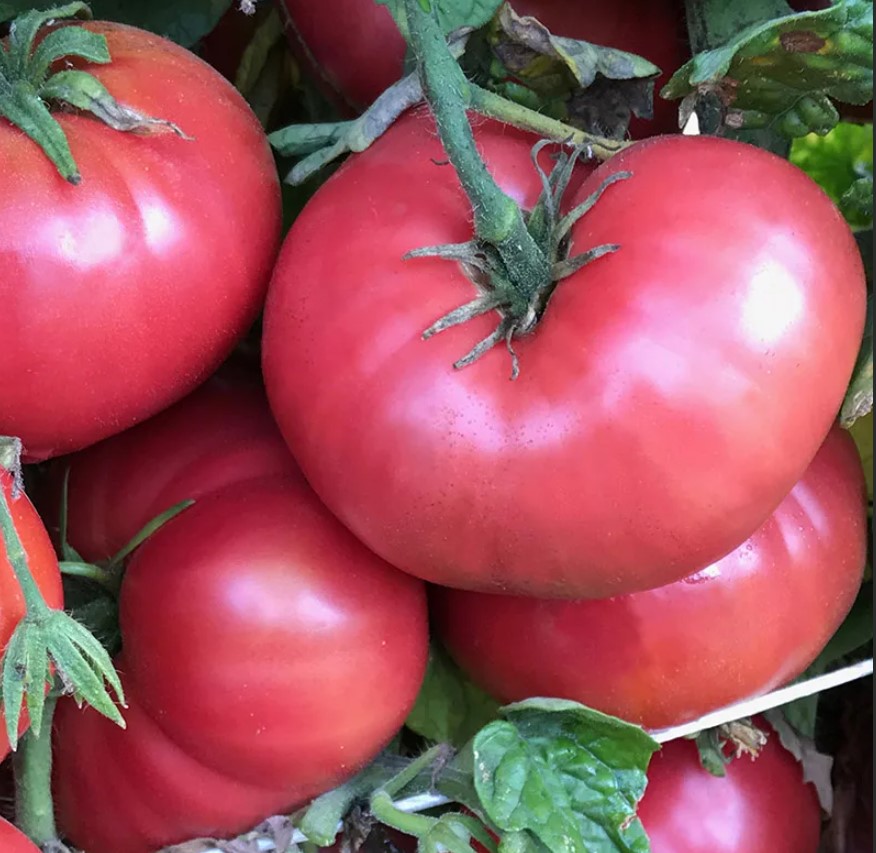
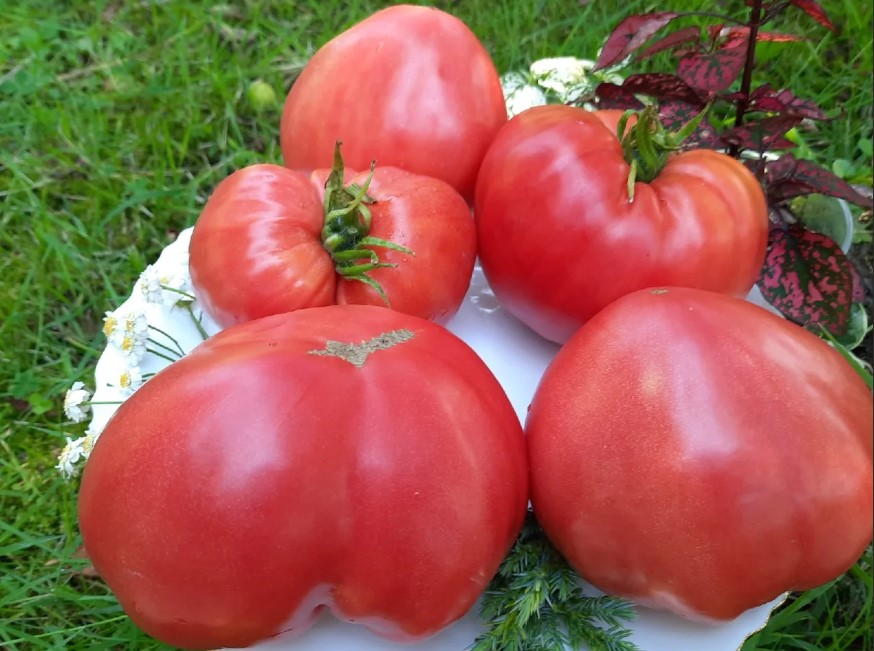
Pink Flamingo tomato photo gallery

The history of the Pink Flamingo tomato variety
The Pink Flamingo tomato variety was developed by domestic breeders for outdoor cultivation. Specialists at AGROFIRMY POISK LLC achieved excellent results, and thanks to its strong immunity and high yield, it has become a favorite among many gardeners. In 2007, it was officially recognized and added to the register of vegetable crops.
A detailed description of the Pink Flamingo tomato variety
The Pink Flamingo tomato is characterized by a medium-sized plant and small tomatoes, yet still produces a very respectable yield. A more detailed description of this crop is provided below.
Characteristics of the bush
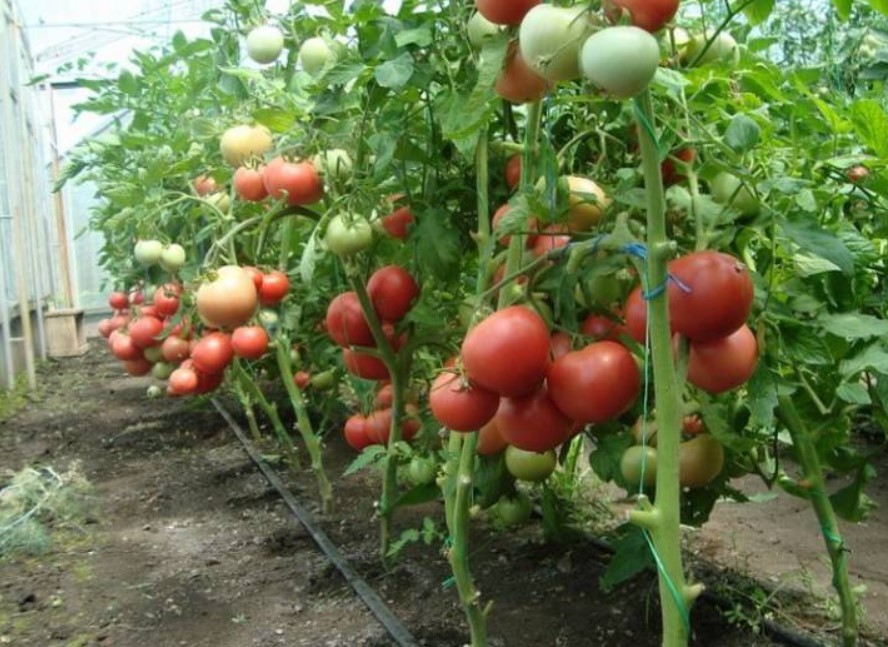
The bushes are determinate, medium-sized, and compact, with shoots reaching approximately 60 cm in height. The leaves are small, and there are not many of them on the stems. The inflorescences are simple and yellowish.
The stems are light brown, and the leaf blades are slightly drooping. The root system is well developed and located close to the soil surface.
Fruit characteristics
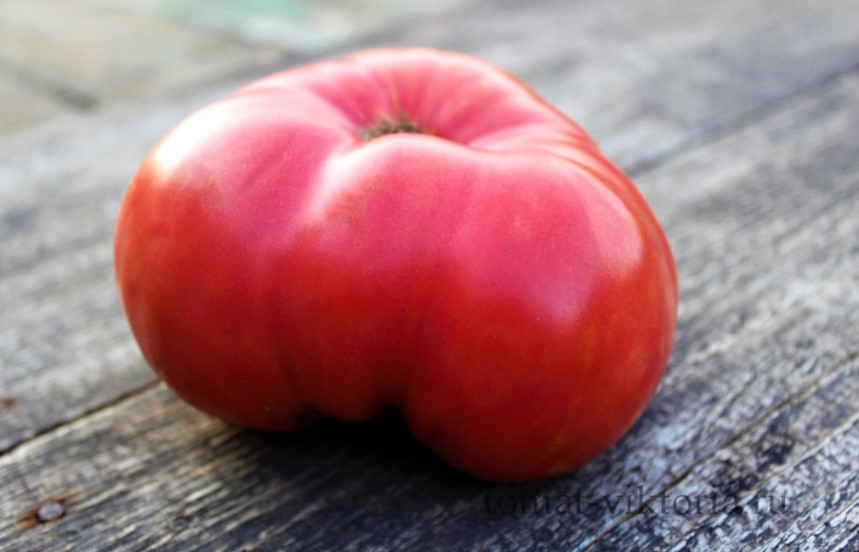
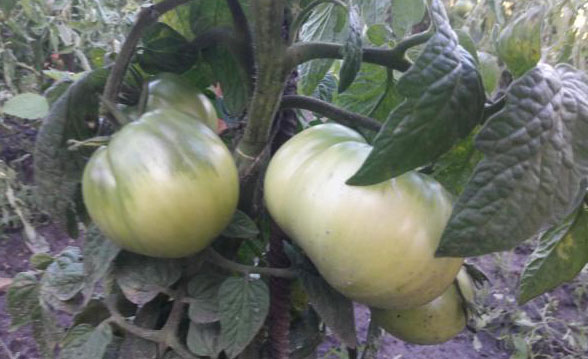
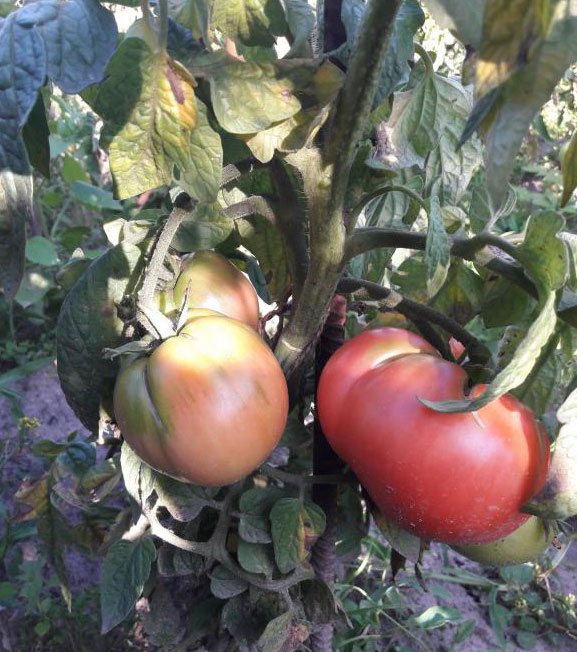
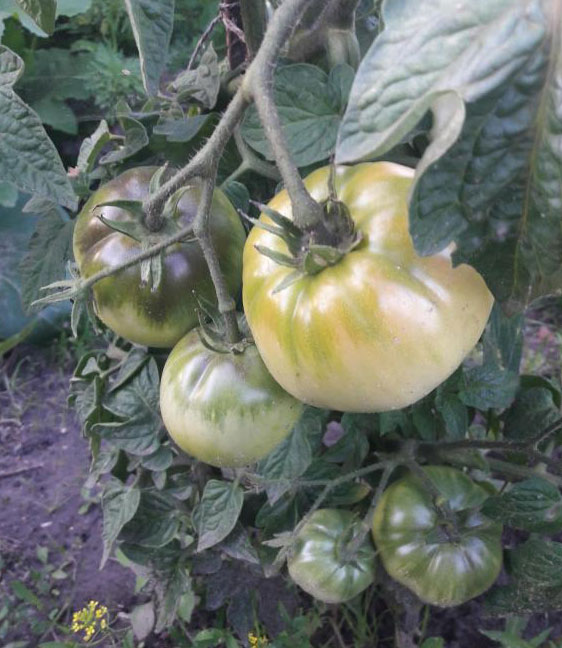
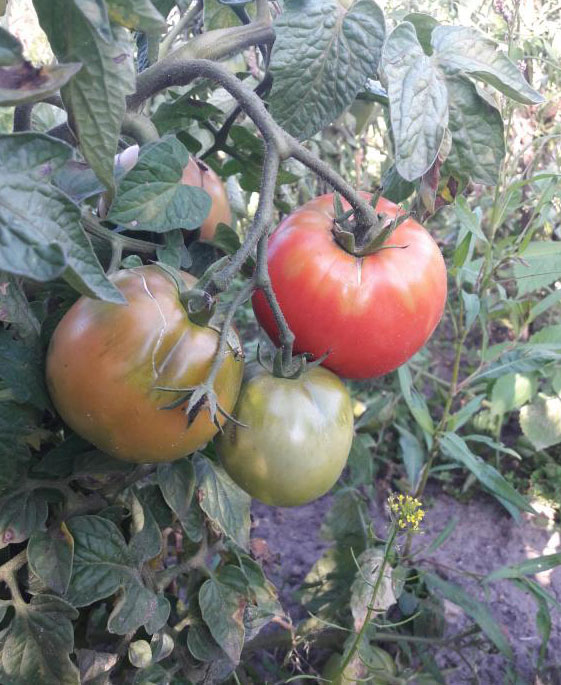
The fruits are small, with a classic tomato shape. Their weight ranges from 75 to 110 g. At the technical ripeness stage, the tomatoes are green, with a distinct dark green spot near the stem. As they ripen, the tomatoes turn pink.
The skin is dense, glossy, the flesh is juicy, with a sweet and sour aftertaste.
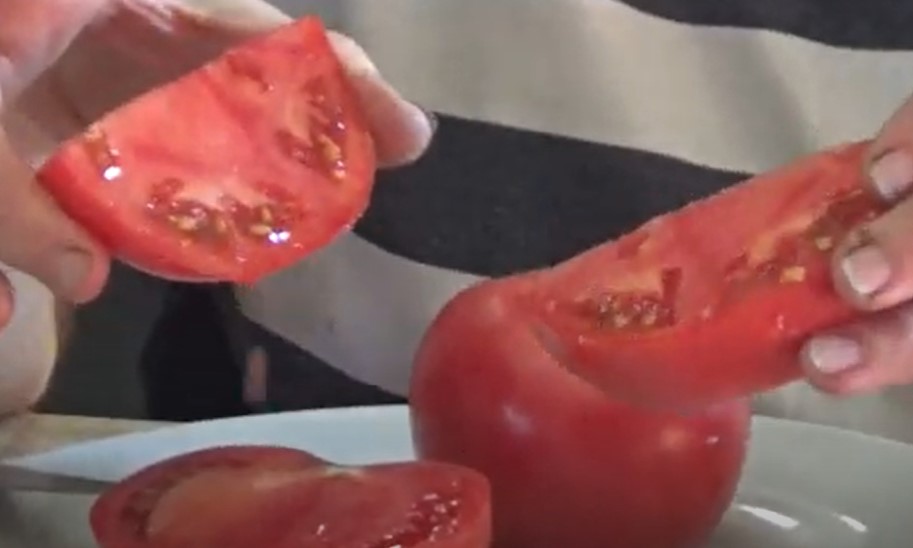
Each cluster produces 5-6 tomatoes at a time. The first tomatoes grown in a greenhouse can weigh up to 400 g.
Ripening time
Pink Flamingo is characterized by an average ripening period, from the moment the shoots appear until harvesting takes about 110 days.
Productivity
The Pink Flamingo variety is considered high-yielding; with proper care, it is possible to harvest up to 349 centners per hectare of land.
Advantages and disadvantages of the Pink Flamingo tomato variety
The table below shows the advantages and disadvantages of the Pink Flamingo tomato variety.
| Advantages | Flaws |
|
|
Growing the Pink Flamingo tomato variety
The Pink Flamingo variety is suitable for outdoor cultivation, so it is planted using seedlings. The main cultivation techniques for this tomato are described below.
Sowing seeds and growing seedlings
Seeds are sown in the second half of March to ensure tomato planting occurs after the threat of frost has passed. The exact timing depends on the growing region. For example, in Crimea, sowing can begin as early as late February or early March. This is done 60 days before planting the bushes in the permanent garden bed.
The soil must be nutritious and well-balanced, so it's best to purchase a general-purpose potting soil. However, if necessary, you can prepare your own soil mixture using the following technique:
- 2 parts garden soil;
- 1 part humus;
- 1 part sand.
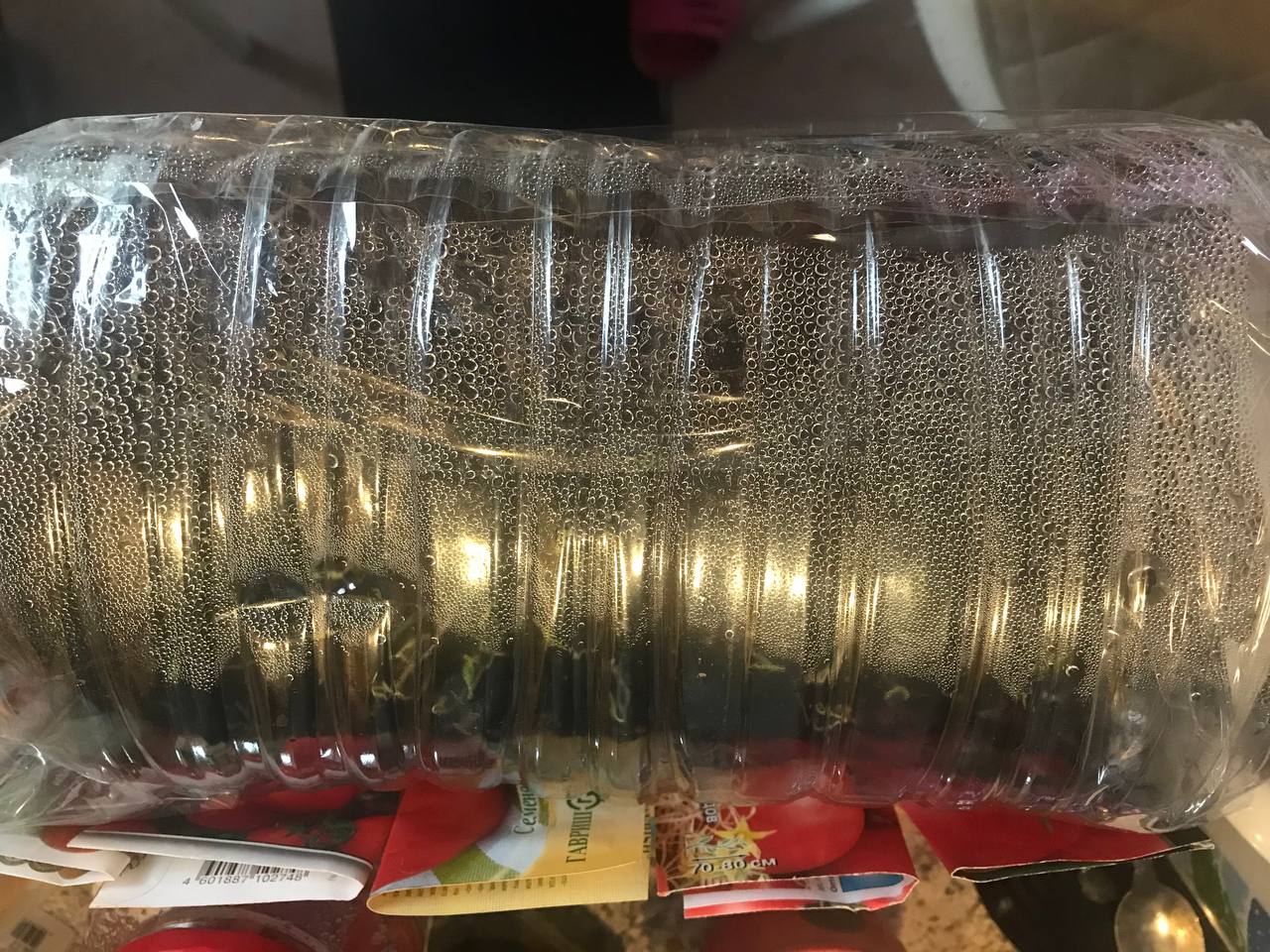
Next, select the most suitable container. Experienced gardeners know that peat cups are best, but if you don't have any, wooden or plastic boxes, plastic cups, or cut-down boxes and bottles will do.
If household containers are used, they must be disinfected before planting.
Seed material must also be prepared in advance. Home-grown seeds are soaked in a weak solution of potassium permanganate for 10-15 minutes, then treated with a growth stimulant. Store-bought seeds generally do not require this preparation; it is done during production, as indicated on the packaging.
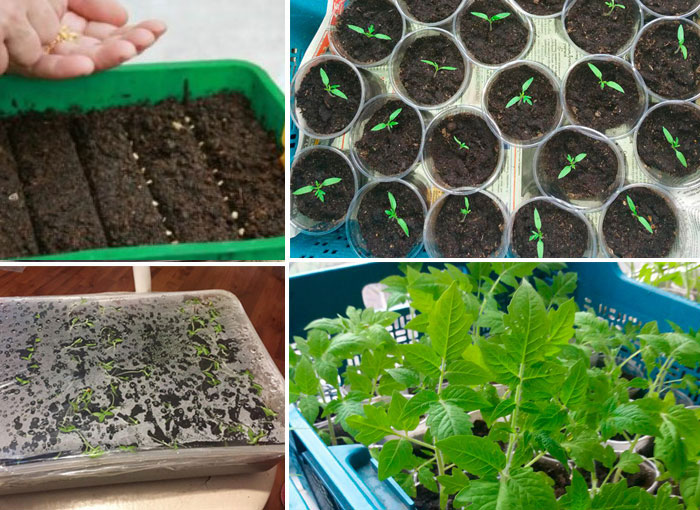
To sow, fill a box or cup 2/3 full with potting soil, then make furrows about 10 mm deep on the surface. Place the seeds in these furrows at intervals of 2-3 cm and cover with soil. The final step is watering. Use a syringe or spray bottle; a watering can is not suitable, as a strong stream can wash away the soil.
Finally, cover the container with plastic wrap and place it in a warm place. Periodically, lift the cover to allow air to circulate inside the resulting greenhouse. Water as the soil dries.
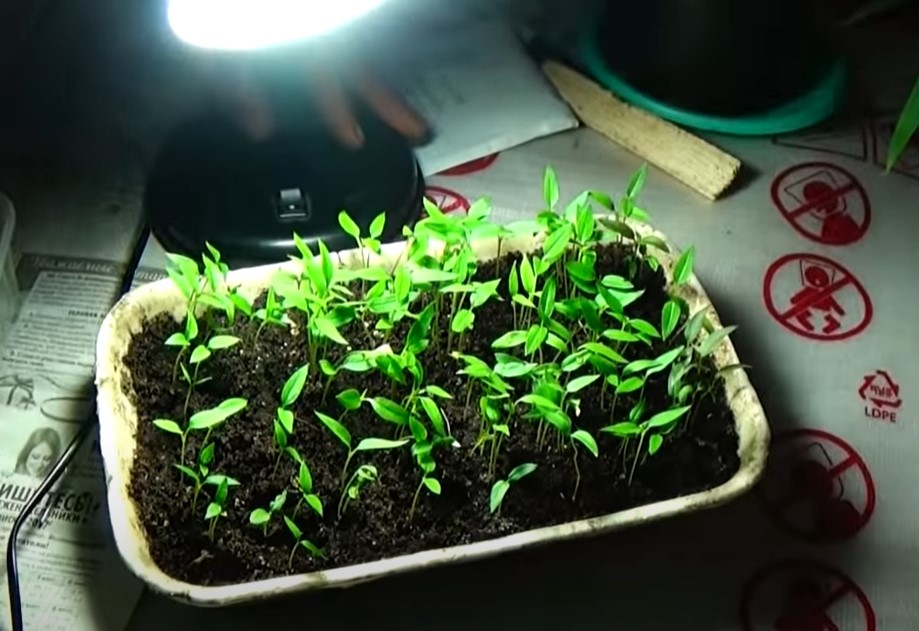
As soon as the first shoots appear on the surface, the tomatoes should be moved to a cooler location. During the intensive growth phase, it's crucial to provide them with good light. It's convenient to purchase a special grow light and turn it on at the end of daylight hours or even on cloudy days.
Planting in the ground
Hardening off tomatoes is recommended 14 days before transplanting. To do this, place the seedlings outside for an hour, then gradually increase this time to 8 hours. This will help the plants adapt more quickly to the new conditions and establish themselves better in the garden.
It's best to prepare the soil in the fall by digging it over and adding manure and humus. At the beginning of the season, it should be dug over again, but this time with superphosphates.
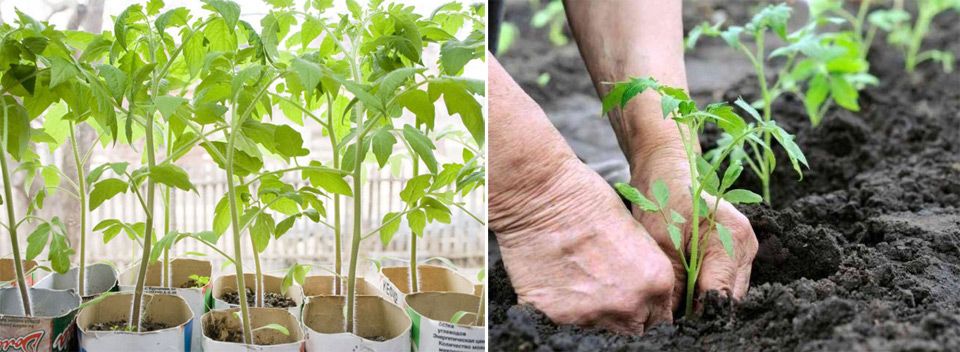
Next, dig holes about 20 cm deep in the garden bed. Place a handful of ash at the bottom of each hole and mix it with the soil. Remove the tomatoes from their containers (unless they're peat pots), place them in the hole with the soil ball, and cover with soil. Next, water the plants with warm, settled water.
If necessary, you can cover the bushes with spnabond at night to avoid the risk of freezing.
If you want to learn more varieties with pink fruits of different sizes, read the article28 Pink Tomato Varieties: Characteristics in Tables, Photos, and Reviews.?
Care
Caring for Pink Flamingo tomatoes is quite simple and does not require any special effort from gardeners.
After planting, mulch the bed with straw or tree bark. This will not only protect the roots from heat and cold but also reduce weed growth.
Three times per season, at intervals of 10-14 days, tomatoes are fed with a universal fertilizer and sprayed with Bordeaux mixture or phytosporin.
Plants need to be watered once a week, and the amount of watering is adjusted as needed depending on weather conditions.
Weeding and loosening of the soil is carried out periodically. It's important to remember that the roots are located fairly close to the surface of the bed, so there's no need to dig too deep when loosening.
If the shoots grow more than 50-60 cm, they need to be tied up, especially during fruit formation, so that they do not break.
Resistance of the Pink Flamingo tomato variety to diseases and pests
The Pink Flamingo tomato has a strong immune system. However, growing it outdoors makes it vulnerable to certain insect pests. The table below lists the main tomato problems and how to combat them.
| Name | Manifestation | Prevention and control |
| Late blight | The leaves become covered with brown spots, around which a whitish border of plaque or cobwebs can often be seen. | For prevention, spray with Fitosporin at 10-14 day intervals. To combat late blight, use Ridomil, Acrobat, Ordan, and other products. |
| Whitefly | Moth-like butterflies can be seen flying on the bushes. They feed on the plant's cell sap and secrete a liquid that attracts other insects, such as aphids and ants. White eggs can be seen on the undersides of the leaves. | In open ground, only contact insecticides are effective against whiteflies. For increased effectiveness, it is recommended to wash each leaf with a soapy solution. |
| Colorado beetle | The beetles eat the leaves, leaving only the veins. They leave yellowish-orange eggs on the undersides of leaves and even on shoots. | If the infestation is small, it's best to collect them by hand, also destroying the leaves containing the larvae. For larger infestations, spray the tomatoes with solutions of Taboo, Prestige, and other pesticides. |
Harvesting, using and storing the Pink Flamingo tomato variety
Pink Flamingo tomatoes begin to ripen 110 days after germination. Avoid overripening the tomatoes, as they will begin to split on the vines before being picked. The harvest does not have a good shelf life; it should be processed immediately after harvesting. In cool conditions, such as a refrigerator, they will keep for 3 to 10 days.
Tomatoes are used for fresh eating, canning, and processing into sauces and pastes.
Varieties with the same name from different producers
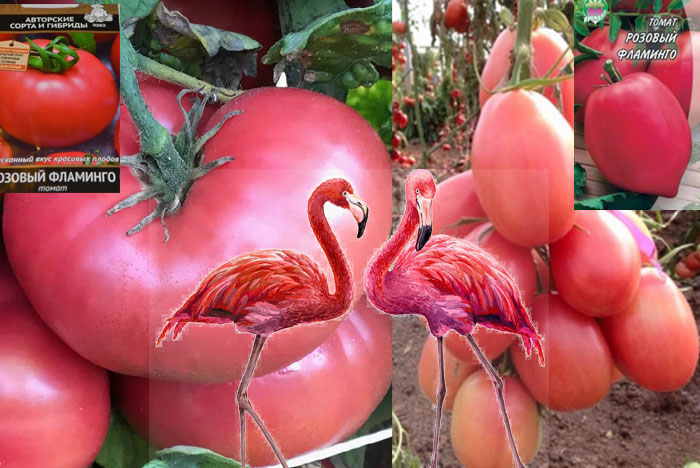
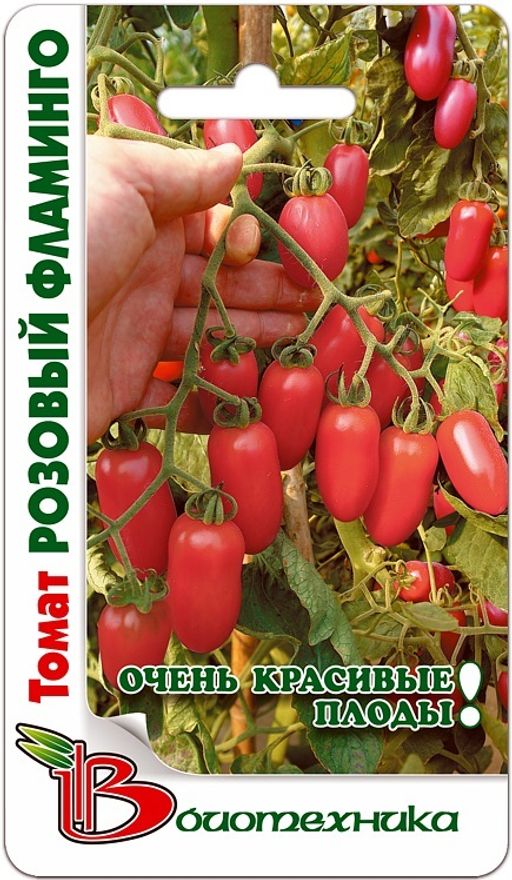
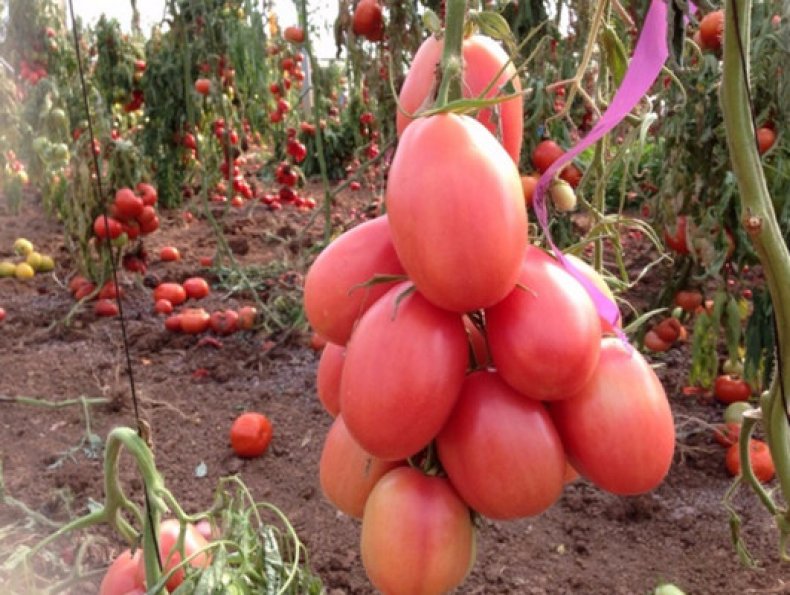
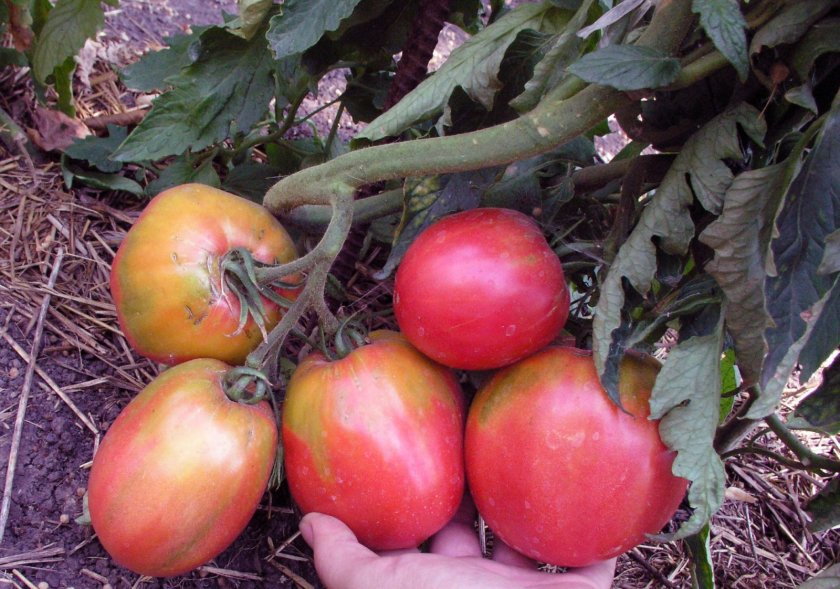
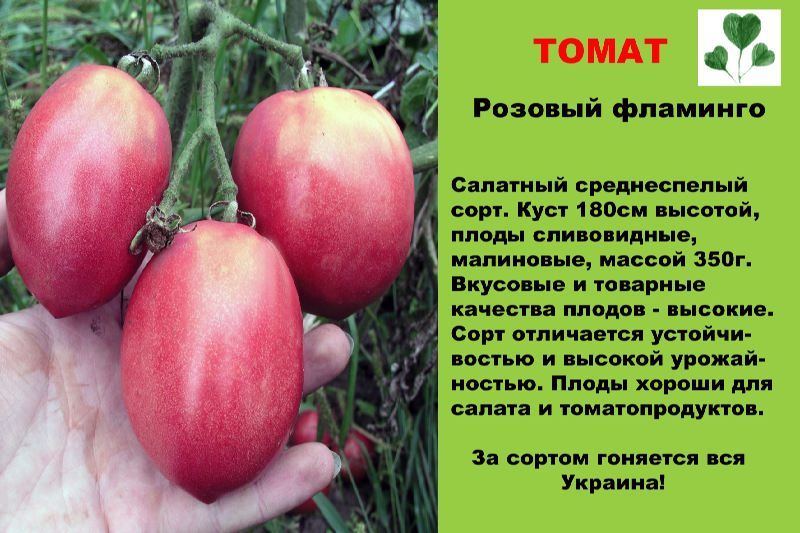
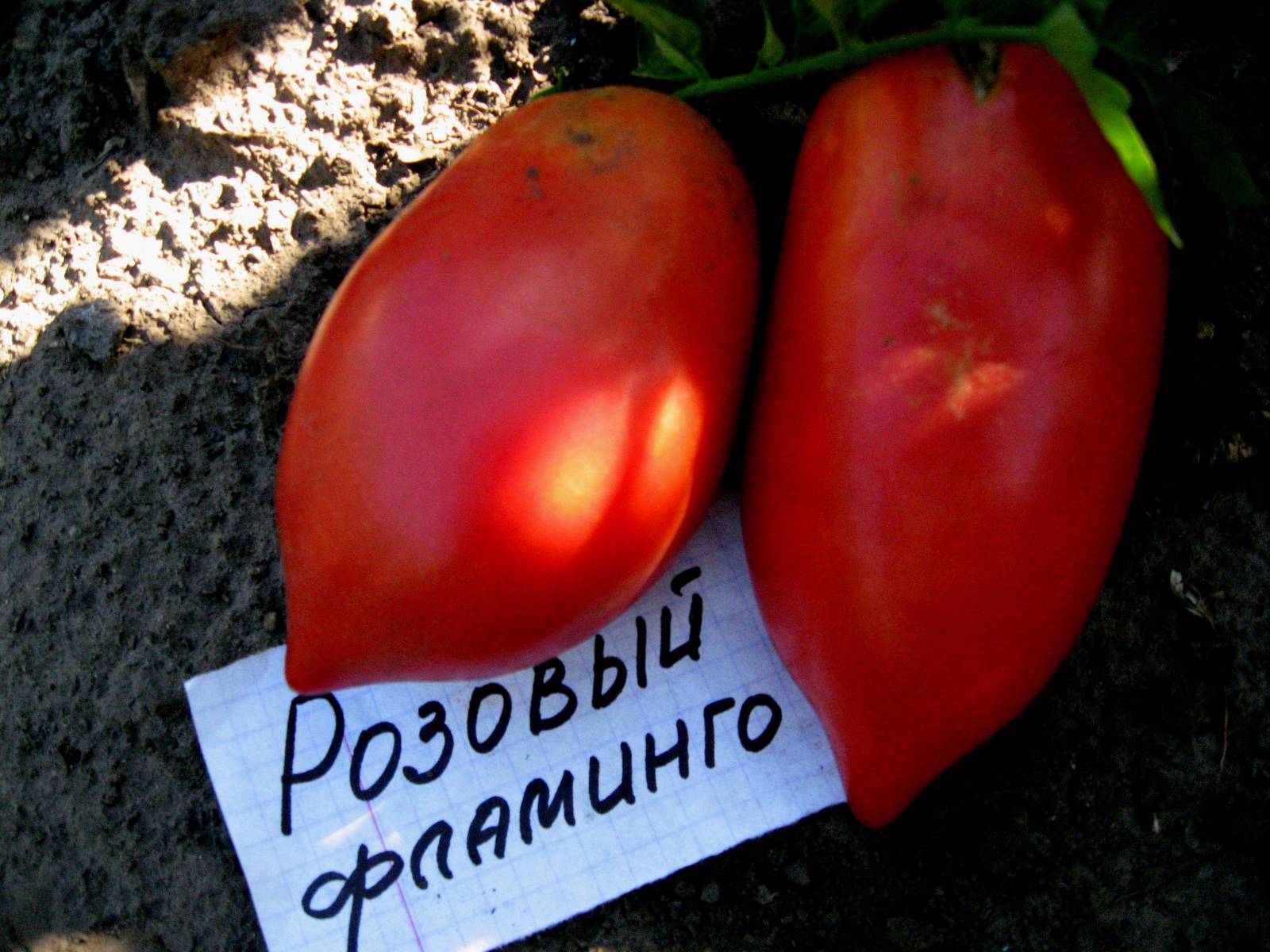
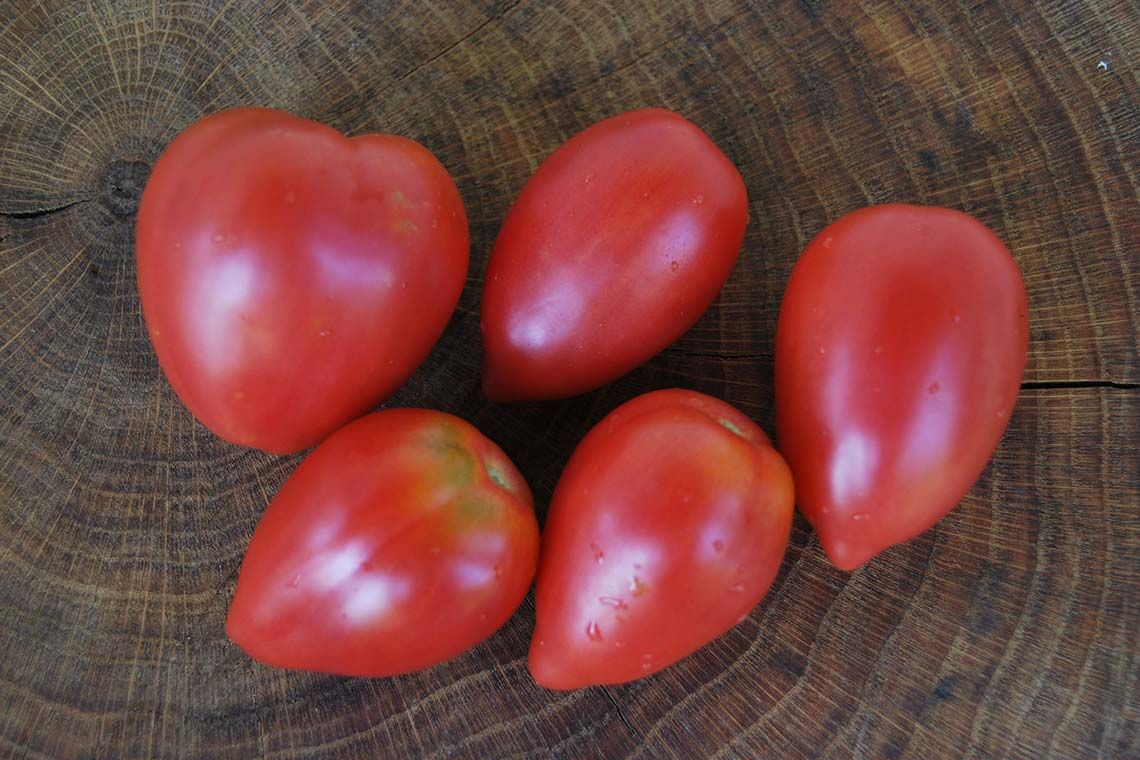
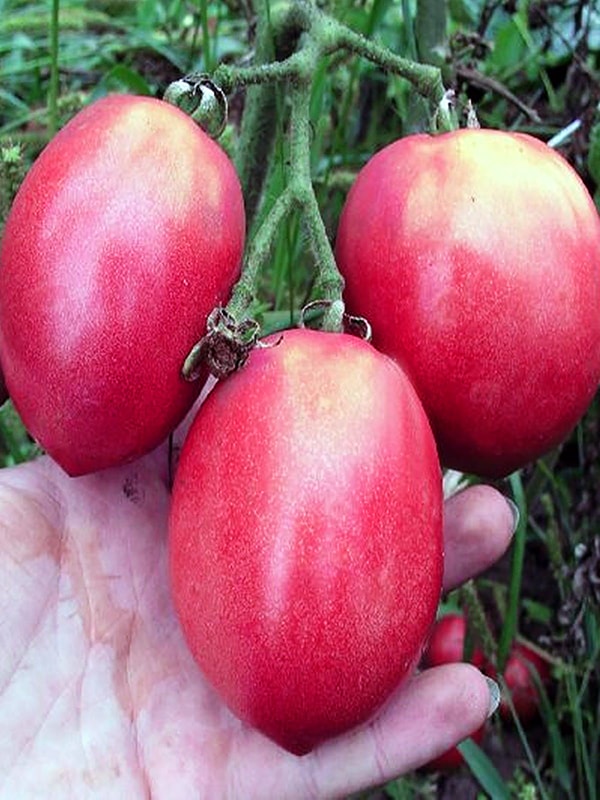
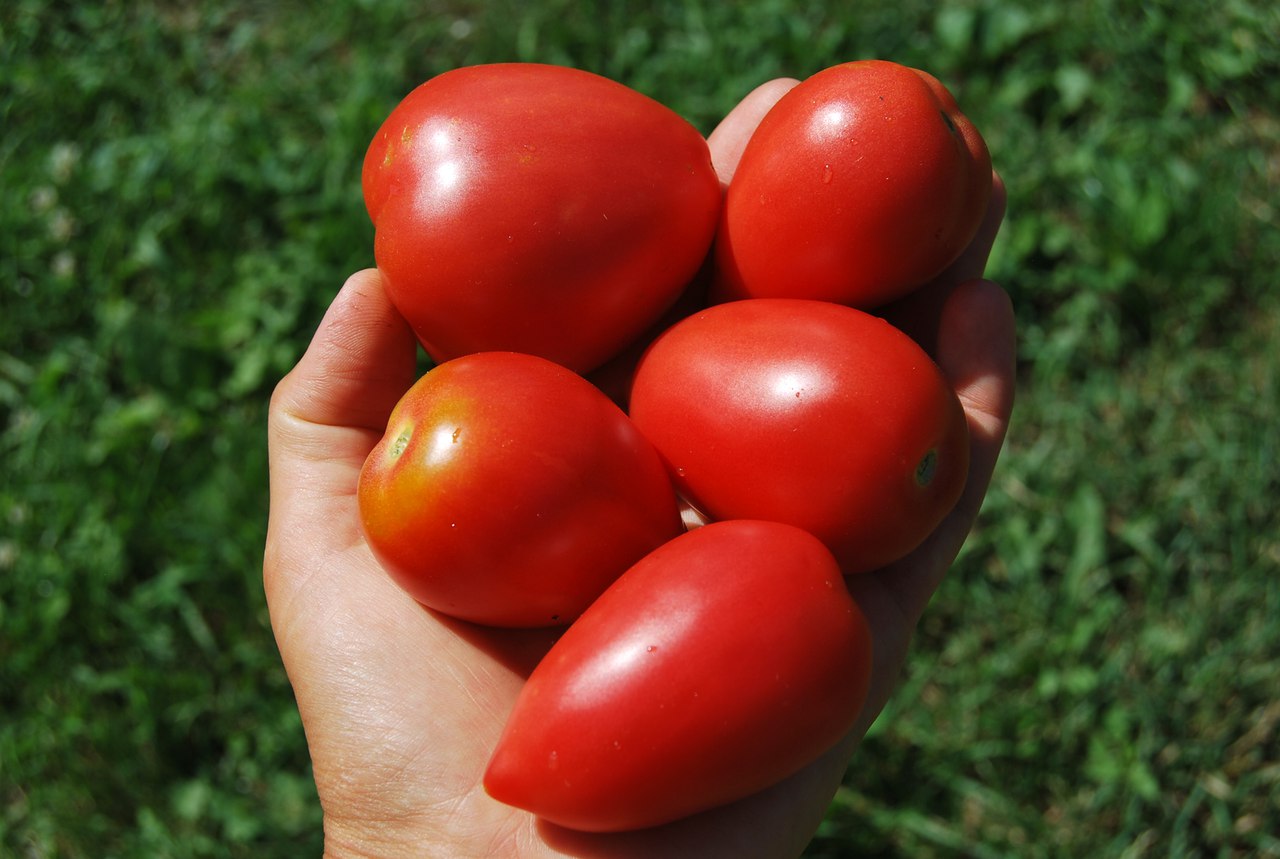
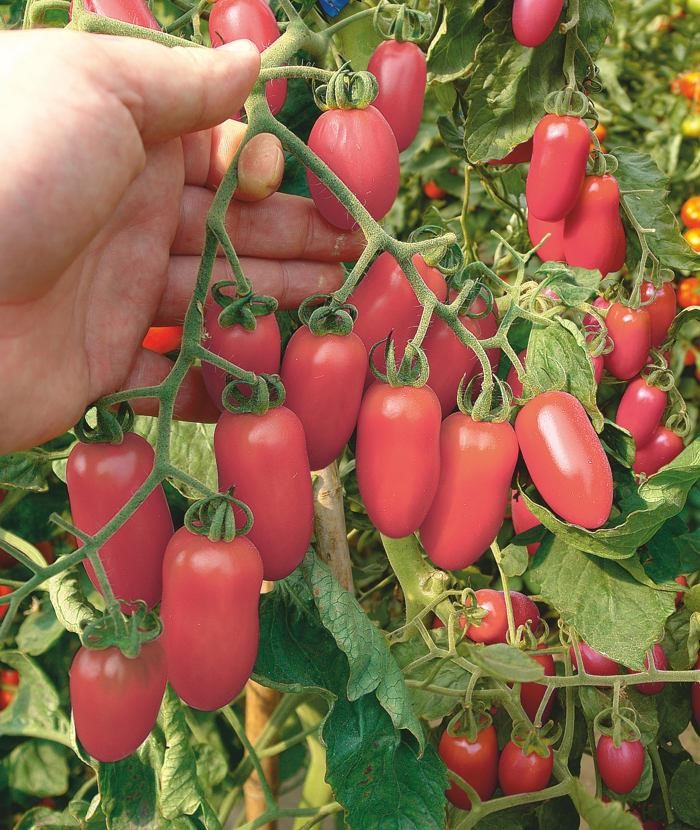
When purchasing Pink Flamingo tomato seeds, you may find that this variety has several lookalikes. For example, Ukrainian breeders have developed their own Pink Flamingo, and even more than one. Therefore, carefully read the manufacturer's description; it's quite possible that you're not talking about the short, round-fruited tomatoes, but a completely different variety with pepper- or plum-shaped fruits and shoots up to 150 cm tall.
For example, tomatoes from Biotekhnika and other producers, but these are completely different varieties.
Photo gallery of Pink Flamingo varieties from Biotekhnika and other producers

Comparison of Pink Flamingo tomato varieties with other varieties in the table
Please note! How can you easily convert centners/ha to kg/sq.m? Simply divide by 100! For example, the Abakansky Pink tomato yields 400 centners of marketable fruit per hectare. This equals 4 kg per square meter. It's that simple! Also, keep in mind that typically no more than 3-4 plants are planted per square meter. This way, you can calculate the yield per bush. In the case of the Abakansky Pink, it's about 1 kg.
| Variety | Ripening period (number of days from full germination to ripening)
Yield of commercial fruits |
Brief description | Fetus |
| Pink flamingo | 110-115 days
234-349 c/ha |
A mid-season determinate variety for open ground. Suitable for salads and processing into tomato products. Marketability: 68-87%. | Round, slightly ribbed, medium density, pink, 75-110 g. Excellent taste. |
| Pink Bush F1 | 90-100 days
227-480 c/ha |
An early-ripening determinate variety for open ground. Suitable for salads. Marketability: 95%. | Round to flat-round, slightly ribbed, medium density, pink, 110-150 g. Excellent taste. |
| Abakan pink | 120 days or more 400 c/ha |
A late-ripening determinate variety for open ground and greenhouses. Requires staking and training. Suitable for salads and processing into tomato products. | Flat-round, slightly ribbed, medium density and pink in color, 200-500 g. Good taste. |
| St. Andrew's surprise | about 120 days
800 c/ha |
A late-ripening indeterminate variety for greenhouses (can be grown outdoors in the south). Suitable for salads, juices, and tomato paste. Seedlings tolerate low light conditions well. | Flat-round, smooth, medium density, pink, 150-230 g. Excellent taste. |
| Big Dipper | 100-110 days
1150-1450 c/ha |
An early-ripening indeterminate variety for open ground and greenhouses. Requires staking and shaping. Suitable for salads. | Flat-round, slightly ribbed, medium density, pink, 210-260 g. Good taste. |
| Pink bull | 110-120 days
385-392 c/ha |
A late-ripening determinate variety for open ground and greenhouses. Suitable for salads. Marketability: 89.5-90.3%. | Large, medium-ribbed, flat-round, pink, 305-310 g. |
| Mushroom basket | 115-120 days 630 c/ha |
A late-ripening, indeterminate, standard variety for open ground and greenhouses. Requires staking and shaping. Suitable for salads. | Flat-round, very strongly ribbed, medium density, pink, 250 g. Good taste. |
| Katya is pink | 80-85 days
1600-1800 c/ha |
An early-ripening determinate variety for open ground. Suitable for salads. Marketability: 84-90%. | Flat-round, medium density, smooth, pink, 120-130 g. Good taste. |
| Pink honey | 111-115 days
380 c/ha (open ground) |
A mid-season determinate variety for open ground and greenhouses. Suitable for salads. Marketability is 96%, and the yield of ripe marketable fruits is 90%. | Round, ribbed, pink, 160-200 g. Excellent taste. |
| Pink elephant | 112 days
620-820 c/ha |
A mid-season semi-determinate variety for greenhouses. Suitable for salads, canning, and processing into tomato products. | Flat-round, fleshy, medium- to strongly ribbed, notched to smooth top, pink, 280 g. Excellent taste. |
| Yusupovsky | 110-115 days
100-1200 c/ha |
A late-ripening, tall, indeterminate variety for greenhouses. Requires staking and training. Suitable for salads, juices, and sauces. | Flat-round, large, fleshy, pink-red, 400-800 g. When grown in open ground, the weight is from 200 g. |
Gardener reviews of the Pink Flamingo tomato variety from Poisk
A good tomato variety with a strong immune system, it rarely gets sick. It's best to cover it at first, and it's best to pick the tomatoes when they're still slightly green, otherwise the skin will crack.
Today I'd like to review the tomato seeds I planted last year. It's just the beginning of seedling season, and perhaps this information will be helpful in making the right choice.
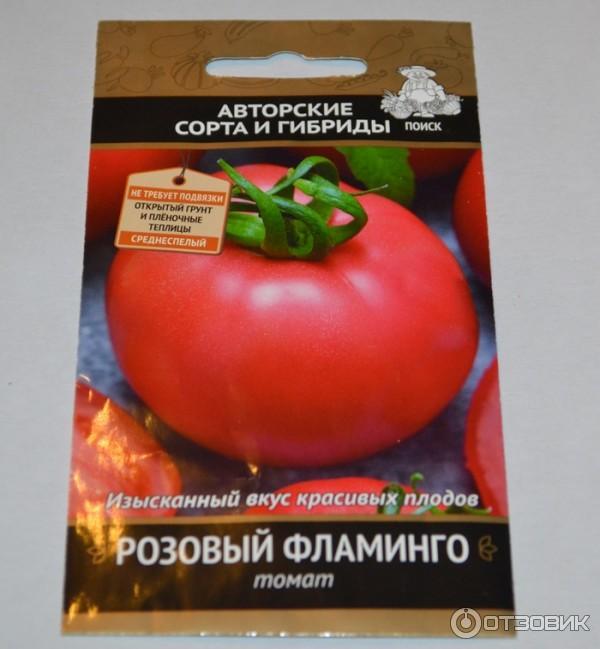
So, the seeds of the tomato variety "Pink Flamingo" from the agroholding "Poisk".
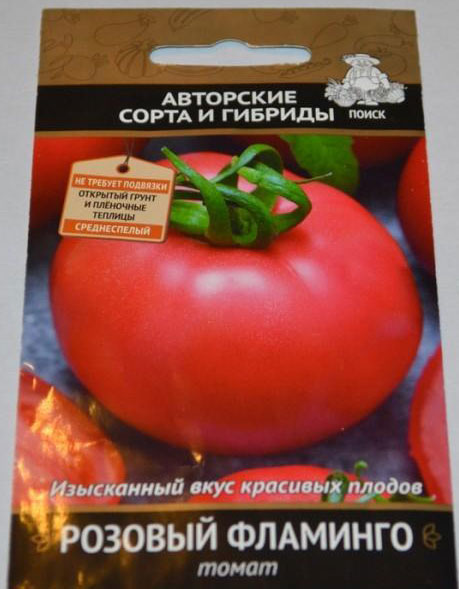
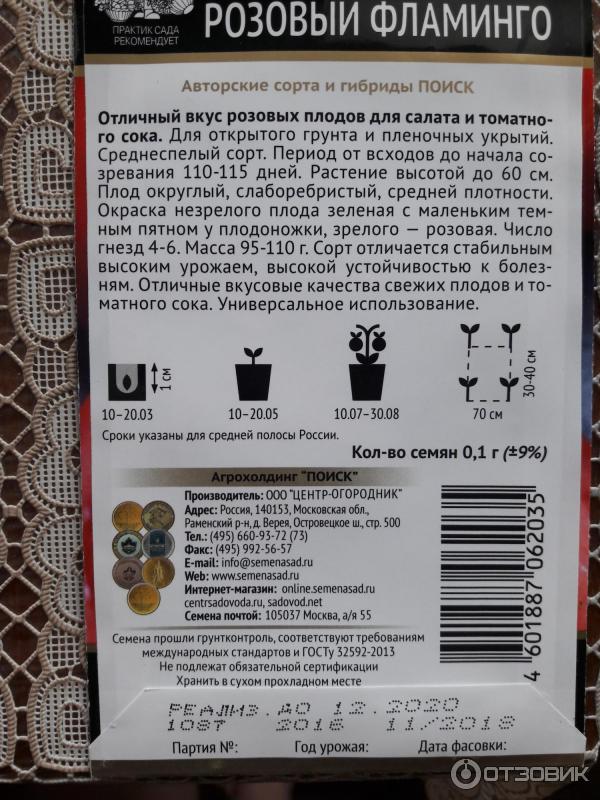
The seeds are packaged in brightly colored bags, with some information about this tomato variety on the back.
The seed count is 0.1 grams, which is at least 30 seeds. I only sowed a portion of the seeds to test them. It's worth noting the excellent germination rate of these seeds, almost 100%, which is rare.
They hatched very amicably and grew just as amicably.
You can immediately distinguish this seedling from other varieties—its bushes don't stretch out; they're stocky, with thick stems and branches, compact, not spreading, and grow to a height of only 60-70 cm. This variety doesn't require staking; even under the weight of tomatoes, it doesn't bend or break. It does have side shoots, but I break them off immediately.
This variety is suitable for both greenhouses and open ground. It's mid-season, ripening in our climate in open ground in late July to early August. Fruiting is good, with 4 to 6 fruits per branch.
Tomatoes are medium-sized, round, weighing 90-110 grams.
The tomatoes are pink-red in color, the flesh is fleshy, sweet and very tasty.
Excellent for salads and for eating fresh.
This is such a good variety, I really liked it, I'll plant it again this year. So, if anyone is interested, you can try it too.
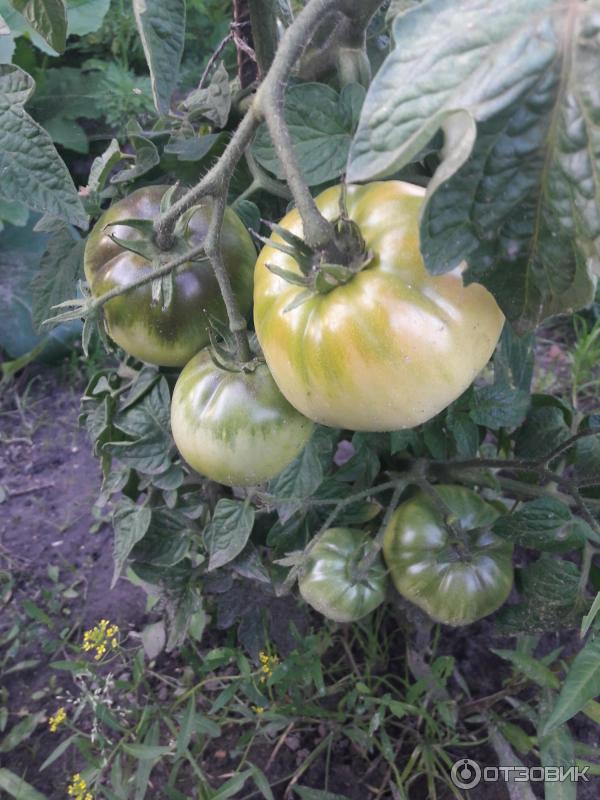
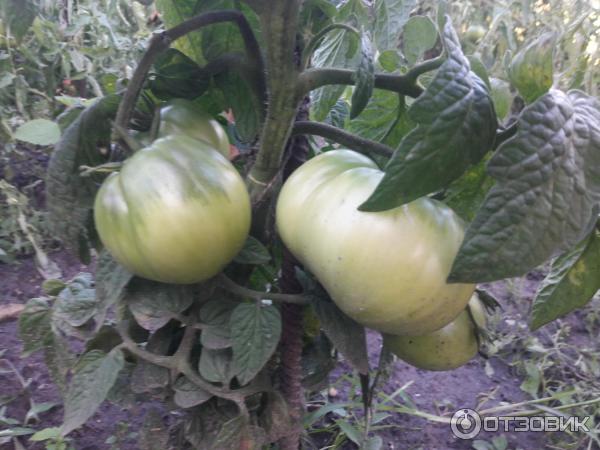
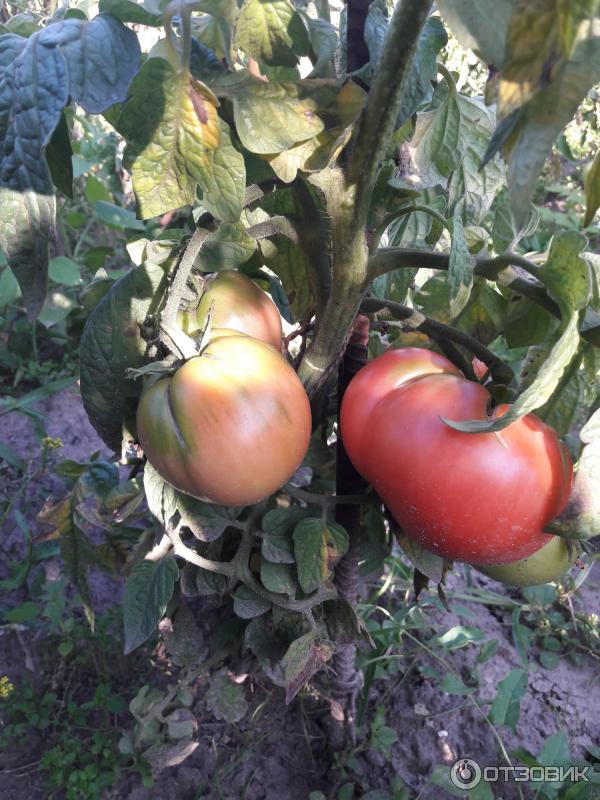
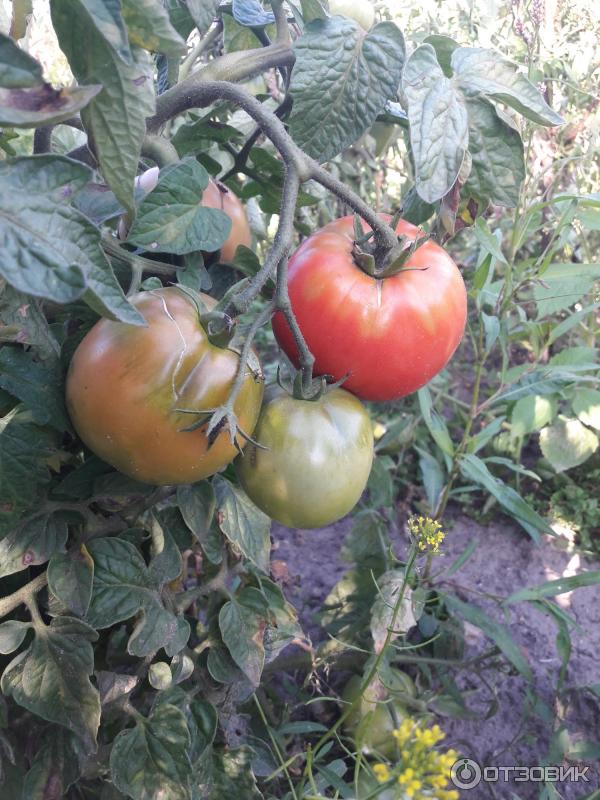
Tomato seeds "Pink Flamingo" (Poisk) - this is my favorite variety for outdoor growing. I've been growing it for several years now, and I'm not tired of it yet.
Tomato seeds "Pink Flamingo" have several advantages.
Plus one.
The tomato is short. You don't have to pinch it out. I don't, but I do tie it up. One year I missed the opportunity, and the tomatoes spread out across the bed. I thought the yield decreased.
The "Pink Flamingo" tomato seeds are not early ripening. However, the advantage is that "Pink Flamingo" produces fruit abundantly, making it suitable not only for fresh consumption but also for canning in salads.
The pink fruits, when mixed with red tomatoes, cucumbers and onions, make a very beautiful salad.
The fruits are juicy, you can't exactly call them dry, but they have an excellent taste. And aroma.
The Pink Flamingo grows to about sixty centimeters, but still, I repeat, there is no need to tie it up; the tomatoes simply spread out across the bed, exposing their fruits to the sun...The variety is resistant to fungal diseases. However, I still spray it once at the end of August with phytosporin. Just in case, especially if cold nights become a regular occurrence.
Flamingo ripens four months after germination. And that's normal!
I recommend it!
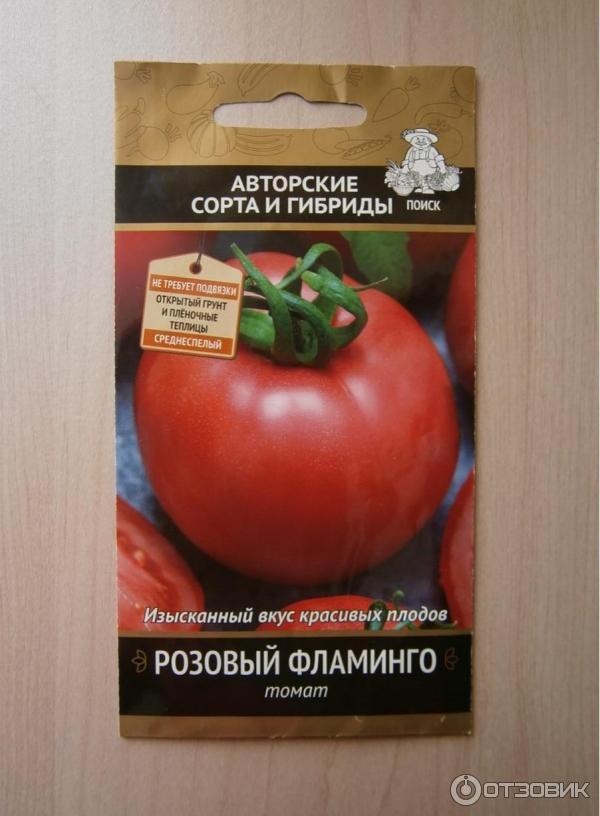
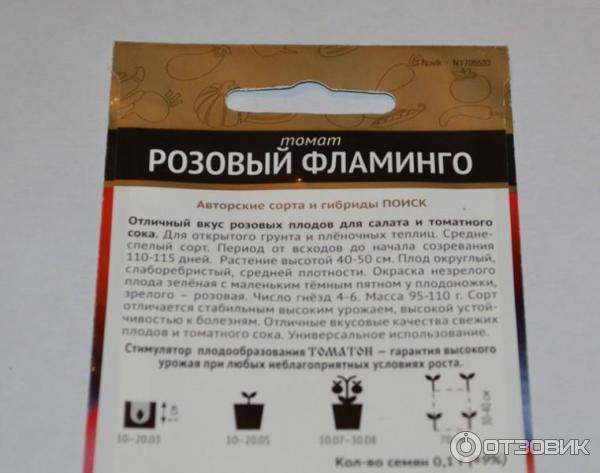
I was recommended to use "Pink Flamingo" tomato seeds as the most delicious pink-fruited tomato. I bought seeds from the "Poisk" company and sowed them for seedlings in mid-March. The germination rate was very good—all, or almost all, of the seeds sprouted. I sowed them in one container so I could transplant the plants into individual cups later. However, I had to transplant them directly into the ground. I was very worried about ruining the young plants. When planting them in the garden, I covered each plant with a cut-down plastic bottle. All the seedlings took root and, after a while, were indistinguishable from those transplanted indoors.
I cared for the "Pink Flamingo" just like the other tomatoes. This included pruning, tying, and treating them for late blight. The fruits turned out very tasty. But they have a very significant drawback. They are prone to cracking. Sometimes I had to cut off almost half the tomato. Naturally, such tomatoes don't store well, even for a short time. I only used them for salads and canning (but never whole).
A couple of years ago I discovered another seed producer, “Poisk”.
I decided to try them out and bought a lot of different varieties. But you can never have too many good varieties, so I only bought the "Pink Flamingo" tomato again.
The packaging design is slightly different from other manufacturers, but it looks interesting.
This versatile variety can be grown both in greenhouses and outdoors. Determinate, it requires no fuss or staking.
The fruits are pink, tasty, and juicy. The yield is truly high.
As for disease resistance, I try to treat the plant more with folk remedies and the plant is not susceptible to disease.
Tomatoes can be used both fresh and for canning.