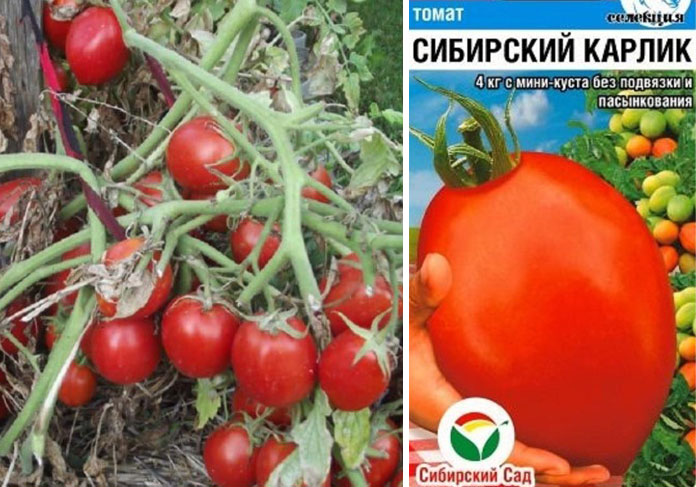
Not all vegetable crops are suitable for growing in northern regions, so gardeners in Siberia, the Urals, and the Far East are forced to choose from a limited number of tomato varieties suitable for their climate. The Siberian Dwarf is precisely the variety that can withstand temperature fluctuations and cold snaps without losing yield.
Content
- 1 Table with characteristics of the Siberian Dwarf tomato variety
- 2 Photo gallery of the Siberian Dwarf tomato variety:
- 3 The origin of the Siberian Dwarf tomato variety
- 4 A detailed description of the Siberian Dwarf tomato variety
- 5 Advantages and disadvantages of the Siberian Dwarf tomato variety
- 6 Features of growing the Siberian Dwarf tomato variety
- 7 Resistance of the Siberian Dwarf tomato variety to diseases and pests
- 8 Collection, use and storage
- 9 Comparison of the Siberian Dwarf tomato variety with other varieties in the table
- 10 Gardeners' reviews of the Siberian Dwarf tomato variety
Table with characteristics of the Siberian Dwarf tomato variety
| Characteristic | Description |
| Description | A compact, determinate, standard tomato variety no more than 35 cm in height with an average ripening period. |
| Ripening period | 90-100 days |
| Fruit weight | 150-200 g |
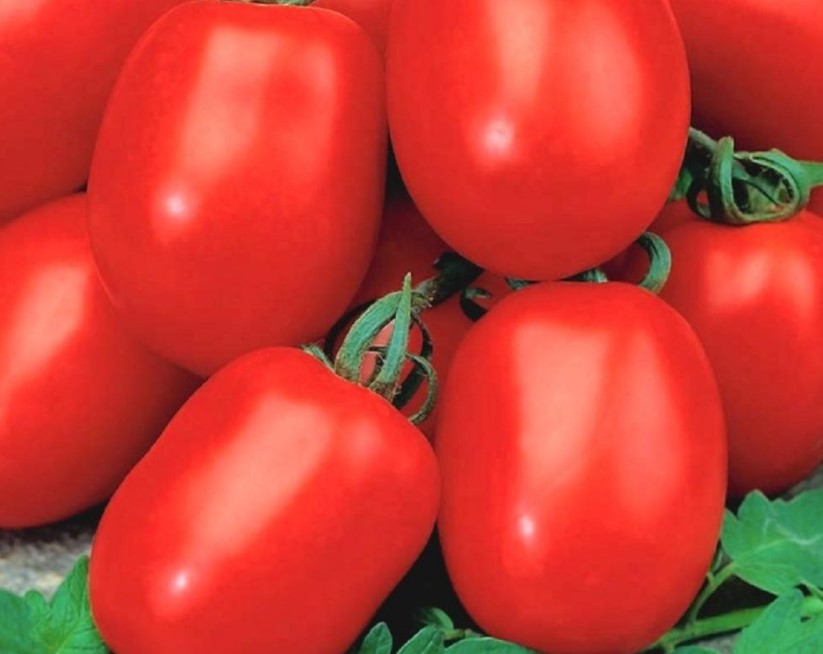
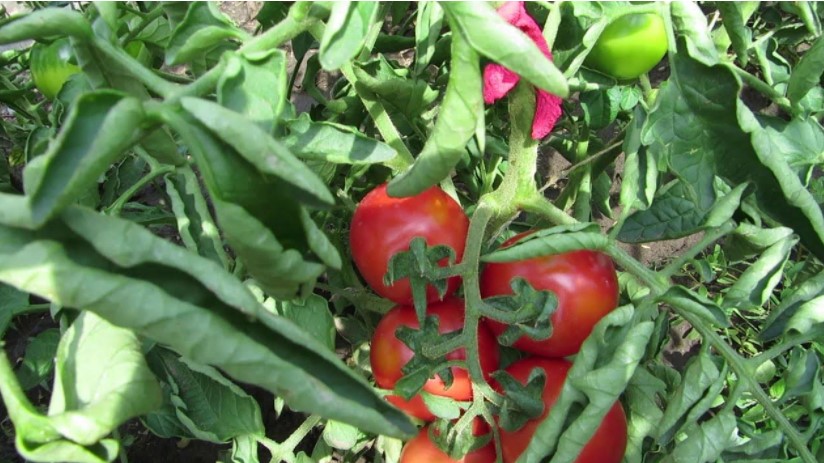
| Description of the fruit | The fruits are oval and red. The surface is smooth, without ribbing. The skin is glossy and dense, there are few seeds, the flesh is juicy, and the flavor is average. |
| Productivity | 1200-1600 c/ha |
| Usage | Tomatoes can be used in a variety of dishes and eaten fresh. They are most often used for processing and whole-fruit canning. |
| Preferred growing regions | The variety is zoned for regions with a cool climate, but can also be grown in other regions of the country. |
| Disease resistance | It has a strong immune system and is extremely rarely affected by late blight. |
| Agricultural technology | This standard variety is characterized by a strong stem with a relatively short height, so it can be grown without staking. Furthermore, the compact bushes can be planted closer together than other tomato varieties. |
| Not included | |
| Country of origin | Russia, Novosibirsk, Agrofirm Siberian Garden |
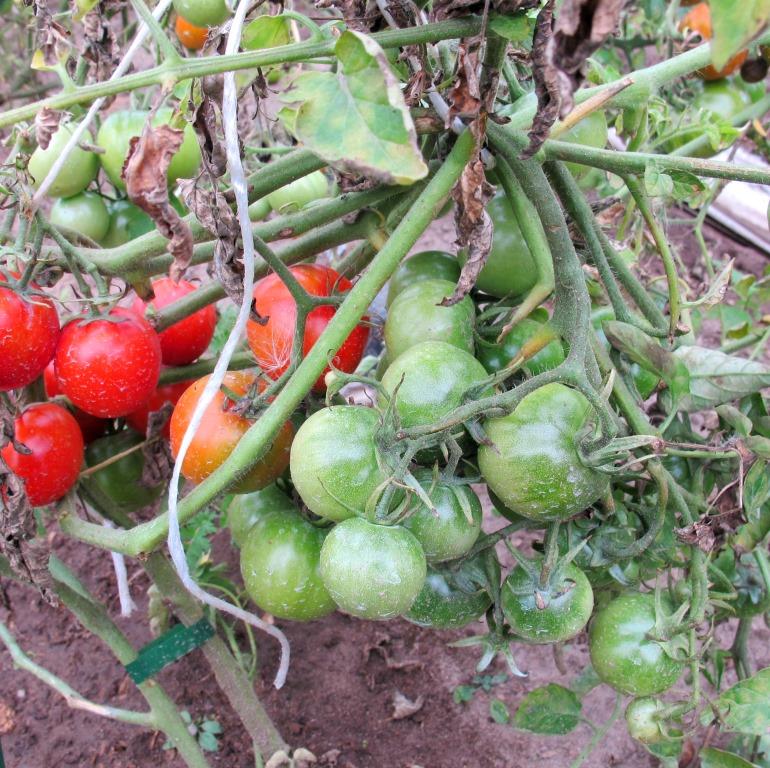
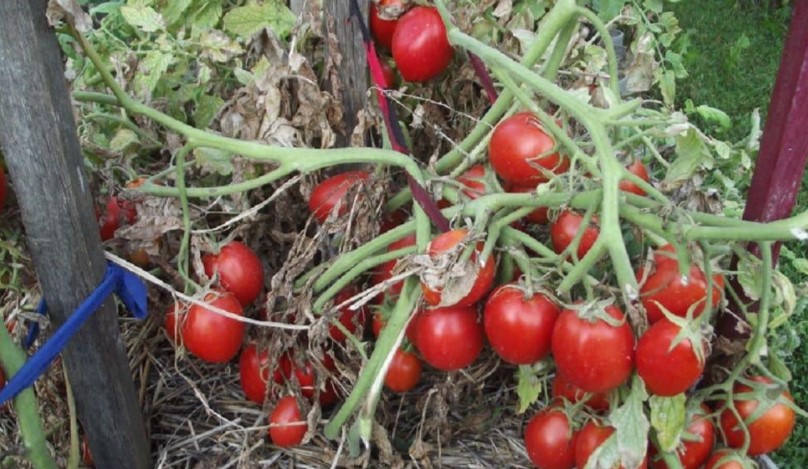
Photo gallery of the Siberian Dwarf tomato variety:
The origin of the Siberian Dwarf tomato variety
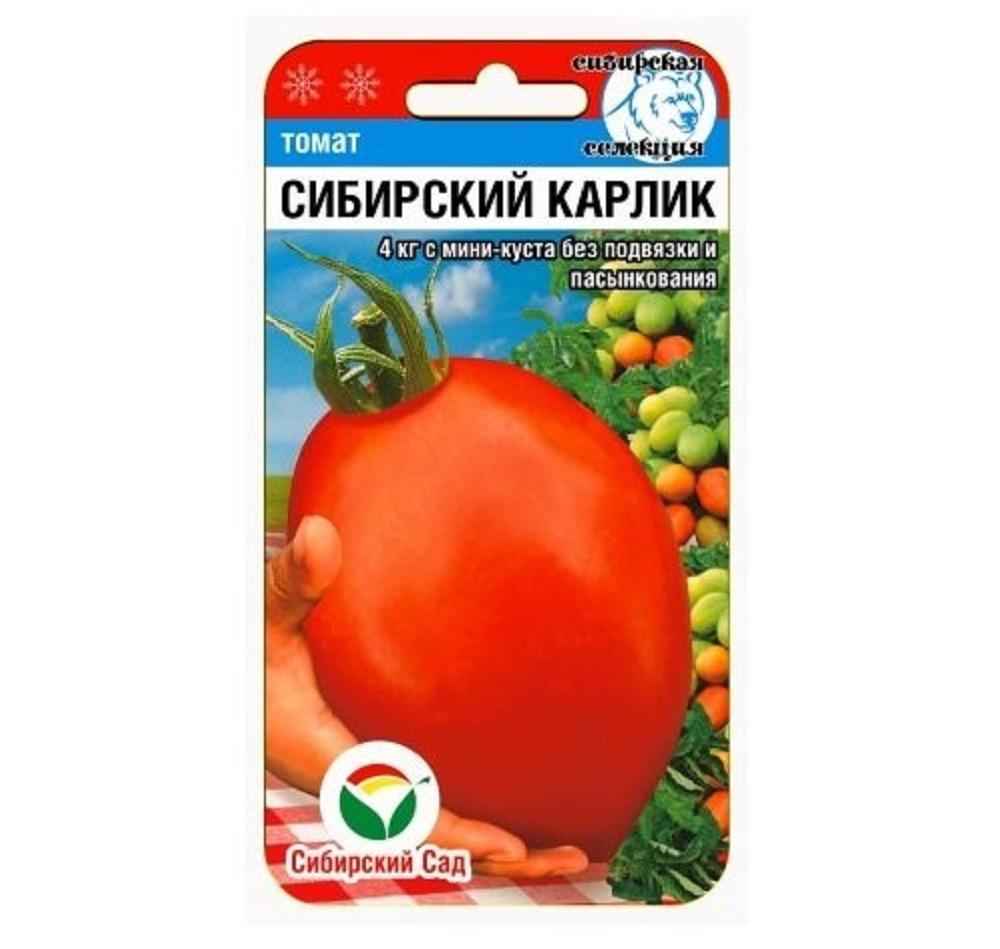
For several years now, the Sibirsky Sad agricultural company has been distributing new vegetable varieties nationwide. The Siberian Dwarf tomato variety was developed in 2018 thanks to the efforts of the company's specialists, but it has not yet been added to the State Register. Gardeners from other cities and beyond can purchase the seeds, thanks to the well-coordinated online store.
A detailed description of the Siberian Dwarf tomato variety
Siberian Dwarf is a dwarf variety, so it can grow very compactly, which allows you to get a good harvest even from a small area.
Bushes
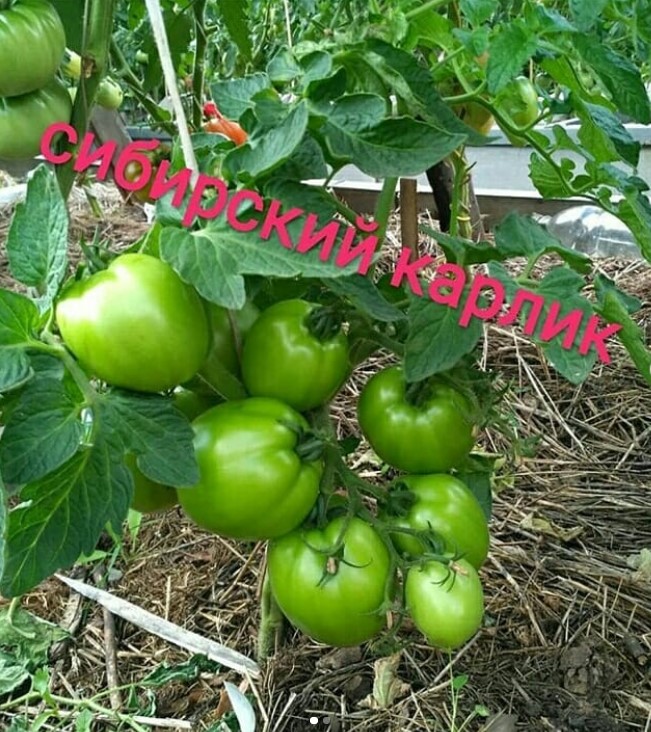
This standard variety has a strong stem, ranging in height from 25 to 35 cm, so it often doesn't require staking and can grow unsupported. The leaves are few and relatively small. The compact size of the bush allows for denser planting per square meter.
Fruit
The Siberian Dwarf's fruits are quite large for such a small bush; they are oval in shape and weigh between 150 and 180 g. Under favorable growing conditions, the fruit can weigh up to 200 g.
The skin is bright red, glossy, and dense. The tomatoes' surface is smooth, with no visible ribbing.
The flesh is juicy and grainy, with few, small seeds. The tomatoes taste slightly sweet with a distinct tartness.
Productivity
The tomato plants produce clusters of 5-6 tomatoes per bush. The variety's total yield ranges from 1,200 to 1,600 centners per hectare, with a yield of up to 4 kg per bush.
Ripening time
Siberian Dwarf is considered a mid-season variety, with fruits ripening approximately 100 days after germination. However, in regions with favorable climates, tomatoes ripen earlier, and can be harvested after just 90 days.
Advantages and disadvantages of the Siberian Dwarf tomato variety
In the table below we will consider the main advantages and disadvantages of the Siberian Dwarf variety.
| Advantages | Flaws |
|
|
Features of growing the Siberian Dwarf tomato variety
The Siberian dwarf tomato is grown from seeds and is most often planted in garden beds as seedlings.
Sowing seeds and growing seedlings
The sowing date depends on the region. On average, seedlings need 55 to 65 days to develop.
You can collect the seeds yourself, but Siberian dwarf seeds are very small and often underdeveloped. Therefore, it's best to buy them directly from the producer. Furthermore, store-bought seeds usually undergo pre-sale preparation, which includes disinfection and treatment with growth promoters. You won't need to do anything special with these seeds at home.
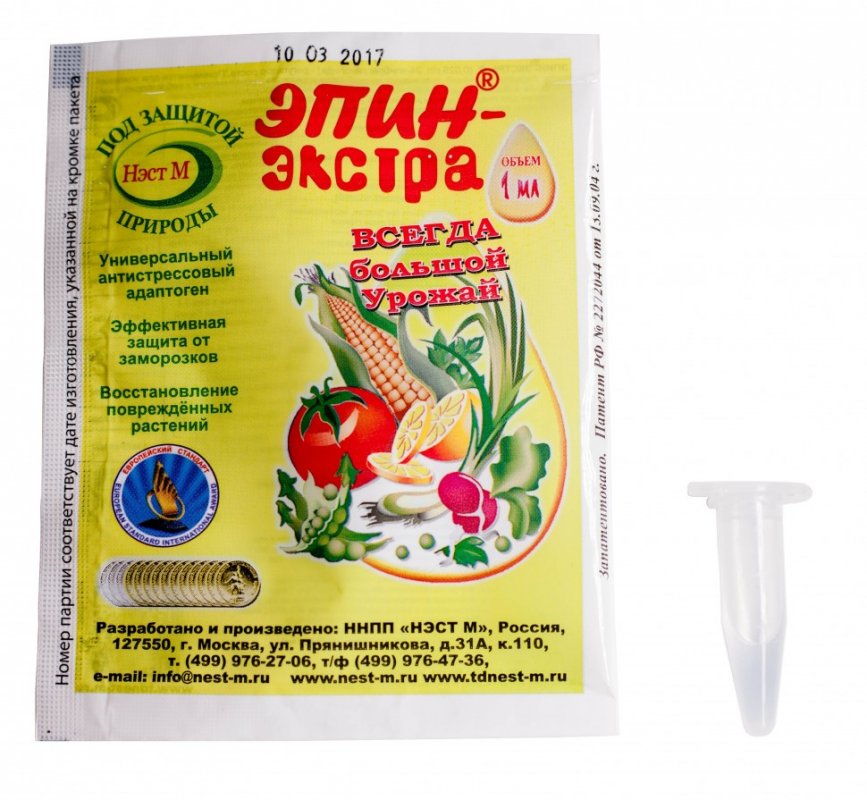
But if you plan to use planting material you've collected yourself, you'll need to disinfect it in a weak solution of potassium permanganate and treat it with stimulants, such as Epin or Zircon.
It's best to purchase ready-mixed soil for seedlings, suitable for tomatoes and peppers. However, many gardeners prefer to create their own soil mix using equal parts garden soil, sand, peat, and humus. This soil mix will need to be disinfected by baking it in the oven or soaking it in potassium permanganate. To control moisture levels and prevent overwatering or drought, it's recommended to add vermiculite to the soil (approximately 15% of the total volume).
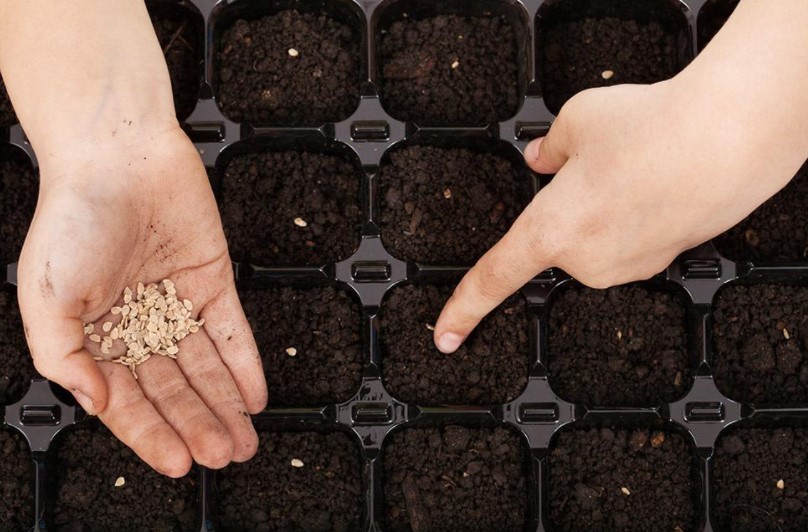
The chosen planting container is half-filled with soil. Furrows about 15 mm deep are dug into the soil, into which the pre-sprouted seeds are planted.
Some gardeners work with dry seeds, but for best germination, it's still best to germinate them first. This process is simple and takes only 2-3 days. Place the seeds in a damp cloth and place in a warm place. Moisten the cloth as needed to prevent it from drying out completely.
After watering with a spray bottle, cover the container with glass or plastic wrap and place it in a warm, well-lit area. To prevent condensation from accumulating inside, remove the cover periodically and wipe it down.
As soon as the seedlings begin to support the roof of the greenhouse, it should be gradually opened, thereby preparing the plants for new growing conditions.
During the next stage, the uncovered container should be placed in a cooler location with a temperature of 22°C. It's important to provide additional lighting, as seedlings require ample light for proper growth. Water as needed, but avoid overwatering to prevent root rot.
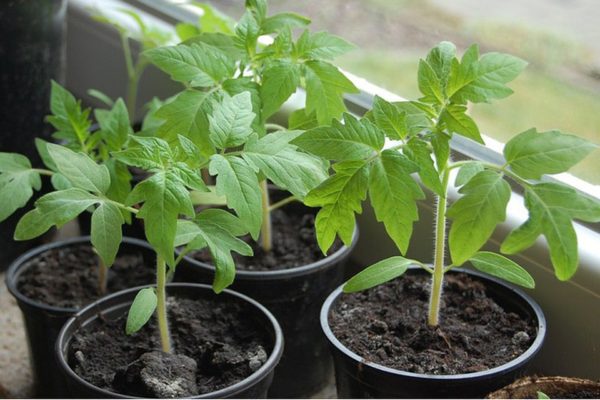
Once the shoots have three full-sized leaves, they can be transplanted into individual pots. The same soil used for sowing the seeds can be used.
Planting in the ground
Two weeks before planting tomatoes in the ground, harden them off. To acclimate the seedlings to the outdoors, they are first brought out onto the balcony or veranda for a couple of hours, then left there for the entire day. It's important to avoid direct sunlight, which can cause burns.
The Siberian Dwarf variety is most often grown from seedlings, with pre-grown seedlings placed in the garden bed. However, some gardeners in southern regions prefer to sow the seeds directly into the ground. This method produces more robust shoots and a larger, more abundant harvest.
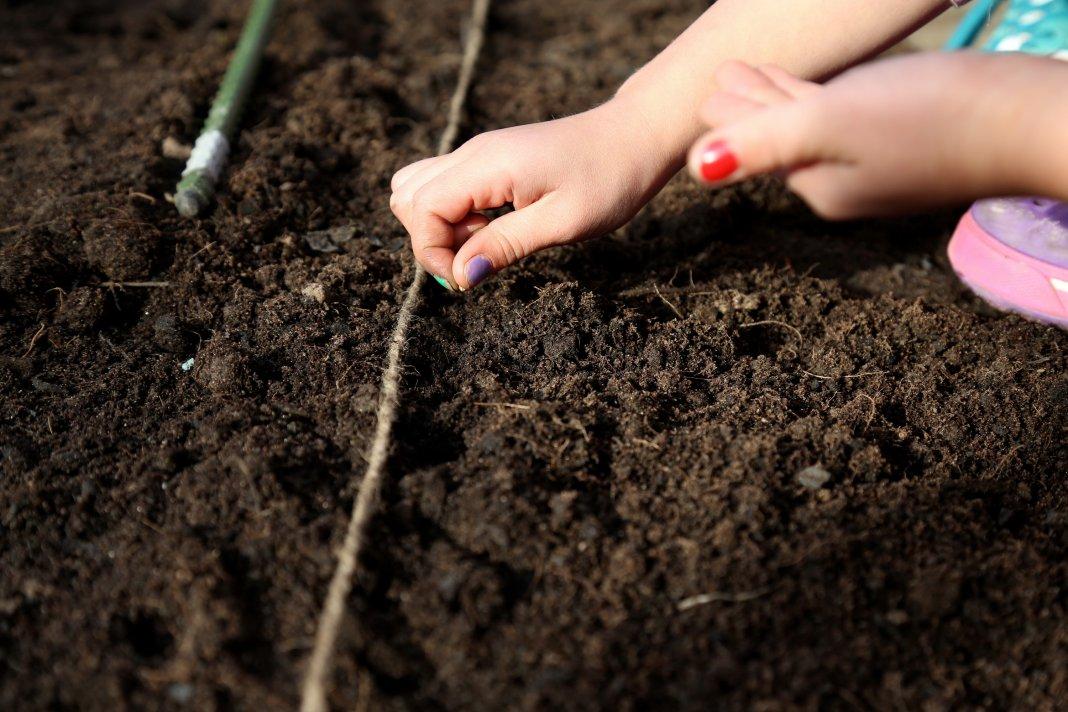
When planting tomatoes, it's important to monitor soil temperature—at a depth of 20 cm, the soil shouldn't be colder than 12°C. Otherwise, the tomatoes won't grow and will remain in the ground until warmer weather sets in, losing their vigor.
The bed is prepared for planting in the fall, and at the end of the season, it is dug over with fertilizer. In the spring, the soil is dug again, and holes up to 25 cm deep are made. Since the Siberian Dwarf variety is considered quite compact, the distance between holes can be reduced to 30-40 cm. However, at least 60 cm should still be left between rows to facilitate maintenance and harvesting.
The surface of the bed can be mulched with sawdust or any other suitable material to protect the roots and retain moisture.
Care, watering and fertilizing
Siberian Dwarf is distinguished by its low shoots, which can easily grow without support or tying. The stems are strong and standard, so there's no need to pinch out the side shoots. Experienced gardeners only recommend pinching the growing points in August.
Tomatoes respond well to fertilizing, which can begin 10 days after transplanting. A reliable fertilizer option is mullein, diluted 500 ml in 10 liters of water and used for irrigation.
During the fruiting stage, tomatoes require a large amount of nutrients. During this period, it is recommended to use complex fertilizers purchased from specialized stores.
Some gardeners prefer to use only organic additives, for example, a weed solution (fill half a barrel, add water, leave for several days) or an iodine solution (4 drops of the preparation per 10 liters).
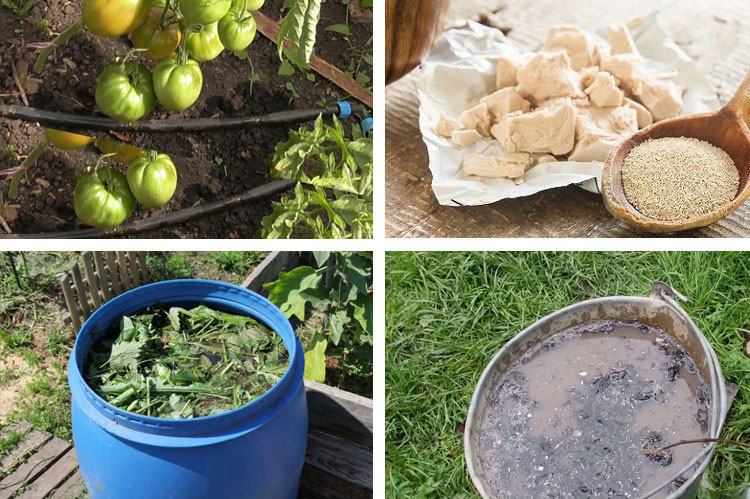
Wood ash is widely used for foliar feeding: dissolve a liter jar in 10 liters of water, add 50 g of grated laundry soap, leave for 24 hours, then strain.
All fertilizers are applied after watering, which is carried out several times a week depending on the region.
Resistance of the Siberian Dwarf tomato variety to diseases and pests
The Siberian dwarf variety has a strong immune system and is resistant to common tomato diseases. In warmer regions, it ripens before late blight sets in, making it considered resistant to this disease as well.
But to prevent the appearance of fungi, you need to monitor the humidity level and watering; if growing rules are violated, tomatoes become more vulnerable.
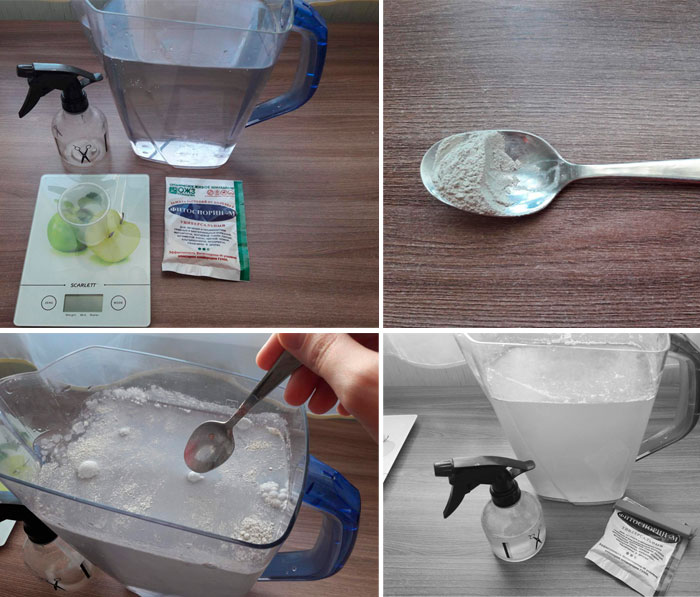
As a preventative measure, you can spray the plants with Fitosporin or Bordeaux mixture. Repeat the treatment every two weeks.
Collection, use and storage
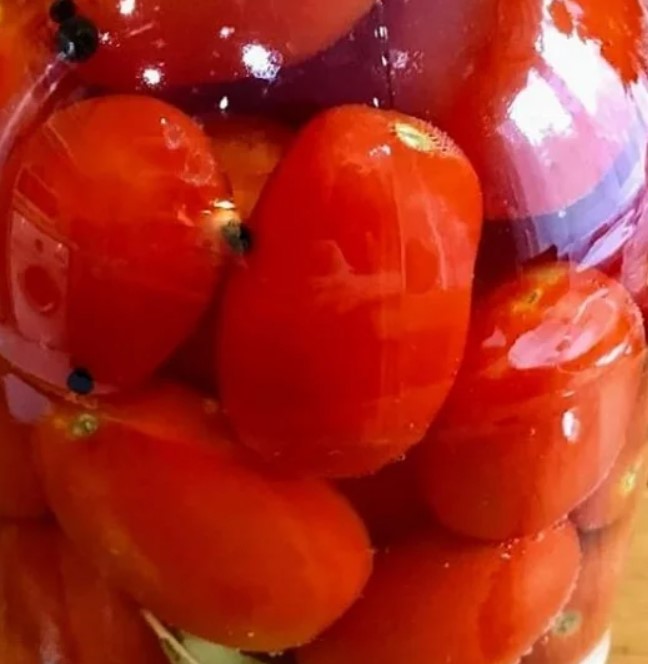
Under favorable conditions, the first harvest can be collected as early as 90 days after germination. Tomatoes have thick skins that retain their shape well and prevent them from cracking on the vine. Furthermore, the harvest has a long shelf life.
The Siberian dwarf is a versatile variety. Tomatoes can be eaten fresh or used as ingredients in various dishes. They are most often used for pickling and whole-fruit canning. Furthermore, their dense flesh makes them suitable for processing into sauces, pastes, and ketchup.
Comparison of the Siberian Dwarf tomato variety with other varieties in the table
Please note! How can you easily convert centners/ha to kg/sq.m? Simply divide by 100! For example, the Abakansky Pink tomato yields 400 centners of marketable fruit per hectare. This equals 4 kg per square meter. It's that simple! Also, keep in mind that typically no more than 3-4 plants are planted per square meter. This way, you can calculate the yield per bush. In the case of the Abakansky Pink, it's about 1 kg.
| Variety | Ripening period (number of days from full germination to ripening)
Yield of commercial fruits |
Brief description | Fetus |
| Siberian dwarf | 90-100 days
1200-1600 c/ha |
A mid-early, ultra-determinate variety for greenhouses and open ground. Suitable for salads, main courses, and canning. | Oval, smooth, red, 200 g. Good taste. |
| Siberian Shan'gi | 100-110 days
The yield of commercial fruits in open ground was 5.6 kg/sq.m. |
A mid-season determinate variety for open ground and greenhouses. Suitable for salads. | Flat-round, medium density, slightly ribbed, raspberry, 157 g. Excellent taste. |
| Siberian early ripening | 98-108 days
289-543 c/ha (open ground), 20-43% of the total yield ripens in 15 days of fruiting, 630-950 c/ha (greenhouse and under film), in the first month of fruiting 240-580 c/ha. |
An early-ripening, determinate, low-growing variety for open ground and greenhouses. Suitable for salads. | Round and flat-round, slightly ribbed, medium-sized and large, red, 62-114 g. The taste is satisfactory. |
| Siberian tiger | 110-120 days Up to 1200 c/ha |
A mid-season indeterminate variety for open ground and greenhouses. Requires staking and training into 1-2 stems. Suitable for salads and processing into tomato products. | Flat-round, ribbed, dark pink with dark purple streaks, 150-250 g. Excellent taste. |
| Siberian big guy | 90-100 days
900-1200 c/ha |
An early-ripening indeterminate variety for open ground and greenhouses. Suitable for salads, processing into tomato products, and preparing first and second courses. | Flat-round, slightly ribbed, red, 500 g. Good to excellent taste. |
| Siberian giant | 115-120 days
The commercial yield of fruits was 9.0-11.0 kg/sq.m. |
A mid-early indeterminate variety for greenhouses. Suitable for salads. | Flat-round, large, medium-ribbed, loose, red, 400-500 g. Excellent taste. |
| Silver spruce | 90-100 days
1500-1800 c/ha |
A mid-early determinate variety for open ground and greenhouses. Requires staking and training into 2-3 stems. Suitable for salads and canning. | Flat-round, slightly ribbed, with a little pubescence, red, 300 g. The taste is good and excellent. |
| Siberian garland | 90-95 days 1700-1900 c/ha |
An early-ripening indeterminate variety for open ground and greenhouses. Suitable for salads. | Flat-round, large, smooth, dense, red, 260 g. Excellent taste. |
| Abakan pink | 120 days or more
400 c/ha |
A late-ripening determinate variety for open ground and greenhouses. Requires staking and training. Suitable for salads and processing into tomato products. | Flat-round, slightly ribbed, medium density and pink in color, 200-500 g. Good taste. |
| Alsou | 105-110 days
700 c/ha |
An early-ripening, determinate variety for open ground and greenhouses. Requires staking and shaping. Suitable for salads. | Flat-round, slightly ribbed, medium density, red, 312 g. Good taste. |
| Blagovest | 101-105 days
1500-1600 c/ha |
An early-ripening determinate variety for greenhouses. Suitable for salads and canning. | Flat-round, slightly ribbed, glossy, red, 100-110 g. Excellent taste. |
| Big Momma | 85-95 days (greenhouse), about 100 days (open ground)
700-900 c/ha |
A mid-early determinate variety for open ground and greenhouses (greenhouses only, according to the register). Suitable for salads, canning, pickling, and juice. | Round, large, slightly ribbed, medium density, red, 200-250 g. Excellent taste. |
| Debut | about 90 days
910 c/ha |
An early-ripening determinate variety for open ground and greenhouses. Suitable for salads. | Flat-round, slightly ribbed, medium density, red, 210-230 g. Good to excellent taste. |
| Shuttle | 82-121 days
226-269 c/ha (Central region), 220-441 c/ha (Volga-Vyatka), 160-412 c/ha (West Siberian), maximum 792 c/ha (Omsk region). |
An early-ripening, determinate, low-growing standard variety for open ground. Suitable for salads, pickling, and whole-fruit canning. | Elongated-oval, smooth, top with a spout, red, 23-55 g. Good taste. |
| Kostroma | 105-110 days
1350-1500 c/ha |
A mid-season determinate variety for greenhouses. Requires staking and training. Suitable for salads, whole-fruit canning, and processing into tomato products. | Flat-round, slightly ribbed, glossy, red or orange, 80-150 g. Good taste, sweet and sour. |
| The Lazy Man's Miracle | 800-900 c/ha
85-95 days |
An early-ripening, determinate variety for open ground and greenhouses. Suitable for salads, processing into tomato products, and canning. | Oval, elongated, smooth, red, dense, 60-65 g. Excellent taste. |
| Newbie | 114-127 days
417-508 c/ha, maximum 551 c/ha. |
A mid-early determinate variety for open ground. Suitable for salads, pickling, marinating, and canning. | Oval, smooth, orange-red, 73-102 g. Taste is good to excellent. |
Gardeners' reviews of the Siberian Dwarf tomato variety
The Siberian Dwarf variety has become popular among gardeners across the country for its low maintenance, compact size, and high yield. However, gardeners note that the tomato flavor isn't the most appealing; residents of southern regions may find tomatoes with similar characteristics but a more pleasant taste.
"Siberian Dwarf." For such a small bush, 30-40 cm tall, it produces so many tomatoes! I was delighted! It's very good for pickling, firm and dense!