Siberia has a specific climate in which not all crops can grow and produce excellent harvests.
It's no secret that this part of our country experiences quite cold summers. In Novosibirsk, for example, the average maximum temperature in July is only 24°C. Therefore, it's important to choose only hardy varieties bred specifically for the harsh Siberian climate. Specialty stores offer a wide selection of potato varieties, and in this article, we'll look at the best ones suitable for Siberia.
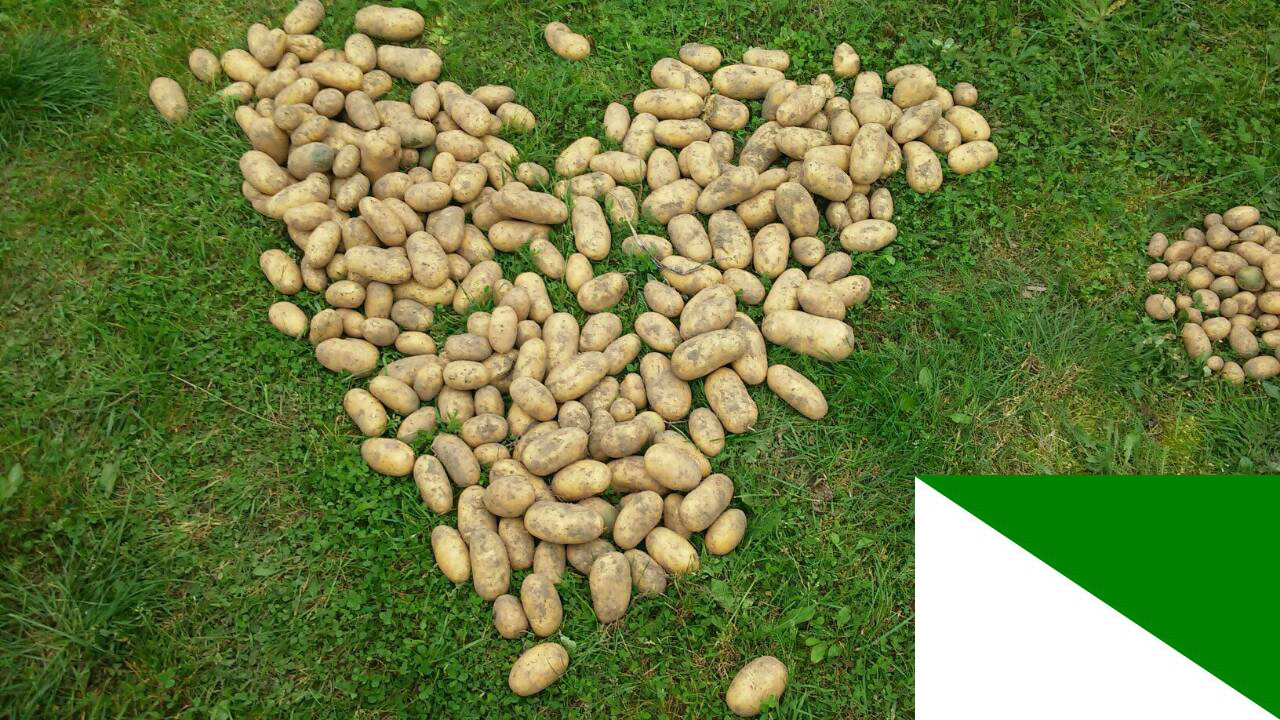
Top.tomathouse.com recommends: criteria for choosing potatoes for Siberia
Thanks to the efforts of breeders, we've developed vegetable varieties for every corner of our country that yield excellent harvests even in less-than-ideal summers. No matter how excellent the characteristics, if a variety isn't zoned for cultivation in Siberian regions, it's unlikely you'll be able to harvest it.
For harsh climates, experts recommend choosing potatoes with early and mid-early ripening periods, because:
- Firstly, early ripening will help avoid many diseases that will not have time to fully manifest themselves on the bushes.
- Secondly, fast-maturing potatoes will ripen perfectly in Siberia with its short summer.
Another important advantage of regionalized potatoes is their high adaptability to weather conditions. Potato varieties for Siberia generally adapt easily to weather conditions and tolerate temperature fluctuations.
Timing and rules for planting potatoes in Siberia
Due to specific weather conditions, gardeners in Siberia begin planting potatoes 2-3 weeks later than, for example, those in central Siberia. The typical time is May 20-25. But before that, the planting material must be prepared. In early May, the tubers should be removed from storage, any damaged or rotten ones sorted out, and then the remaining ones placed in boxes and placed in a warm, well-lit area. After 3 weeks, the shoots will be strong enough to begin planting.
Regions and subjects of Siberia
The regions of Siberia are presented in the table below:
| Region | Subjects |
| West Siberian |
|
| East Siberian |
|
21 Most Productive Potato Varieties for Siberia
Potato yield is determined by the variety's characteristics. However, maximum potato yield can only be achieved by following all proper growing practices.
| Name | Productivity (kg per hundred square meters) |
Number of days from planting to maturity | Degree of resistance to typical diseases and pests | Brief description of tubers and taste
Growing regions |
| Pushkinets
|
290-320 | 70-80 | It has high resistance to nematodes, but poorly tolerates scab, alternaria, rhizoctonia, leaf blight and viruses. |
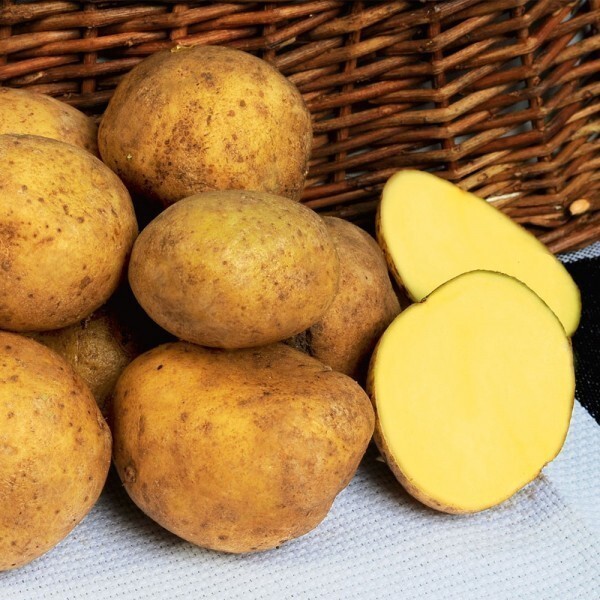
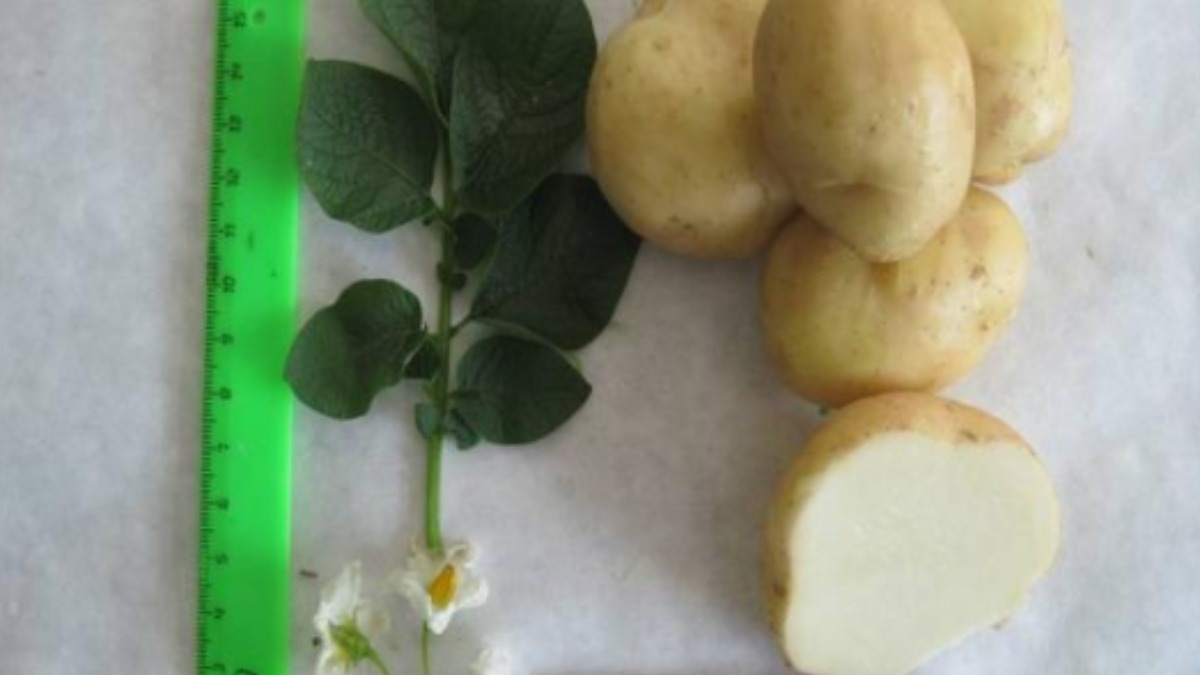
The skin is light beige, the flesh is creamy white. Each tuber weighs between 100 and 130 g. The flesh does not darken during cooking. The flavor is above average. All of Siberia. |
| Alena
|
170-390 | 60-70 | Moderate resistance to nematodes and late blight. Practically immune to rhizoctonia and scab. |
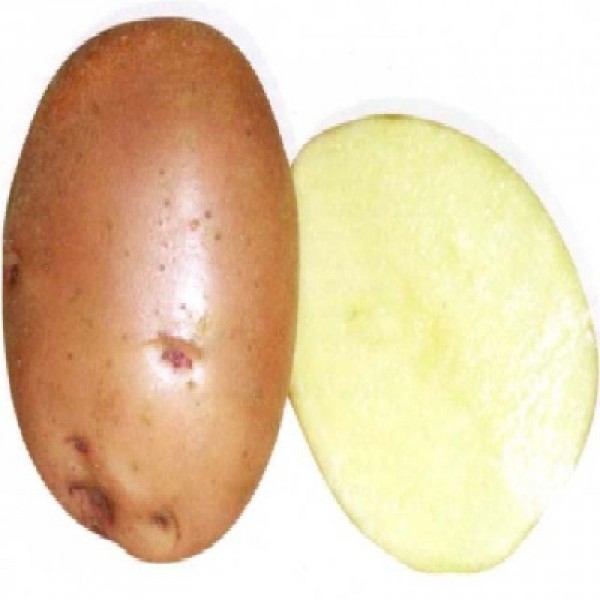
The tubers are oval-shaped with reddish skin. They weigh between 80 and 170 g. They have good flavor and tolerate drought well. West Siberian. |
| Tuleyevsky | 180-460 | 60-90 | It does not suffer from cancer, has average resistance to late blight and is often affected by nematodes. |
The tubers are relatively large, weighing from 120 to 270 g. The flesh is yellow and the flavor is excellent. The potato adapts easily to various weather conditions. All of Siberia. |
| Jelly
|
150-335 | 90 | Not susceptible to cancer and nematodes, but susceptible to late blight. |
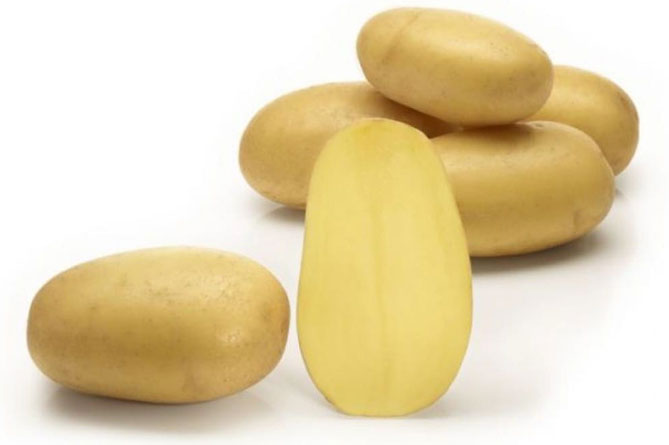
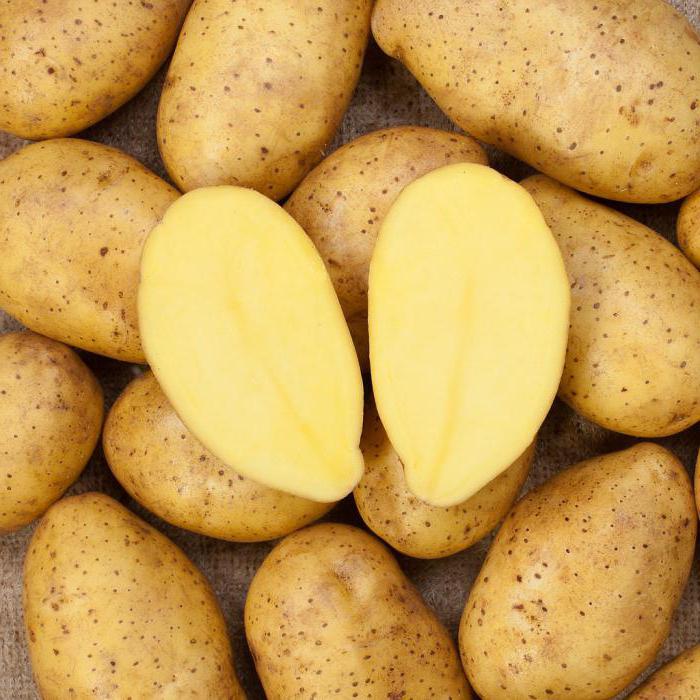
The tubers are oval-shaped, with yellow skin and flesh, and excellent flavor. Tuber weight ranges from 80 to 135 g. Potatoes are easy to grow, adapt well to a variety of weather conditions, and easily tolerate hot and dry weather. All of Siberia. |
| Nevsky
|
Over 360 | 90 | It is resistant to cancer and rhizoctonia, but is prone to late blight. |
The skin is light beige, the flesh is white. Tuber weight ranges from 90 to 130 g. Flavor is average. Easy to grow. All of Siberia. |
| Lyubava
|
290-520 | 60-75 | Resistant to cancer and nematodes, but susceptible to late blight. |
The tubers, weighing 110 to 210 grams, are round-oval in shape. The flesh is white and has a pleasant flavor. This variety tolerates hot, dry weather well. West Siberian. |
| Timo
|
150-380 | 70-80 | High resistance to cancer, most often affected by viruses and late blight, less often by nematodes. |
The skin is yellow, the flesh is light yellow. Tubers weigh from 65 to 120 g. The flavor is pleasant. The crop can be harvested before the first signs of late blight. All of Siberia. |
| September
|
140-450 | 75-85 | High resistance to cancer and late blight, susceptibility to nematodes. |
The tubers are oval-shaped with blunt edges, yellow skin, and white flesh. They weigh between 70 and 160 g. They have a good flavor and stay dark for a long time after peeling. West Siberian. |
| Sarov | 110-400 | 60-70 | Not susceptible to cancer, nematodes, leaf curl, or rugose mosaic. Moderate resistance to late blight. |
The tubers are oval-round in shape. The skin is reddish, the flesh is yellow, and the tuber weighs from 90 to 150 g. The taste is good. West Siberian. |
| Anniversary
|
170-410 | 60-70 | It is cancer-resistant and nematode-resistant. It is susceptible to late blight and rugose mosaic. |
The skin is red, the flesh is yellow. The shape is oval-round. Weight ranges from 90 to 210 g. Prefers super-sandy soil. West Siberian. |
| Hostess
|
180-380 | Up to 100 | It has good resistance to cancer and nematodes. |
The skin is red, the shape is oval-round, the flesh is creamy, and the tuber weighs from 100 to 180 g. The flavor is very good. The potato has excellent shelf life. West Siberian. |
| Arosa
|
190-250 | 45-75 | High resistance to nematodes and canker. Moderate resistance to leaf curl, stripe mosaic, and rugose mosaic. Often susceptible to late blight. |
The skin is red, the flesh is yellow, the tubers are oval, and the flavor is very pleasant. These potatoes quickly adapt to weather conditions and tolerate drought well. Tuber weight ranges from 70 to 135 g. All of Siberia. |
| Red Scarlet
|
160-270 | 45-55 | Resistant to nematodes and cancer. Moderate resistance to late blight. |
The tubers are oval and slightly elongated. The skin is red, the flesh is yellow. They weigh from 50 to 100 g. The flavor is rather unremarkable. They have a good shelf life. West Siberian. |
| Adretta
|
202-450 | 82-90 | Average resistance to scab, rhizoctonia, and late blight. Not susceptible to canker, nematodes, or viruses. |
The tubers are round-oval in shape, weighing between 100 and 150 grams. The skin is covered with a fine mesh and is dark yellow in color. The flesh is light yellow. West Siberian. |
| Queen Anne
|
113-304 (maximum 495) | 72-80 | High resistance to canker, mosaic, and nematode. Moderate susceptibility to late blight and rhizoctonia. |
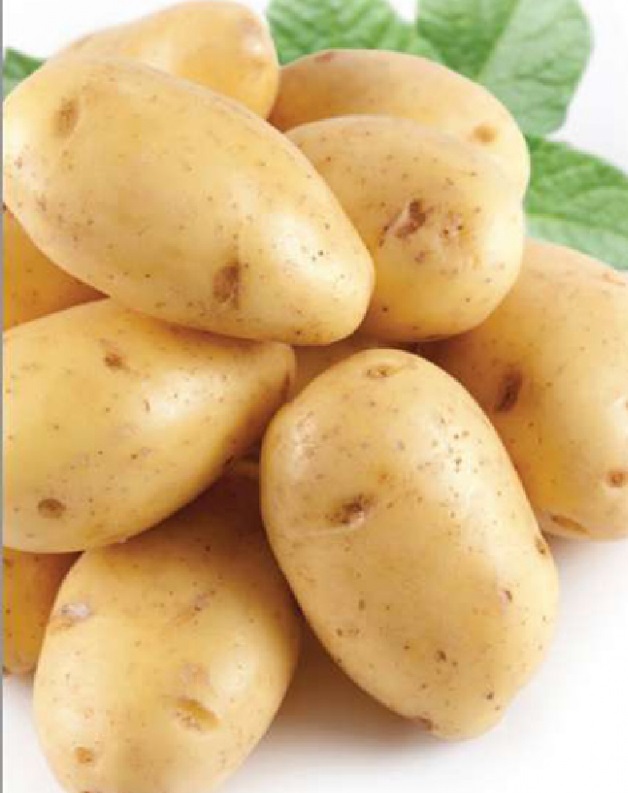
The flesh and skin are yellow. Tubers weigh between 80 and 140 g. The fruits are elongated oval in shape. They have excellent flavor and are easy to cook. All of Siberia. |
| Aurora
|
214-396 | 90-110 | Resistant to cancer, nematodes, and viruses. Susceptible to late blight. |
The skin is yellow and smooth, and the flesh is white. The tubers cook well, weighing between 93 and 128 g. The flavor is very pleasant. East Siberian. |
| Lina
|
210-540 | 75-90 | Not susceptible to cancer and late blight, but is affected by nematodes. |
The skin is yellow, the flesh is white. The shape is oval with a flattened top. Tubers weigh from 105 to 250 g. This is a very dense potato, used in the production of chips and other potato products. West Siberian. |
| Nakra
|
200-400 | 80-85 | Not prone to cancer. Susceptible to late blight and nematodes. |
The tubers are round-oval in shape, with light yellow flesh. They weigh between 60 and 160 g. They have good flavor and a long shelf life. All of Siberia. |
| Sappho
|
180-540 | 65-80 | Resistant to most diseases: cancer, nematodes, striped and wrinkled mosaic, leaf curl. |
The skin is beige, the flesh is creamy. The tubers are oval in shape, weighing between 110 and 230 g. The flavor is good. West Siberian. |
| Sante
|
Up to 470 | 80-90 | Highly susceptible to late blight and scab. |
The fruits are oval and smooth. The skin is yellow, the flesh is slightly lighter. Tubers weigh from 80 to 130 g. This variety does not cook well. West Siberian. |
| Zekura
|
195-365 | 80-95 | It exhibits a high degree of resistance to canker and nematodes. It can be affected by viruses, late blight, scab, and leaf spot. | The tubers are oval and oblong in shape. Their weight ranges from 60 to 150 g. The skin and flesh are yellow. The taste is excellent. Yields are consistently high, and the grape keeps well. West Siberian. |
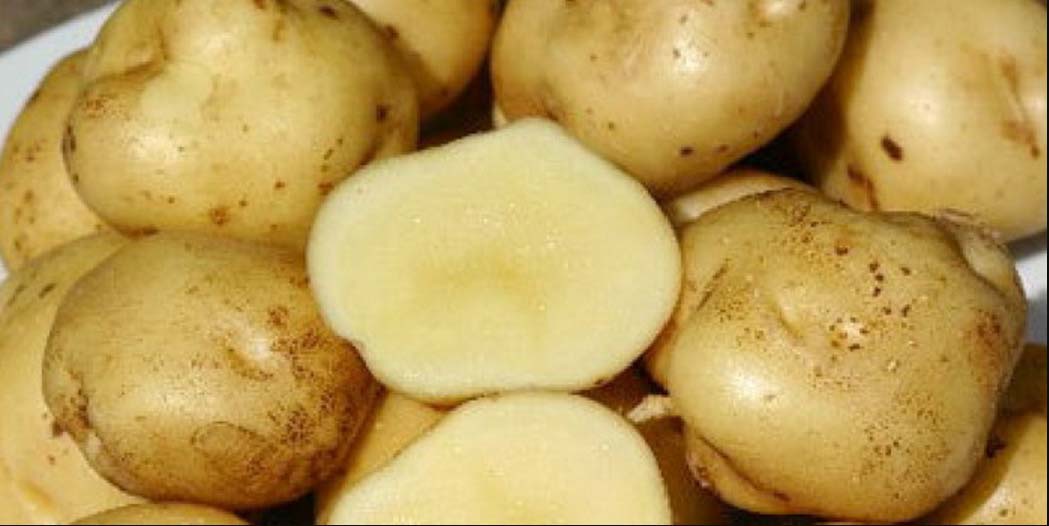
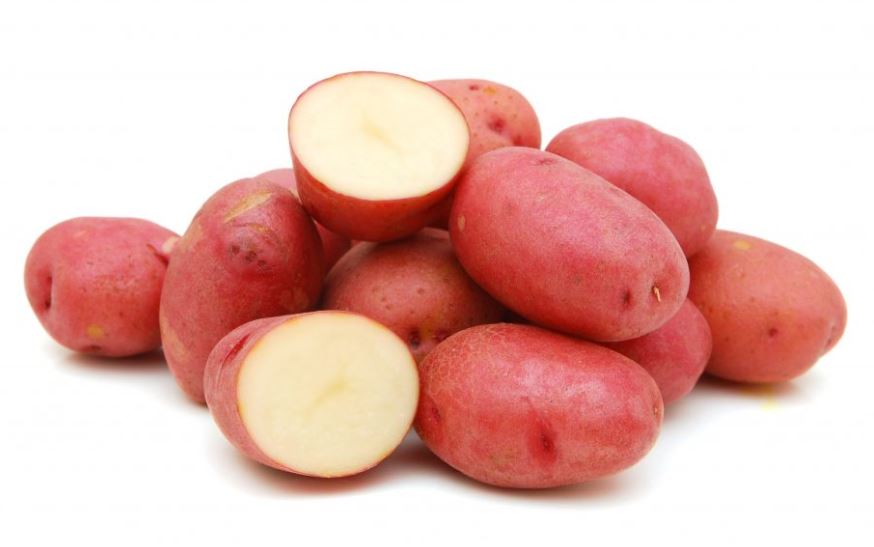
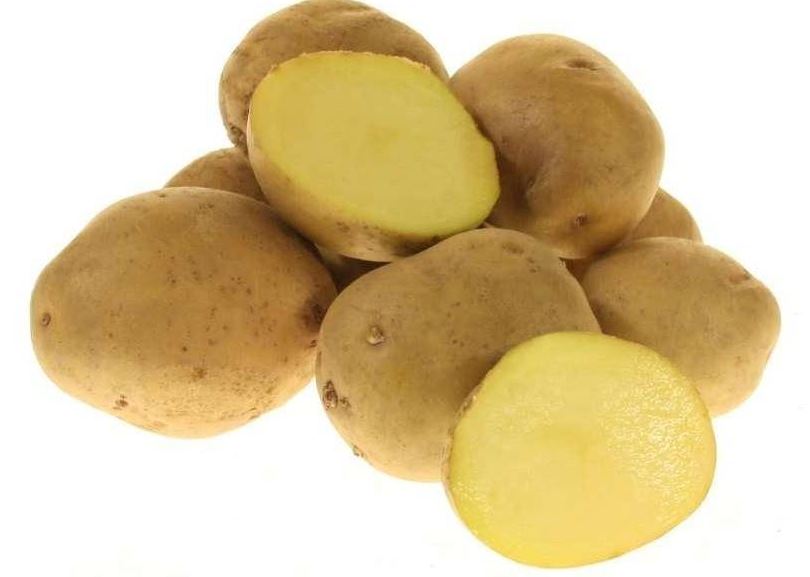
Top 10 Early Potato Varieties for Siberia
Early potatoes are great because they often ripen before the plants are attacked by pests, bacteria, and fungi. For these varieties, some gardeners use additional cover, such as straw and plastic. Once the seedlings emerge, the plastic can be removed. This usually happens in the first ten days of June.
| Name | Productivity (kg per hundred square meters) |
Number of days from planting to maturity | Degree of resistance to typical diseases and pests | Brief description of tubers and taste
Growing regions |
| Antonina
|
210-420 | 60-70 | Highly resistant to cancer, moderately susceptible to nematodes, susceptible to late blight. |
The tubers are oval-shaped and weigh between 100 and 150 g. The skin is yellow, the flesh is light, and the flavor is pleasant. They have a good shelf life. West Siberian. |
| Bullfinch
|
180-350 | 45-55 | Resistant to cancer, moderate resistance to late blight and susceptibility to nematodes. |
The tubers are light-colored, round-oval, with white flesh, weighing up to 90 g. The flavor is excellent. The potato adapts to dry summers. West Siberian. |
| Priekulsky | Up to 250 | 45-60 | It's only resistant to canker. It's susceptible to late blight, scab, viruses, blackleg, and rhizoctonia. However, it matures before these diseases appear. |
The tubers are round-oval in shape and weigh between 90 and 110 g. The skin is beige and smooth. The potatoes do not darken after peeling. They keep well. East Siberian. |
| Zhukovsky
|
400-452 | 60-65 | Resistant to rhizoctonia and scab. Often attacked by mole crickets and Colorado potato beetles. |
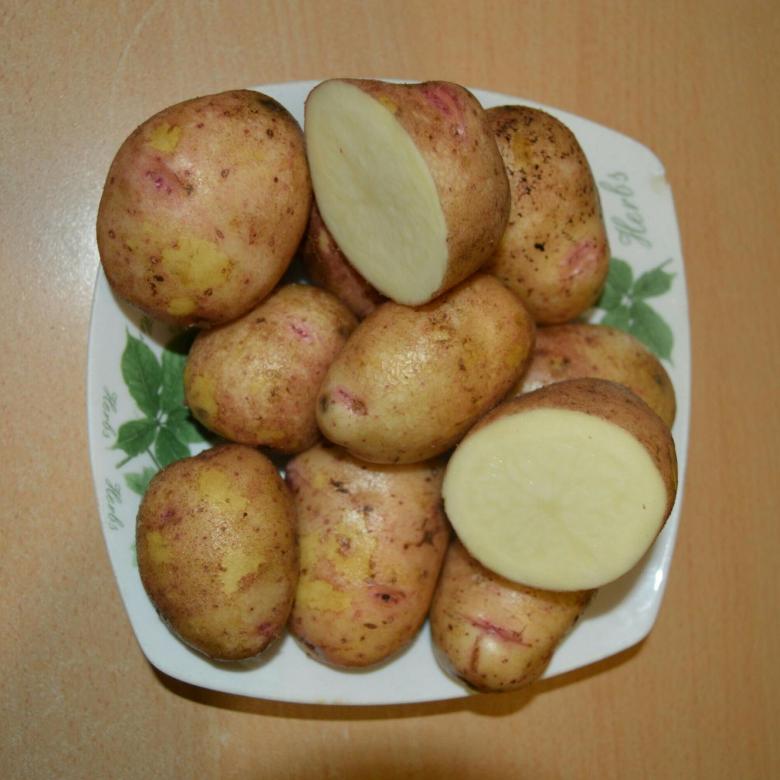
The skin is pinkish, the flesh is white. The tubers are round, and weigh between 130 and 150 g. The potato adapts well to any weather conditions. West Siberian. |
| Kamensky
|
185-250 | 50-60 | Average resistance to late blight. Low resistance to nematodes. |
The tubers are oval and elongated. The skin is red. The flesh is yellow. The average tuber weight is 120 g. The potatoes do not darken after peeling and cutting. West Siberian. |
| Rosara
|
200-300 | 65-70 | Average resistance to late blight and scab. |
The tubers are oval and oblong. The skin is red and the flesh is yellowish. All of Siberia. |
| Baron | 110-370 | 60-70 | It does not suffer from cancer, is not prone to nematodes, but is very often affected by late blight and scab. |
The tubers are oval, with yellow skin and light yellow flesh. They have good flavor. They are easy to grow and require virtually no effort from gardeners. West Siberian. |
| Varmas
|
210-380 | 60-70 | It is cancer-resistant and moderately susceptible to viruses. Most commonly affected by scab, rhizoctonia, and late blight. |
The tubers are oval in shape, with white flesh and skin. Each tuber weighs between 90 and 120 g. The flavor is average. They have a good shelf life. East Siberian. |
| Luck
|
Up to 300 | 50-60 | It is virtually immune to all potato diseases. However, in unfavorable weather, it is susceptible to late blight, early blight, and nematodes. |
Very large tubers, weighing up to 400 g. The skin is thin and yellowish. Cooking time is average, and the flavor is good. Siberia is not listed among the regions where this variety is available in the registry, but it is grown in all areas of the region. |
| Impala
|
Up to 360 | 70-80 | High resistance to cancer, viruses and nematodes, average resistance to scab and late blight, susceptible to scab and rhizoctonia. |
Oval fruits with smooth yellow skin and light yellow flesh. Each tuber weighs between 80 and 150 g. Siberia is not listed among the regions where this variety is available in the registry, but it is grown in all areas of the region. |
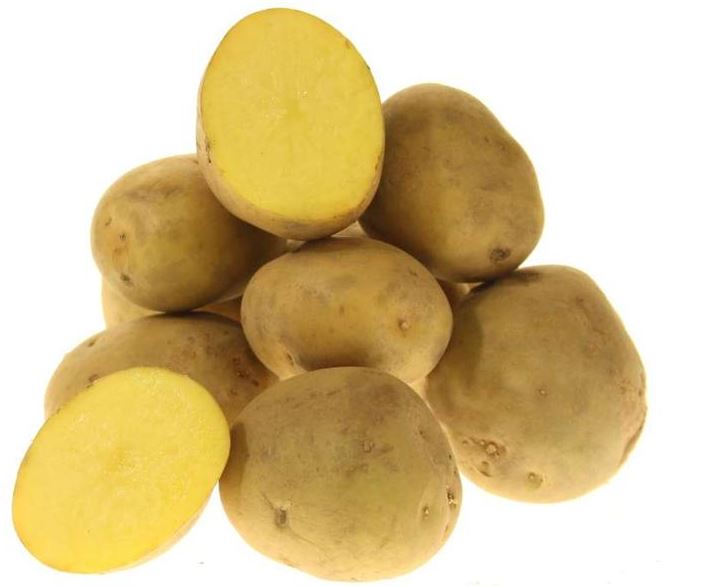
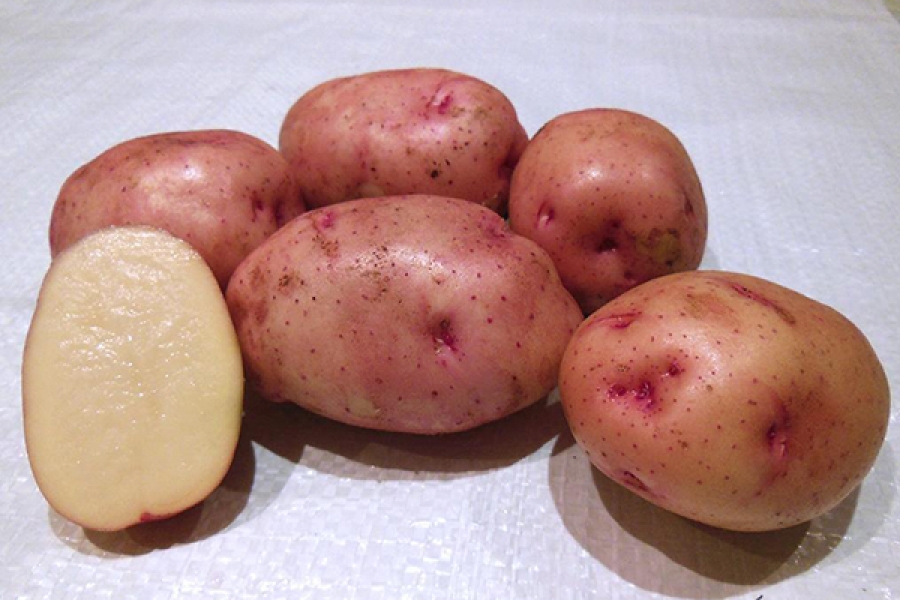
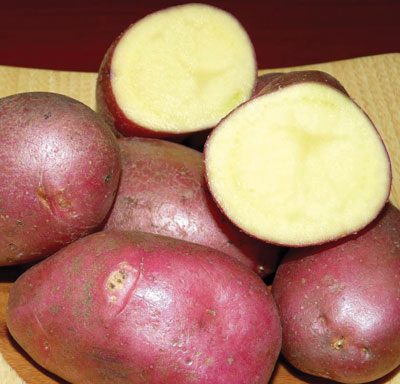
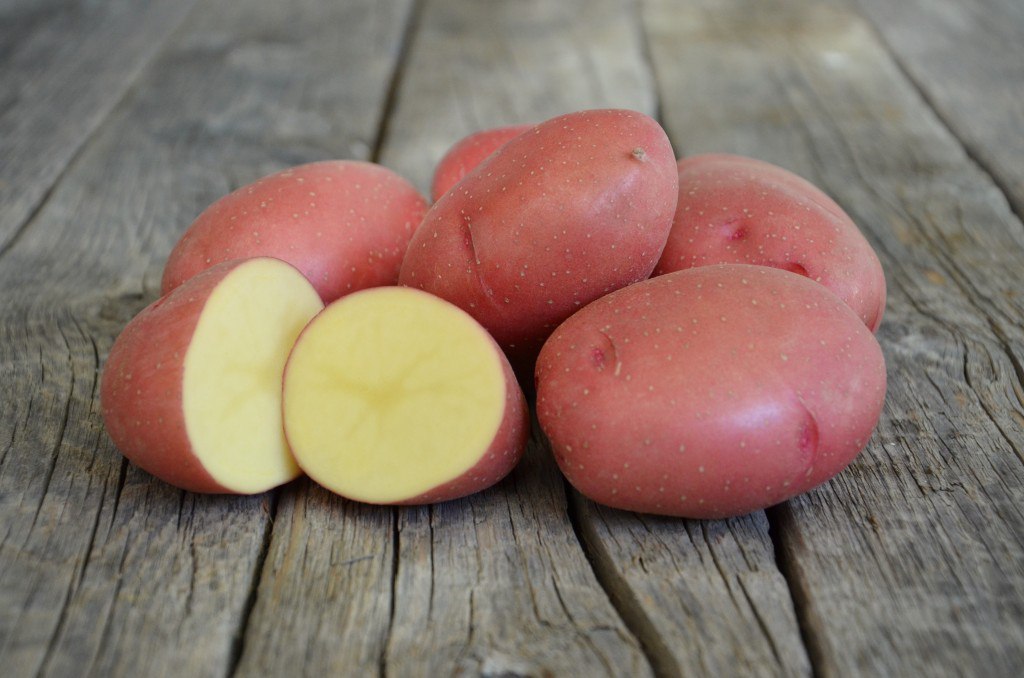
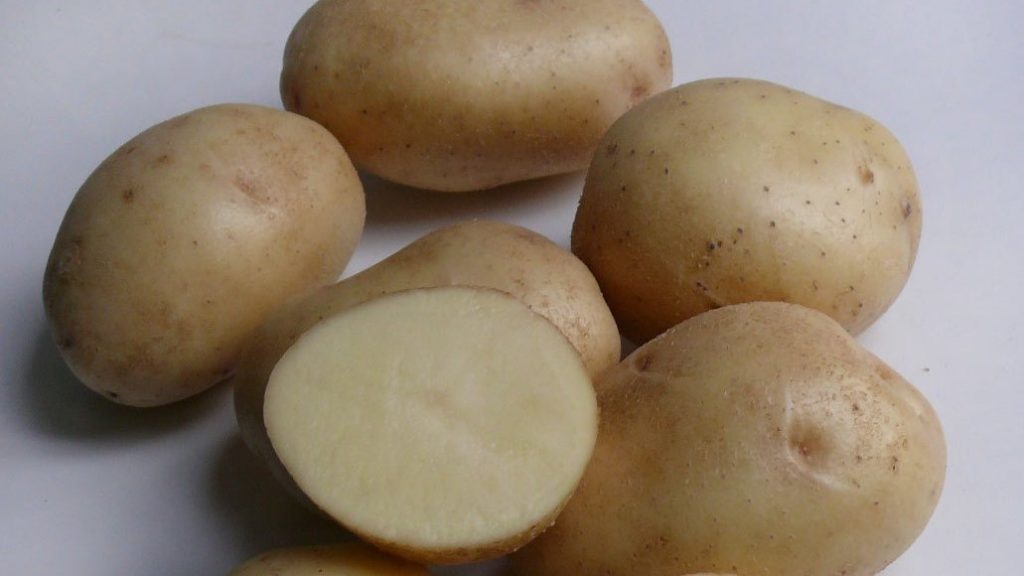
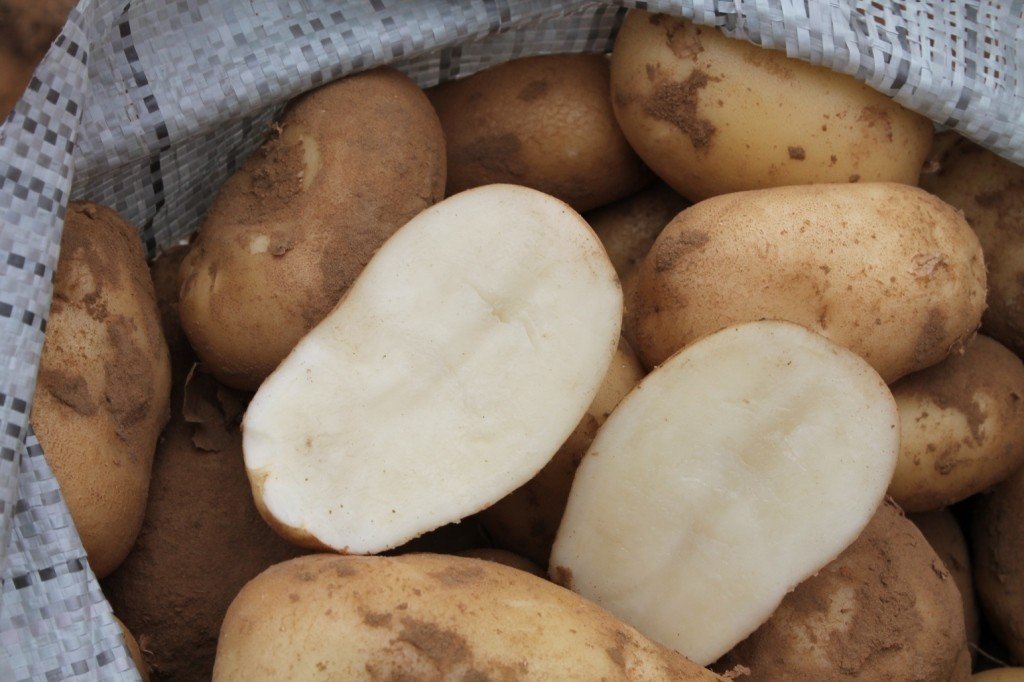
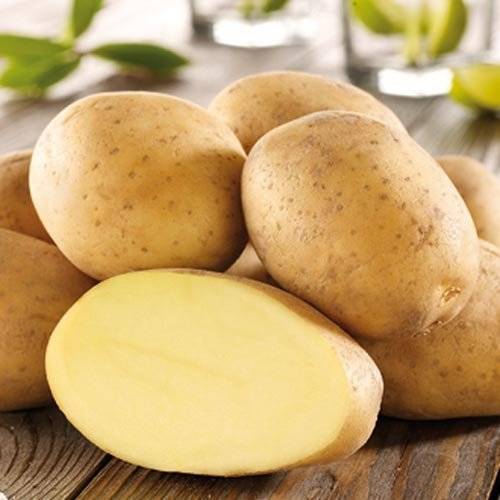
The potatoes listed above show excellent results throughout almost the entire territory of our country.
Potato planting options in Siberia
Most novice gardeners are mistaken in believing that the more potatoes they plant in a bed, the greater the harvest they'll get at the end of the season. In fact, as Nadezhda Martsenyuk, a member of the Irkutsk Farming Club, assures us, the key to successful potato growing lies in the specifics of planting. She shared her method for growing potatoes with a popular publication, and it turned out to be very simple and effective.
First of all, Nadezhda explains, she stopped digging and fertilizing. In early fall, she sows the entire space between the rows with rye, which grows there until early May. By this time, the shoots typically reach 10 cm in length. They need to be mown down and piled in the same spot. Potatoes are placed in the piles, spaced 25 cm apart, and covered with last year's soil. This results in ridges about 20 cm high and up to 40 cm wide.
This method has several significant advantages:
- The planting material is protected from the cold.
- A garden bed mulched with rye residues is saturated with useful substances.
- There are practically no weeds.
- Potatoes are planted alternately within and between rows, which helps renew the soil.
Seed germination times in Siberia: are there any differences from other regions?
In reality, potato germination times in Siberia are virtually identical to those in more favorable regions, provided proper preparation has been carried out in advance. Because summers in Siberia are short, tubers must be planted as prepared as possible. Gardeners not only germinate potatoes but also treat them with growth stimulants.
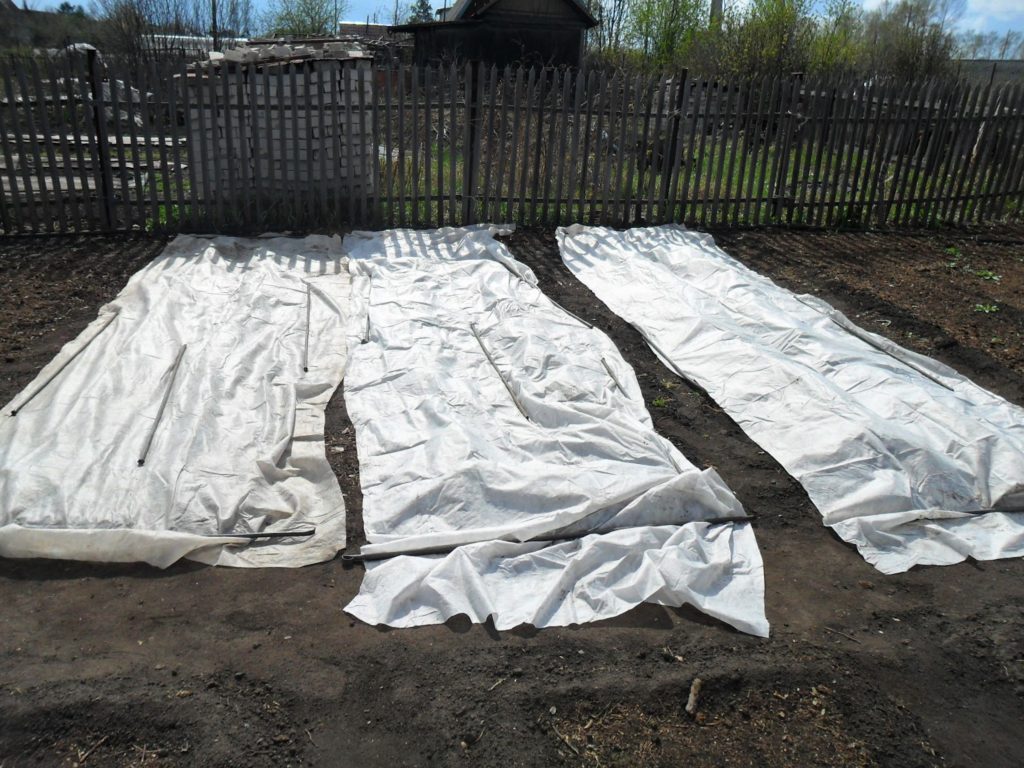
Another factor that affects germination time is soil temperature. If the soil temperature is consistently above 10°C, the potatoes will germinate faster. Gardeners sometimes cover small planting areas with plastic to protect them from frost damage.
In Siberia, it sometimes happens that time is running out, and the shoots are about to reach 2 cm, but the soil hasn't yet warmed up sufficiently. In this situation, you can make the hole shallower—5 or even 3 cm. The lack of soil can be compensated for during the first hilling.
Tips from experienced gardeners in Siberia
If you have the opportunity to visit your garden plot daily or the vegetable garden is part of your household, you can try to harvest two crops per season.
In mid-May, you need to select a variety that can mature in 45-50 days. This means the first potatoes can be dug up as early as the first ten days of July. Immediately after, potatoes with a maturity time of approximately 60 days are planted in the garden. The tables above list all the variety characteristics; you can choose any suitable one.
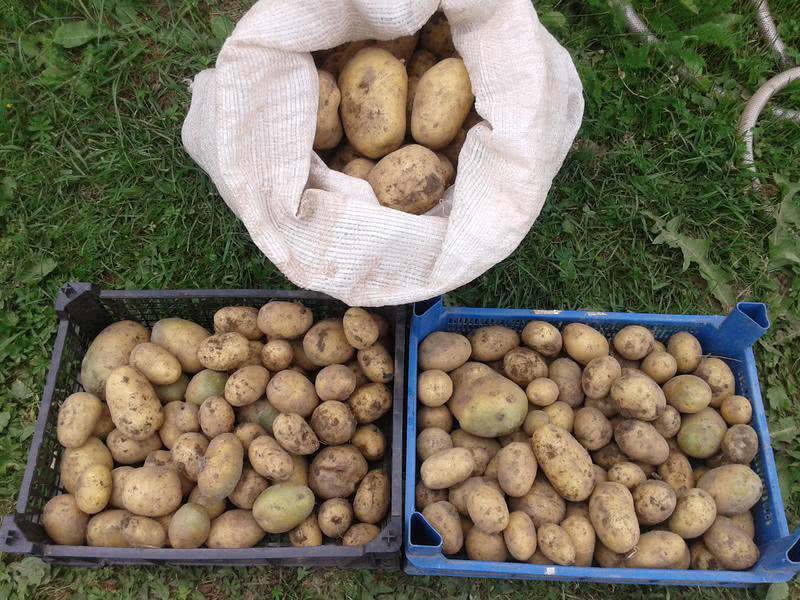
Begin harvesting the second crop in mid-September. However, since Siberia experiences significant rainfall in late summer, there's a high risk of late blight. Therefore, it's essential to carry out preventative treatments, such as with HOM.
However, it's important to remember that a second planting is always a risk. Whether it's worth it will only become clear at the end of the season. It might be better to play it safe and choose a high-yielding variety. Then, there'll be no need for double harvesting, and therefore double the effort of digging.