Meadowsweet, or meadowsweet, is a perennial plant in the Rosaceae family with lush, feathery inflorescences that appear on the bushes in early summer. It grows in temperate regions, even in the Urals and Siberia. The flower's main requirement is moist soil. Learn about other aspects of growing and caring for meadowsweet in this article.
Content
- 1 Description of meadowsweet
- 2 6 species and 12 varieties of meadowsweet with photos and descriptions in the table
- 2.1 Vyazemsky meadowsweet + 6 varieties in a table with photos and descriptions
- 2.2 Kamchatka meadowsweet with photos and descriptions
- 2.3 Purple meadowsweet and the Elegance variety with photos and descriptions
- 2.4 Common meadowsweet and two varieties with photos and descriptions
- 2.5 Palmate species of meadowsweet and the Nana variety with photos and descriptions
- 2.6 Red meadowsweet and 4 varieties with photos and descriptions
- 3 Planting meadowsweet in open ground
- 4 Caring for meadowsweet
- 5 Reproduction of meadowsweet
- 6 Meadowsweet in the landscape
- 7 Medicinal properties of meadowsweet
- 8 Contraindications for the use of meadowsweet
- 9 Uses of meadowsweet parts
- 10 Recipes for using meadowsweet
- 11 How to prepare meadowsweet raw materials
- 12 Tips from Top.tomathouse.com on using meadowsweet
- 13 Reviews of the use of meadowsweet in the garden and as a medicine
Description of meadowsweet
Meadowsweet is distinguished by its decorative leaves and equally decorative inflorescences, which will decorate any flower arrangement in the garden.
Dimensions
The size of meadowsweet depends directly on the plant variety. There are 16 varieties, each with its own characteristics and shapes. Among them are dwarf varieties, such as Nana. But there are also specimens that exceed 2 meters in height, such as Kamchatka, common, and red.
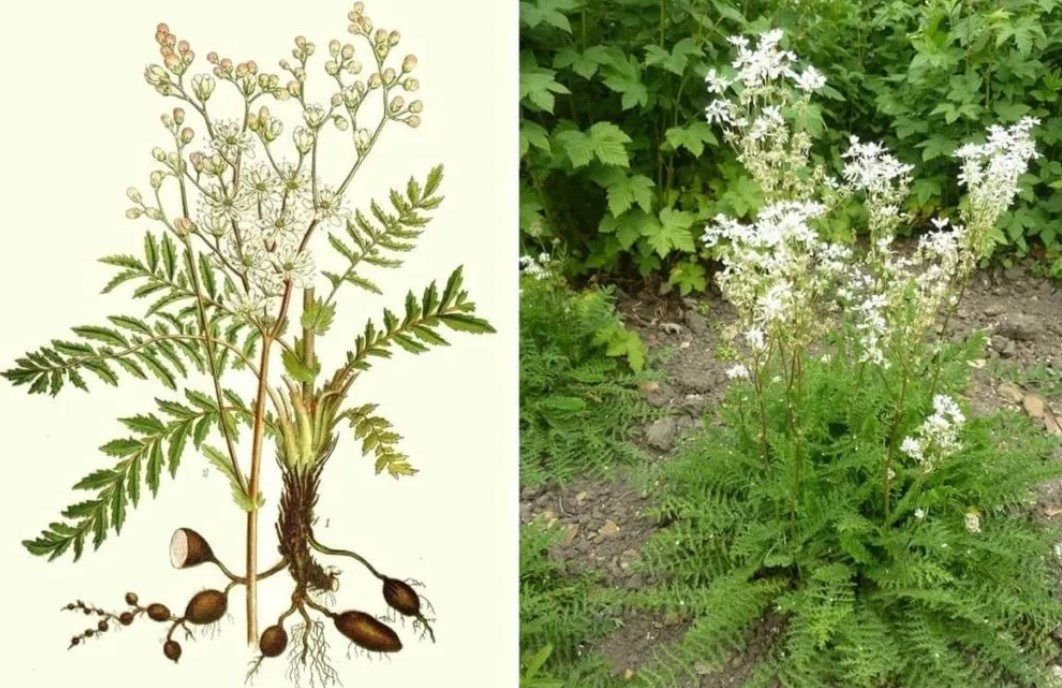
Meadowsweet shoots are erect and bushy. Sometimes they can have a purple tint. Their height varies from 40 cm to 2 meters, but due to their rigidity, they grow well without support. The rhizomes are strong, and the perennial grows quickly and can produce spontaneous seedlings. In winter, the plant can withstand temperatures as low as -34 degrees Celsius, making it common in Siberia and Primorye.
Leaves
The leaves are textured and pinnate, growing on long petioles. They can range in size from 10 to 45 cm. The leaf blade is dissected into irregular lobes of varying depth, with serrated edges, sometimes giving the leaf a fern-like appearance.
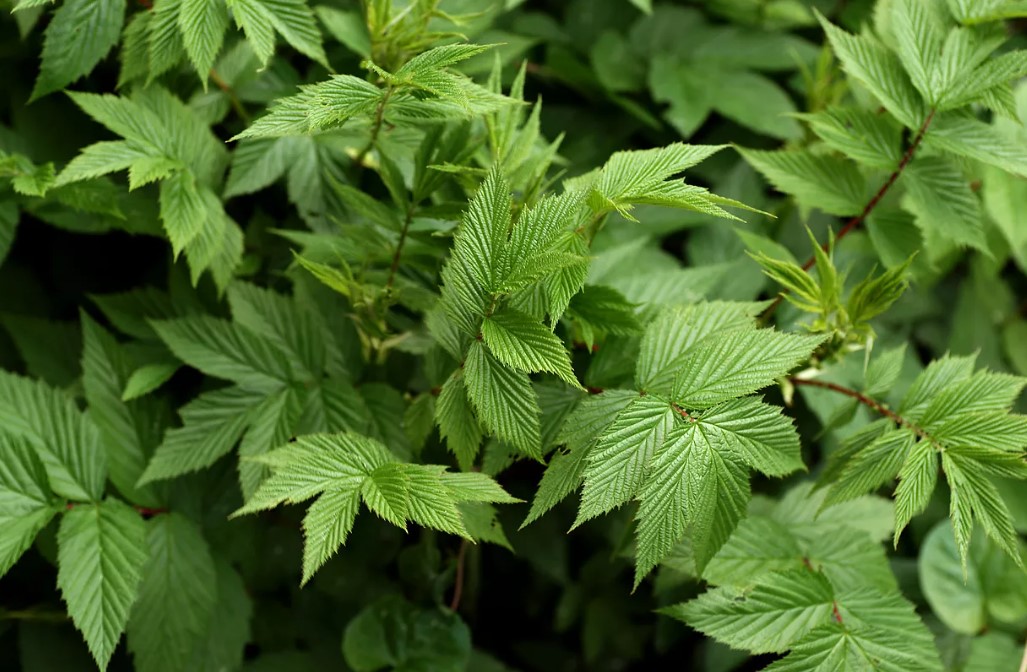
The lateral leaves are smaller than the central ones; the reverse side may be pubescent.
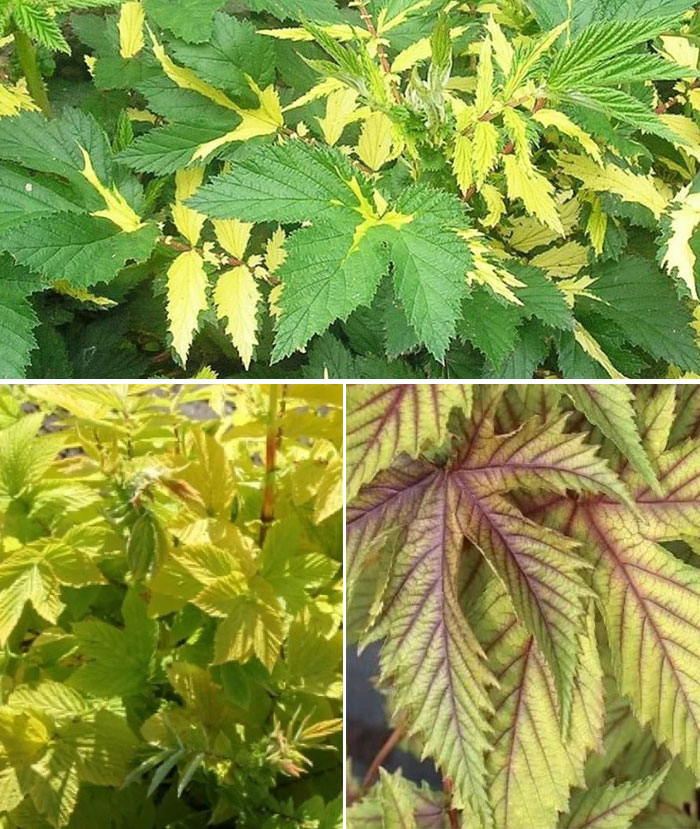
The color ranges from bright to dark green, but there are also varieties with red, variegated, or golden hues. The color persists until frost, making the plant a valuable ornamental plant among gardeners.
Flowers
Meadowsweet blooms from late May until September. The inflorescences resemble clouds: a stiff stem crowned with small, star-shaped flowers in shades of pink, white, yellow, or red. The ethereal appearance is created by the long stamens protruding from each flower.
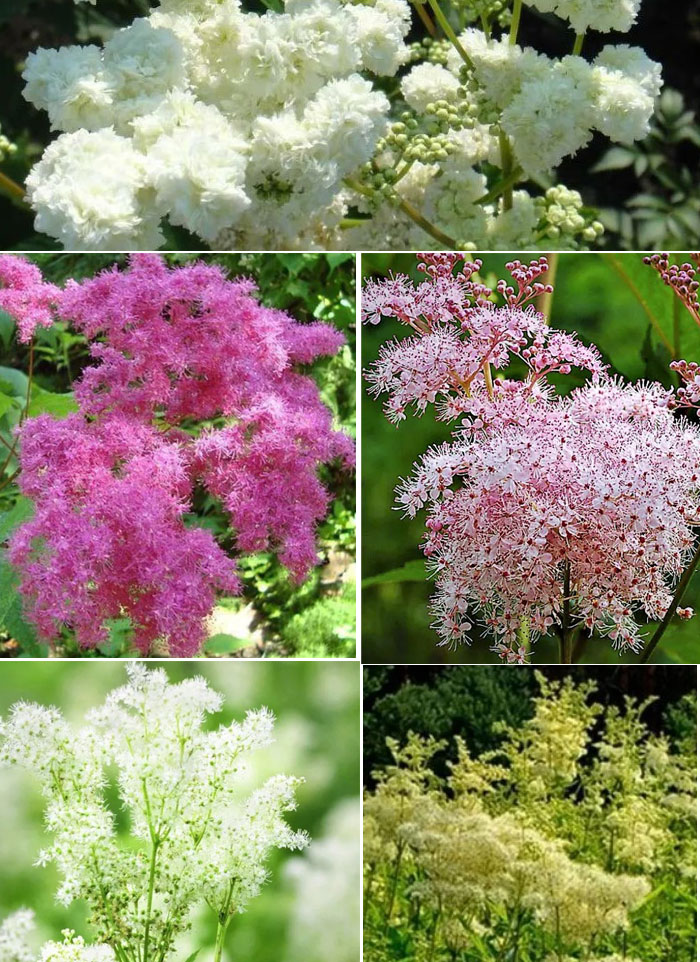
The inflorescence diameter can range from 2 to 25 cm. As they fade, they dry out and acquire brownish hues, but do not lose their decorative appeal.
6 species and 12 varieties of meadowsweet with photos and descriptions in the table
Let's look at the types and varieties of meadowsweet that you can grow in your garden.
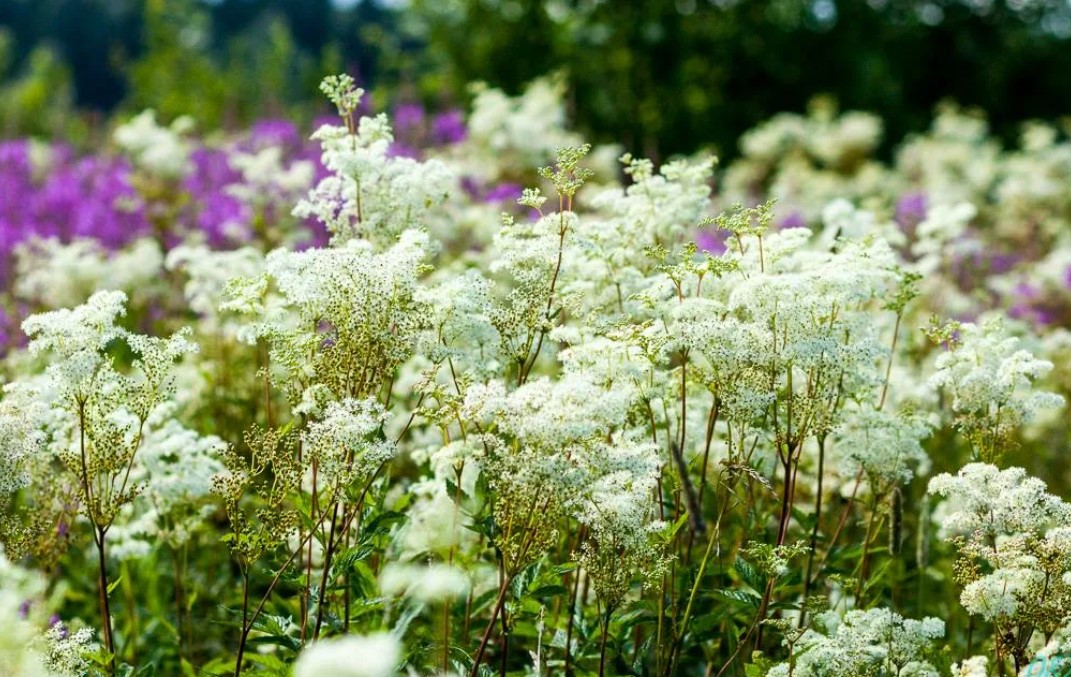
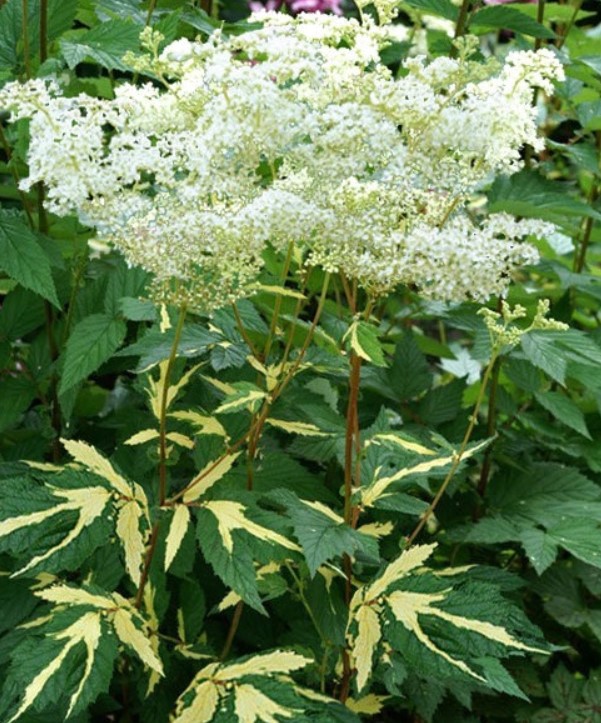
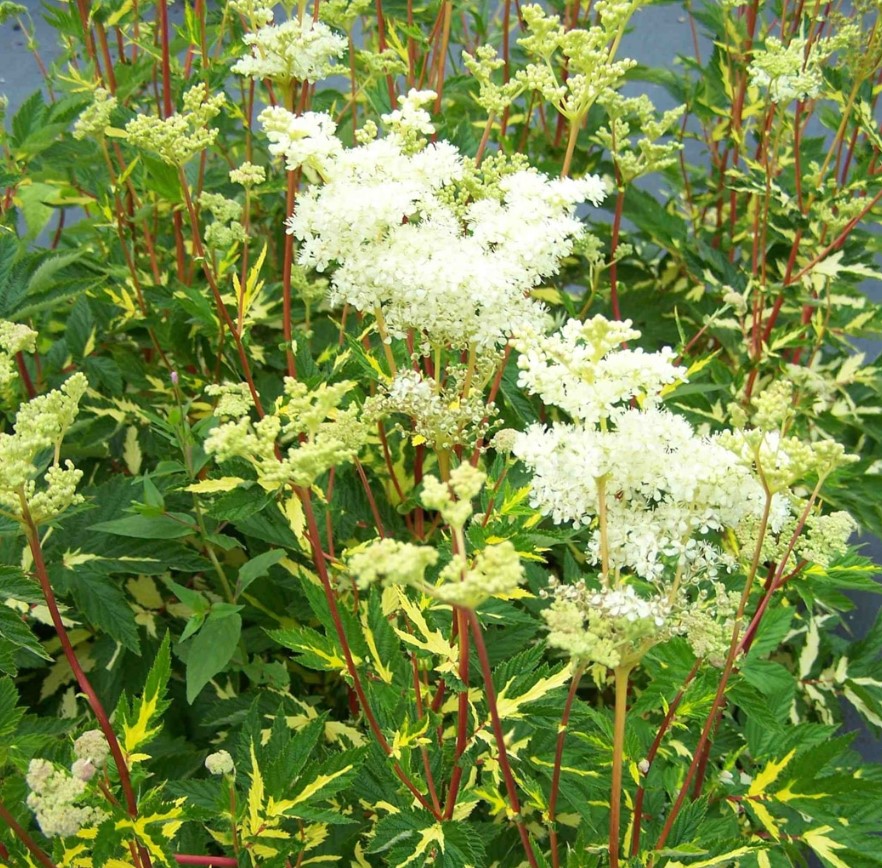
Vyazemsky meadowsweet + 6 varieties in a table with photos and descriptions
A perennial plant growing up to 120 cm tall. Flowering lasts from June to September. Used for tea, infusions, and fresh eating. Frost-resistant.
| Variety | Description and photo |
| Aurea |
Characterized by lemon-colored, golden leaves. Height 60-90 cm. Flowering time: first half of summer. Flowers are creamy white.
|
| Aureovariegata |
The foliage has bright yellow stripes. Blooms in June-July. Height 1 m. Blooms in June-July.
|
| Variegata |
Distinguished by its variegated foliage, it blooms in July. The flowers are cream-colored and reach a height of 70-80 cm. It is used to decorate flowerbeds and form borders.
|
| Captivity | The flowers are white, dense, and double. Blooming continues from July to August. The shoots reach a height of 1 meter.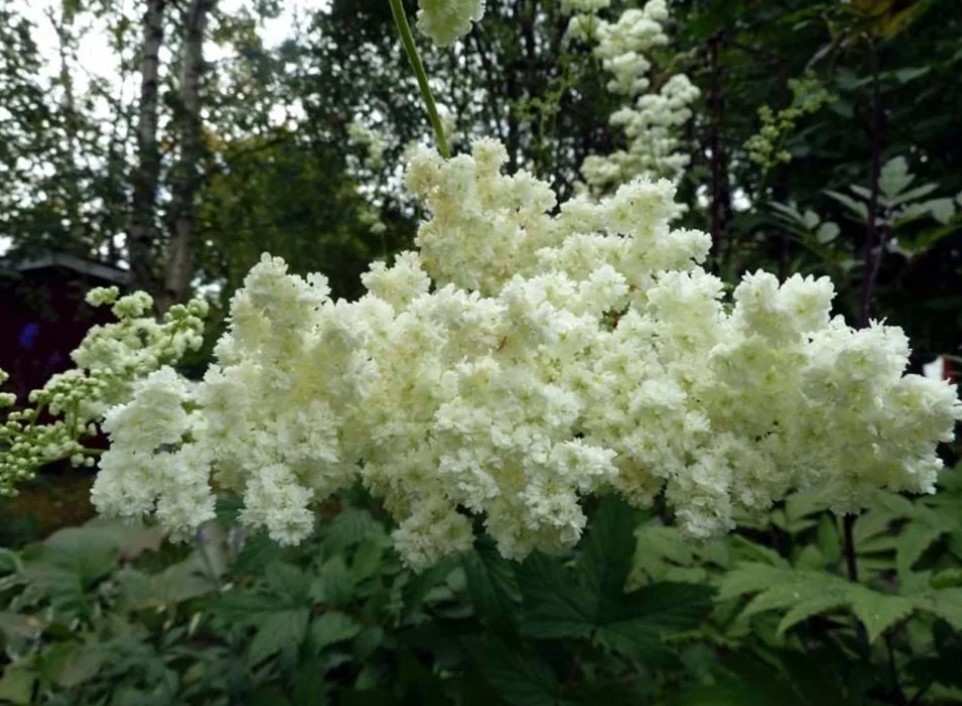 |
| Splendence | It has pinkish-white flowers and reaches 70 cm in height.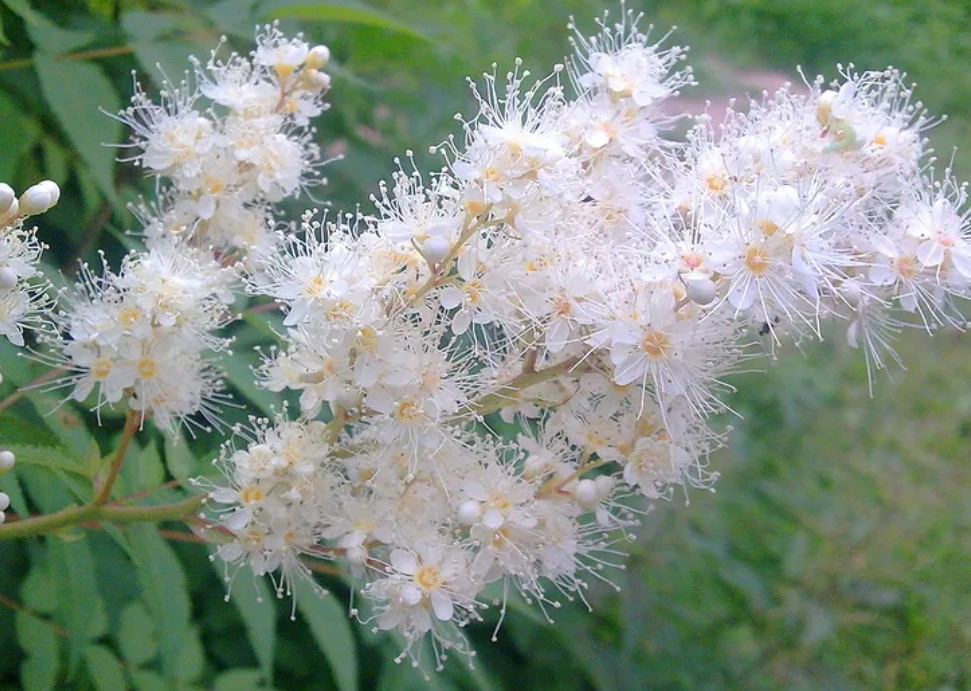 |
| Rosea |
The flowers are small, light pink, gathered in compact but very fragrant clusters. Blooming continues from June to August. The bush grows to a height of 60 cm.
|
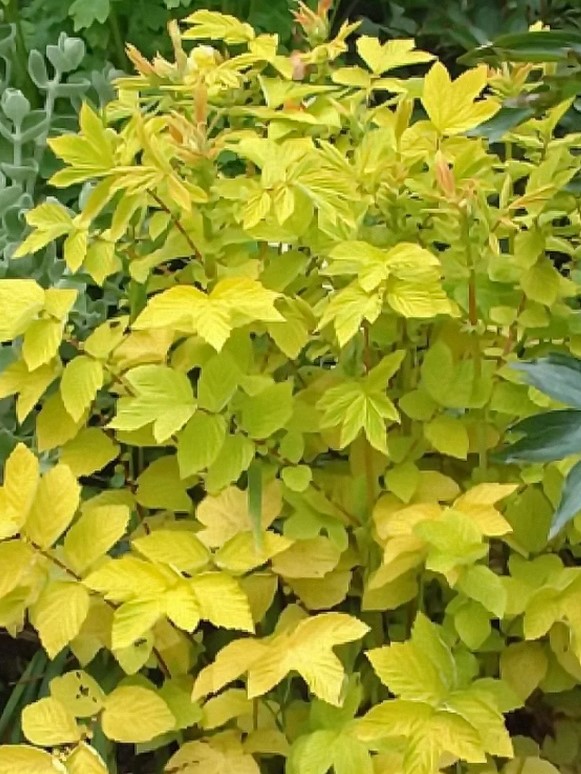
Kamchatka meadowsweet with photos and descriptions
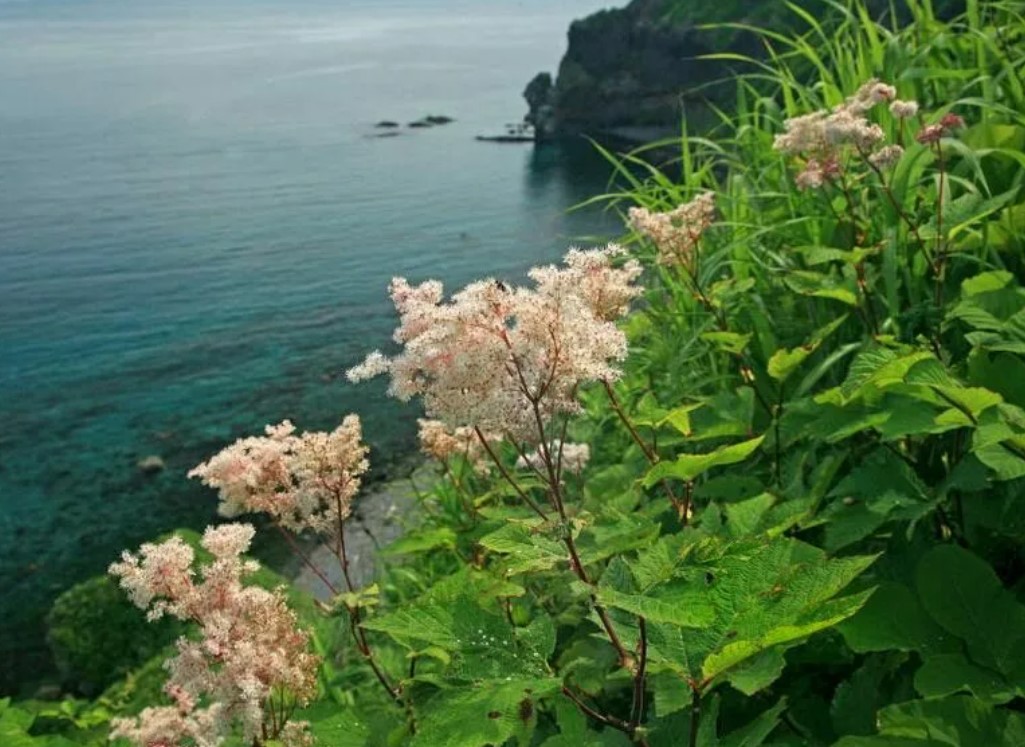
It blooms from July to September and is considered one of the tallest meadowsweets, with shoots growing up to 2 meters. Flowers come in white and pink.
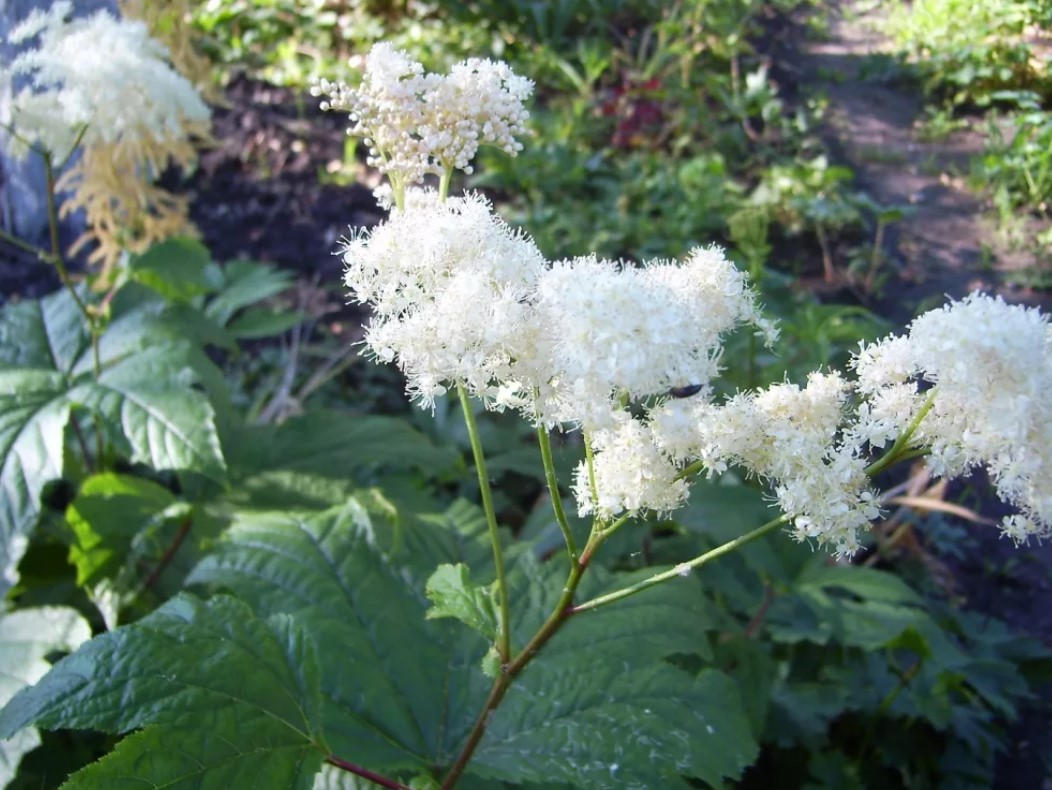
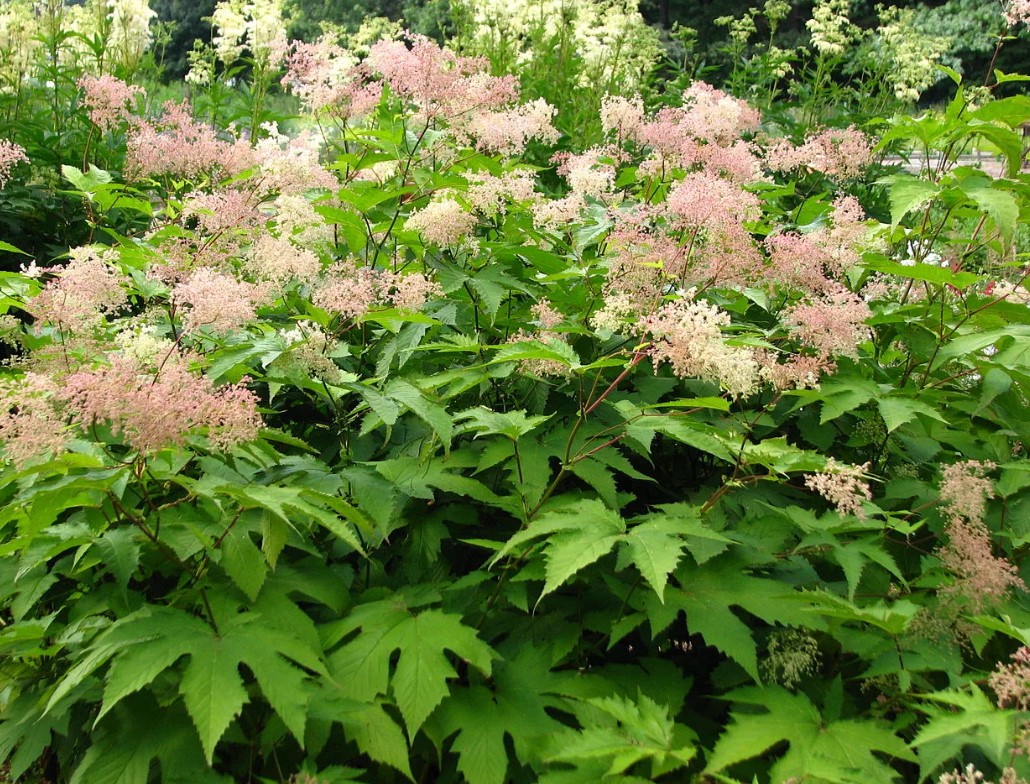
Loves the sun, but can also grow in partial shade, does not tolerate drought.
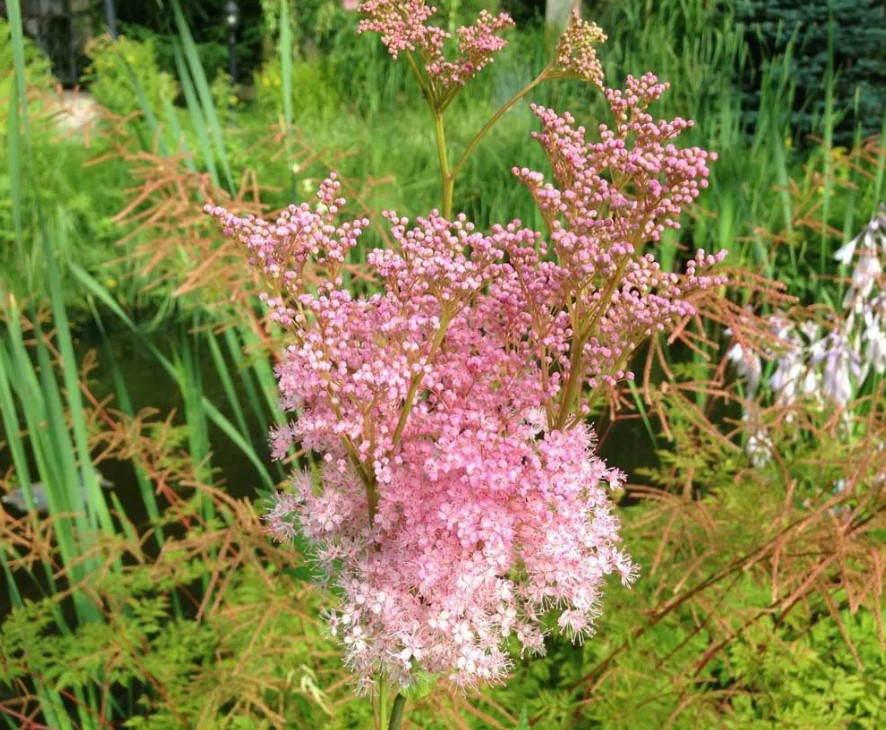
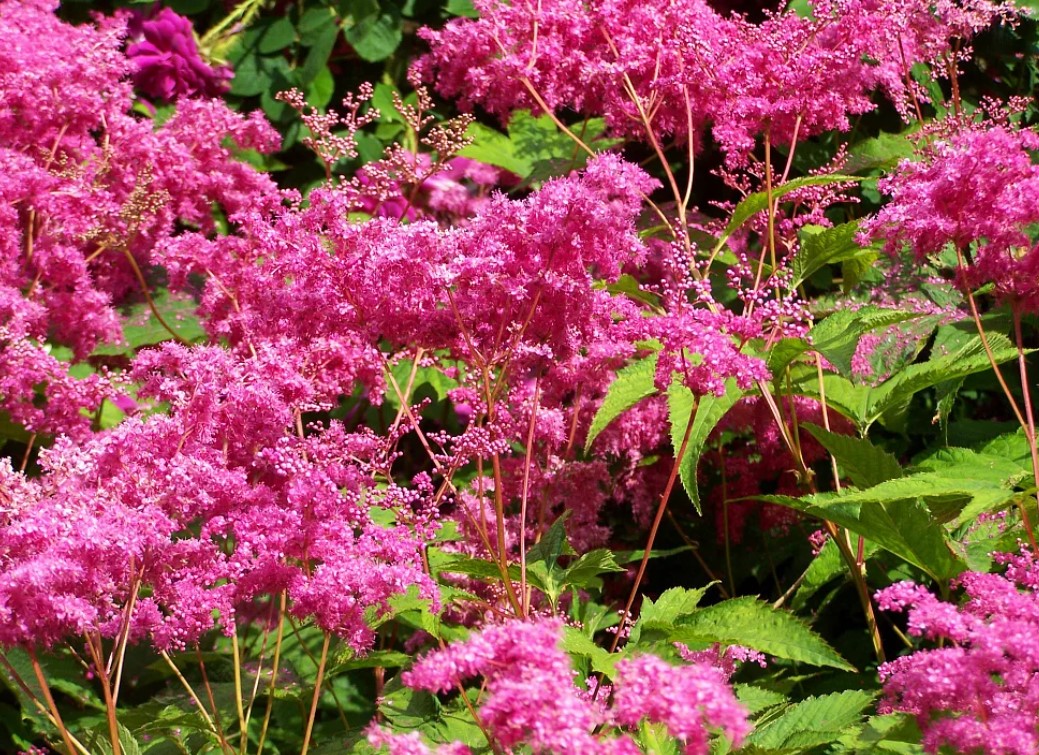
Purple meadowsweet and the Elegance variety with photos and descriptions
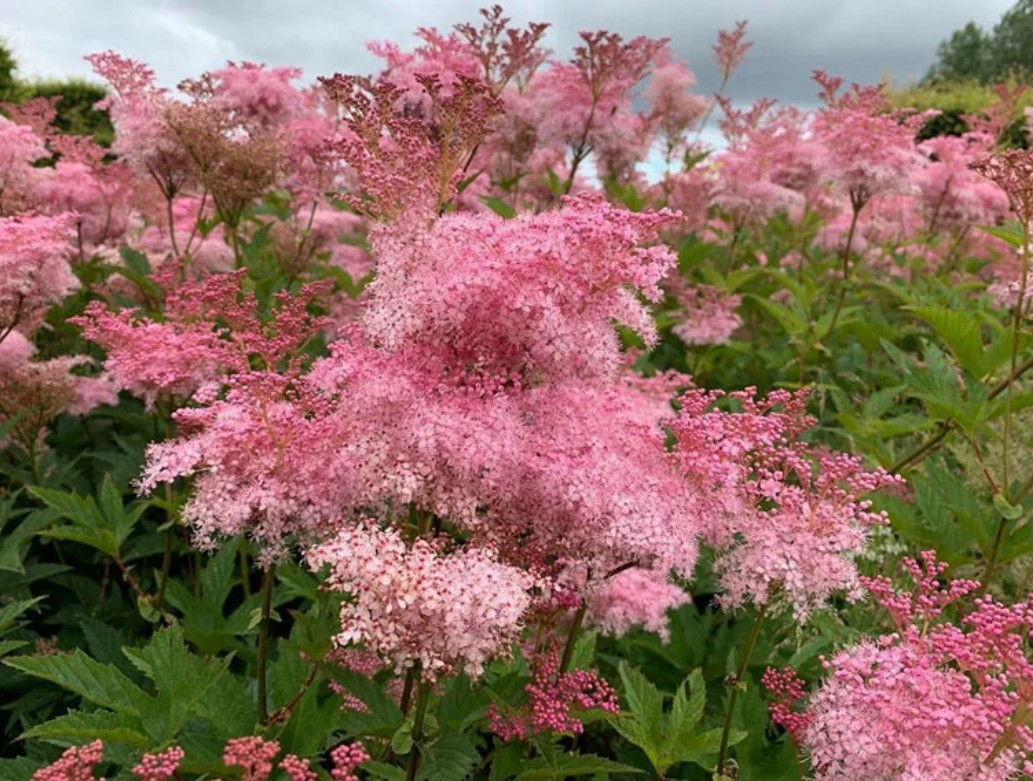
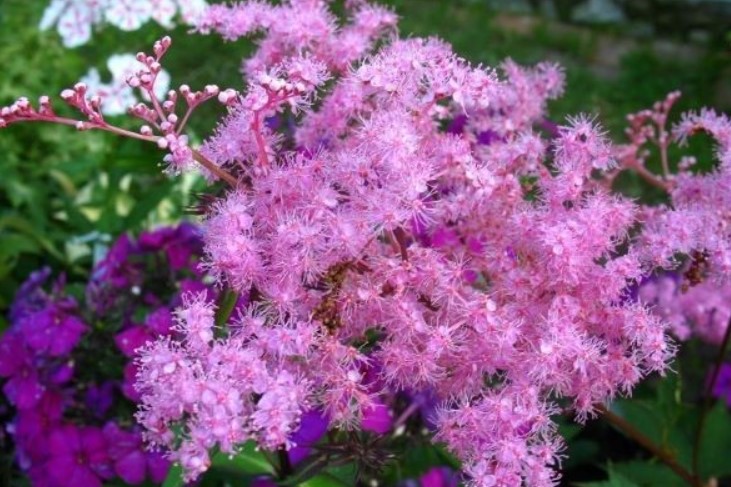
The pink flowers appear on the bushes from June to August. The leaves are decorative and neat, and the shoots are tall.
| Variety | Description and photo |
| Elegance |
The shoots reach 70 cm in height, with pink flowers and purple-tinged shoots. It looks spectacular in groups and has a distinct, pleasant aroma.
|
Common meadowsweet and two varieties with photos and descriptions
Cream-colored flowers bloom from June to August, and the 60-cm-tall shoots have very dense foliage. It is the only species that tolerates drought well.
| Variety | Description and photo |
| Kahome |
It blooms from June to August with pinkish flowers, the height of the shoots is 40 cm.
|
| Grandiflora | It features large, creamy-yellow inflorescences and grows to 60 cm.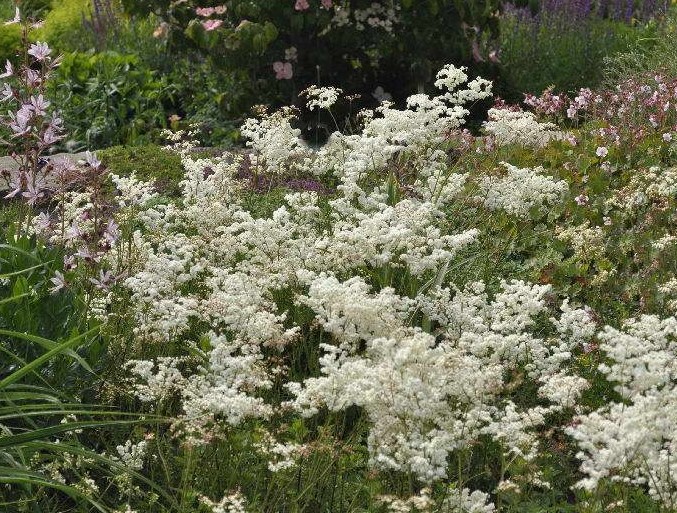 |
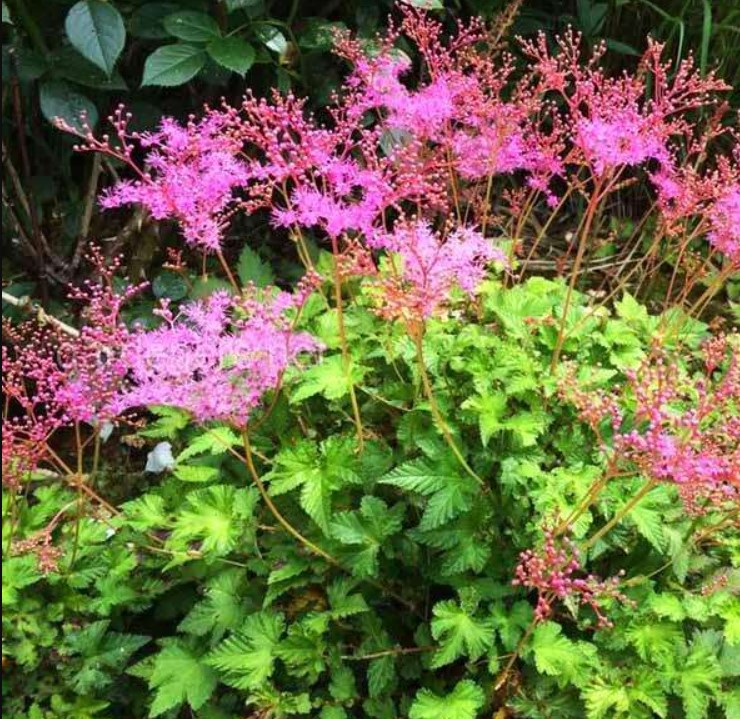
Palmate species of meadowsweet and the Nana variety with photos and descriptions
The shoots reach 1 meter in height, the leaves are palmate, with a slight pubescence on the underside. The inflorescences are up to 30 cm long, white, and lush. The flowering period begins in June-July and lasts until August.
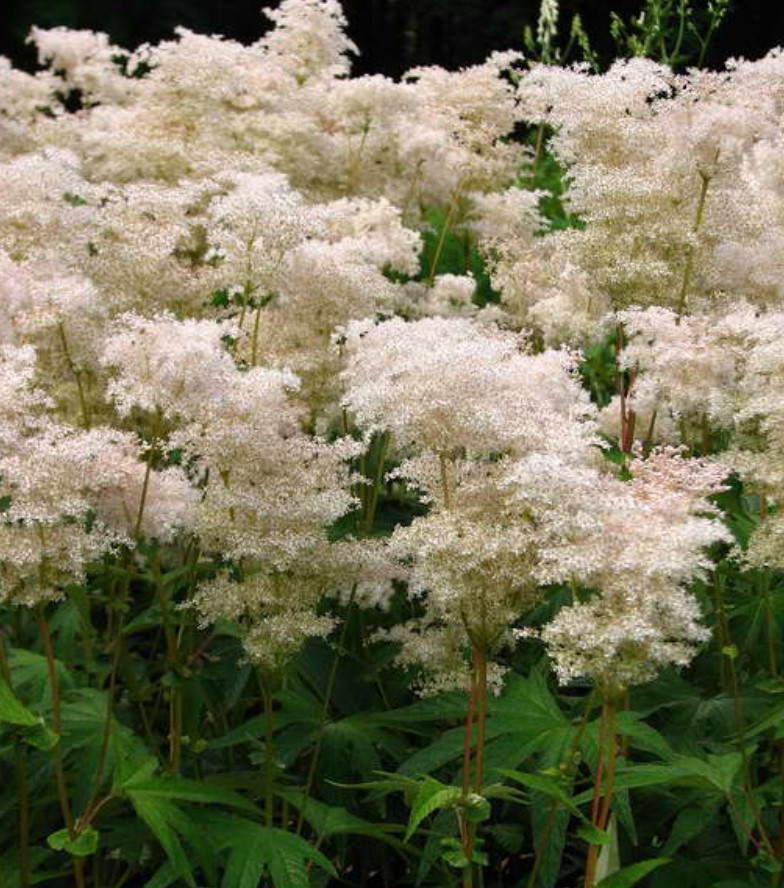
| Variety | Description and photo |
| Nana |
Unlike its parent species, the shoots do not exceed 30-40 cm in height, and flowering occurs later, in mid-summer. The inflorescences are pink.
|
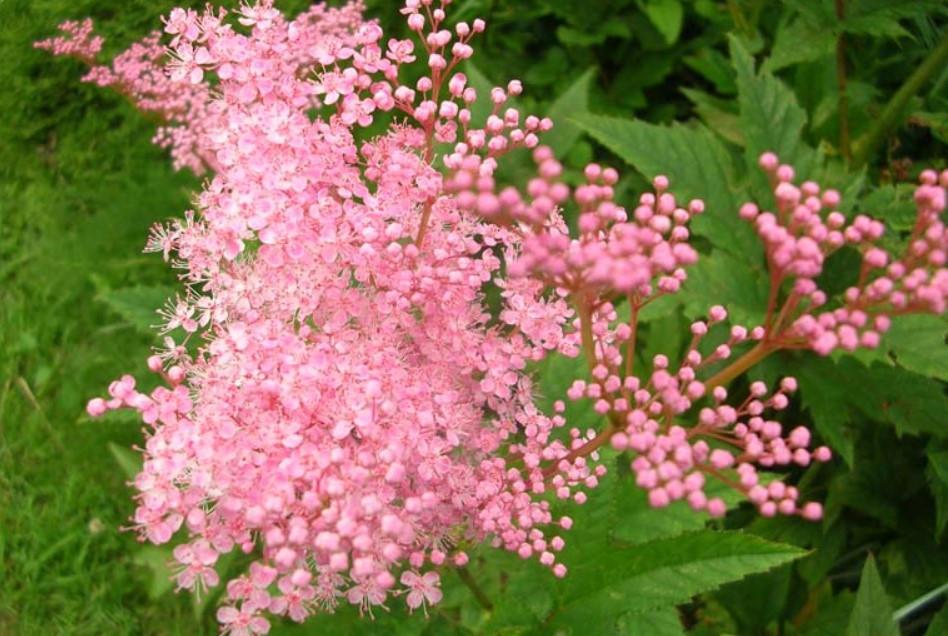
Red meadowsweet and 4 varieties with photos and descriptions
A tall variety with shoots up to 230 cm long. In natural conditions, it grows very quickly, forming large clumps. Flowering begins in July or August and lasts about 30 days, after which bright crimson fruits form.
| Variety | Description and photo |
| Magnifica |
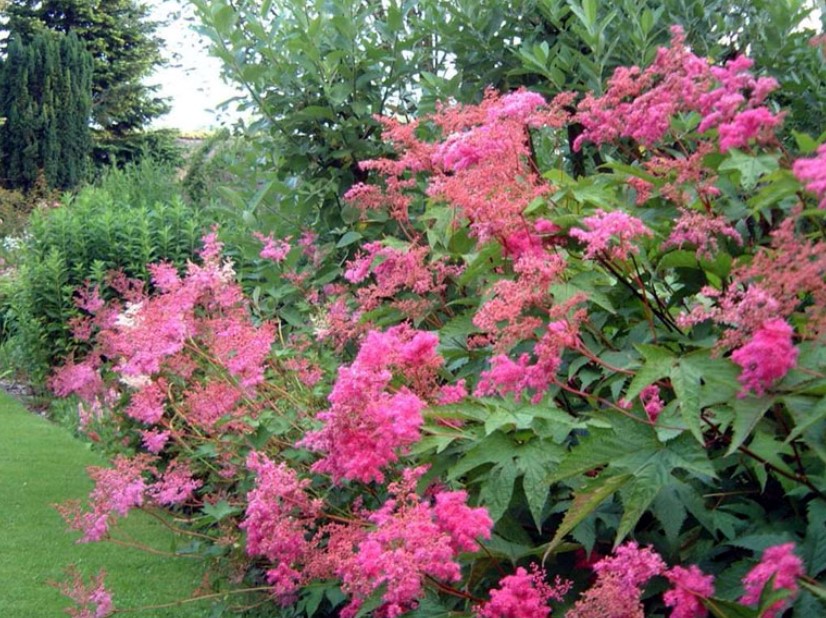
It features dark pink inflorescences. Height: 1.7-2 m. It's a good choice for planting near water.
|
| Venusta | It has red flowers and grows up to 1.50 m. Flowering occurs in July and August.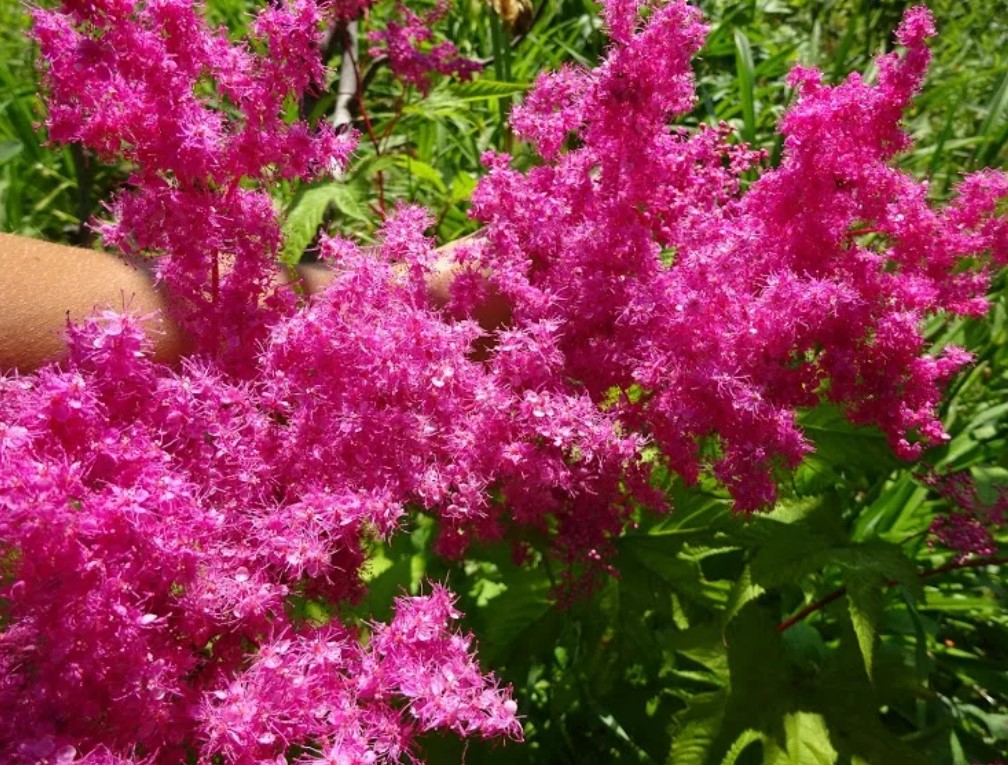 |
| Red Umbrella | Blooms in June-July. Height 70 cm.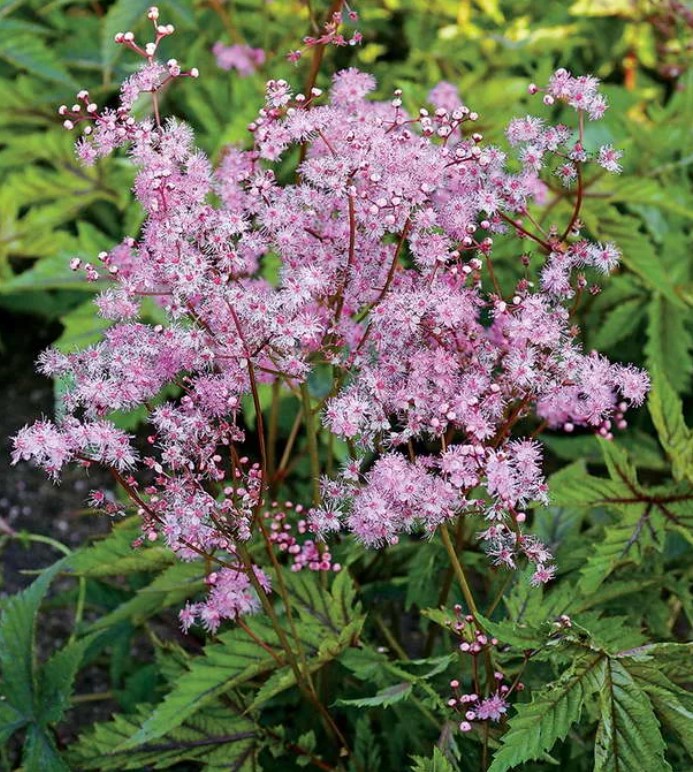 |
| Pygmy (Pygmaea) |
Dwarf variety with shoots up to 30 cm.
|
Planting meadowsweet in open ground
Planting meadowsweet in open ground is not a particularly difficult task if you take into account all the characteristics of this plant.
Location
Meadowsweet thrives in moist soil and cannot grow in water-deficient areas. However, the plant thrives in well-lit garden areas; in shade, the color will fade and the shoots will become elongated. If groundwater is very close to the soil surface or the chosen location is prone to standing water, it is recommended to create a raised bed with good drainage.
Priming
Meadowsweet has no special soil requirements. It grows well in a variety of soil types. However, it will perform best in a bed where organic fertilizers, such as humus or peat, have been added before planting.
If the soil is too heavy, add some sand to help the plants root. Acidic soil should be neutralized by adding a little lime or wood ash.
Step-by-step landing
In spring, meadowsweet is planted after the frosts have passed. In most regions, this period falls in March or April. The work can also be done in the fall, after the heat has passed.
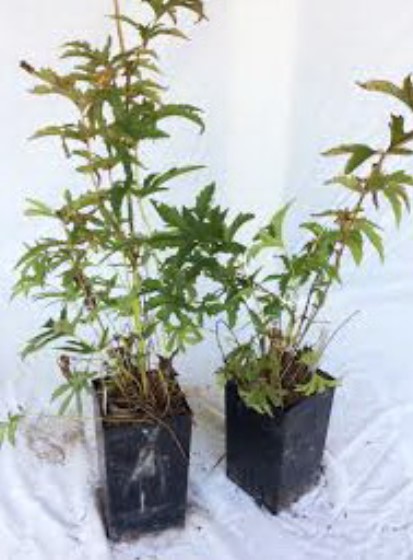
It is recommended to plant no more than 5 medium-sized or 3 tall bushes per square meter. It is advisable to leave a distance of 30-50 cm between them to prevent competition for moisture and nutrients from the soil.
The work is carried out according to the following scheme:
- The soil is dug up and weed roots are removed.
- A hole is dug 3 times larger in diameter than the root ball of the bush prepared for planting.
- Compost is placed at the bottom of the hole.
- The plant is placed in the hole to the same level as it grew in the pot.
- All free space in the hole is filled with soil mixed with compost and compacted.
- Abundant watering is carried out.
- The soil is mulched and watered regularly.
Ornamental varieties are also suitable for pot growing; planting is carried out according to the same principle as described above, but instead of a hole, a pot is used.
Caring for meadowsweet
Caring for meadowsweet is very simple and basic, as the plant is completely unpretentious in cultivation.
Watering
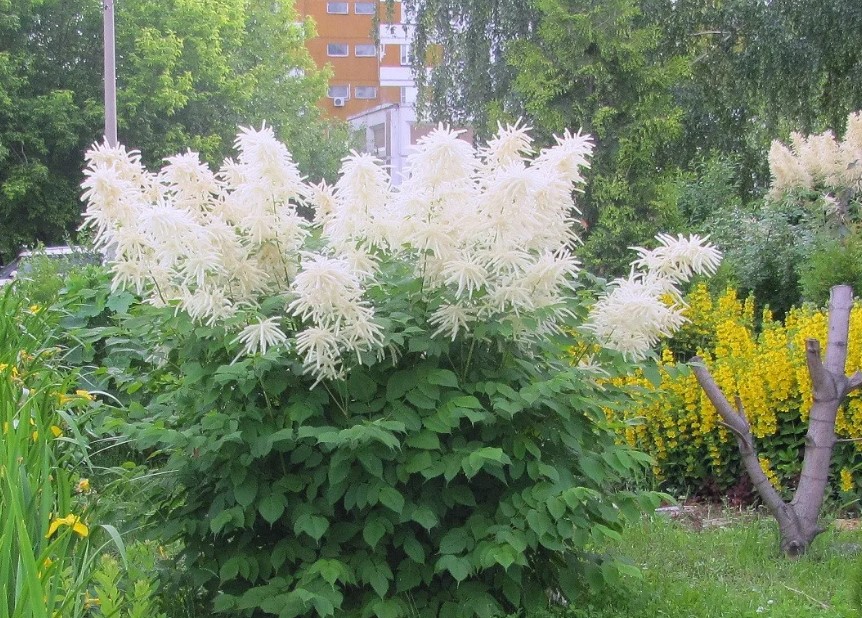
Moist soil is essential for the plant, especially during the rooting period. However, overwatering can lead to waterlogging near the roots, leading to fungal diseases. Therefore, watering should be adjusted according to weather conditions; typically, once a week is sufficient.
Top dressing
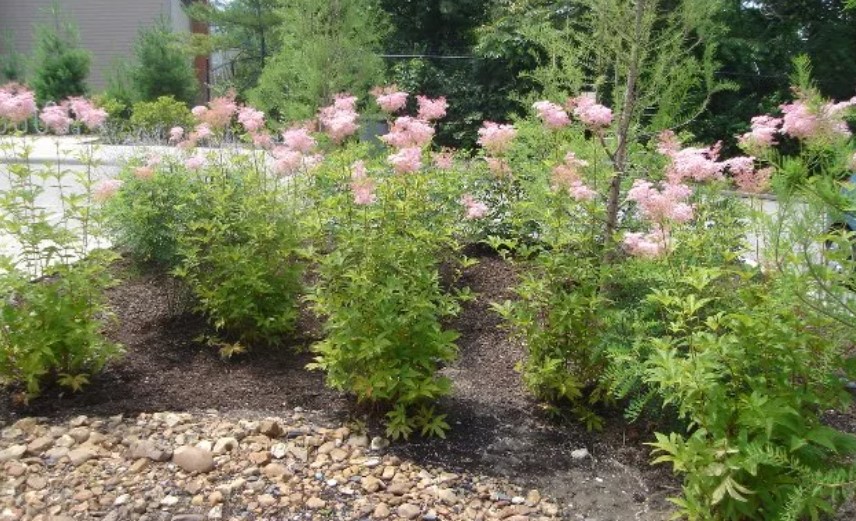
If fertilizer was added to the soil when planting and the soil itself is not depleted, no additional fertilizing is necessary. However, if flowering is not profuse, you can feed the meadowsweet once or twice a season with superphosphates or potassium sulfate.
You should not apply only fertilizers with a high nitrogen content, as they will stimulate the growth of vegetative mass and slow down the flowering process.
Trimming
Prune only faded shoots from meadowsweet, which give the bush an untidy appearance at the end of the season. You can use pruning shears or simply pinch them off by hand.
Wintering
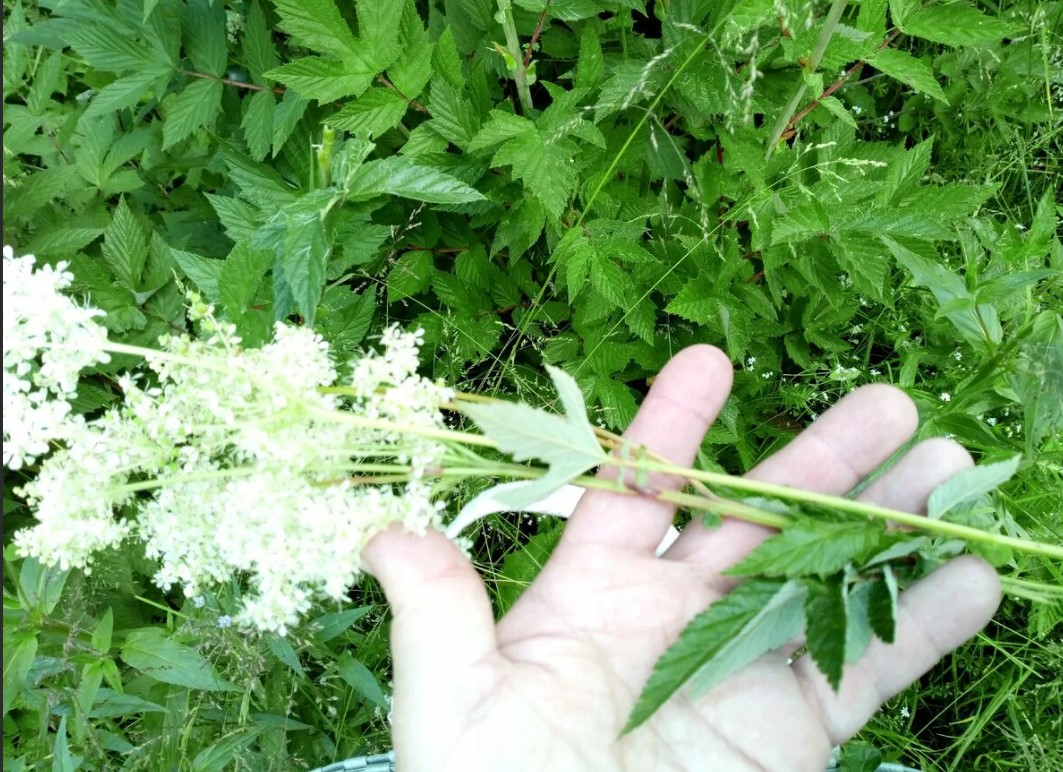
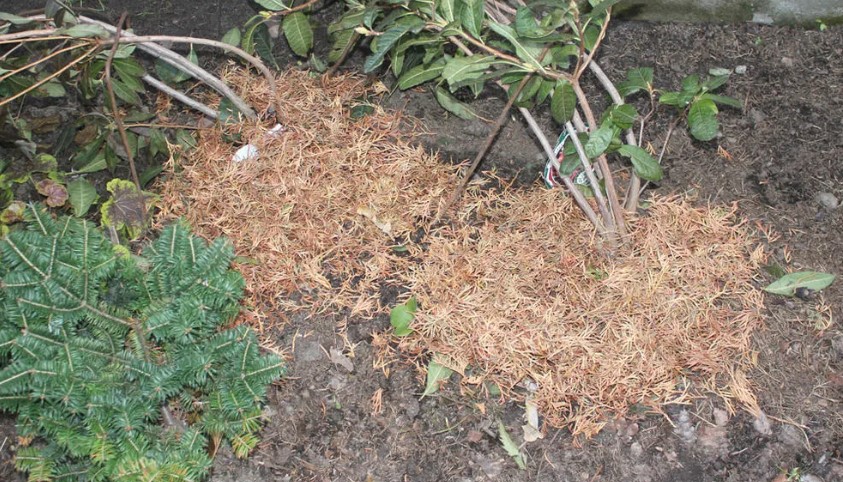
Meadowsweet tolerates frost very well, but the plant still needs to be prepared for winter. Shoots should be pruned to a height of 50-100 cm. Additional cover is not required as long as the temperature does not drop below 33 degrees Celsius. If winters are much harsher, the flowerbed surface should be covered with a 10 cm layer of mulch.
Reproduction of meadowsweet
Meadowsweet is propagated in two main ways: by seeds and by dividing the bush.
Seeds
After flowering, you can collect the seeds and use them to grow meadowsweet. The seeds remain viable for up to six years.
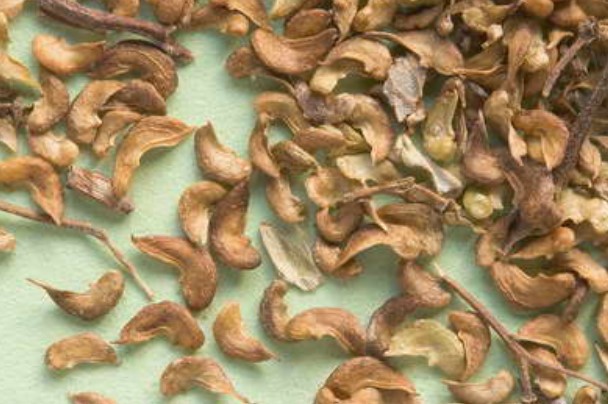
It's best to start sowing in the fall to allow the planting material to undergo natural stratification. The flowerbed should be dug, weeded, and watered. The location should be slightly shaded but with ample sunlight for several hours during the day.
Furrows 50 mm deep are made on the surface of the flowerbed. Seeds are placed in these furrows at 30 cm intervals and covered with soil. Over the winter, they will harden and strengthen, and the first shoots can be expected by late April or early May. With proper care, flowering after such planting can be expected only in the second or third season.
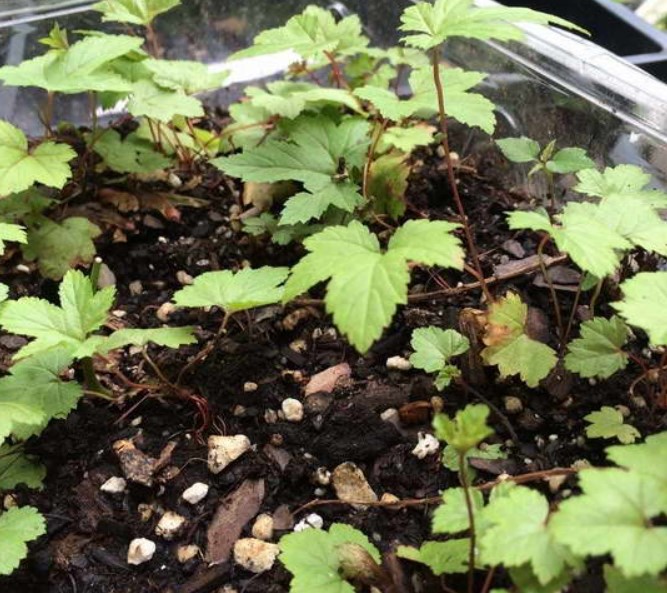
Meadowsweet can also be planted in spring using seeds, but all planting material should be treated with a growth stimulant beforehand. The planting principle and pattern are the same as in the fall, but germination is much lower. Flowering after spring planting does not occur until the third or fourth year.
Dividing the bush
Division is the simplest, most popular, and most effective method of propagating meadowsweet. Dividing the bush can be done either in the fall after flowering or in early spring before buds appear.
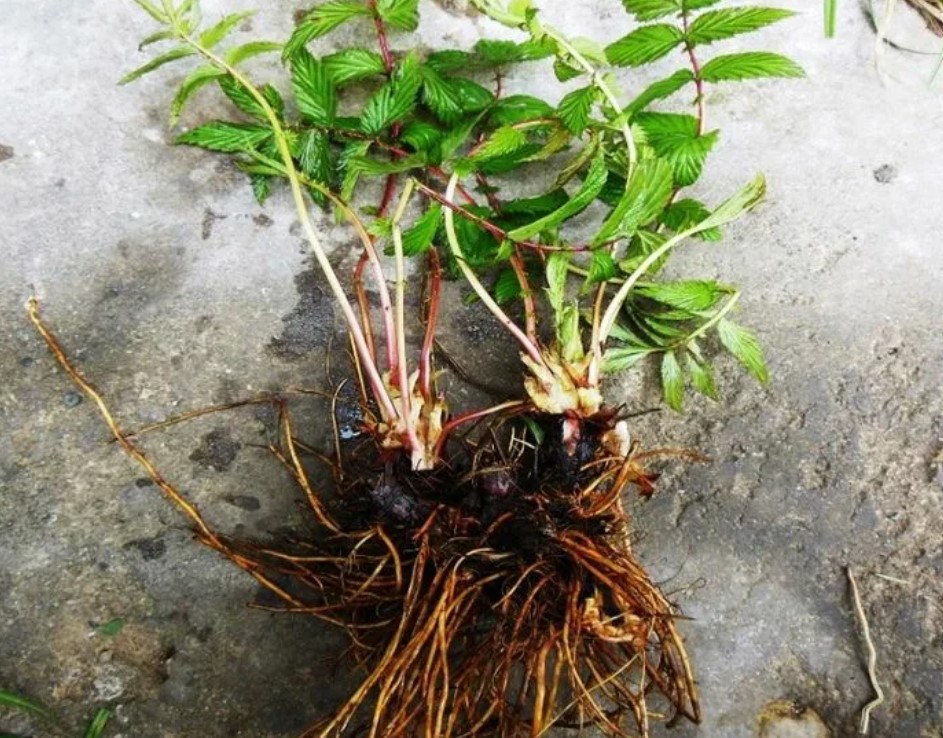
The bush is dug out of the ground, then the rhizome is divided into several parts, each of which is immediately planted in the soil. If planting is planned for a later time, the divisions should be buried in moist sawdust or planted in a pot.
Meadowsweet in the landscape
Due to its unpretentiousness and decorative appearance, meadowsweet is widely used in landscape design.
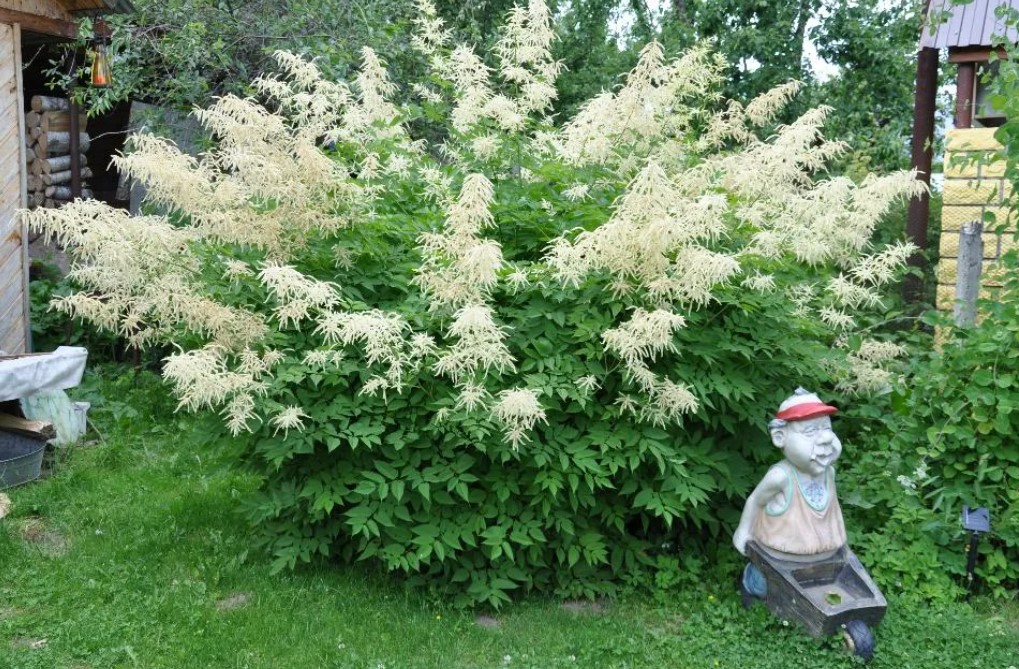
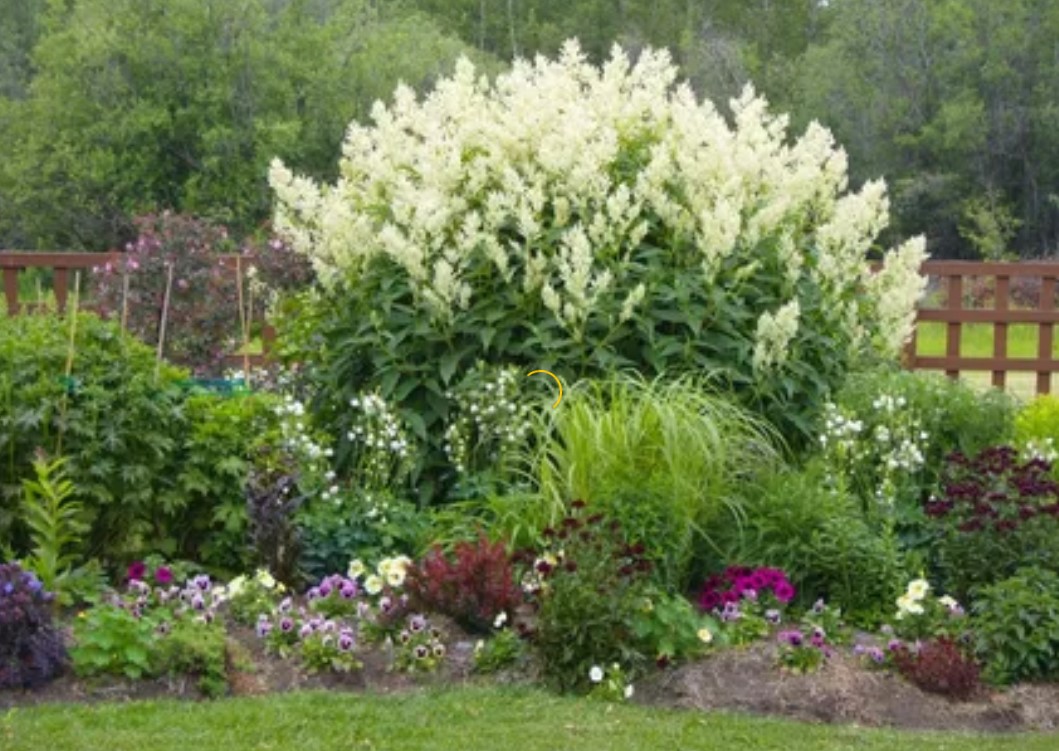
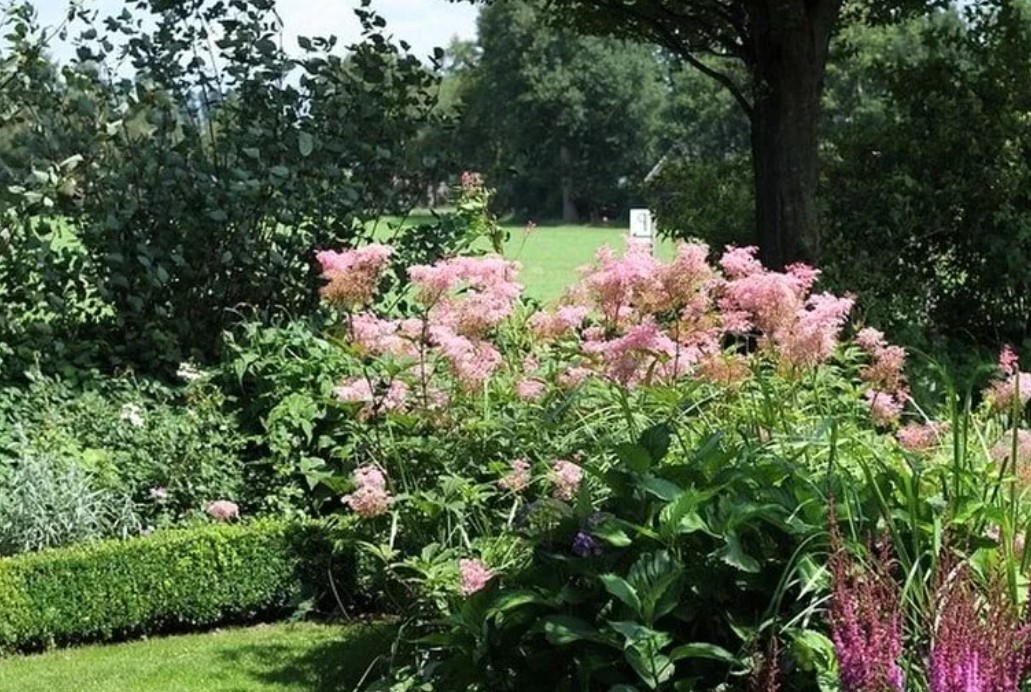
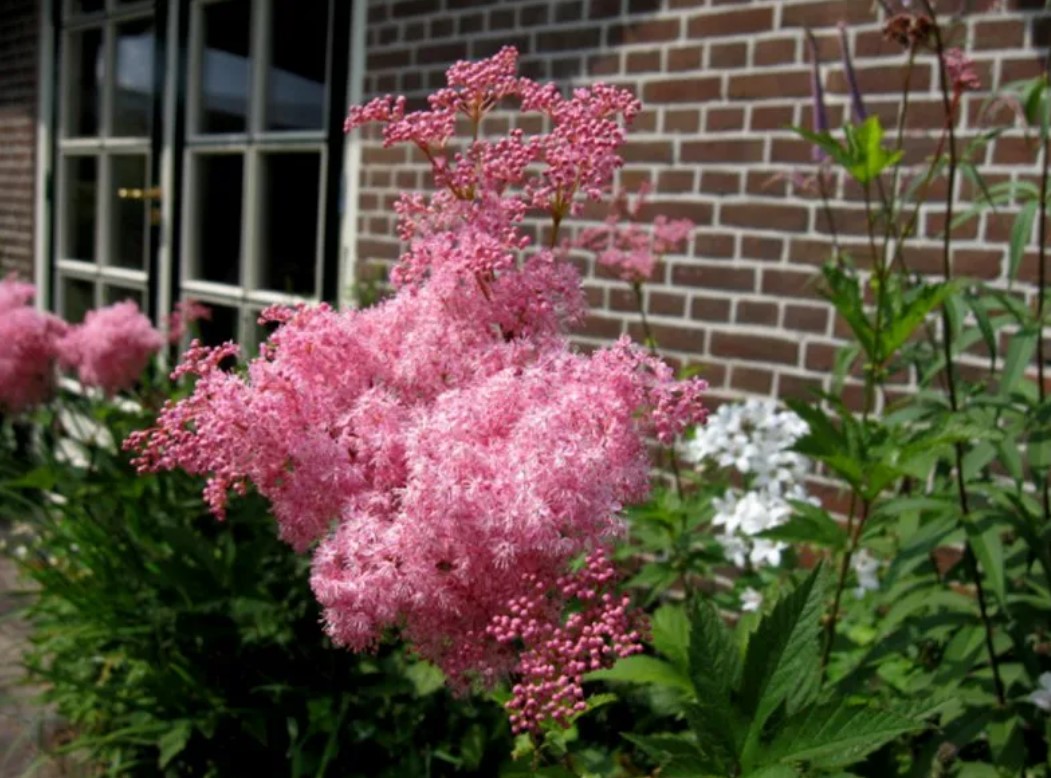
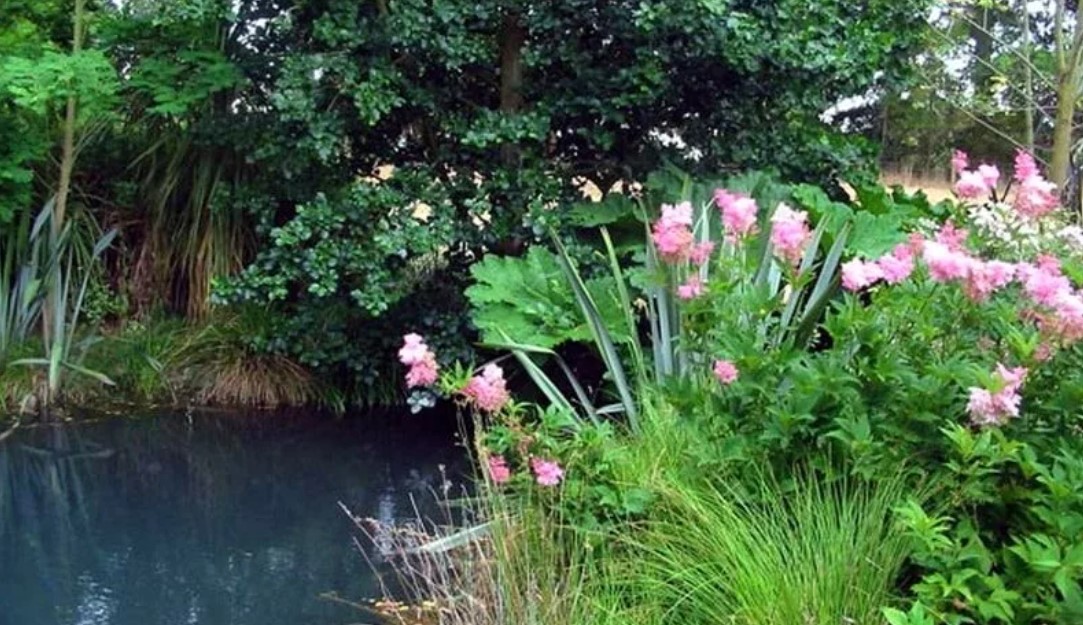
Tall varieties are used to create hedges and to conceal buildings on the property. The plant looks particularly striking on the banks of ponds and other bodies of water, if present in the garden.
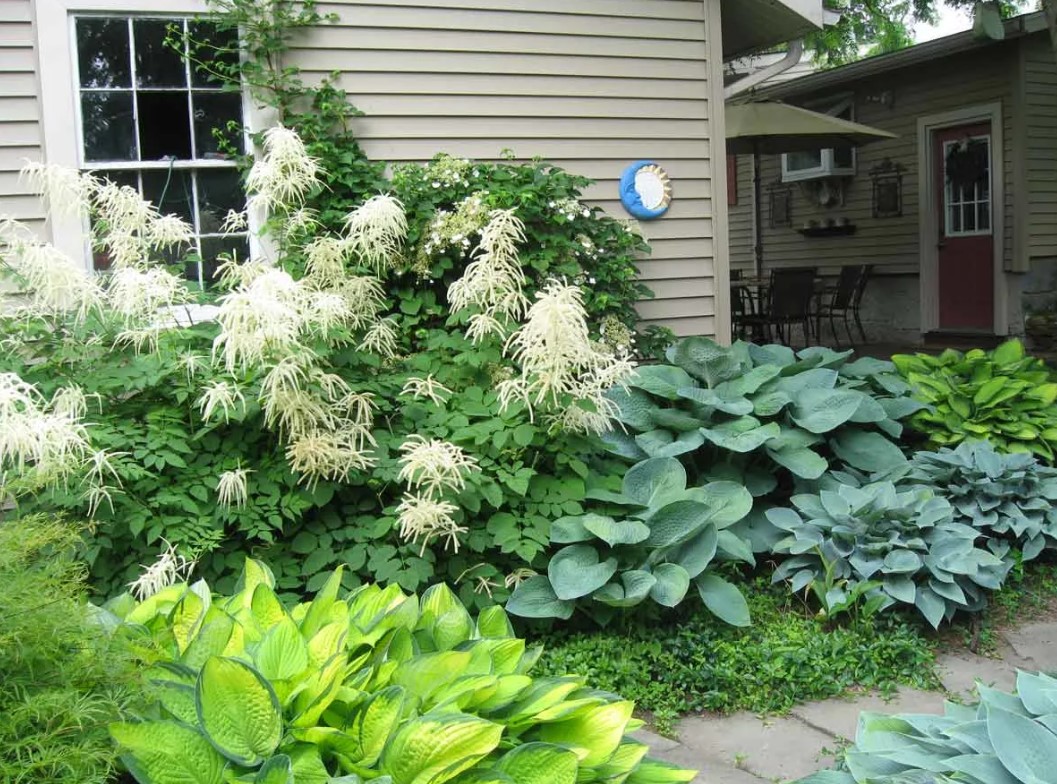
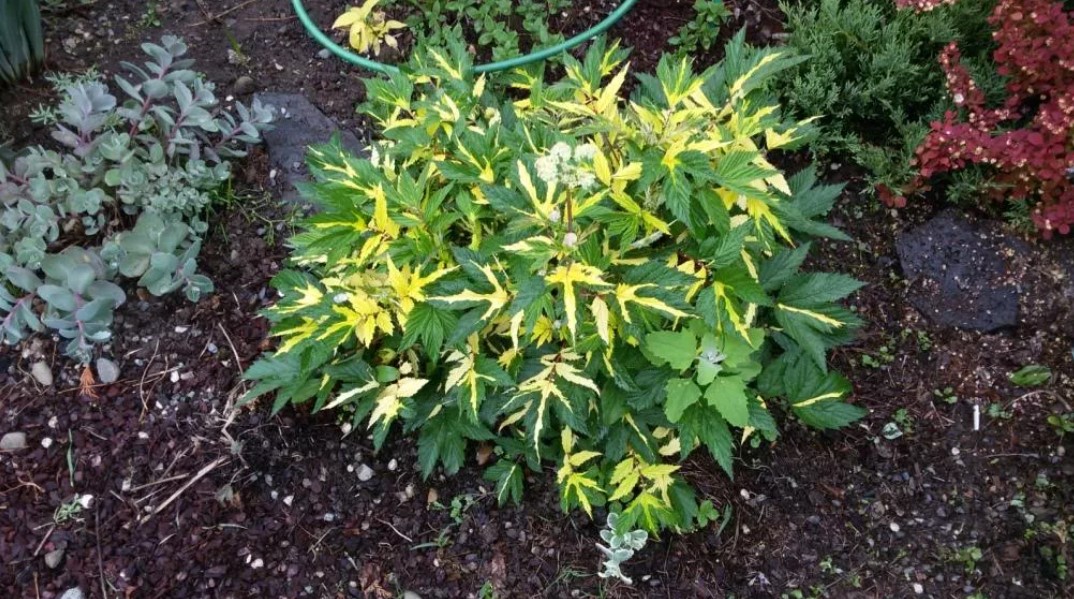
Meadowsweet can also be combined with other perennials, bushes And trees, creating decorative compositions. Dwarf varieties are used to frame borders, while taller varieties look great planted singly among lawns, creating airy islands.
Meadowsweet looks most advantageous next to ferns, hosts. Volzhanka, daylilies, irises, astilbes, carnations, dicentra And hydrangeas.
Photo gallery of meadowsweet uses in landscapes
Medicinal properties of meadowsweet
Meadowsweet has been renowned for its medicinal properties since ancient times, widely used in medicine. Meadowsweet is considered the most valuable in this regard. These properties are attributed to the following beneficial substances:
- Vitamin C – strengthens the immune system.
- Essential oils are beneficial for the respiratory, cardiovascular and gastrointestinal systems.
- Starch – protects the mucous membrane due to its enveloping properties.
- Wax – has an antimicrobial effect.
- Glycosides have antibacterial and sedative properties and have a laxative effect.
- Phenolic compounds help normalize the functioning of the genitourinary system and bile ducts.
- Flavonoids – eliminate allergy symptoms, relieve swelling and spasms.
- Salicylic acid – has an anti-inflammatory effect.
- Phenolic acids – help cleanse the body and prevent premature aging of cells.
- Tannins – control the level of blood viscosity.
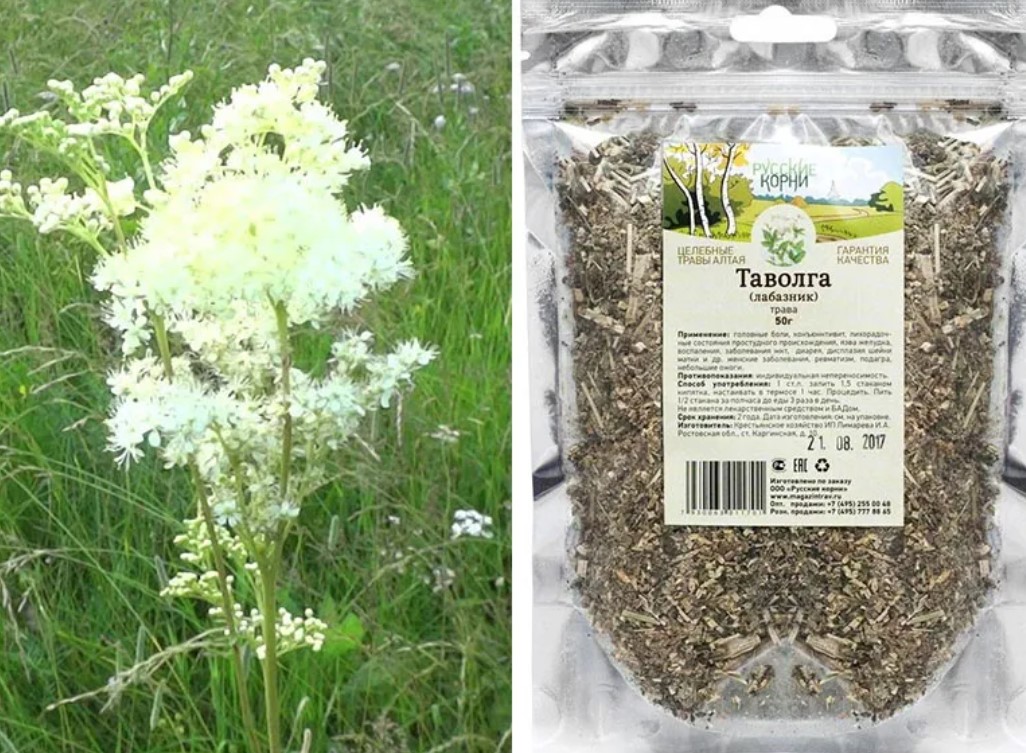
Meadowsweet infusions are effective in treating burns and wounds. Compresses made from the plant help relieve the symptoms of migraines, arthritis, and allergies.
Contraindications for the use of meadowsweet
Despite its many beneficial properties, meadowsweet has a number of contraindications. It is not recommended for those with hypotension or colitis accompanied by constipation. Furthermore, the plant has a diaphoretic effect, so avoid going outside immediately after taking medication to avoid catching a cold.
Uses of meadowsweet parts
In folk medicine, all parts of the meadowsweet are used to prepare herbal remedies.
- Flower tea is brewed to treat gout, rheumatism, kidney failure, nephritis, gastrointestinal disorders, and is effective for cardiovascular diseases, hernias, and even leukemia. The tea also has a homeostatic effect.
- The dried and ground flowers are used as a dusting powder and are suitable even for babies.
- Fresh juice of the plant applied to the skin repels insects.
- A decoction of the root is taken to treat diseases of the thyroid gland, joints, and diabetes.
Recipes for using meadowsweet
Various forms of medicine are made from meadowsweet: decoctions, tinctures, teas, powders, ointments and creams.
Tincture
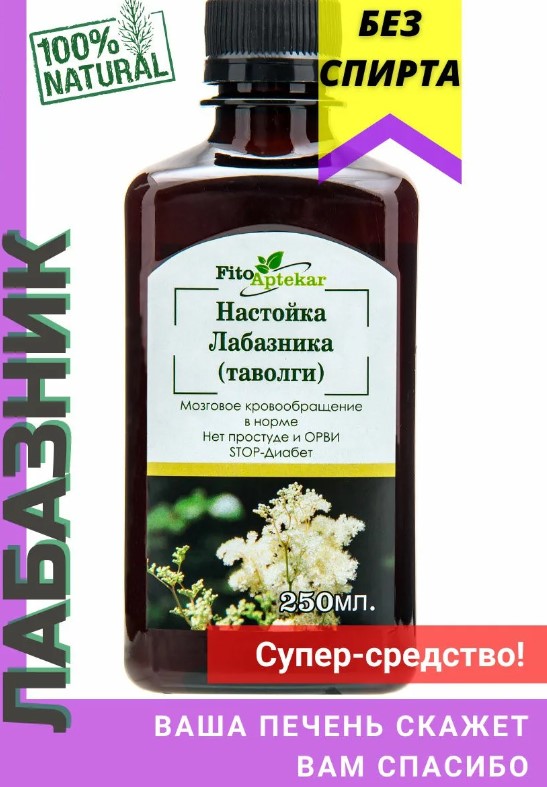
To prepare the tincture you will need:
- 1 tsp. dry grass.
- 5 teaspoons of vodka.
Mix the ingredients and let steep in a dark place for 5 days. Take the tincture 3 times daily, 25 drops diluted in water.
The product effectively helps in the treatment of purulent wounds, ulcers, boils, has a bactericidal effect and promotes tissue regeneration.
The drug is taken internally for hormonal and gynecological disorders, central nervous system and gastrointestinal tract disorders.
Decoctions
Method of preparation:
- Add 1 teaspoon of dried meadowsweet to 500 ml of water.
- Stir and place in a double boiler.
- After 30 minutes, remove from heat, filter, dilute with boiled water to the original volume of 500 ml.
Take the decoction 3 times a day, 1 tablespoon after meals to treat intestinal infections, inflammation of the genitourinary system, dysentery, rheumatism and gout.
Tea
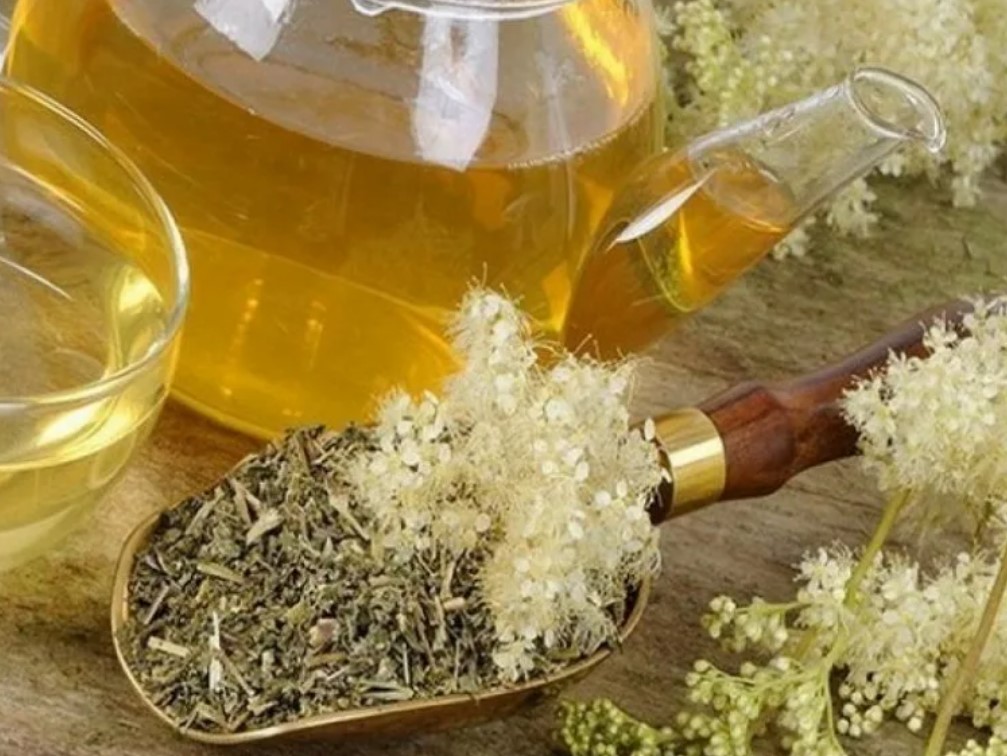
Dried meadowsweet leaves are used to make tea. Stir 1 teaspoon of the leaves into a cup of boiling water, cover, and steep for 5 minutes. Take before meals to treat genitourinary ailments, stomach pain, and to strengthen the immune system.
Ointments
To prepare the ointment, grind 20 g of dried meadowsweet root into a powder and add 90 g of Vaseline. Apply to skin problems, rubbing in 3-4 times daily.
How to prepare meadowsweet raw materials
The raw material is harvested in June and July; most often, only the flowers are used for medicinal purposes. They are cut down to the first leaf and hung in a shaded, well-ventilated area until completely dry. The flowers, which have acquired a pungent scent and a brown color, are then placed in paper boxes and stored in a dry, dark place.
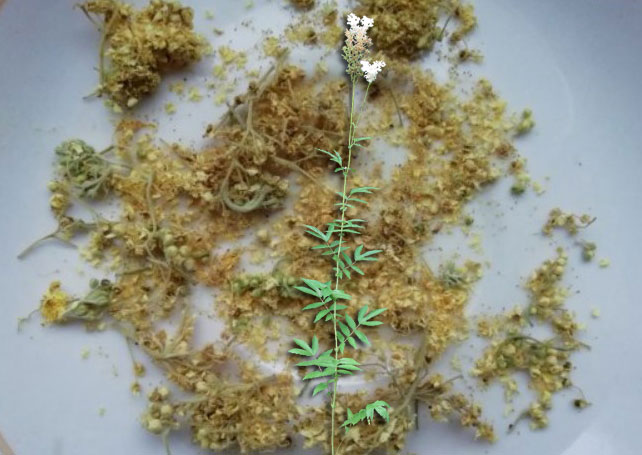
Meadowsweet roots are harvested in the off-season. They are thoroughly washed to remove soil, cut into 10-cm pieces, laid out on paper or fabric in a 1-cm layer, and dried under the same conditions as the flowers.
Tips from Top.tomathouse.com on using meadowsweet
- It is better to drink meadowsweet tea in the afternoon, otherwise there is a risk of decreased concentration.
- Due to its diuretic properties, meadowsweet is not recommended for use before bed.
- Before using a cream or ointment for the first time, test it for allergies by applying it to a small area of skin on the bend of your elbow.
- Remember that any herbal therapy is characterized by a cumulative effect, and the treatment of serious diseases with meadowsweet is possible only in combination with traditional medicine.
Reviews of the use of meadowsweet in the garden and as a medicine
Attention! This dietary supplement is not a medicinal product.
My meadowsweet Venusta in Moscow is exactly as tall as me, 1.70 m. It's in its first year of flowering; the photo shows one root, which has grown so much in two years.
The meadowsweet has rusty, diseased leaves. They're all full of holes. No one else in the area has eaten it except this one. I don't know who else. I'll have to try treating it this year.
Meadowsweet, also known as meadowsweet or six-petaled meadowsweet, is also known as steppe meadowsweet. It blooms from midsummer for 25-30 days. The flowers emit a strong honey scent, but the honey production is very, very weak. I'm thinking about it now and can't recall ever seeing a single bee on them. And there's a lot of this honey plant everywhere.
I had a pink meadowsweet... it grew in a well-drained spot. I'm 170 cm tall, and these pink caps always dangled somewhere above my head. Very tall. And the foliage was so-so, as if it were sick. The flowers were very beautiful, a cloud of pink, but under this cloud were five-foot-tall bulbs with sickly foliage.
I've seen meadowsweet before and know it cures many ailments. Young meadowsweet leaves are also used to make salads rich in vitamins and nutrients. Meadowsweet has many other beneficial properties.
Aromatic tea for boosting immunity. How I brew it and what I pair it with. My tea options.
In Western Siberia, this plant is commonly called "beluga," so in my review I'll use that familiar name. I like the beautiful name "meadowsweet," but it sounds a bit unusual to me. And I only just now learned that the plant is also called "meadowsweet" and "meadowsweet."
Meadowsweet, also known as meadowsweet, meadowsweet, or meadowsweet, grows in temperate climates.
A perennial herb with small white flowers that loves lowlands, meadows and valleys near rivers.
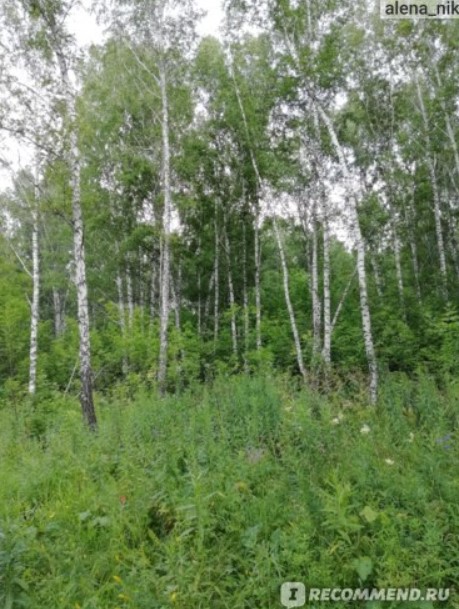
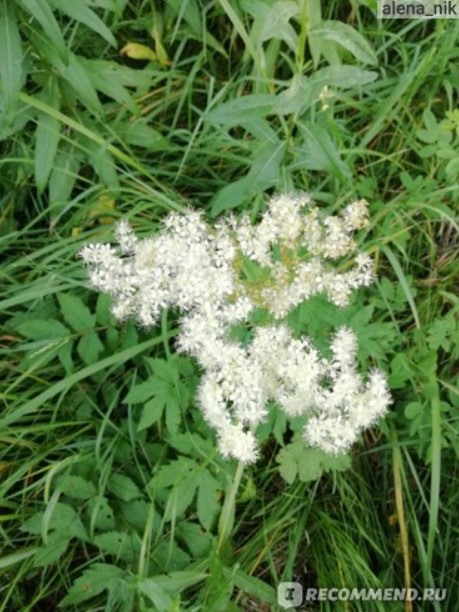
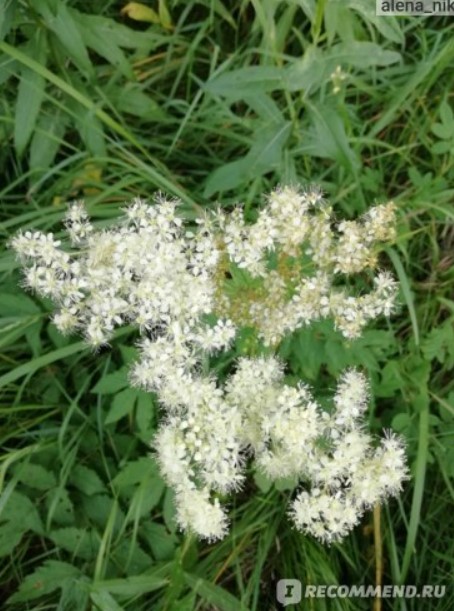
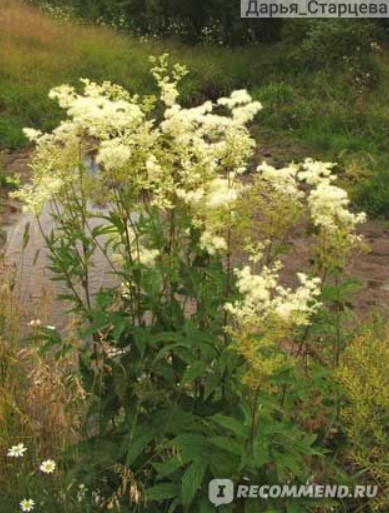
The white-headed daisy is easy to spot in the forest. Its white, fluffy inflorescences, consisting of numerous small flowers, stand out clearly among the forest grasses.
The whitehead can reach two meters in height.
The flowering period occurs at the beginning of summer.
I like to gather this plant, like other herbs for tea, myself, in the forest. A good time to gather whitehead is July. But these are just my observations, specific to this region. The term "early summer" is a rather vague period. After all, the idea is that the flowers should bloom, but not have time to fade and fall. So in July, we head out into nature and combine a break from the city with herb-picking.
From the whitehead I take only the fragrant inflorescences, I do not touch the stem and leaves.
This plant is very popular with insects, so when I cut the flowers, I always brush off any small bugs and other forest creatures to avoid bringing them home. They're still alive, and I don't have to sift through the grass looking for unwanted guests.
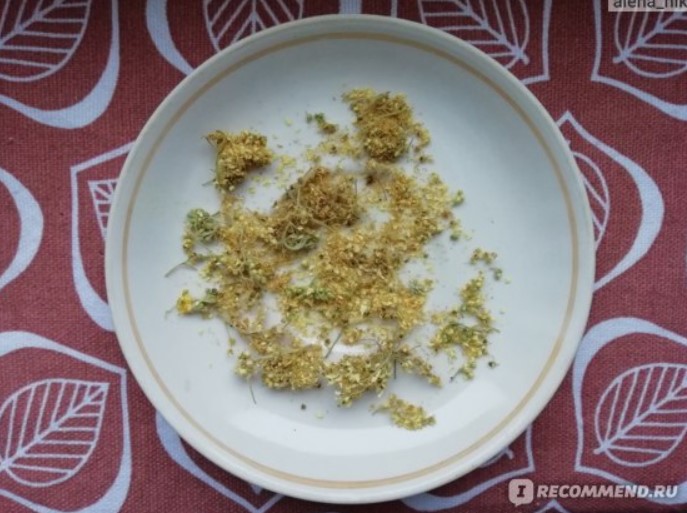
I dry the white-headed daisy at home, on baking sheets covered with cotton cloth. I separate the flowers from the flowering "clump." I place the baking sheets on a cupboard. I periodically check to see if the grass has dried. This depends on how hot and dry the summer is. The hotter it is, the faster it dries, which is logical. The process takes 1 to 2 weeks.
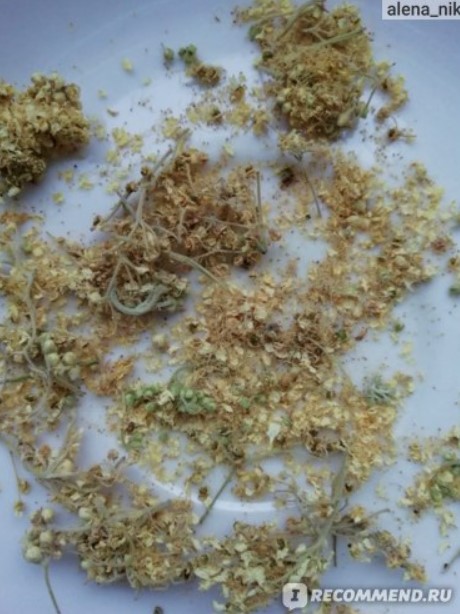
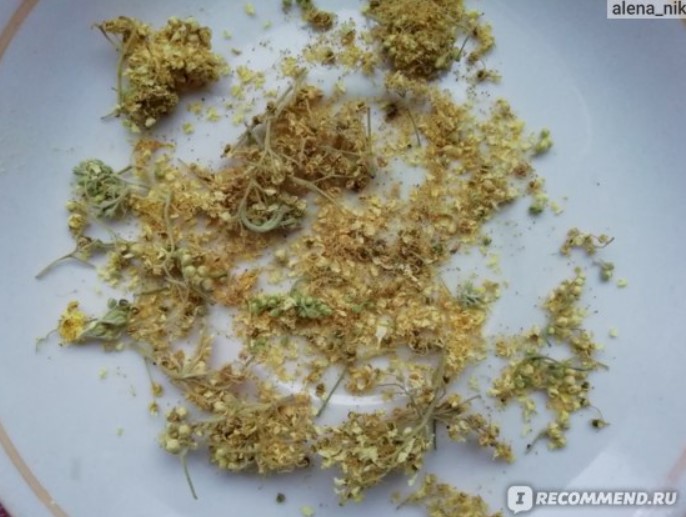
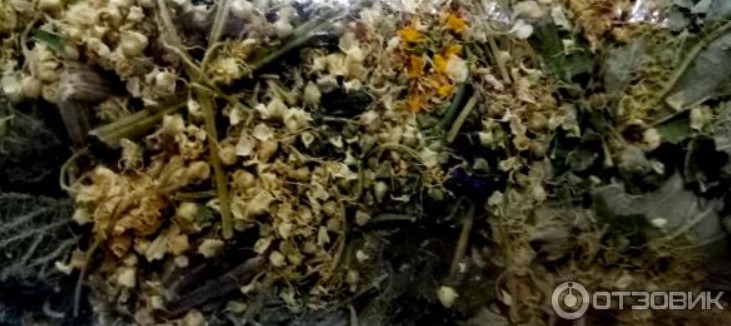
After drying, the whitehead looks like this.
The flowers become very fragile, some simply crumble.
I put the dried whitehead in a jar and store it in a dark cupboard, away from sunlight. Now I'll be enjoying it in my teas until next summer.
What is so good about this forest grass?
The chemical composition of whitehead includes
- acids: ascorbic, coffee and salicylic,
- various tannins,
- essential oils,
- flavonoids,
- coumarins,
- vanillin,
- camphor,
- steroids,
— micro- and macroelements.
A treasure trove of beneficial substances! Like many other medicinal herbs.
In what cases is whitehead used:
in case of colds it reduces fever, stimulates resistance, restores strength;
strengthens the immune system;
in case of vascular problems, it increases the elasticity and strength of the walls of arteries and capillaries, cleanses them of plaque, reduces blood pressure, and fights varicose veins;
for rheumatism, gout, arthritis it works as a pain reliever, anti-inflammatory, regenerating agent;
for various types of ulcers, abscesses, boils it exhibits a bactericidal and healing effect;
in case of herpes it helps to fight the virus and intoxication;
antioxidant effect at the cellular level;
and much moreI believe that everything is good in moderation. Of course, centuries-old knowledge is based on the observations and experience of herbalists. But we don't live in the Middle Ages, and so relying solely on herbs isn't entirely appropriate. I use herbs only as a complement to modern treatments and medications.
When I have a cold, I always brew herbal teas. It's pleasant to drink a warm herbal infusion. I think drinking plenty of warm fluids during a cold won't hurt. I use not only whitehead, but also oregano, St. John's wort, and anything else I manage to gather over the summer.
I'm somewhat skeptical about immunomodulators. The topic of boosting the immune system is generally highly controversial.
And here's what
Natural herbs can improve health and support during cold season -
This idea is close to me and I share it.
Of course, all plants have contraindications and side effects. This should be taken into account carefully, especially if you have a tendency to allergies.
In my everyday life, I like to mix green or black tea and herbs for brewing. I enjoy whitehead in combination with both black and green tea.
The aroma of whitehead is distinct, honey-like, and slightly tart. This is noticeable even when it's fresh. When the plant is dried, the aroma becomes even more pronounced. I like to inhale the aroma of this forest herb straight from the jar before making tea. It immediately brings to mind the forest, the sun, and summer. Even though it's snowing outside, the memories of summer and the honeyed aroma are warming and delightful.
Tea brewing is a creative process. It's entirely up to you to create the perfect combination of tea and herbs.
This is how I usually do it. 4 teaspoons of black or green tea and 2 pinches of whitehead in a small teapot. I steep it for 10-15 minutes. I measure the whitehead in pinches, not spoons, because it has a very distinct flavor. Besides, I think nature gave it such an intense flavor for a reason, and consuming too much of this plant wouldn't be good either. So I find a happy medium.
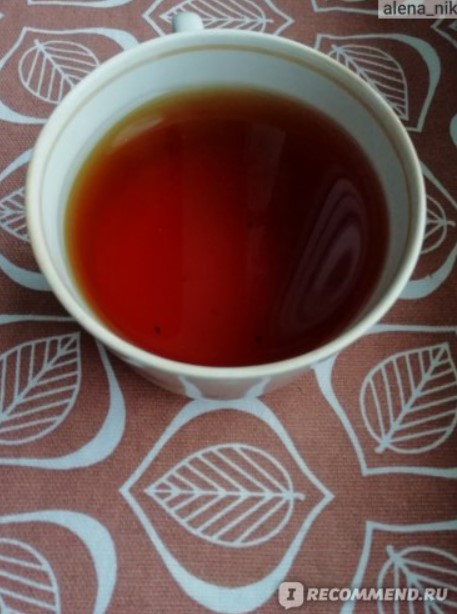
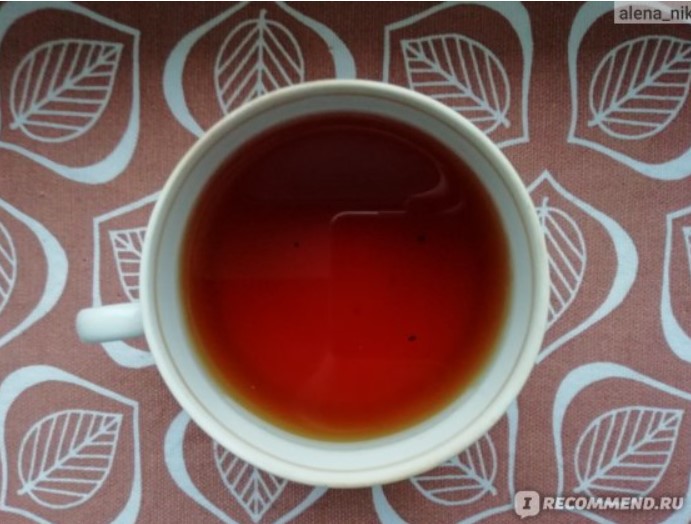
Whitehead adds a honeyed flavor to tea, with a slight tartness. Both the aroma and the pleasant aftertaste are a true forest fairytale!
I don't like using strainers or filter bags, so my tea ends up with both tea leaves and flowers floating around in it. Sometimes more, sometimes less. Just keep in mind that you won't be able to pour tea without all the tiny petals.
A tea recipe I came up with spontaneously about a year ago involves adding lemon to the teapot immediately after brewing. I use my favorite ratio: 4 teaspoons of black tea, 2 pinches of white tea, and a lemon wedge. It adds a citrusy tartness to the tea-honey-tart flavor. Delicious!
I couldn't get currant leaf and whitehead to blend well in my tea. The whitehead stubbornly overpowered the currant, and you couldn't taste it at all.
But if you combine it with oregano, you can get a rich, distinctive flavor. I do it this way: 4 teaspoons of black tea, 1 teaspoon of oregano, 2 pinches of whitehead, and all this in a small teapot. A vibrant combination in which the essential oils are evident. I like this tea option depending on my mood.
There are countless experiments you can try with blending herbs for tea. It all depends on your imagination and the ingredients you have.
Enjoy your tea!
The most amazing tea I've ever tried in my life, free!!!
We've probably all tried herbal teas made with chamomile or blackcurrant. These teas are much healthier than store-bought ones; they don't contain caffeine, but they're very rich in vitamins and microelements. As little children, we were given tea made from the flowers of the whitehead plant. It's sometimes called by different names, such as meadowsweet or comfrey, and is listed in encyclopedias as meadowsweet. The white (cream-colored) inflorescences of the small flowers are very fragrant; they were picked in the summer at the end of June and in July. We brewed it like regular tea, with boiling water and let it steep for about 5 minutes. The aroma of this tea is incomparable, like honey, but not cloyingly sweet, rather delicate and pollen-like. The color is a pleasant, slightly yellow. We sometimes added milk. The roots of this plant are also used medicinally, while the flowers of meadowsweet have a lesser medicinal effect and are better suited for enjoying the wonderful taste of tea. As far as I know, in homeopathy, meadowsweet is used to make preparations for rheumatism. However, we never used it for treatment because we never suffered from rheumatism. It grows in Siberia and the Urals.Advantages
Absolutely natural
Free
Delightful delicate taste
Consistent quality
It has medicinal properties
Flaws
Can be confused with a similar plant
It doesn't grow everywhere.
Review: Camellia-LT "Meadowsweet" dietary supplement – A unique plant with a unique aroma. And even more unique properties.
ADVANTAGES:
Divine pear-honey aroma.
FLAWS:
No.
Hello everyone, dear friends. Before I became obsessed with medicinal herbs, which can be found in any wildflower meadow, I was introduced to meadowsweet through this herbal tea from Camellia. Meadowsweet is a stunning plant that, quite unfairly, remains largely overlooked. I decided to try it because meadowsweet naturally grows in watery, shady areas with well-drained soil, which, unfortunately, I don't have anywhere near.Today, let me introduce you to this wonderful plant. As far as I know, all of its above-ground parts are used to make herbal teas. This very herbal tea was my first with meadowsweet, in which, when crushed, you can discern the stems, leaves, and fluffy white-golden flowers themselves. I'm sure some of you have probably seen meadowsweet in shady spots near ponds—a tall shrub with caps of white flowers…
Relevance.
Like most medicinal plants, this meadowsweet supplement has a wide range of uses. I won't list them all here, but I'll just remind you that if onions cure seven ailments, then meadowsweet cures a whopping forty. This is, of course, a joke :), and I had no specific purpose for using meadowsweet. Its overall effect is to strengthen the body, boost immunity, and provide rich natural components that meadowsweet collects from the soil, sun, and water and imparts to the body. Overall, it's, first and foremost, a very aromatic and delicious herbal tea.Who would recommend meadowsweet to?
Meadowsweet has a very rich, fruity, and complex flavor. The tea reveals notes of rose, rosehip, pear, apple, melon, and, of course, honey. All these nuances are fully revealed in the aroma of meadowsweet itself, when encountered in its natural habitat—it has a very strong scent, attracting bees. Meadowsweet tea is recommended for those who:
- loves herbal teas,
- wants to experience this delicious taste of summer in winter,
- wants to strengthen his body,
- escape from insomnia and sleep soundly,
- increase your appetite.Perhaps the properties mentioned above are the ones I've noticed myself. This tea truly does stimulate appetite, so it can be drunk shortly before meals if you have appetite problems. Meadowsweet tea is equally delicious at any time of year. And if you drink it at night, you'll sleep soundly and dreamlessly, as with almost any medicinal plant, meaning its calming effect is also pronounced.
Diuretic effect.
This tea has a fairly pronounced flavor; I don't drink much meadowsweet. But that's true of all herbal teas, not just meadowsweet.Recognizability.
Checking the product's quality might seem difficult, but it became easier when I saw the plant in person. The aroma is perfectly consistent, and the small flowers provide additional clues. The tea is finely ground, brews quickly and easily, and the finished drink is a golden-yellow-green color. Overall, I can say this supplement is of good quality, as I have something to compare it to.Package.
It's not very good, in my opinion. Inside the cardboard box is a small, non-stretchy, transparent bag (probably polyethylene, basically, the same bag you get with any tea) that tears easily in all directions. This actually happened to me, forcing me to urgently transfer the tea to another container. Aside from this minor flaw, the design is good. All the information is written clearly and understandably, in large, contrasting font—perfect for those new to meadowsweet. If I hadn't accidentally discovered it online, I'm not sure I would have bought it.How to apply.
I use it internally (as a tea or a strong infusion; by the way, it's one of the few herbs that can produce a strong infusion with a very strong honey-pear aroma if the packaging is fresh). I also make complex herbal masks with it, and also use it as a compress. Meadowsweet is excellent for cleansing pores, refreshing the face, toning and tightening the skin, and greatly softening, especially when used in mixed herbal masks. Basically, you can choose the spectrum of its properties yourself.Side effects.
It's a diuretic, perhaps, but for some, that's exactly the effect they need. The effects on skin, mood, sleep, and overall well-being are very positive, quick, and noticeable.Conclusion.
Herbal teas are a fantastic way to survive the cold winter. Of course, it's best to make your own, but if that's not possible, I recommend trying meadowsweet—a plant that captures all the energy of summer. It blooms in mid-July, collecting and preserving vitamins, the sun's warmth, and all its beneficial properties. I highly recommend giving it a try!Advantages:
— low price (60 rubles),
- excellent aroma - fruity-honey (the plant is a strong honey plant),
- many good effects both for the body in general and for the skin.Flaws:
- an inconvenient, weak tea bag that breaks easily, the need to pour the tea into another container.Thank you for your attention.
P.S. This is what meadowsweet looks like as a finished tea.

Review: Dietary supplement Camellia-LT "Meadowsweet" - A remedy for 40 diseases
ADVANTAGES:
Pleasant to taste
FLAWS:
There are contraindications
I recently heard about the miraculous plant Meadowsweet on Russian radio and decided to buy some. It's inexpensive at the pharmacy. The water infusion tastes pleasant and is also very beneficial.
Meadowsweet (meadowsweet) – also known in various regions as Medunitsa, Queen of the Meadows. Besides these names, there are a huge number of others.
A perennial plant growing throughout the European part of Russia, the Caucasus, Western and Eastern Siberia, and Central Asia.
Meadowsweet is a natural aspirin. This plant is great to drink as a tea.
In ancient times, a decoction and tincture of the plant's herb and roots were used as an antirheumatic remedy, as well as for sore throats, chest pain, and snake and rabid animal bites. Meadowsweet is also a very effective remedy for kidney pain, internal and external wounds, and tumors.
Meadowsweet (Filipendula ulmaria) is the correct botanical name for meadowsweet (also known as "whitehead" or "honey plant" in Russia). It grows wild but also thrives in the garden. It is beautiful, fragrant, and healing.
Tea brewed from the flowers is incredibly tasty and beneficial – it helps with stomach and duodenal ulcers, hypertension, epilepsy, gout, rheumatism, kidney and urinary tract diseases, and enhances the liver's ability to detoxify toxic metabolic products.
Another ornamental species grown in gardens is the red meadowsweet (Filipendula rubra), native to North America. It's not as tall as our meadowsweet and blooms a month later.
There are varieties with white, red, and pink flowers. This is the "Magnifica" variety with dark pink flowers.