Until recently, gardeners had no problem choosing a tomato variety because they had to make do with readily available seed. Twenty years ago, the selection of tomatoes was limited.
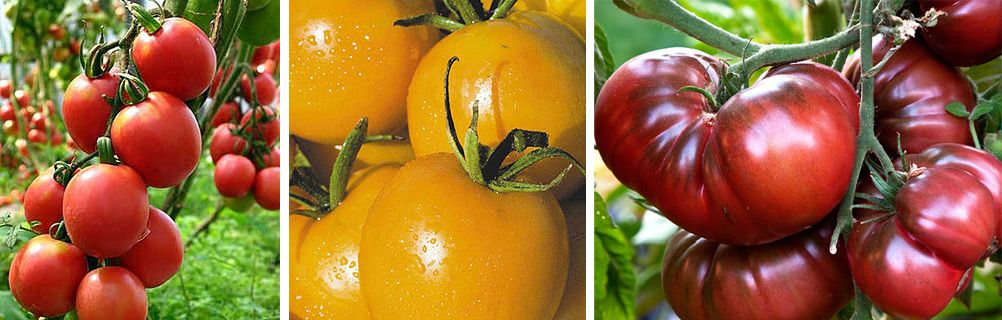
So many varieties and hybrids of this crop have been bred that it's difficult to choose the right ones from such a wide variety. Seed packages depict luxurious bushes with clusters of beautiful tomatoes. The descriptions promise a bountiful harvest and excellent taste.
However, the qualities of certain tomato varieties claimed by seed producers do not always correspond to reality. This is due to the inappropriate selection of seeds for a given region with specific climate conditions, cultivation method (greenhouse or open field), and the agricultural practices used to grow tomatoes.
Content
Criteria for choosing tomato varieties
Before choosing seeds of suitable varieties, you need to decide on several factors:
- Local climate. The reason why good, high-yielding varieties bear little fruit may be because they are not suited to the region. For example, Siberian tomato varieties, which are resilient to adverse temperatures, diseases, and pests, can produce full harvests in any climate. However, southern varieties will bear little fruit in cold climates, even in greenhouses; some will not grow at all. High yields claimed by sellers are only realistic in regions with a long growing season, allowing for multiple harvests from a single plant.
- Where will tomatoes grow—in a greenhouse or in the open ground? This is a very important question. There are few universal tomato varieties that can produce fruit equally well in permanent greenhouses and outdoors. Most species of these plants are adapted to specific conditions. Therefore, it is especially important to carefully select seeds based on these criteria.
- The purpose of growing tomatoes is for salads, canning, or for sale. If you prefer to have fresh tomatoes in season, which boast excellent taste and nutrient content, choose salad varieties. However, these tomatoes do not store well and are not suitable for canning. For winter preservation, it's better to choose specialty tomatoes, which are medium to small in size, have firmer flesh, and a strong skin. Their taste and nutrient content are significantly lower than those of salad varieties. Commercial varieties have even fewer of these qualities, as they have a long shelf life and high yields, but the higher the number of fruits, the lower the quality of the tomatoes.
- Bush shape varies between low-growing (determinate) and tall (indeterminate) varieties. Determinate tomatoes are considered to be those with bushes 50-70 cm tall. Shorter varieties are also found. Growing them is suitable for "lazy" and novice gardeners. Because these plants require little pruning and staking, some can be grown without staking at all. Indeterminate varieties are convenient for growing in smaller plots, but they require careful shaping, regular proper pinching, and the creation of special supports for staking. They grow to 1.5 m or more.
- When to plan for harvesting. To ensure fresh tomatoes for summer, choose early salad varieties. Mid-season and late varieties are planted for preserves. Experienced gardeners often grow several varieties of tomatoes in their plots, not only to ensure fresh vegetables for the table all season long, but also to provide insurance in case any of them have a poor harvest.
High-yielding tomato varieties for greenhouse cultivation
Having a good greenhouse at your disposal, you can have fresh tomatoes on your table all year round.
To achieve this, several varieties with different ripening times are planted.
Salad varieties
Some of the most productive and delicious greenhouse varieties for fresh consumption are:
Andromeda F1
This variety is considered one of the best in the world. It boasts high yields, low maintenance, frost and disease resistance, and excellent flavor. The bushes are spreading and medium-sized, producing round, slightly flattened fruits that form in large clusters.
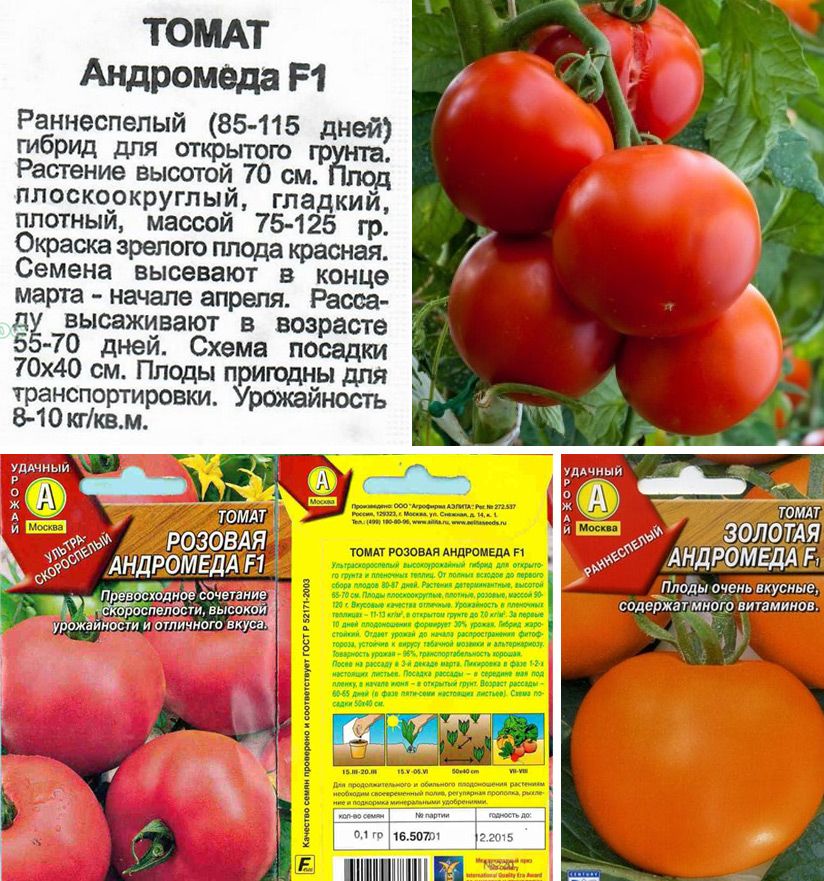
There are several varieties. The golden ones are the largest and ripen in 112 days. The pink and red ones are half the size and ripen in up to 88 days.
Geisha
A mid-season variety. Disease-resistant. Determinate, does not require staking.
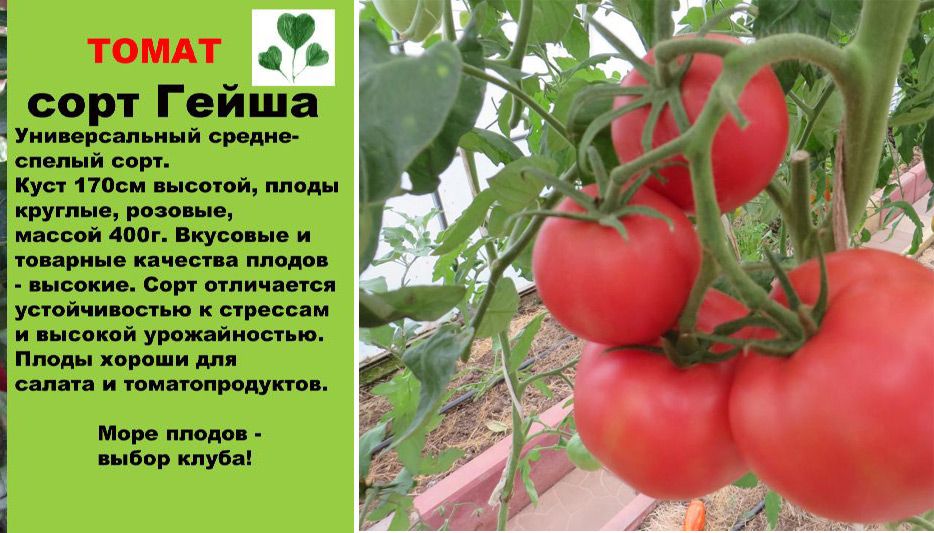
The warm pink fruits, with a dense skin, are gathered in clusters of up to five and are distinguished by their excellent taste—juicy, sweet, and slightly tart. They can also be used for canning.
Eagle's beak
Mid-season. Indeterminate. Requires staking and pinching.
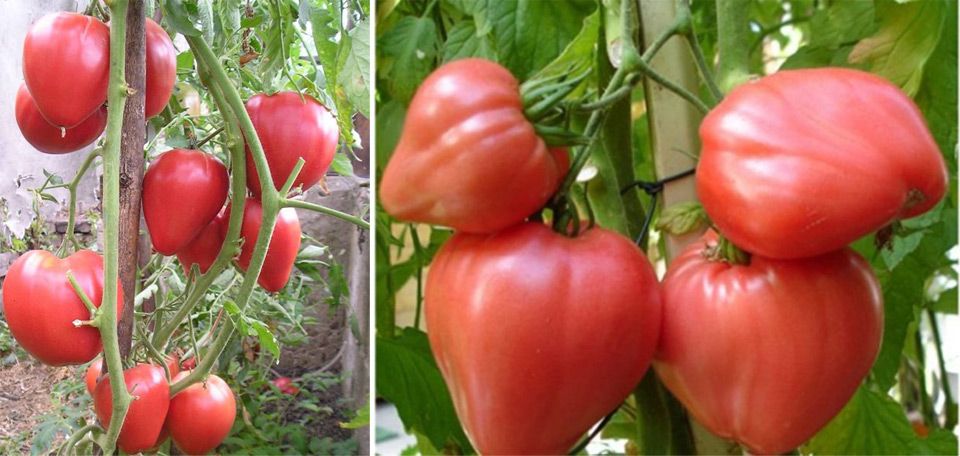
The fruits are fleshy, pink heart-shaped (200-400 g), tasty, juicy, and slightly sweet. Resistant to major diseases.
Pink Pearl
An early-ripening determinate variety. A single bush can yield up to 5 kg. Disease-resistant and tolerates low light conditions.
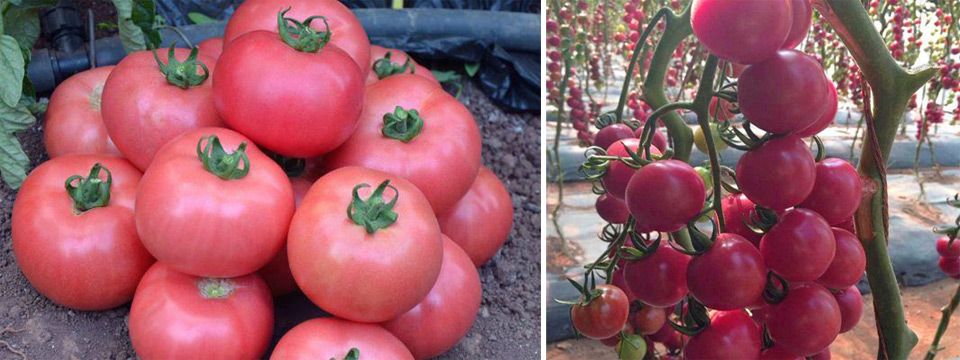
The fruits are sweet, small, round, pink, and have good shelf life. Due to their large size, staking is required.
Pink Angel
Unpretentious, early maturing, low-growing (up to 60 cm).
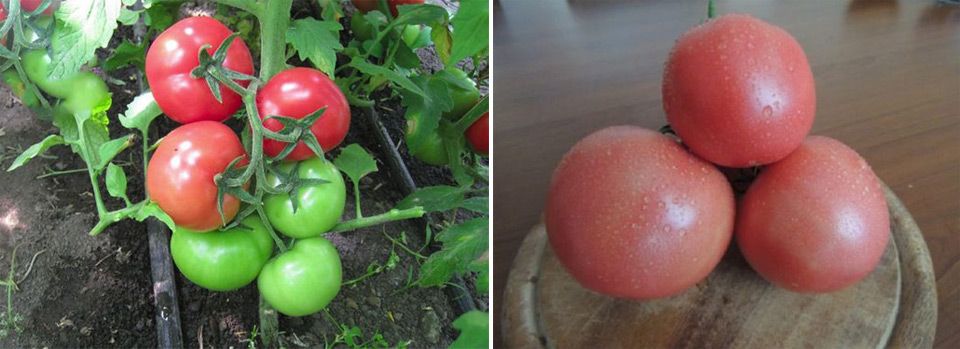
The fruits are pink or pale red with firm, sweet flesh. Also suitable for pickling.
Amana Orange
One of the best yellow-fruited varieties. Tall (up to 2 m), mid-season.
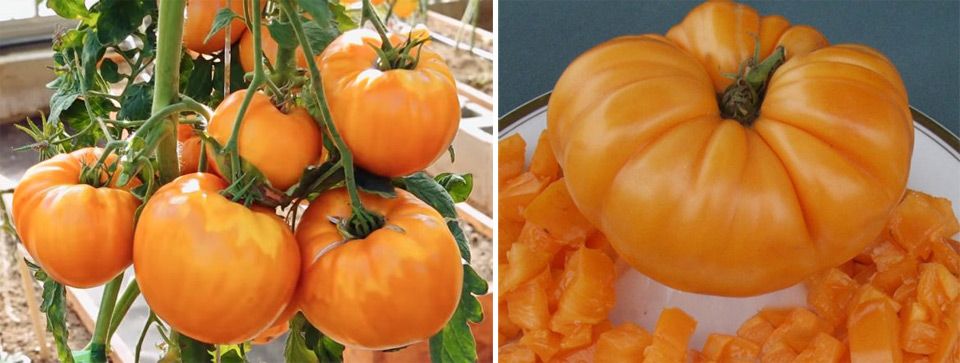
The fruits are large, up to 600 g (some up to 1 kg), orange, with a delicate sweet flavor and a fruity aroma. When cut, the pulp is solid, cavity-free, and almost seedless. Can be grown outdoors.
Fairy's Gift
Medium height (1 m), early, abundant fruiting. Requires pinching and shaping. Disease resistant.
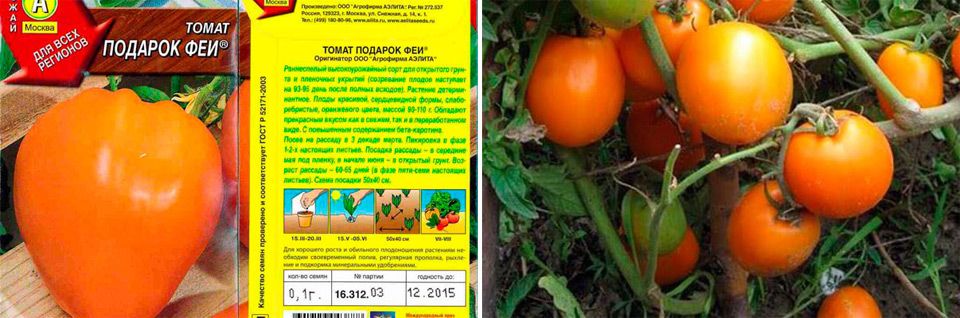
The fruits are yellow-orange, heart-shaped, with sweet, dense flesh.
Varieties for canning
These varieties are distinguished by their dense consistency and resistance to cracking during processing.
Auria
Tall (2 m or more), vine-like, mid-season, disease-resistant. Grows in clusters.
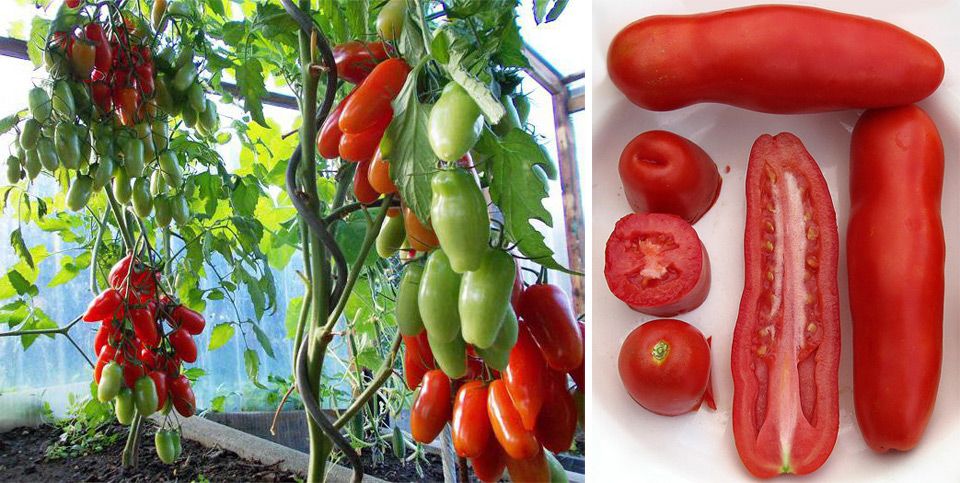
The fruits are red, elongated (up to 14 cm), with dense, fleshy pulp. Ideal for preserves, they are also eaten fresh. They have several other names, including "Women's Joy," "Lady's Whim," "Adam," and others.
Banana legs
A tall, cluster-type variety (up to 12 fruits per cluster). The tomatoes are bright yellow and elongated, reminiscent of a banana.
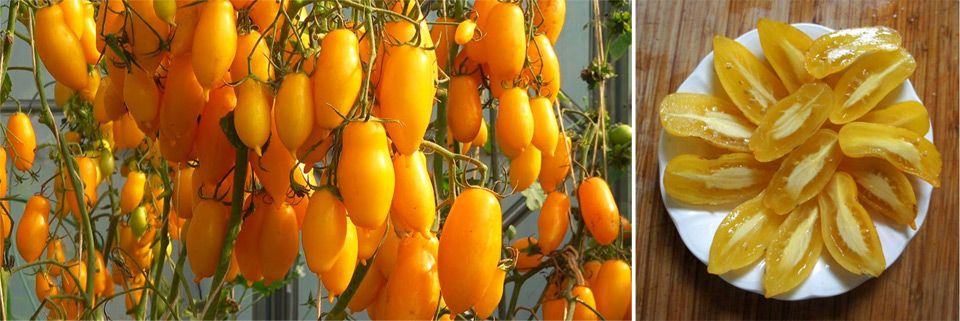
The flesh is tender, meaty, sweet and tart, with a lemon-like flavor. Thanks to its thick skin, it's ideal for canning and keeps fresh for a long time.
Rajah
Grows no more than 1 m. Early maturing.
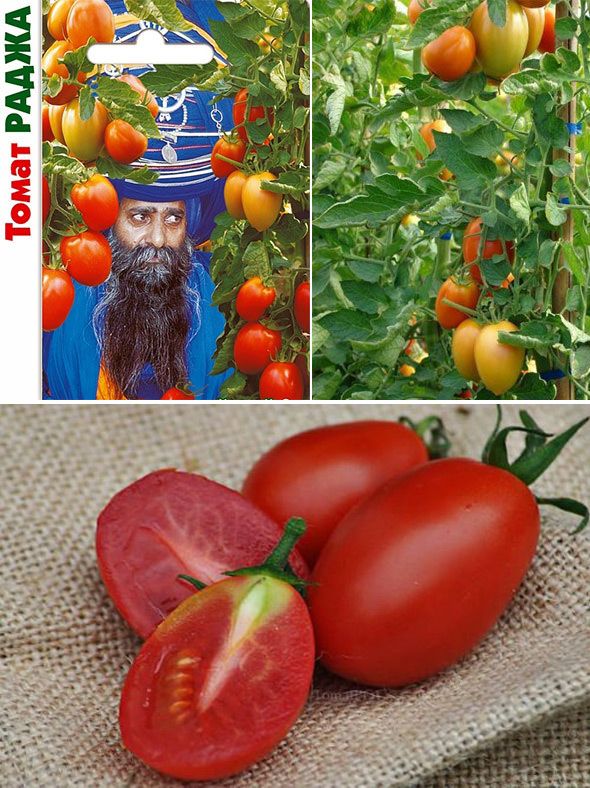
The fruits are red, elongated, dense, fleshy.
Pink raisins
A powerful, tall plant (up to 1.5 m) with multi-fruited complex brushes, each of which can contain up to 50 pieces.
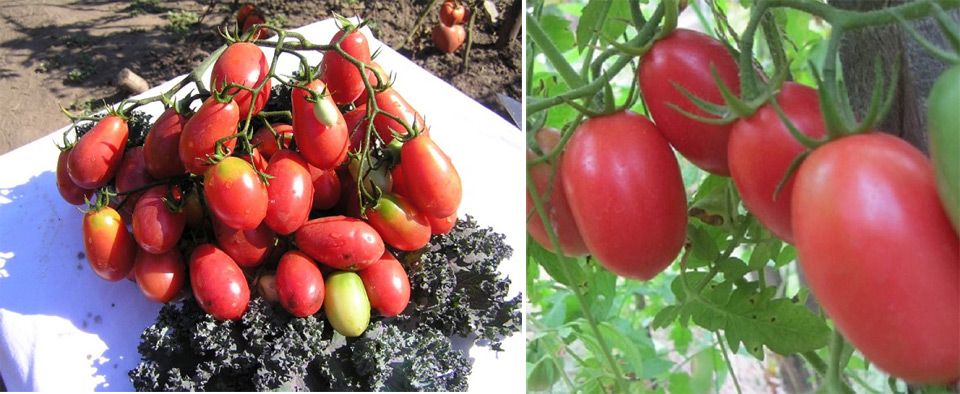
The fruits are small, pink, plum-shaped, and sweet. They are ideal for canning because they do not crack. They are also used in salads and have a long shelf life.
High-yielding tomato varieties for open ground
While many tomato varieties can be grown outdoors in southern regions, in the central and northern regions, cold-hardy, early-ripening, and disease-resistant varieties should be selected to ensure a good harvest.
Dwarf tomatoes
There are dozens of varieties up to 50 cm tall. They are distinguished by their unpretentiousness and ease of care.
Most of them have tasty, juicy fruits that can be eaten fresh or preserved.
Alsou
Large tomatoes grow on small bushes, so they definitely need to be supported.
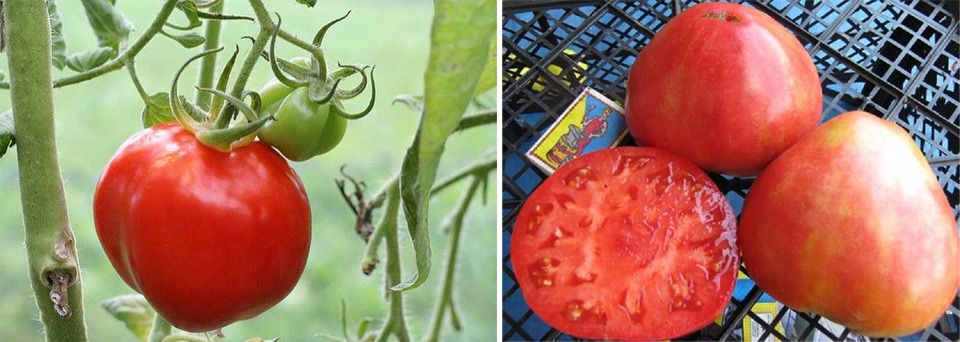
The fruits are fleshy, sweet, red. Salad variety.
Alaska
Ultra-early. Small, 45-60 cm.
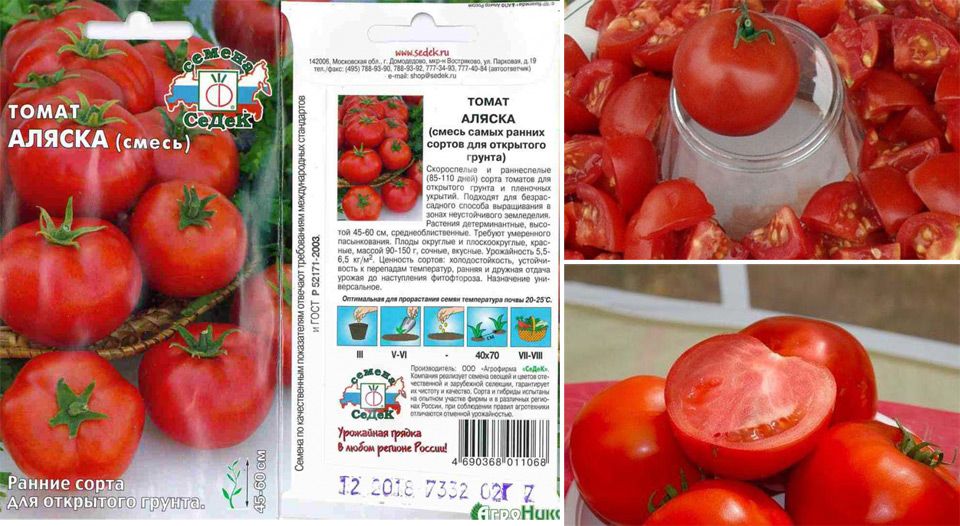
Disease-resistant. Red fruits (85-90 g), sweet salad variety.
The Moravian Miracle
Small, round red tomatoes with good taste grow well in open ground.
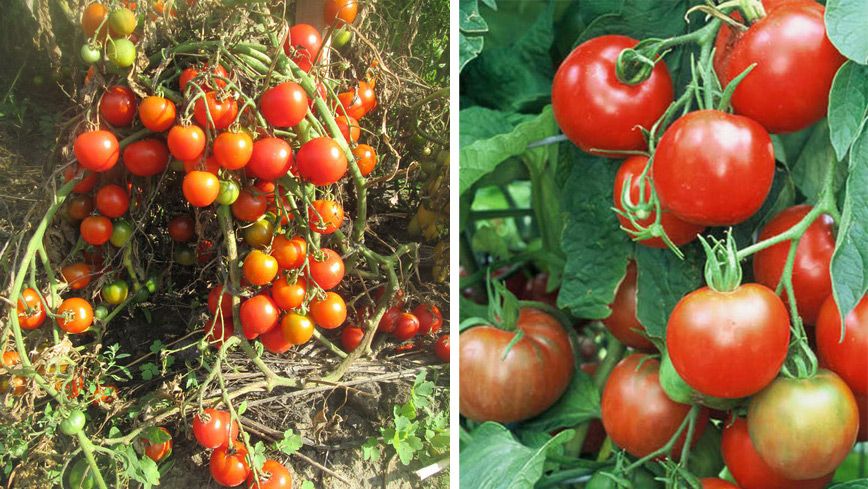
Mystery
Ripening period is no more than 90 days.
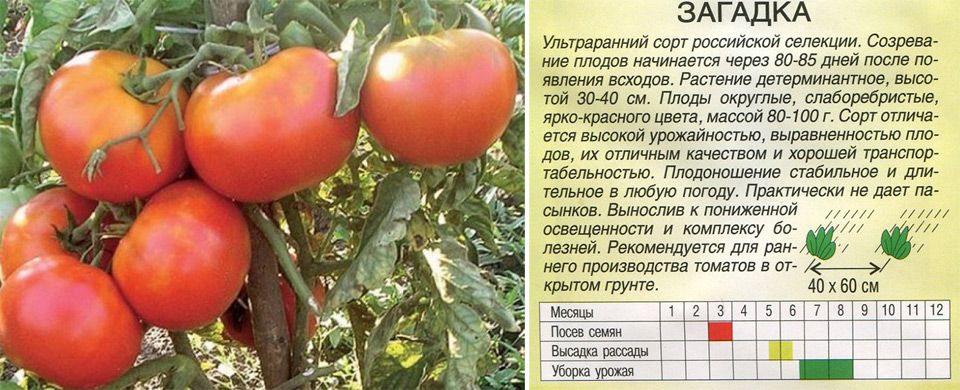
The fruits are red (100 g), firm, and do not crack. Disease-resistant and shade-tolerant.
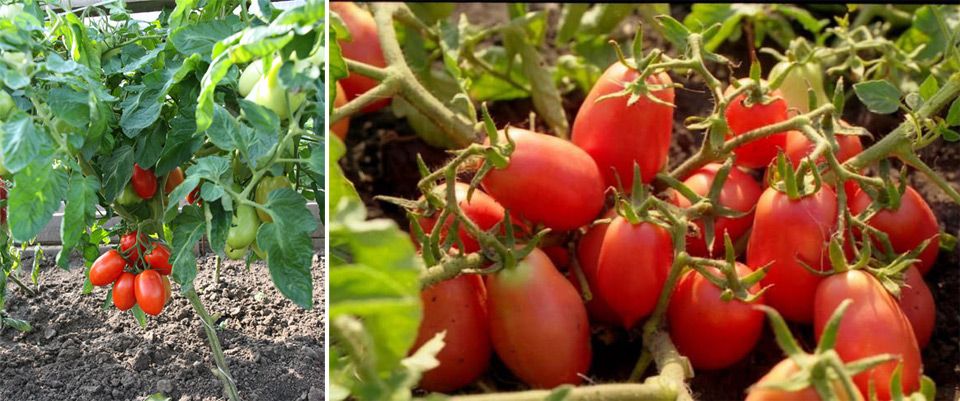
Rio Grande
Powerful shoots up to 60 cm carry a large number of small (120 g), smooth, elongated tomatoes, suitable for any purpose.
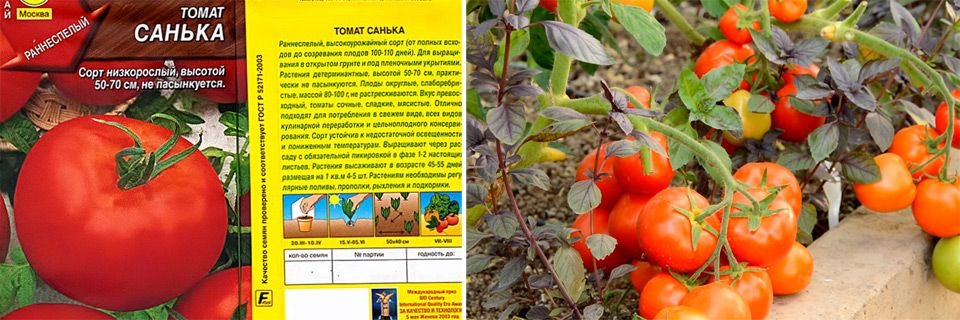
Sanka
The bush grows 30-40 cm. It ripens very early. The fruits are round and red.
Low-growing varieties
Low-growing, easy-care, low-growing varieties (60-75 cm) are most often chosen. These include large-fruited, small-, and medium-sized tomatoes.
Raspberry Bell F1
The pink, apple-like fruits are small in size and have a sweet, watermelon-like flavor. They grow in clusters of 8.
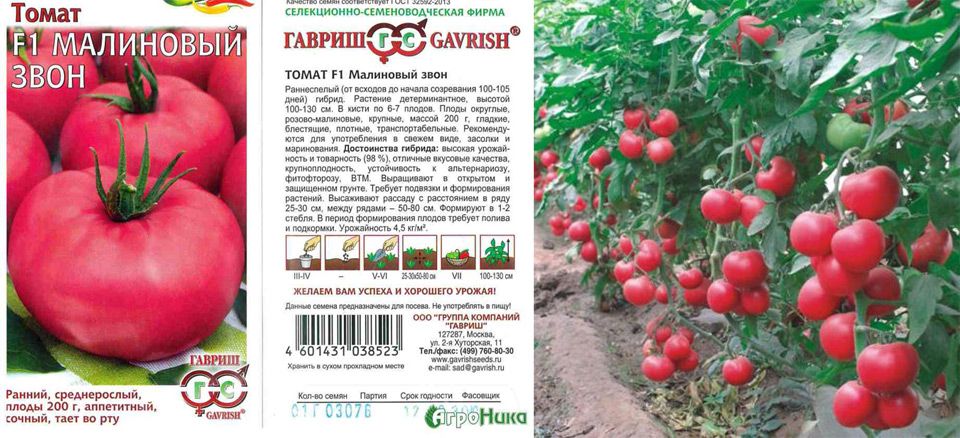
They can be kept fresh for a long time and ripen well (the process of ripening tomatoes).
More details about the variety in the articleTomato Raspberry Zvon F1: description in the table, comparison, reviews.
Tall varieties
There are also many tall varieties that, thanks to their early ripening, can also be grown in open ground.
Anastasia
The variety is good for southern regions, where the yield reaches 12 kg. Mid-early. Indeterminate.
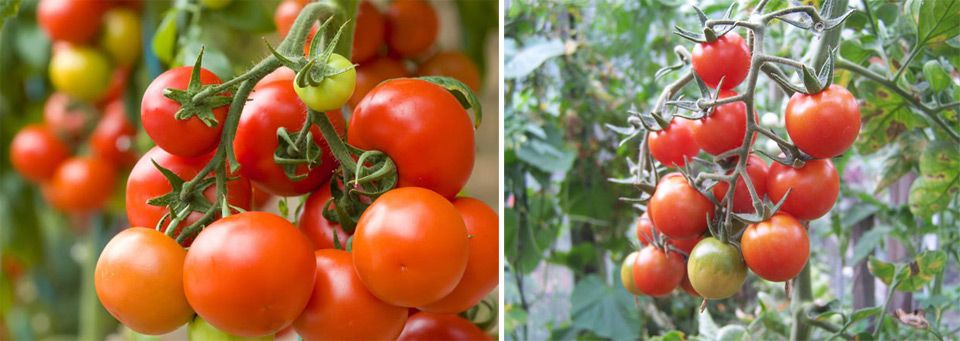
The fruits are round, red, with a sour taste.
Orange
Mid-season tomatoes.
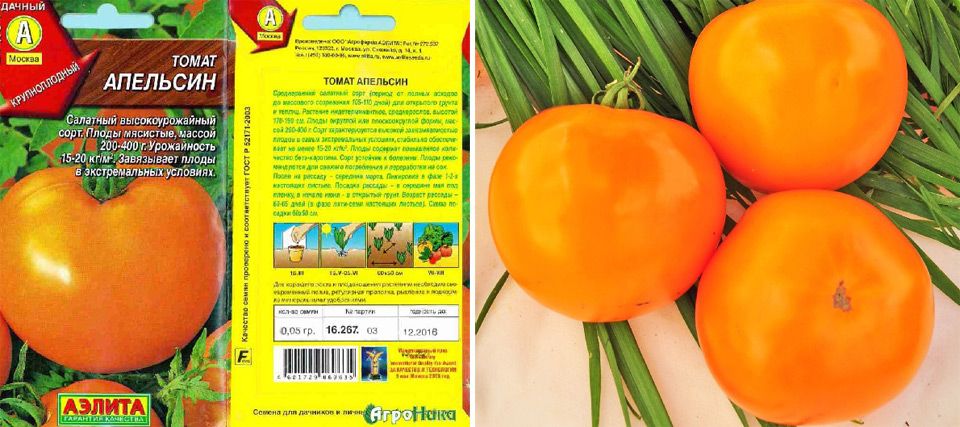
The fruits are orange, medium-sized, juicy, and have a pleasant taste.
Königsberg red, gold, pink
Mid-season, tall varieties. High yields. Bright orange, red, and pink, delicious fruits, shaped like small eggplants.
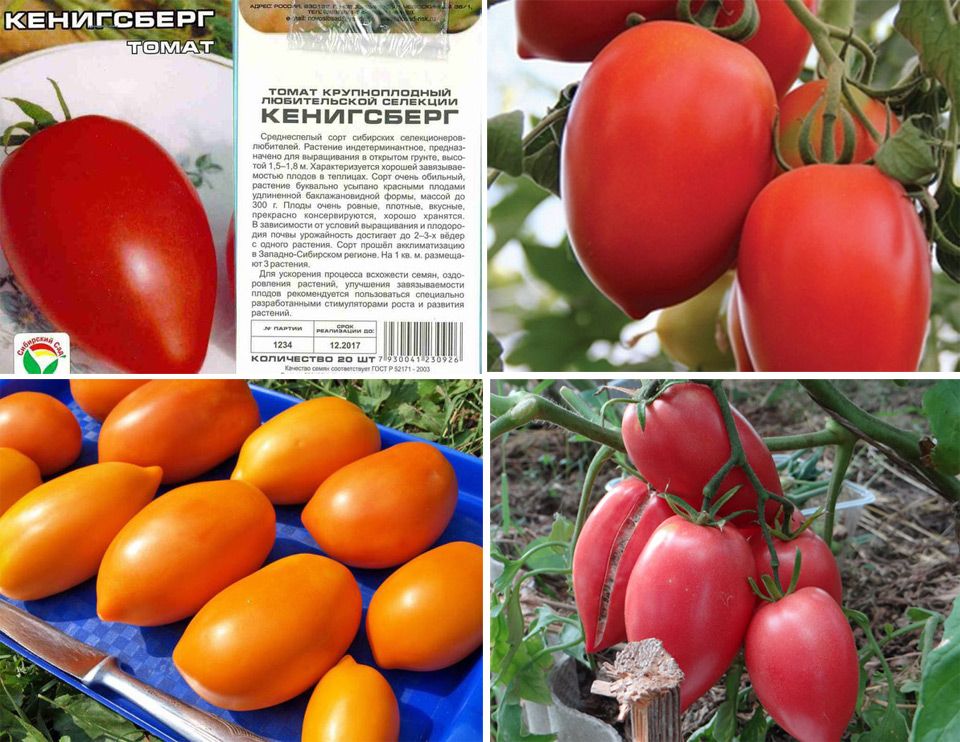
They are distinguished by their resistance to the vagaries of the weather.
The full diversity of these varieties, as well as the specifics of their cultivation, is covered in the article5 varieties of Königsberg tomatoes: photos, reviews, descriptions, and tables.
Nastena F1
Tall (120-140 cm), early maturing. Cold- and disease-resistant, unaffected by high humidity.
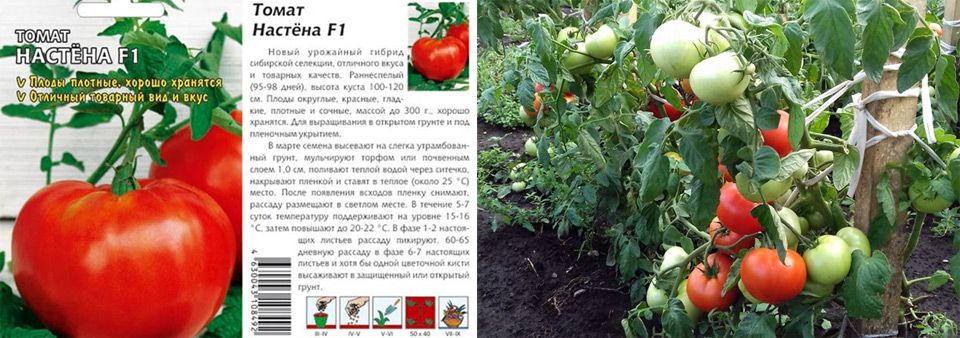
The fruits are large (300 g), red, and fleshy. 16 kg are harvested per square meter.
Raspberry Giant
Up to 1 m. Early, resistant to late blight. Does not require pinching. Productivity (6 kg).
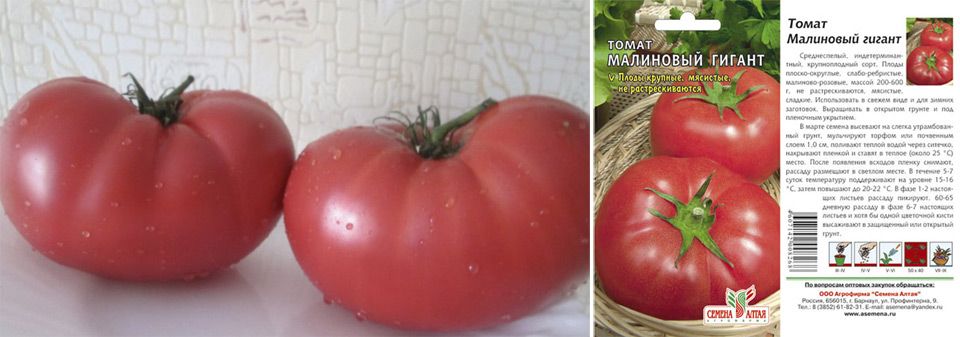
The fruits are large (500 g), pink, juicy.
More detailsRaspberry Giant Tomato: Variety Description, Photos, Reviews + Tables.
Green Giant
It differs from its relative in its green fruits, bush height (up to 1.5 m), and the need for pinching.
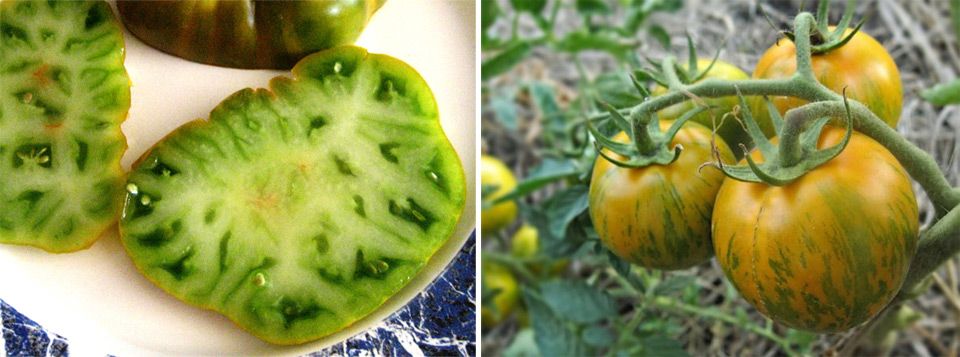
The taste is reminiscent of melon.
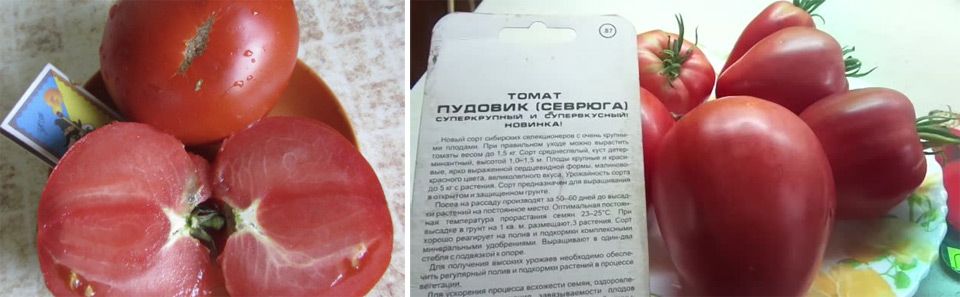
Pudovic
Powerful bushes up to 130 cm high, fruits are large (up to 900 g), bright crimson, heart-shaped, tasty, juicy.
Pot-bellied house
Early maturing. Grows up to 170 cm. Requires support, tying, and shaping. Yields can reach up to 11 kg per bush. Moderate disease resistance.
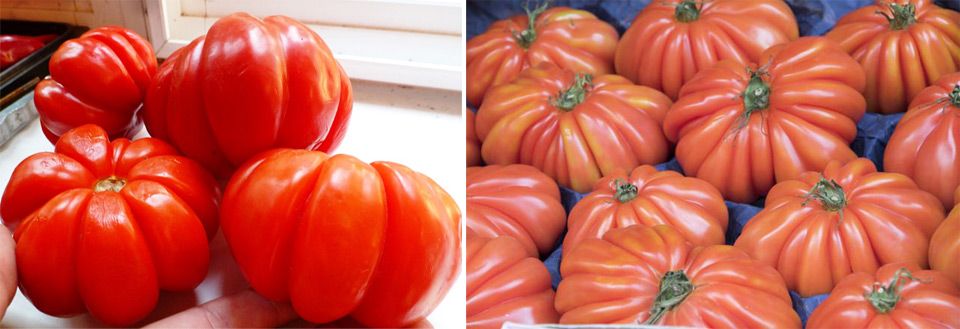
The fruits are fleshy and ribbed, resembling pot-bellied gnome houses. They are very juicy and sweet.
Read about this variety, as well as ribbed tomato varieties, in the following articles:
- Puzata Khata Tomato: Advantages and Disadvantages of the Variety, Description, Planting, and Care;
- Mushroom Basket Tomato + 41 Ribbed Tomato Varieties: Photos, Reviews, and Comparisons.
Pink honey
A mid-early variety with beautiful pink fruits weighing up to 600 g.
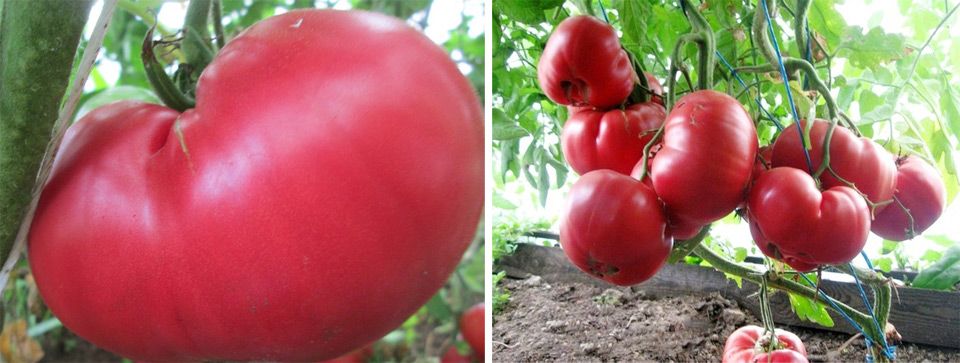
Juicy, sweet flesh with a honey flavor. Suitable for salads, not suitable for storage.
Roma
Small, bright red fruits with a rich tomato flavor.
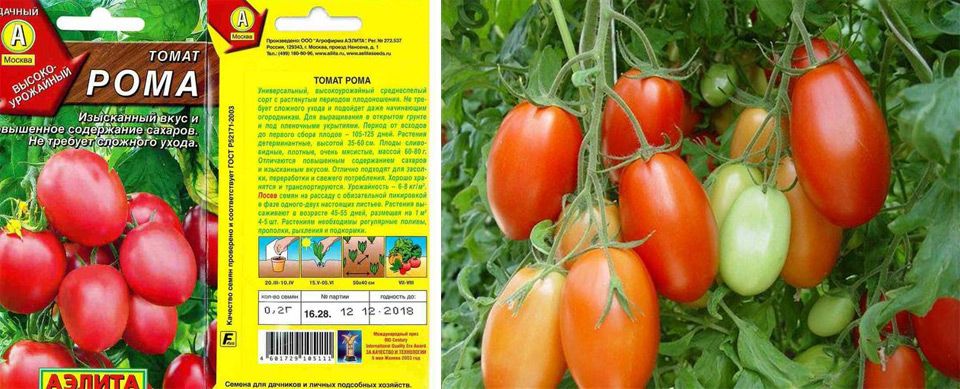
They don't crack when preserved. They're an easy-care plant.
Three Fat Men
The bushes grow up to 1.5 m, the plants are distinguished by their resilience and good yield even in unfavorable conditions.
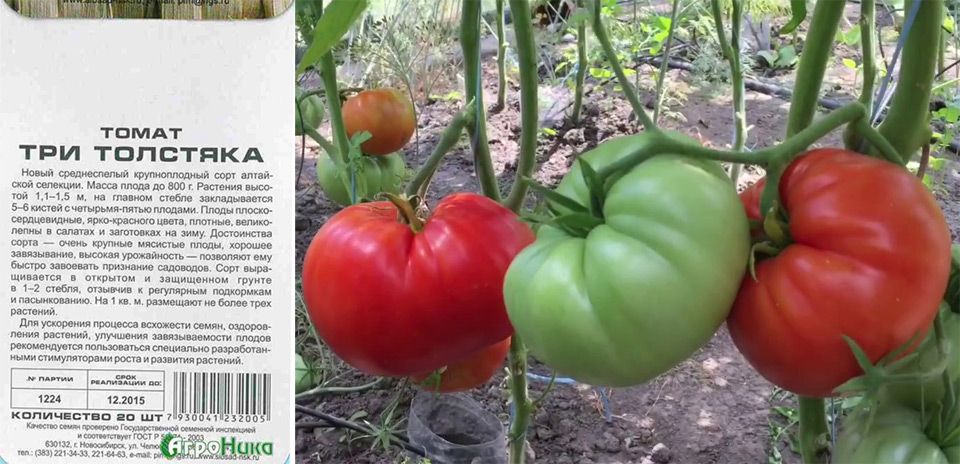
The fruits are red, large, very tasty, and have universal use.
Universal high-yielding tomato varieties
These tomatoes can be grown in greenhouses and open ground, where they produce a good, consistent harvest. They are ideal for salads and canning.
Abakan pink
Low growing (70-80 cm), in greenhouses 1 m 40 cm. Mid-late ripening. Forms 1-2 stems.
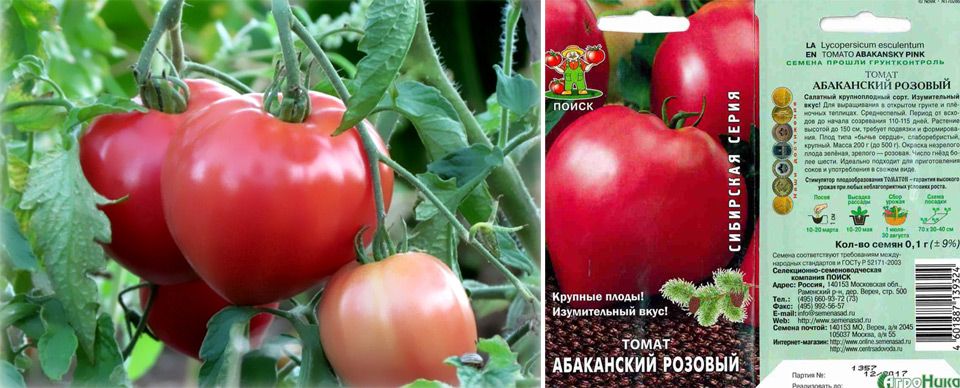
The fruits are pink, tasty, firm, and heart-shaped. Resistant to tomato diseases.
About different Abakan varieties in the articleAbakansky Pink and Red Tomato: Descriptions, Reviews, Confusion, Photos, Comparisons.
Bull's heart
The most popular variety. Late-ripening, determinate, and low-maintenance.
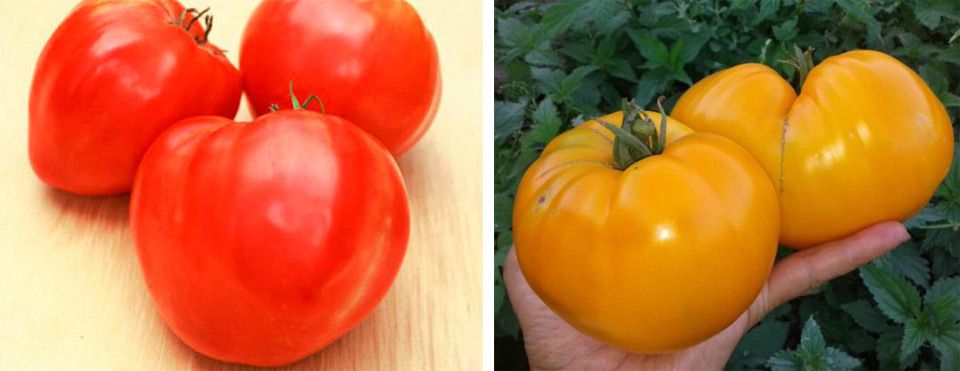
This produces large, bright red, heart-shaped, juicy fruits (up to 800 g). The yield is 5 kg per bush. With training, staking, and greenhouse cultivation, the yield can reach up to 12 kg.
All about the variety of Bull's Heart varietiesBull's Heart Tomato: 15 Varieties, Photos, Reviews, and Tables.
De Barao
Late-ripening, very tall (up to 4 m). Cold-resistant, shade-tolerant, high-yielding (4-10 kg).
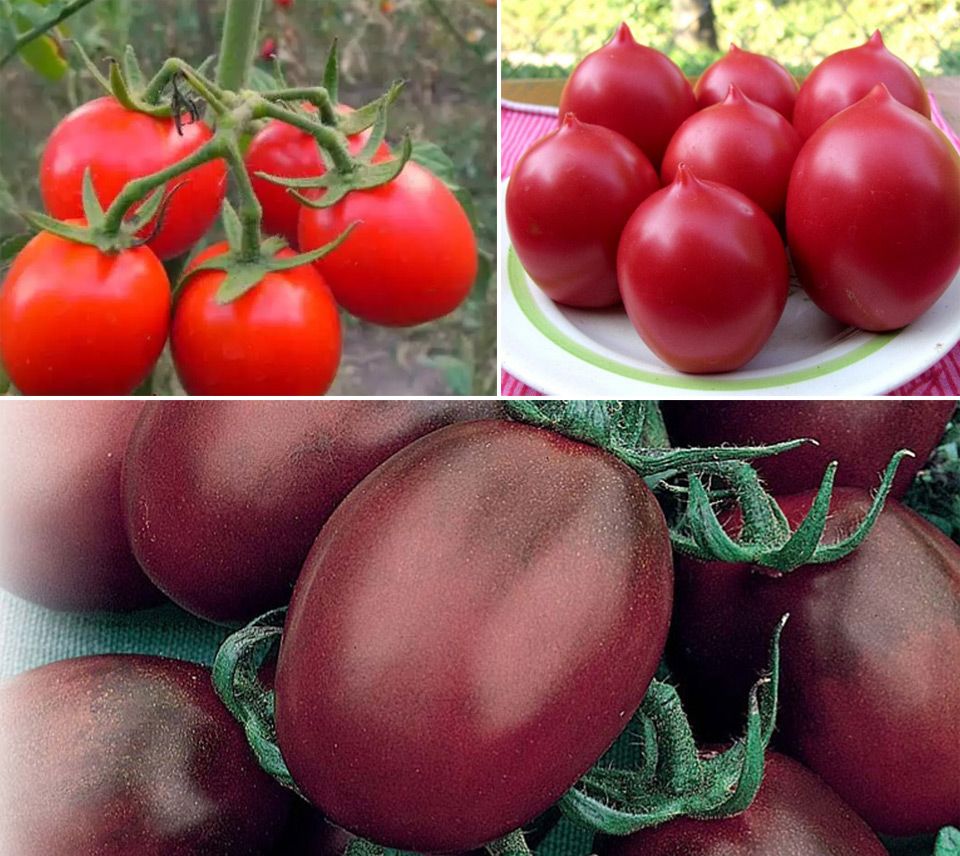
The fruits are small and oblong. Varieties come in a variety of colors—pink, red, yellow, and black. They are good for canning.
8 varieties of De Barao tomatoes with photos, reviews, descriptions in tables, and comparison.
Golden domes
Grows up to 1 m 50 cm in a greenhouse. Mid-early. Requires staking and development of 1-2 shoots.
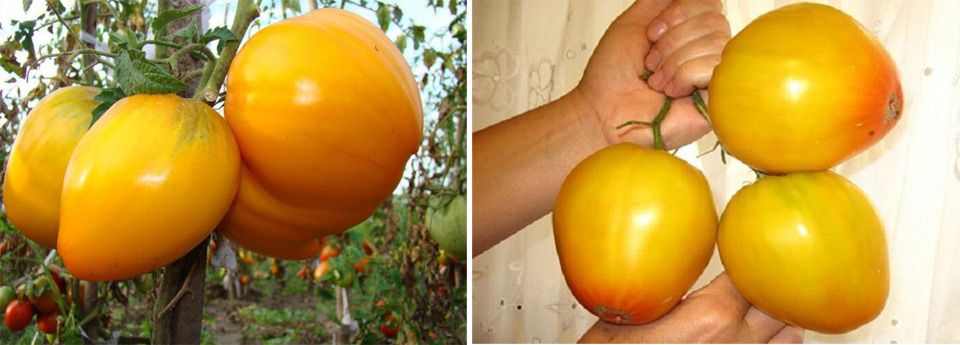
The fruits are like a sunny heart, weighing 400-800 g. Yields reach 13 kg.
Read about heart-shaped varieties in the articleHeart of Siberia Tomato (photos, reviews) + 11 heart-shaped varieties of Siberian selection.
Eagle's Heart
Grows up to 1 m 70 cm. Requires pinching and staking. Large, pink-raspberry fruits are juicy and sweet.
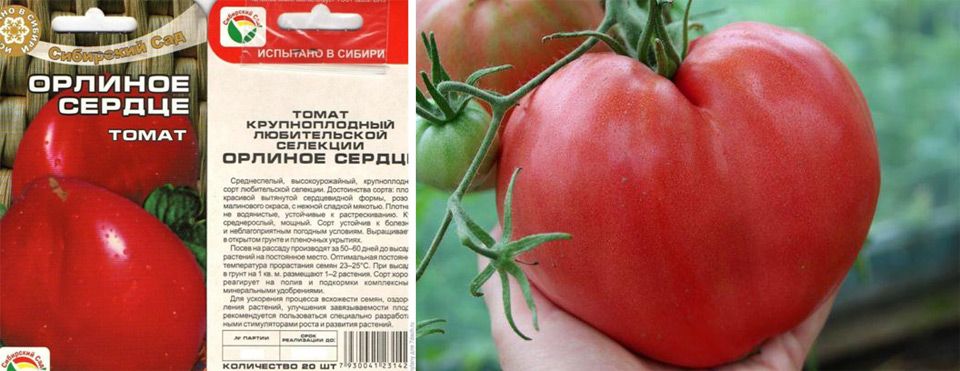
Disease-resistant and transportable. Stores for up to 3 months. Grows well outdoors.
Cio-chio-san
A tall variety (up to 2 m). Requires support and training. High-yielding, mid-early.
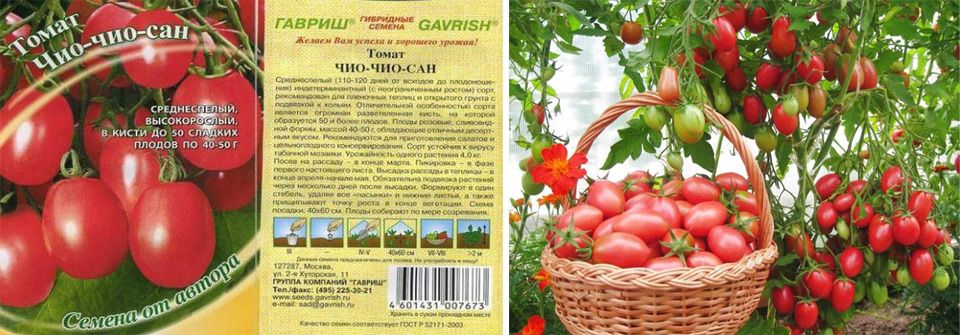
Small red fruits with excellent flavor. Good for salads and preserves.
Monomakh's Cap
Indeterminate variety. Very high-yielding. Disease-resistant.
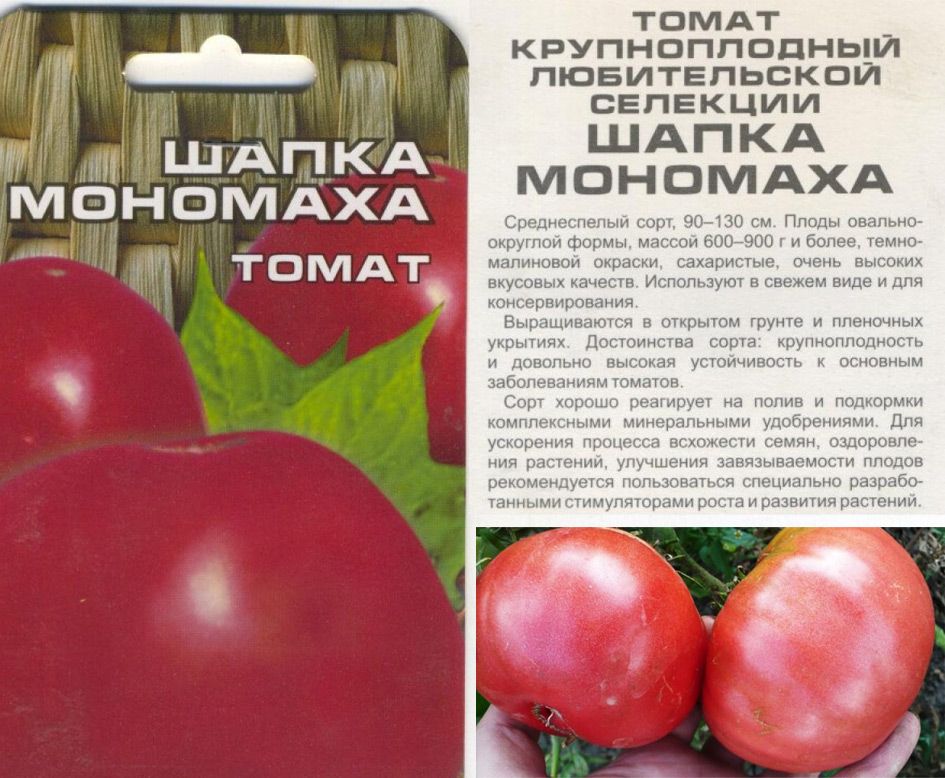
However, in northern regions, it prefers to grow in a greenhouse. The fruits are large (0.5-1 kg) and bright red.
Apple tree of Russia
Early ripening. Short (no more than 1 m). Produces fruit well in greenhouses and open ground.
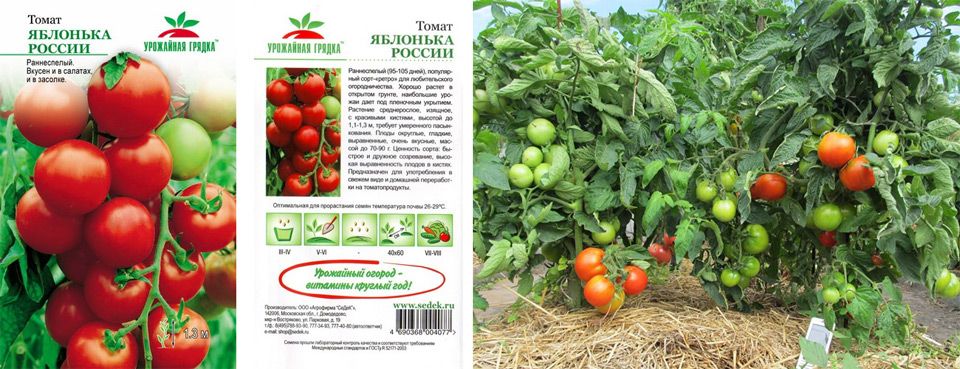
No side-sonning required. Round, red apple-like fruits (100 g) with firm skin that doesn't crack during canning.
For other best varieties for different regions and beyond, read the following articles:
- 64 Best Tomato Varieties for Growing in Russia's Regions;
- Golden Raspberry Miracle tomato line: 15 varieties, characteristics, photos, reviews;
- Partner tomatoes: a catalog with photos and descriptions;
- Standard tomatoes: 35 varieties;
- Dutch-bred tomatoes: a catalog of 36 varieties with photos and descriptions;
- Hanging tomatoes: varieties, cultivation features, disease control.