The Tatyana tomato is very popular among gardeners. It's suitable for growing in virtually any region of Russia. It's intended for open ground, but also thrives in greenhouses and under plastic cover.
In this article, we'll look at not only the Russian tomato variety Tatyana, but also the first-generation Dutch hybrid with the similar name Tanya. We'll explore their pros and cons and compare them side by side.
Content
- 1 Characteristics of the tomato variety Tatyana in the table
- 2 A detailed description of the Tatyana tomato variety
- 3 Advantages and disadvantages of the Tatyana tomato variety
- 4 Tomato variety Tanya F1, compared to the Tatyana variety
- 5 Growing the Tatyana and Tanya F1 tomato variety
- 6 Resistance of the tomato variety Tatyana, Tanya F1 and disease prevention
- 7 Harvesting and using tomatoes
- 8 Comparison of tomato varieties Tatyana and Tanya F1 with other varieties in the table
- 9 Gardeners' reviews of the Tatyana and Tanya F1 tomato variety
Characteristics of the tomato variety Tatyana in the table
|
Characteristics |
Description |
|
Ripening time (number of days from full germination to ripening) |
108-109. |
|
Description |
A mid-season variety intended for cultivation in garden plots, backyards, and small farms in open ground. |
|
Fetus |
Flat-round, slightly ribbed, fleshy, red. |
|
Fruit weight |
103-120 BC |
|
Taste |
Excellent, rich, fruity and sweet. |
|
Usage |
Salad. Recommended for fresh consumption. |
|
Marketability |
Excellent. |
|
Shelf life |
High. |
|
Yield of commercial fruits |
4.7-5.1 kg/m2. |
|
Disease resistance |
Increased resistance to late blight. |
|
Agricultural technology |
Requires shaping and garter. |
|
Growing regions |
Northern, Northwestern, Central, Volga-Vyatka, Central Black Earth District, Northern Caucasus, Middle and Lower Volga, Ural, Western and Eastern Siberia, Far East. |
|
|
2000 |
|
Originator |
Federal State Budgetary Scientific Institution N.I. Vavilov Institute of General Genetics |
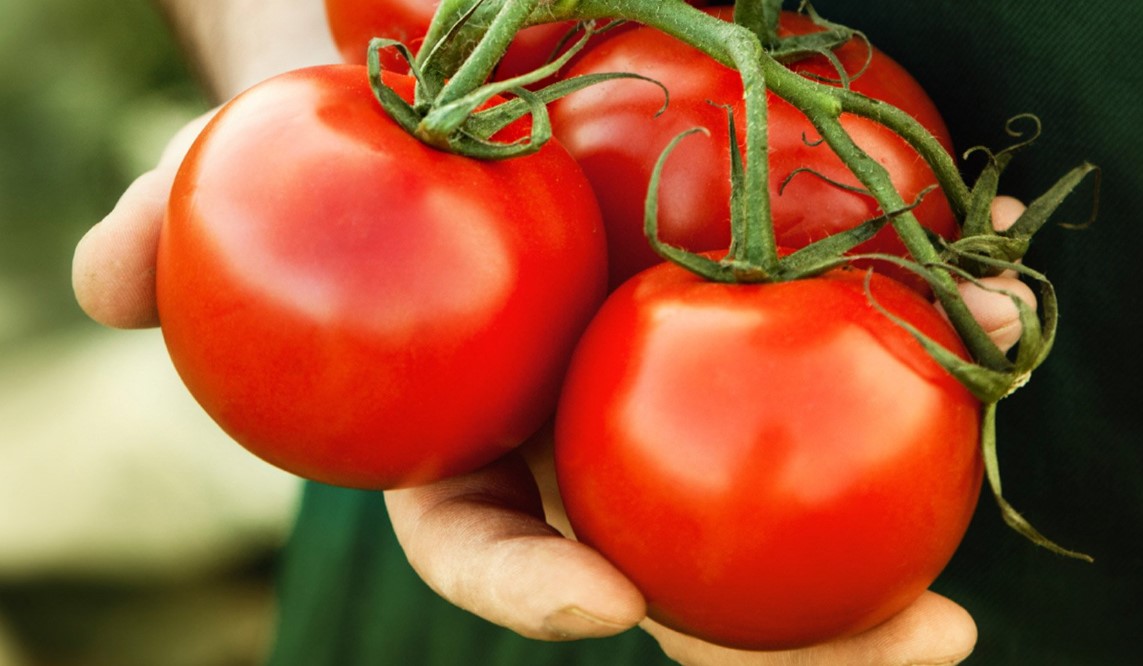
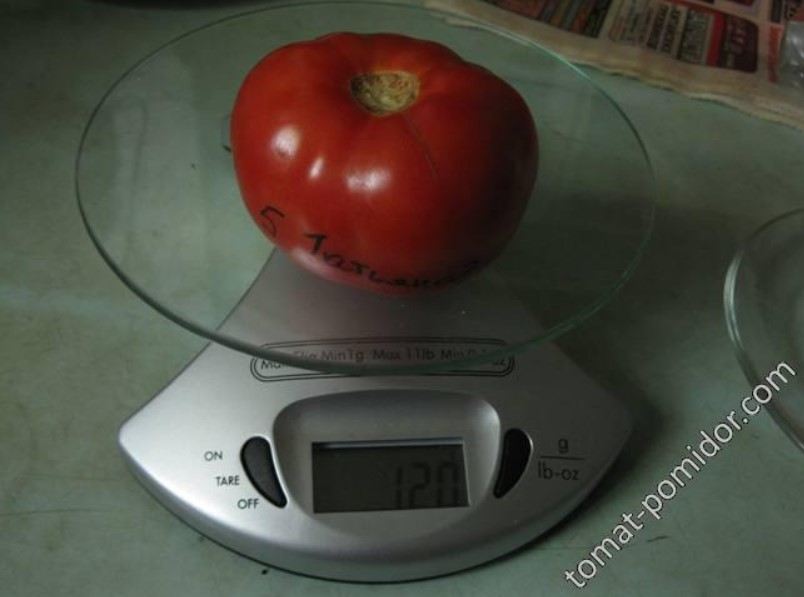
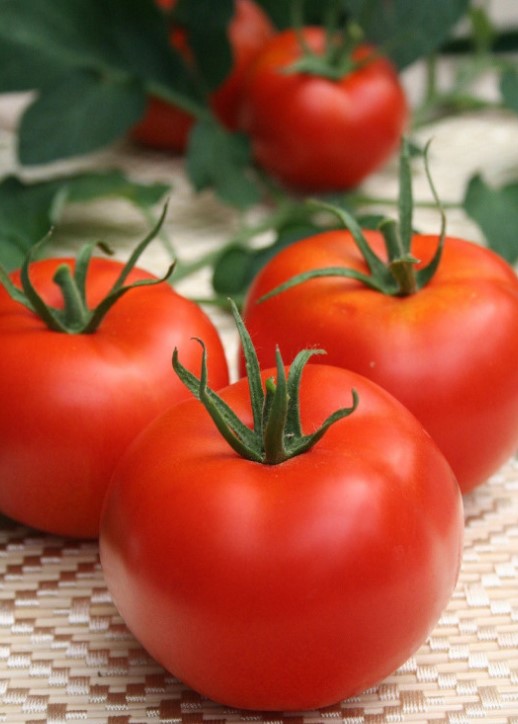
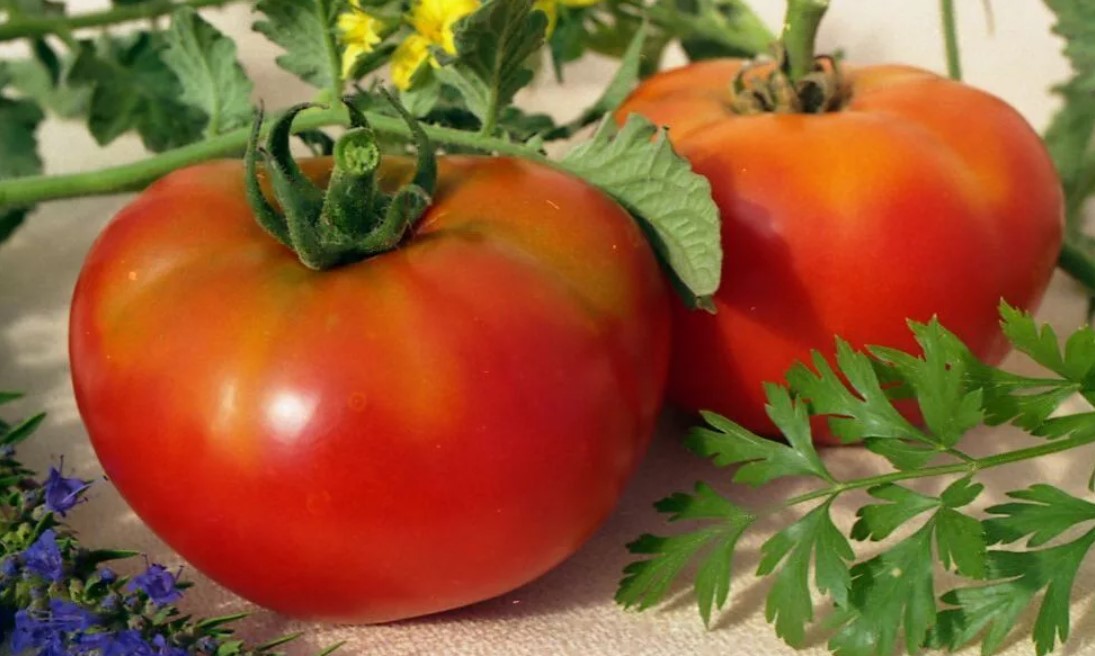
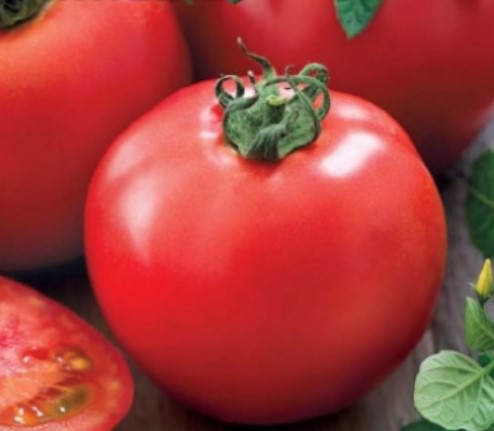
Photo gallery of the Tatyana tomato variety
A detailed description of the Tatyana tomato variety
Let's consider the main characteristics of the variety in more detail.
Bush characteristics
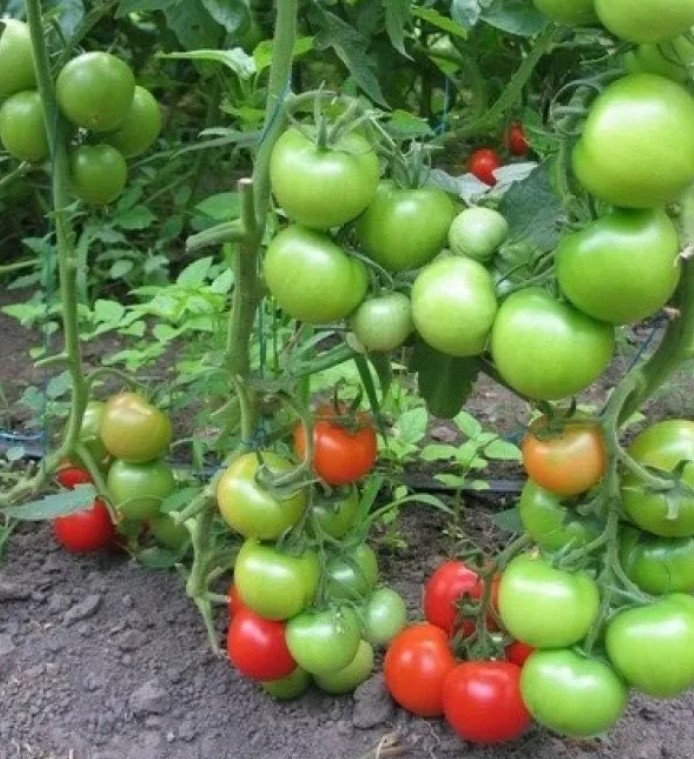
Determinate, standard, upright, heavily branched, and densely foliated. It reaches a height of no more than 60 cm, although larger sizes are possible in a greenhouse. However, the bushes always require support to prevent branches from breaking under the weight of the fruit. The leaf blades are medium-sized and green. The inflorescences are simple. The first inflorescence appears above the 6th or 7th leaf, and subsequent inflorescences appear one or two times a year.
Once a certain number of clusters have formed, the plant stops growing on its own. No top pinching is necessary. This saves time and effort during maintenance.
Fruit characteristics
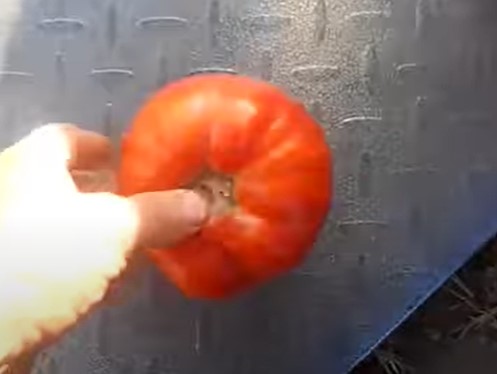
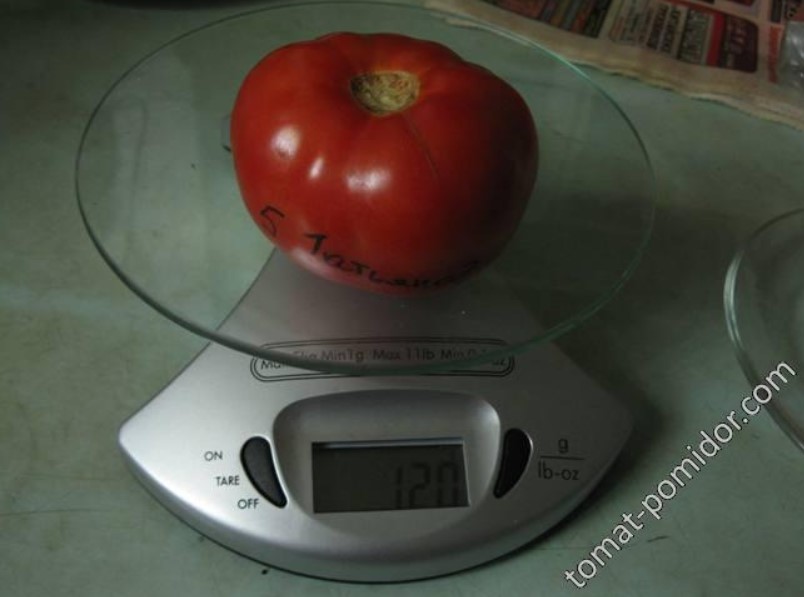
After green tomatoes develop, a dark emerald spot becomes noticeable where the stem attaches. Once ripe, the tomato turns red. The spot then disappears. You can see what the variety looks like in the photo.
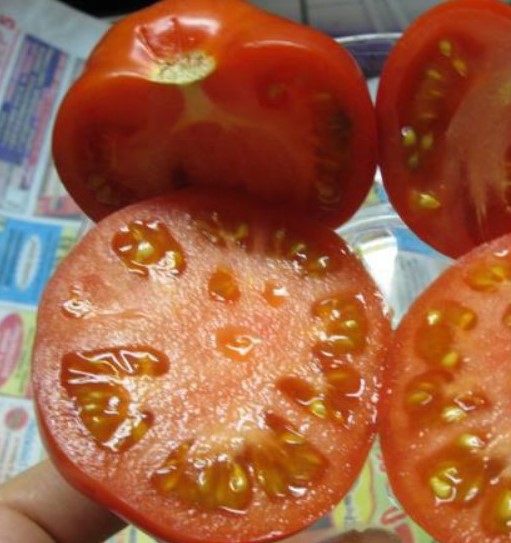
The fruit weighs 103-120 g. However, this is far from the limit. With optimal growing conditions and proper agricultural practices, the weight can reach 170 g.
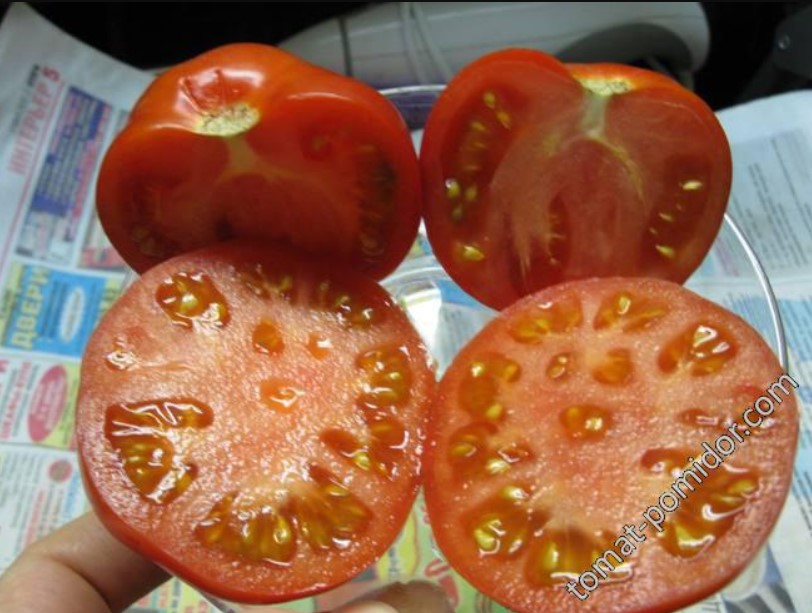
The flesh is juicy and fleshy, hidden under a thin, smooth skin. The surface is glossy, with slight ribbing. The fruits are round, slightly flattened, and contain a small number of seeds.
This variety has excellent shelf life. Even with prolonged storage, the fruits do not crack. They contain a huge amount of vitamins and other nutrients.
Ripening time and yield
From germination to technical maturity, the variety takes 108-109 days. Despite the relatively small size of the bushes, the yield is high—4.7-5.1 kg/m3.2 subject to agrotechnical requirements and rules.
Advantages and disadvantages of the Tatyana tomato variety
|
Advantages |
Flaws |
|
Unpretentiousness, which allows the crop to be grown even in difficult climatic conditions. |
Need for shaping and garter. |
|
Resistance to many tomato diseases. |
The tomatoes are relatively small in size. Of course, they don't compare to the Oxheart or other beef tomatoes. |
|
Early ripening period. |
|
|
For sowing, you can use your own seeds from the garden, rather than buying them every season (this is a variety, not a hybrid). |
Tomato variety Tanya F1, compared to the Tatyana variety
There's a variety with a similar name, Tanya. However, it's a completely different variety. Let's look at its characteristics.
|
Characteristics |
Description |
|
Ripening time (number of days from full germination to ripening) |
70-75. |
|
Description |
A mid-early determinate variety intended for outdoor cultivation. A first-generation hybrid. |
|
Fetus |
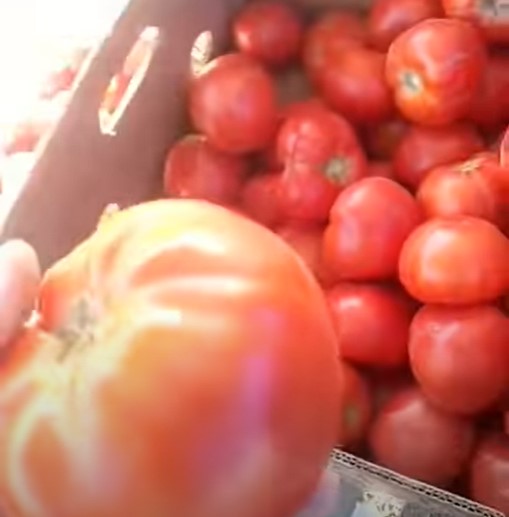
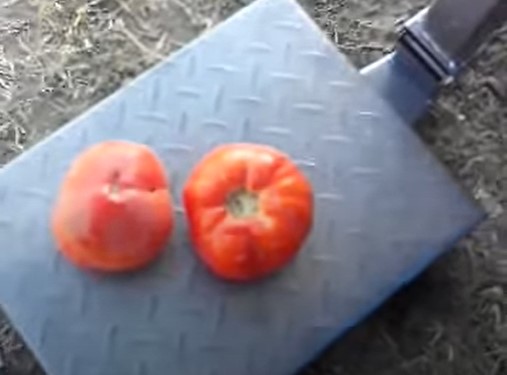
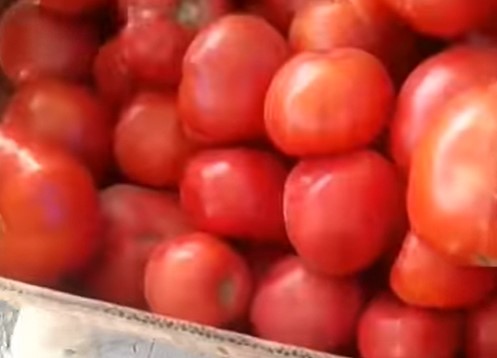
Round, slightly ribbed, medium density, pink or raspberry-pink. |
|
Fruit weight |
140-165 BC |
|
Taste |
Excellent, rich, sweet. |
|
Usage |
Salad. But canning is also possible. |
|
Marketability |
Excellent. |
|
Shelf life |
High. |
|
Yield of commercial fruits |
5.1 kg/m2. |
|
Disease resistance |
Increased resistance to late blight. |
|
Agricultural technology |
Requires shaping and garter. |
|
Growing regions |
Northern, Northwestern, Central, Volga-Vyatka, Central Black Earth District, Northern Caucasus, Middle and Lower Volga, Ural, Western and Eastern Siberia, Far East. |
|
|
2007 |
|
Originator |
MONSANTO HOLLAND BV |
Photo gallery of the tomato variety Tanya F1
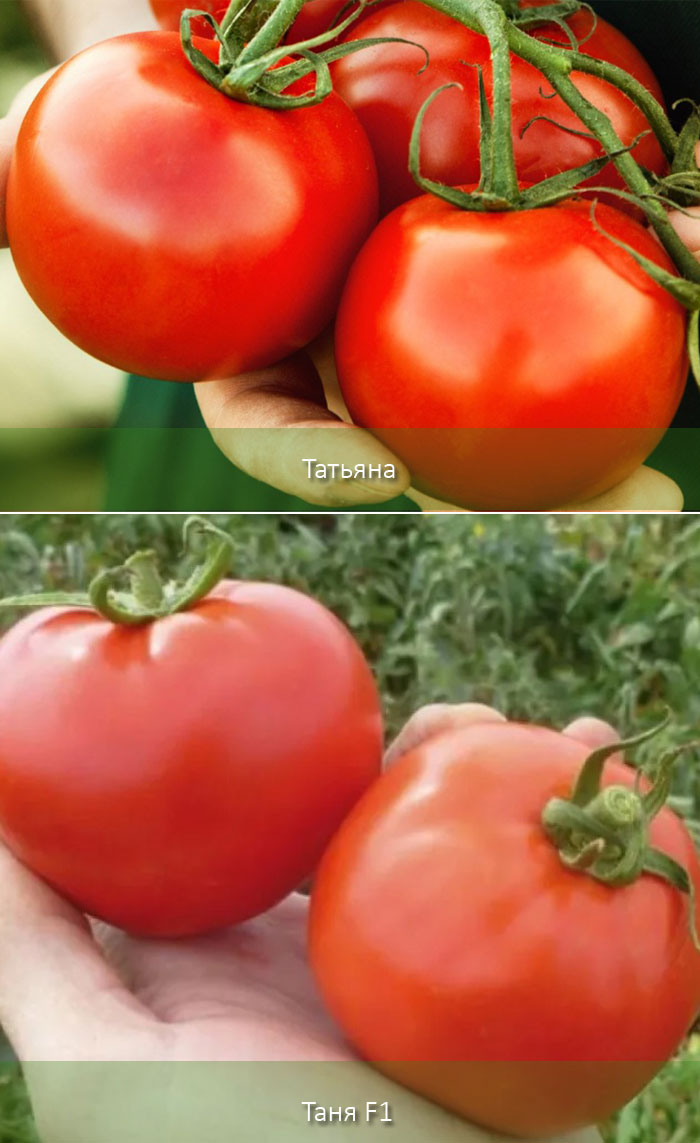
Differences between the variety Tanya F1 and the variety Tatyana
These varieties have differences:
|
Characteristics |
Tatiana |
Tanya F1 |
|
Ripening time (number of days from full germination to ripening) |
108-109. |
70-75. |
|
Fetus |
Flat-round, fleshy, red. 103-120 BC |
Round, medium fleshiness. 140-165 g, pink. |
|
Application |
Salad, juice preparation. |
Salad, but can be canned. |
|
Number of fruits in a bunch |
3-5 pcs. |
5-8 pcs. |
|
Category |
A common variety, you can use your own seeds. |
First generation hybrid, seeds do not transmit the qualities of the parent. |
 Growing the Tatyana and Tanya F1 tomato variety
The varieties are very similar in cultivation, thrive even in unfavorable climates, and don't require complex agricultural techniques. However, some growing guidelines should still be followed.
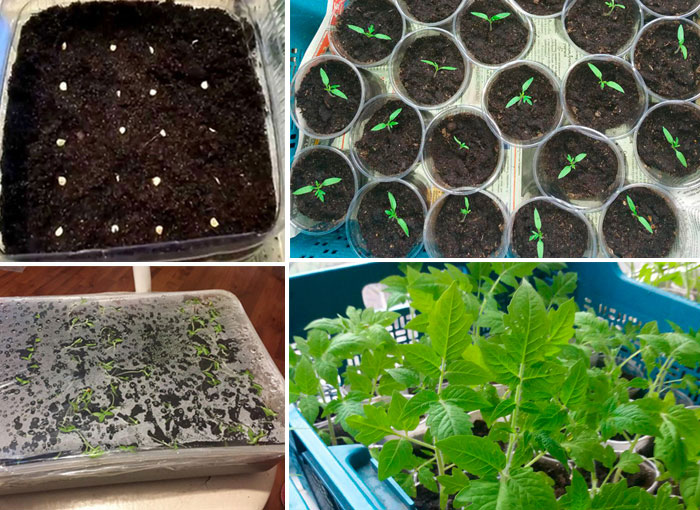
Sowing seeds and growing seedlings
The crop is grown using seedlings. Sowing occurs from March to April. Seedling soil can be purchased at a specialty store or prepared at home (mixing equal parts turf and compost). Coconut coir or peat pots are also excellent for planting.
If you're preparing your own soil, it should be disinfected two weeks before planting. To do this, place it in the oven for 15 minutes to heat it up. There's no need to treat store-bought soil, as the manufacturer does this before it's sold.
The Tatyana tomato (seeds) also requires disinfection. To do this, prepare a saline solution (1 g of salt per 100 ml of water), soak the seeds in it, and leave for 24 hours.
The seeds of the Tanya Hybrid have already been processed by the manufacturer.

When sowing, seeds should be planted no more than 1 cm deep. Leave 2 cm between adjacent seeds. After sowing, lightly sprinkle the seeds with soil and moisten them with a spray bottle.
Preparing the soil and planting in the ground
Planting in a permanent location begins 1.5-2 months after the seedlings have fully emerged (not before mid-May, when daytime and nighttime temperatures have stabilized). By this time, the seedlings should reach a height of 20 cm, have several fully formed leaf blades, and have developed roots.
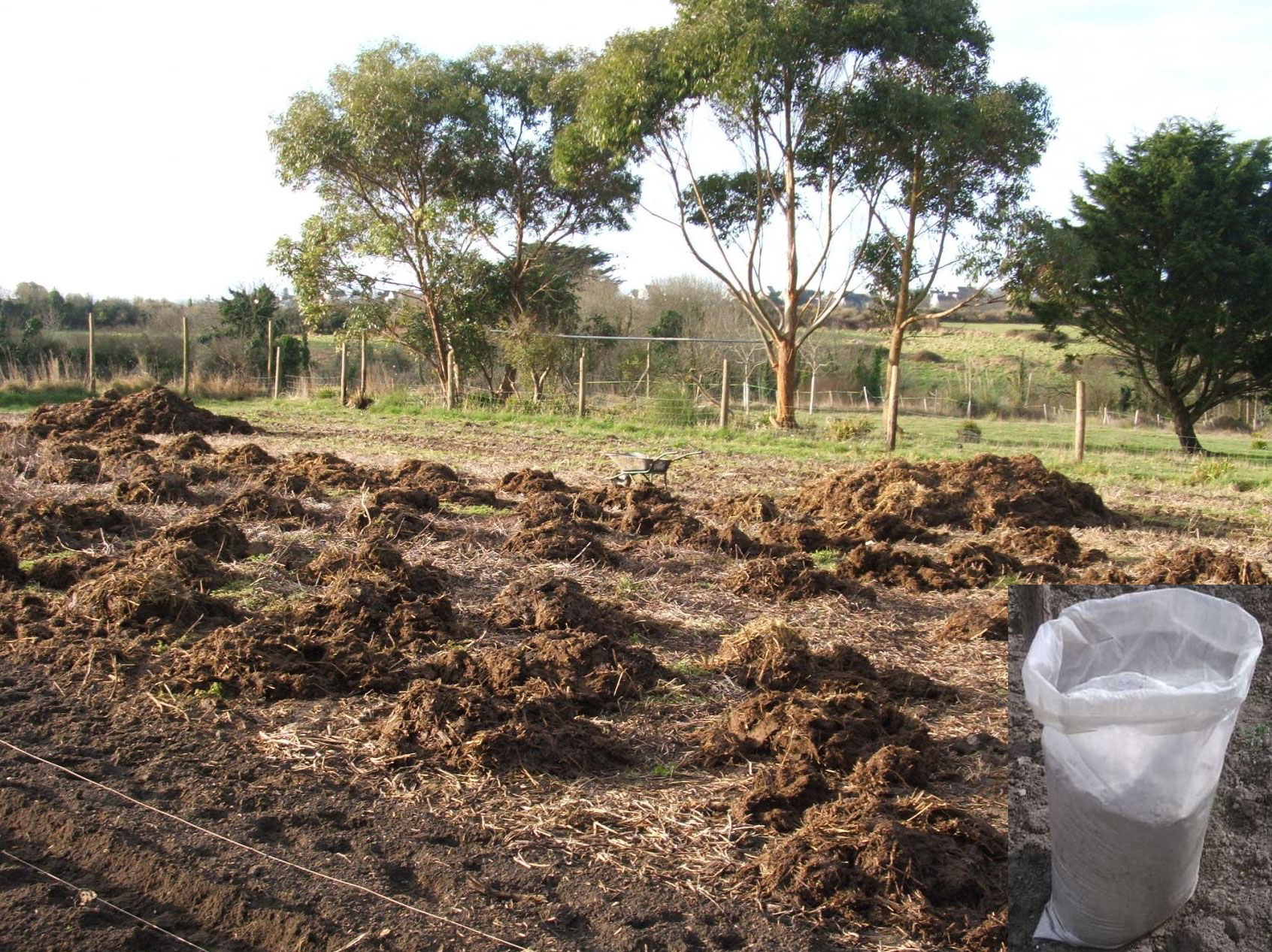
Prepare the beds in advance. Remove the top layer of soil, as it may contain infectious agents or pests. Add superphosphate or compost. If the soil was dug with fertilizer in the fall, no additional fertilizing is necessary.
Prepare planting holes. They should be about 20 cm deep. You can plant up to 6 plants per square meter, as they are compact.
Optimal planting patterns:
- 50 x 40 cm;
- in a checkerboard pattern with a distance of 50 cm between rows.
Transplanting should be done by transshipment to ensure the root ball remains intact. This reduces the risk of damaging the root system, and the plants will establish better in the beds. After transplanting, lightly compact the soil around the bushes and water them.

Features of caring for tomato varieties Tatyana and Tanya F1
The Tatyana and Tanya F1 tomato doesn't require complex, daily care. The following is recommended:
- in irrigation;
- in loosening after each watering and precipitation;
- in the application of fertilizers;
- in garter and shaping as it grows.
Watering should be moderate. Insufficient moisture will cause leaf blades to curl and fruit buds to fall off. Excessive moisture significantly increases the risk of fungal diseases and also slows growth. In the absence of precipitation, watering once a week is sufficient, preferably in the morning before sunrise or in the evening after sunset. Apply 3 liters of water per plant.
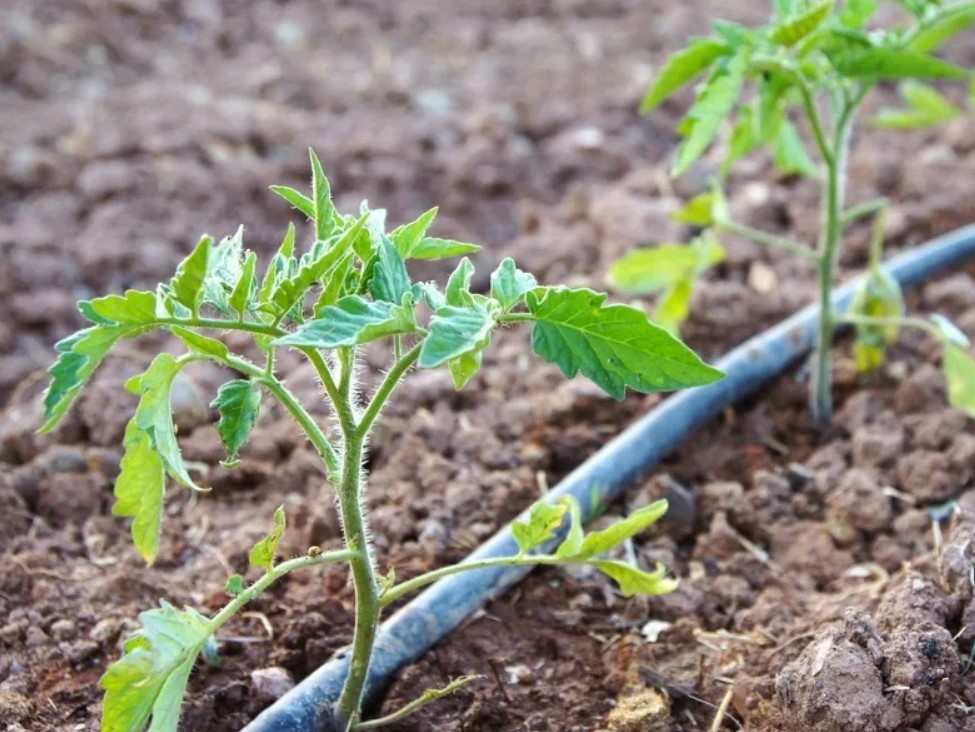
Fertilizers are also applied once a week. The mixture should contain phosphorus and potassium. The former strengthens the immune system, while the latter improves the flavor of the fruit. You can use both store-bought fertilizers and folk remedies. For example, dissolve 2 kg of wood ash in a bucket of water and let it steep for 24 hours.
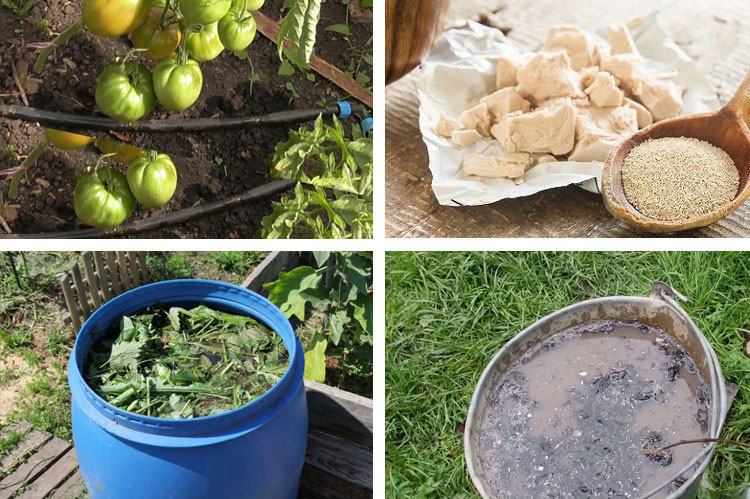
Tomatoes need to be supported to prevent the stems from sagging and the fruit from touching the ground. Wooden stakes can be used as supports. If the plantings occupy a significant area, it's advisable to install a trellis, stretching a rope 50 cm above the ground.
It is also necessary to form bushes into 2 stems.
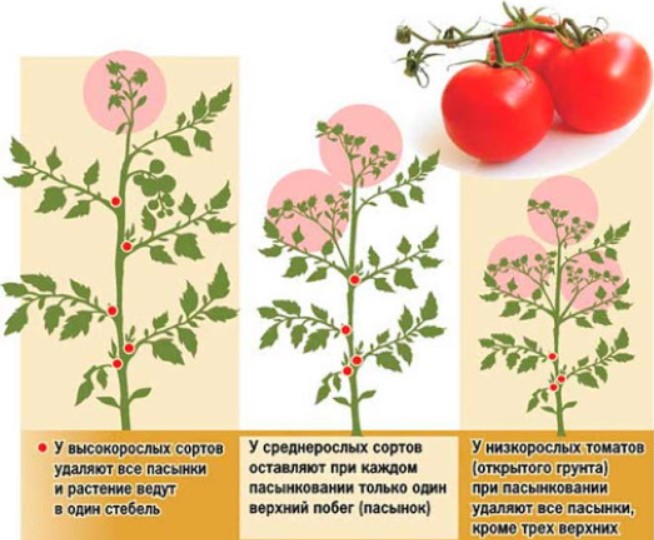
Find out how shape and pinch out tomatoes of different types.
Resistance of the tomato variety Tatyana, Tanya F1 and disease prevention
The varieties have good resistance to many diseases:
- mosaics;
- fusarium;
- verticillium wilt;
- late blight.
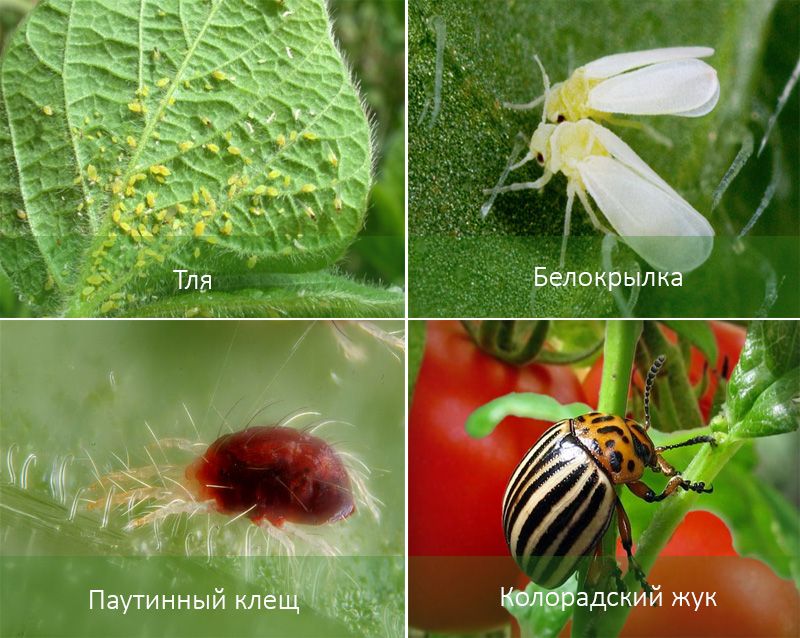
Insect pests They can infest bushes. To reduce the risk of their appearance, you can plant nearby plants with a strong odor that repels them (marigolds, garlic, and others). Good agricultural practices and crop rotation are also preventative measures. If pests do appear, they can be removed by hand in the early stages of infestation. In advanced cases, treatment with strong chemicals will be necessary.
Harvesting and using tomatoes
The Tanya F1 variety ripens faster than the Tatyana tomato. The former can be harvested after 2.5 months, while the latter can be harvested only after a little over three months from germination. Unripe tomatoes can be stored in a cardboard box in a dry place to ripen. They will turn completely red in about 5 days.
The Tatyana variety was bred for fresh consumption. It makes delicious salads, sliced vegetables, and garnishes for dishes. However, they can also be used for tomato processing (juice, paste) and canning. They make delicious Korean-style tomatoes and sun-dried tomatoes.
The Tanya tomato has a thicker skin, so it can be heat-treated and canned.
Comparison of tomato varieties Tatyana and Tanya F1 with other varieties in the table
Please note! How can you easily convert centners/ha to kg/sq.m? Simply divide by 100! For example, the Abakansky Pink tomato yields 400 centners of marketable fruit per hectare. This equals 4 kg per square meter. It's that simple! Also, keep in mind that typically no more than 3-4 plants are planted per square meter. This way, you can calculate the yield per bush. In the case of the Abakansky Pink, it's about 1 kg.
| Variety | Ripening period (number of days from full germination to ripening)
Yield of commercial fruits |
Brief description | Fetus |
| Tatiana | 108-109 days
470-510 c/ha |
A mid-season determinate variety for open ground. Suitable for salads. | Flat-round, slightly ribbed, fleshy, red, 103-120 g. Excellent taste. |
| Tanya F1 | 70-75 days
510 c/ha |
A mid-early determinate variety for open ground. Suitable for salads and canning. | Round, slightly ribbed, medium fleshiness, pink, 140-165 g. Good taste. |
| Siberian early ripening | 98-108 days
289-543 c/ha (open ground), 20-43% of the total yield ripens in 15 days of fruiting, 630-950 c/ha (greenhouse and under film), in the first month of fruiting 240-580 c/ha. |
An early-ripening, determinate, low-growing variety for open ground and greenhouses. Suitable for salads. | Round and flat-round, slightly ribbed, medium-sized and large, red, 62-114 g. The taste is satisfactory. |
| Siberian Shan'gi | 100-110 days
The yield of commercial fruits in open ground was 5.6 kg/sq.m. |
A mid-season determinate variety for open ground and greenhouses. Suitable for salads. | Flat-round, medium density, slightly ribbed, raspberry, 157 g. Excellent taste. |
| Malinka Star F1 | 85-95 days
12,600 c/ha |
An early-ripening indeterminate variety for open ground and greenhouses. Suitable for salads. | Flat-round, medium ribbed, pink, 97-120 g, reaches 300 g. Good taste. |
| Kalinka-Malinka | 105-115 days
260 c/ha |
A mid-season, determinate, standard variety for open ground and under plastic shelters. Suitable for whole-fruit canning. | Round, smooth, dense, red, 52 g. Good taste. |
| Siberian tiger | 110-120 days
Up to 1200 c/ha |
A mid-season indeterminate variety for open ground and greenhouses. Requires staking and training into 1-2 stems. Suitable for salads and processing into tomato products. | Flat-round, ribbed, dark pink with dark purple streaks, 150-250 g. Excellent taste. |
| Siberian big guy | 90-100 days
900-1200 c/ha |
An early-ripening indeterminate variety for open ground and greenhouses. Suitable for salads, processing into tomato products, and preparing first and second courses. | Flat-round, slightly ribbed, red, 500 g. Good to excellent taste. |
| Siberian giant | 115-120 days
The commercial yield of fruits was 9.0-11.0 kg/sq.m. |
A mid-early indeterminate variety for greenhouses. Suitable for salads. | Flat-round, large, medium-ribbed, loose, red, 400-500 g. Excellent taste. |
| Siberian garland | 90-95 days
1700-1900 c/ha |
An early-ripening indeterminate variety for open ground and greenhouses. Suitable for salads. | Flat-round, large, smooth, dense, red, 260 g. Excellent taste. |
| Abakan pink | 120 days or more
400 c/ha |
A late-ripening determinate variety for open ground and greenhouses. Requires staking and training. Suitable for salads and processing into tomato products. | Flat-round, slightly ribbed, medium density and pink in color, 200-500 g. Good taste. |
| Alsou | 105-110 days
700 c/ha |
An early-ripening, determinate variety for open ground and greenhouses. Requires staking and shaping. Suitable for salads. | Flat-round, slightly ribbed, medium density, red, 312 g. Good taste. |
| Big Momma | 85-95 days (greenhouse), about 100 days (open ground)
700-900 c/ha |
A mid-early determinate variety for open ground and greenhouses (greenhouses only, according to the register). Suitable for salads, canning, pickling, and juice. | Round, large, slightly ribbed, medium density, red, 200-250 g. Excellent taste. |
| Kostroma | 105-110 days
1350-1500 c/ha |
A mid-season determinate variety for greenhouses. Requires staking and training. Suitable for salads, whole-fruit canning, and processing into tomato products. | Flat-round, slightly ribbed, glossy, red or orange, 80-150 g. Good taste, sweet and sour. |
Gardeners' reviews of the Tatyana and Tanya F1 tomato variety
The Tatyana tomato variety is grown by gardeners across Russia. Most are satisfied with this tomato and plant it annually. Reviews of the Tatyana tomato are overwhelmingly positive. Gardeners and horticulturists consider its main advantages to be its easy-to-grow nature, resistance to infections, early maturity, and pleasant flavor. It can compete with other varieties. There are currently no reviews for the Tanya F1 variety.
Description from the pack:
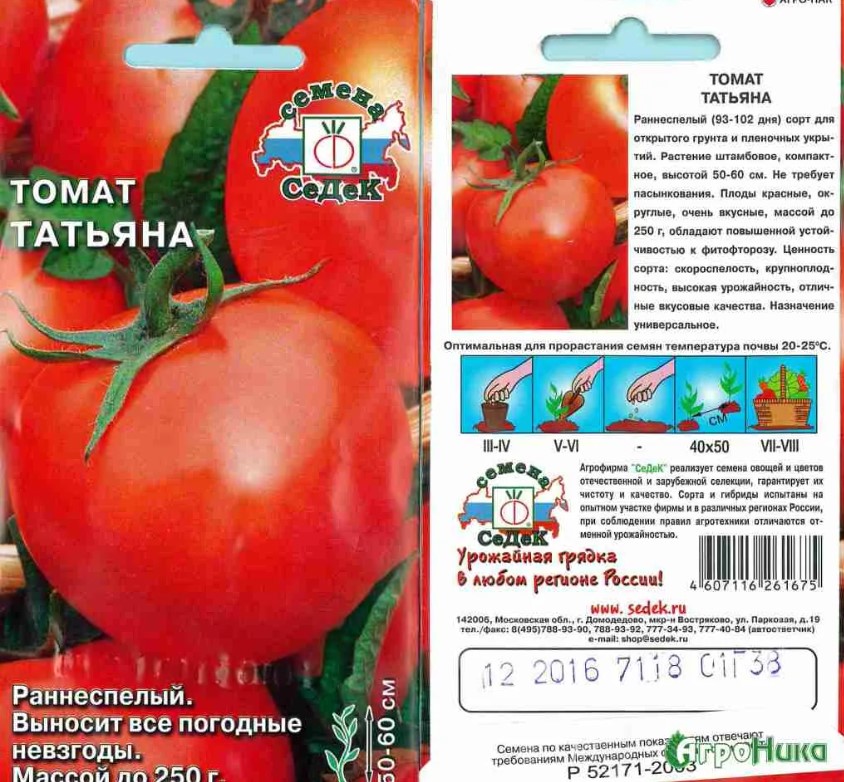
An early-ripening (93-102 days) variety. The bush is standard, compact, and grows to a height of 50-60 cm. No side shoots are required. The fruits are red, round, and very tasty, weighing up to 250 g, and have increased resistance to late blight. The variety's value includes early maturity, large fruit, high yield, and excellent taste. It is suitable for all-purpose use.
Yes, it's Sedekovsky, I planted it once. A long time ago, I tried lots and lots of dwarf varieties, choosing the earliest and most edible ones. I didn't like Tatyana's.
https://www.tomat-pomidor.com/forums/topic/3117-%D1%82%D0%B0%D1%82%D1%8C%D1%8F%D0%BD%D0%B0/?ysclid=lbp8yna814483999869
The characteristics were mostly the same. Compact – yes, early maturity – yes, late blight resistance – yes, high yield – yes. The taste in 2014 – terrifying :o. Probably not enough sun. Grew in the open ground.
https://www.tomat-pomidor.com/forums/topic/3117-%D1%82%D0%B0%D1%82%D1%8C%D1%8F%D0%BD%D0%B0/?ysclid=lbp8yna814483999869
I also planted Sedekovsky, of course. Everything matched except for the height; it was over a meter tall in the greenhouse. I liked the flavor, a typical good tomato flavor. The tomatoes are very beautiful, large, bright, shiny, and very even. This season I'll plant more from Khupta—a gift from friends on the forum.
https://www.tomat-pomidor.com/forums/topic/3117-%D1%82%D0%B0%D1%82%D1%8C%D1%8F%D0%BD%D0%B0/?ysclid=lbp8yna814483999869
TOMATO TANYA F1
Yield: 5.5 kg/m². Recommended for outdoor cultivation.