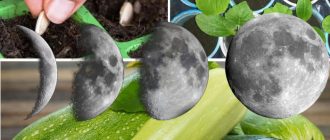
When determining when to plant seedlings of various plants, it's important to consider the length of their growing season. However, this isn't the only factor to consider. Experienced gardeners, horticulturists, and flower growers often sow according to the lunar calendar. This helps ensure a good harvest and lush flowering.
This article is outdated. You will find The current seedling planting calendar for 2023 follow the link.
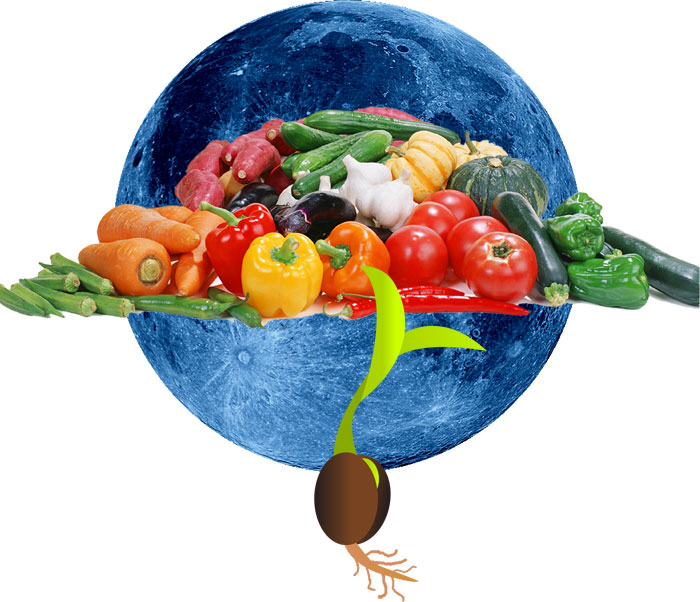
The influence of the Moon on sowing times, recommendations for choosing the day
You can start sowing seeds as early as the beginning of the new year, in January. Before planting, be sure to check the moon's phase.
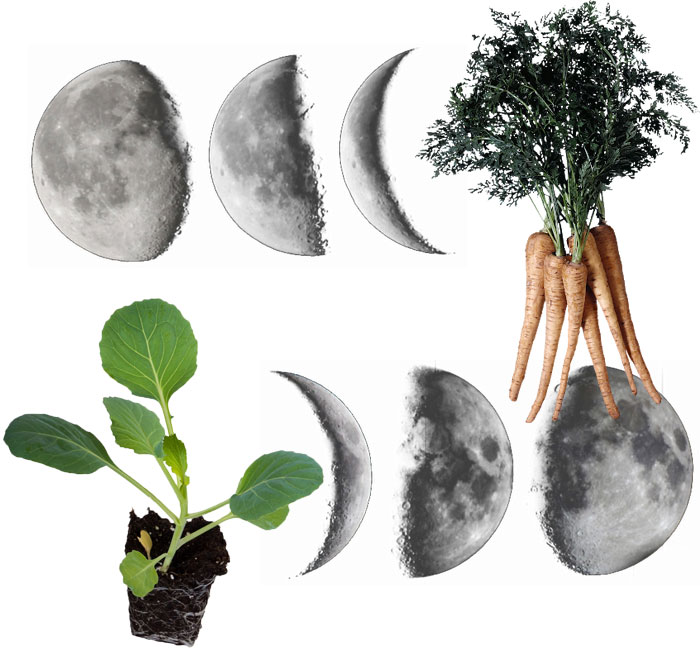
There are four of them in total:
- ◐ — growing;
- ○ — Full moon;
- ◑ — decreasing;
- ● — New moon.
The most favorable period is during the waxing moon. At this time, the Earth helps plants develop, giving them all its riches. To ensure uniform germination and healthy sprouts, it's best to sow seeds for seedlings during this period.
The New Moon and Full Moon are considered the most unfavorable. It's best to avoid planting during these times, as they will germinate poorly and develop slowly. It's recommended to focus on other tasks, such as disease and pest control, tillage, and so on.
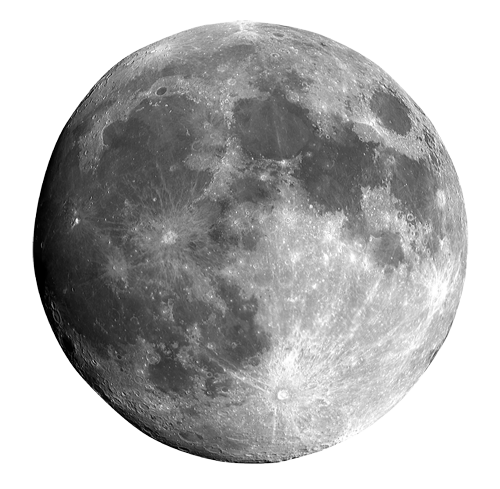
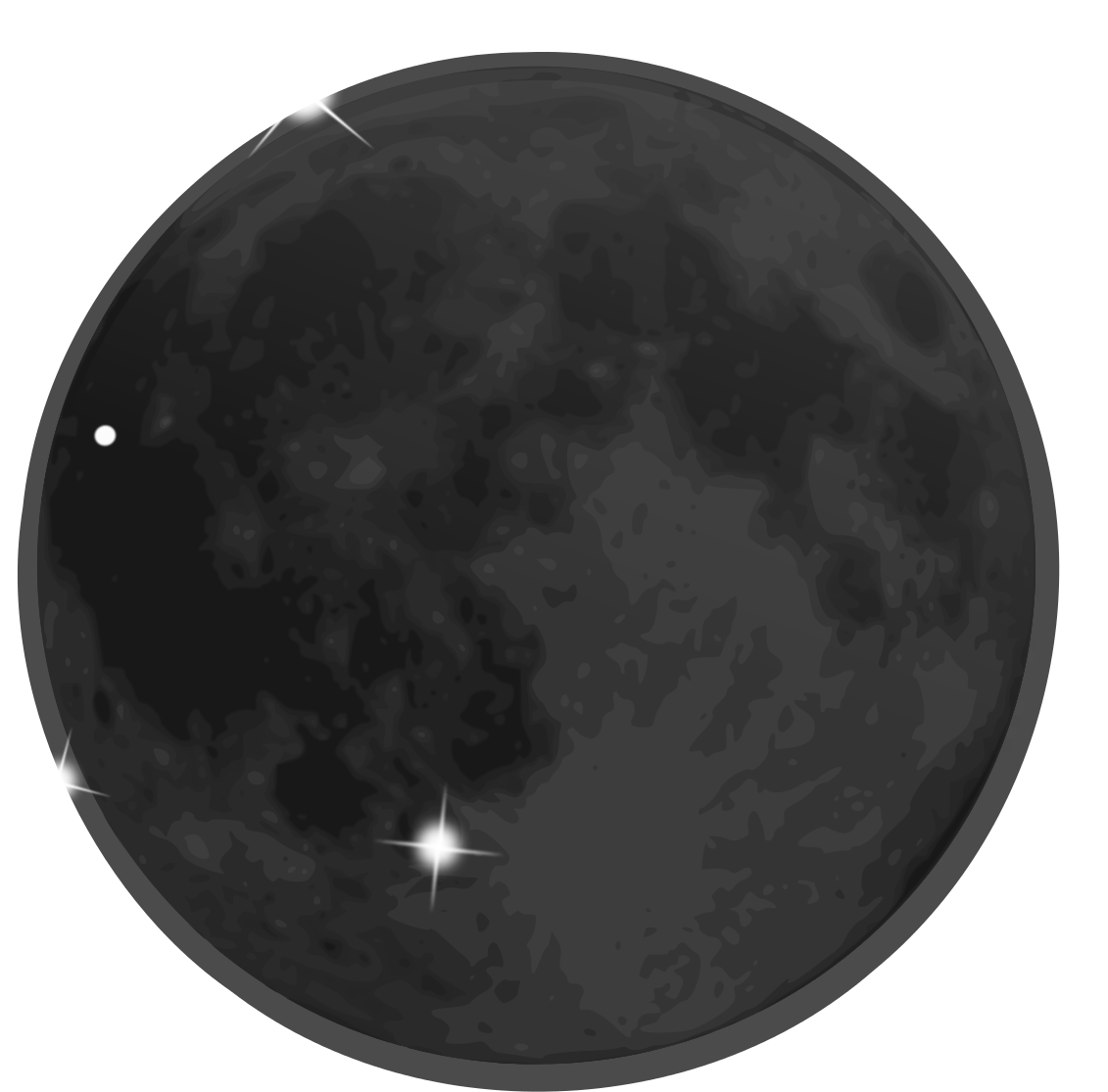
Please note! The days before and after the new moon and full moon are also unfavorable. Sowing during these times is also not recommended.
Before planting seeds to grow seedlings, it's important to consider not only the phase but also the zodiac. The table below lists the most favorable signs for specific plants.
Legend:
- d.h. - planting for long-term storage;
- r. l. - plant when the moon is waxing;
- u. l. - planting during the waning moon;
- l. l. - can be planted on any Moon;
- b. u. - planting for quick consumption;
- n.s. - it is better to refuse sowing and planting.
- ♌ — Leo;
- ♍ — Virgo;
- ♎ — Libra;
- ♏ — Scorpio;
- ♐ — Sagittarius;
- ♑ — Capricorn;
- ♒ — Aquarius;
- ♓ — Pisces;
- ♈ — Aries;
- ♉ — Taurus;
- ♊ — Gemini;
- ♋ — Cancer.
| Culture | ♑ | ♒ | ♓ | ♈ | ♉ | ♊ | ♋ | ♌ | ♍ | ♎ | ♏ | ♐ |
| Tomatoes | r. l. | used | r. l. | r. l. | r. l. | |||||||
| Pepper | used | r. l. | r. l. | r. l. | l. l. | |||||||
| Eggplant | used | r. l. | r. l. | n.s. | l. l. | |||||||
| Cucumbers | b. y | r. l. | r. l. | n.s. | r. l. | r. l. | ||||||
| Legumes | r. l. | l. l. | l. l. | n.s. | ||||||||
| Zucchini | l. l. | r. l. | r. l. | n.s. | ||||||||
| Cabbage | d.h. | used | u. l. d.h. |
r. l. | r. l. | d.h. | ||||||
| Onion | u. l.
d.h. |
u. l.
d.h. |
u. l. | n.s. | u. l. | d.h. | l. l. | |||||
| Potato | u. l.
d.h. |
u. l.
d.h. |
u. l. | n.s. | u. l. | d.h. | ||||||
| Carrot | u. l.
d.h. |
u. l.
d.h. |
u. l. | n.s. | u. l. | d.h. | ||||||
| Radish | u. l. | used | used | u. l. | u. l. | |||||||
| Radish | u. l.
d.h. |
d.h. |
u. l. | n.s. | u. l. | |||||||
| Turnip | u. l.
d.h. |
d.h.
l. l. |
u. l. | n.s. | u. l. | d.h. | ||||||
| Beet | u. l.
d.h. |
d.h. l. l. |
u. l. | n.s. | u. l. | d.h. | ||||||
| Pumpkin | d.h. | l. l. | r. l. | d.h. | r. l. | r. l. | d.h. | r. l. | ||||
| Garlic | u. l.
d.h. |
d.h.
l. l. |
u. l. | n.s. | l. l. | |||||||
| Salad | used | used | r. l. | |||||||||
| Spinach | used | used | r. l. | |||||||||
| Dill and parsley | used | used | r. l. | |||||||||
| Flowers | l. l. | l. l. | l. l. | l. l. | l. l. | |||||||
| Ornamental plants | ||||||||||||
| Strawberries | l. l. | l. l. | ||||||||||
| Berry bushes | r. l. | l. l. | ||||||||||
| Fruit trees | r. l. |
During other periods there are no special prohibitions or recommendations.
Sowing seeds for seedlings according to the 2021 Lunar Calendar
Legend:
- ❄- January;
- ❄❄ — February;
- ☁ — March;
- ???? - April;
- ????- May;
- ???? - June.
| Culture | ❄ | ❄❄ | ☁ | ???? | ???? | ???? |
| Tomatoes | 16, 17, 20-22, 26, 27 (late varieties for greenhouses) |
3-5,
12-14, 17-19, 22-24 |
3-9, 14-19, 21-23, 26, 30, 31 (mid-season varieties, early for the greenhouse) |
7-9, 13-15, 17-19, 29, 30
(middle and early varieties) |
1,2, 5-10, 17-22, 24, 25, 28, 29 (early varieties) |
1-6, 12, 13, 20-22 |
| Pepper | 3-7,
12-14, 17-19, 22-24, 28 (late varieties) |
3-9, 16-19, 21-23, 30, 31 | 3-5, 13-15, 17-19, 29, 30 | 1,2, 15-25, 28, 29 | 1-6, 12, 13, 20-22 | |
| Eggplant | 3-5, 13-15, 17-19 | 1, 2, 20-25, 28, 29 | ||||
| Cucumbers, zucchini, pumpkin, watermelon, melon | 16, 17,
20-22, 26, 27 (for planting at home or in a greenhouse) |
12-14,
17-19, 22-24 (for planting at home or in a greenhouse) |
1-5, 16-19, 21-23, 30, 31 (for planting at home or in a greenhouse) |
7-9, 13-15, 17-19, 23, 24, 29, 30 | 1, 2, 5-9, 15-17, 24, 25, 28, 29 | 1-6, 11-13, 20-22 |
| Legumes | — | — | 1, 2, 7, 8, 19-21, 26 | 1, 2, 7, 8, 15-17, 19-21, 29, 30 | 1,2, 7-10, 13-20, 22-24 | 3-6, 20-22 |
| Cabbage | 3-5, 9-11, 16-18, 20-23, 25-27, 30 (leaf only) |
2-5, 8, 9, 12-19, 22-24
|
1-7, 12, 16-23, 26, 30, 31 | 3-5, 8, 9, 13-19, 25, 29, 30 | 1, 2, 5-7, 7-9
(except cauliflower and broccoli), 10, 13-15, 20-22, 24-26, 28, 29 |
1-3, 4-6 (except cauliflower and broccoli), 11-13, 20-22 (sowing of Peking and cauliflower), 23, 28-30 |
| Onion | 10, 11,
18-22, 30, 31 (forcing for greens) |
1-9,
12-19, 22-24 (on greens) |
1-9,
14-23, 30, 31 |
1-4, 13-15, 17-19, 29, 30 | 1, 2, 5-7 | 21, 22, 26, 27, 29, 30
(chives, spring onions) |
| Potato | 20-22 (seeds) | 6-9, 17-19,
22-24 (seeds) |
1-5,
7-9, 16-19, 21-23 |
1-4, 13-15, 17-19, 29, 30 | 1, 2, 5-10 | — |
| Celery | 7-9, 16,
17, 20-22, 30, 31 (root for greens) |
1-5,
12-19, 22-24 |
1-9,
16-23, 30, 31 |
1-4, 13-15, 17-19, 23, 24 (sheet only), 29, 30 | 1, 2, 5-7 | 29, 30
for indoor growing) |
| Turnip, radish, radish | — | 2-9,
12-14 (radishes only) 17-19, 22-24 |
1-7, 14-19, 30, 31 | 1-4, 29, 30 | 1, 2, 5-7, 7-10, 20-24 | 6-8, 26 |
| Garlic | 10, 11,
18-22, 30, 31 (forcing for greens) |
1-5,
12-19, 22-24 (on greens) |
5-9,
16-23, 30, 31 |
1-4, 10, 29, 30 | 1, 2, 20-22 | 3-8, 26 |
| Salad | 16-18,
20-23, 25-27 (in the warmth) |
1-9,
12-19, 22-24 (in warmth or depending on the region) |
1-7, 14-24, 30, 31 | 7-10, 13-15, 17-20, 23, 24, 29, 30 | 1, 2, 5-7, 15-17, 22-24, 28, 29 | 1-3, 11-13, 20-22, 28-30 |
| Spinach | ||||||
| Parsley | ||||||
| Flowers | 3-7,
16-20, 23-27, 30, 31 |
3-5,
7-9, 12-19, 22-24, 28. |
1-9,
16-27, 30, 31 |
3-5, 7-10, 13-19, 23-25 | 5-9, 13-20, 22-24 | 1-8, 11-16, 18-22, 28-30 |
| Strawberries | 7-9,
17-27 (remontant from seeds) |
5-7,
12-19, 22-24, 28 |
1, 2,
7, 8, 12, 16-20, 26, 27, 30 |
3, 4, 8-10, 13-17, 18, 19, 23-25, 29, 30 | 5-9, 13-17, 22-24 | 2, 3, 6-9, 13-16, 18-20, 26, 28-30 |
Days when you shouldn’t sow seeds:
- ❄— 12, 13, 28, 29;
- ❄❄ — 10, 11, 26, 27;
- ☁ — 13, 28, 29;
- ???? — 11, 12, 26, 27;
- ????— 11, 12, 26, 27;
- ???? — 9, 10, 24, 25.
When to sow seeds for seedlings and plant them in open ground
Different plant species have different timings for sowing seeds and transplanting grown seedlings into open ground, depending on the variety and the crop's growing season. For some, it can take five months or more from seed to true leaf, while for others, a month is sufficient. The former can be planted as early as January or February, while the latter can be planted in April or May.
The table below will help you determine when to plant seeds of different plants, then transplant the seedlings to a permanent location, and provide brief recommendations on how to sow and care for the seedlings of each crop.
| Culture | Time of emergence of seedlings after planting | Age of planting in open ground (counted from the moment the first shoots appear in days) | Recommendations |
| Tomatoes (for greenhouses - from January to mid-March, for open ground - March-April) |
At a temperature of +25…+30 °C after 2 weeks. | 50-70 (depending on variety). | Seeding can be done in either boxes or peat pellets. In the former case, transplanting occurs at the two true leaf stage. When sowing in pellets, transplanting occurs when roots emerge from the pellet. For the first 2-3 days after germination, 24-hour supplemental lighting is necessary. Subsequently, it can be reduced to 14-16 hours. As the root system develops, transplant the seedlings into larger containers. This will allow for a more abundant harvest. |
|
Pepper (from February to mid-March) |
At a temperature of +25…+30 °C after 2-3 weeks. |
60-80, eggplants up to 90 |
Sow in small pots or cassettes with subsequent transplantation by transshipment into more spacious containers. During the first few days after planting, additional lighting is required for 14-16 hours. At the 2-4 leaf stage, it can be reduced to 10-12 hours. If the bushes are more branched, you'll get a bountiful harvest. To achieve this, pinch off the 7th or 8th leaf to encourage vigorous growth of lateral shoots. |
|
Eggplants (from February to mid-March) |
First sow in small containers, then transplant into spacious pots. The plant loves light and requires supplemental lighting similar to that of peppers. |
||
| Watermelon, melon, cucumbers, zucchini, pumpkin, squash (April-May) |
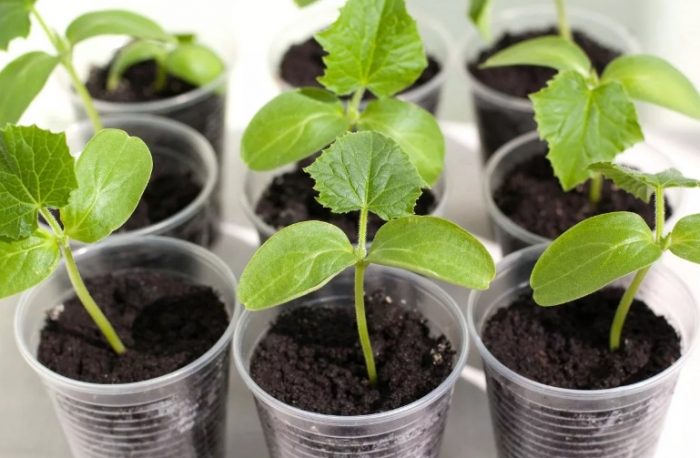
At a temperature of +23…+25 °C on days 3-4. | 20-30 | After the cotyledons unfold, reduce the temperature to +18° to prevent the seedlings from stretching. Plants require good lighting. The soil should always be slightly moist. |
| Root and stalk celery (February-April) | Pre-soaked seeds at a temperature of +20…+25 °C for 8-10 days. | 60-70
at the 5-leaf stage. |
Sowing should be carried out in peat tablets, pre-soaked in HB-101. Scatter the seeds over the surface and press them lightly with your thumbs, then place them in a container. Place it in a bright spot to prevent the seedlings from stretching and falling over. |
| Potatoes (March-May) (by seeds in February) |
At a temperature of +20…+25 °C in 7-9 days. | 30-40 | By this time, the seedlings should be 12-20 cm tall and have 5-6 true leaves. Planting occurs when the risk of frost has passed or in a greenhouse in May. When the sprouts reach 3 cm, transplant them into pots. The seedlings require treatment with HB-101 and extended daylight hours. |
|
Cabbage (early white cabbage - end of January, medium - from mid-March, the rest - from the end of the month) |
At a temperature of +20…+25 °C after 3 weeks. | 45 | Sow in cups to preserve the main taproot, which goes deep and feeds the crop with nutrients. Once the seedlings emerge, lower the temperature to +6…+8°C. After a few days, gradually increase the temperature. This is necessary to prevent the seedlings from becoming too tall. Cabbage should develop in a cool, bright place. If this isn't possible indoors, seedlings can be grown in a greenhouse in April-May. |
| Onion (from February to mid-March) |
Pre-soaked seeds at a temperature of +20…+25 °C after 1-1.5 weeks. | 60 | You can sow directly into the containers where the seedlings will grow until they are planted outdoors. Space seeds 1-1.5 cm apart in a row. Space rows 2.5-3 cm apart. Before sowing, soak the seeds in hot water (40°C). Change the water several times, gradually reducing the temperature. |
| Strawberries
(from February to mid-March, remontant from January) |
At a temperature of +20…+25 °C after 2-3 weeks. | 60-70 | Sow seeds in peat pellets treated with NV-101. Place the seeds on the soil surface. Then place the peat pellets in lidded containers. Acclimate the seedlings to the room environment by removing the cover. There's another sowing method: spread snow over the soil surface and scatter the seeds on top. Refrigerate for three days, then move to a warmer location. |
|
Annual flowers (February-April) |
At a temperature of +20…+25 °C in 6-10 days. |
Before transplanting seedlings to a permanent location, they should have at least 4-6 true leaves. |
Scatter the seeds, uncoated, over the soil surface without covering them. Spray with water containing HB-101 and cover with plastic wrap or glass. Ventilate daily. Add soil as the seedlings grow. Sow granulated seeds into peat tablets, one at a time. Place them in a container with a transparent lid. When the plants reach 10-15 cm, pinch out the central and lateral shoots. This will make the bushes more luxuriant. |
|
Perennial flowers (December-February) |
Depends on the plant species. | Seeds of many flowers require stratification:
|
|
What can and should be sown in January?
For sowing, you should choose late-ripening crops with the longest growing season. The best dates for this are: 16, 17, 20-22, 26, 27.
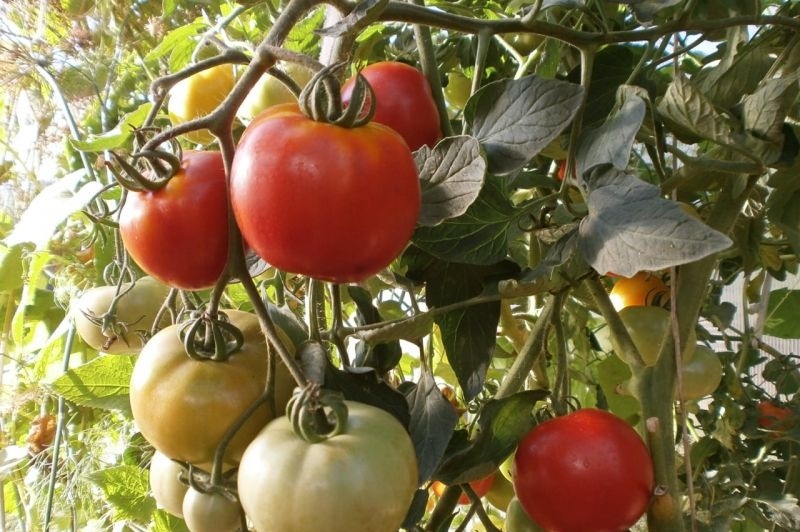
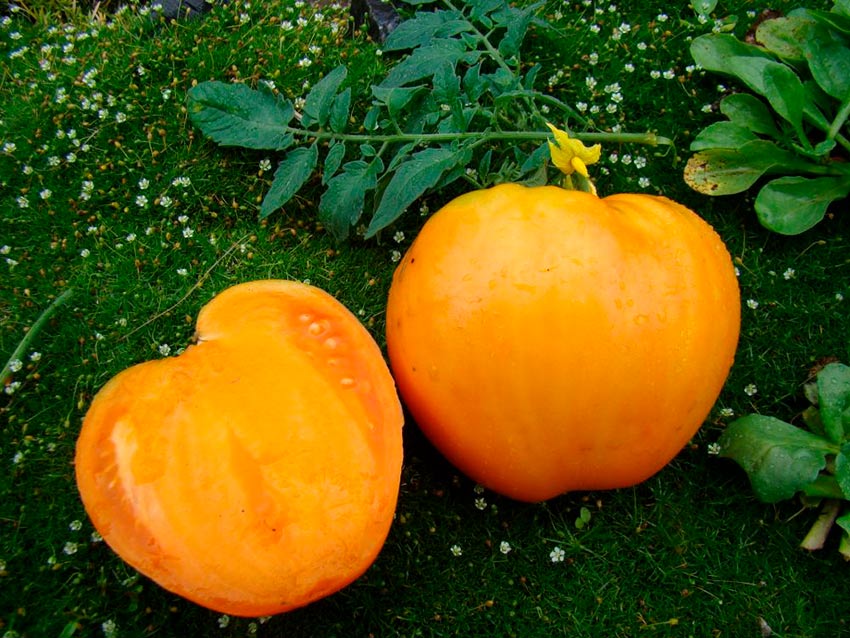
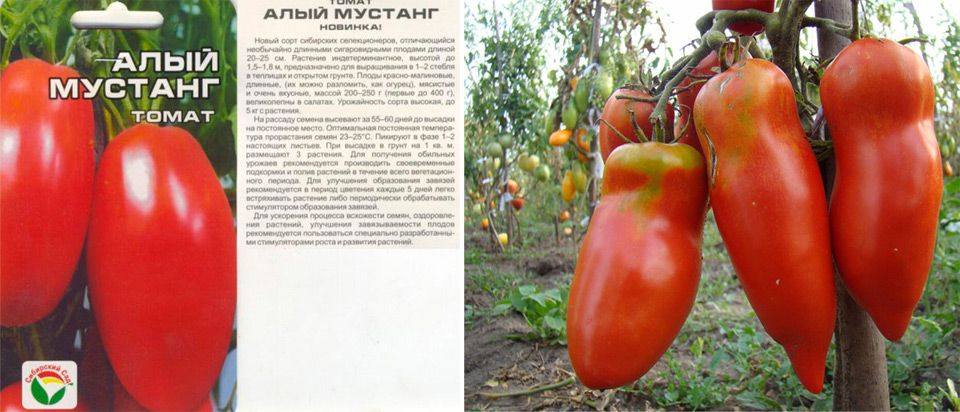
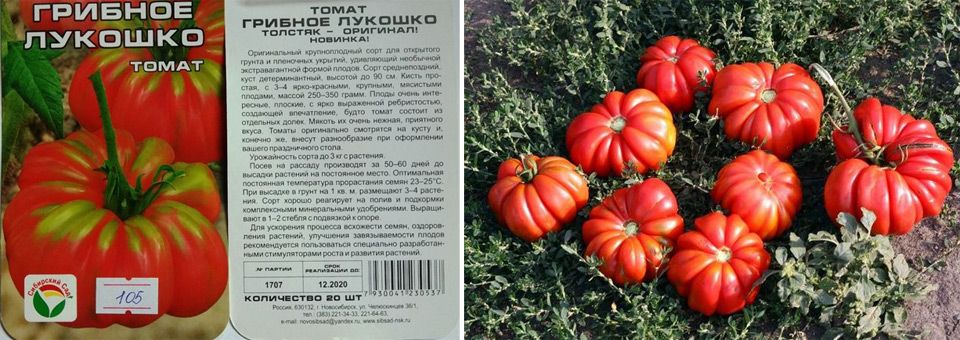
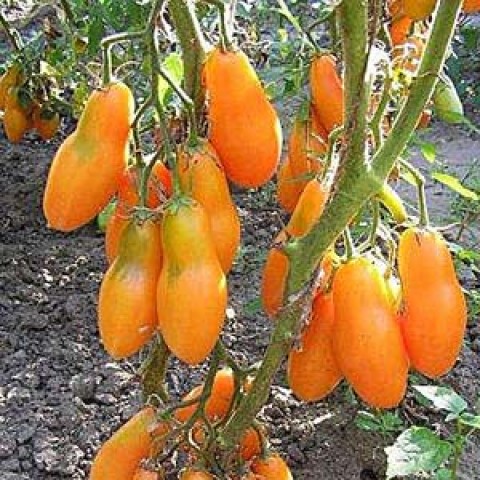
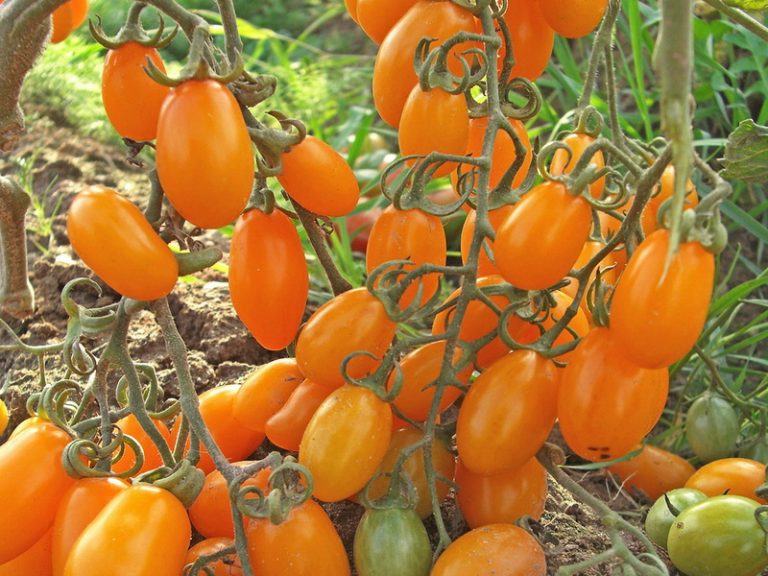
In January, you can plant late-ripening tomato seedlings. For example, the following varieties:
- Scarlet Mustang;
- Honey Savior;
- Mushroom basket;
- Midas;
- Cosmonaut Volkov;
- Yellow Date.
About the best varieties of tomatoes Read on our website http://top.tomathouse.com.
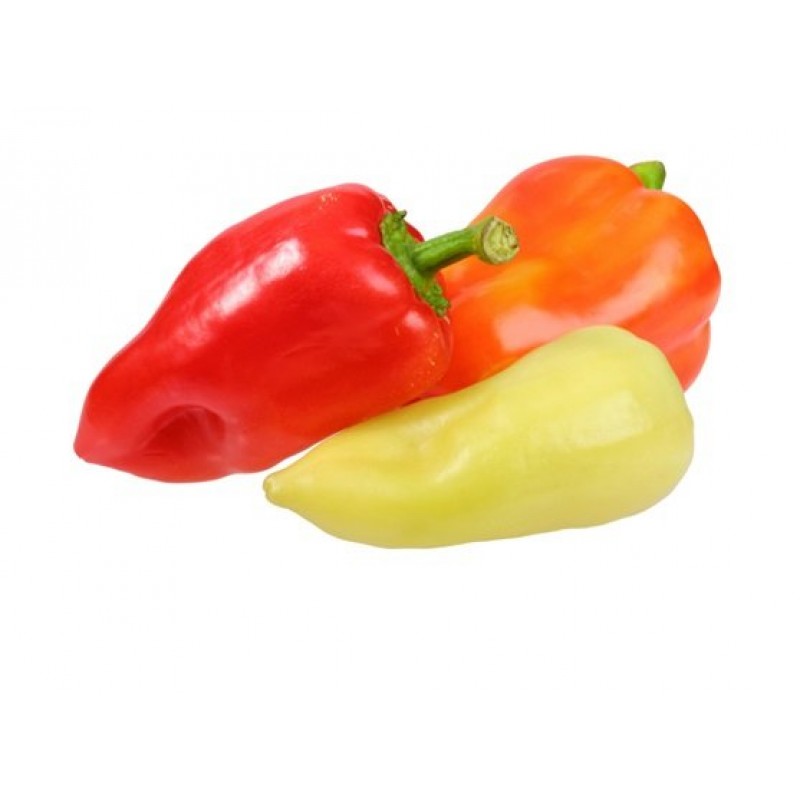
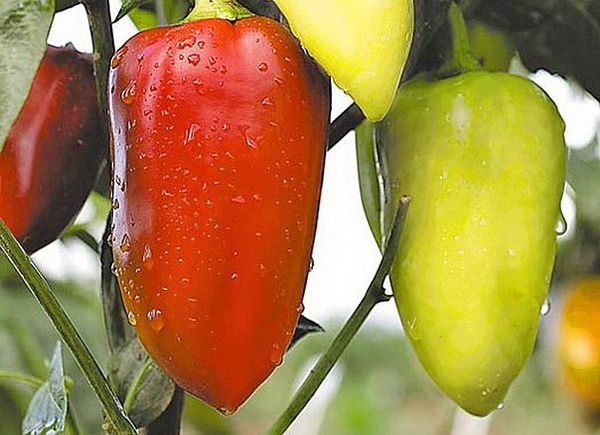
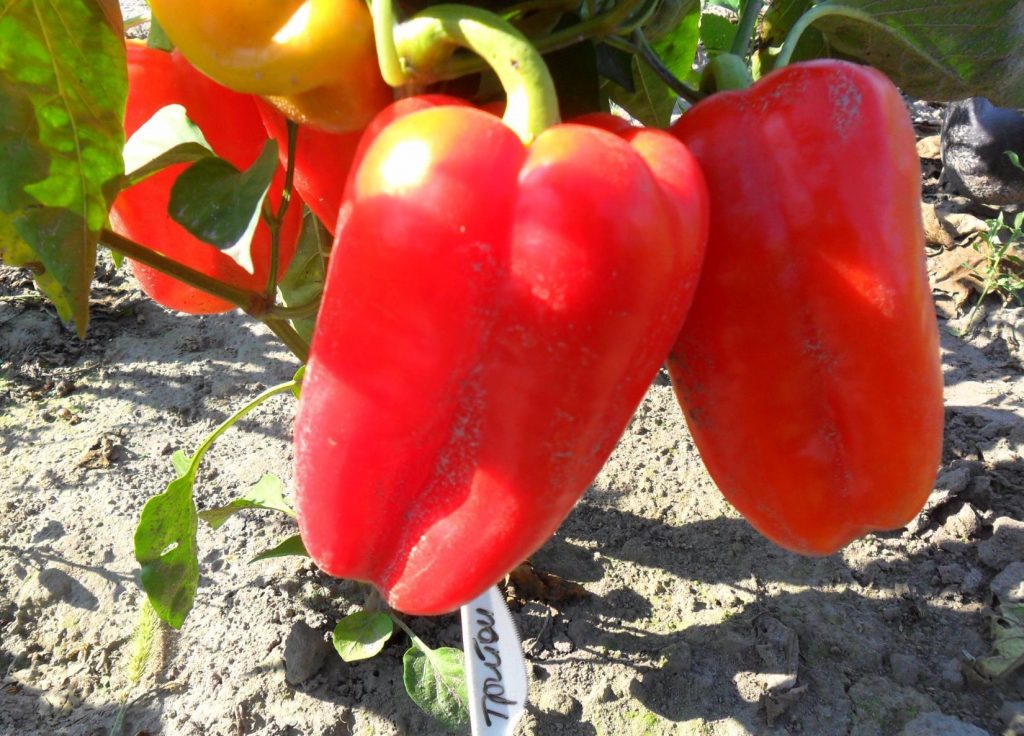
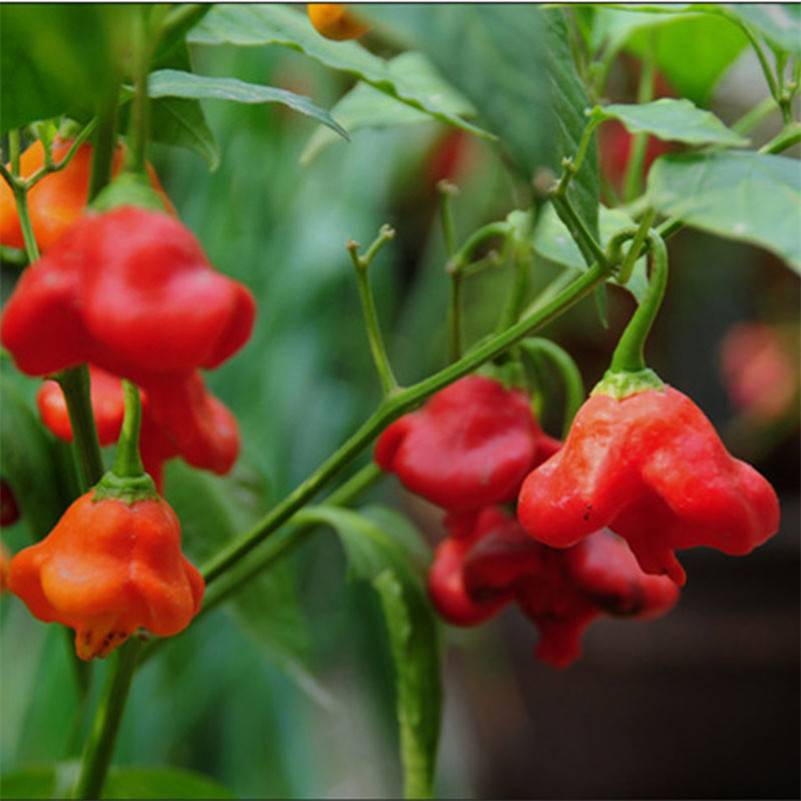
Peppers can be planted from the 2nd ten days of January: The following varieties are suitable:
- Lumina;
- Ivanhoe;
- Triton;
- Bell.
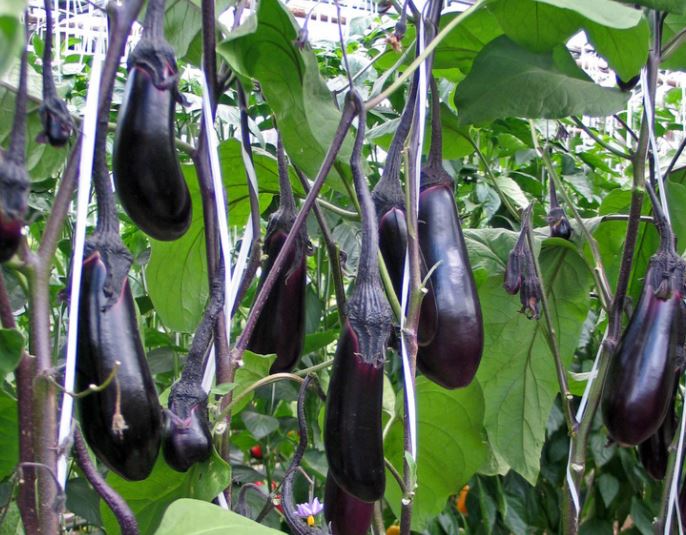
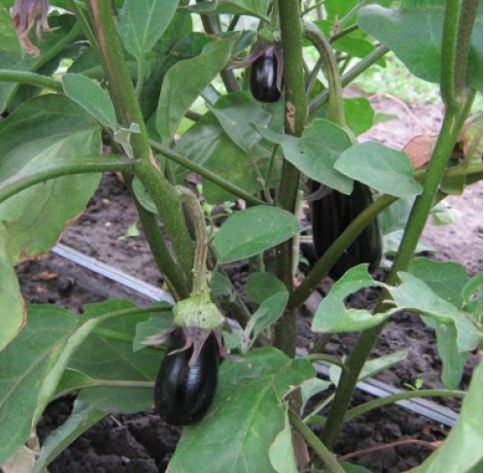
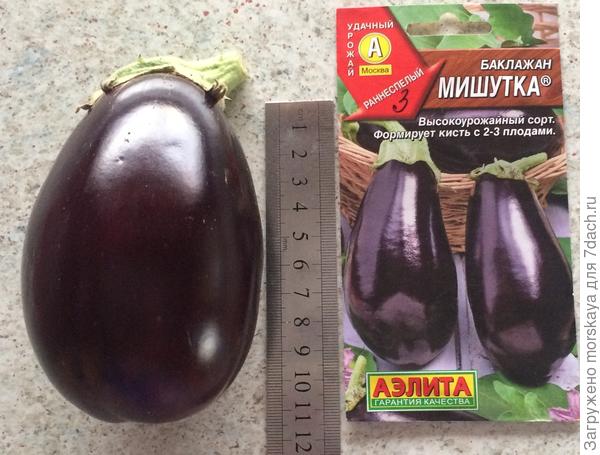
The following eggplant varieties are suitable for January sowing:
- Torpedo;
- Teddy bear;
- Sofia.

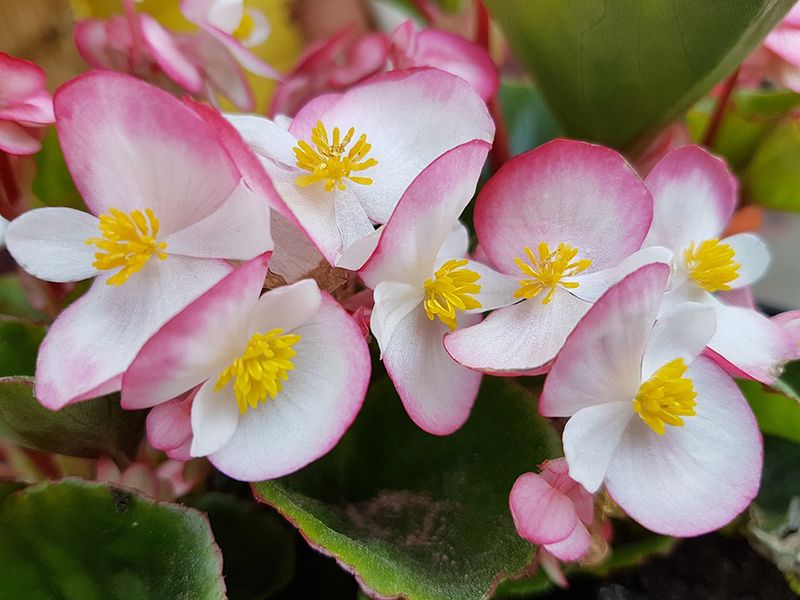
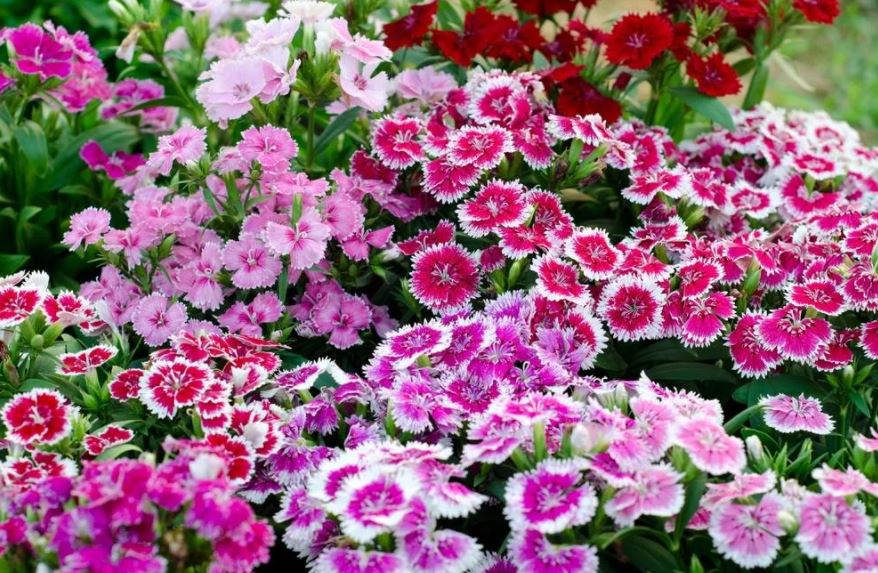
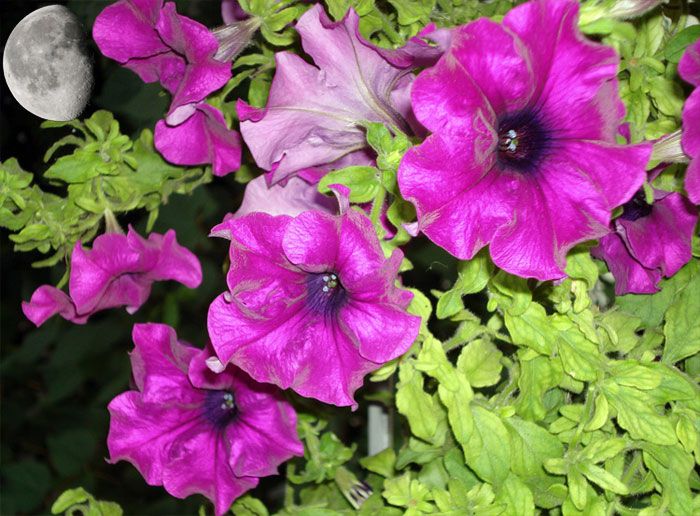
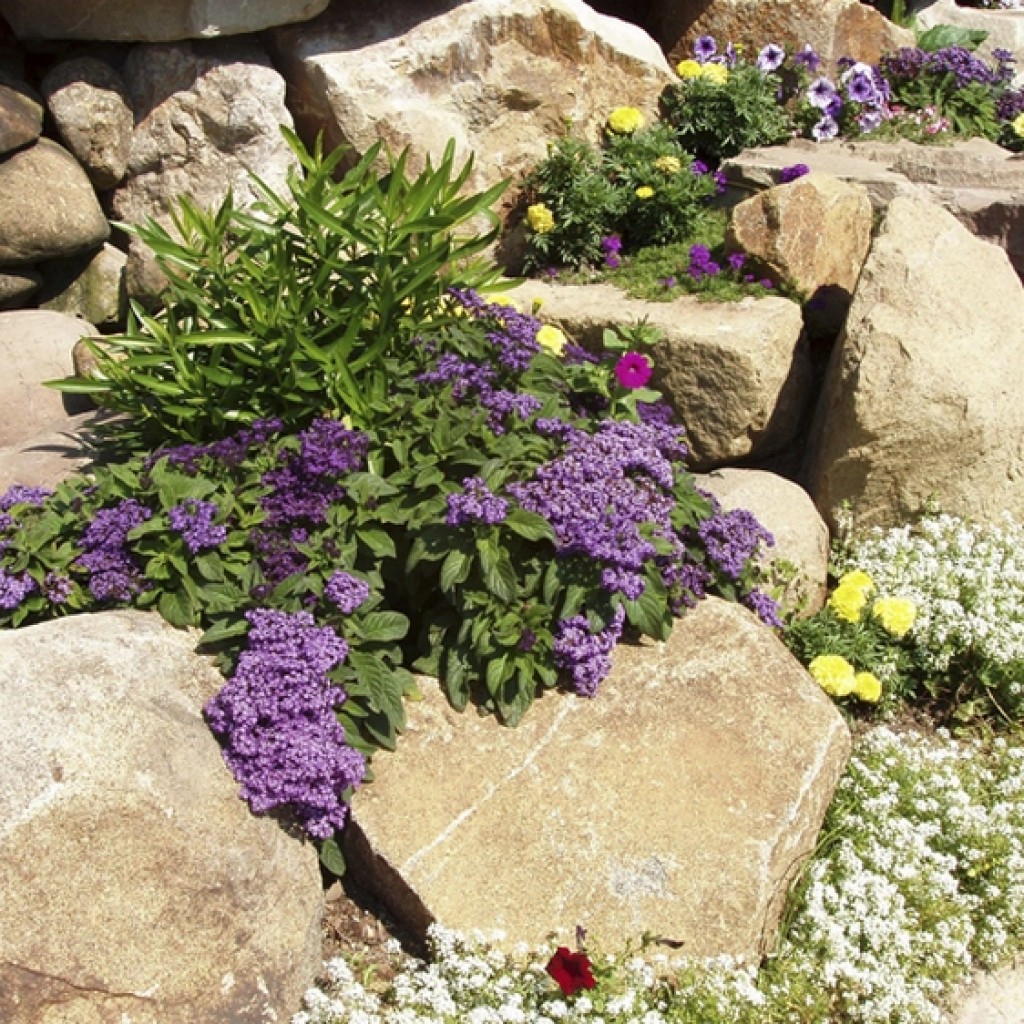
January is also suitable for planting flowers with a long growing season, favorable dates 3-7, 16-20, 23-27, 30, 31:
The first shoots will appear in 2-4 weeks. They will bloom after six months.
In the first month of the year, you can sow strawberries and wild strawberries: 7-9, 17-27.
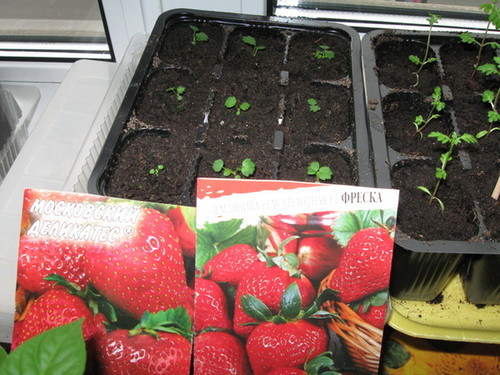
Winter sowing will produce stronger seedlings compared to autumn sowing.
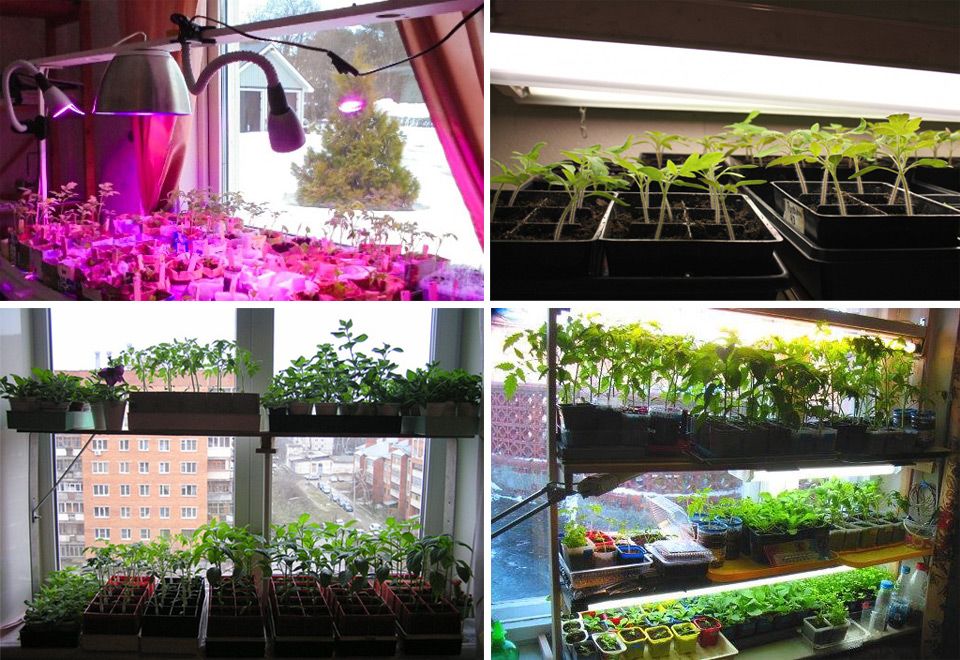
Don't forget that when growing seedlings in the winter months, it is essential to provide illumination to the plantings.
What can and should be sown in February?
In February: 3-5, 12-14, 17-19, 22-24, you can plant mid-season varieties:
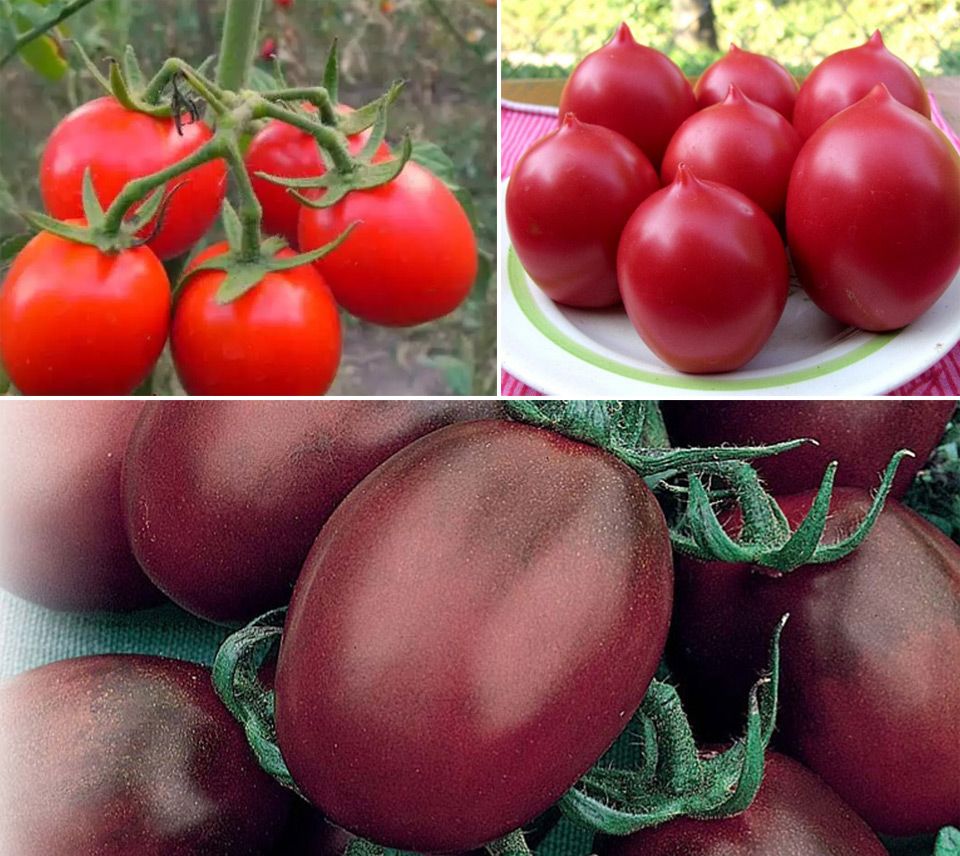
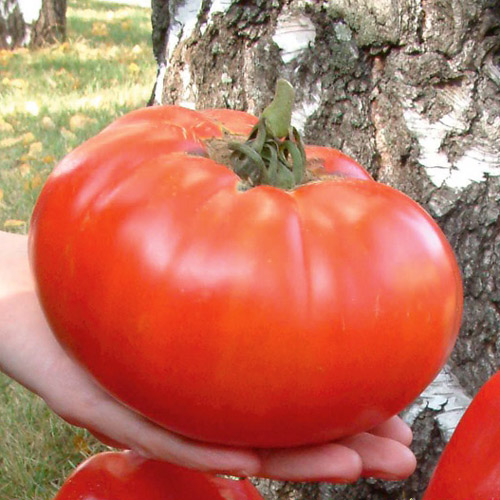
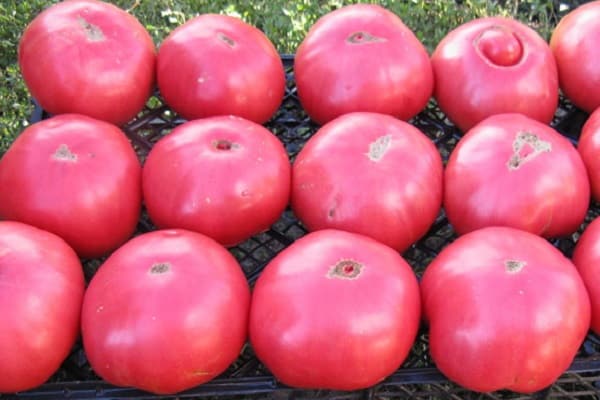
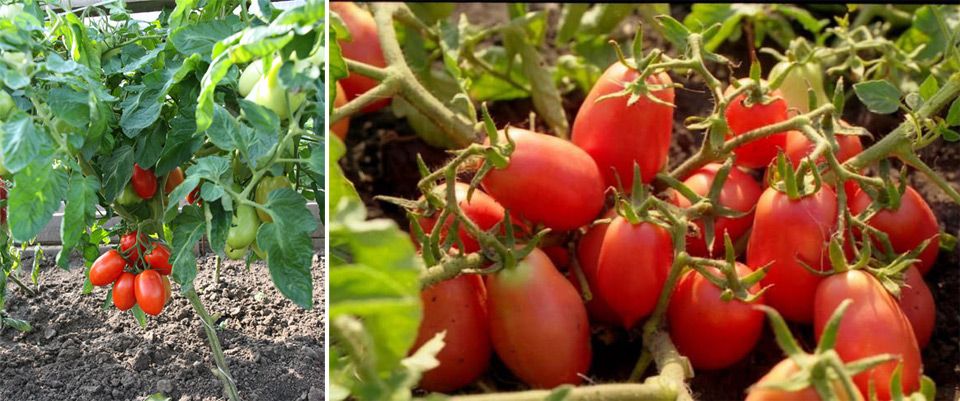
- tomatoes: De Barao, Rio Grande, Supergiant F1, Pink Tsar;
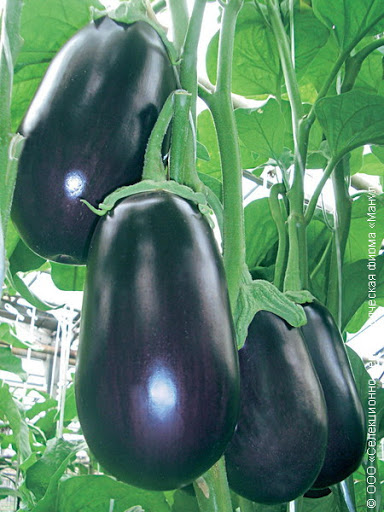
- eggplants: Goliath F1, Vikar;
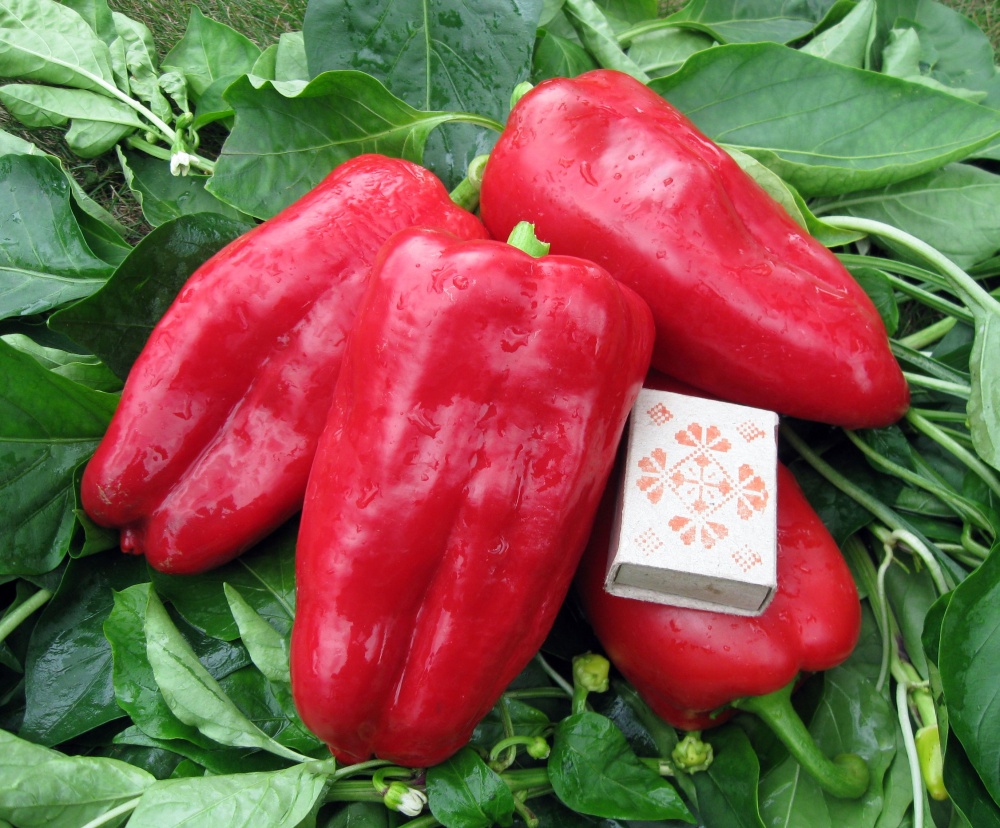
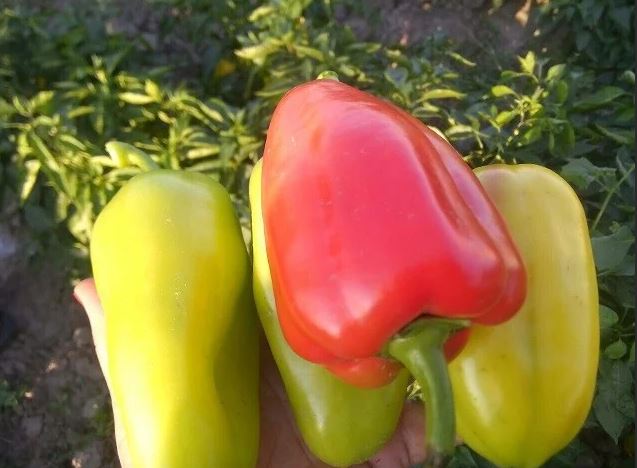
- peppers: Ox's Ear, Bogatyr, Gift of Moldova, Atlas, Flight F1.
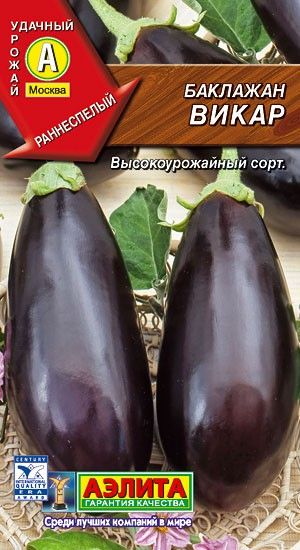
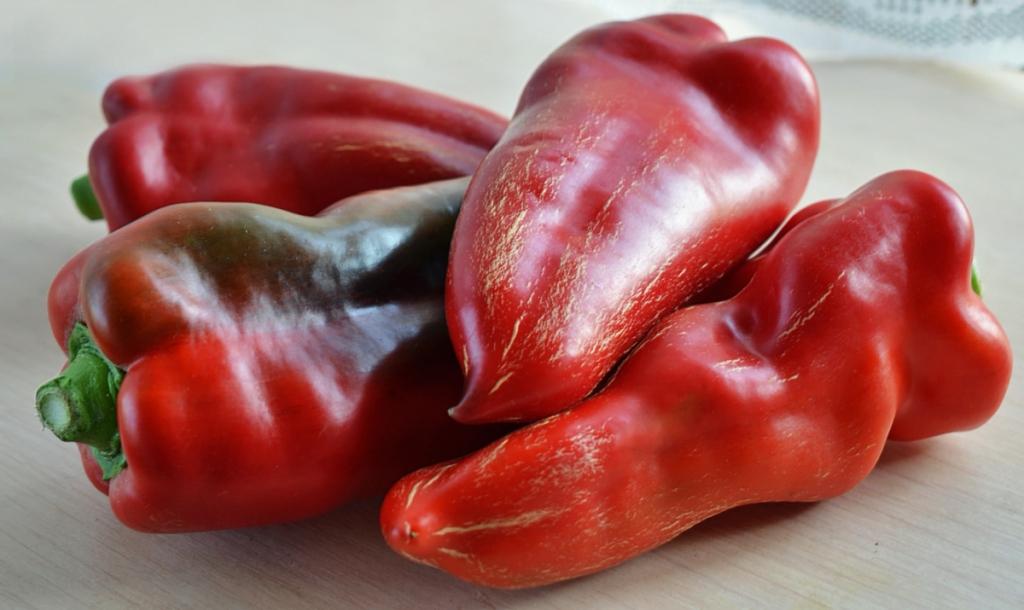
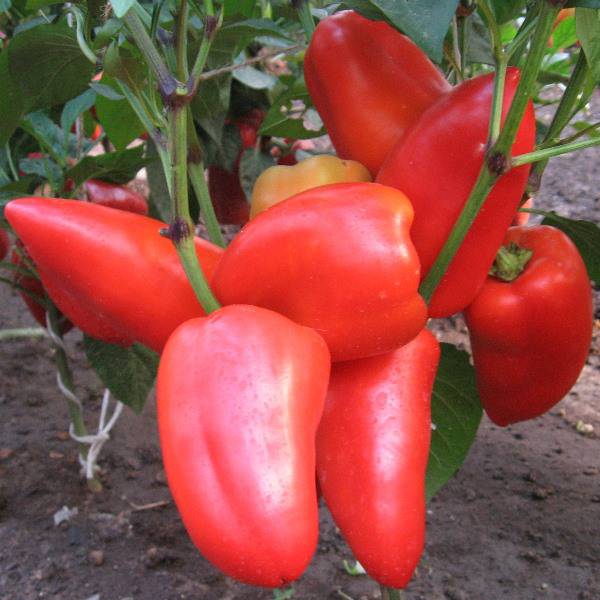
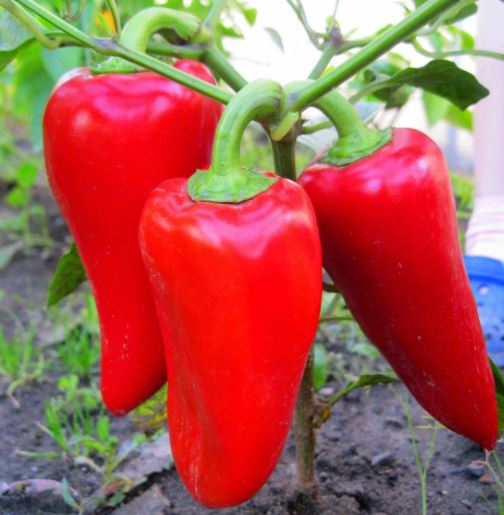
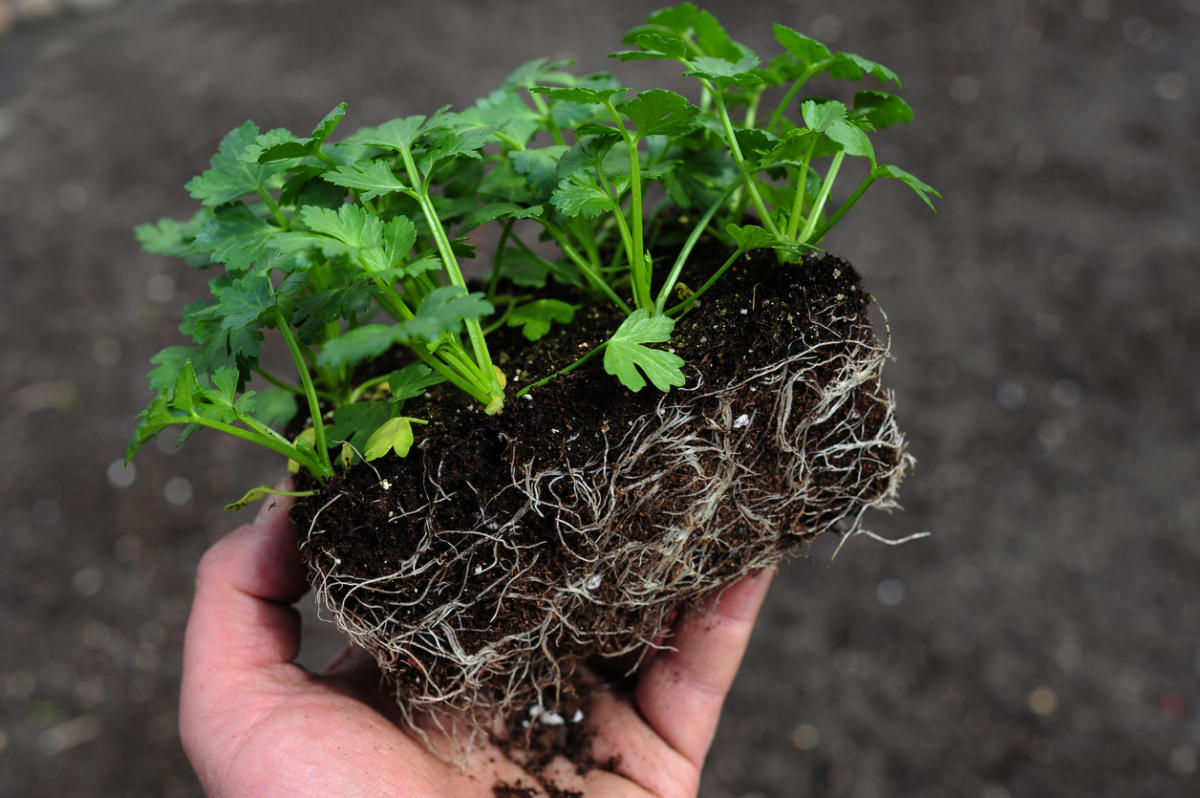
You can sow celery:1-5, 12-19, 22-24, potatoes (Read how to do this in the article Lunar calendar for gardeners and vegetable growers for February 2021).
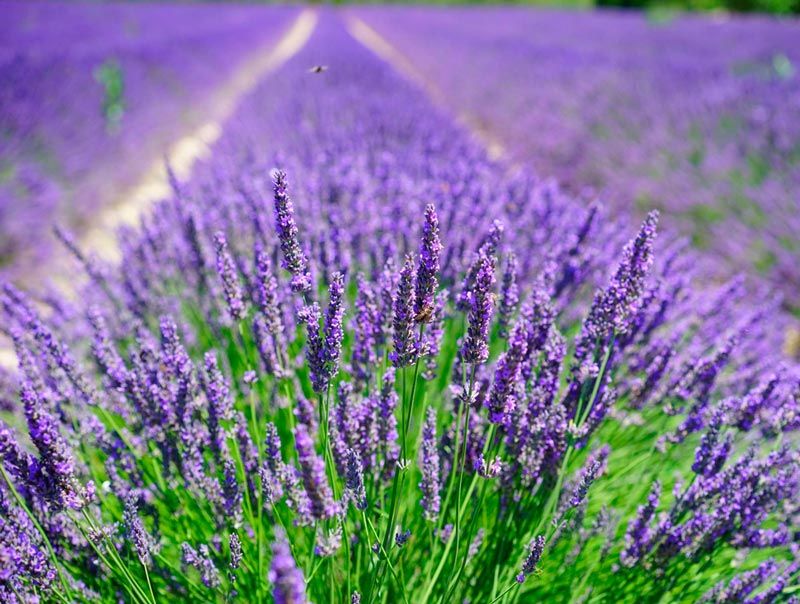
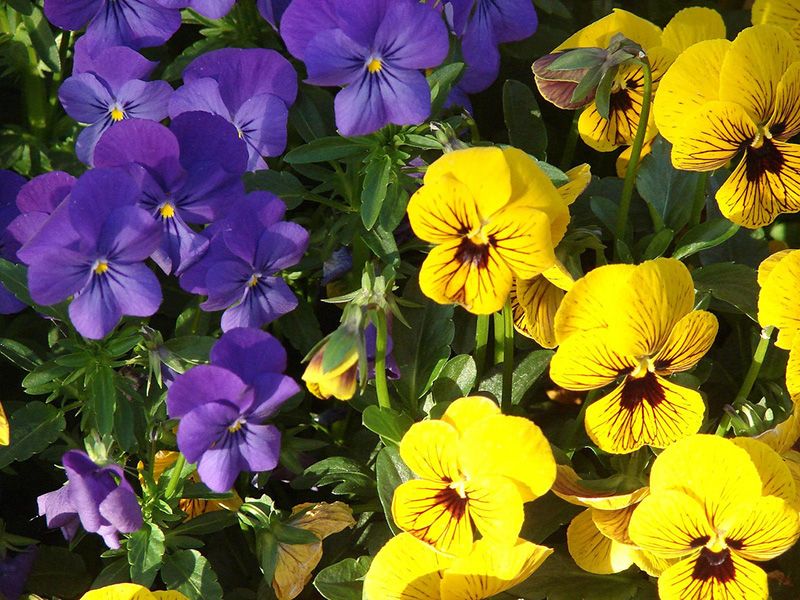
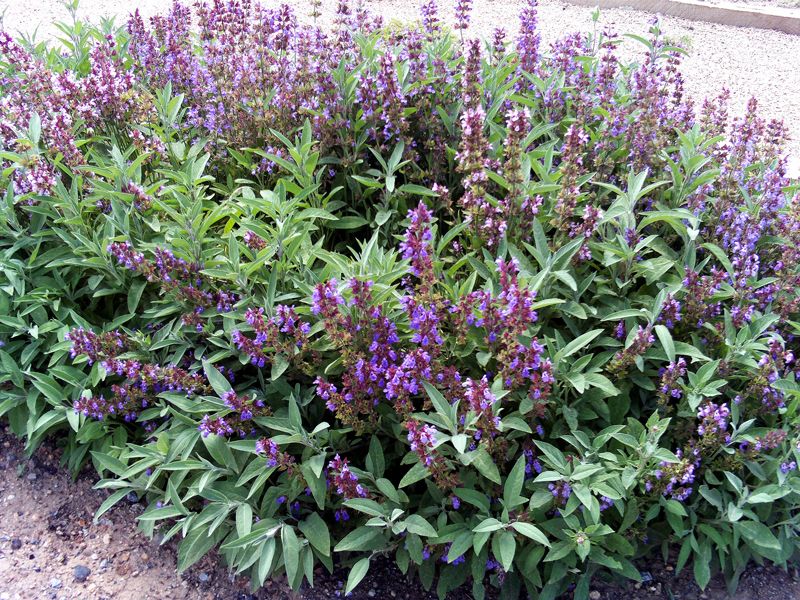
At the lavender, violas And salvia The growing season lasts 5 months. To achieve flowering in June-July, sowing should be done in mid-February: 3-5, 7-9, 12-19, 22-24.
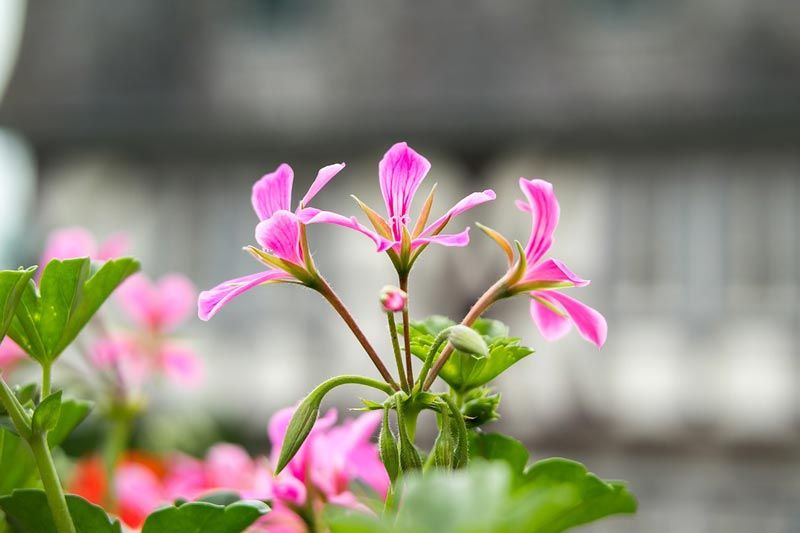
You can plant it this month geraniumThe day is selected depending on when it is necessary to achieve its flowering.
What to plant in March
At the beginning of the month: 3rd-9th, you can plant early-ripening tomato varieties for the greenhouse, which have a 45-day period between germination and planting in the ground:
- Mandarin duck;
- Alpha;
- Superstar;
- Golden Brush;
- Cupid F1;
- Aphrodite F1.
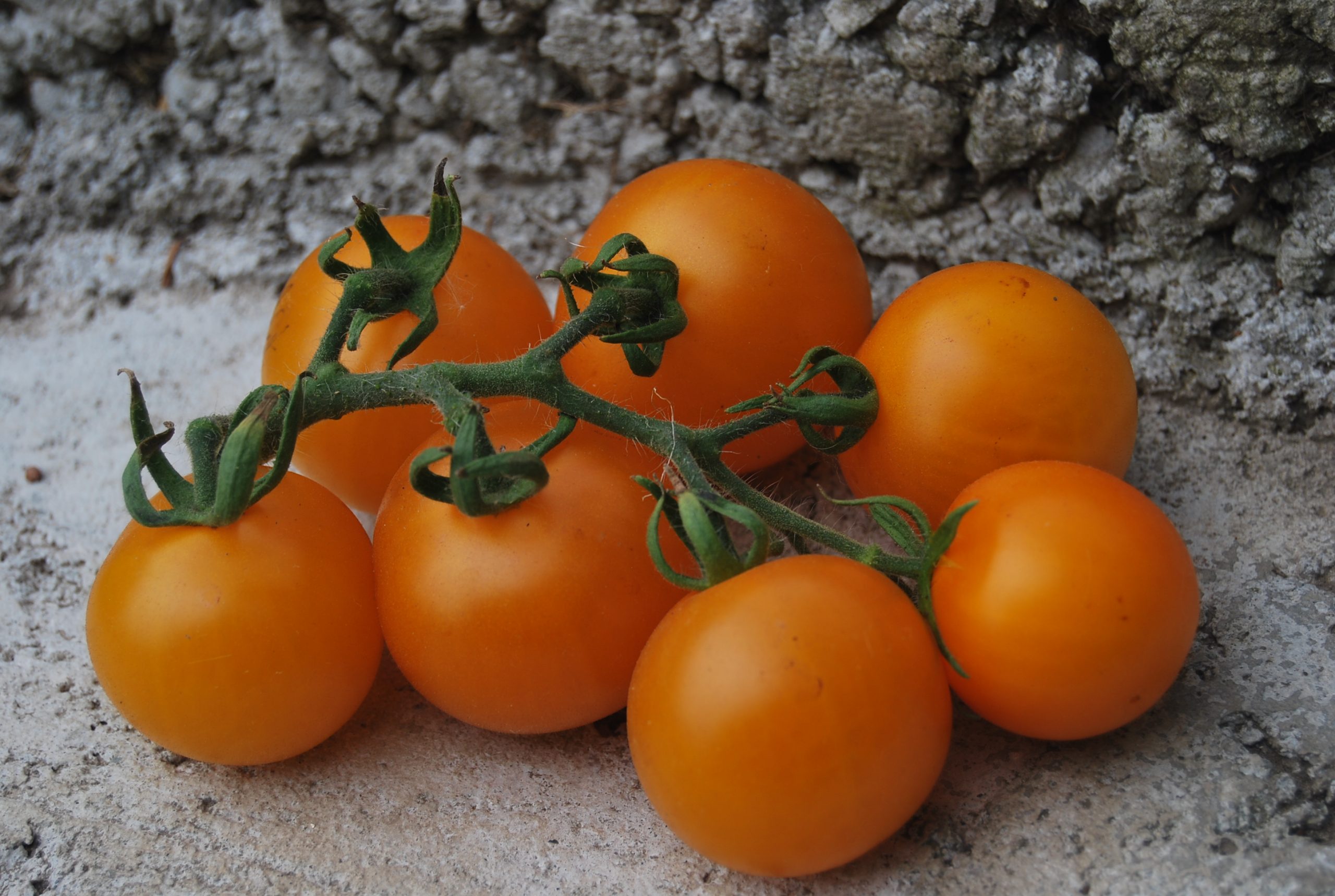
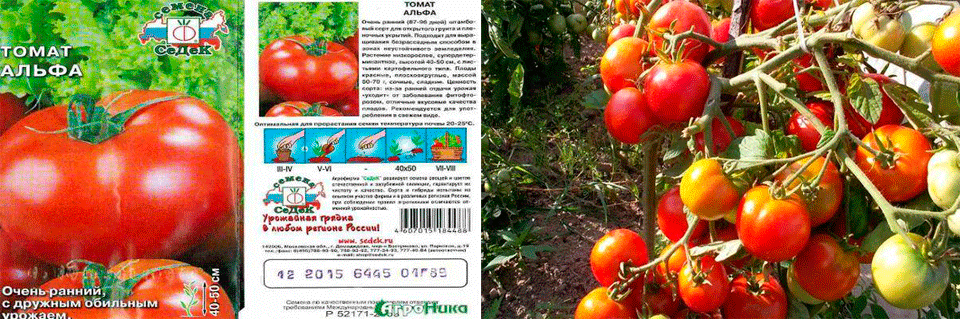
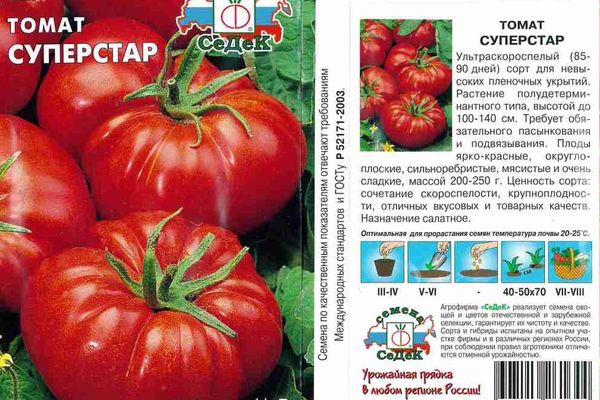
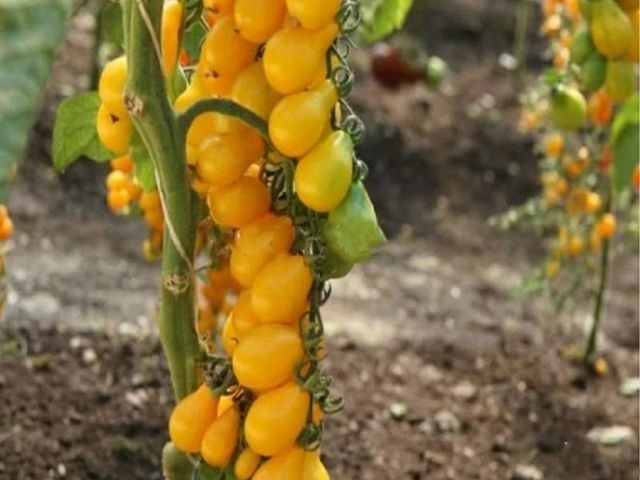
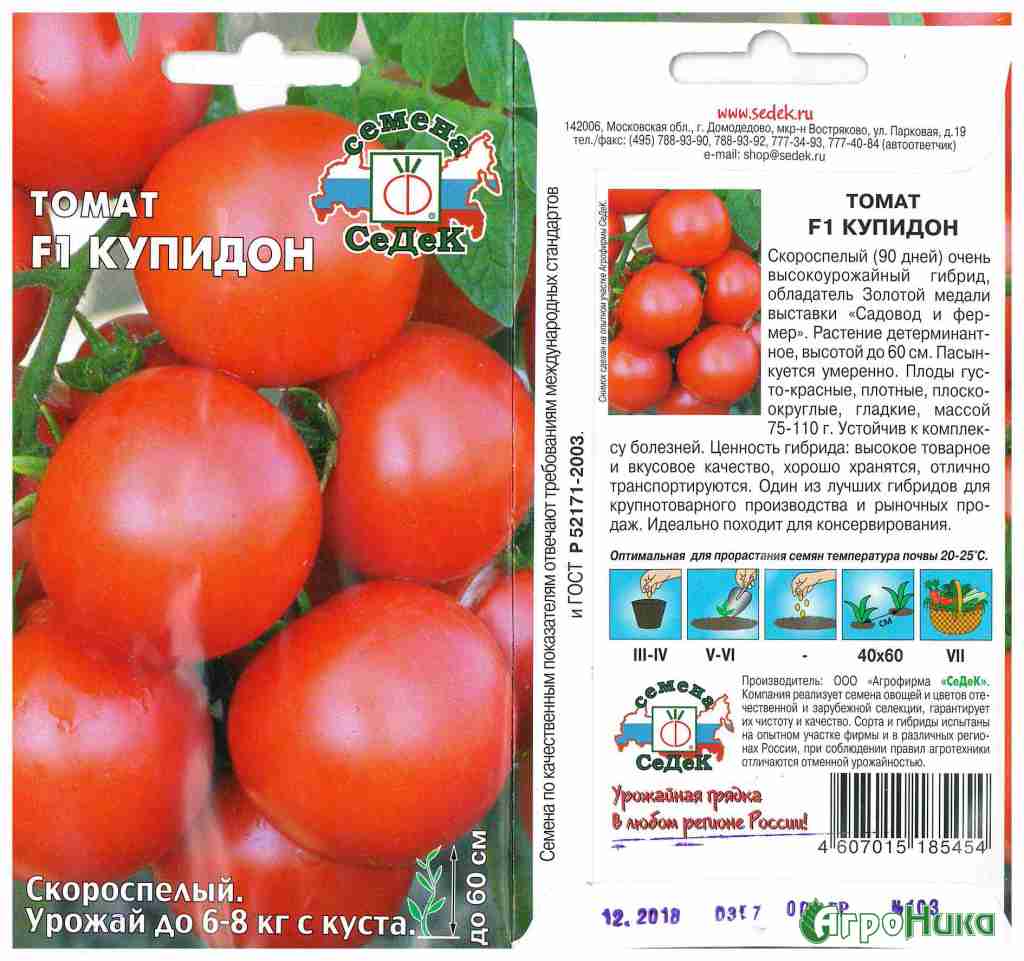
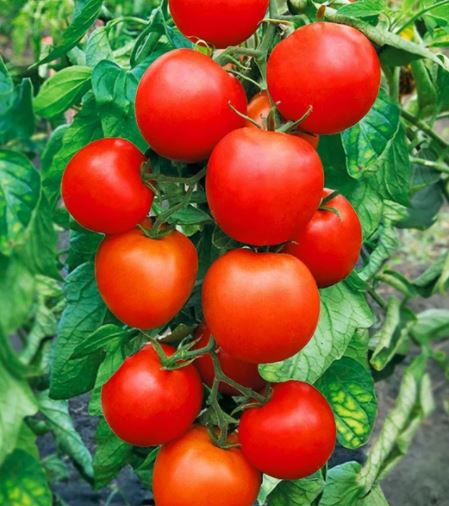
Planting of tomatoes that will be grown in beds is carried out in the second ten days of March: 14-19, 21-23, 26, 30, 31. Also, on the 20th of the month you can start sowing:
- cauliflower and white cabbage;
- early varieties of bell pepper;
- onions per turnip;
- radishes;
- melons;
- legumes.
See the table above for favorable dates.
For your information! Some people buy ready-made onion seedlings (onion sets) and plant them directly in the ground. However, growing onions from seeds is cheaper.
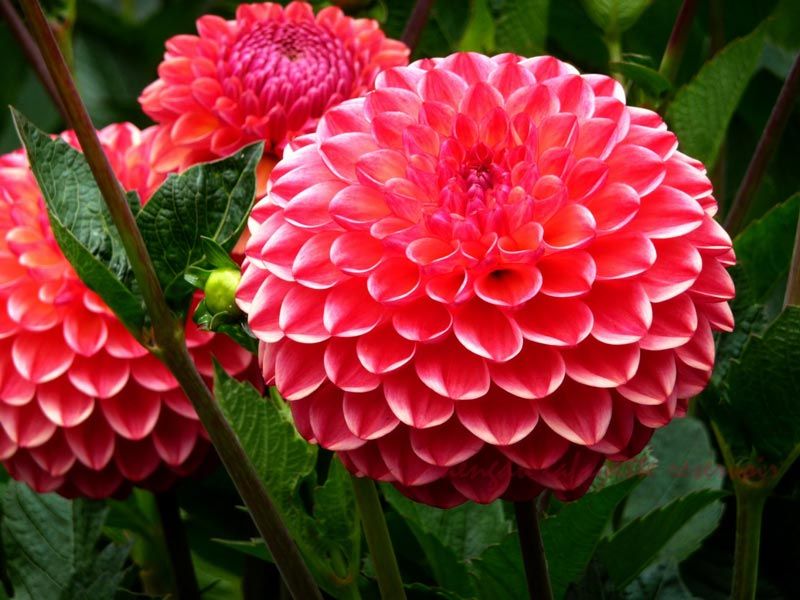
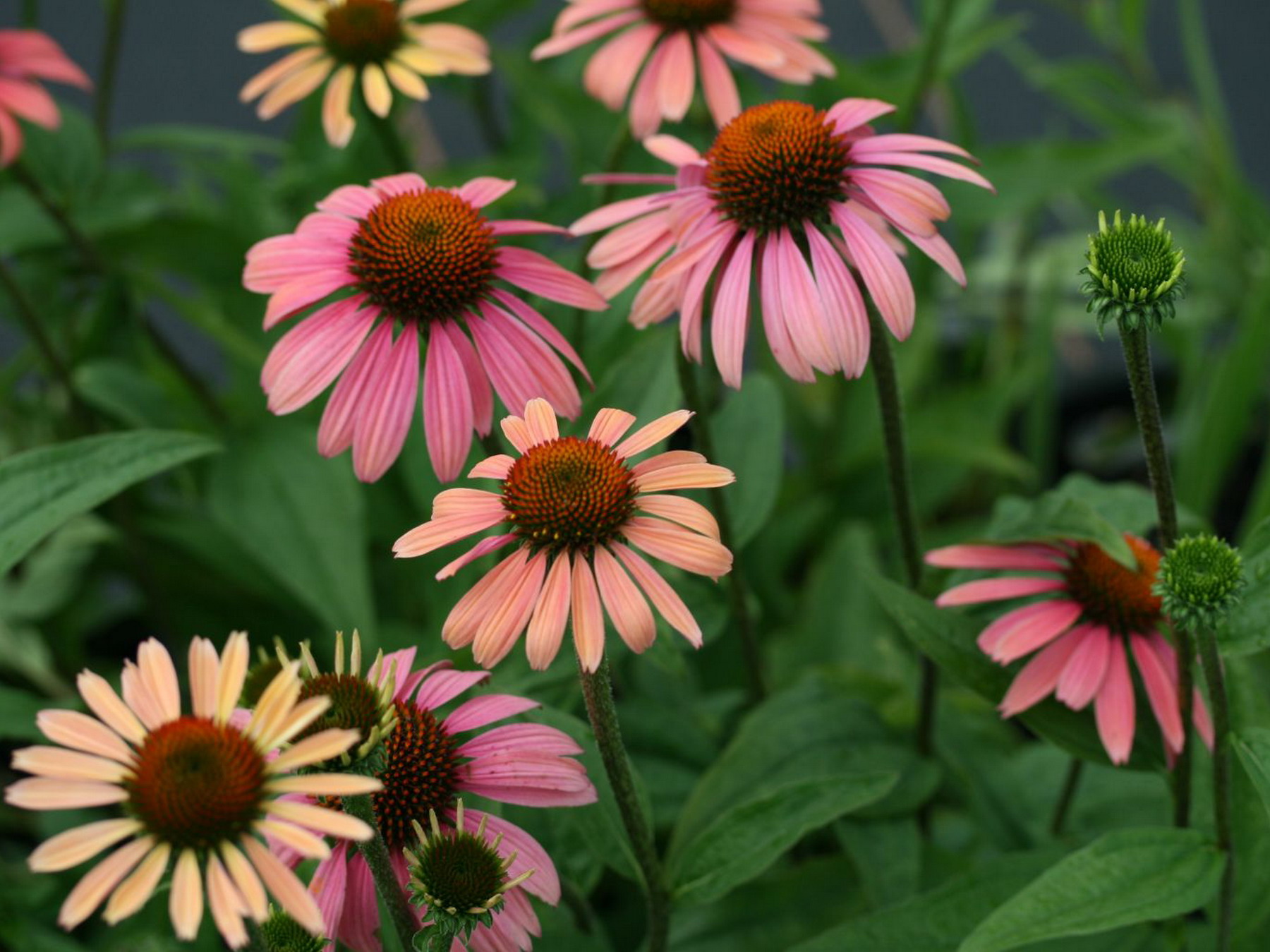
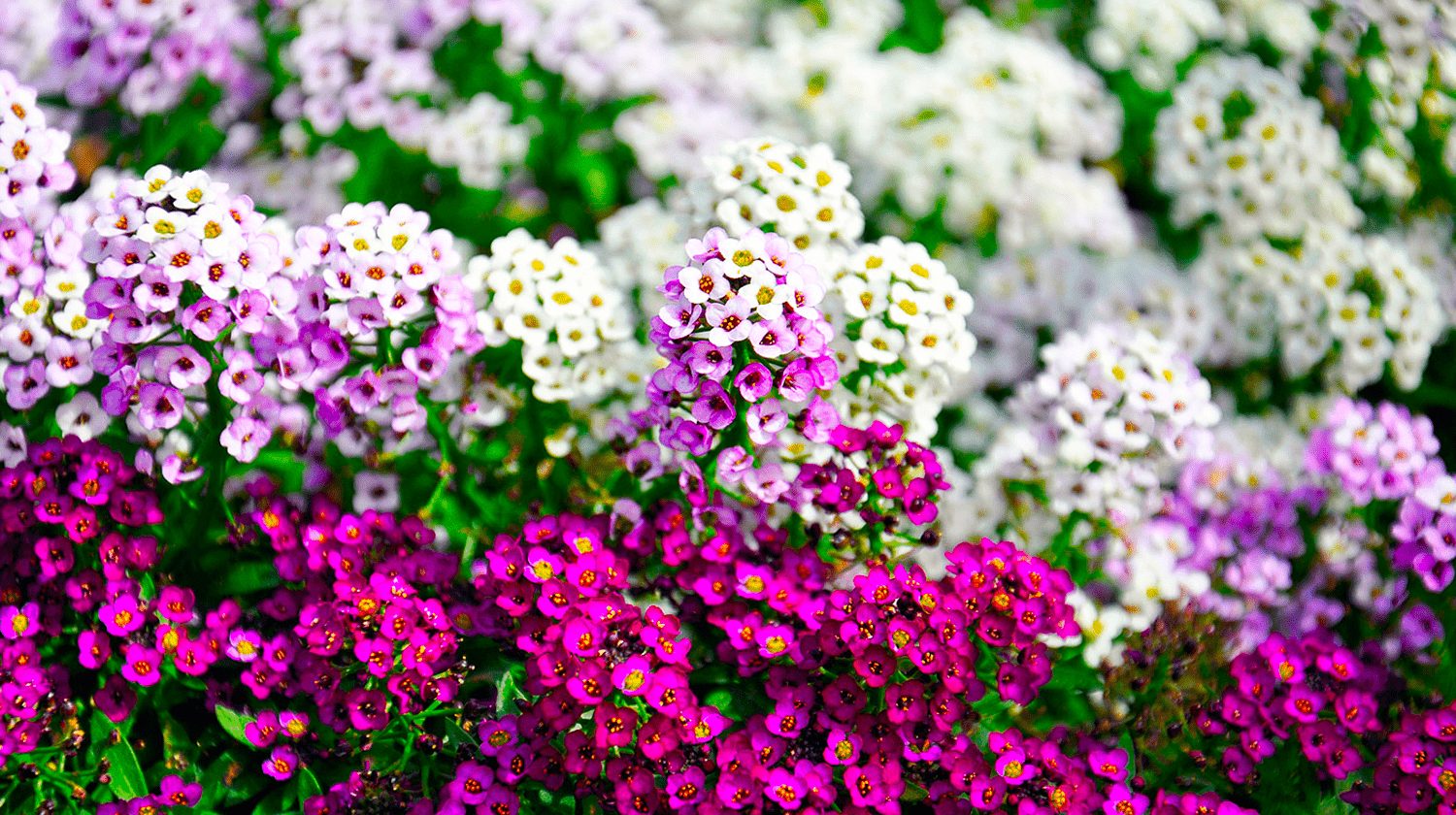
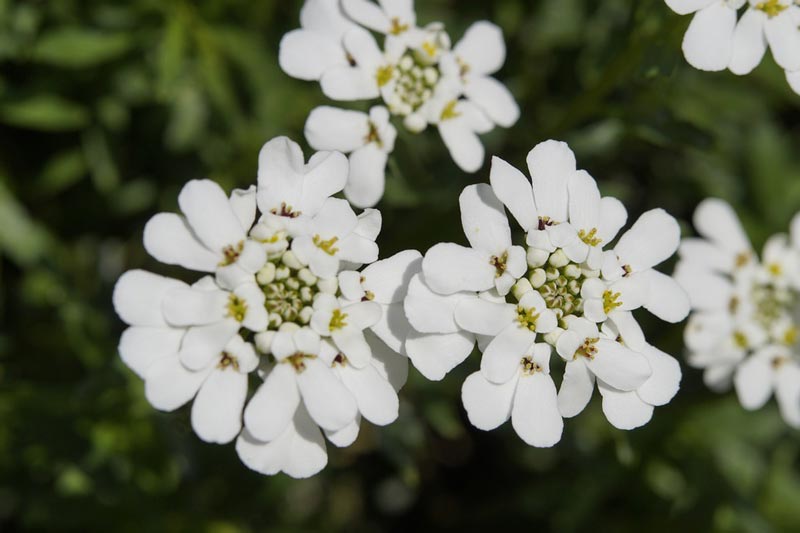
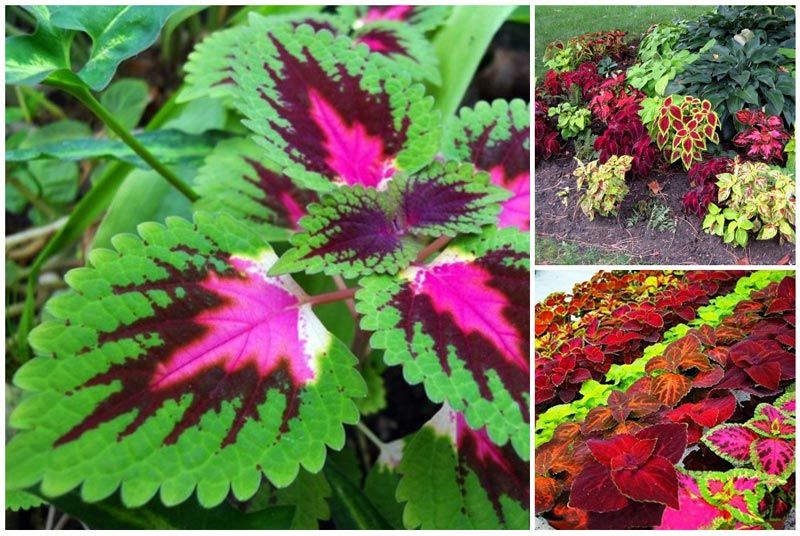
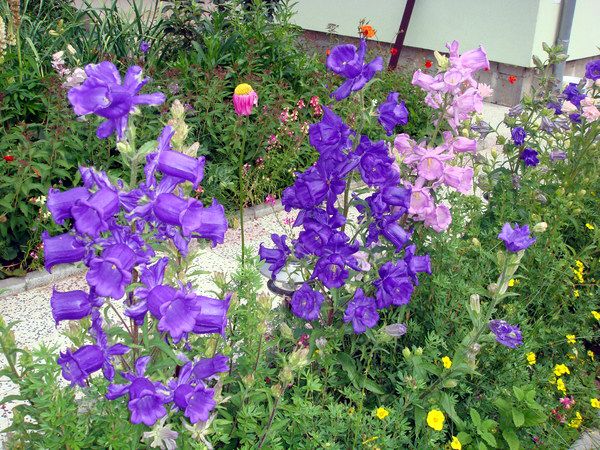
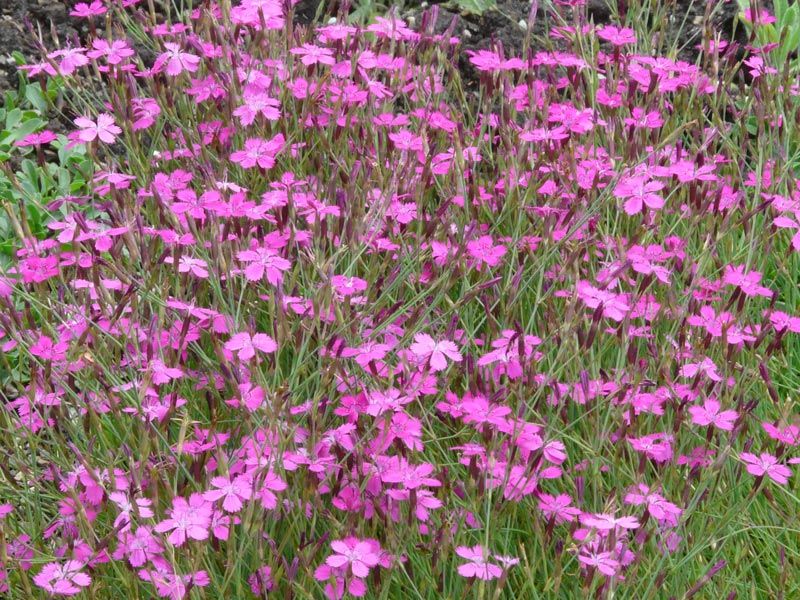
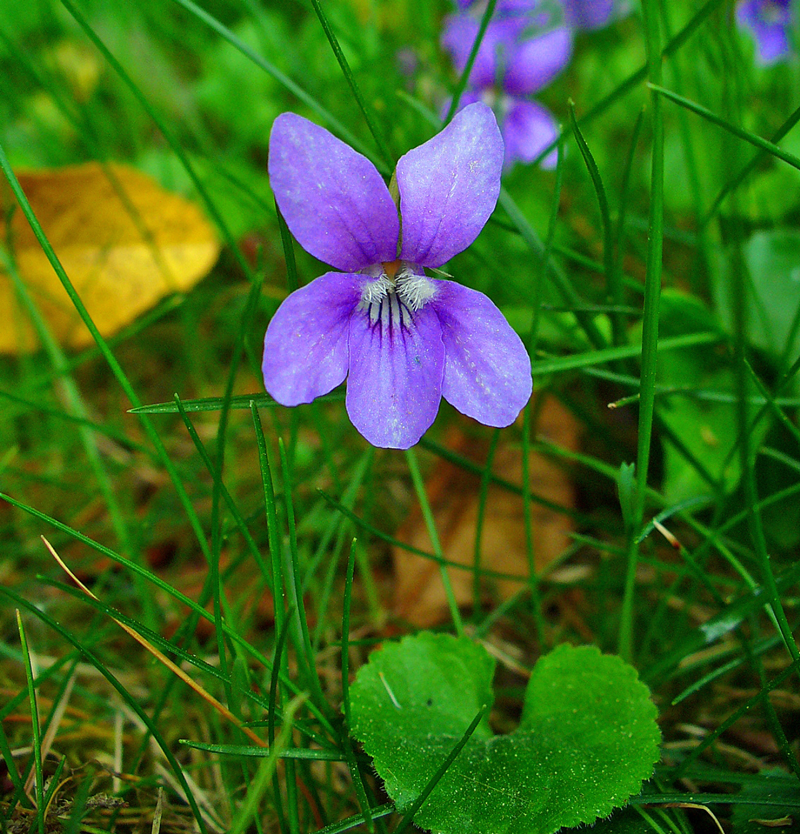
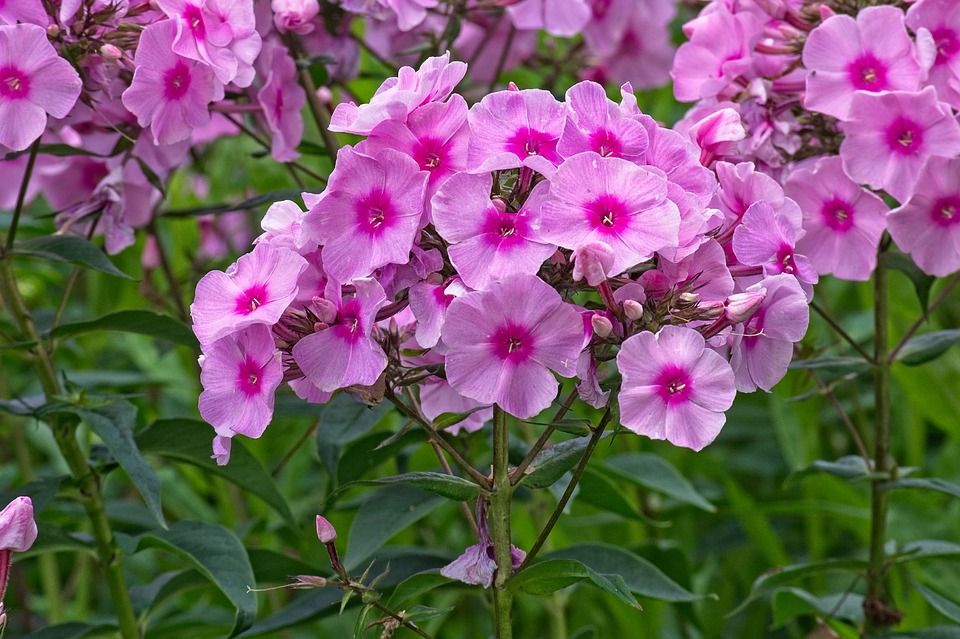
Starting from the 7th, you can start sowing:
Favorable dates: 1-9, 16-27, 30, 31The exact timing depends on the plant species. For more details, read the article. Lunar gardening calendar for 2021 by month.
Planting in open ground will be possible no earlier than the 20th of May.
What to plant in April
Early-ripening cucumbers can be sown from the beginning of the month, and they can be planted in a greenhouse within 4 weeks. Favorable dates: 7-9, 13-15, 17-19, 23, 24, 29, 30.
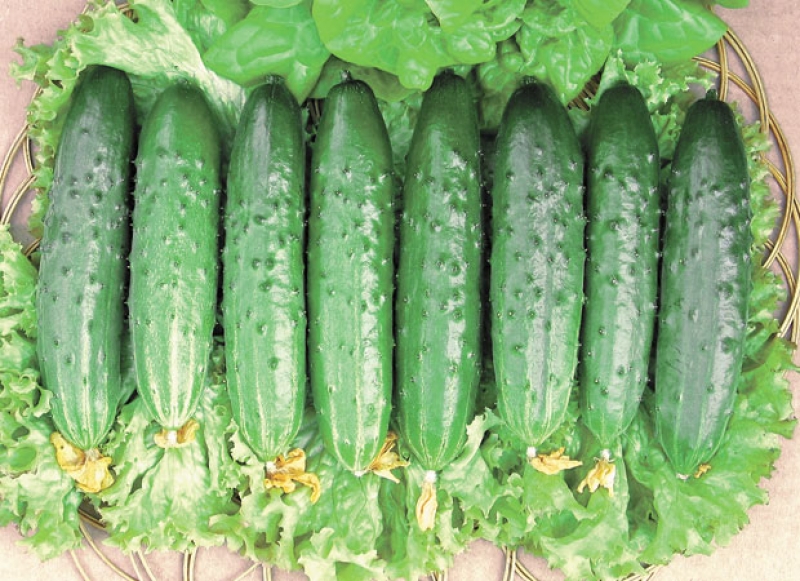
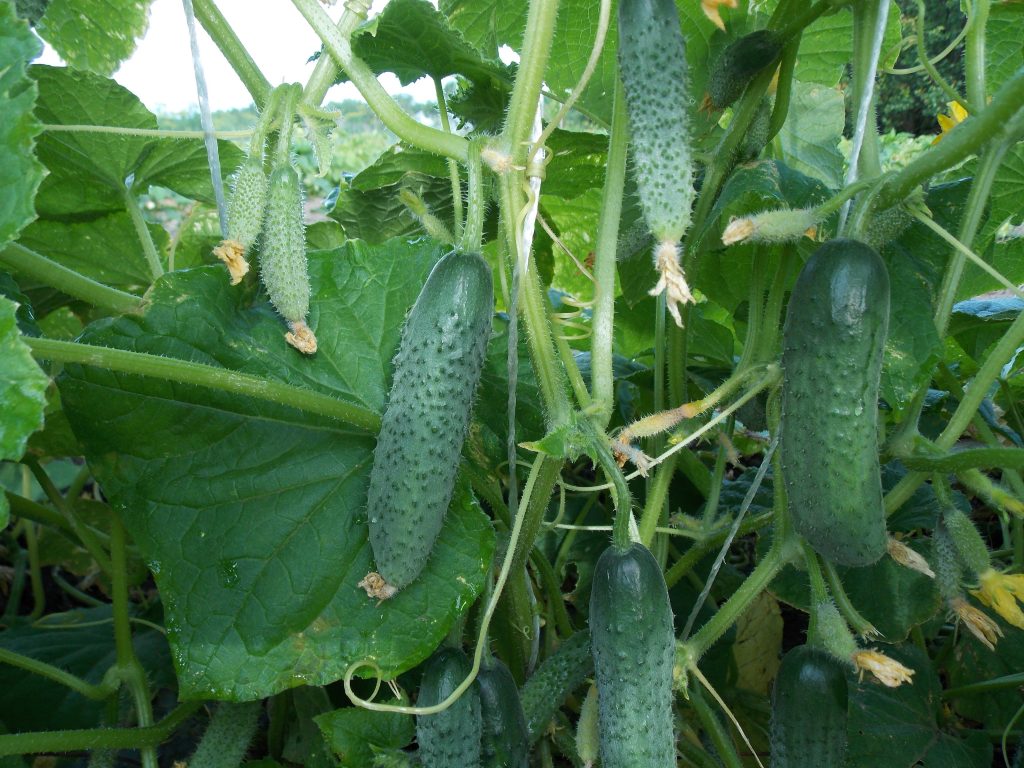
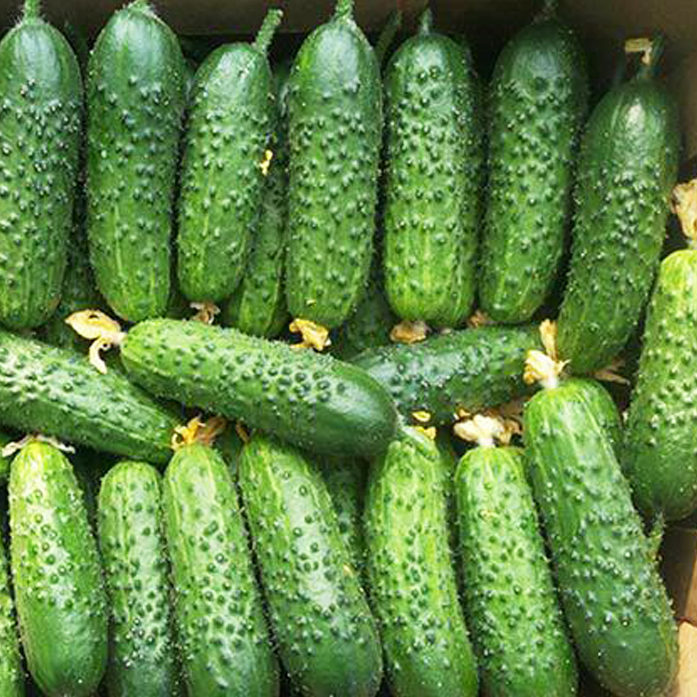
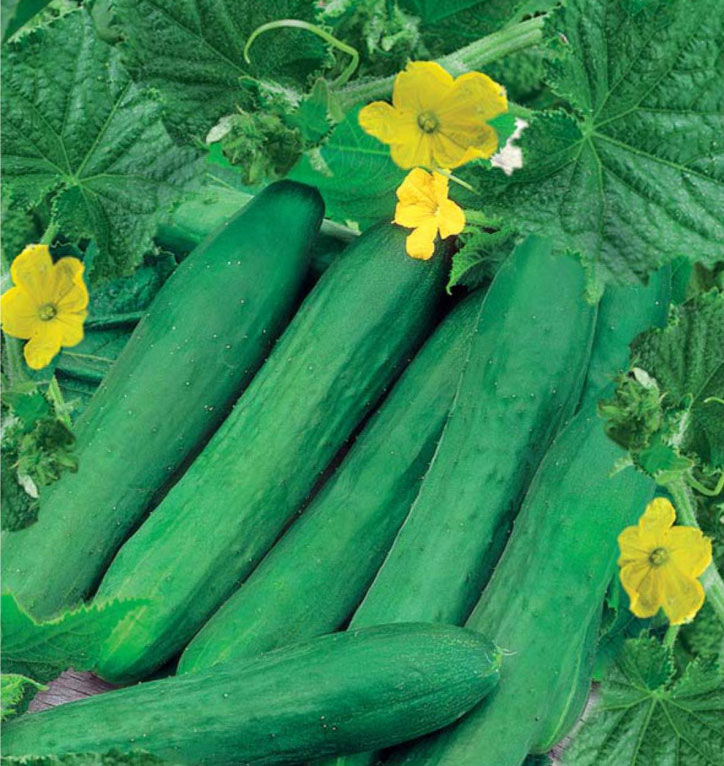
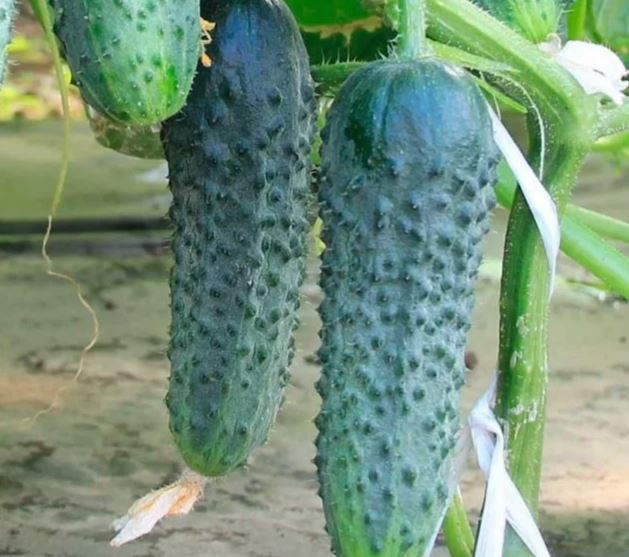
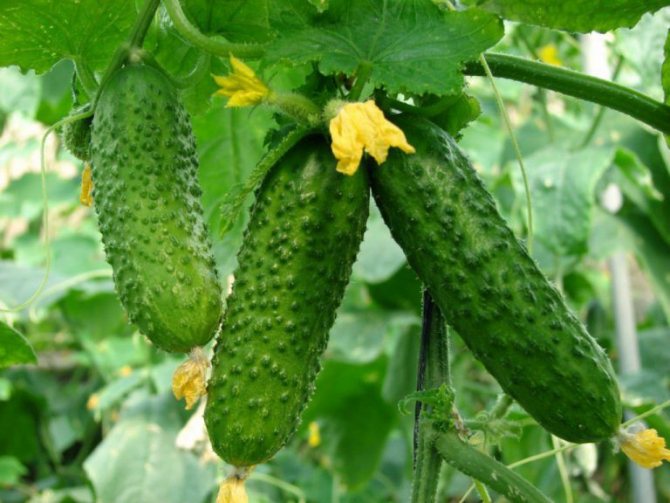
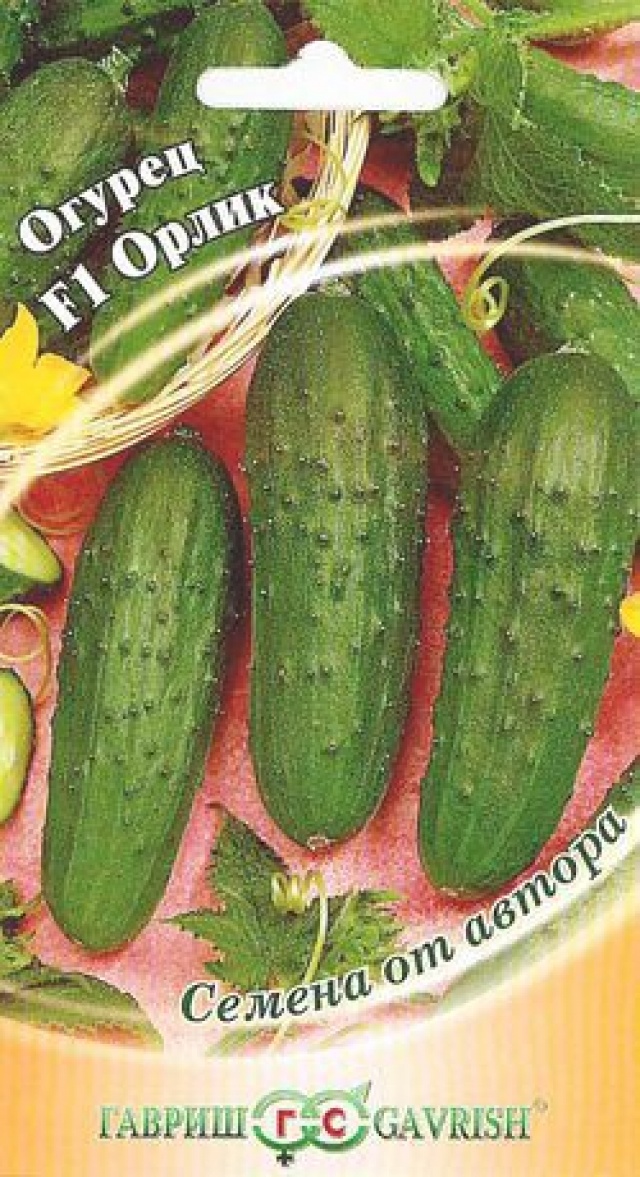
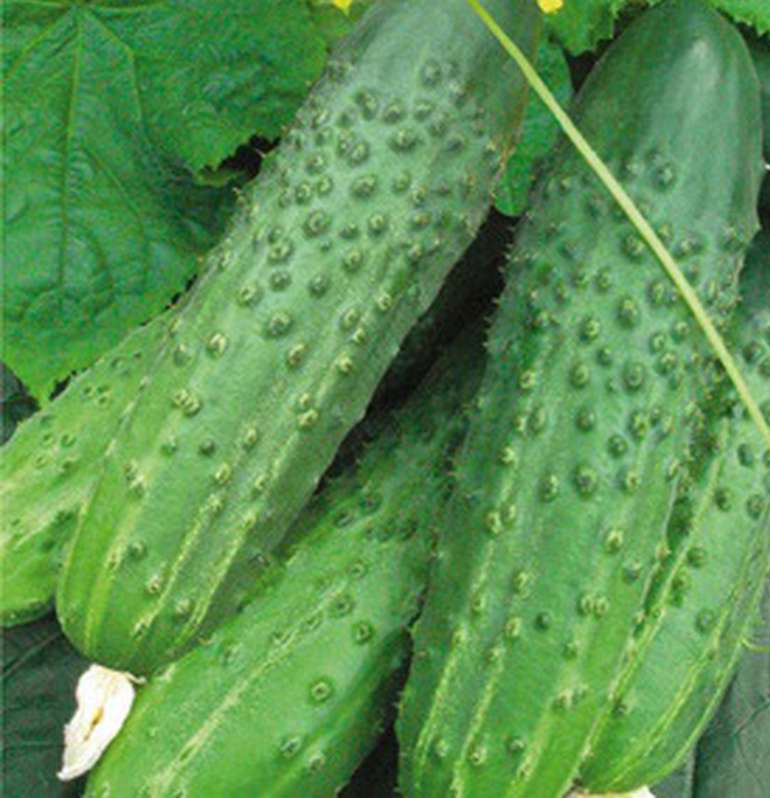
These include the following varieties:
- April;
- Herman F1;
- Bushy;
- Cuckoo;
- Sphinx F1;
- Benefit;
- May F1;
- Orlik F1.
In April, you can keep seedlings in containers in a greenhouse. This will prepare them for outdoor use. It's recommended to bring them indoors at night, as there's still a risk of frost.
Help in deciphering information on seeds
The vegetables depicted on seed packets look juicy and ripe, making you eager to grow a similar harvest. But to achieve this, you first need to understand the information on the packaging. The markings will tell you about disease resistance and whether these varieties were bred through selective breeding (F) and therefore unsuitable for seed production.
| Designation | Decoding, stability |
| A | To Alternaria (black spot) |
| C | To cladosporiosis (brown spot) |
| Tm | Tomato tobacco mosaic virus |
| V | Verticillium wilt of tomatoes and cucumbers |
| F | To Fusarium wilt |
| N | To damage by nematodes |
| P | To late blight |
| CTV | Cucumber mosaic virus |
| F1 | First generation hybrid |
| F2 | Second generation hybrid |
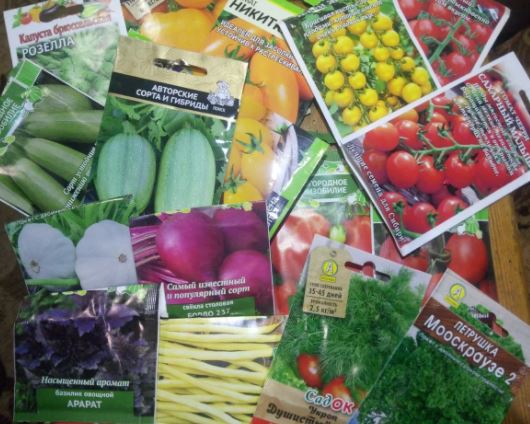
In conclusion, I'd like to add that when purchasing seeds from specialty stores, you can check the planting dates on the packaging. Based on this, you can choose the optimal day, using the lunar calendar recommendations. If you've collected seeds from your own plot or from friends, the information provided in this article will make it easy to calculate all the dates yourself.