August is always a busy month, both in the garden and in the vegetable patch. Besides tending to the crops, there's harvesting and preparation for the next season. The lunar calendar will tell you exactly what to do and when.
Content
- 1 Favorable and unfavorable sowing and harvesting days in August 2024
- 2 Favorable and unfavorable days for gardeners in August 2024
- 3 Favorable and unfavorable days for various crop care tasks in August 2024
- 4 Favorable and unfavorable days for planting flowers in August 2024
- 5 Lunar phases and days by zodiac sign in August 2024
- 6 Lunar calendar for gardeners, vegetable growers, and florists for August 2024 by date
- 6.1 1.08-3.08 (until 14:08)
- 6.2 3.08 (until 14:08) - 5.08
- 6.3 6.08-8.08 (until 12:31)
- 6.4 8.08 (from 14:53) - 11.08
- 6.5 12.08-13.08 (until 13:00)
- 6.6 13.08 (from 13:00) - 15.08 (until 20:51)
- 6.7 15.08 (from 20:04) - 17.08
- 6.8 18.08-19.08
- 6.9 20.08-21.08
- 6.10 22.08-23.08
- 6.11 24.08-26.08 (until 06:04)
- 6.12 26.08 (from 06:04) - 28.08 (until 11:47)
- 6.13 28.08 (from 11:47 am) - 30.08 (until 8:08 pm)
- 6.14 30.08 (from 20:08) - 31.08
- 7 Gardening in August
- 8 Gardeners' work in August
- 9 Preparing the storage
Favorable and unfavorable sowing and harvesting days in August 2024
According to the lunar calendar, each month has days when planting, harvesting, and tending to crops will be most fruitful. There are also days when work should not be carried out, as it will not be beneficial or may even cause harm:
| Culture | Favorable and after or before certain hours (see below) days | Unfavorable and after or before certain hours (see below), prohibited |
| Cucumbers (for growing under cover) | 8—13, 15—17 | 3, 4, 5, 12-13(harvesting root crops and potatoes), 18, 19, 20 |
| Cabbage (for growing in warm conditions) | 8—17 (kohlrabi, cauliflower), 20-21 (Beijing) | |
| Green | 1-3, 5-6, 8—17, 20-21, 22-23, 28—30 | |
| Garlic (harvesting) | 5-6, 8-11, 13—18, 22-28, 30-31 | |
| Radish, daikon, green radish | 1-3, 8-11, 12-13 (daikon, green radish), 15-17, 20-21, 24-26, 28—30 | |
| Carrots, parsnips | 1-3, 8-11, 20-21, 24-26, 28—30 | |
| Potatoes (harvesting) | 5-6, 8-11 13—18, 22-28, 30-31 | |
| Onion (collection) | 5-6, 8-11, 13—18, 22-28, 30-31 |
Favorable and unfavorable days for gardeners in August 2024
Favorable and unfavorable days for planting seedlings with a closed root system:
| Tree/shrub | When is the best time to plant? | When it's not worth it it is forbidden |
| Fruit | 8-11, 15—17, 20-21, 24-26 | 3, 4, 5, 18, 19, 20 |
| Shrubs | 8-11, 15—17, 20-21 | |
| Strawberries, wild strawberries | 7-13, 15—17, 20-21, 24-28 |
Favorable and unfavorable days for various crop care tasks in August 2024
| Works | Favorable and after or before certain hours (see below) days | Unfavorable and prohibited days |
| Harvesting, collecting seeds | 1-3 (except root vegetables), 5-6, 8-11, 13—18, 22-28, 28—30 (except root vegetables), 30-31 | 3, 4, 5, 7-8, 18, 19, 20-21 |
| Transplantation, division of rhizomes | 1-3, 7-11, 15—18 (without loosening), 28—30 | 3, 4, 5-6, 12-13(especially root vegetables and corms), 18, 19, 20, 22-23, 26-28 |
| Trimming | 5—8, 7-11, 15—18, 24-28, 30-31 | 3, 4, 5, 12-15, 18, 19, 20-23, |
| Cuttings, budding | 5-6, 7-11, 13—15 (budding), 15—18, 20-21 (budding), 22-26 (budding) | 3, 4, 5, 18, 19, 20, 26-28 |
| Pinching, removing side shoots, grafting | 5-6, 7-8, 8-11 (except vaccination), 15—18, 24-28, 30-31 | 3, 4, 5, 18, 19, 20, 22-23 |
| Mowing the lawn | 1-15, 15—18 (mowing and sowing), 18—21, 24-31 | — |
| Fertilizing, watering | 1-3, 7-8, 8-11 (without spraying), 12-13, 20-21, 24-30 | 3, 4, 5-6, 13—15 (watering), 18, 19, 20, 22-23, 30-31 |
| Treatment against pests and infections | 1—3, 3—8,12-19, 22-31 | 8-11, 20-21 |
| Harvesting and sending the harvest for storage | 5-6, 8-11, 12-13(except baking), 13—18, 22-28, 30-31 | 1-3, 4, 5, 7-8, 18, 19, 20-21, 28—30 |
Favorable and unfavorable days for planting flowers in August 2024
The table below shows favorable dates for working with flowering and ornamental plants, days on which planting is undesirable, and also favorable only for certain groups or at certain times (see below).
| View | Favorable | Unfavorable and prohibited |
| Biennials, perennials | 1-3, 7-11, 12—13, 13—15, 15-17, 24-26, 26—28, 28—30 | 3, 4,5, 18, 19, 20, |
| Curly, hanging | 7-11, 13—17, 26—28 | |
| Tuberous and bulbous spring-flowering plants | 1-3, 7-11, 22-23 (digging), 24-26, 28—30 | |
| Indoor | 1-3, 7-11, 12—13, 13—15, 15-17, 26—30 |
Also read Lunar calendar for flower growers for August 2024.
Sowing, planting, and transplanting are prohibited on prohibited days. On other days, you can plant any crops, but the most favorable dates for each are listed above. By following these guidelines, you can ensure a rich and healthy harvest and abundant flowering.
Lunar phases and days by zodiac sign in August 2024
Legend:
- ◑ — waning moon;
- ● — New Moon;
- ◐ — waxing moon;
- ○ — Full moon.
Moon phases in August 2024:
- ◑ — 1-3, 20-31.
- ● — 4 (14 hours 13 minutes)
- ◐ — 5-18.
- ○ — 19 (21h 25m)
Days according to the Zodiac signs:
- ♋ Cancer - 1-3 (until 14:08), 28 (from 11:47)-30 (until 20:08).
- ♌ Leo — 3 (from 2 p.m. 08 p.m.)-5, 30 (until 8 p.m. 08 p.m.)-31.
- ♍ Virgo - 6-8 (until 12:31).
- ♎ Libra — 8 (from 12:31 a.m.)-10.
- ♏ Scorpio — 11-13 (until 13:00).
- ♐ Sagittarius — 13 (from 13:00)-15 (until 20:51).
- ♑ Capricorn - 15 (from 20:51) - 17.
- ♒ Aquarius — 18-19.
- ♓ Pisces - 20-21.
- ♈ Aries — 22-23.
- ♉ Taurus — 24-26 (until 06:04).
- ♊ Gemini — 26 (from 06:04) - 28 (up to 11:47).
Lunar calendar for gardeners, vegetable growers, and florists for August 2024 by date
Below you can find information about the main works that should or should not be carried out on specific days in August 2024.
1.08-3.08 (until 14:08)
♋ Cancer, +, ◑, Leaf days
You should not collect root crops or spray them with chemicals.
| For gardeners | For florists | For gardeners, general work |
|
|
|
3.08 (until 14:08) - 5.08
♌ Leo, —, ●, Fruit Day.
4.08 at 14:13 – Exact New Moon.
The day before and after the Exact New Moon It is not recommended to sow, plant, or transplant plants, soak seeds, prune, feed, harvest, or preserve.
Pest, disease, and weed control. Lawn mowing.
During Leo's days, watering, fertilizing, replanting, and picking are not recommended.
We carry out all the following works with 5.08 14h 13m:
| For gardeners | For florists | For gardeners, general work |
|
|
|
6.08-8.08 (until 12:31)
♍Virgo +-, ◐, Root days.
Soaking of seed material is not recommended.
| For gardeners | For florists | For gardeners, general work |
|
|
|
8.08 (from 14:53) - 11.08
♎ Libra, +-, ◐, Flower days
It is prohibited to spray plants with chemicals against diseases and pests.
| For gardeners | For florists | For gardeners, general work |
|
|
12.08-13.08 (until 13:00)
♏ Scorpio, +, ◐, Leaf Days
Don't prune or divide. Don't remove weeds, as they will grow back quickly. Don't harvest potatoes or other root vegetables.
| For gardeners | For florists | For gardeners, general work |
|
|
|
13.08 (from 13:00) - 15.08 (until 20:51)
♐ Sagittarius, +-, ◐, days of the Fruit
Watering, picking and pruning are not recommended.
| For gardeners | For florists | For gardeners, general work |
|
|
|
15.08 (from 20:04) - 17.08
♑ Capricorn, +-, ◐, Root days
You cannot loosen the soil near horses or weed.
| For gardeners | For florists | For gardeners, general work |
|
|
|
18.08-19.08
♒ Aquarius, —, ○, Flower days
August 19 at 9:25 pm – Exact Full Moon.
The day before and after the Exact Full Moon, it is not recommended to sow, plant, or transplant plants, soak seeds, prune, feed, harvest, or preserve.
Pest and disease control. Lawn mowing. Weed control. Landscaping. Composting plant residues. Tree support. Harvesting greens, fruits, and berries for easy consumption.
During the days of Aquarius, it is forbidden to pick, plant or replant, and watering and fertilizing are also not recommended.
We do the following work before 18.08 (21h 25m):
| For gardeners | For florists | For gardeners, general work |
|
|
|
20.08-21.08
♓ Pisces, +, ◑, Leaf days
It is not recommended to prune or use chemicals to get rid of diseases and pests, harvest or make preparations.
| For gardeners | For florists | For gardeners, general work |
|
|
|
22.08-23.08
♈ Aries, +-, ◑, days of Fruition
Shaping, pruning, replanting, rooting, watering and fertilizing are not recommended.
| For gardeners | For florists | For gardeners, general work |
|
|
|
24.08-26.08 (until 06:04)
♉ Taurus, +, ◑, Root days
Loosening around the roots and replanting are not recommended.
| For gardeners | For florists | For gardeners, general work |
|
|
|
26.08 (from 06:04) - 28.08 (until 11:47)
♊ Gemini, —, ◑, Flower days
It is not recommended to transplant or transplant. Cuttings and budding of fruit trees should be avoided.
| For gardeners | For florists | For gardeners, general work |
|
|
|
28.08 (from 11:47 am) - 30.08 (until 8:08 pm)
♋ Cancer, +, ◑, Leaf days
You should not collect root crops or spray them with chemicals.
| For gardeners | For florists | For gardeners, general work |
|
|
|
30.08 (from 20:08) - 31.08
♌ Leo, —, ◑, Fruit Day.
During Leo's days, watering, fertilizing, replanting, and picking are not recommended.
| For gardeners | For florists | For gardeners, general work |
|
|
|
These recommendations will help you achieve a good harvest both this season and next year. You can see this for yourself by following the lunar calendar. It's not all that difficult, after all.
Gardening in August
To ensure plants produce more flower buds, they need proper care now. They need proper watering, regular nutrient additions, and insect and disease control.
Caring for stone fruits
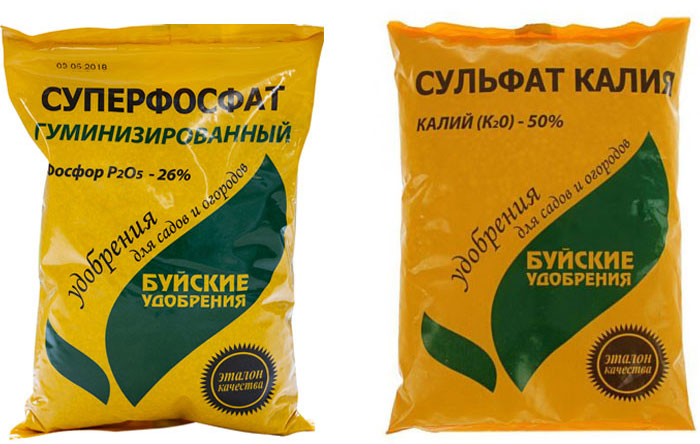
Fertilizers containing phosphorus and potassium are needed.
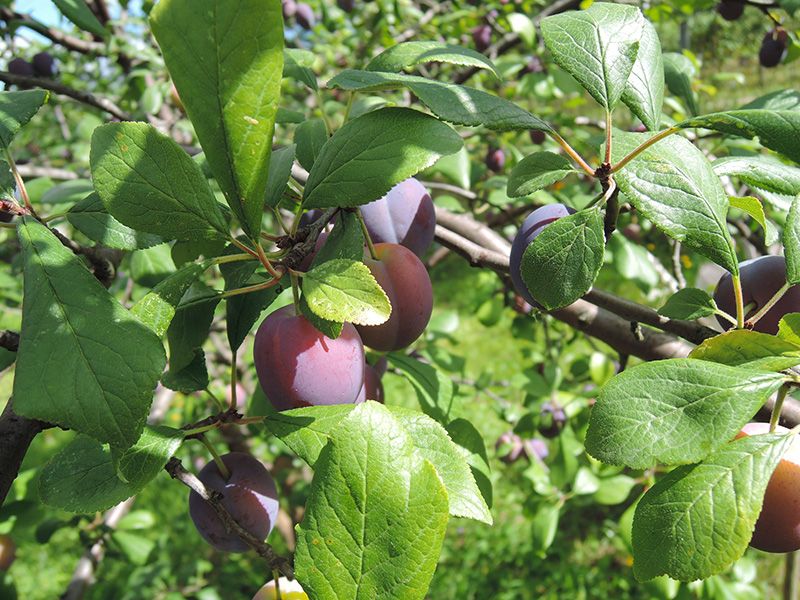
For stone fruits, you can prepare the following mixture:
- Dilute a mixture of double superphosphate and potassium sulfate in a bucket.
- Pour 40 liters of solution per specimen along the crown diameter.
- Sprinkle with ash.
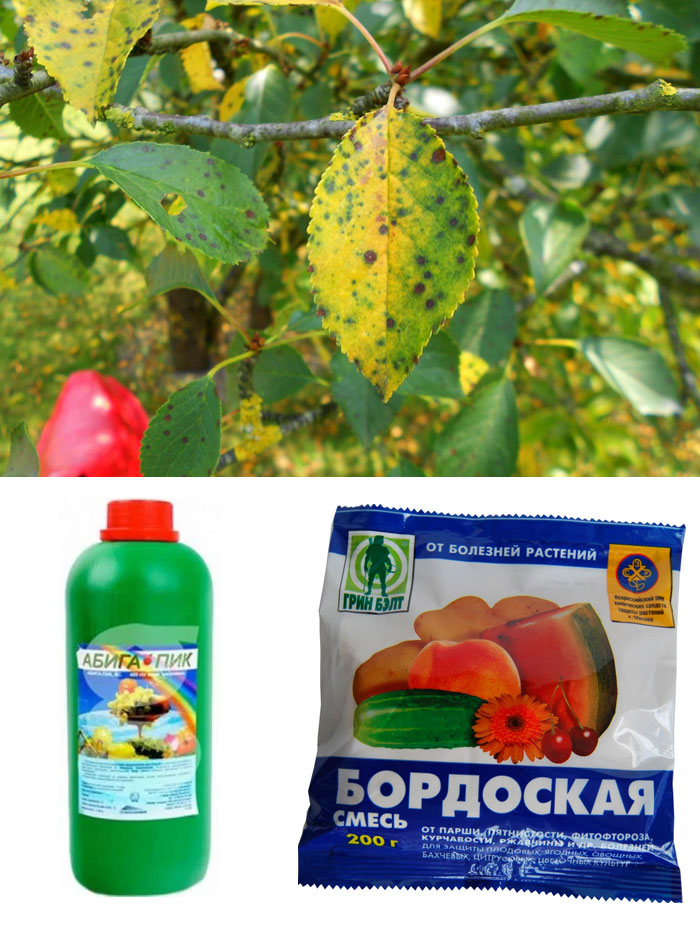
Leaf spots and coccomycosis may appear. With the latter infection, almost all foliage turns yellow and falls off. A 1% Bordeaux mixture or Abiga-Peak (follow the package instructions) will help.
Caring for apple trees
It is recommended to apply a complex fertilizer, for example, AVA.
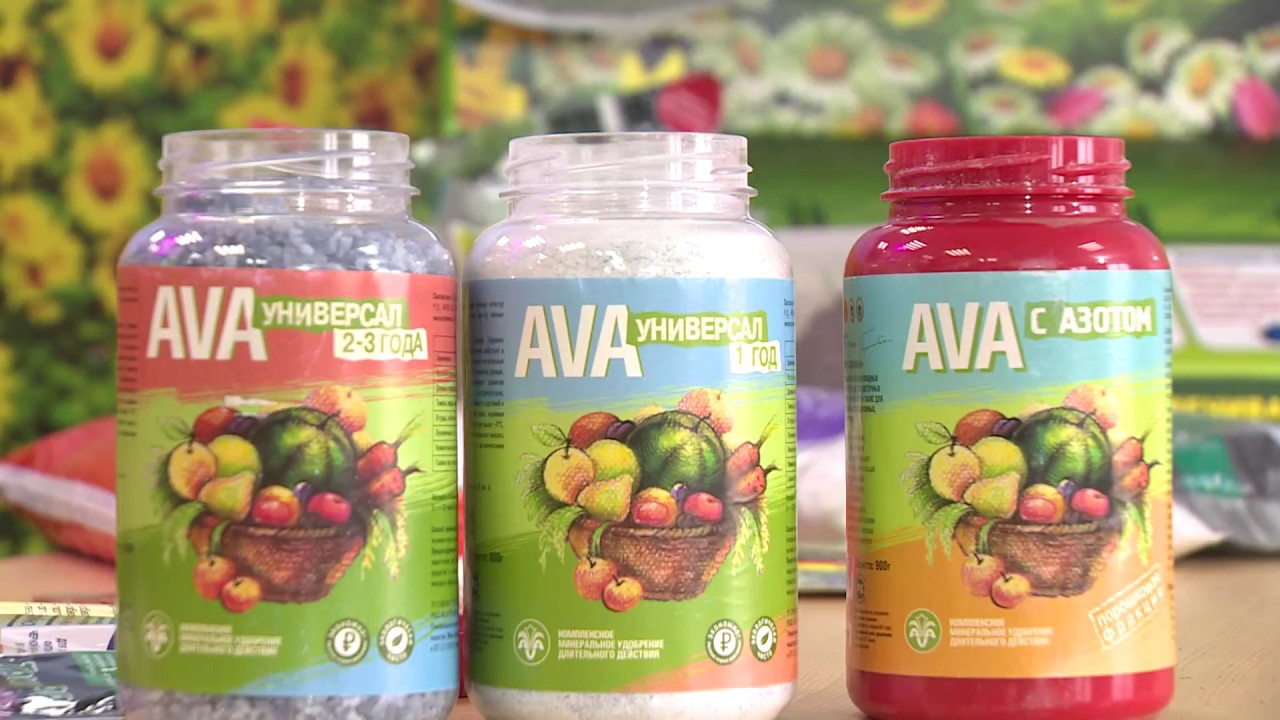
It is important to take into account that it is applied once every 3 years:
- Dig a 5-8 cm furrow around the crown.
- Measure out 30 g of dry mixture.
- Sprinkle evenly and cover with soil.
This fertilizer is absorbed slowly, over the course of three years. It cannot be washed away by water, and the powder does not penetrate deep into the soil.
For your information! The AVA mixture is also used for pears. It is applied in the same way, but the dosage is 2.5 tablespoons.
These garden trees can be affected by the California scale insect. It's fairly easy to identify; it leaves red spots on the fruit.
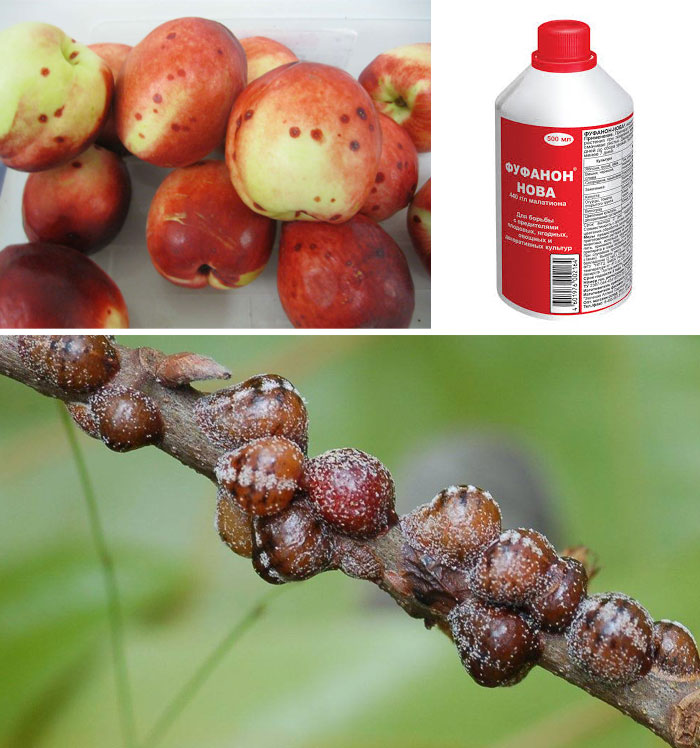
To get rid of the insect, you need to spray with Fufanon-Nova at the beginning of the month.
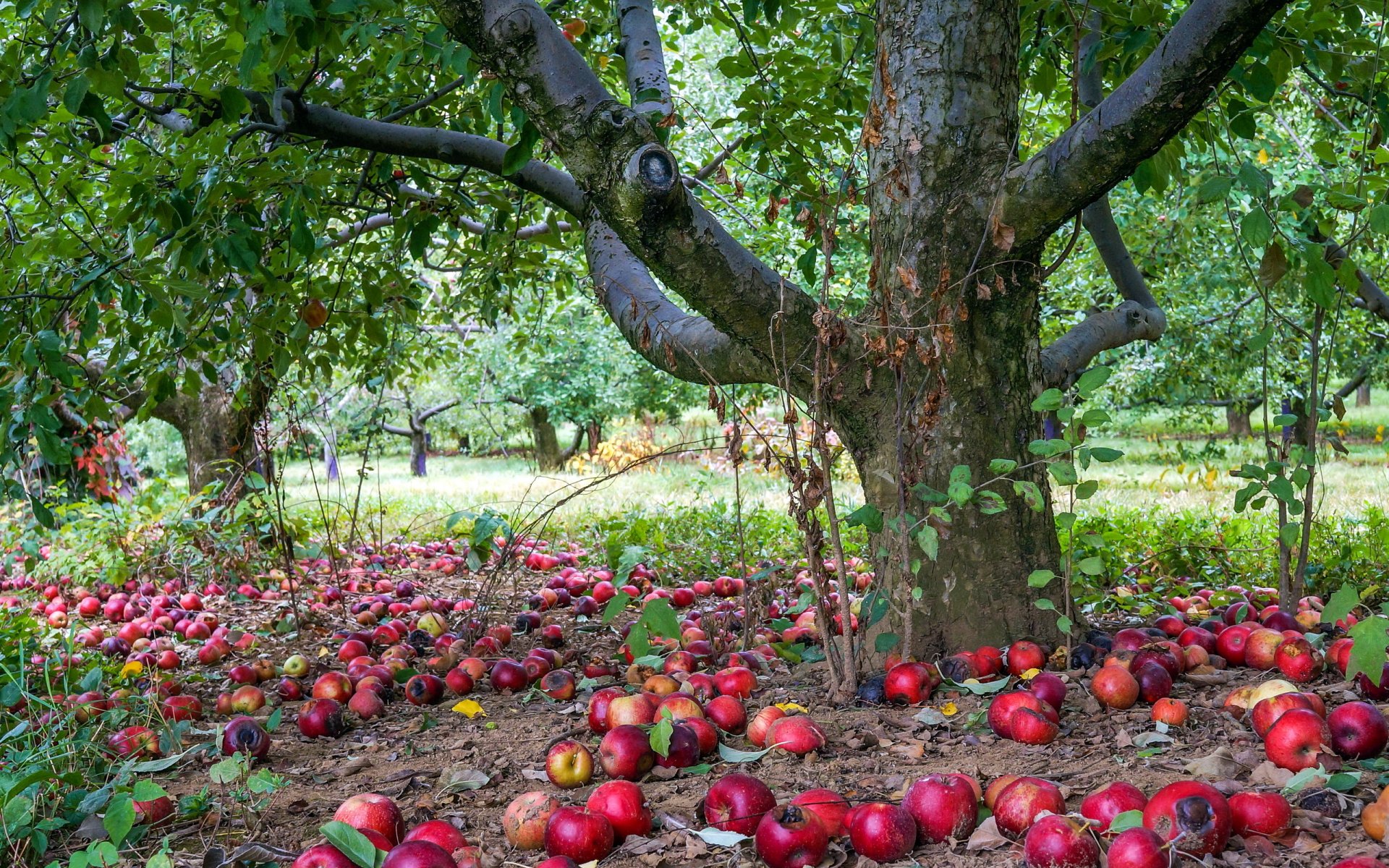
It's important to collect fallen apples promptly. They contain caterpillars, which can spread throughout the trees if the fallen fruit isn't removed daily.
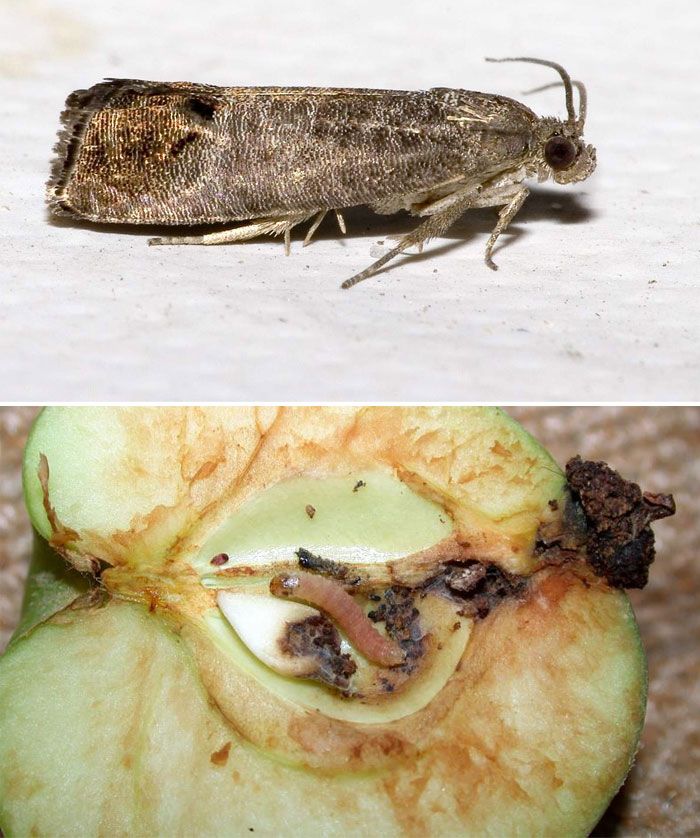
In hot weather, the third generation of codling moth emerges. It poses a serious threat. Effective biological treatments include:
- Lepidocide;
- Bitoxybacillin.
The waiting period is 5 days. Repeat treatment is recommended after 1.5-2 weeks.
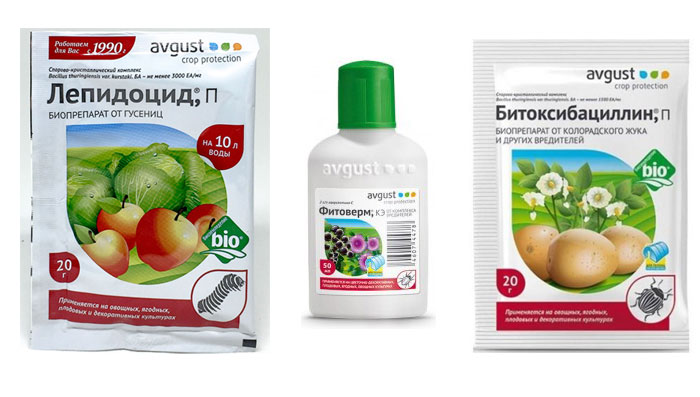
Fitoverm can also be used. In this case, one spraying is sufficient. Wait two days. All three products are effective against many other diseases. If the apple trees are severely affected and require immediate treatment, it's advisable to use chemical insecticides, such as Fufanon-Nova.
Read more about apple trees on our website. top.tomathouse.com.
Caring for strawberries
In a strawberry plantation, the soil needs to be loosened and irrigated, and fertilized.
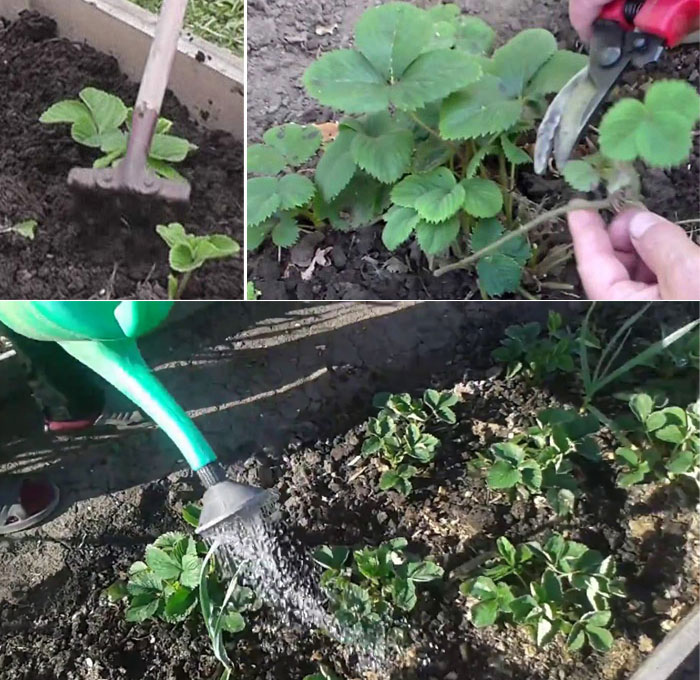
In early August, feed the bushes with urea. At the end of the month, add superphosphate and potassium sulfate. After this, you can weed.
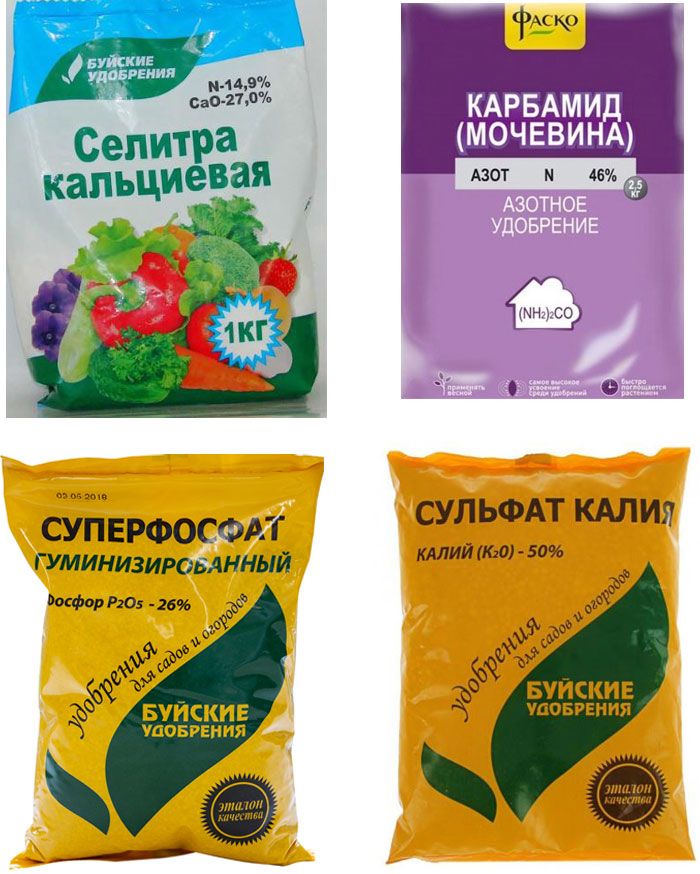
If there are signs of spotting and spider mites on the strawberries, the bushes need to be treated with pesticides.
Begin planting at the end of the month. Select only the strongest rosettes, i.e., the first and second. Before planting, soak them in a Fitosporin solution for 1-2 hours. Water the seedlings every other day, before and after noon, and protect them from ultraviolet radiation.
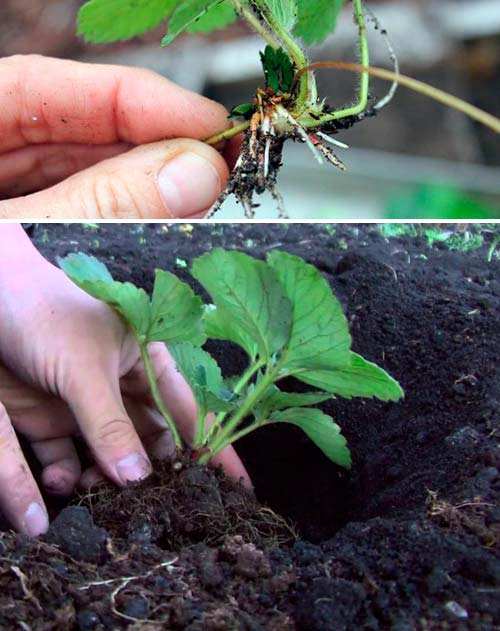
The first feeding of young bushes should be done after a couple of weeks. Superphosphate and potassium fertilizer are recommended. This will promote foliage growth and good fruiting. If leaf growth is poor, diammophoska or azophoska can be applied. Remove unwanted tendrils and weeds at the same time.
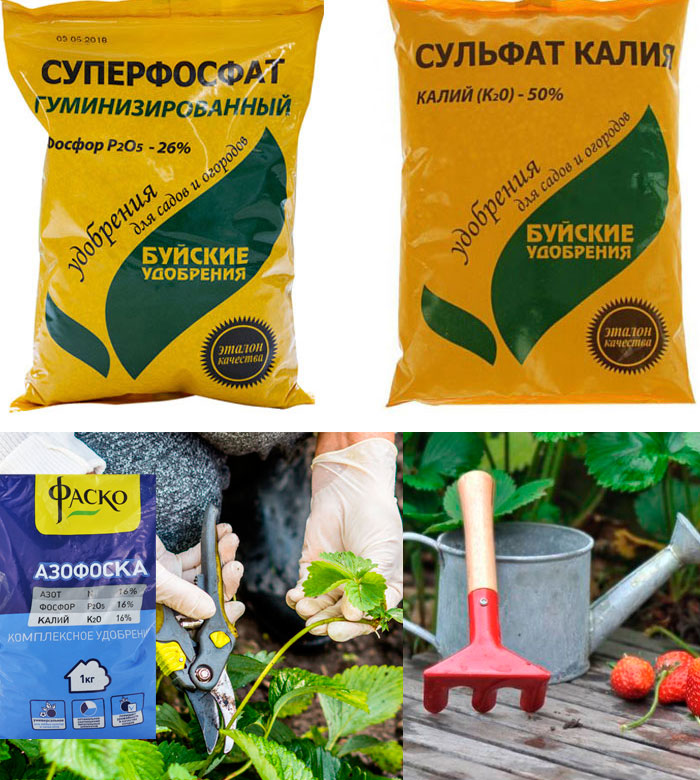
Please note! Strawberry rosettes can be planted in place of four-year-old, single-fruiting (non-everbearing) bushes, after digging them up and fertilizing them.
More about caring for strawberries, read about her landing on our website top.tomathouse.com.
Caring for raspberries
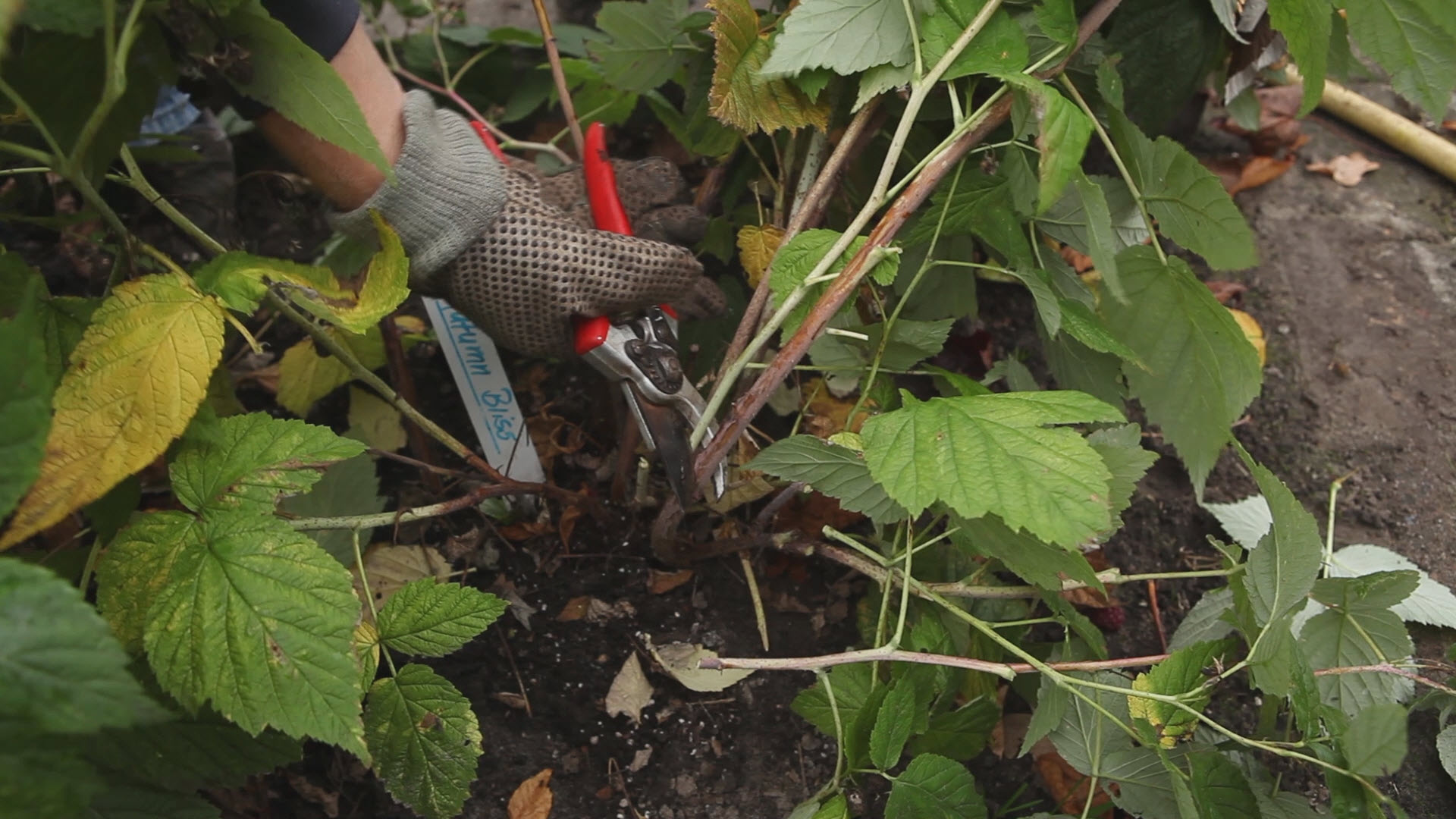
Fertilize with double superphosphate and potassium sulfate. Prune branches that have already produced fruit. Then spray with Zircon according to the package instructions.
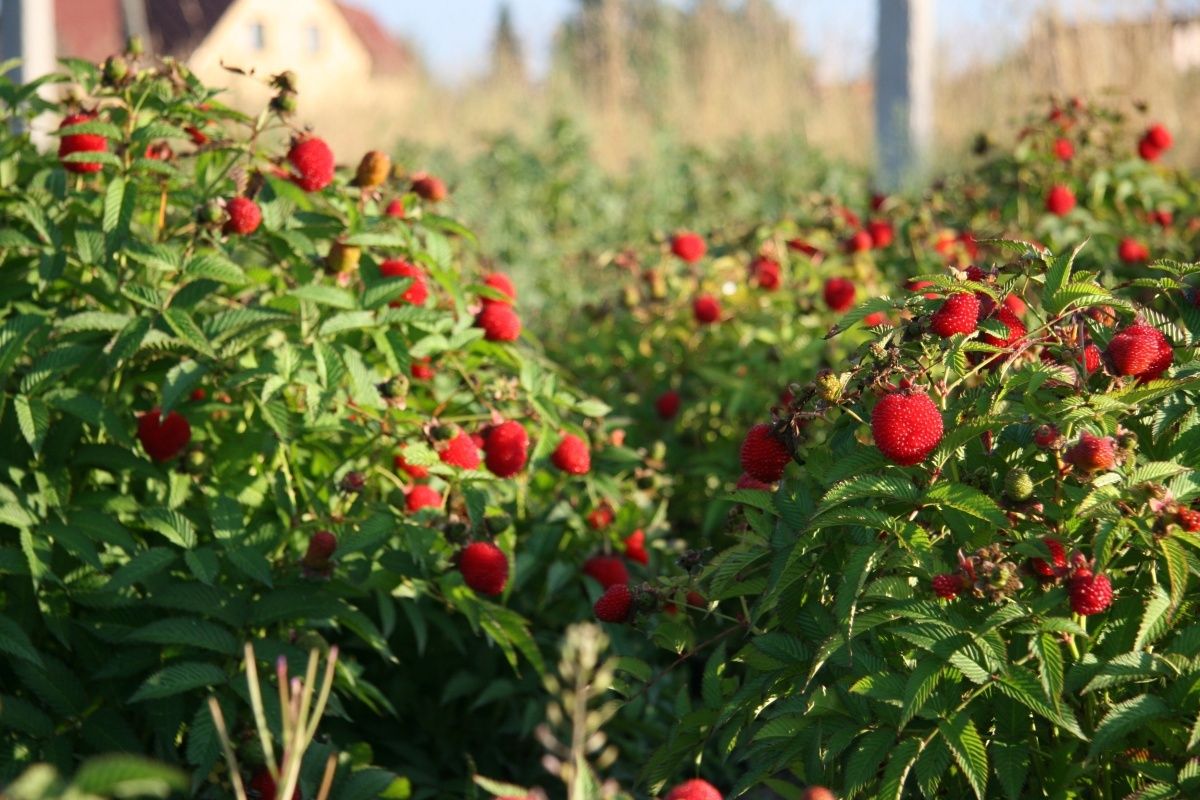
Inspect year-old shoots. Prune out any affected by gall midges. They can be identified by swellings on the branches. Burn the shoots immediately after pruning. Also, prune off any suckers, leaving 2-4 shoots per bush.
If the leaves have turned pale, with light spots on the outside and a fine webbing on the inside, this indicates spider mite activity. Affected areas should be cut off and destroyed, and sprayed with Fufanon-Nova.
Bordeaux mixture (1%) and its analogues are effective against anthracnose, canker, and purple spot. Affected areas should be removed before treatment.
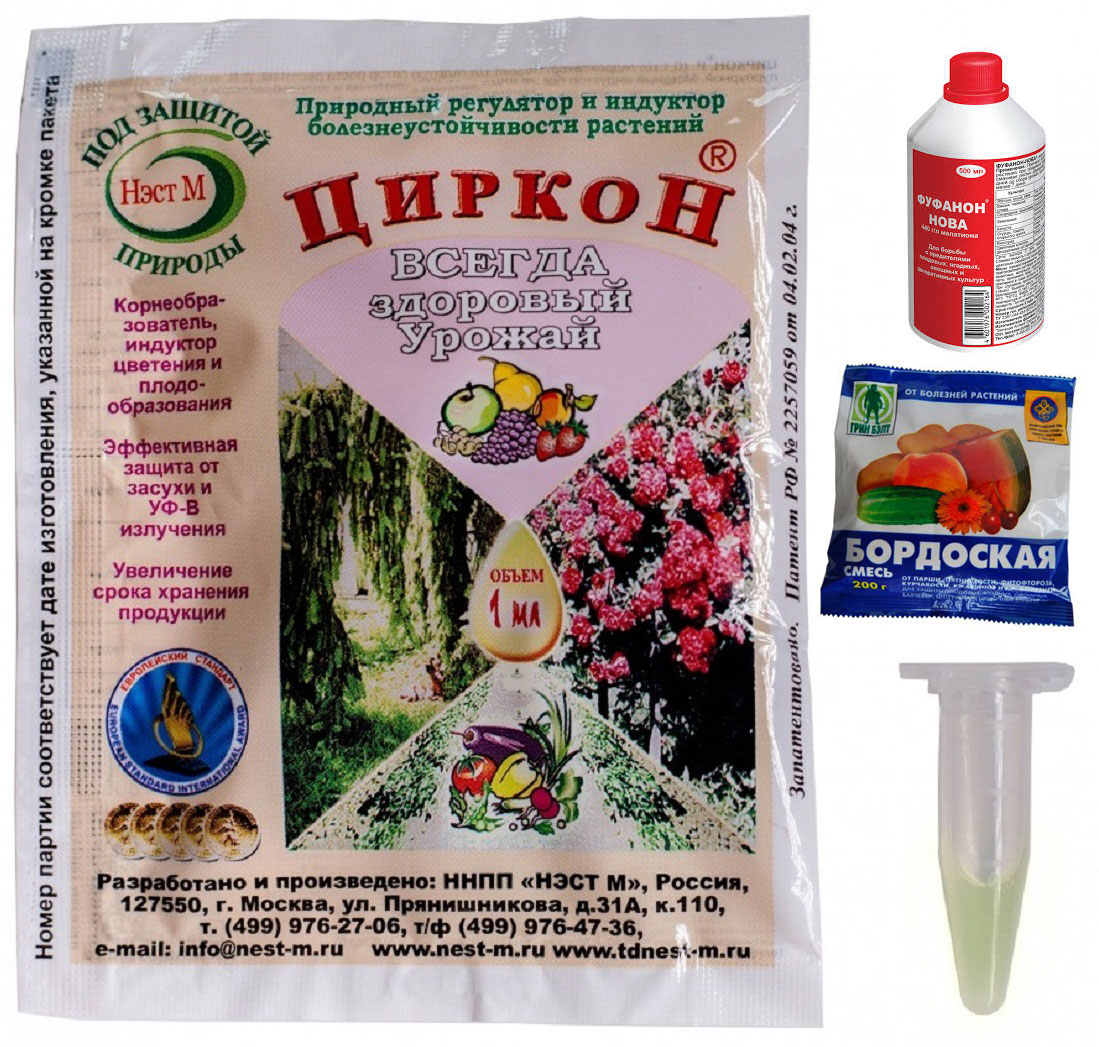
It's also important to promptly prune leaves and shoots affected by mosaic, yellow netting, and leaf curl. Afterward, spray the raspberries with Fufanon-Nova, otherwise, aphids will appear in addition to the above-mentioned infections.
Pinch off any remaining shoot tips. Moisten the soil around the bushes and feed them with organic matter combined with a phosphorus-potassium fertilizer.
Read more about raspberry care in the article Raspberry: planting, pruning, care, benefits and harms.
Caring for currants and gooseberries
Immediately after harvesting the gooseberries, remove spent branches and thickening shoots. Pruning can begin now and continue until frost. In the spring, perform a more detailed pruning.
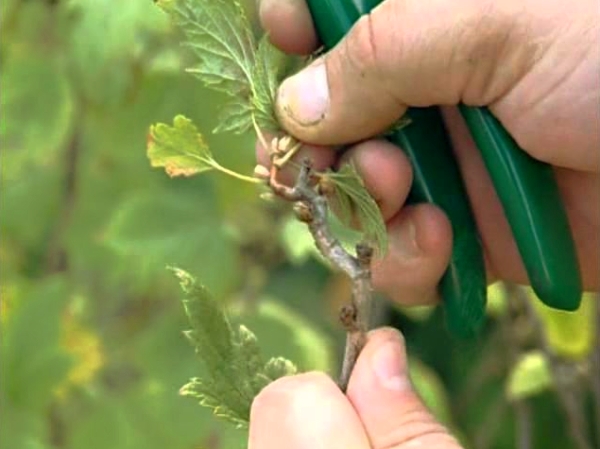
At the beginning of the month, pinch the tips of the year-old red currant shoots. By autumn, many flower buds will appear. Next season, they will produce more fruit, and the berries will be larger.
Read the article to learn about the varieties of currants and how to care for them. Currants: varieties, planting, propagation, care
And also more about gooseberries And fight against various diseases on it and currants, read on our website.
Preparing for autumn
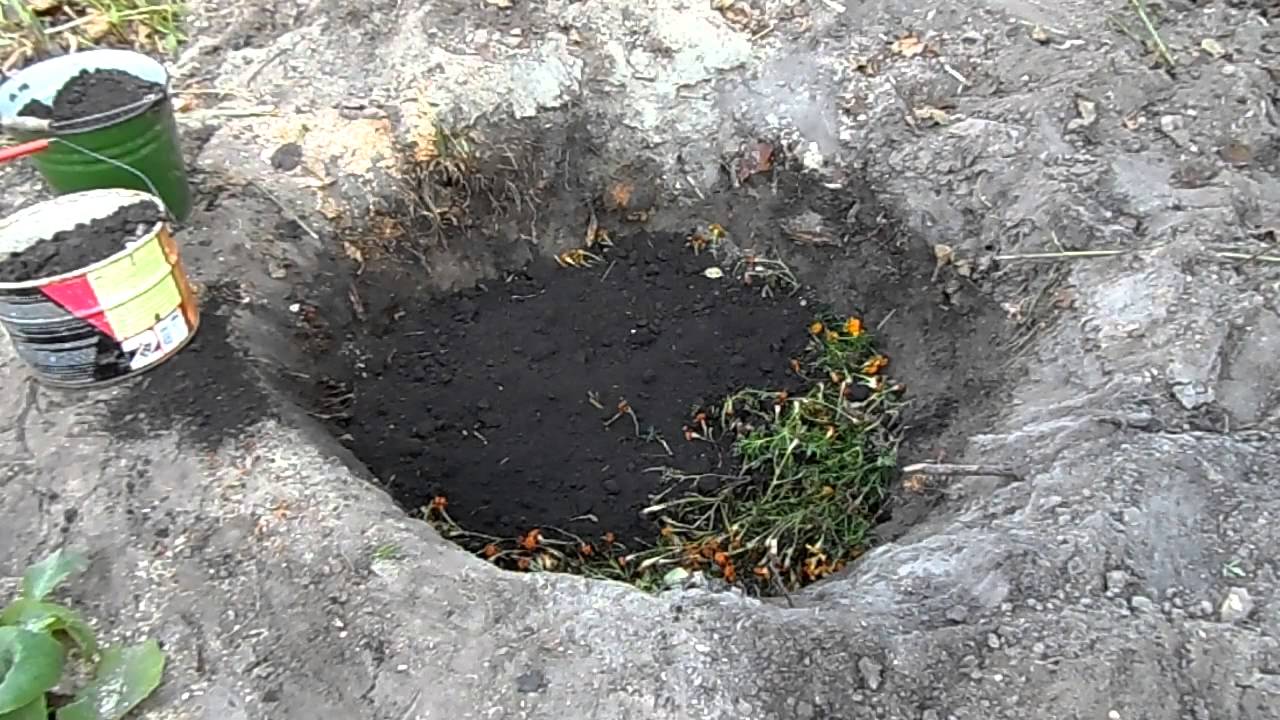
Prepare holes for trees that will be planted in the second half of October. If the soil is loamy, dig holes 1.2 m in diameter and 0.6 m deep (0.4 m for the hole itself and 0.2 m for loosened fertile soil and nutrient mixture).
It's also necessary to prepare holes for the berry bushes, which will be planted at the end of September. They should be 0.7 m in circumference and 0.5 m deep (30 cm deep and 20 cm of soil).
Raspberries don't require digging holes. Simply loosen the soil to a depth of one and a half spadefuls.
Add rotted manure or compost, superphosphate, and ash to the hole. For shrubs, reduce the dosage by half. For currants, increase the amount of ash. Place mineral mixtures at the bottom, and organic matter closer to the surface. All components are thoroughly mixed with the soil.
Trimming
To prevent the crown from becoming too sprawling, formative pruning is necessary. If one-year-old shoots are longer than 0.4-0.5 m, their tips should be pinched.
The shoots should have 2-3 upper leaves, leaving 4-5 blades on them. Do not trim the lower part.
Gardeners' work in August
There's no less work to be done in the garden. Besides tending to the garden beds, there's also harvesting and processing the produce.
Working with beds
We remove:
- shallots and onions;
- garlic;
- winter carrots.
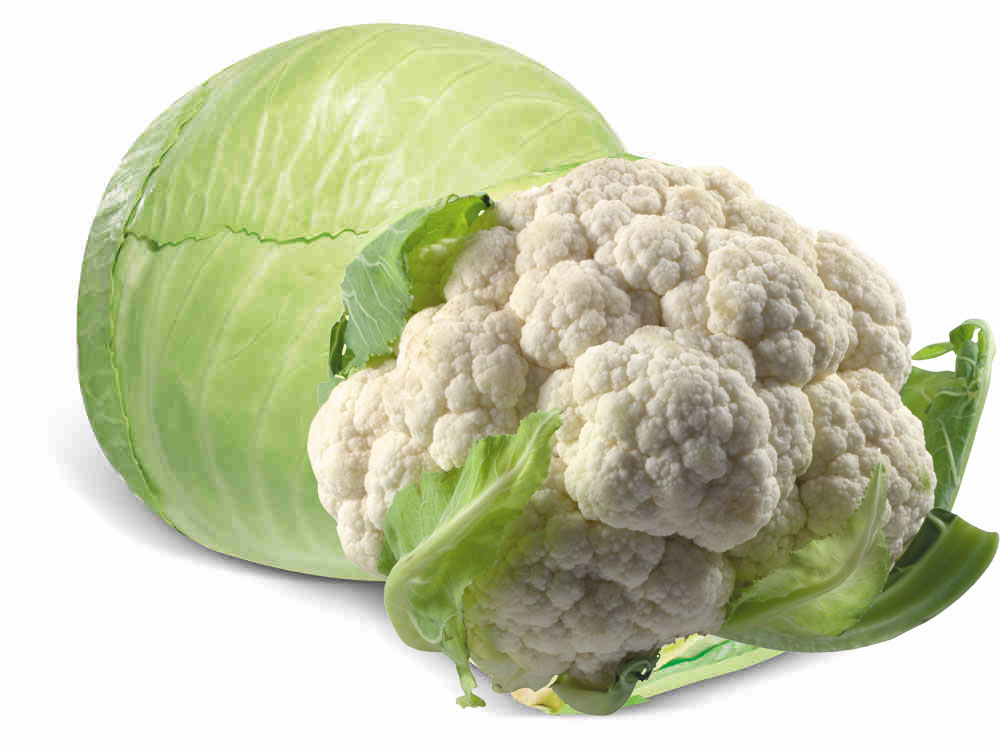
It's time to harvest early white cabbage and cauliflower.
If these beds were already sown with green manure or dug over with organic matter a year ago, you can replant the following crops:
- Japanese and Margilan radish;
- peas;
- salad;
- spinach;
- dill.
The beds with these crops need to be covered to protect the seedlings from insects and to retain moisture inside.
If the soil was fertilized before sowing, re-fertilizing is not necessary. If this procedure was not performed, a complex mineral mixture should be applied at the 3-true-leaf stage.
It's recommended to mulch the spaces between rows, for example with compost, to help the soil retain moisture longer and make it more loose. This will help the crops better withstand high temperatures.
If the land has not been previously sown with green manure, this must be done now.
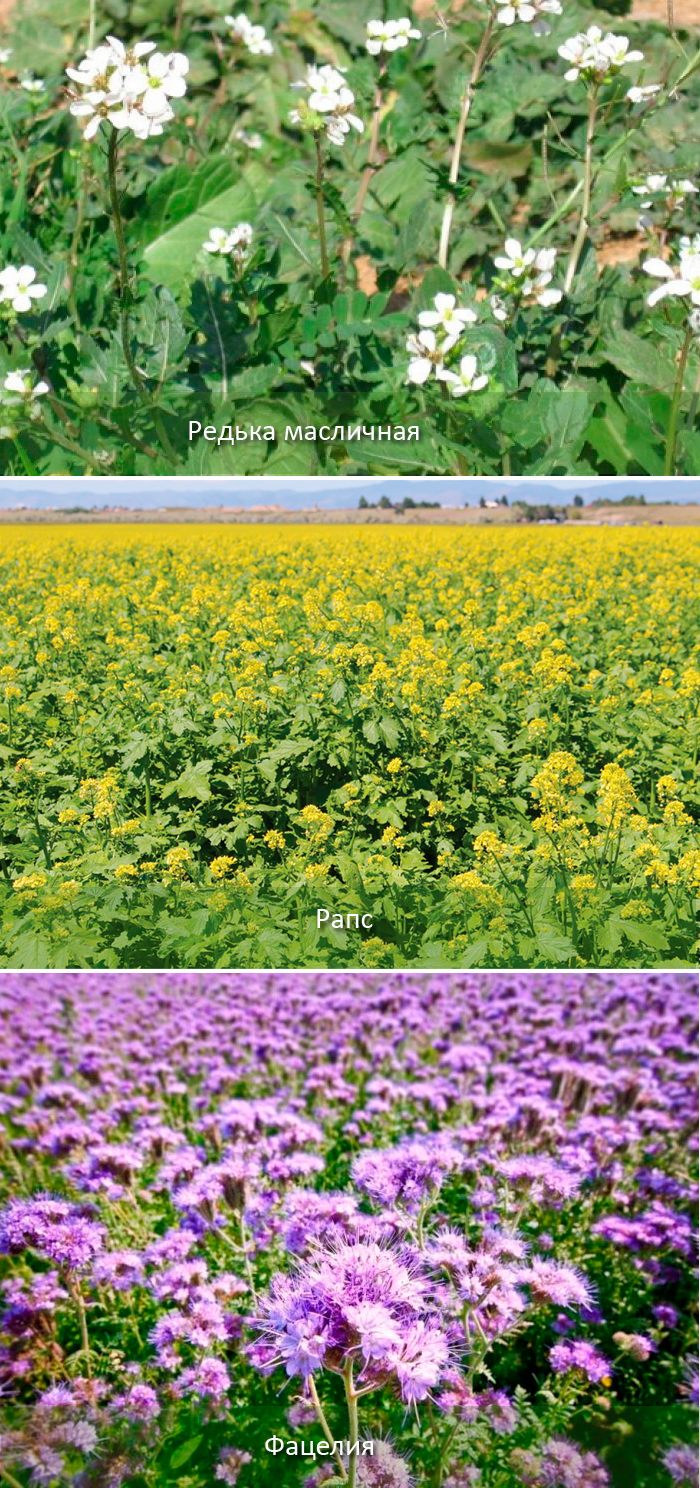
Cereals, legumes, and phacelia are ideal options. Green manure will also have time to grow in a bed previously planted with garlic. They can be dug in mid-autumn.
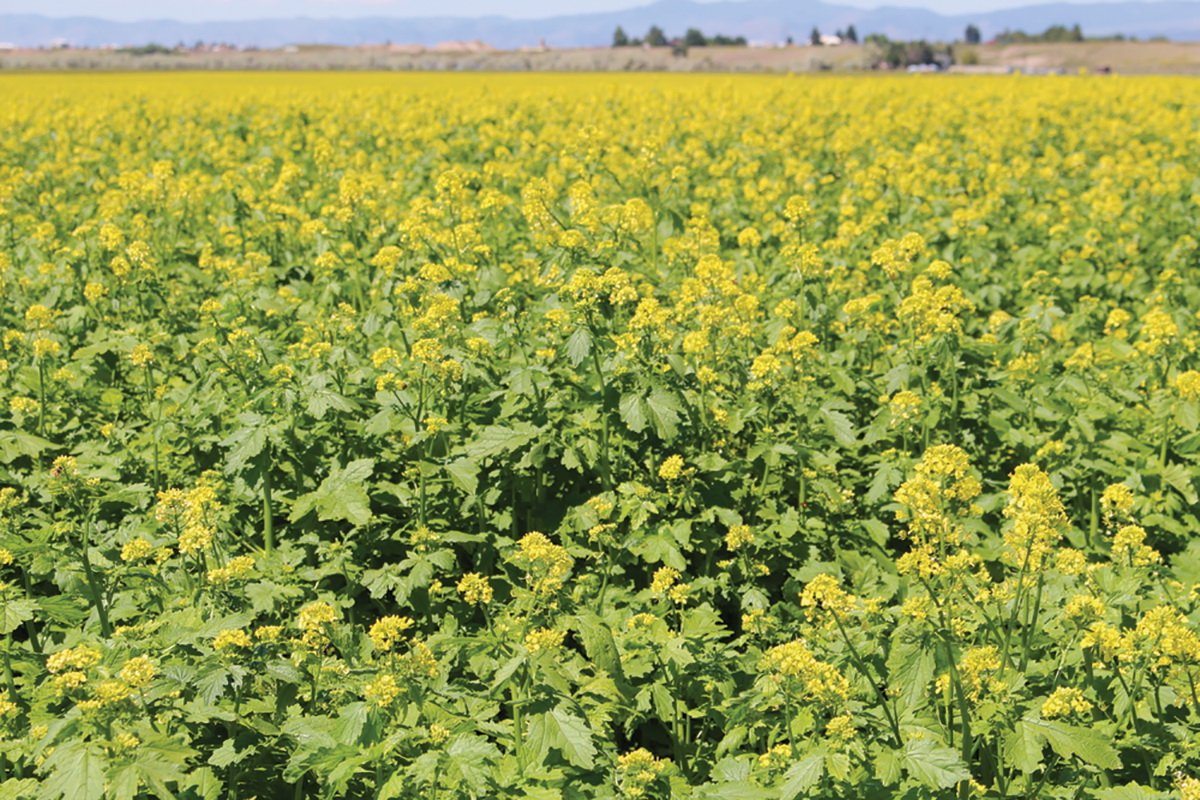
It's recommended to sow white mustard. After 1.5-2 months, dig it up and mix it with the soil. This will serve as an excellent organic fertilizer. This green manure will also repel many pests. Sow approximately 500 grams of mustard seeds per 100 square meters.
Fighting diseases
Bacterial spot can appear on tomatoes. It's easily identified by the irregularly shaped dark spots on the petioles, stems, and leaves. When tomatoes are still green, watery blisters surrounded by a halo appear. Over time, these blisters enlarge, become sunken, and crack. This condition is not observed on mature tomatoes.
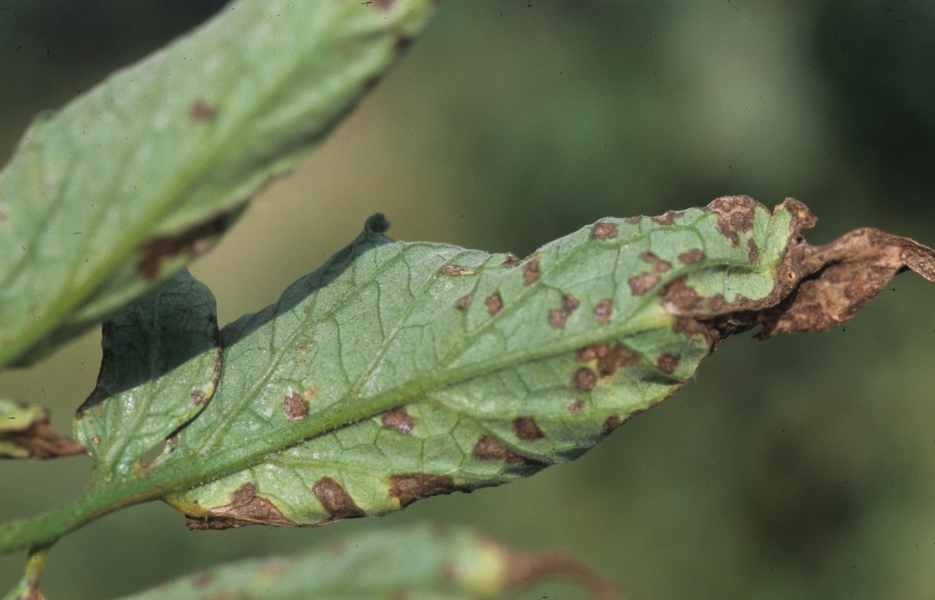
At the first sign of this disease, apply Fitolavin (20 ml per bucket of water). Repeat the treatment after 15 days. The advantage of this treatment is that it has no waiting period.
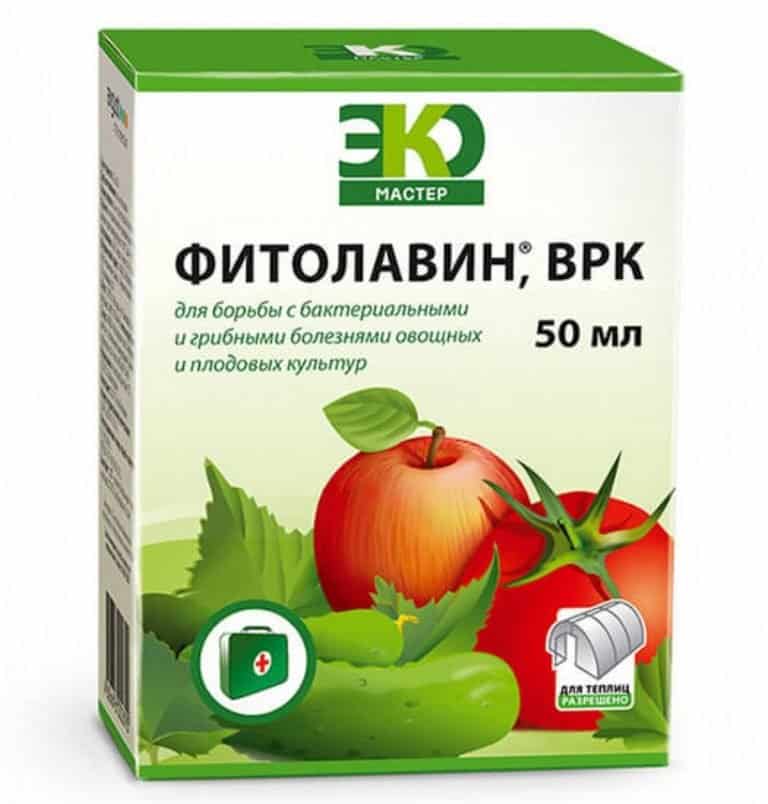
It's recommended to avoid copper-containing products. They have a long shelf life, so harvesting will be delayed for a long time, and almost all tomatoes ripen in August.
In hot weather, tomatoes can also become infected with stolbur. This infection makes the crop unsuitable for both fresh consumption and winter storage. Infected fruits develop uneven redness, contain veins inside, and have no flavor at all.
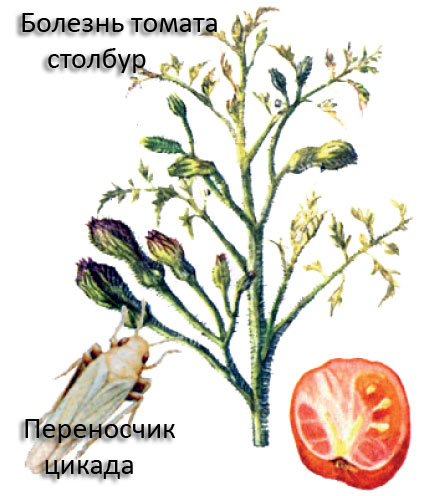
The pest spreading this infection is the leafhopper. It is most active during dry, hot weather, typically in mid-July. The stolbur incubation period lasts approximately a month, so it typically manifests itself in the second ten days of August.
About various tomato diseases, how to avoid them and how to fight them on the website Top.tomathouse.com.
The infection can be identified by chlorotic, purple upper leaves, irregular flowers with deformed sepals, and green corollas, pistils, and stamens. Affected areas should be removed and burned.
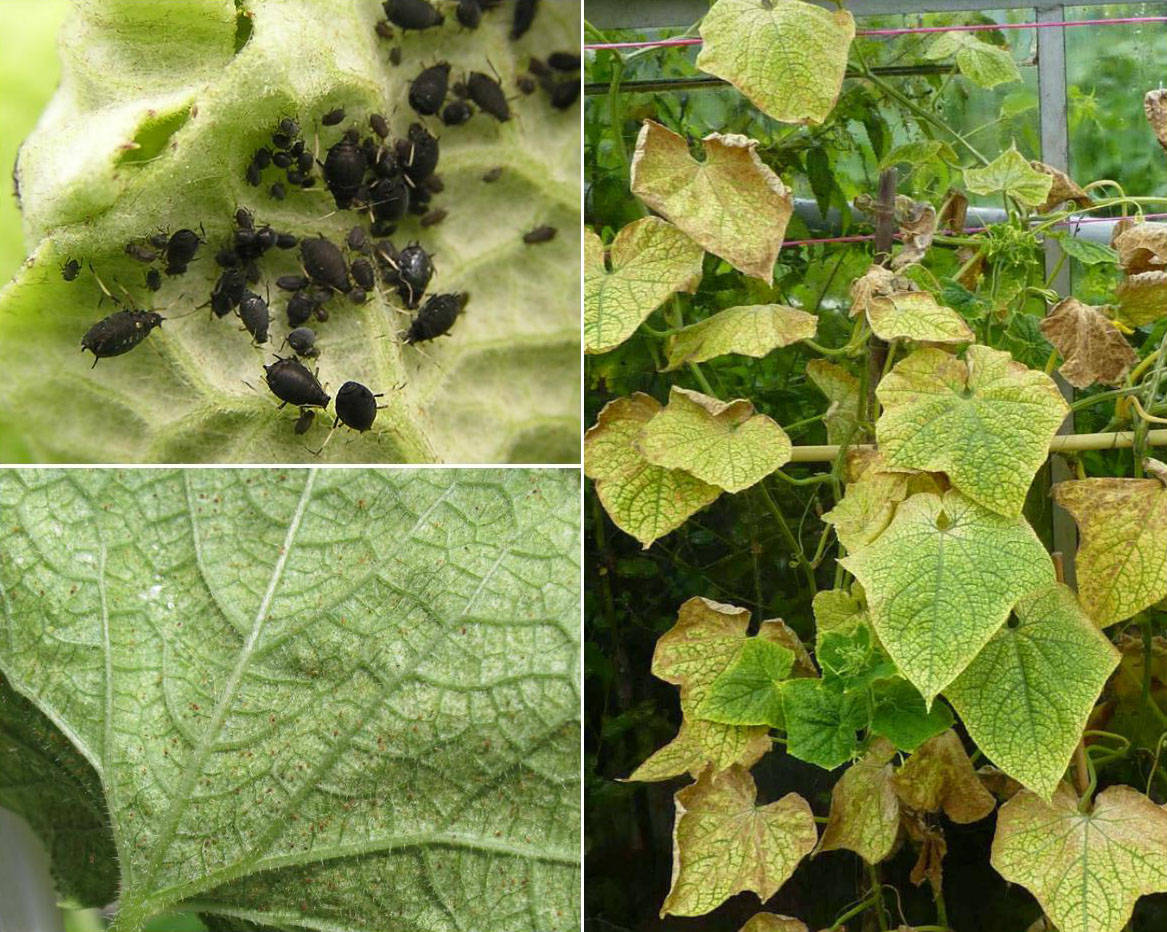
If cucumber greens are turning yellow, this most likely indicates the presence of thrips and mites. In this case, all the fruits, even the smallest ones, should be harvested and treated twice with Fitoverm, 10 days apart. Harvesting can then be resumed only after 3 days.
For your information! Fitoverm is also effective against aphids.
Powdery mildew may appear on aging cucurbits. This disease causes whitish spots to appear on the foliage.
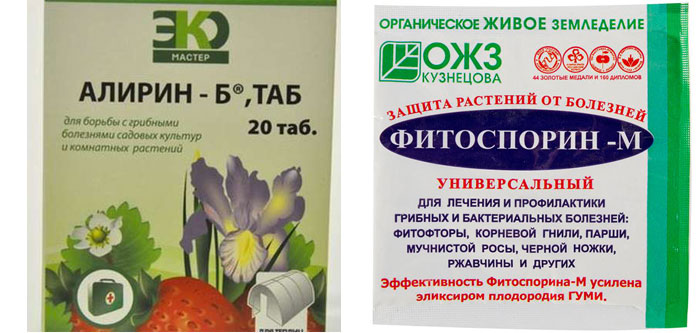
Affected areas should be cut off and destroyed. Biological products can help contain the spread of infection:
- Alirin-B;
- Fitosporin-M.
Bushes should be sprayed with these products several times every 1-1.5 weeks. There is no waiting period for them.
For severe powdery mildew infestations, sulfur-based products are recommended. However, they should be used with extreme caution, as they have a depressant effect. To avoid unnecessary problems, it's essential to strictly follow the instructions.
Rejuvenation
Cucumber plants don't look fresh. The blades are rough and dull, and the fruits are growing in an odd shape. To address these issues, you need to add a nutrient mixture. You can make your own from an organic infusion, urea, and potassium sulfate. One tablespoon of a complex mixture will also work. Additionally, it's recommended to apply foliar feeding with urea.
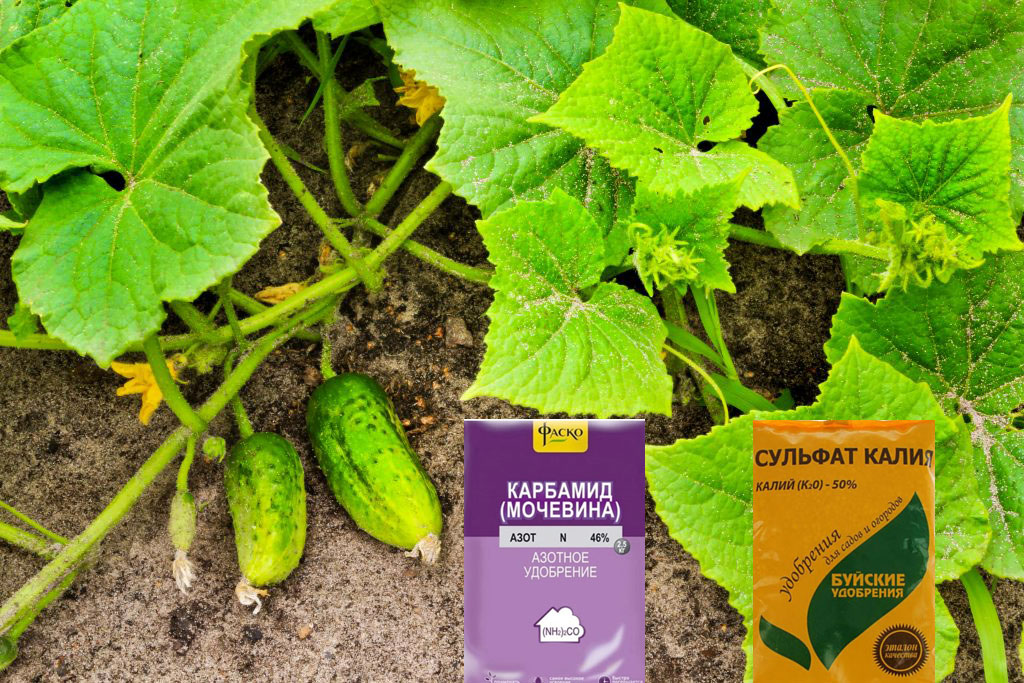
Spray cucumber leaves from above and below. Repeat after 1.5 weeks. After receiving the nutrients, the leaves should turn a deep emerald green.
Cabbage
It's important to monitor the condition of this crop, as it is susceptible to chewing pests. To control them, treatment with Lepidocide is recommended. Spraying should be done regularly, once a week.
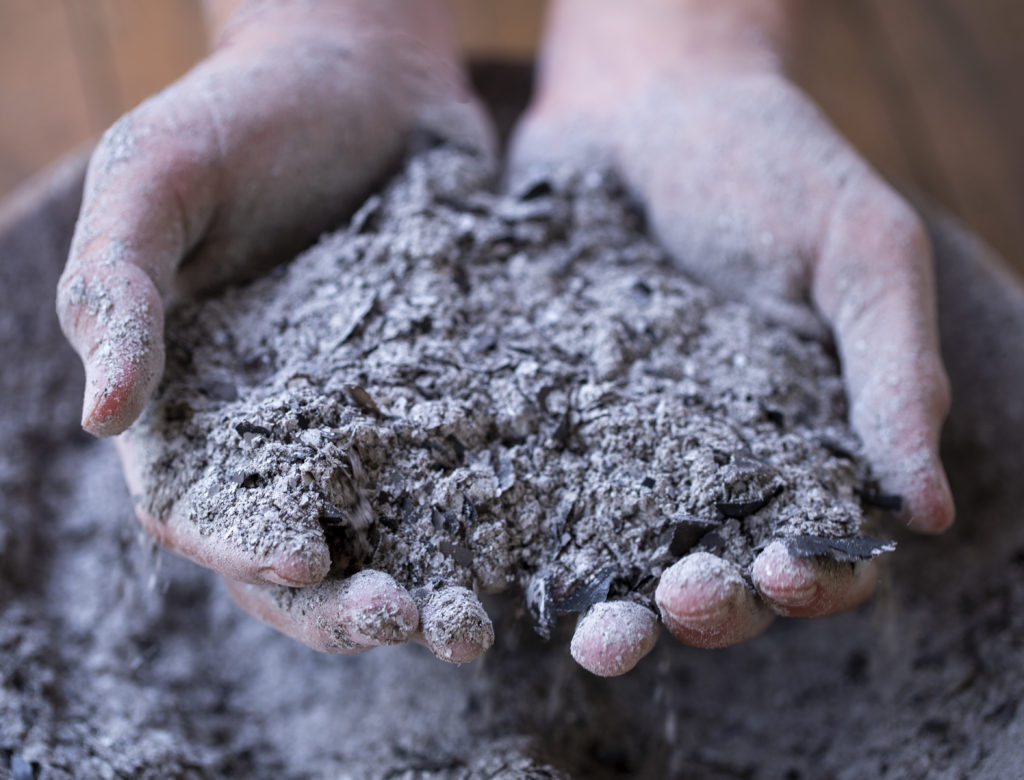
Avoid feeding cabbage with fertilizers containing large amounts of nitrogen, as this promotes nitrate accumulation. Potassium-rich fertilizers, such as ash, potassium magnesium sulfate, and others, are recommended.
Potato
Potatoes planted in July are beginning to actively grow green foliage. You can apply a green grass infusion. The next feeding should be done during budding. This is applied by dusting the moist soil between rows. The soil is loosened for incorporation and watered.
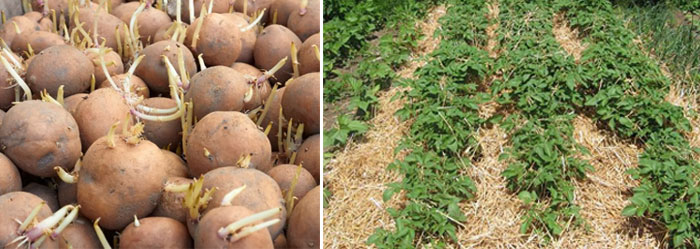
You can also apply a complex potato fertilizer according to the instructions. It's important that it doesn't contain nitrogen, as its presence can lead to fungal infections, scab, and low yields.
The soil must be regularly loosened and then mulched. Without this, air circulation is disrupted, nutrients are poorly absorbed, and various diseases develop.
Onions and garlic
Winter garlic was dug up and dried in July. Now it's time to inspect its heads: trim off any dry roots and above-ground parts. The bulblets need to be pulled from the inflorescences, and the largest and healthiest ones selected for planting.
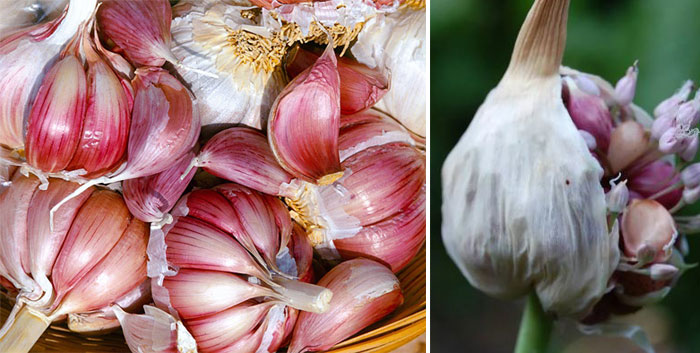
The single-clove garlic cloves also need to be sorted for planting in the garden in the fall. Growing garlic this way is more efficient (you don't have to waste the harvest) and safer (the crop will be less susceptible to infection).
We're getting ready to harvest the garlic we planted in the spring. We stop watering and tie the stems into knots or bend them down so the plant can focus all its energy on forming the head.
You need to prepare for harvesting onions grown from seed. They ripen at different times, depending on various factors: weather, fertilizer, and soil type.
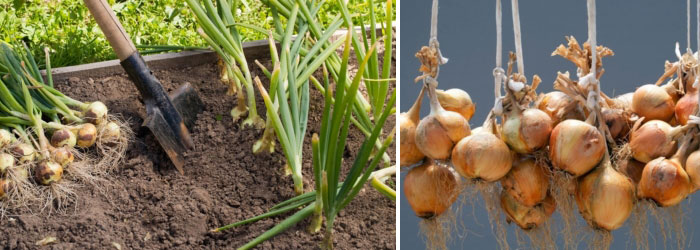
You can tell if the onion is ready for harvest by its feathers. If they begin to turn yellow and droop toward the ground, stop watering. When the onion is ready, its neck will become thinner and dry. The bulb will acquire a characteristic color and be easily pulled from the soil.
It's worth lifting the onion a little with a pitchfork, slightly damaging the roots, as a result of which the nutrients from the leaves will pass into the bulb.
If the tops are torn off during harvesting but the underground portion remains in the soil, it's best to dig them out with a rake rather than a shovel to avoid damaging them. After harvesting, the bulbs should be air-dried, but in a shaded area to avoid sunburn. After the moisture has evaporated, it's recommended to trim the tops.
Peppers and eggplants
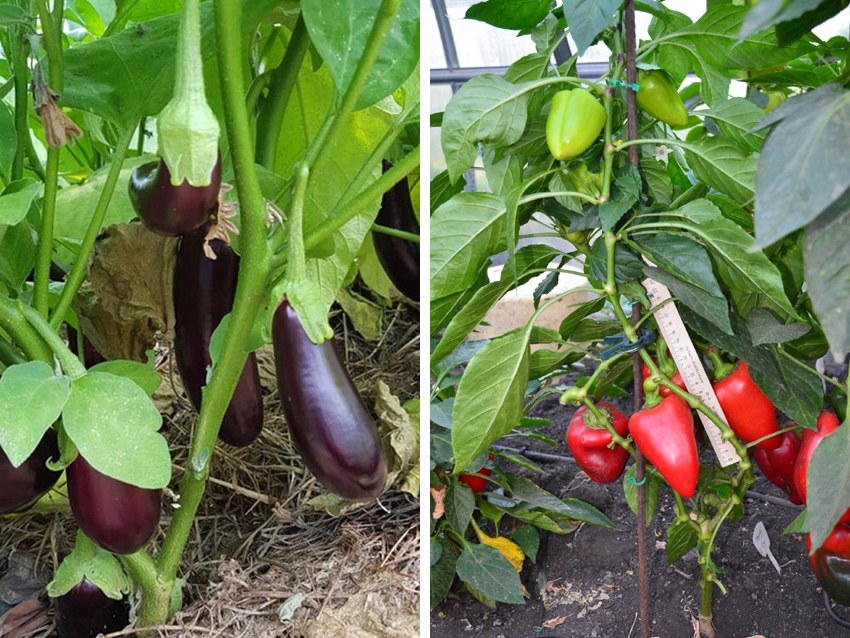
To ensure a bountiful harvest, these crops are recommended to be fertilized with organic matter. Complex mixtures can also be used.
Carrots and beets
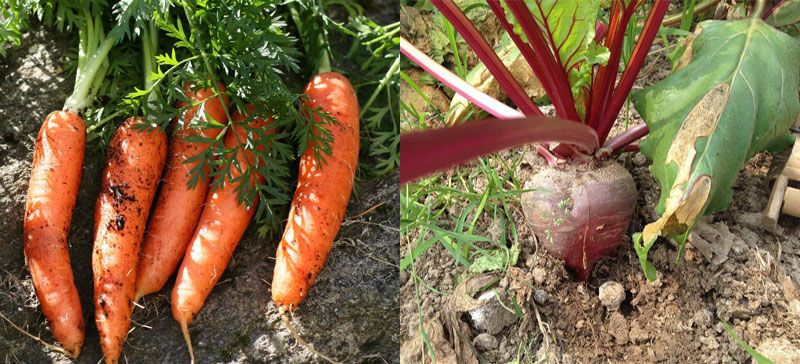
These crops, intended for winter storage, are recommended to be fertilized with potassium-containing mixtures. For example, 1 tablespoon of sulfate per 10 liters of water. The consumption rate is one bucket per 1 square meter.
Harvesting
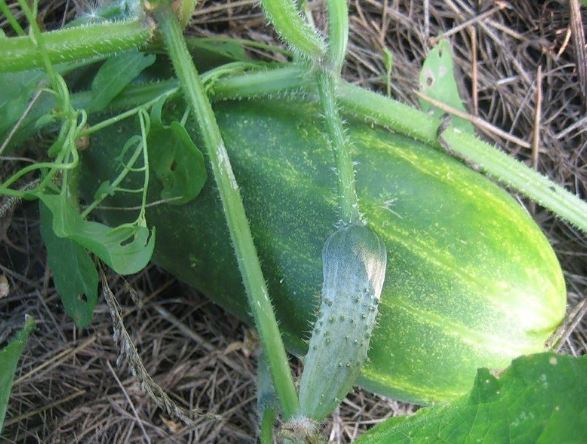
Don't delay harvesting cucumbers. Large cucumbers will hinder the growth of the remaining cucumbers. If you plan to process the cucumbers while they're still small, you can harvest them even twice a day. If you're eating them fresh or adding them to salads, harvest them every other day.
Some experienced gardeners recommend picking tomatoes slightly underripe. This will help the rest of the fruit ripen faster. However, a harvest that ripens on the vine is much tastier than one left ripening on a windowsill or in a container.
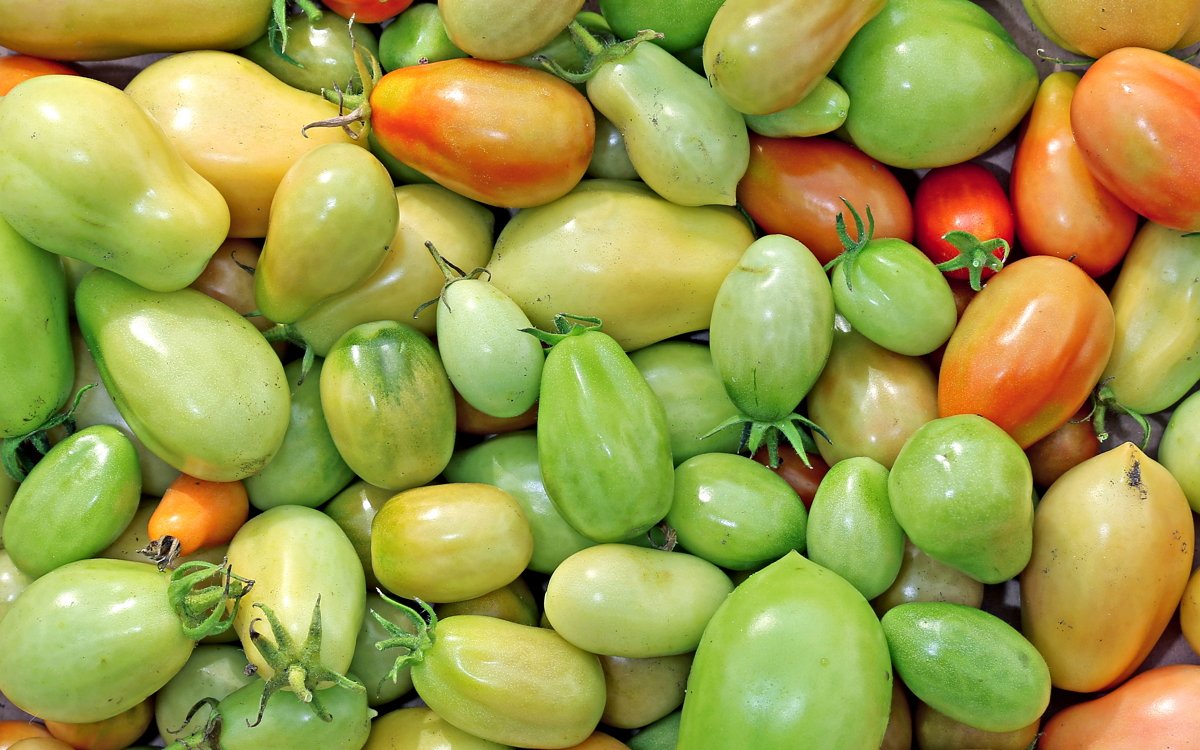
It's not recommended to store tomatoes in the refrigerator. This will cause them to lose their flavor. Learn how to store vegetables on the website. top.tomathouse.com.
Bell peppers should be harvested at the technical maturity stage, i.e., when they have grown to the desired size but have not yet developed their characteristic color. Waiting until they turn red, yellow, etc. will reduce the yield.
Eggplants should be picked while they're still shiny. Once the skin becomes dull, they'll be rich in seeds but will lose their flavor.
Preparing the storage
Their condition needs to be checked and prepared for the current harvest. The premises need to be cleared of unnecessary items, ventilated, whitewashed, and dried. If necessary, repair containers or purchase new ones.