In August, summer rushes toward autumn. Many ornamental plants continue to bloom and delight us with their beautiful colors. Perennials that bloom in midsummer are replaced by later bloomers. A gardener should not only admire the beauty of the landscape but also think about next year. To preserve the beauty of a flowerbed for as long as possible, it needs proper care. The lunar calendar will tell you what and when to do.
Content
- 1 Favorable and unfavorable days for planting flowers in August 2024
- 2 Favorable and unfavorable days for various flower care tasks in August 2024
- 3 Lunar phases and days by zodiac sign in August 2024
- 4 Lunar calendar for August 2024 by date
- 4.1 1.08-3.08 (until 14:08)
- 4.2 3.08 (until 14:08) - 5.08
- 4.3 6.08-8.08 (until 12:31)
- 4.4 8.08 (from 14:53) - 11.08
- 4.5 12.08-13.08 (until 13:00)
- 4.6 13.08 (from 13:00) - 15.08 (until 20:51)
- 4.7 15.08 (from 20:04) - 17.08
- 4.8 18.08-19.08
- 4.9 20.08-21.08
- 4.10 22.08-23.08
- 4.11 24.08-26.08 (until 06:04)
- 4.12 26.08 (from 06:04) - 28.08 (until 11:47)
- 4.13 28.08 (from 11:47 am) - 30.08 (until 8:08 pm)
- 4.14 30.08 (from 20:08) - 31.08
- 5 Work of flower growers in August
Favorable and unfavorable days for planting flowers in August 2024
The table below shows favorable dates for working with flowering and ornamental plants, days on which planting is undesirable, and also favorable only for certain groups or at certain times (see below).
| View | Favorable | Unfavorable and prohibited |
| Biennials, perennials | 1-3, 7-11, 12—13, 13—15, 15-17, 20-21, 24-26, 26—28, 28—30 | 3, 4,5, 18, 19, 20, |
| Curly, hanging | 7-11, 13—17, 26—28 | |
| Tuberous and bulbous spring-flowering plants | 1-3, 7-11, 20-21, 22-23 (digging), 24-26, 28—30 | |
| Indoor | 1-3, 7-11, 12—13, 13—15, 15-17, 26—30 |
Favorable and unfavorable days for various flower care tasks in August 2024
| Works | Favorable days | Unfavorable and prohibited days |
| Transplantation, division of rhizomes, digging | 1-3, 7-11, 15—18 (without loosening), 28—30 | 3, 4, 5-6, 12-13(especially root vegetables and corms), 18, 19, 20, 22-23, 26-28 |
| Pruning, cuttings | 5—8, 7-11, 15—18, 24-28, 30-31 | 3, 4, 5, 12-15, 18, 19, 20-23 |
| Watering, loosening, fertilizing | 1-3, 7-8, 8-11 (without spraying), 12-13, 20-21, 24-30 | 3, 4, 5-6, 13—15 (watering), 18, 19, 20, 22-23, 30-31 |
| Disease and pest control | 1—3, 3—8,12-19, 22-31 | 8-11, 20-21 |
Also readGardener's and vegetable grower's lunar calendar for August 2024
Lunar phases and days by zodiac sign in August 2024
Legend:
- ◑ — waning moon;
- ● — New Moon;
- ◐ — waxing moon;
- ○ — Full moon.
Moon phases in August 2024:
- ◑ — 1-3, 20-31.
- ● — 4 (14 hours 13 minutes)
- ◐ — 5-18.
- ○ — 19 (21h 25m)
Days according to the Zodiac signs:
- ♋ Cancer - 1-3 (until 14:08), 28 (from 11:47)-30 (until 20:08).
- ♌ Leo — 3 (from 2 p.m. 08 p.m.)-5, 30 (until 8 p.m. 08 p.m.)-31.
- ♍ Virgo - 6-8 (until 12:31).
- ♎ Libra — 8 (from 12:31 a.m.)-10.
- ♏ Scorpio — 11-13 (until 13:00).
- ♐ Sagittarius — 13 (from 13:00)-15 (until 20:51).
- ♑ Capricorn - 15 (from 20:51) - 17.
- ♒ Aquarius — 18-19.
- ♓ Pisces - 20-21.
- ♈ Aries — 22-23.
- ♉ Taurus — 24-26 (until 06:04).
- ♊ Gemini — 26 (from 06:04) - 28 (up to 11:47).
Lunar calendar for August 2024 by date
Below we will tell you what work can and cannot be carried out on certain dates in August.
1.08-3.08 (until 14:08)
♋ Cancer, +, ◑, Leaf days
Do not spray with chemicals.
Even if there was light rain the day before, water the plants anyway. Fertilizing is a good time to do this.
We dig up, divide and plant the ones that have already bloomed. lilies to the depth of three bulbs, surrounding them with sand.
We continue to divide and plant primroses, peonies, irises, perennial onions, bergenia, phlox, and other perennial flowers. Maintaining an existing pond.
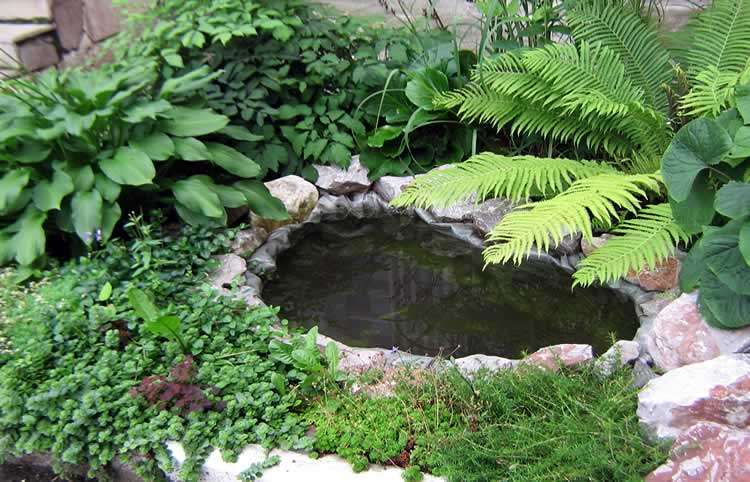
Are you interested in which ones? Plants to be planted inside and around the pond?
3.08 (until 14:08) - 5.08
♌ Leo, —, ●, Fruit Day.
4.08 at 14:13 – Exact New Moon.
The day before and after the Exact New Moon It is not recommended to sow, plant or transplant plants, soak seeds, prune or fertilize.
Pest, disease, and weed control. Remove annual vines from their supports and compost them. Bring indoor potted plants back indoors for the summer. Remove faded flower stalks.
6.08-8.08 (until 12:31)
♍Virgo +-, ◐, Root days.
It is not advisable to soak the seed material.
Water and fertilize generously. Loosen the soil. Replant perennials. Now is a good time to replant. peonies, bergenia, phlox, irises, lilies and other perennials
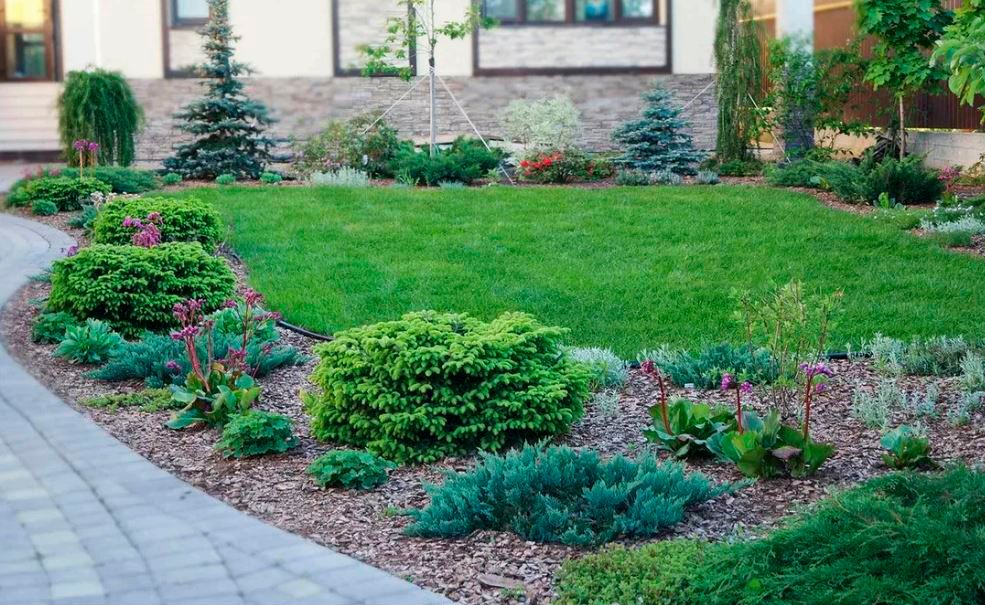
We plant conifers.
We root the cuttings. Water and fertilize. Remove faded flower buds. Replace the soil in the pots with houseplants.
8.08 (from 14:53) - 11.08
♎ Libra, +-, ◐, Flower days
It is prohibited to spray plants with chemicals against diseases and pests.
We separate and transplant the cuttings that took root in the spring.
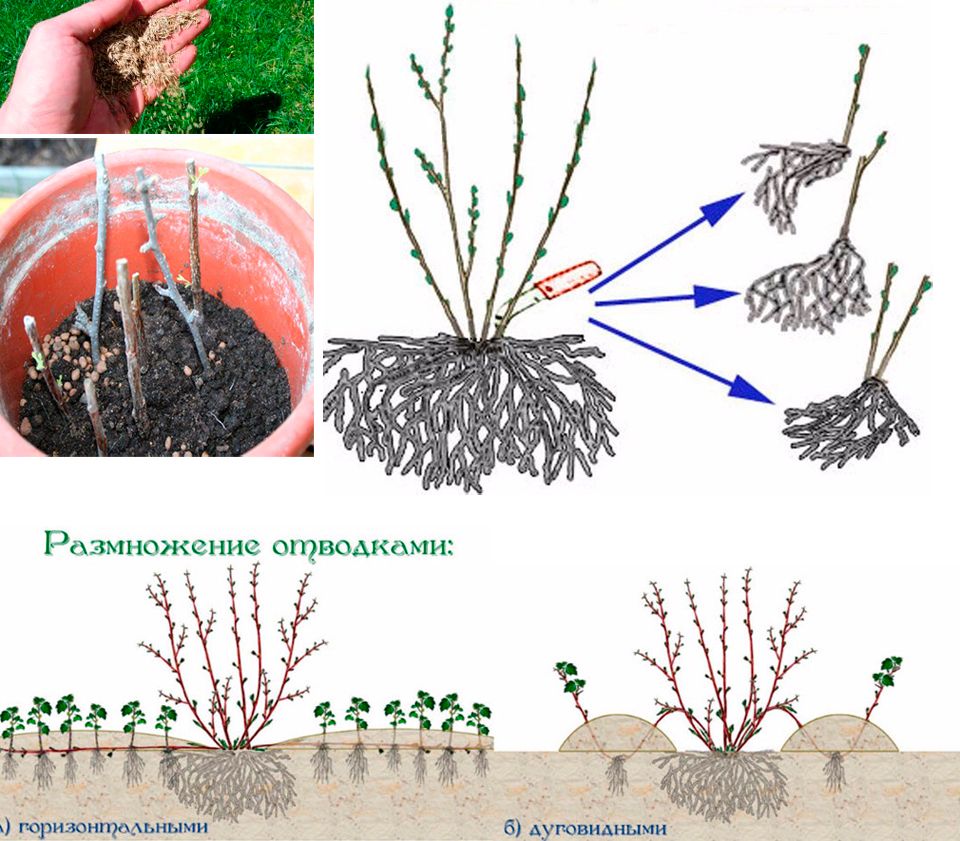
For example, you can read how to do this in the article Physocarpus viburnifolia 'Diablo': photo, description, and landscape use.
We divide and transplant perennials, including conifers.
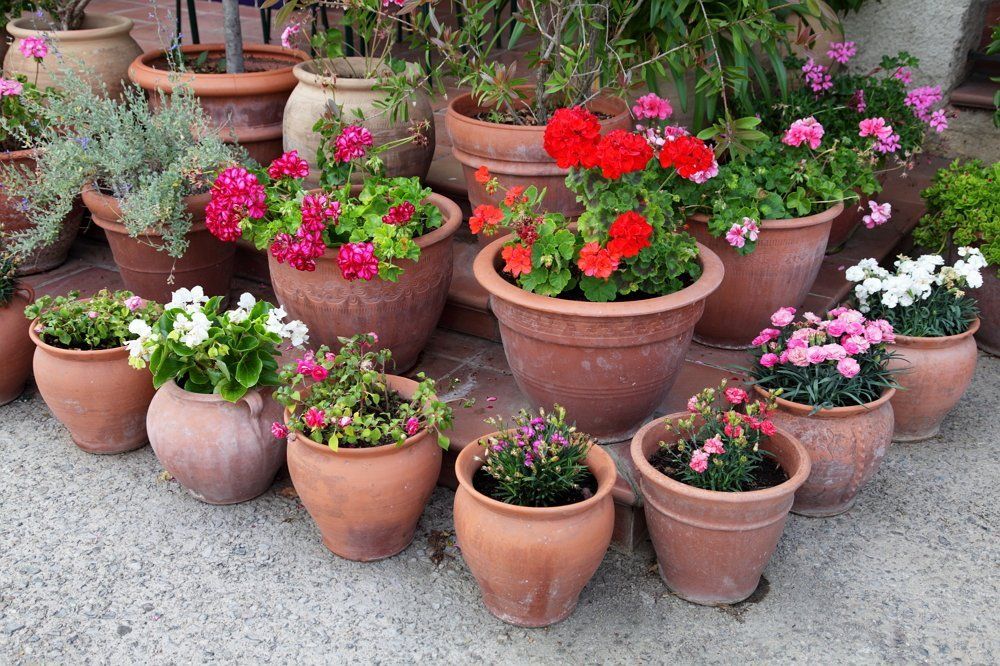
We bring indoor plants that were put out in the garden for the summer into the house and repot them. fuchsias, tradescantia, geranium and we also place them in room conditions.
You can plant any plants, root cuttings, water and feed them.
We divide and replant lilies, daffodils, tulips, and other bulbous plants. We propagate peonies and various perennials.
We sow pansies and daisies for early spring flowering.
We hill up dahlias to protect them from possible frosts in the northern regions.
We dig, mulch, loosen the soil, and prune. We're harvesting the flowers.
12.08-13.08 (until 13:00)
♏ Scorpio, +, ◐, Leaf Days
Don't prune or divide. Don't remove weeds, they'll grow back quickly.
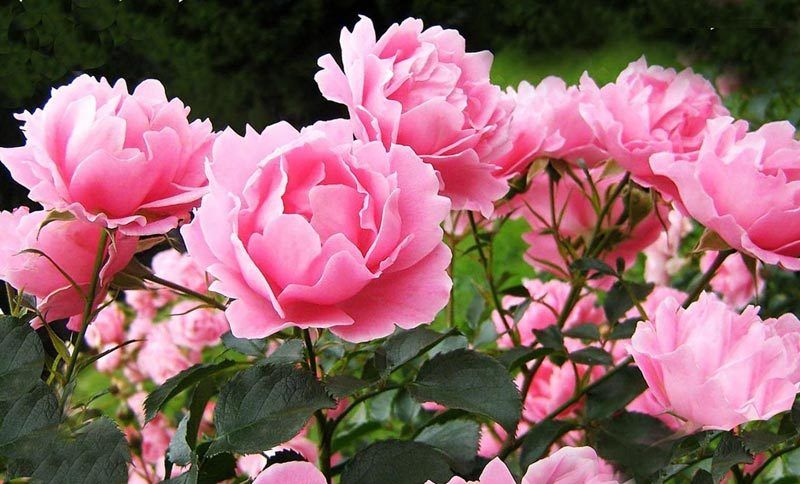
We plant flower garden and indoor plants that have thorns and spines, including various conifersI.
We water and fertilize the roots. We fight diseases and pests.
13.08 (from 13:00) - 15.08 (until 20:51)
♐ Sagittarius, +-, ◐, days of the Fruit
Watering, picking, and pruning are not recommended. Avoid tending to houseplants.
It's a good time to plant and root climbing and trailing flowers. Hilling up dahlias will protect the buds from frost.
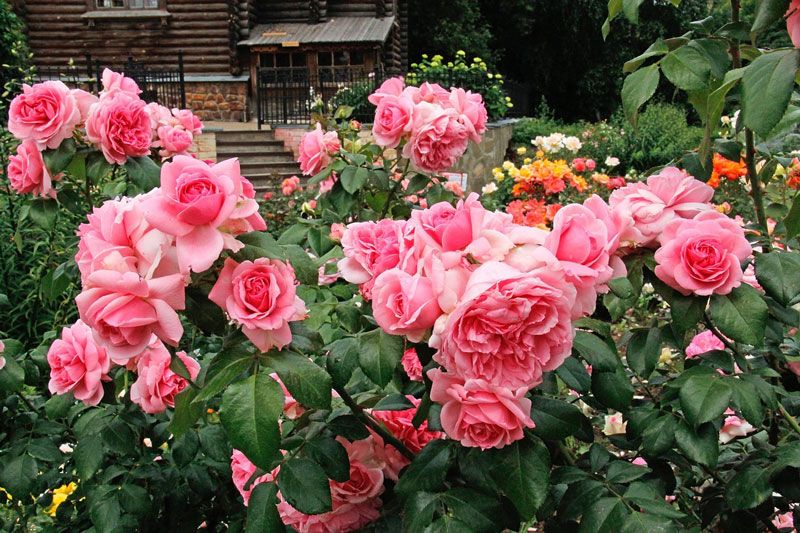
We give the roses their final feeding with potassium-phosphorus fertilizer (top dressing).
We collect seeds. We fight diseases and pests.
15.08 (from 20:04) - 17.08
♑ Capricorn, +-, ◐, Root days
You cannot loosen the soil near horses or weed.
We plant and transplant perennials: lilies, daffodils, tulips, various bulbous plants, peonies, irises, phlox, astilbe, day-lily and others.
We are planting clematis. lemongrass, hops, maiden grapes.
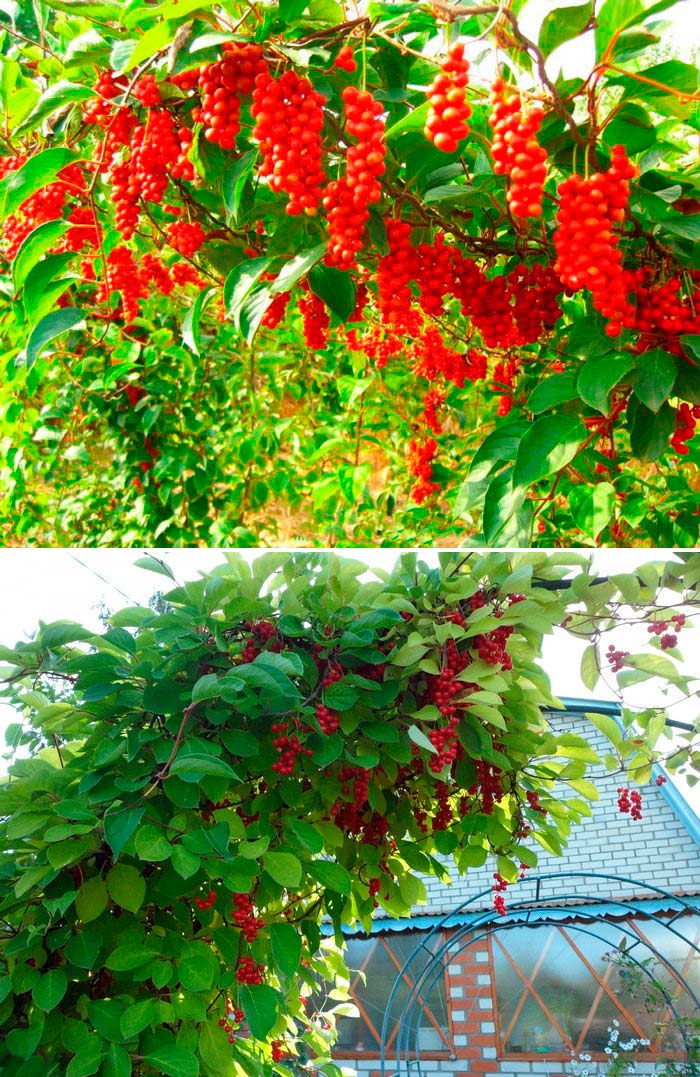
We add nutrient mixtures. We propagate by layering and cuttings.
We hill up dahlias to protect them from sudden frosts.
18.08-19.08
♒ Aquarius, —, ○, Flower days
August 19 at 9:25 pm – Exact Full Moon.
The day before and after the Exact Full Moon, it is not recommended to sow, plant, or transplant plants, soak seeds, prune, feed, harvest, or preserve.
We treat pests and diseases. We also improve flower beds, rock gardens, and ponds.
Dry the wild rosemary leaves; they can be placed in a linen bag in a closet to protect against moths.
20.08-21.08
♓ Pisces, +, ◑, Leaf days
It is not recommended to prune or use poisons to get rid of diseases and parasites.
We carry out work from 20.08, 21:25.:
We water. We collect seeds and prepare medicinal herbs. Foliar feeding.
We plant and propagate perennials.
We propagate mint and tarragon.
We water the indoor plants generously and give them a warm shower.
22.08-23.08
♈ Aries, +-, ◑, days of Fruition
Shaping, pruning, replanting, rooting, watering and fertilizing are not recommended.
We treat for pests and diseases. We fight weeds, loosen and mulch the soil around the plants. We collect seeds.
24.08-26.08 (until 06:04)
♉ Taurus, +, ◑, Root days
Loosening around the roots and replanting are not recommended.
It's good to plant perennials, but be careful with the root system: lilies, tulips, peonies, primroses, daffodils.
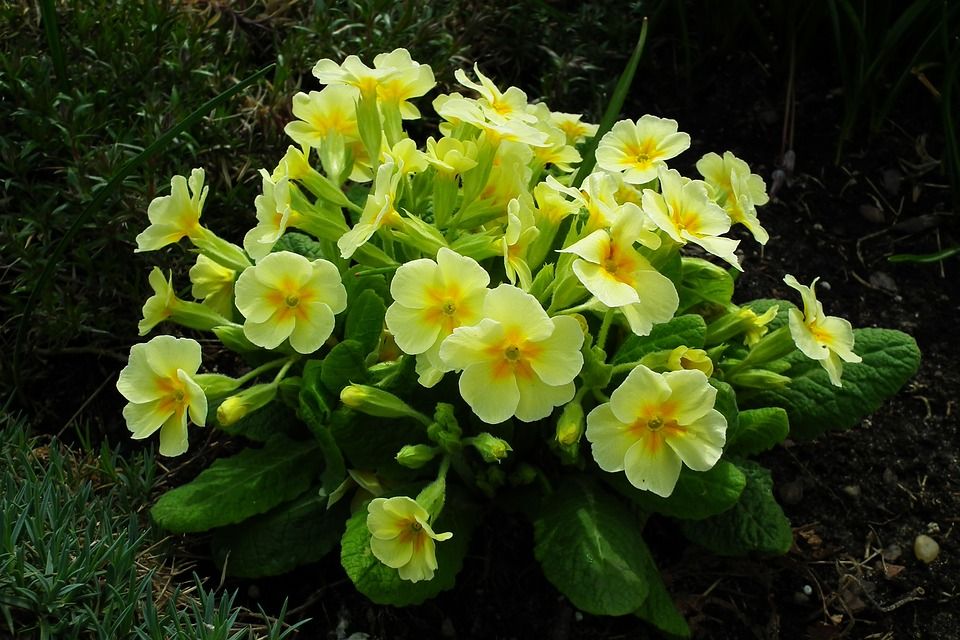
We plant irises, phloxes, ornamental shrubs (roses, heathers, hydrangeas, spirea and others). We sow pansies, daisies for early spring flowering.
We carry out budding of roses.
26.08 (from 06:04) - 28.08 (until 11:47)
♊ Gemini, —, ◑, Flower days
It is not recommended to water, replant, or transplant. Cuttings should not be used.
Loosen and mulch the soil, destroy weeds, and harvest seeds. Late-blooming plants can be carefully fertilized with phosphorus-potassium fertilizers.
It is recommended to plant trailing and climbing plants. Remove dried flowers and leaves.
We bring indoor plants that spent the summer in the garden into the house.
We fight pests and diseases.
28.08 (from 11:47 am) - 30.08 (until 8:08 pm)
♋ Cancer, +, ◑, Leaf days
Do not spray with chemicals.
We plant corms, perennials, and biennials in their permanent locations. We also manage indoor plants, repotting, and removing old specimens.
30.08 (from 20:08) - 31.08
♌ Leo, —, ◑, Fruit Day.
Watering, fertilizing, replanting and picking are not recommended.
Weeding, removing unnecessary flower stalks.
Work of flower growers in August
August is the last month of summer, but the end of the season is still far off. To preserve the beauty of your flower garden, you need to care not only for the blooming perennials but also for those that have finished blooming. Petunias should be trimmed back to their long stems, ageratum should be faded, and thyme should be trimmed back if this hasn't been done already. Additionally, overgrown clumps of sedums, geraniums, and other perennials should be shaped. Daylilies should have yellowing leaves trimmed back.
Preparing the site
For each species, it's important to find the optimal location for optimal growth. This should be based on lighting requirements, soil type, ventilation, and groundwater depth. It's also important to consider the landscape design. Choose a location where certain flowers will look best.
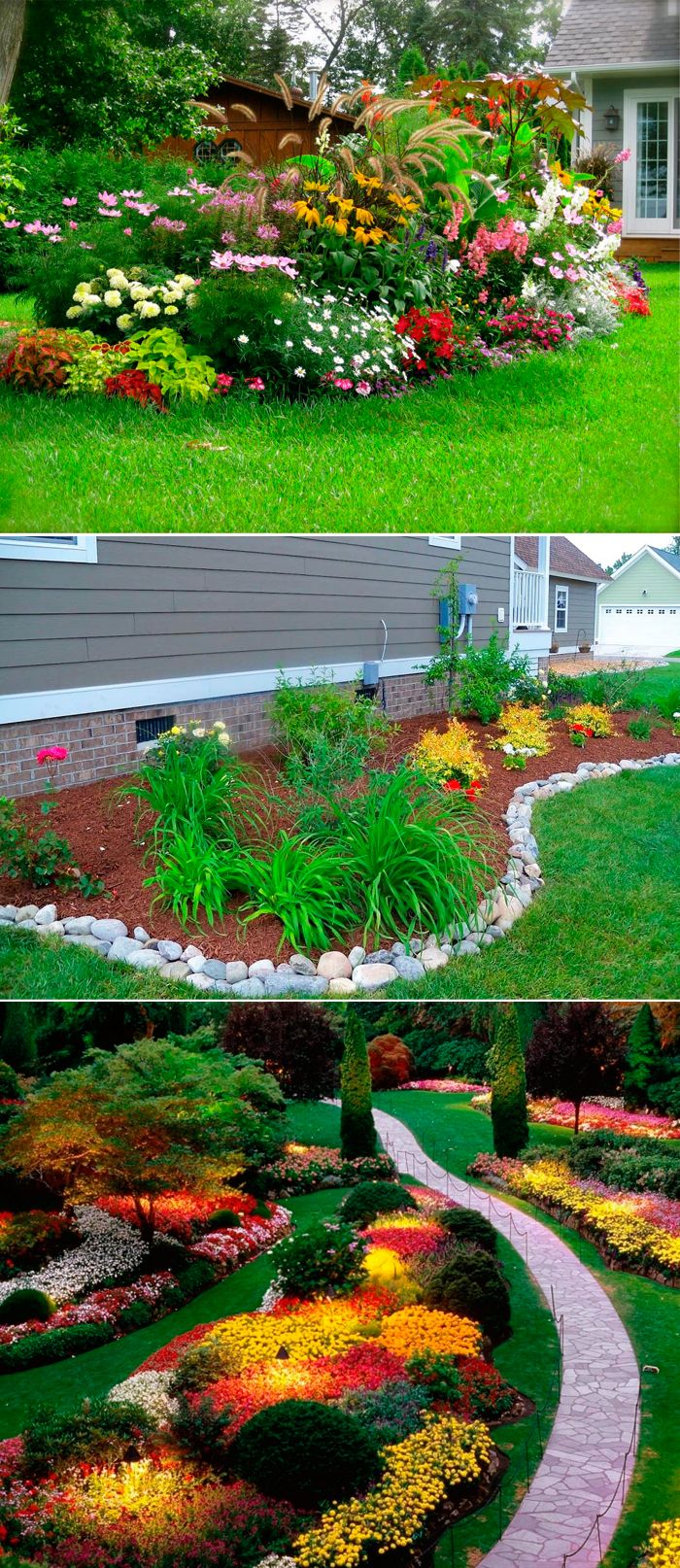
Before digging the selected area, add compost or humus. Fertilize the soil with superphosphate (20-25 g) and potassium sulfate (10-15 g). Afterward, water the area to stimulate weed growth. Subsequently, simply weed them out to prevent further disturbance.
Caring for roses
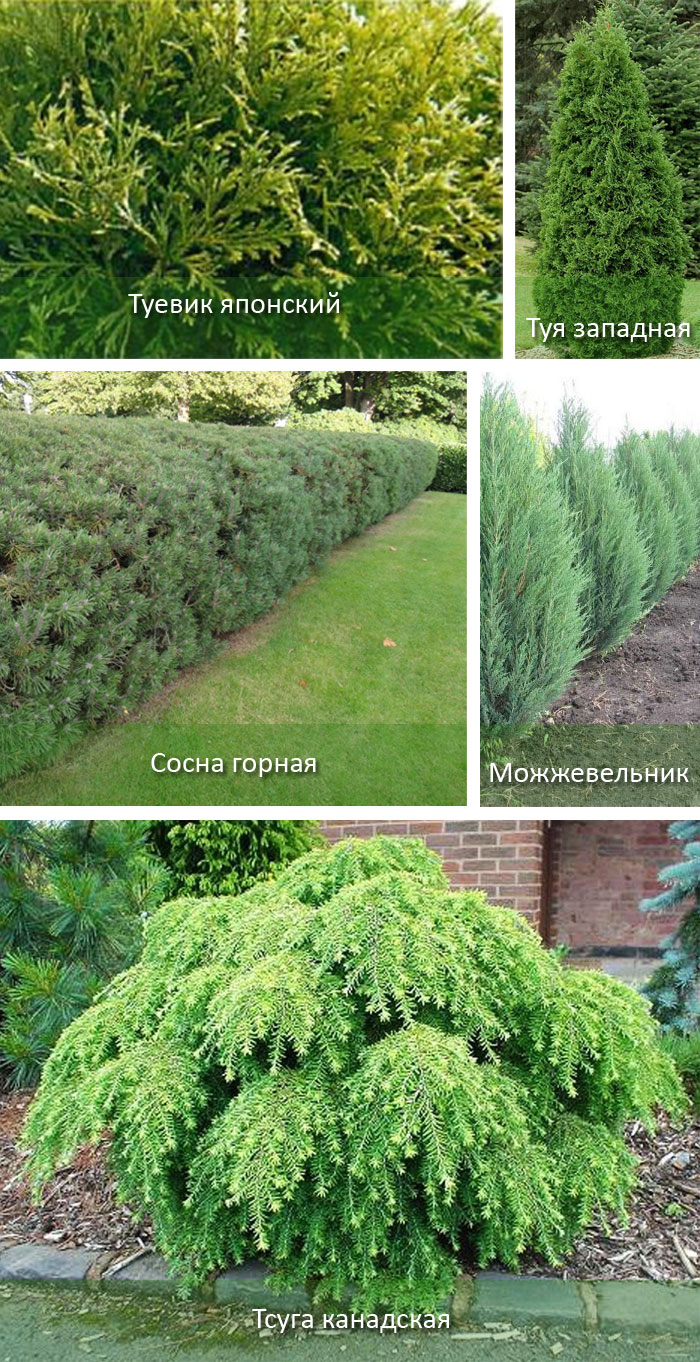
Roses delight us with their blooms during this period. Therefore, we must take good care of them and remove faded flowers promptly.
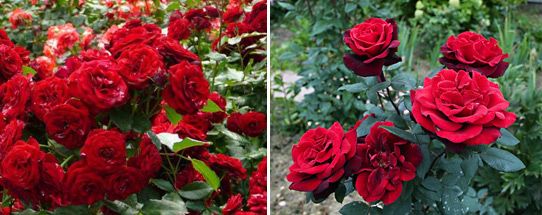
Before the 20th, you should apply the final fertilizer with potassium-phosphorus fertilizer (per bush: 10 grams of superphosphate, 5 grams of potassium sulfate). This will help them survive the winter.
To control growth and lignification, pinch off the tops of strong shoots, but do not cut them off to avoid causing new growth.
Roses can be replanted, especially on August 15th. Regularly inspect the bushes for pests and diseases so you can take timely action.
Read more about garden roses.
Transplanting irises
If these flowers haven't been replanted in a while, they've likely grown too large. Upon inspection, you might notice weak and stunted foliage. Such bushes no longer enhance the garden's beauty; they only detract from its appearance.
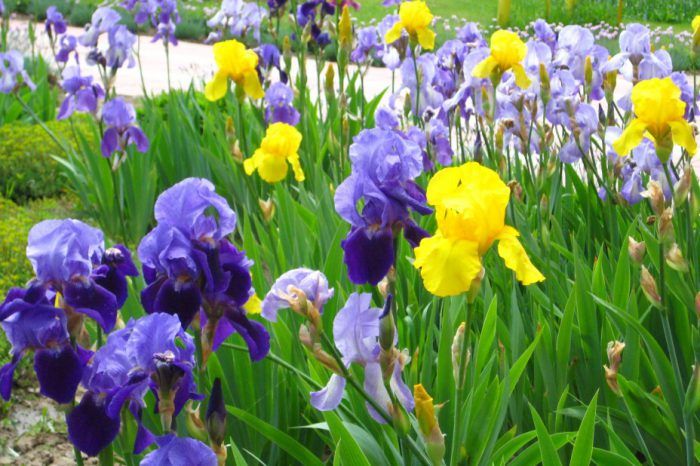
Irises The cuttings need to be replanted. Only the strongest and healthiest sections (a fan of green leaves and part of a young rhizome) should be used for transplanting. Trim the roots and greenery from the cuttings by about 10 cm. Place them in a light pink solution of potassium permanganate for several hours, then dry them in the sun for 24 hours, shading them from direct ultraviolet rays.
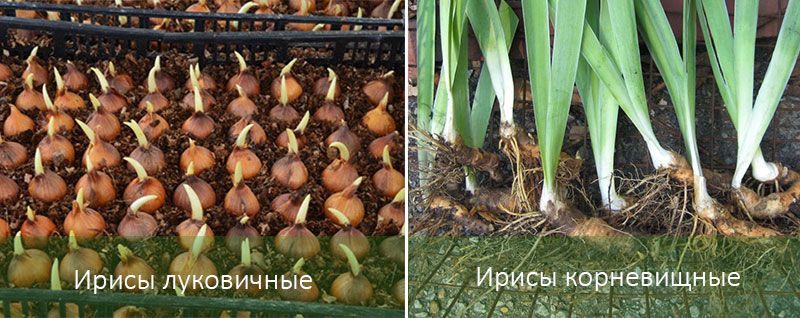
Step by step planting process:
- Dig holes and fill them with loose, fertile soil to form a mound.
- Place the rhizome on top.
- Spread it out along the slope, cover it with soil, lightly compact it with your hands and water.
After completing the work, it is necessary to check the planting depth; the rhizome should be at soil level.
Planting and propagation of lilies
Seating lilies It's recommended to plant at the end of the month, when 4-6 bulbs have formed. First, you need to dig up one bulb to ensure the roots are ready for division.
The bulbs should have time to recover after flowering, with juicy, firm scales. If they are loose or have a thinned surface, it's best to postpone replanting until early fall.
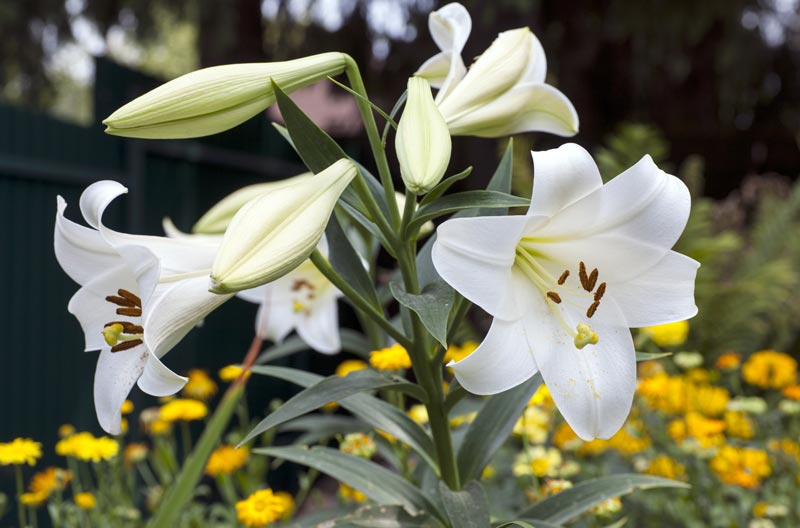
Before planting, you need to prepare the soil:
If the soil is heavy, dig it in with humus and sand (a bucket per square meter). Don't add more, as this will lead to intensive growth of green mass at the expense of flowering and healthy bulb formation. Furthermore, excess organic matter reduces frost resistance and immunity to infections.
If the soil is light, dig it in with compost or humus (one bucket per 1 square meter). You should also add superphosphate (2 tablespoons) and potassium sulfate (1 tablespoon).
Step by step transplant process:
- Dig furrows 2-3 times deeper than the size of the bulbs.
- Pour a layer of sand on the bottom.
- Place the bulbs on it, straightening out the roots.
- First fill with sand, then with fertile soil.
Please note! To ensure continued good plant development, the bulbs must be fresh and not overdried.
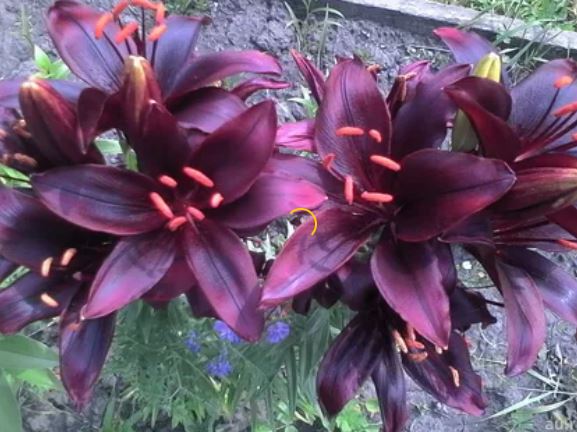
Propagating Asiatic lilies is quite simple:
- Collect the largest and healthiest bulblets in the leaf axils.
- Dig furrows at a distance of 20 cm from each other, 2-3 cm deep, water.
- Place the bulblets in them at a distance of 5-6 cm.
- Fill with fertile soil, mulch with compost.
The following year, Asiatic lilies will form a rosette, but will bloom only in the 3rd season.
Dividing peonies
It is possible to propagate in August peonies.
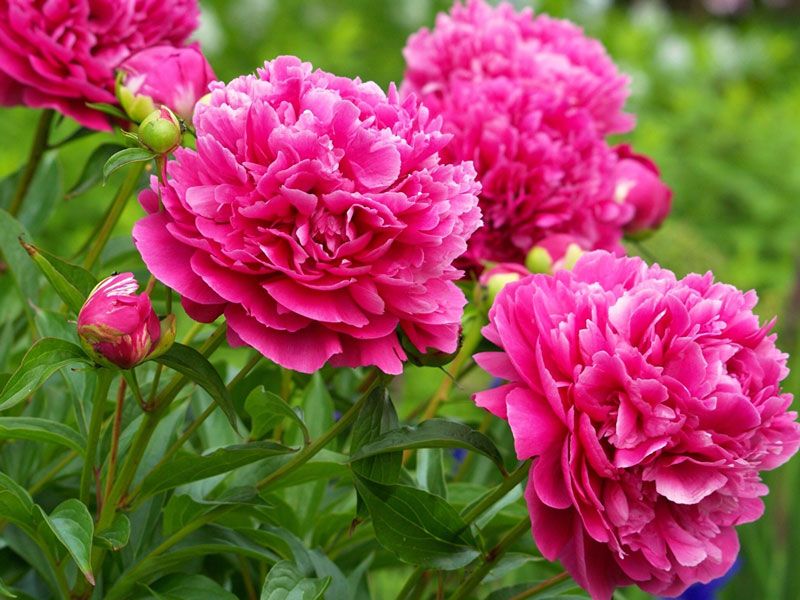
Step by step actions:
- Dig wide and deep holes (70 cm) at a distance of 1 m from each other.
- Add a couple of buckets of compost or humus, 300 g each of potassium sulfate and superphosphate.
- Mix all ingredients thoroughly.
- Add a layer of fertile soil on top (20-25 cm).
- Dig up the peony bushes and divide them into divisions with 1-2 buds and a small part of the rhizome.
- When planting in heavy soil, plant the buds 30-50 mm deep; in light soil, bury them 50-70 mm deep. If you don't follow this rule and leave them closer to the surface, they may freeze in winter and overheat in summer. If you plant them too deeply, flowering will never occur.
Please note! Holes should be dug 2-3 weeks before planting to allow the soil to settle.
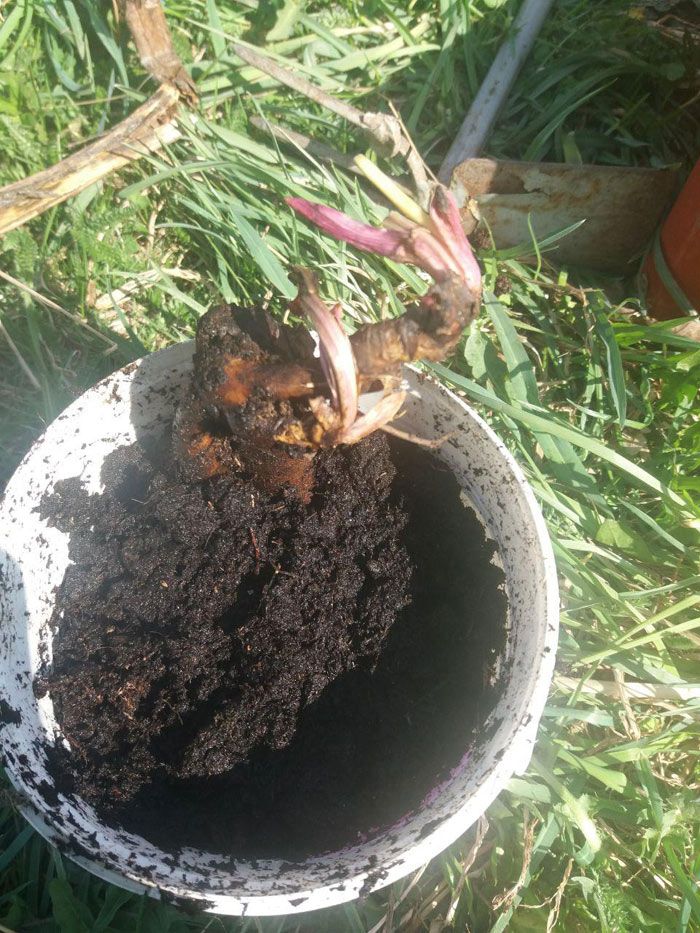
Cuttings of perennials
Step by step actions:
- Prepare a bowl or seedling box.
- Create drainage at the bottom, for example, from sand or fine expanded clay.
- Add 3 cm of fertile soil, then 5 cm of sand on top. The cuttings will root in the sand and then extend into the ground.
- Take planting material with 2-3 internodes. Trim the lower foliage and shorten the upper foliage.
- The part from which the leaves were removed should be buried in wet sand.
- Cover with film or glass and place in a shaded area.
- Once the cuttings have taken root, they can be transplanted to a permanent location.
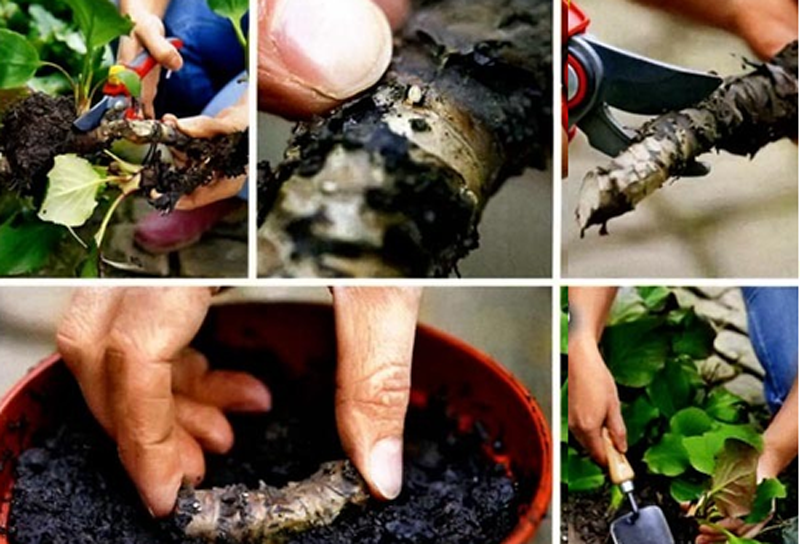
Helpful information! During the first winter, cover young bushes with fallen leaves or compost to prevent them from freezing.
Propagation of clematis
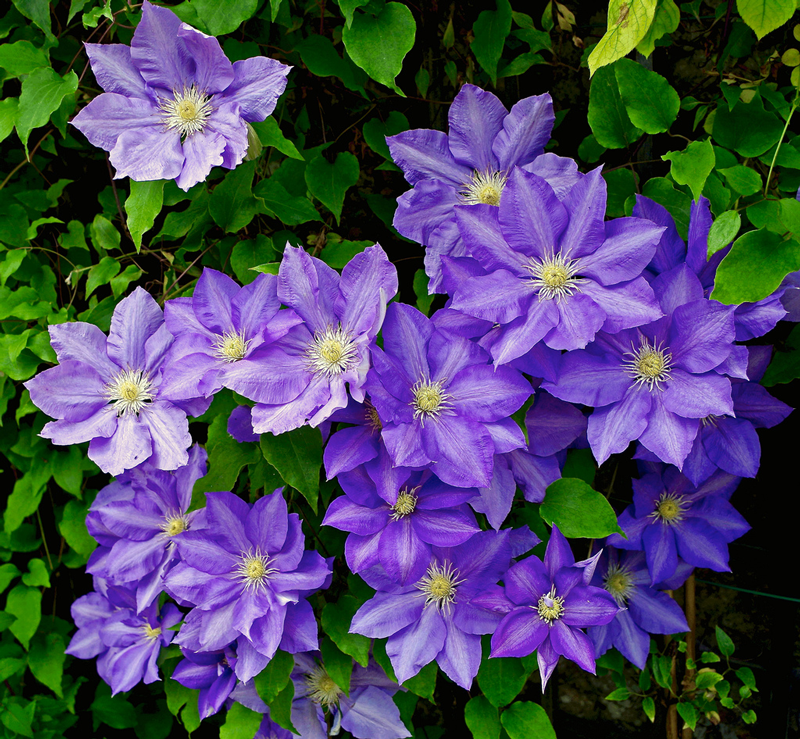
Young bush clematis can be obtained by burying a cutting next to the mother plant:
- Dig a trench 10 cm deep.
- Without cutting, carefully remove the shoot from the trellis.
- Place it on the bottom of the trench, securing it with wire pins.
- Sprinkle with fertile soil, leaving a growth point (20 cm) on the surface.
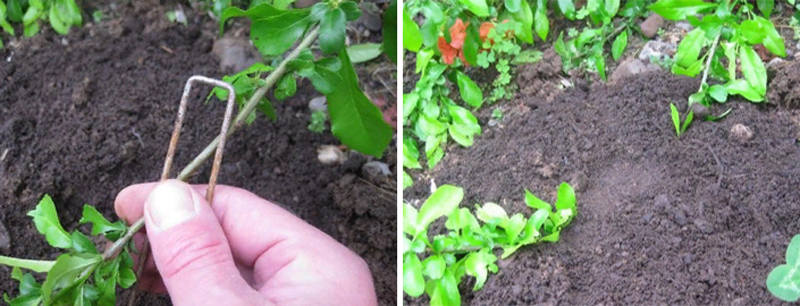
After planting, you need to water it regularly; several young bushes will appear next season.
Dividing primroses
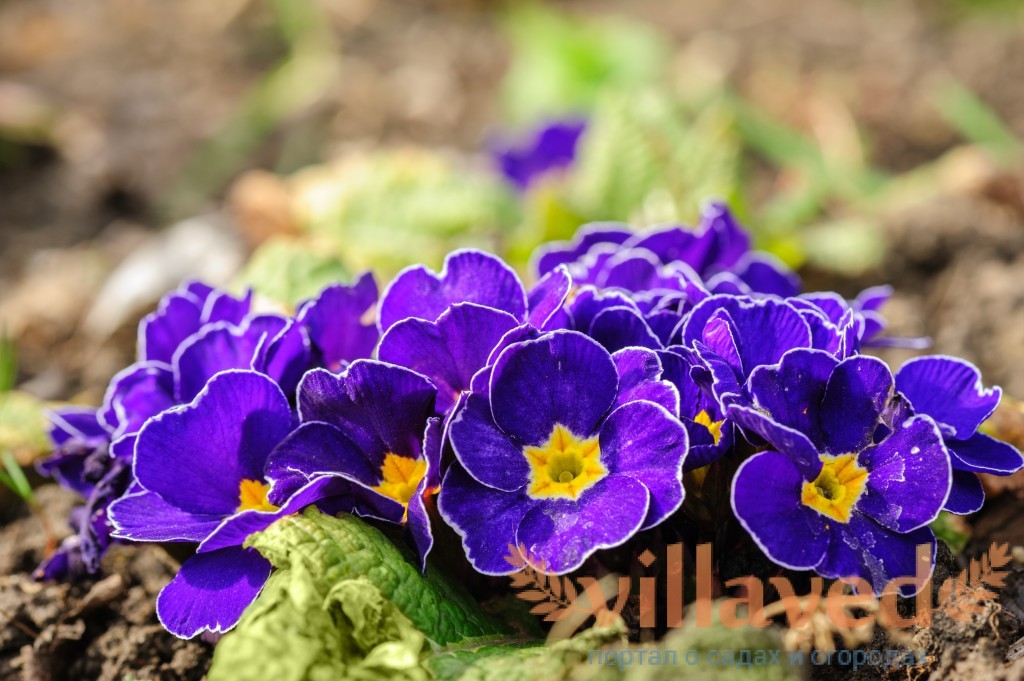
Primroses are recommended to be divided immediately after flowering. However, this can also be done in August.
This time has its advantages:
- It's easy to tell when different primrose species are ready to divide. This is indicated by the growth of new leaves.
- For more valuable primrose varieties, you can collect the seeds in August, as they quickly lose viability. Then, within a week of collection and drying (no more!), sow them in boxes, which you then bury in a shaded area.
Seed collection
If perennial seeds have not been collected earlier, this must be done in August.
If the work is carried out in cool and rainy weather, the seeds will germinate less effectively. Moreover, by September, the seeds may already be falling off.
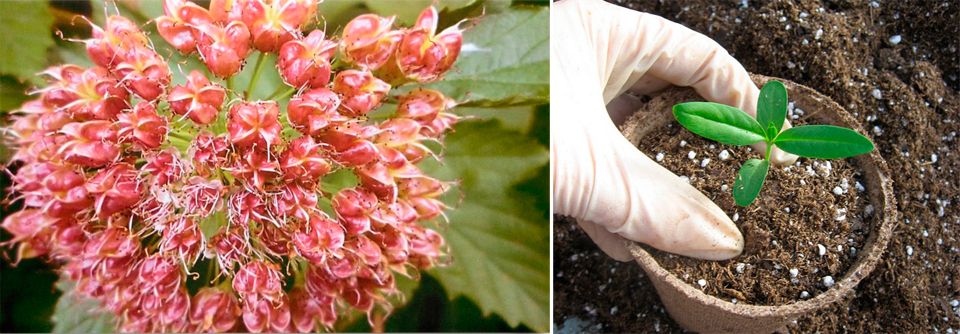
Snapdragon flower stalks should be cut off when holes appear on the lower seed pods. Although zinnia seeds ripen evenly and remain on the plant longer, it's best to collect them as well and dry them in a well-ventilated area.
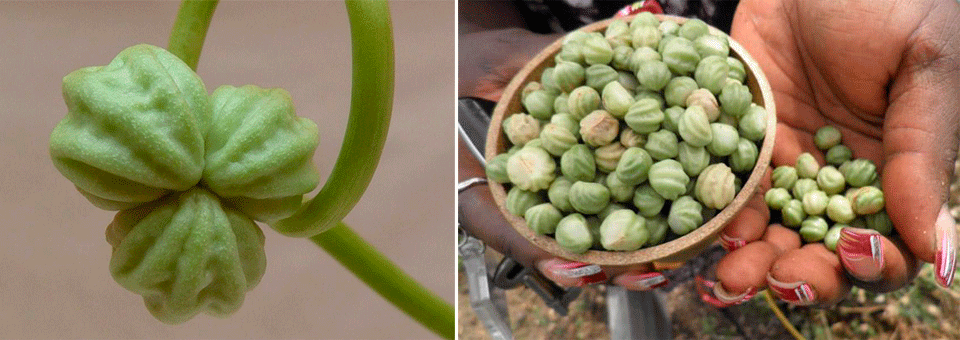
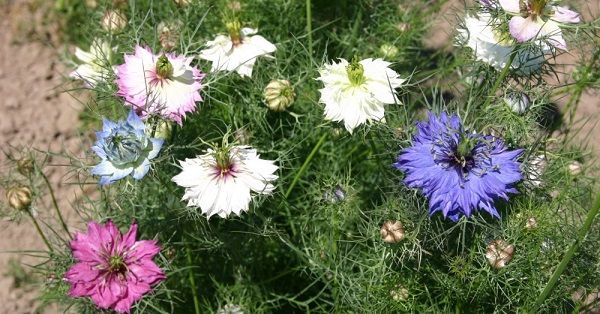
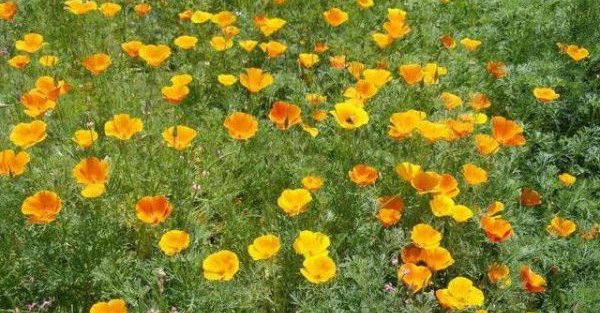
As they ripen, you need to collect the seed material of annuals: marigold, sweet pea, etc. It is also recommended to cut off the flower stalks of self-seeding plants: nigella, California poppyThis will allow these flowers to be planted in a suitable location, rather than having to replant the bushes once they've grown to their desired location.
Moving houseplants back indoors
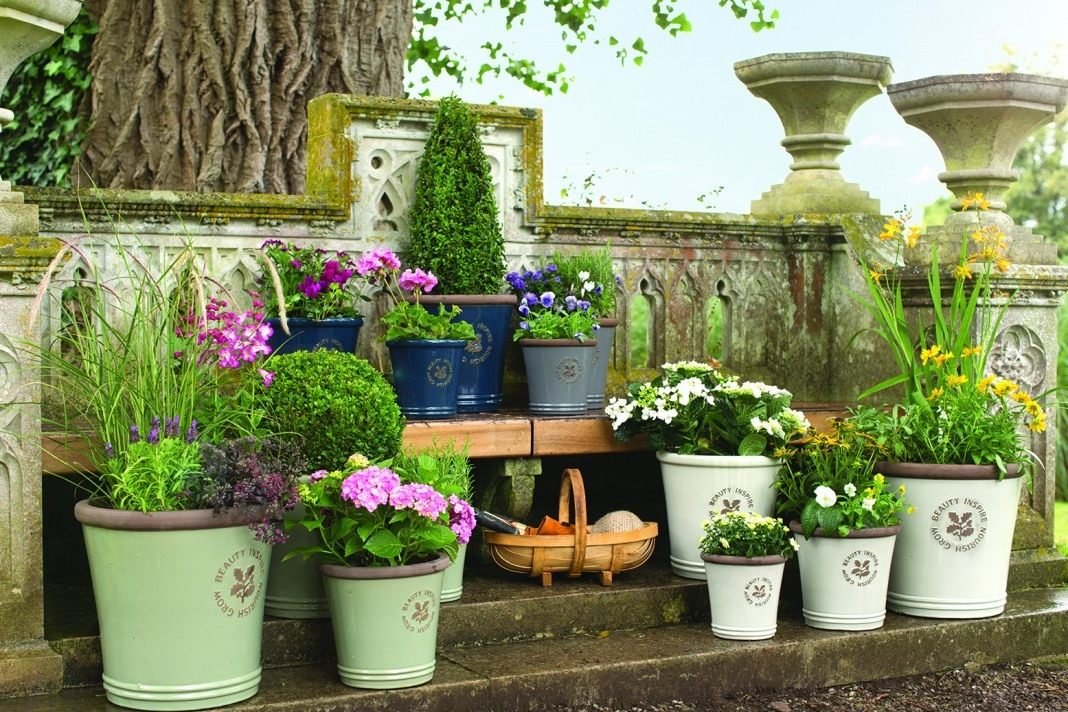
Before bringing houseplants back indoors, they should be sprayed with Fitoverm and wrapped in plastic film to prevent them from bringing aphids or spider mites into the home.
Ficus, hibiscus, and other flowers grow rapidly over the summer and will need to be repotted into larger pots. Other container-grown plants will need their topsoil replaced because it has lost its nutritional value.
Carefully inspect the bushes, pinch off the tops if necessary, cut off excess, diseased, and dried branches.
You can take cuttings from pelargoniums. These will root faster than those taken in the fall. If the plant produces seeds, they should be collected for winter sowing.
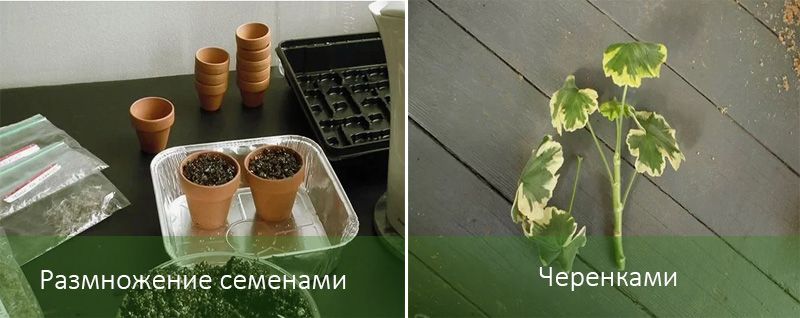
For all flowers, it is necessary to reduce the nitrogen concentration in the nutrient mixtures so that they begin preparing for winter.
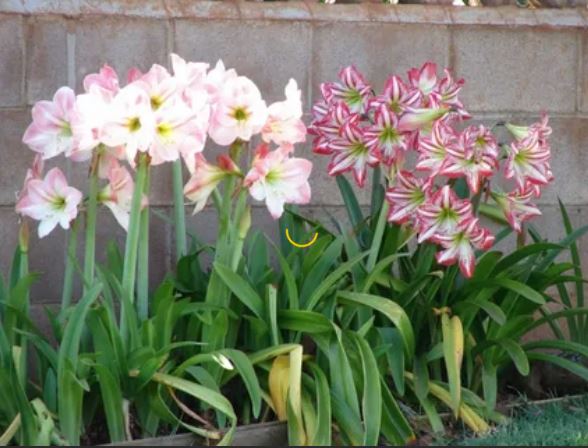
For hippeastrums Reduce watering. This will allow the leaves to dry out, the bulbs to receive nutrients, and the bush to prepare for dormancy. Cyclamen tubers should be replanted in a soil mixture consisting of leaf mold, humus, peat, and sand (3 to 1 to 1 to 1).
These recommendations will help you keep your flower garden looking beautiful. Following the lunar calendar will ensure prolonged flowering, fewer plant diseases, and a longer-lasting enjoyment.