There's still a lot of work to be done in the second month of autumn. This primarily involves preparing for winter and harvesting the remaining crops.
Content
- 1 Favorable and unfavorable sowing days in October 2024
- 2 Favorable and unfavorable days for planting seedlings in October 2024
- 3 What dates are allowed and not allowed for planting flowering plants in October 2024?
- 4 Favorable and unfavorable days for various crop care tasks in October 2024
- 5 Moon phases and days by zodiac sign in October 2024
- 6 Lunar calendar for gardeners and vegetable growers for October 2024 by date
- 6.1 1.10
- 6.2 2.10-4.10 (up to 14:21)
- 6.3 4.10 (from 14:21) - 6.10
- 6.4 7.10-9.10 (until 12:38 p.m.)
- 6.5 9.10 (from 12.38 pm) - 11.10 (until 19.31 pm)
- 6.6 11.10 (from 19.31 pm) - 13.10 (until 22.55 pm)
- 6.7 13.10 (from 22:55) - 15.10
- 6.8 16.10-17.10
- 6.9 18.10-19.10
- 6.10 20.10-21.10
- 6.11 22.10-24.10 (until 08:24)
- 6.12 24.10 (from 08:24) - 26.10 (until 18:47)
- 6.13 26.10 (from 18:47) - 29.10 (until 07:29)
- 6.14 29.10 (from 07:29 a.m.) - 31.10 (until 20:29 a.m.)
- 6.15 31.10 (until 20:29) - 31.10 (until 24:00)
- 7 Gardening in October
- 8 Work in the garden
- 9 Harvesting and storage of crops
Favorable and unfavorable sowing days in October 2024
The table shows suitable and prohibited dates for planting, harvesting and storing various crops.
| Vegetable crop | Favorable and after or before certain hours (see below) days | Prohibited dates |
|
Cabbage |
4—6, 7-9 (cleaning), 13-15, 16 (cleaning),29-31 |
1, 2, 3, 11—13, 16, 17, 18, 31 |
| Tomatoes (harvest) | 3—9, 16, 29—31 (for quick consumption) | |
| Greens, sorrel | 1, 3—9, 13-15, 16 (cleaning), 18—26, 29—31 | |
| Cucumbers (collection) |
3—9, 16, 29—31 (for quick consumption) |
|
| Onion |
3—4, 13-15, 18-19, 20-21 (cleaning), 22—24, 29—31 |
|
| Garlic | 3—4, 18-19, 22—24, 29—31 | |
| Carrots, parsley, celery | 18-21, 24—26 (for greens), 29—31 | |
| Radish, radish | 9—11 (radish), 18—24, 29—31 |
Favorable and unfavorable days for planting seedlings in October 2024
The table below shows the favorable and recommended ones. after or before certain hours (see below), as well as unfavorable and prohibited dates for planting and transplanting various berry and fruit seedlings.
| Garden culture | Recommended days | Unfavorable, prohibited |
| Gooseberries, currants | 1, 3—6, 9—11, 13-15, 22—29 | 1, 2, 3, 11—13, 16, 17, 18, 31 |
| Grape | 3—9 | |
| Trees | 3—11, 13-15, 18-19, 22—26, 29—31 | |
| Raspberries, blackberries, strawberries | 3—11, 13-15, 18-21, 22—31 |
What dates are allowed and not allowed for planting flowering plants in October 2024?
The table below shows favorable dates for classes with flowering and ornamental plants, days for planting undesirable, A Also favorable only for certain groups or at certain times (see below).
| Variety | Favorable | Unfavorable |
| Clematis, climbing | 3—4, 7-11, 20-21 | 1, 2, 3, 11—13, 16, 17, 18, 31 |
| Roses | 1, 3-9, 18-19, 20-21 (climbing) | |
| With tubers and bulbs | 9—11, 18-19, 26—31 | |
| Biennials, annuals and perennials | 1,3—4, 4—6, 7-9, 9—11, 13-15, 18-19, 20—21, 26—31 | |
| Houseplants | 3—4, 7-9, 9—11, 13-15, 18-19, 20—21, 26—31 |
Read more about caring for blooming flowers in October in the article Lunar calendar for the gardener for October 2024.
Favorable and unfavorable days for various crop care tasks in October 2024
Please note on highlighted dates, planting work on them must be started and completed at certain times (see below for days according to the signs of the Zodiac).
| Works | Favorable days | Unfavorable and prohibited days |
| Transplantation, division of rhizomes, digging | 1, 3—4, 13-15, 22-24, 24—26, 26—31 | 1, 2, 3, 4—6, 11—13, 16, 17, 18-21, 31 |
| Pruning, cuttings | 1, 3—4, 9—11, 18-21, 24—26, 26—31 | 1, 2, 3, 4—9, 13-15, 16, 17, 18, 31 |
| Watering, loosening, fertilizing | 1, 3—4(with caution), 4—6, 13-15 (moderate), 18-19 (without loosening), 22-24, 26—31 | 1, 2, 3, 7-9, 11—13, 16, 17, 18, 20-21, 24—26, 31 |
| Mowing the lawn | 1-4, 7-11, 13-21, 26-31 | — |
| Disease and pest control | 1, 4—13, 16-21, 24—29, 31 | 2-4, 13-15, 22-24, 29—31 |
| Blanks | 3—4, 4—6(except freezing and baking), 7-11, 18-21, 24—26, 29—31 | 1, 2, 3, 13-15, 16, 17, 18, 22-24, 26—29, 31 |
| Harvesting | 3—4, 4—9 (tops), 9—11, 11—13 (ripe above ground), 16, 18-21, 24—26, 29—31 | 1, 2, 3, 4-6 (root vegetables), 13-15, 16, 17, 18, 22-24, 26—29, 31 |
| Sending the harvest for storage | 3—4, 7-13, 18-21, 29—31 | 1, 2, 3, 13-15, 16, 17, 18, 22-24, 26—29, 31 |
Moon phases and days by zodiac sign in October 2024
Conventional designations:
- «+" - good fertility;
- «+/-" - average fertility;
- «—" - low fertility;
- ◐ — Waxing moon;
- ◑ — Waning Moon;
- ● — New Moon;
- ○ — Full moon.
Moon phases in October 2024:
- ◑ — 1, 18-31
- ● — 2 (21h 49m)
- ◐ — 3-16.
- ○ — 17 (14h 26m).
Days according to the Zodiac signs:
- ♍ Virgo — 1, 26 (from 18:47)-29 (until 07:29).
- ♎ Libra — 2-4 (until 14:21), 29 (from 07:29)-31 (until 20:29).
- ♏ Scorpio - 4 (from 14:21)-6, 31 (from 20:29)-31 (until 24:00).
- ♐ Sagittarius - 7-9 (until 12:38).
- ♑ Capricorn — 9 (from 12:38 a.m.) - 11 (until 7:31 p.m.).
- ♒ Aquarius — 11 (from 19:31) - 13 (until 22:55).
- ♓ Pisces - 13 (from 10:55 pm) - 15.
- ♈ Aries - 16-17 (until 23:00).
- ♉ Taurus - 17 (from 23:00)-19.
- ♊ Gemini - 20-21.
- ♋ Cancer - 22-24 (08h 24m).
- ♌ Leo — 24 (from 08:24) - 26 (until 18:47).
Lunar calendar for gardeners and vegetable growers for October 2024 by date
Below we will provide recommendations on what work can and cannot be carried out on certain dates in October.
It is essential to take regional peculiarities into account.
1.10
♍ Virgo +-, ◑, Root days.
It is not advisable to soak the seeds. Preserving and harvesting should be avoided.
| For gardeners | For florists | For gardeners, general work |
Work that we do before 1.10 (21 hours 49 minutes):
|
Work that we do before 1.10 (21 hours 49 minutes):
|
Work that we do before 1.10 (21 hours 49 minutes):
|
2.10-4.10 (up to 14:21)
♎ Libra, +-, ●, Flower days
2.10 at 21:49 – Exact New Moon.
In the days leading up to and following the Exact New Moon, it is prohibited to plant and sow, pick, root, prune, shape, moisten the soil, apply nutrient mixtures, harvest and store crops for long-term storage, or make preparations.
The following work can be undertaken:
| For gardeners | For florists | For gardeners, general work |
|
|
|
Only from 3.10 (21:49) the following work can be performed:
| For gardeners | For florists | For gardeners, general work |
|
|
|
4.10 (from 14:21) - 6.10
♏ Scorpio, +, ◐, Leaf Days
It is forbidden to harvest root crops, carry out formative pruning, propagate, or freeze.
| For gardeners | For florists | For gardeners, general work |
|
|
|
7.10-9.10 (until 12:38 p.m.)
♐ Sagittarius, +-, ◐, days of Fruition
You cannot water, prune, or care for indoor flowers.
| For gardeners | For florists | For gardeners, general work |
|
|
|
9.10 (from 12.38 pm) - 11.10 (until 19.31 pm)
♑ Capricorn, +-, ◐, Root days
It is undesirable to touch the root system.
| For gardeners | For florists | For gardeners, general work |
In the greenhouse:
South: Weeding perennial crops (rhubarb, sorrel, asparagus, chives), tearing off old leaves, loosening the soil, fertilizing. |
|
|
11.10 (from 19.31 pm) - 13.10 (until 22.55 pm)
♒ Aquarius, —, ◐, Flower days.
It is not advisable to plant anything, water it or add nutrient mixtures.
| For gardeners | For florists | For gardeners, general work |
|
|
|
13.10 (from 22:55) - 15.10
♓ Pisces, +, ◐, Leaf days.
Pruning and chemical treatments are not recommended. You should avoid fermenting cabbage or harvesting it.
| For gardeners | For florists | For gardeners, general work |
In the greenhouse:
|
|
|
16.10-17.10
♈ Aries, +-, ○, days of Fruition.
17.10 at 14:26 – Exact Full Moon.
The day before and after the Exact Full Moon, it is not recommended to sow, plant, or transplant plants, soak seeds, prune, or fertilize, and you should not harvest vegetables or fruits.
| For gardeners | For florists | For gardeners, general work |
Work that we do until 16.10 (14 hours 26 minutes):
|
|
Work that we do until 16.10 (14 hours 26 minutes):
|
18.10-19.10
♉ Taurus, +, ◑, Root days
You must not loosen the soil around the roots, because if you damage them, the wounds will take a long time to heal..
Only from 18.10 (from 14.26) the following works can be carried out:
| For gardeners | For florists | For gardeners, general work |
|
|
|
20.10-21.10
♊ Gemini, —, ◑, Flower days
It is not advisable to replant, water or fertilize.
| For gardeners | For florists | For gardeners, general work |
|
|
|
22.10-24.10 (until 08:24)
♋ Cancer, +, ◑, Liszt days.
Do not treat with chemicals or preserve.
| For gardeners | For florists | For gardeners, general work |
|
|
Center: Covering berry bushes and strawberries for the winter (depending on the weather). North: Draining water from barrels, pipes, cleaning hoses. |
24.10 (from 08:24) - 26.10 (until 18:47)
♌ Leo, —, ◑, Fruit Day
You cannot add fertilizer or moisturize.
| For gardeners | For florists | For gardeners, general work |
|
|
|
26.10 (from 18:47) - 29.10 (until 07:29)
♍ Virgo +-, ◑, Root days.
It is not advisable to soak the seeds. Preserving them is not recommended.
| For gardeners | For florists | For gardeners, general work |
|
|
|
29.10 (from 07:29 a.m.) - 31.10 (until 20:29 a.m.)
♎ Libra, +-, ◑, Flower days
It is prohibited to spray plants with chemicals against diseases and pests.
| For gardeners | For florists | For gardeners, general work |
|
|
|
31.10 (until 20:29) - 31.10 (until 24:00)
♏ Scorpio, +, ◐, Leaf Days
It is forbidden to harvest root crops, carry out formative pruning, propagate, or freeze.
We will only do planting, harvesting, watering and fertilizing work until October 31 (3:46 pm):
| For gardeners | For florists | For gardeners, general work |
NorthIf frost sets in, cover winter crops with compost, sawdust or humus. |
|
SouthSanitary pruning of grapes, pinning of tied branches to the ground, treatment with a 3% solution of Bordeaux mixture, covering with roofing felt. Fallen leaves are placed between the rows of grapes. NorthCovering strawberries and wild strawberries with spruce branches. Burying trunks. Tying up spreading shrubs and trees that are susceptible to snowfall. |
.Gardening in October
The remaining harvest must be collected. Only then can preparations for winter begin.
Harvesting and storage
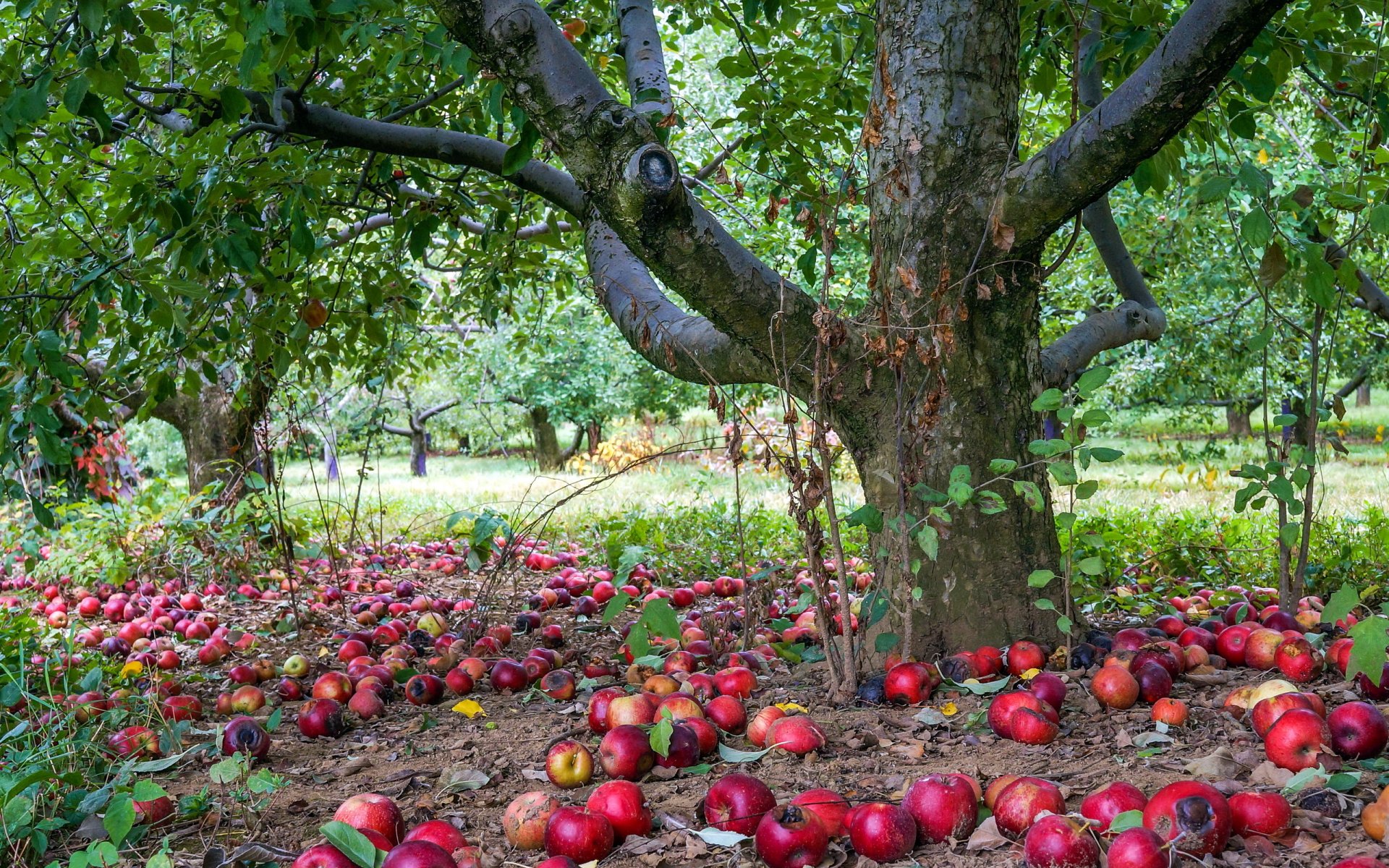
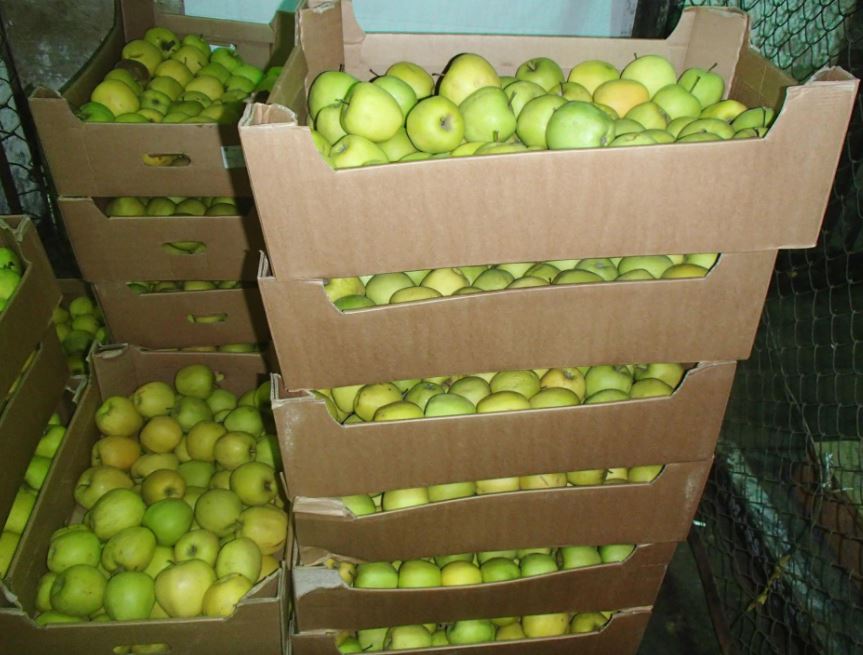
Pears and apples need to be picked and stored. To ensure their shelf life is extended, they should be cooled immediately after being picked from the branches and stored at a temperature of 0 to +5°C. If the fruit is picked too early, they should be kept at +2 to +5°C, otherwise they will not have time to ripen fully.
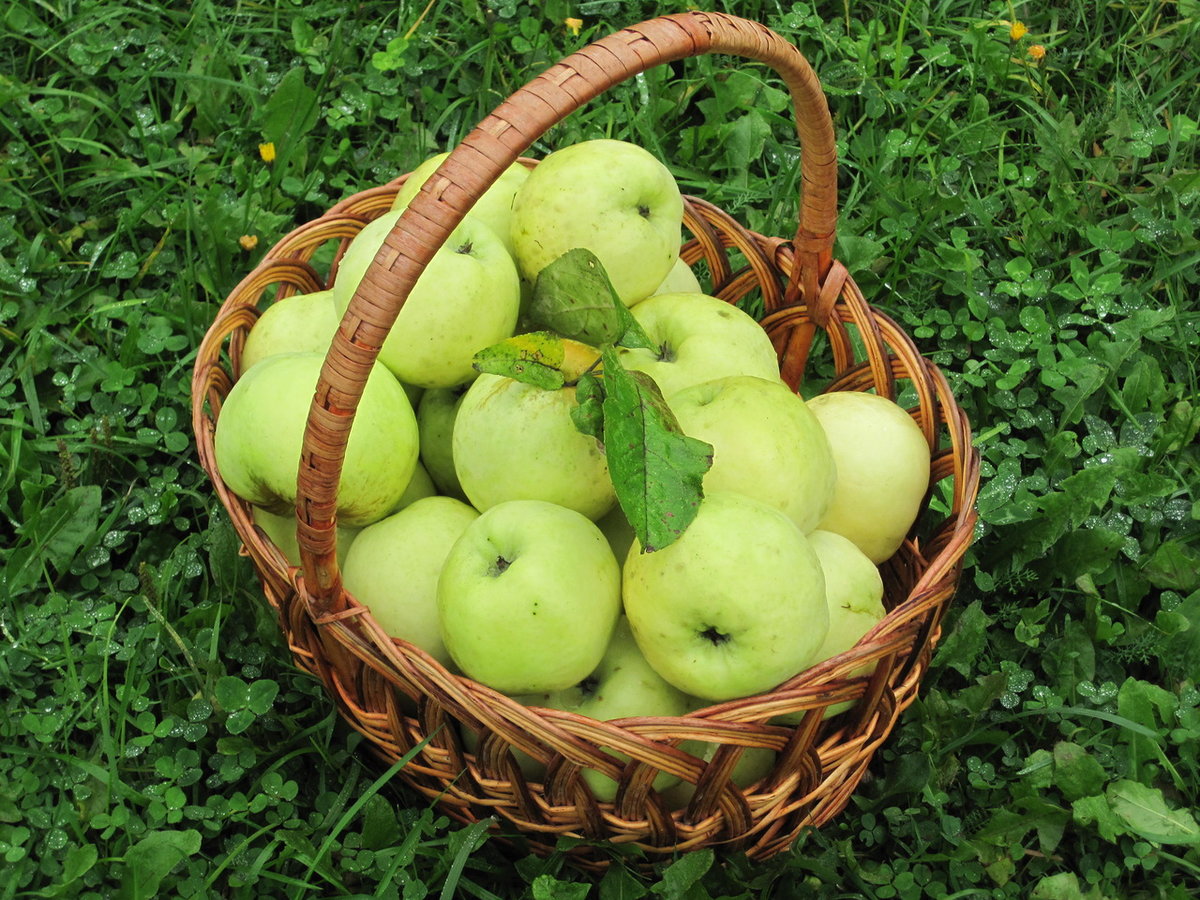
Before storing the harvest, it's important to sort it. Discard any diseased, damaged, or rotten fruit.
It's recommended to store fruit in cardboard boxes or crates with latticework. If these aren't available, sturdy, translucent 1-1.5 kg bags will do.
Helpful information! Large fruits ripen earlier, so each variety should be sorted by size and removed from the cellar at different times. This ensures they are all ripe by the time you're ready to eat.
ttp://top-bg.tomathouse.com/wp-content/uploads/2020/09/plody-yashik-700×531.jpg» alt=»Fruit Storage» width=»700″ height=»531″
Planting and preparation for winter
Fruit and berry crops can be planted 2 weeks before the first frost.
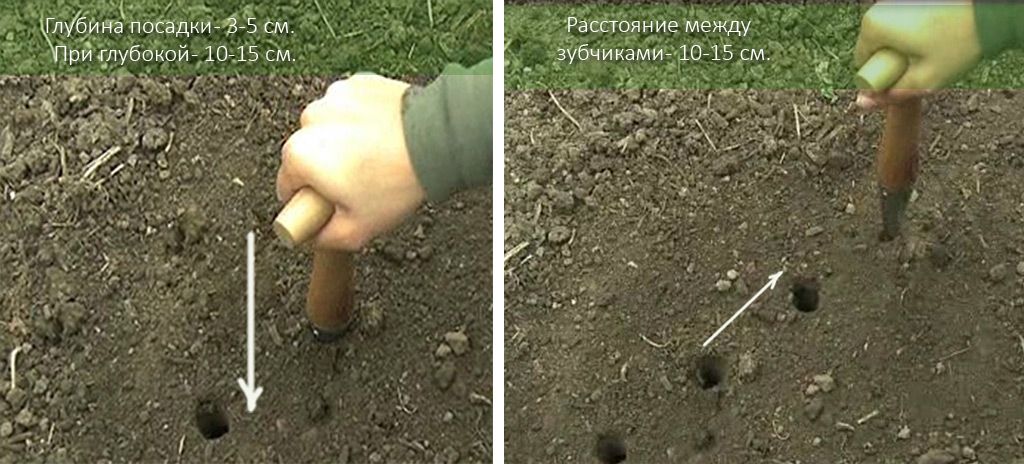
Read about autumn planting of various crops on our website https://top-en.tomathouse.com/.
When the foliage begins to change color, spray the crown with urea. This is necessary to kill fungal spores, including scab.
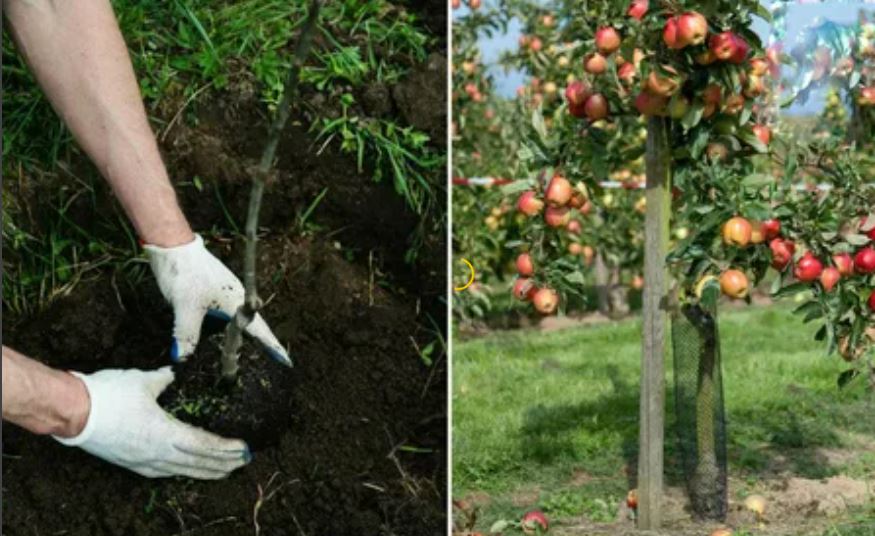
In October, you can sow apple, pear, stone fruit, quince, and viburnum seeds. They will undergo cold stratification and sprout in the spring.
Before frost sets in, dig the soil under the plantings shallowly. Don't break up clods to improve moisture absorption and retain snow. Digging will also kill some pests that overwinter in the soil.
Mulch new plantings. In this case, there's no need to dig; light loosening is sufficient. If using sawdust, hay, or straw as mulch, they should be pre-treated with urea or ammonium nitrate.
Trimming
Currants and gooseberries need to be pruned. Remove old and crowding shoots to allow the plants to grow freely. This will ensure a bountiful harvest in the following growing season. When pruning, avoid leaving stumps, as these provide an excellent overwintering ground for various insects and pathogens.
Red currant The black cumin will bear fruit for 15-20 years, the black cumin for 5-6, and the gooseberry for 5-8. After this, the plantings need to be renewed.
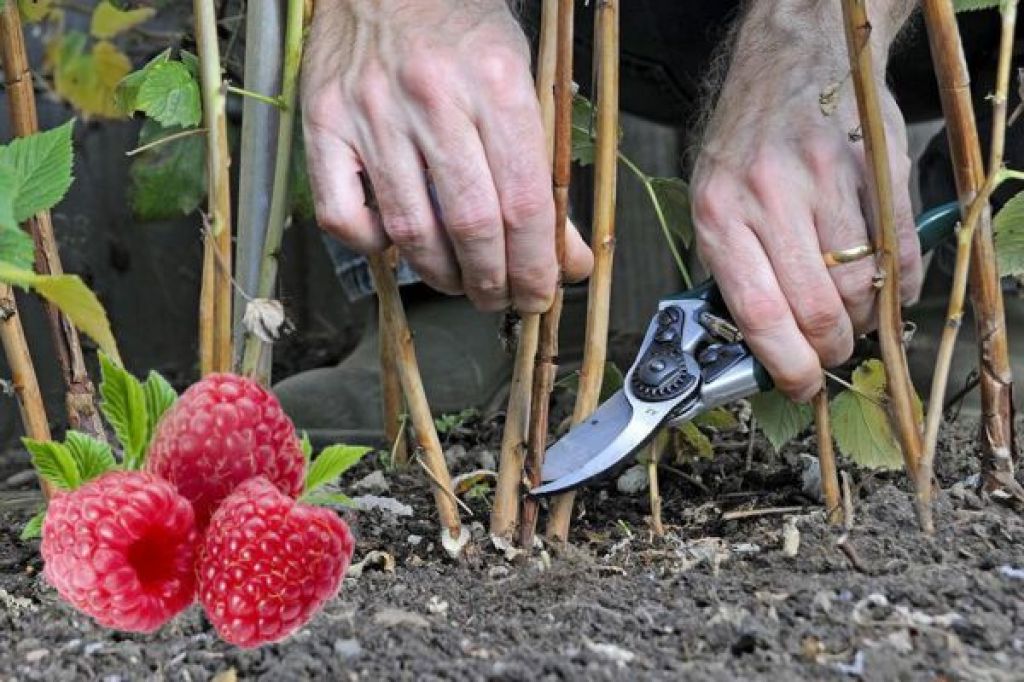
The entire above-ground mass of the bush everbearing raspberriesWhen cold weather sets in, cut the roots back to ground level. Only the root system survives the winter. It should be mulched with humus or compost to a depth of about 7 cm.
Strawberries produce a bountiful harvest for two years, but the yield declines in the third season. Therefore, after the third fruiting season, the plantation should be dug up and new bushes planted.
Other works
The trunk circles of young trees should be dug to a depth of 0.15-0.2 m. After the onset of frost, they will need to be mulched.
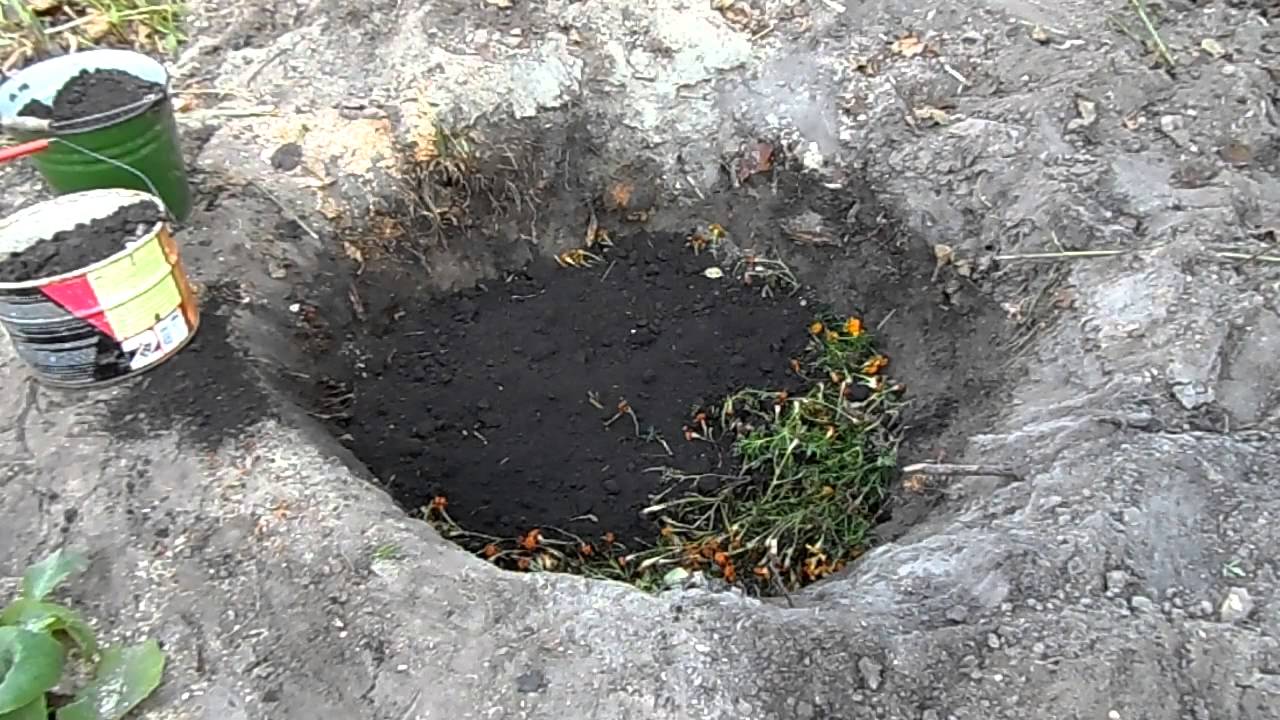
Before the ground freezes, dig holes for spring planting.
To help trees survive the winter, apply a phosphorus-potassium mixture to the tree trunks and work it into the soil with a hoe. If this has already been done, there is no need to repeat the process.
Remove old bark from the trunks and whitewash them. For young trees, a chalk solution is best. For mature trees, a lime-clay mixture or a special garden paint is recommended.
To protect fruit trees from hares, add castor oil to garden whitewash.
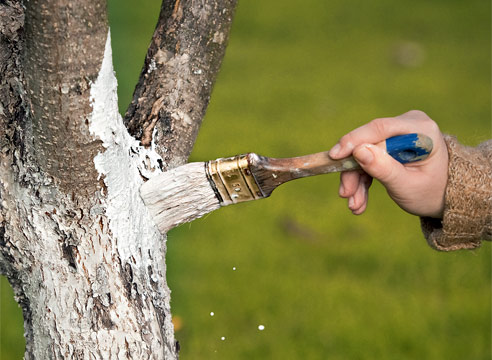
Remove dried leaves, plant debris, and debris. Collect and burn dried and diseased branches.
Work in the garden
There's a lot of work to do in the garden, too. The remaining harvest needs to be harvested, winter garlic needs to be planted, and the beds need to be prepared.
Before the soil freezes, add manure or compost. This will make it more nutritious, water- and air-permeable, which will improve the soil's ability to thrive in the spring.
If such organic matter is unavailable, you can chop up bean and fava bean stalks, carrot tops, nettles, tansy, chamomile, and yarrow with a spade handle. Add these to the soil and dig up to the depth of a spade blade. Marigolds and calendula can be used in the same way. These plants are excellent preventatives against fungus and insect infestations.
It's recommended to prepare soil for planting houseplants and seedlings in late winter or early spring. Store-bought potting soil mixes are also available. However, it's preferable for seedlings to grow consistently in the same substrate. The prepared soil can be stored in a shed to prevent it from freezing.
Green manure
Winter green manure crops need to be sown. They will have time to sprout and grow strong, and will survive the winter well.
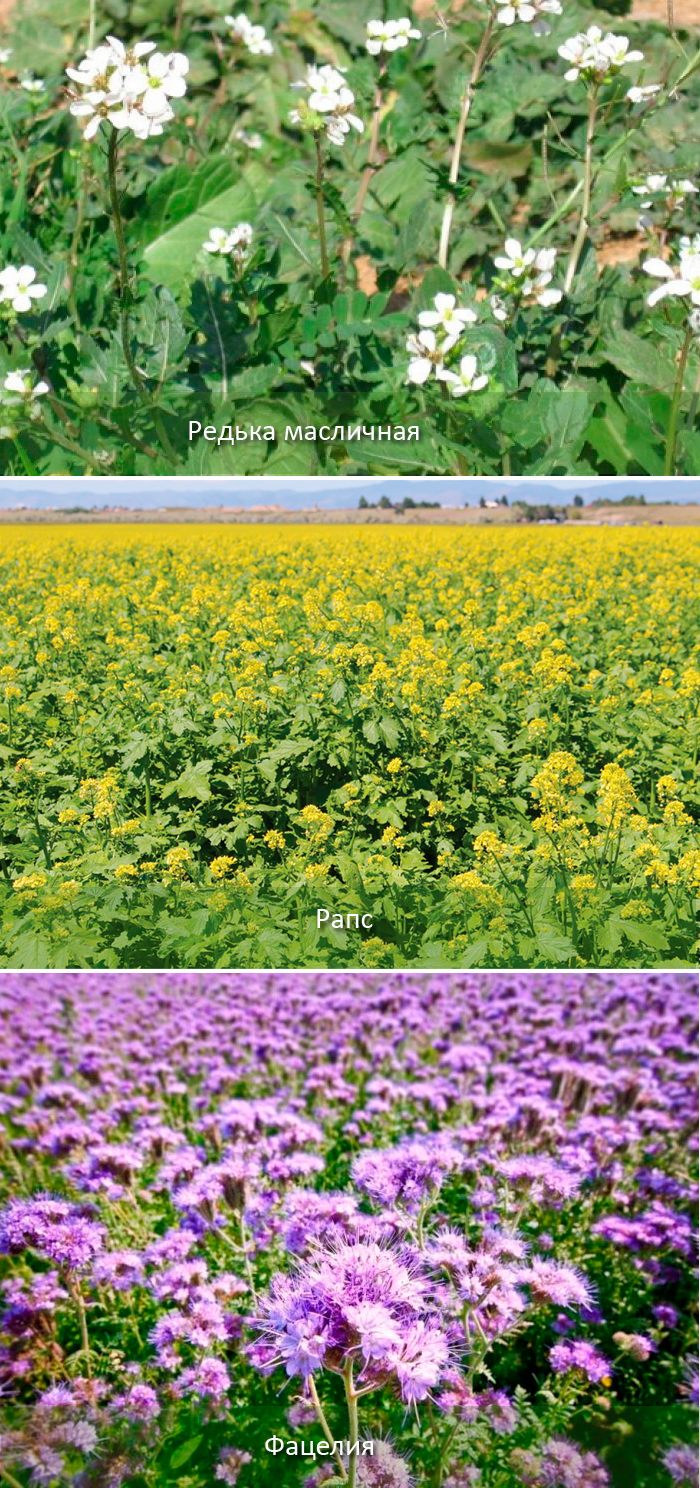
Please note! Avoid over-watering the soil before planting. If it's too dry, watering it along the seed furrows, several times at a time, will be sufficient. Avoid watering after that. This will cause the green manure roots to seek moisture and actively grow downwards. This loosens the soil at depth and enriches it with nutrients.
Green manure crops are essential for improving soil characteristics. It is recommended to dig them in late autumn, when they have developed a lush green mass. In the spring, this area will be planted with early crops.
If you plan to plant heat-loving nightshade species after green manure, they can be dug up at the beginning of the next growing season, immediately after the snow melts.
Site preparation
The site for winter sowing should be sunny and warm. The area should be dug over. For this, use a bucket of compost or humus and 1 tablespoon each of superphosphate and potassium sulfate.
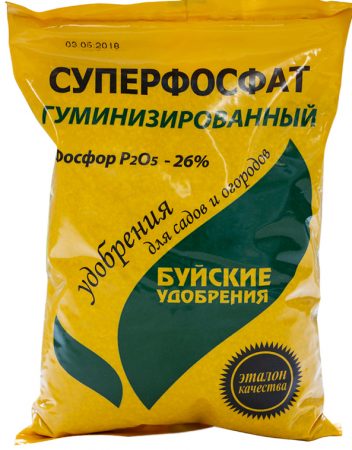
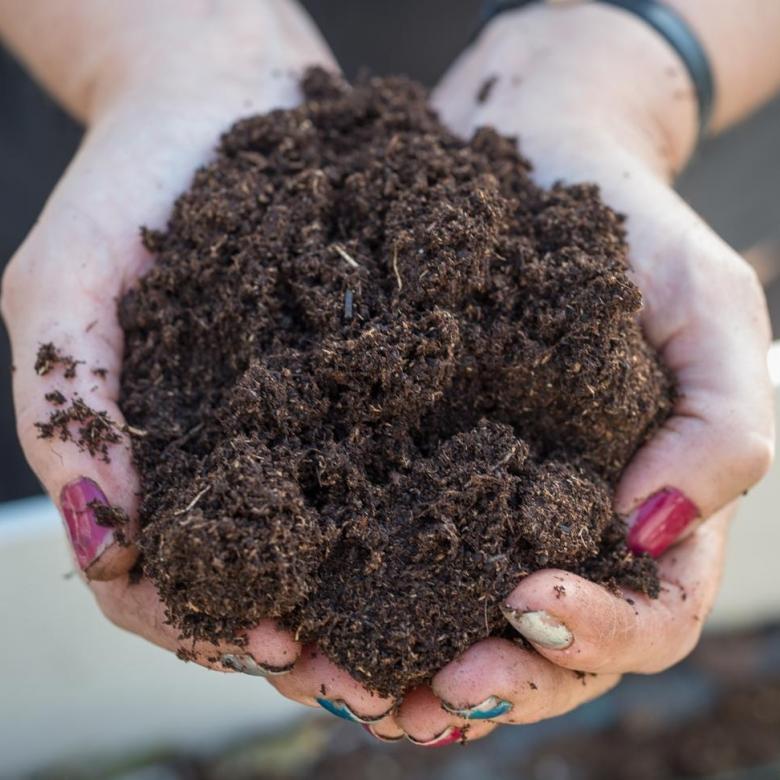
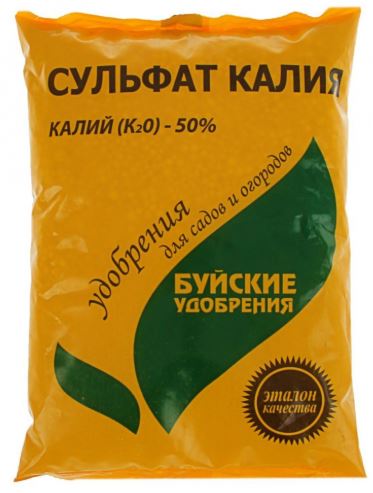
Level the area and dig furrows 15 cm apart. Wait until the temperature drops slightly below zero and remains there consistently. If you plant cold-hardy plants too early, they may emerge only to be killed by frost.
Please note! Winter garlic can be planted in the second half of the month. A week later, onion sets with heads up to 1 cm in circumference should be planted. They should have time to root before frost. If frost occurs suddenly, mulch the crops. This will prevent the soil from cooling, and the plants will gain strength.
Organic harvesting
The top layer of the compost pile must be removed. After that, you can add plant debris from cleaning the area. If the pile was layered with soil and watered regularly, the compost at the bottom will be ready by October.
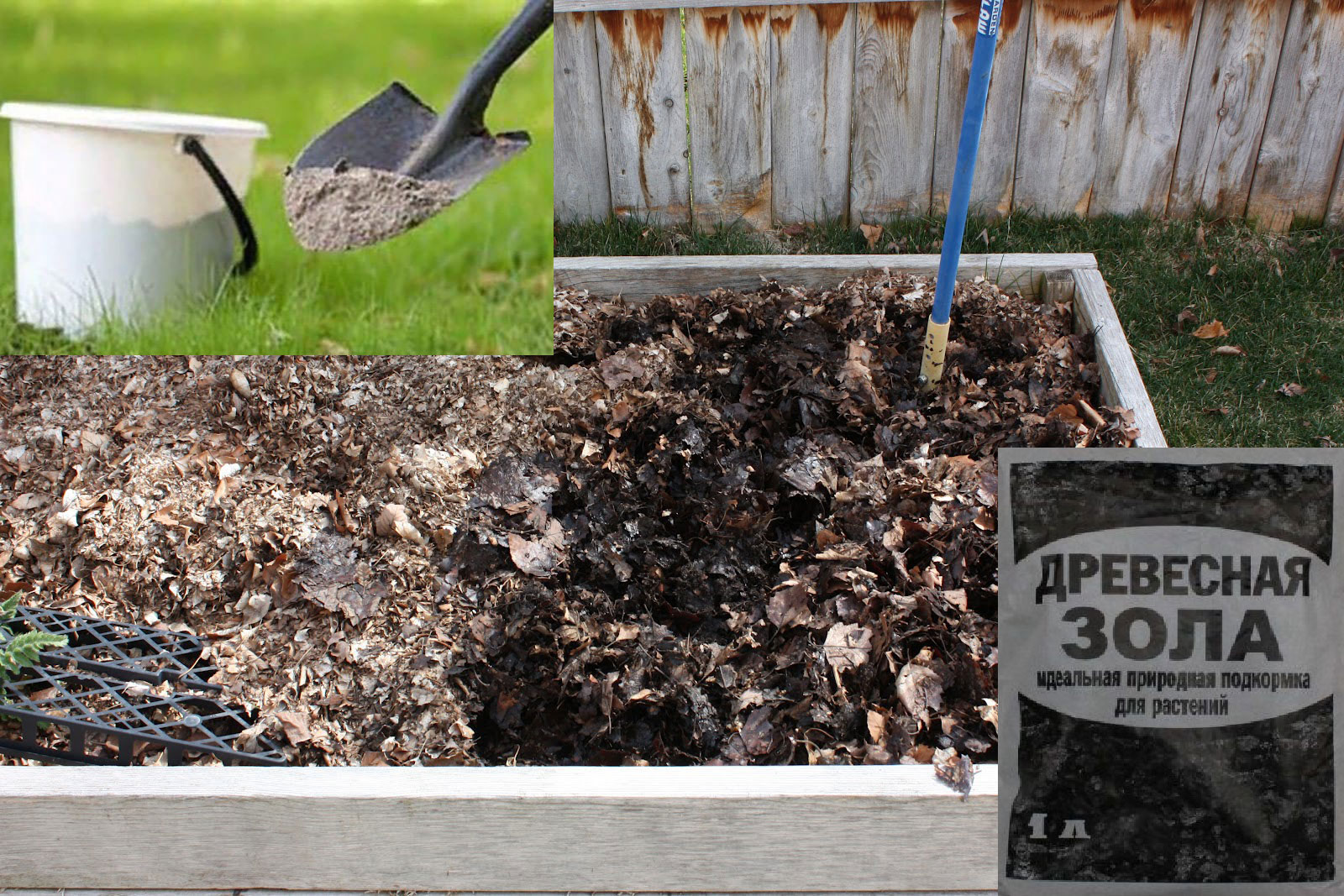
Organic matter will provide excellent insulation for the plant's root zone. There's no need to remove the compost in the spring. After serving as an insulator, it will begin to improve the soil's composition. The most important thing is to collect the May beetles. They can be placed in a container; this will attract birds, which are natural enemies of insect pests.
Digging
Areas with heavy, compacted soil require digging. Failure to do so will impair soil moisture penetration and cause snow to blow away. This will negatively impact the soil's condition.
The area should be dug over and nutrient-rich soil added. If there are pests in the soil, it's recommended to dig as deep as possible to bring them to the surface and allow them to freeze to death.
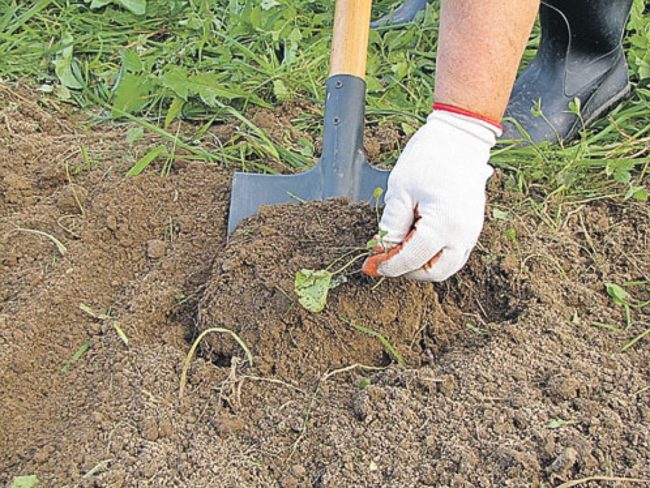
It's best not to dig or fertilize light soil in the fall. Otherwise, the nutrient mixture will sink deep into the soil, making it difficult for plant roots to reach. Beds with light soil only need mulching to protect winter crops from frost.
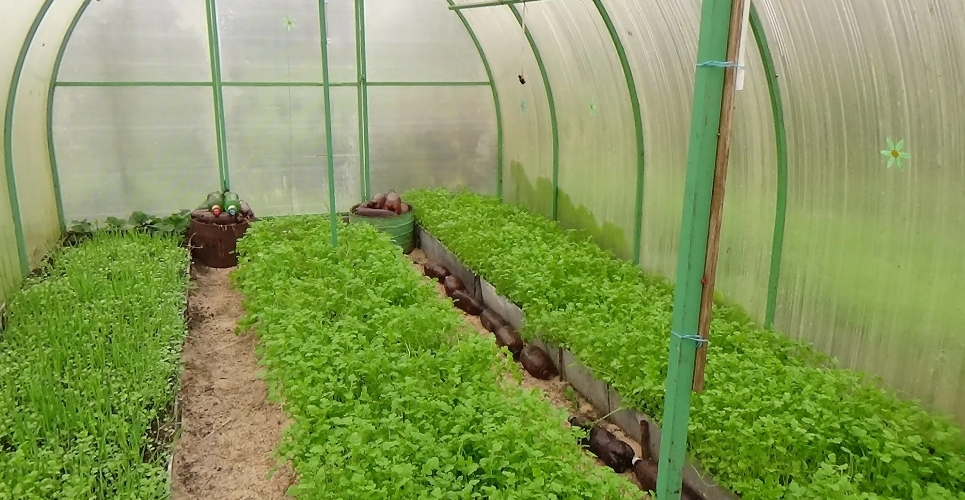
In the greenhouse, the top layer of soil needs to be replaced. The removed soil should be stacked in piles, alternating with plant debris. Remember to keep it moist. After two years, this soil can be returned to the greenhouse, removing the top layer again and stacking it in piles.
Harvesting and storage of crops
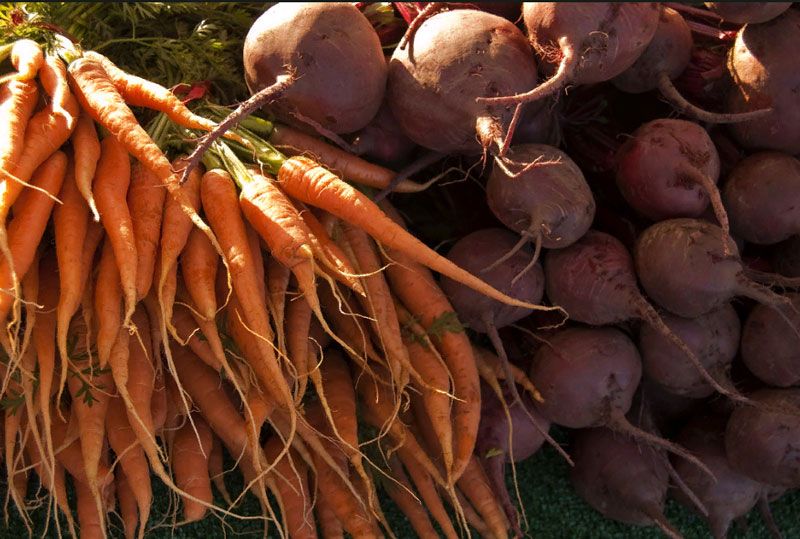
Crops with partially exposed fruit should be harvested before the first frost (for example, beets). Carrots will survive subzero temperatures, as the roots are completely submerged.
If you've already decided to harvest carrots, you need to store them properly:
- Treat root vegetables with an infusion of pine needles or onion peels (50-100 g per 1 liter of water, leave for 3-5 days). Soak carrots in the infusion for 10 minutes and then store without drying.
- Place undamaged, slightly dried carrots in a garlic infusion (mince 1 cup and dilute in a bucket of water). Without drying, dip them in a creamy clay mixture (it should be of a consistency that doesn't run off the carrots) for a few minutes, holding them by the stems. Then, sprinkle onion peels on the bottom of a wooden box and place the dried carrots in it, sprinkling them with the peels.
- It is better to place carrots vertically, with their tips down, just as they grow in the garden bed.
- To prevent the root crop from being affected by diseases during storage, it should be dusted with honey or chalk or slaked lime should be added to the sand where the carrots are stored.
Don't rush harvesting daikon; it needs time to become juicy. During severe frosts, it's recommended to cover it with non-woven material. It's also best to leave parsnips in the garden. It's believed that harvesting them after the frost has set in will only improve their flavor.
Parsley can also be left over the winter. Don't cut its leaves, otherwise it will die. It's recommended to transplant a few plants into pots for indoor greenery during the winter.
Frost makes white cabbage sugary. However, the key is not to overdo it. If you plan to eat the cabbage without pickling it, harvest it before the cold sets in. If you're storing it, pull it out by the roots or leave the stalk on.
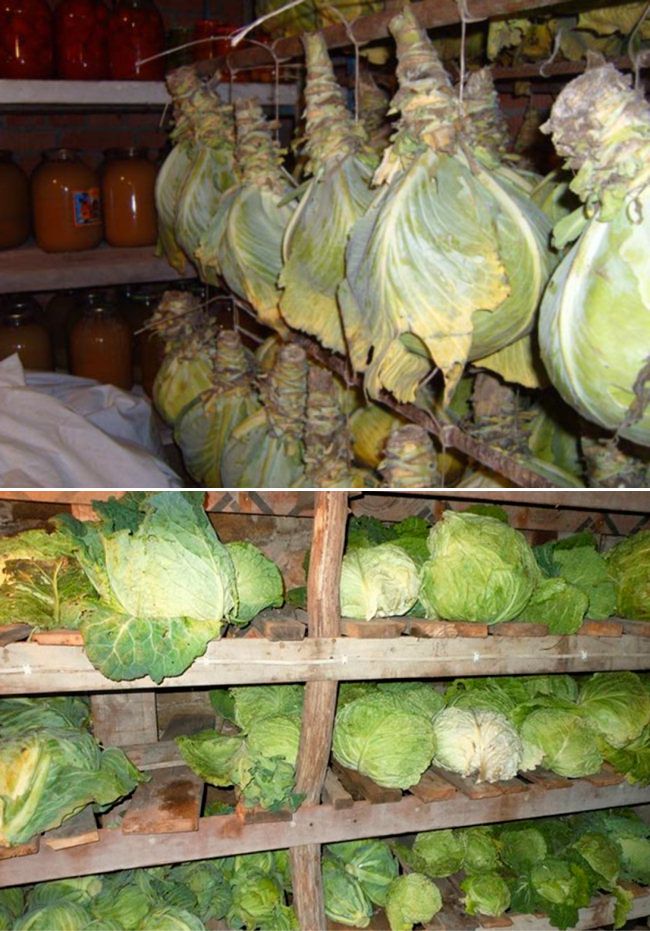
Brussels sprouts, kohlrabi, and broccoli tolerate frost well. For broccoli, the heads that form on the side shoots should be cut off. These vegetables are best harvested after the first frost. Don't leave the cores and roots in the ground until spring. They should be dug up and composted.
Helpful information! If your cabbage hasn't yet produced a harvest, you can transplant it into damp sand and place it in a greenhouse or basement.
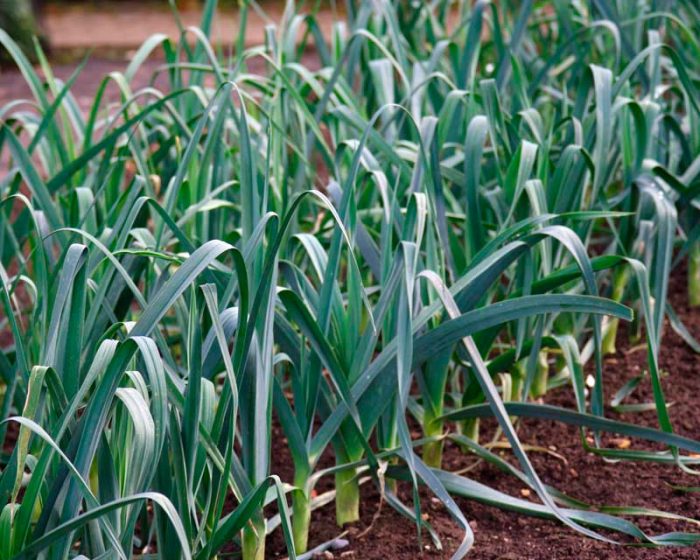
Leeks can also be left in the garden for now. It's recommended to just hill them up to make the stems snow-white. Do the same with celery. You can also wrap the stems in thick paper to block out light. Bleached leeks contain more essential oils and have a better flavor. Therefore, it's recommended to keep these plants in the garden for as long as possible. During severe frosts, they can be covered.
Prepare herbs. Freeze or pickle parsley and dill. You can also dry the herbs, blend them, and store them in containers.
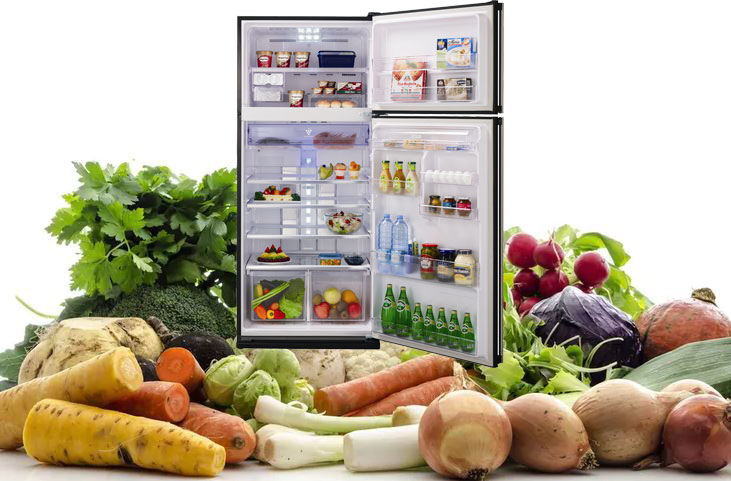
The spinach needs to be harvested. The leaves need to be washed, dried, packaged, and stored in the refrigerator.
The potato crop planted in the second ten days of summer also needs to be harvested. It's recommended to dig it up on a clear day. Air the potatoes immediately and lay them out to dry.
Read more about storing potatoes in the articleStoring Potatoes: Temperature, Timing, Methods, Mistakes, and Problems + Long-Storing Varieties
Don't delay harvesting tomatoes, peppers, and eggplants. Harvesting them in sunny weather will help them last longer. Eggplants can be immediately bagged and refrigerated. Tomatoes and peppers should be cooled first, then packaged. Radishes should be washed, dried, wrapped in plastic, and refrigerated.
Some gardeners and vegetable growers are skeptical about the Lunar Calendar. However, those who follow its recommendations have found it truly effective. Therefore, to ensure a good harvest and a favorable winter, it is advisable to adhere to it.