In July, plants can suffer from diseases and pests, as well as from dryness and heat. They need constant care and help them grow healthy. There's a lot of work to do in July, and the Gardener's Lunar Calendar will tell you exactly when to do it.
Content
- 1 Favorable and unfavorable sowing and harvesting days in July 2024
- 2 Favorable and unfavorable days for gardeners in July 2024
- 3 Favorable and unfavorable days for planting flowers in July 2024
- 4 Favorable and unfavorable days for various crop care tasks in July 2024
- 5 Lunar calendar for gardeners, vegetable growers, and florists for July 2024 by date
- 6 Gardener's and vegetable grower's lunar calendar for July 2024 by date
- 6.1 1.07-2.07 (until 18:49)
- 6.2 2.07 (from 18:49) - 4.07
- 6.3 5.07-7.07 (until 06:56)
- 6.4 7.07 (from 06:56 a.m.) - 9.07 (until 16:46 p.m.)
- 6.5 9.07 (from 16.46) - 12.07 (until 05.06)
- 6.6 12.07 (from 05.06) - 14.07 (until 17.52)
- 6.7 14.07 (from 17:52) - 17.07 (until 04:24)
- 6.8 17.07 (from 04:24) - 19.07 (until 11:12)
- 6.9 19.07 (from 11.12 am) - 21.07 (until 14.43 pm)
- 6.10 21.07 (from 14:43 pm) - 23.07 (until 16:22 pm)
- 6.11 23.07 (from 16.22 pm) - 25.07 (until 17.52 pm)
- 6.12 25.07 (from 17:52) - 27.07 (until 20:22)
- 6.13 July 27 (from 8 p.m. to 10 p.m.) - July 29
- 6.14 July 30-July 31
- 7 Gardening in July
- 8 Work of gardeners
Favorable and unfavorable sowing and harvesting days in July 2024
Suitable days for planting and harvesting the following vegetables, as well as dates on which work should not be carried out:
|
Culture |
Favorable | Unfavorable and prohibited |
| Tomato | 1-2, 7, 12—17, 17—19 (cleaning), 23—25, 27-29 | 5, 6, 7, 20, 21, 22, 23—25 (cleaning) |
| Pepper | 1-2, 7, 12—14, 17—19 (cleaning), 22—23 (cleaning), 27-29 | |
| Eggplant | ||
| Cucumber | 9—14, 17—20, 23—25 | |
| Radish, radish, celery root | 1-2, 17—20, 23—25, 25—27 (cleaning for quick consumption), 27-29 | |
| Melons (except watermelon and melon) (harvesting) | 1-2, 12—20, 27-29 | |
| Legumes (harvesting) | 2-4, 12—14, 19—20, 25—27, 30-31 | |
| Garlic (harvesting) | 1-4, 17—20, 25-31, | |
| Onion | 1-2, 2-4 (cleaning), 17—19 (cleaning), 25-31 (cleaning) | |
| Cabbage | 1-2, 12—17, 23—25, 25-29 | |
| Carrots, parsnips (harvesting) | 1-2, 17—20, 25-29 | |
| Early potatoes (harvesting) | 1-2, 17—20, 23—25 (planting 2 harvest), 25-29 | |
| Salad, greens | 1-2, 7, 12—20, 23-29 |
Also read Lunar calendar for gardeners and vegetable growers for 2024.
Please note highlighted dates, planting and harvesting work must begin and end at specific times (see below for days according to the signs of the Zodiac)
Favorable and unfavorable days for gardeners in July 2024
Favorable and unfavorable dates for planting seedlings:
| Tree/shrub | When is the best time to plant? | When it's not worth it it is forbidden |
| Fruit | 1-2, 7, 12—14, 17—20, 23—25, 27-29 | 5, 6, 7, 20, 21, 22—23 |
| Raspberries, blackberries | 1-2, 12—14, 19—20, 23—25, 27-29 | |
| Everbearing strawberries, wild strawberries | 1-2, 9—14, 19—20, 23—25, 27-29 |
Please noteIn July, it's not recommended to plant fruit or berry crops, except strawberries. However, if necessary, it's possible to plant seedlings with a closed root system.
Favorable and unfavorable days for planting flowers in July 2024
The table below shows favorable dates for working with flowering and ornamental plants, days on which planting is undesirable, and also favorable just for certain groups or at certain hours (see below).
| View | Favorable days | Unfavorable and prohibited |
| Annuals | 1-2, 9—17, 17—19, 23—25, 27—29 | 5, 6, 7, 20, 21, 22—23 |
| Perennials, biennials | 1-4, 7, 9—17, 17—20, 22—25, 27-31 | |
| Bulbous and cormous plants | 1-2, 7, 23—25, 27-29 | |
| Ampelous and curly | 2-4, 9—14, 17—19, 30-31 | |
| Indoor | 1-2, 7, 9—14, 19—20, 23—25, 27-29 |
Sowing, planting, and transplanting are prohibited on prohibited days. On other days, you can plant any crops, but the most favorable dates for each are listed above. By following these guidelines, you can ensure a rich and healthy harvest and abundant flowering.
Favorable and unfavorable days for various crop care tasks in July 2024
| Works | Favorable days | Unfavorable and prohibited days |
| Transfer | 7, 9—12, 19—20 | 1-4, 5, 6, 7, 17—19, 20, 21, 22—23, 25-31 |
| Harvesting, collecting seeds | 1-4, 7—9, 12—14, 17—20, 25—31 | 5, 6, 7, 9—12, 14—17 (except berries), 20, 21, 22, 23—25 |
| Removal of dry shoots, sanitary pruning | 1-7, 9—14, 17—20, 25—31 | 23—25 |
| Cuttings, formative pruning | 7—14, 17—20 | 1-4, 5, 6, 7, 14—17, 20, 21, 22, 23-31 |
| Pinching out side shoots | 1-4, 9—14, 17—20, 27-31 | 5, 6, 7, 14—17, 20, 21, 22, 23—27 |
| Grafting, budding | 1-2, 7—9, 14—20, 25—29 | 5, 6, 7, 20, 21, 22 |
| Mowing the lawn | 1-14, 17—31 | — |
| Fertilizing, watering | 1-2, 7, 9—17, 19—20, 23—25, 27-29 | 2-4, 5, 6,7—9, 17—19, 20, 21, 22—23, 25—27, 30-31 |
| Treatment against pests and infections, growth stimulants | 1-4, 7—12, 14—23, 25—31 | 5-7, 12—14, 23—25 |
| Canning, preparations | 1-2, 7—9, 12—14, 14—17 (except freezing), 17—19, 19—20 (except cabbage and cucumbers), 25—29 | 2-4, 5, 6, 7, 9—12, 20, 21, 22, 23—25, 30-31 |
Lunar calendar for gardeners, vegetable growers, and florists for July 2024 by date
Conventional designations:
- «+" - good fertility;
- «+/-" - average fertility;
- «—" - low fertility;
- ◐ — Waxing moon;
- ◑ — Waning Moon;
- ● — New Moon;
- ○ — Full moon.
Moon phases and days by zodiac sign in July 2024
Moon phases:
- ◑ — 1-5, 22-31.
- ● — 6 (01h 57m).
- ◐ — 7-20.
- ○ — 21 (13h 17m)
Days according to the Zodiac signs:
- ♉ Taurus — 1-2 (up to 18:49), 27 (from 20:22)-29.
- ♊ Gemini - 2 (from 18:49)-4, 30-31.
- ♋ Cancer — 5-7 (up to 06:56).
- ♌ Leo — 7 (from 06:56) - 9 (until 16:46).
- ♍ Virgo — 9 (from 16:46)-12 (until 05:06).
- ♎ Libra — 12 (from 05:06)-14 (until 17:52).
- ♏ Scorpio — 14 (from 17:52) - 17 (until 04:24).
- ♐ Sagittarius — 17 (from 04:24) - 19 (until 11:12).
- ♑ Capricorn — 19 (from 11:12 a.m.) - 21 (until 2:43 p.m.).
- ♒ Aquarius — 21 (from 14:43) - 23 (until 16:22).
- ♓ Pisces — 23 (from 16:22) - 25 (until 17:52).
- ♈ Aries - 25 (from 17:52)-27 (until 20:22).
Gardener's and vegetable grower's lunar calendar for July 2024 by date
1.07-2.07 (until 18:49)
♉ Taurus, +, ◑, Root days
Do not loosen the soil near the roots of plants.
| For gardeners | For florists | For gardeners, general work |
|
|
|
2.07 (from 18:49) - 4.07
♊ Gemini, —, ◑, Flower days
It is not recommended to water, fertilize, repot, or transplant. Cuttings and canning are not recommended.
| For gardeners | For florists | For gardeners, general work |
|
|
|
5.07-7.07 (until 06:56)
♋ Cancer, +, ●, Leaf days
6.07 at 01:57 – Exact New Moon.
The day before and after the Exact New Moon, sowing, planting, and replanting are prohibited.
We weed and remove unwanted flower stalks. We do some creative crafting and harvesting. We can also collect medicinal herbs (tops and flowers).
Weeding, removing unnecessary, dry branches, and faded inflorescences.
Creative pursuits, tidying up the house and outbuildings, cleaning equipment. Mowing the lawn.
In the sign of Cancer, you cannot plant or transplant hanging and climbing plants and spray against pests and diseases.
The following works are to be carried out from 7 (01:57):
| For gardeners | For florists | For gardeners, general work |
|
|
|
7.07 (from 06:56 a.m.) - 9.07 (until 16:46 p.m.)
♌ Leo, —, ◐, Fruit Day.
Watering, fertilizing, replanting and picking are not recommended.
| For gardeners | For florists | For gardeners, general work |
|
|
|
9.07 (from 16.46) - 12.07 (until 05.06)
♍Virgo +-, ◐, Root days.
Soaking of seed material is not recommended.
| For gardeners | For florists | For gardeners, general work |
|
|
|
12.07 (from 05.06) - 14.07 (until 17.52)
♎ Libra, +-, ◐, Flower days
It is prohibited to spray plants with chemicals against diseases and pests.
| For gardeners | For florists | For gardeners, general work |
|
|
|
14.07 (from 17:52) - 17.07 (until 04:24)
♏ Scorpio, +, ◐, Leaf Days
It is not advisable to harvest potatoes for further storage, trim them, or pinch them. Propagating plants by division is also not recommended..
| For gardeners | For florists | For gardeners, general work |
|
|
|
17.07 (from 04:24) - 19.07 (until 11:12)
♐ Sagittarius, +-, ◐, days of the Fruit
Watering, picking and pruning are not recommended.
| For gardeners | For florists | For gardeners, general work |
|
|
|
19.07 (from 11.12 am) - 21.07 (until 14.43 pm)
♑ Capricorn, +-, ○, Root days
July 21 at 1:17 pm – Exact Full Moon.
The day before and after the Exact Full Moon, it is not recommended to sow, plant or transplant plants, soak seeds, prune, or fertilize.
Weeding, removing unnecessary, dry branches, faded inflorescences, loosening the soil, watering. Tying up tomato and cucumber bushes, raspberries, clematis, climbing roses and other vines. Disease and pest control.
Creative pursuits, tidying up the house and outbuildings, cleaning equipment. Mowing the lawn.
During Capricorn, loosening the soil around the roots is not recommended. Pickling cabbage and pickling cucumbers are also not recommended.
The following works will be carried out from 19.07 (from 11:00 to 12:00) to 20.07 (until 13:17):
| For gardeners | For florists | For gardeners, general work |
|
|
|
21.07 (from 14:43 pm) - 23.07 (until 16:22 pm)
♒ Aquarius, —, ◑, Flower days
It is not allowed to pick, plant or replant, and watering and fertilizing are also not recommended.
Work is possible only on July 22 (from 1:17 pm)
| For gardeners | For florists | For gardeners, general work |
|
|
|
23.07 (from 16.22 pm) - 25.07 (until 17.52 pm)
♓ Pisces, +, ◑, Leaf days
Do not prune, treat with toxic substances, harvest, or preserve.
| For gardeners | For florists | For gardeners, general work |
|
|
|
25.07 (from 17:52) - 27.07 (until 20:22)
♈ Aries, +-, ◑, days of Fruition
It is not recommended to shape, trim, replant, root, remove side shoots, water or fertilize.
| For gardeners | For florists | For gardeners, general work |
|
|
|
July 27 (from 8 p.m. to 10 p.m.) - July 29
♉ Taurus, +, ◑, Root days
Do not loosen the soil near the roots of plants.
| For gardeners | For florists | For gardeners, general work |
|
|
|
July 30-July 31
♊ Gemini, —, ◑, Flower days
It is not recommended to water, fertilize, repot, or transplant. Cuttings and canning are not recommended.
| For gardeners | For florists | For gardeners, general work |
|
|
|
Important! Tables may recommend sowing and planting crops too late. They won't have time to begin bearing fruit before autumn, so they need to be grown under plastic, in a greenhouse, or on a windowsill.
Gardening in July
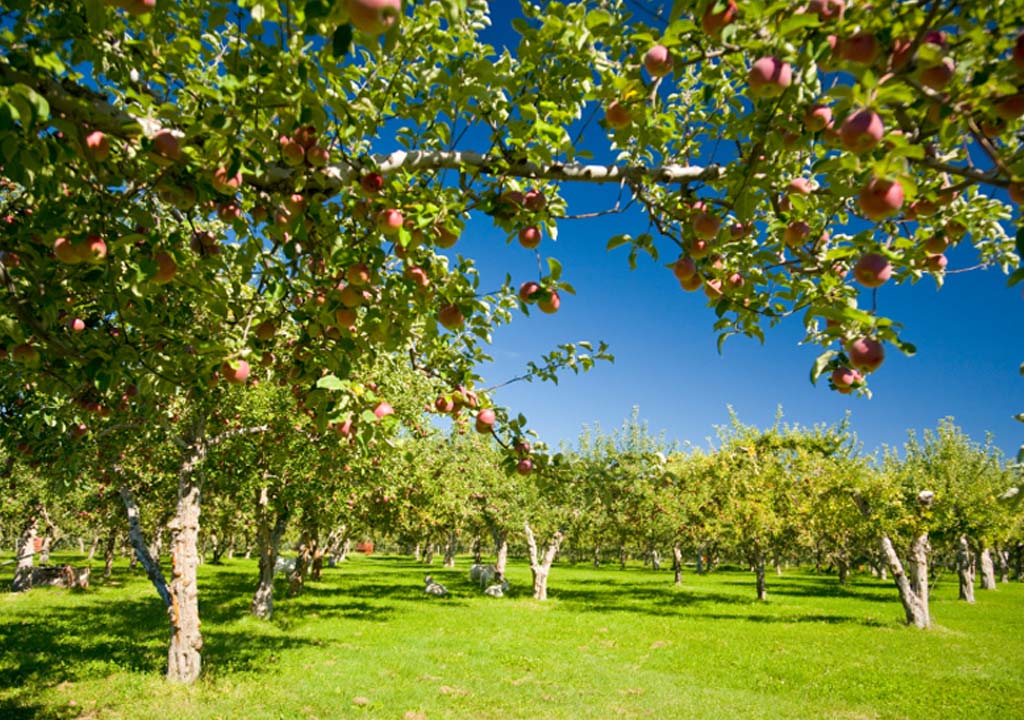
By the second month of summer, fruit trees' annual shoots stop growing. During this period, watering should be reduced to prevent further growth. If it's hot outside, water the soil moderately twice a month. Afterward, loosen the soil around the trunk and apply mulch to retain moisture. If shoots continue to grow, pinch them back.
Caring for garden strawberries
Before the beginning of August, remove the tendrils. Weed the plants at the same time. Then, apply a nutrient mixture per linear meter:
- urea 15 g;
- superphosphate 60 g;
- potassium sulfate 20 g.
Spread humus or compost around the bushes. Loosen the soil between the rows to a depth of 10 cm, and hill up the strawberries. This will promote better root development.
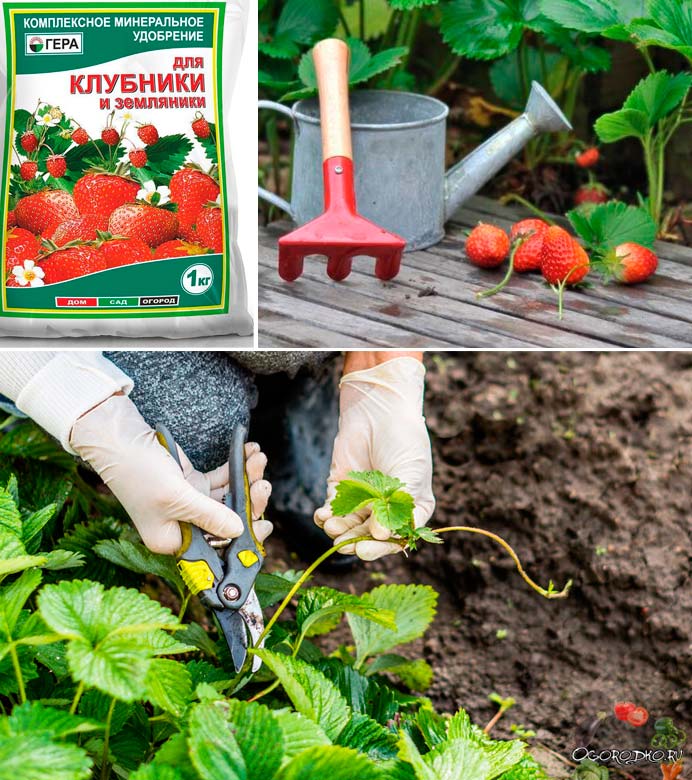
If signs of disease and insect infestation are noticeable, treatment with Fufanon-Nova is recommended. It is also recommended to add HOM or Abiga-Peak (30 g) and colloidal sulfur (100 g), but only after the berries have been harvested.
To prevent tick reproduction, weevil To prevent infection, cut off affected areas immediately after harvesting the berries. Don't delay this procedure, as the bushes need time to recover before frost.
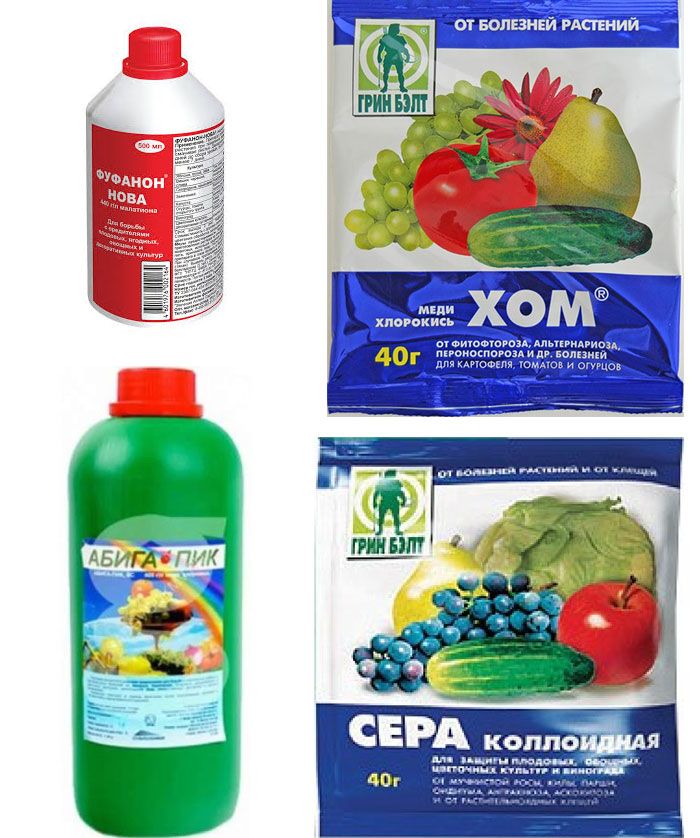
After pruning the leaves, spray with any of the following preparations:
- Fufanon;
- Thiovit Jet.
It is recommended to additionally add Abiga-Peak and Agat 25-K to these products. Add complex nutrient mixtures, moisten, and loosen the soil.
If the leaves are not removed, remove the tendrils, leaving only those necessary for the seedlings.
Read the article about propagation of strawberries by runners.
Spraying and work are the same as when mowing leaves.
It is recommended to pollinate everbearing varieties twice in July with slaked lime or ash (20 g per square meter). This will be a good preventative against slugs.
More about caring for strawberries Read on our website.
Caring for currants
This shrub may develop powdery mildew, anthracnose, septoria.
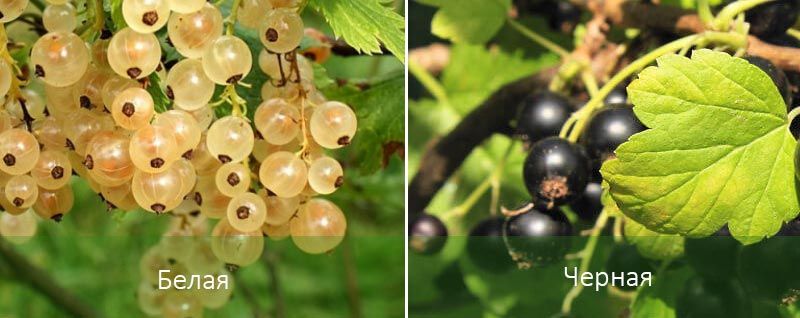
To combat these diseases, it is recommended to use colloidal sulfur, Topaz, and Thiovit Jet. The latter remedy is also suitable for gooseberries.
How to care for currants, gooseberries.
Caring for raspberries
After picking the berries, you need to cut off the branches that bore fruit to the ground.
How to properly care for raspberries (including trimming) read on our website.
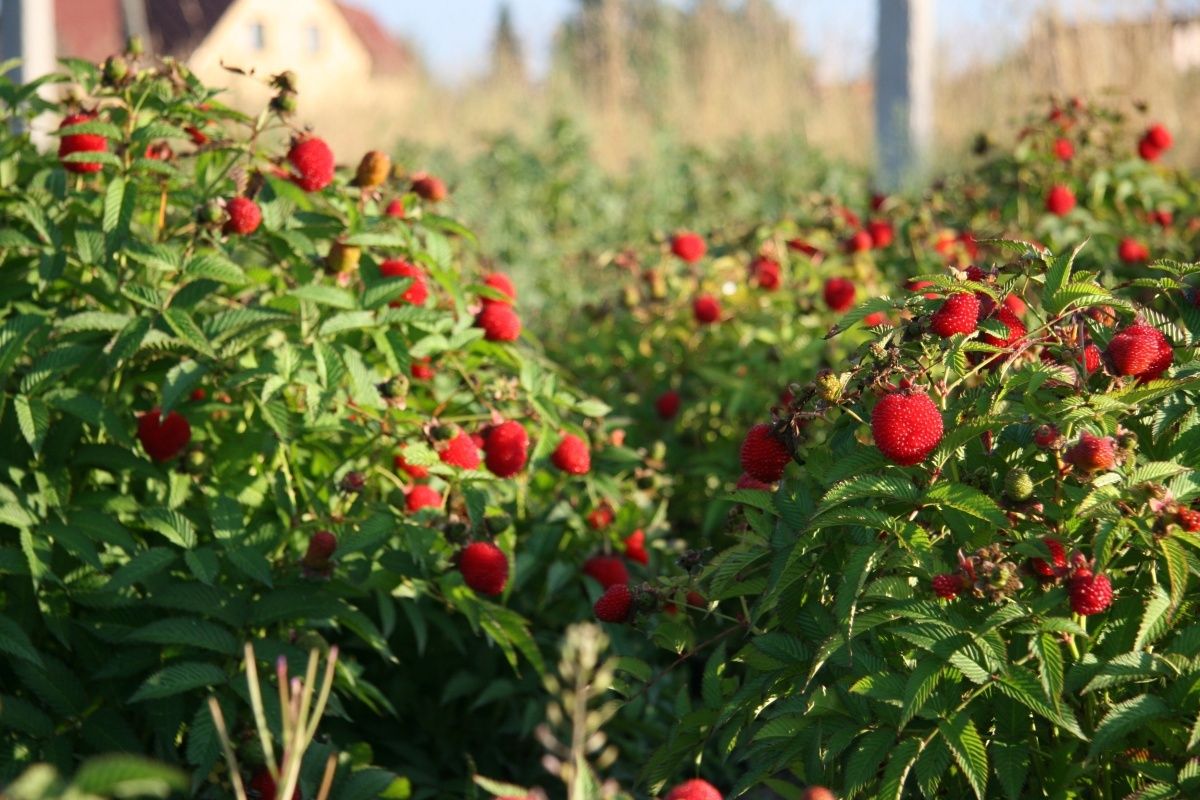
To prevent pests, treat with Fufanon, and to protect against diseases, spray with HOM or Abiga-Peak.
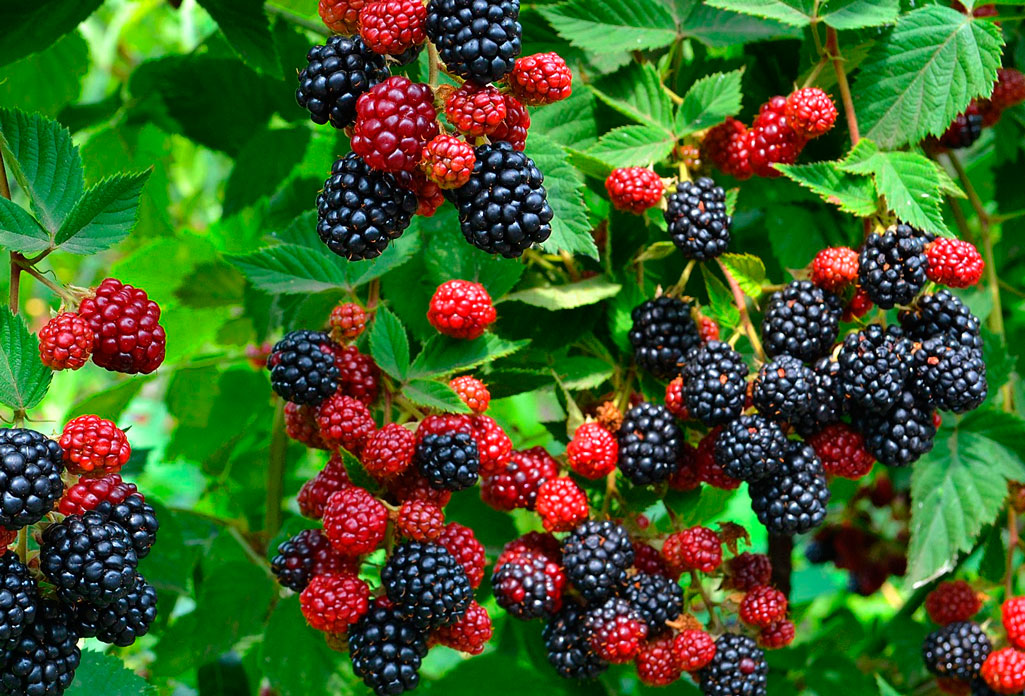
Caring for blackberries
In June, the tops of the blackberry shoots were already pinched back by a few centimeters. In July, lateral branches begin to actively develop. Their growth should be monitored, pinched back as needed, leaving only 40 cm.
Caring for cherries and sweet cherries
Cherry trees need to be protected from moniliosis after fruiting. To do this, prune branches and treat the crown with Horus. The tree can also be attacked by coccomycosis and other fungi. Hom is effective against these infections. Kinmix is effective against the cherry slime sawfly.
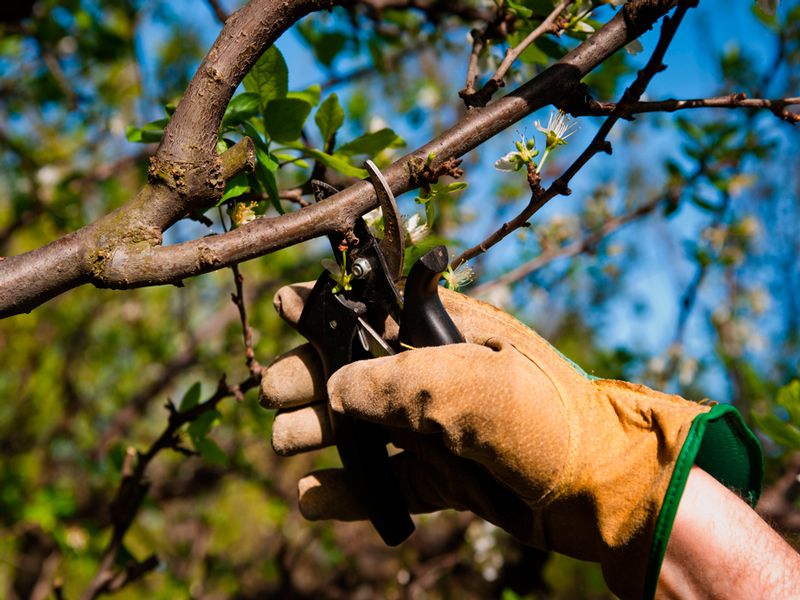
July is the best month for shaping cherry trees. Branches that grow inward should be cut back into a ring. Also, trim back any overly long (over 0.5 m) one-year-old shoots. The cuts should be treated with garden pitch. For trees that have already begun to bear fruit, cut back the above-ground portion at a height of 2-2.5 m.
Caring for pear and apple trees
If the pear tree isn't growing well, check to see if the root collar is too deep. It's also recommended to maintain a regular watering schedule and avoid overwatering.
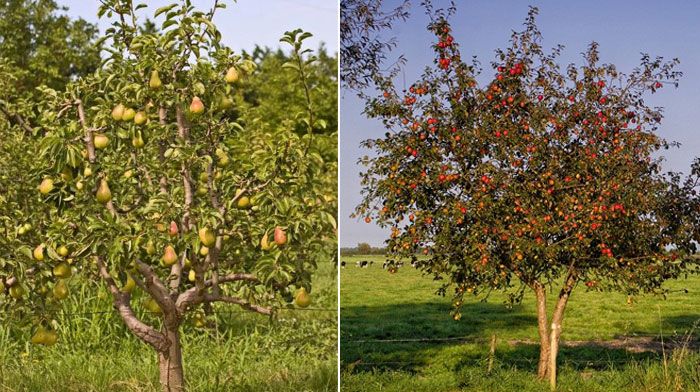
The harvest is coming up, so chemical treatments are not recommended. Alternatively, you can use folk remedies. For long-term preservation of the fruit, we recommend spraying with Extrasol (10 ml per 10 liters).
Plum tree care
The second generation of plum codling moths begins to fly in the second ten days of July. They lay eggs, and after 4-8 days, caterpillars emerge, damaging the plums.
Harvesting
Blackcurrants need to be picked promptly. If they're overripe, they'll begin to crack and fall off. White and red currants can remain berries until August, provided there's no rain.
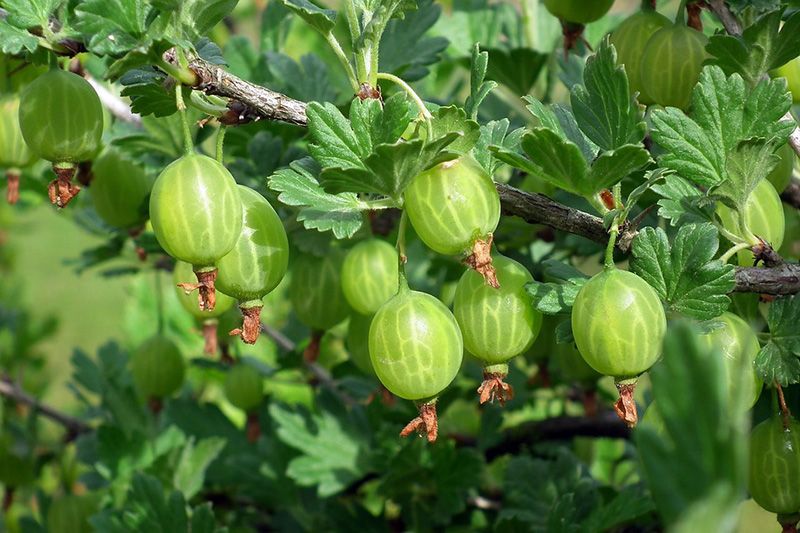
If gooseberries are to be processed, they are best picked slightly underripe. When eaten fresh, they taste best after they soften and acquire the ripe color characteristic of the particular variety.
Please note! After harvesting, the bushes need to be watered and fed with complex mineral mixtures.
Fertilizing and watering
In the second half of July, many crops begin to bud. To ensure a high yield, they need to be fed with phosphorus-potassium mixtures. These are applied along with watering, which should be done in the garden at least twice a month during hot weather.
Pests and diseases
To prevent pests and diseases, collect fallen fruit daily and treat with Fufanon in mid-July. To prevent moniliosis and clasterosporium, spray with insecticides containing HOM or Abiga-Peak.
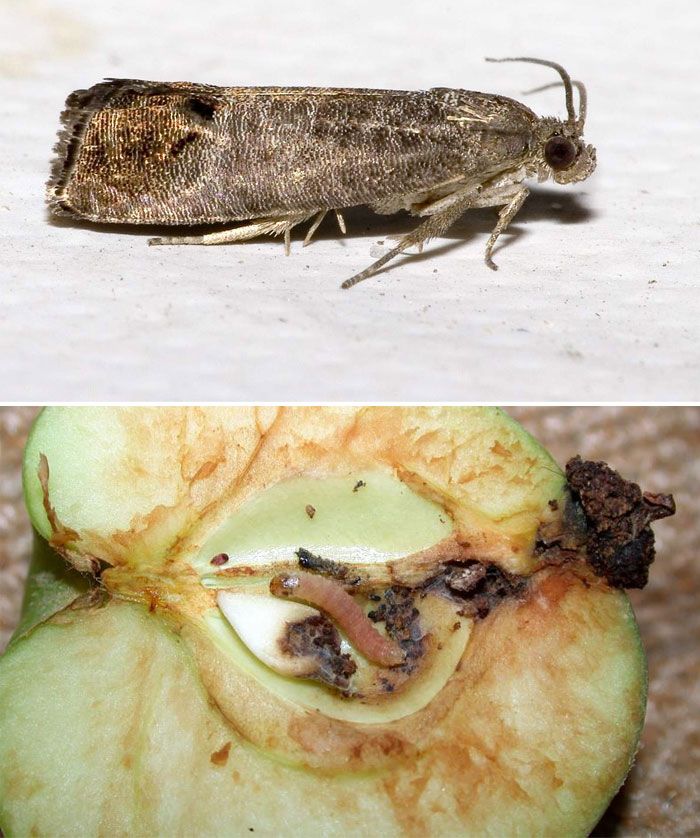
The second generation of codling moths emerges in July. If fallen apples are removed promptly, most of the caterpillars can be eliminated. By midsummer, trapping belts are usually already present on the trees. These should be inspected daily.
More about apple tree diseases and pests and how to deal with them, read on our website.
Graft
Vaccination Cherry, plum, pear, and apple trees are recommended to be grafted in mid-July. Apricot and peach trees can be grafted at the end of the month. The rootstocks should be prepared for budding: clean the trunks and water them.
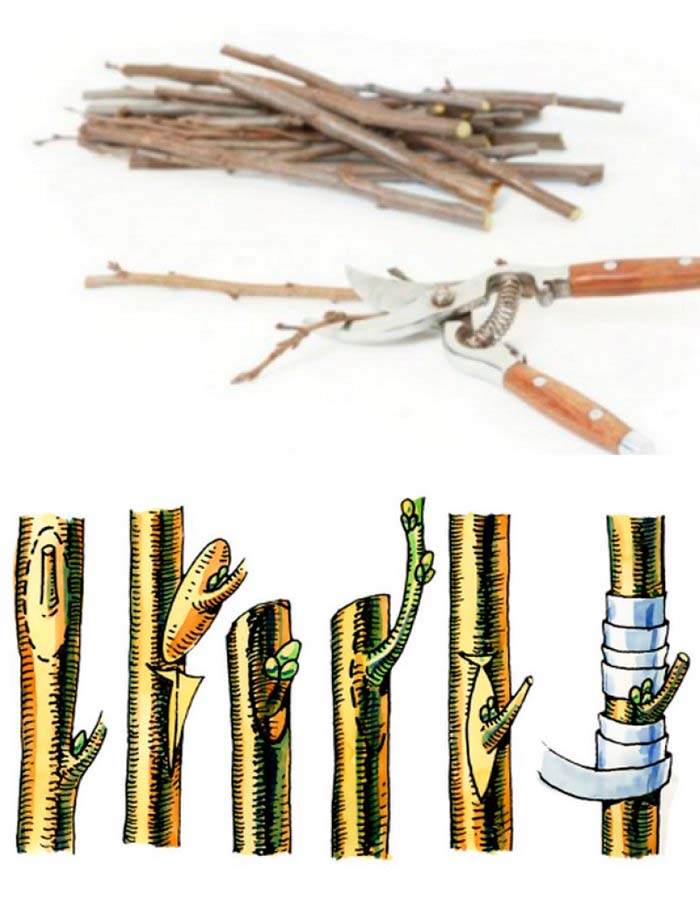
The easiest method is a butt graft. Take buds from shoots the size of a finger, 10-15 cm in circumference. Carefully remove any green parts. Use a sharp knife to cut out the bud along with a small section of surrounding bark. The bud should be approximately 30 mm long. The bud is located in the very center.
Make a cut in the rootstock identical in shape to the scute. Place the cut bud into the cut. Wrap the cut bud in plastic wrap, leaving only the bud.
Work of gardeners
There is a lot of work to be done not only in the garden, but also in the vegetable garden.
Harvesting and sowing
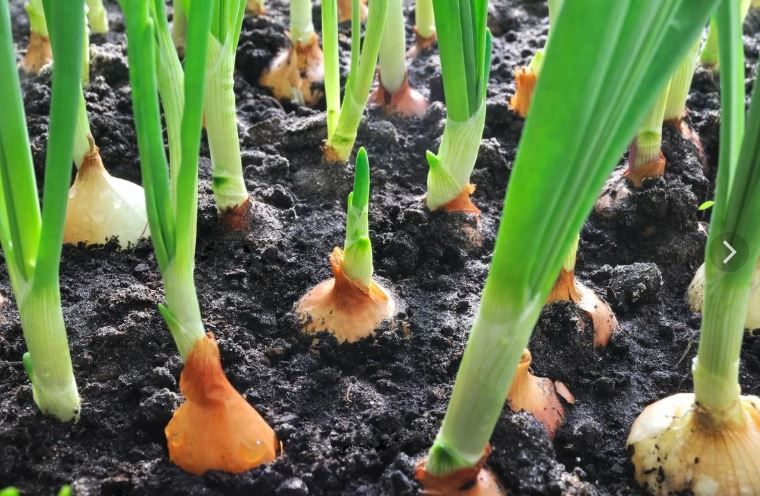
Early onions and winter garlic are ready to harvest. Watering should be suspended two weeks before harvesting to allow the bulbs to mature and pull up easily.
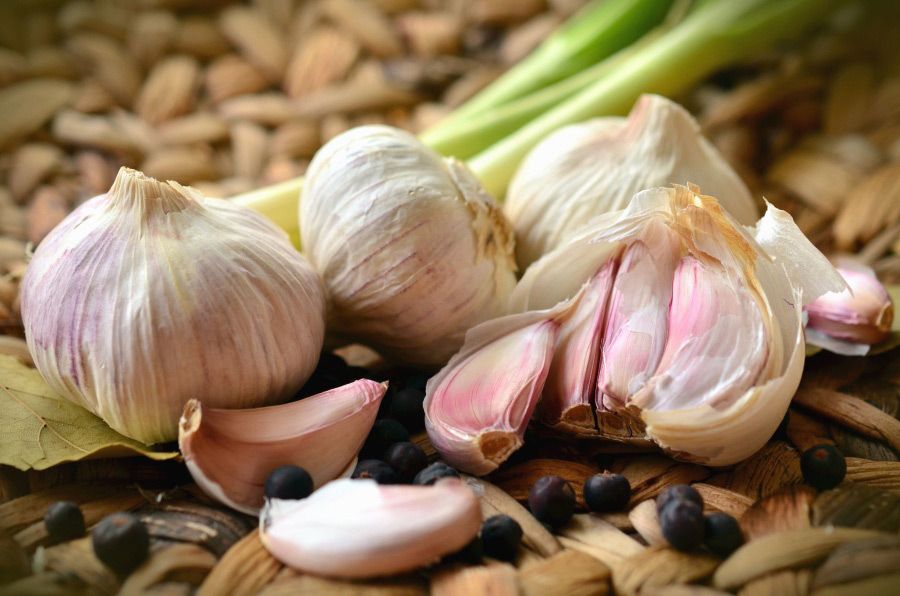
Garlic can be dug up when the leaves turn yellow. It's recommended to initially harvest a couple of heads to check if the outer skin of the heads has begun to dry out.
Digging up garlic late is even worse than doing it too early. Bulbs that have begun to fall apart won't keep for long. After harvesting, the crop should be dried along with the greens in a well-ventilated area.
If the onions are ready to harvest and the bulbs haven't appeared yet, it's recommended to loosen the beds a little. This will help them ripen better, resulting in a longer shelf life. Trim the tops only after they've dried. Avoid drying in the sun, as this will cause sunburn.
You can collect and white cabbageCarefully cut the head of cabbage, water it, and add organic matter. After a while, you can expect to see more small heads of cabbage. Remove the smallest ones, leaving only 1-2 for additional harvest.
Also in the middle of the month the harvest is collected broccoliWe cut them regularly and don't let them bloom.
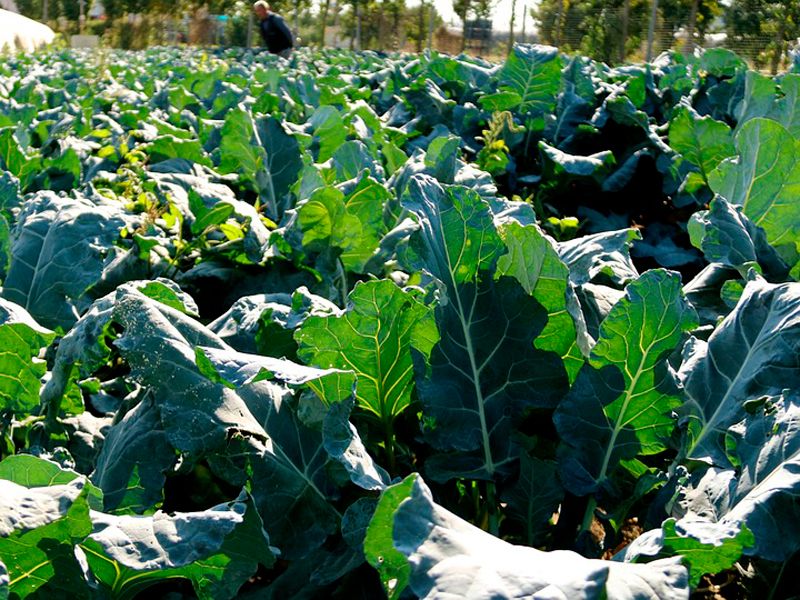
After harvesting cauliflower heads, you should immediately pull out the cores, chop them, and add them to your compost. It doesn't produce a second crop.
It's recommended to sow the vacated bed with green manure, preferably from a different family than cabbage and common insect pests (for example, mustard, which is susceptible to flea beetles). You can also sow oats, phacelia, and asparagus beans. The latter crop will not only improve the soil but also produce a harvest.
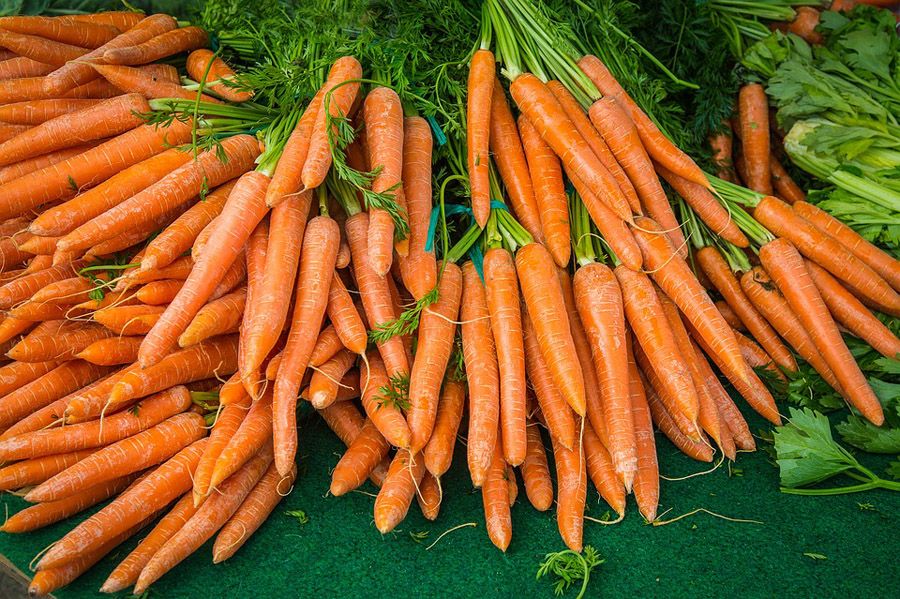
Early carrot Dig up the roots with a shovel, wash them, pack them into plastic bags, and refrigerate them for storage. If the plants grow to a very large size, the flavor will not improve, and the roots will become tough.
The soil in the carrot bed can be mixed with compost or humus. Then, sow early cabbage varieties in the same spot. After planting, the soil should be mulched with grass and sprinkled with ash. This will repel pests. When there's no need to reseed the bed, the soil should be given a rest period under green manure. Leaving it bare in the scorching sun is undesirable.
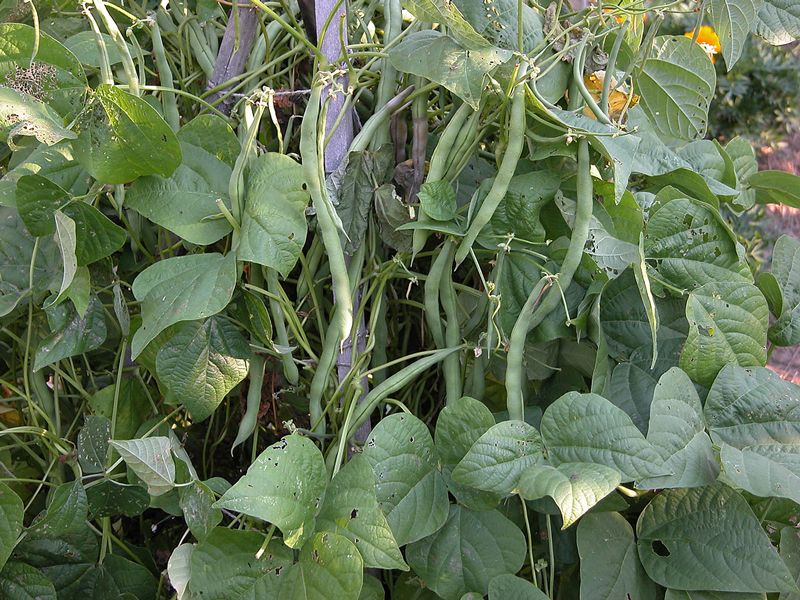
The bed where the harvested beans and peas grew can be left for strawberry planting. Legumes are excellent precursors for this berry.
In July, dig up the April-planted potatoes. Sow green manure in their place or cover with humus or compost, then plant cucumbers.
At the end of the month, you can sow daikon and kohlrabi to produce vegetables for autumn and winter storage. It is recommended to plant them after legumes, early potatoes and carrots, onions, and garlic.
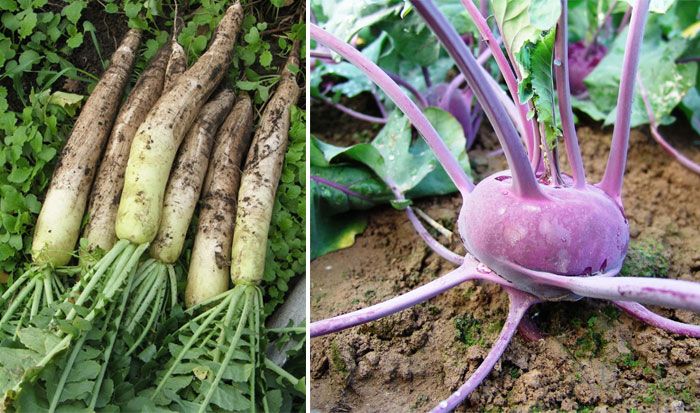
You need to select a bed in advance for the last crop that will be sown before winter.
Garlic can be planted after:
- peas;
- cabbage;
- potatoes;
- root crops.
Garlic will be sown only in October, so that the space does not remain empty until then, it is recommended to fill it with green manure.
You can replant potatoes. It's recommended to mulch the bed or add compost to retain coolness and moisture. These conditions are essential for tuber development. You can water the crops using a sprinkler. Mulching will also be necessary after the seedlings emerge.
Watering regime
It is important to take into account the weather conditions rather than strictly following an established schedule.
On very hot days, water more often than twice a week, and perform refreshing humidification to reduce the temperature and refresh the air around the crops.
In cool weather, it's recommended to reduce watering, as this can cause crops to appear stunted.
Fertilization
To strengthen the immune system and stimulate growth and fruiting, regularly apply foliar fertilizers. These should contain microelements, humates, and bishal. These are especially necessary under stressful conditions for plants.
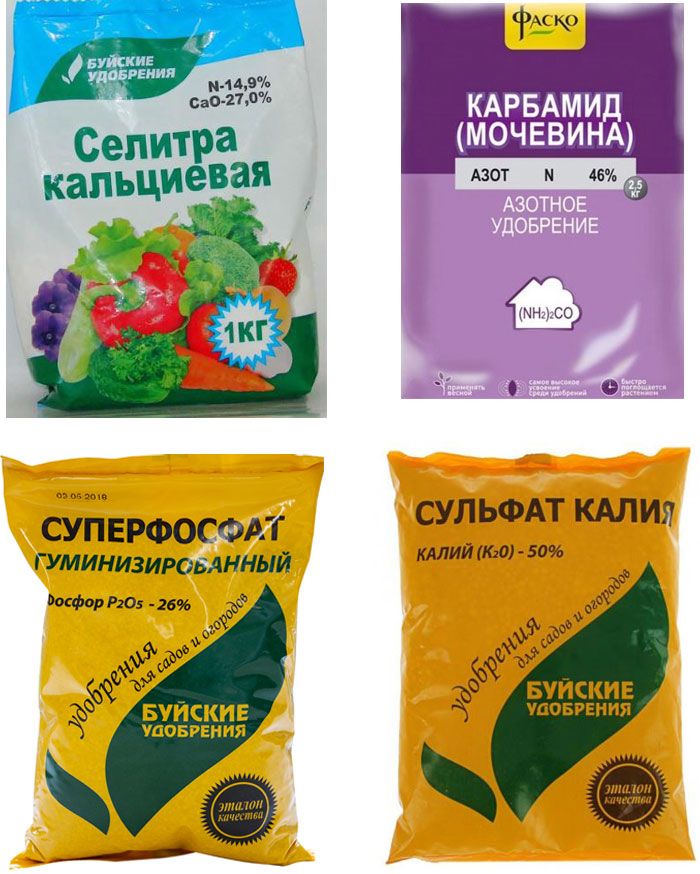
When tomatoes are fruiting, it's recommended to apply calcium nitrate to the foliage (1 tablespoon per 10 liters of water). This will reduce the risk of blossom-end rot. Even if the soil has sufficient calcium, this won't hurt. This element is poorly absorbed in hot weather and doesn't move from the leaves to the fruit.
To help tomatoes ripen faster, you can use foliar phosphorus feeding:
- Pour 1-2 tablespoons of superphosphate into 1 liter of boiling water.
- Let it brew for 24 hours, stirring occasionally.
- Remove from sediment and add to 10 liters of water.
To extend the fruiting period of cucumbers, they need to be fed every 1.5 weeks with the following mixture per 10 liters of water:
- urea 5 g,
- potassium sulfate 5 g,
- infusion of mullein or grass 0.5 l.
This infusion is also good for pumpkins And zucchiniThe herbal infusion can be increased to a liter. It is not recommended to feed other plants with mixtures high in nitrogen. This will promote disease and nitrate accumulation. Use only potassium sulfate, 20 g per 10 liters of water. This fertilizer is especially good for carrots and beets.
Helpful information! To ensure healthy cucumber growth, don't let them become overgrown. One oversized cucumber will hinder the development of the others.
Treatment against diseases and pests
If you notice any problems, such as pepper foliage turning inside out or cucumber greens looking like they've been eaten by insects, you need to figure out the cause before taking drastic action, such as spraying with pesticides.
If the plant is nevertheless affected, during the fruiting period, which is in full swing in July, only approved preparations for household plots with a shorter waiting period or folk remedies should be used.
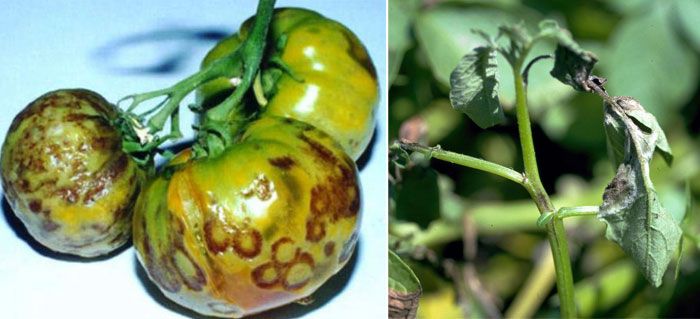
After a sharp temperature change and prolonged rainfall, symptoms of viral diseases may appear. For example, dark stripes on tomato stems indicate a disease called streak. The infection most likely occurred long ago, but only manifested itself now due to favorable weather conditions.
Other viral diseases may also occur. They manifest themselves in different ways and affect specific crops. For example, yellow mosaic leaves may appear on potato and tomato tops, cucumbers may have short internodes, or peppers may develop a corrugated perimeter on their greens, etc.
If the affected crops are few in number, it is recommended to destroy them. Spray the remaining plants with a milk-iodine solution (1 liter x 11 drops x 9 liters of water) 2-3 times at intervals of 1-1.5 weeks. Timely fertilizing and treatment with Fitolavin also help prevent the development of viral infections. However, if the disease has affected most of the plants, nothing good can be expected. There is no effective treatment for viruses.
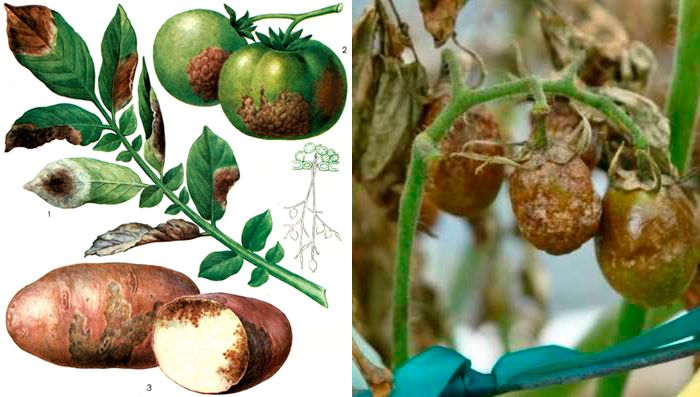
The severity of disease and pest impacts on crops depends largely on weather conditions. Mites and thrips multiply rapidly in hot and dry weather. Therefore, in such weather, spraying cucumbers, zucchini, and eggplant with Fitoverm is essential.
During prolonged rainfall and high humidity, downy mildew and late blight develop. Also, weakened crops may be susceptible to Alternaria. In these cases, the use of fungicides becomes advisable.
Late blight causes swellings to appear on the tips and edges of the lower foliage. These swellings cause necrosis, and these parts of the plant die.
Please note! Late blight is inhibited by high temperatures (above 26 degrees Celsius) and dry air. Therefore, in such weather, there is no need to treat plants.
Temperatures between 18 and 20°C, prolonged dew on leaves, raindrops, etc., contribute to the development of downy mildew on cucumbers. Whitish spots appear on the leaves and quickly spread, resulting in cracking and necrosis of the leaves. Over time, the affected leaves curl downward and dry out. Eventually, the plant dies within 2-3 days.
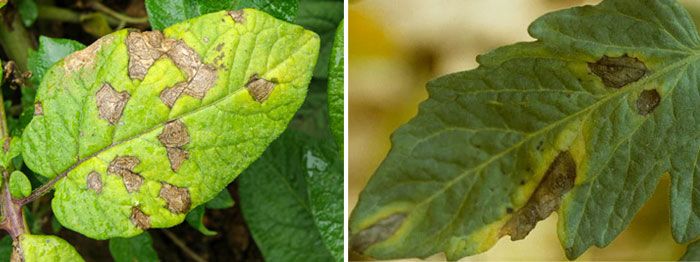
Alternaria leaf spot on greenhouse tomatoes develops in high humidity. The main symptom of this disease is dark brown spots on leaf blades, stems, and fruit.
To prevent Alternaria and late blight, spraying with Fitosporin-M is recommended. If crops are severely affected and require immediate treatment, it's best to use Abiga-Peak. It has a 20-day waiting period, so harvesting should be done no sooner than three weeks after treatment.
Read more about various tomato diseases and their treatment on our website.
Carrots can be susceptible to powdery mildew. This can be identified by a grayish-whitish coating on the petioles and greens. If the disease isn't treated promptly, the leaves will turn yellow, the roots won't receive sufficient nutrition, will stop developing, and will become stringy. This infection thrives in warmth and high humidity. Therefore, to prevent it, thin the seedlings, loosen the soil, and apply mulch between rows.
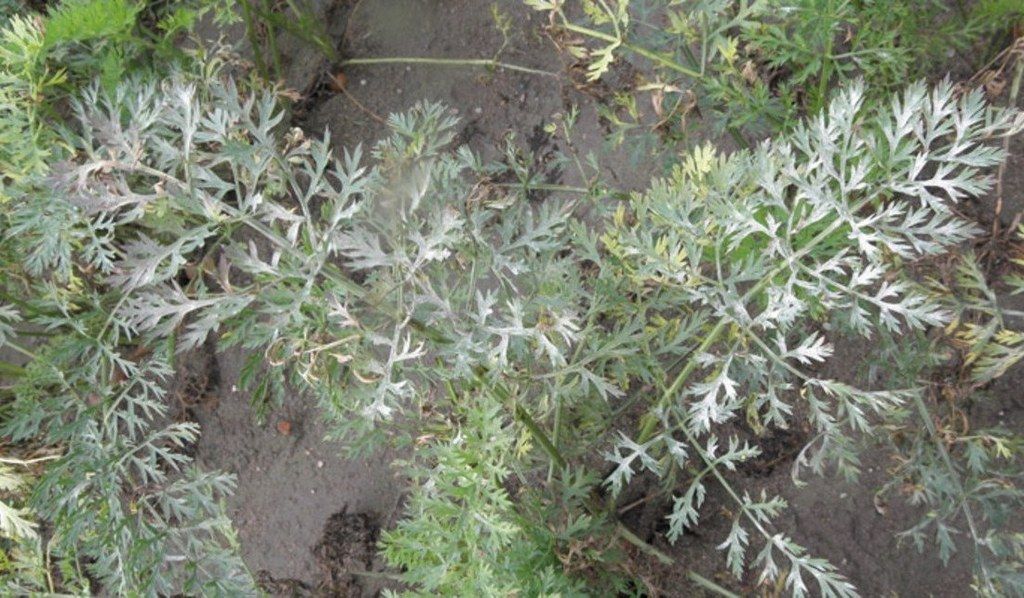
If the disease does affect the crop, it's best to dig up early varieties, wash them thoroughly, and refrigerate them for storage. Treat late carrots with Skor, as it's not yet time to harvest them.
If suspicious spots are observed on greens (parsley, etc.), the above-ground portions should be cut off and then fertilized with complex mineral mixtures or organic matter. The greens should also be watered. Following these instructions will stimulate the growth of new leaves.
The recommendations provided will help you achieve a bountiful and delicious harvest, and your plants will be less susceptible to various diseases and pests. You can see this for yourself by following the lunar calendar.