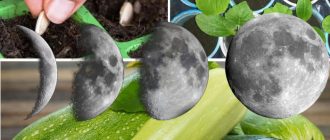
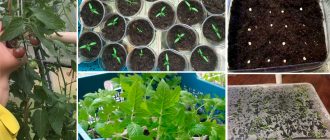
In June, planting and sowing are almost complete, but that doesn't mean you can relax. Much work remains, but its nature is changing. Plants shouldn't be left unattended; they require proper care. June is a month for strengthening vegetable crops, garden trees, and shrubs. There's also a fight against infections, pests, and weeds. When carrying out work, it's recommended to follow the June lunar calendar, presented below. It will tell you which dates are best for various tasks to ensure they are most productive.

Content
- 1 Favorable and unfavorable sowing days in June 2024
- 2 Favorable and unfavorable days for gardeners in June 2024
- 3 Favorable and unfavorable days for planting flowers in June 2024
- 4 Favorable and unfavorable days for various crop care tasks in June 2024
- 5 Gardener's lunar calendar for June 2024 by date
- 5.1 Moon phases and days by zodiac sign in June 2024
- 5.2 1.06 (from 6:27 a.m.) - 3.06 (until 08:54 a.m.)
- 5.3 3.06 (from 08:54 a.m.) - 5.06 (until 11:36 a.m.)
- 5.4 5.06 (from 11:36 a.m.) - 7.06 (until 15:40 p.m.)
- 5.5 7.06 (from 15:40) - 9:06 (until 22:27)
- 5.6 9.06 (from 22.27 pm) - 12.06 (until 08.39 pm)
- 5.7 12.06 (from 08:39 a.m.) - 14.06 (until 21:11 a.m.)
- 5.8 14.06 (until 21:11) - 17.06 (until 09:37)
- 5.9 17.06 (from 09:37 a.m.) - 19.06 (until 19:32 p.m.)
- 5.10 19.06 (from 19:32) - 21.06
- 5.11 22.06-24.06 (until 06:14)
- 5.12 24.06 (from 06:14) - 26.06 (until 09:07)
- 5.13 26.06 (from 09:07 a.m.) - 28.06 (until 11:51 a.m.)
- 5.14 28.06 (from 11:51) - 30.06 (until 15:01)
- 5.15 30.06 (from 15:01) - 30.06 (until 24:00)
- 6 Gardeners' work in June
- 7 Gardening in June
Favorable and unfavorable sowing days in June 2024
The most suitable and unsuitable dates for sowing and planting vegetables and herbs are given in the table.
You shouldn't sow vegetables for seedlings in prohibited days. On other days, you can plant any crops, but the most favorable dates are days on which sowing is undesirable, as well as favorable Only for certain groups or at certain times (see below). Keeping this in mind will help ensure a rich and healthy harvest.
|
Culture |
Favorable | Unfavorable and prohibited |
| Tomato | 3—5, 7—9, 14—20, 23-24, 26—28, 30 | 5, 6, 7, 21, 22, 24—26 |
| Pepper | 3—5, 7—9, 14—20, 23-24, 26—28, 30 | |
| Eggplant | ||
| Cucumber | 7—9, 12—20, 26—28 | |
| Radish, turnip, horseradish | 1-3 (radish), 3—5, 23-24, 26—28, 30 | |
| Legumes | 7—9, 14—20 | |
| Melons | 3—5, 7—9, 14—20, 26—28, 30 | |
| Celery | 3—5, 7—9, 12—20, 23-24 (root), 26—28, 30 | |
| Onions, garlic | 1-3 (on the pen), 3—5, 14—20 (on the pen), 23-24, 26—28, 30 | |
| Cabbage | 3—5, 7—9, 14—17, 26—28, 30 | |
| Carrots, beets, potatoes | 3—5, 23-24, 26—28, 30 | |
| Salad, greens | 1-3, 7—9, 14-21, 26—30 |
Also readLunar calendar for gardeners and vegetable growers for 2024.
Favorable and unfavorable days for gardeners in June 2024
Favorable and unfavorable dates for planting seedlings:
| Tree/shrub | When is the best time to plant? | When it's not worth it it is forbidden |
| Fruit | 3—5, 7—9, 14—20, 23-24, 26—28, 30 | 5, 6, 7, 21, 22, 24—26 |
| Grape | 7—9, 12—20 | |
| Raspberries, blackberries | 7—9, 14—19, 23-24, 26—28, 30 | |
| Gooseberries, currants | 7—9, 12—19, 23-24, 26—28 | |
| Strawberries, wild strawberries | 3—5, 7—9, 12—19, 23-24, 26—28, 30 |
Favorable and unfavorable days for planting flowers in June 2024
The table below shows favorable dates for working with flowering and ornamental plants, days on which planting is undesirable, and also favorable only for certain groups or at certain times (see below).
| View | Favorable days | Unfavorable and prohibited |
| Annuals | 3—5, 7—9, 12—19, 19—20, 23-24, 26—28, 30 | 5, 6, 7, 21, 22, 24—26 |
| Perennials, biennials | 3—5, 7—9, 12—19, 19—20, 23-24, 26—28, 30 | |
| Bulbous and cormous plants | 3—5, 23-24, 26—28, 30 | |
| Ampelous and curly | 12—20 | |
| Indoor | 3—5, 7—9, 12—19, 19—20, 23-24, 26—28, 30 |
Favorable and unfavorable days for various crop care tasks in June 2024
| Works | Favorable days, possible (read below) | Unfavorable and prohibited days |
| Transplantation, division of rhizomes, digging | 12—14, 19—20, 23-24, 26—28 | 1-5, 6, 7, 17—19, 21, 22, 24—26 |
| Graft | 1-5, 7—14, 17-20, 23-24, 26—30 | 5, 6, 7, 14—17, 21, 22 |
| Pruning, cuttings | 5, 7—17, 23-28 | 1-3, 5, 6, 7, 17—21, 22 |
| Pinching out side shoots | 3—5, 7—19, 23-28, 30 | 1-3, 5, 6, 7, 19—21, 22 |
| Rooting cuttings | 3—5, 12—14, 19—20, 23-24, 26—28, 30 | 1-3, 5, 6, 7, 14—17, 21, 22, 24—26 |
| Mowing the lawn | 1-5, 7—20, 23—30 | — |
| Watering, loosening, fertilizing | 3—5(without loosening), 7—9, 12—19, 26—28, 30 | 1-3 (loosening is possible), 5, 6, 7, 9—12, 19—21, 22, 24—26 |
| Picking berries, herbs, and vegetables | 1-5, 9—12, 14—19, 19—20, 23 (berry picking), 23—26, 28-30 | 5, 6, 7-9, 12—14, 26—28 |
| Disease and pest control | 1-5, 6, 7, 9—14, 17-22, 24—26, 28-30 | 7—9, 14—17, 26—28 |
| Canning | 1-5, 9—12, 14—20, 23-24 (except cucumbers and cabbage), 24—26 (bakery), 28-30 | 5, 6, 7-9, 12—14, 26—28 |
Sowing, planting, and transplanting are prohibited on prohibited days. On other days, you can plant any crops, but the most favorable dates for each are listed above. By following these guidelines, you can ensure a rich and healthy harvest and abundant flowering.
Gardener's lunar calendar for June 2024 by date
Below are recommendations for gardeners, horticulturists and florists on how to carry out work by date.
Conventional designations:
- «+" - good fertility;
- «+/-" - average fertility;
- «—" - low fertility;
- ◐ — Waxing moon;
- ◑ — Waning Moon;
- ● — New Moon;
- ○ — Full moon.
Moon phases and days by zodiac sign in June 2024
Moon phases:
- ◑ — 1-5, 23-30.
- ● — 6 (15h 37m)
- ◐ — 7-21.
- ○ — 22 (04h 07m).
Days according to the Zodiac signs:
- ♈ Aries — 1 (from 6:27 a.m.)-3 (until 8:54 a.m.), 28 (from 11:51 a.m.)-30 (until 3:01 p.m.).
- ♉ Taurus — 3 (from 08:54)-5 (until 11:36), 30 (from 15:01).
- ♊ Gemini — 5 (from 11:36 a.m.) - 7 (until 3:40 p.m.).
- ♋ Cancer - 7 (from 15:40)-9 (until 22:27).
- ♌ Leo — 9 (from 10:27 pm) - 12 (until 8:39 am).
- ♍ Virgo - 12 (from 08:39 a.m.)-14 (until 21:11 a.m.).
- ♎ Libra — 14 (from 9:11 pm) - 17 (until 9:37 am).
- ♏ Scorpio - 17 (from 09:37 a.m.)-19 (until 19:32 p.m.).
- ♐ Sagittarius - 19 (from 19:32)-21.
- ♑ Capricorn — 22-24 (until 06:14).
- ♒ Aquarius — 24 (from 06:00 14:00) - 26 (until 09:07).
- ♓ Pisces — 26 (from 09:07) - 28 (until 11:51).
1.06 (from 6:27 a.m.) - 3.06 (until 08:54 a.m.)
♈ Aries, +-, ◑, days of Fruition
Formative pruning, replanting, rooting, watering, fertilizing, and pinching out side shoots are not recommended.
| For gardeners | For florists | For gardeners, general work |
|
|
|
3.06 (from 08:54 a.m.) - 5.06 (until 11:36 a.m.)
♉ Taurus, +, ◑, Root days
It is not recommended to loosen the roots, transplant, or pick out the plants.
| For gardeners | For florists | For gardeners, general work |
|
|
|
5.06 (from 11:36 a.m.) - 7.06 (until 15:40 p.m.)
♊ Gemini, —, ●, Leaf Days.
6.06 at 15:37 – Exact New Moon.
Do not plant, sow, or transplant the day before or after the Exact New Moon. Watering and fertilizing should also be avoided during these days.
Weed control, removal of unnecessary growth, formation of compost heaps, loosening of the soil.
These days it is good to treat the soil around plants to protect them from pests.
During Gemini, it's not advisable to water, fertilize, repot, or transplant. Cuttings should be avoided.
Work only on 5.06 (until 15:37):
| For gardeners | For florists | For gardeners, general work |
|
|
|
7.06 (from 15:40) - 9:06 (until 22:27)
♋ Cancer, +, ◐, Leaf days
Do not plant or transplant trailing or climbing flowers. Avoid pest control, propagation by dividing tubers and roots, and harvesting or canning.
| For gardeners | For florists | For gardeners, general work |
|
|
|
9.06 (from 22.27 pm) - 12.06 (until 08.39 pm)
♌ Leo, —, ◐, Fruit Day.
Watering, fertilizing, replanting, and picking are prohibited. Planting cauliflower, broccoli, and other greens is not recommended.
| For gardeners | For florists | For gardeners, general work |
|
|
|
12.06 (from 08:39 a.m.) - 14.06 (until 21:11 a.m.)
♍Virgo +-, ◐, Root days.
You should not soak the seeds.
| For gardeners | For florists | For gardeners, general work |
|
|
|
14.06 (until 21:11) - 17.06 (until 09:37)
♎ Libra, +-, ◐, Flower days
It is prohibited to spray plants with chemicals against diseases and pests.
| For gardeners | For florists | For gardeners, general work |
|
|
|
17.06 (from 09:37 a.m.) - 19.06 (until 19:32 p.m.)
♏ Scorpio, +, ◐, Leaf Days
Pruning, dividing tubers, and rooting are not recommended. Avoid weed control today, as weeds will grow quickly.
| For gardeners | For florists | For gardeners, general work |
|
|
|
19.06 (from 19:32) - 21.06
♐ Sagittarius, +-, ◐, days of the Fruit
Watering, fertilizing and pruning are not recommended.
| For gardeners | For florists | For gardeners, general work |
|
|
|
22.06-24.06 (until 06:14)
♑ Capricorn, +-, ○, Root days
22.06 at 04:07 – Exact Full Moon.
The day before and after the Exact Full Moon, it is not recommended to sow, plant or transplant plants, soak seeds, prune or graft.
Insect and disease control, weed control. Collecting nettles for green manureLoosening, hilling, weeding.
Mowing the lawn. Picking berries for jam. Canning is also possible.
Garden cleaning, landscaping work.
The work presented in the table can only be performed on June 23, taking into account the recommendations.
Loosening the soil around the roots is not recommended. Sauerkraut and pickling cucumbers are not recommended.
| For gardeners | For florists | For gardeners, general work |
|
|
|
24.06 (from 06:14) - 26.06 (until 09:07)
♒ Aquarius, —, ◑, Flower days
It is not recommended to sow (especially if you want to get seeds from these specimens), pick, plant and transplant various crops, water and fertilize.
| For gardeners | For florists | For gardeners, general work |
|
|
|
26.06 (from 09:07 a.m.) - 28.06 (until 11:51 a.m.)
♓ Pisces, +, ◑, Leaf days
It is not recommended to prune, use toxic substances, or collect vegetables, berries, or fruits.
| For gardeners | For florists | For gardeners, general work |
|
|
28.06 (from 11:51) - 30.06 (until 15:01)
♈ Aries, +-, ◑, days of Fruition
Formative pruning, replanting, rooting, watering, fertilizing, and pinching out side shoots are not recommended.
| For gardeners | For florists | For gardeners, general work |
|
|
|
30.06 (from 15:01) - 30.06 (until 24:00)
♉ Taurus, +, ◑, Root days
It is not recommended to loosen the roots, transplant, or pick out the plants.
| For gardeners | For florists | For gardeners, general work |
|
|
|
Gardeners' work in June
In June, the garden requires no less attention than in May, and perhaps even more.
Sowing and planting
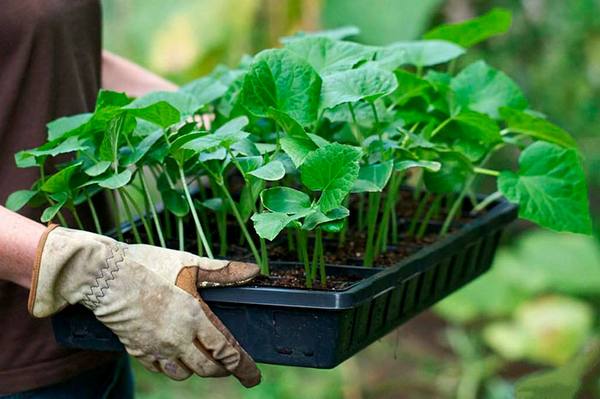
May weather isn't always favorable for planting all vegetables. There's no need to rush; June is a good time to plant almost any crop:
- carrot;
- beets;
- leaf parsley and celery;
- peas;
- beans;
- tomatoes;
- cucumbers;
- any melon crops:
- Welsh onion;
- dill, etc.
You don't need a separate bed for this last green. Dill can be sown around the perimeter of tomato, cucumber, potato, and cabbage plots. This herb is a good companion for any crop.
Important! June-sown seeds should be scattered in moist furrows deeper than in the spring. Be sure to mulch the top with compost or grass, or cover with non-woven material.
Weeding, thinning rows, hilling
Garden beds sown in the spring require special care. Weeds must be removed. In seedling beds, this can be done with a hoe or a flat-top cultivator. In areas where carrots, beets, onions, etc. were sown, the work will have to be done by hand.
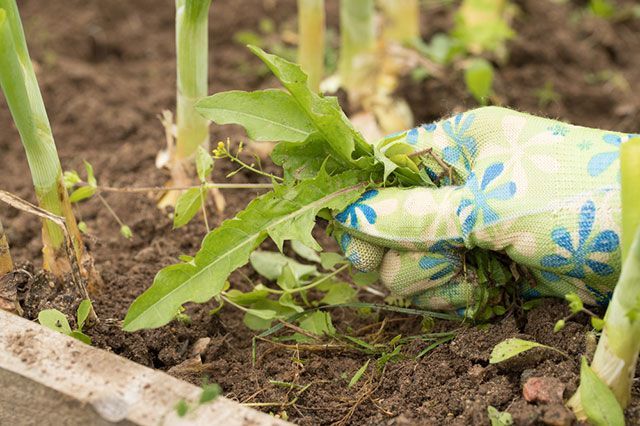
Beet, carrot, and onion beds should be thinned out. This is essential to increase the growing area, improve ventilation, prevent downy mildew, and ensure a larger harvest. Excess plants can be replanted elsewhere.
Before the rows close, the soil needs to be hilled one last time. This process should create furrows for future watering.
Irrigation depending on the crop
Each crop requires a personalized watering regime:
- CucumbersIf the weather isn't too dry, watering once a week from the moment the seedlings emerge until fruiting is sufficient. Too frequent watering will lead to excessive foliar growth, which will be detrimental to the yield, as well as root and basal rot. After the first fruits form, increase watering to 2-3 times a week. If the plant's leaves droop in hot weather, but the soil is still moist, apply a foliar spray.
- ZucchiniWater only once a week, even in hot weather. To ensure the soil is moist enough, you can dig under the bush. If the soil dries out quickly, you should reconsider your watering schedule.
- TomatoesDuring drought, water less frequently than cucumbers. However, during hot periods, watering once a week won't be enough. Water as the soil dries out. Insufficient moisture will cause blossom-end rot, while excess will cause the crop to crack. To prevent this, reduce watering once the fruit begins to turn red.
- Peppers and eggplantsA lack of moisture leads to abnormal fruit drop. Therefore, these crops need to be watered twice a week during periods of drought. Afterward, the bushes should be mulched to better retain moisture.
- CarrotWater deeply, but not too frequently. Shallow watering will lead to excess foliage, which will harm the yield. Frequent watering will cause fruit to crack and rot at the ends.
- CabbageThis is the most moisture-loving crop, but care must be taken with the amount of watering. Excessive watering can kill roots or cause loosening of the heads. If the cabbage leaves have darkened, this is a sign that the soil needs to be watered less frequently. Insufficient moisture can also lead to undesirable consequences. Cabbage stops forming heads, and broccoli and cauliflower will not produce ovaries. The crop should be watered in furrows created by hilling or by sprinkling, using drip irrigation. In light soils, the first method of watering is undesirable, as the water will not reach the root system. Depending on weather conditions, cabbage should be watered 1-3 times a week to a depth of 0.4 m. During the ripening period, the soil should be kept moderately moist, without sudden changes from dry to damp. In hot weather, it is necessary to carry out refreshing watering (sprinkling) to reduce the temperature and dryness of the air.
Useful information! Don't try to keep the soil constantly moist immediately after germination. Young roots should be able to push their way deeper to find water on their own. This doesn't apply to early vegetables (radishes, spinach, etc.). The soil in these beds should be kept constantly slightly moist.
Fertilizer application depending on the crop
For plants to resist diseases and pests, they need a strong immune system. Balanced nutrition (root and foliar) and growth stimulants are essential for stimulating this system.
Organic fertilizers can be prepared independently from readily available ingredients.
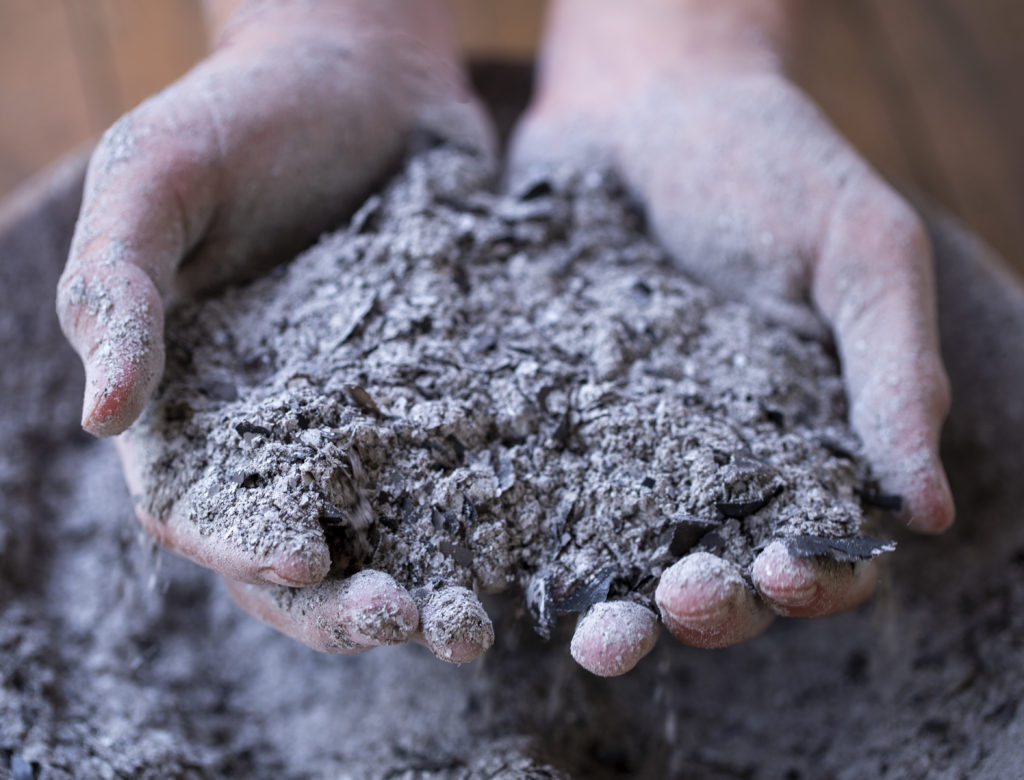
For example, weeds can provide nutrition to crops in the form of mulch or infusion. If weeds, branches, and other plant debris are burned, the ashes can be sprinkled on the beds. Cabbage especially appreciates this type of fertilizer (1 cup per square meter).
Ash can also be used as a fertilizer for potatoes during bud formation. Work it into the rows with a hoe and water. It's also recommended to add ash to compost.
Fertilizers depending on the crop:
- Tomatoes — 1-1.5 tablespoons of superphosphate and organic infusion (for flowering bushes). This type of feeding is essential for a tasty harvest.
- Cucumbers — 1 tablespoon of complex fertilizer per 10 liters of water during flowering. 1 teaspoon each of urea, potassium sulfate, and 0.5 liters of organic infusion per 10 liters of liquid during fruiting (at 10-day intervals) for rapid bush development and fruit growth.
- Pepper, eggplant — First feeding during bud formation. Add 1 tablespoon of complex fertilizer per 10 liters of water.
- White cabbage — During the period of green mass growth, apply an organic infusion. Sprinkle ash between the rows and loosen the soil.
- Broccoli and cauliflower — a complex fertilizer with boron and magnesium, an organic infusion in the same dosage as for white cabbage.
- Potato - during the period of bud formation and flowering, sprinkle with wood ash to enrich it with potassium and other necessary microelements for better formation of the future harvest.
- Pumpkin — an organic infusion (1 liter per 10 liters of water) for better shoot growth. During flowering, add a complex mixture (1 tablespoon per 10 liters of liquid).
- Onions for turnips - nitrogen-containing fertilizers for feather growth (for example, 1 teaspoon of urea or a glass of organic infusion per 10 liters of water).
- Onion sets - superphosphate extract (2 tbsp.) or complex mineral mixture (1 tbsp.).
- Carrot — during the period of green growth, 1 teaspoon of urea or 1 tablespoon of potassium magnesium per 10 liters of water.
- Beet - at the beginning of development 1 tbsp. of a complex mixture with boron.
- Celery — at the beginning of the month 0.5 liters of organic matter.
- Garlic — at the beginning of the month, 2 tablespoons of superphosphate extract per 10 liters of water.
- Strawberries, wild strawberries - in the first half, water directly on the leaves with the following cocktail per 10 liters of water according to the instructions, add liquid vermicompost, lake sapropel, humic potassium fertilizer, as well as the biopreparations Azotovit and Phosphatovit, 30 ml each
Attention! Fertilizing is a must in June. Don't skip feeding.
Disease and insect control
Chemicals should not be used to control pests and infectious agents. Only biological products are permitted. Chemical fungicides stress crops and weaken their immune systems. Furthermore, they are ineffective against infectious diseases. They can only combat fungal infections, and they should only be used as a last resort if biological products fail.
Application of green manure
If nothing else is to be planted after harvesting radishes and early greens, it's recommended to sow these beds with green manure (soil-improving plants). Phacelia or marigold are best suited for this purpose.
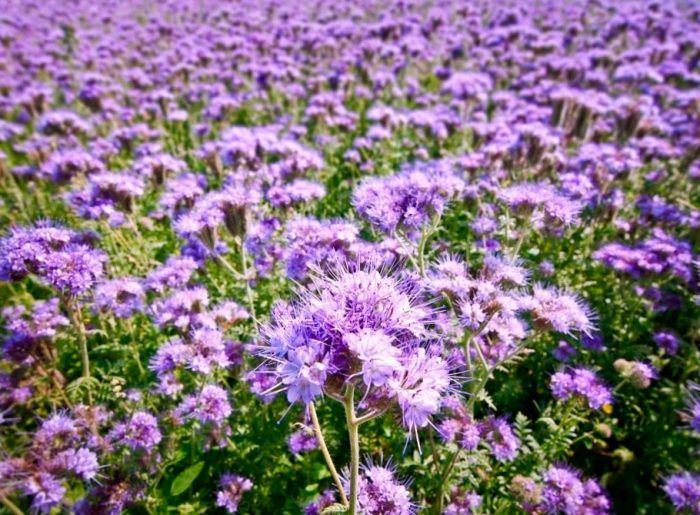
Empty plots can be planted with other green manure crops, but it is important to remember that mustard should not be planted after radishes, as these two crops belong to the same family.
Gardening in June
Garden crops require special attention and care.
Fertilizing and watering
To understand what a plant needs, take a closer look at it. If the plant isn't growing well and the leaves are too light, it's lacking nitrogen. Then apply the following fertilizer:
- 40-50 g of urea per 10 liters of water. Use 2-3 buckets per tree and one bucket per shrub. Make furrows around the trunk and pour the solution into them. The depth of the furrows should be 25-30 cm under trees and 10-12 cm under shrubs.

The next feeding consists of organic matter, such as a mullein solution (1 to 10) or bird droppings (1 to 20). Fertilizers are applied at intervals of 15-20 days.
For further development, add superphosphate and potassium fertilizers. Ash is a good addition to all fertilizers.
Fertilizing is recommended in conjunction with watering, especially during droughts. Insufficient water causes ovaries to drop excessively, and the fruit to become smaller. This is especially true for blackcurrants. It's best to water strawberries between rows after harvesting. To help the soil retain moisture longer, mulch the area around the tree trunks.
Important! Fertilizers should be applied in moderation. Excessive amounts of mineral mixtures can interfere with the absorption of micronutrients, resulting in crops exhibiting deficiency symptoms.
Caring for strawberries
The first strawberry harvest has already been achieved, but it continues to bear fruit. Therefore, in hot weather, it's necessary to water the spaces between the rows in the afternoon. This will result in larger berries and a higher yield. After the soil dries, loosen it, but be careful not to create dust on the bushes.
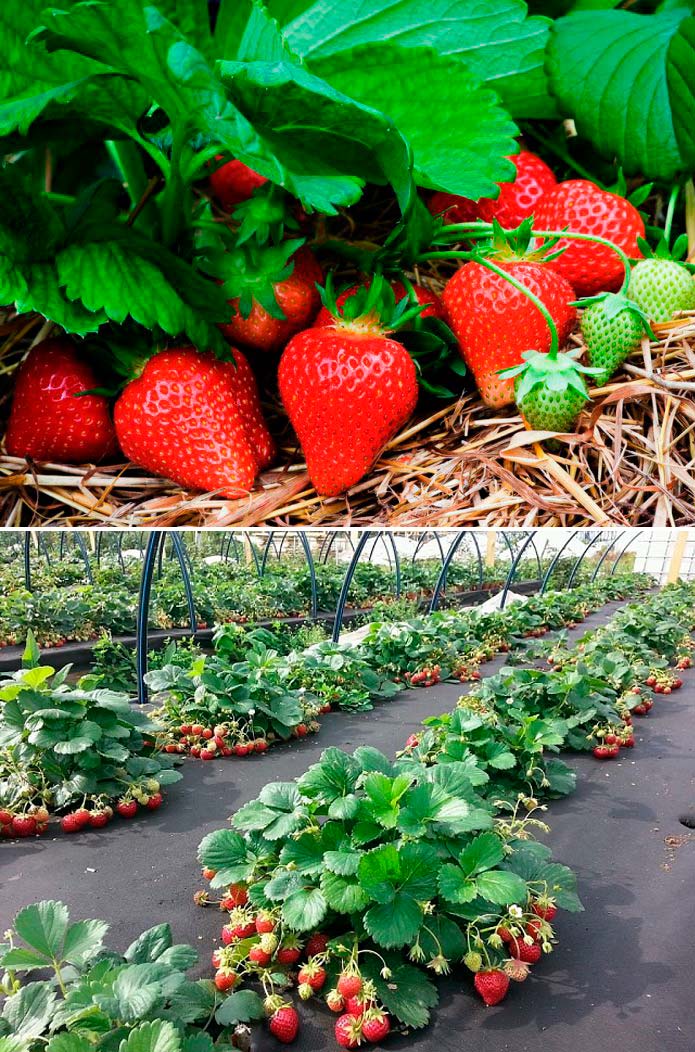
Useful information! Strawberries must be picked correctly. Don't pick the berries with your fingers, as this will crush them. Grasp the stems and cut them with your fingernails. It's best to pick the berries in dry, sunny weather. This should be done in the morning, immediately after the dew has dried, before the strawberries have had time to warm up in the sun. After picking, trim off the tendrils, as they rob the bushes of nutrients, reducing the following season's yield by 30-40%.
It's recommended to spread straw under strawberry bushes. This will help retain moisture and prevent the berries from becoming soiled.
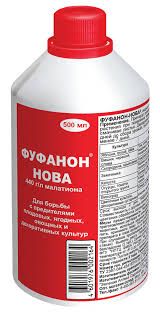
If the plant is heavily infested with powdery mildew, white spot, gray mold, and insects, all leaves should be cut off and destroyed within 5-7 days after fruiting. Then, spray the bushes with 1% Bordeaux mixture, Actellic, Fufanon-Nova, or Alatar.
More about strawberries Read on our website.
Caring for raspberries
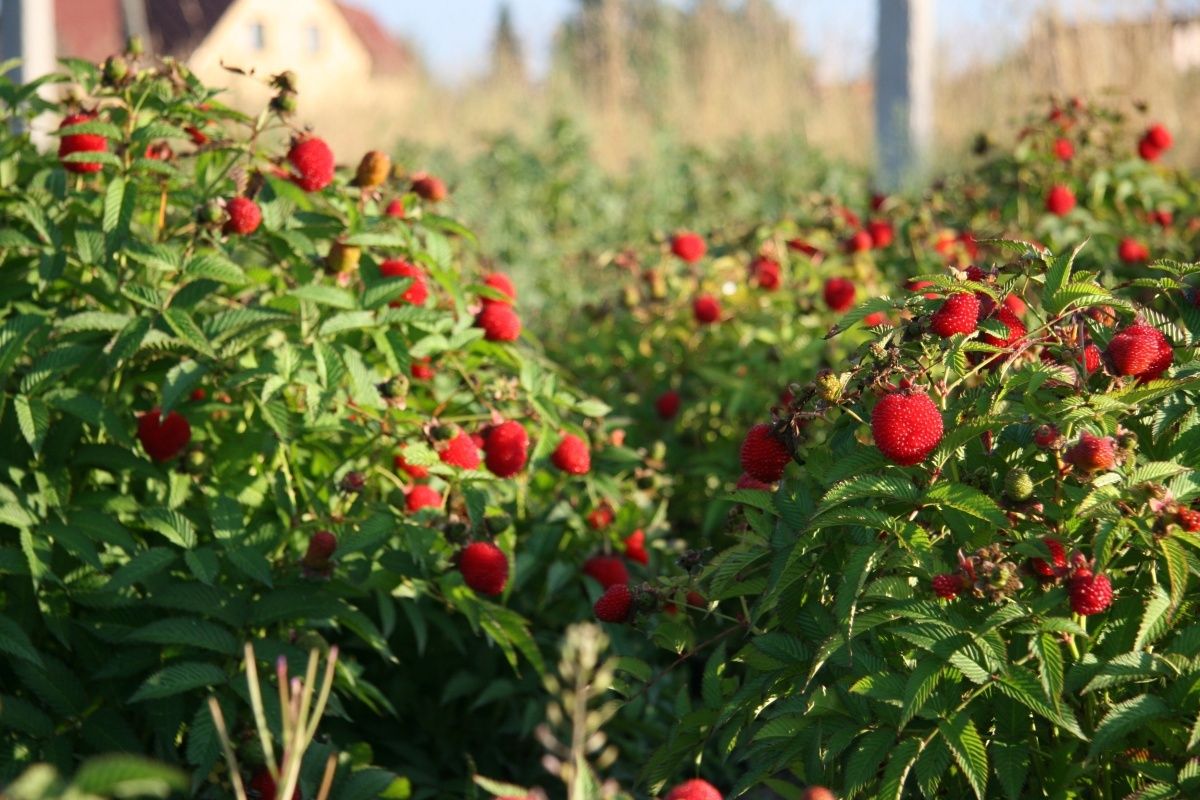
At the beginning or middle of the month, pinch the tips of annual shoots. For medium-height varieties, these should be at least 1.2-1.3 m tall, and for tall varieties, 0.7-0.8 m. Pinching should be done at 5-10 cm. This will encourage new shoots to form in the leaf axils. By September, these shoots will reach 30-80 cm. Fruiting will be prolonged, and the yield will be higher.
Please note! Pinching is only necessary for sparse plantings and for non-remontant varieties (they produce most of their fruit at the tops).
More about raspberries Read on our website.
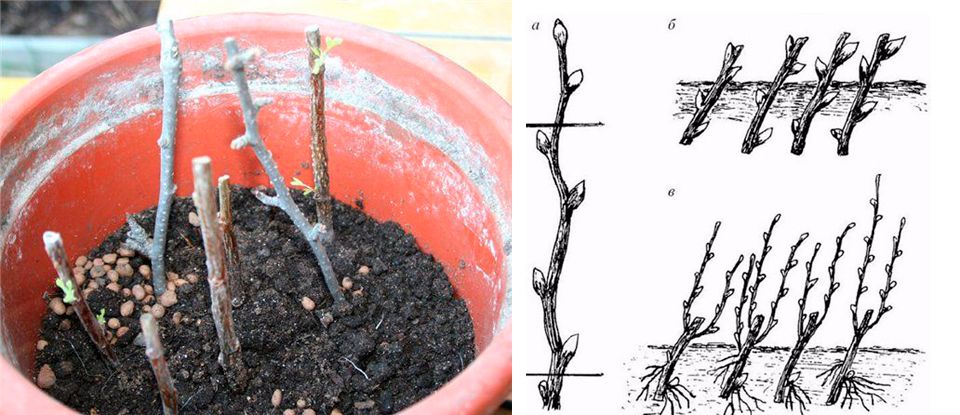
Cuttings and pruning
June is a good month for green cuttings. The following should not be used:
- zero currant shoots;
- spinning tops;
- shortened cuttings (they should be at least 2-3 internodes long).
Useful information! Shoots with part of a branch take root best.
At the beginning of the month, you should prune branches that were frozen during the winter. If they are not severely damaged, this should be done down to the healthy part. If garden plants have been significantly damaged, they should be cut down to the stump, and the shoots that grow above the graft should be used to form a new bush. Dead branches can be pruned in June or throughout the season.
Working with ovaries
In June, ovaries begin to fall off. This is normal. First, those affected by infections and insects begin to fall. Then, those that the plant cannot supply with the necessary nutrients.
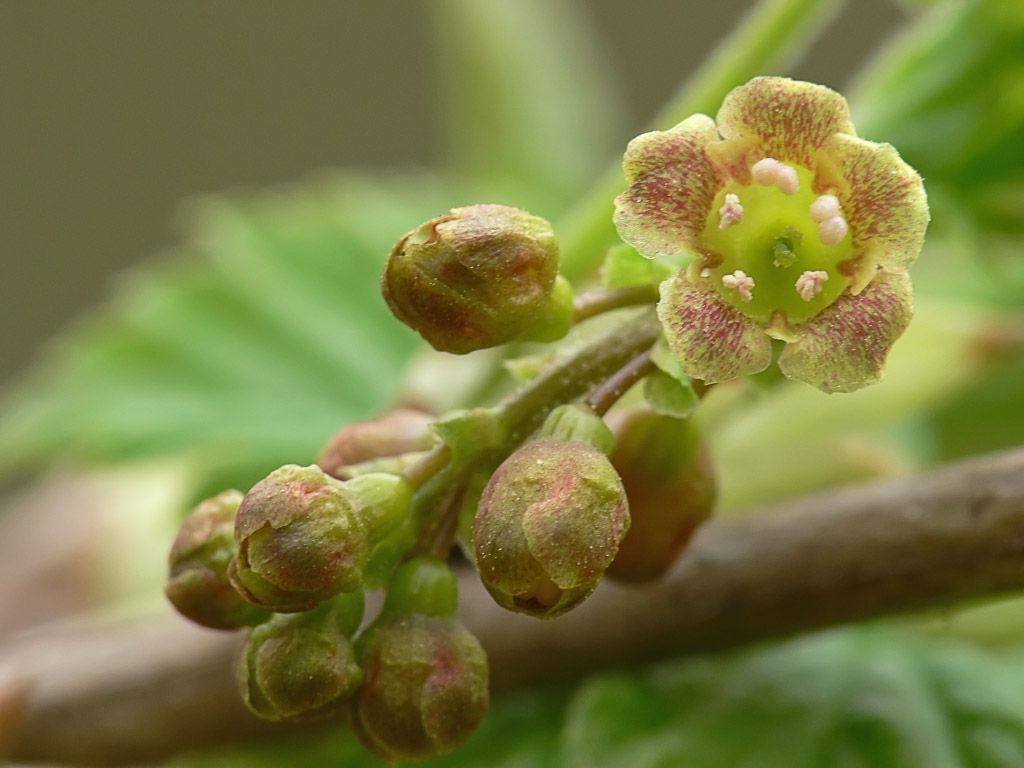
If fruit buds are dropping excessively, you should trim off some of the smaller ones, leaving 1-2 larger ones. This won't reduce the yield weight-wise. However, it will make it easier for the plants to feed the buds. Additionally, you can spray the branches with a urea solution (2 tablespoons per 10 liters of water).
Important! The ovaries must be constantly collected and destroyed, as they contain insect pests that can also affect other crops.
Disease and pest control
June is a favorable time for the development of many infections and insect activity. Sawflies and codling moth caterpillars can be controlled with chemicals early in the month. Once they have penetrated the fruit, they will be out of reach. The only option left is to pluck the affected apples from the branches or collect fallen ones for disposal.
More about fighting insects and diseases on apple trees Read on our website.
It is recommended to use the following chemical and biological preparations:
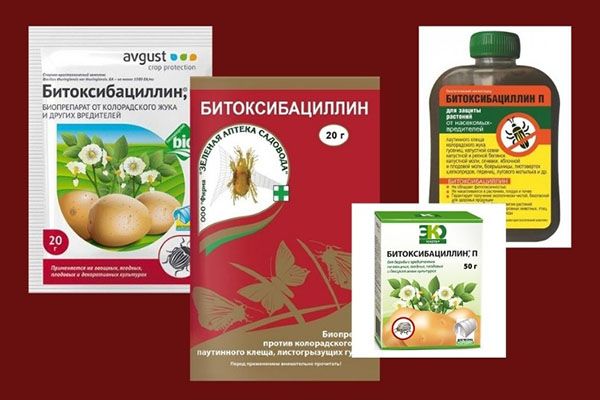
- Bitoxybacillin;
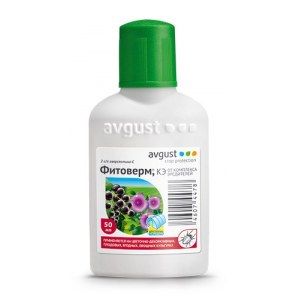
- Fitoverm;
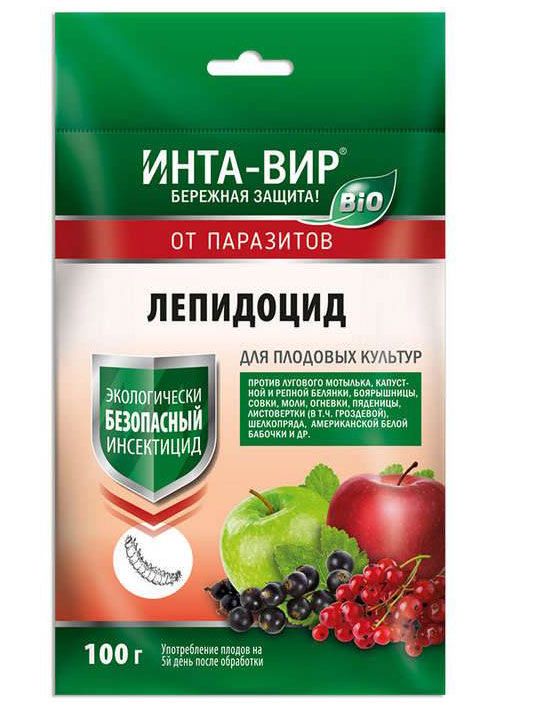
- Intavir;
- Fufanon-Nova.
- Alatar.
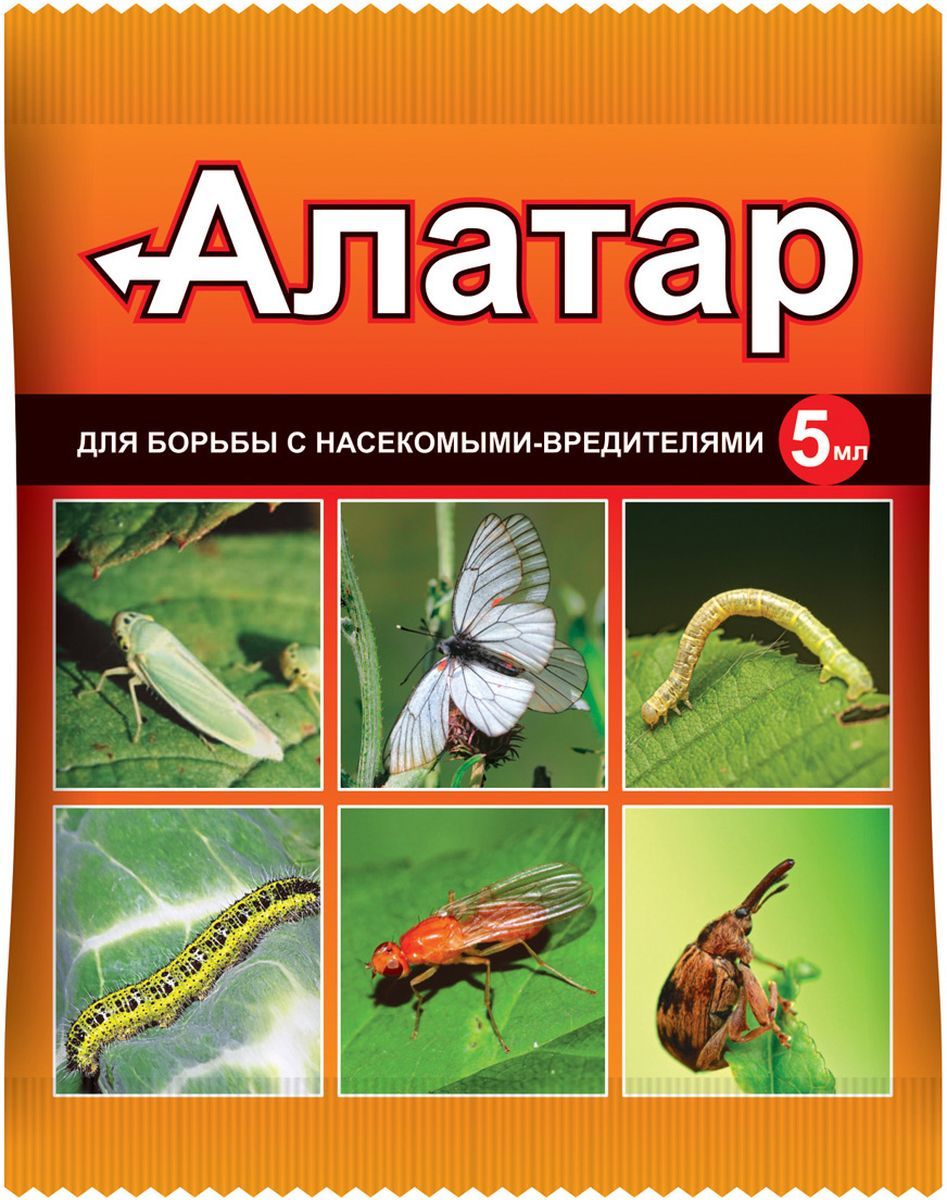
It's best to apply these products after the apples have developed a petiole pit (a notch around the stem). Repeat treatments at 14-day intervals until the pests are eliminated.
In damp weather, scab can cause significant damage to crops. It also causes leaf dieback and shedding. Copper-based products are effective against this infection. However, using them in June is dangerous, as they cause burns on plants in damp weather. This treatment should have been done in April, on the green top. If you missed this treatment in June, you can use the following instead:
- Fast;

- Raek;
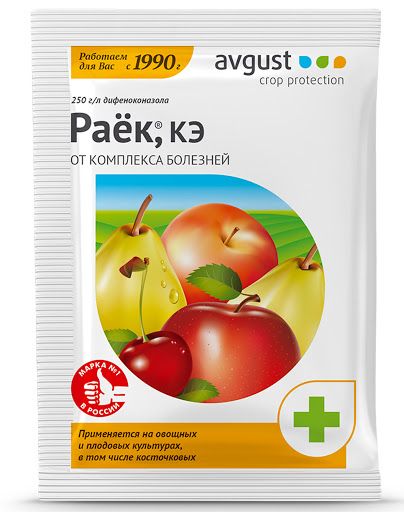
- Horus;

They also destroy the pathogens of moniliosis and powdery mildew.
Stone fruit trees can be attacked by aphids, cherry moths, and cherry fruit flies. Plums are also harmed by the plum moth and plum pollen aphids. Insecticides such as Fufanon-Nova, Aktara, Intavir, and Zeta are effective against these pests. Stone fruit diseases include moniliosis and coccomycosis. Abiga-Peak and Skor are effective against these pests.
To destroy parasites on currants and gooseberries, you can use: Lepidocide, Bitoxibacillin (with a minimum period).
The use of chemicals and insecticides is only permissible after the crop has already been harvested.
Powdery mildew can occur on older berry bushes. Topaz combats powdery mildew on red currants. It should only be used after the berries have been harvested.
Avoid using any insecticides or disease control on strawberries while they are bearing fruit. If gray mold is present, place fresh straw under the bushes. Collect and destroy diseased berries, even if they are still green.
By following the lunar calendar, you can achieve a rich and healthy harvest and lush, long-lasting blooms for ornamental plants. This article lists the recommended dates for gardening, vegetable gardening, and flower gardening. However, this doesn't mean you can't do it on other days. The most important thing is to avoid unfavorable dates.