Flowers have always accompanied people in moments of celebration, in joy and sorrow. Decorating interiors with living garlands and unique arrangements as gifts are as relevant today as they were in ancient times. Today, choosing flowers for bouquets is a whole science called floristry.
Content
- 1 Features of choosing flowers for a bouquet
- 2 The best flowers for bouquets
- 3 Exotic flowers for bouquets
- 3.1 Amaryllis
- 3.2 Agapanthus
- 3.3 Alstroemeria
- 3.4 Anemone
- 3.5 Anthurium
- 3.6 Hyacinth
- 3.7 Hydrangea
- 3.8 Gerbera
- 3.9 Hermini
- 3.10 Gypsophila
- 3.11 Calla
- 3.12 Campanula
- 3.13 Crocus
- 3.14 Orchid
- 3.15 Lily of the valley
- 3.16 Lavender
- 3.17 Lily
- 3.18 Lisianthus
- 3.19 Daisy
- 3.20 Matthiola
- 3.21 Hellebore
- 3.22 Sunflower
- 3.23 Strelitzia
- 3.24 Freesia
- 4 Top.tomathouse.com recommends: interesting flower combinations for beautiful bouquets
Features of choosing flowers for a bouquet
Floral arrangements are diverse, captivating with their shapes and color combinations. The most important factor in a bouquet is the correct selection of plants, and the composition is second.
Here are the basic rules for forming a bouquet:
- To create a well-designed bouquet, choose no more than 3 varieties of flowers and be sure to include some greenery.
- The bouquet should not be overloaded with a large number of plants; it is important to pay attention to color combinations.
- To keep the composition fresh, the masters cut the stem of each flower with pruning shears or a special knife at a 45-degree angle.
- When creating a bouquet, it's best to avoid flowers that could negatively impact neighboring plants due to the chemical properties of the sap they secrete. Such aggressors include lilies of the valley, daffodils, orchids, lilies, tulips, and carnations.
- The choice of flowers depends on the shape and size of the arrangement. It's not advisable to use many large buds in small bouquets. A predominance of small blooms will look unbalanced in a large arrangement.
The best flowers for bouquets
Among the variety of plants, there are a number of special ones that look particularly good in a bouquet and combine harmoniously with their neighbors.
Rose
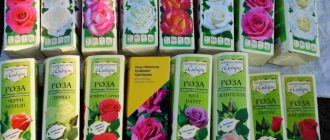
It deservedly bears the title of "queen of flowers." It looks great both in a bouquet and in a flowerbed. Besides the fact that this flower comes in many varieties, it pairs beautifully with other plants. Bouquets are often complemented with lilies, lilacs, hydrangeas, lavender, calla lilies, gypsophila, and alstroemeria. The plant comes in many shades, making it quite easy to choose the perfect one.
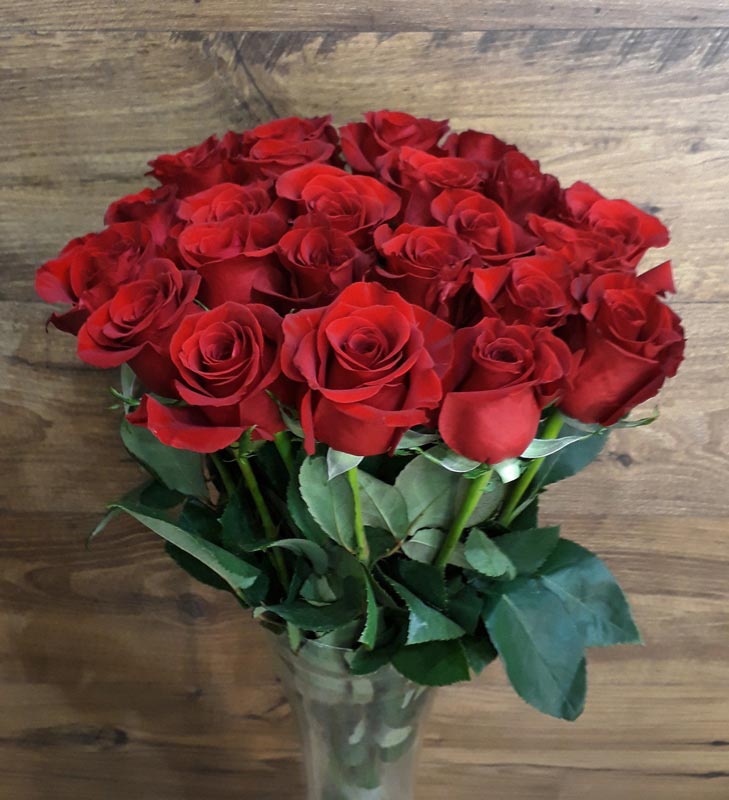
Roses will be adversely affected by proximity to poppies, carnations, tulips, lilies of the valley and daffodils.
It is recommended to use modest materials for the design and packaging of the bouquet, since the rose itself attracts a lot of attention.
About different varieties of roses, about planting, caring for them and much more useful information on Top.tomathouse.com: All About Gardening (top.tomathouse.com).
Chrysanthemum
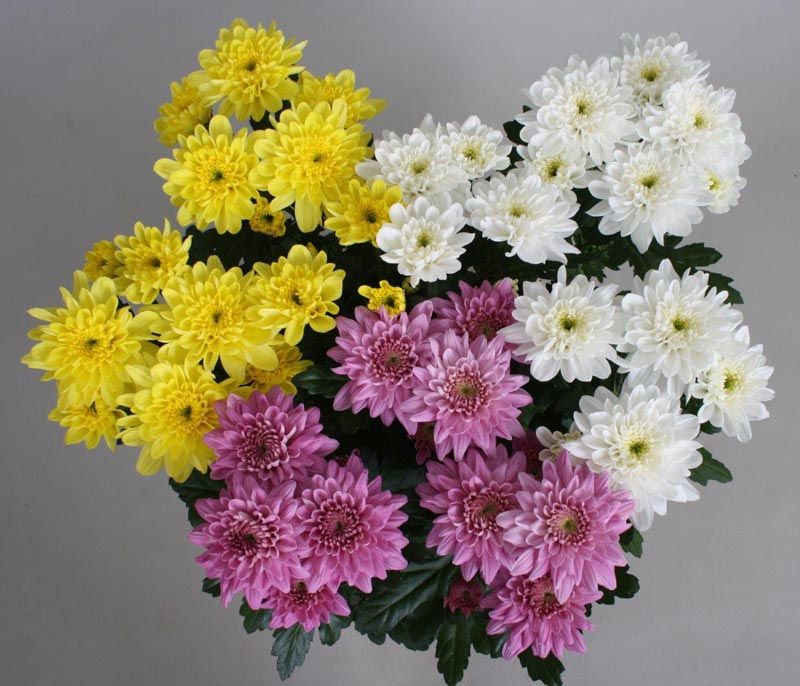
This autumn flower comes in a wide variety of shapes and shades. It's often combined with gerberas, roses, or alstroemerias in arrangements.
Because flowering occurs during the harvest period, florists often complement bouquets with berries on long stems.
The peculiarity of the chrysanthemum is that even when cut, it remains fresh for a long time and delights with its beauty for up to a month.
Also read about growing chrysanthemums in a pot.
Peony
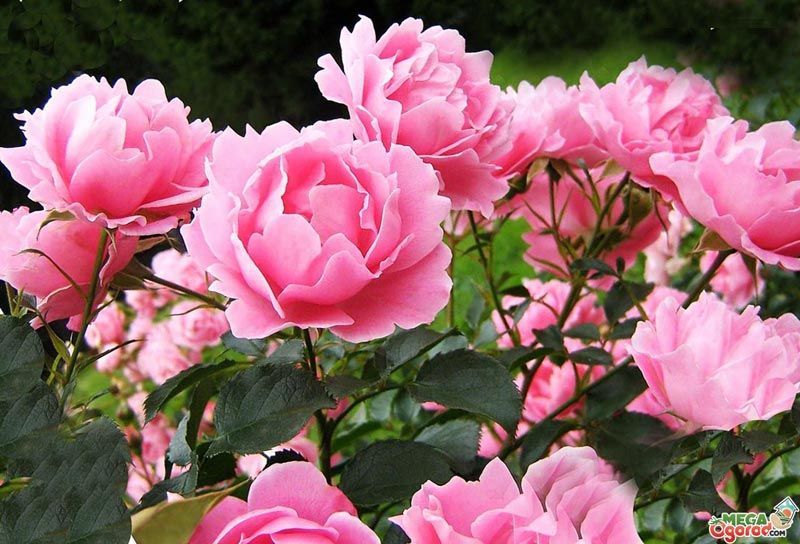
A thousand-year-old flower that is not only beautiful but also has medicinal properties. It comes in many varieties: the buds vary in shape, color, and structure. This diversity allows artisans to create arrangements incorporating several shades of a single flower.
The peony is self-sufficient and incredibly beautiful. It is often featured in bridal bouquets. Florists use a variety of flower shades, often adding daisies, hydrangeas, and forget-me-nots to bouquets with peonies.
We recommend reading the article about caring for peonies.
Aster
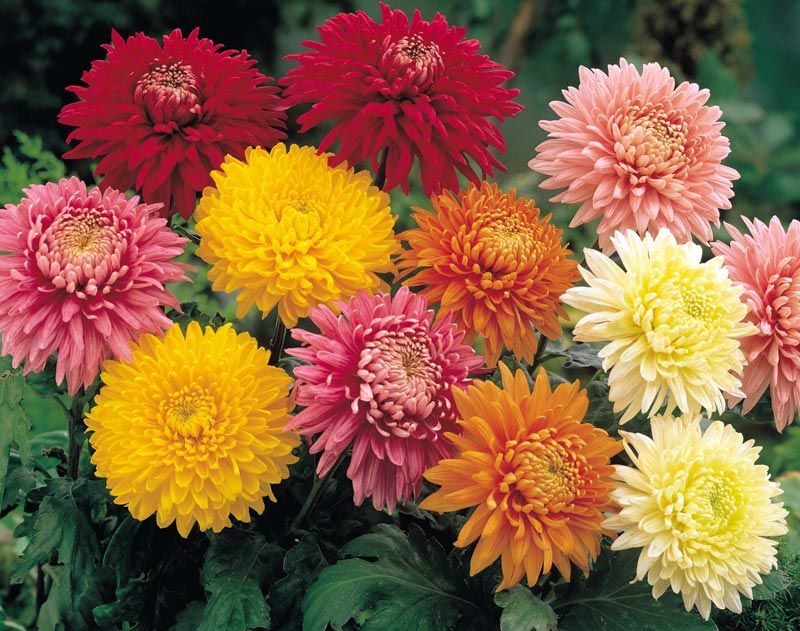
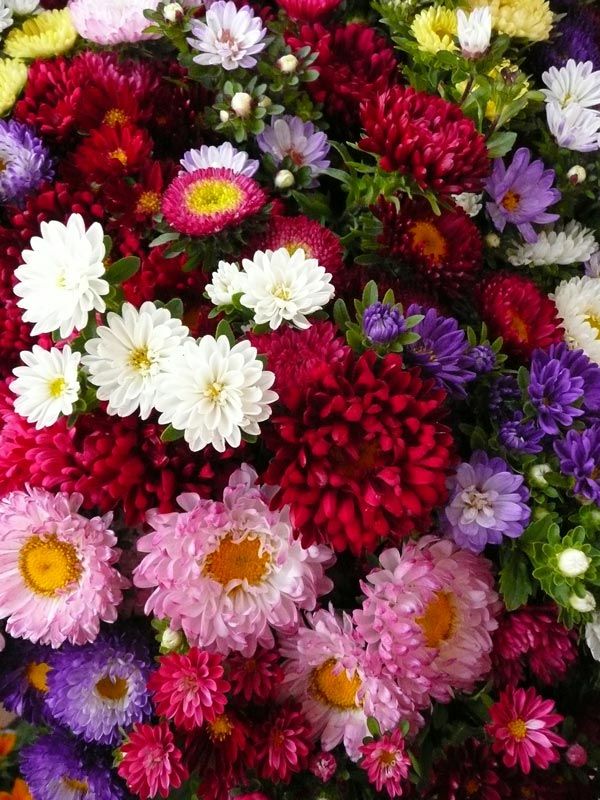
Translated from Greek, aster means "star," which is quite symbolic. These vibrant flowers come in a variety of cultivars and bloom almost year-round.
Aster bouquets are usually composed without any other plants. The richly colored flowers require no additional decoration, but they do require a frame of greenery and unique packaging. Arrangements look especially beautiful in baskets. With proper care, a bouquet can stay fresh for up to two months.
Read more about asters here.
Dahlia
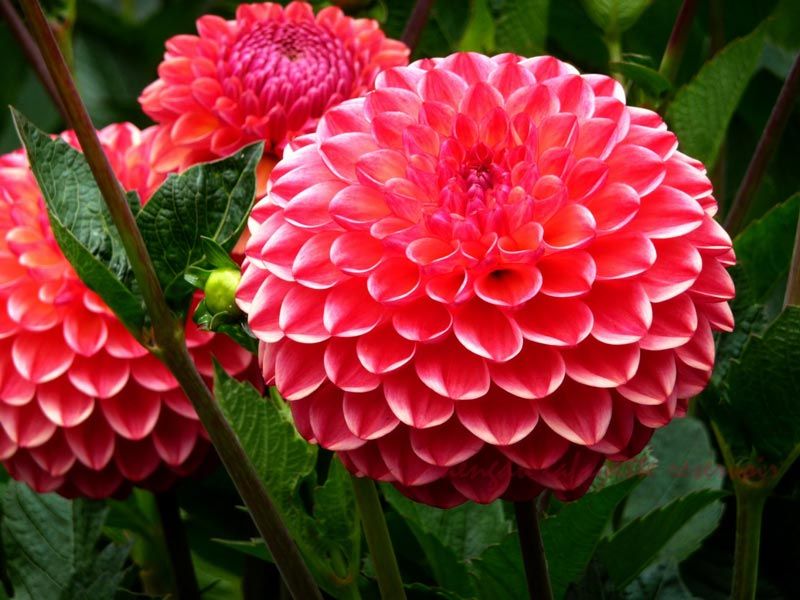
The "school flower," or dahlia, actually originates from Mexico. It was brought to Russia in the mid-19th century, and at the time, a single bud cost 100 gold coins—a considerable sum.
The diversity of varieties is staggering, with over 10,000 varieties and 15 distinct shades, not counting undertones. This flower has become a favorite among florists and is used not only in bouquets but also in interior arrangements. The beautiful, classic shape of the bud is the perfect complement to formal settings.
The dahlia is a rather unusual flower and differs from its fellows in its hollow stem, so the plant's stem is reinforced with wire.
Also read more article about dahlias on our website.
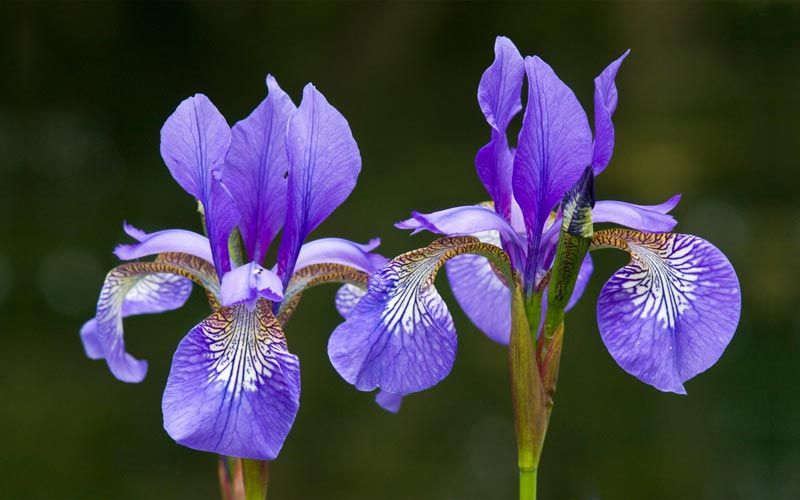
Iris
In common parlance, this flower is called "iris", the reason for this is the shape of the leaf, which evokes associations with a scythe.
Iris flowers have a thousand-year history and boast a wide variety of species. Today, over 800 varieties are known, of which only 58 grow in Russia.
The delicacy, fragility, and unique structure of the bud are in many ways reminiscent of a bride's dress. Therefore, the plant is often used in wedding bouquets.
Irises can be combined with lilies and lavender. The plant blooms for two months a year and isn't particularly durable when cut. However, its beauty compensates for any inconvenience.
Read more about irises and how to care for them. Here.
Tulip
This unusual flower, with its unique sap chemical composition, gets its name from the Persian word for "turban." Indeed, the tulip bud resembles a turban.
The plant has been known since the 16th century, when a large shipment of bulbs was brought to Vienna for medicinal cultivation. The flower later reached Holland, from where it spread throughout the world.
In Russia, the plant was first discovered growing wild in the 12th century, but the cultivated version first appeared in the 18th.
There's a legend about the tulip, which says that happiness resides within its bud. People tried to reach it, but the flower blossomed to a little boy, who, overjoyed by its beauty, simply ran toward it.
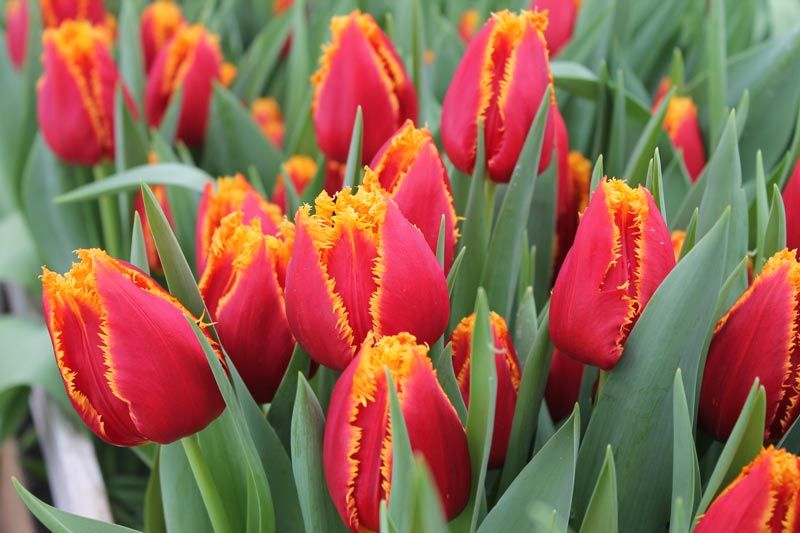
Today it is customary to give them unopened; this is considered a sign of good taste and is quite symbolic.
Tulip Beautiful and self-sufficient, due to its unique chemical properties, it doesn't mix well with other plants. Bundles are usually complemented with airy greenery and original packaging.
Narcissus
The flower is associated with a popular legend. The plant was named after a young man who was so narcissistic that he couldn't tear his gaze away from his reflection in a lake. He died, and flowers bloomed in his place.
The narcissus is truly beautiful and unique. It has a rather pungent aroma with intoxicating notes. In arrangements, it symbolizes selfishness and is therefore used with caution by florists, especially in the "talking bouquet" technique.
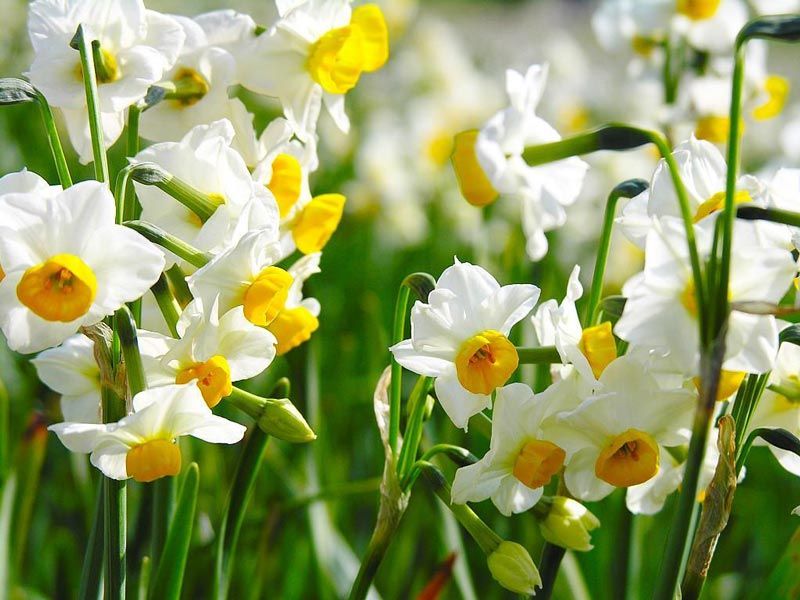
Today, about 12 varieties of the plant are known; it is widespread in the European part.
Also read about correct planting of daffodils in the country.
Chamomile
It symbolizes the sun and, regardless of size, evokes warm, positive emotions.
Florists use the plant both on its own and as an addition to bouquets. Small field daisies look especially beautiful when paired with tulips, chrysanthemums, and roses. The graceful blooms on slender stems add a sense of completeness and lightness to the arrangement. Meadow daisies create a harmonious harmony when paired with wild lavender. Such a bouquet will delight any woman, regardless of age.
Dyed daisies have become popular recently. Creating a bouquet using these plants is quite challenging and requires experience and excellent taste.
The bouquet requires special care: it should be placed in a sunny spot and the water changed frequently. This will help keep the flowers fresh for a long time.
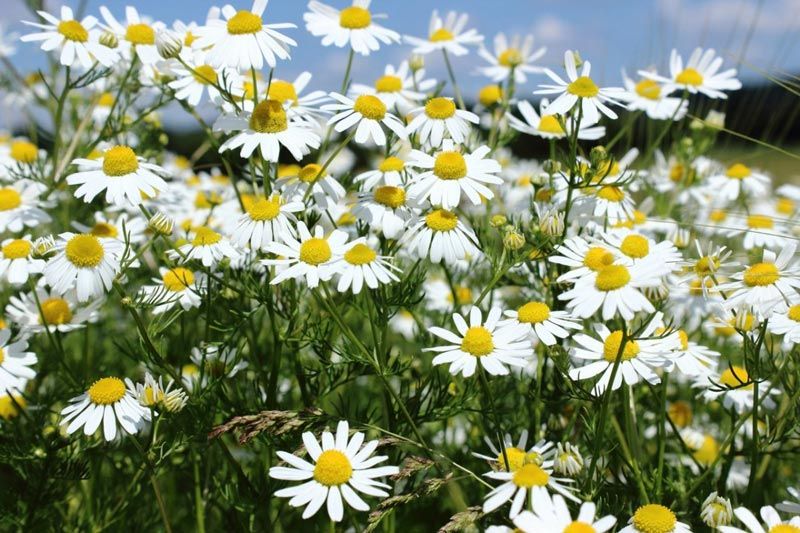
Read more in the article about garden chamomile.
Carnation
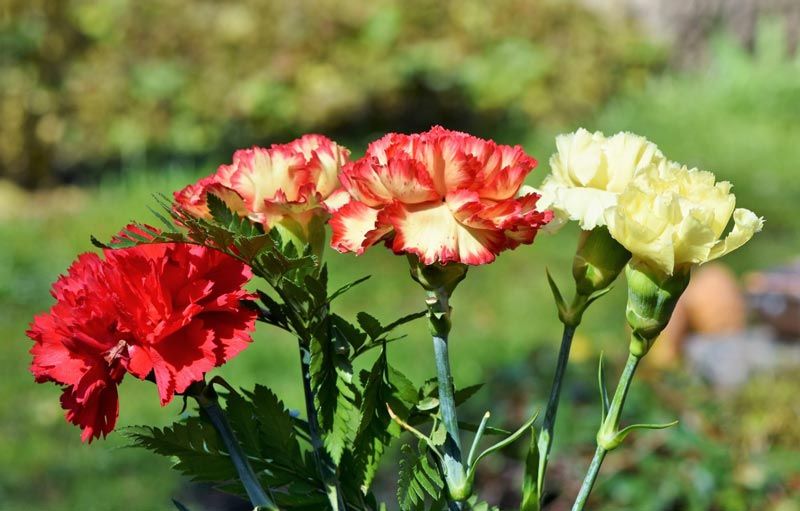
A stern and aristocratic flower, it is most often used in business arrangements or as a gift for men. The plant is a unique symbol of Victory Day and the Defender of the Fatherland Day.
Despite its masculinity, the flower bud and petals are very delicate and graceful.
More than 300 species are known carnationThey vary in color and bud size. Due to the chemical properties of the sap, the plant is rarely used in bouquets, but rather on its own. Asparagus leaves are most often used as a complement to bouquets.
Delphinium
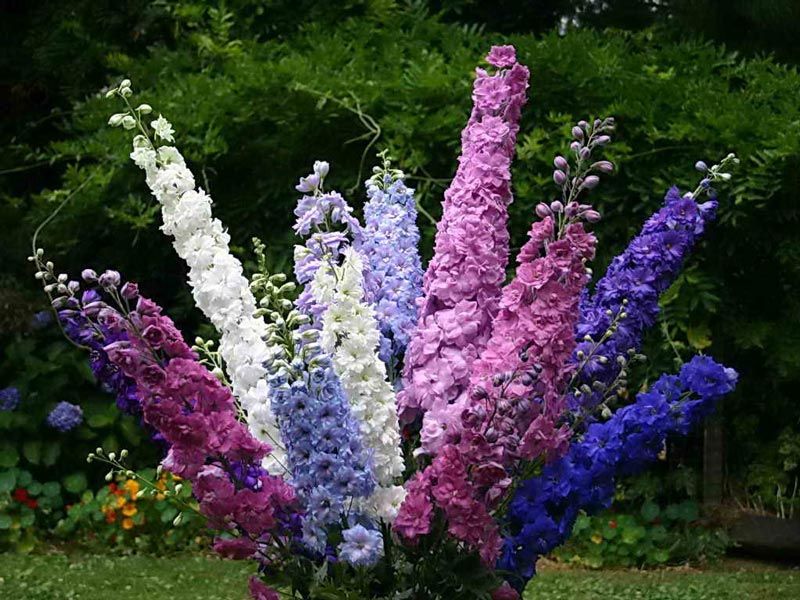
The plant, with its tall stem and bell-shaped flowers, has more than 350 species.
In bouquets, it pairs with dahlias, roses, and lilies. Sometimes, delphiniums of various shades are combined with airy greenery.
More information about delphinium is available here here.
Exotic flowers for bouquets
Modern floristry allows for compositions not only from popular flowers that we all know, but also from exotic ones.
The bouquets are composed of plants whose names are known to few due to their foreign origin.
Amaryllis
It is found among indoor plant lovers and is native to South Africa.
AMarillisThe variety used in bouquets is a synthetically bred hybrid. Flowers come in a variety of shades, from delicate cream to deep purple. Striped varieties are also available.
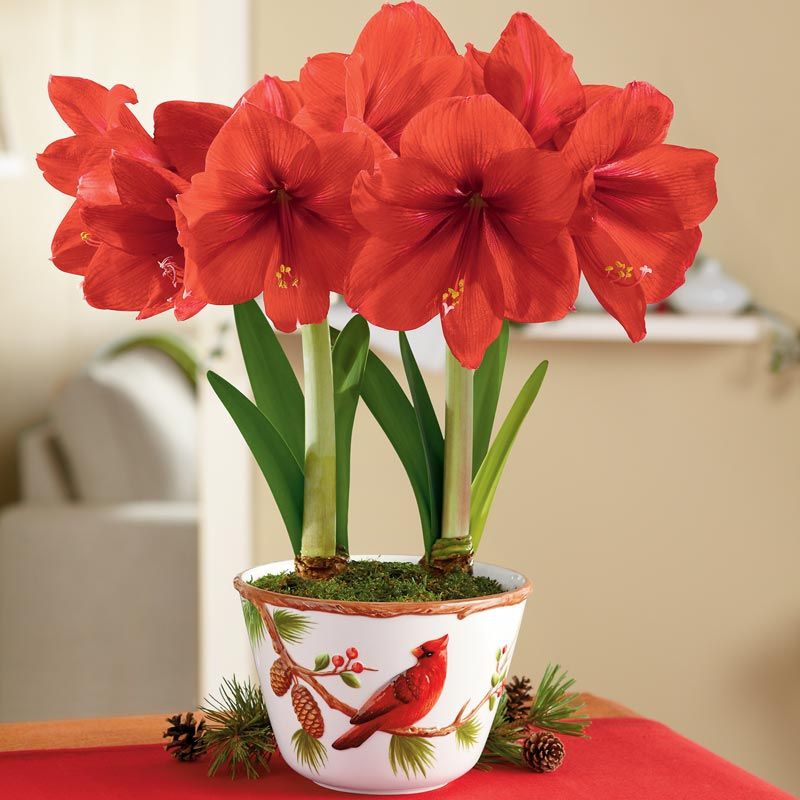
A single stem can bear up to four large buds. All are distinctly bell-shaped and have a pleasant aroma.
Agapanthus
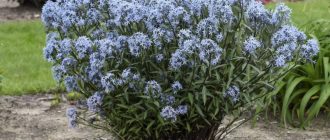
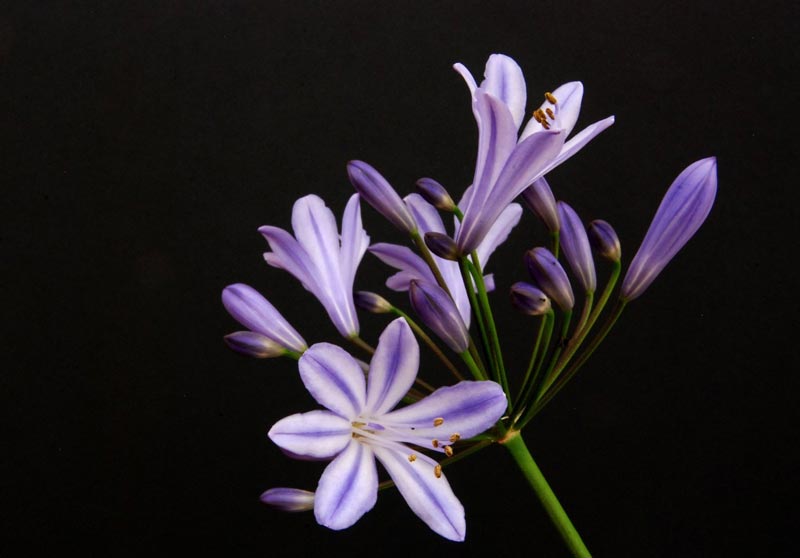
The African lily is native to South Africa. When blooming, it produces a sturdy stem up to 1 m tall, bearing lily-shaped flowers in shades of blue, lilac, or purple.
It is used in elongated bouquets. An agapanthus inflorescence can contain up to 150 buds, which open gradually, providing up to 60 days of continuous bloom.
We recommend reading the article about Caring for agapanutas at home and in the garden.
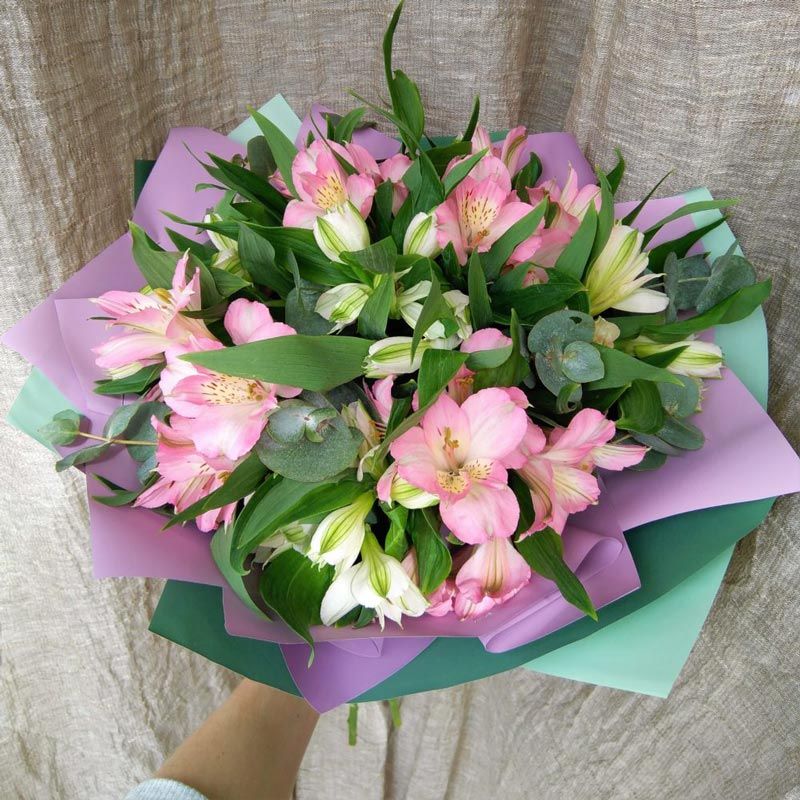
Alstroemeria
Originally from South America, it was brought to Europe in the 18th century and is considered an exotic plant, well known in Russia. Alstroemeria surrounded by an area of magical rumors and legends, in its homeland it was revered and cultivated by the Indians.
Its beauty lies in the fact that when cut, it stays fresh for up to three weeks and has a neutral scent. New buds open daily, refreshing the arrangement. The flower is widely used as an addition to bouquets due to its rich color palette. The blooming period lasts almost all summer.
Anemone
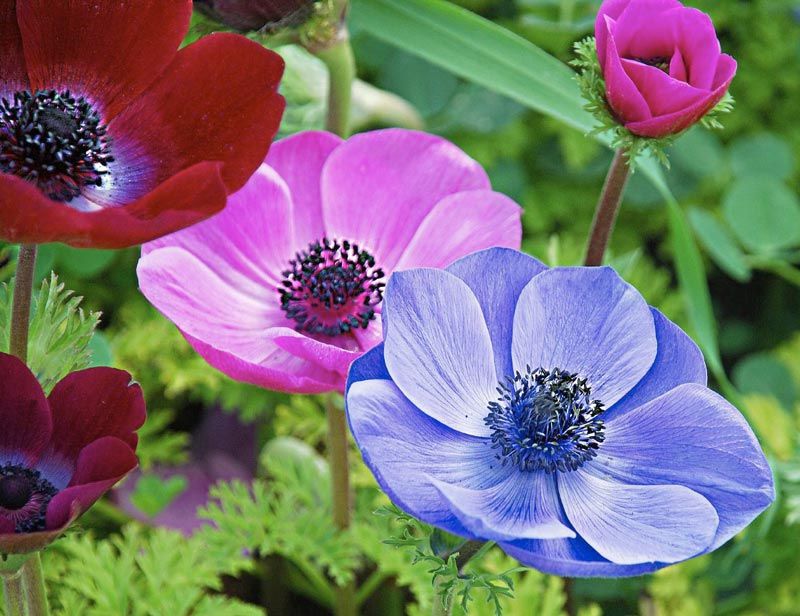
The light and delicate cup of the flower sways from the slightest breath of wind, which is most likely why it was named anemone, which means “wind” in Greek.
Botanists distinguish two types of this plant: daisy-like and poppy-like. They are distinguished by the shape of their petals.
It blooms almost year-round throughout the globe. When fully open, it measures no more than 4 cm in diameter and reaches a height of about 15 cm. The plant comes in a variety of shades.
In compositions, anemones are used more as auxiliary ones, but there are also individual bunches, most often imitating a bouquet of poppies.
Read more in the article about anemone.
Anthurium
Widely known among houseplant enthusiasts, its inflorescence is a red, pink, or white cup with a spadix in the center. The flower reaches 10 cm in size.
Homeland anthurium — American tropics. There are over 800 species, but flowers with brightly colored spathes are most often used in arrangements.
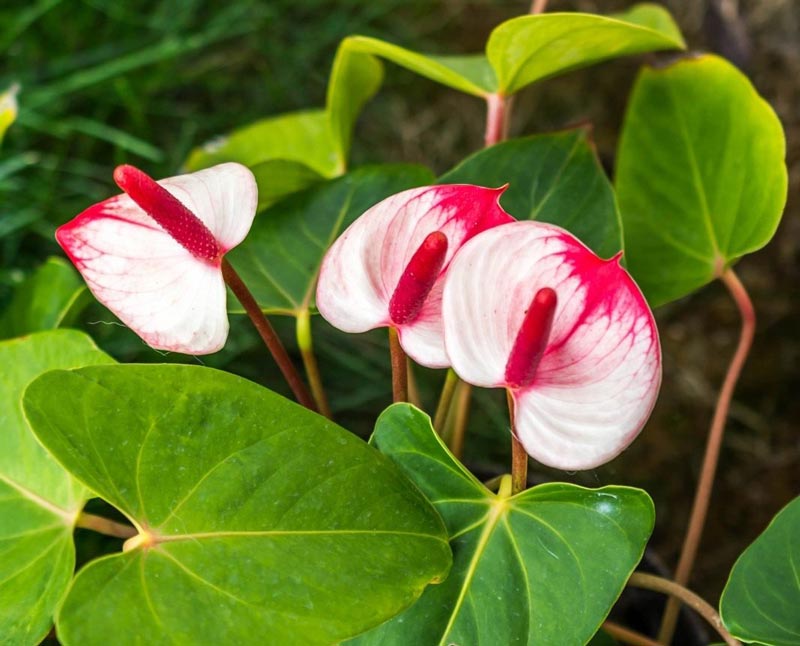
Using anthurium in bouquets symbolizes good luck in love and increased creativity. Florists typically pair it with roses, lilies, and orchids.
Hyacinth
It is often confused with the snowdrop, most likely due to the fact that in its native Asia Minor it blooms during the first spring rains.
The plant made a long journey from Asia through Turkey and Austria. It arrived in Holland, from where it spread throughout the globe.
There are already several thousand varieties of hyacinth, and new ones appear every year. Each species has its own flowering period, so the plant can be used year-round.
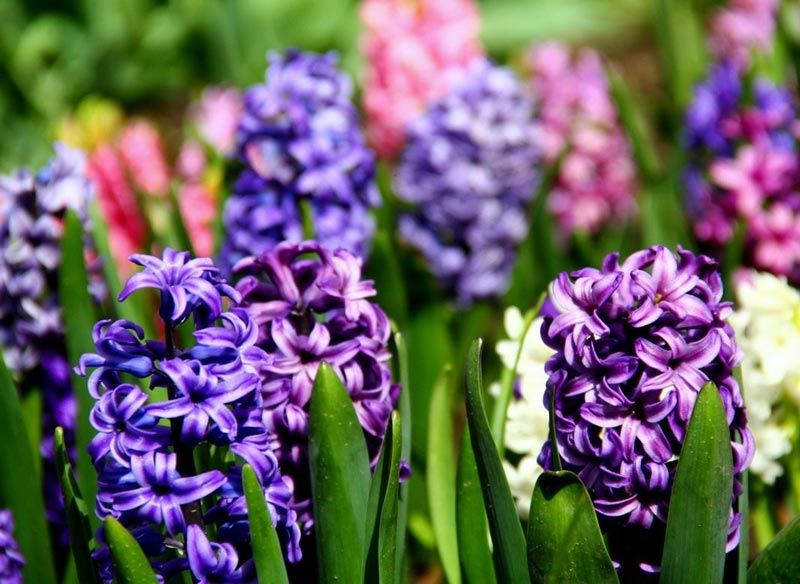
When combined with roses and orchids, its beauty and delicacy are revealed to their fullest potential. The fresh scent harmoniously complements the composition, and the variety of shades offers scope for creativity.
More information about hyacinth is available here Here.
Hydrangea
The flower was named after the sister of a prince of the Holy Roman Empire. Later, the hydrangea acquired the nickname "water pitcher." It is believed this was due to the plant's fondness for watering.
The global expansion of hydrangea began in the 18th century, when it was first brought from China. In the 19th century, it arrived in Europe and quickly spread throughout the globe.
It blooms almost year-round in shades of red, pink, blue, white, light blue, and lilac. This variety of colors and beautiful, large inflorescence stimulate the imagination and unleash creativity. Hydrangea can be seen in combination with roses, gerberas, wildflowers, and in stand-alone bouquets.
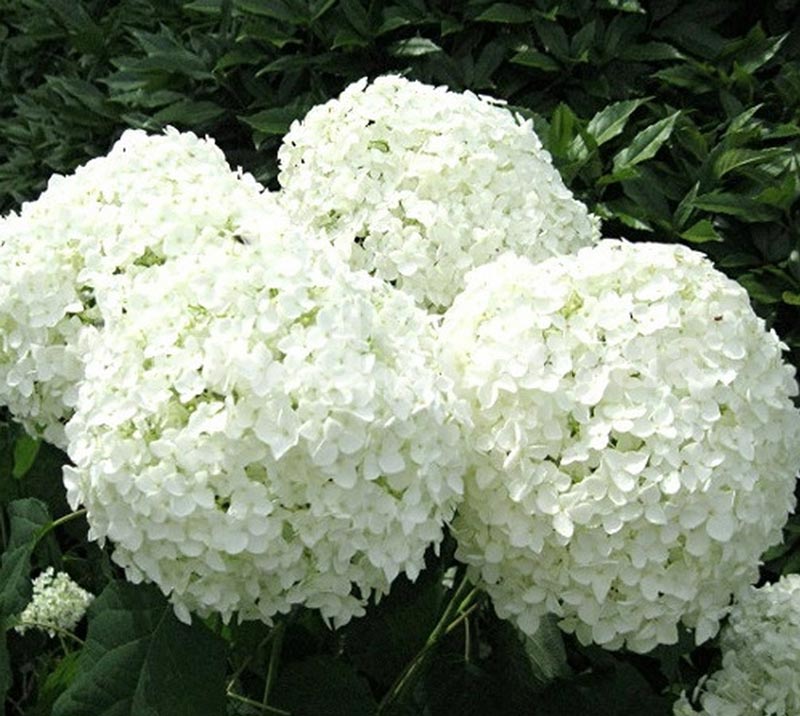
If you want to know more about hydrangea, open this article.
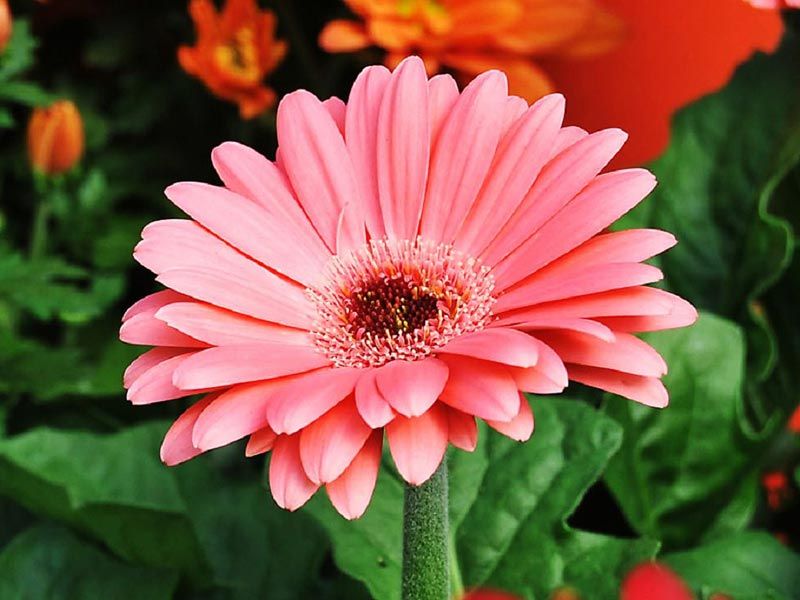
Gerbera
The "Colorful Daisy" is widely known not only to florists but also to amateur flower enthusiasts. Its rich hues, large blooms, and exceptional durability have made the gerbera popular worldwide.
Plant Originally from South American colonies, it quickly established itself in Europe. The bush doesn't bloom in the first year after planting, but then delights its owner with a profusion of buds on tall stems. The flower's cup can reach up to 30 cm in diameter, depending on the subspecies. Gerberas are distinguished by a unique range of colors and an unusually beautiful gradient from the center to the edges of the petals.
Hermini
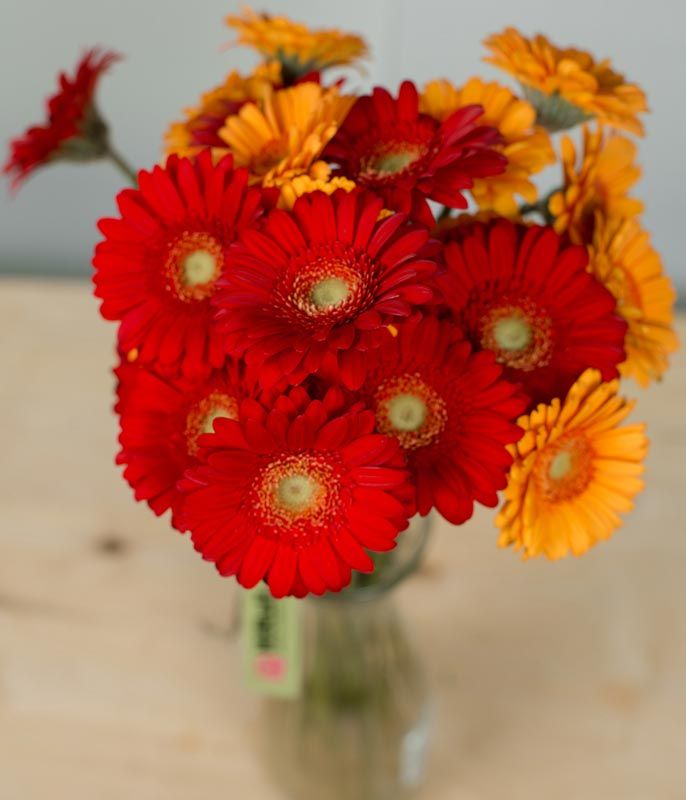
These small, vibrant daisies originated in South Africa and are often confused with gerberas. Distinguishing characteristics include their small flower size and short stem.
The plants are resilient and can remain fresh for up to 20 days. They are used in wedding arrangements without a bouquet holder; they easily survive for long periods without water.
Germini is combined with roses, wild daisies, lilacs, and hydrangeas.
Gypsophila
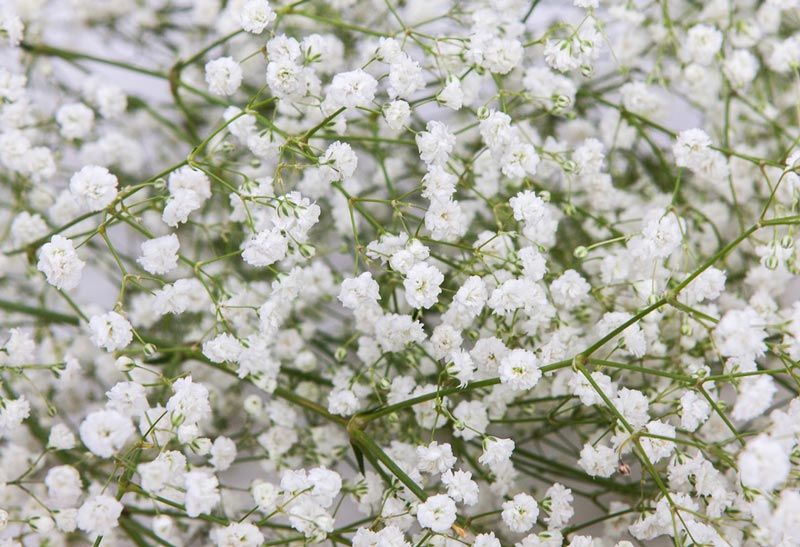
The plant is found in Asia and Eastern Europe and has more than 100 species.
Gypsophila It is a cluster of graceful, branched stems bearing numerous small flowers. The small, white and pink flowers appear delicate and airy. Large, rounded or disc-shaped buds complement bouquets beautifully.
Gypsophila is popularly known as "little clouds." It preserves well as a cut flower and can be dried for use in arrangements.
Calla
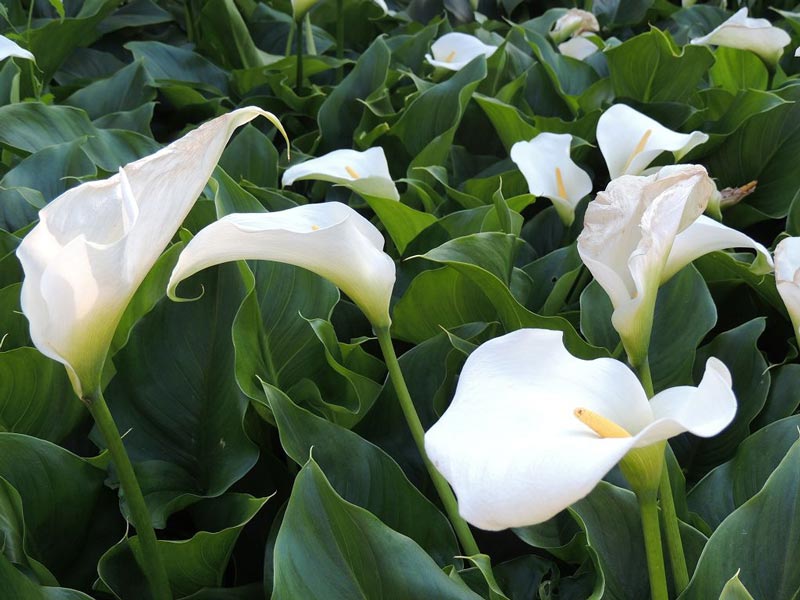
This exceptionally beautiful flower has many names, but the most popular is calla lily. The plant's native land is South Africa. It comes in two varieties: tall ones with white cups, and short ones with a colored spathe.
Calla lilies are a diverse group of flowers, but regardless of color, they symbolize beauty, admiration, and delight. Calla lilies are traditionally given as wedding gifts; according to legend, they protect against quarrels and misunderstandings in the family.
The spathe is sensitive to touch. A spot begins to appear at the point of contact, precursor to wilting. If avoided, the cut flower can last for several weeks.
Read more in the article about calla lilies.
Campanula
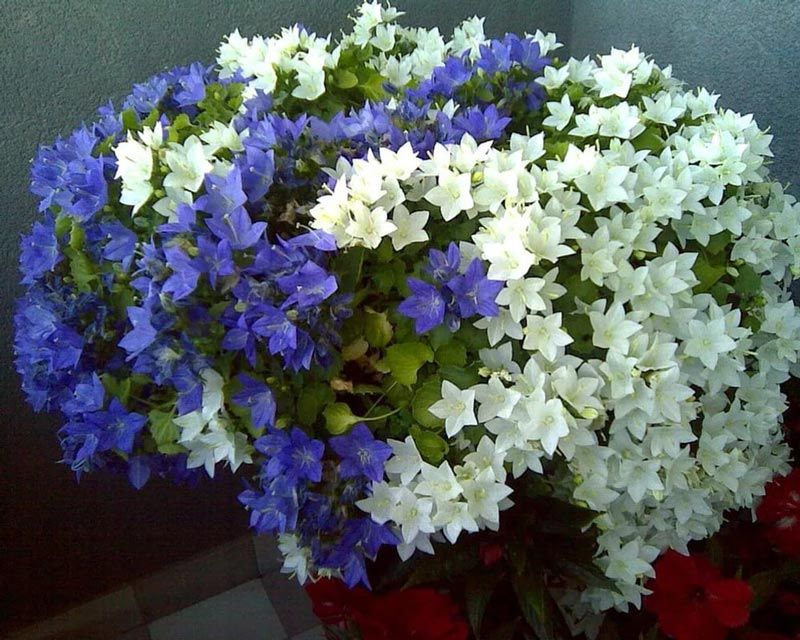
The bellflower family of plants, native to the Mediterranean, includes about 300 species, but only two have received special names.
The Alba variety is called "The Bride," its flowers are distinguished by their snow-white purity. The Maya variety, with its beautiful blue hue, is called "The Groom." The plants' use in wedding bouquets is obvious.
Campanula's stem is short, only 15 cm. The flower's cup diameter is 3.5 cm. The plant loves light and does not tolerate cold well.
Used in compositions with roses, peonies, anemones and other large flowers.
More has been written about the campanula or bride and groom flower. here.
Crocus
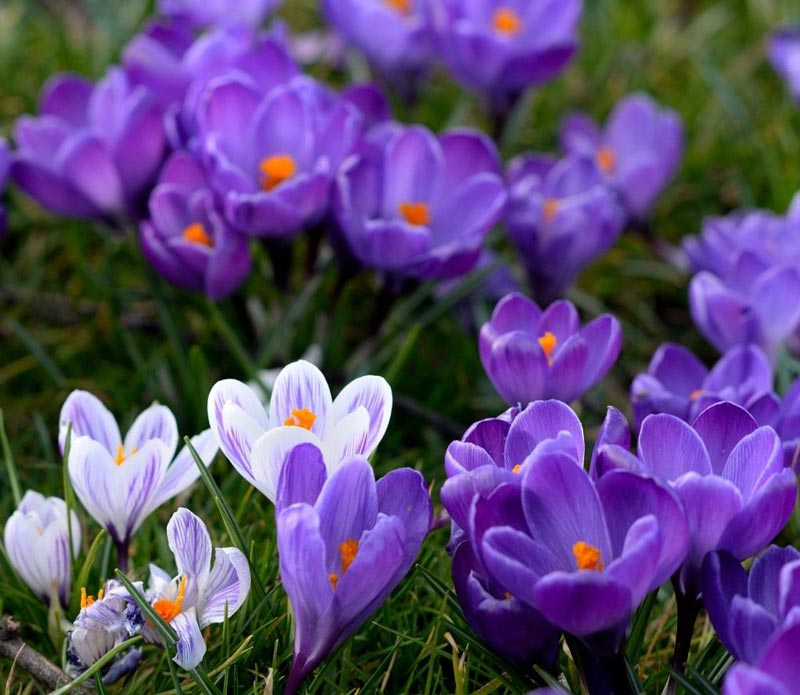
This delicate plant blooms in early spring and late fall; it's also known as saffron. The flowering period depends directly on weather conditions. A short stem supports an elegant white or lilac flower.
There are approximately 80 species of crocus, but unfortunately, many of them are already listed as endangered. Saffron is most commonly found in the wild in the Mediterranean and Central Europe.
Crocus has been used since ancient times as an incense and seasoning, and the plant is known for its many medicinal properties.
In bouquets they can act as an excellent addition to orchids, roses, and peonies.
Also read about: When and how to plant crocuses in the garden.
Orchid
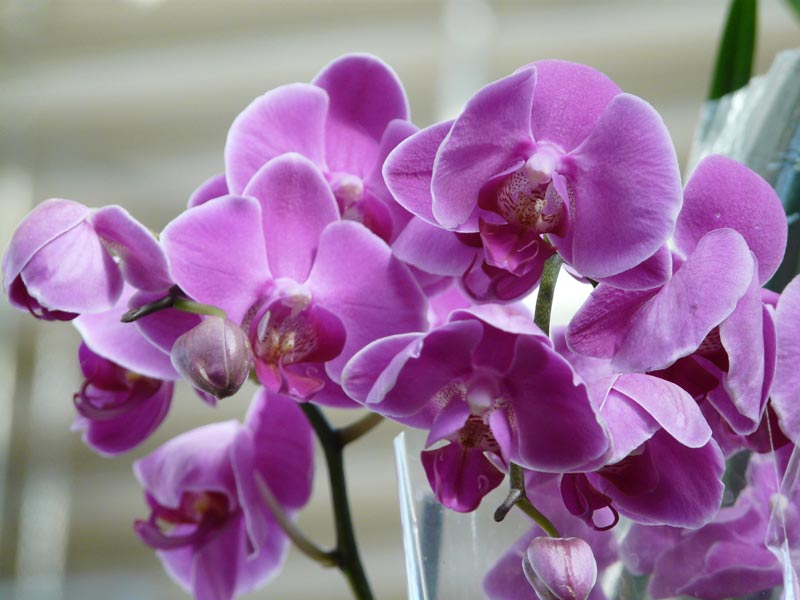
Today, it's found on every continent except Antarctica, but most species grow in the tropics. This parasitic plant is distinguished by its incredibly beautiful flowers and not always pleasant aroma. Some species have a downright repulsive odor.
Orchids Depending on the species, they can grow on long or short stems. On tall stalks, entire inflorescences are sometimes visible, containing from 5 to 20 flowers that open gradually and can remain fresh for a long time.
In a bouquet they are often placed in a special device with a container for water.
Also read articles about different types of orchids and how to care for them properly:
- Miltonia.
- Wanda.
- Cymbidium.
- Vanilla.
- Ludisia.
- Masdevallia.
- Oncidium.
- Lady's slipper.
- Zygopetalum.
- Cattleya.
- Brassia.
- Phalaenopsis.
Lily of the valley
A forest flower that grows everywhere. It blooms in spring. It prefers sunny meadows and scillas. The plant's medicinal properties are widely known.
In the composition, lily of the valley is associated with sadness. This is due to the white color of the bowl and the red berries.
The French were the first to use these flowers in bouquets, and florists from other countries later followed suit. Some species are listed in the Red Book.
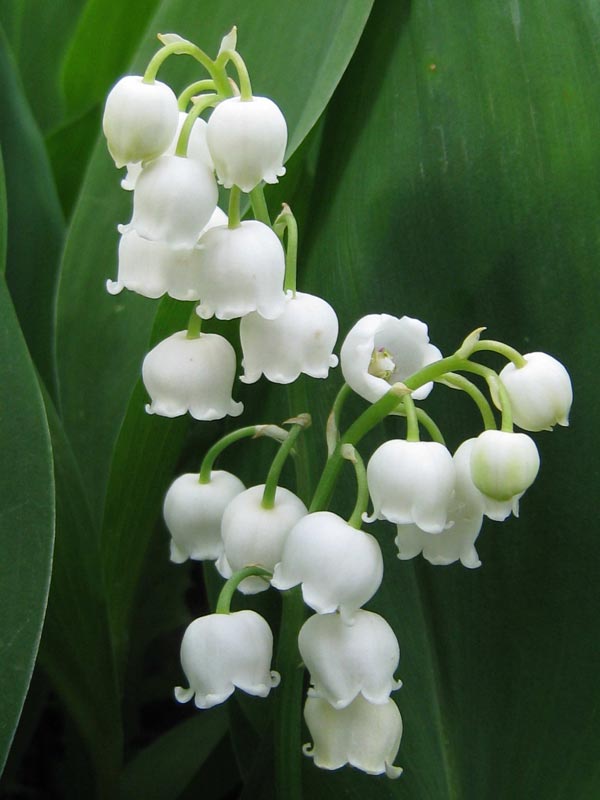
Read more in the article about lilies of the valley.
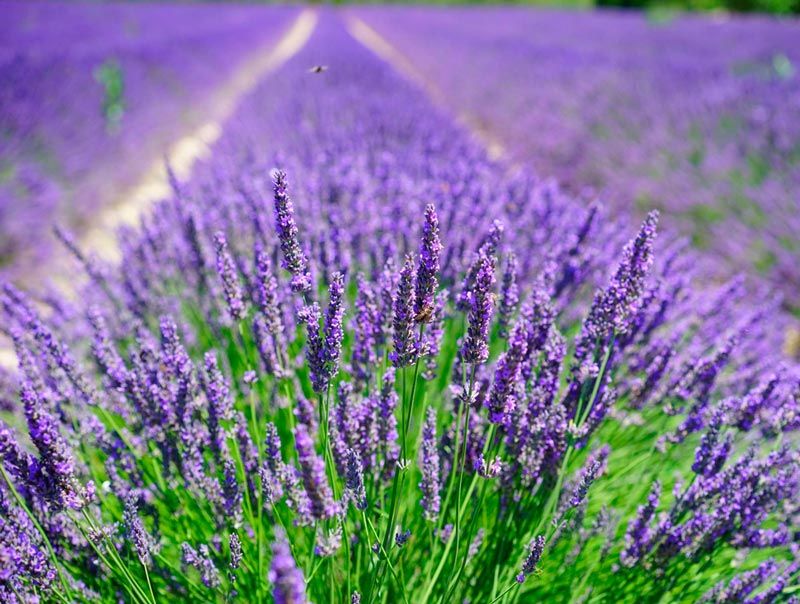
Lavender
An evergreen shrub with a rich aroma, it is widely used in perfumery. Around 50 varieties of the plant and its hybrids are known today.
Name of your own lavender The word lavender comes from the Latin word for "to wash." It originally grew in the Mediterranean and was used by the Romans to scent baths. Later, in medieval Europe, lavender began to be used for medicinal purposes.
Florists value the plant for its ability to decorate and refresh any bouquet, imparting a special tenderness and elegance. Furthermore, lavender lasts a long time when cut and requires no watering.
Lily
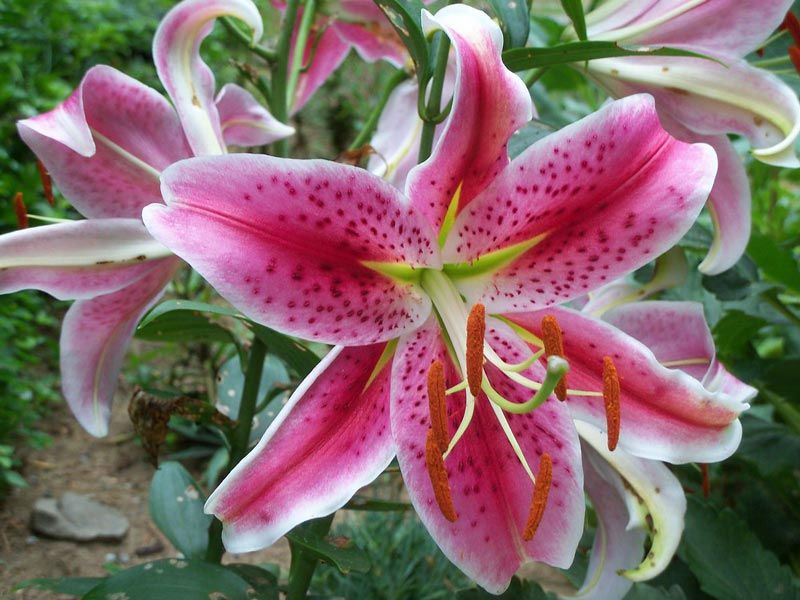
There are over 110 species of this plant. About 18 of these can be found in Russia, but the most popular is the Saranka variety, known for its delicate pink flowers and complete lack of scent.
A neutral scent is beneficial for lilies, as some have a strong, suffocating odor. The plant is sensitive to cold and requires adequate shelter.
This flower combines well with other plants, so it's often used in combination with phlox, daisies, peonies, and irises. It's not recommended to combine this plant with poppies and cornflowers.
Also read about varieties of lilies and about rules for its landing.
Lisianthus
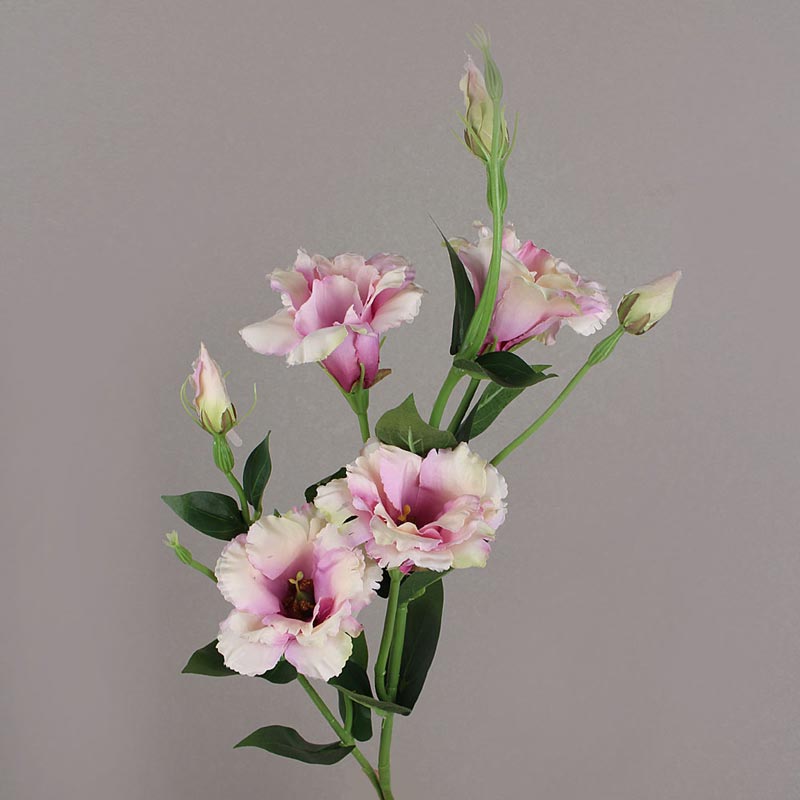
Eustoma Native to Central America, it blooms in summer, but modern technology allows it to grow year-round.
Despite the large number of species, only Russell's lisianthus is suitable for bouquets. The blooms come in delicate lilac, pink, white, and purple shades. The bicolor varieties are particularly popular.
The flower is used in bridal bouquets. It adds a special delicacy and airiness to any arrangement. The plant pairs well with all kinds of exotic flowers, highlighting the bouquet's individuality.
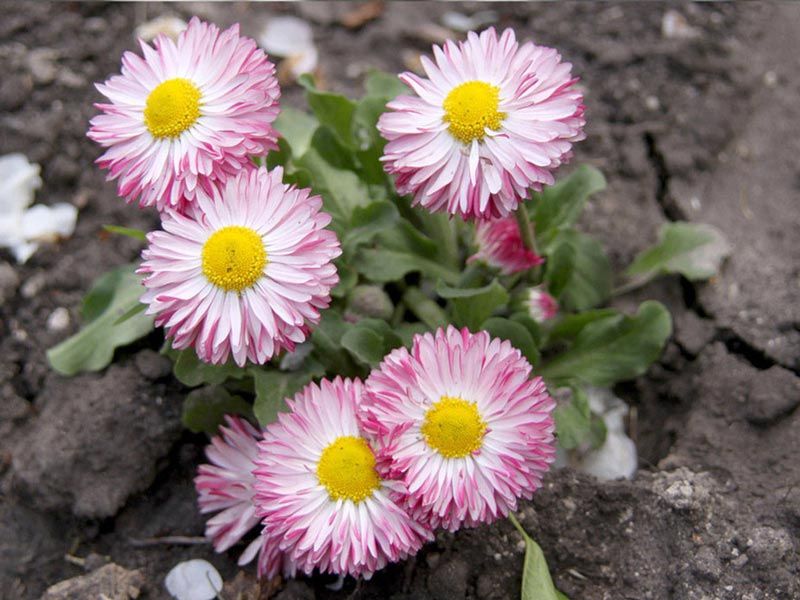
Daisy
It gets its name from the Greek word for "beautiful." It is native to the Mediterranean and Asian countries.
It first appeared in Europe in the 16th century, where it gained widespread popularity. The flower symbolizes purity and innocence.
In the Middle Ages, it was used medicinally. It was believed that a tincture of daisy flowers could cure all illnesses; if a patient hadn't recovered within 15 days, they were destined to die.
There are more than 30 species in nature, but only one is used in bouquets. Daisy This perennial comes in red, yellow, white, or pink. It pairs well with daisies and roses.
Matthiola
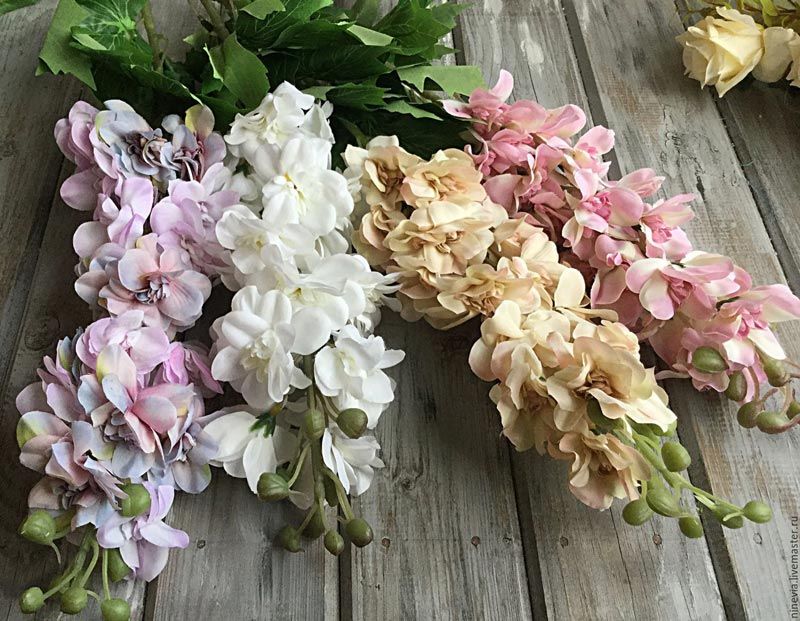
Stock is an ornamental plant with a pleasant aroma. The flowers bloom at night, so their scent becomes more intense and vibrant. It is also known as "night violet."
There are 22 species that bloom from early summer to mid-autumn. Matthiola It is frost-resistant and does not require frequent watering; it is most often planted in open ground.
Florists use plants in independent compositions and in bunches.
Hellebore
The Christmas rose is not afraid of cold weather, despite its beauty and delicacy. The plant's medicinal properties have been known since ancient times, but it is also notorious for its potential poison.
White in bouquets hellebore It is good as an addition, it creates an accent on the brighter buds, giving the bunch a special tremulous tenderness.
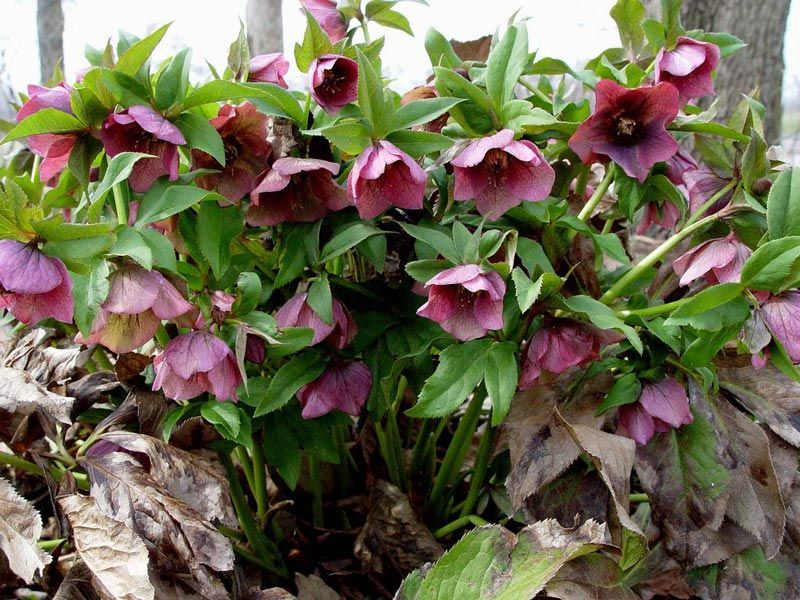
In addition to the snow-white variety of hellebore, there are colored hybrids that are dark purple, plum, red, yellow, green, and almost black.
Sunflower
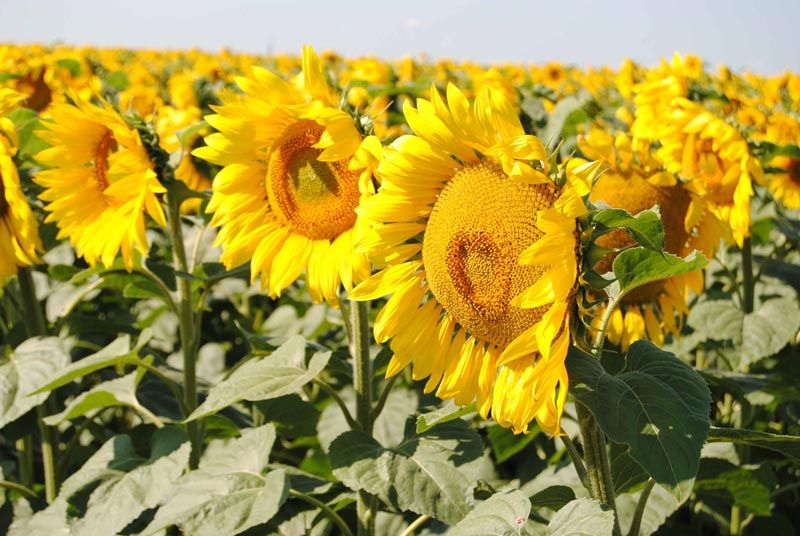
The "Sun Flower" originated in North America. The plant was brought to Europe by the Spanish, and later Tsar Peter the Great brought it to Russia.
For people a flower sunflower It carries various meanings; for example, in heraldry, it symbolizes peace, sunlight, unity, and fertility. Today, there are over 180 species. They vary in stem height, number of inflorescences, cup size, and color.
Florists use the Bear variety, which is the easiest to work with. It's compact and fits well into arrangements.
Strelitzia
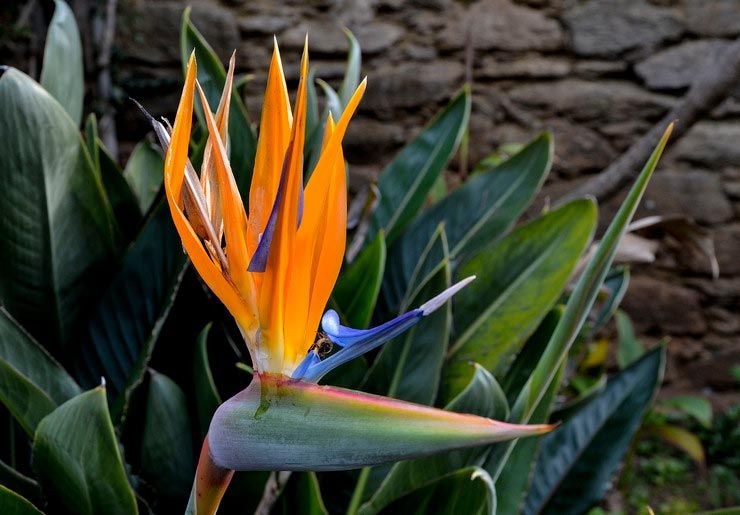
Anyone who has ever seen this herbaceous plant native to South Africa will remember it forever. Its inflorescence is often popularly called "bird of paradise".
The stem reaches a height of 1.5-2 m, without forming a trunk. Strelitzia is a long-growing plant; it takes several years for its first bloom. It requires little care and, once fully bloomed, lasts a very long time.
It is used in the composition as a bright accent.
Freesia
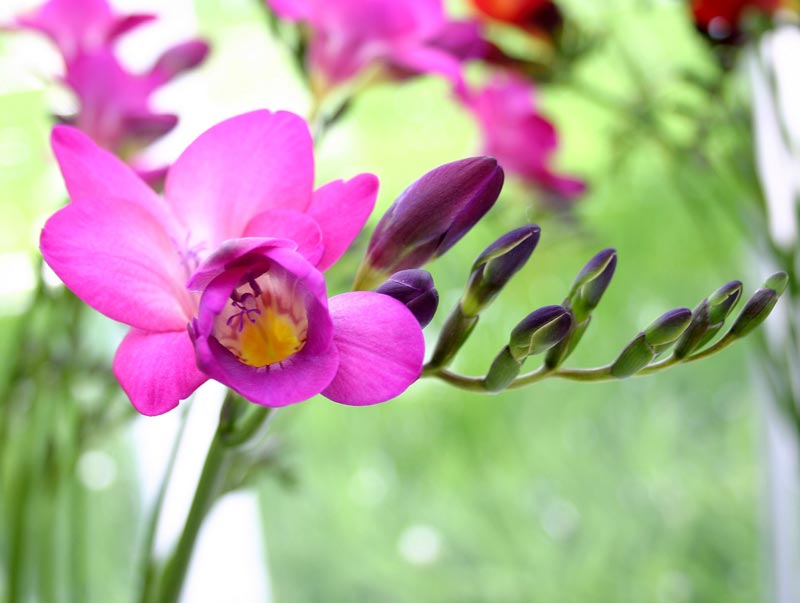
The South African plant began to be cultivated as an ornamental by the late 19th century. The most popular species, the hybrid freesia, was widely distributed due to its lily-of-the-valley-like fragrance.
The tall stem branches out at the top, uniting 2 to 5 flowers in each inflorescence.
The colors are varied, they are used in compositions as an independent plant, as well as in bundles.
Read more in the article about freesias here.
Top.tomathouse.com recommends: interesting flower combinations for beautiful bouquets
Creating a beautiful bouquet requires not only imagination and skill, but also knowledge. There are a number of classic combinations for arrangements:
- A bouquet of chrysanthemums and gerberas is incredibly durable, delighting the eye for at least two weeks. A wide selection of shades allows for incredibly vibrant combinations.
- A composition of lilies and gerberas always produces a delicate and touching result. These flowers enhance each other's beauty. A combination of these plants, in any color combination, is a surefire success.
- A combination of roses, gerberas, and lilies is perfect for voluminous holiday arrangements. Light, delicate lilies look stunning against the vibrant backdrop of large daisies, while delicate rosebuds add a touch of celebration and luxury.
It's worth noting that when creating bouquets, florists use not only herbs and decorative webs, but also fresh berries, fruits, and other unexpected plant-based elements.