In May, the weather finally stabilizes, the threat of recurrent frosts diminishes, and by the end of the month, they generally disappear. There's a lot of work to be done during this time. To ensure productive work, it's recommended to follow the May Lunar Calendar provided in this article. It details the best work to do and when, as well as favorable and unfavorable dates for planting fruit and berry trees, crops, ornamentals, and flowers.
Content
- 1 Favorable and unfavorable sowing days in May 2024
- 2 Favorable, unfavorable, and prohibited days for sowing and planting flowers in May 2024
- 3 Favorable and unfavorable days for planting and replanting trees and shrubs in May 2024
- 4 Favorable and unfavorable days for various jobs in May 2024
- 5 Lunar calendar of gardening, vegetable growing, and floristic activities for May 2024 by day
- 5.1 Conventional designations
- 5.2 Moon phases in May 2024
- 5.3 Days by Zodiac Sign in May 2024
- 5.4 1.05-2.05 (until 21:52)
- 5.5 2.05 (from 21:52) - 4:05 (until 23:40)
- 5.6 4.05 (from 23:40) - 6.05
- 5.7 7.05-8.05
- 5.8 9.05-11.05 (until 06:12)
- 5.9 11.05 (from 06:12) - 13:05 (until 13:35)
- 5.10 13.05 (from 13:35) - 15.05
- 5.11 16.05-18.05 (until 13:22)
- 5.12 18.05 (from 13:00 to 22:00) - 20.05
- 5.13 21.05-23.05 (until 11:23 am)
- 5.14 23.05 (from 11.23 am) - 25.05 (until 18.36 pm)
- 5.15 25.05 (from 18:36) - 27.05
- 5.16 28.05-30.05 (until 03:32)
- 5.17 30.05 (from 03:32) - 31.05
- 6 Gardeners' work in May
- 7 Gardener's work in May
Favorable and unfavorable sowing days in May 2024
The table shows which days are best for sowing and planting various vegetable crops, and which are best avoided.
You shouldn't sow certain vegetables for seedlings prohibited days. On other days, you can plant any crops, but the most favorable dates are days on which sowing is undesirable, as well as favorable Only for certain groups or at certain times (see below). Keeping this in mind will help ensure a rich and healthy harvest.
|
Culture |
Favorable | Unfavorable and prohibited |
| Tomato | 2—4, 11—13, 18—22, 24-27, 30-31 | 1-2, 7, 8, 9, 22, 23, 24, 28-30 |
| Pepper | 2—4, 11—13, 18—22, 24-27, 30-31 | |
| Eggplant | 2—4, 11—13, 18—22, 25-27, 30-31 | |
| Cucumber, zucchini, pumpkin, watermelon, melon | 2—4, 9—13, 18—22, 30-31 | |
| Radish, turnip, horseradish | 2—6, 18—22, 24—25 (radish), 25-27, 30-31 | |
| Legumes | 9-11, 18—22 | |
| Celery | 2—4, 16-18 (sheet), 21-22, 24-27, 30-31 | |
| Onions for turnips | 2—4, 18-20, 24-27, 30-31 | |
| Onions for greens | 16-22 | |
| Cabbage | 2—4, 9—13, 18-20, 25-27, 30-31 | |
| Potato | 2—4, 18—22, 24-27, 30-31 | |
| Carrots, beets | 2—4, 18—22, 24-27, 30-31 | |
| Garlic | 2—4, 18-20, 24-27, 30-31 | |
| Salad, greens | 2—4, 11—22, 30-31 |
Also read Lunar calendar for sowing seeds for seedlings in 2024 in a table (planting seedlings).
Favorable, unfavorable, and prohibited days for sowing and planting flowers in May 2024
The table below shows favorable dates for working with flowering and ornamental plants, days on which planting is undesirable, and also favorable only for certain groups or at certain times (see below).
| View | Favorable days | Unfavorable and prohibited |
| Annuals | 2—4, 9—11, 11—13, 16-22, 25-27, 30-31 | 1-2, 7, 8, 9, 22, 23, 24, 28-30 |
| Perennials, biennials | 2—4, 9—11, 11—13, 16-18, 18—22, 24-27, 30-31 | |
| Bulbous and cormous plants | 2—4, 9—11, 24-27, 30-31 | |
| Ampelous and curly | 9—11, 16-22, 24—25, | |
| Indoor | 2—4, 9—11, 11—13, 18—22, 24-27, 30-31 |
Favorable and unfavorable days for planting and replanting trees and shrubs in May 2024
| View | Favorable | Unfavorable, prohibited |
| Apple tree, pear tree | 2—4, 11—13, 18—22, 25-27, 30-31 | 1-2, 7, 8, 9, 22, 23, 24, 28-30 |
| Cherry, plum | 11—13, 18—22, 25-27 | |
| Grape | 2—4, 9—13, 16-22, 24—25, 30-31 | |
| Gooseberries, currants | 2—4, 11—13, 18—22, 25-27, 30-31 | |
| Raspberries, blackberries | 2—4, 11—13, 18—22, 30-31 | |
| Strawberries, strawberries | 2—4, 9-13, 16-22, 25-27, 30-31 |
Favorable and unfavorable days for various jobs in May 2024
The table below shows favorable dates for various jobs, days on which certain jobs prohibited, A Also favorable or unfavorable only during certain hours (see below).
| Works | Favorable days | Unfavorable and prohibited days |
| Transplantation, division of rhizomes, rooting of cuttings | 2—4, 11—13 (except curly), 16-18, 24-27, 30-31 | 1-2, 4—6, 7, 8, 9-11, 13-15, 21-22, 23, 24, 28-30 |
| Pruning, cuttings | 9—13, 16-20, 25-27 | 2—6, 7, 8, 9, 13-15, 21-22, 23, 24-25, 28-31 |
| Vaccinations | 2—6, 9—18, 21-22, 25-27, 30-31 | 7, 8, 9, 18-20, 22, 23, 24-25 |
| Pinching out side shoots | 9—13, 16-22, 25-27 | 2—6, 7, 8, 9, 13-15, 22, 23, 24-25, 28-31 |
| Watering, loosening, fertilizing | 11—13, 16-22, 25-27 | 1-2, 4—6, 7, 8, 9, 13-15, 22, 23, 24-25, 28-30 |
| Disease and pest control | 1-2, 7-11, 13-15, 21-30 | 2—4, 11—13, 18-20 |
| Mowing the lawn | 1-6, 9—18, 21-25, 28-31 | — |
| Lawn seeding | 2—6, 13—18, 21-22, 24-27, 30-31 | 7, 8, 9-13, 22, 23, 24 |
Lunar calendar of gardening, vegetable growing, and floristic activities for May 2024 by day
Conventional designations
- «+" - good fertility;
- «+/-" - average fertility;
- «—" - low fertility;
- ◐ — Waxing moon;
- ◑ — Waning Moon;
- ● — New Moon;
- ○ — Full moon.
Moon phases in May 2024
- ◑ — 1-7, 24-31.
- ● — 8 (06:22).
- ◐ — 9-22.
- ○ — 23 (16h 52m).
Days by Zodiac Sign in May 2024
- ♒ Aquarius - 1-2 (until 21:52), 28-30 (until 03:32).
- ♓ Pisces - 2 (from 9:52 pm) - 4 (until 11:40 pm), 30 (from 3:32 am) - 31.
- ♈ Aries - 4 (from 23h40m)-6.
- ♉ Taurus - 7-8.
- ♊ Gemini — 9-11 (until 06:12).
- ♋ Cancer - 11 (from 06:12 pm)-13 (until 13:35 pm).
- ♌ Leo — 13 (from 13:35)-15.
- ♍ Virgo - 16-18 (until 13:22).
- ♎ Libra — 18 (from 13:00 to 22:00)-20.
- ♏ Scorpio — 21-23 (up to 11:23).
- ♐ Sagittarius — 23 (from 11:23 a.m.) - 25 (until 6:36 p.m.).
- ♑ Capricorn — 25 (from 18:36)-27.
1.05-2.05 (until 21:52)
♒ Aquarius, —, ◑, Flower days
It is forbidden to sow (especially if you want to get seeds from these specimens), pick, plant and transplant all vegetable, fruit, berry, flower and ornamental crops, and watering and fertilizing are also not recommended.
| For gardeners | For florists | For gardeners, general work |
|
|
Blanks:
|
2.05 (from 21:52) - 4:05 (until 23:40)
♓ Pisces, +, ◑, Leaf days
It is not recommended to prune or treat with toxic preparations.
| For gardeners | For florists | For gardeners, general work |
|
|
Blanks:
|
4.05 (from 23:40) - 6.05
♈ Aries, +-, ◑, days of Fruition
Do not plant, transplant, pick, pinch, or perform formative pruning. Watering or fertilizing is not recommended.
| For gardeners | For florists | For gardeners, general work |
|
|
Blanks:
|
7.05-8.05
♉ Taurus, +, ●, Root days.
8.05 at 06:22 – Exact New Moon.
You cannot plant, sow, or transplant the day before or after the Exact New Moon.
Removing stumps and undergrowth, mulching, weeding, clearing the area of debris, spraying against pests and diseases.
9.05-11.05 (until 06:12)
♊ Gemini, —, ◐, Leaf Days
It is not recommended to pick and transplant, or to loosen the soil in the root zone.
Only with 9.05 from 06:22 The following works are possible:
| For gardeners | For florists | For gardeners, general work |
|
|
Blanks:
|
11.05 (from 06:12) - 13:05 (until 13:35)
♋ Cancer, +, ◐, Leaf days
You cannot plant or transplant hanging and climbing flowers, spray plants against pests and diseases, or do any baking.
| For gardeners | For florists | For gardeners, general work |
|
|
|
13.05 (from 13:35) - 15.05
♌ Leo, —, ◐, Fruit Day.
Watering, fertilizing, replanting, picking, pruning, and pinching are not recommended. Avoid sowing root vegetables, pumpkins, and cabbage.
| For gardeners | For florists | For gardeners, general work |
|
|
|
16.05-18.05 (until 13:22)
♍ Virgo +-, ◐, Root days
It is not recommended to soak the seeds.
| For gardeners | For florists | For gardeners, general work |
|
|
18.05 (from 13:00 to 22:00) - 20.05
♎ Libra, +-, ◐, Flower days
Plants should not be sprayed with chemicals against diseases and pests. Grafting should not be performed.
| For gardeners | For florists | For gardeners, general work |
|
|
21.05-23.05 (until 11:23 am)
♏ Scorpio, +, ◐, Leaf Days
There is no need to divide, replant or prune.
All work will be completed by 10:05 PM (4:52 PM).:
| For gardeners | For florists | For gardeners, general work |
|
|
|
23.05 (from 11.23 am) - 25.05 (until 18.36 pm)
♐ Sagittarius, +-, ○, days of Fruition
23.05 at 16:52 – Exact Full Moon.
The day before and after the Exact Full Moon, you should not sow, plant or transplant plants, divide tubers and roots, soak seeds, or do any pruning.
All work on planting, sowing and work affecting the vital activity of crops can be carried out on these days only from 24.05 (16:52), taking into account the recommendations. Under the sign of Sagittarius, avoid watering, fertilizing, pruning, and taking cuttings. Planting cabbage and lettuce crops is not recommended.
| For gardeners | For florists | For gardeners, general work |
|
|
|
25.05 (from 18:36) - 27.05
♑ Capricorn, +-, ◑, Root days
You must not touch the root system of plants, as the damage will take a long time to heal.
| For gardeners | For florists | For gardeners, general work |
|
Blanks:
|
28.05-30.05 (until 03:32)
♒ Aquarius, —, ◑, Flower days
It is forbidden to sow (especially if you want to get seeds from these specimens), pick, plant and transplant all vegetable, fruit, berry, flower and ornamental crops, and watering and fertilizing are also not recommended.
| For gardeners | For florists | For gardeners, general work |
|
|
|
30.05 (from 03:32) - 31.05
♓ Pisces, +, ◑, Leaf days
It is not recommended to prune or treat with toxic preparations.
| For gardeners | For florists | For gardeners, general work |
|
Blanks:
|
Gardeners' work in May
While some work could be postponed in April, doing so in May is no longer acceptable.
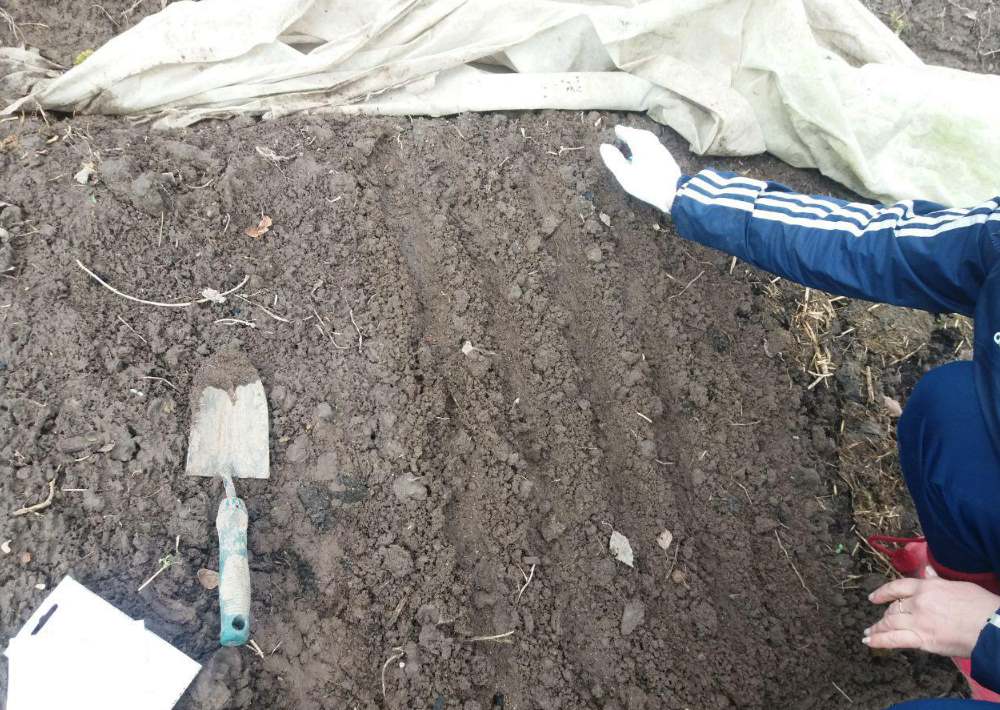
Sowing crops
When the temperature outside is +25°C and above, cold-resistant crops will have difficulty germinating, as the soil dries out quickly, and the seeds do not have time to receive the necessary moisture. Therefore onion, carrot, parsley should be planted in early May:
- Make grooves.
- Water them with warm water (2-3 times, i.e. water, wait until the liquid is absorbed and moisten again).
- Sow the seeds at the bottom. Even small seeds should be sown individually. This will save valuable time later on thinning the seedlings.
- Fill the furrows with soil from between the rows.
- Tamp lightly to avoid any air pockets in the seeds.
- Mulch the beds with compost, humus or cover with covering material.
Caution! It's not recommended to overwater the beds, as this will create a hard crust. This will make it difficult for the sprouts to emerge. Furthermore, such a crust will promote rapid evaporation of the liquid.
In early May, sow cucumbers in temporary shelter or in trays. When the seedlings reach the cotyledon and single leaf stage, transplant them to their permanent location.
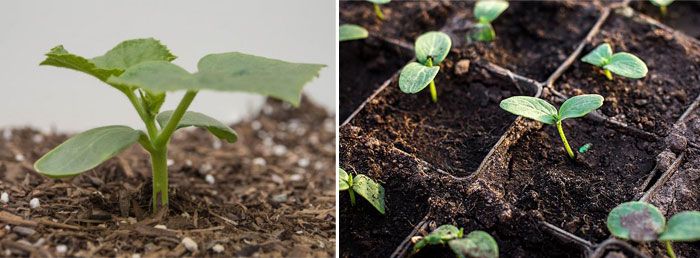
In the middle of the month, this crop can be sown directly into open beds.
Don't forget to cover your cucumbers, as they are very delicate and sensitive to cold weather.
Cucumbers grow very quickly, so it's important to treat them with Fitoverm to prevent mites and thrips. The sooner this is done, the better.
May is a favorable time for planting and sowing any crops:
- beans;
- corn;
- melons;
- herbs, etc.
For your information! In early May, it's essential to dig up your green manure so you can plant new crops in their place. You can add a little urea during this process to help break down the organic matter faster.
Compliance with crop rotation rules
Crop rotation is usually established in the fall or winter. But if time is short, it can be done in May.
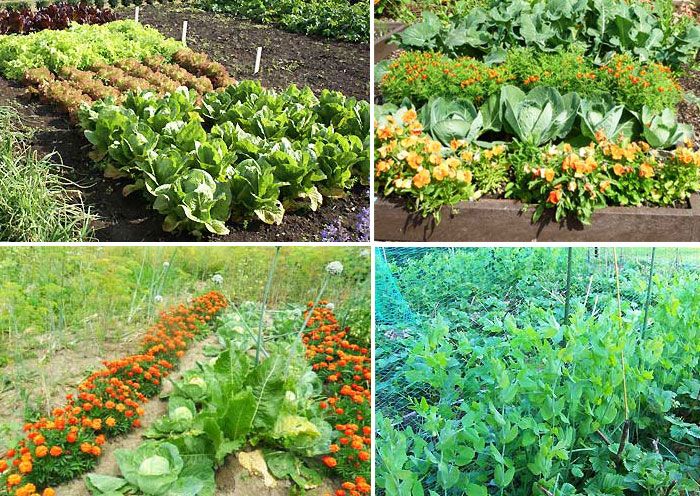
Of course, if the plot is small, maintaining crop rotation can be quite challenging. But it's necessary, otherwise the crops will yield poorly, become diseased, or be attacked by insect pests.
Nightshades (tomatoes, eggplants, peppers, potatoes) should not be sown or planted in the same place. Celery should not be planted in a former carrot bed. Zucchini should not be planted after cucumbers.
If space is limited, you can use simple rotation by family. For example, plant cruciferous plants after nightshades, and umbelliferous plants after cucurbitaceae. It's best to plant seedlings after green manure.
After peas, you can sow and plant any vegetables. It's recommended to plant them in the outer row of eggplant plots. Basil, cabbage, and kohlrabi can also be planted there.
Good neighbors for cabbage beds are aromatic herbs that repel pests.
Mixed plantings of carrots with onions or garlic are recommended. Radishes can be planted as an intercrop.
Peas or pole beans can be planted between cucumbers grown on a trellis. Basil, marigolds, lemon balm, and borage can be planted near the tomatoes.
Transplanting
If it is warm enough outside, you can plant seedlings in early May. tomatoesThey will have an advantage over later-planted specimens. However, tomatoes will need to be provided with cover in case frost returns.
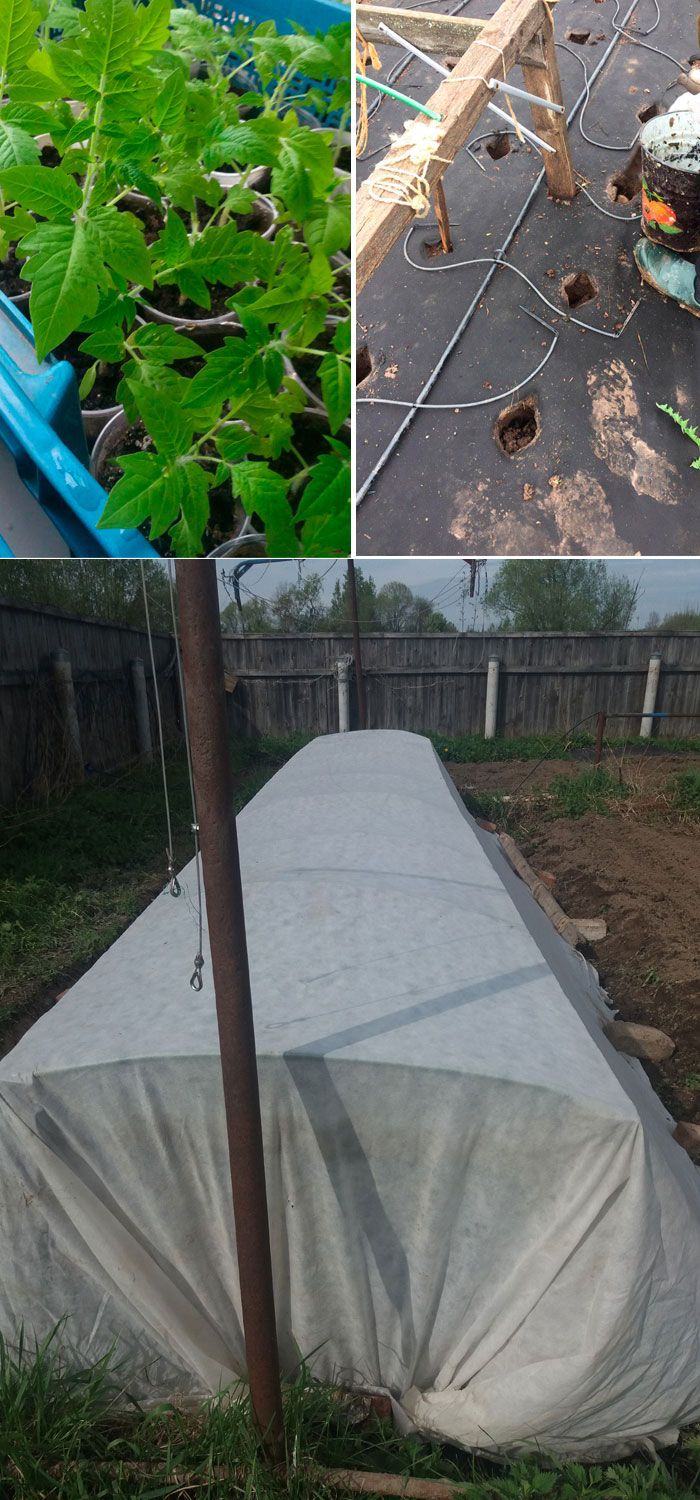
It is important to maintain the landing distance:
- Plant determinate tomato varieties 30-35 cm apart. Leave 0.5-0.6 m between rows.
- Plant indeterminate varieties 0.6-0.7 m apart, leaving 0.8-0.9 m between rows.
After the 9th you can plant seedlings pepper And eggplants And don't forget about cover. Leave 20-25 cm between bushes and 0.5-0.6 m between rows.
If the soil warms up well, you can transplant the seedlings. cucumbersLeave a distance of 20-35 cm between plants and 0.7 m between rows.
Before transplanting, seedlings can be soaked in a solution of Fitosporin-M for a couple of hours or applied to the roots immediately after transplanting. This solution prevents infection, stimulates plant immunity, and promotes faster growth. As a preventative measure, it is recommended to use it every 10-14 days.
To quickly acclimate seedlings, we recommend treating them with Zircon (4 drops per 1 liter of water). Spray when the first, third, and fourth clusters bloom. This is best done in the morning and evening, when the light is low.
Good to know! Potatoes can also be treated with Zircon. This should be done at the full germination stage (4 drops per 3 liters of water).
Top dressing
In early May, fertilize cabbage planted in April. Organic fertilizer is recommended.
To fertilize cauliflower and broccoli, you can add 1 tablespoon of urea per square meter.
Fertilizers for tomatoes and peppers can be applied once the crops have fully adapted. During flowering, it is recommended to use 0.5 liters of bird droppings infusion and superphosphate (1-1.5 tablespoons per 10 liters of water). Organomineral mixtures can also be applied.
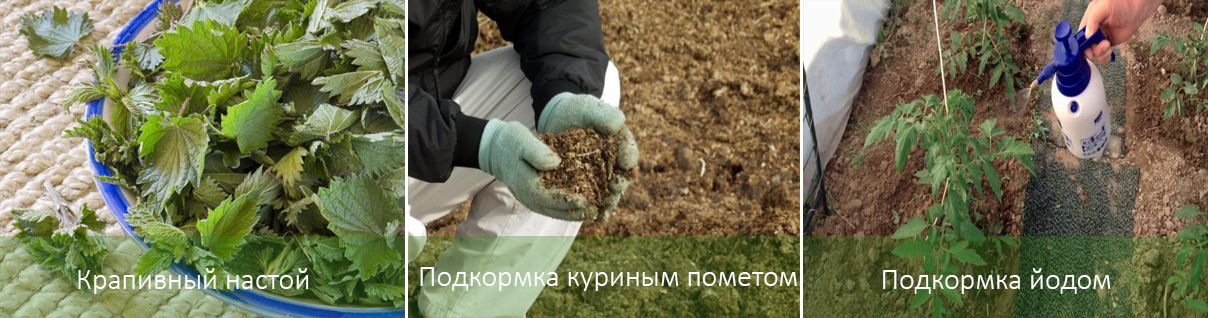
During bud formation and flowering, feed peppers and eggplants. Use 1 tablespoon of the complete mixture per 10 liters of water. You can also add ½ tablespoon of organic matter per 10 liters of liquid.
Potatoes also need nutritional mixtures:
- if the above-ground part is not developing well, add an infusion of fermented grass;
- The second feeding should be done during the period of bud formation - sprinkle the space between the rows with wood ash, loosen and moisten the soil.
For reference! Such fertilizers will saturate the crop with a sufficient amount of potassium and other microelements.
Read more about planting potatoes and choosing varieties on our website.
For onions to thrive, they require nitrogen. Therefore, you can use the following fertilizers:
- 1 teaspoon of urea per 10 liters of water;
- infusion of mullein and green grass in a ratio of 1 to 10 (pour 0.5 liters of the resulting mixture into 20 liters of water).
In May, a second feeding of garlic is also applied. For this, use 1-2 tablespoons of complex mineral fertilizer per 10 liters of water.
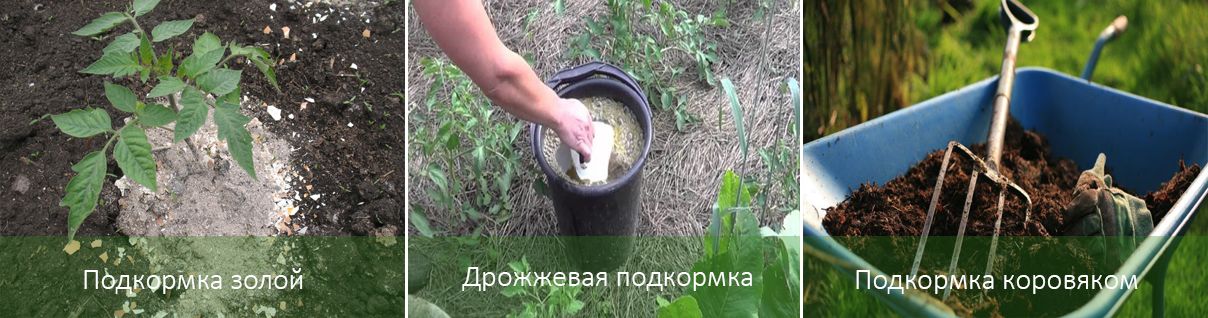
Cucumbers need to be fertilized at the beginning of flowering. The dosage should be small: 1 teaspoon each of urea, potassium sulfate, superphosphate, or 1 tablespoon of complex fertilizer. Mineral mixtures can be replaced with organic ones: 0.5 liters of mullein infusion per 10 liters of water.
Crops that have already begun to yield should be fertilized every 1-1.5 weeks. This is necessary to stimulate shoot growth and improve fruit set. The dosage is small—1 teaspoon of urea or potassium sulfate per 10 liters of water.
At the end of the month, it's necessary to fertilize the carrot beds planted in winter and in April. You can use:
- 0.5 l of mullein or bird droppings per 2 buckets of water;
- 1 teaspoon of urea or 1 tablespoon of potassium magnesium per square meter.
Attention! Before applying fertilizer to the beds with carrots and onions, the crops must be thinned out.
These recommendations truly help you achieve a rich and delicious harvest and lush flowering. To see for yourself, you can try following the lunar calendar; it's not difficult at all.
Gardener's work in May
In May, the garden requires special care. The trees need to be prepared for good flowering so they can produce a bountiful harvest later.
Fertilizers
Trees and shrubs will soon begin to bloom, so before that, they need to be fertilized, especially with nitrogen. Combine watering with urea (150 g per 10 liters of water).
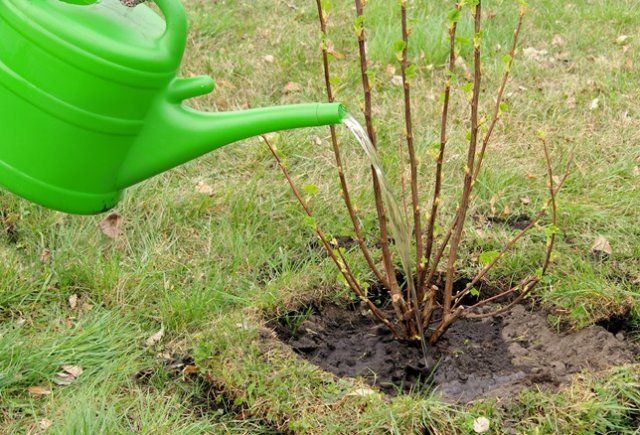
They should be poured into circular furrows at a depth of 10-15 cm. For trees, they should be positioned around the crown or slightly closer to the trunk. For shrubs, they should be positioned around the diameter of the bowl.

In the second ten-day period, apply the same nutrient mixture for berry cuttings. Water the soil first, then cover with mulch after fertilizing.
Foliar spraying with zinc-containing fertilizers also produces a positive effect. They especially protect crops from recurrent frosts.
Once young shoots begin to develop, trees and shrubs should be earthed up to a depth of 15 cm. The soil should be kept constantly slightly moist.
For reference! In the fall or the following spring, the cuttings are cut into pieces and planted
Watering
After flowering, water the plant. It's recommended to combine this with fertilizing.
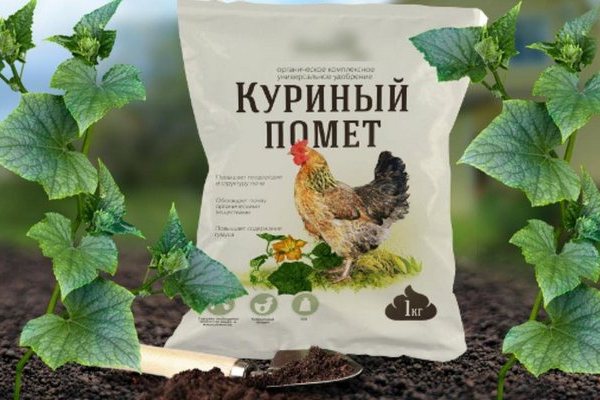
For example, with an infusion of mullein and bird droppings (proportion 1 to 15), with the addition of 1 tbsp. of urea.
Fight against infections and insects
Controlling various pests and diseases is complicated by the fact that insecticides cannot be used during flowering, as this will kill pollinators. However, there is a solution: biological products will not cause harm.
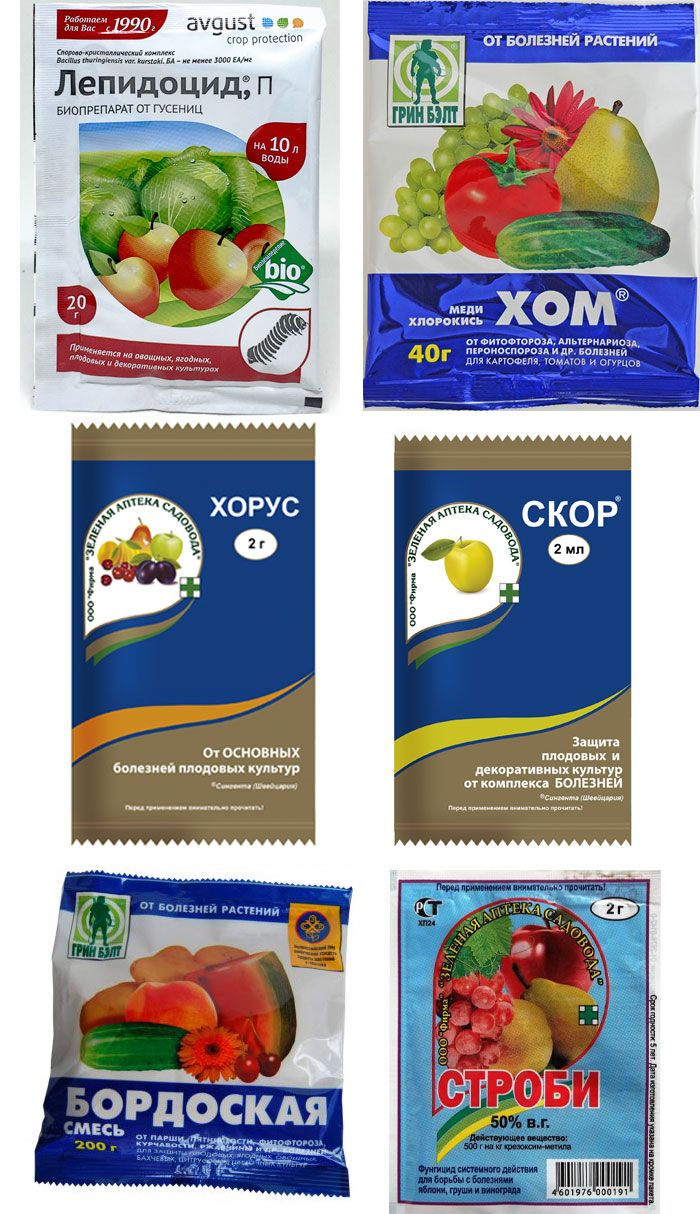
Lepidocide has proven itself effective. It's almost 100% effective against many pests. It doesn't kill bees or other beneficial insects. It's recommended to use it in the evening.
During the first couple of days of flowering, stone fruits need to be protected. For this purpose, we recommend using HOM and Horus. These products also prevent hole spot, coccomycosis, and the development of other infectious diseases. However, they do not negatively affect pollination or fruit set.
Plants are most susceptible to scab during the pink bud stage until petal drop. If the weather is cool and dry, contact fungicides (HOM, 1% Bordeaux mixture, or colloidal sulfur) can be used.
If it's damp outside, it's recommended to use systemic treatments, such as Skor or Strobi. The latter fungicide is effective even during prolonged rainfall and when temperatures drop to +1°C. It should be applied during the pink bud stage, before the central bud loosens. The dosage is 2 g per 10 liters of water.
Attention! The same medication shouldn't be used continuously. The infection will develop a tolerance to it, and it will become ineffective.
If signs of monilial burn appear, trim off all affected parts. Repeat the procedure in 2-3 weeks.
Some fruit trees, such as apple and pear, are susceptible to powdery mildew. In this case, infected shoots should be cut back, and healthy one-year-old shoots should be trimmed. Sulfur-containing products, such as colloidal sulfur or Thiovit Jet, are effective against this disease.
The following infusion has also proven its effectiveness:
- Pour 1 part rotted straw, hay dust or leaves with 3 parts water.
- Let it brew for 3-4 days.
- Pour one part of the infusion with 3 parts of water.
- Strain and spray the trees.
If the damage is too severe, it is advisable to use Topaz.
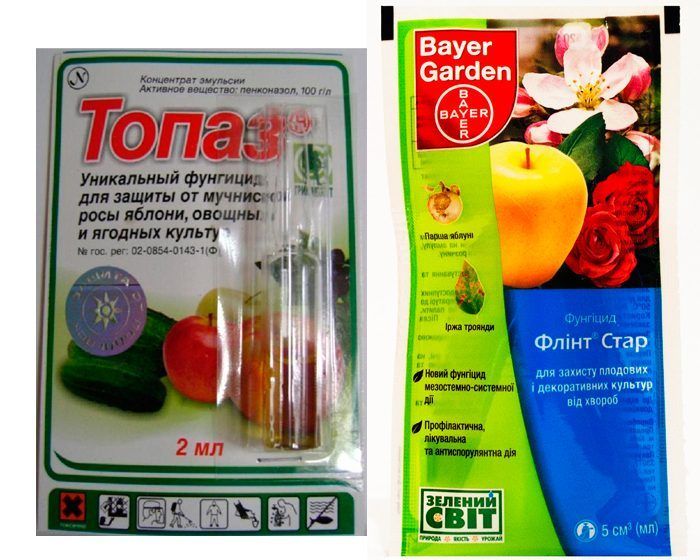
After flowering, leaf miners, mites, and codling moths become active. If the trees haven't been sprayed, pear leafhoppers, aphids, and ants appear. Sticky bands and ash infusions are effective against them.
If there are a lot of cherry fruit flies or plum fruit moths in your garden, spray the plants with Fufanon-Nova. This should be done 10-14 days after flowering ends.
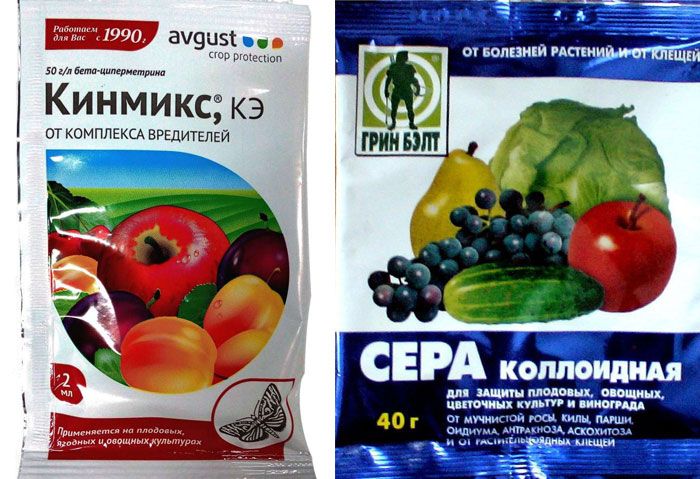
In cases of severe leaf miner infestation, it is advisable to use Kinmix. Fufanon-Nova will not kill these pests.
Attention! The use of Kinmix increases tick populations. Therefore, these products should be used in conjunction with colloidal sulfur (50-80 g).
Getting rid of weeds
During the flowering period, dig over the soil, rotating the soil 180° without crumbling it. This will improve oxygen penetration to the root system, retain moisture, kill pests, and reduce weed growth.
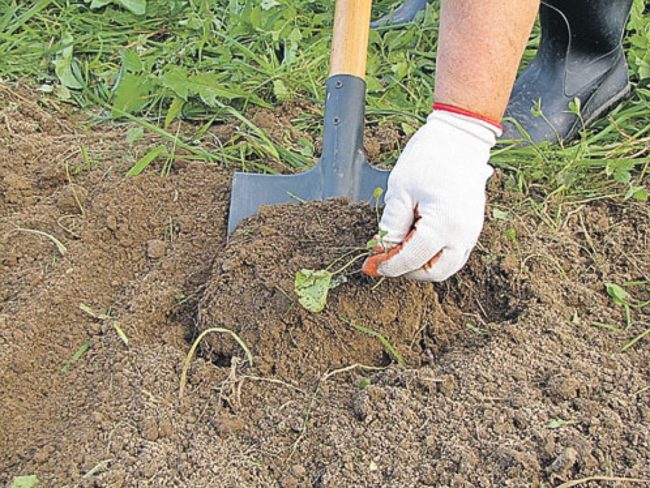
Weeds should not be allowed to grow, as they harbor harmful insects. They must be destroyed promptly. Agrokiller is a good weed control product.