There are four main ways to plant flowers in spring:
- Seeds.
- Seedlings.
- Cuttings of perennial plants.
- By dividing perennials.
[toc]
What flowers to plant in open ground in spring from seeds
Content
- 1 What flowers to plant in open ground in spring from seeds
- 2 What flowers to plant in open ground in spring as seedlings
- 2.1 Ageratum
- 2.2 Adonis
- 2.3 Balsam
- 2.4 Begonia everblooming
- 2.5 Brachycoma
- 2.6 Verbena
- 2.7 Gazania
- 2.8 Heliotrope
- 2.9 Helichrysum
- 2.10 Annual dahlia
- 2.11 Hibiscus
- 2.12 Godetia
- 2.13 Delphinium
- 2.14 Dimorphotheca
- 2.15 Morning Glory
- 2.16 Cleome
- 2.17 Kobeya
- 2.18 Nemisiya
- 2.19 Leucanthemum (chamomile)
- 2.20 Petunia
- 2.21 Platycodon
- 2.22 Purslane
- 2.23 Primrose
- 2.24 Salpiglossis
- 2.25 Pulsatilla (pasque flower)
- 2.26 Rudbeckia
- 2.27 Statice
- 2.28 Thunbergia
- 2.29 Chrysanthemum
- 2.30 Celosia
- 2.31 Cineraria
- 2.32 Sage
- 3 What flowers can be planted both as seedlings and from seeds in the spring in open ground?
- 3.1 Aquilegia
- 3.2 Acroclinum (helipterum)
- 3.3 Amaranth
- 3.4 Anchuza
- 3.5 Arctotis
- 3.6 Aster annual and perennial
- 3.7 Bartonia
- 3.8 Marigold
- 3.9 Venidium
- 3.10 Viola
- 3.11 Bindweed
- 3.12 Chinese carnation
- 3.13 Gypsophila
- 3.14 Ornamental cabbage
- 3.15 Sweet pea
- 3.16 Kentrantus
- 3.17 Clarkia
- 3.18 Coreopsis
- 3.19 Cosmos
- 3.20 Lavatera
- 3.21 Flax
- 3.22 Lupine
- 3.23 Pyrethrum
- 3.24 Mallow (mallow)
- 3.25 Scabious
- 3.26 Lychnis
- 3.27 Ursinia
- 3.28 Zinnia
In spring, it's recommended to plant only cold-hardy flowers outdoors, otherwise overnight frosts can destroy all your plants. This method works well for both annuals and perennials.
The following flowers are suitable for spring sowing in open ground:
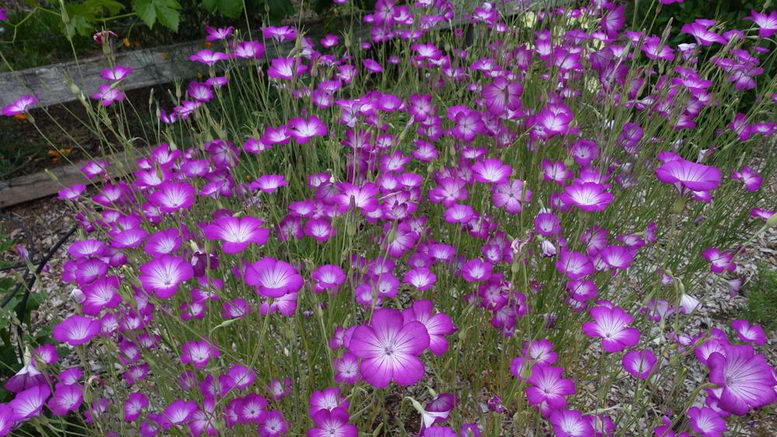
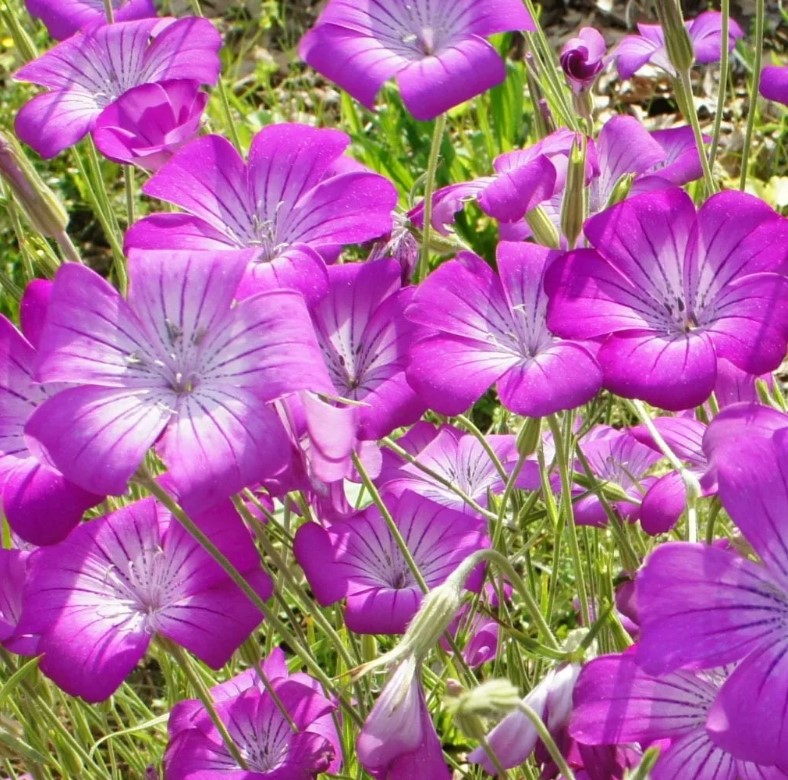
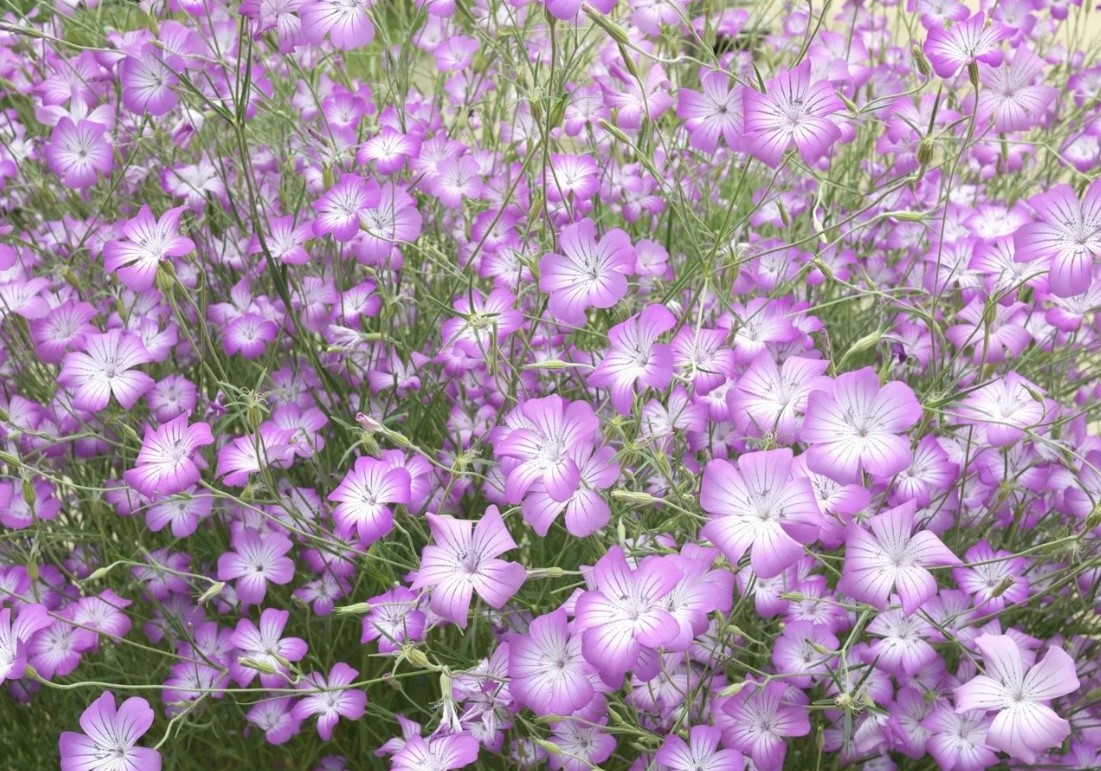
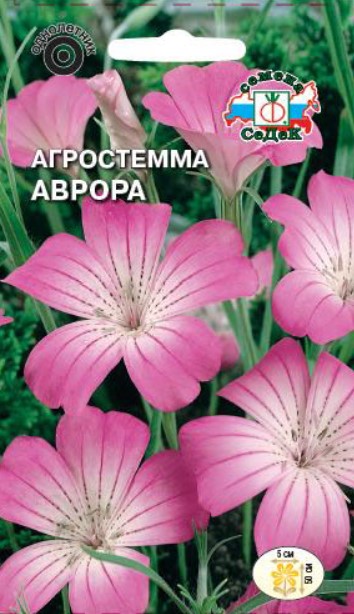
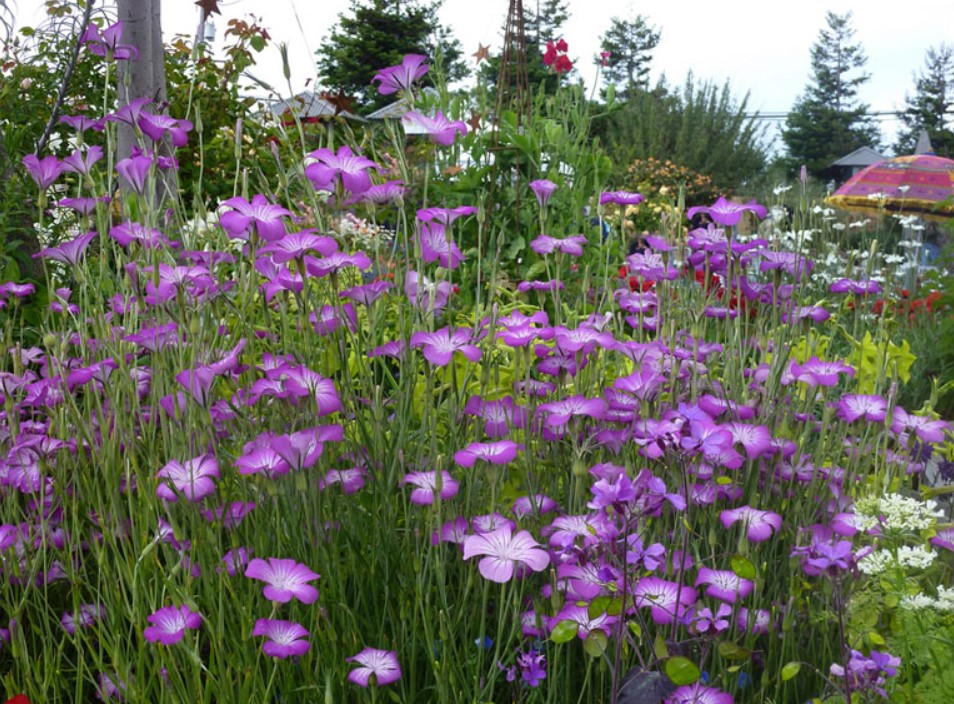
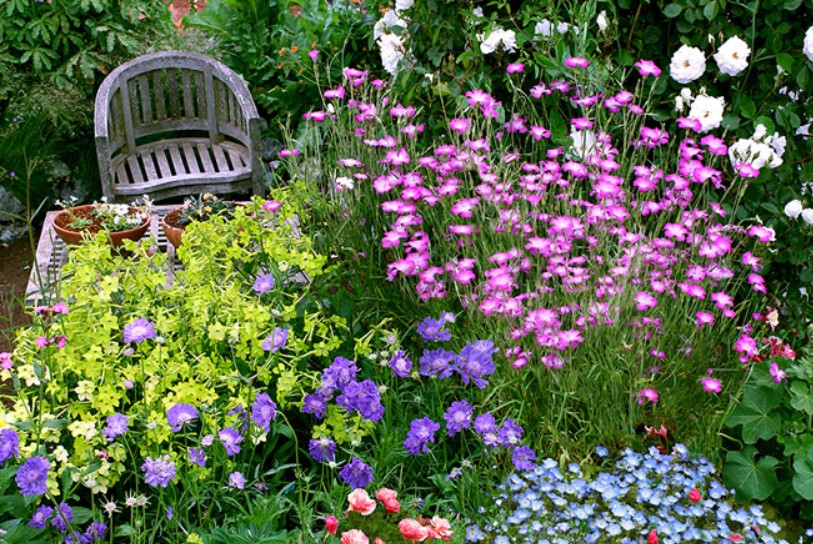
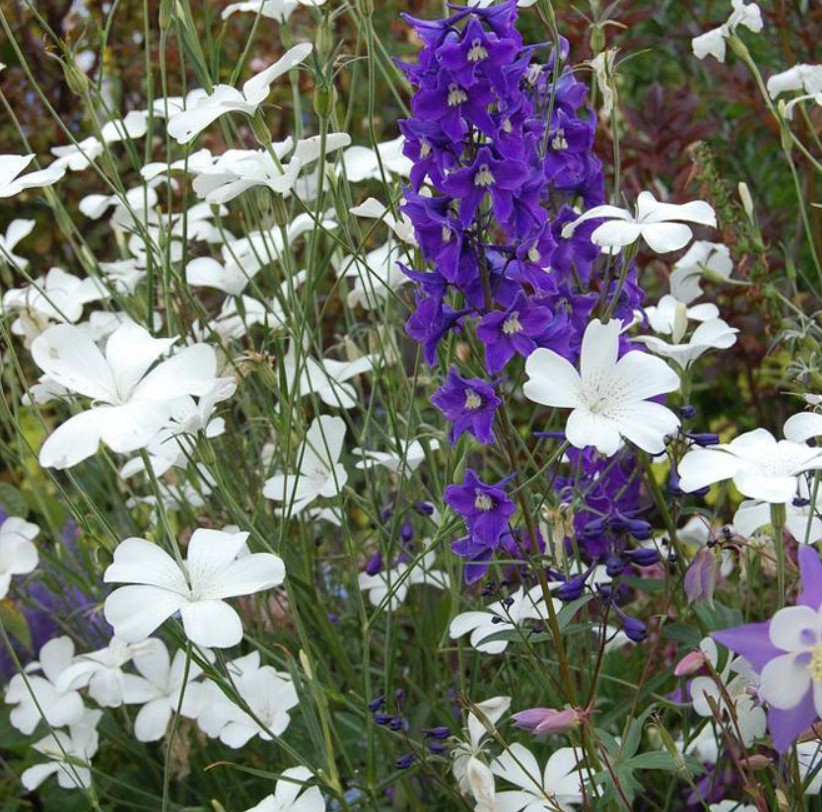
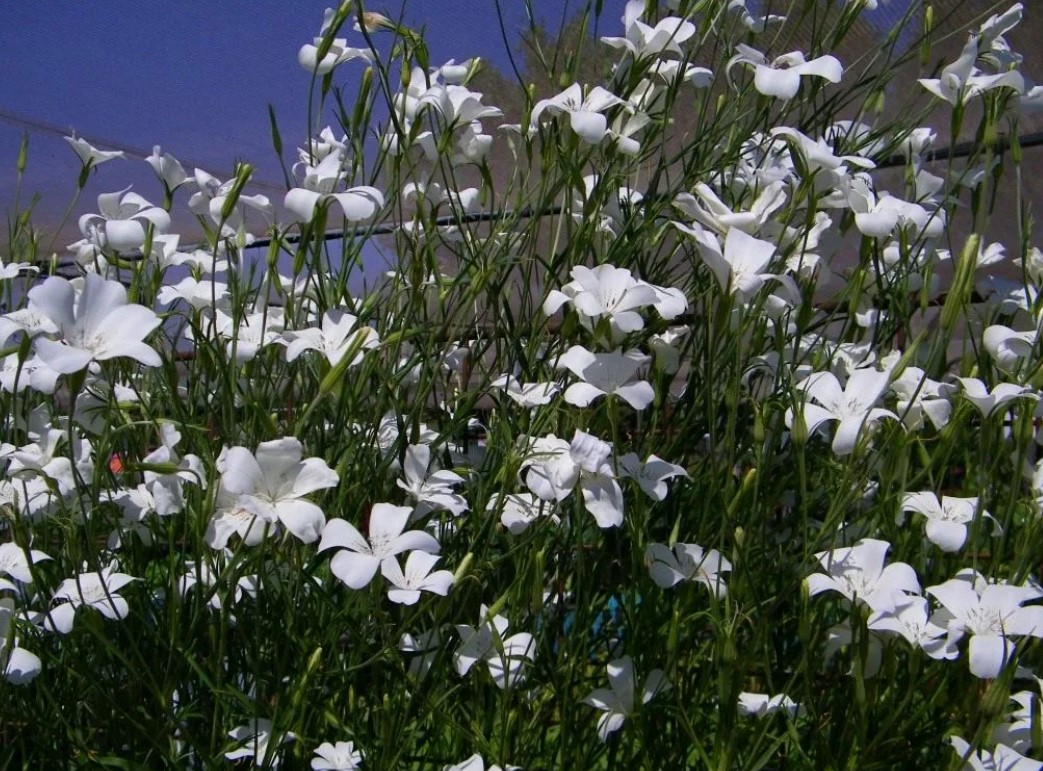
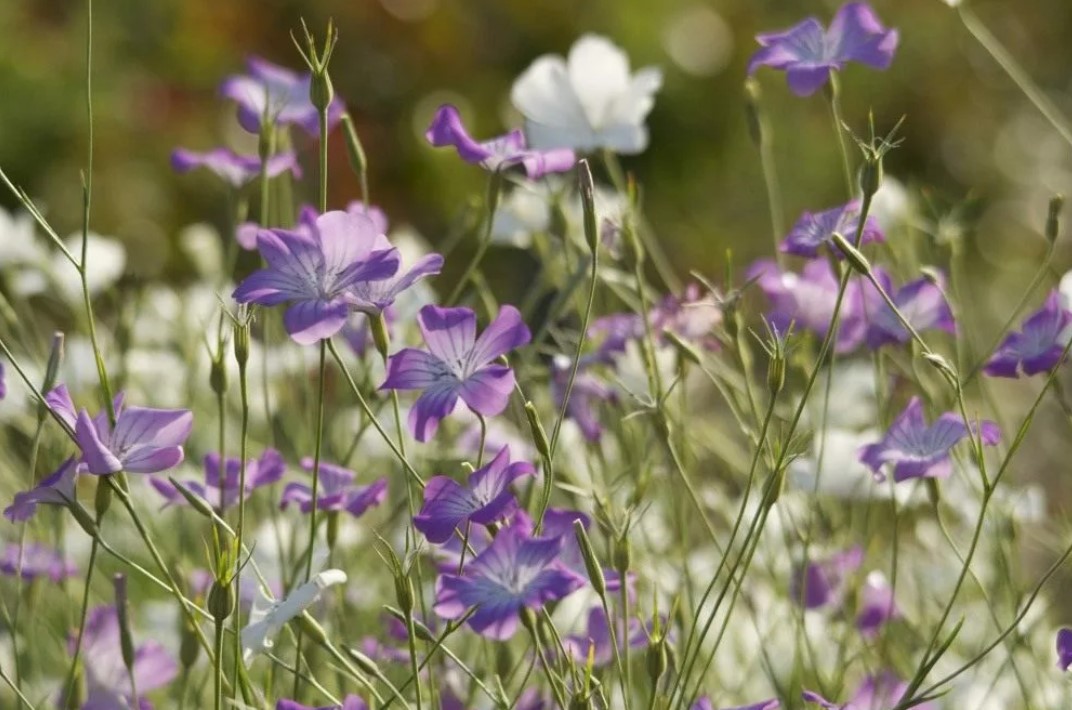
Agrostemma (cockle)
An annual plant that was long considered a weed. Seeds are planted after the soil has warmed to 12°C. It's important to prevent self-seeding, otherwise agrostemma will quickly fill the entire flowerbed.
The flower seeds are poisonous, wash your hands after collecting them.
Photo gallery of agrostemma
Iberis
Iberis can be either an annual or perennial. Its flowers also vary in color, from white to pinkish-lilac. Seeds are sown in April, and can be resown three weeks later. Seedlings emerge after two weeks and should be thinned out, leaving 15 cm between plants.
Photo gallery
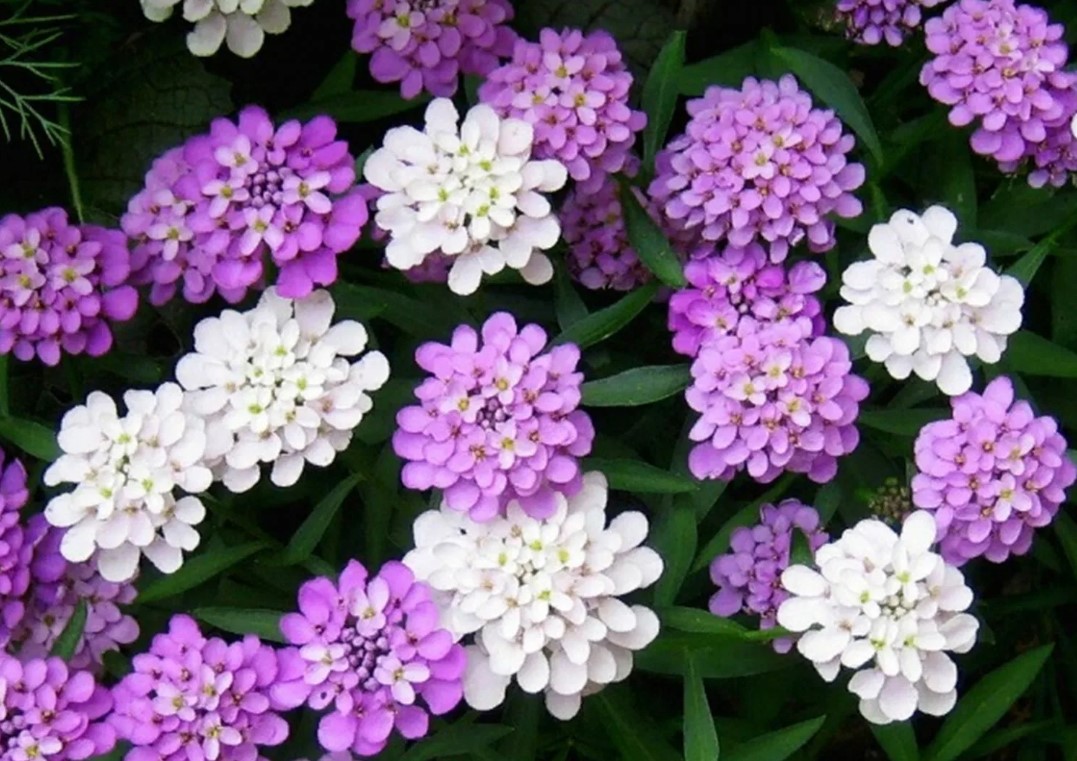
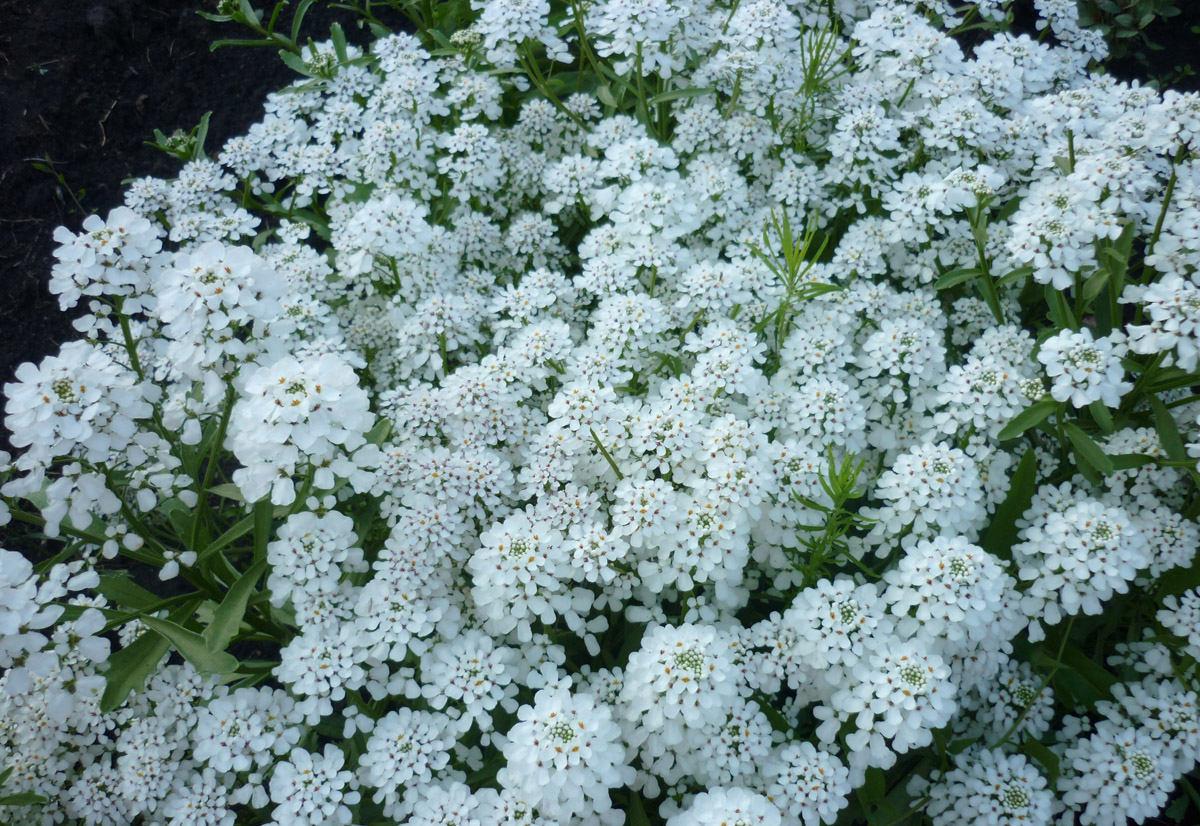
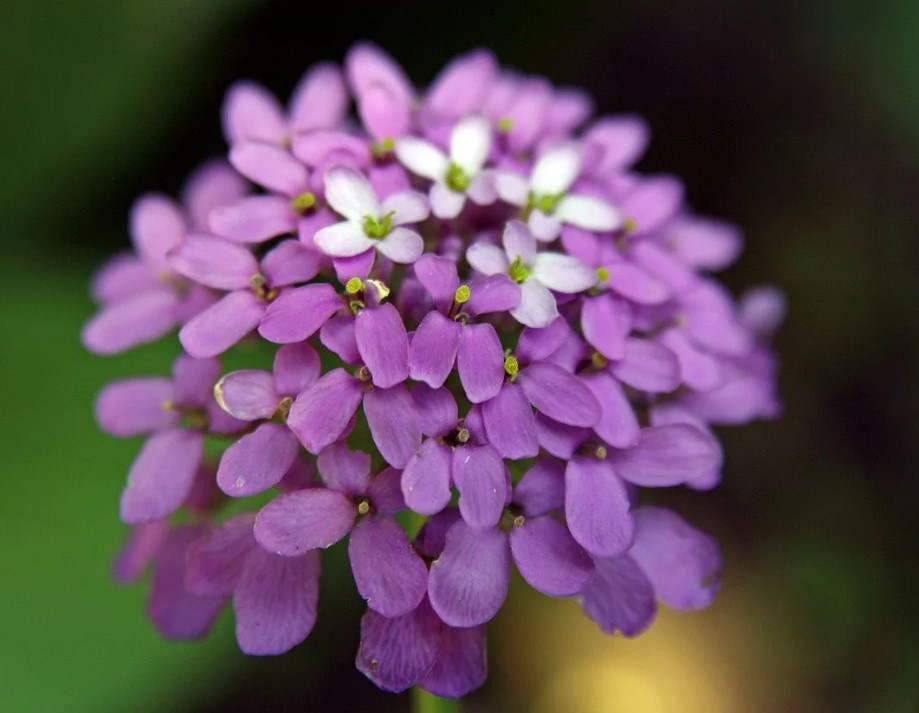
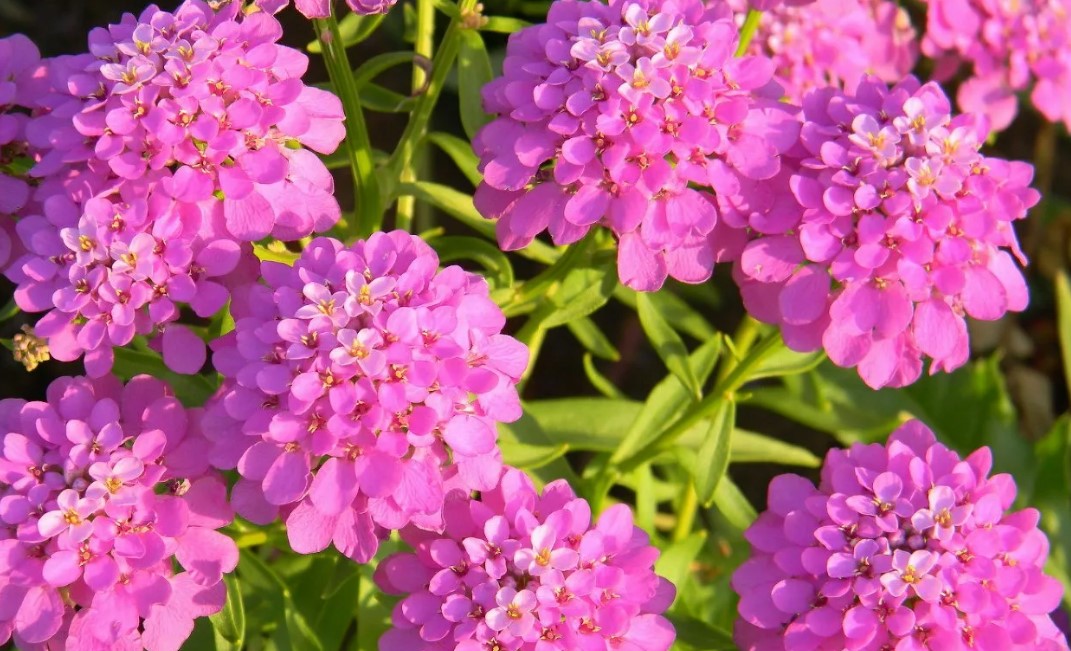
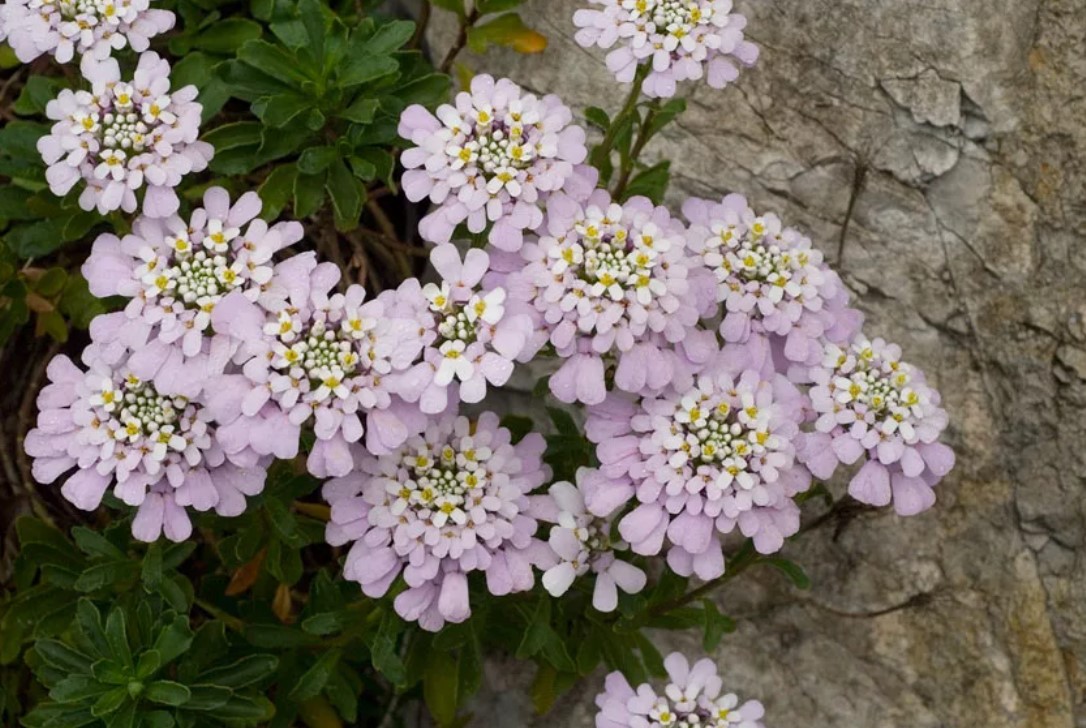
About the varieties and cultivation of Iberis on our website.
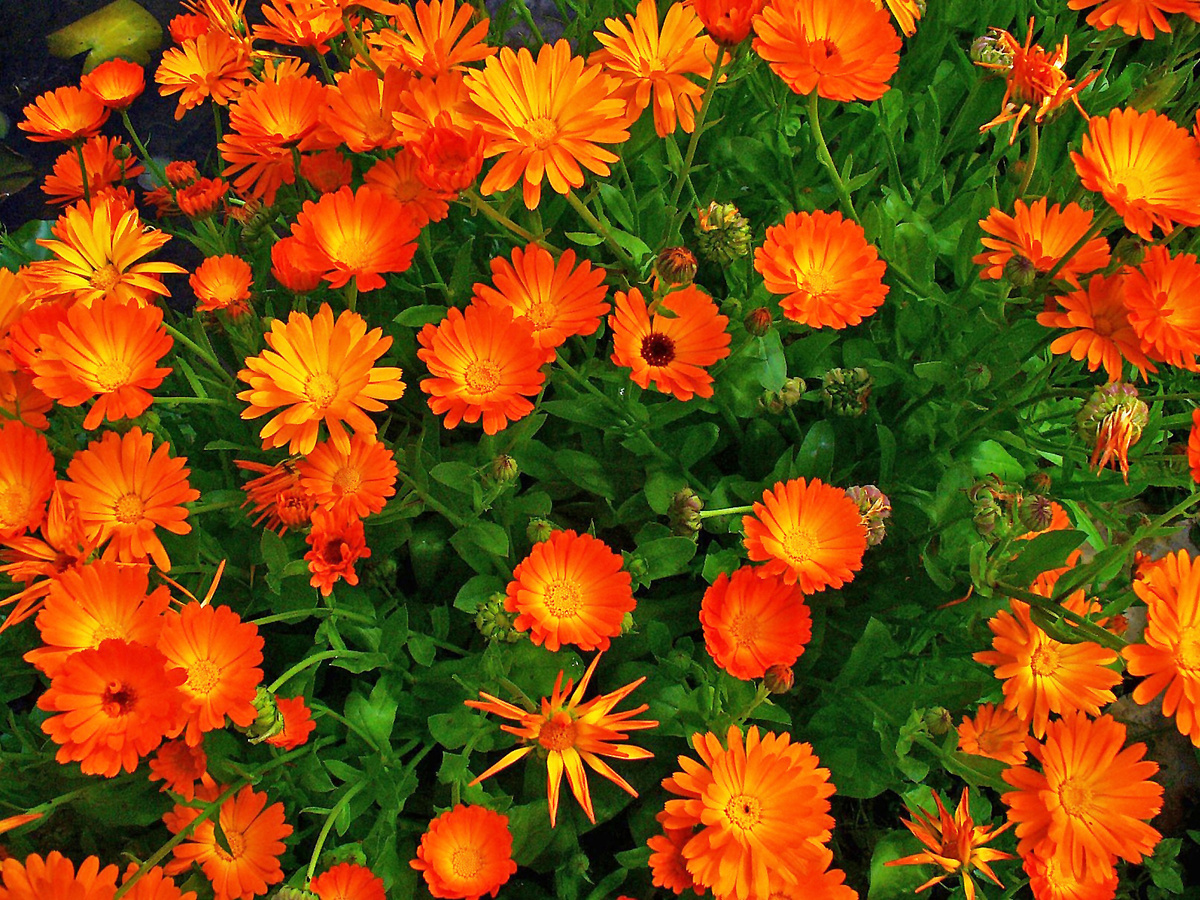
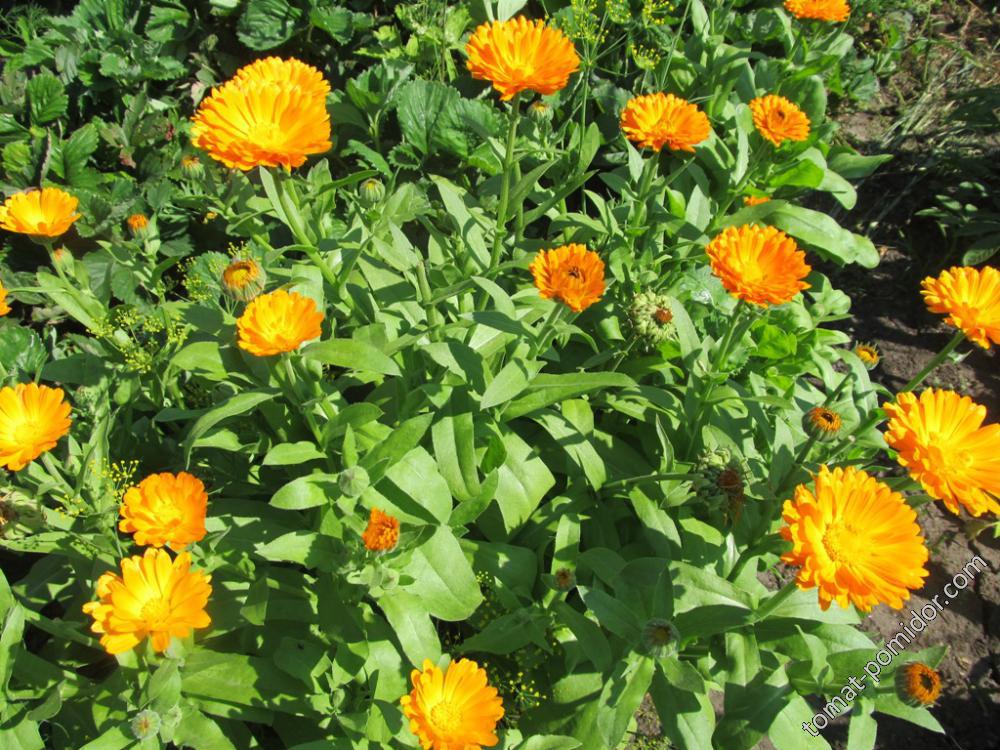
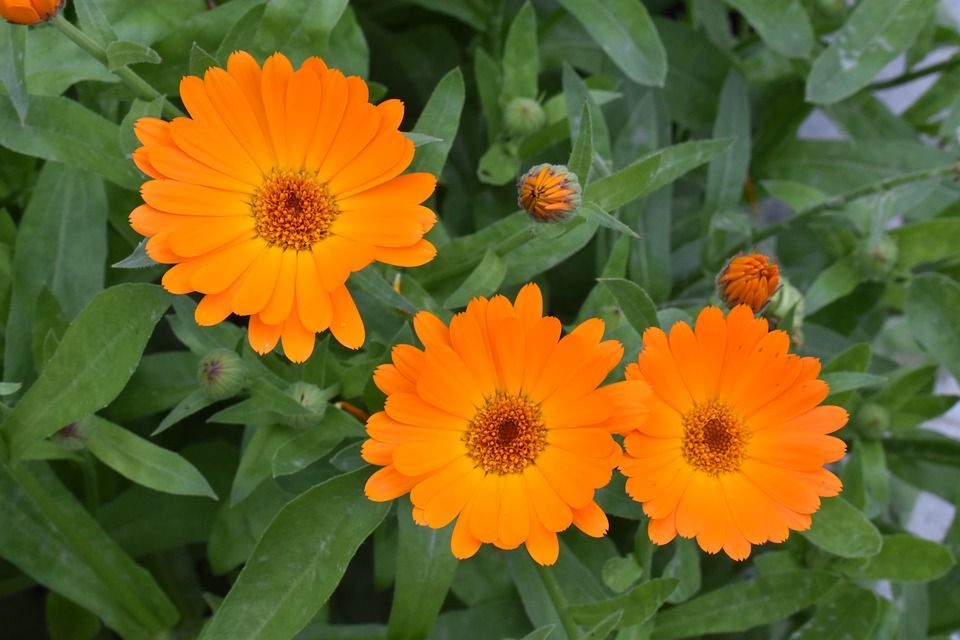
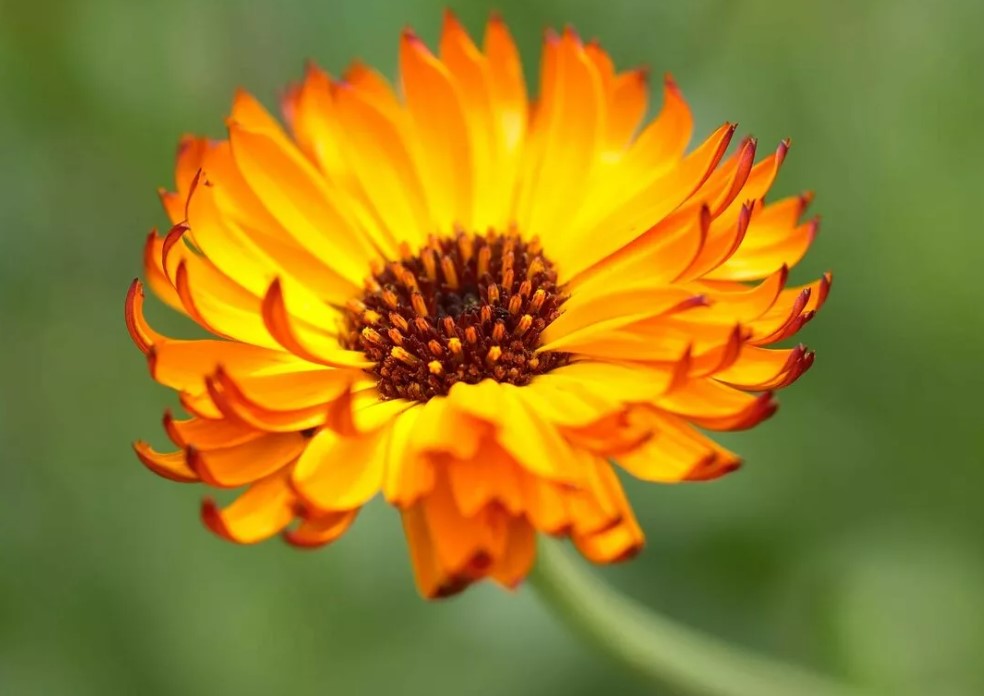
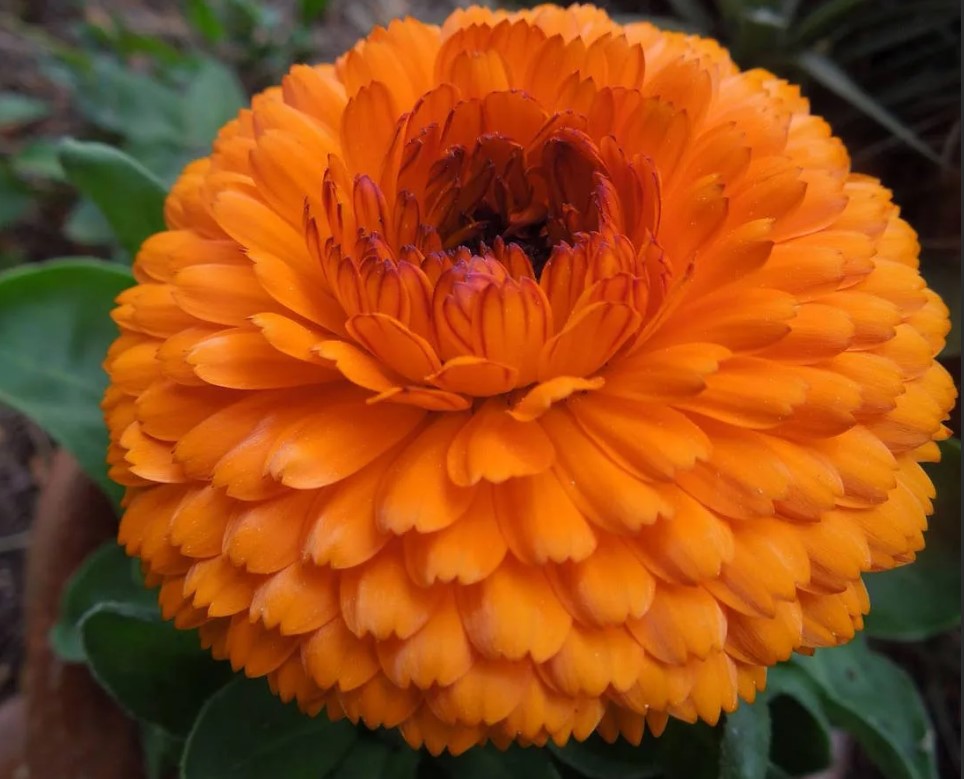
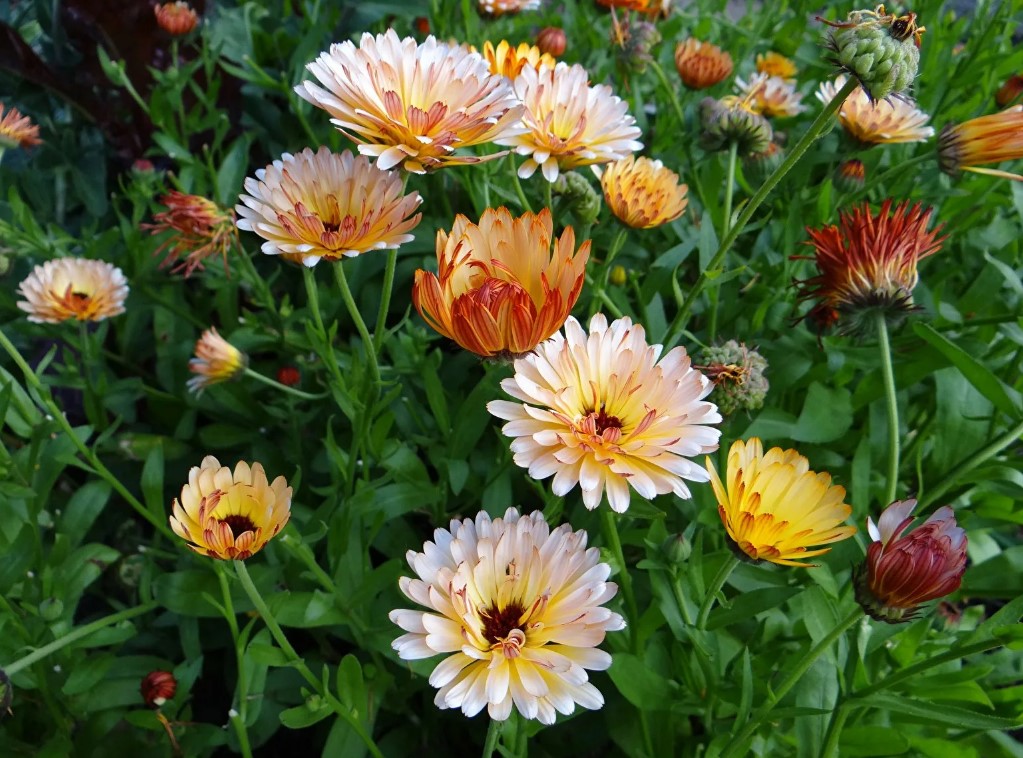
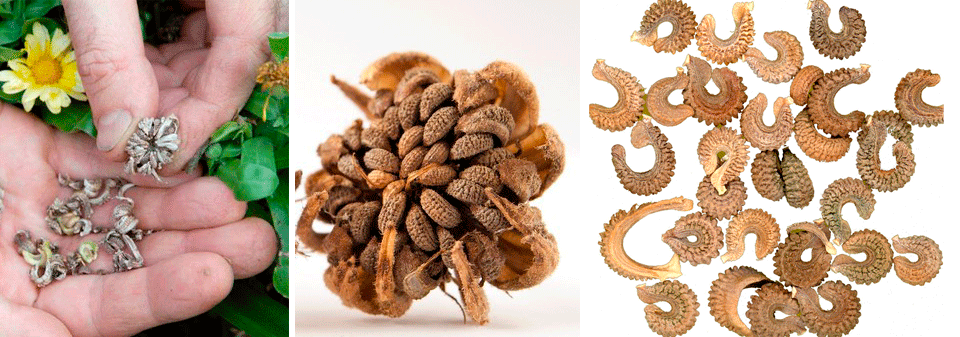
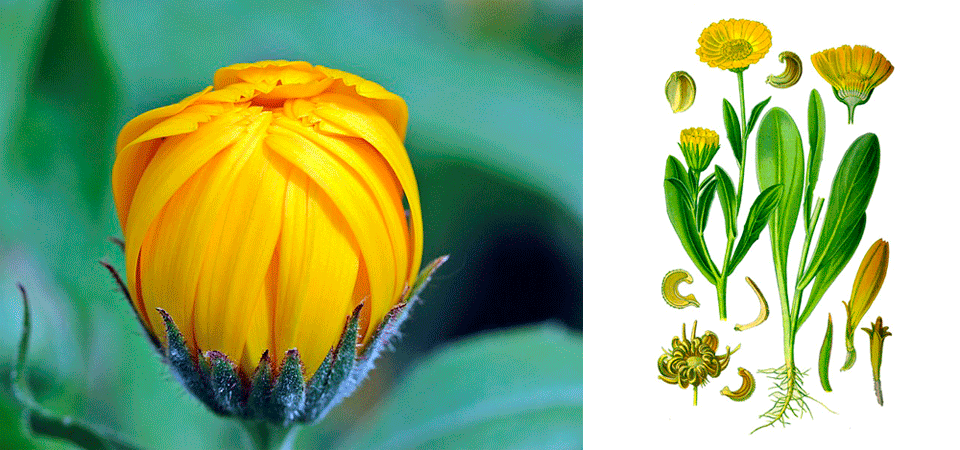
Calendula (marigold)
Today there are a large number of varieties of calendula, mostly all of them are annuals.
Seeds are sown in the ground in March-April. Experienced gardeners recommend this method for tall varieties, as they adapt more quickly to new conditions and have a better germination rate. Avoid planting too densely; leave at least 15 cm between plants, otherwise their growth will be too protracted.
Photo gallery

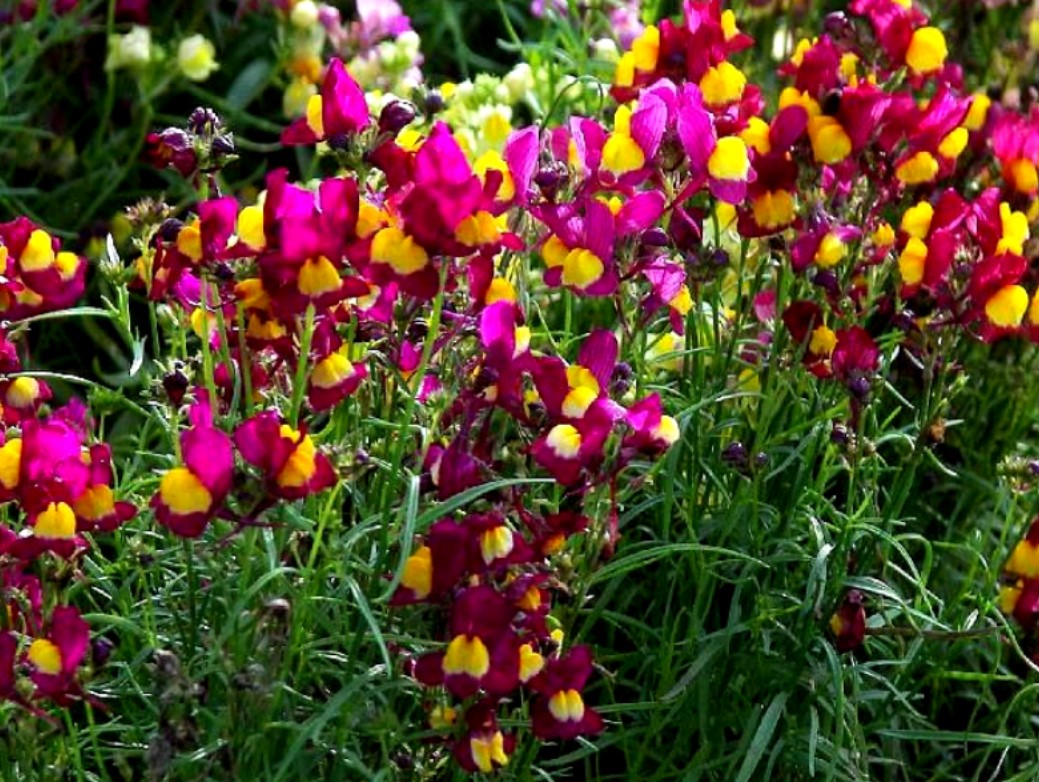
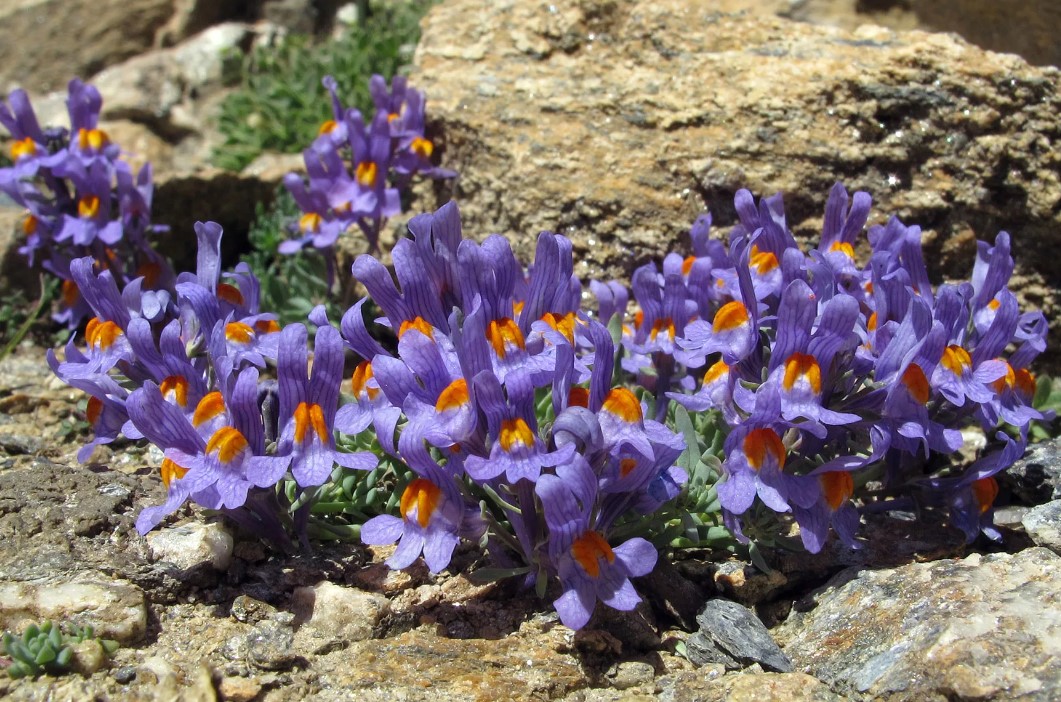
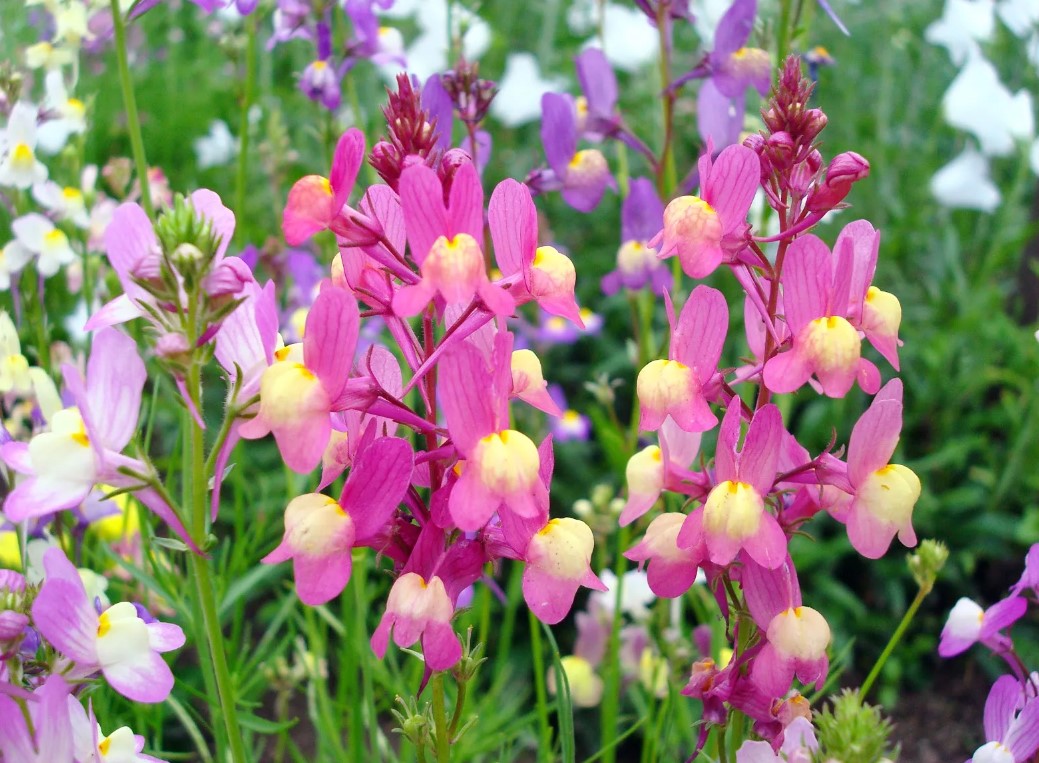
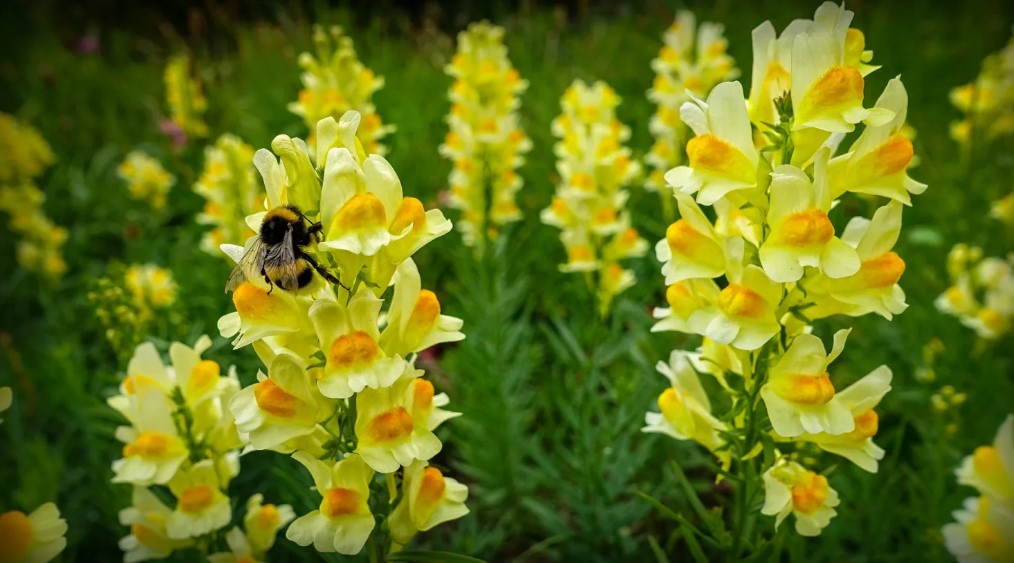
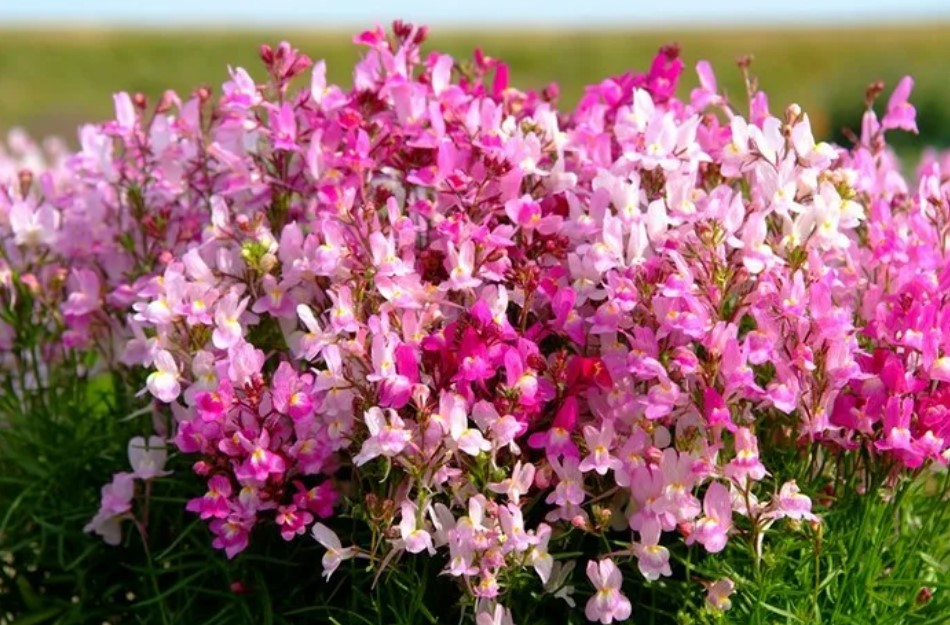
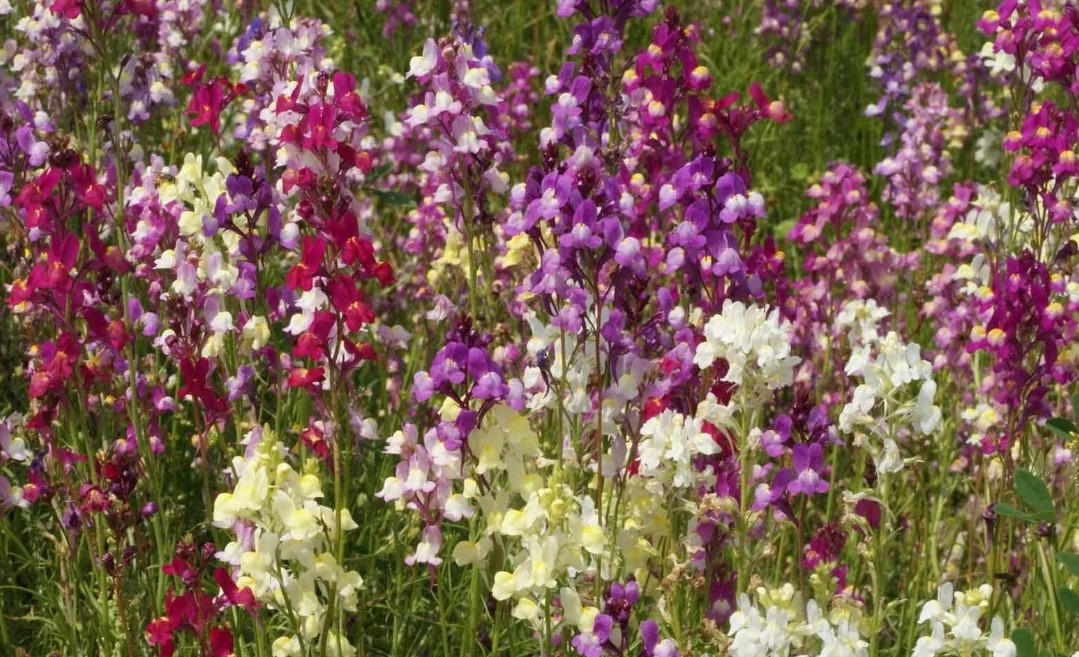
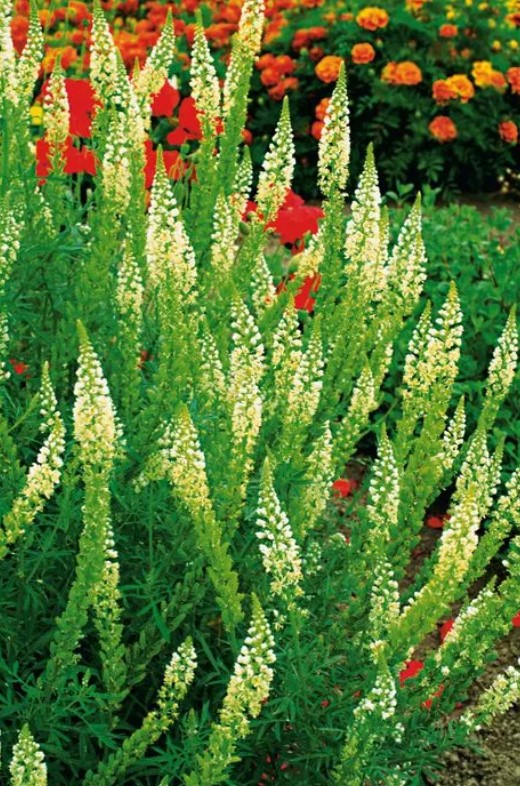
Toadflax
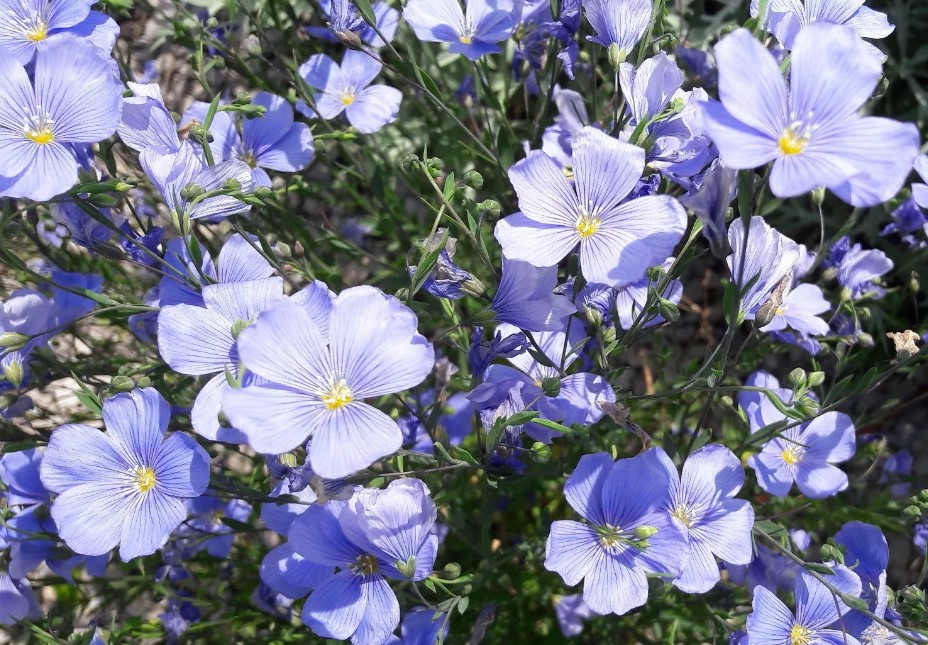
Flaxseed can be either annual or perennial. It can appear as a groundcover or a tall bush with meter-long stems. This all depends on the variety, of which there are approximately 150.
Toadflax It tolerates cold temperatures well; seeds are planted outdoors in the second ten days of April. Planting depth should be no more than 2 cm, and the spacing between plants should be 15 to 25 cm.
Photo gallery
Review
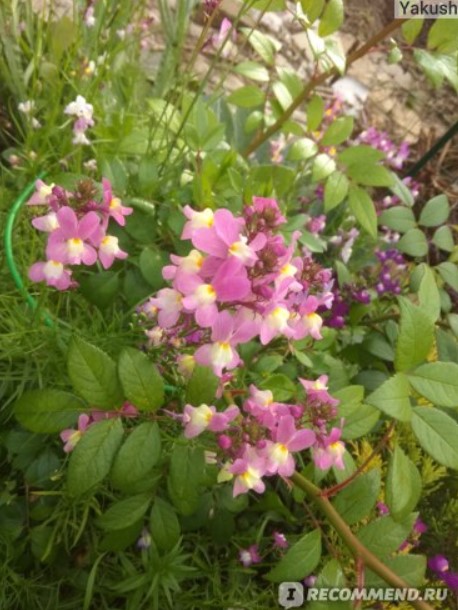
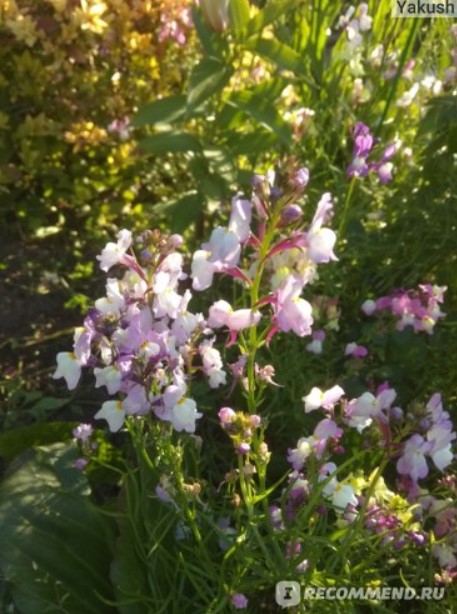
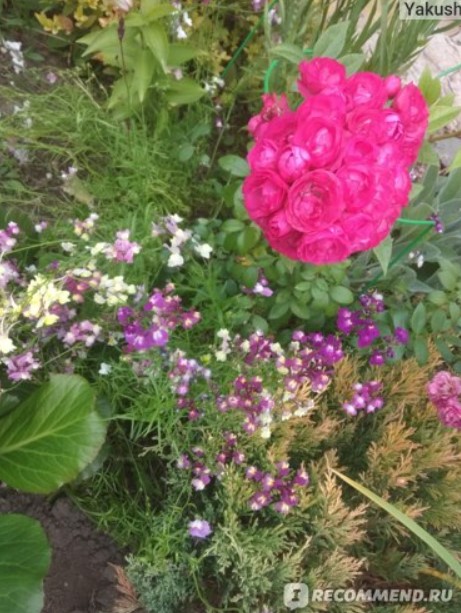
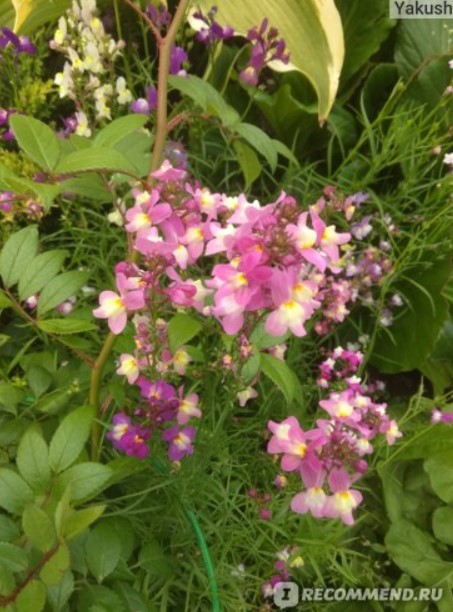
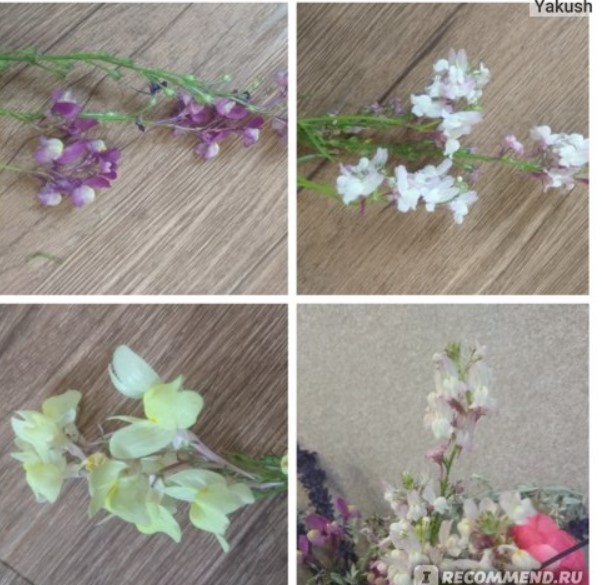
Moroccan toadflax is a delightful guest from the Mediterranean. An excellent companion for roses and lilies.
Experience of use: one year or more
Greetings to all dear readers!A few years ago, while looking at photos of rose plantings online, I saw a plant that looked like a miniature version of the well-known snapdragon.
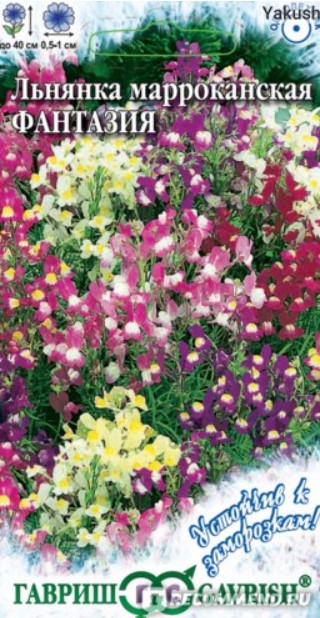
This lovely flower is called toadflax. For the planting season, I purchased a Moroccan toadflax.
The plant is native to the Mediterranean. It was first described by a biologist in Morocco, which may be why it got its name.
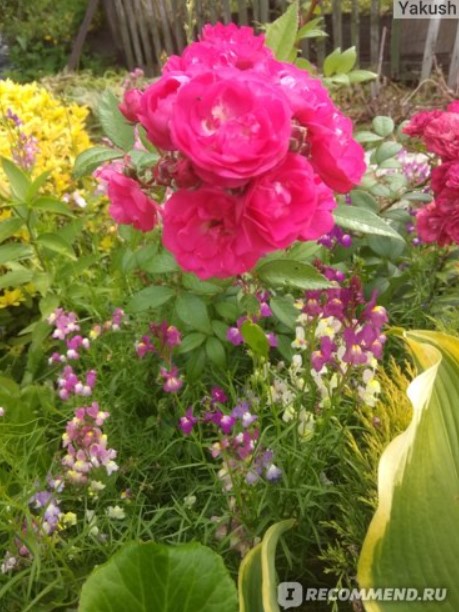
You can grow them using seedlings or by sowing them directly into the ground. I sowed them directly into a permanent location at the end of April. For me, toadflax is a wonderful complement to roses and lilies.
Flax seeds are very small, like dust. They can be mixed with sand when sowing. Germination rates have been excellent over a couple of years of observation. I planted seeds from a packet from Gavrish. I was unable to collect any of my own.
The plant reaches a height of 30-50 cm. The bushes are branched, so a single plant can have stems of varying heights. The leaves of the toadflax are thin, needle-like, but soft and not prickly.
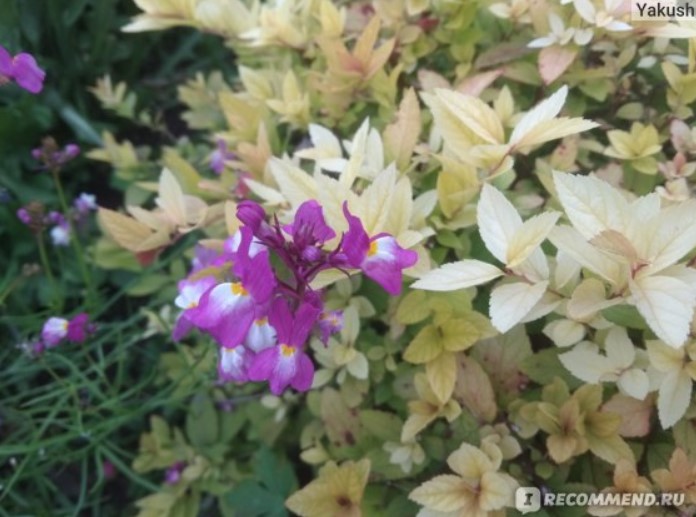
Toadflax comes in a wide variety of colors. If you buy a packet containing a seed mix, you'll get a rainbow of colors when it blooms.
The variegation of the flowers doesn't bother me. You can wait until they bloom and remove the plants with the "unwanted" color. Since there are so many seedlings and I still have to thin them out, the flowerbed will only benefit from this.
Toadflax flowers are small, about 1-2 cm. The stems are graceful, covered with flowers. When sown in the ground in late April, it blooms in early July.
The flowers are numerous and gathered in long clusters. Each individual flower resembles a miniature snapdragon.Toadflax prefers sunny spots and moderate watering. Mine gets the same treatment as roses. The plant looks healthy all season long, and I haven't seen any diseases or pests. Perhaps this is because the queen roses receive full protection from pests and diseases.
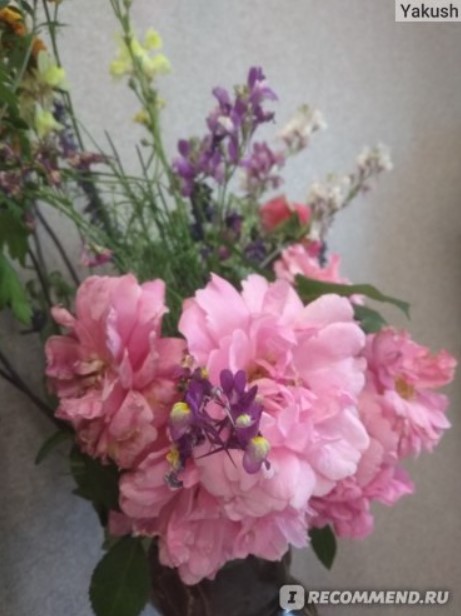
Toadflax blooms until the frost. Heliotropes, dahlias, and many other flowers have already frozen, but toadflax blooms like a true companion next to roses. I cut the roses before covering them and always add toadflax to the bouquet.
Toadflax holds up well in bouquets. It's become a permanent fixture in my garden. I consider this flower both easy-to-care-for and attractive.
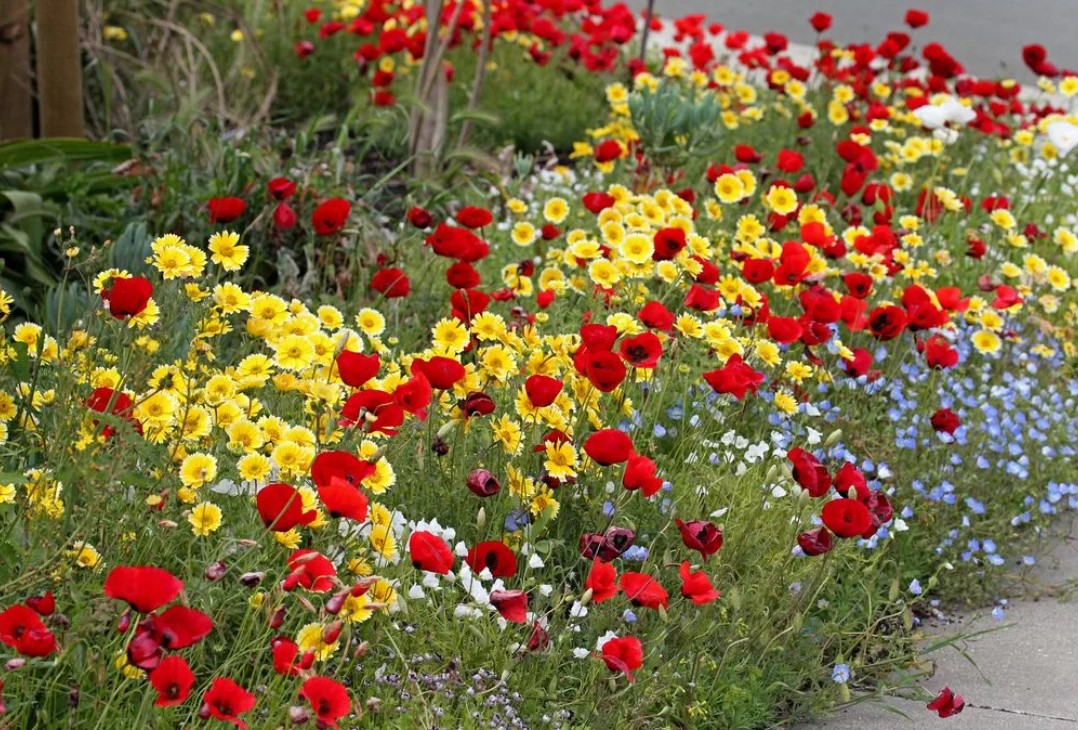
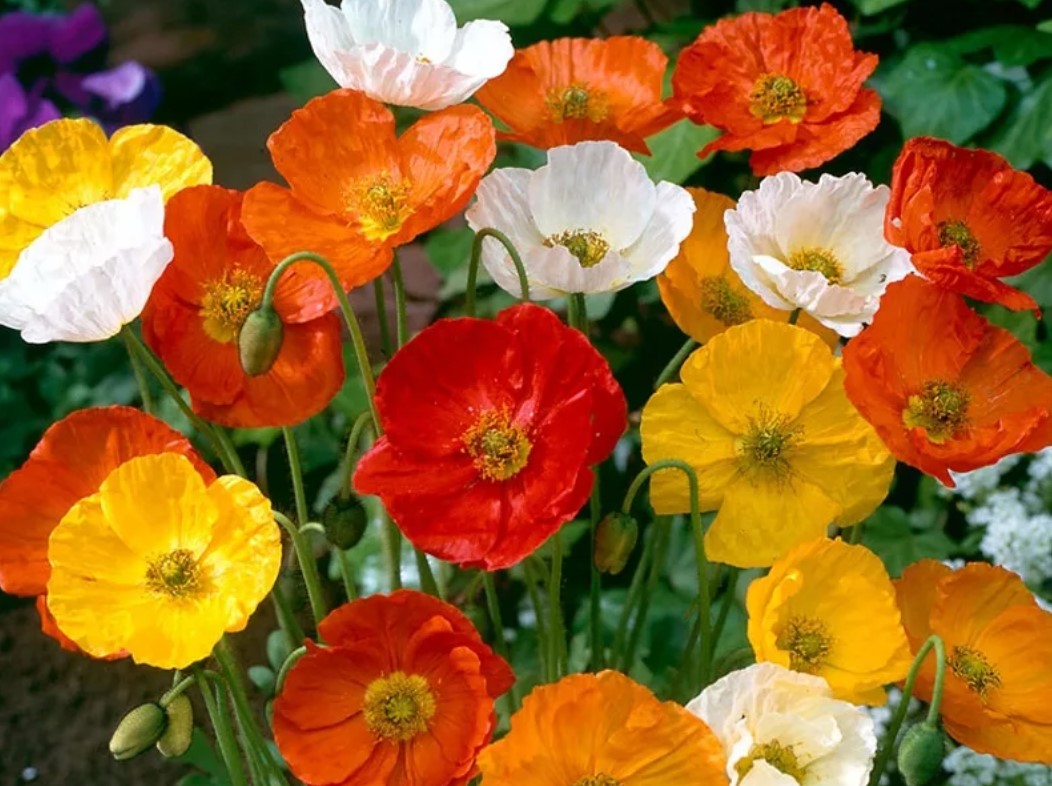
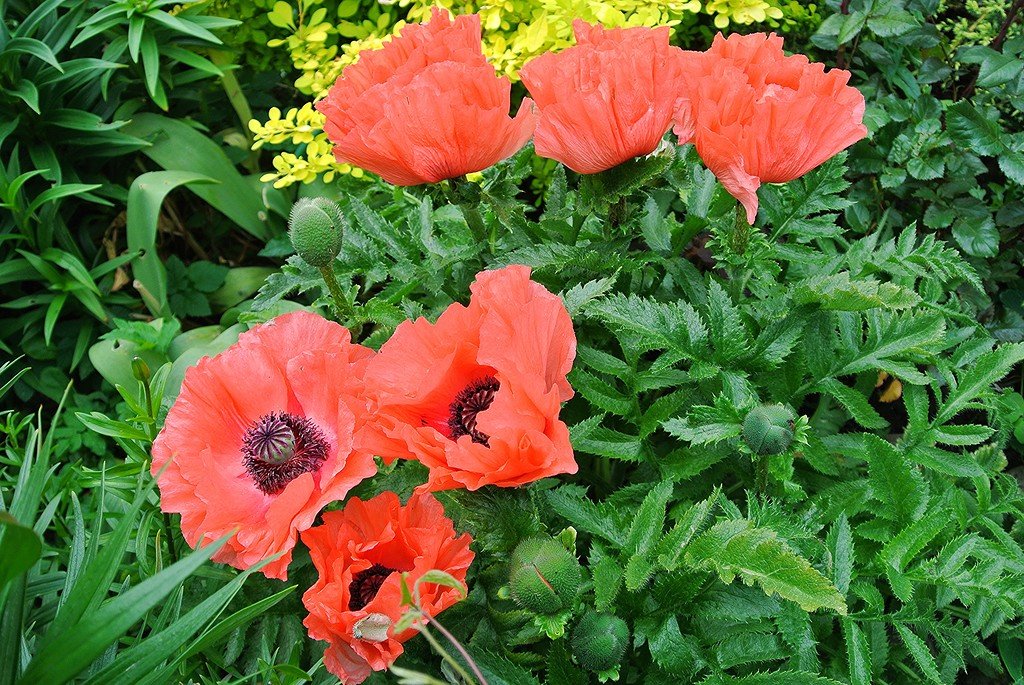
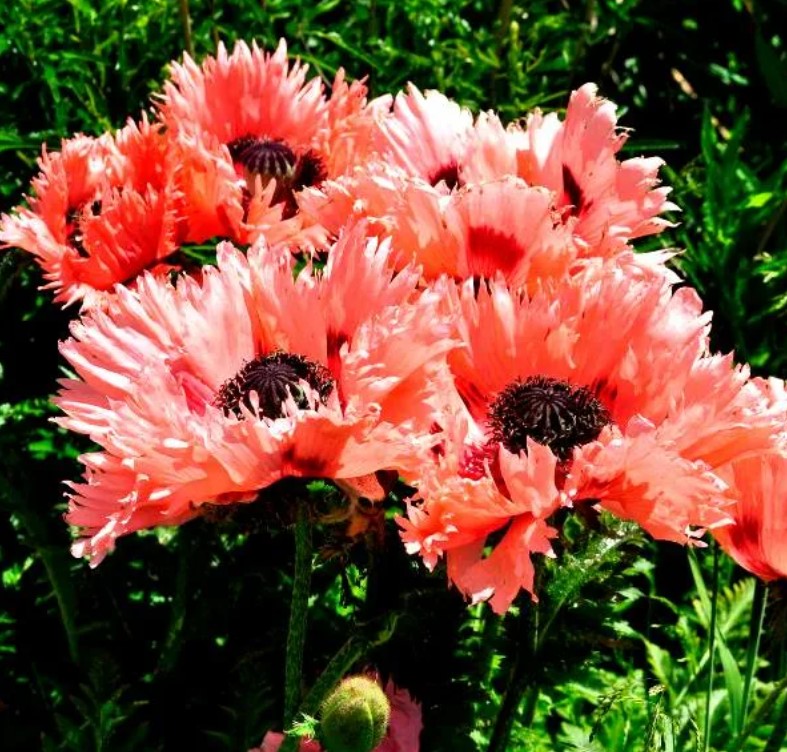
Poppy
There are about 100 varieties of annual and perennial poppies. Seeds are sown in early May. In some warmer climates, sowing can begin as early as April. The seeds are sprinkled over the bed and lightly pressed down. Poppies reproduce best by self-seeding. To ensure long-lasting blooms, it is recommended to cut the seed pods while they are still developing and plant them in well-lit areas of the garden, as poppies thrive in bright light. They will not begin to bloom until the second year after sowing.
Photo gallery
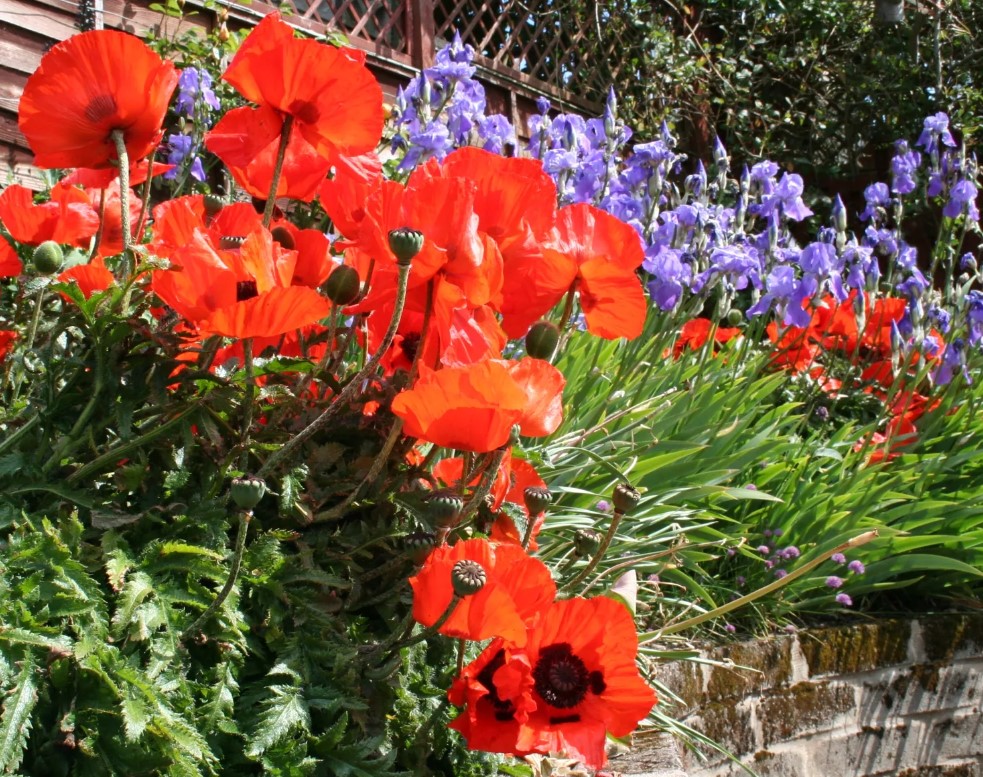
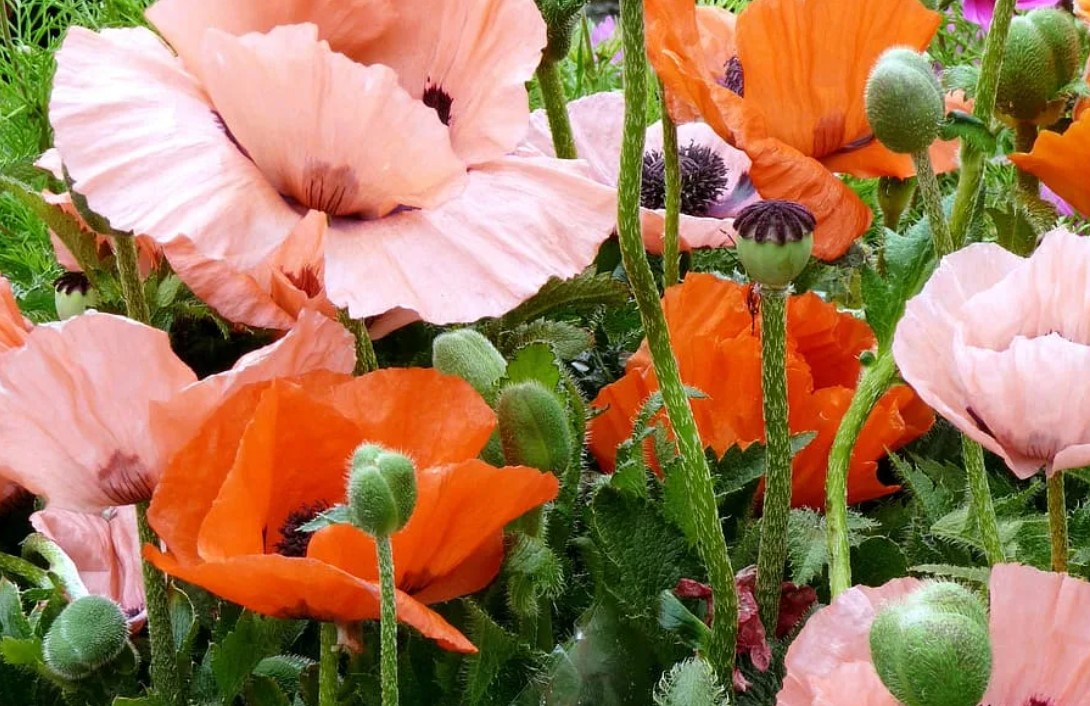
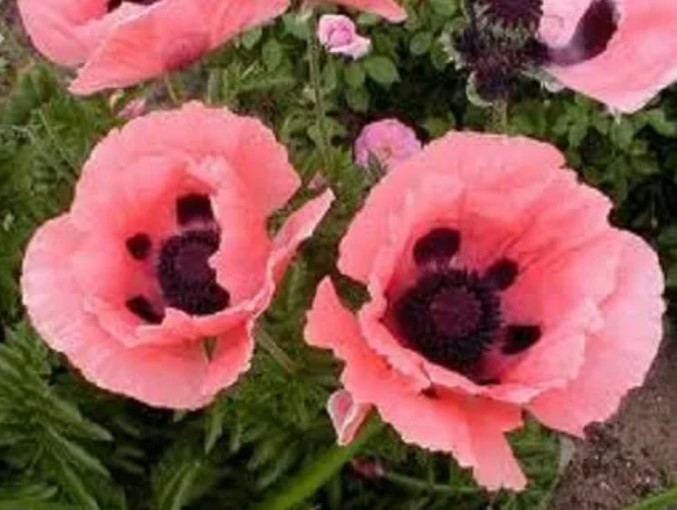
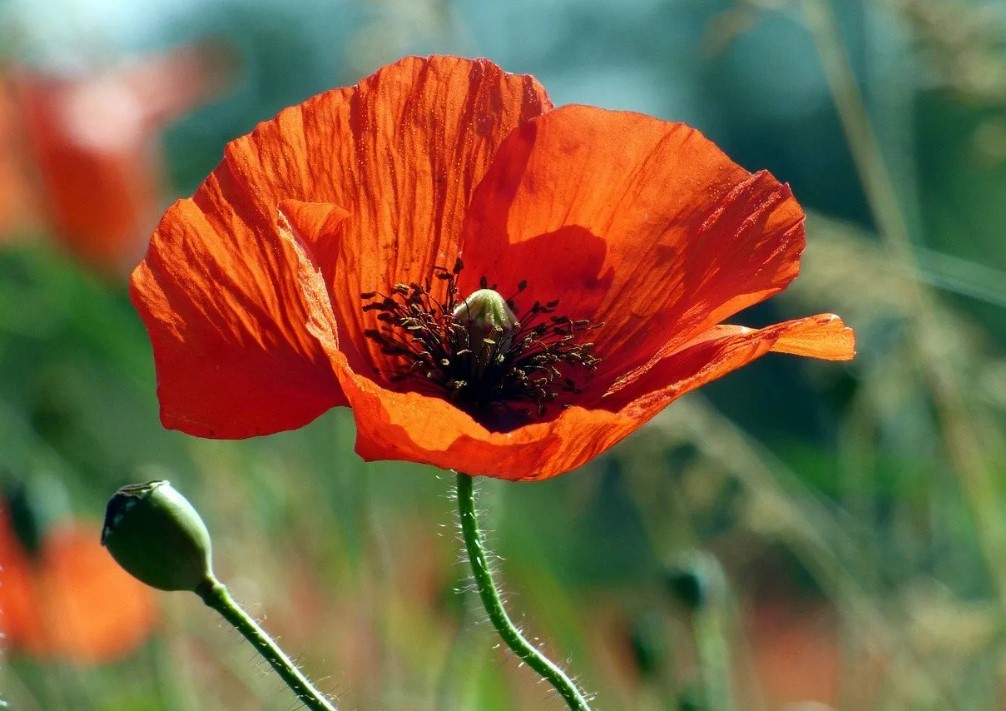
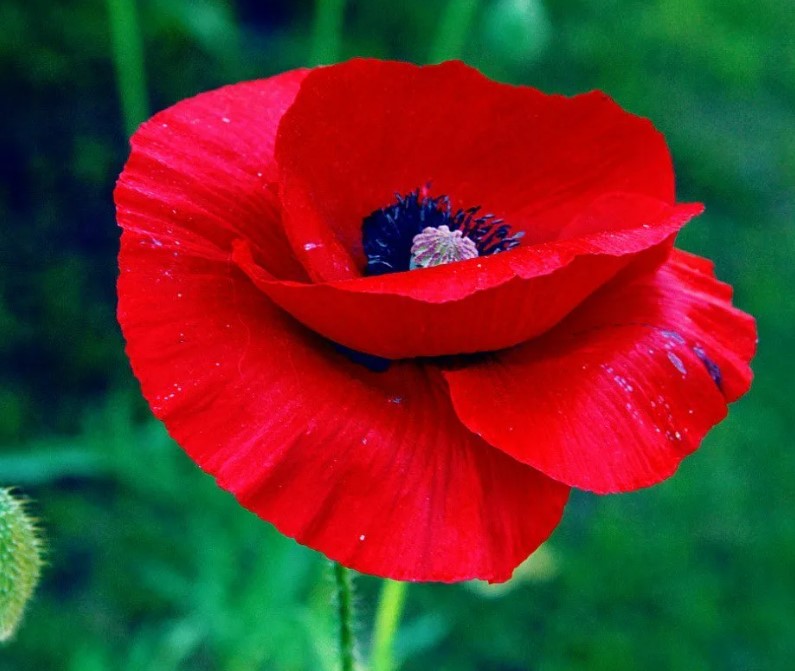
Do you want to know which one? poppy can be grown in the garden and how to do this?
Matthiola (stock)
A fairly tall (30-90 cm) annual or perennial plant. The stem is branched and robust, and the inflorescences can be single or double, with a variety of colors: white, lilac, crimson, yellowish, and blue.
Spring sowing of seeds in the ground takes place in April. Since the seeds are very small, they are mixed with sand before planting and evenly distributed in small furrows no more than 5 cm deep.
Experience shows that the most beautiful flowers grow from irregularly shaped seeds. Matthiola requires a light substrate and good lighting.
Photo gallery
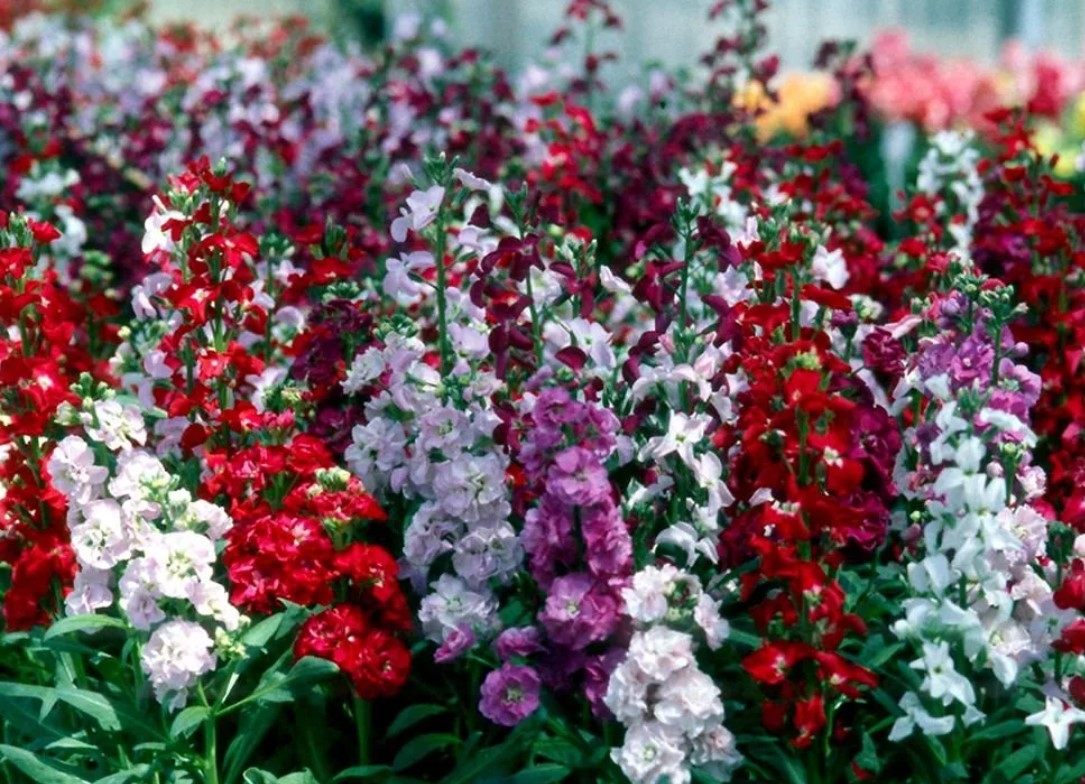
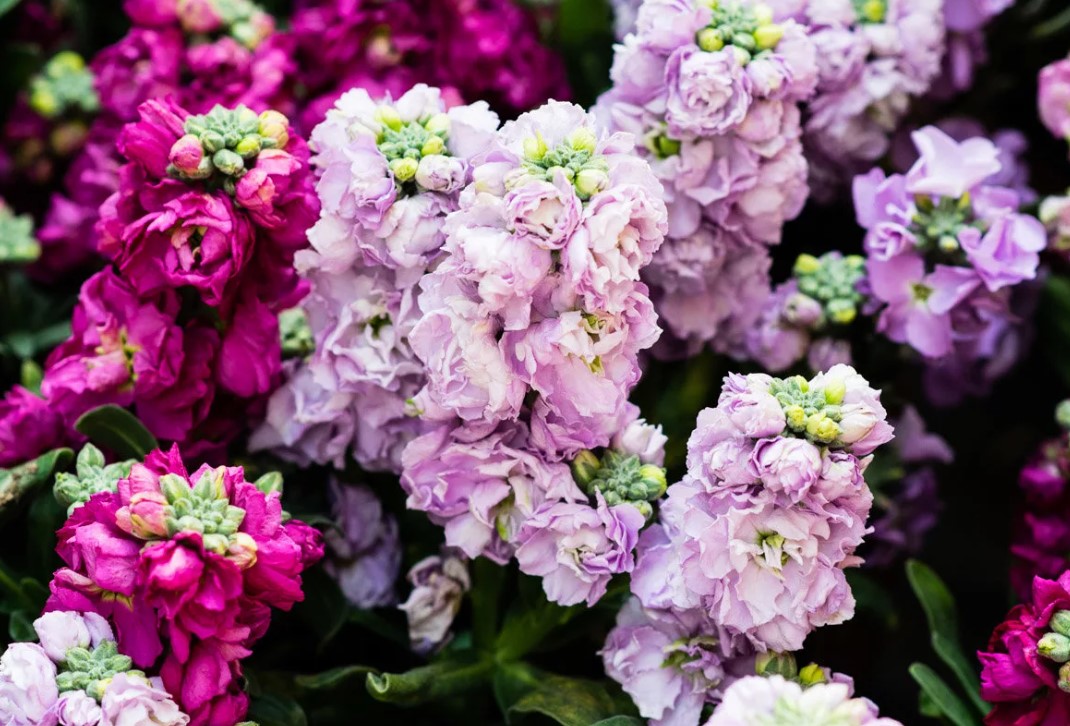
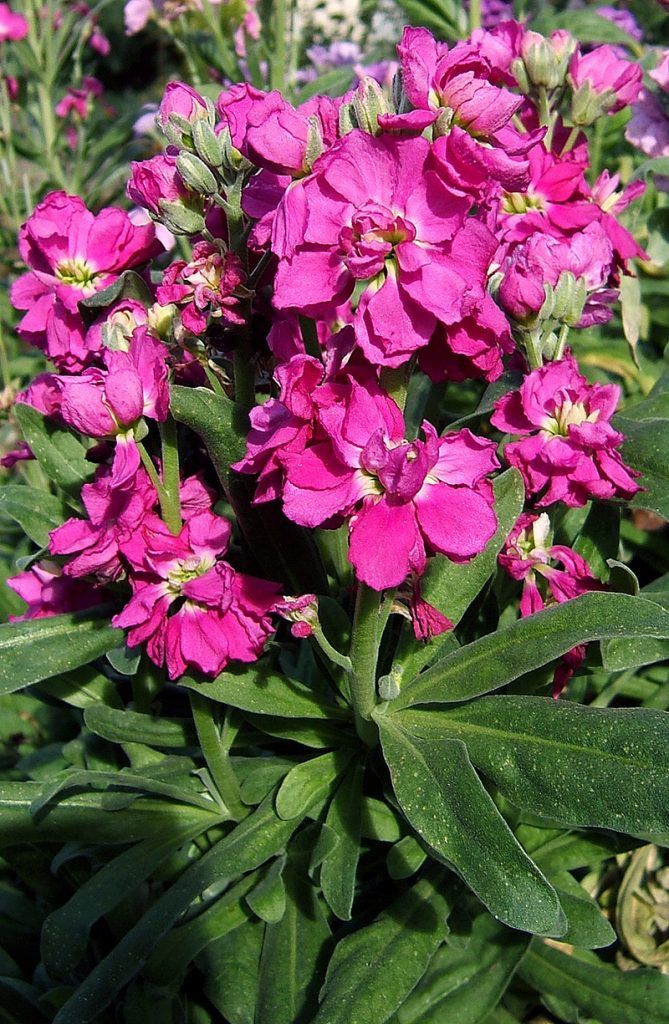
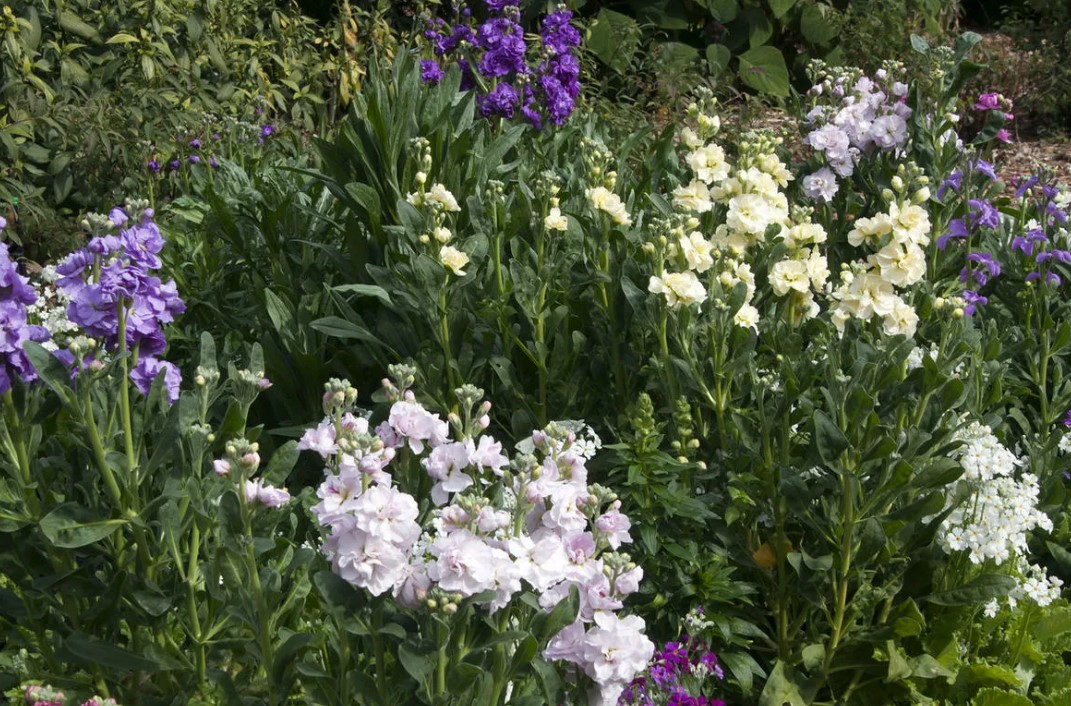
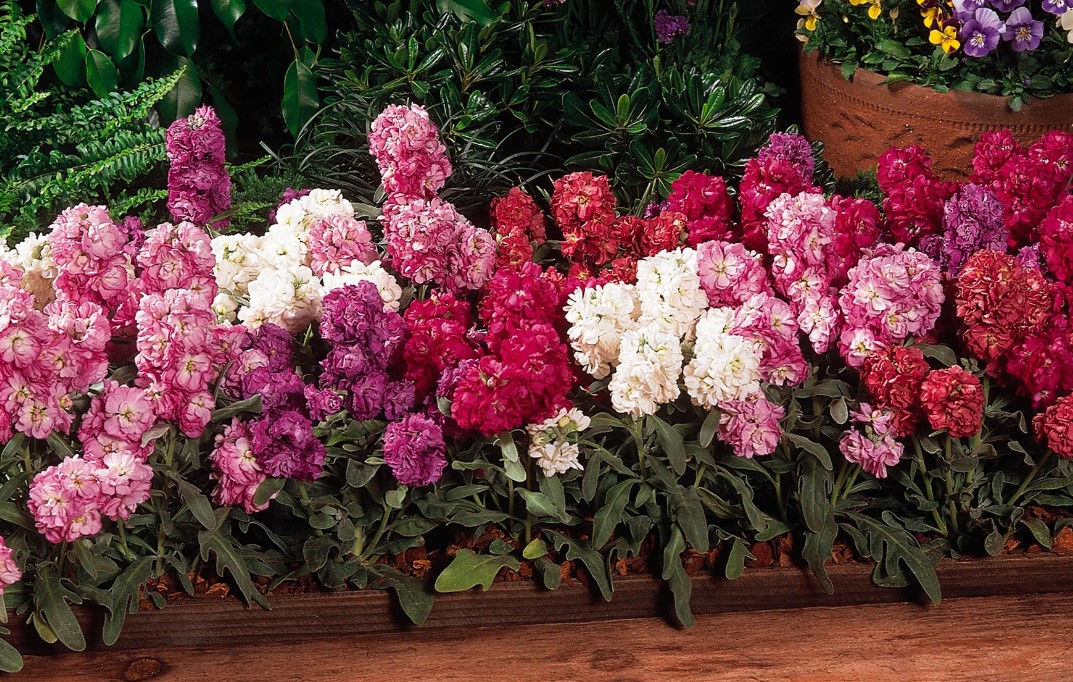
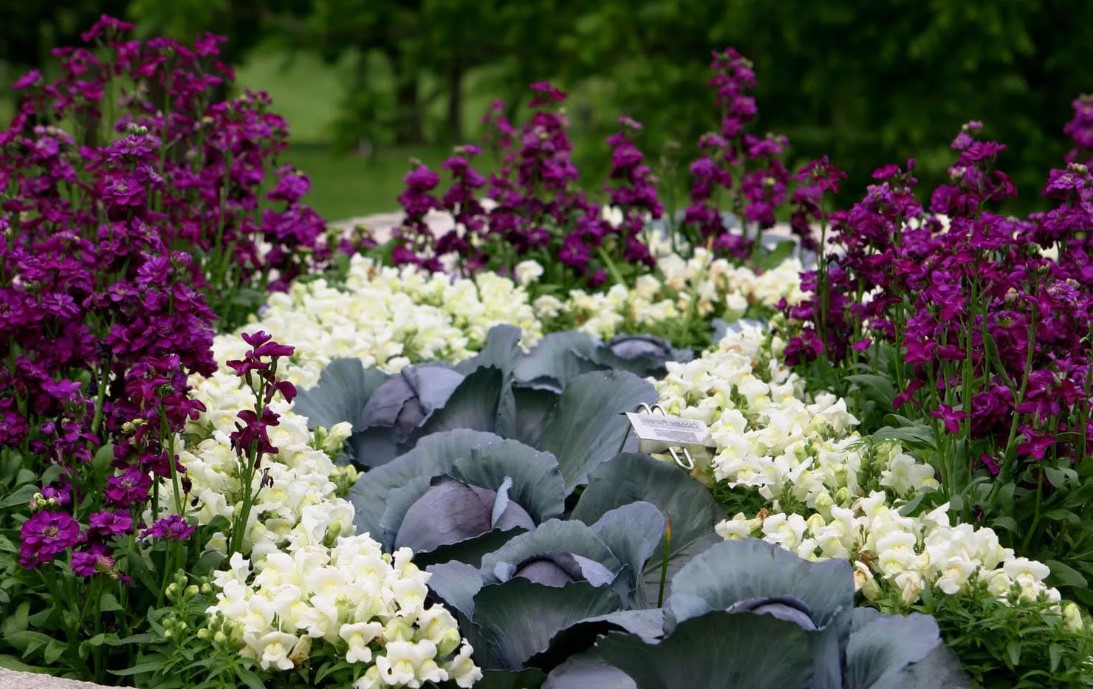
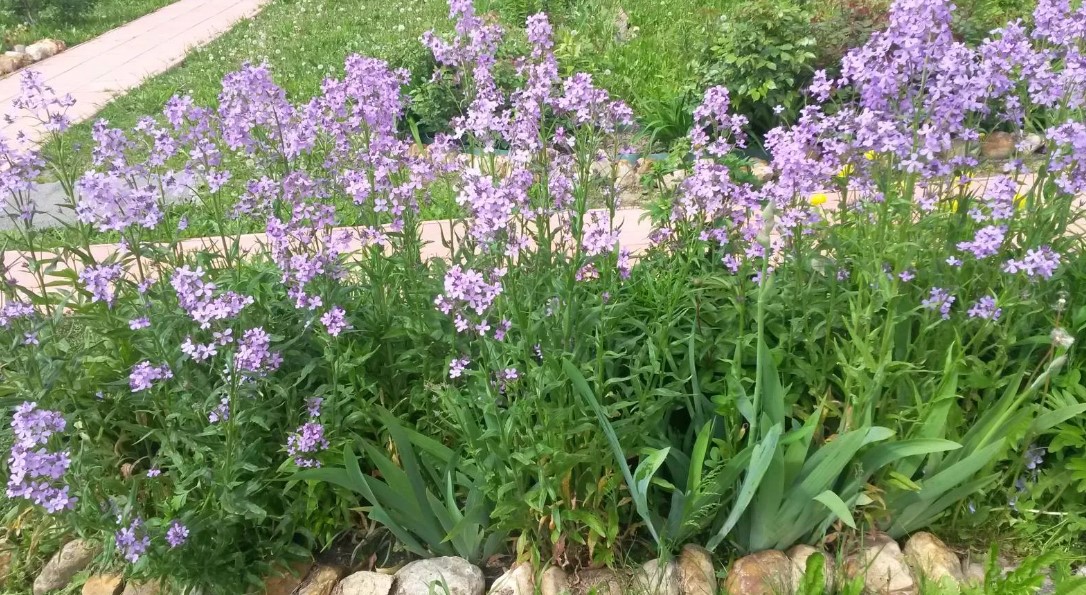
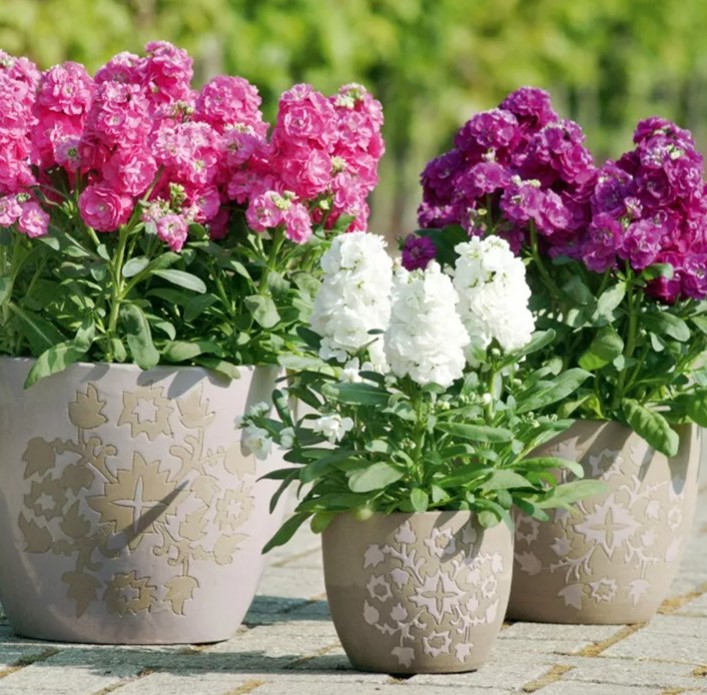
We grow mattiola in the garden.
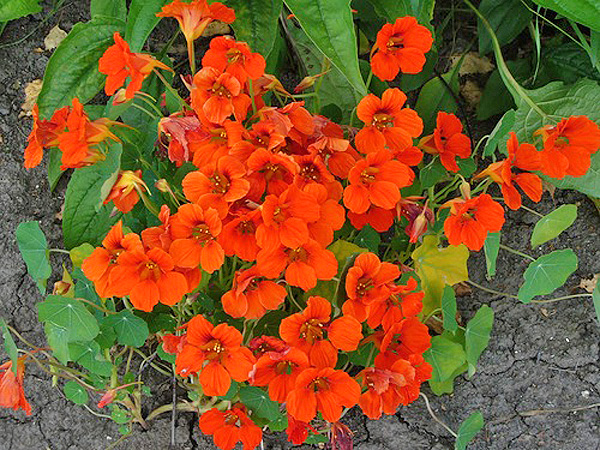
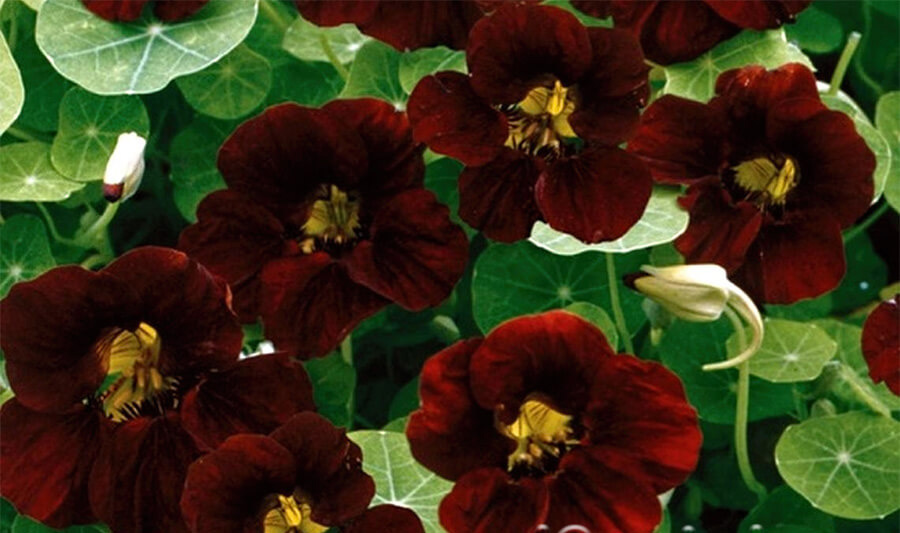
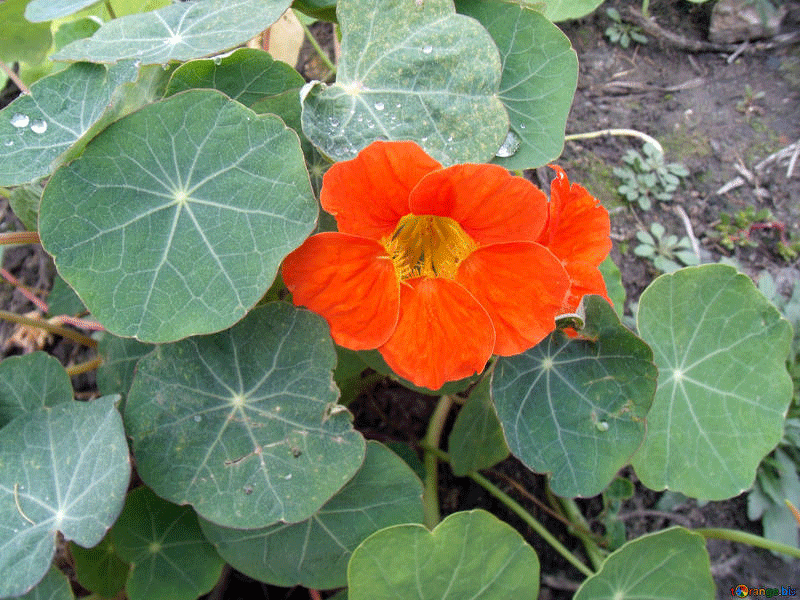
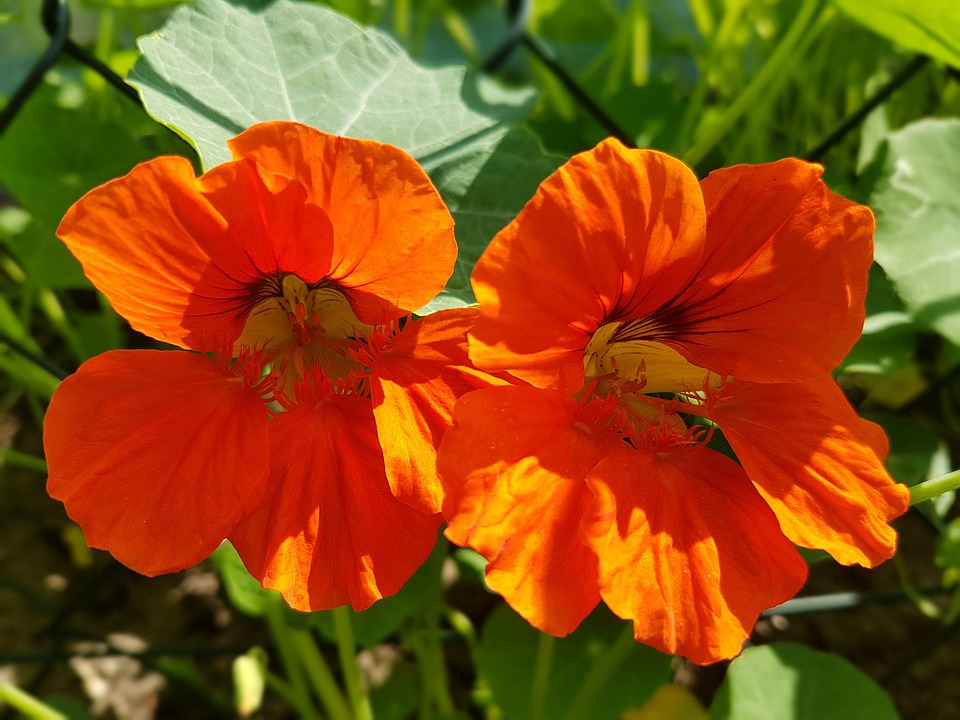
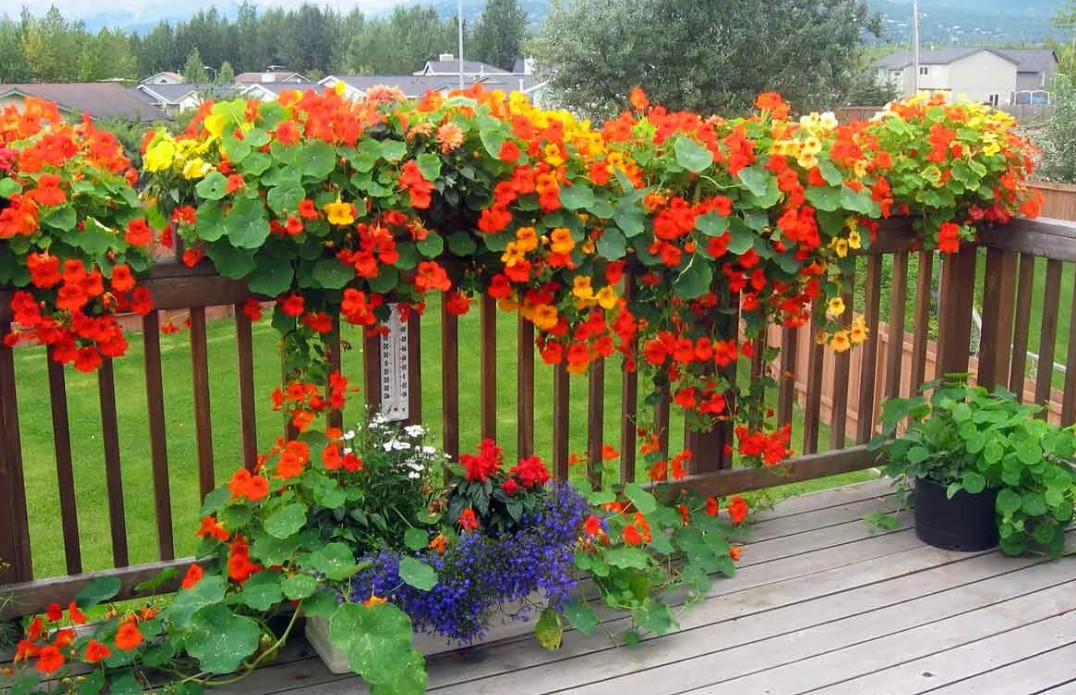
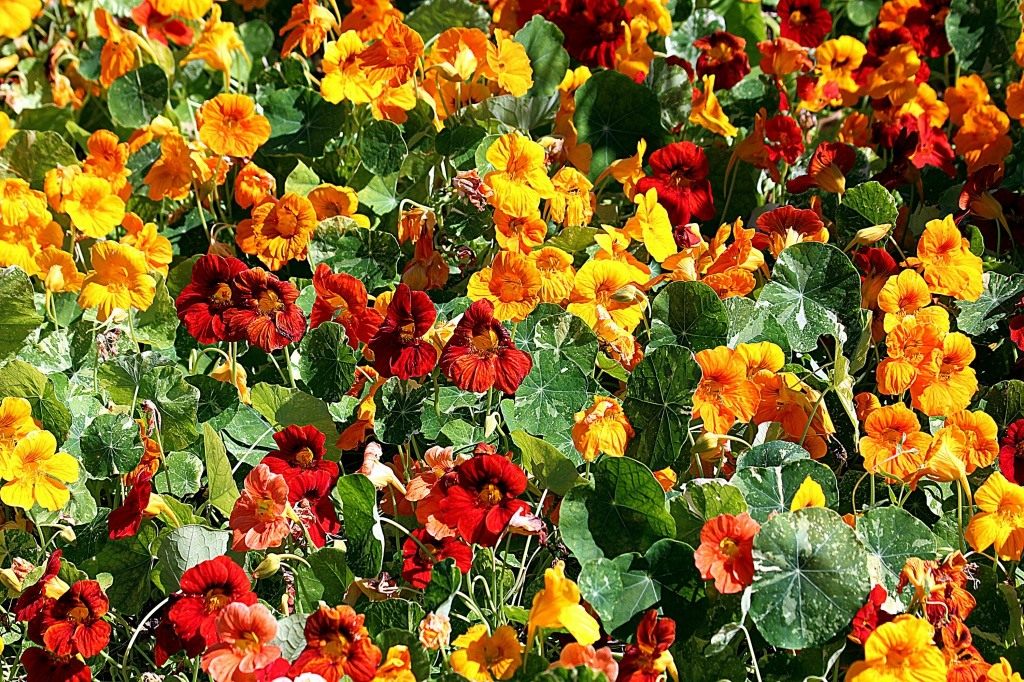
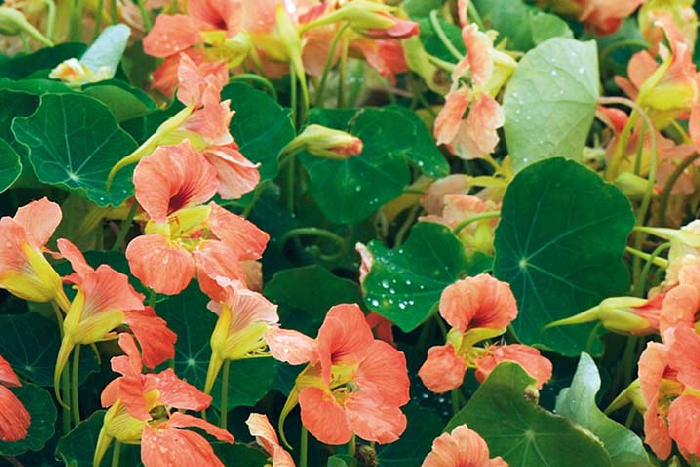
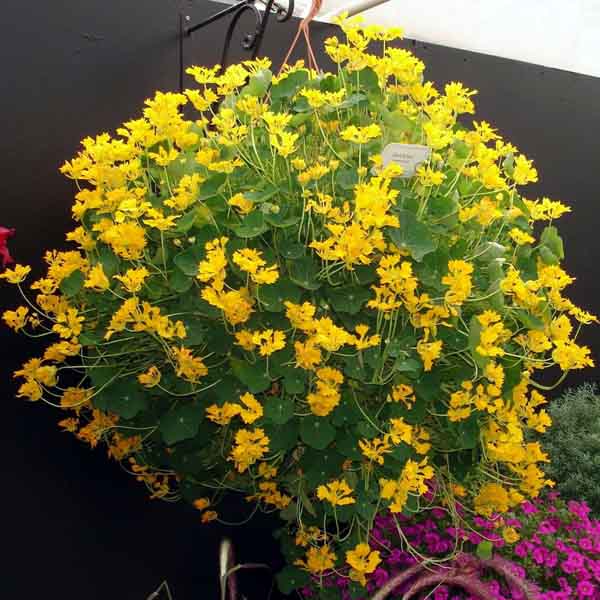
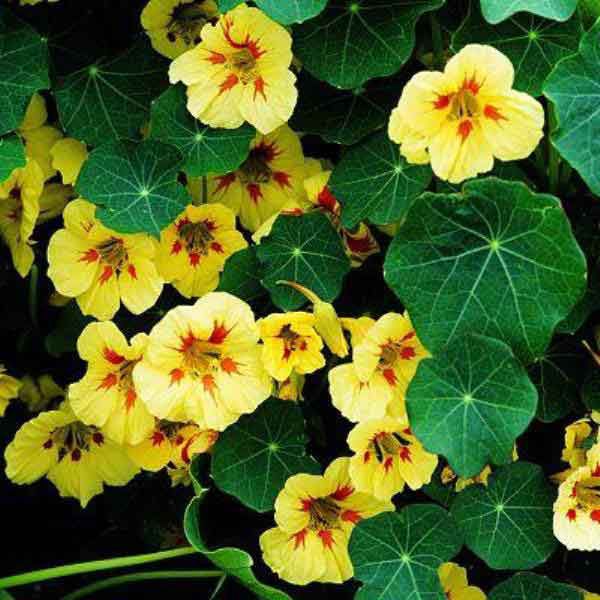
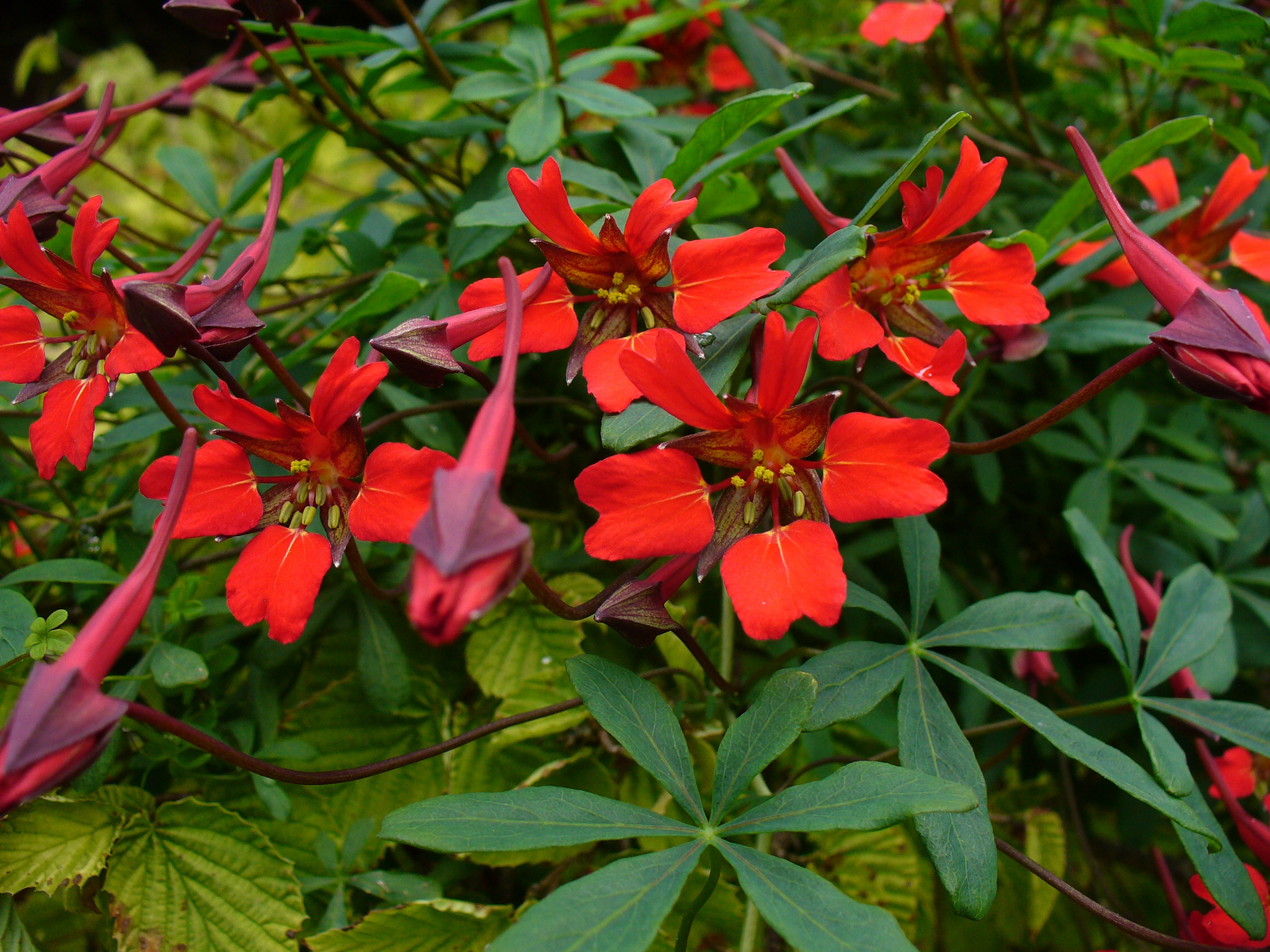
Nasturtium
Nasturtium It can be annual or perennial. The plant resembles a vine with double or semi-double flowers in shades of yellow or red.
The plant has southern roots, so the seeds are sown outdoors no earlier than May, when the soil has warmed to 12°C. The soil should be light and well-drained, and the bed should be well-lit. After planting, nasturtiums need regular watering; after flowering, watering should be reduced to a minimum.
Photo gallery
Nemophila
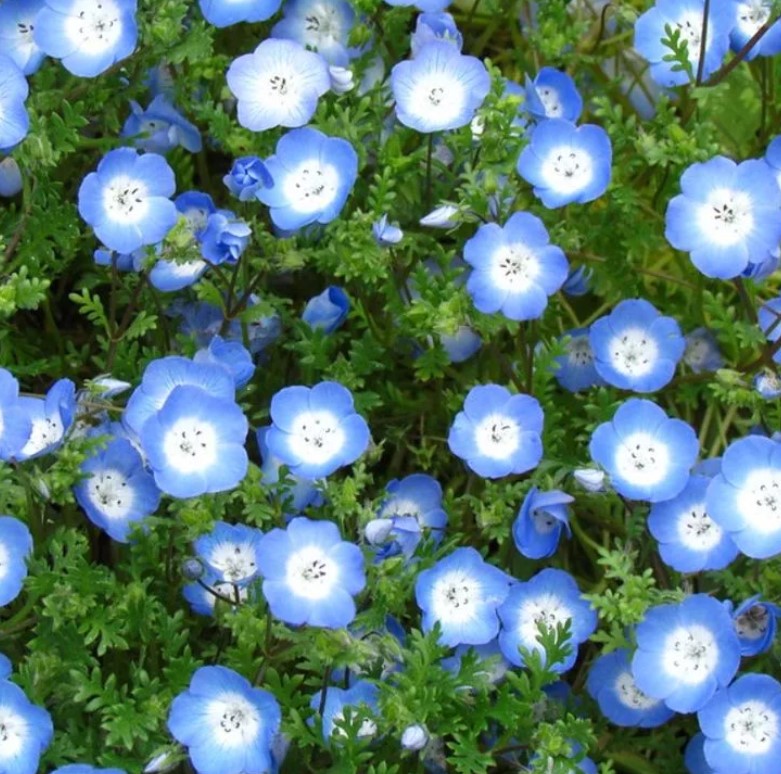
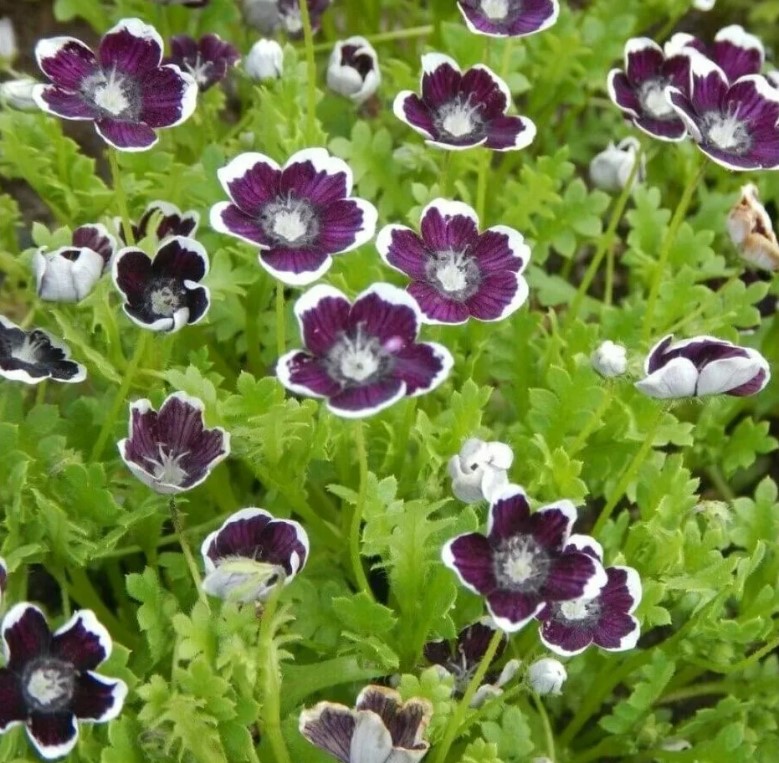
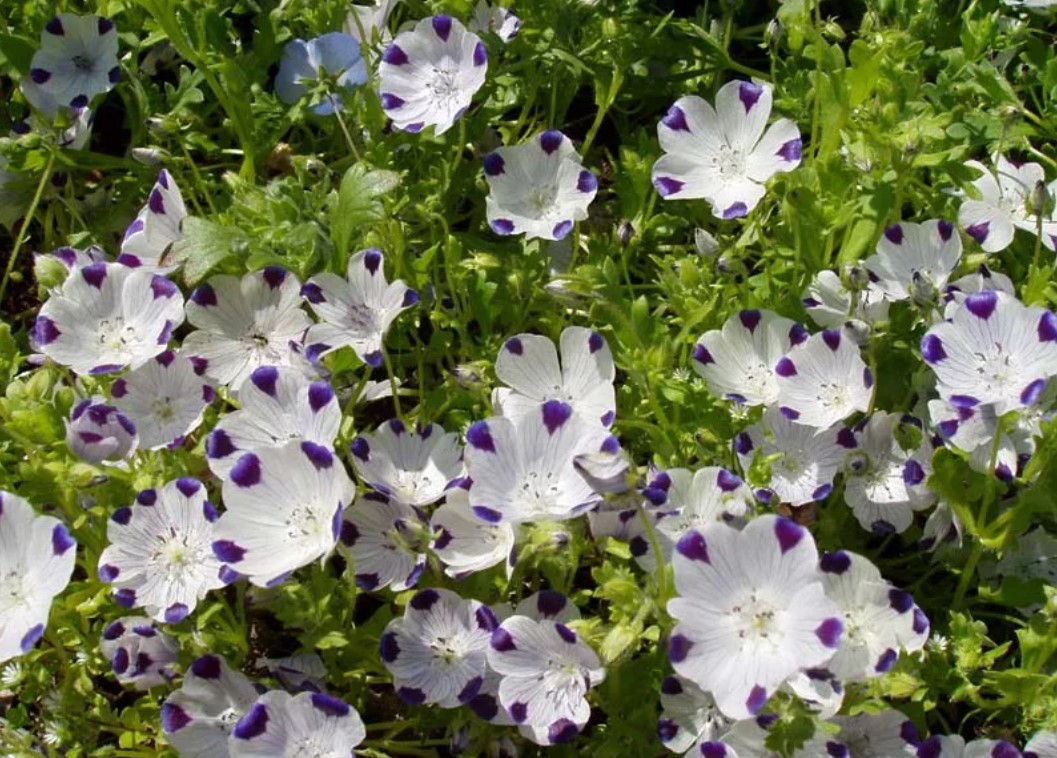
This flower is called the American forget-me-not; its color depends on the variety and can be white, bluish, and even dark burgundy, almost black.
Seeds are sown in the first half of May, provided the soil temperature is at least 10°C. The plant prefers moderate light, but a sunny location is better than a shaded area.
Photo gallery
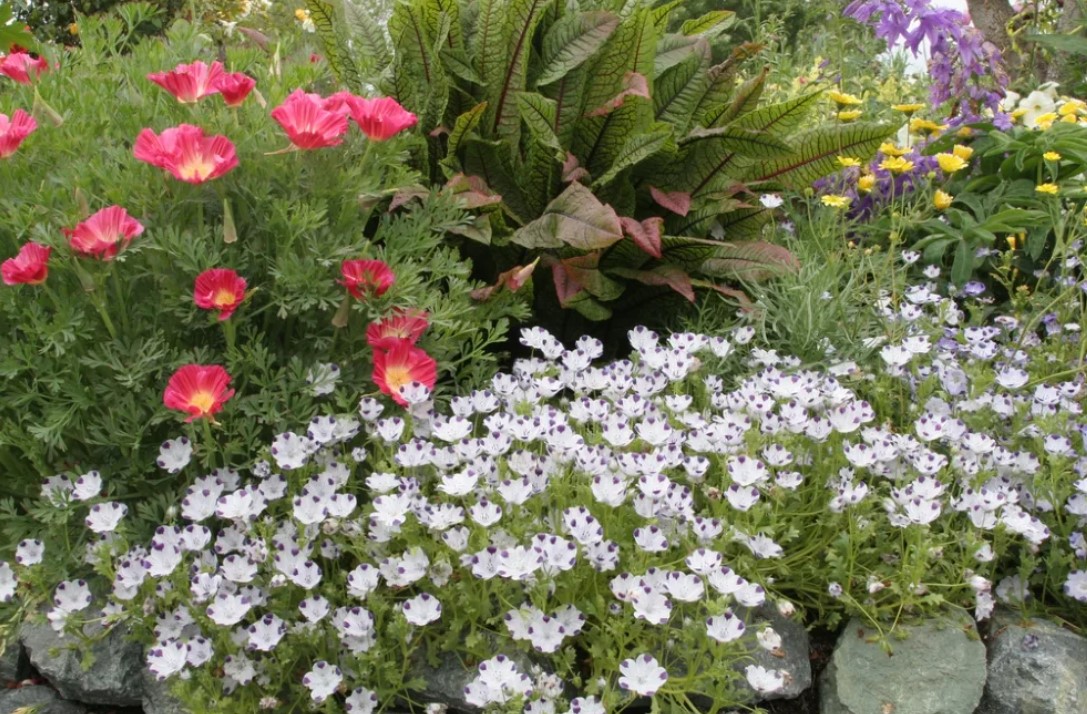
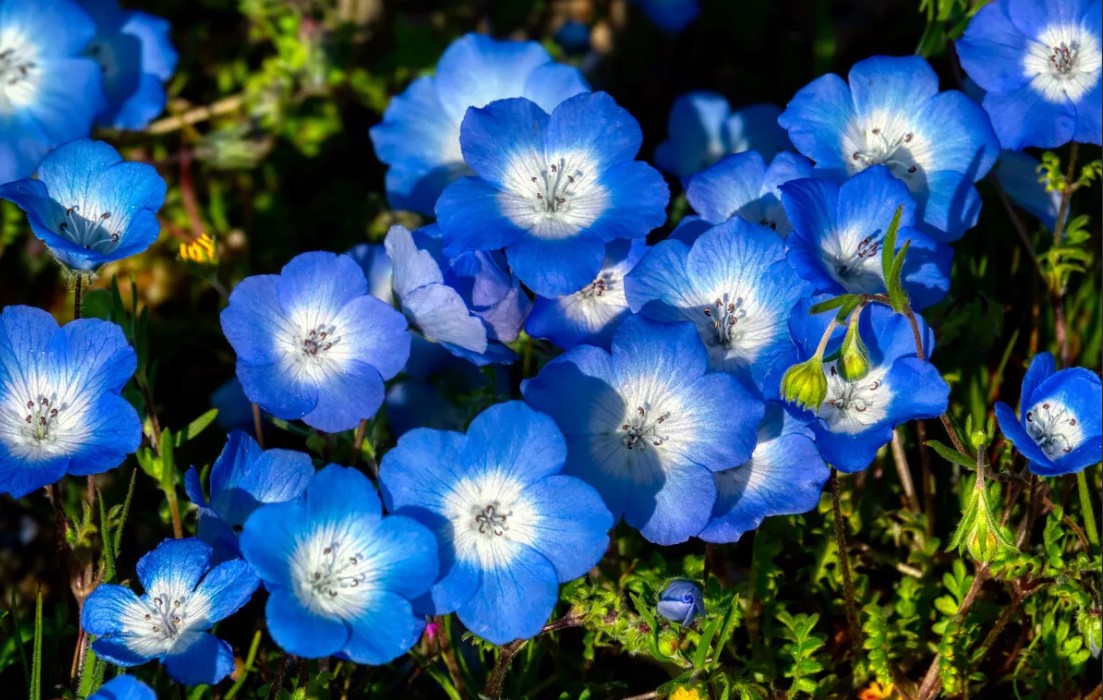
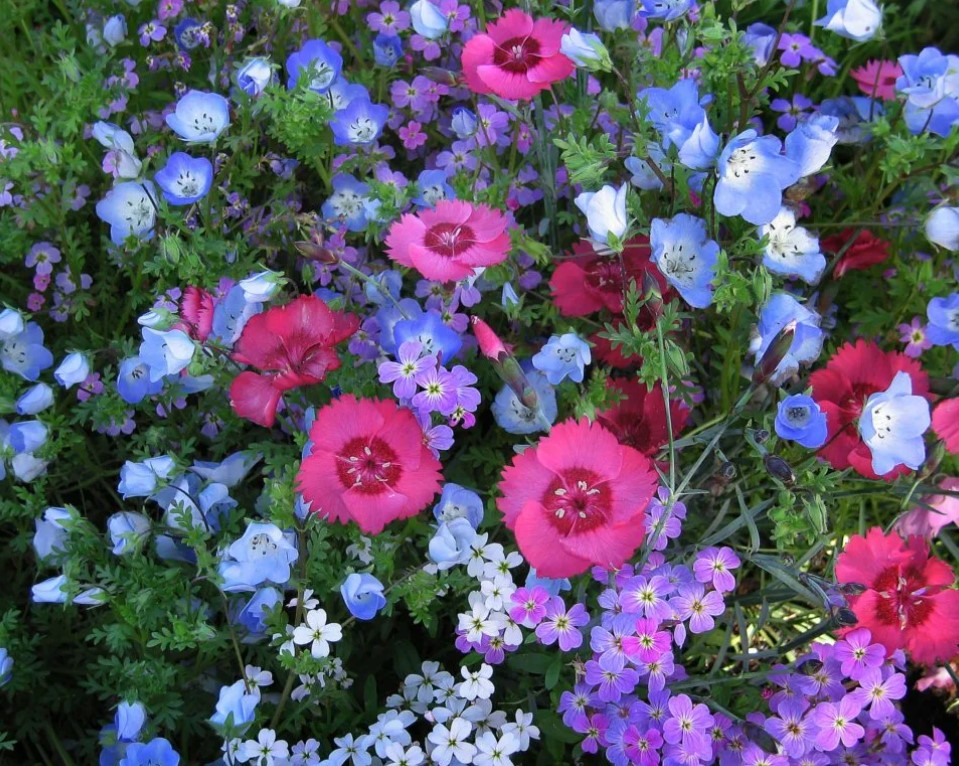
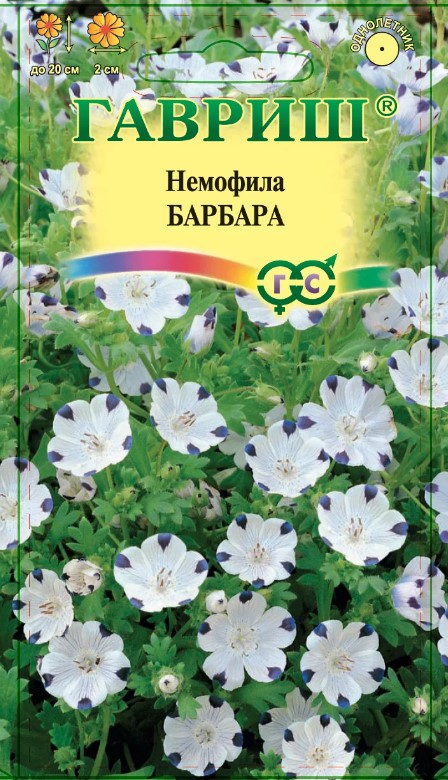
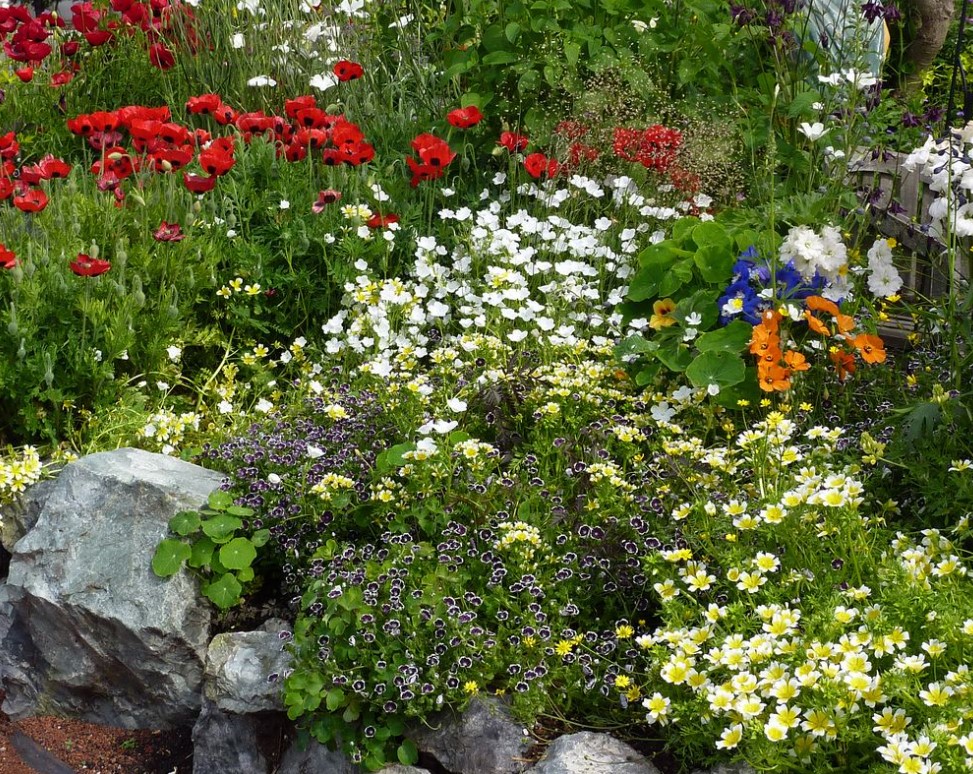
The article covers the flower, its varieties, and how to grow it. Nemophila: description, varieties, planting and care features.
Review
Good day to all, friends!
I've written about how much I grow flowers many times before. But last season I planted a nemophila flower for the first time.
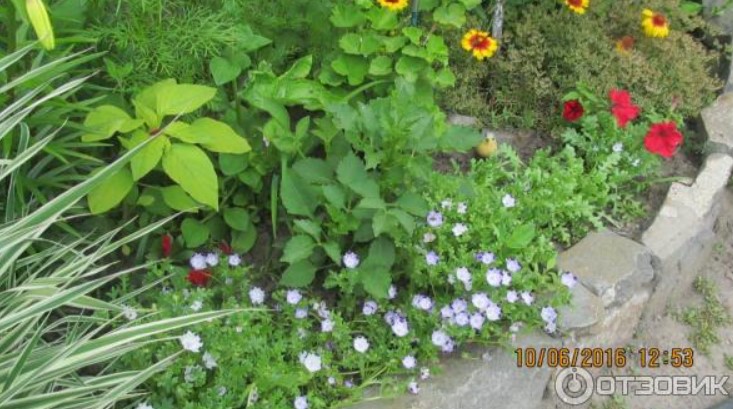
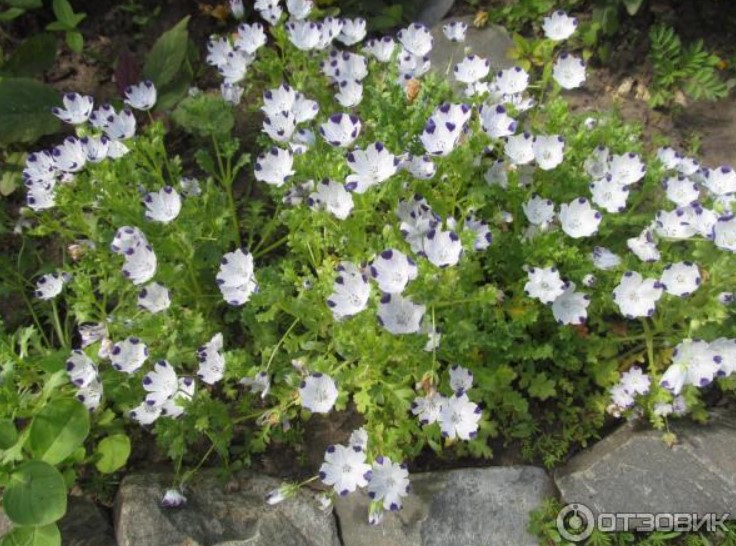
This annual plant is classified as a groundcover; its stems trail along the ground and it grows no taller than 30 centimeters.I have it growing along the border.
It bloomed at the end of May. Its flowers are beautiful and unusual—white with purple speckles:
I sowed the plants directly into the ground in early spring. Nemophila blooms for about a month. Sometimes it blooms again in the fall, but then I'd have to plant it a second time around July, which I didn't do.
After flowering, the plant wasn't particularly decorative; I had to simply remove all the bushes. Nemophila is said to self-seed well; if so, it should sprout on its own in the spring.
Loves fertile soil and a sunny location - then the flowering is more lush and abundant.
Although this flower doesn't require much attention, it does need to be watered regularly. Our summers are dry and hot, and if you don't water it for a day or two, the leaves will immediately turn yellow and wilt.
I can say that the flower is beautiful (though, for me, there are no ugly flowers!), but in the conditions of our summer, when it rains very rarely and is constantly hot, it will not survive without watering.
I would recommend planting it to those who have enough time to care for their flower garden.
Grow flowers and admire their beauty!
Nigella
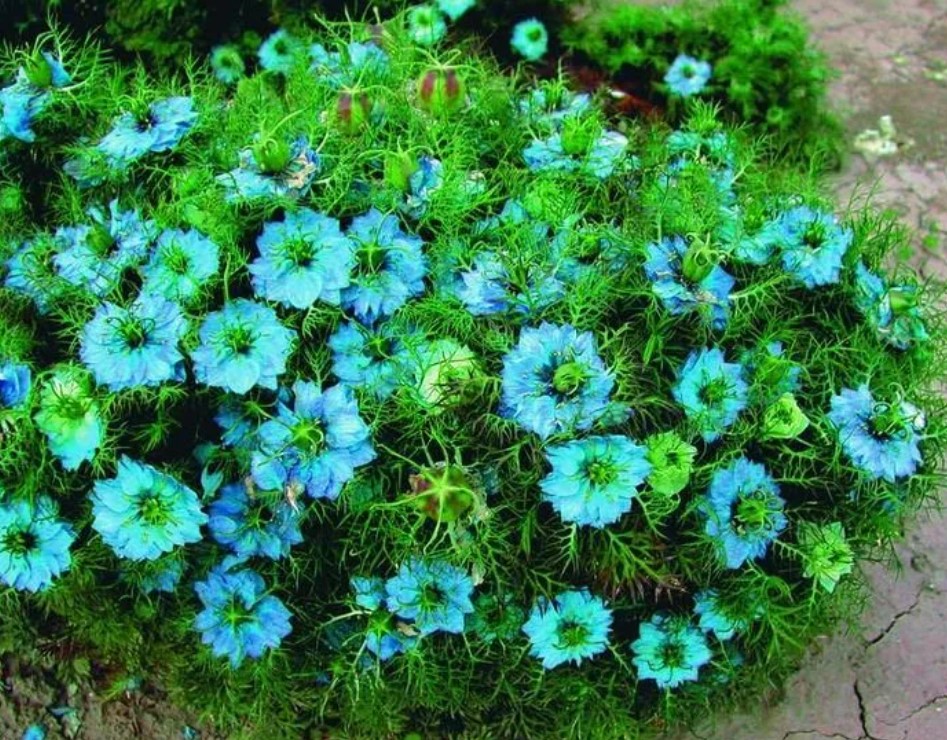
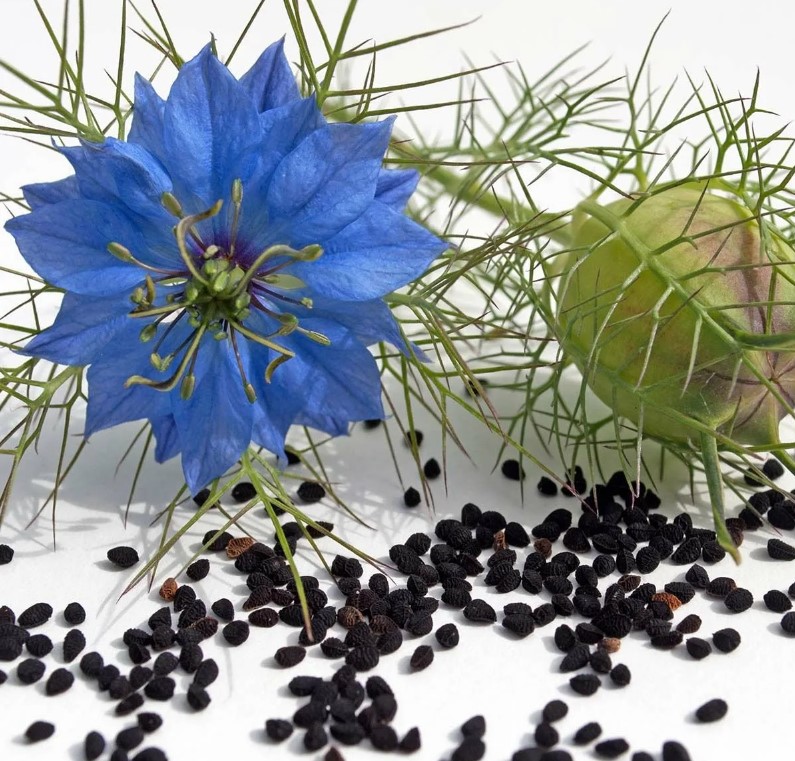
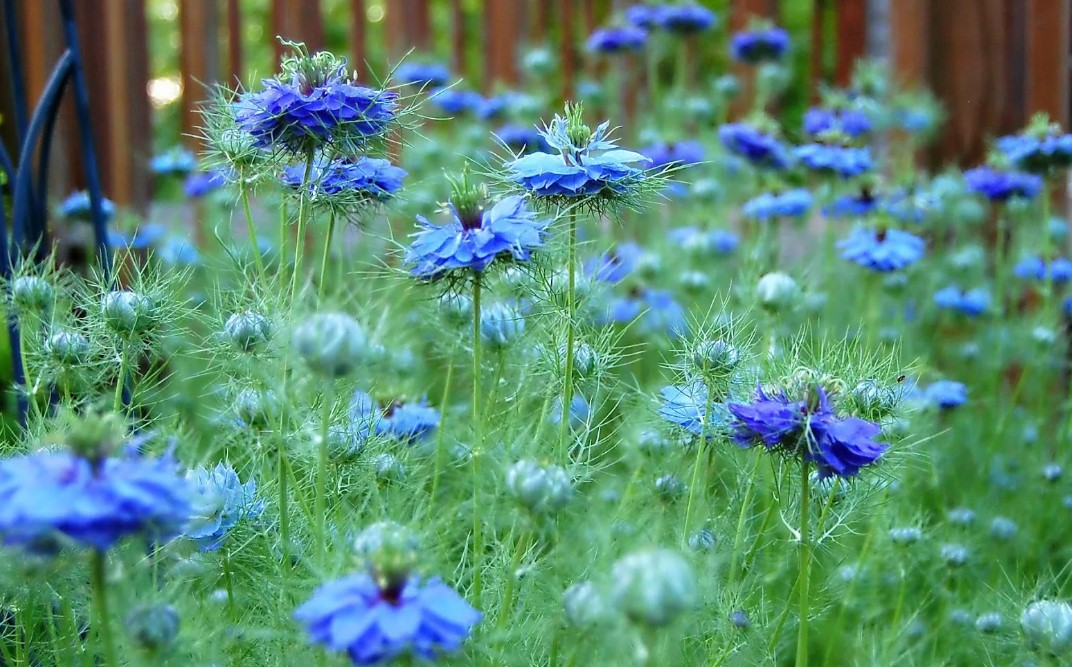
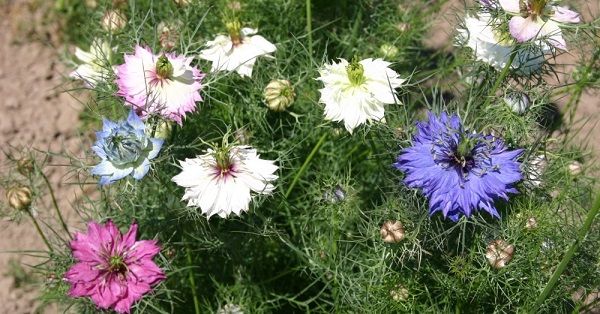
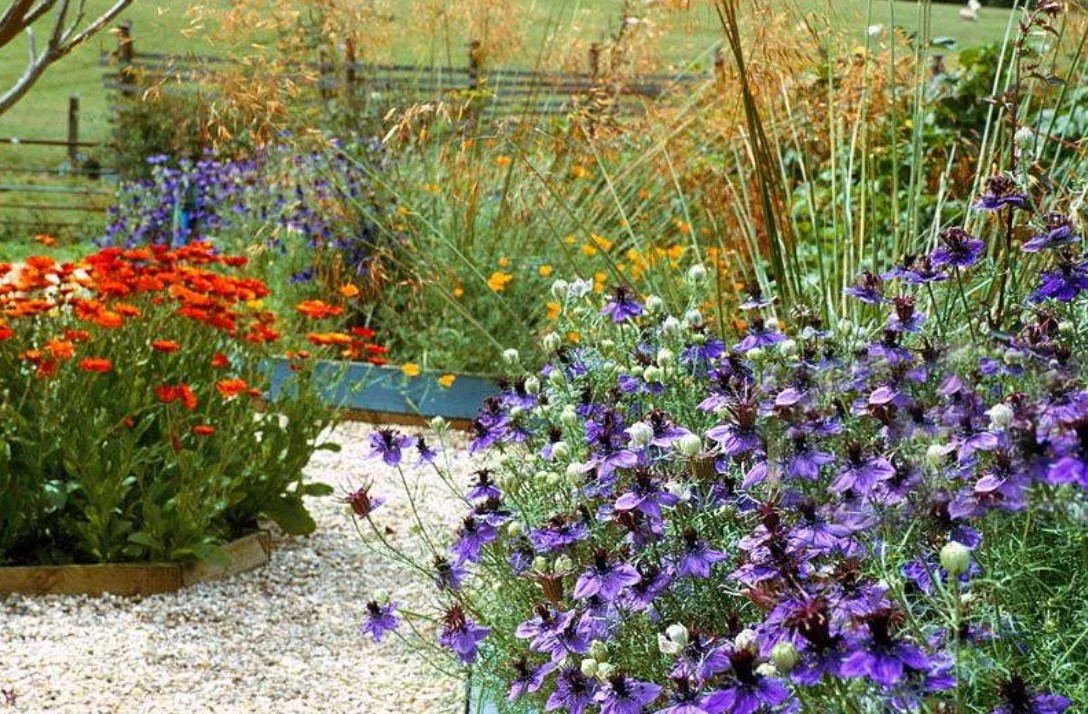
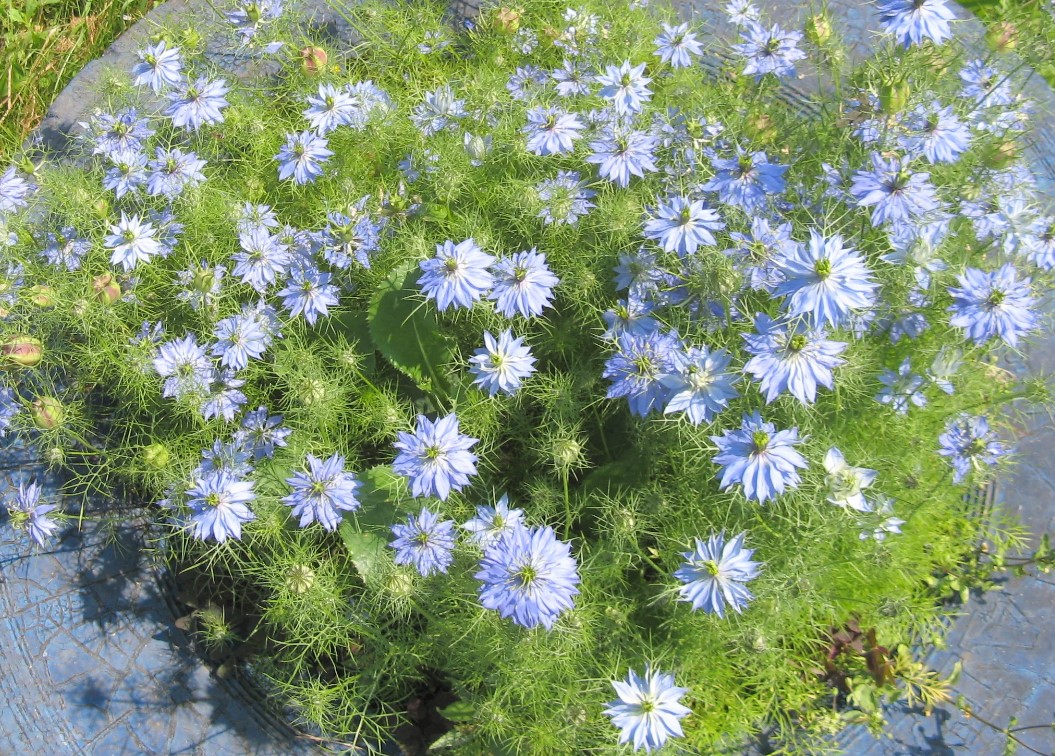
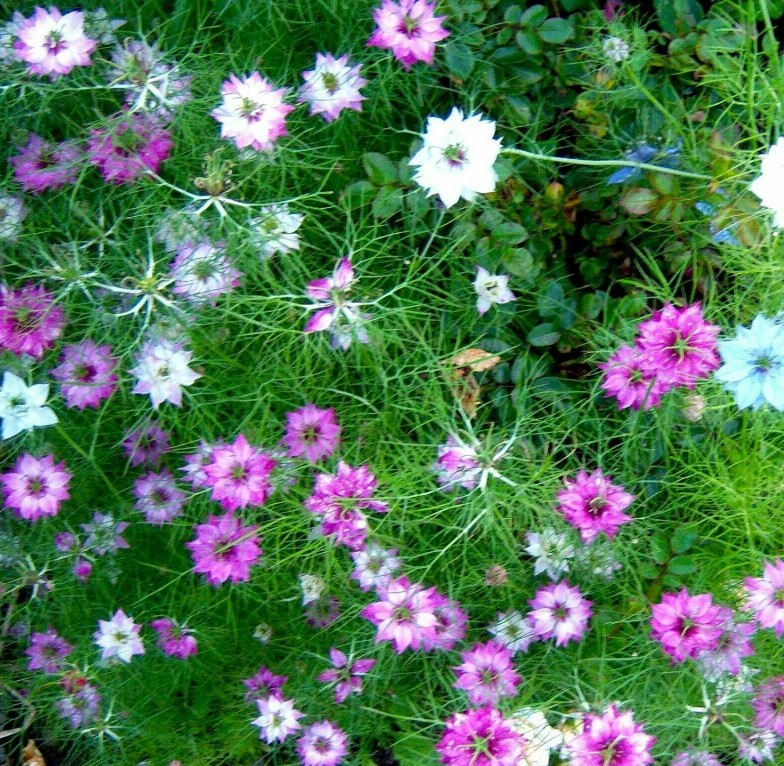
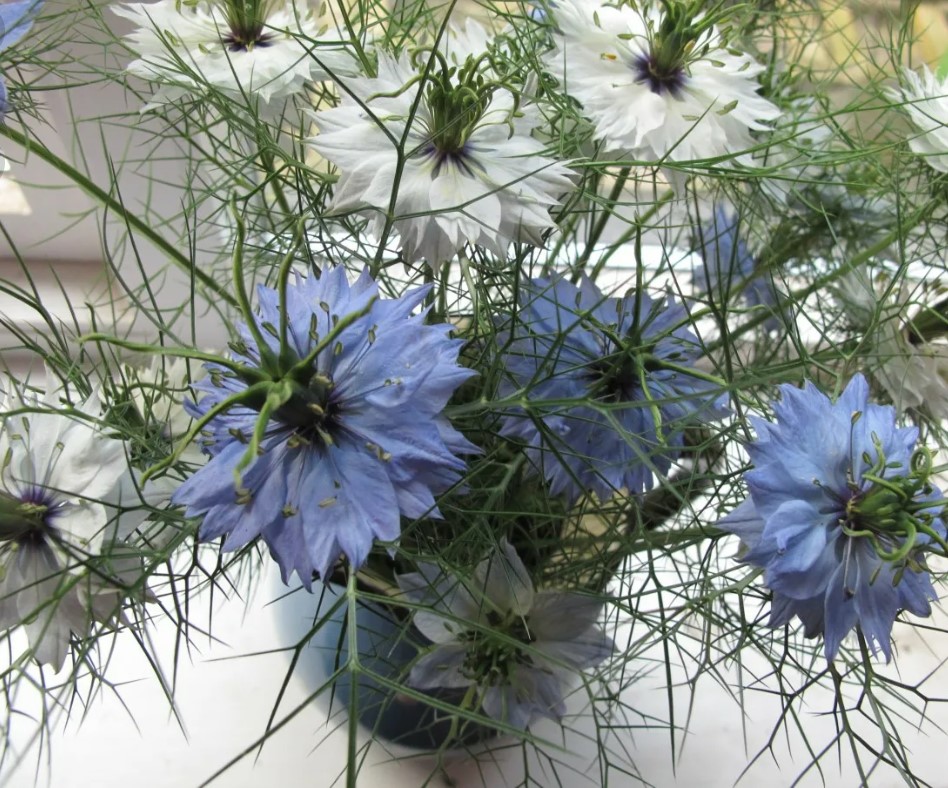
This annual flower from the buttercup family is also known as black cumin. Its leaves and stems resemble dill, and the shoots are crowned with a single inflorescence of white, bluish, or pink.
Sowing is done in late April or early May. To ensure continuous flowering, gardeners recommend repeating the sowing every 2-3 weeks. After planting, it's advisable to cover the flowers for the first few days until the threat of frost has passed.
Nigella It does not tolerate the transplanting procedure very well, so it needs to be planted directly in a permanent bed.
Photo gallery
Mignonette
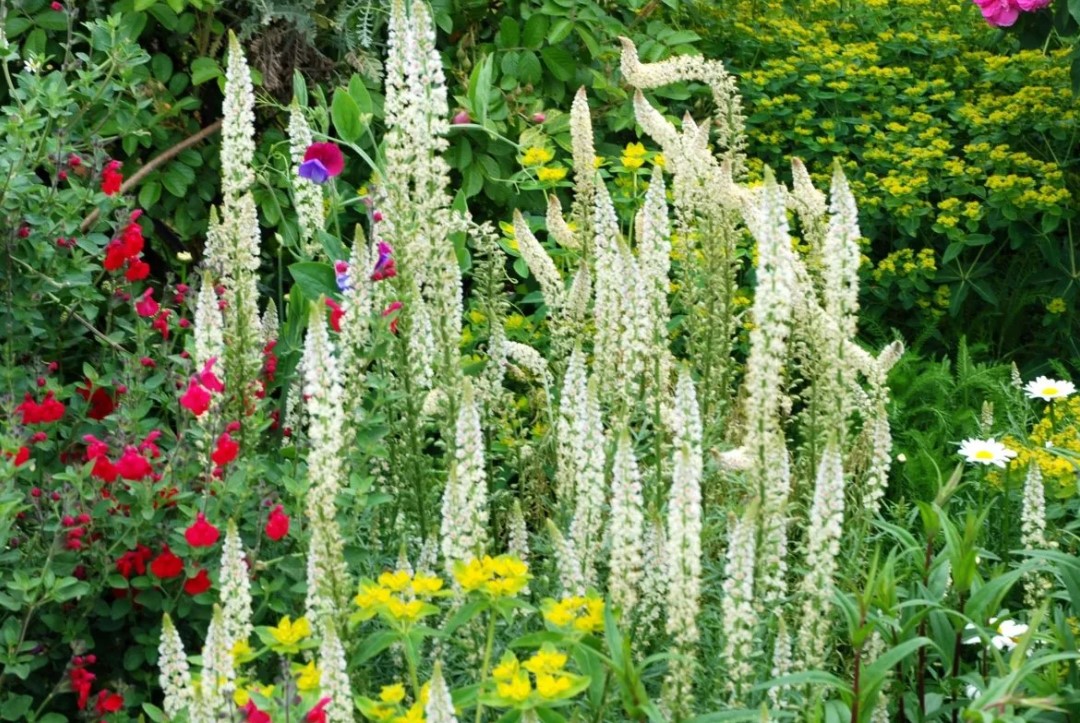
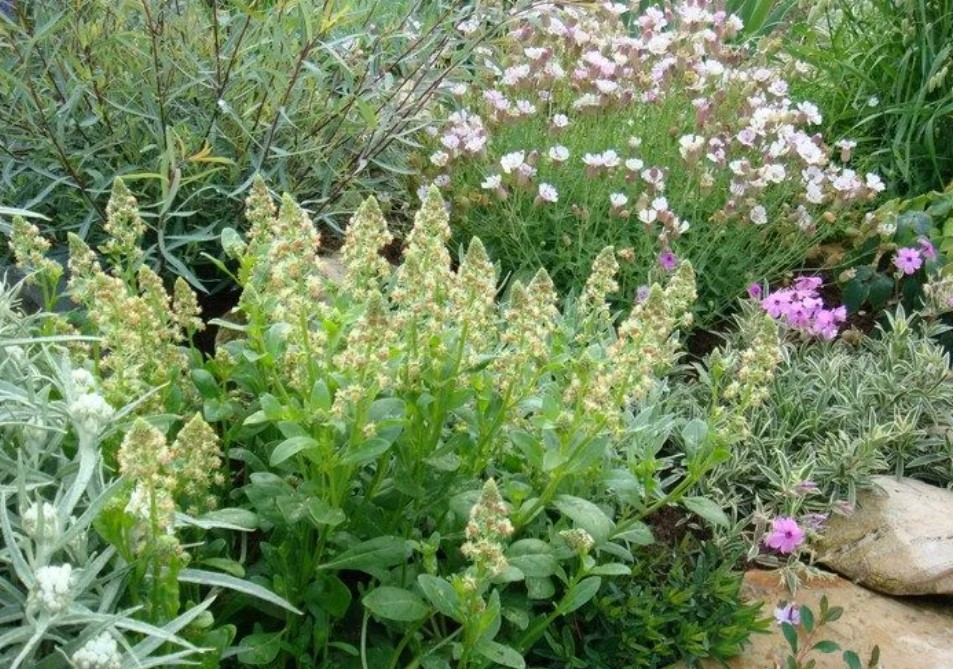
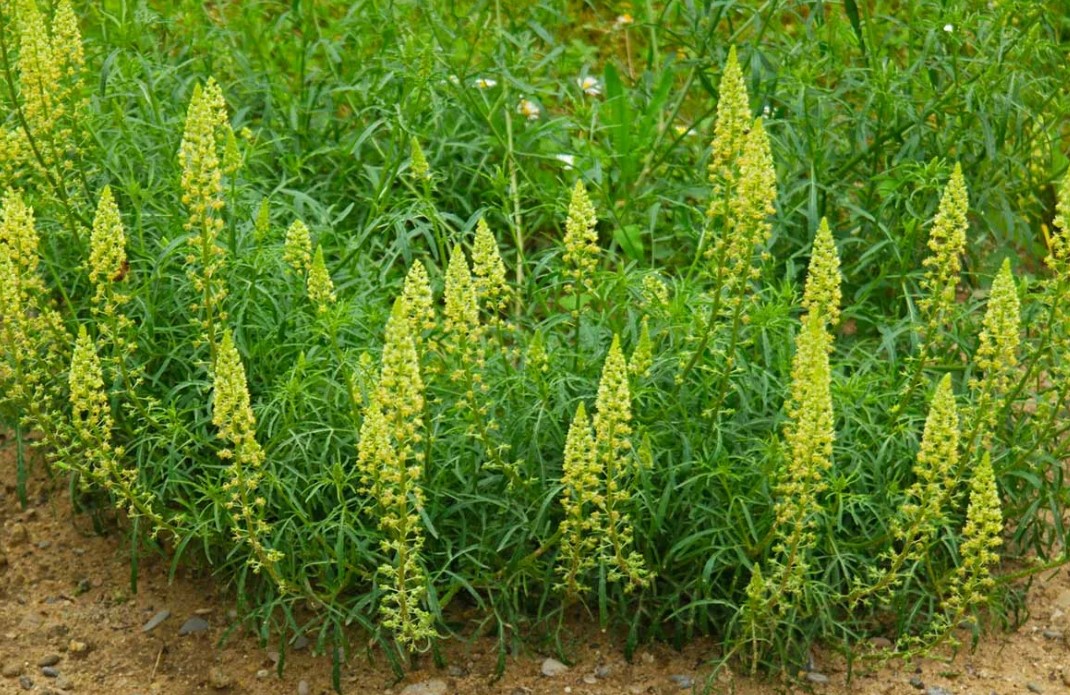
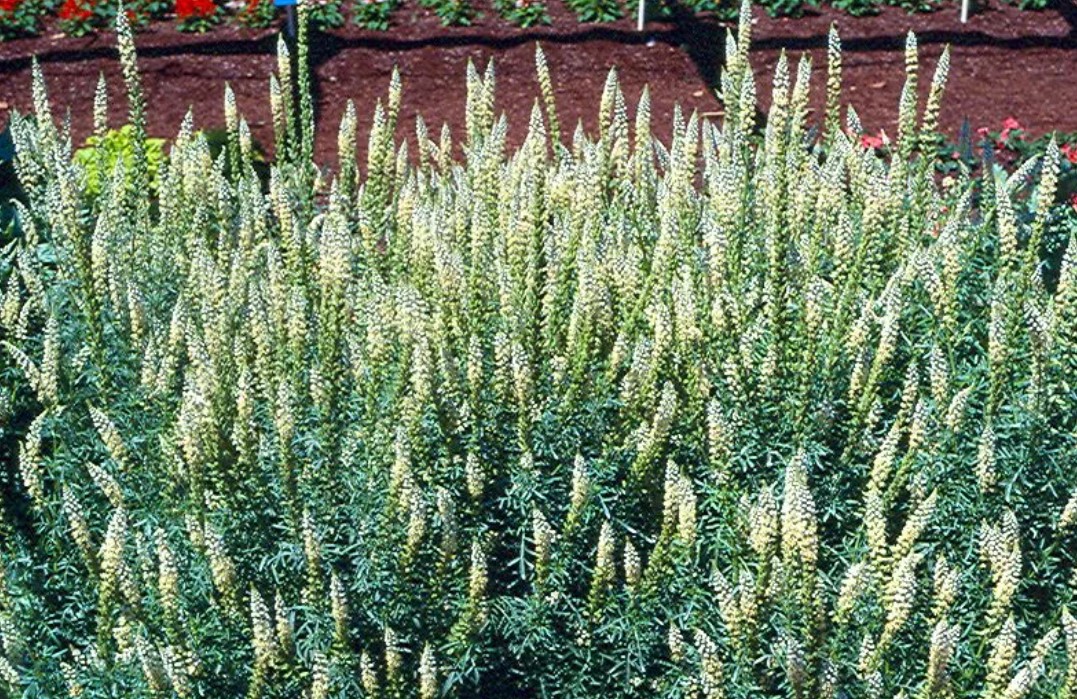
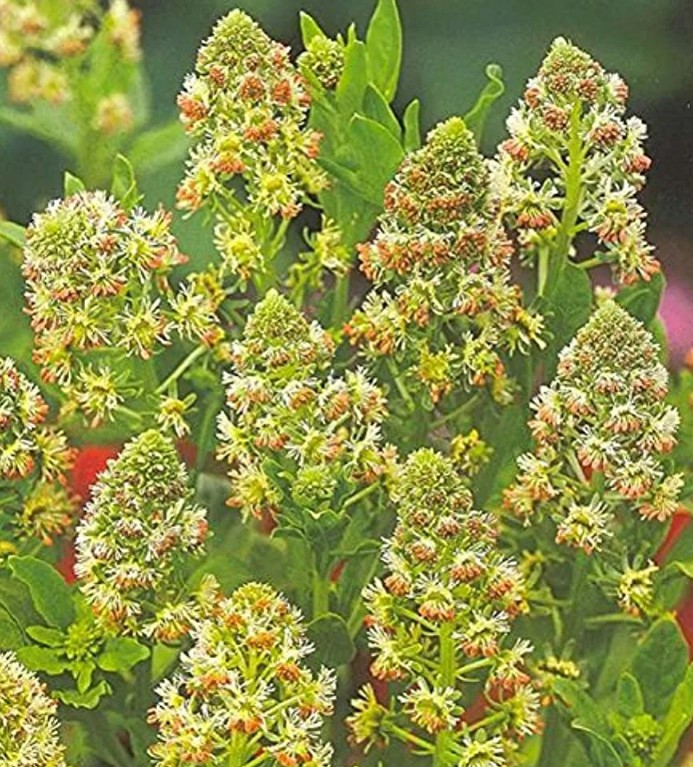
Reseda is an annual plant up to 40 cm tall with small greenish, white or reddish flowers.
Seeds in open ground mignonette Sow in May, leaving 1-2 cm between seeds and not planting deeper than 2 cm. Water with a watering can with a diffuser, as the seeds are very small and water can pull them deep into the soil, delaying germination. Once emerged, thin out the shoots to 12 cm intervals.
Photo gallery
Review
Last year, I accidentally planted a mignonette plant. This year, I've already planted three clumps, mostly because so many of the seedlings survived. Then, while weeding the flowerbed, I smelled a delicate aroma. A bit like violet. I started looking for the source. It turned out to be mignonette! Now this plant will have a permanent home in the flowerbed. I take a few sprigs home and place them "under my nose," by my bed, for example. The scent isn't strong, of course. But I can smell it.
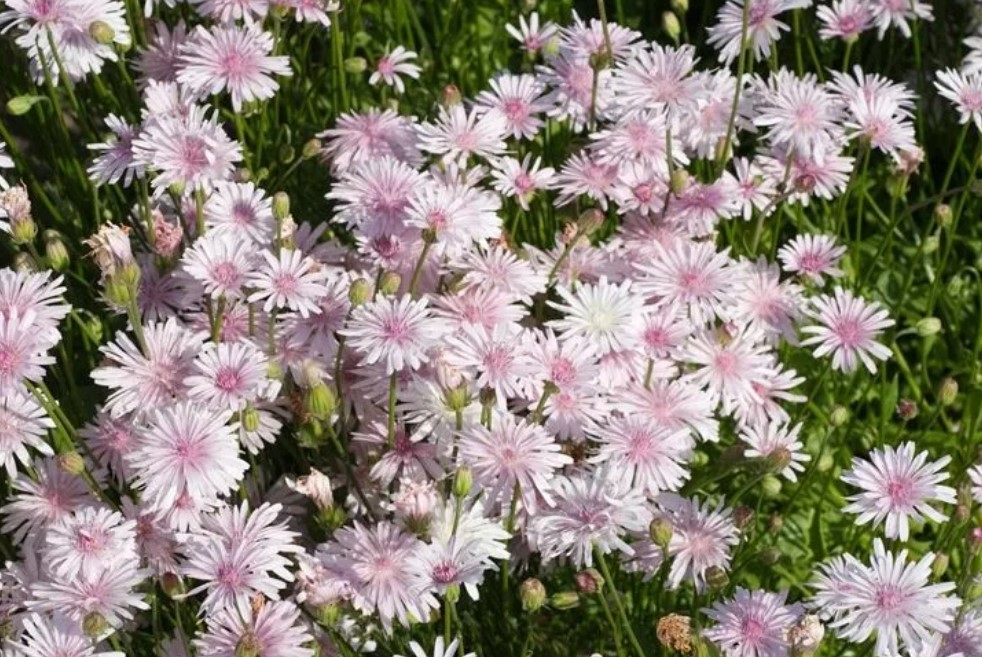
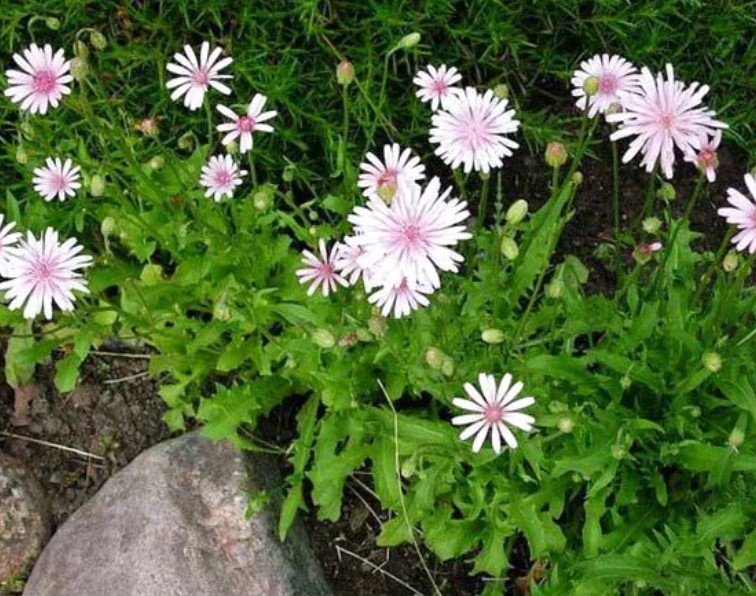
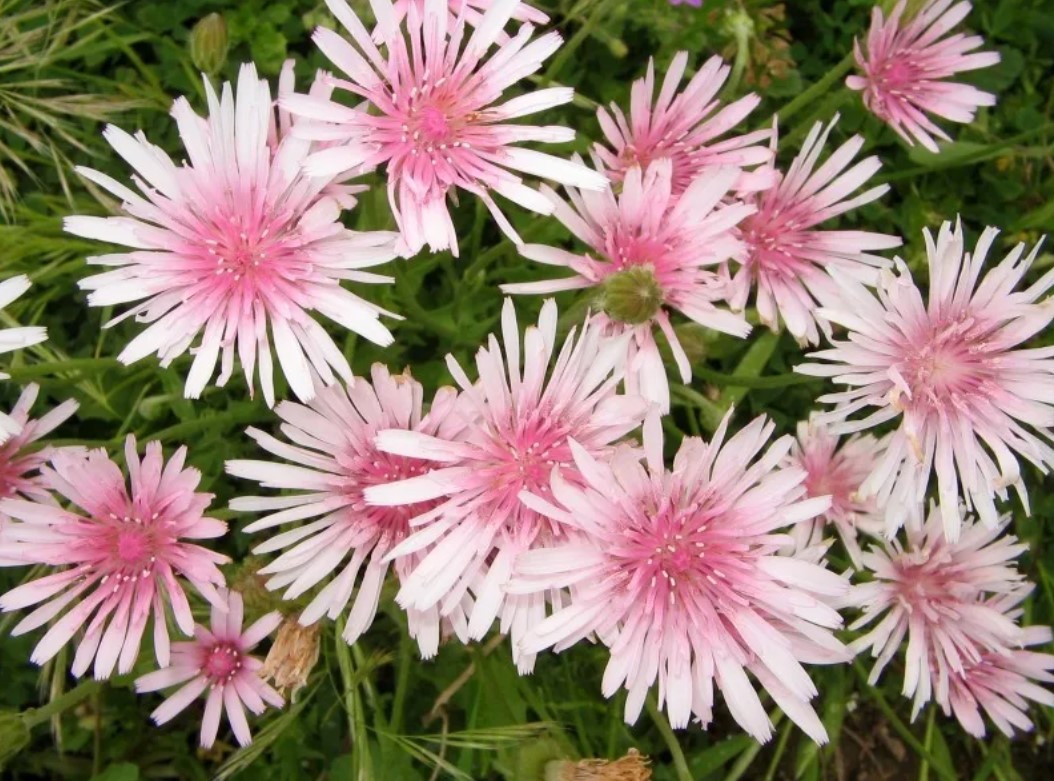
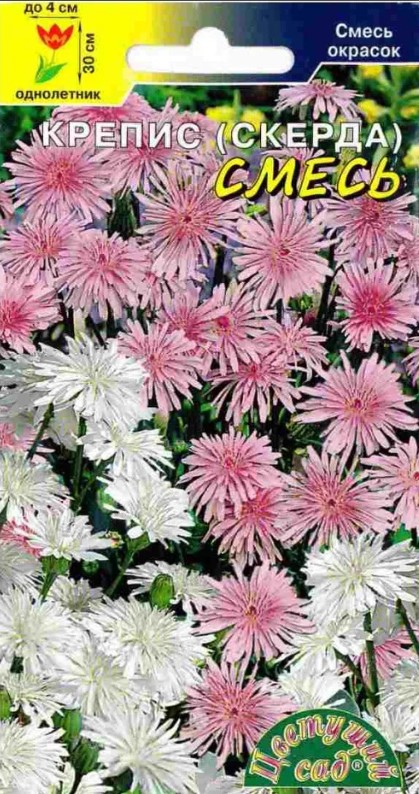
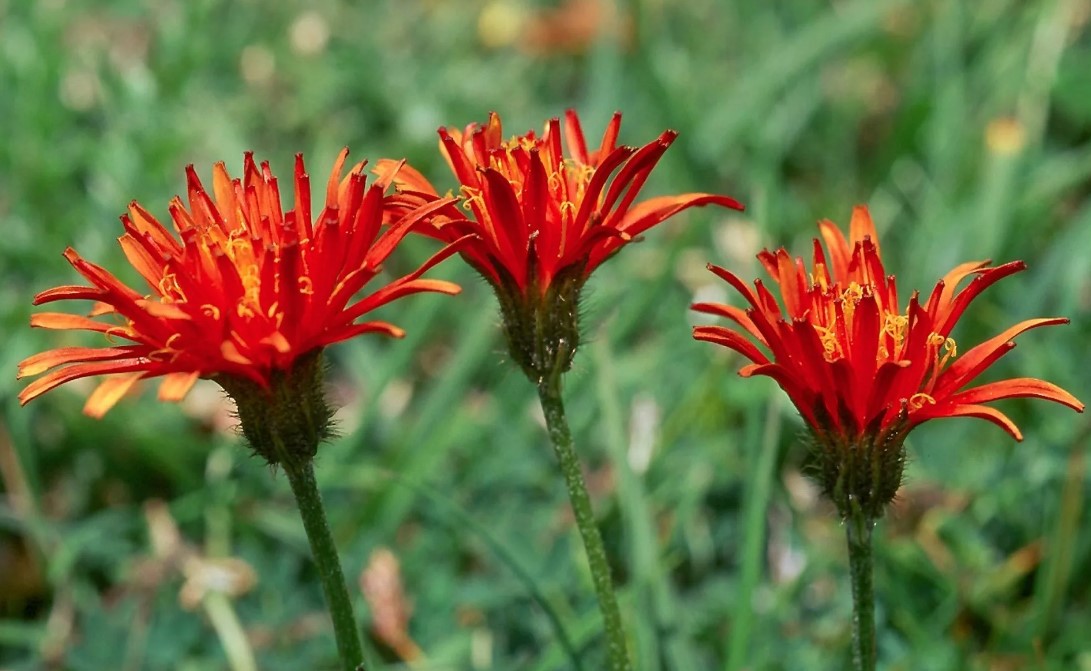
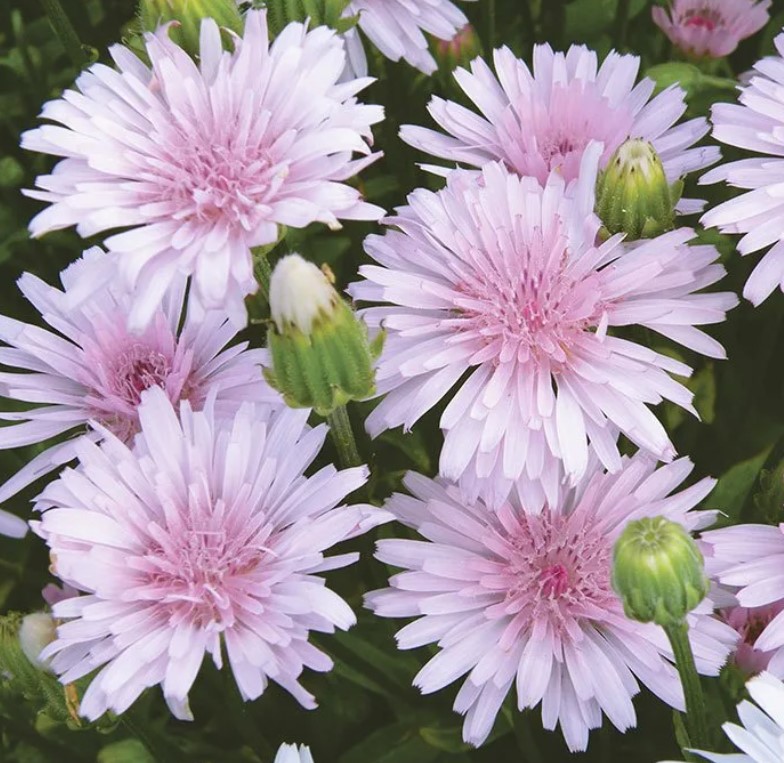
Skerda
The plant can be perennial or annual, and is commonly known as "gorlyukha." The flower resembles a dandelion, but comes in colors other than yellow, including red and pink.
Seeds can be sown starting in the second half of April, but they will need to be covered with plastic film. Sprouts will appear in 7-10 days. Additional seeds can be sown if necessary. Bloom Skerda will begin in the second half of June.
Photo gallery
Drummond Phlox
Drummond Phlox is the most popular variety of phlox due to its huge variety of flower shades and ease of cultivation.
The plants prefer partial shade and thrive in raised beds. Seeds should be sown immediately after the snow melts and the soil warms to 10°C. It's best to fertilize the soil beforehand, but it's important to remember never to add manure to annuals.
Place the seeds in furrows spaced 3-4 cm apart. You can plant them closer together, but later you'll just have to thin them out. Initially, cover the bed with plastic to prevent the flowers from dying in cold weather.
Photo gallery
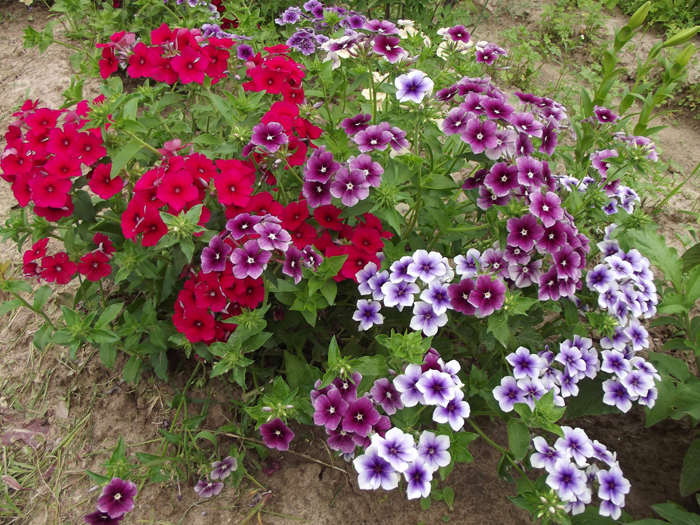
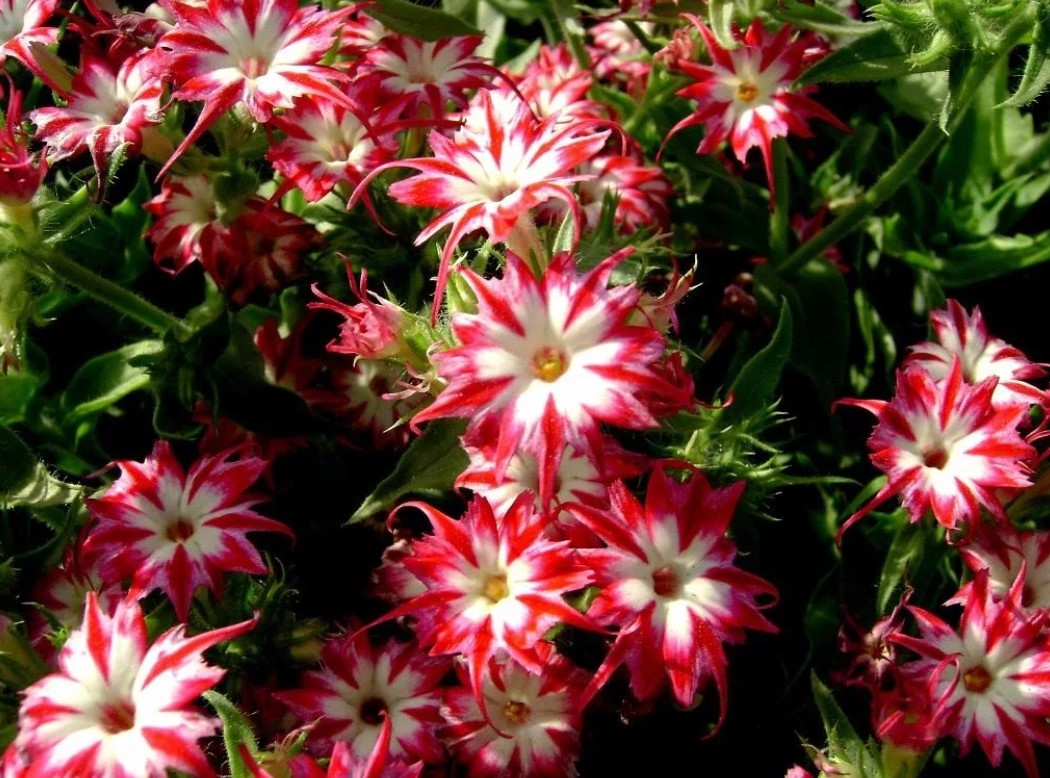
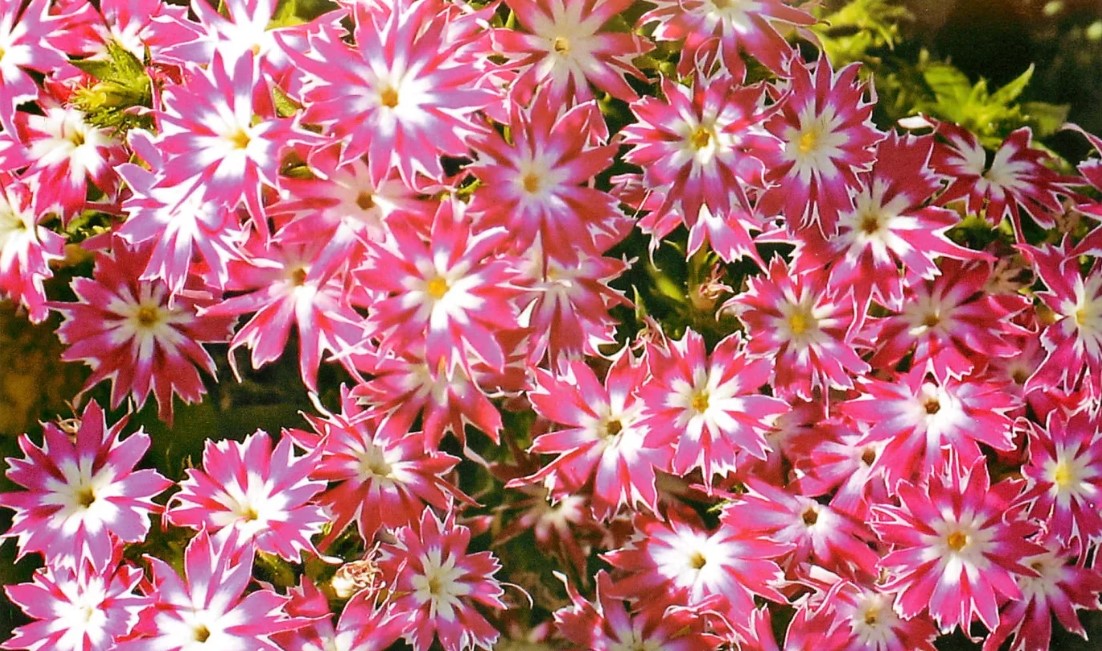
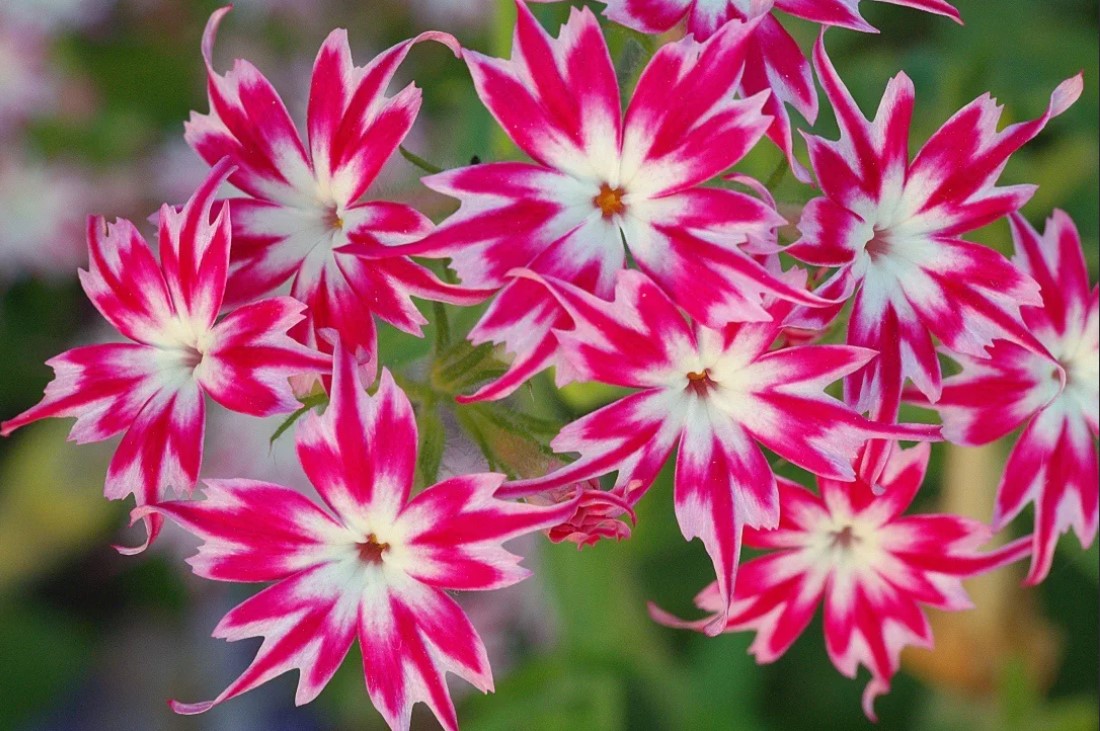
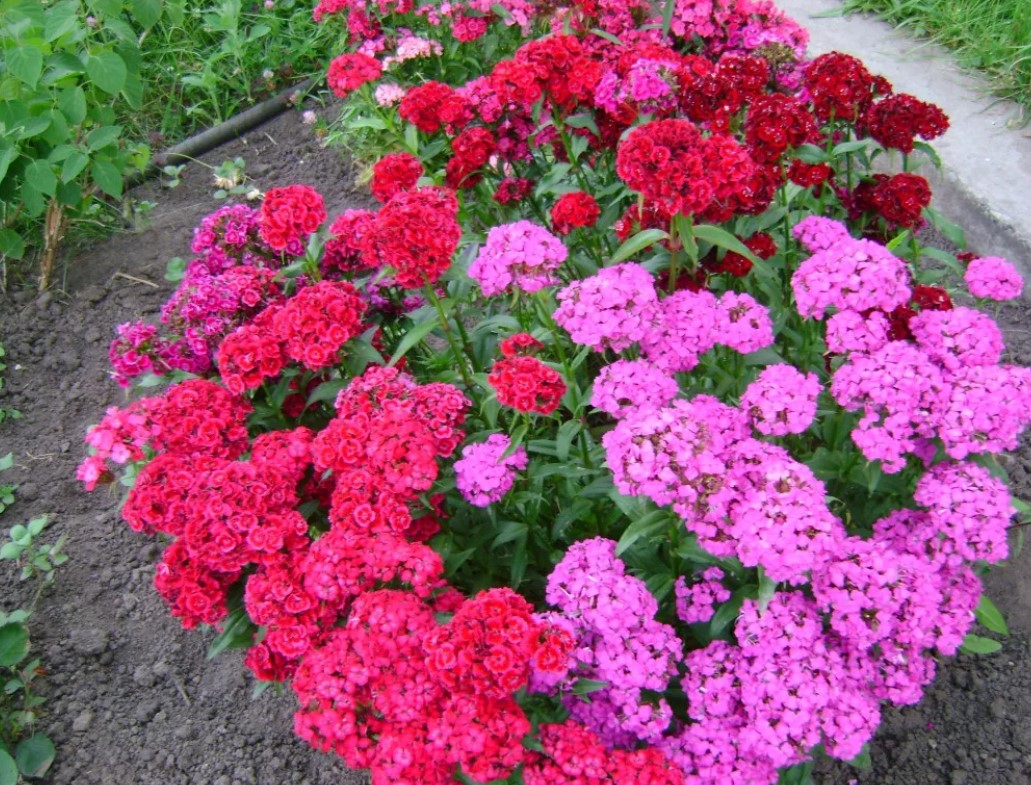
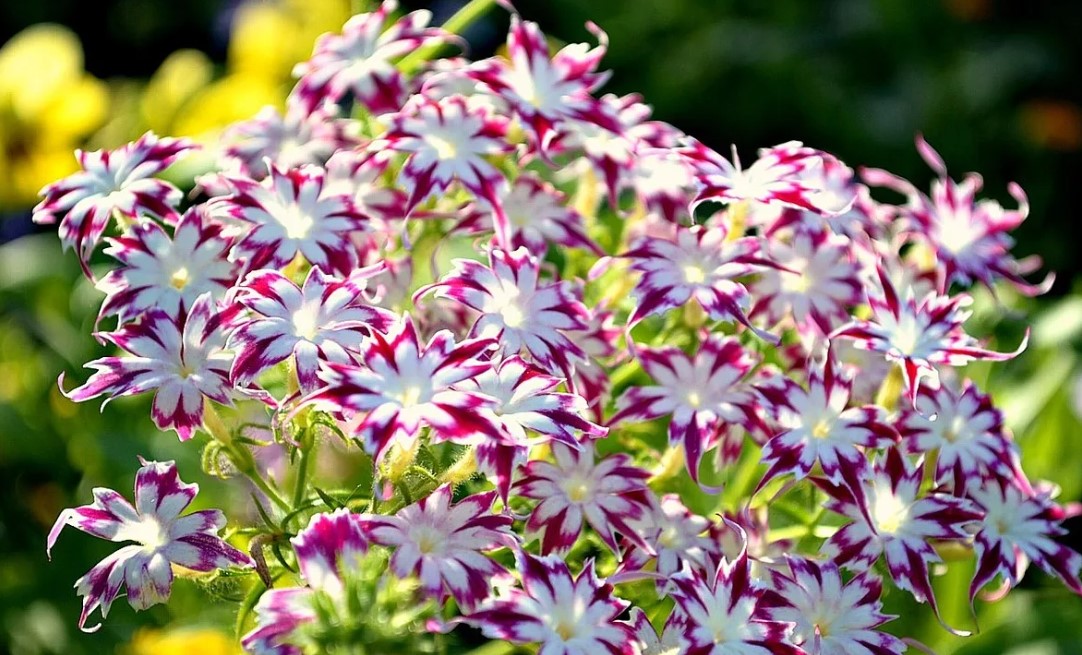
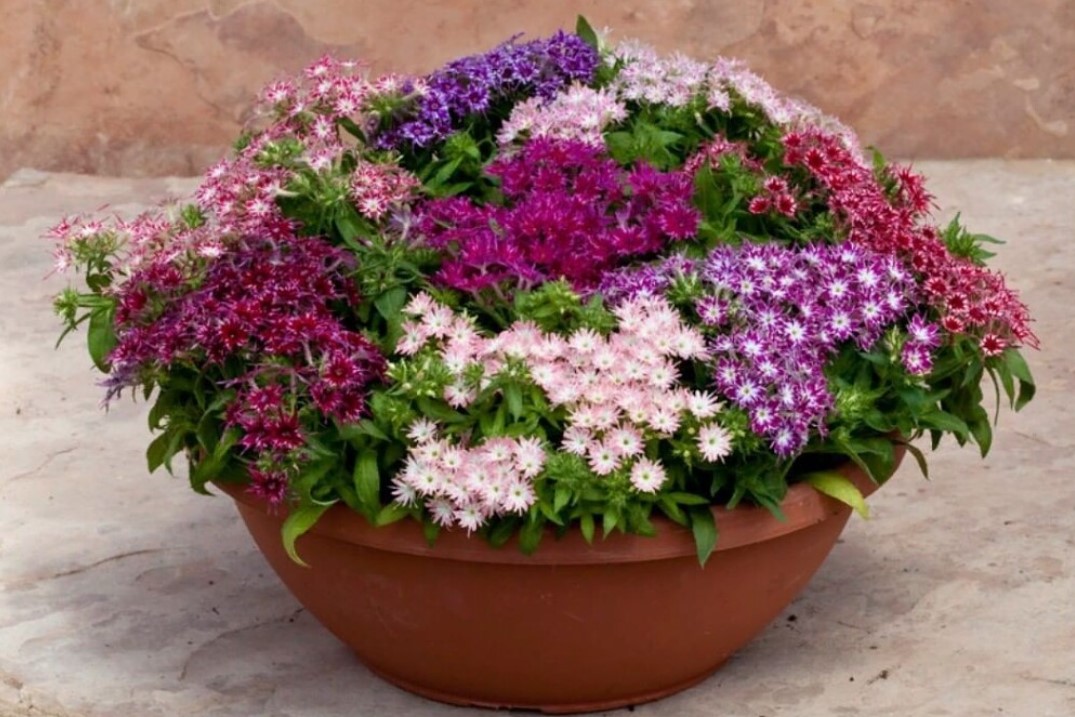
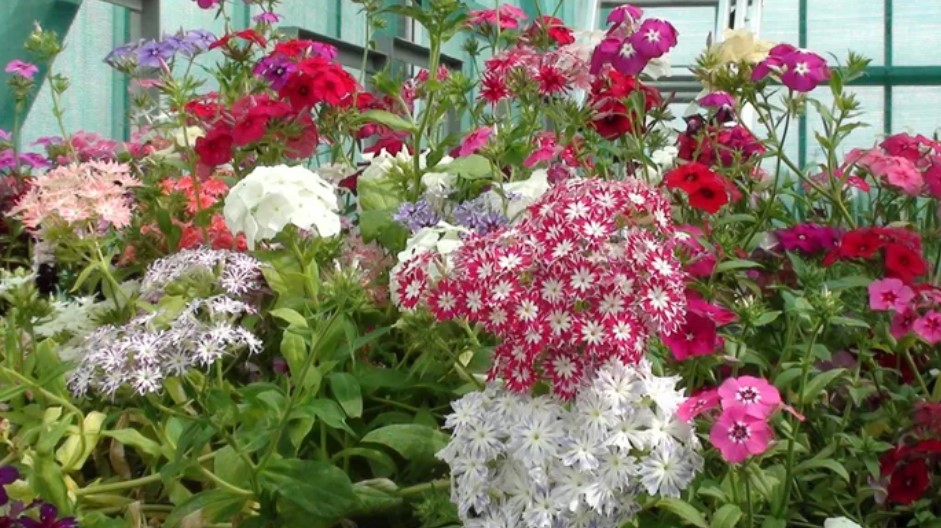
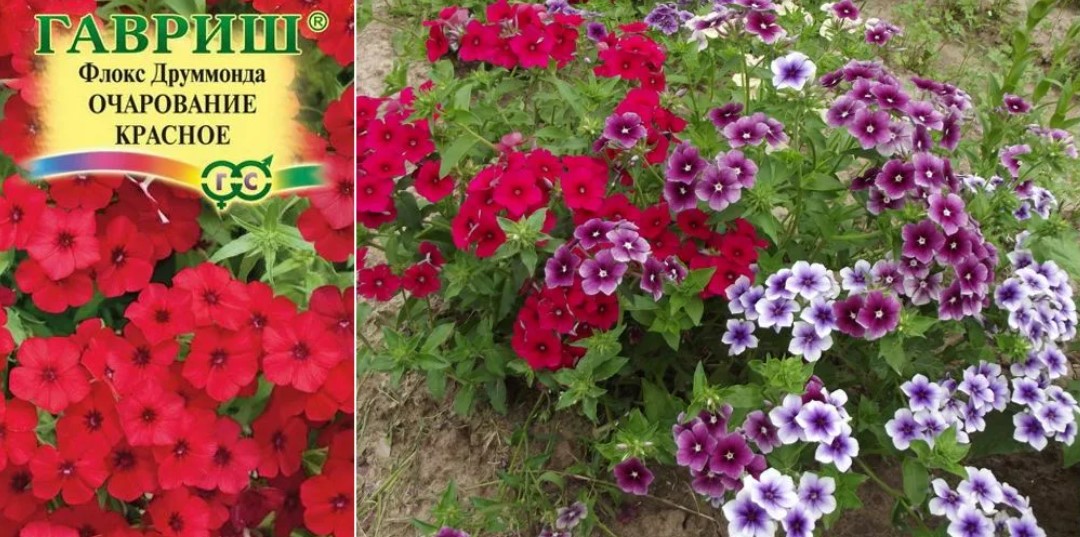
If you want to know about others types of phlox and how grow them from seeds, How fight powdery mildew on phlox Read on our website.
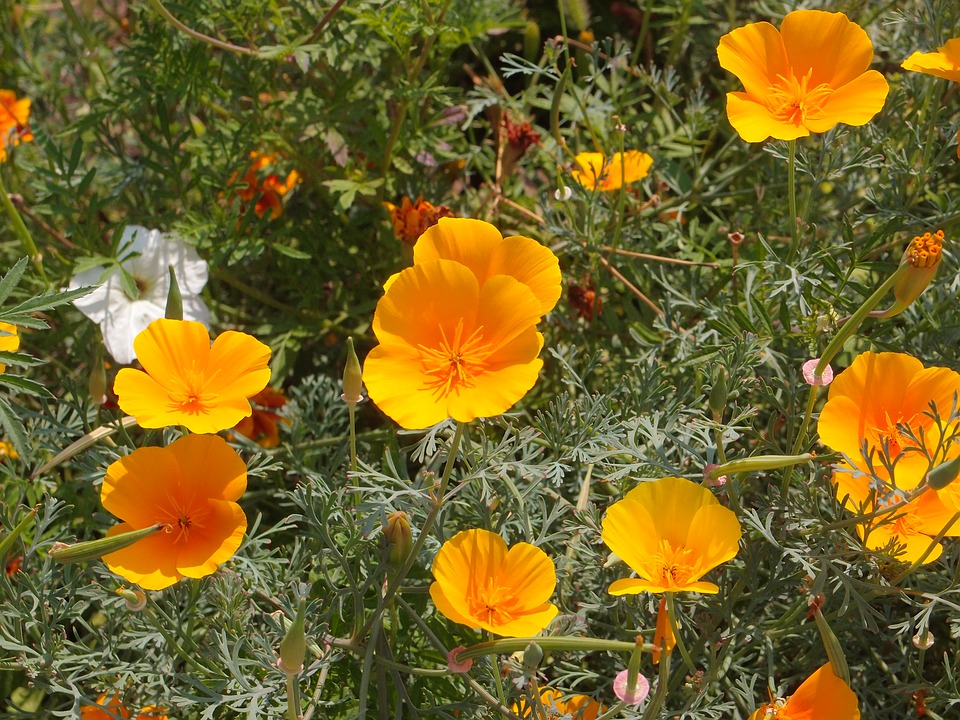
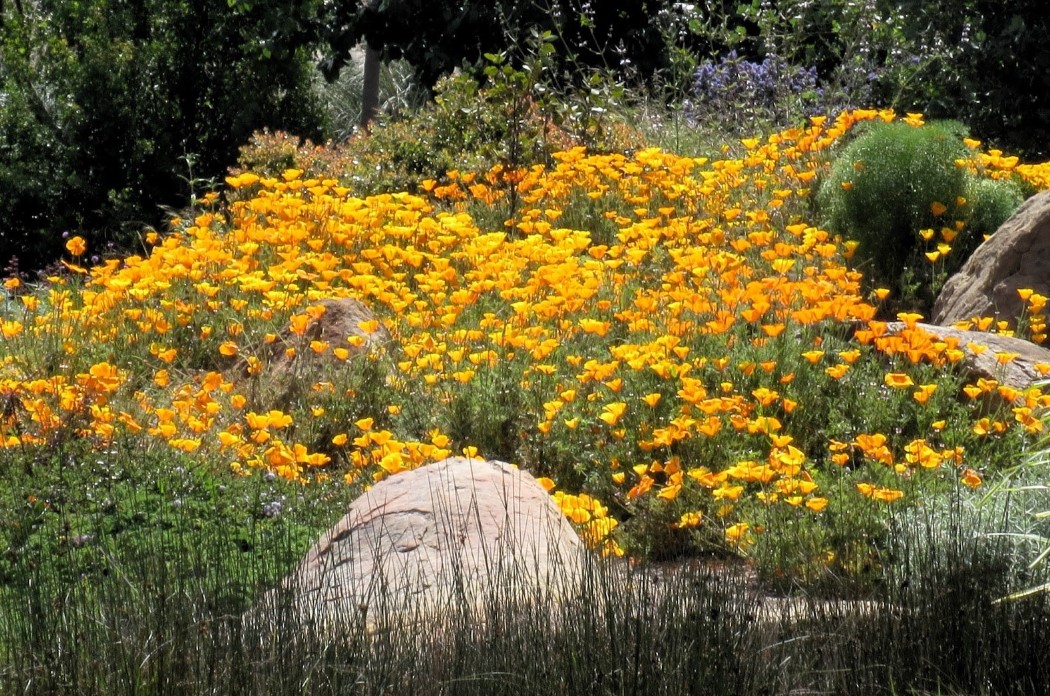
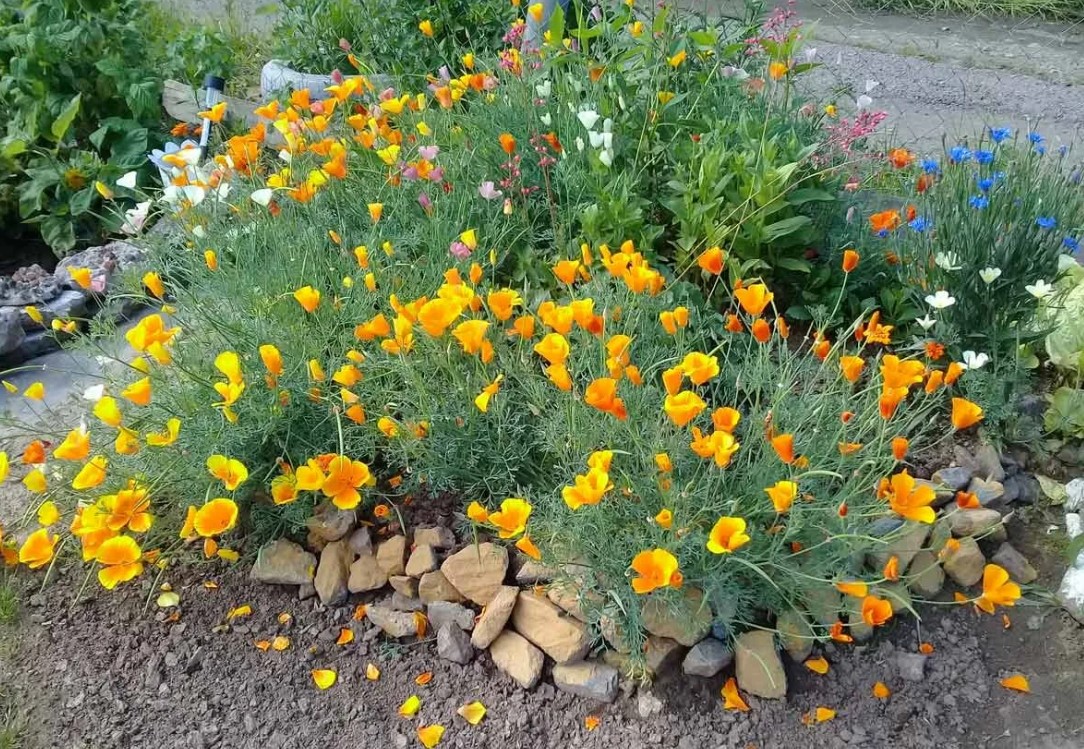
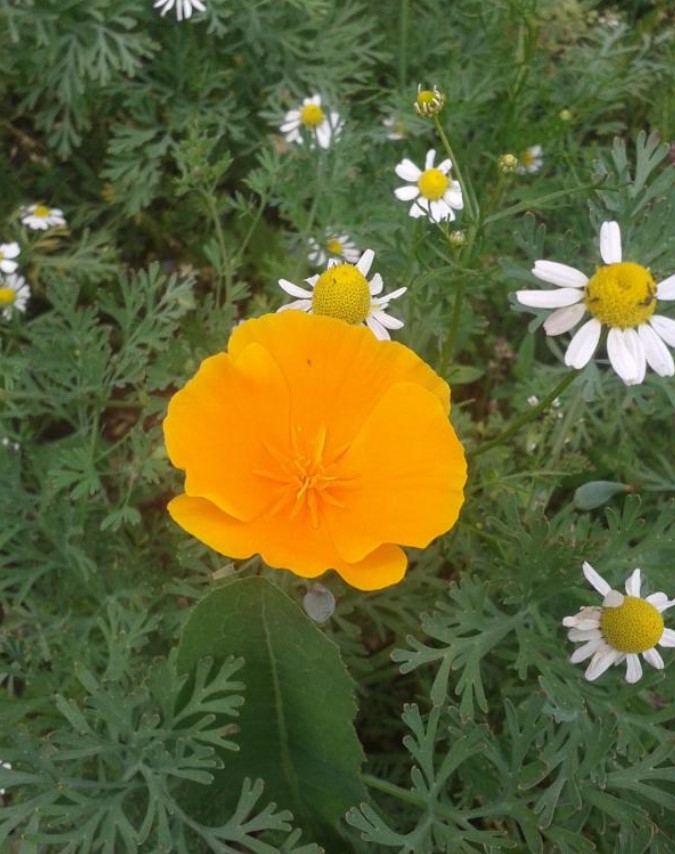
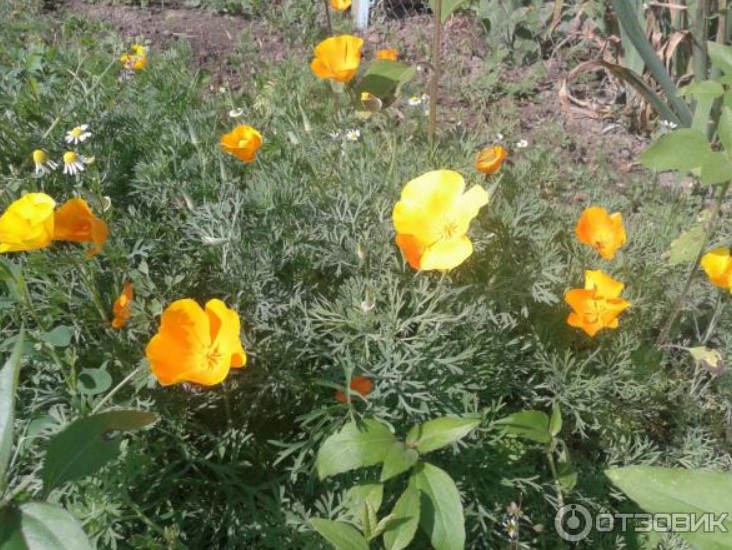
Eschscholzia
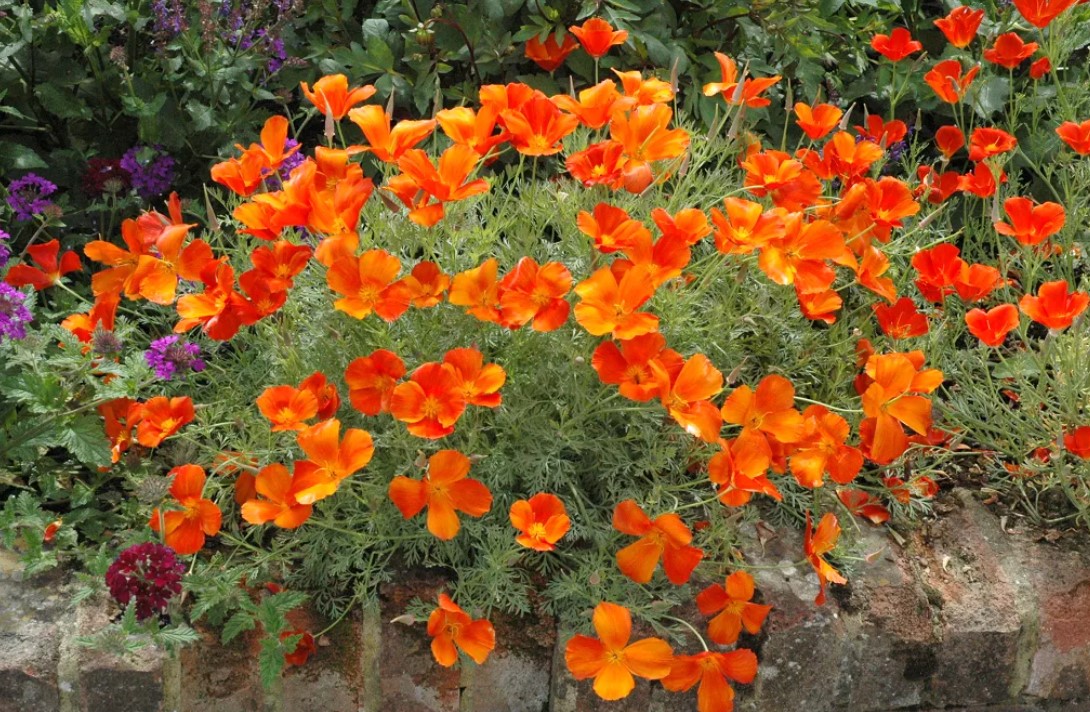
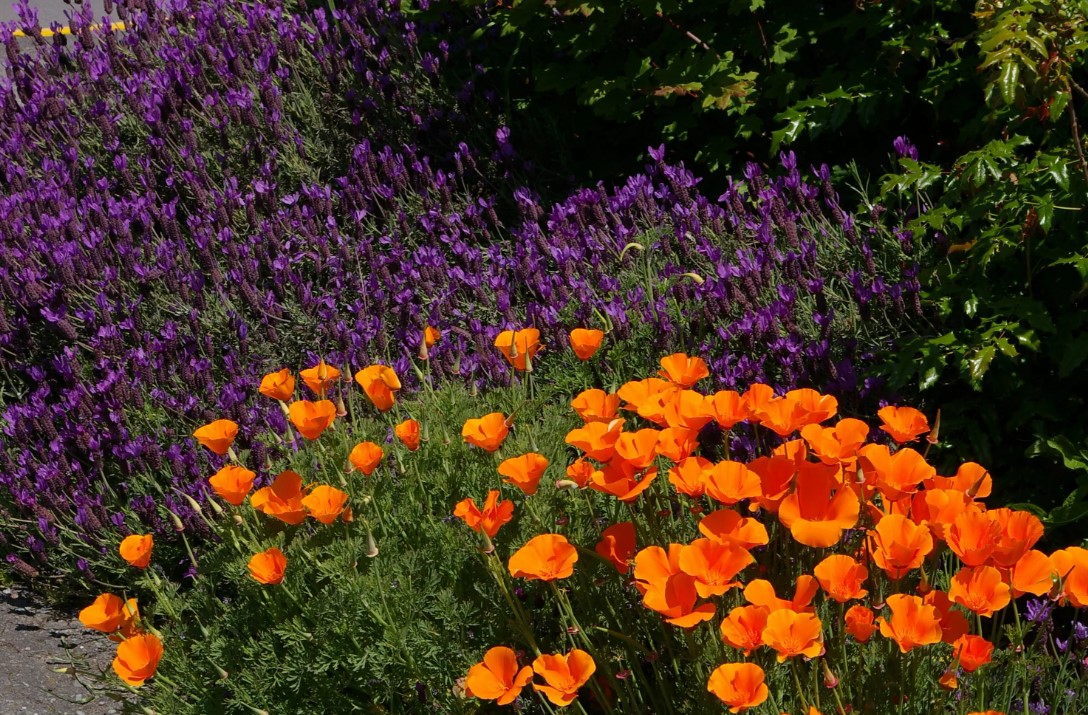
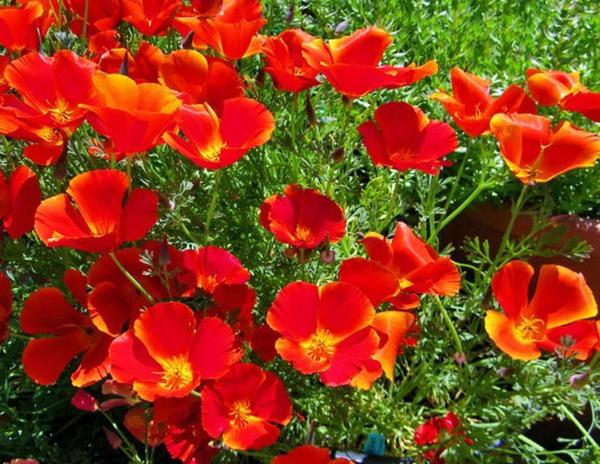
Flowers on the outside Eschscholzia They resemble poppies, but their coloring can be yellow or reddish. They bloom for a long time, right up until the first frost. Before sowing, Eschscholzia seeds must be refrigerated for 1-2 months to harden off.
Flowers thrive in warm conditions, so avoid sowing them in the ground if there's a risk of frost. Typically, in most regions, sowing begins between late April and mid-May. After this, it's advisable to cover the bed with plastic or spunbond at night. The recommended spacing between flowers is 30 cm, as they grow quite sprawling.
Photo gallery
Review
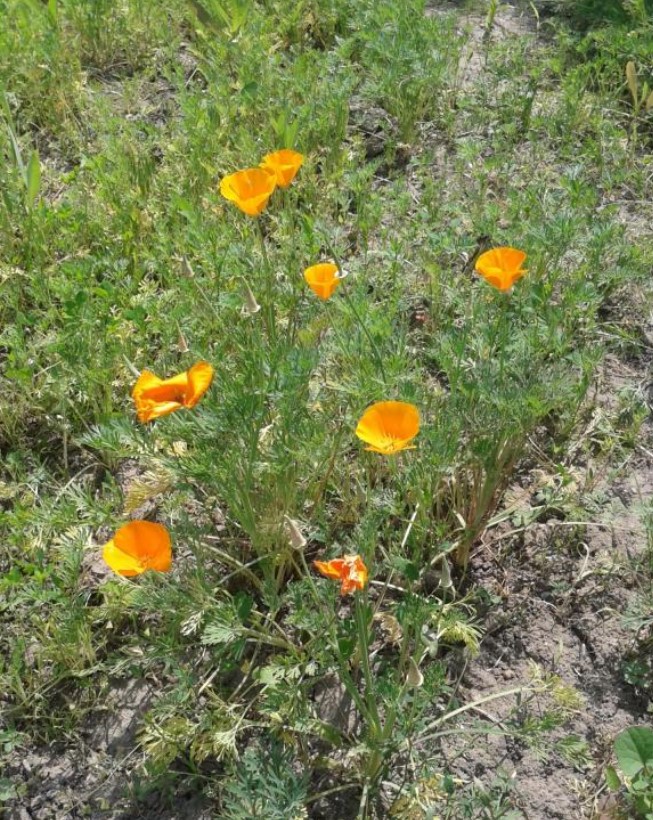
California poppy flowers have been self-seeding in my flowerbed for a long time. It's a very sweet, tranquil-looking plant, about 30 cm tall. The flowers have a fluffy, four-petaled texture and playful stamens. They're orange or yellow, usually very vibrant. After flowering, they form a stalk of seeds, small like the seeds of a common poppy.
Eschscholzia is considered a perennial, but I propagate it by seed. Sometimes, small bushes remain after winter. Its roots are very long, so it tolerates lack of water well. It requires no care at all. It just grows and pleases the eye. The flowers last for up to four days, but the bush has so many flower stalks, so the loss is unnoticeable, and it seems to bloom continuously. It looks beautiful planted in a clearing. But solitary bushes are also beautiful!
Buying seeds for propagation is very easy. You can order them online or buy them from grannies at the market. Eschscholzia comes in several varieties, including red and white...
It is also known for its medicinal properties - it calms, relieves pain, and alleviates stress and nervousness.
What flowers to plant in open ground in spring as seedlings
The seedling method is considered the most reliable way of growing flowers, but it requires a little more effort from gardeners.
Plants planted using this method adapt faster, grow better and bloom earlier.
Below are listed flowers that are recommended to be planted in a flowerbed only by growing seedlings.
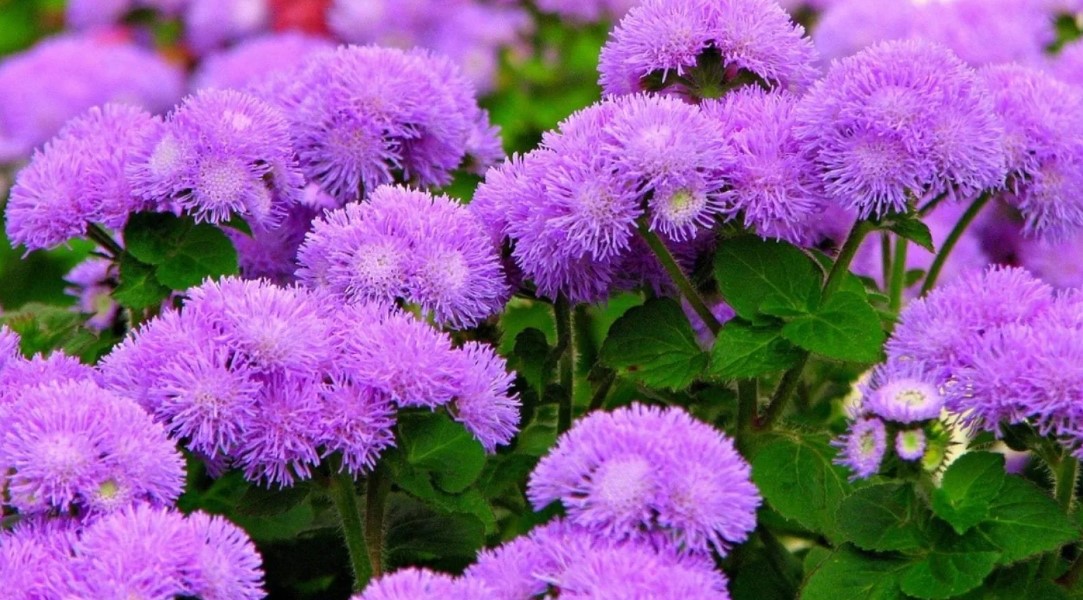
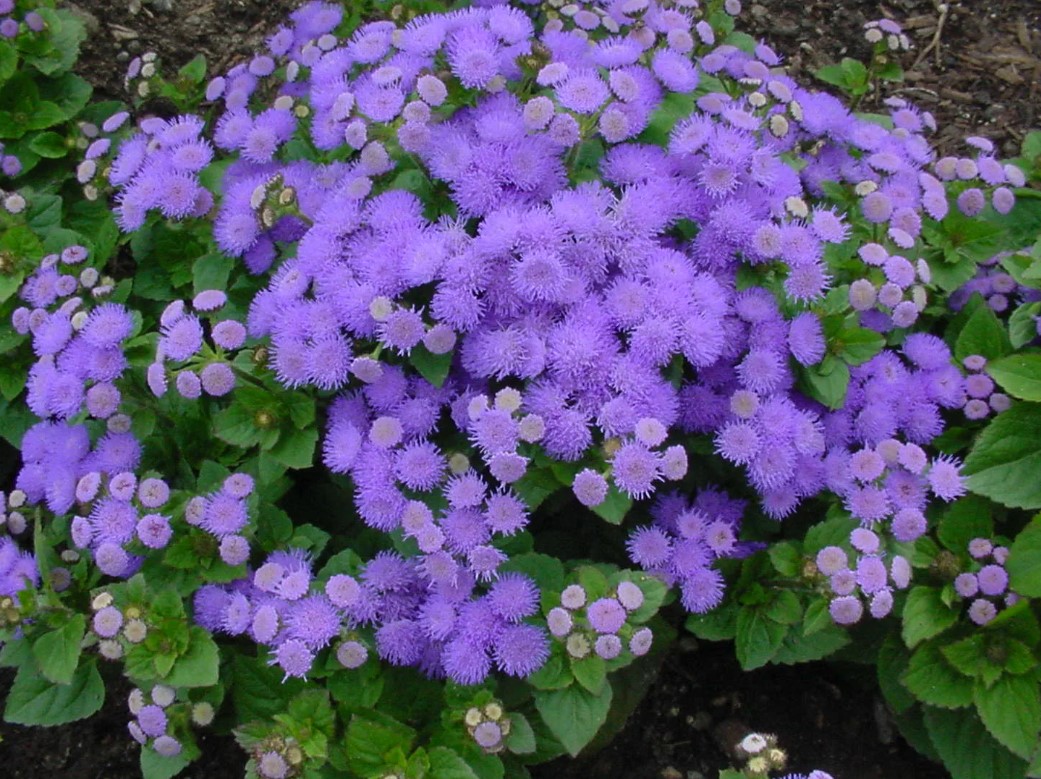
Ageratum
The plant grows as a bush up to 60 cm tall, with flower heads in shades of white, purple, pinkish, blue, and yellow. It is a perennial plant and does not tolerate cold temperatures very well.
Seeds for seedlings begin to be sown 6-8 weeks before transplanting into open ground, into a garden bed Ageratum They are transferred only when the soil on it warms up to +15 °C.
Photo gallery
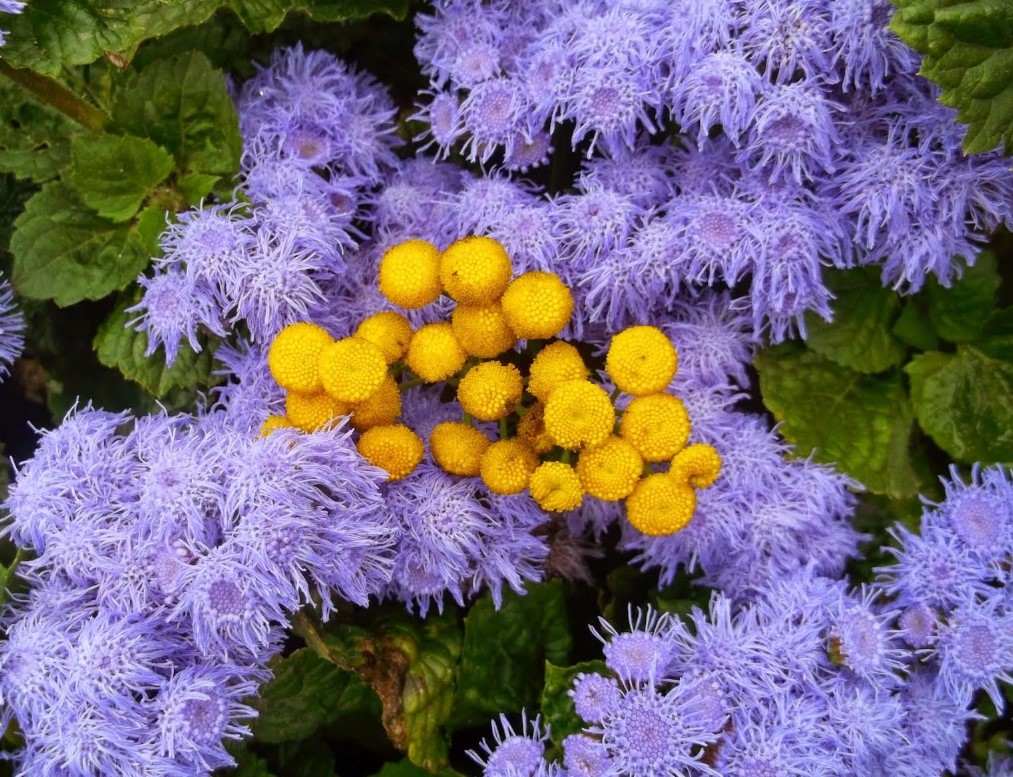
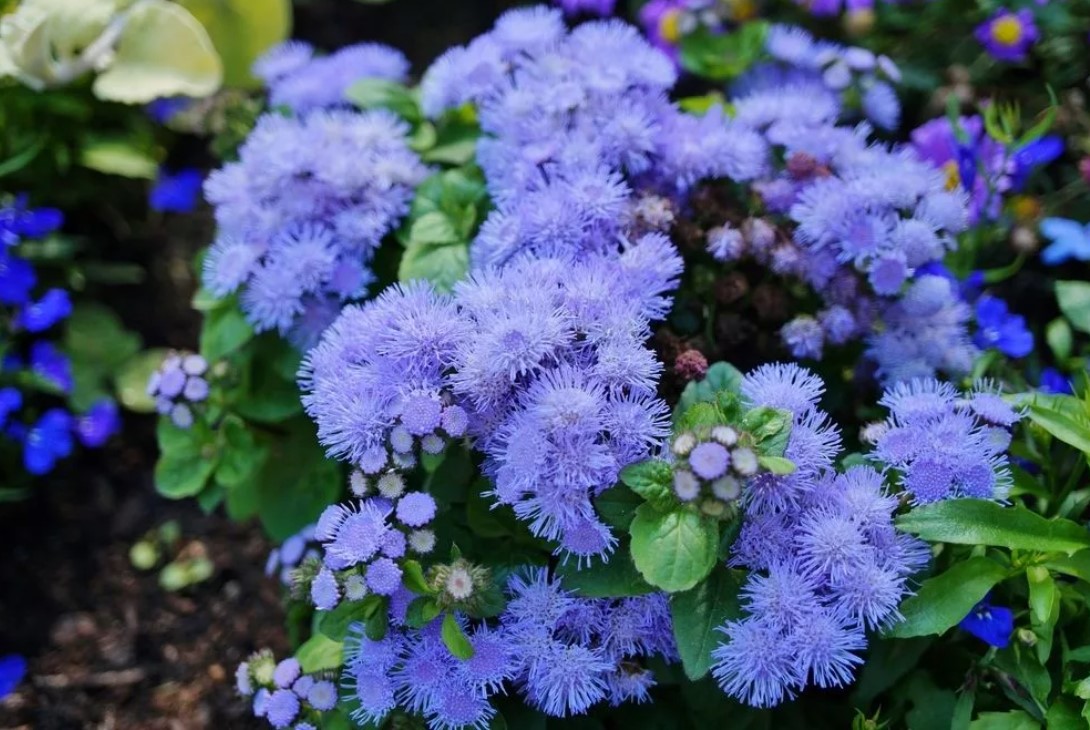
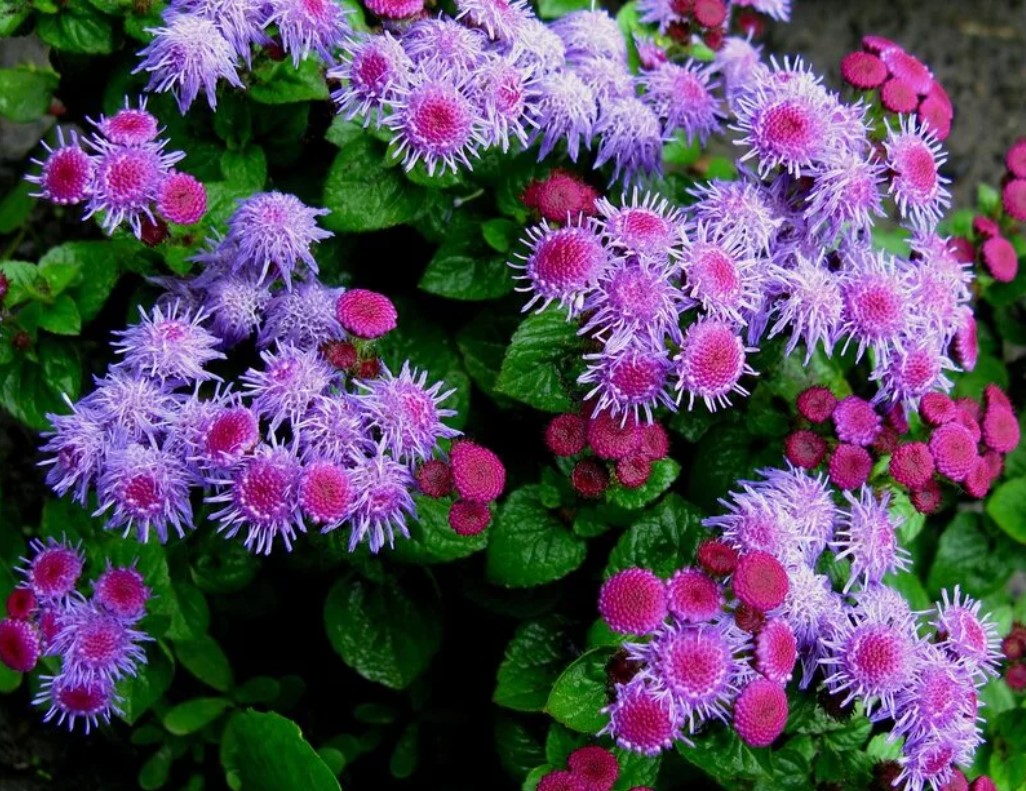
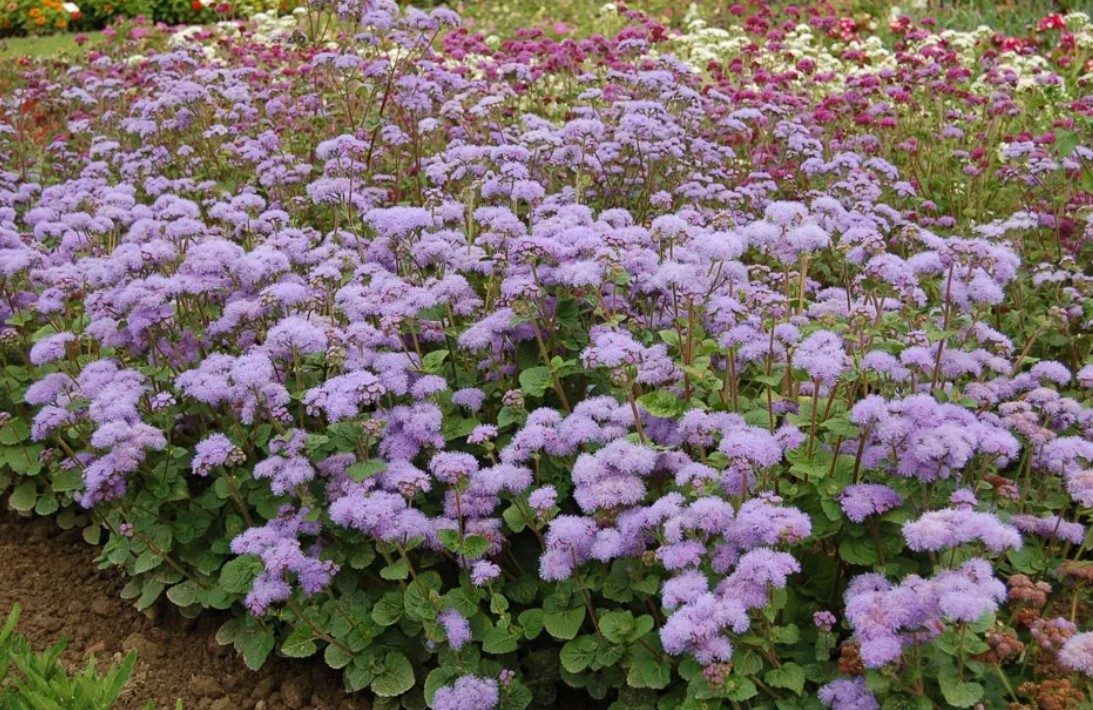
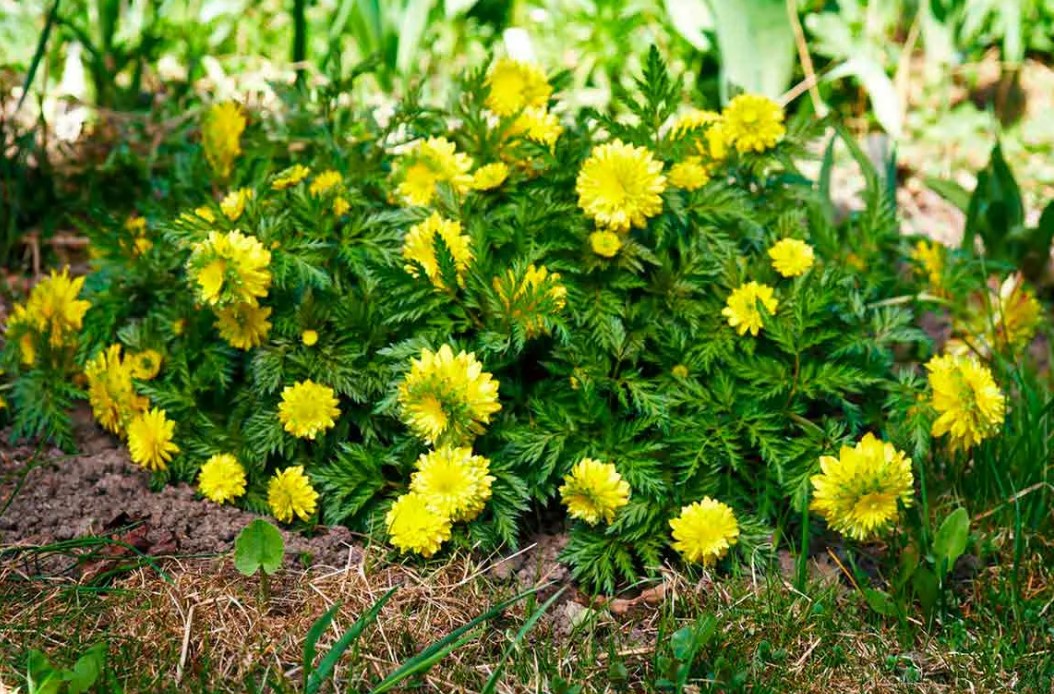
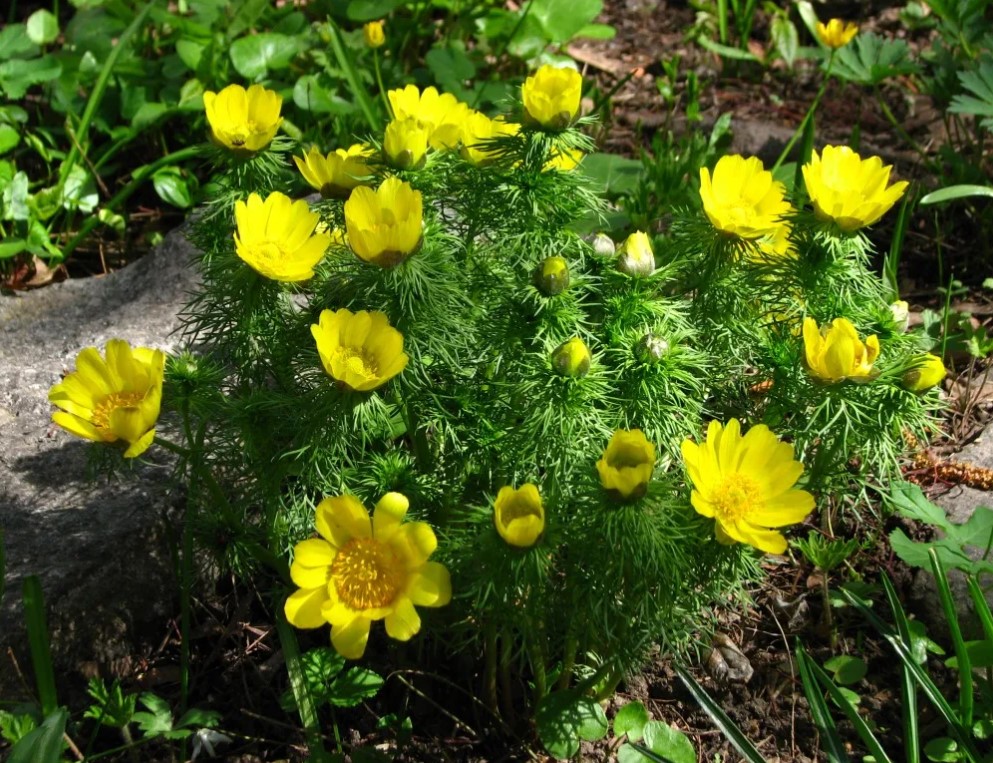
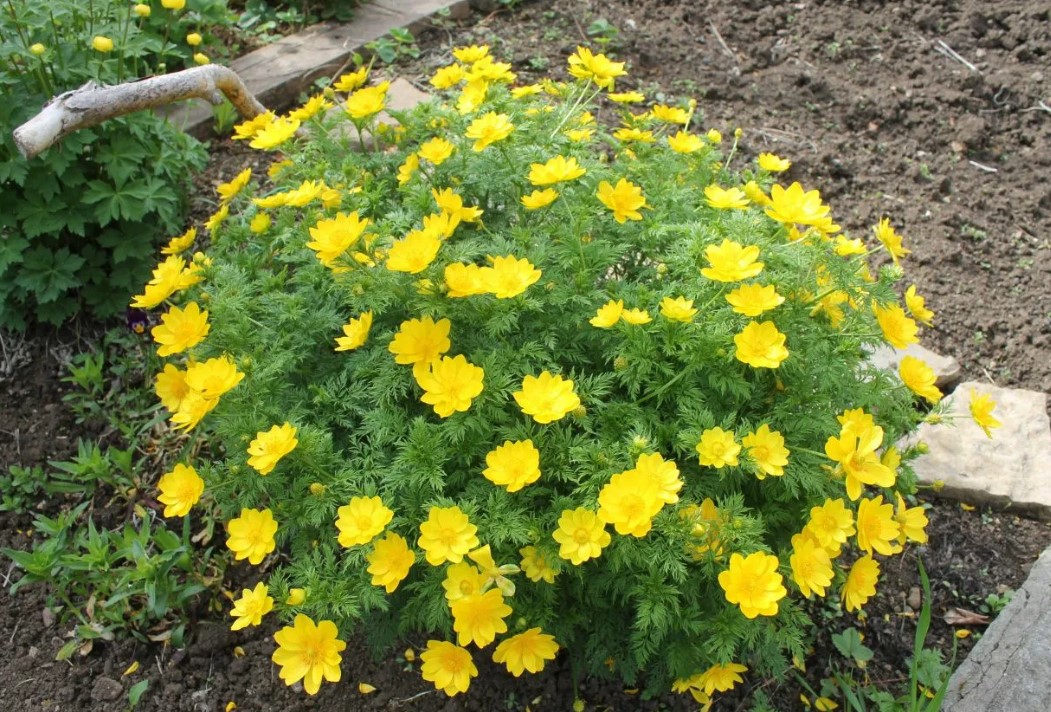
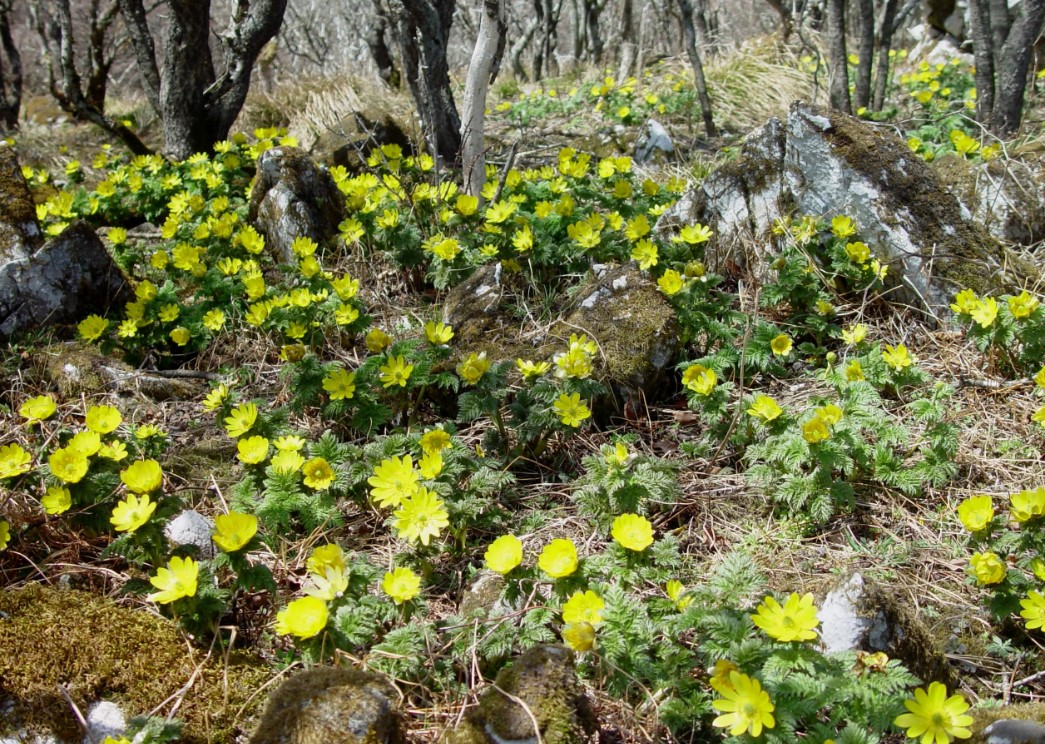
Adonis
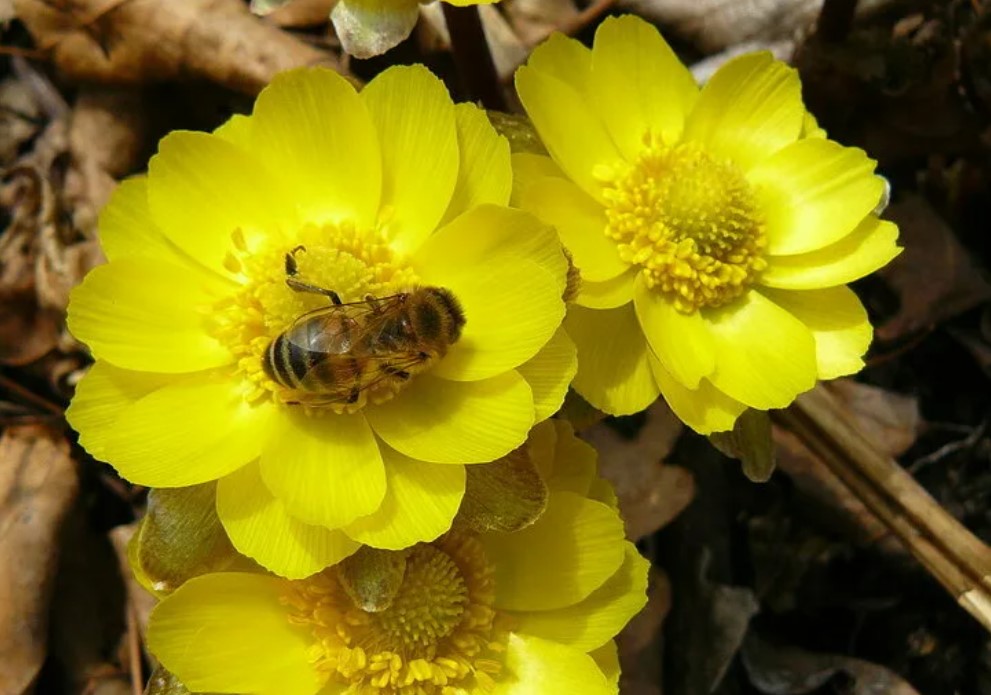
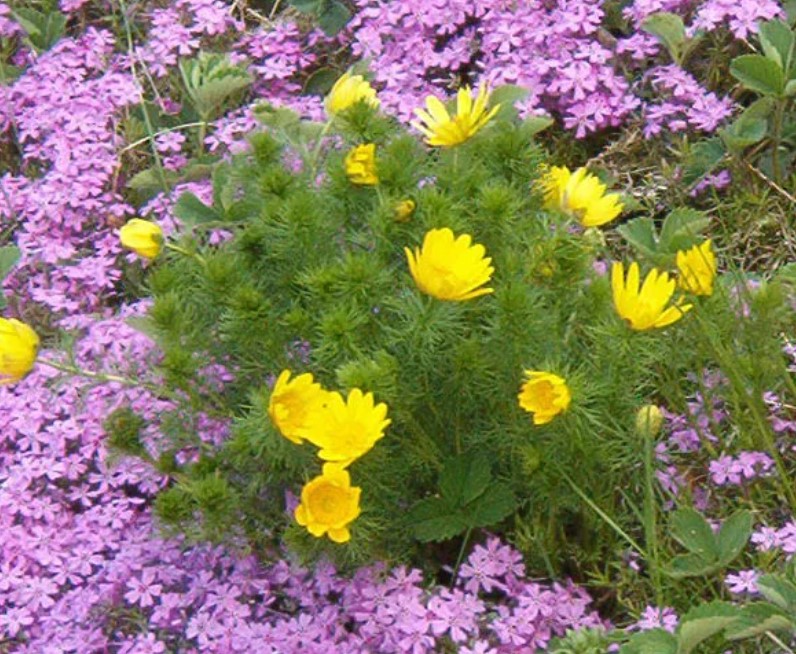
The plant is poisonous, so it's best not to grow it near pets. Adonis resembles a buttercup, which is not surprising, as it belongs to the Ranunculaceae family.
Flowers come in a variety of colors, depending on the variety chosen. The diameter is 4-6 cm, and the leaves on the shoots are palmate, bright green, and glossy. Adonis seedlings are sown in the second half of March; the first shoots appear in 2-3 weeks, and after another 3-4 weeks, the flowers can be transplanted to a permanent bed.
Photo gallery
You know that Adonis is also called Adonis?
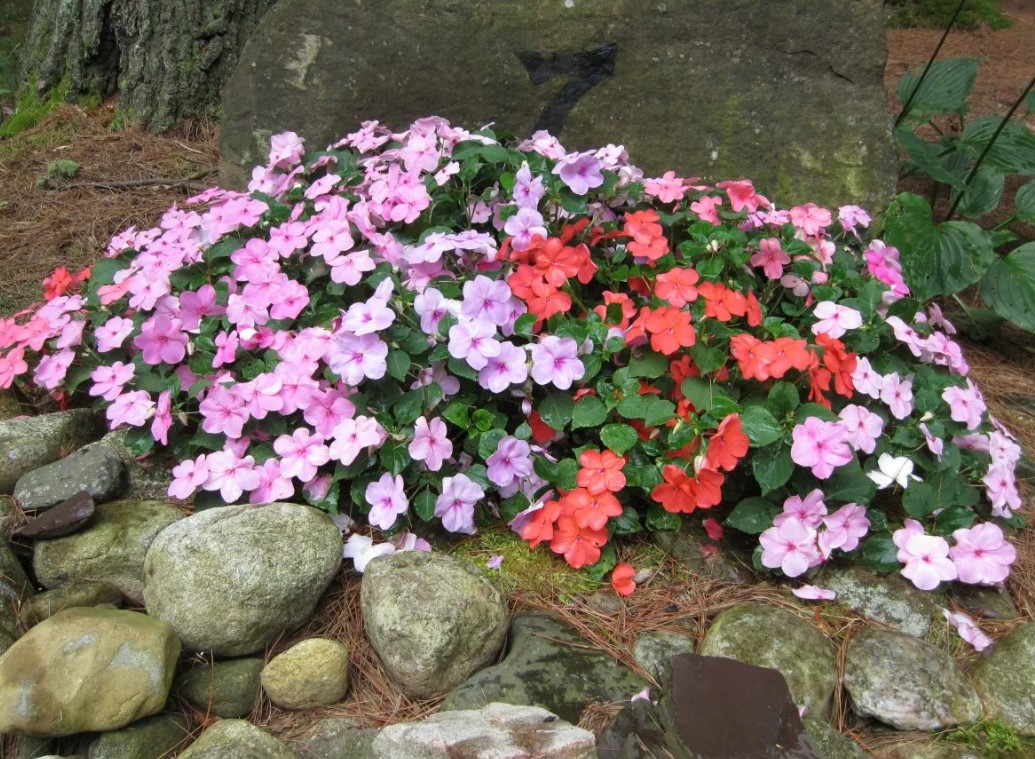
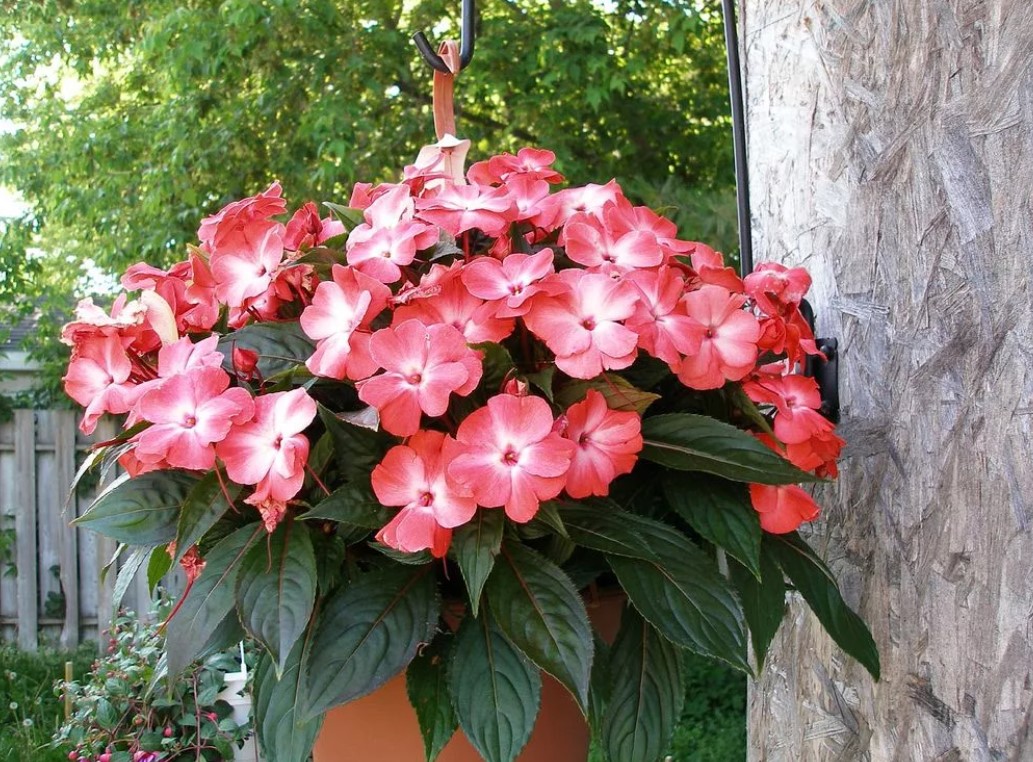
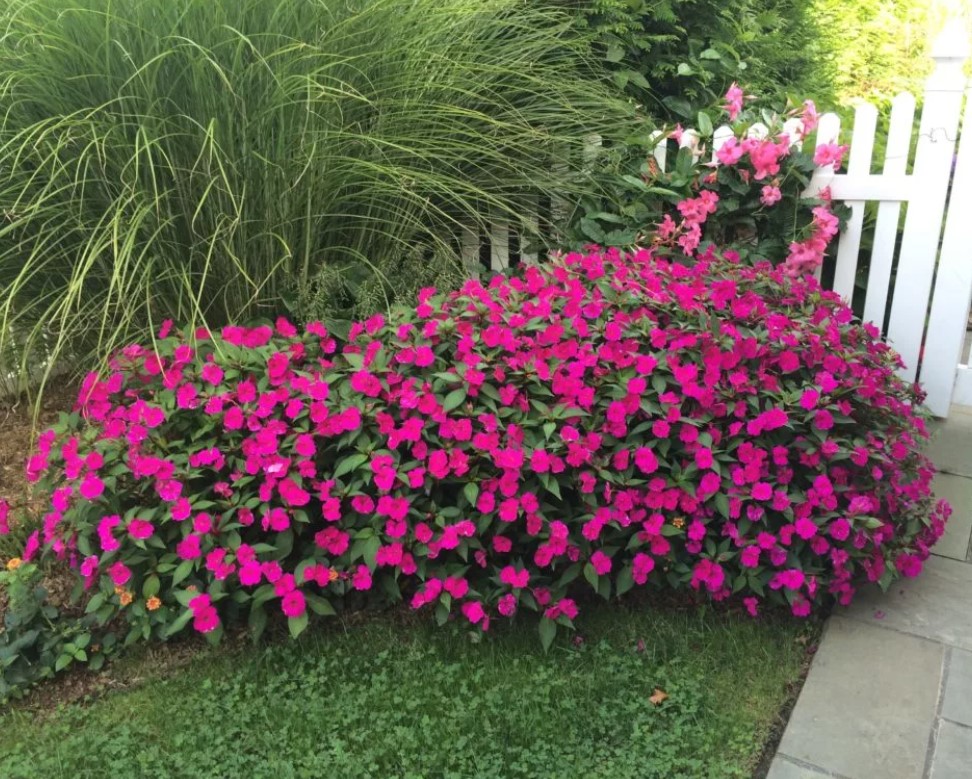
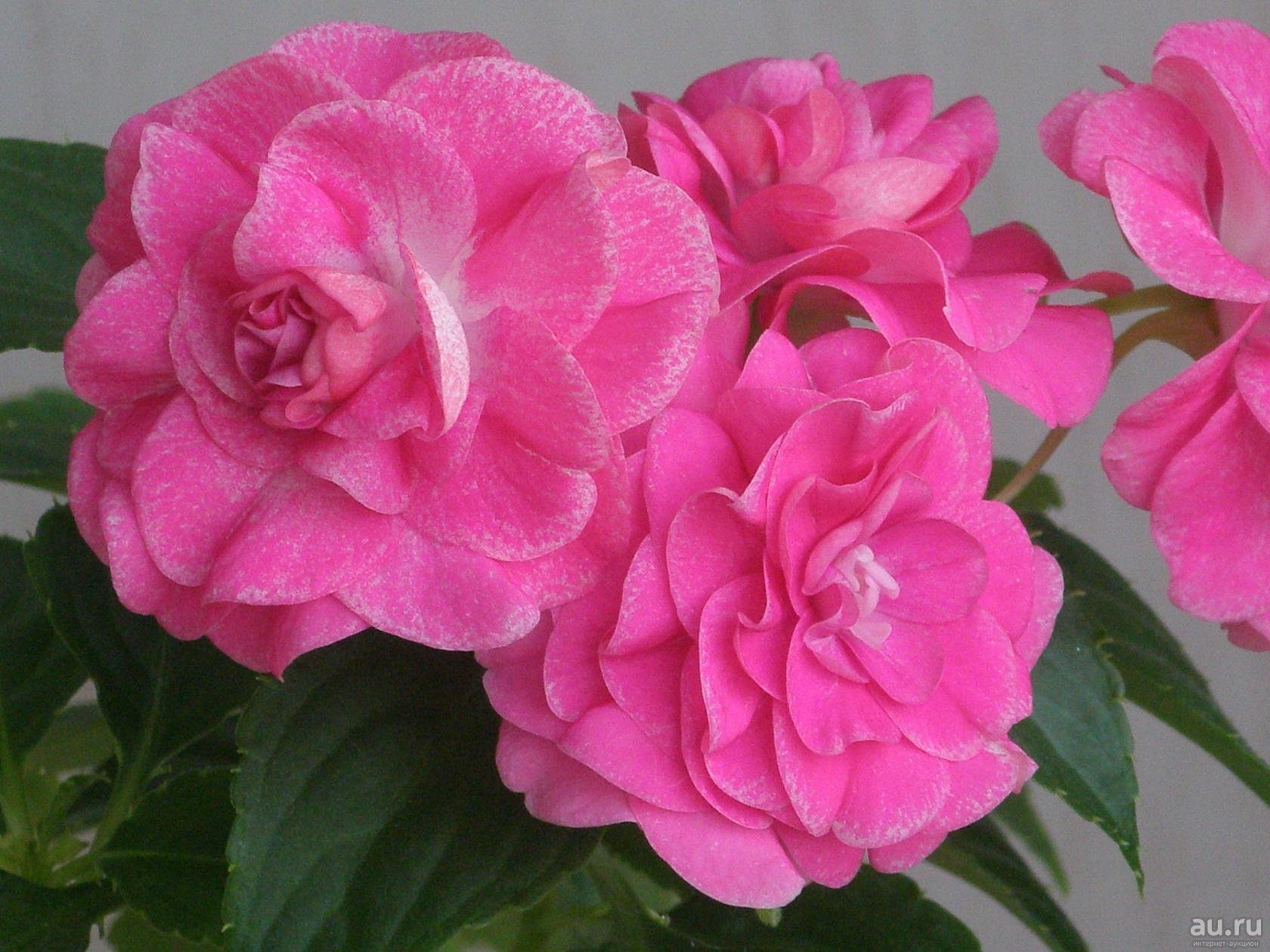
Balsam
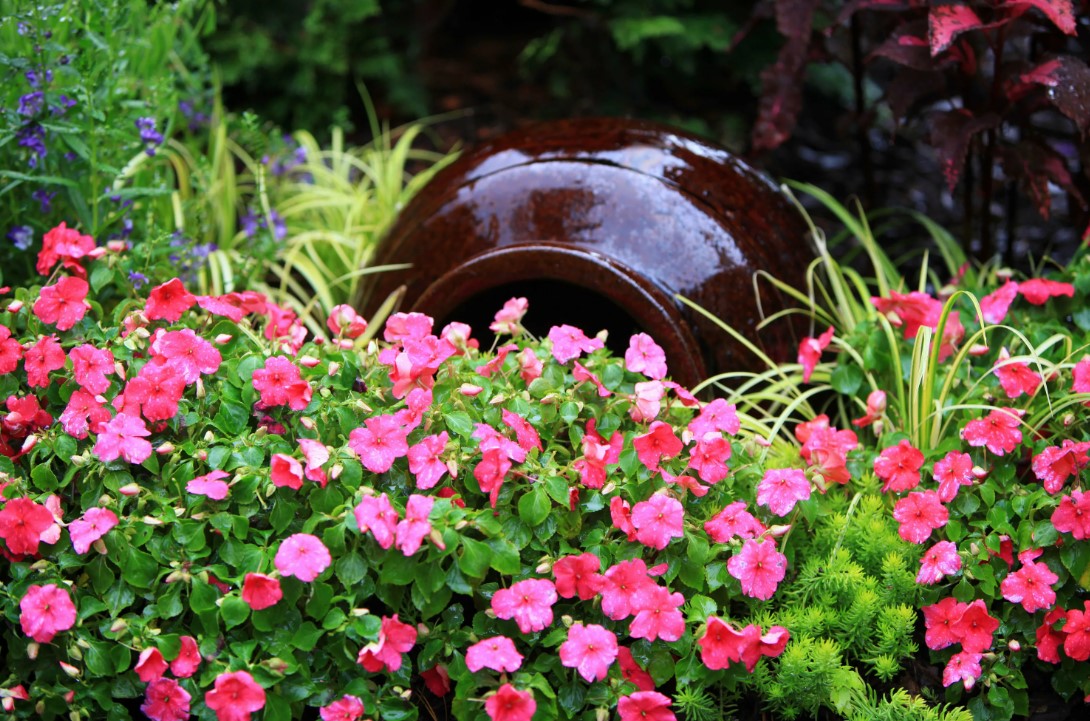
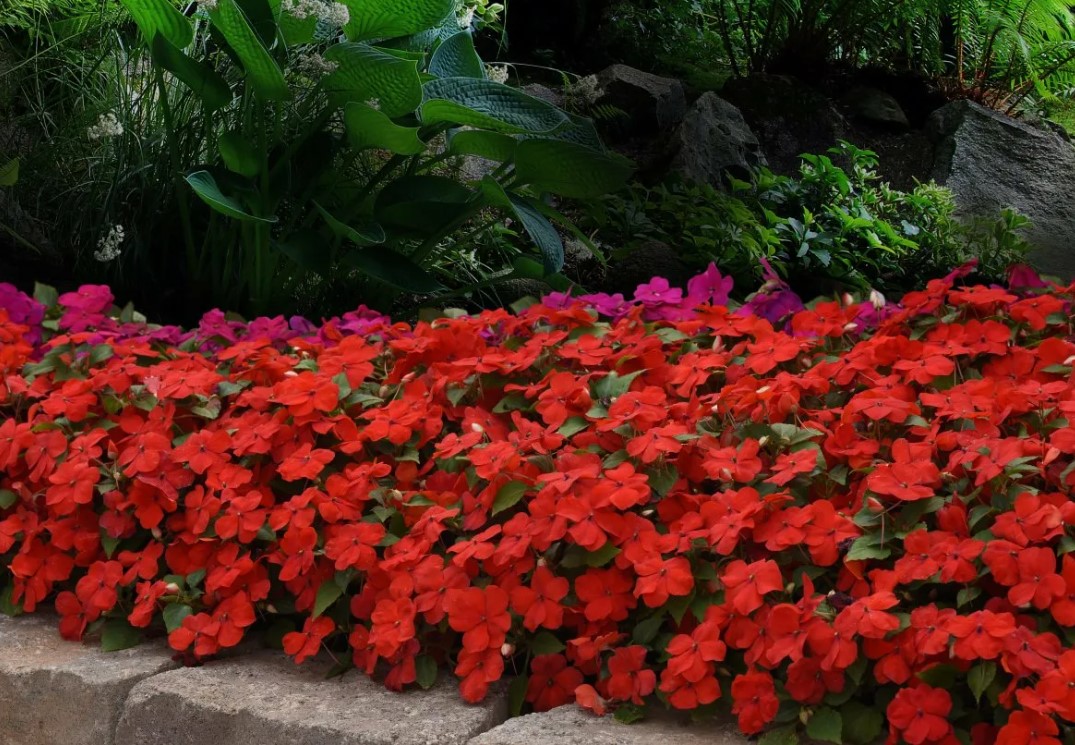
Among the people balsam It's also called "Vanka-wet" because of the moisture that appears on its leaves. It's grown both as a houseplant and in the garden.
The flower's vegetative cycle is relatively short, so sowing seeds too early is not recommended. This is usually done in late April or early May. However, germination is slow and uneven, with some sprouts appearing in as little as 5 days, and others in as little as 15.
The bed shouldn't be in direct sunlight; impatiens also dislikes drafts. After transplanting to its permanent location, the bed should be covered with plastic for the first few nights.
Photo gallery
Begonia everblooming
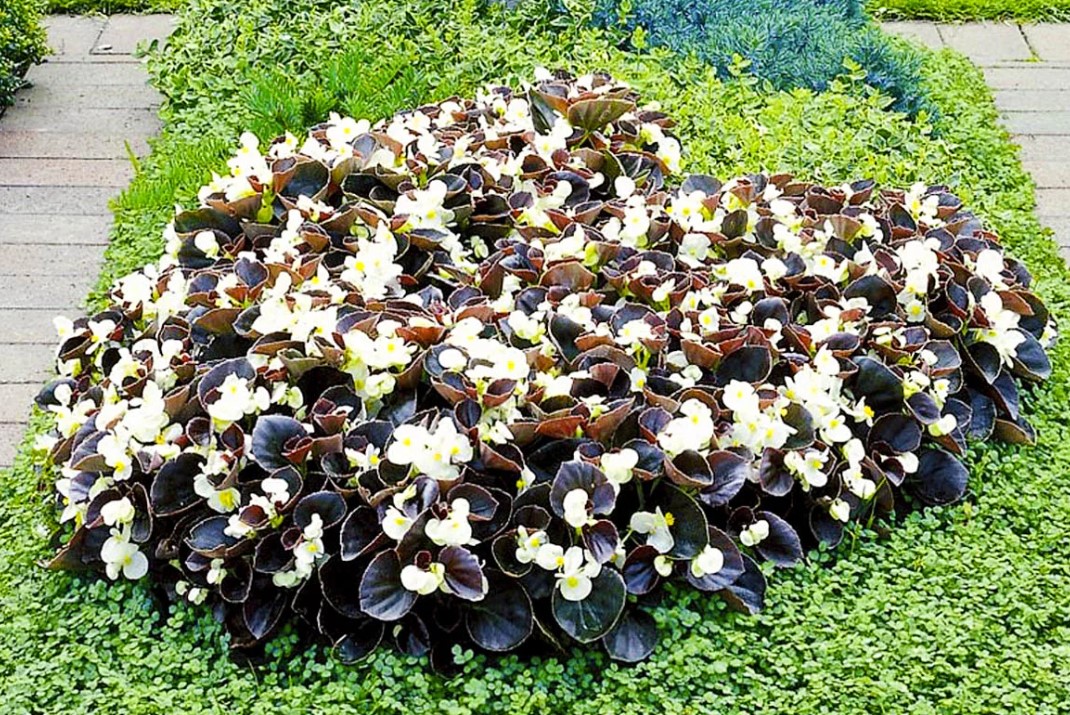
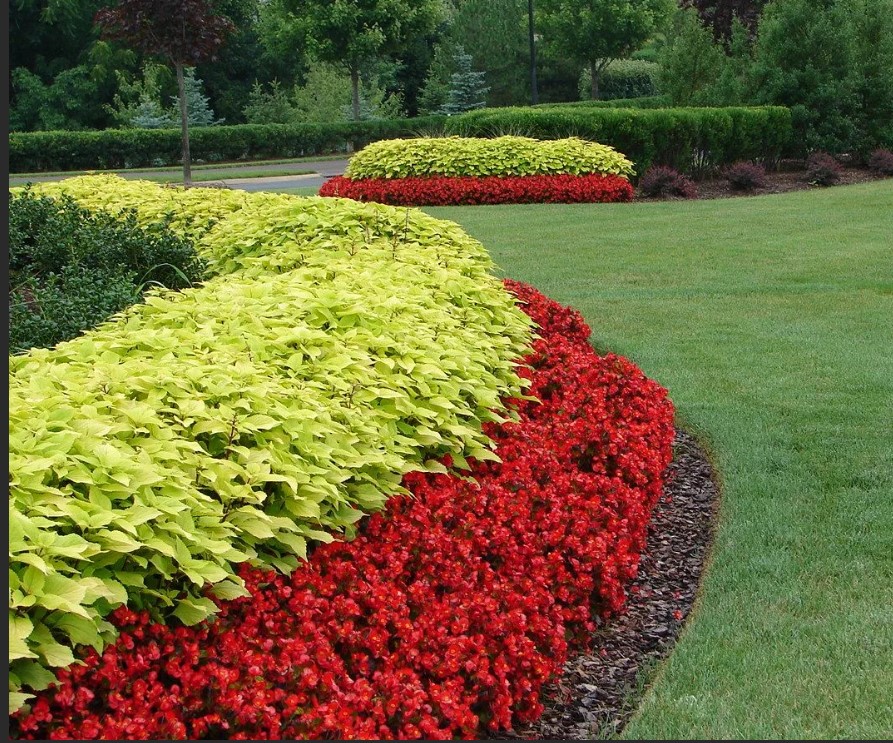
There are many different varieties of begonias with white, pink, burgundy, and red flowers. Begonia leaves are also decorative, sometimes spotted or burgundy, with a waxy finish.
It's recommended to sow seeds for seedlings in February, when flowering will begin within 100-115 days. In mid-May, begonias can be transplanted to their permanent beds; by this time, the root system will be sufficiently established, and the risk of night frosts will be minimal.
Photo gallery
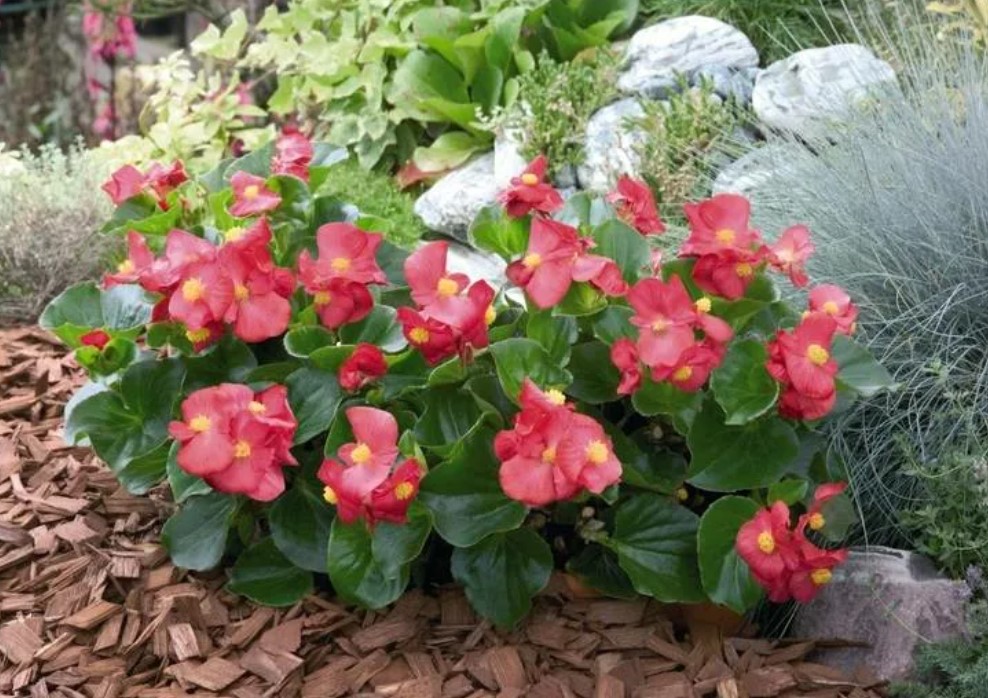
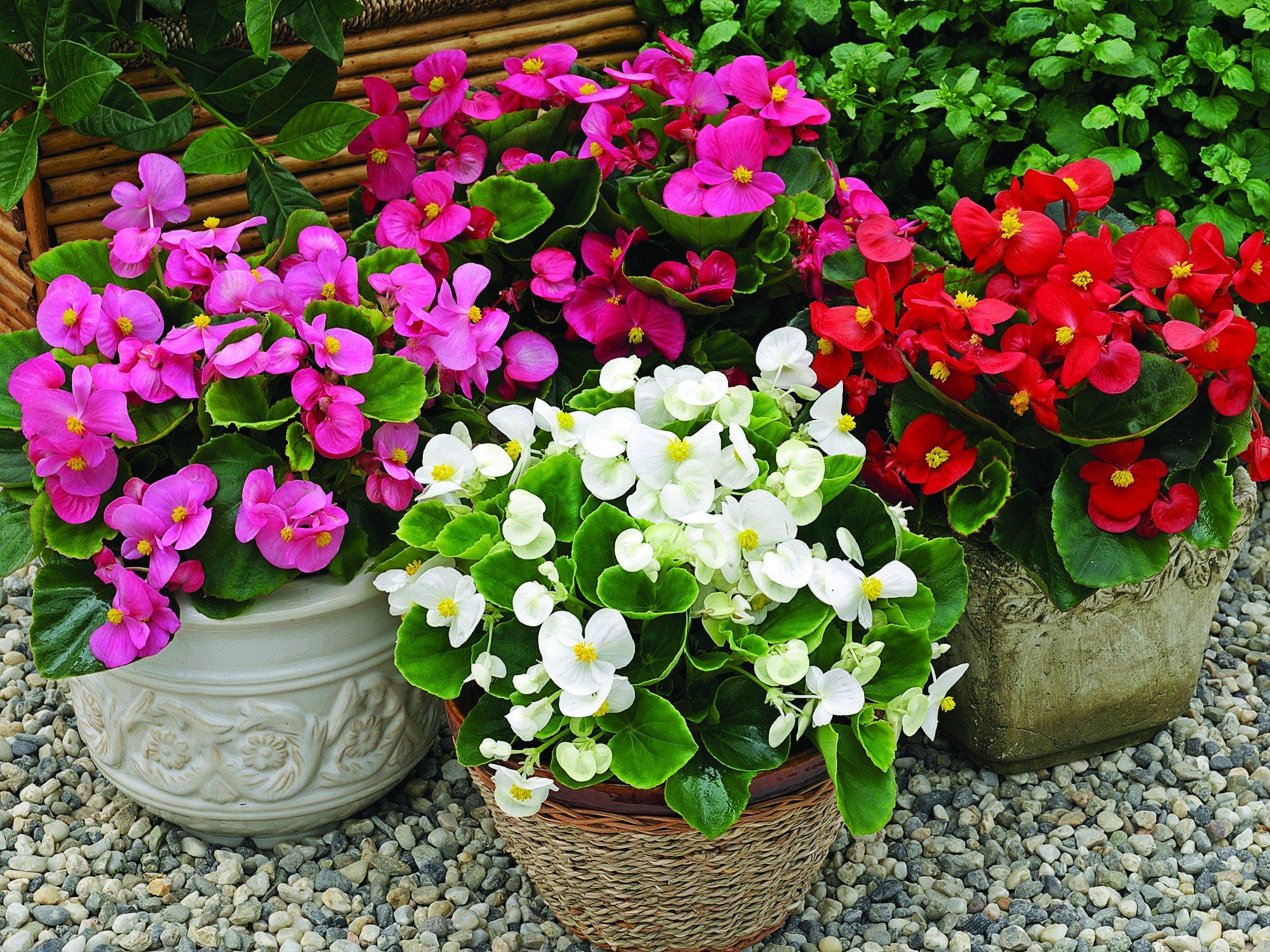
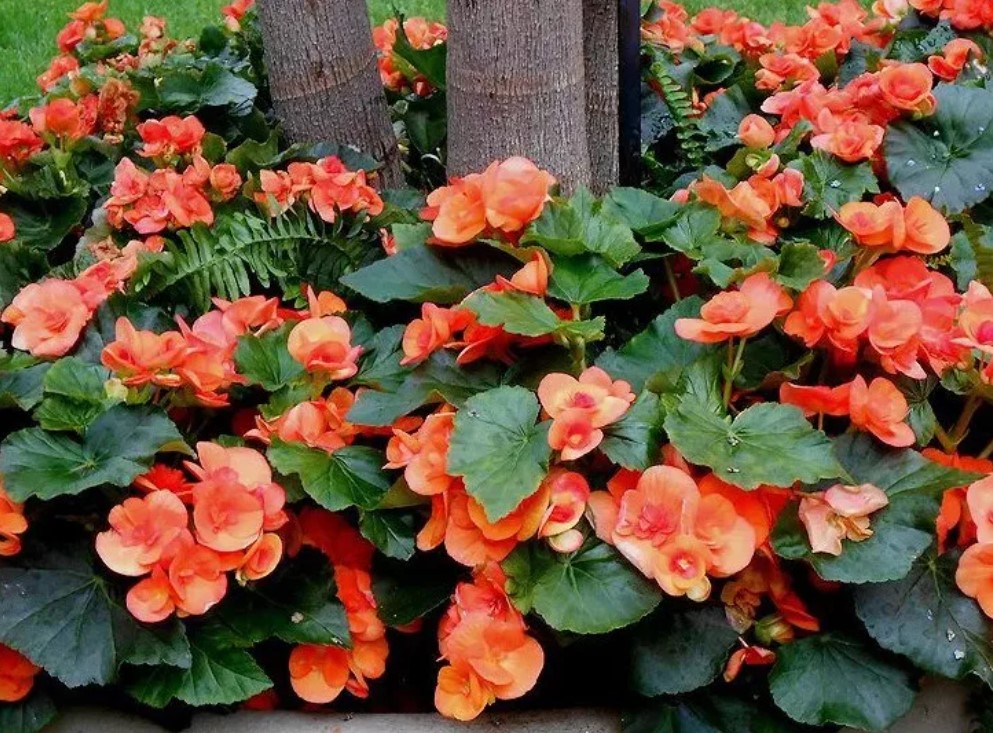
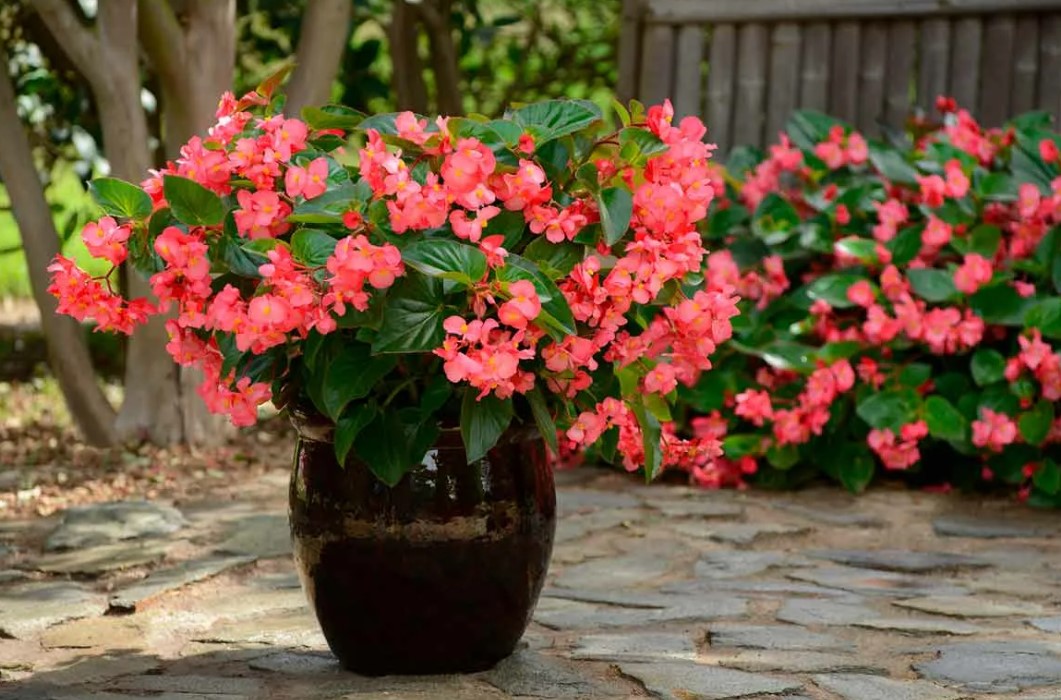
About tuberous begonias at home and in the garden, as well as about the types of begonia grown at home, such as royal And elatior Read on Top.tomathouse.com.
Brachycoma
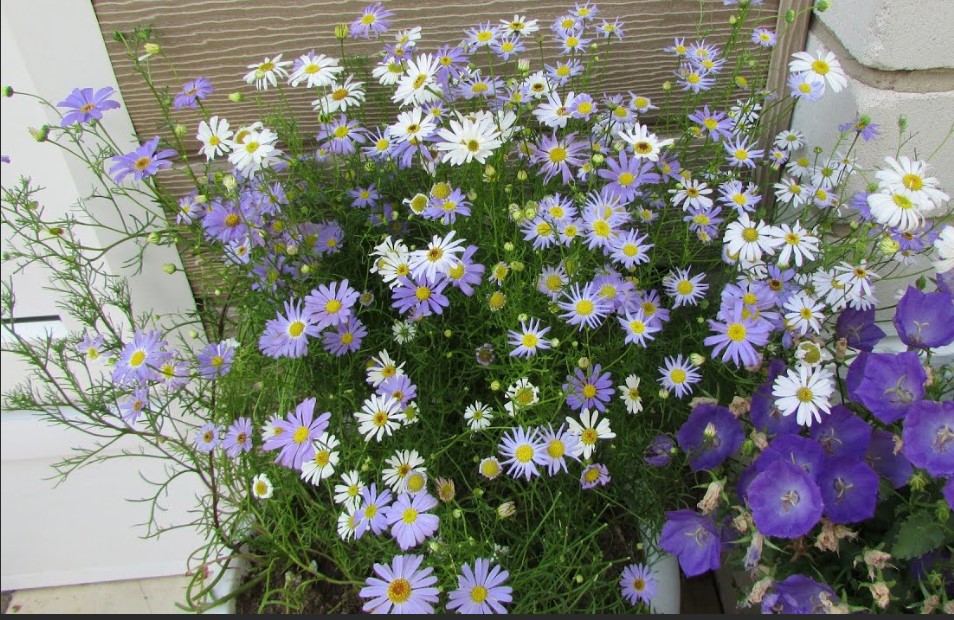
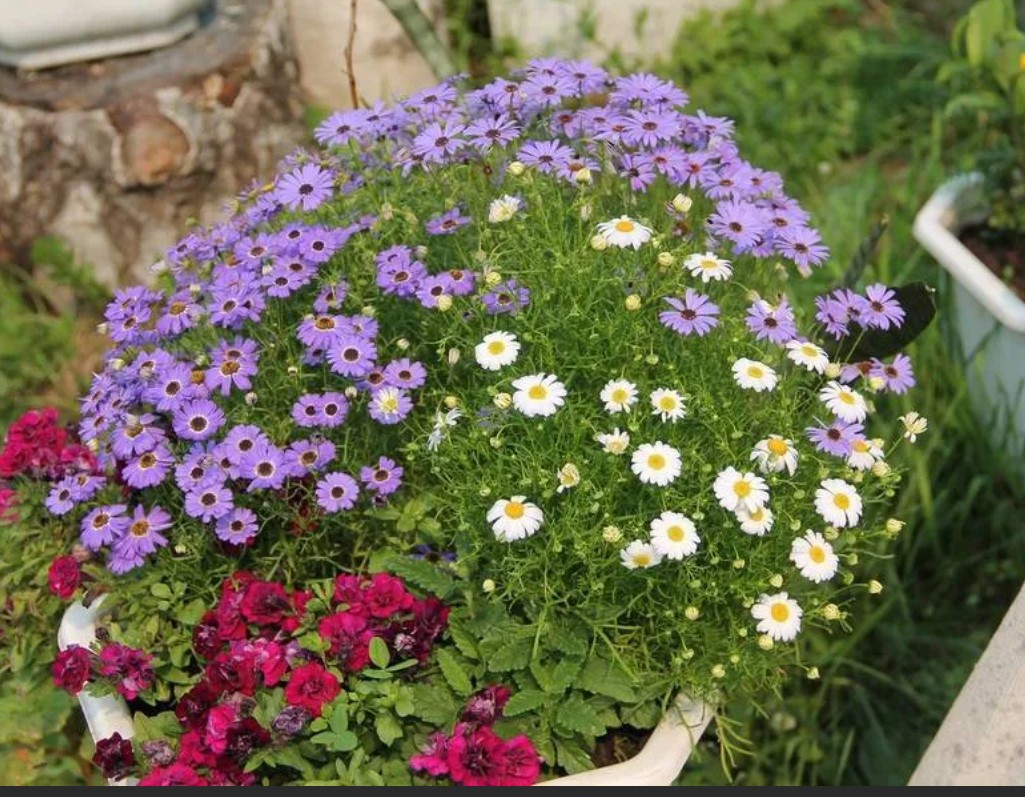
Brachycomes can be perennial or annual, but the most prized are the Brachycome Polypartum and Brachycome Iberisolifolia. Their inflorescences range in shades from white to purple, reaching 3.5 cm in diameter, and the bush can reach 40 cm in height.
Flowers prefer a well-lit area, so it's best to choose a southern location for the garden. Sow seeds in the first ten days of March for planting in a permanent bed in May.
The first shoots appear in about 2 weeks, and after three leaves have formed, the seedlings are picked.
Photo gallery
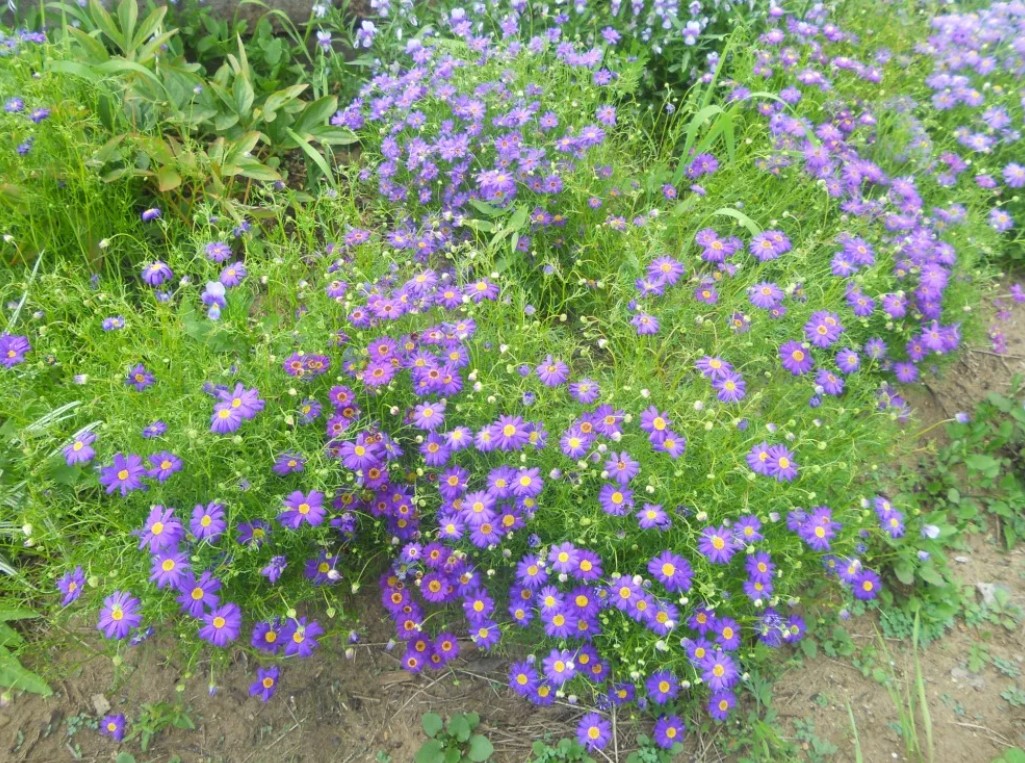
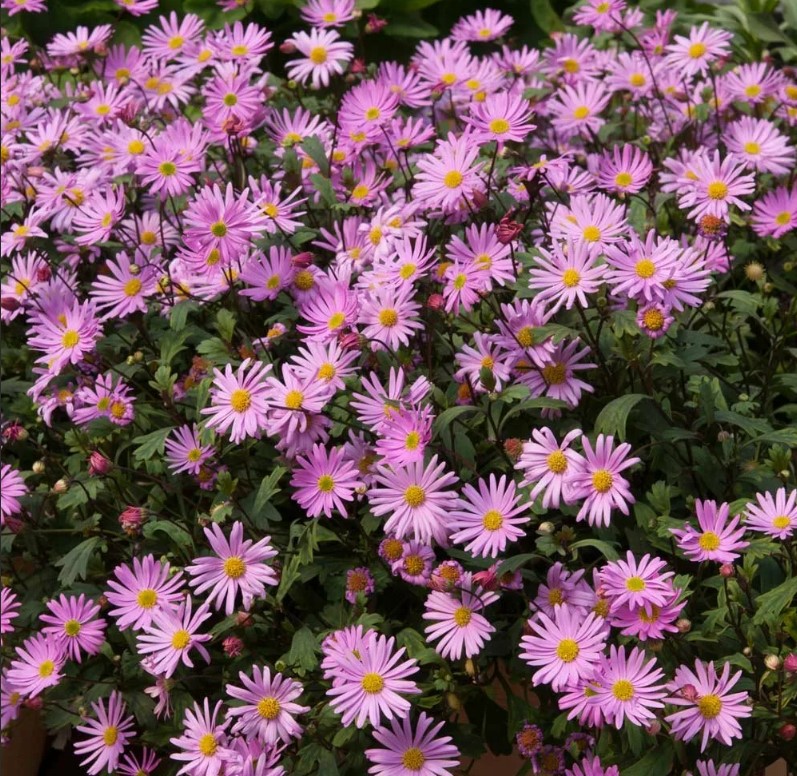
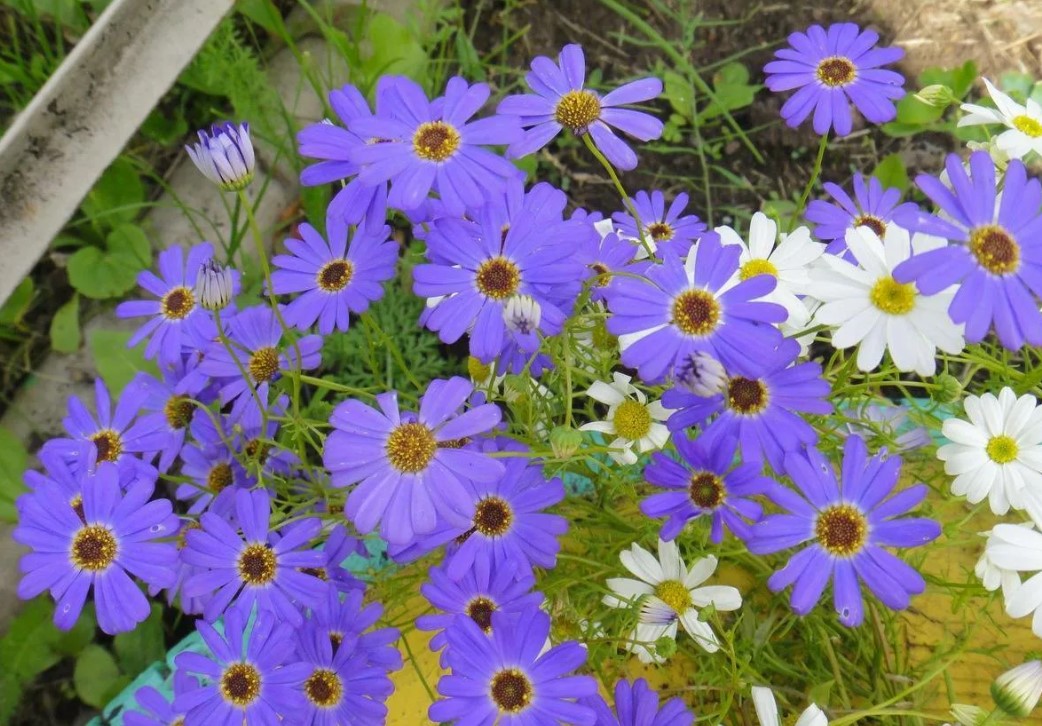
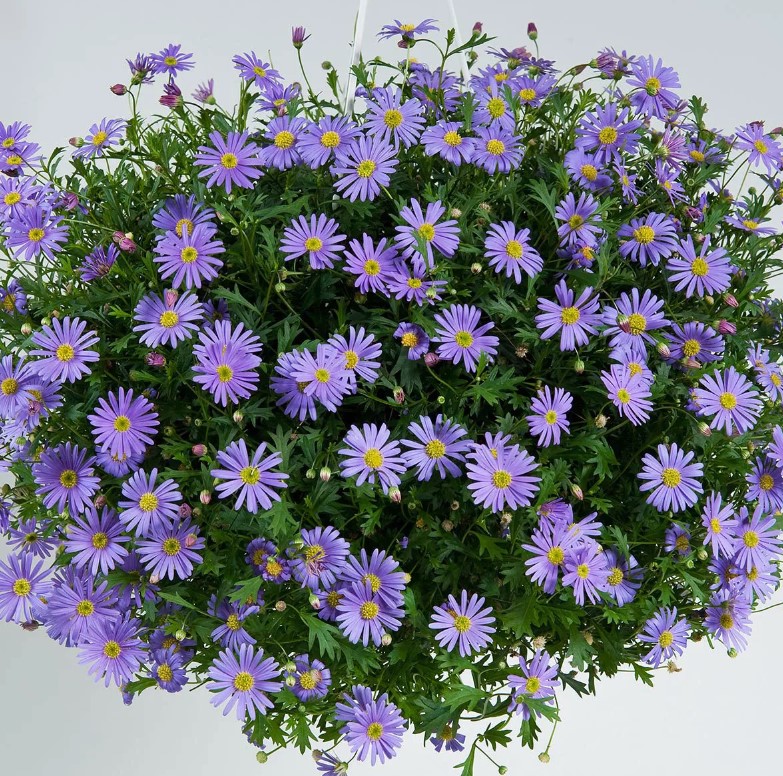
Find out more about Brachycome, how to plant and care for it.
Verbena
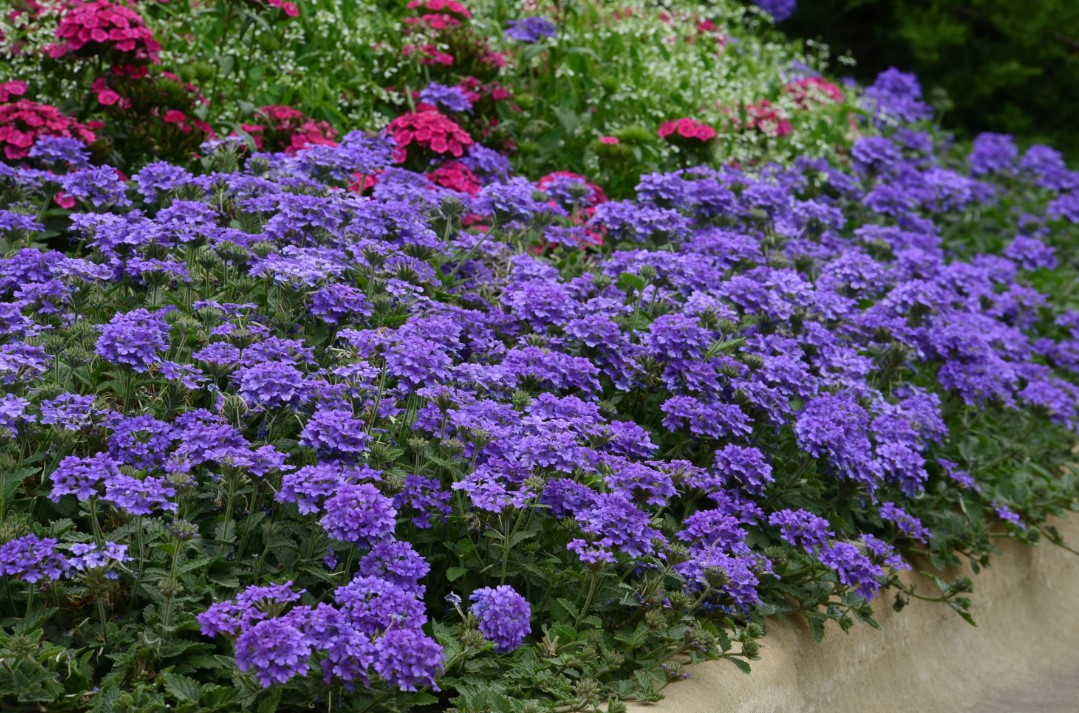
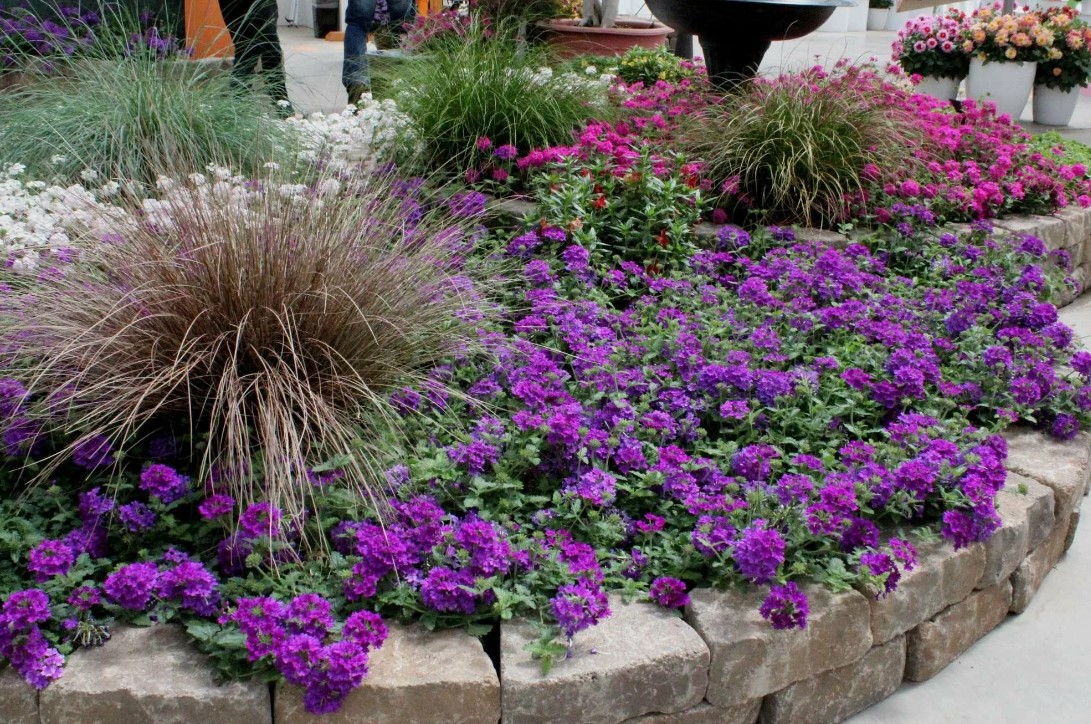
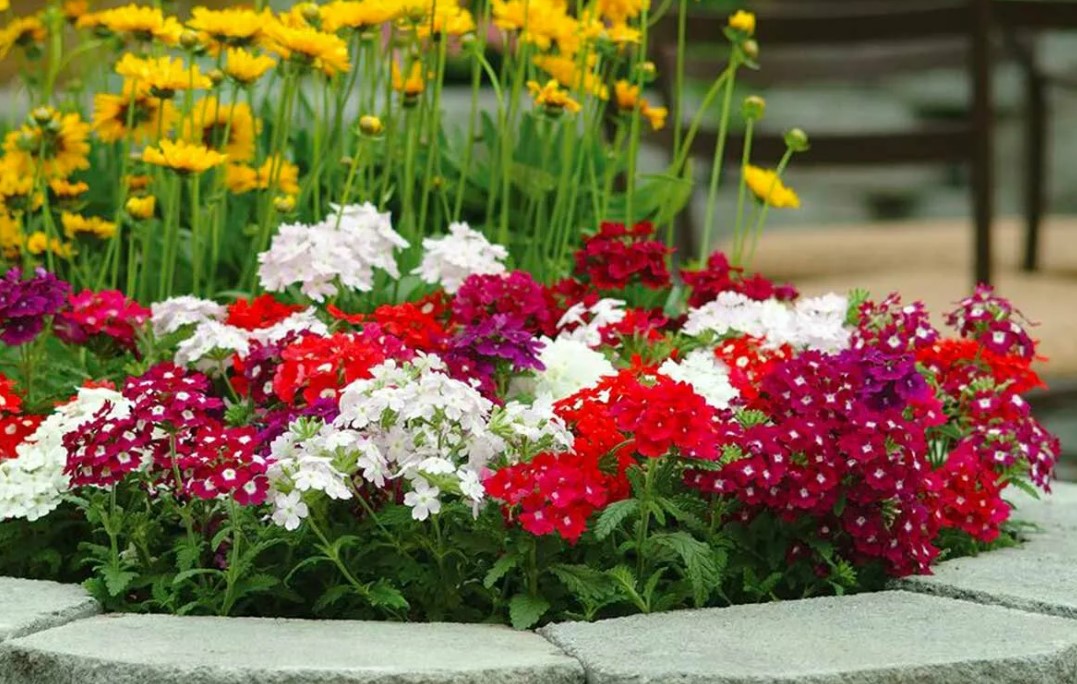
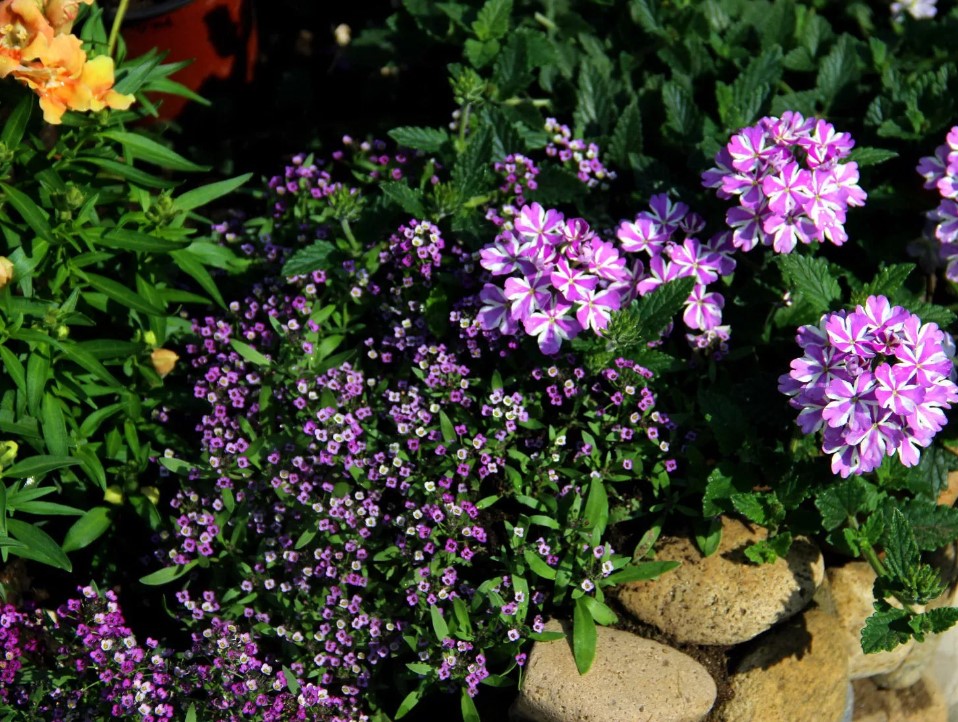
The flower is a subshrub whose shoots are crowned with terminal inflorescences of varying colors. Flowering lasts from June to October.
Before planting, the seeds are placed in a refrigerator for 30 days to stratify. Verbena can be sown in March. The seeds remain in the soil for a very long time without moving, and the first shoots appear only after 3-4 weeks. The plant is transferred to the open ground in May; it tolerates mild cold snaps well.
Verbena can be planted in either a shaded area or a well-lit flowerbed; the plant does not have any particular lighting preferences.
Photo gallery
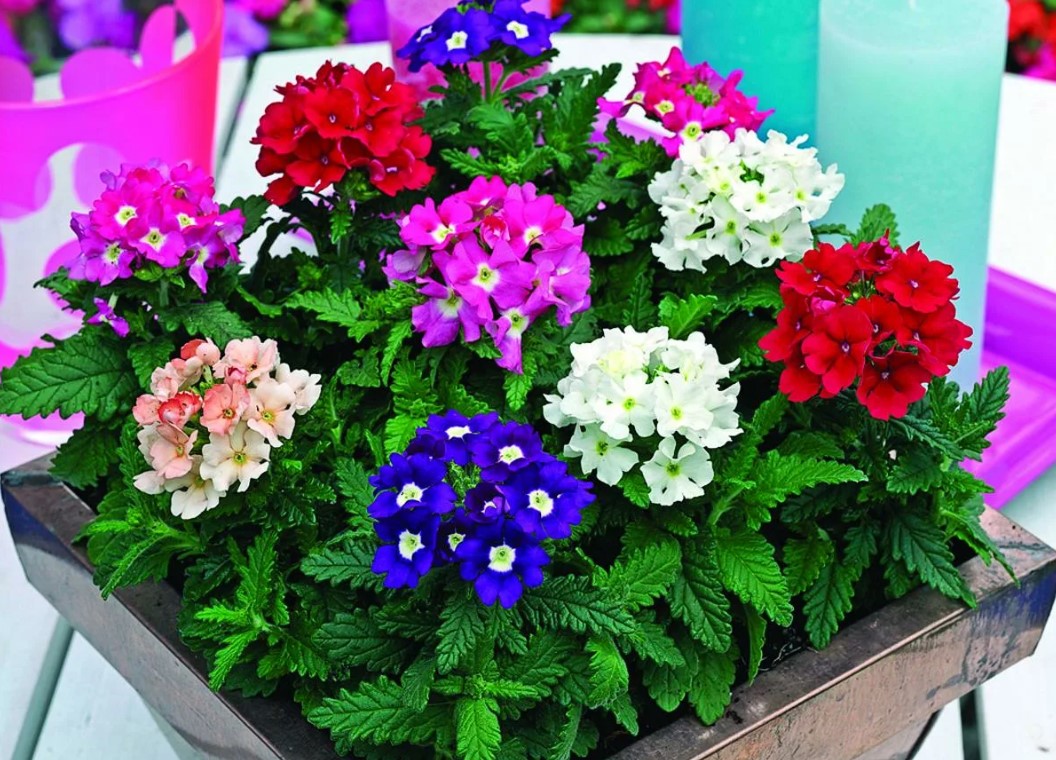
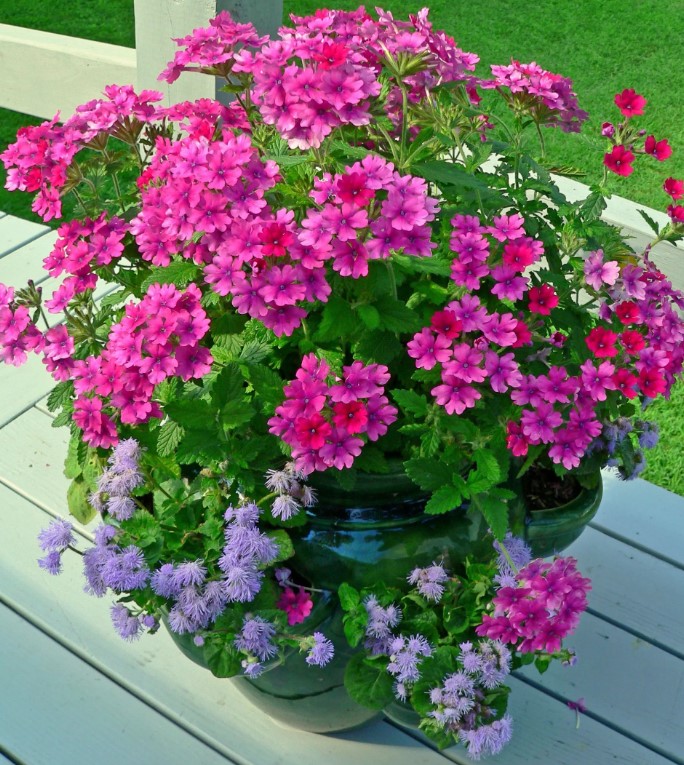
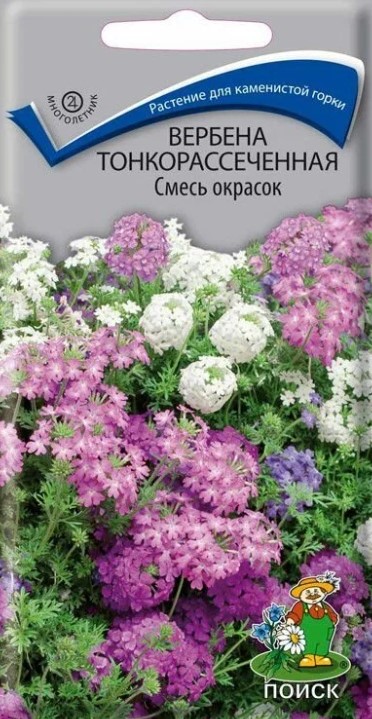
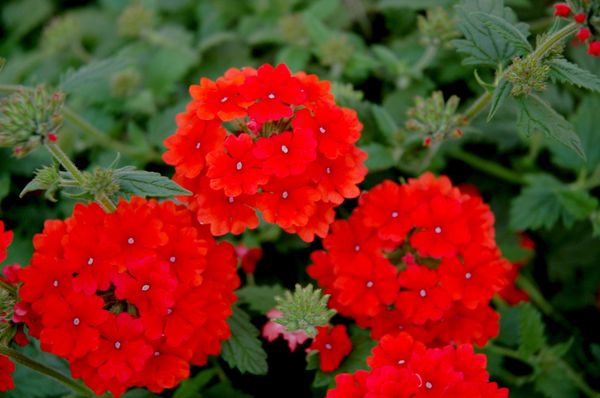
Read more about verbena in the articleVerbena: description of the flower and its types, care.
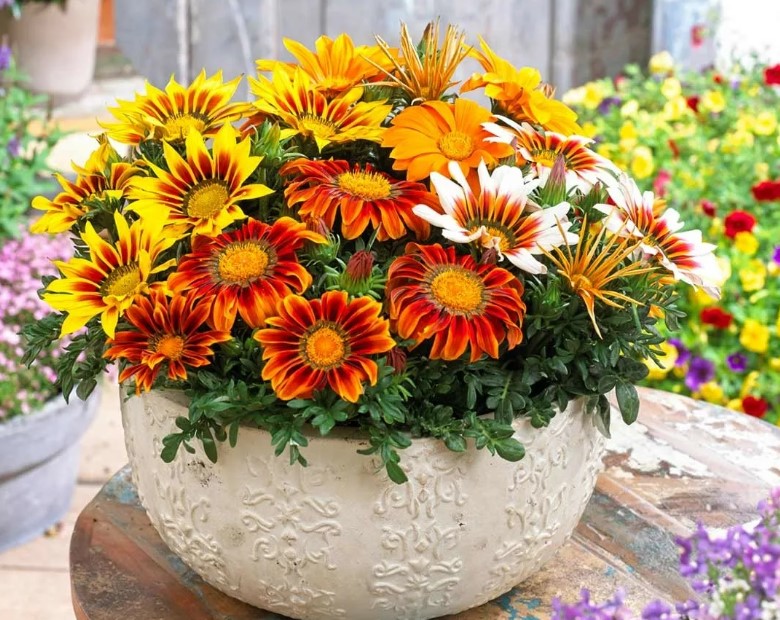
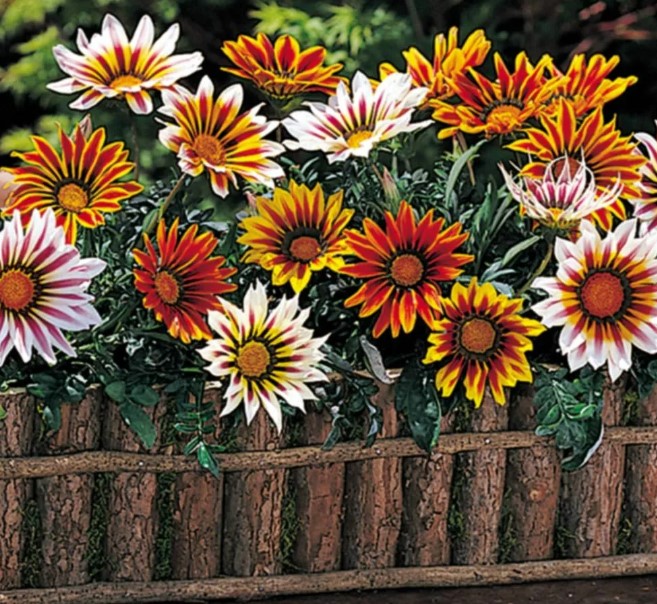
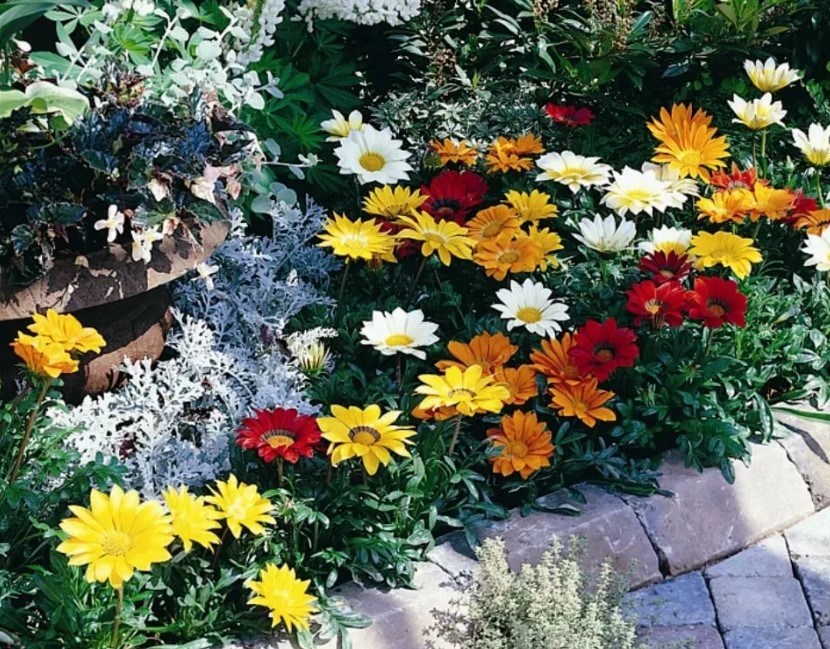
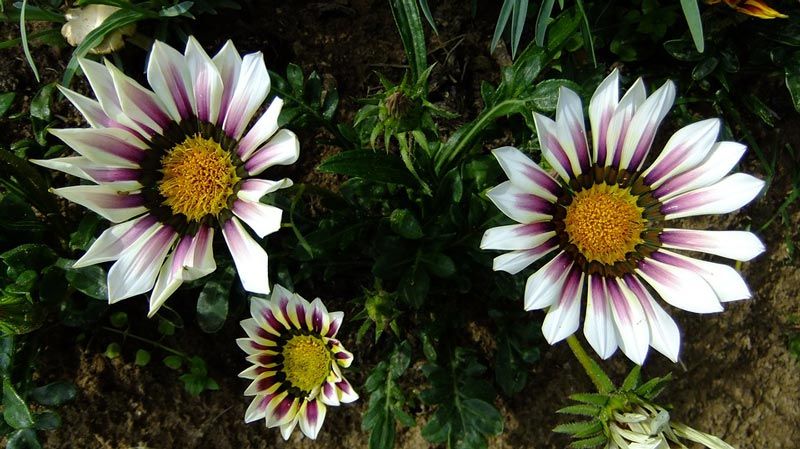
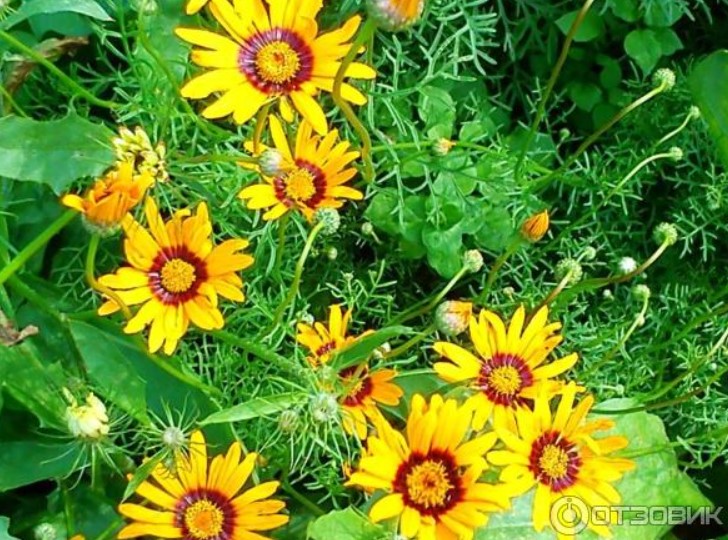
Gazania
Gazania flowers resemble daisies, but the petals are decoratively variegated. The inflorescence can reach 10 cm in diameter. This annual tolerates heat and drought well. A distinctive feature of Gazania is that its flowers open only in clear, sunny weather. However, breeders have developed several varieties that are not sensitive to light levels.
Seeds for seedlings are sown in mid-March, with flowering occurring in late June or early July. The first shoots often appear as early as three days after planting.
Planting flowers in a permanent bed is carried out in the second half of May, when the air temperature does not drop below +5 °C.
Photo gallery
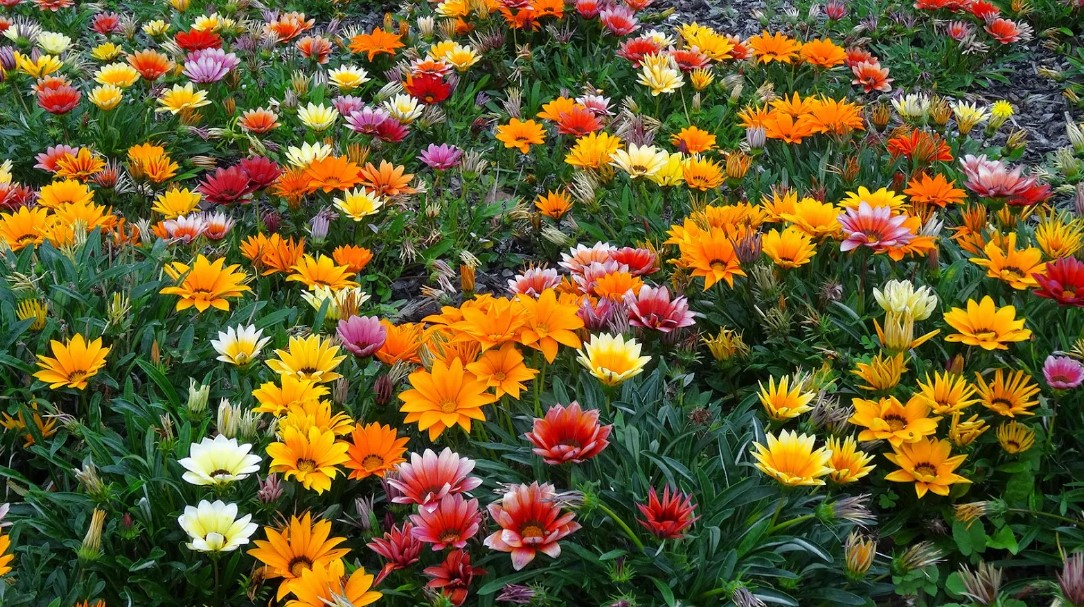
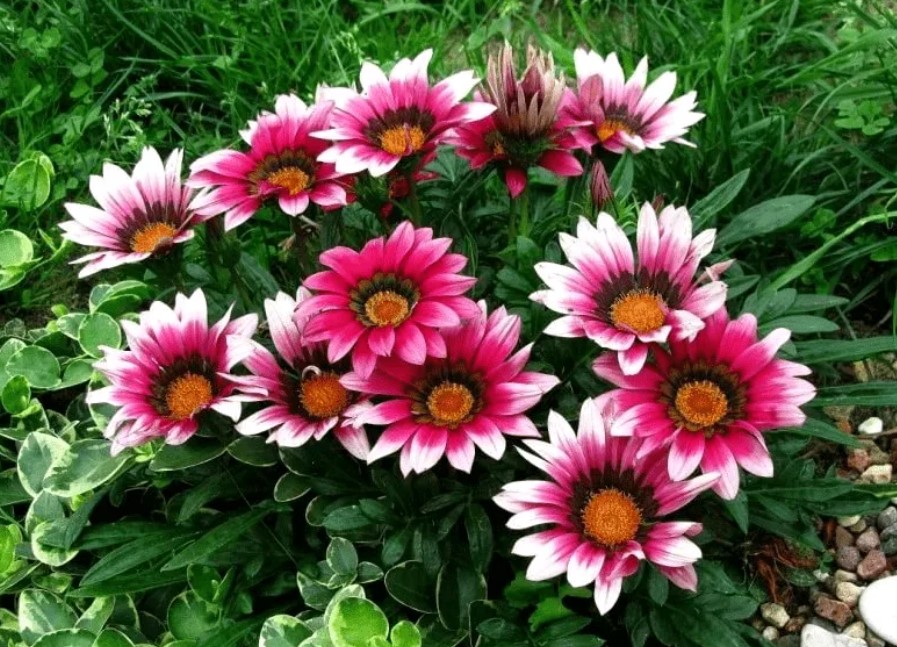
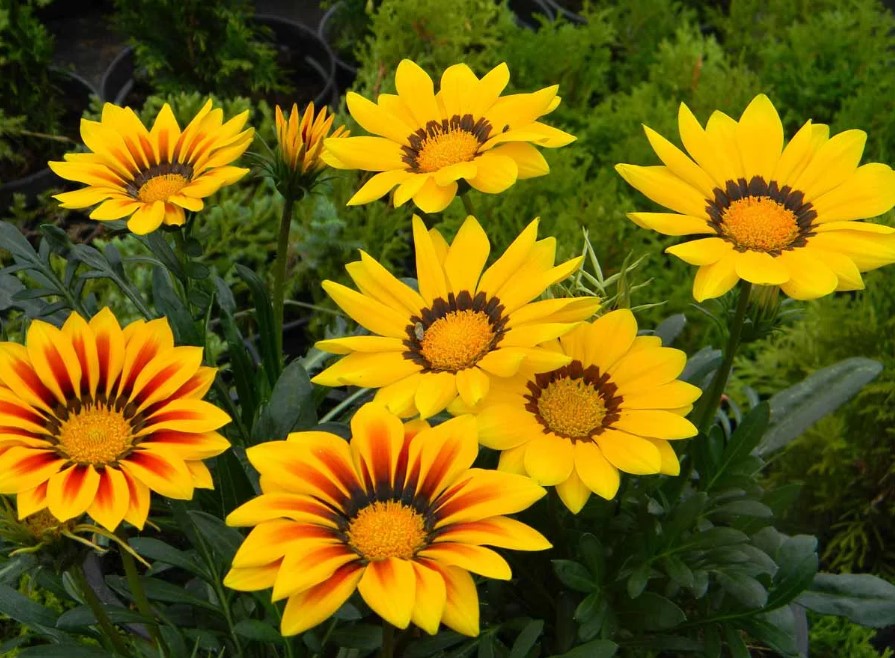
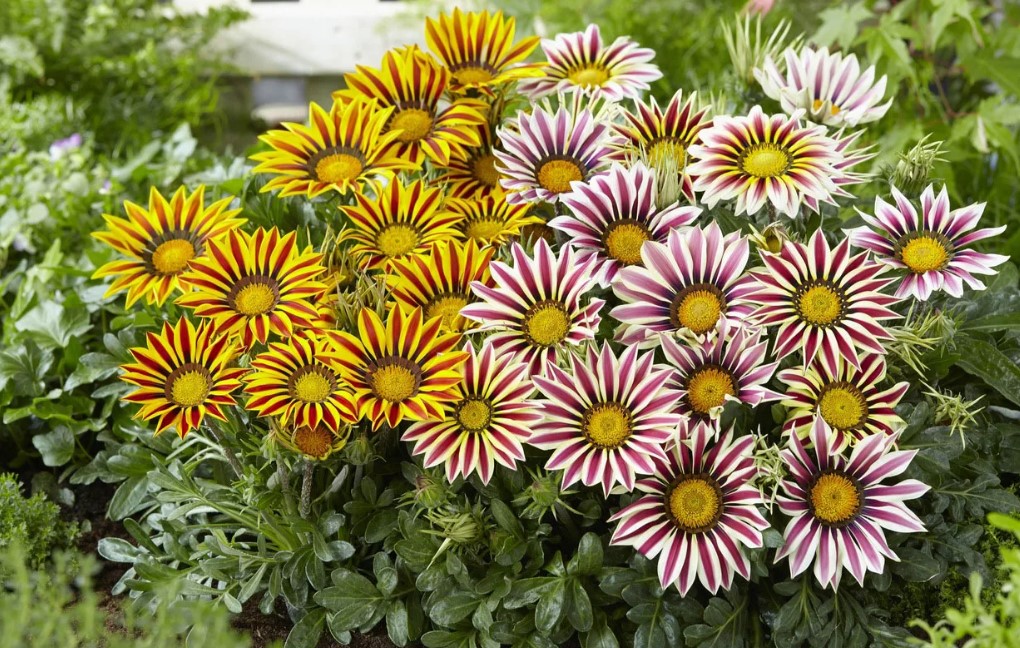
Gazania and Gazania on our website?
Heliotrope
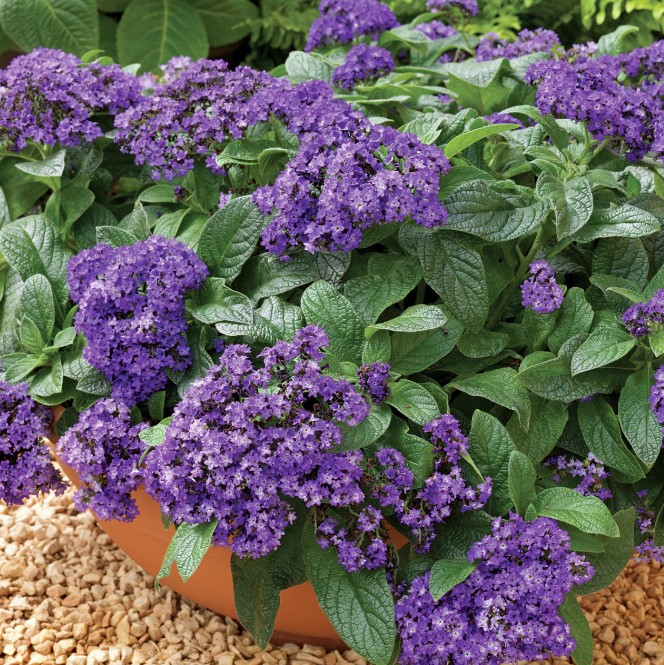
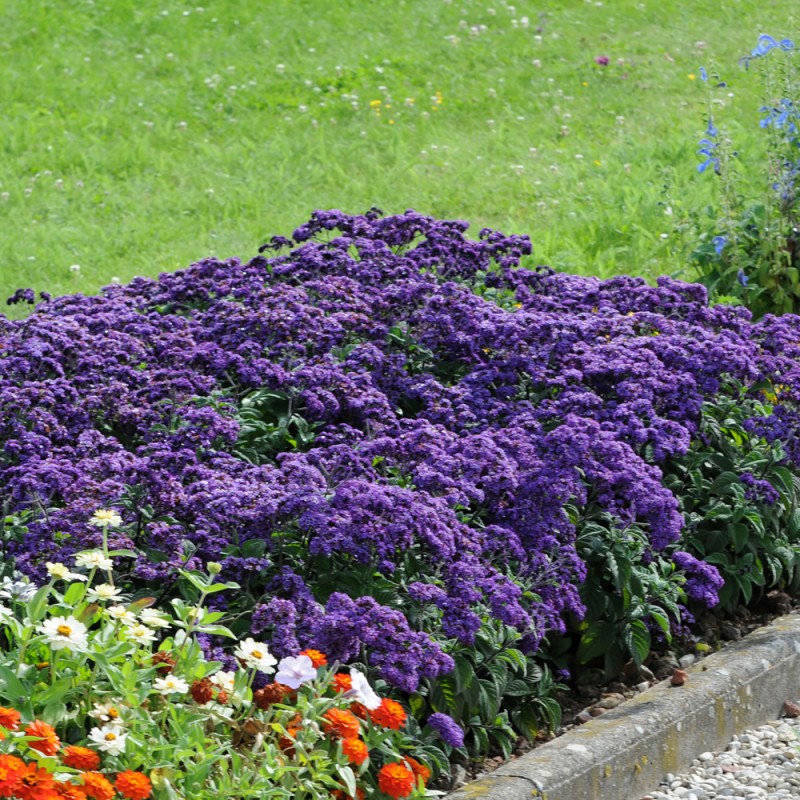
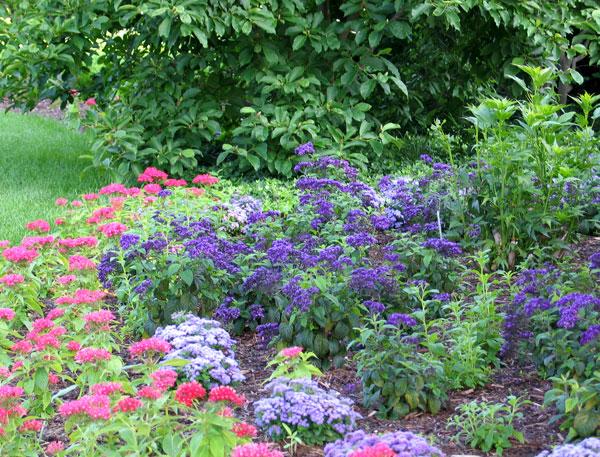
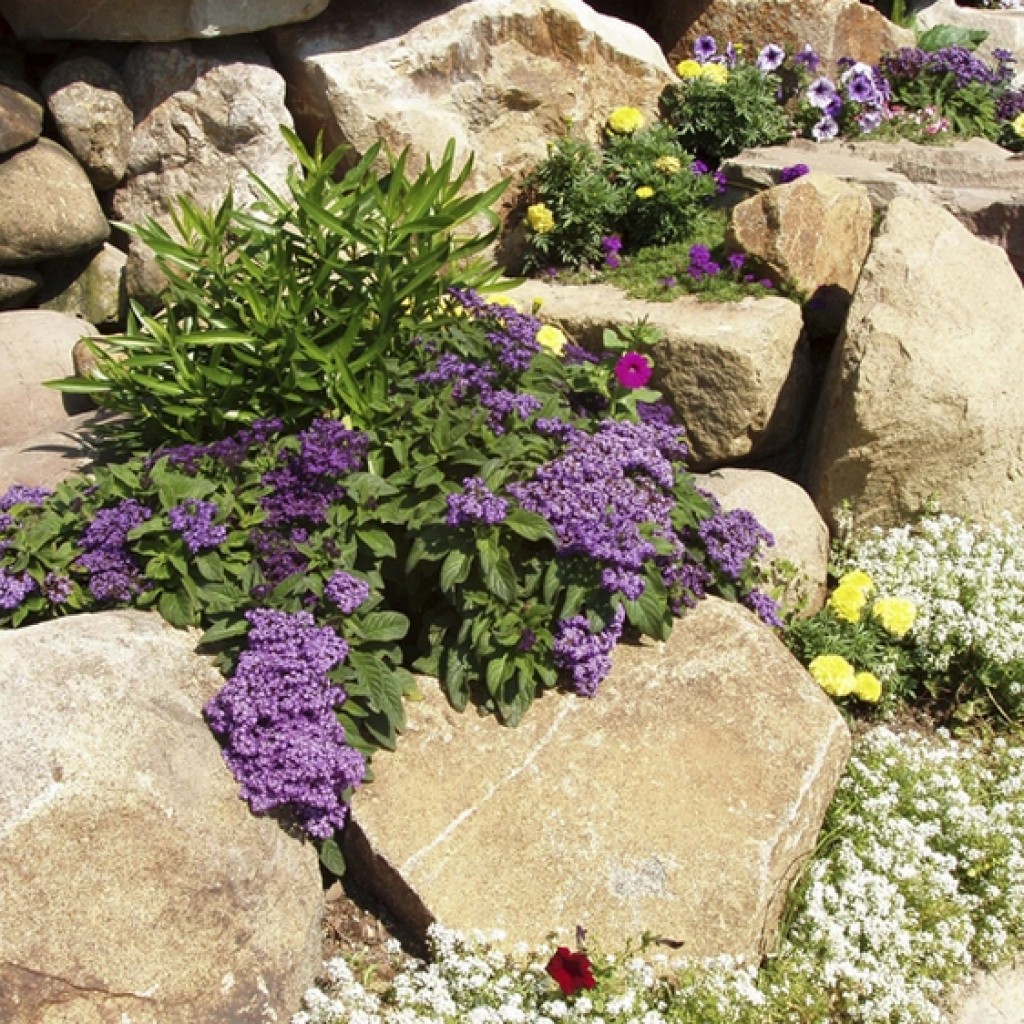
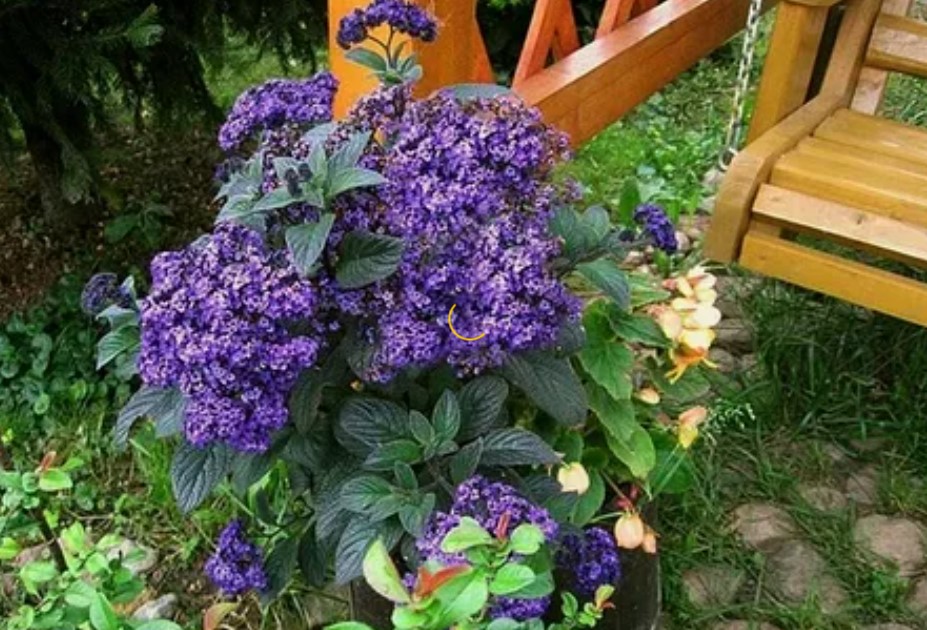
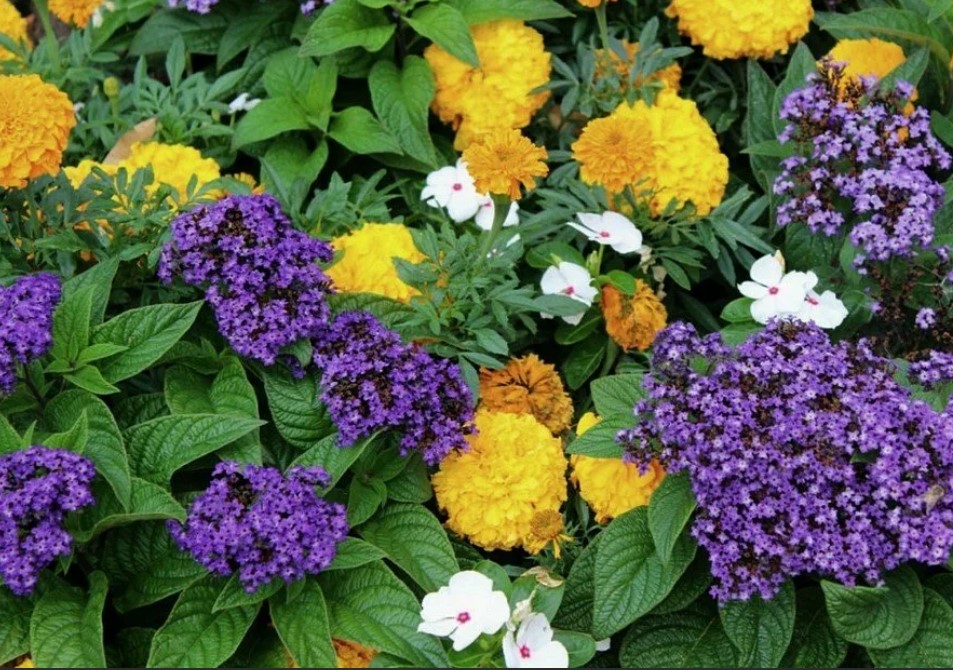
The shoots reach 20-60 cm in height, are vigorous, upright, and pubescent. The flowers are violet or dark blue, and some specimens have white buds. Heliotrope It is famous for its exquisite aroma, which is widely used in perfumery.
Seeds are sown in late February or early March, and flowering occurs 12-14 weeks later. In March, the plants can be transplanted to a permanent bed, but it's important to ensure that nighttime temperatures do not drop below zero degrees Celsius.
Photo gallery
Helichrysum
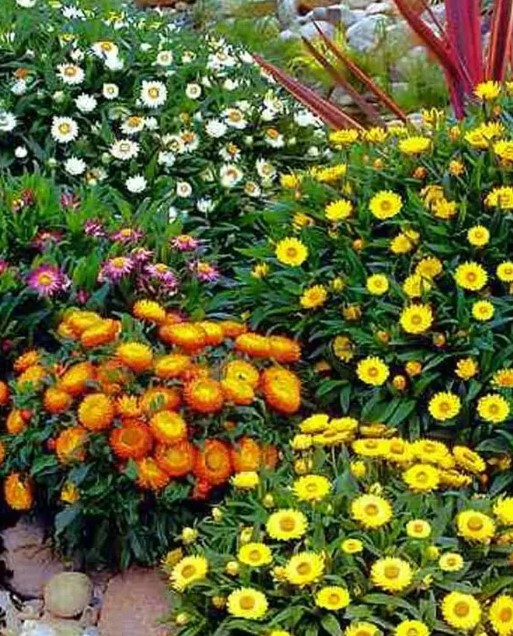
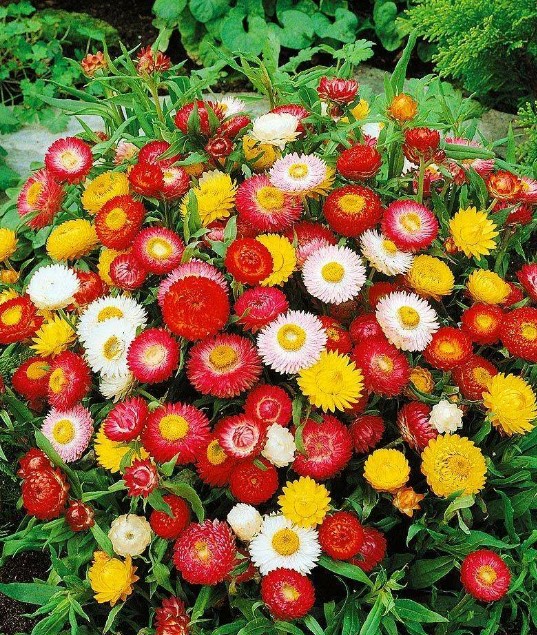
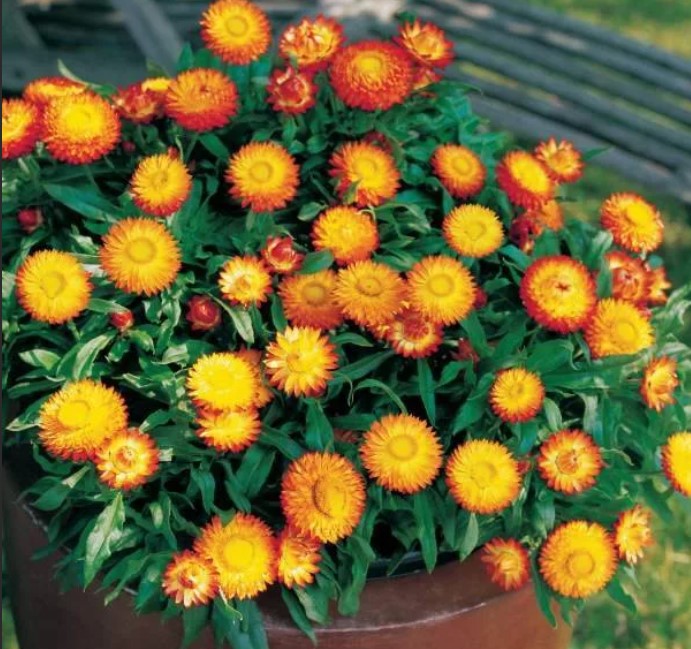
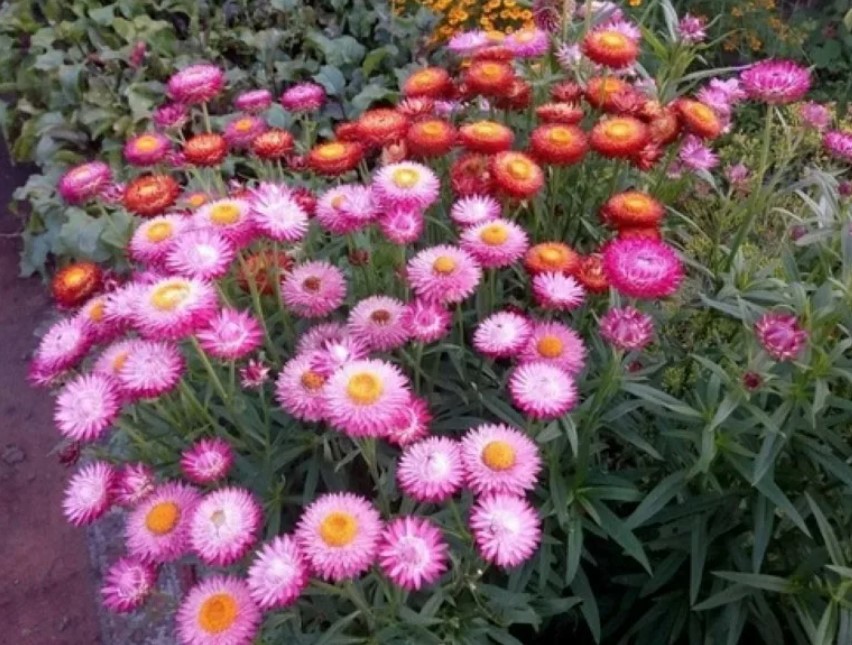
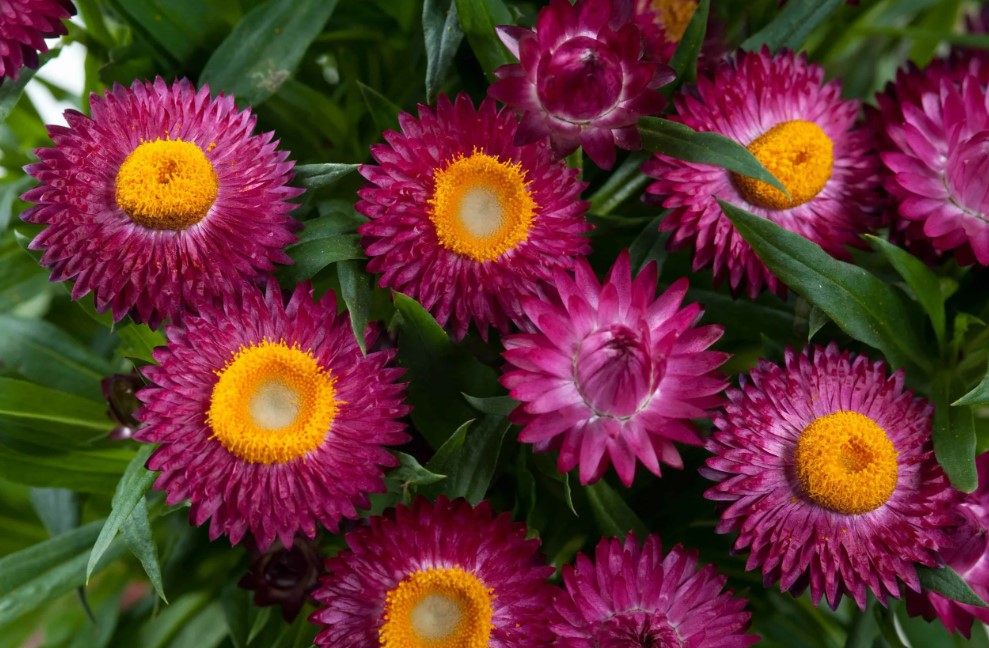
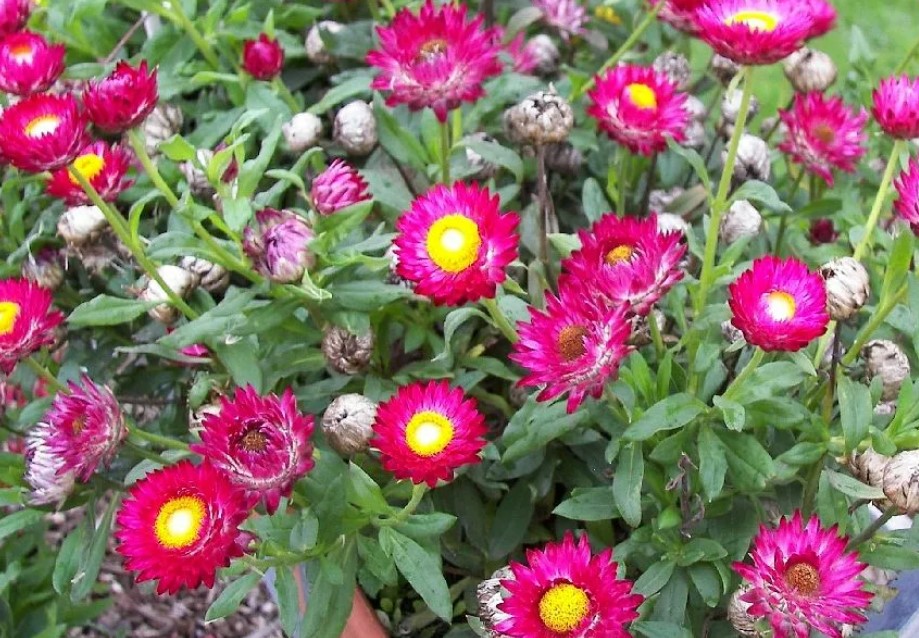
The flower's main advantage is that it is a decorative dried flower, widely used in floristry. The plant itself reaches a height of 60-80 cm. Blooming lasts for a long time, from July to October. The inflorescences resemble small asters.
Seeds are sown from late February to the second half of March, and seedlings are transplanted into open ground 1.5 months after the first shoots emerge. With proper care, they will emerge within 7-10 days.
A more detailed description of helichrysum and how to grow it here.
Photo gallery
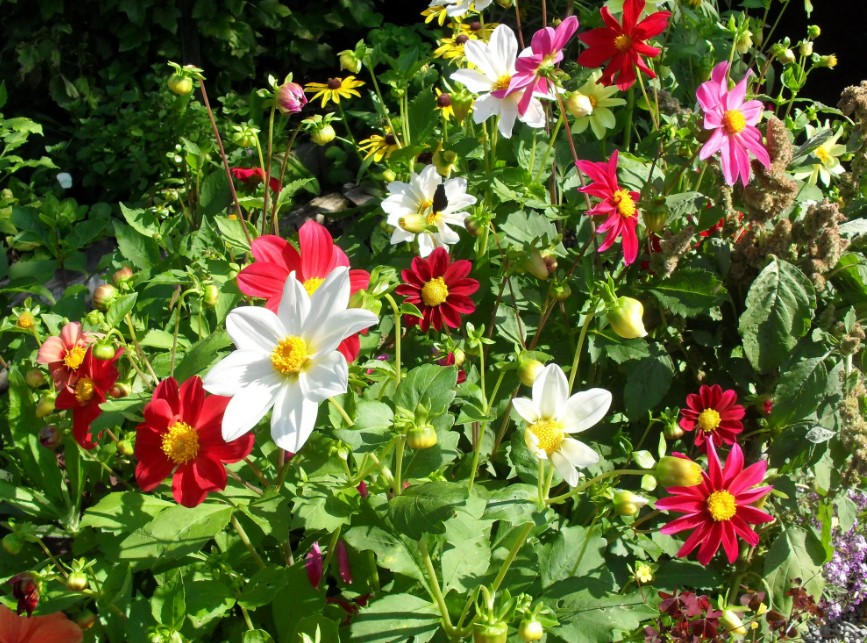
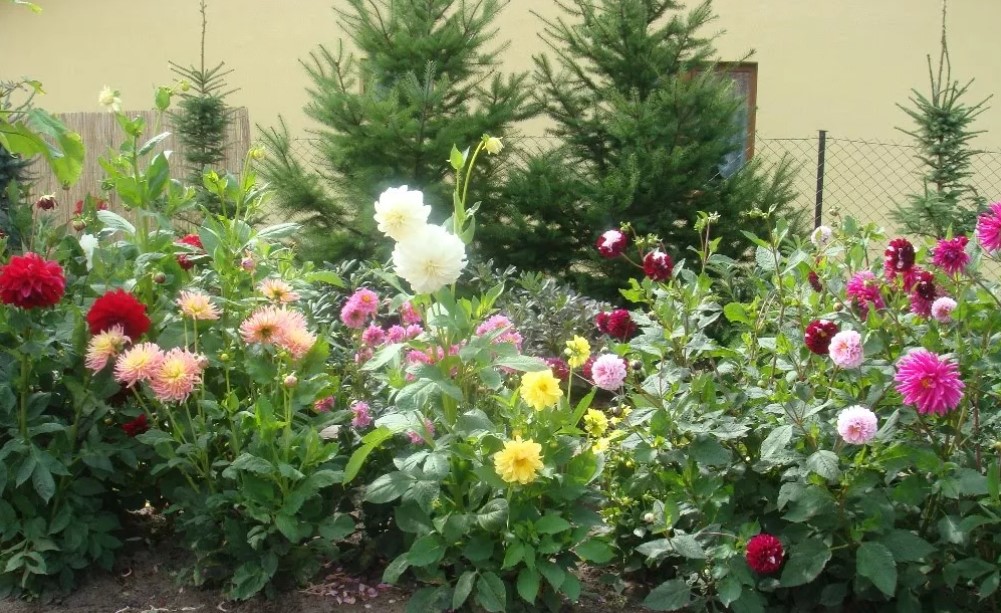
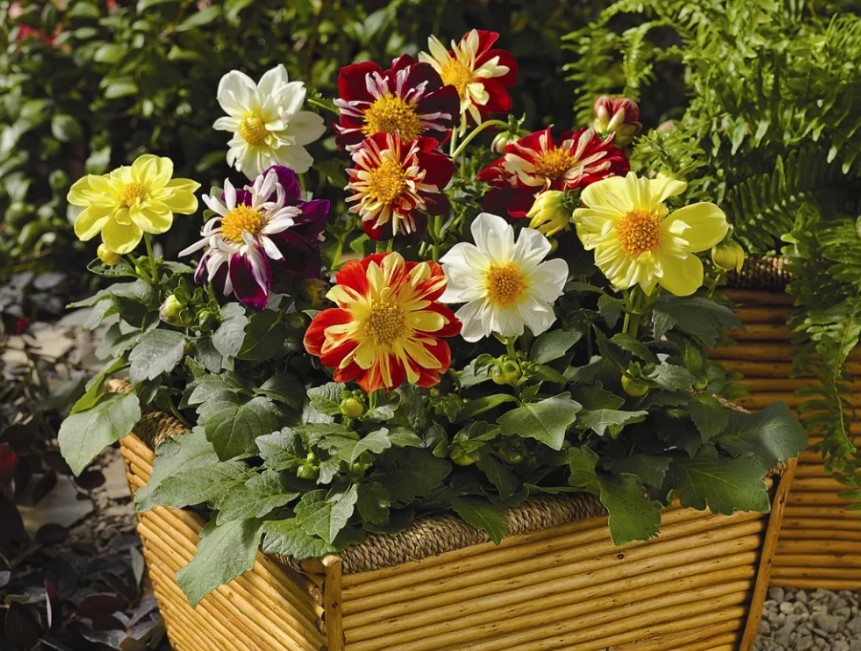
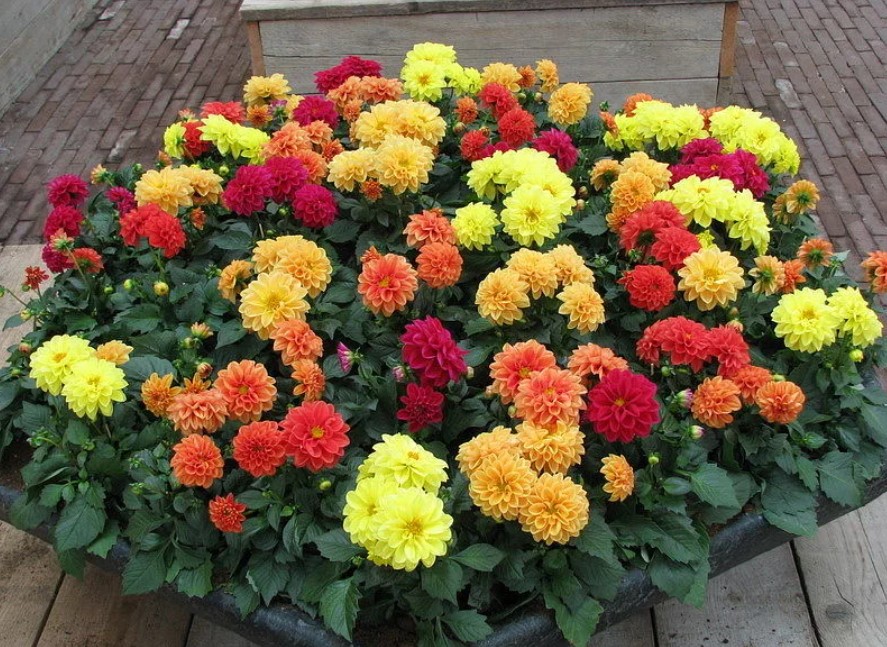
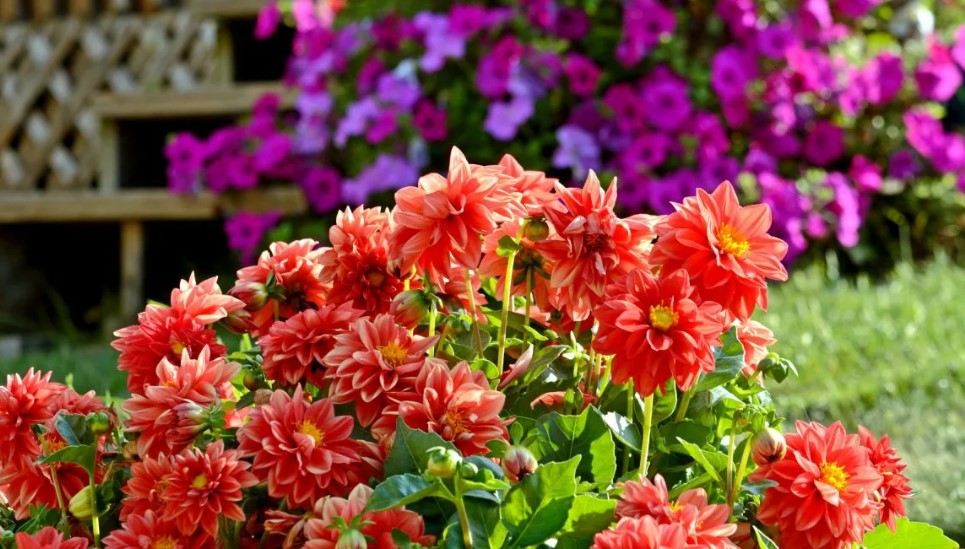
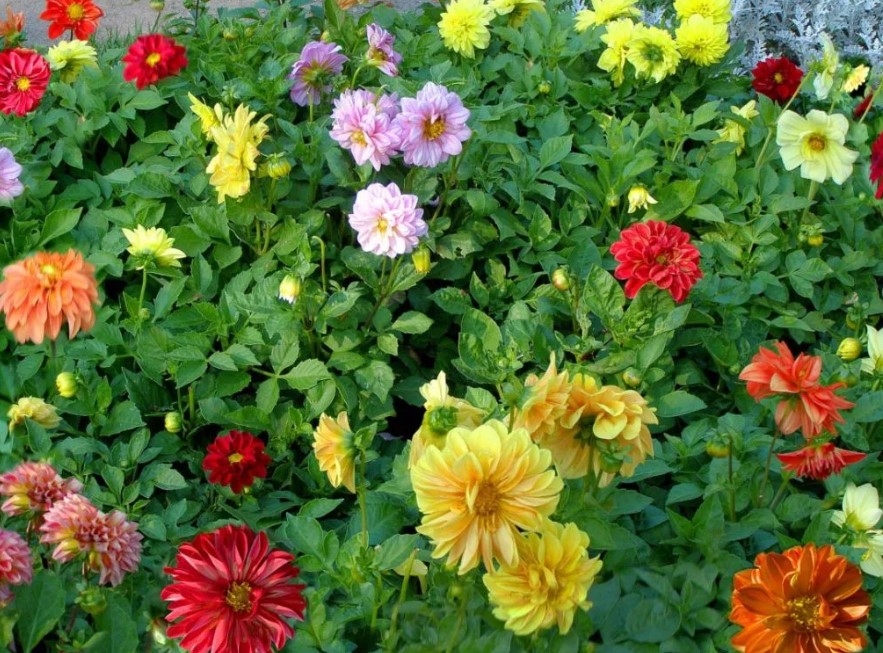
Annual dahlia
This variety of dahlia lasts only one season and is grown from seedlings. The seeds are sown in March, and the first shoots appear within a week. When the plants have four true leaves, they are transplanted to their permanent location.
Dahlias bloom from July to October, and the color of the inflorescences can vary depending on the variety chosen.
Photo gallery
Hibiscus
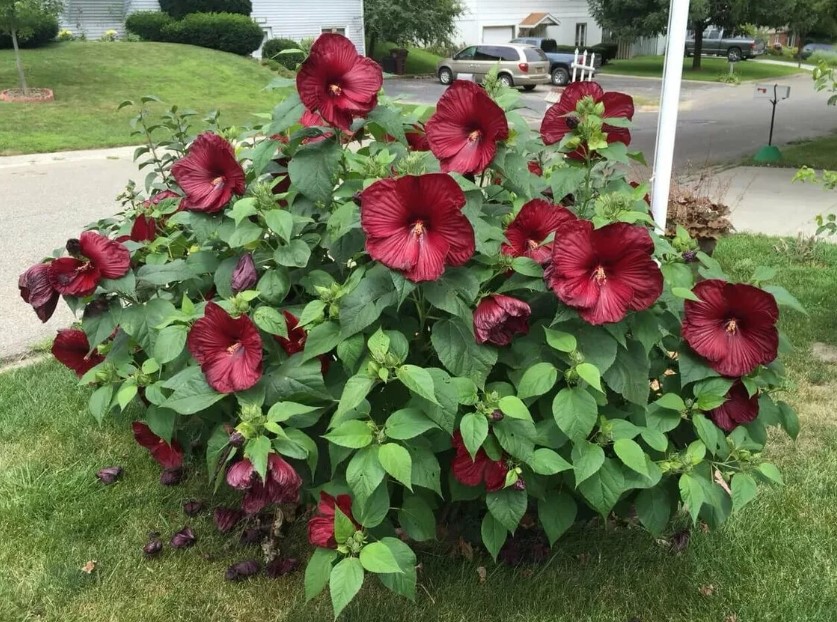
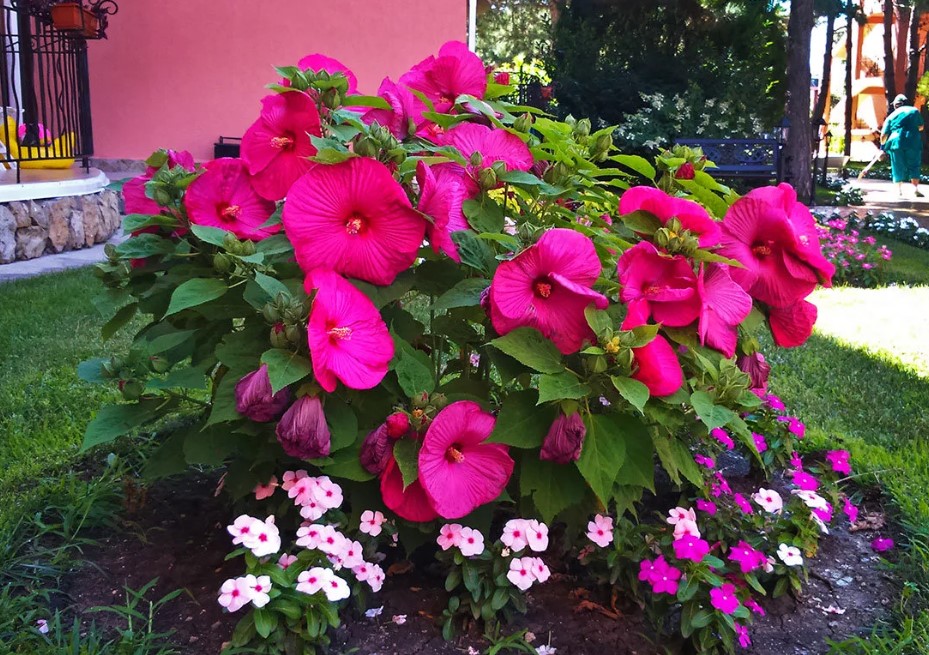
Hibiscus, also known as the Chinese rose, has around 300 varieties. Seeds are sown from January to March; the warmer the region, the earlier you can begin. Hibiscus is planted in the garden at the end of May.
The Chinese rose does not like the cold, so if there is a threat of night frosts, it is necessary to provide additional cover for the plantings.
Photo gallery
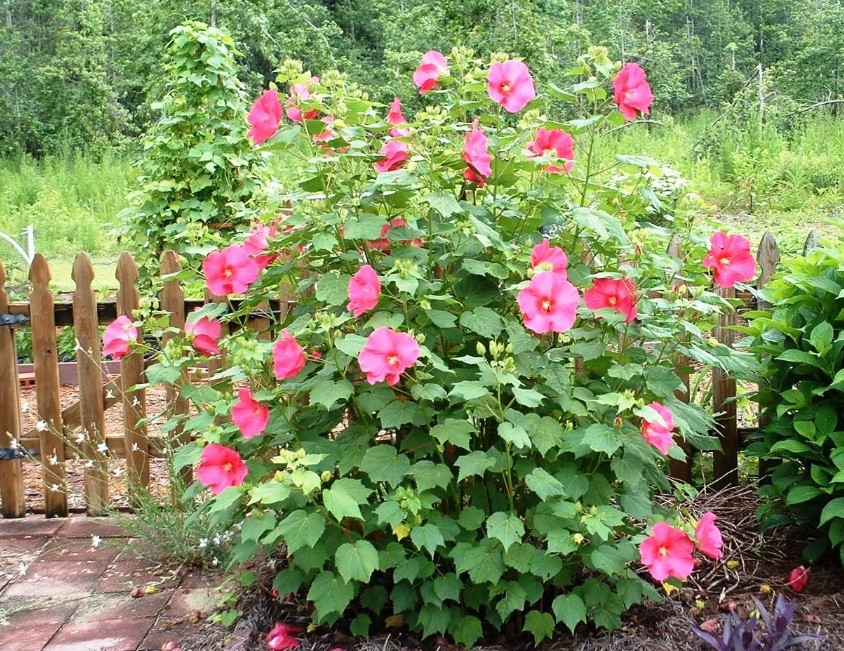
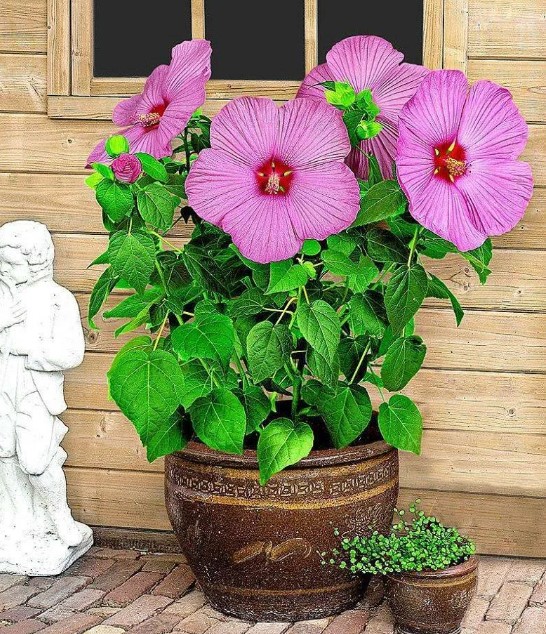
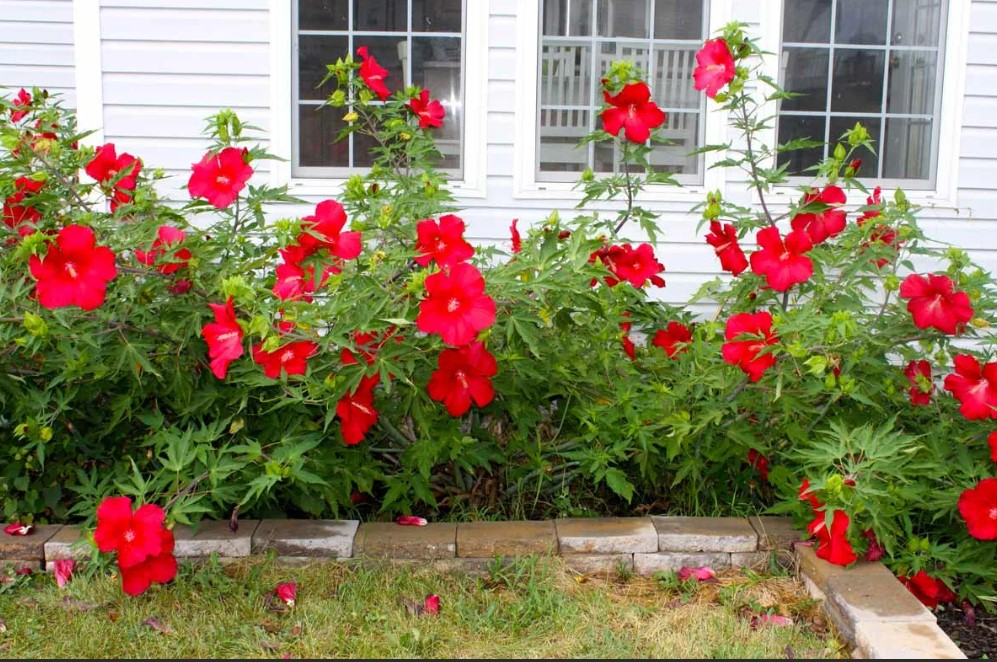
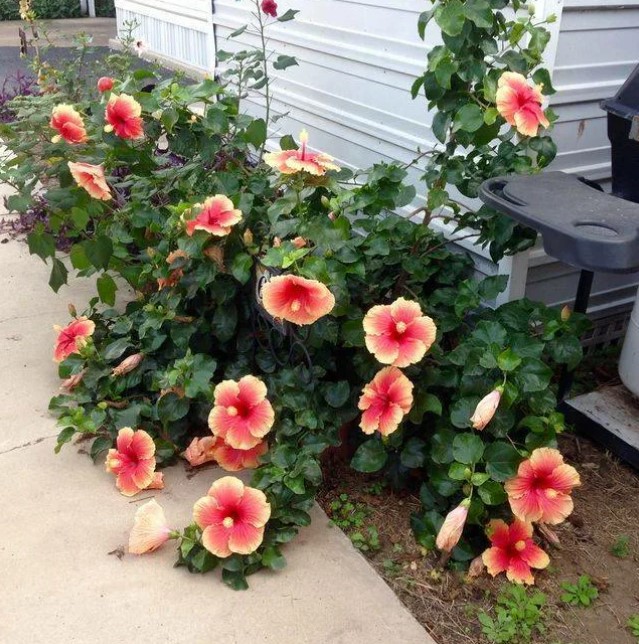
How to care for hibiscus in the garden And Houses on our website.
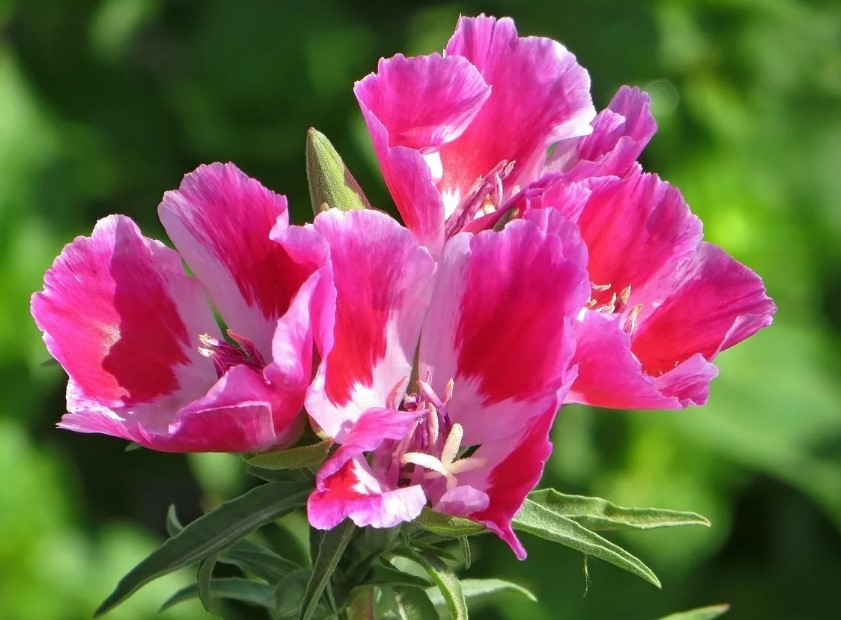
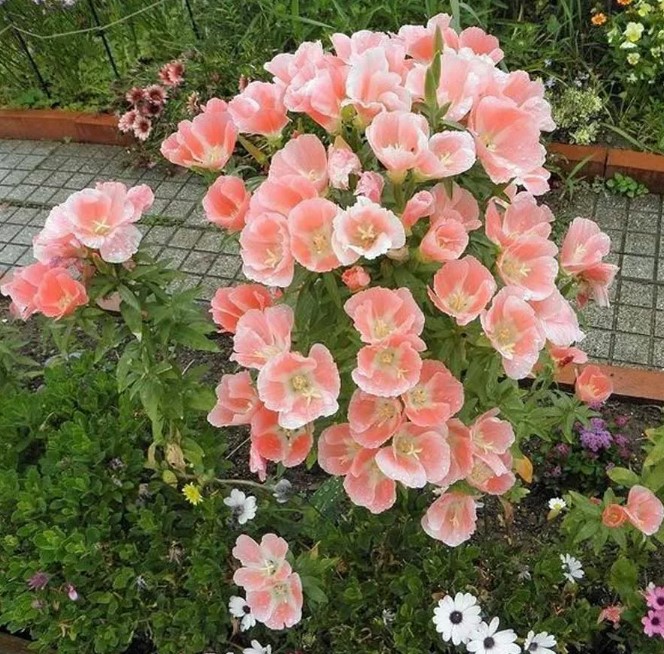
Godetia
An annual flower, also known as the "California rose." Flower color ranges from white to deep pink, and stems can be either upright or trailing.
At the end of March, the seeds are sown in boxes, and the first shoots can be expected within 10 days. Godetia is planted in a permanent bed when the soil warms to 12°C, at which point the shoot reaches approximately 6 cm in height.
Photo gallery
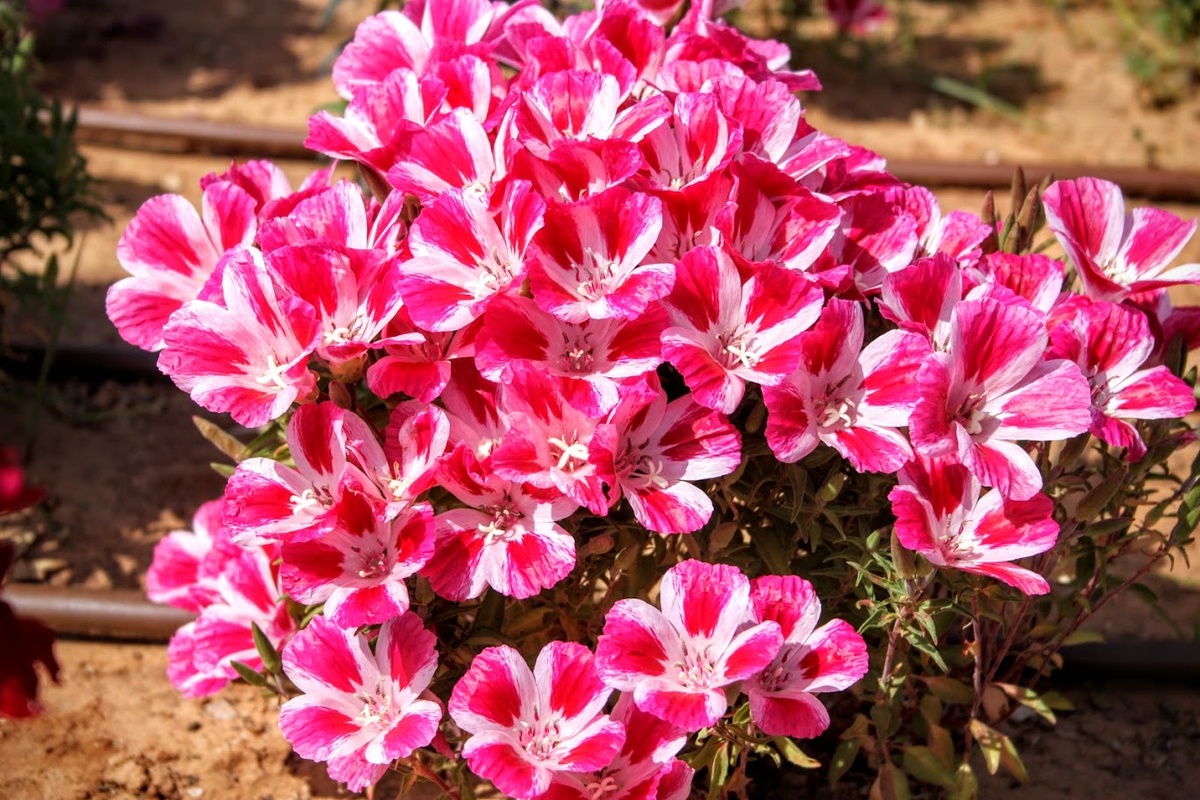
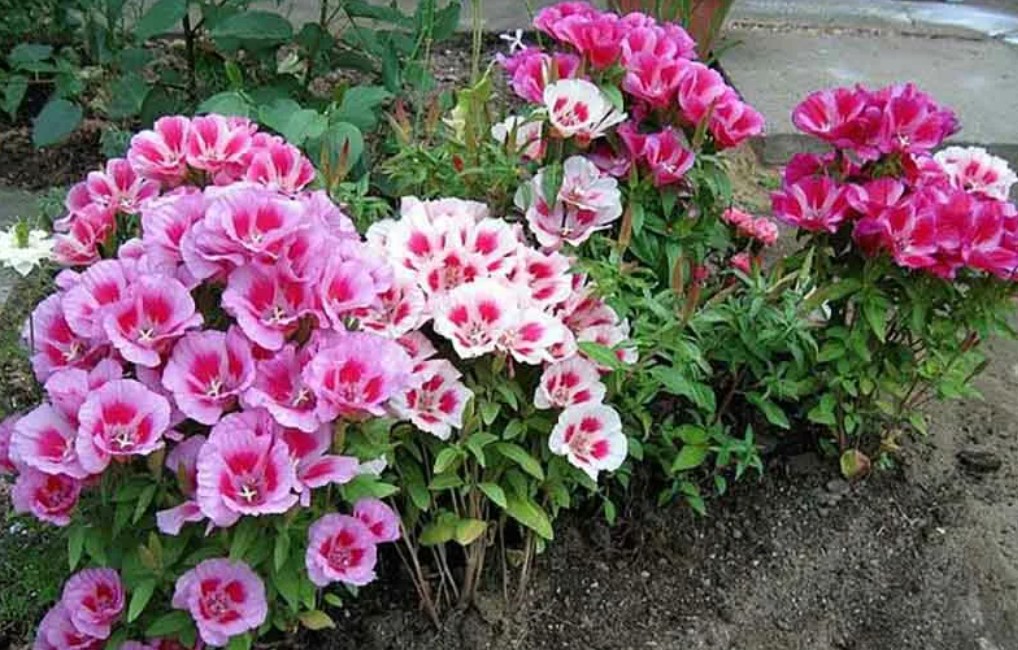
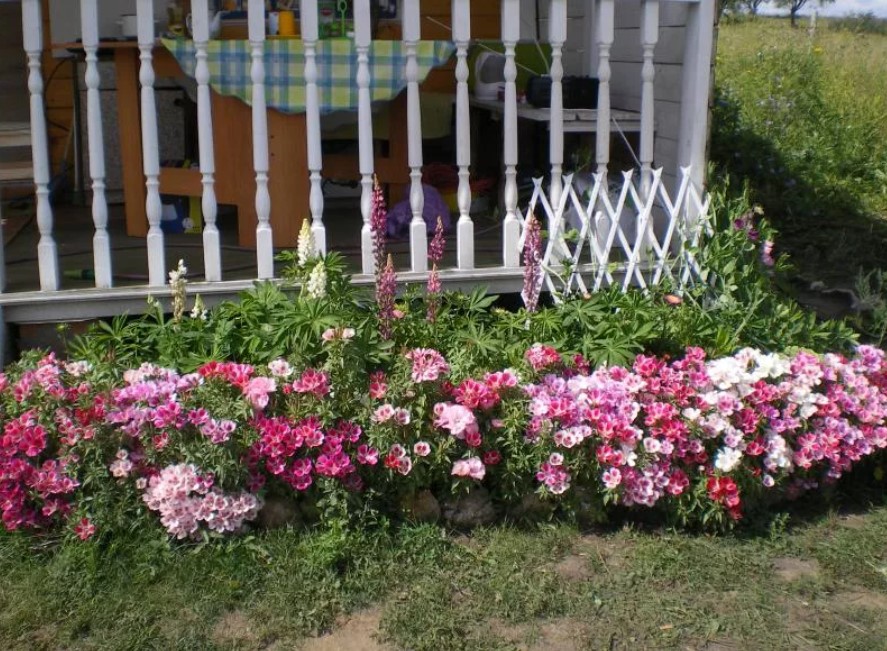
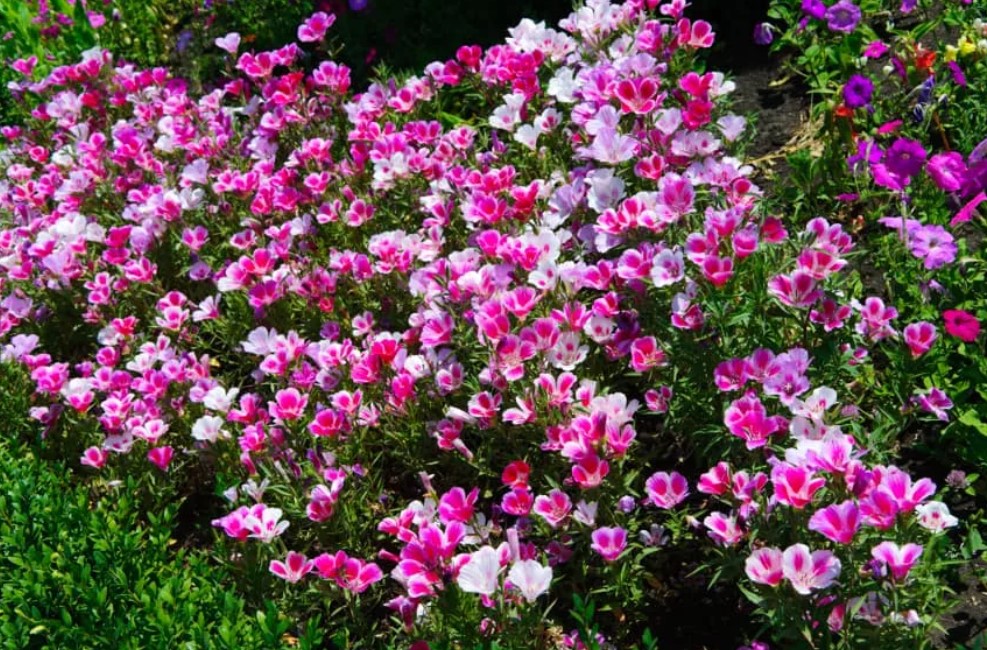
You know that godetia has 4 species and many varieties?
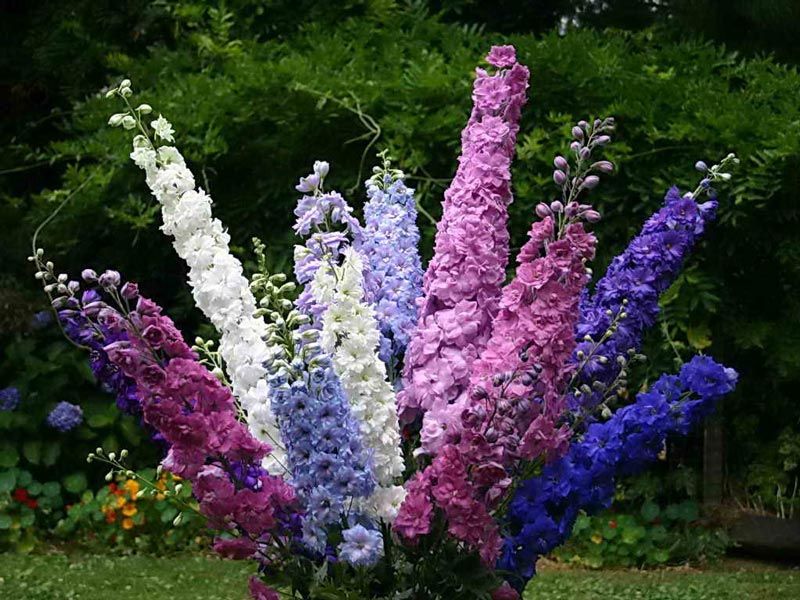
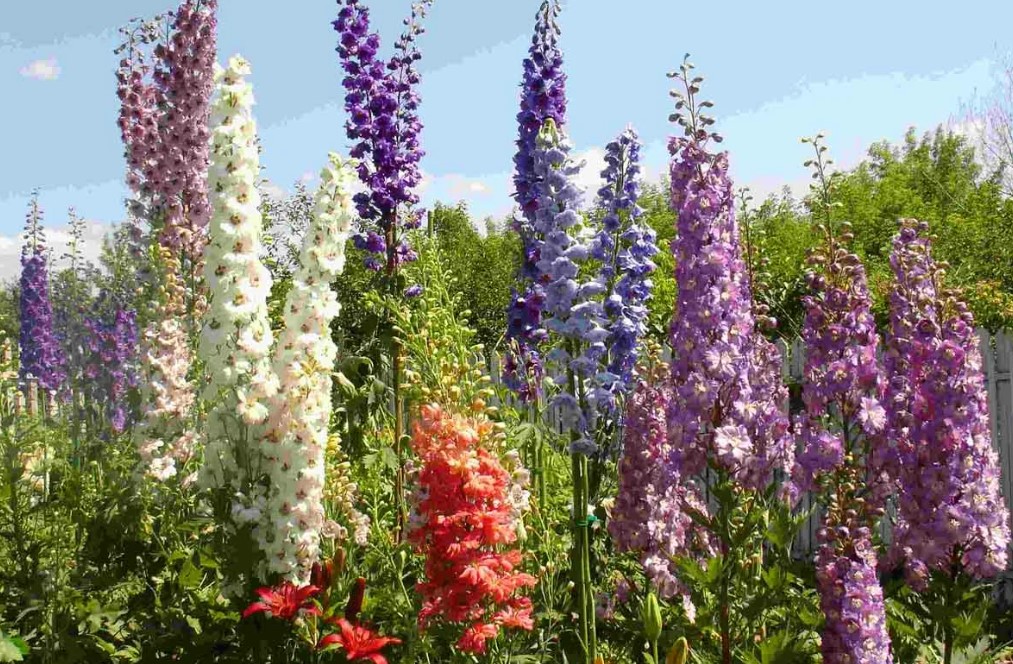
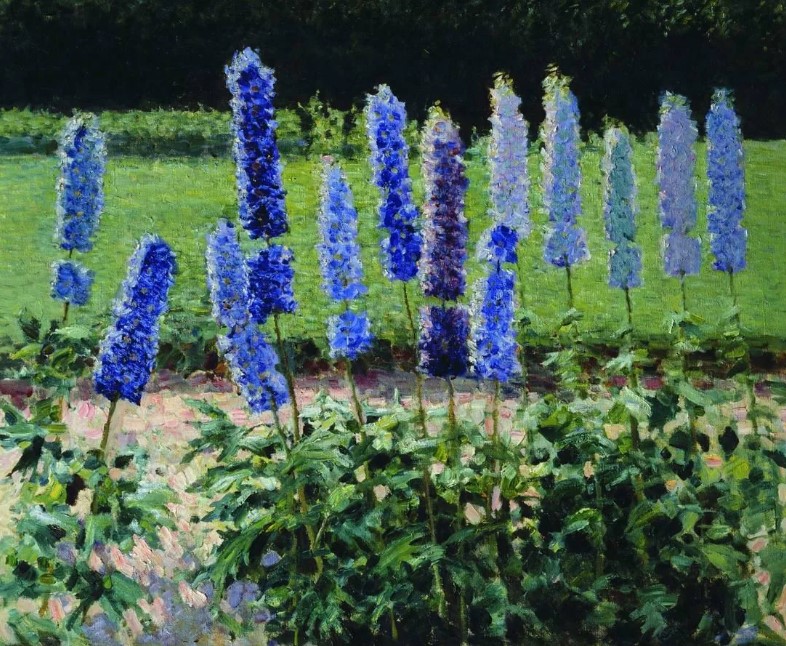
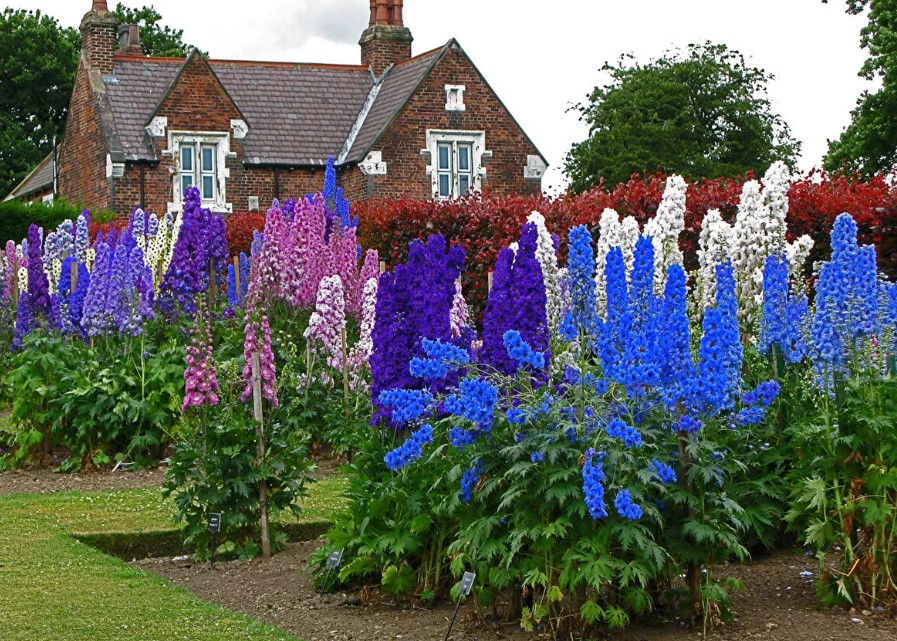
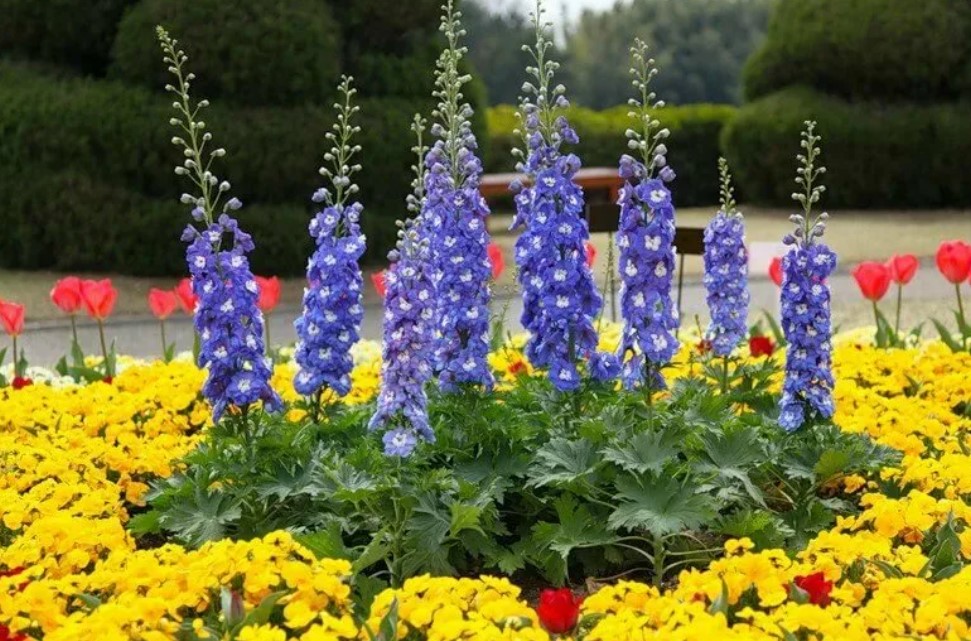
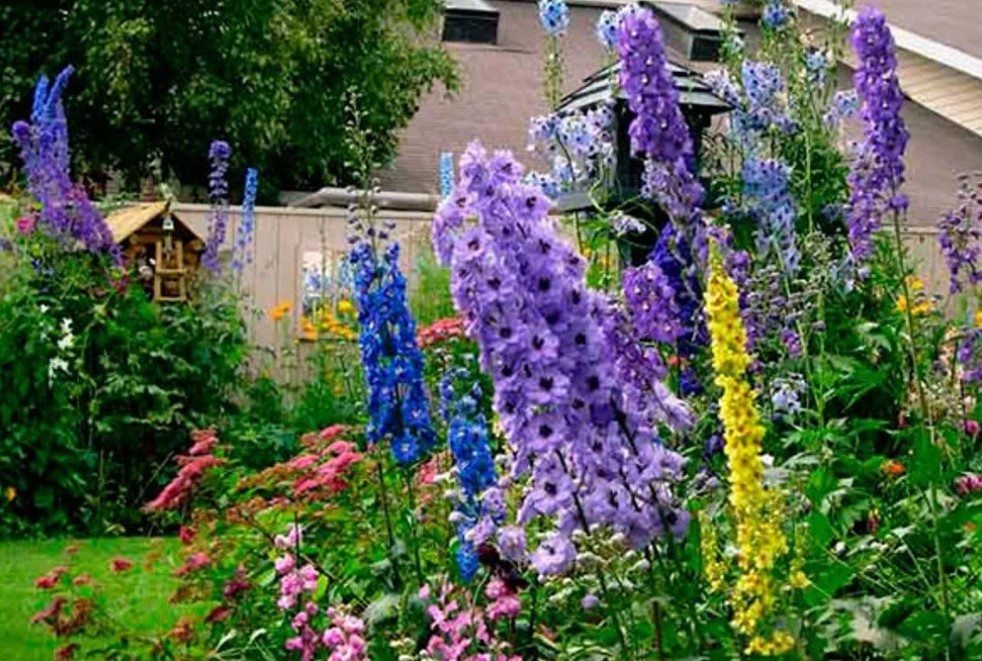
Delphinium
A tall, upright flowering plant. The flowers come in white, lilac, purple, pink, and other colors. There are about 40 annual species. delphiniums and about 300 perennials.
Seeds lose their germination capacity very quickly, so it's best to store home-collected seeds in the refrigerator until planting time; store-bought seeds often don't germinate at all.
Sowing takes place in February, and transplanting to a permanent bed occurs in May. It's important to provide the plants with support or staking.
Photo gallery
Dimorphotheca
The plant can be annual or perennial, it is distinguished by semi-rigid low-growing shoots and chamomile-like flowers with elongated petals, the color of which can be blue, white, orange, pink, etc.
The buds open fully only in sunny weather, curling their petals in humid weather.
The seeds are very small, so they are mixed with soil before sowing. Seedlings are started 60 days before transplanting to their permanent beds. This typically occurs in mid-March; in the south, sowing begins in late February, and in the north, in the second half of April. The first shoots appear within 7 days.
Photo gallery
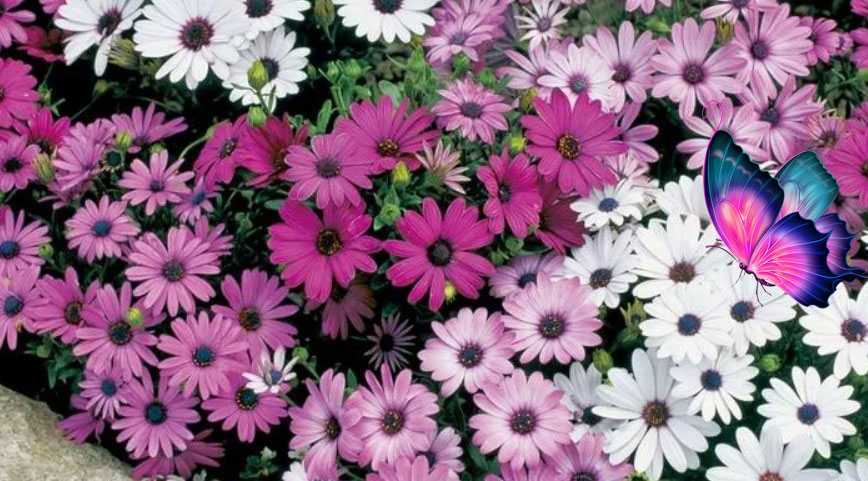
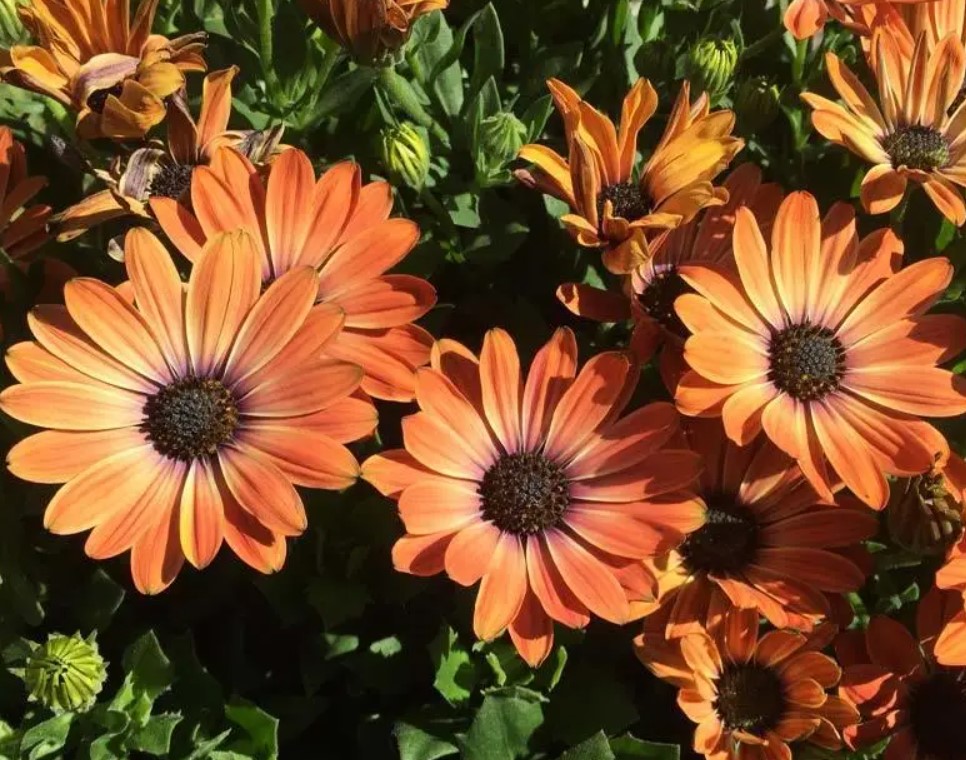
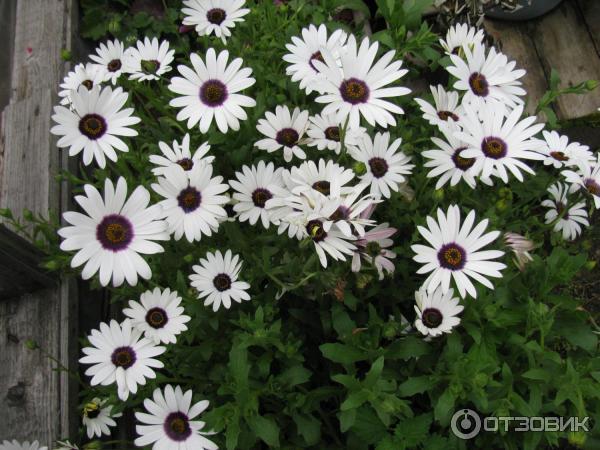
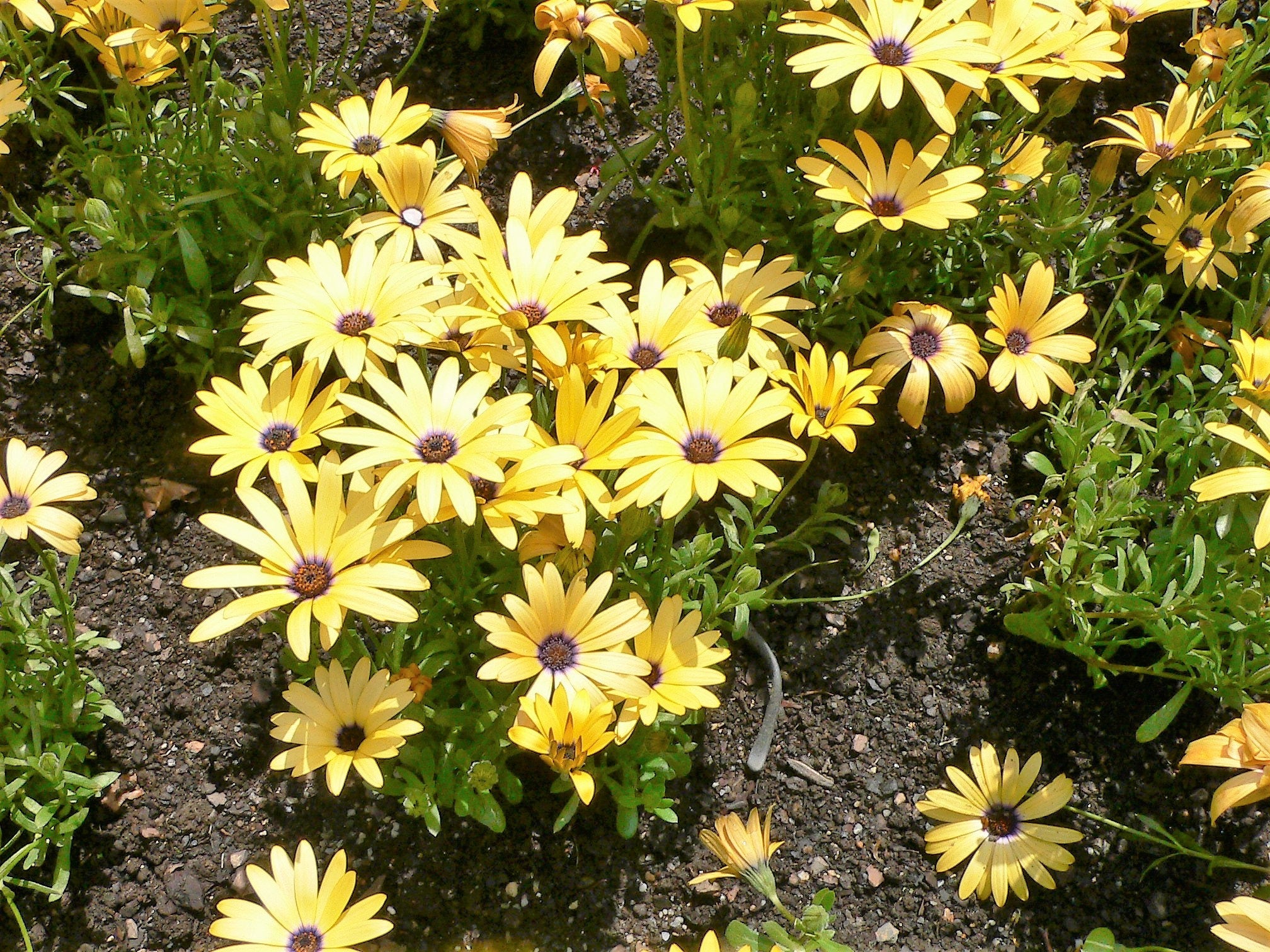
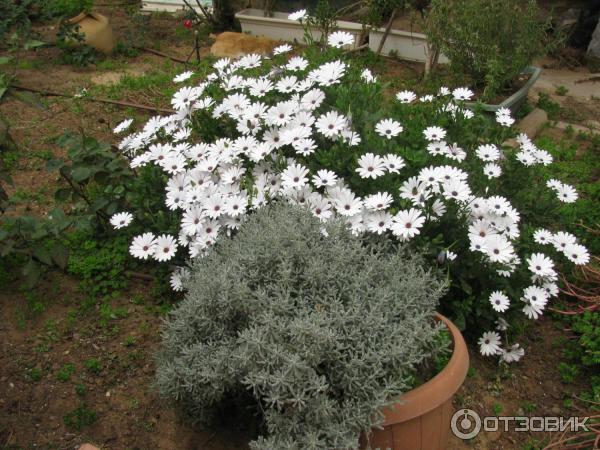
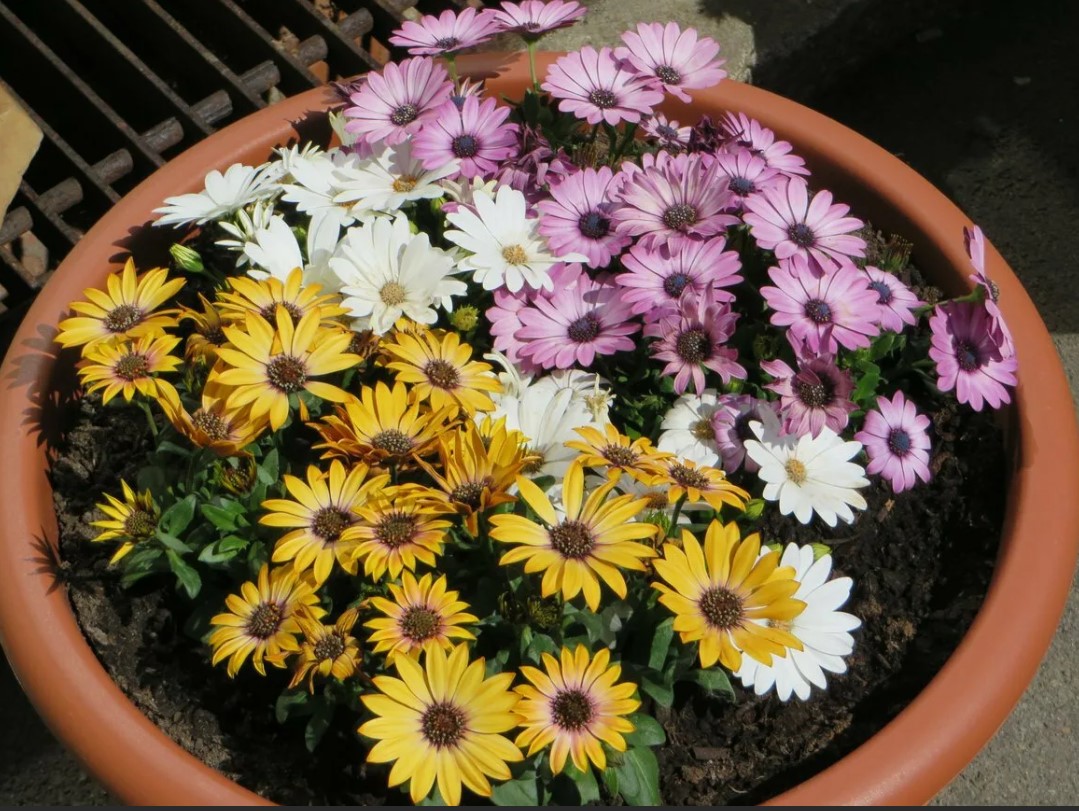
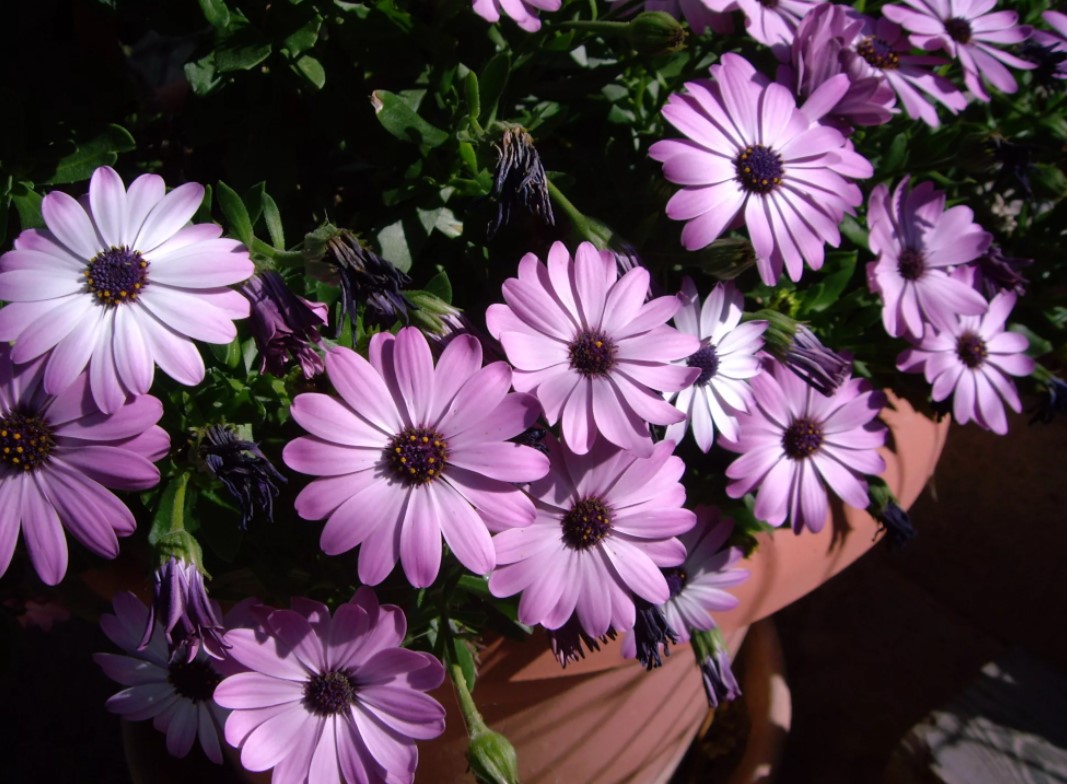
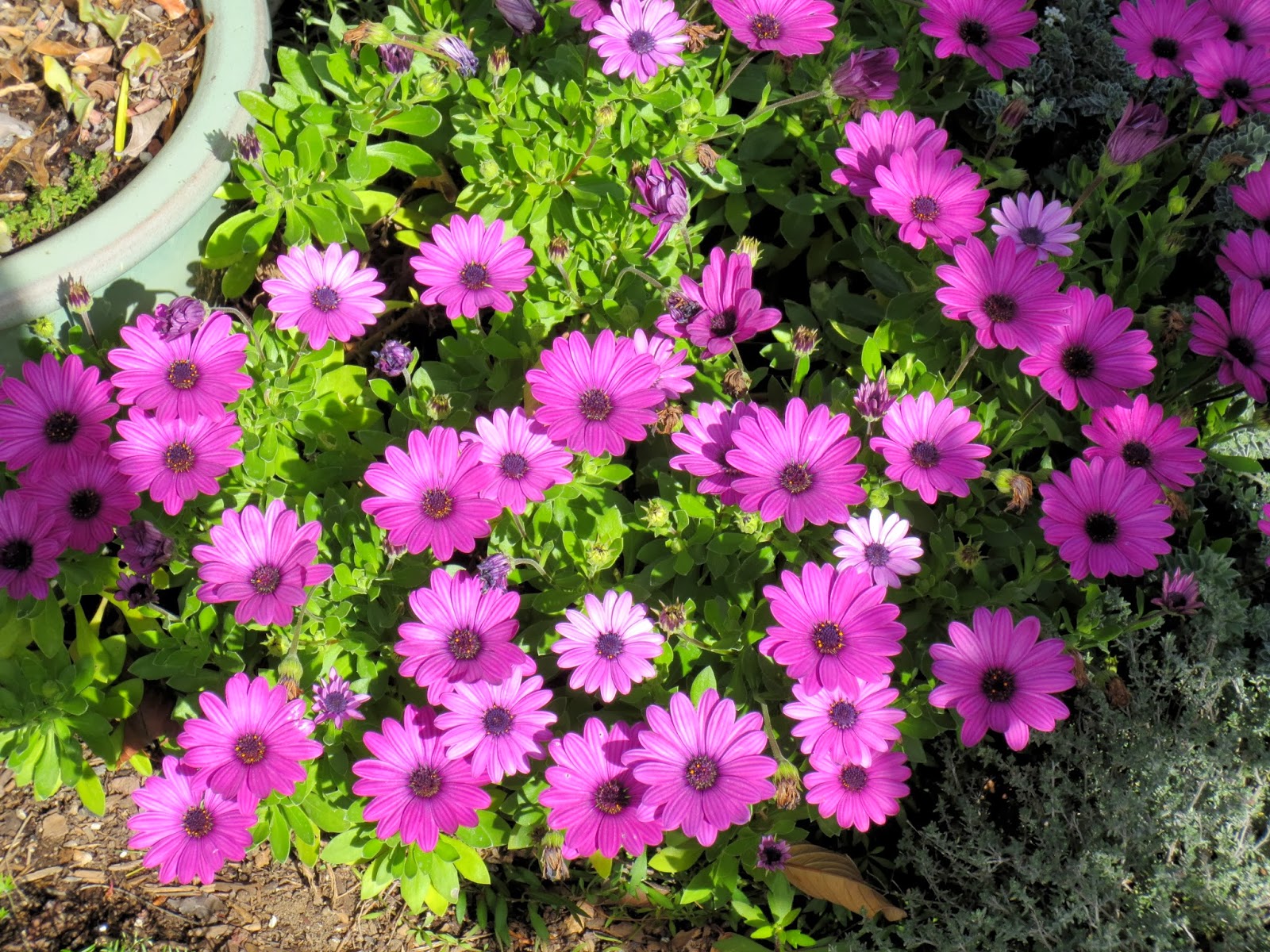
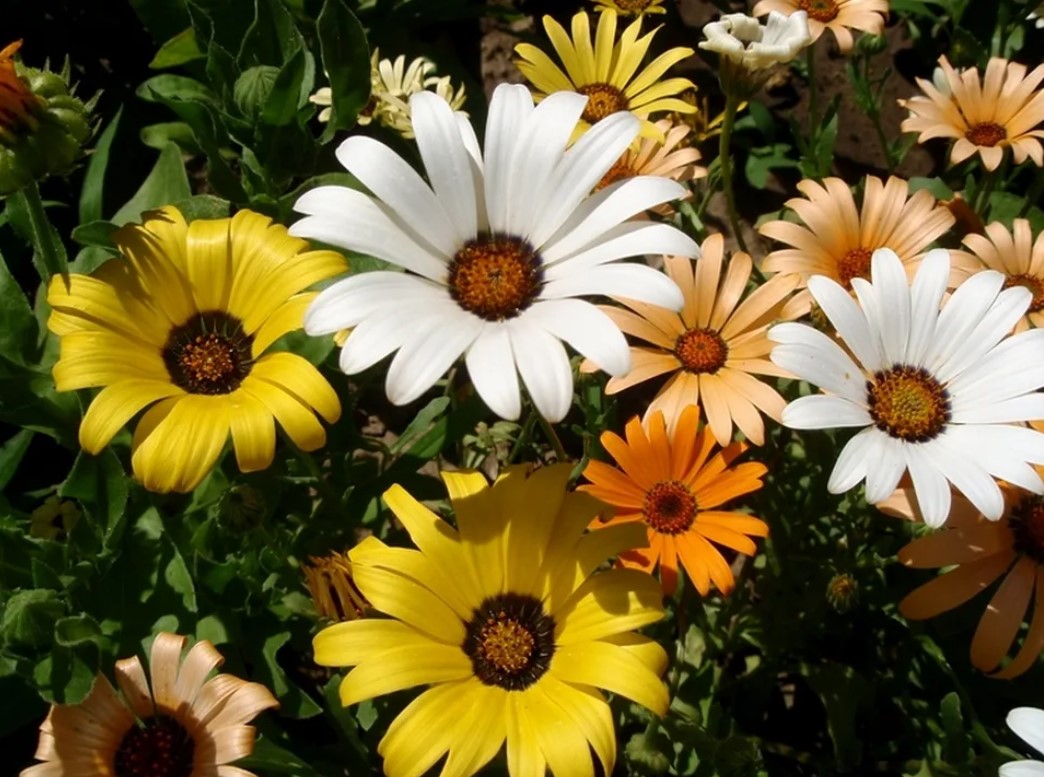
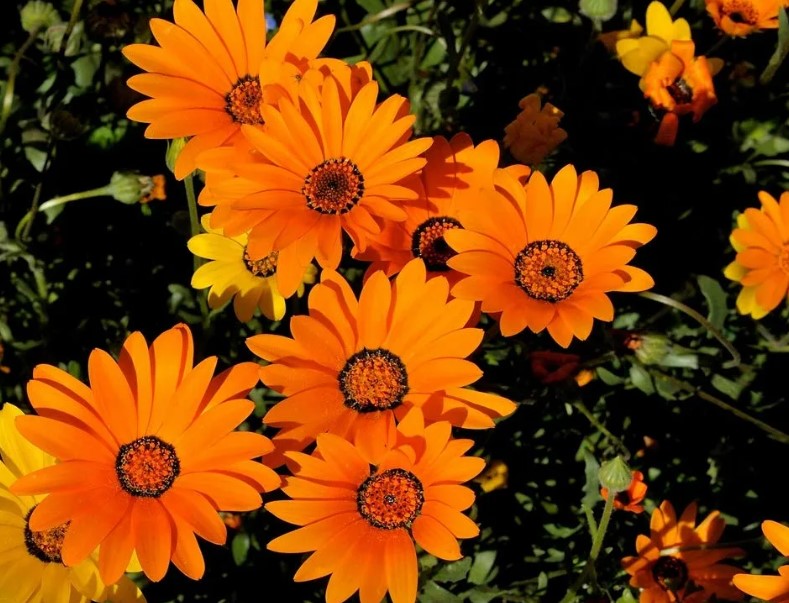
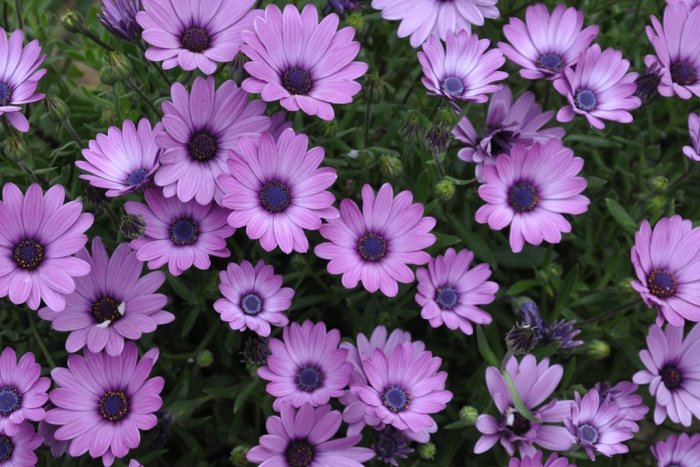
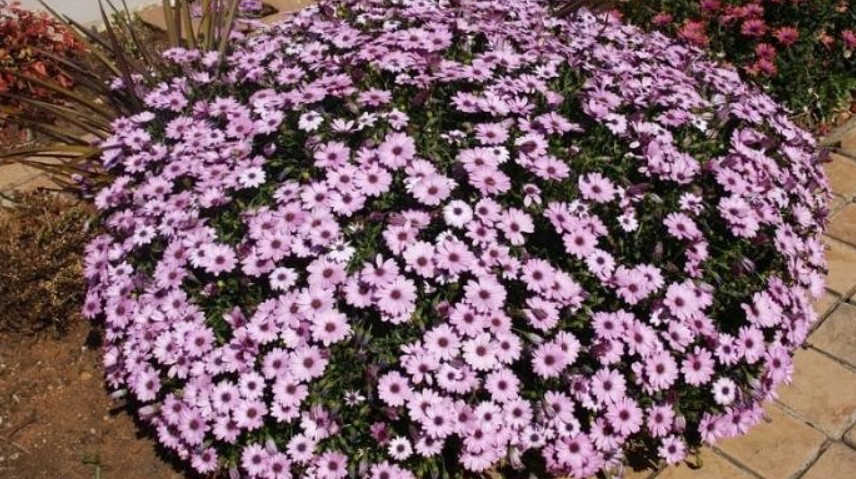
Dimorphotheca There are many species, and breeders have also developed hybrid varieties of this beautiful flower.
Morning Glory
This plant belongs to the Convolvulaceae family and is distinguished by heart-shaped leaves and large, multicolored, pleasantly fragrant buds. Under suitable conditions, the stem can reach 5 m in length.
The seeds are sown at the end of March, and the first shoots appear on the surface within a week. Transplant Morning Glory into open ground when the threat of night frosts has passed; in most regions, this time falls at the end of May or the beginning of June.
Photo gallery
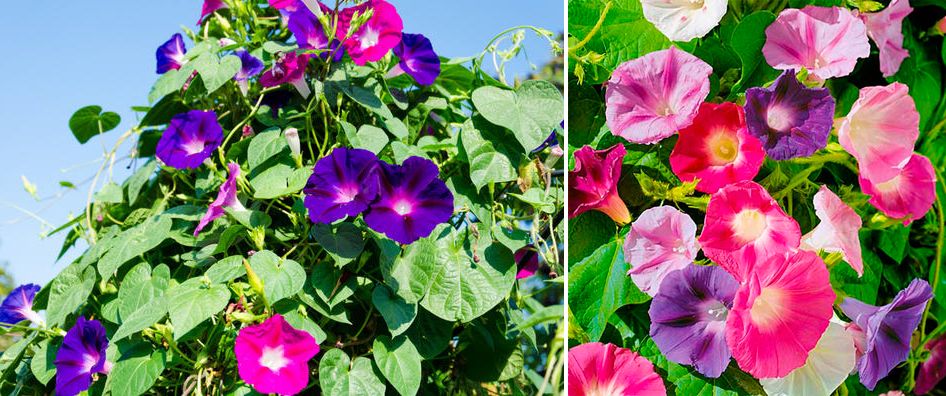
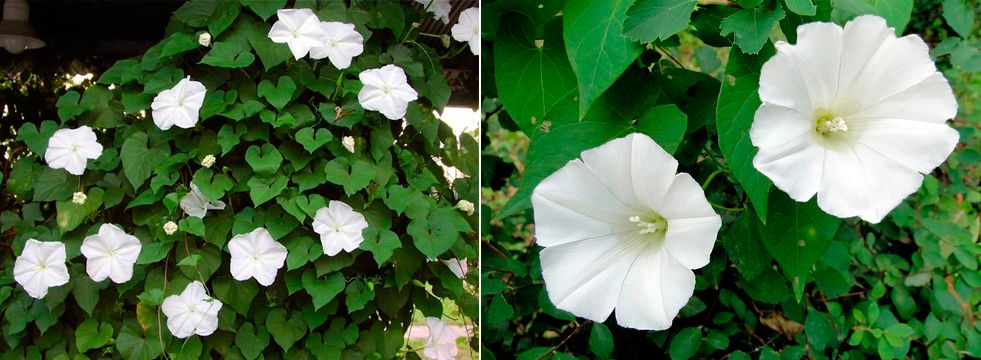
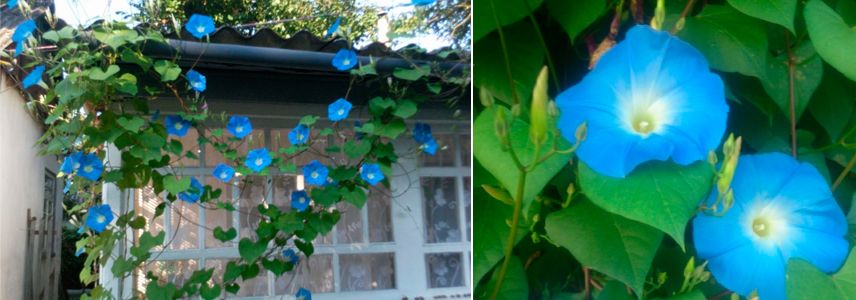
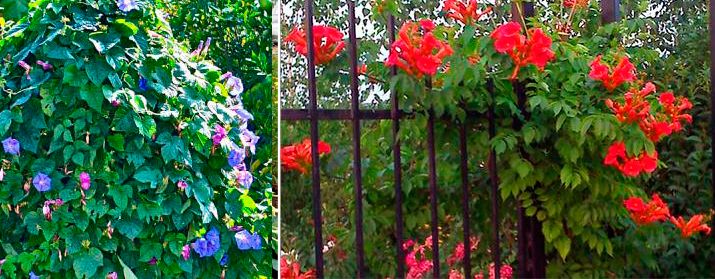
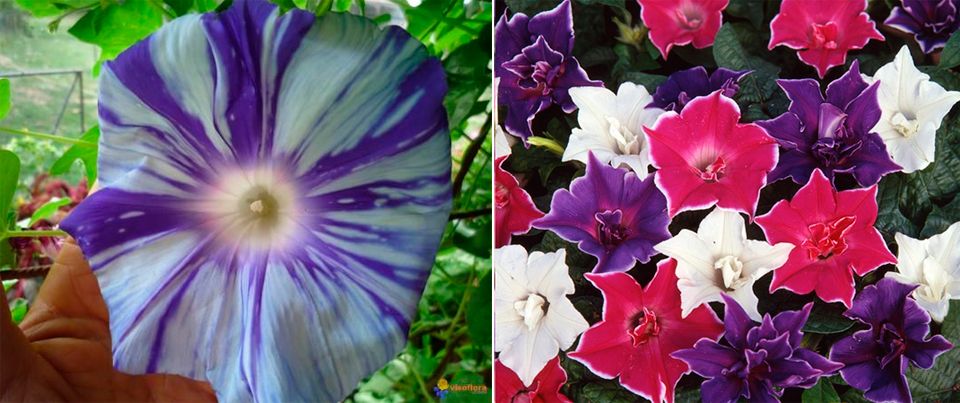
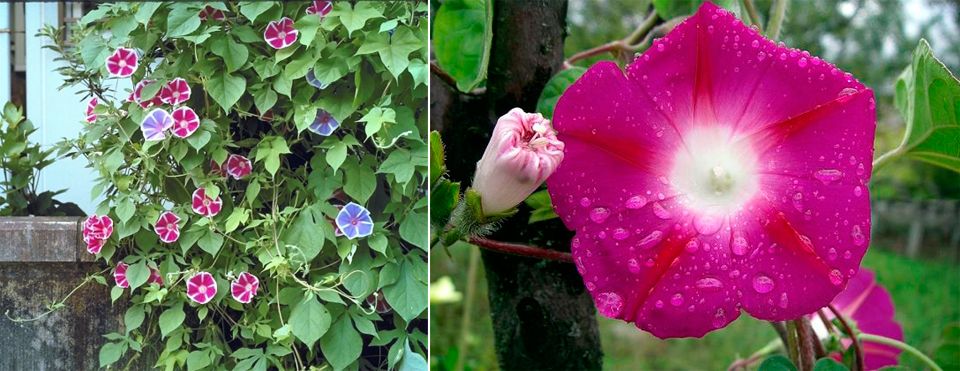
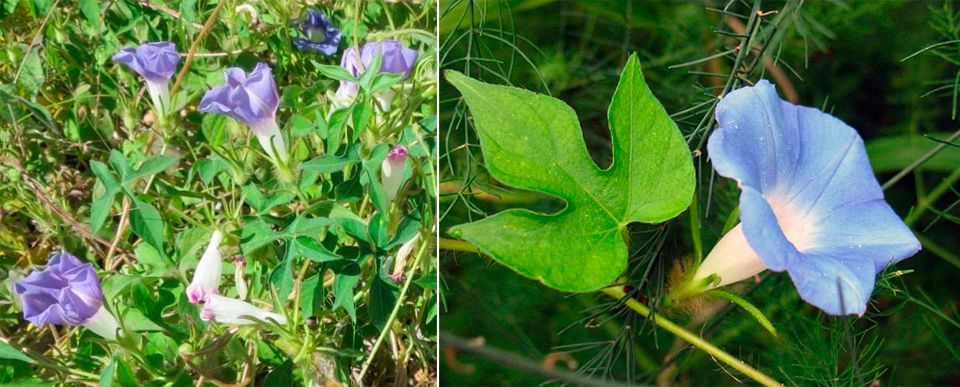
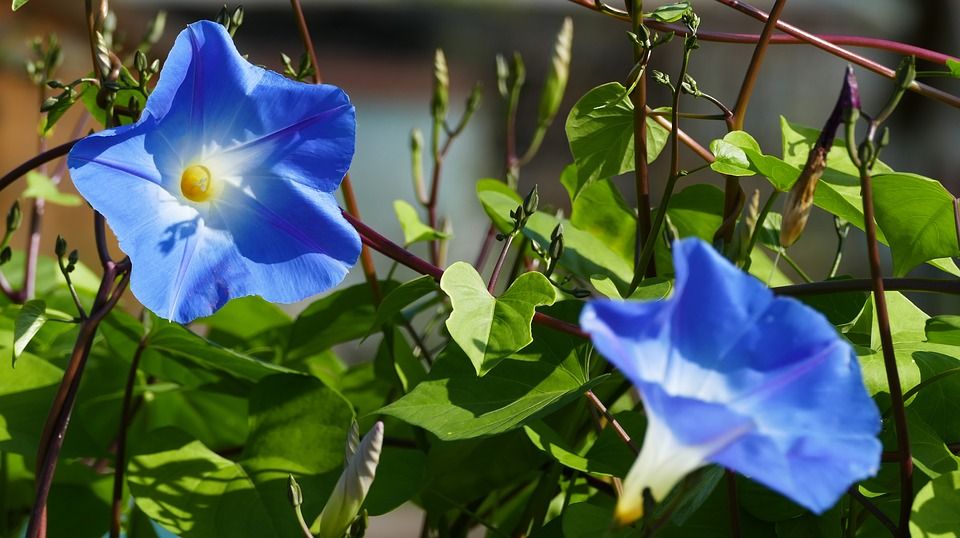
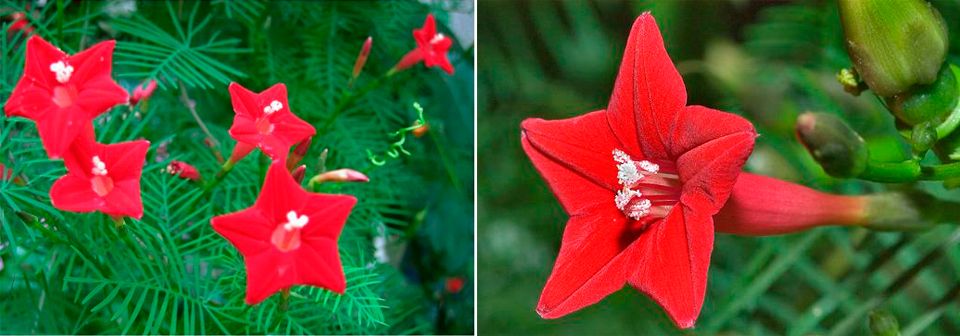
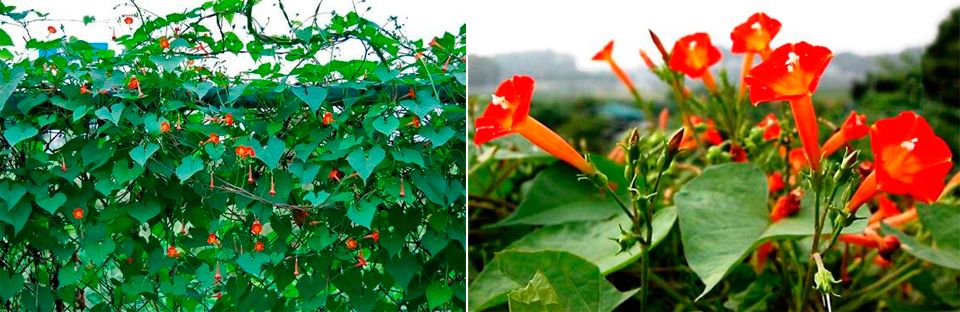
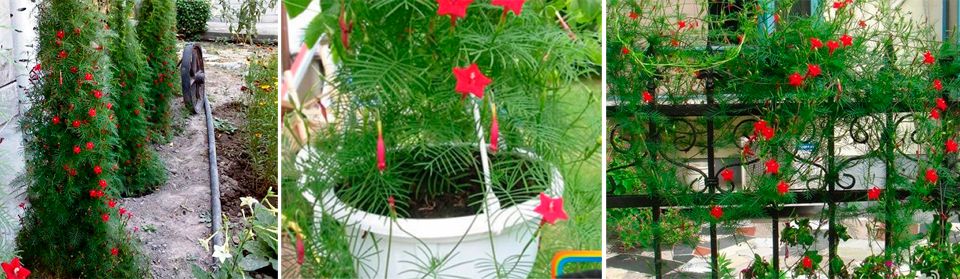
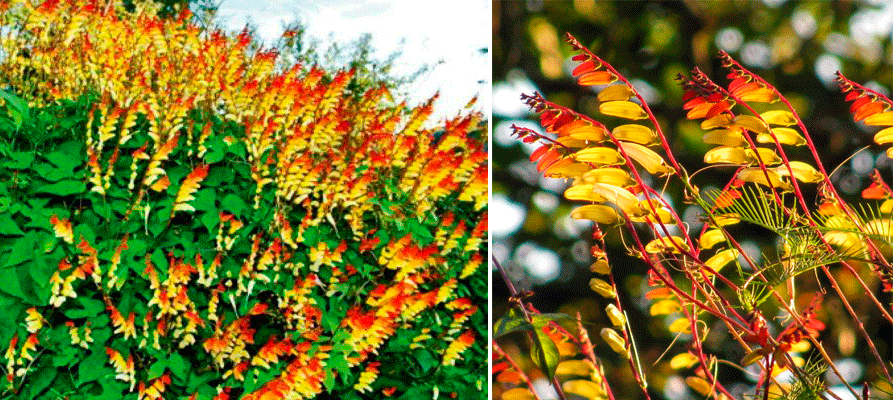
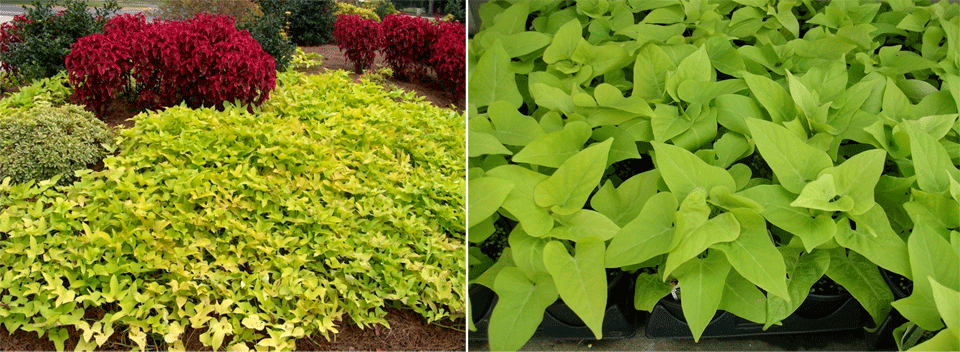
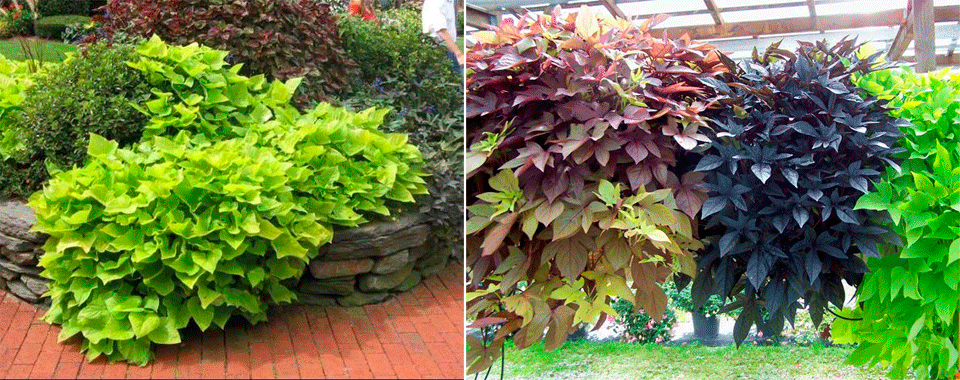
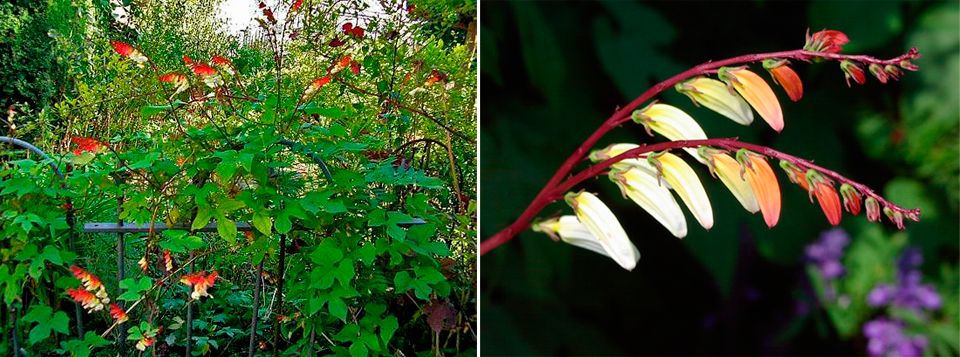
More details about the three most popular types of morning glory: quamoclit, sweet potato And purple on the website Top.tomathouse.com.
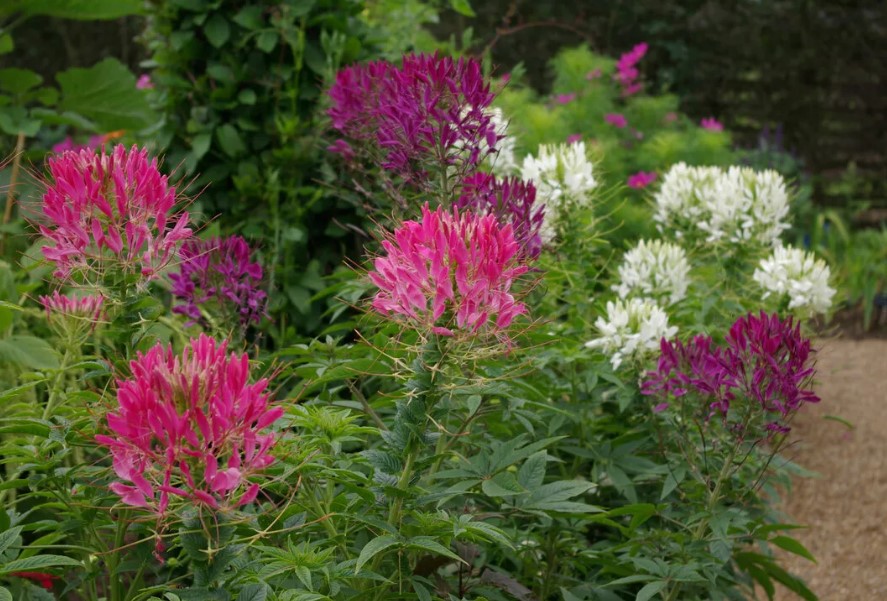
Cleome
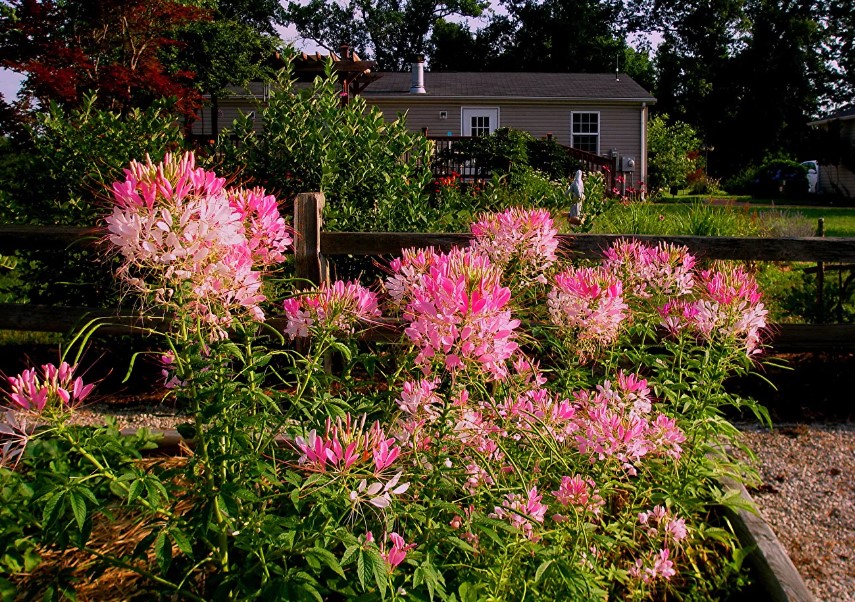
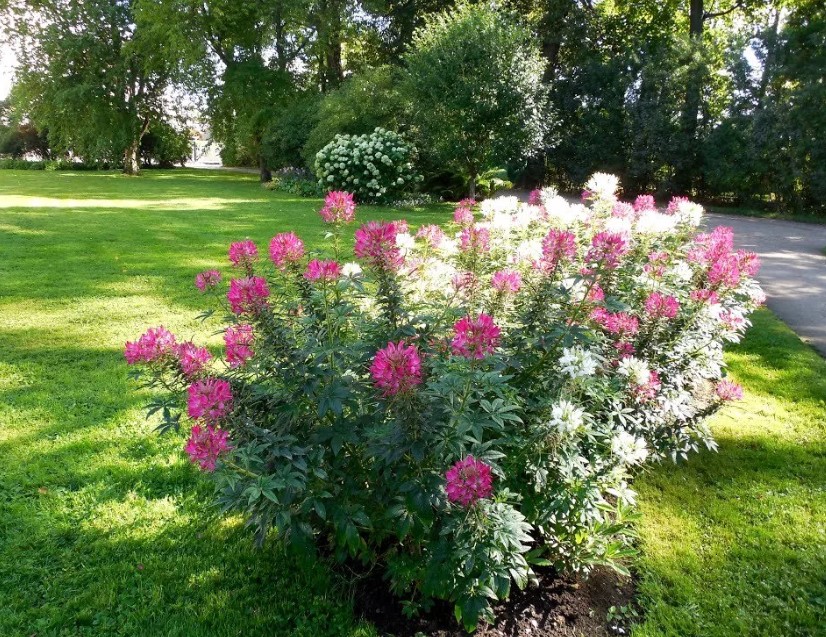
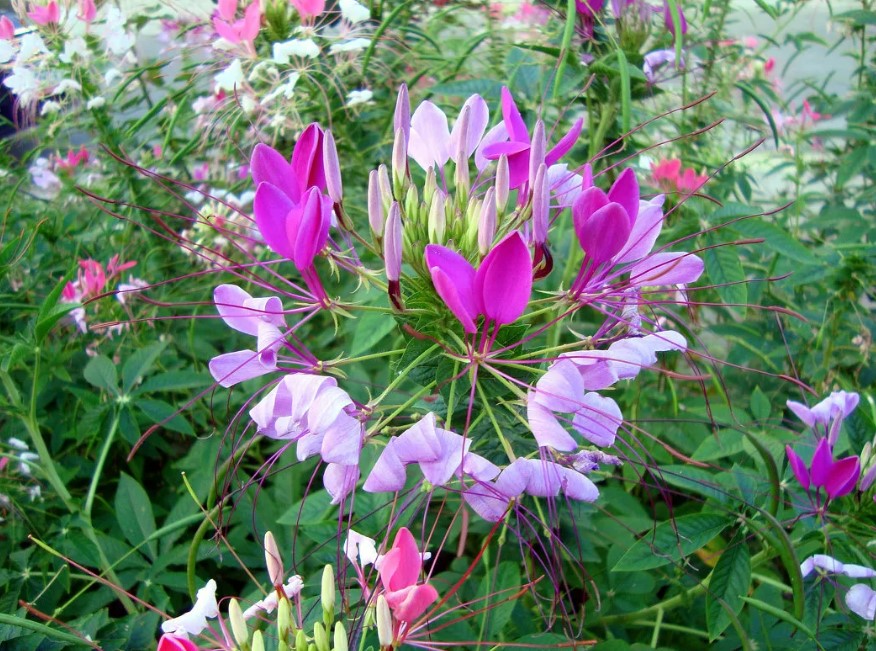
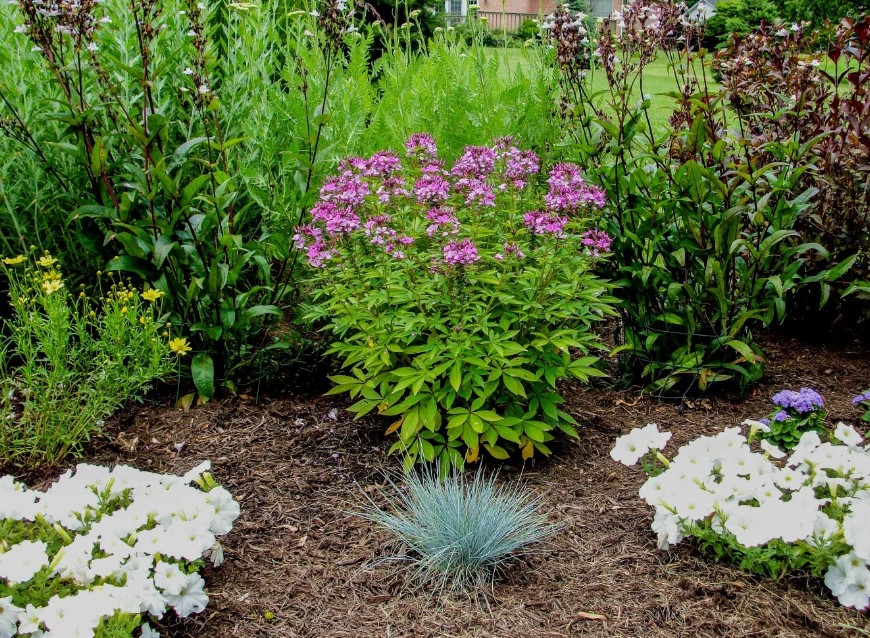
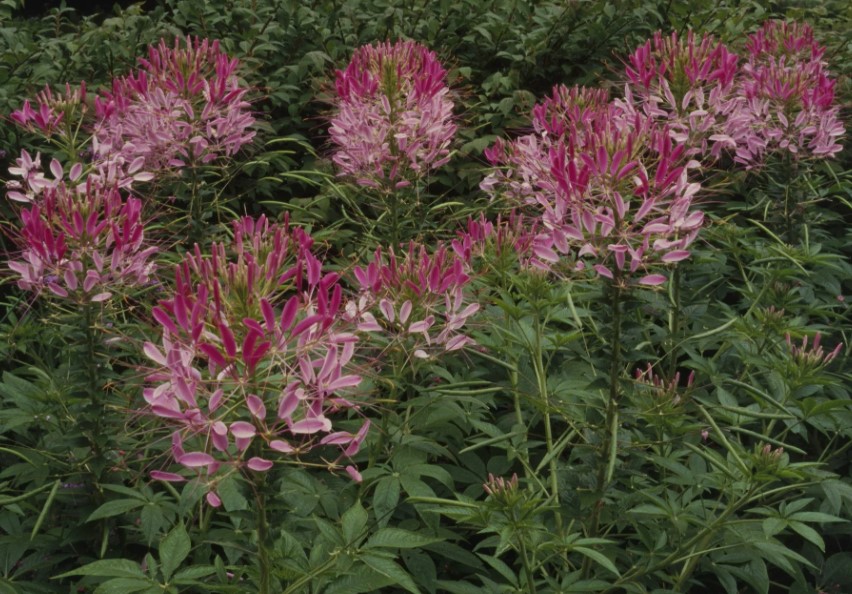
The flower belongs to the Brassicale family and is called the spider plant due to the specific structure of its buds. Cleome It can be represented by a shrub or subshrub up to 150 cm in height. The flowers have a regular shape and a variety of shades: white, purple, lilac, yellow, etc.
Seeds are sown in late February or early March. It is recommended to pre-germinate all seeds and treat them with a growth stimulant. In late spring or early summer, the seedlings can be transplanted outdoors once the threat of frost has passed.
Photo gallery
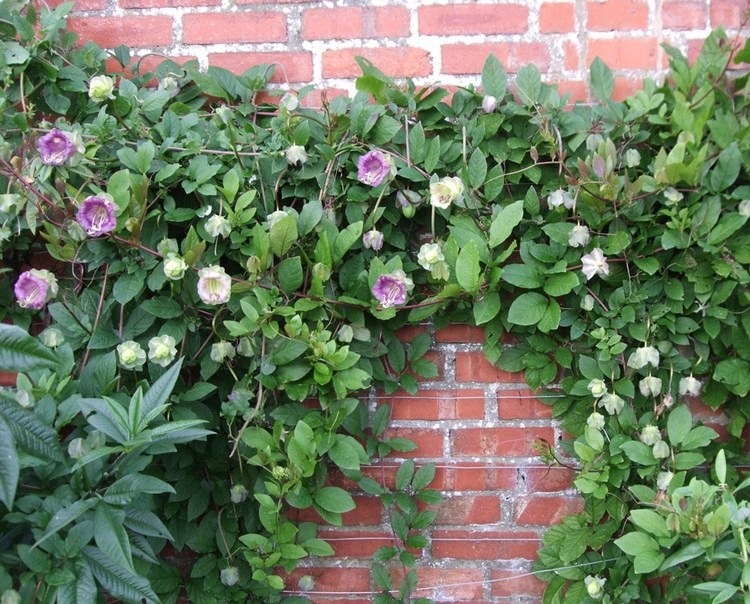
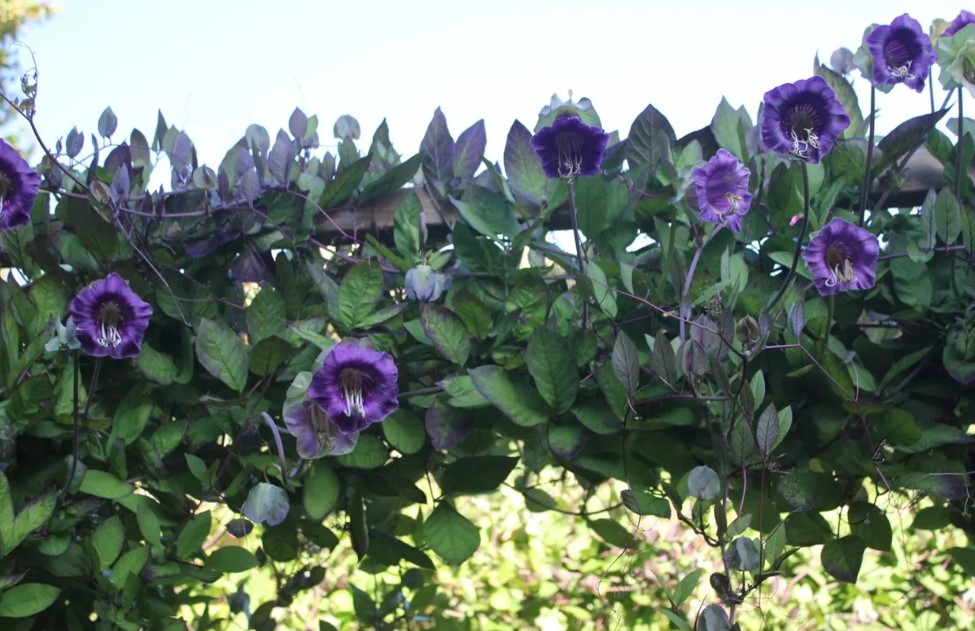
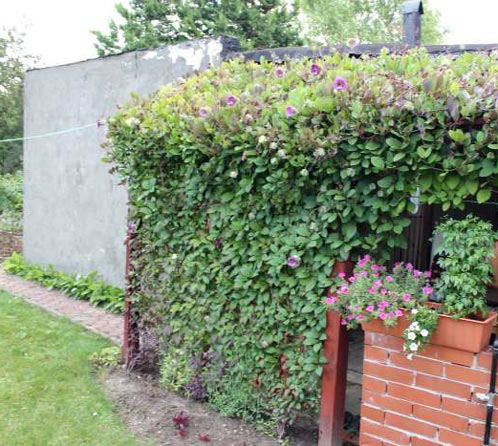
Kobeya
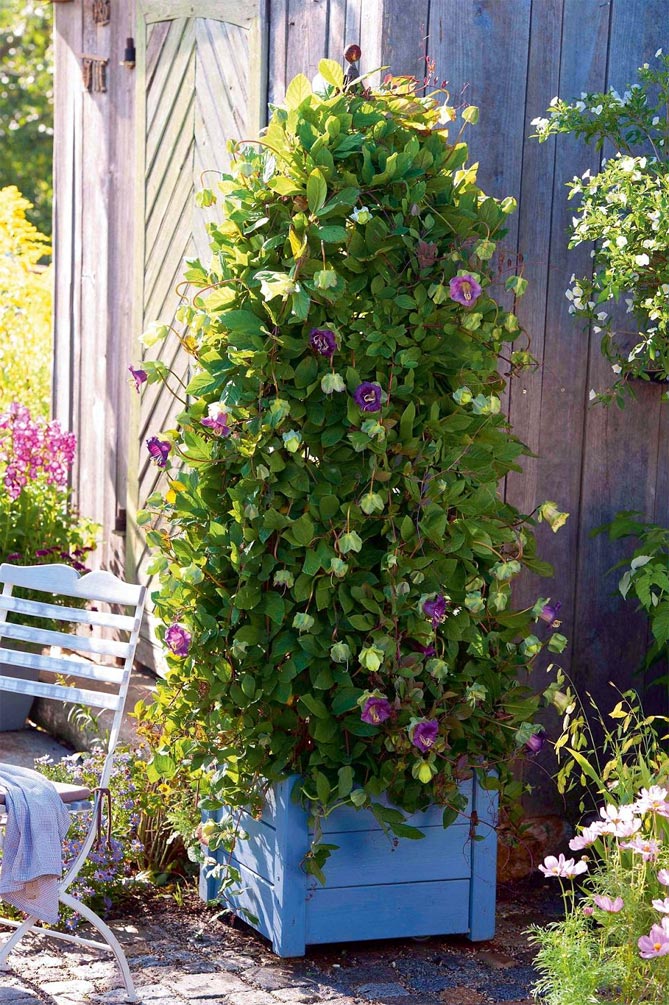
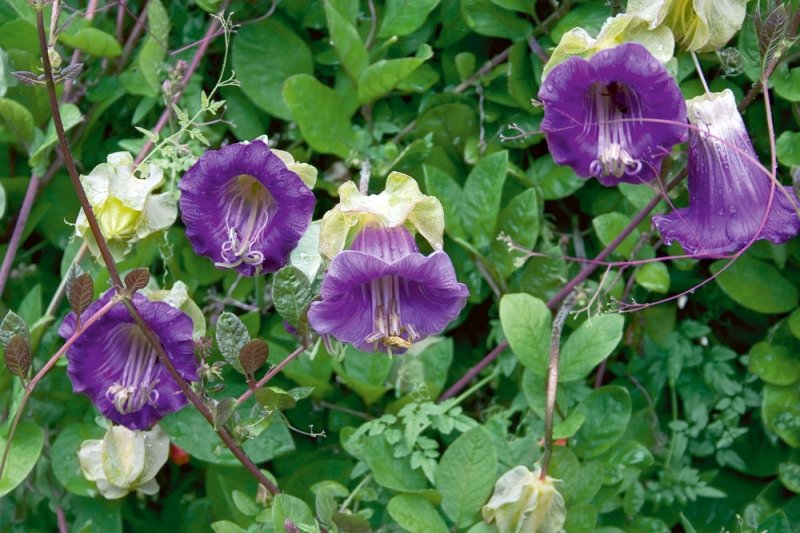
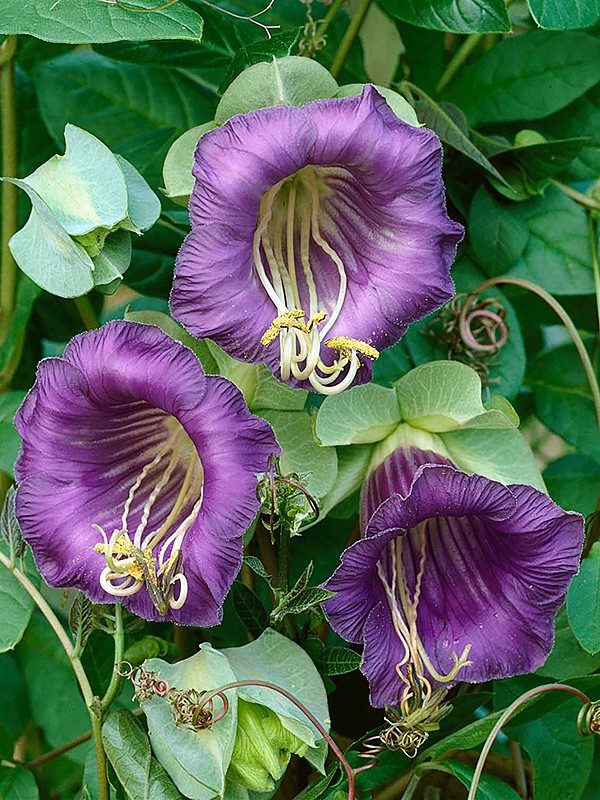
Cobea originated in Mexico and is an ornamental vine, often used to decorate fences and facades. The plant is intolerant of cold, so in Russia it is grown as an annual.
The shoots can reach 7 m in length, and the leaves are oval and green, but turn reddish-purple when temperatures drop. The flowers are large, up to 8 cm in diameter, and predominantly purple or pink.
Sowing of seeds is carried out from the end of January to February, because Kobeya It can take up to 3 months to germinate. Seedlings can be planted in the ground at the end of May, when the soil has warmed to 13°C.
Photo gallery
Nemisiya
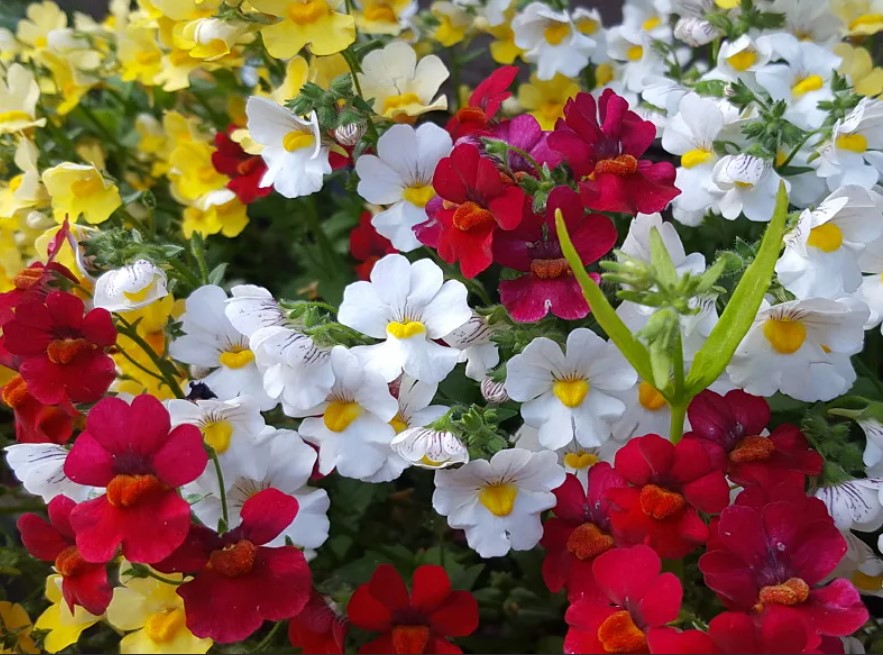
Nemisia is a subshrub up to 60 cm tall. It doesn't tolerate cold well, so it doesn't survive Russian winters and is grown as an annual. The plant is highly ornamental. Its colorful blooms adorn balconies, terraces, and garden beds.
The best time to sow seeds is in late February or early March. Full-fledged seedlings will emerge within 20 days, and by mid-spring, there's a chance to see the first blooms. However, transplanting seedlings outdoors shouldn't be done until late May, otherwise cold snaps will destroy the sensitive seedlings.
Photo gallery
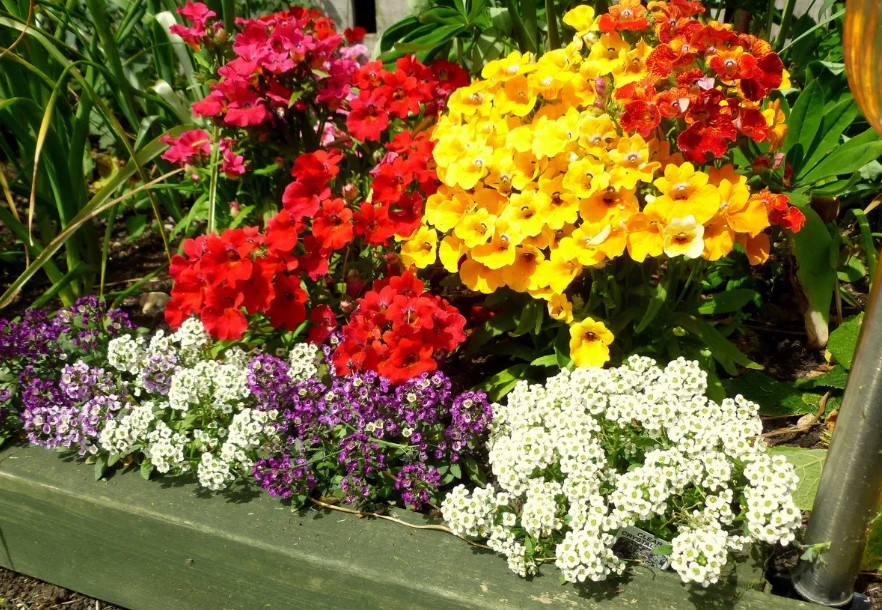
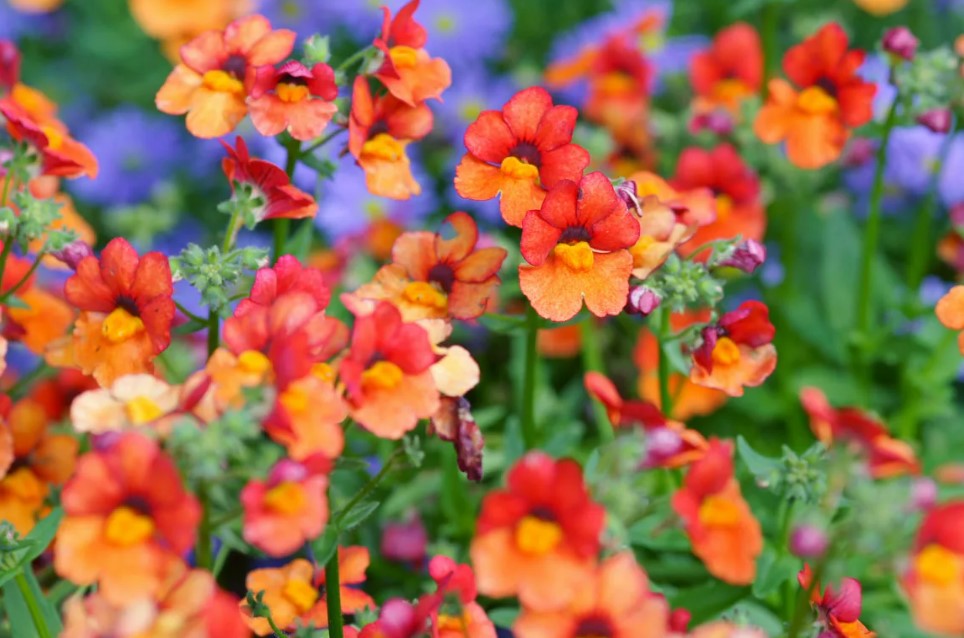
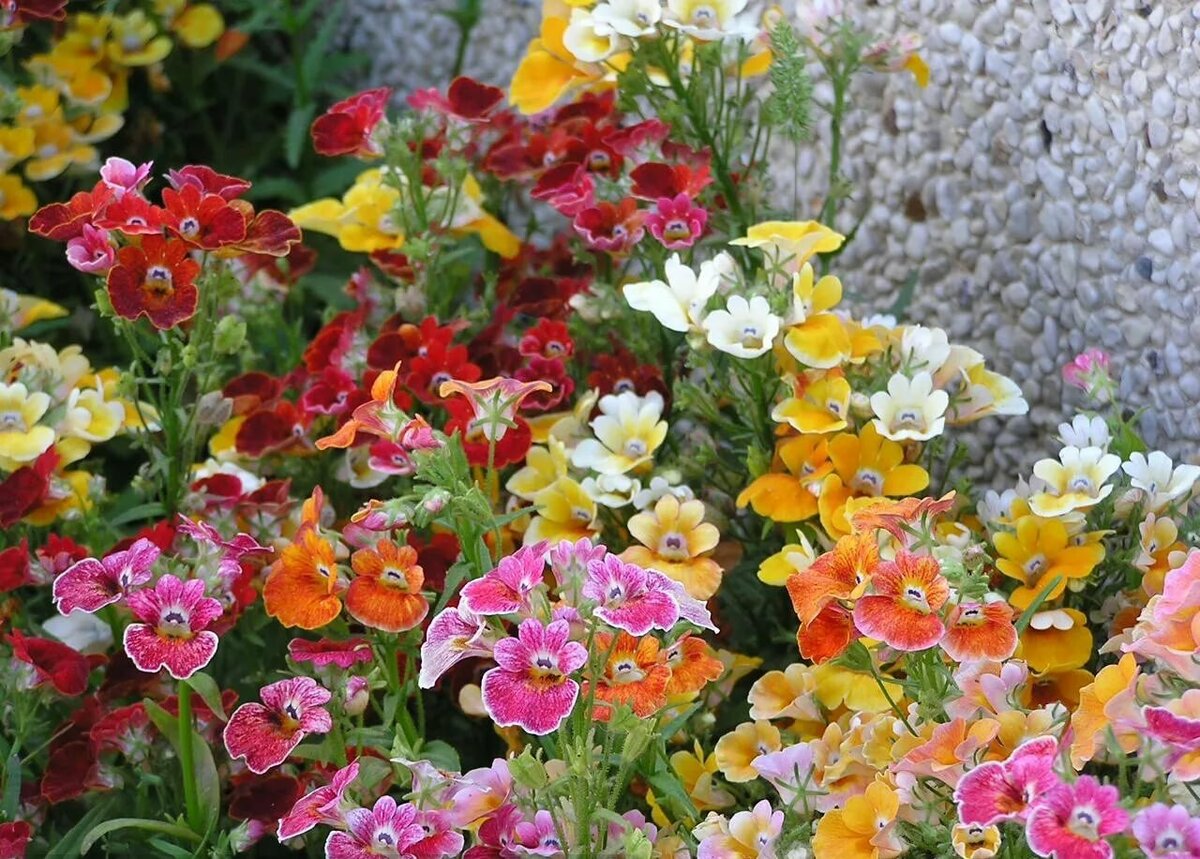
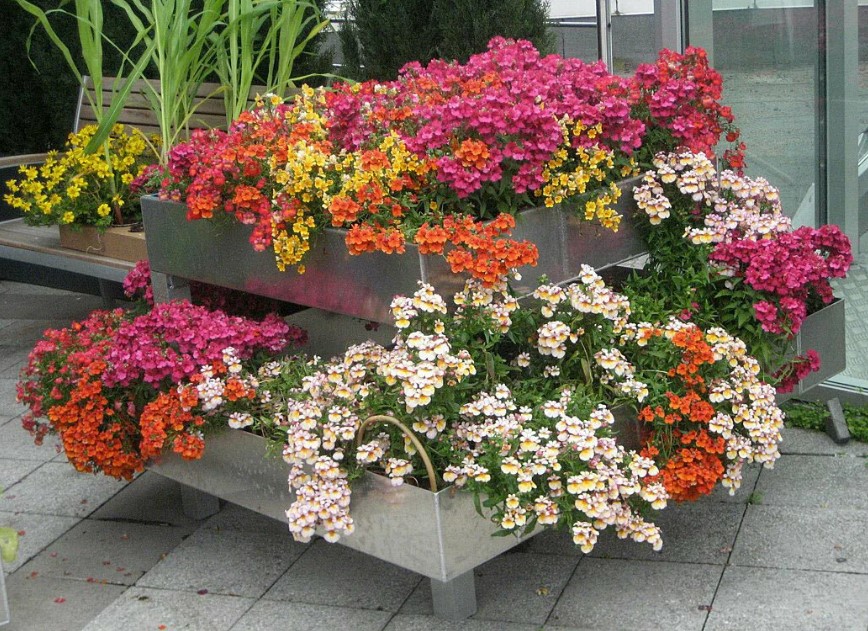
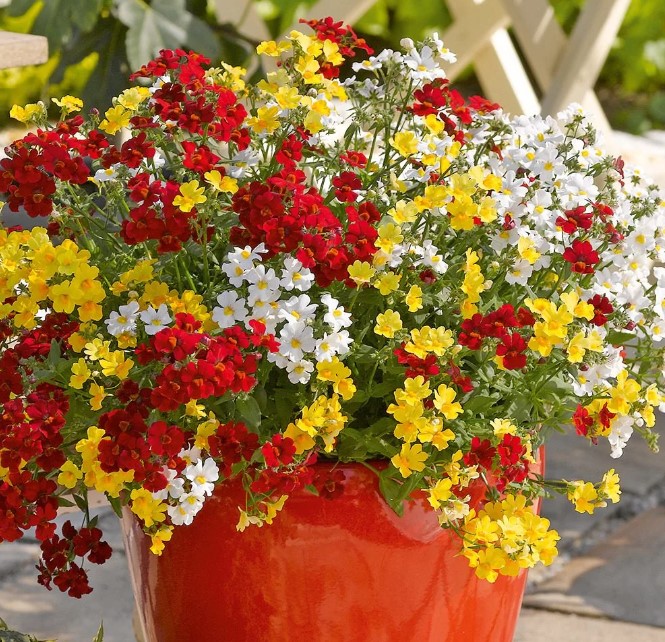
More details about nemesia, its types and varieties, as well as about growing from seeds, planting and care, on our website.
Leucanthemum (chamomile)
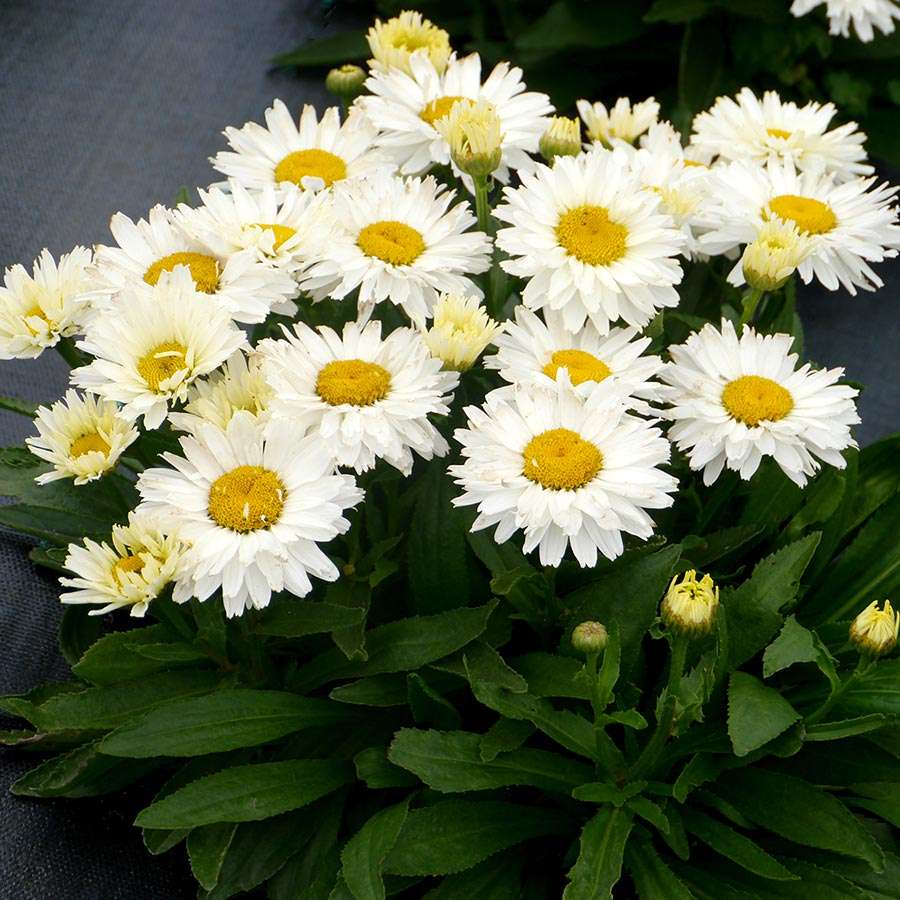
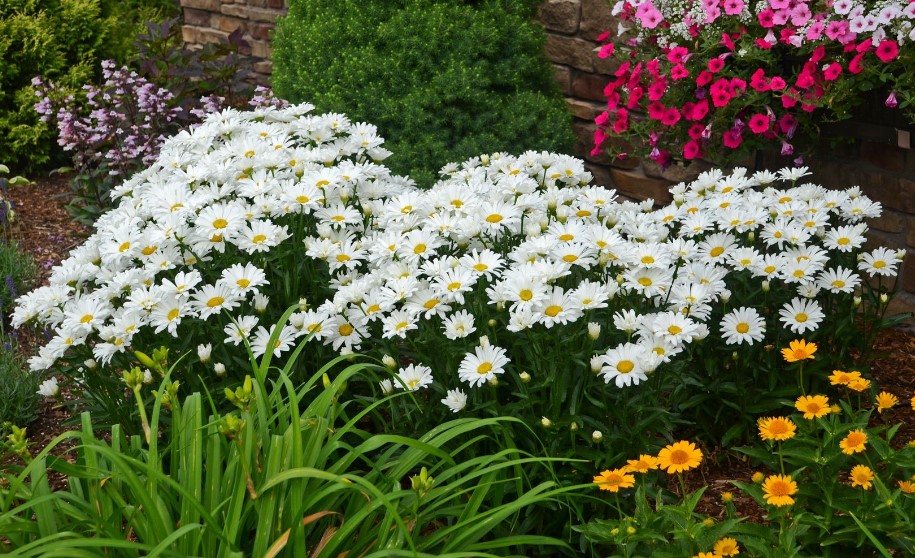
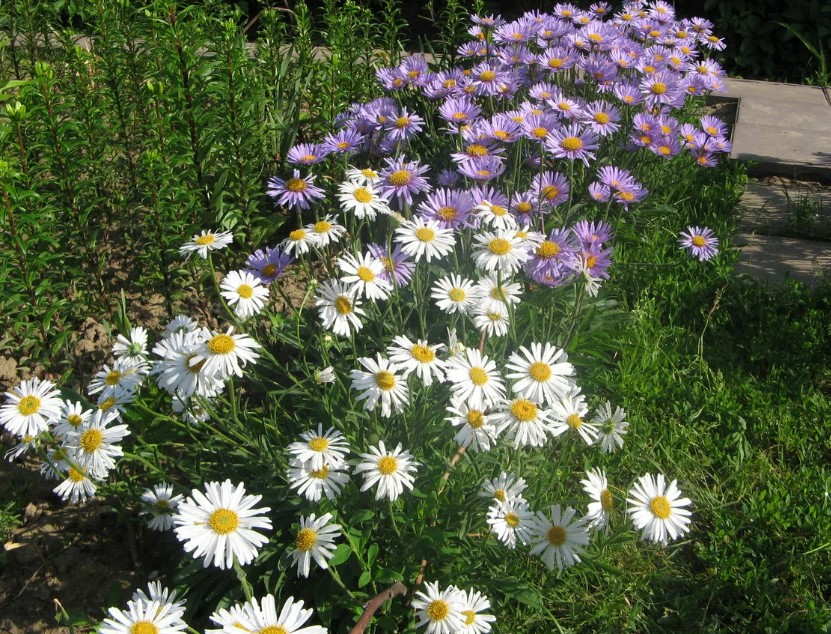
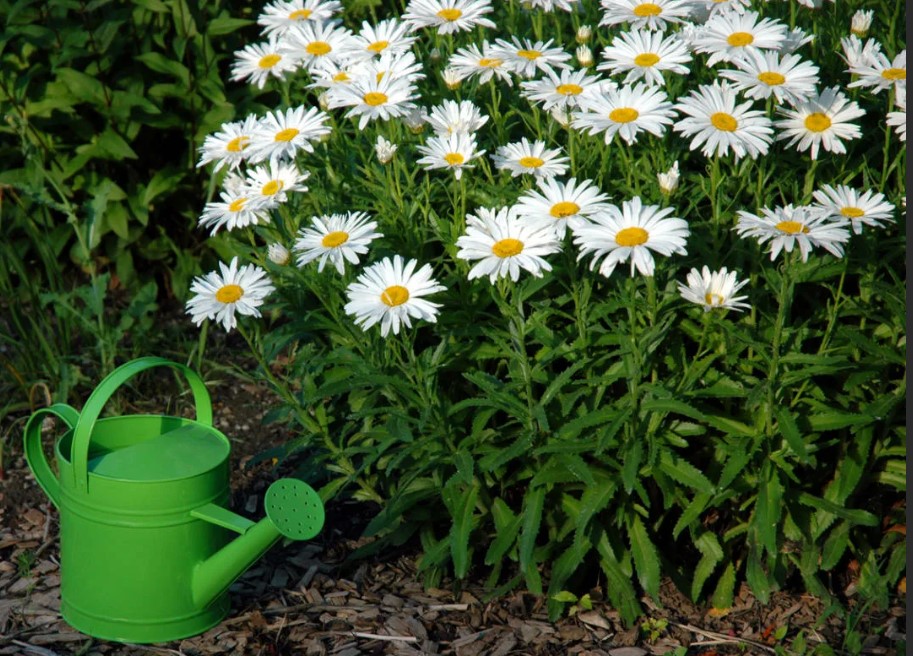
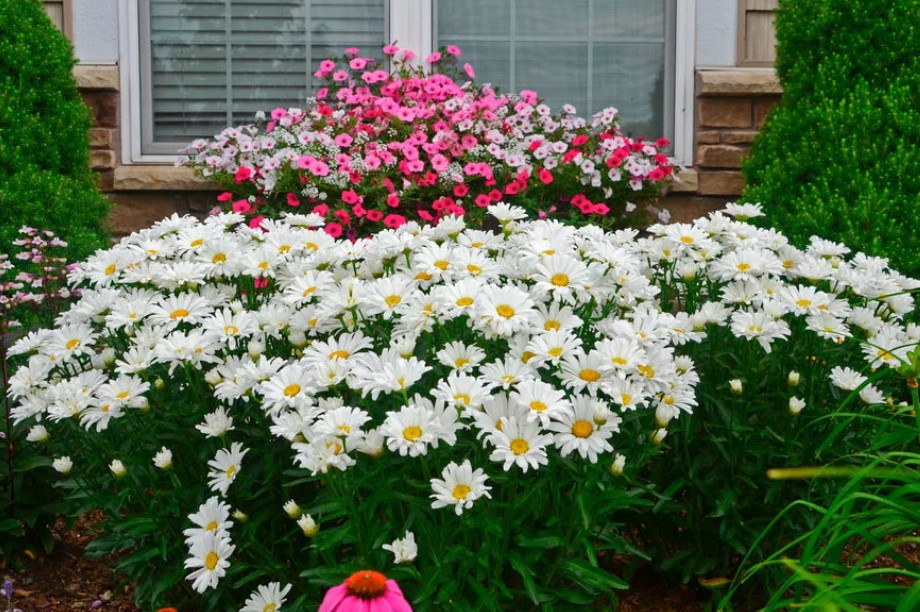
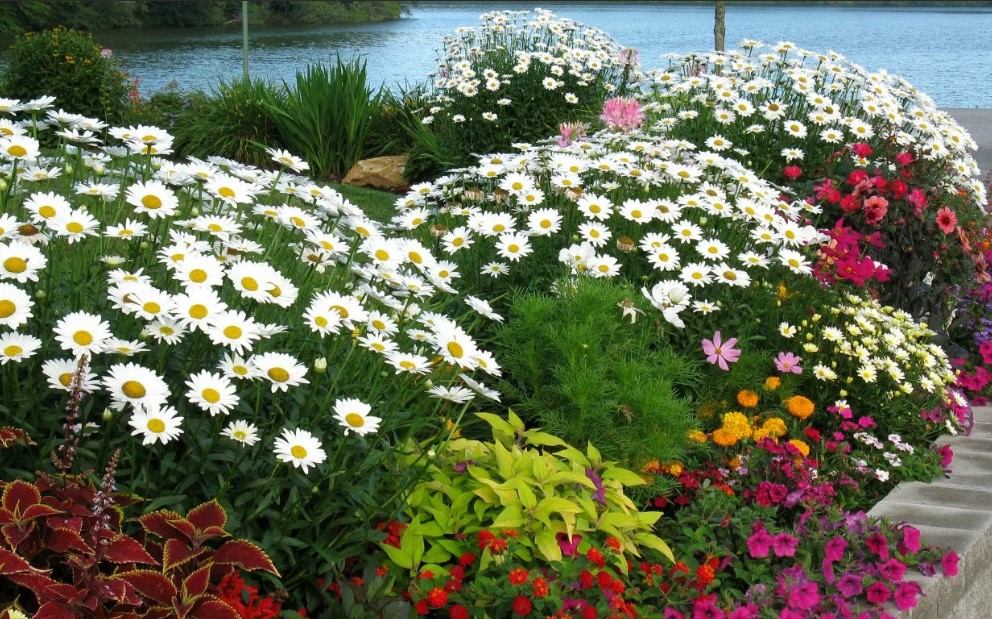
The flower belongs to the Asteraceae family and is distinguished by its erect stem and large inflorescences of various shades, which bloom in May and September.
Sometimes Chamomile They are called garden chamomile, but in fact they are two different plants.
Seedlings begin growing in late February or early March; the first shoots appear within 15-20 days. Leucanthemum can be planted in a permanent bed in mid-May, provided there is no risk of recurrent frost. This perennial plant requires thinning after 2-3 years.
Photo gallery
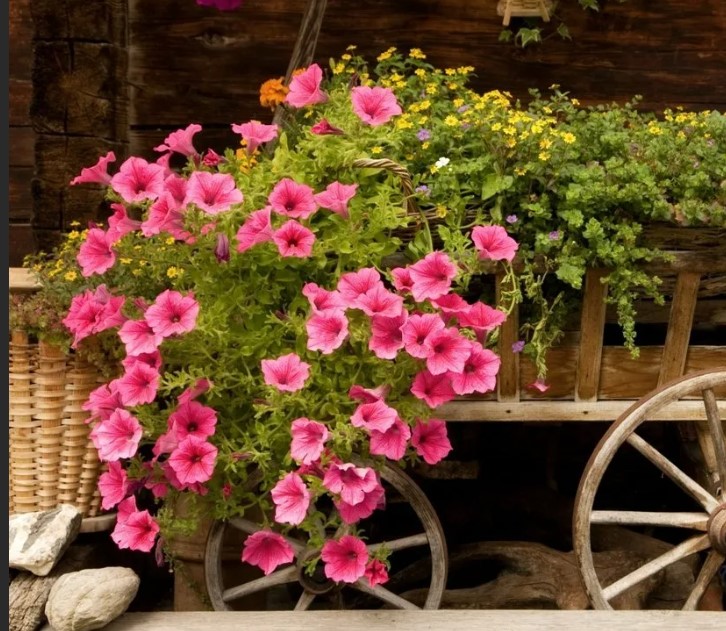
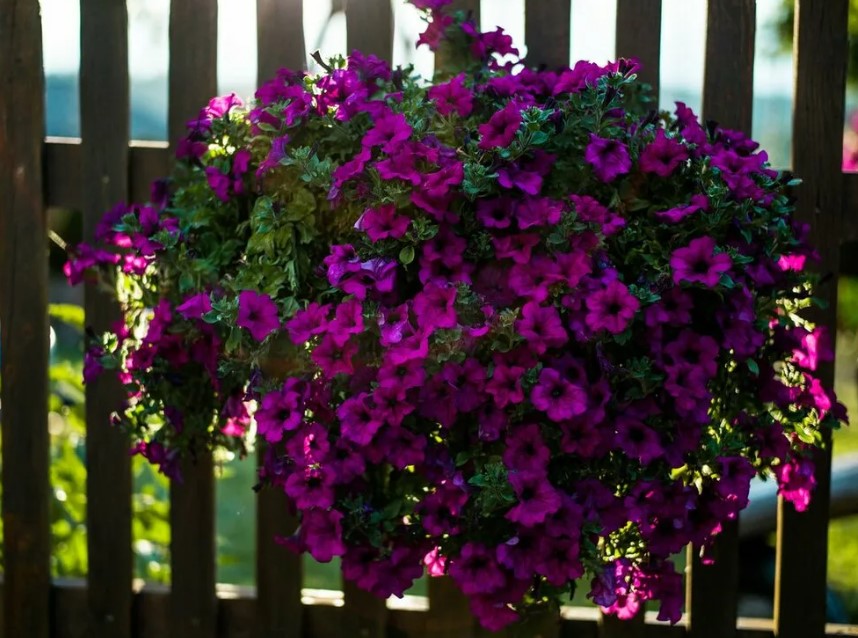
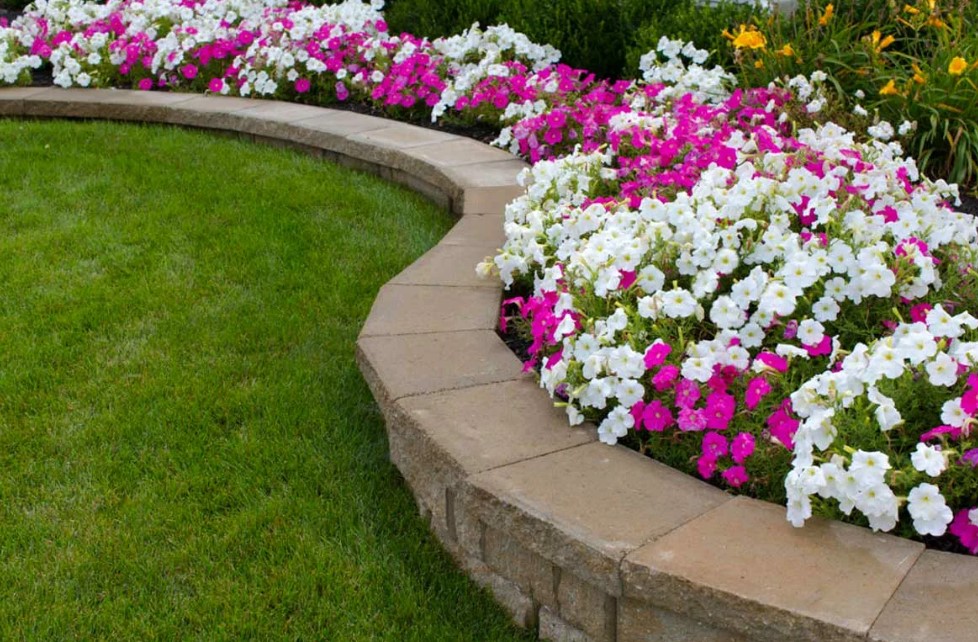
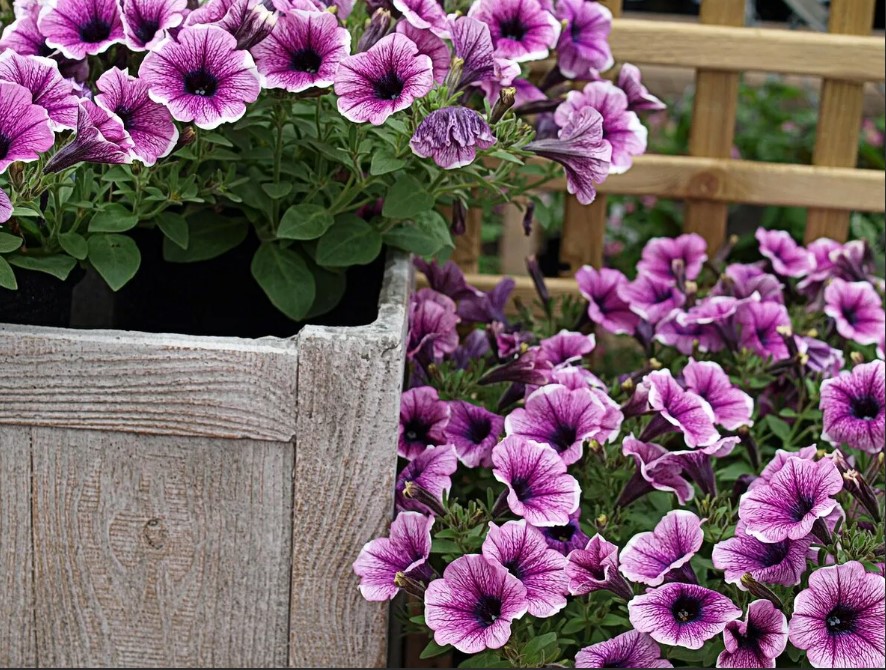
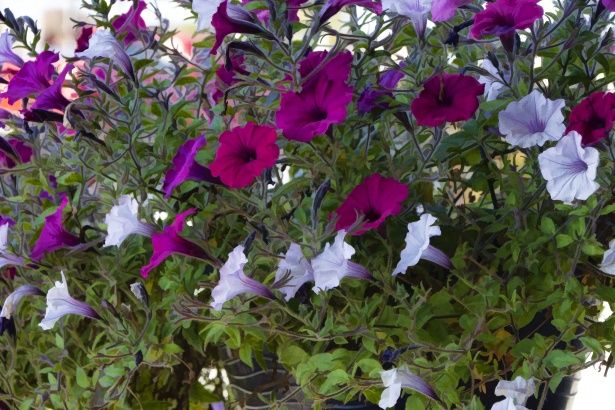
Petunia
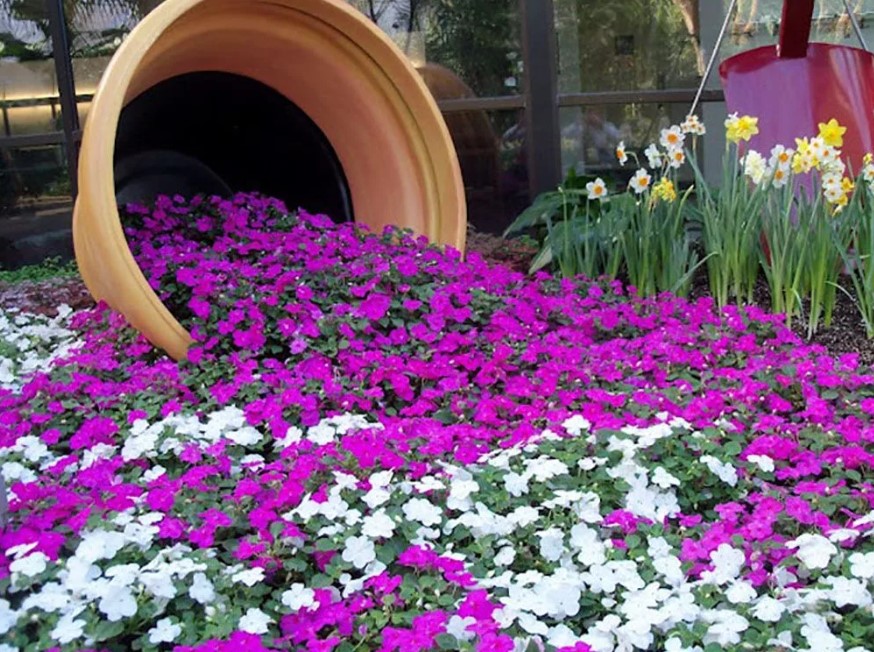
Petunia is one of the most common plants for decorating verandas, parks, and outdoor structures. It has a large number of varieties with a huge variety of flower shapes and colors. The stems can either stand upright or trail along the garden bed.
The seeds are sown for seedlings in mid-March, so that 60 days later the seedlings can be planted in a permanent bed.
Petunias They are not afraid of slight cold spells and drought, they grow well in well-lit areas of the garden.
But if something happened in your Petunia, read how to help her.
Photo gallery
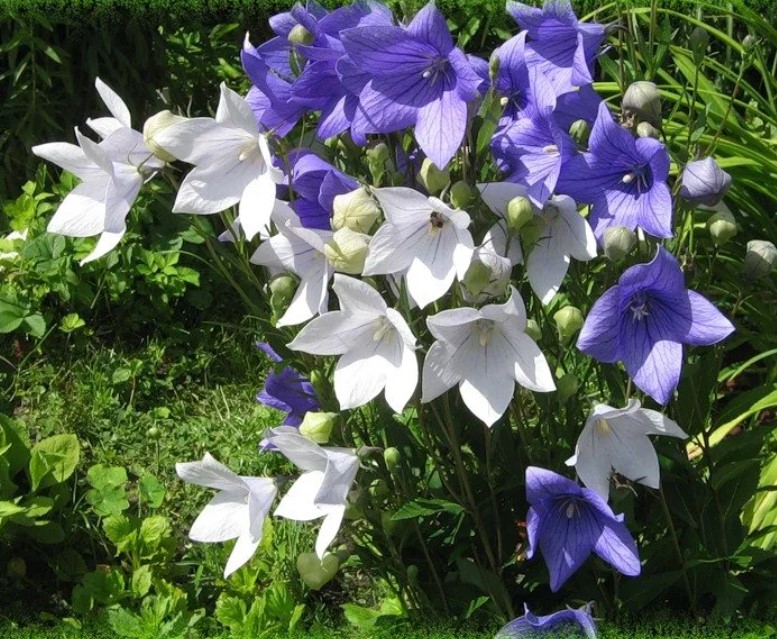
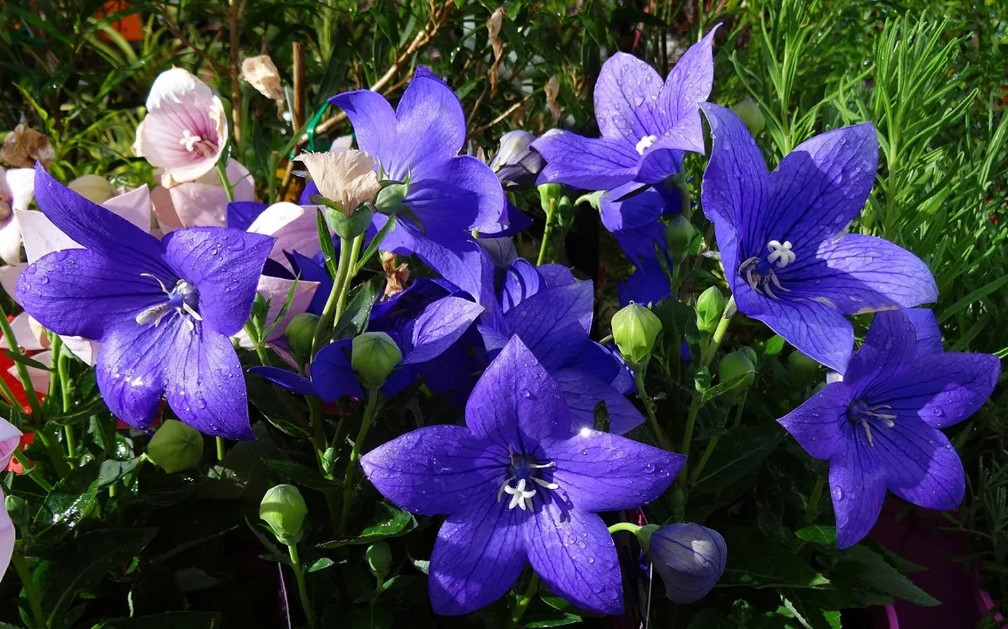
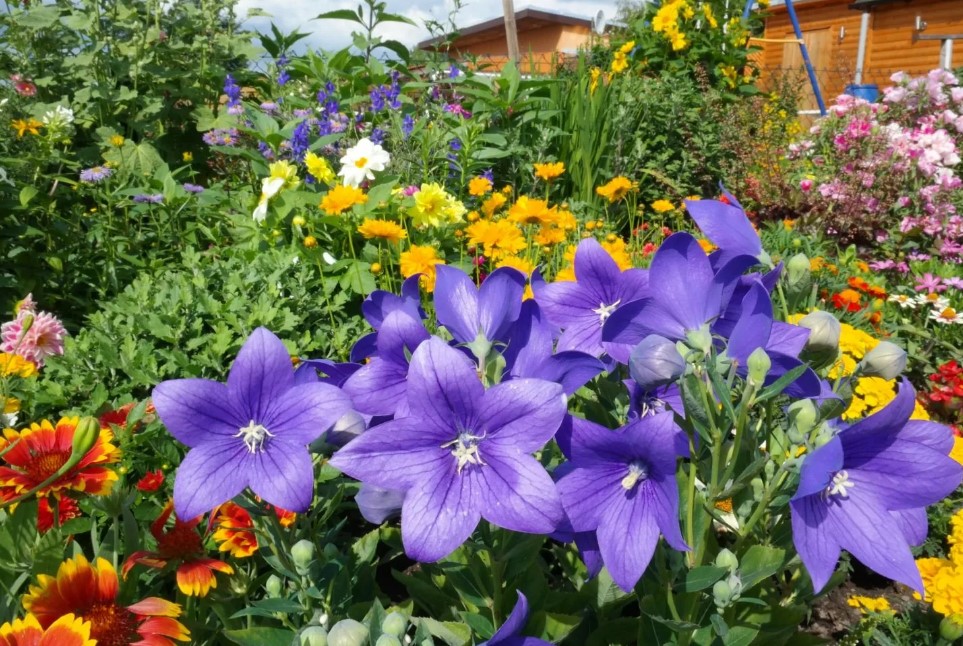
Platycodon
A perennial plant with shoots up to 60 cm high and large bell-shaped flowers in all shades of blue and purple.
It's recommended to sow seeds in February-March; the first shoots will appear on the soil surface within 20 days. Planting can begin in mid-May. Platycodon on a permanent bed according to the 10x10 scheme, at first, timely watering is extremely important for the flowers.
Photo gallery
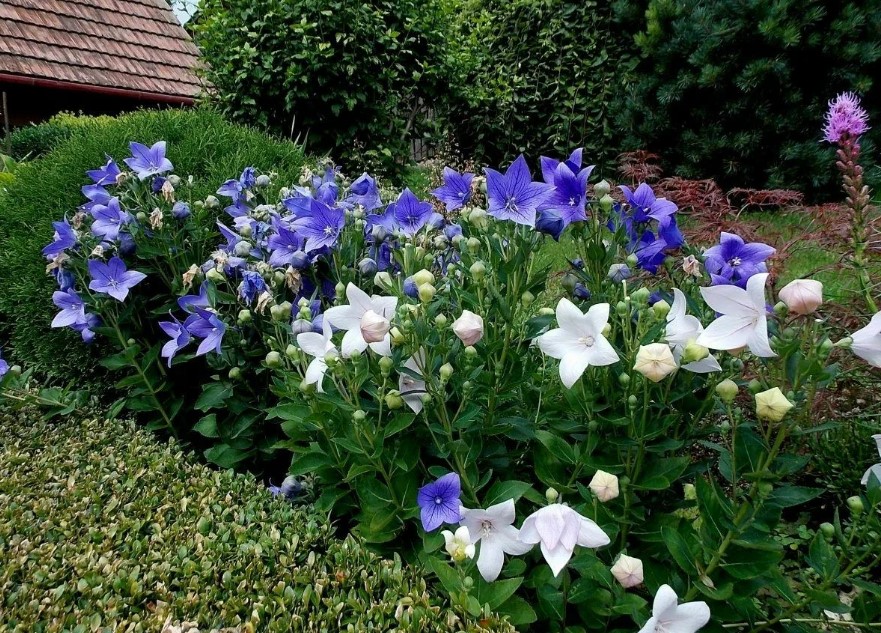
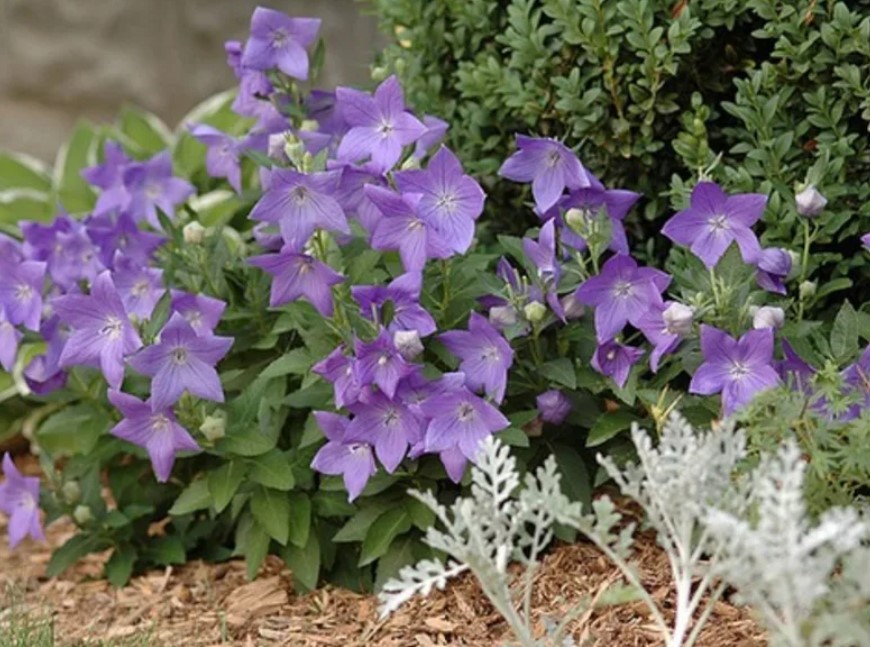
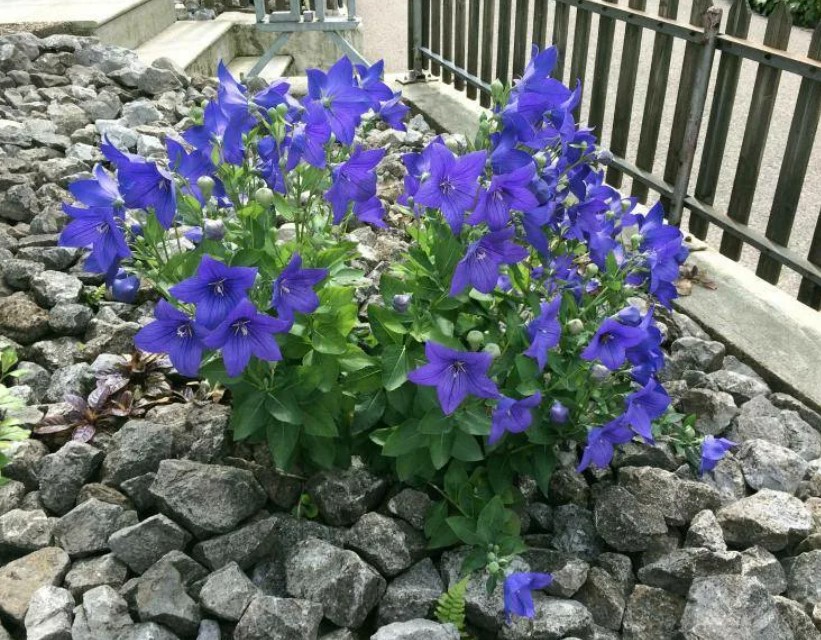
Review
I really love growing large-flowered bellflowers. I've planted them in my garden before, and they look very beautiful. It's a shame they only bloomed for one year (because they're annuals). The bellflowers were large, almost as big as a chicken egg. I was looking for something similar, of course, but someone recommended them. They also recommended the large-flowered perennial Platycodon. I decided to try just one packet of seeds; they're very small. But there are a lot of them. This flower is also popularly known as the "Tsar Bell" because of its beautiful flowers. This perennial blooms two years after planting. The plants reach 50-55 cm in height. It grows mainly in open areas. It blooms in July-August. The plants do not transplant well.
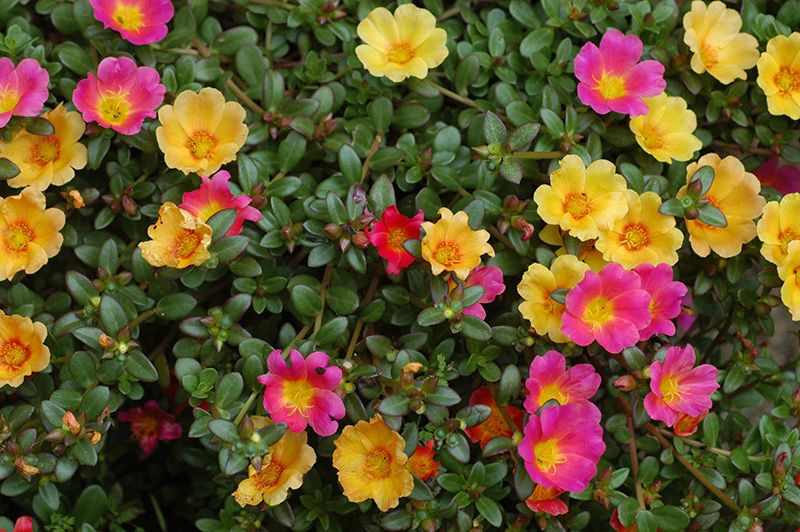
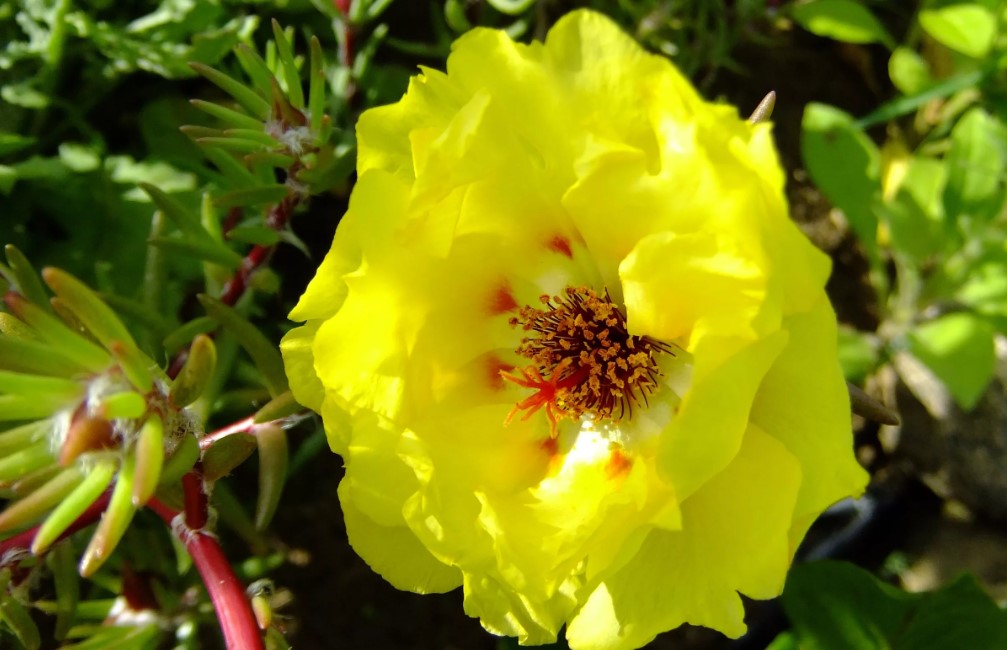
Purslane
A very easy-to-grow groundcover plant, drought-resistant and undemanding of soil composition. It is used in alpine gardens and mixed borders.
It's best to sow the seeds in March-April; in southern regions, planting in February is possible. When planting, it's recommended to mix the seeds with river sand, as they are very fine. Seedlings emerge very quickly, visible within 3-5 days. Purslane can be planted in a permanent bed in May or June, provided the temperature doesn't drop below 10°C.
Photo gallery
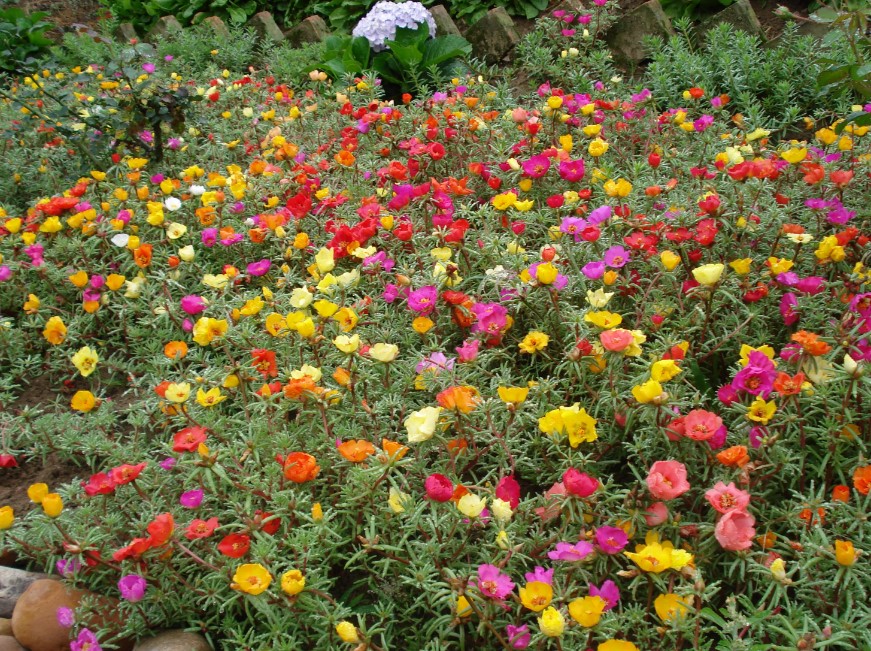
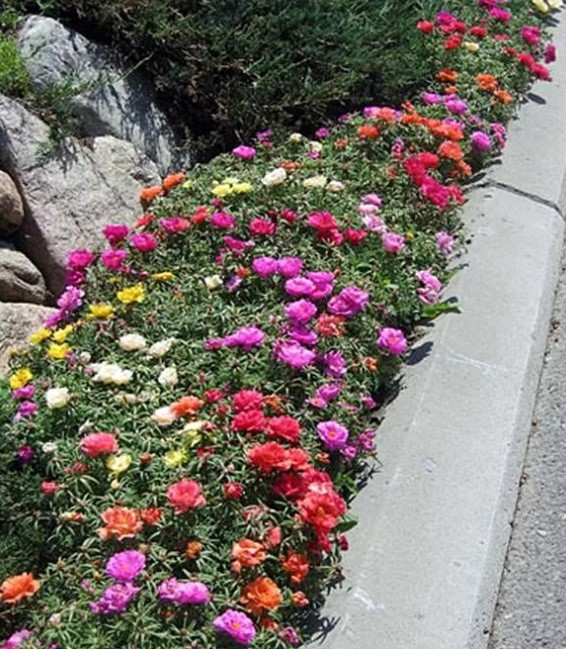
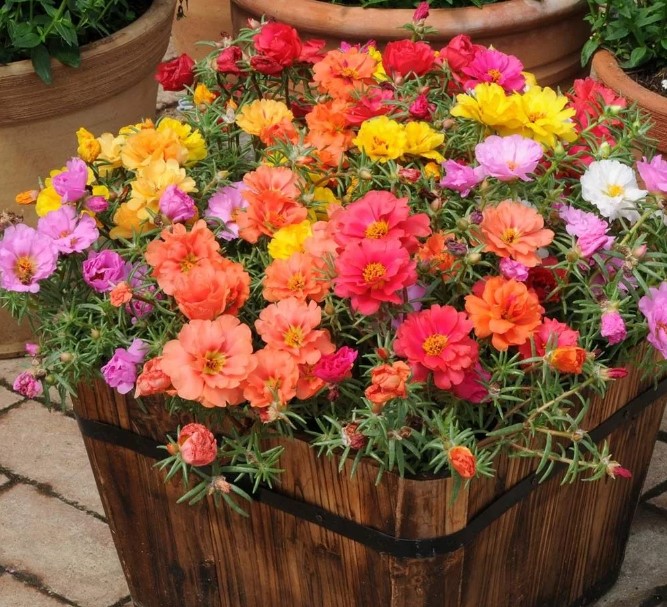
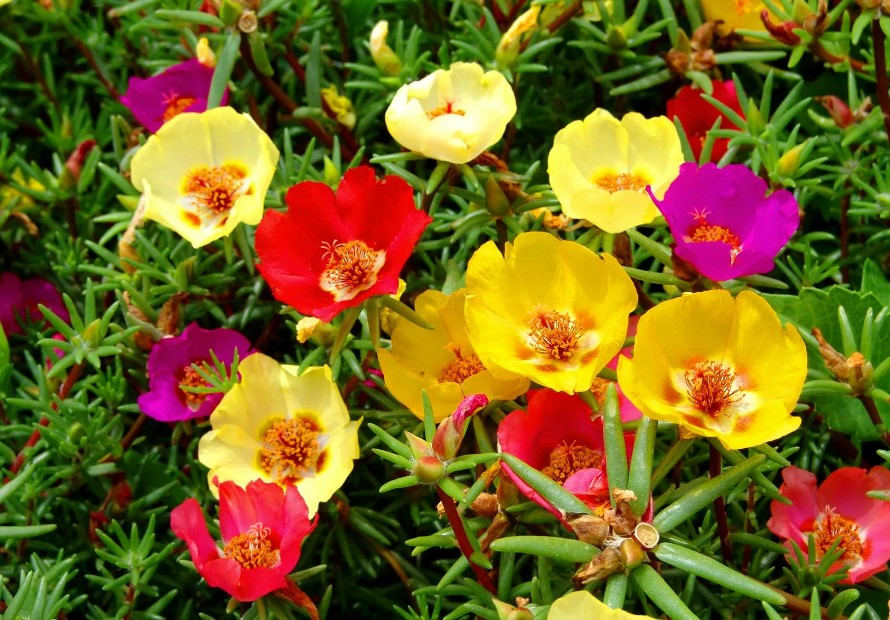
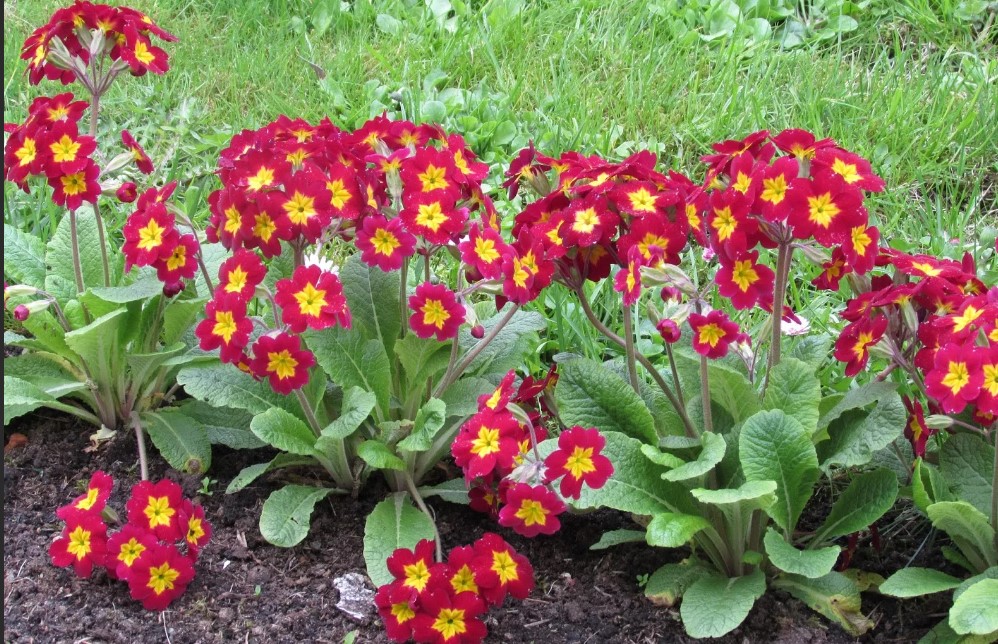
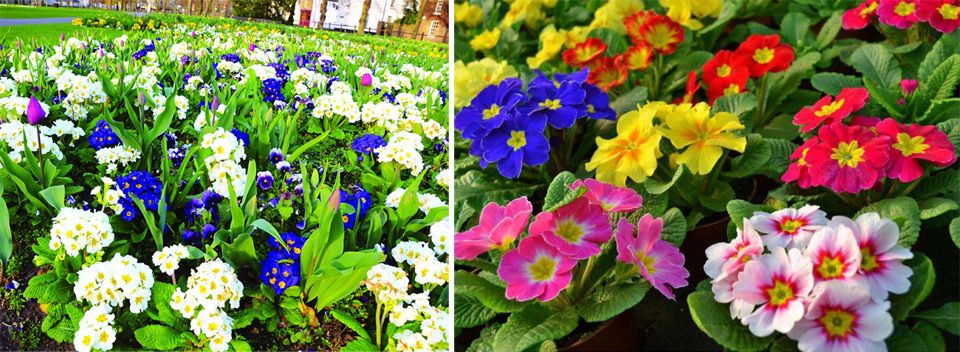
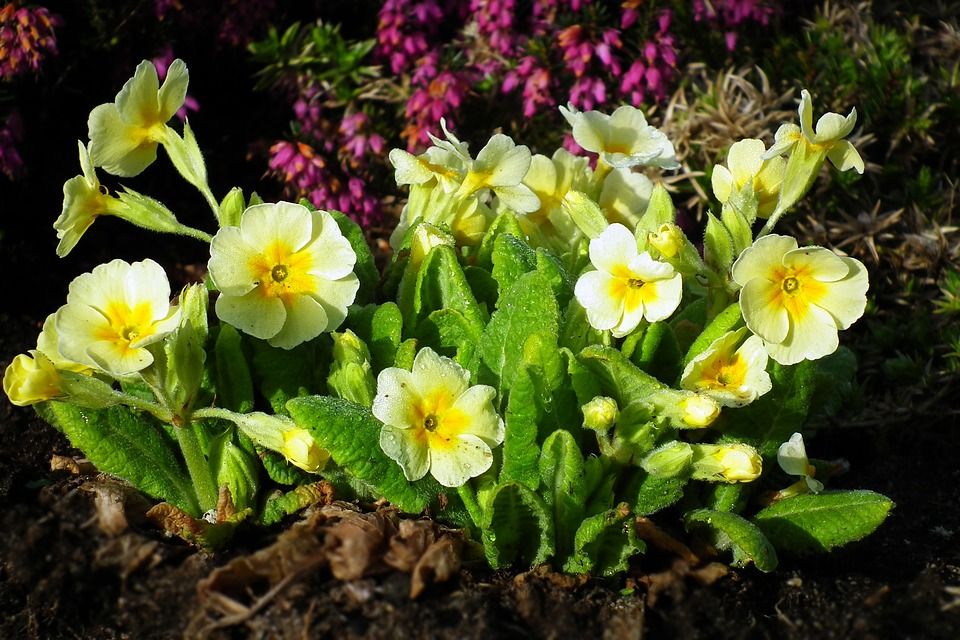
Primrose
The primrose is popularly known as the primrose because it's one of the first to appear in flower beds after the snow melts. But it can also be planted in the spring.
The flower itself is very compact, no more than 20 cm tall. The leaves form a rosette, the flowers resembling small, multicolored bells.
Seeds are possible plant seedlings in February, to primrose The first buds appeared by the end of summer. The seedlings are moved to a permanent bed when they have six true leaves.
Photo gallery
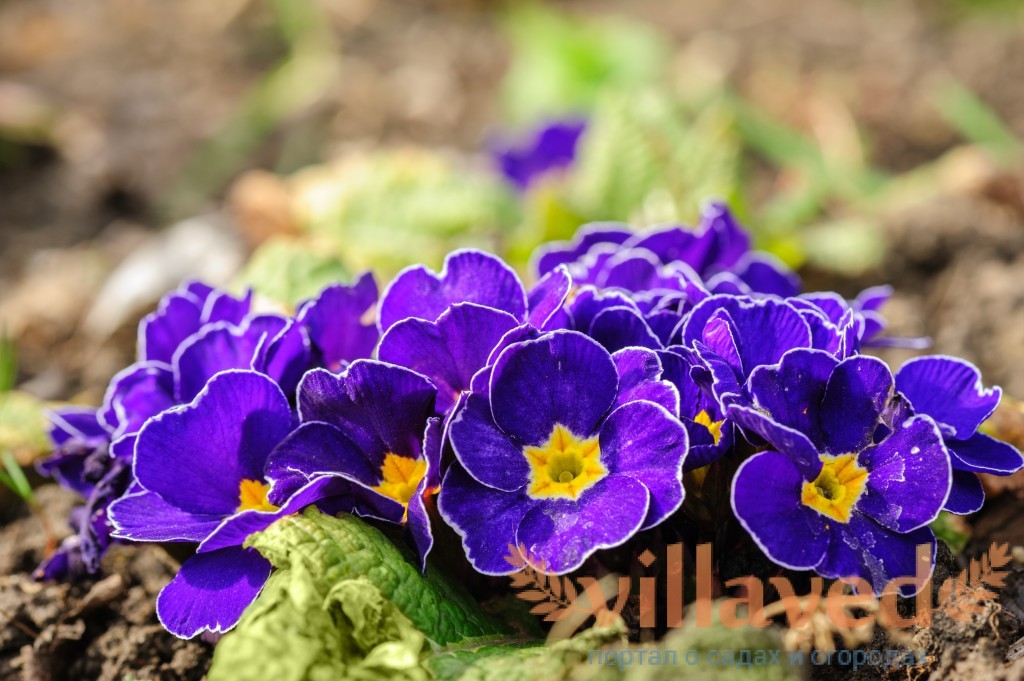
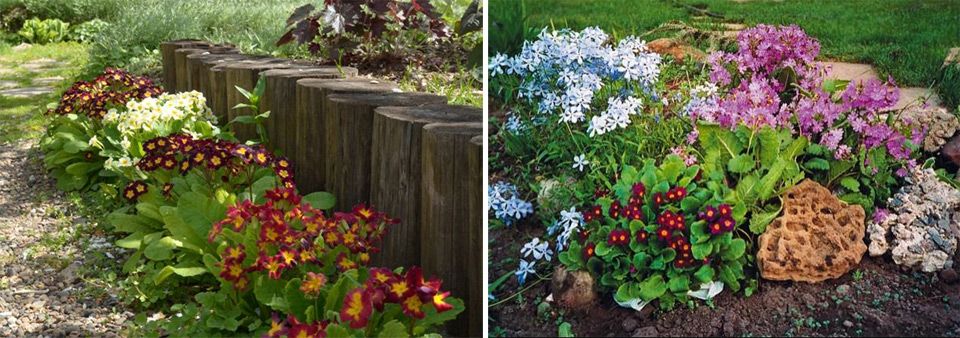
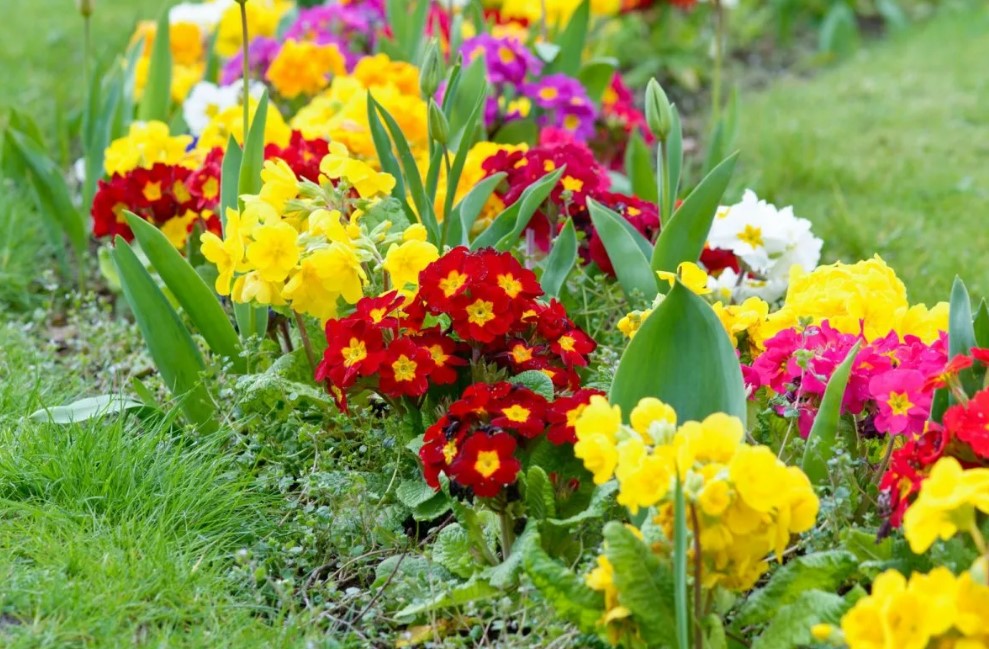
You know what there is indoor primrose?
Salpiglossis
It features beautiful flowers with marbled white, lilac, and yellowish tones and a velvety fringe. It can be grown in flowerbeds, as well as in pots on verandas and windowsills (low-growing varieties).
The seeds are planted In March, plant them in slightly acidic soil. No pre-treatment is necessary, as the planting material is already very strong and resilient. In mid-May, the flowers can be transferred to a permanent flowerbed. It's best to place this in a sunny, draft-free area of the garden.
Photo gallery
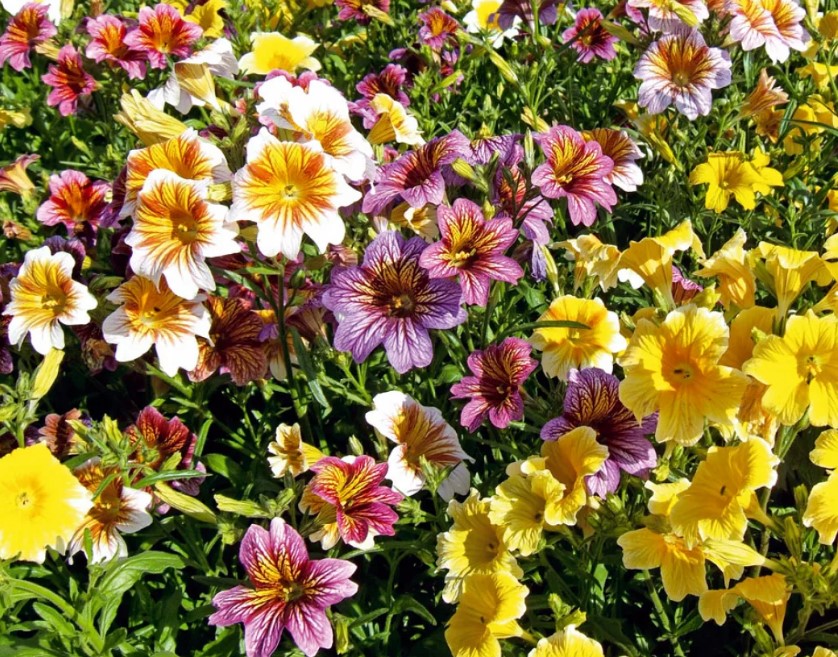
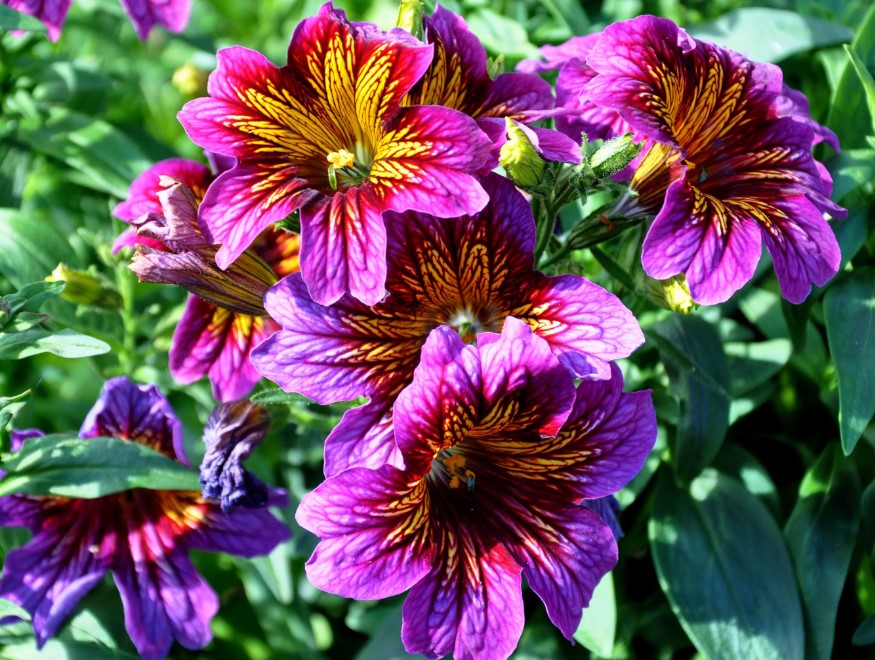
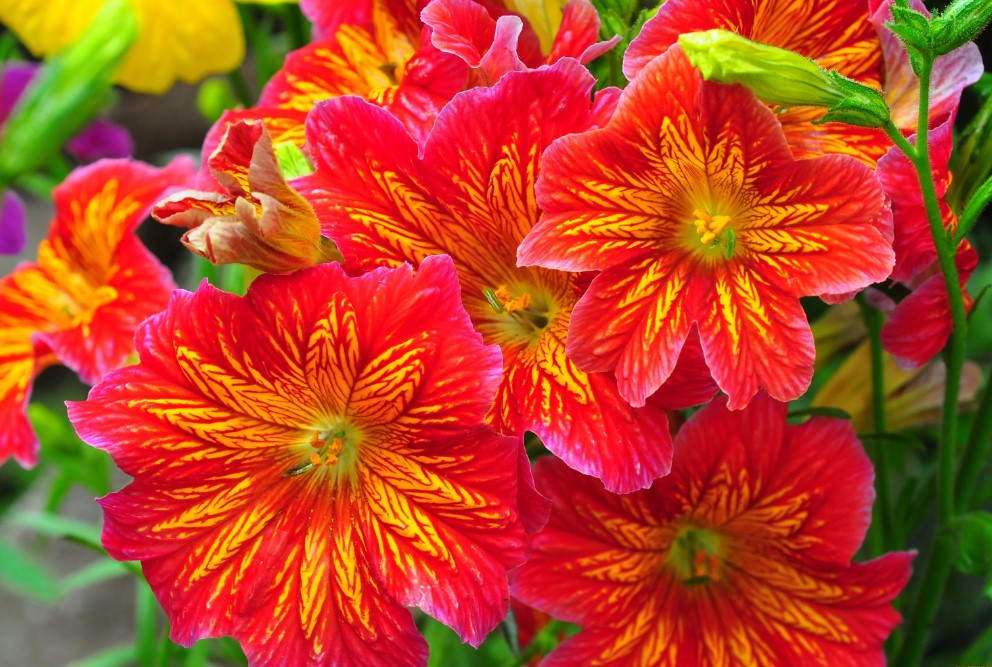
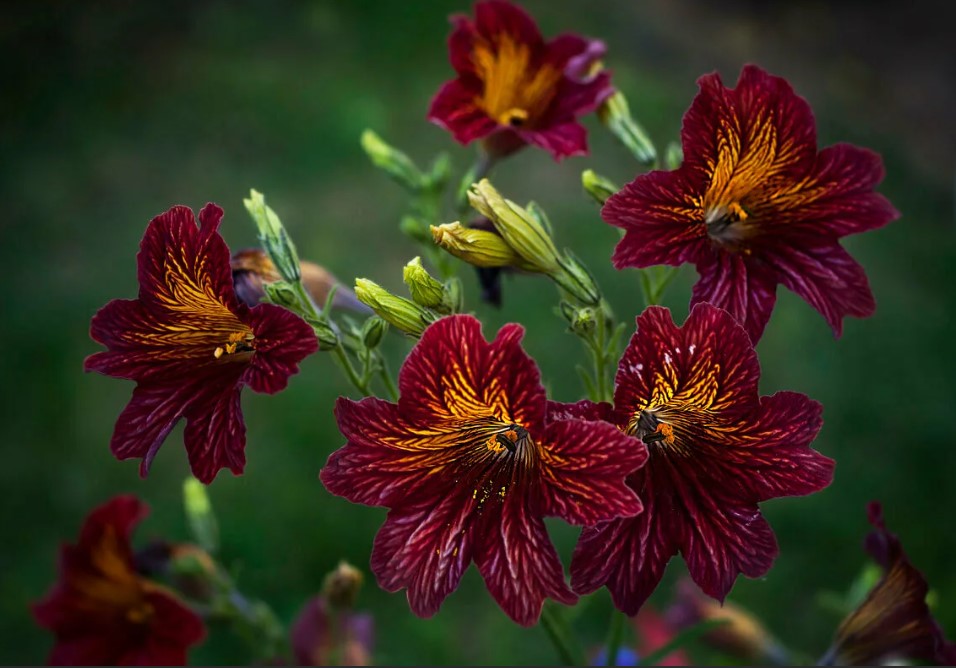
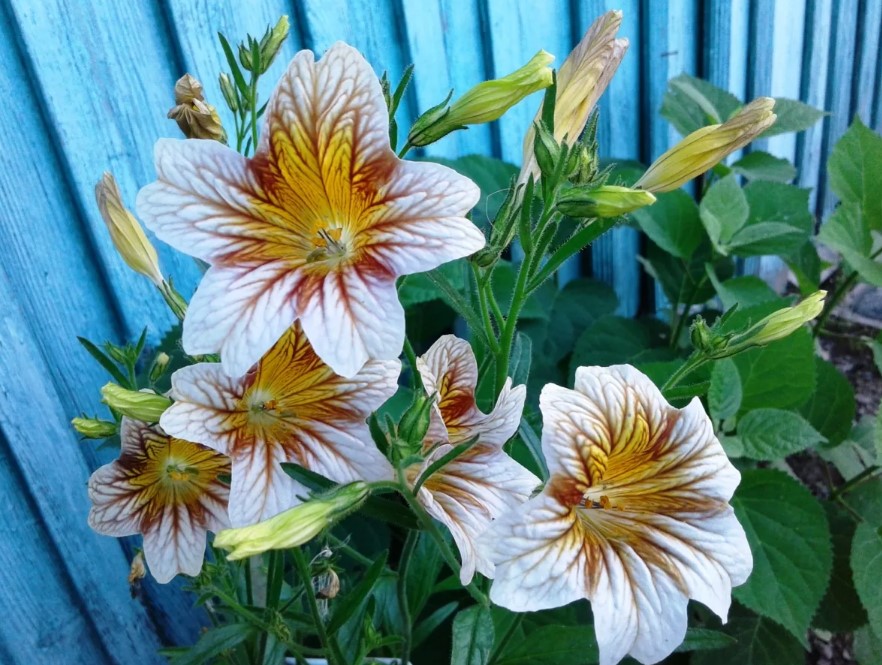
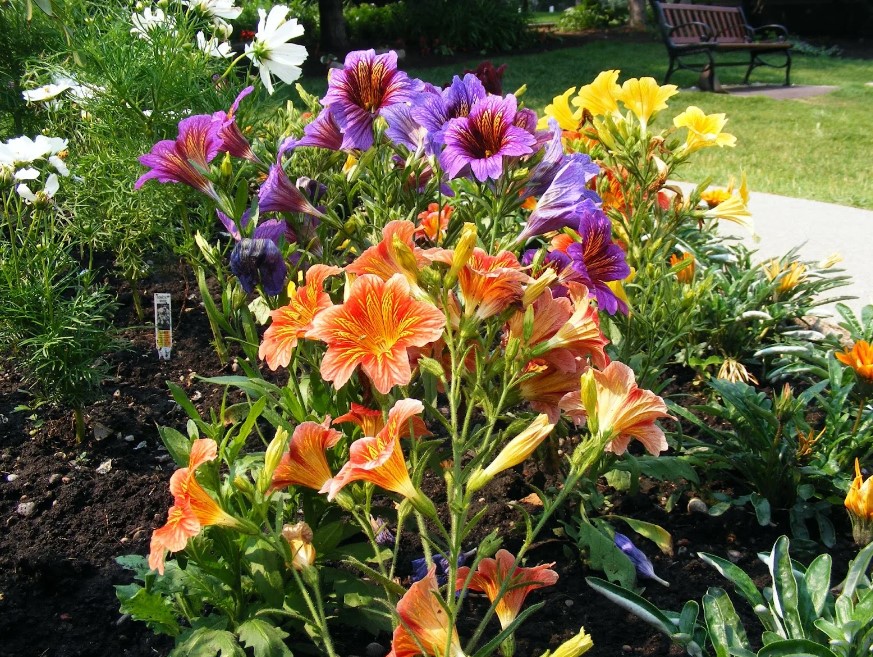
Salpiglossis types and varieties, growing in the garden, at home.
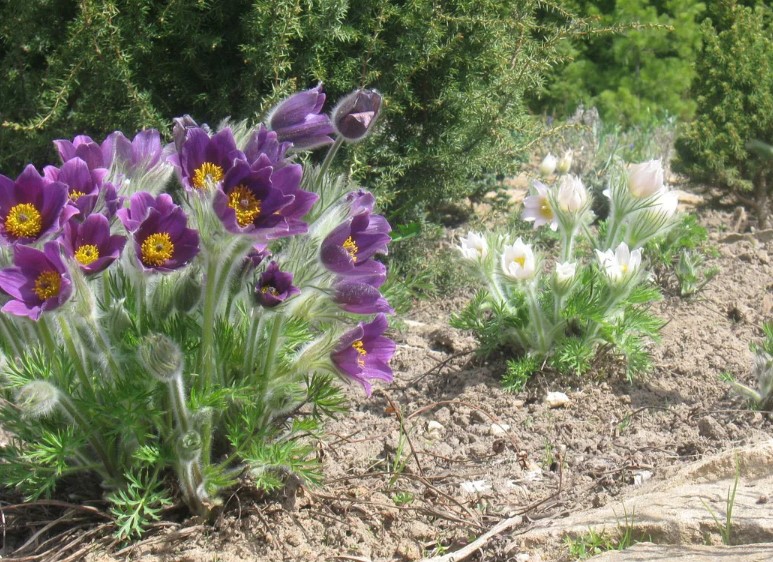
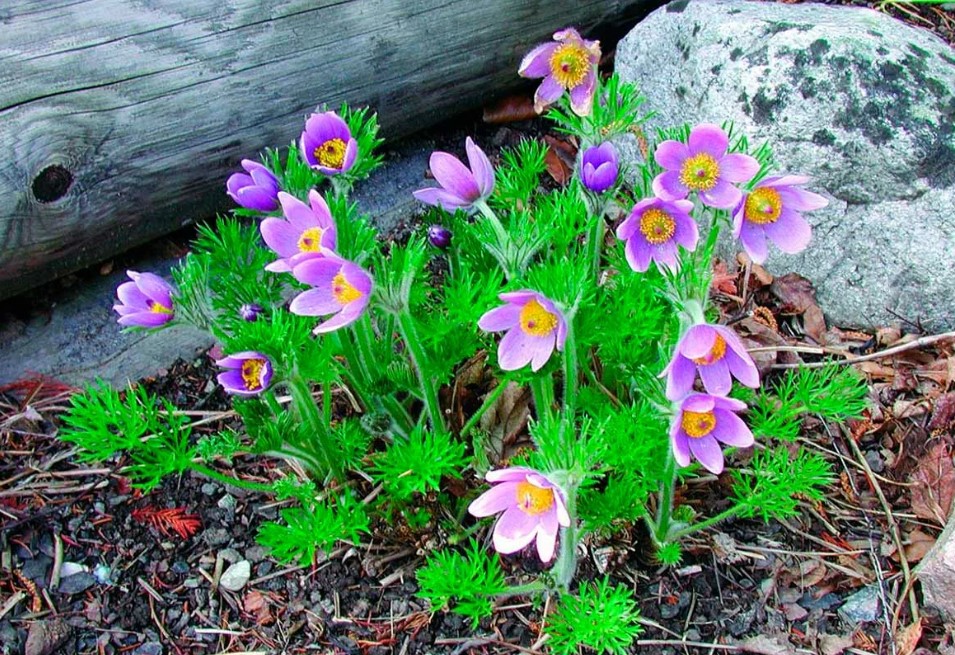
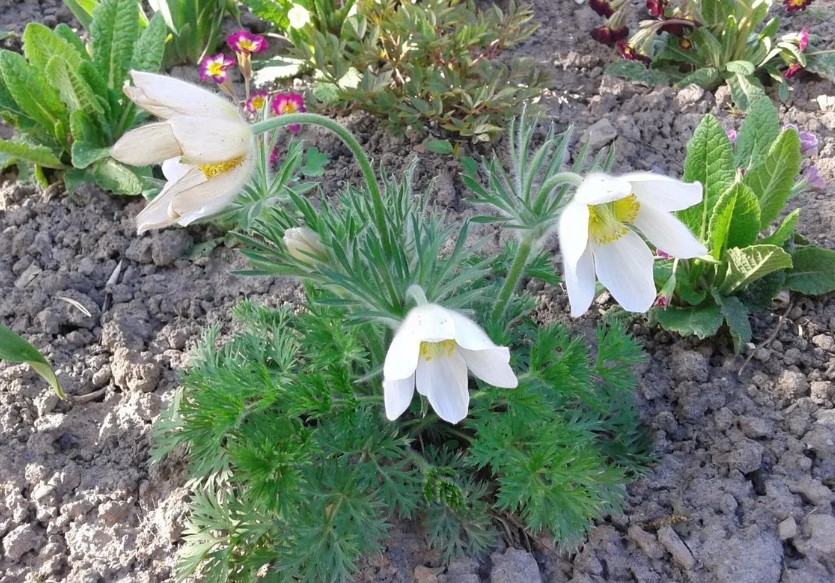
Pulsatilla (pasque flower)
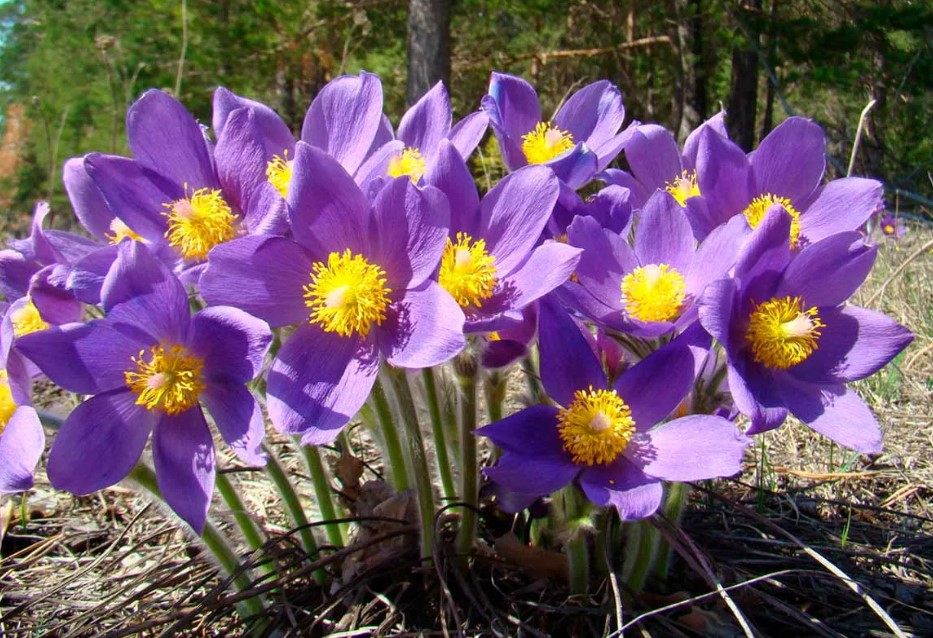
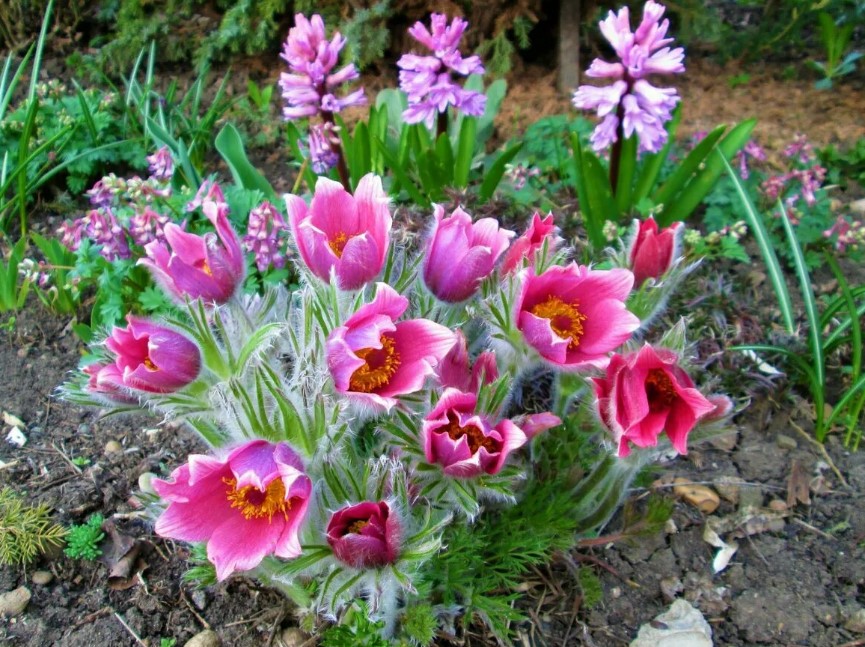
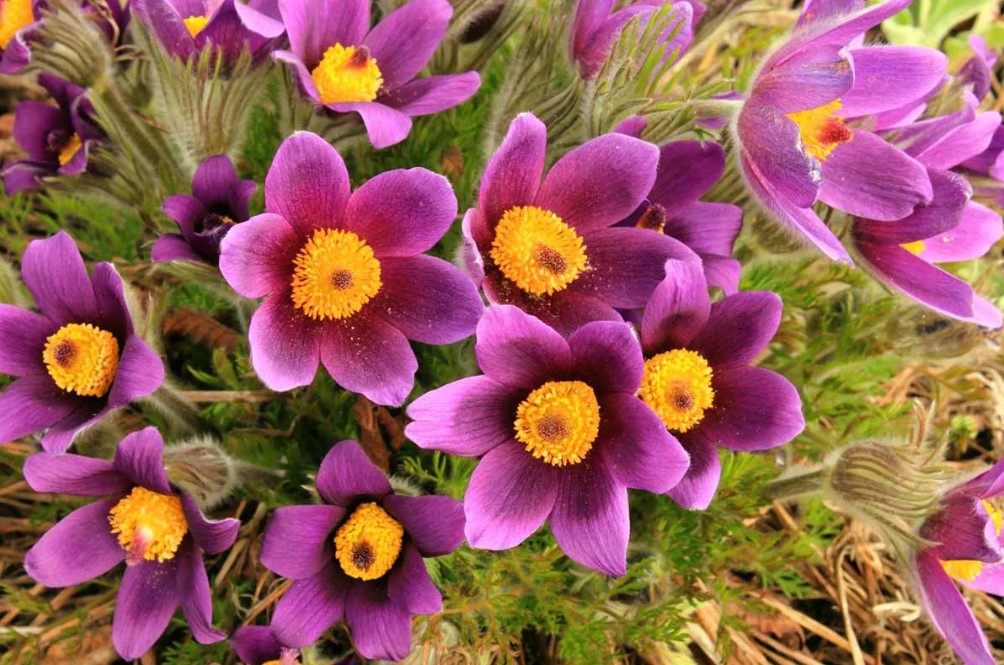
Pasque flowers are among the first to bloom in spring, and then delight gardeners with their fruits all summer long. This plant should be planted in a spot in the garden that doesn't get stagnant water.
When growing seedlings, it is necessary to leave a sufficiently large distance between the seeds, and later the seedlings should be additionally thinned out, since lumbago transplant into a garden bed only with a lump of earth on the roots, otherwise it will not survive.
Sowing is carried out in March, and in May the sleep-grass can be moved to open ground.
Photo gallery
Rudbeckia
This flower is popularly known as the Sun Hat due to its very bright yellow flowers, up to 17 cm in size. The shoots can reach a height of 2 m.
Seeds for seedlings are sown in March or early April. The first shoots appear within 14 days. It's best to transplant rudbeckia outdoors in the second half of May, when there's no longer a risk of frost. Leave 30-40 cm between plants to prevent them from competing for light and water.
Photo gallery
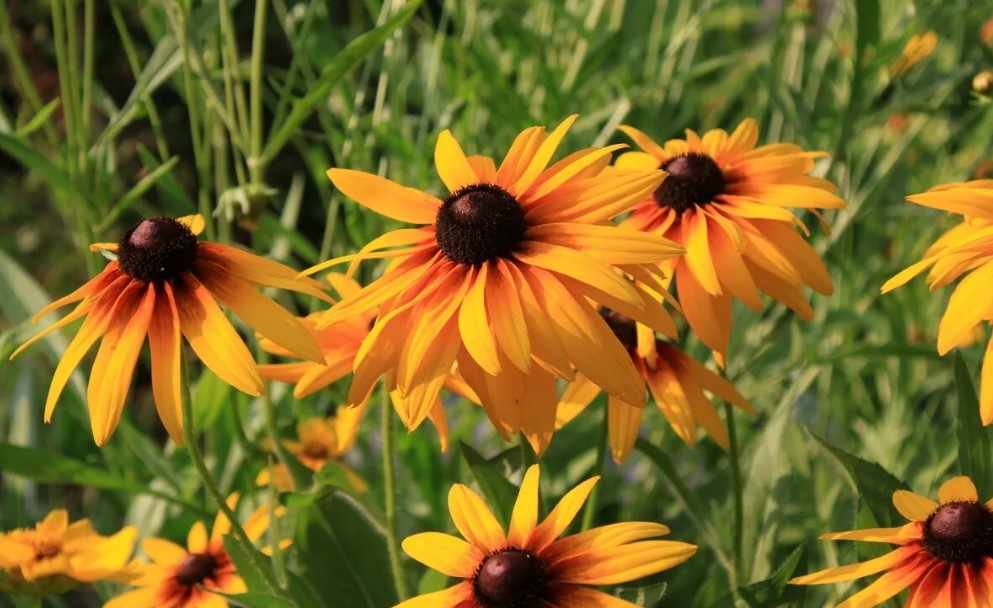
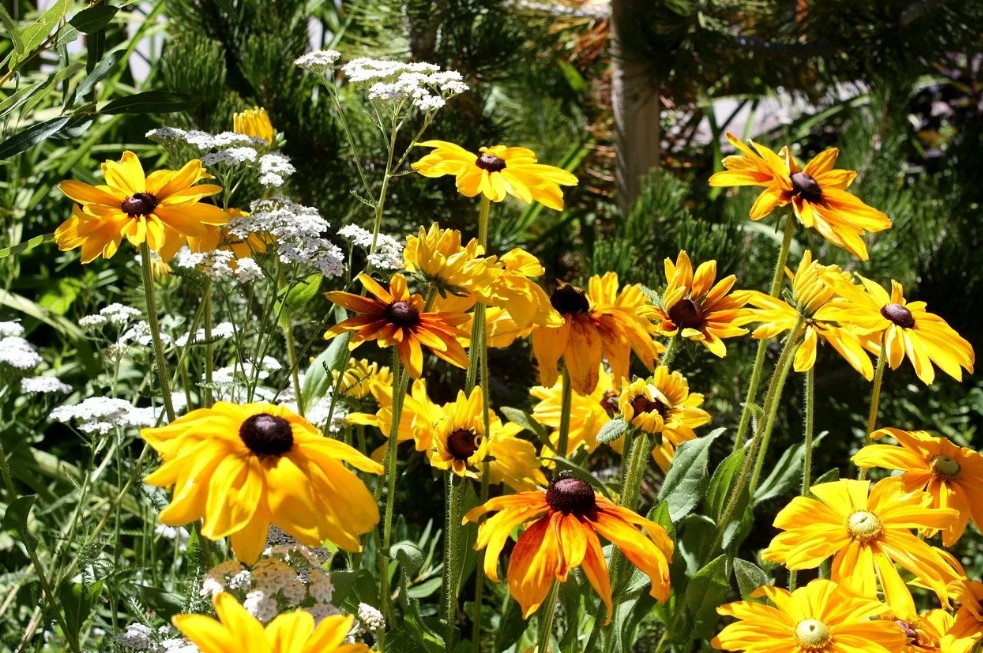
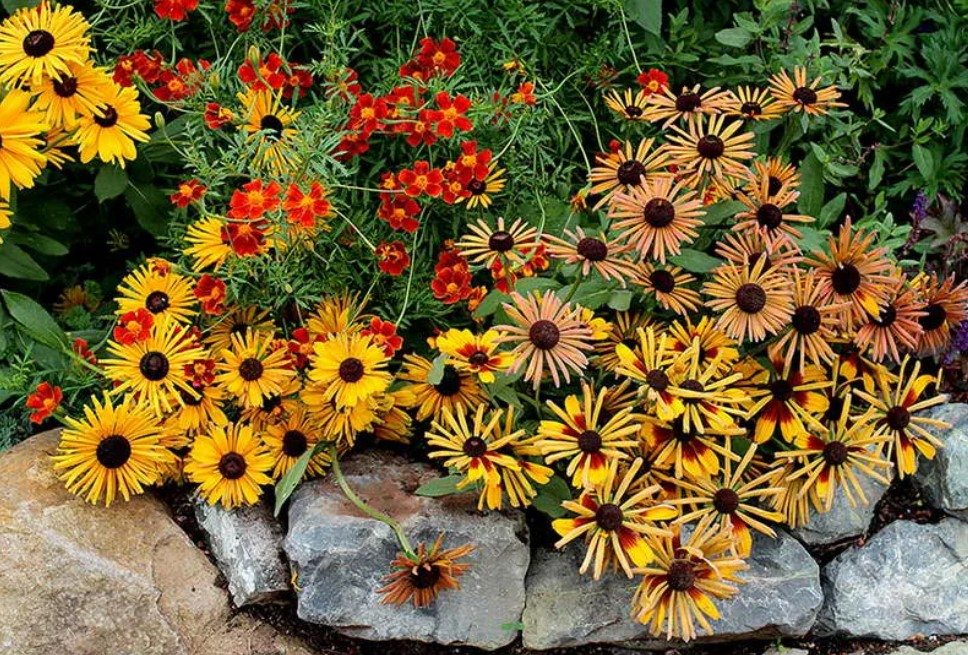
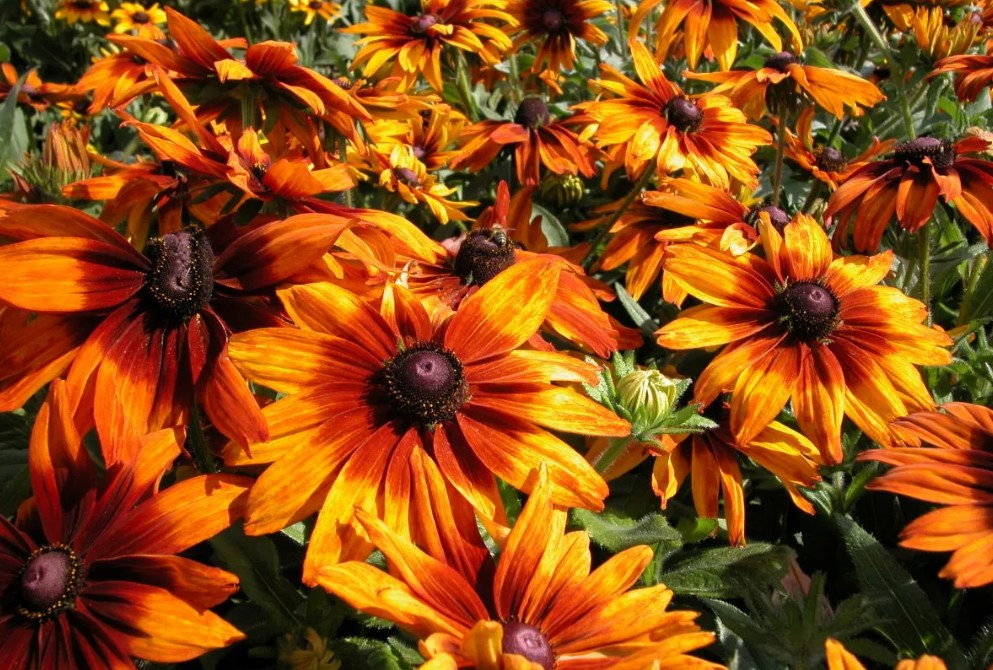
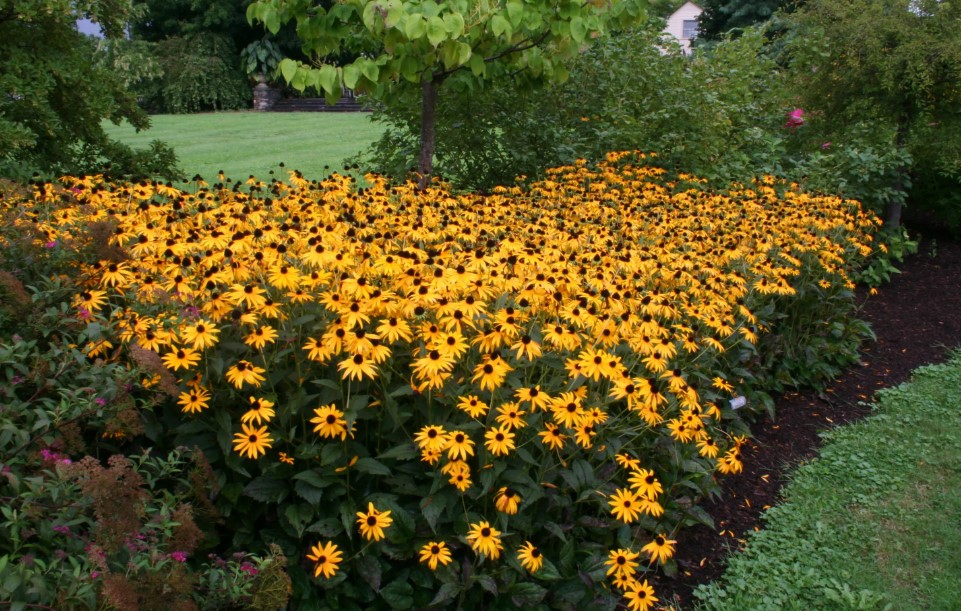
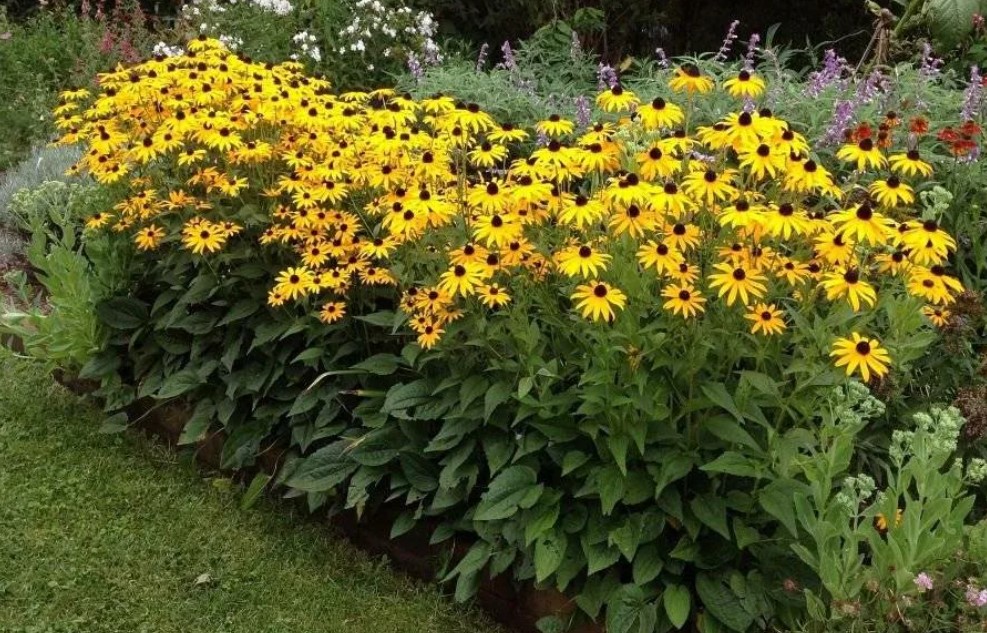
Rudbeckia It can be annual or perennial.
Statice
Statice is often called Limonium. This plant has an erect, ribbed stem up to 80 cm tall, crowned by a corymbose cluster of inflorescences. The petals can be yellow, white, purple, or bluish. The flowers themselves are small, no more than 1 cm in diameter.
Sow the seeds in the second half of March. Peat pots are best for planting, as the plant's roots are very sensitive to transplanting. In May, transplant the statice potted plant into a flowerbed, choosing a well-lit location. Drafts are not a concern, as the plant is not affected by them.
Photo gallery
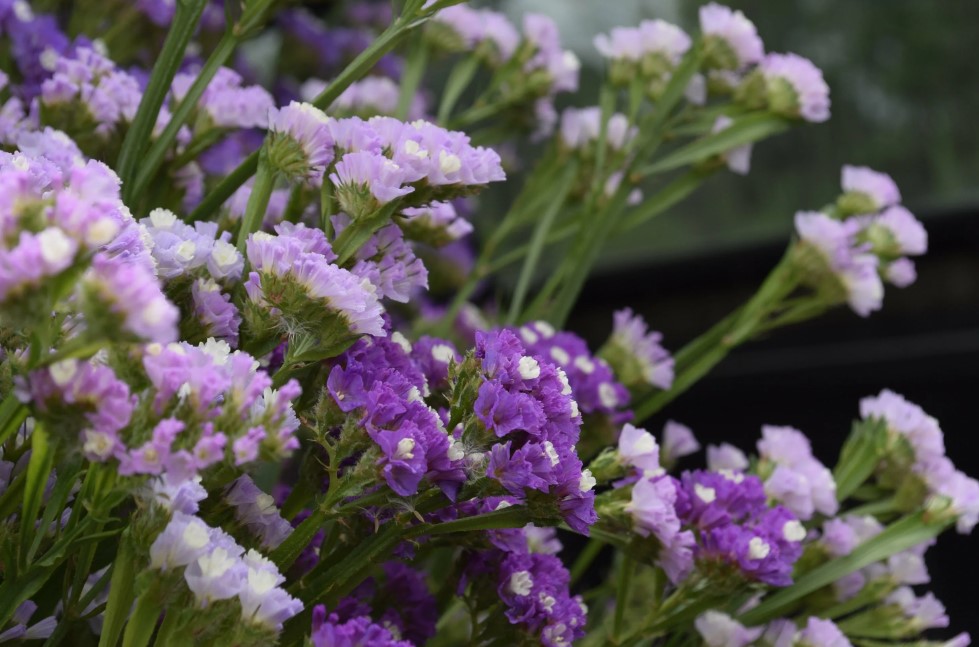
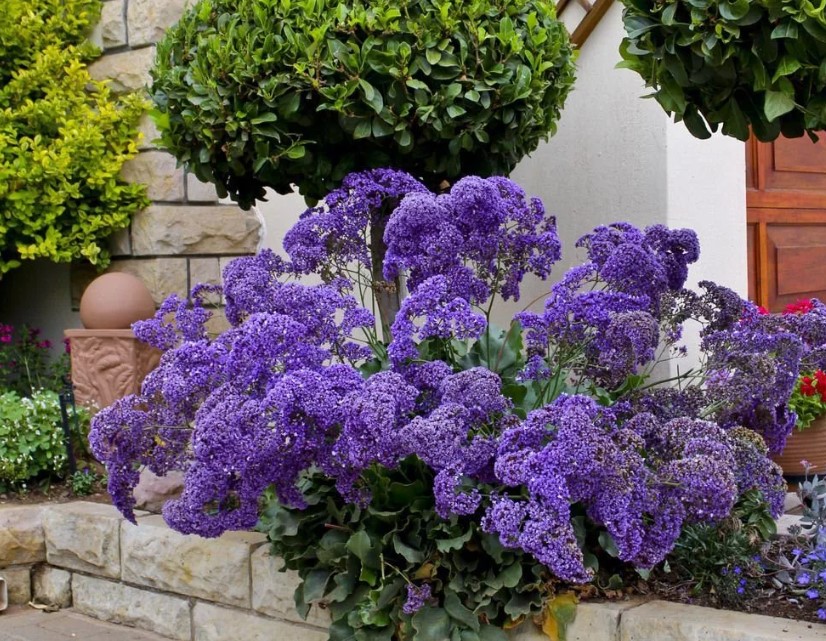
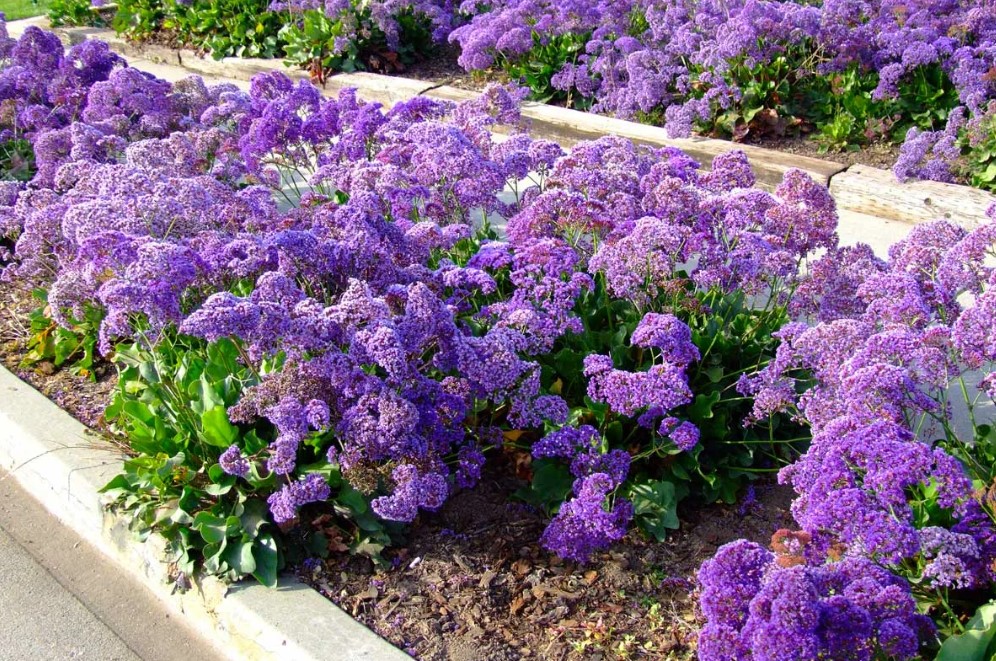
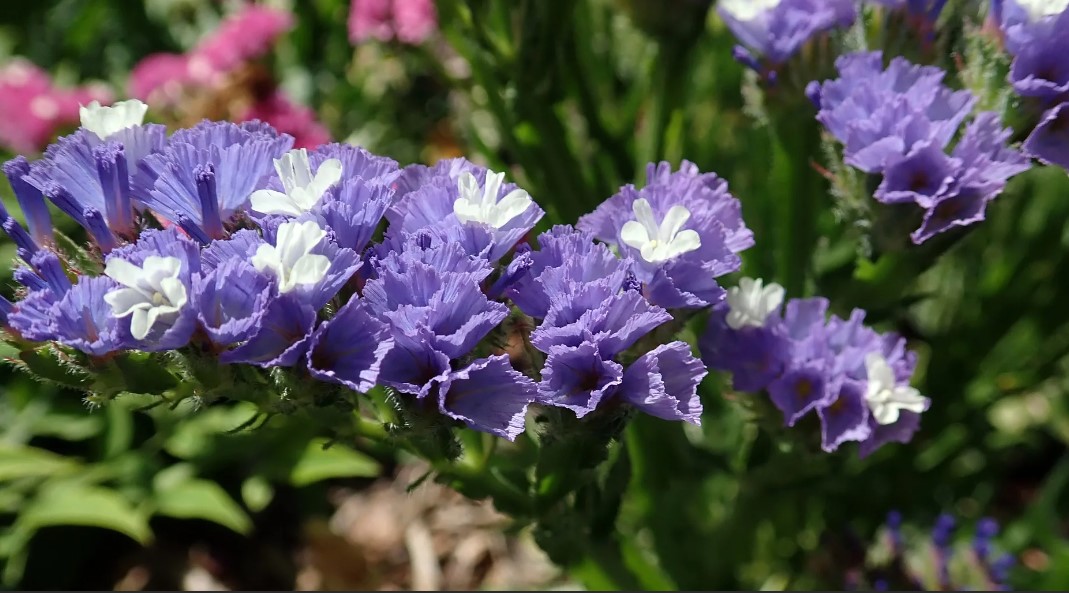
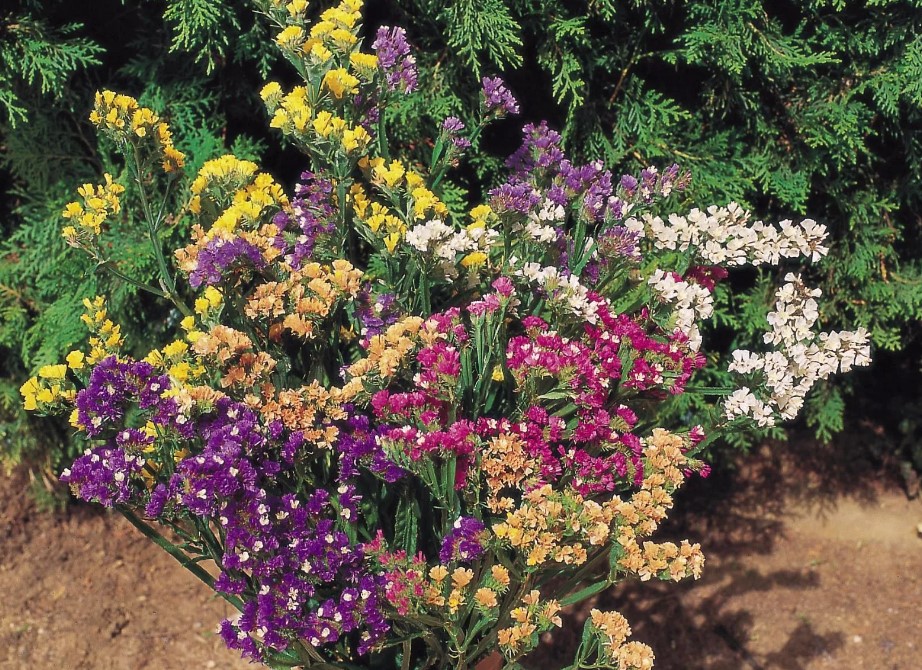
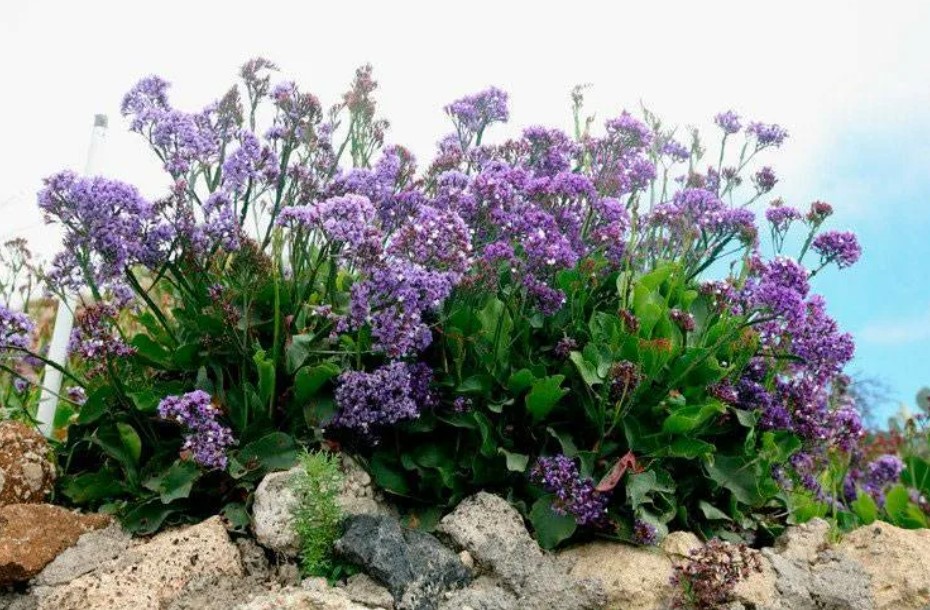
More details about statice and care for it, read on our website
Thunbergia
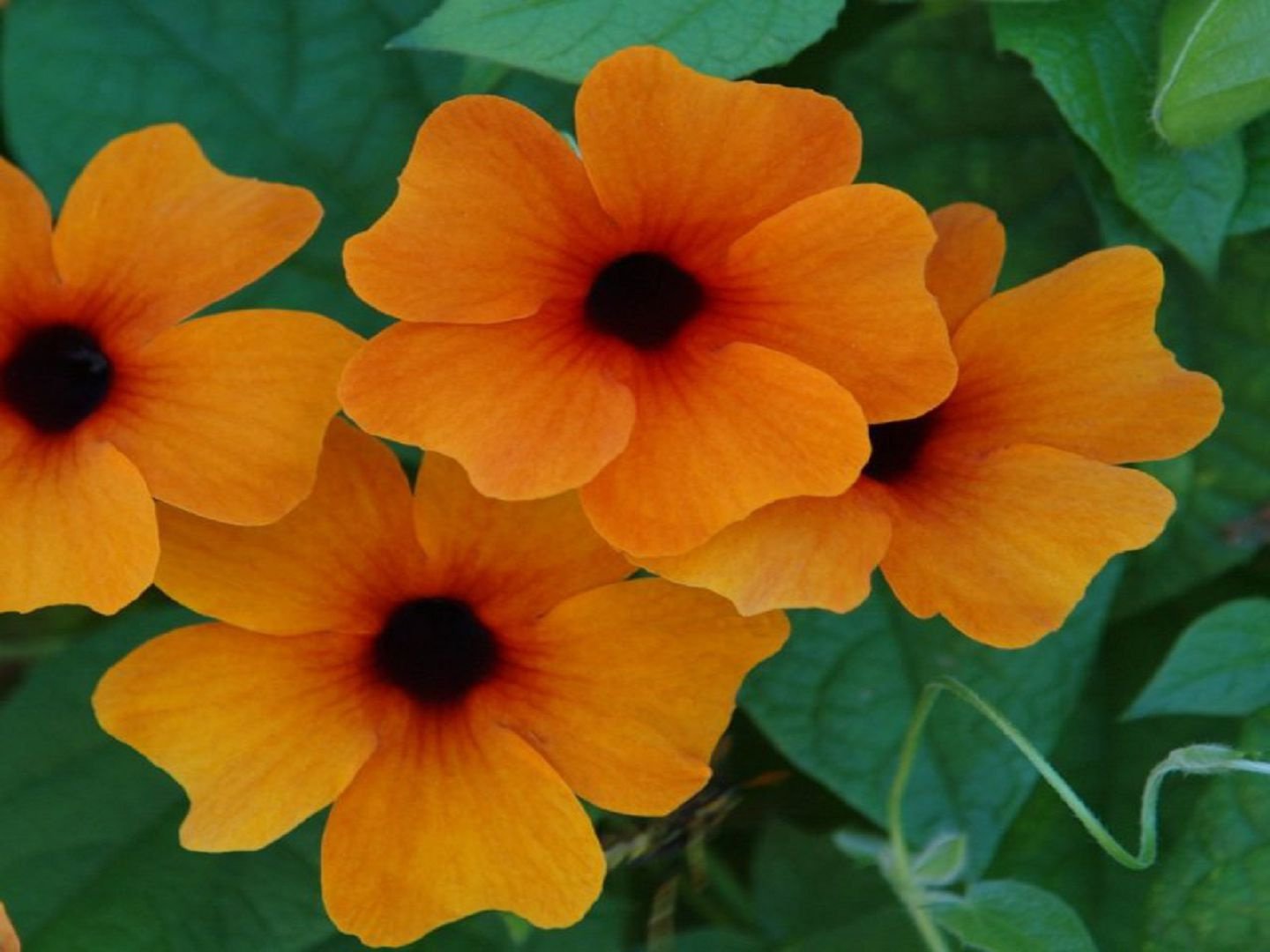
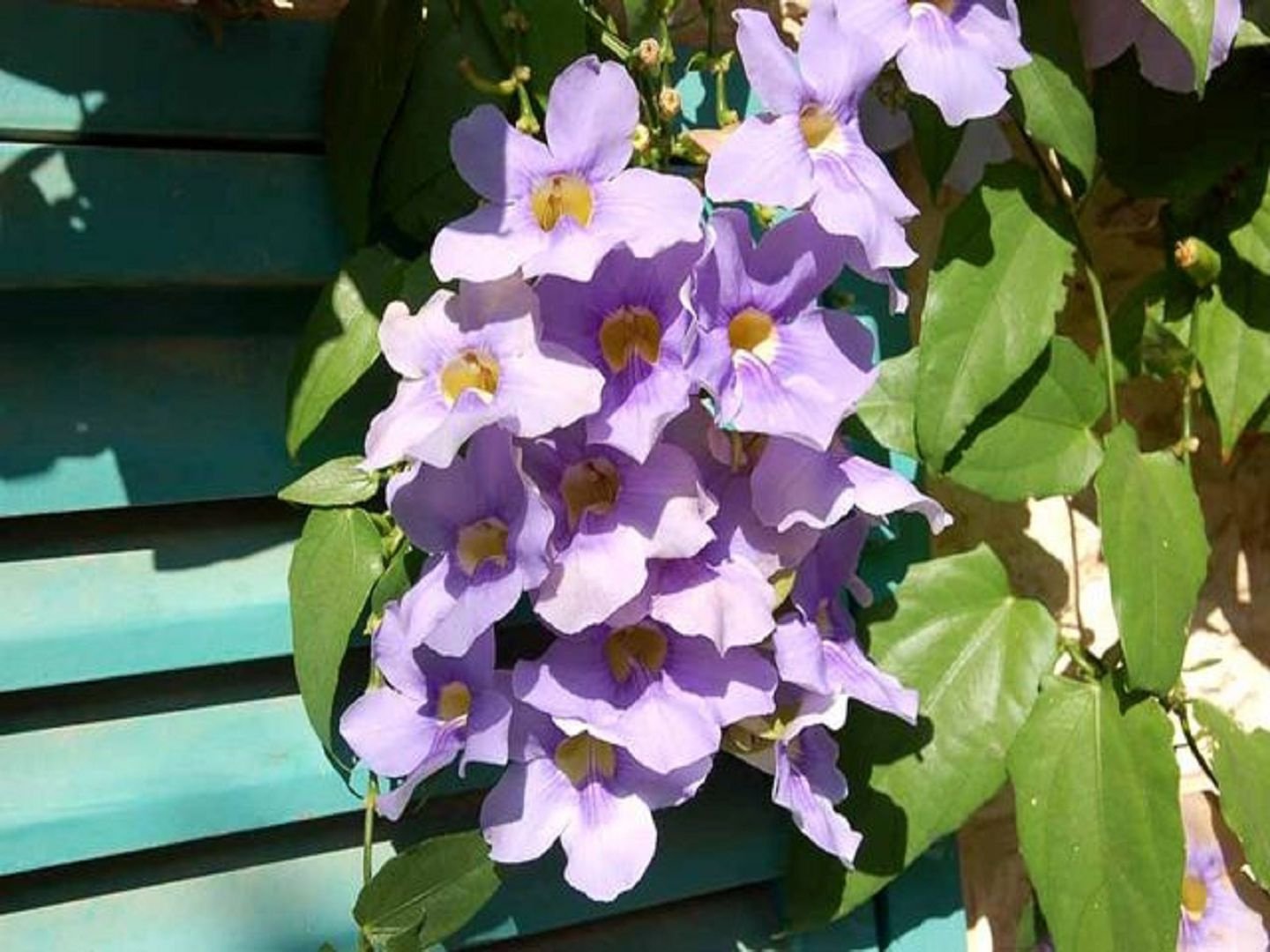
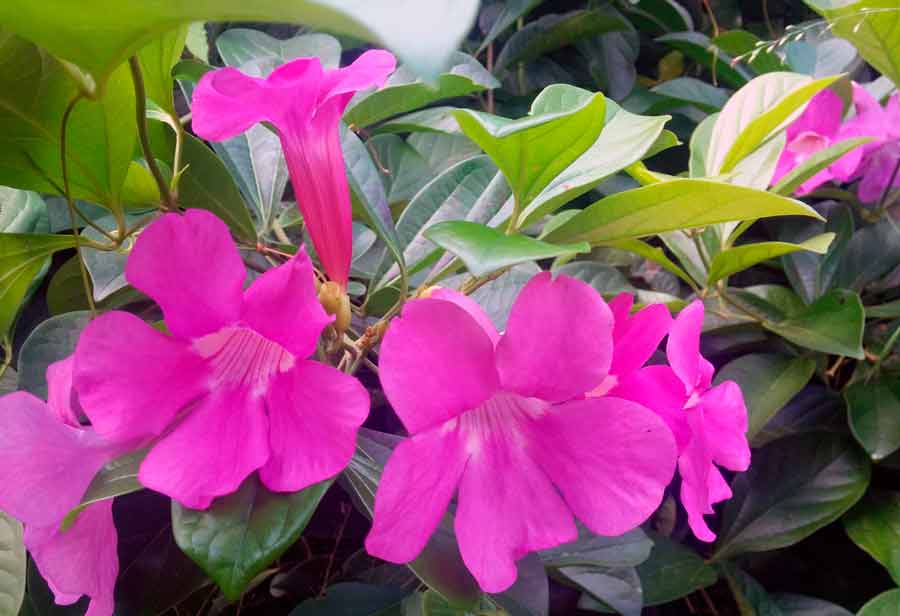
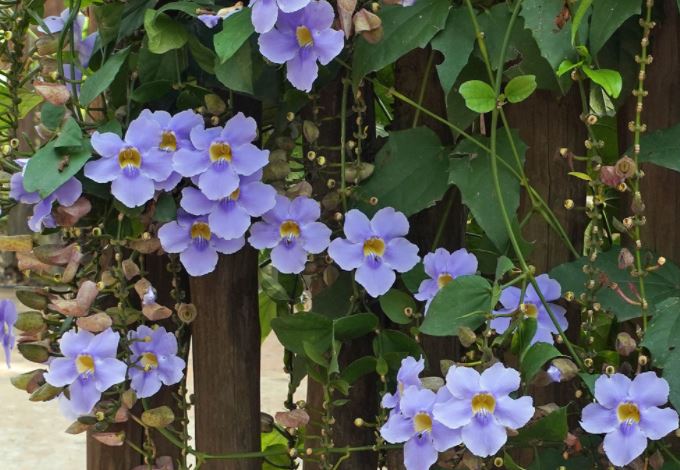
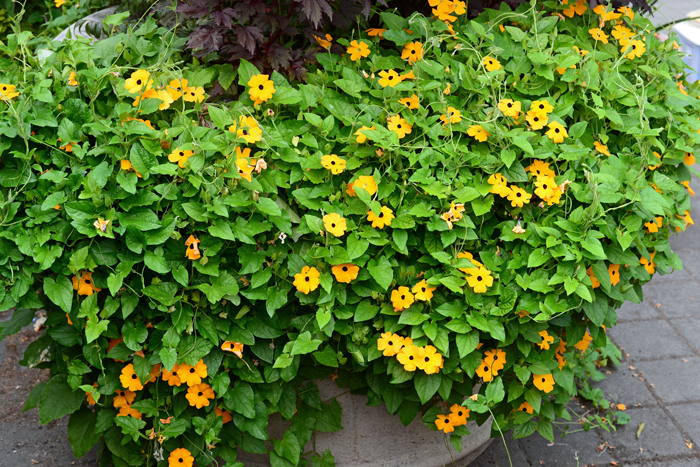
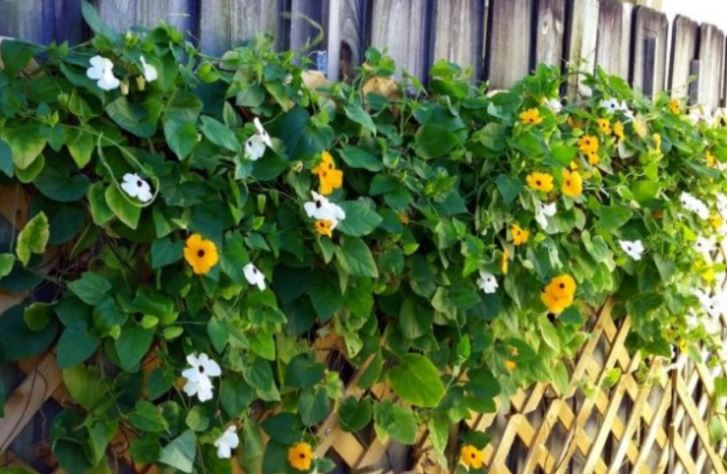
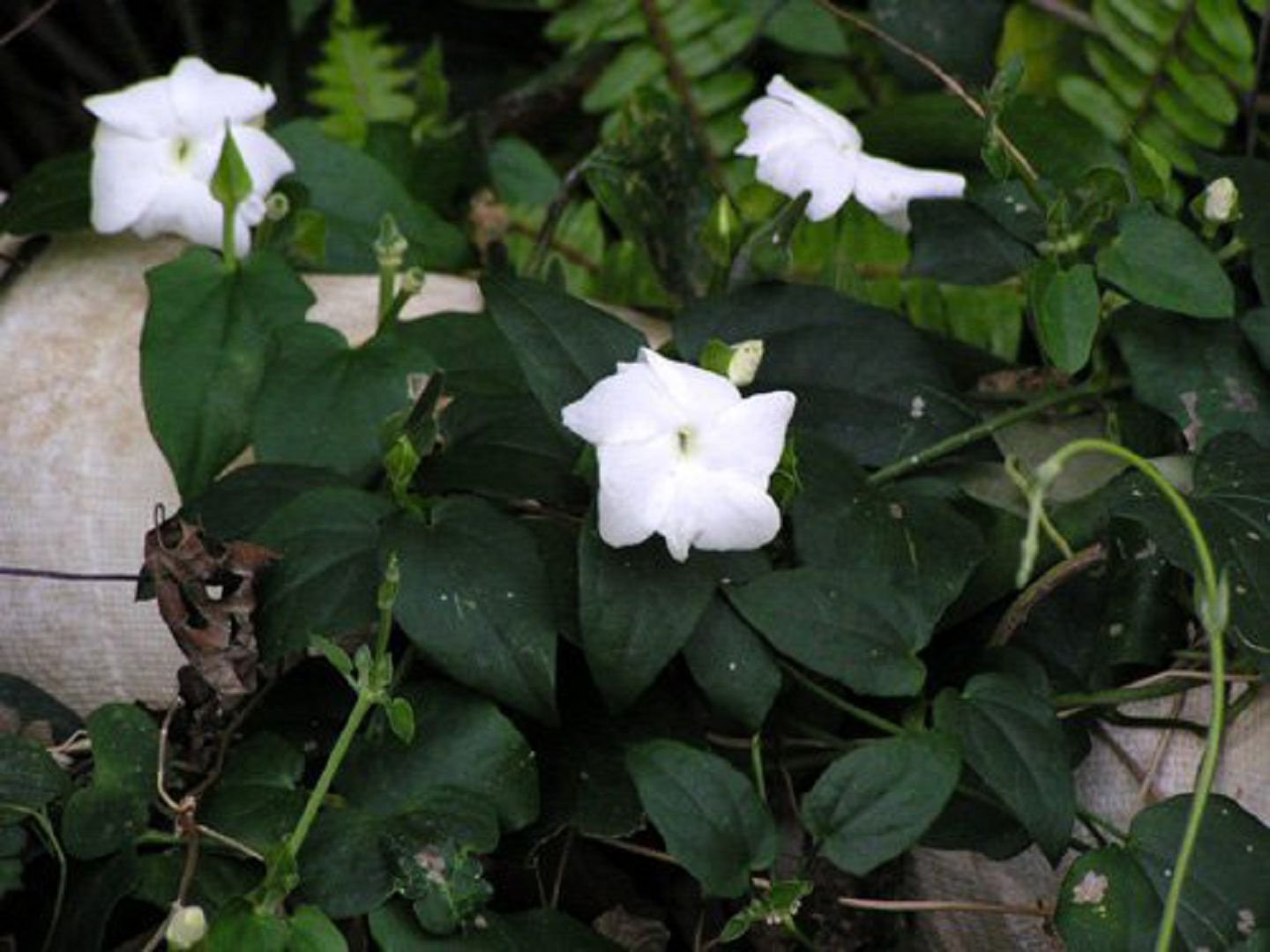
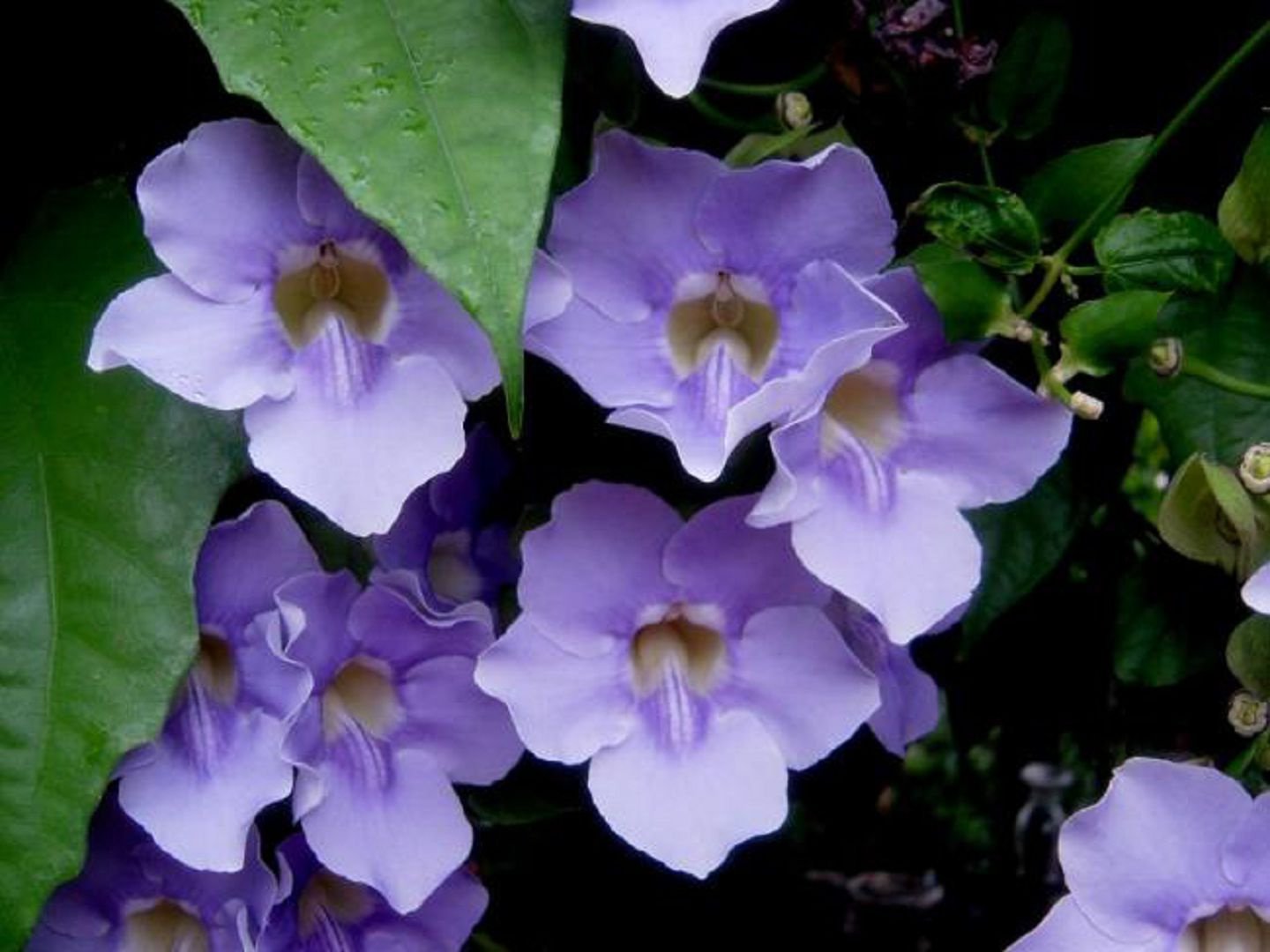
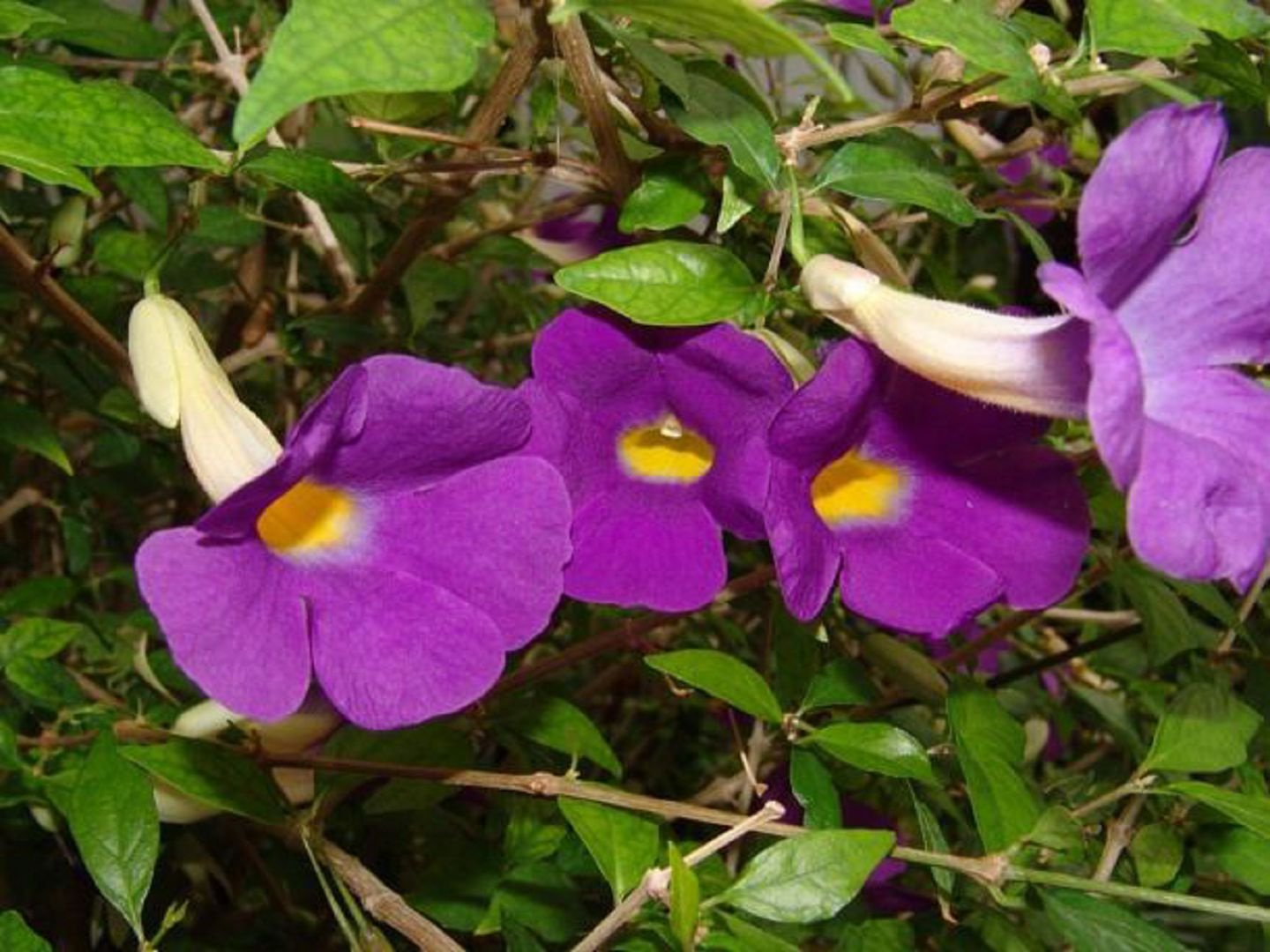
This ornamental plant is widely used in landscape design. Thunbergia It is a vine that can reach 8 meters in length. Its leaves are decorative, oval or heart-shaped, and lightly pubescent. Flowering lasts from July until late autumn; the color of the inflorescences depends on the variety and can be pink, bluish, white, lilac, and others.
Sowing of seeds is carried out in the second half of February - beginning of March, seedlings are transferred to open ground in the second half of May.
Photo gallery
Chrysanthemum
Chrysanthemums belong to the Asteraceae family and offer a huge variety of petal shapes and colors. Flowering lasts from late June to November. The shoots reach a height of approximately 70 cm.
Seeds for seedlings are sown in late February or early March. Chrysanthemums can be planted in flowerbeds once the shoots have developed 4-6 true leaves.
Flowers love moisture and sunshine, so they need to be sprayed periodically and watered thoroughly.
Photo gallery
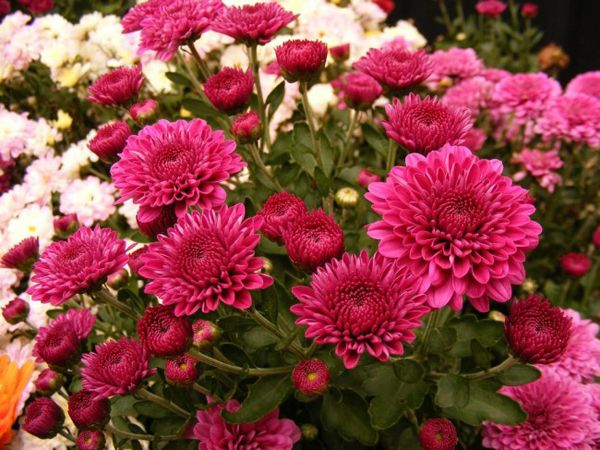
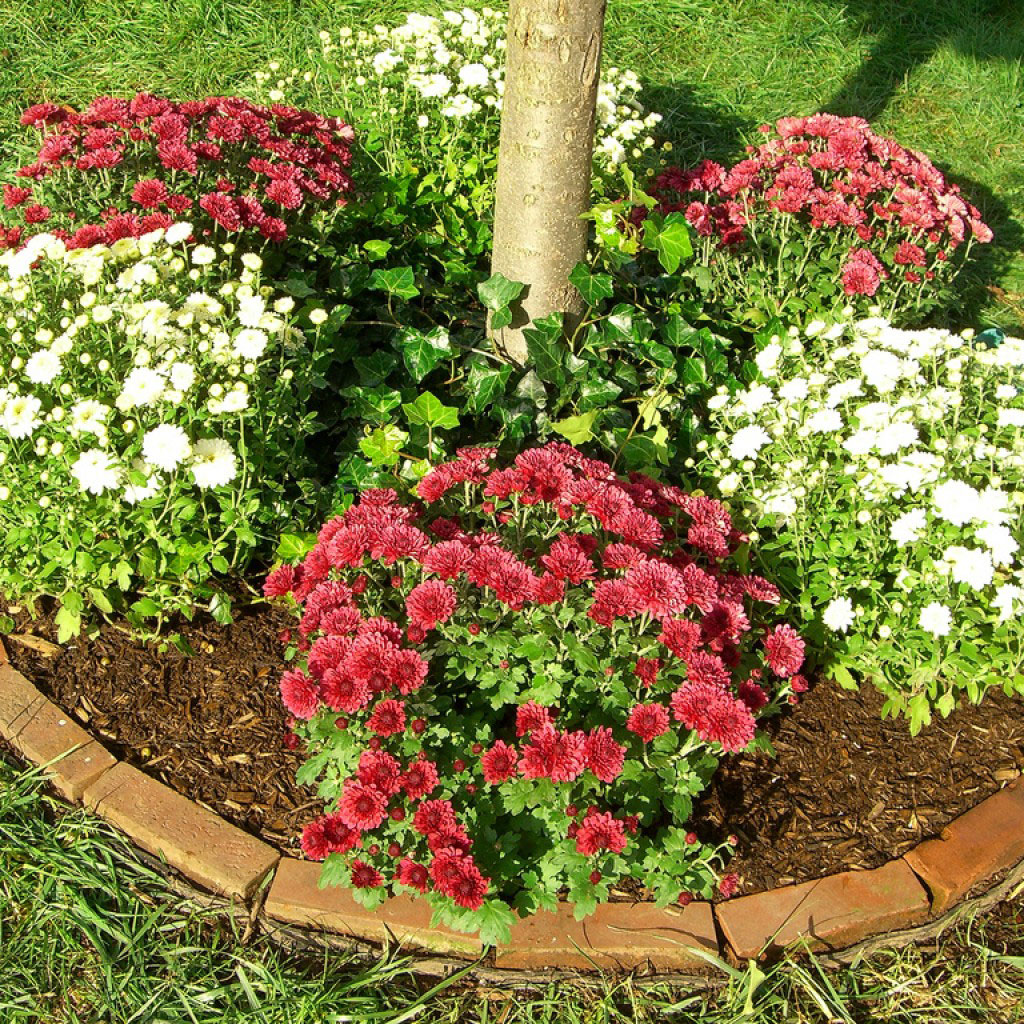
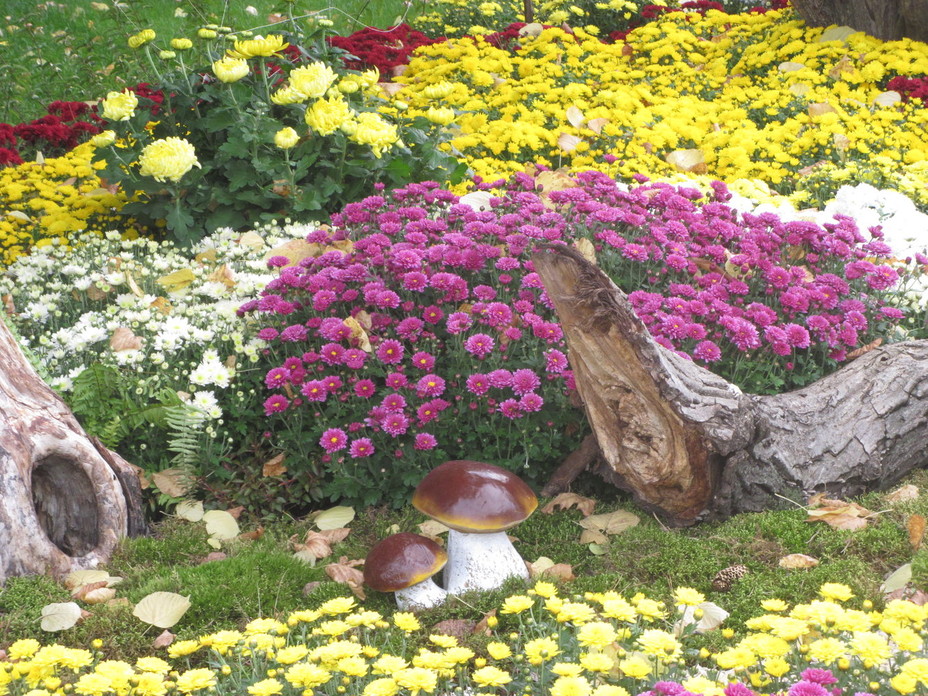
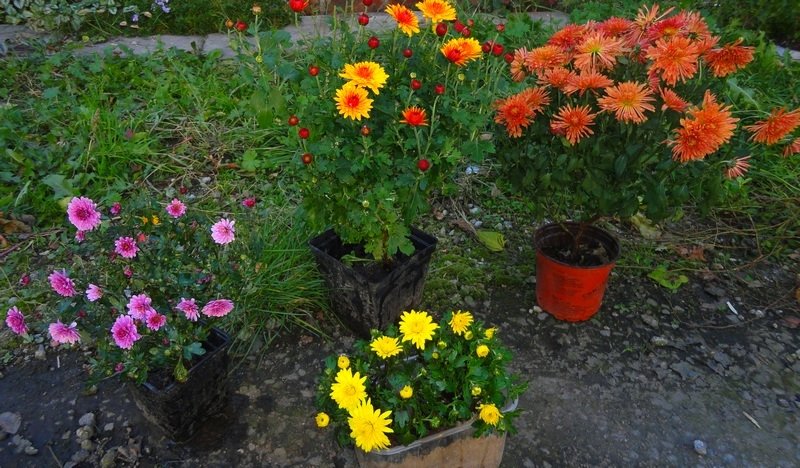
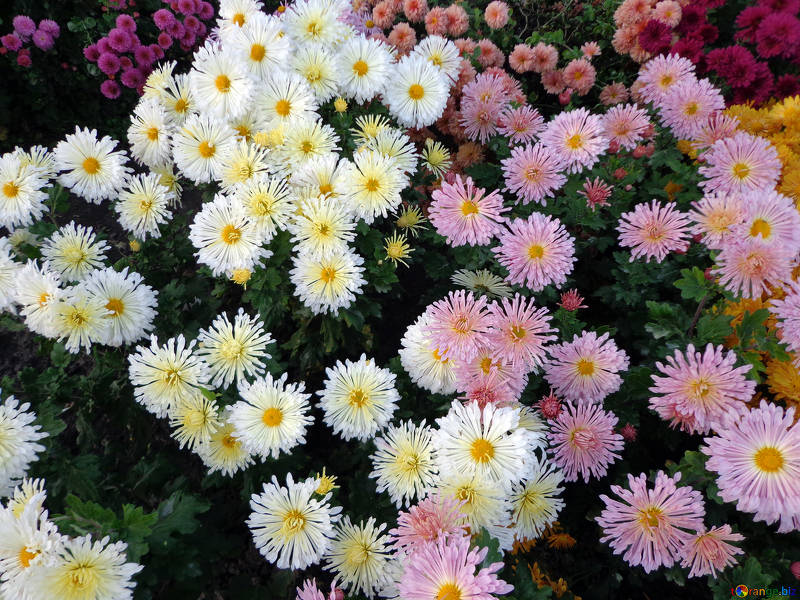
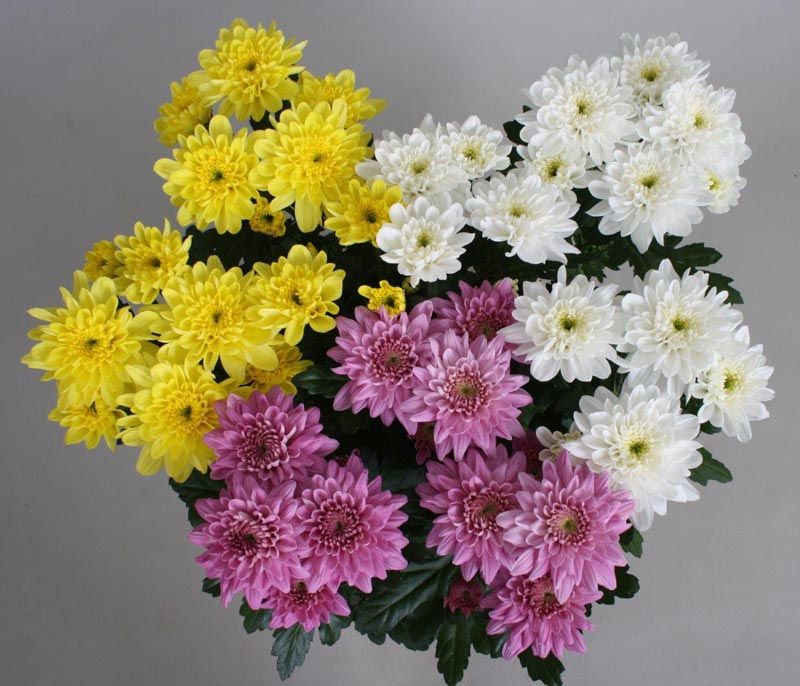
Chrysanthemum can be grown in the garden And at home in a pot. How to plant chrysanthemums in autumn You can find out on our website.
Celosia
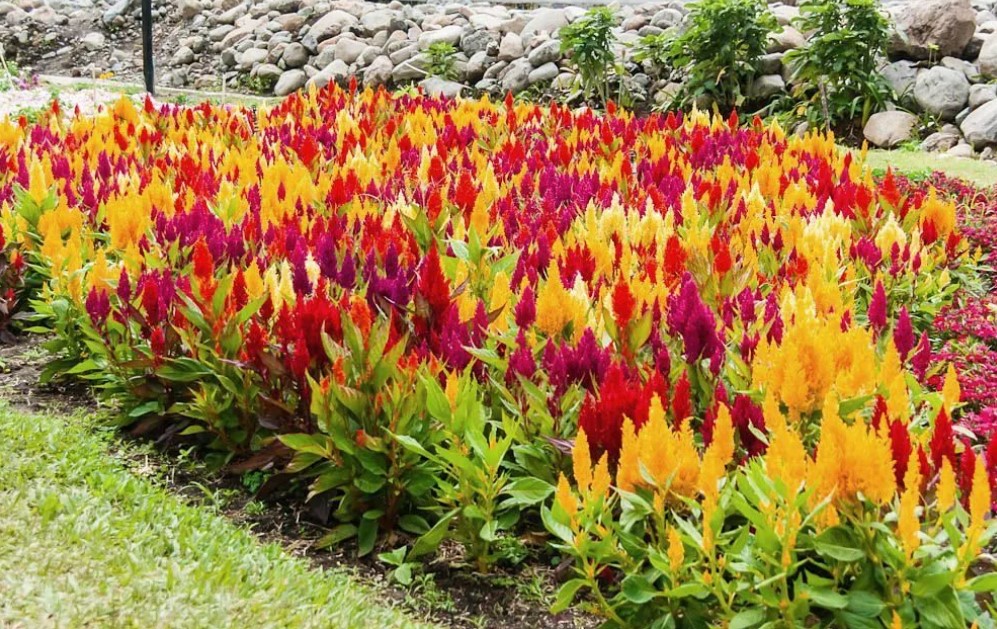
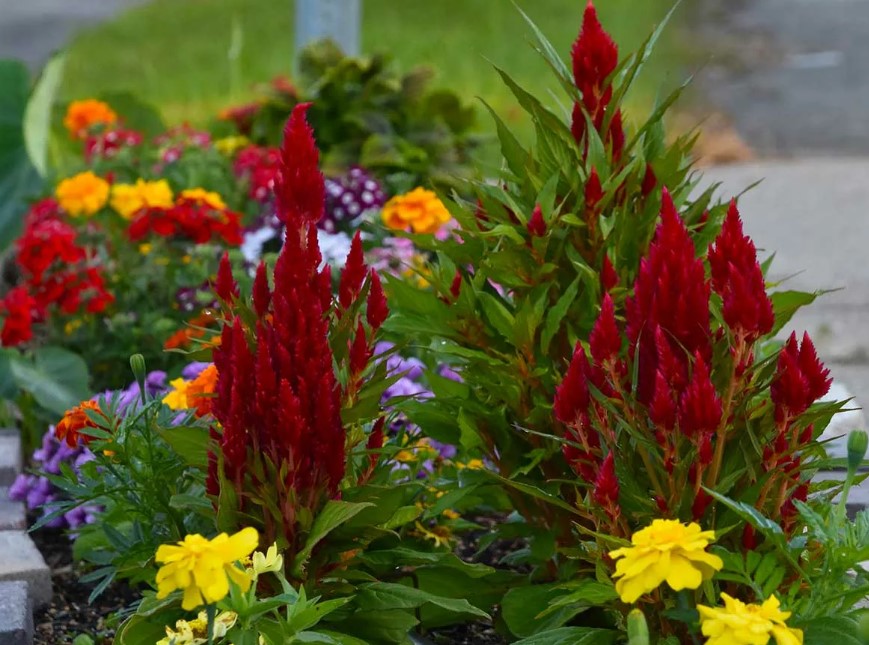
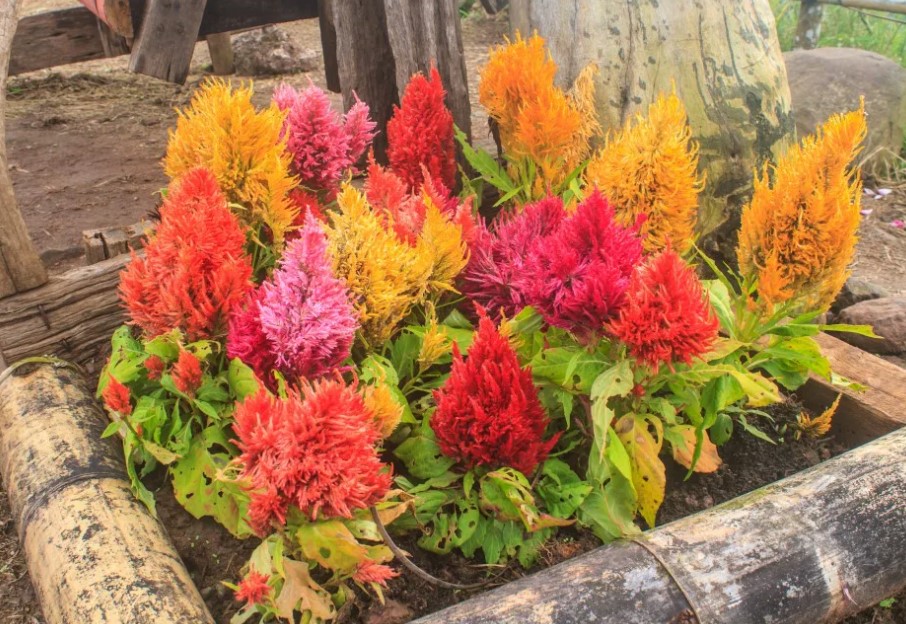
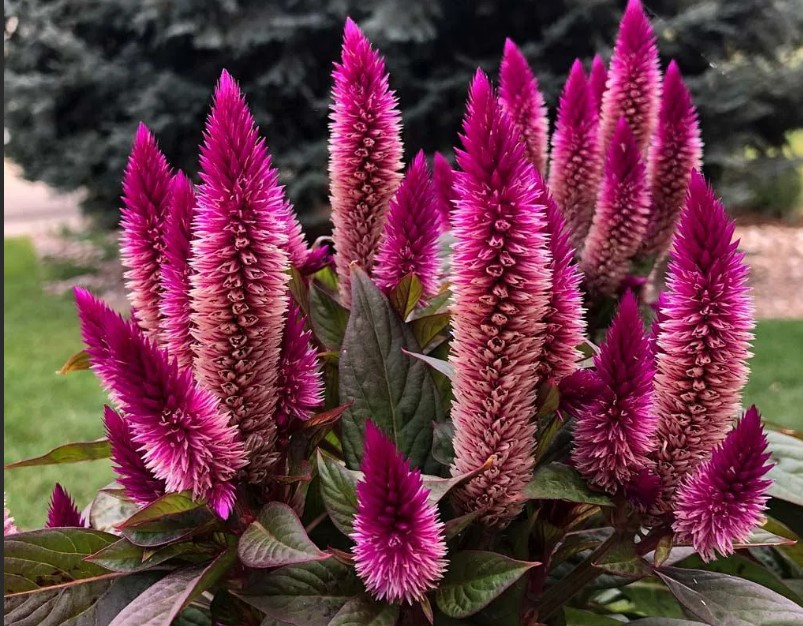
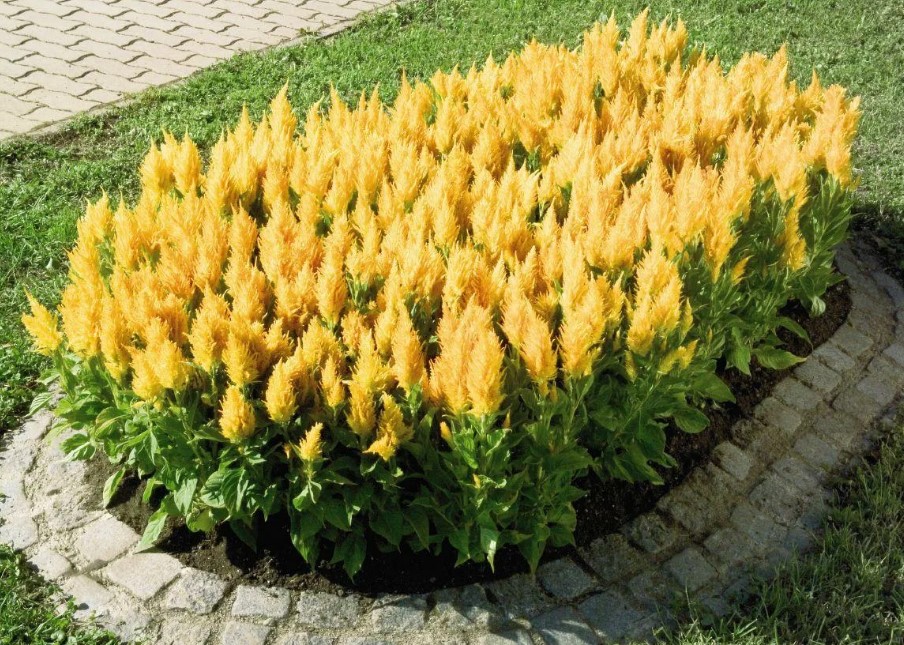
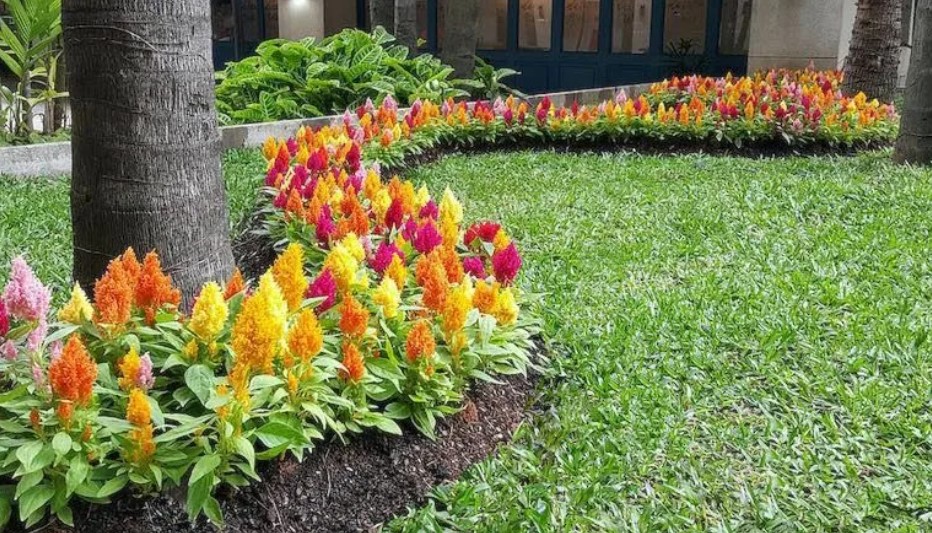
In our country, this "fiery" flower is grown as an annual. Its name Celosia It got its name from its flame-like inflorescence. Upon closer inspection, it resembles a velvety comb or panicle (depending on the variety). The color can be yellow, pink, or all shades of red-burgundy.
Seeds can be sown for seedlings in March, and the flowers can be transplanted to a permanent flowerbed in the second half of May. It's important to avoid the threat of night frosts, as celosia does not tolerate cold temperatures well.
Photo gallery
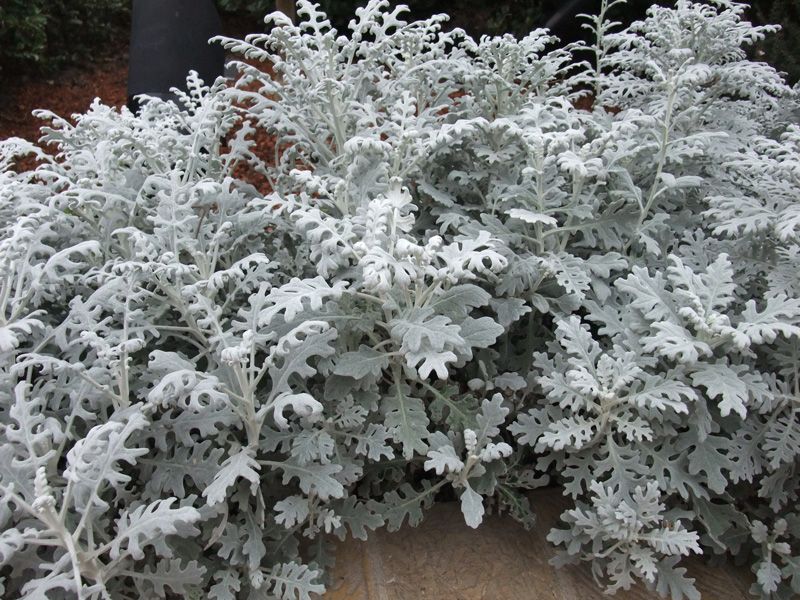
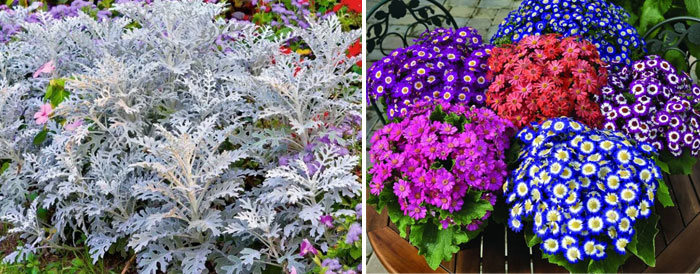
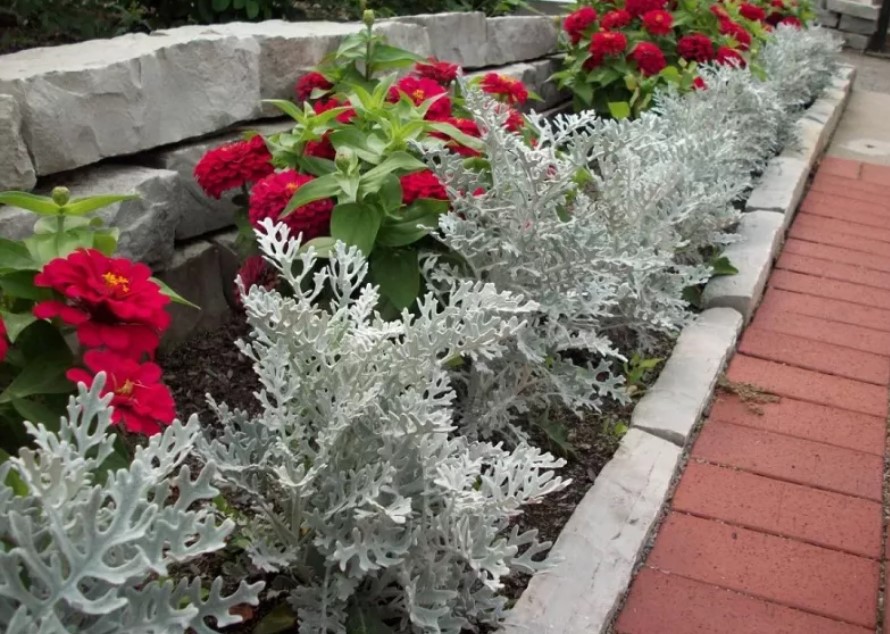
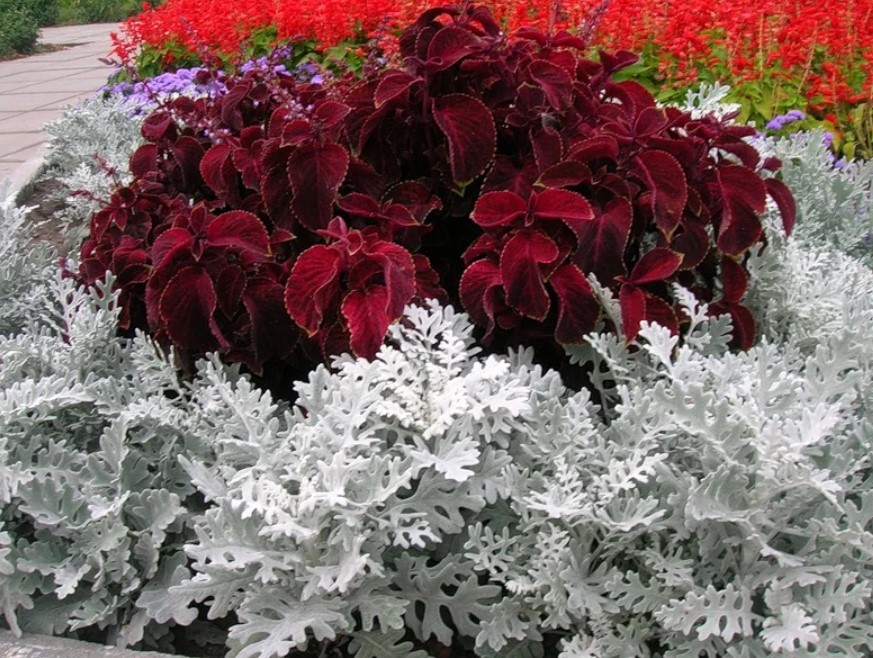
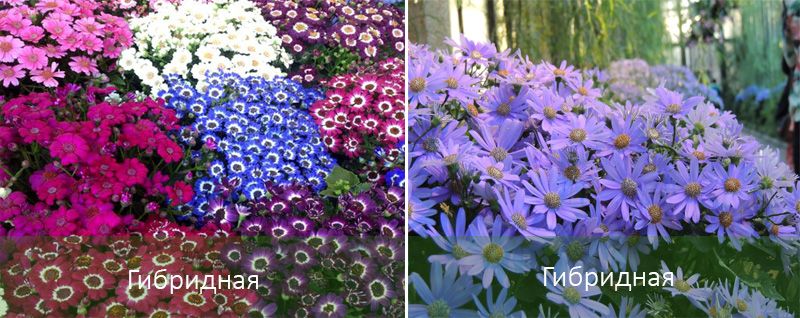
Cineraria
This plant belongs to the Asteraceae family and is an ornamental subshrub. The shoots are branched and reach up to 90 cm in height. The corymbose inflorescences consist of small flowers in shades of reddish, white, pudding, or canary yellow.
Begin sowing seeds in the first half of April. Seedlings emerge within two weeks. It's best to transplant the seeds into individual peat pots to avoid damaging the delicate roots when transplanting them to the flowerbed.
Flowers are transferred to open ground when the soil warms up to +13 °C, so Cineraria is a heat-loving crop.
Photo gallery

Sage
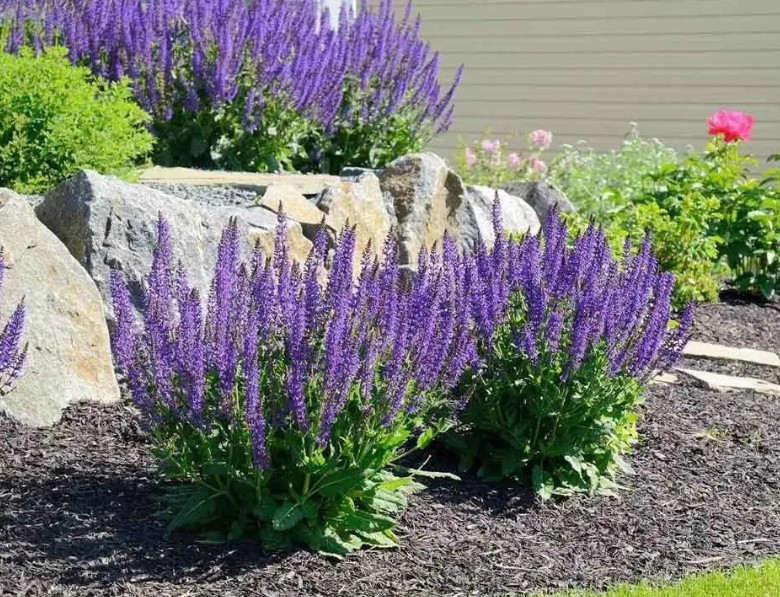
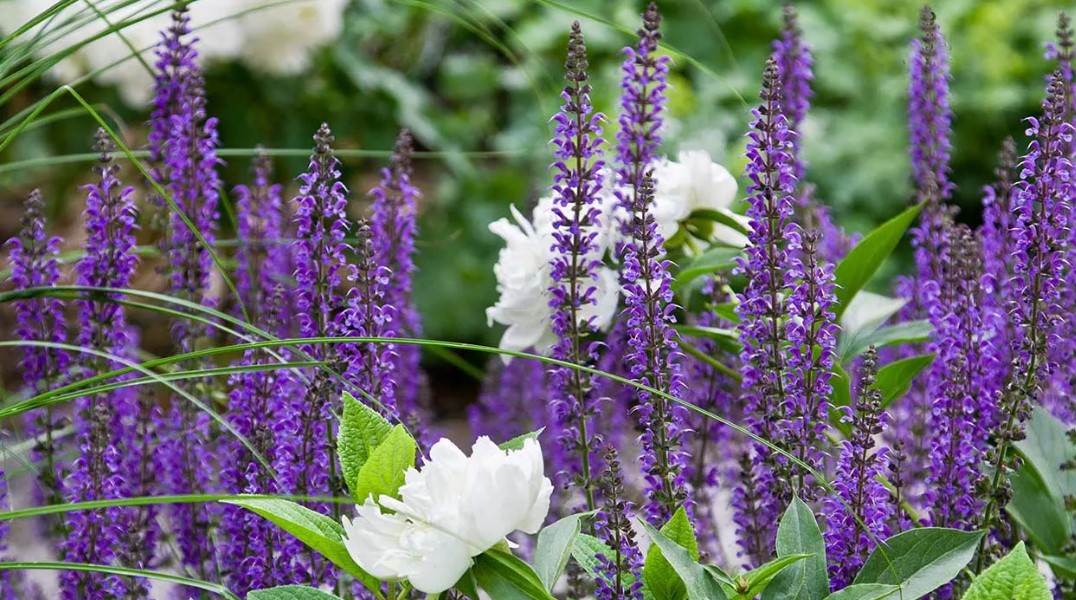
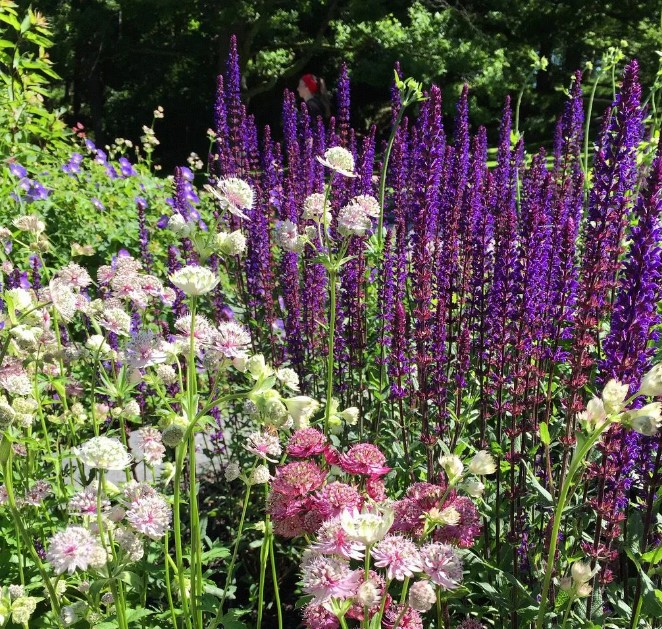
Sage is widely grown in gardens for both ornamental and medicinal purposes. The shoots reach 50-120 cm in height, and the leaves may be covered with hairs. Flower color ranges from lilac to purple, but some varieties feature white, blue, or pinkish flowers.
The seeds are sown 8-10 weeks before they are transplanted into open ground; planting in a flowerbed is carried out at intervals of 30 cm.
Photo gallery
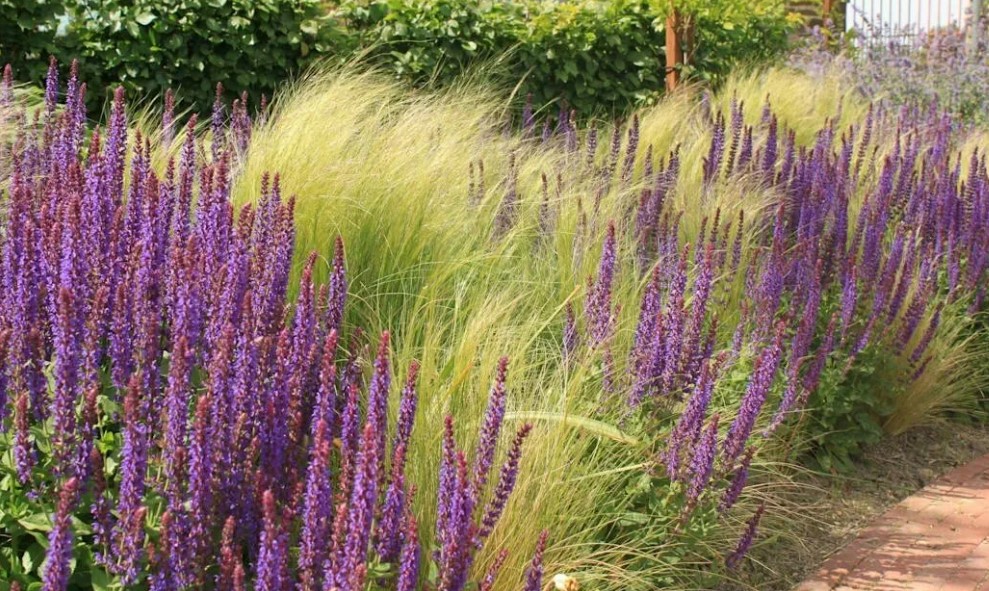
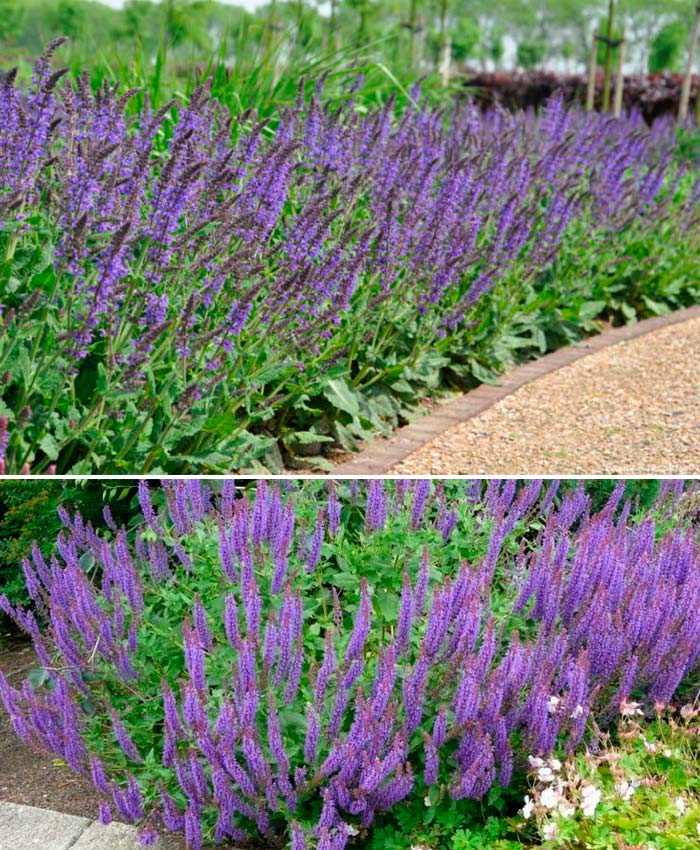
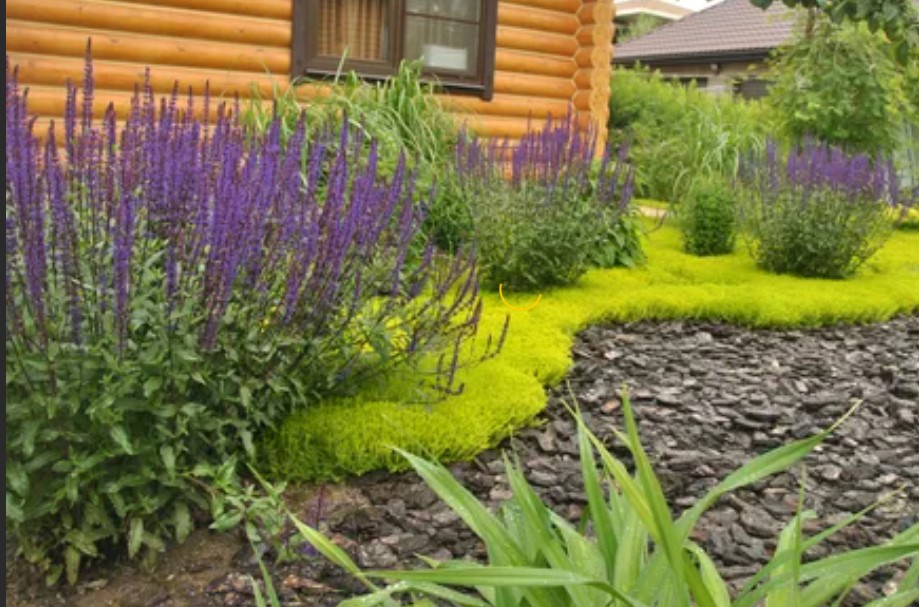
Another name sage - salvia.
What flowers can be planted both as seedlings and from seeds in the spring in open ground?
Some flowering plants grow equally well from both seeds and seedlings, but it is important to consider the weather conditions of a particular region.
Aquilegia
Belongs to the Buttercup family, the plant is popularly known as aquilegia, as it does not have the ability to retain drops of moisture on the surface of its petals.
The flowers have a whimsical shape, vaguely reminiscent of an orchid. They can come in almost any color. The height of the shoots depends on the variety chosen.
Seeds for planting must be fresh, as they lose their germination capacity after a year.
Seedlings are sown in spring, in March; the first shoots appear within 2-3 weeks. Pricking out occurs at the two-leaf stage. Flowers are transplanted into flowerbeds in June.
You can plant seeds directly into open ground at the end of May, but do this only when the weather is stable and above zero.
Photo gallery
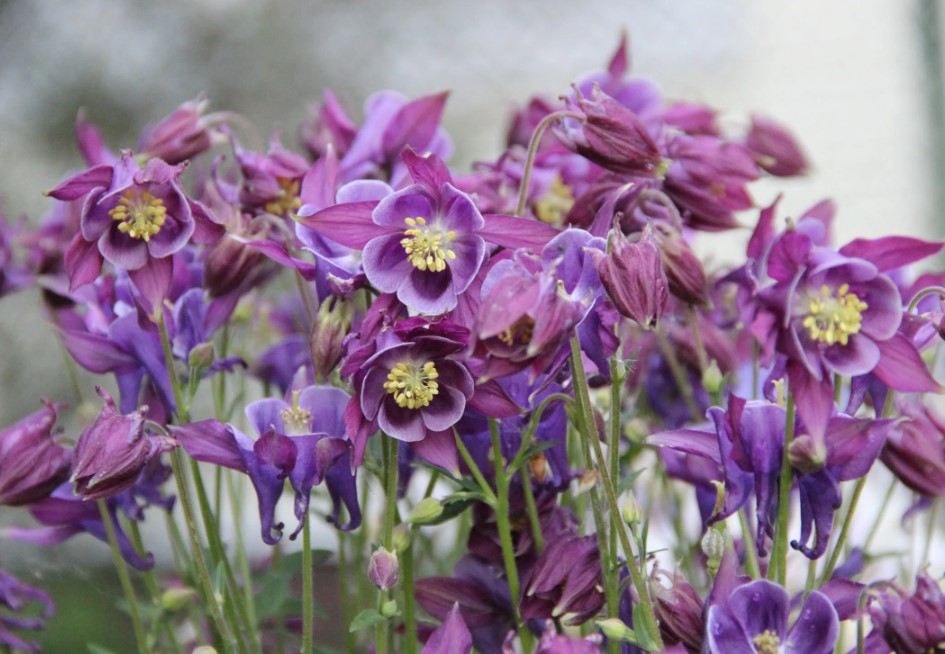
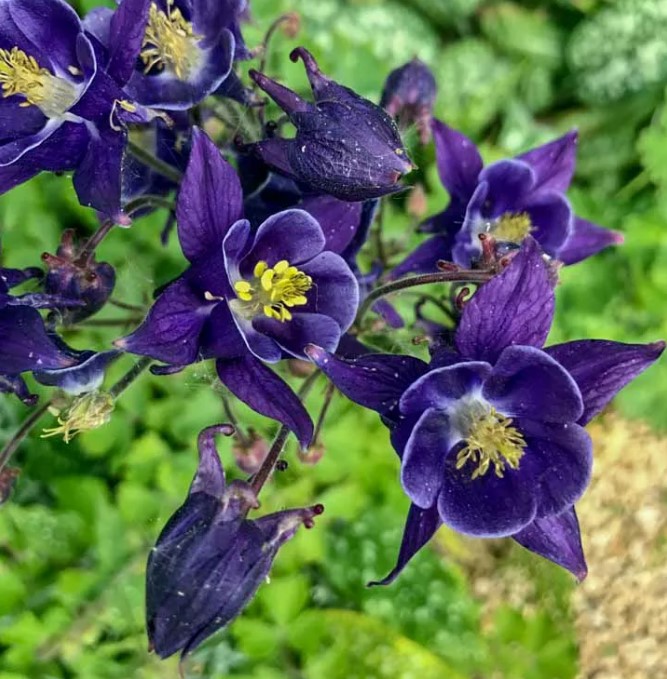
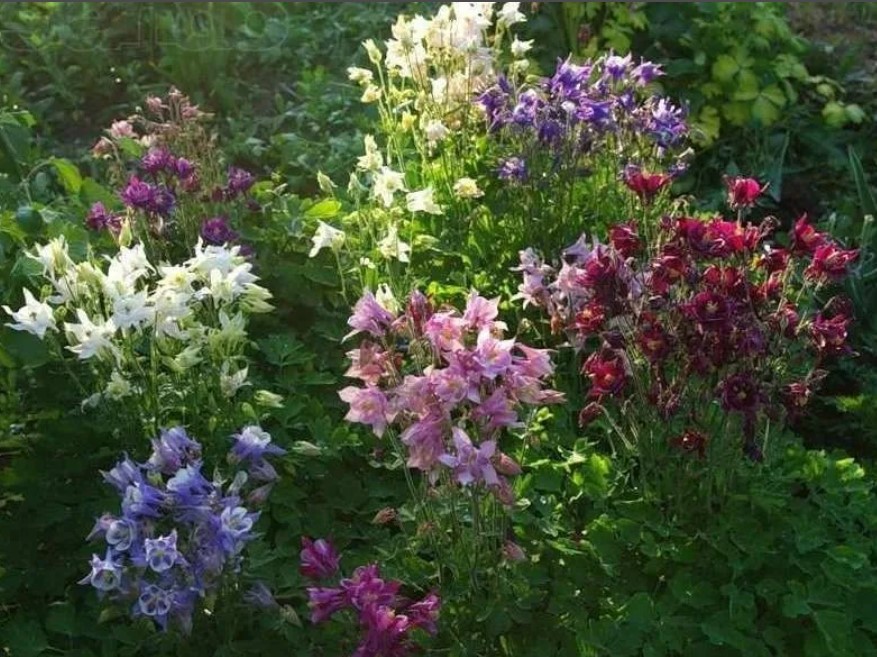
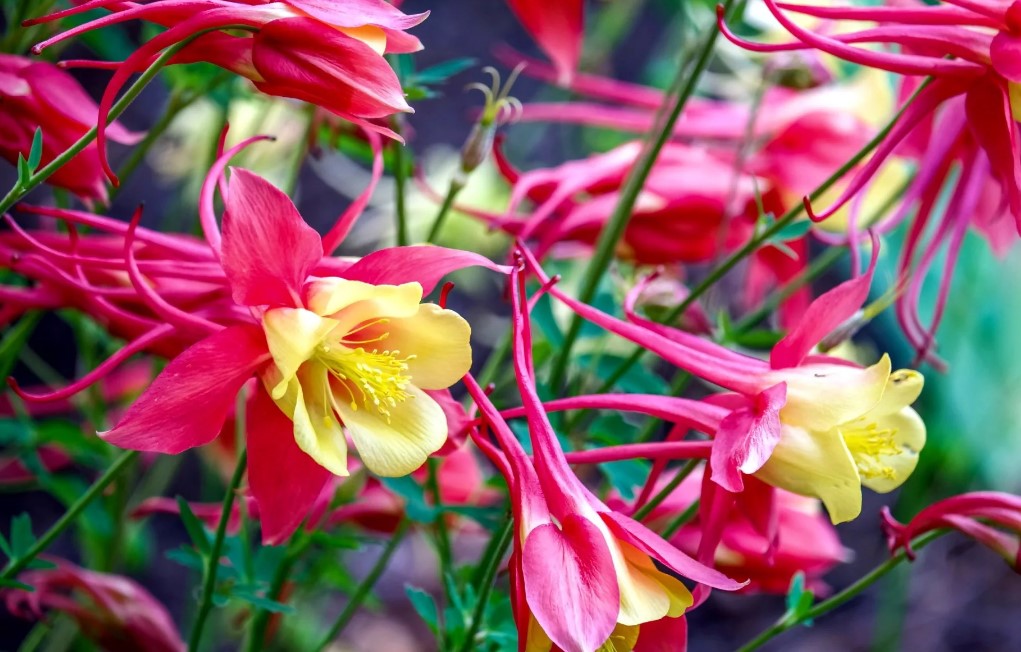
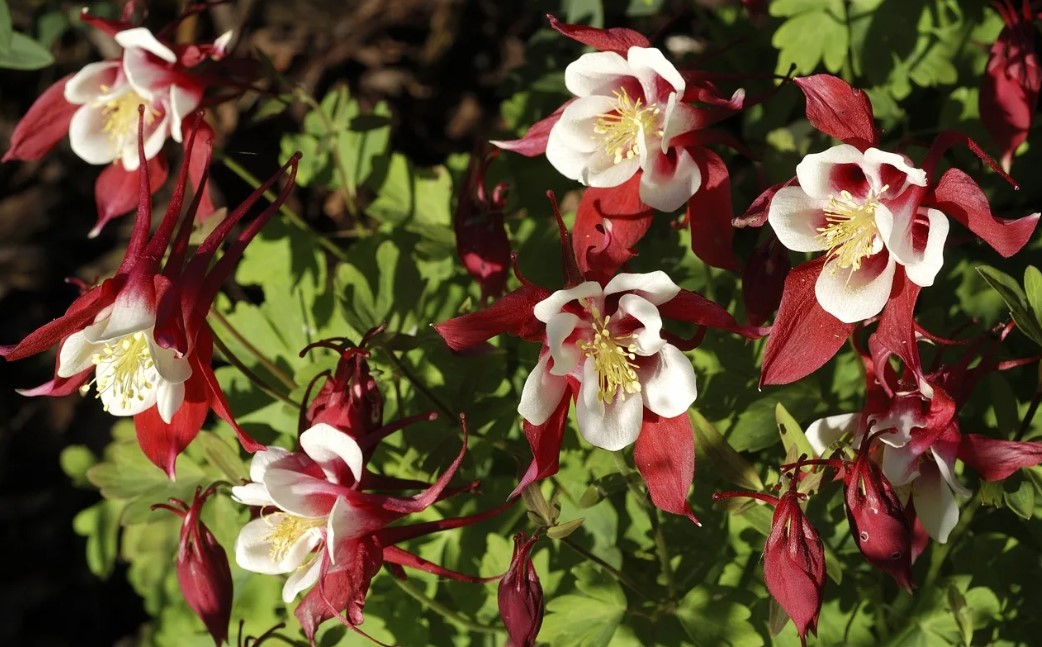
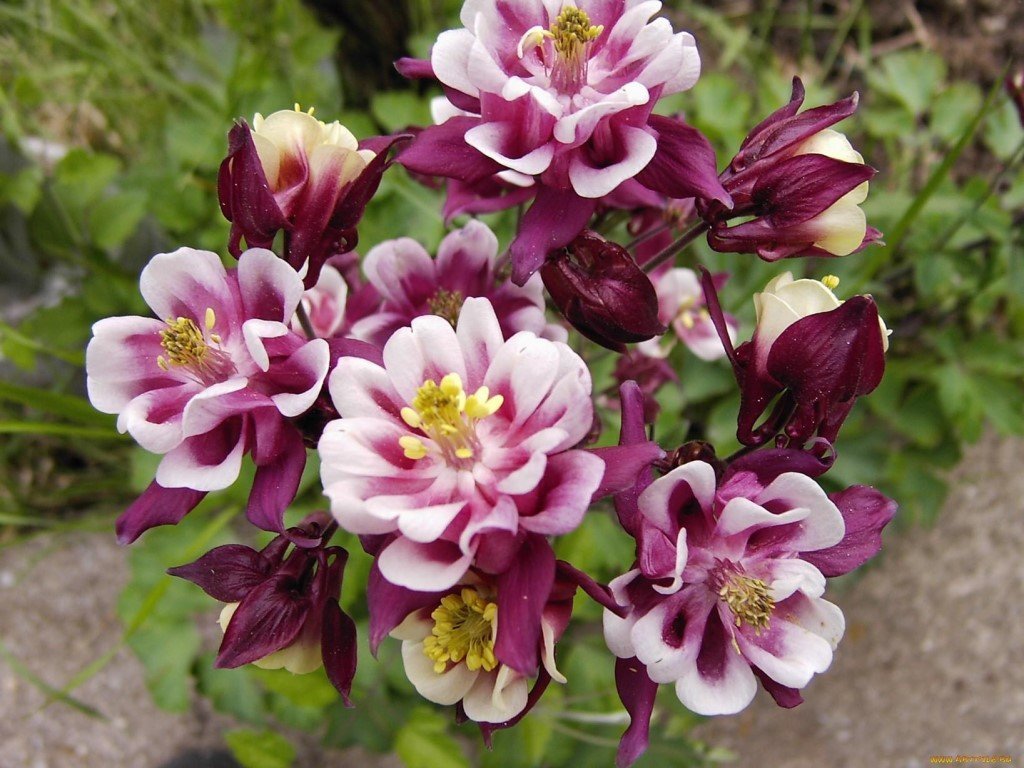
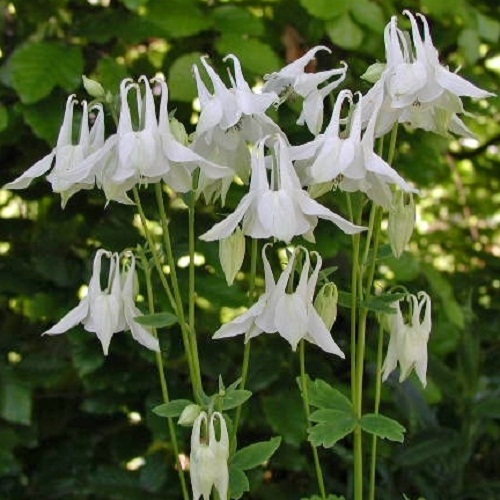
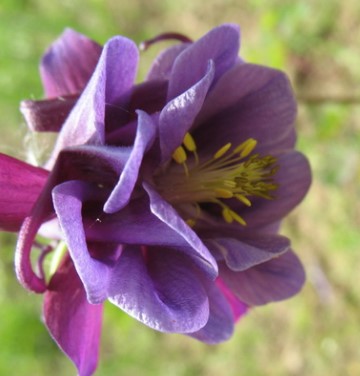
You know that columbine called a catchment area?
Acroclinum (helipterum)
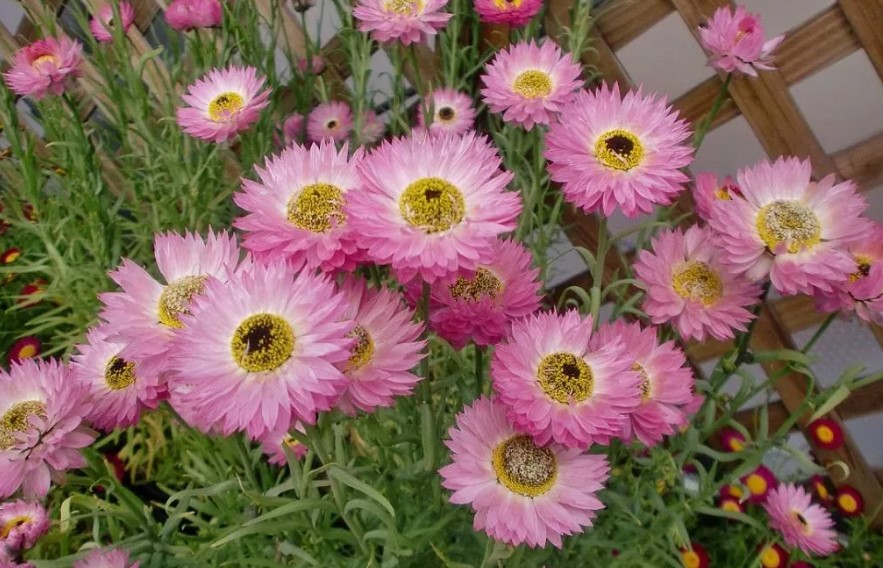
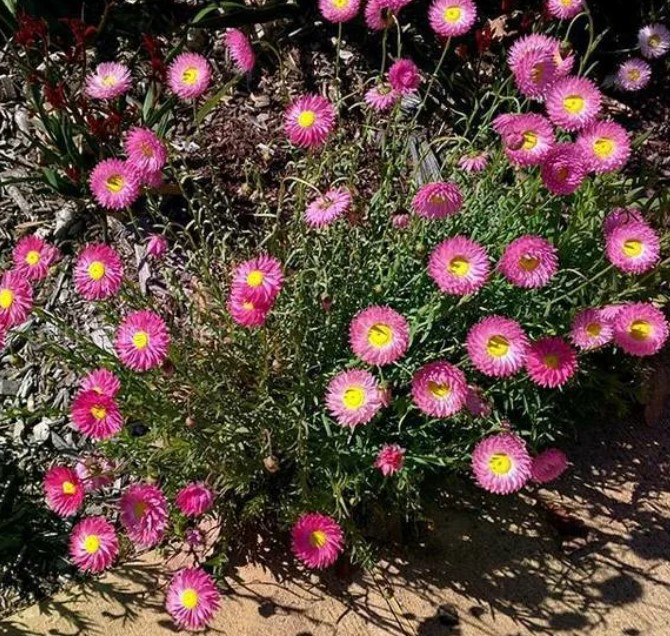
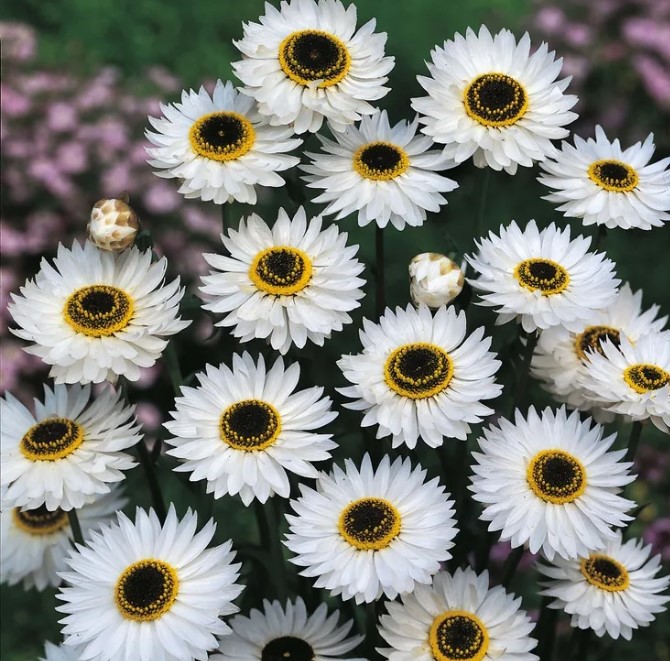
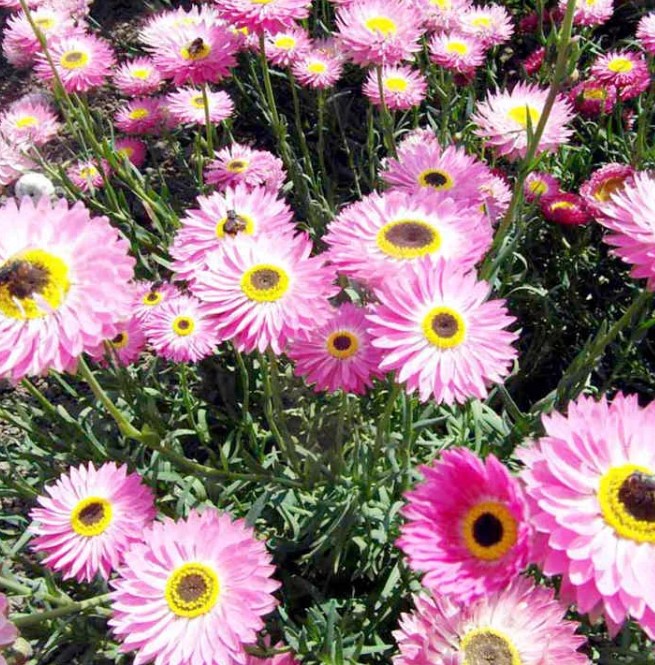
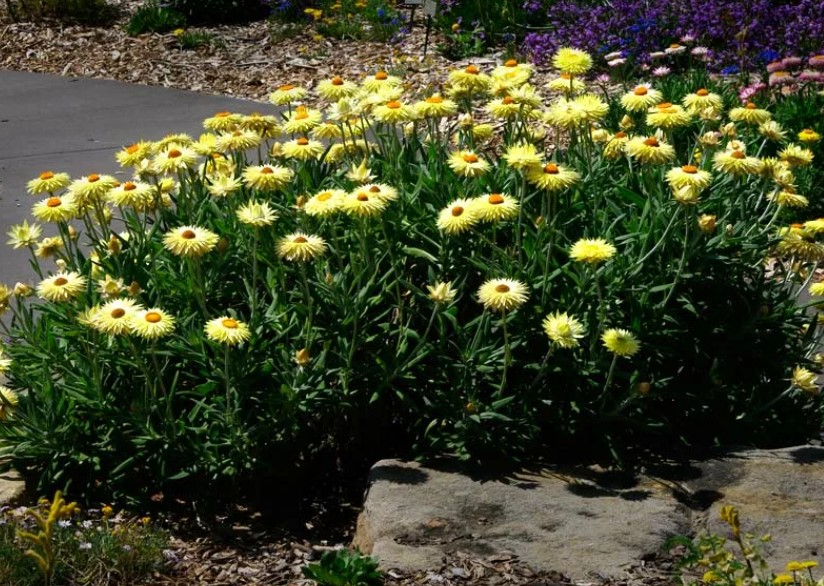
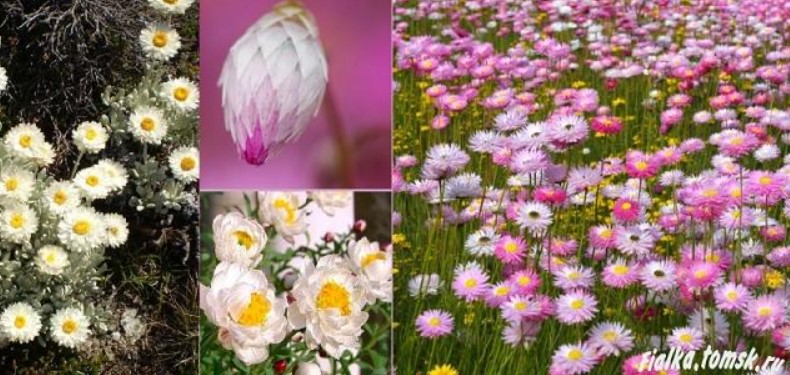
The stems are thin and tall, up to 60 cm. The flowers resemble fluffy caps of various colors.
Flowering lasts from June to September. Propagation is exclusively by seed. Seeds can be planted outdoors only when the soil warms to 15°C, but flowering will then be delayed.
Sowing for seedlings is carried out in April, after 14 days shoots appear, at the end of May the flowers can be moved to the flowerbed.
The seeds are planted outdoors at the end of May, covered with plastic wrap. Seedlings emerge within 7-10 days.
Photo gallery
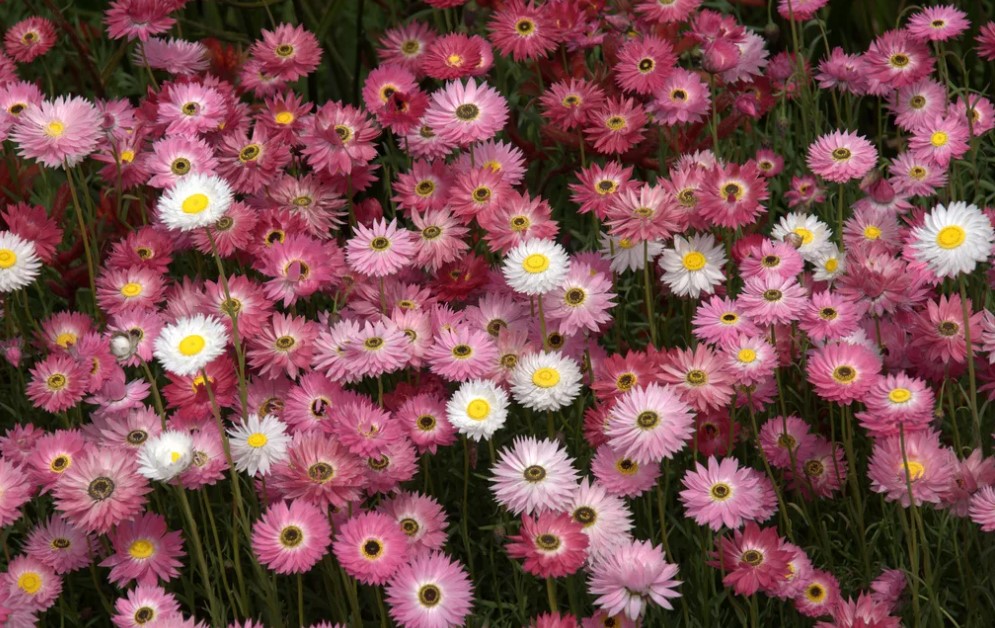
Review
Acroclinum, helipterum (Helipterum)
It belongs to the Asteraceae family and is native to southwestern Australia. The genus comprises approximately 90 annual and perennial herbaceous plants. Acroclinums are cultivated as annuals.
The plant's stems are erect and somewhat dry, reaching 40-50 cm in height. The leaves are opposite, sessile, oblong or linear, and glaucous. Acroclinium blooms from late June until almost the end of August. The flowers are small, pink or yellow, and gathered in a head-shaped inflorescence 2-3 cm in diameter, the wrapper of which consists of dry, rustling scales. The head-shaped inflorescences resemble daisies. The fruit is an achene. Seeds remain viable for 2-3 years.
Acroclinum prefers an open, sunny location, sheltered from the wind. Acroclinums are undemanding, but prefer light, well-drained soils free of manure, with a small amount of clay.
Care is standard, watering moderately. However, keep in mind that the plant does not tolerate dampness.
Acroclinium is propagated by seeds, which are sown outdoors in May. Seedlings emerge in 7-14 days and are thinned once, leaving 10-15 cm between plants. Choose a sunny, warm location for sowing.
Acroclinum is used in group plantings, borders, and for cut flowers. Acroclinums belong to the dried flower group and are used to create winter bouquets. The flower heads retain their color and shape for several years.
In cultivation, the most commonly grown Acroclinium roseum has white or pink flowers. There are also cultivars of A. humboldtii with yellow flowers.
A. Grinthal,
Cand. of Biological Sciences
Newspaper "SADOVOD" No. 25, 2012
Amaranth
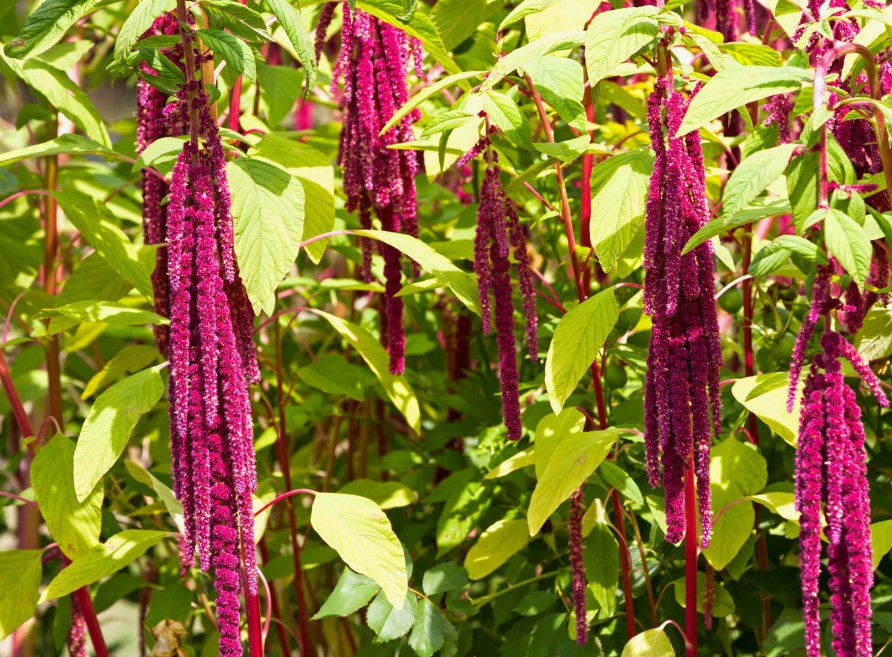
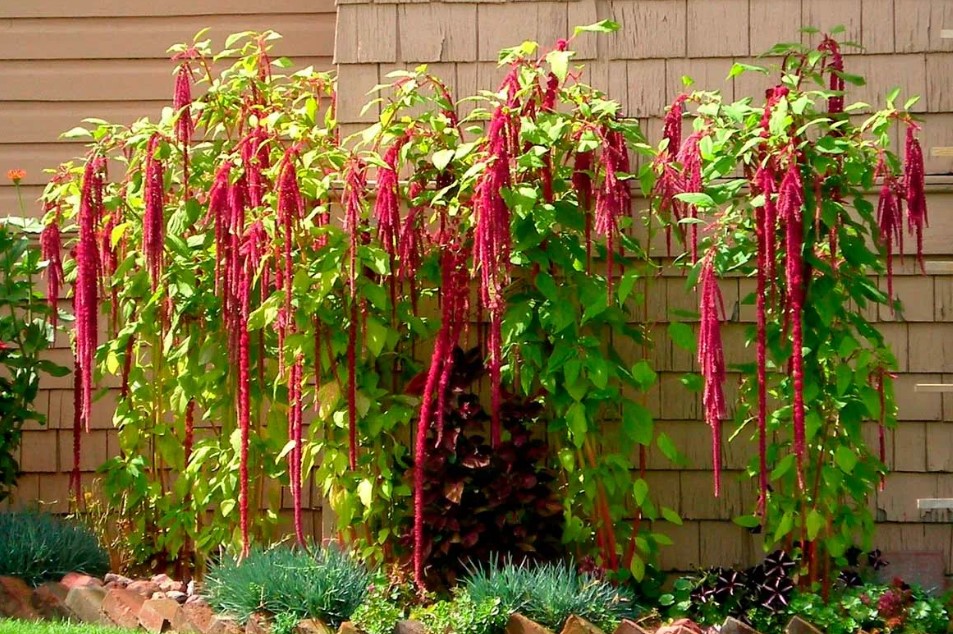
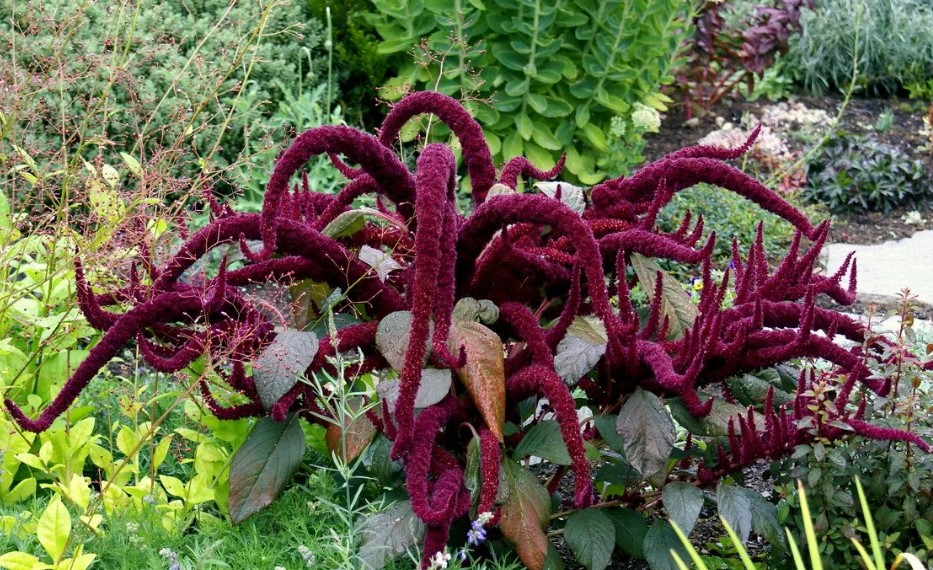
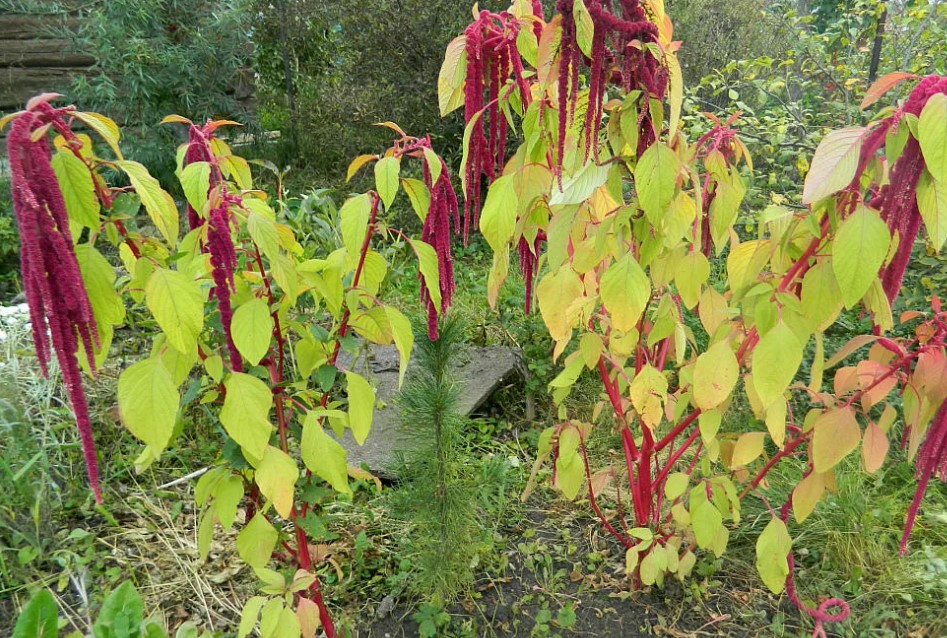
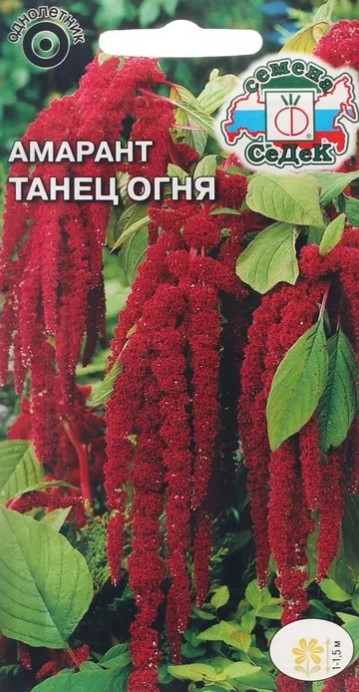
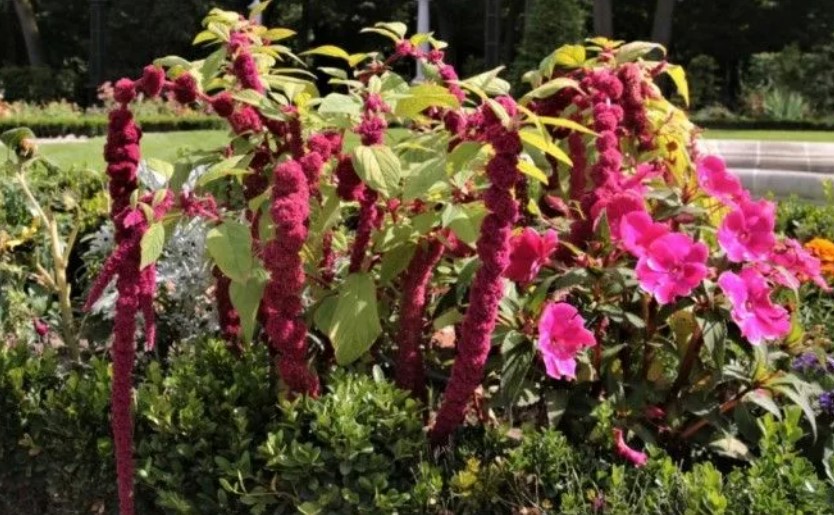
In Russia, a flower amaranth It is called velvet or cat's tail for its elongated fluffy inflorescences in the form of drooping panicles of different colors.
Seeds can only be sown outdoors in southern regions, beginning in late April. Seedlings will emerge within 1.5 weeks and need to be thinned out. Full maturity will occur in approximately 3 months.
Seeds for seedlings are sown in late March; shoots can be seen within a week. Transplanting to the garden bed occurs in late May.
Photo gallery
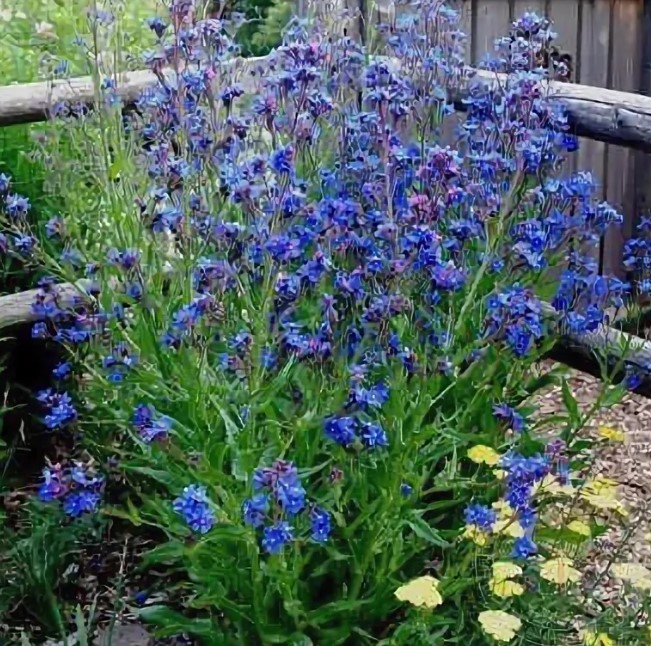
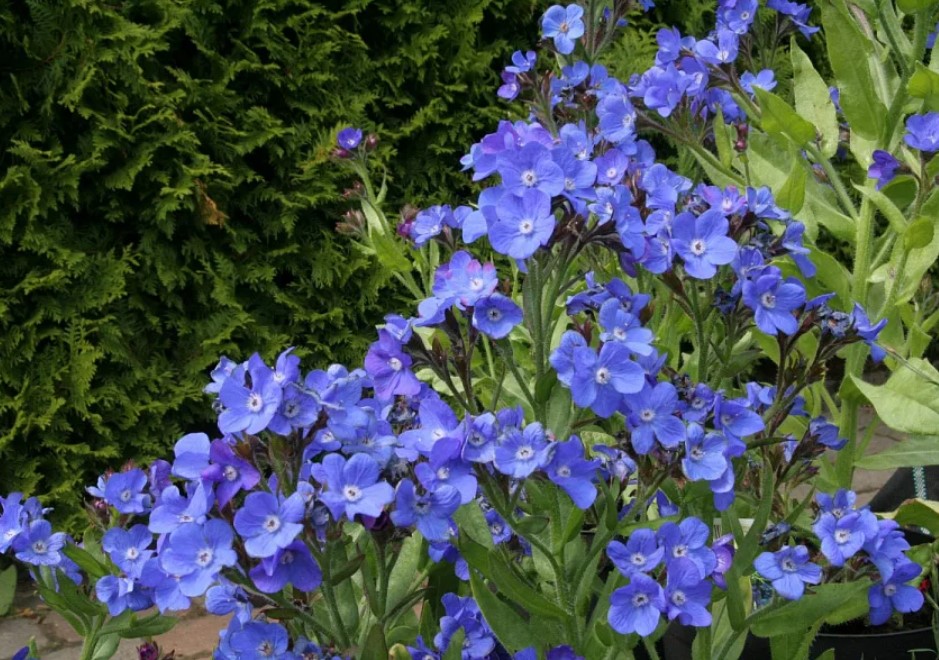
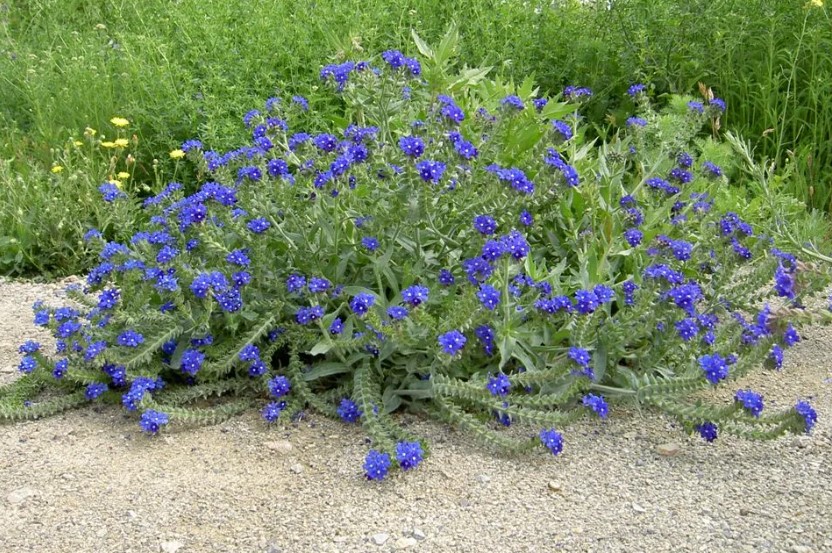
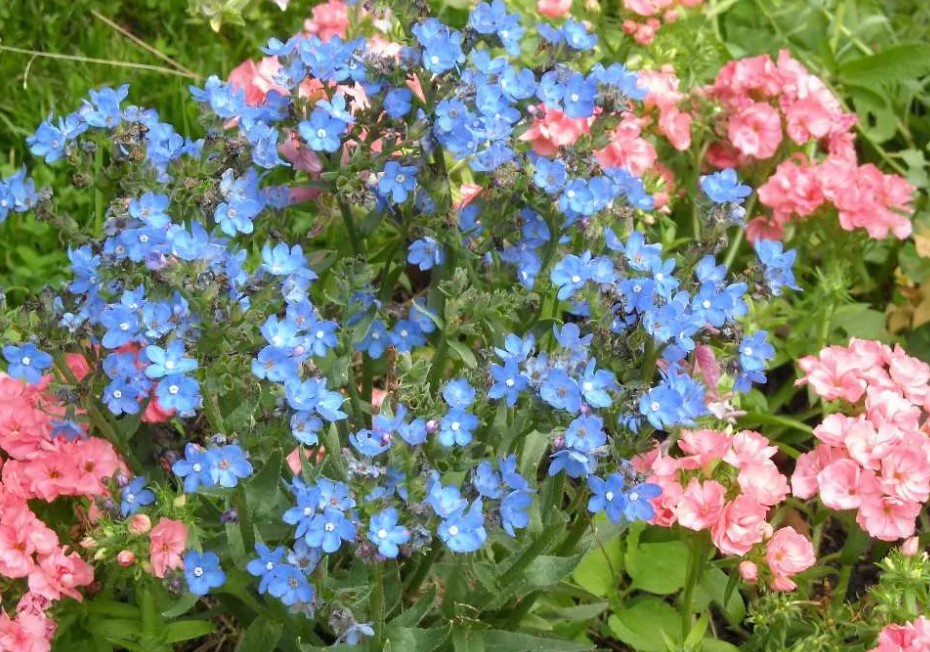
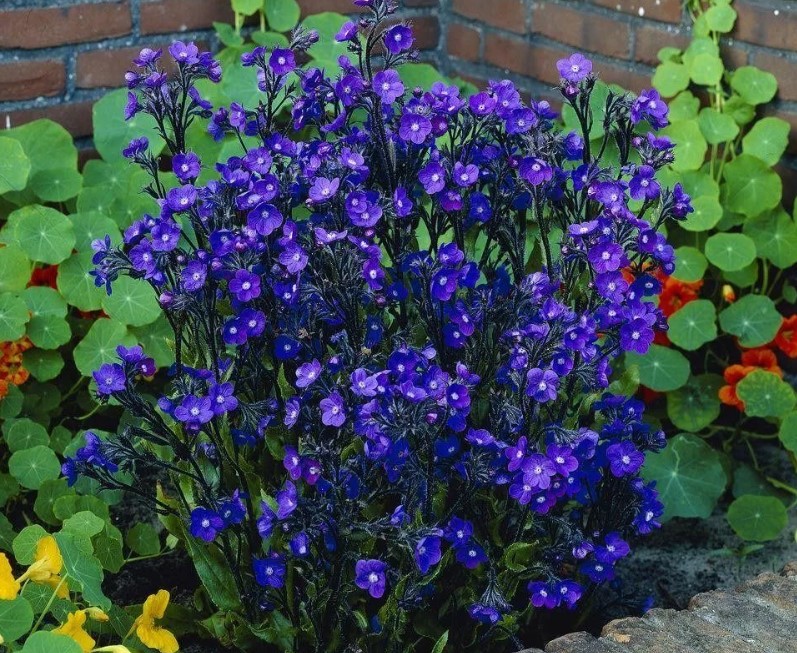
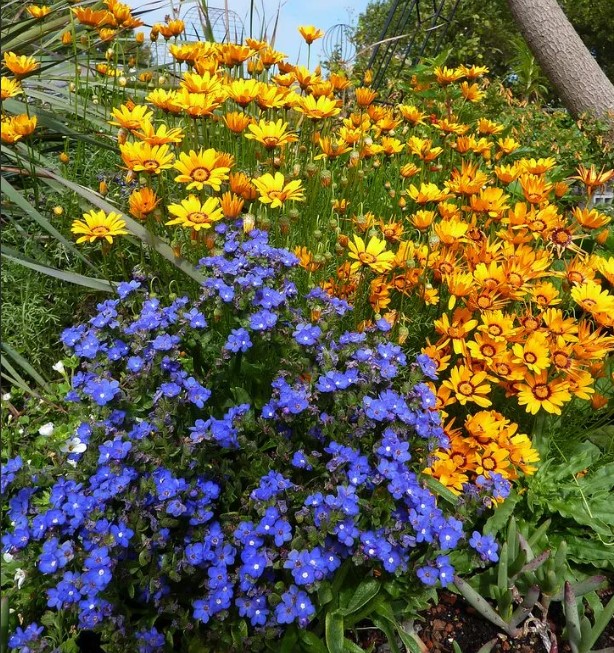
Anchuza
The plant grows into graceful bushes, 25 to 100 cm tall, covered with small flowers in shades of bluish, purple, blue, and white. The leaves are pointed and may be pubescent.
In southern regions, seeds can be planted in open ground in April or in warm beds in early spring for subsequent transplantation to flower beds.
For seedlings, seeds are sown indoors in early March and moved to the flower bed at the end of May, when the soil warms up to +12 °C.
Photo gallery
Review
The Italian anchusa (a perennial) survived last winter without a hitch, blooming magnificently, but then died in the summer. Because I cut back the stems after flowering (to prevent seeding?), water seeped into the hollow stumps, and by August, root rot had eaten everything, including the emerging shoots. I managed to replant one of them, and it took root, but was hit by a car in the fall (that's just how it is). We'll see in the spring...
Perhaps the stems shouldn't be trimmed? Or was there simply an infection in the soil (the bush was about 1.5 m tall on rich compost)?
Arctotis
Belonging to the Asteraceae family, it can be either a herbaceous or a subshrub plant. Its inflorescences resemble brightly colored saucers up to 8 cm in diameter, very similar to gerberas or daisies.
Planting seeds outdoors is only possible in warm climates, and should be done in the second ten days of April. Seedlings can be grown indoors by sowing seeds in containers in mid-March, and in the second half of May, the flowers can be transplanted to the flowerbed, leaving a 30-cm gap between them.
Photo gallery
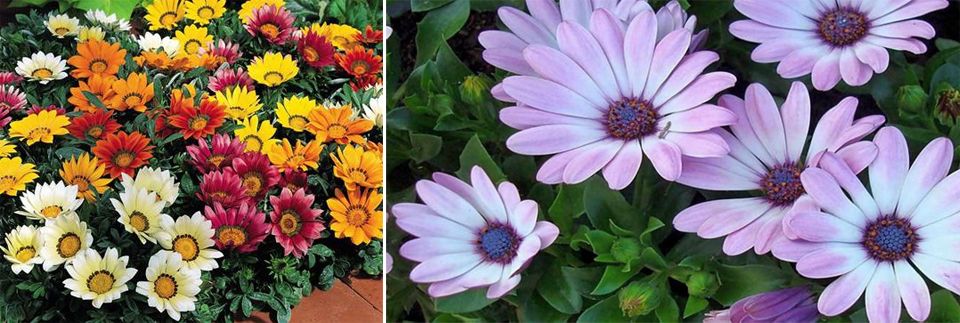
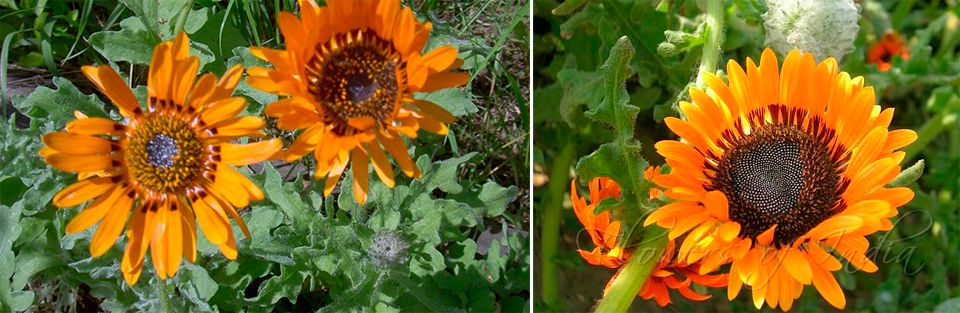
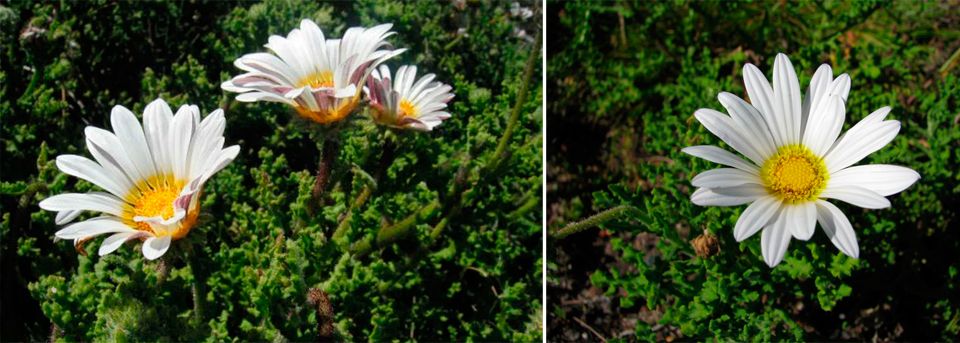
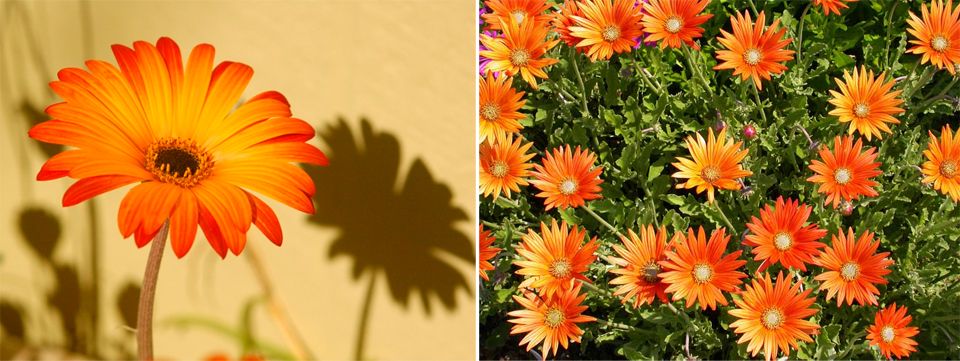
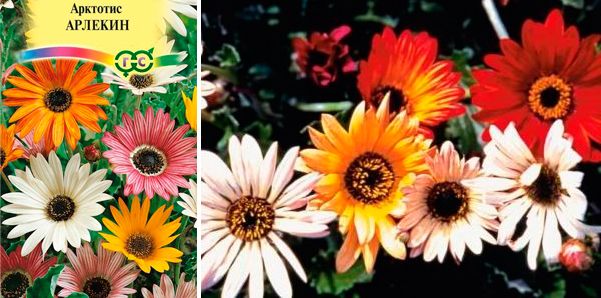
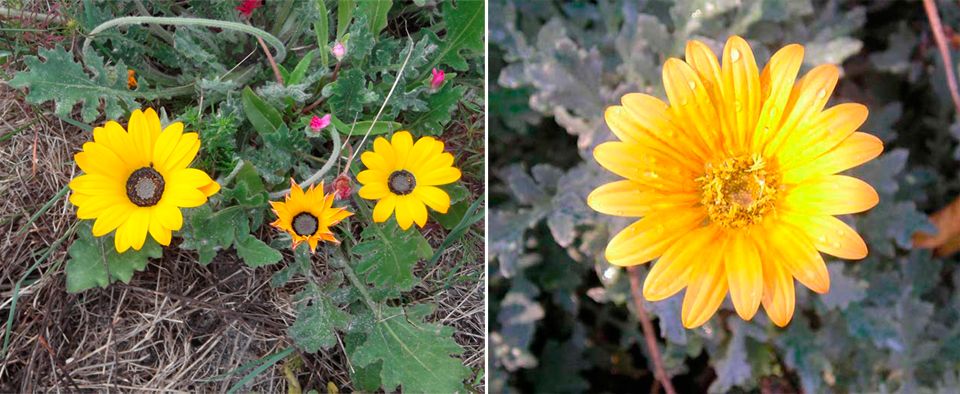
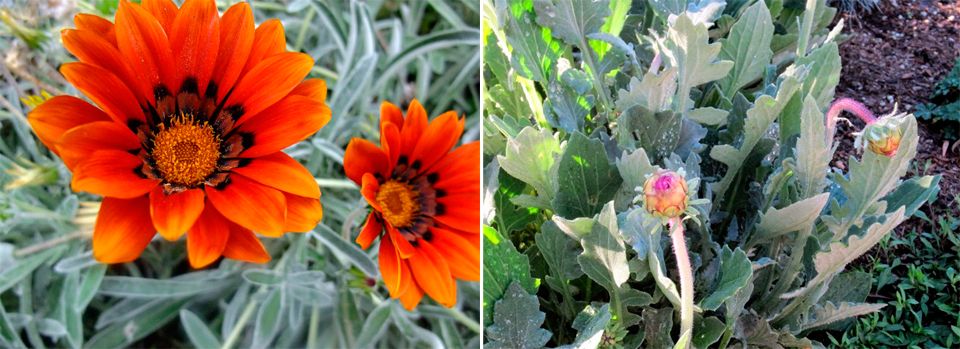
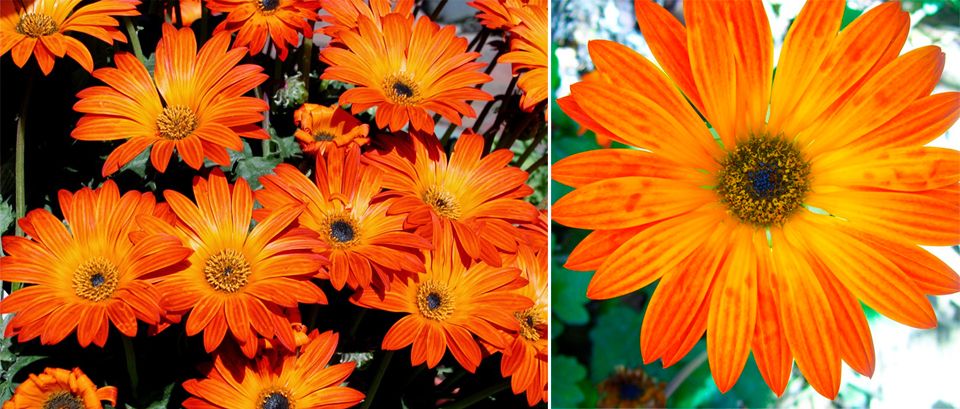
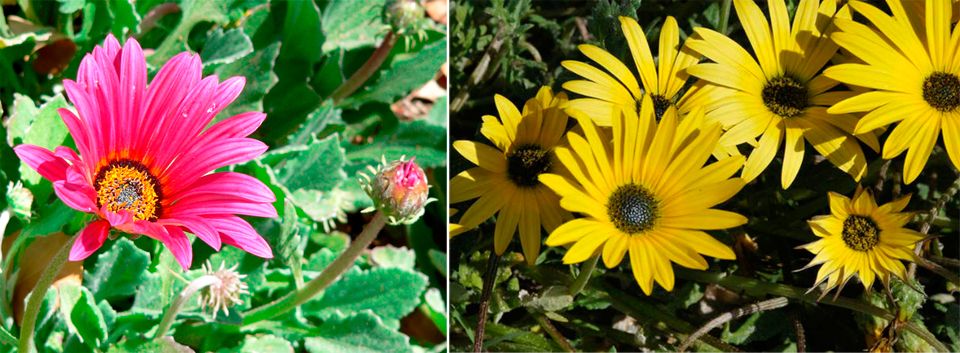
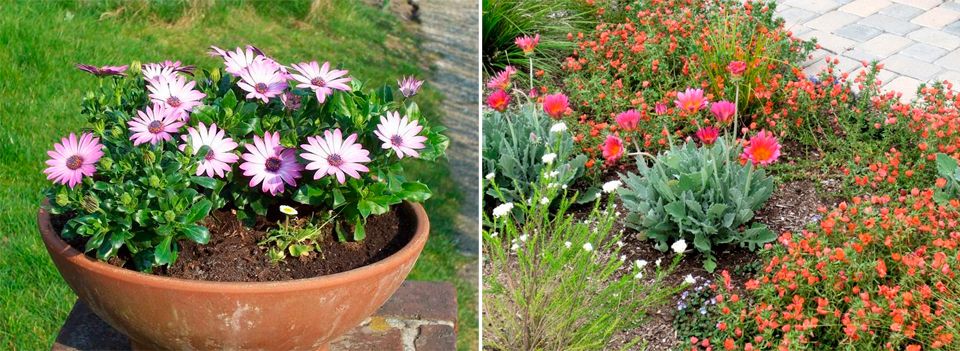
U arctotis many beautiful varieties.
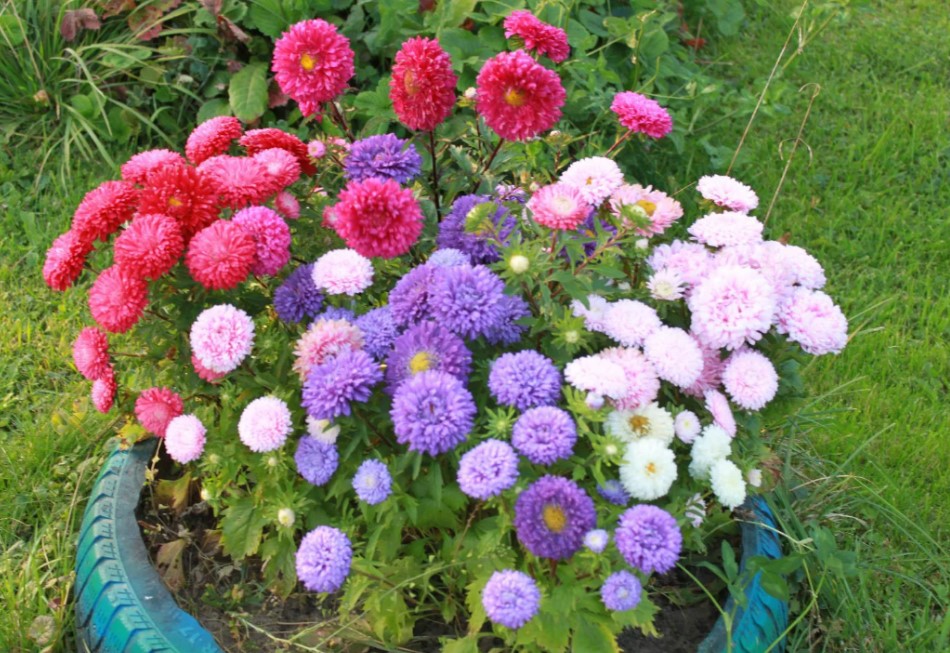
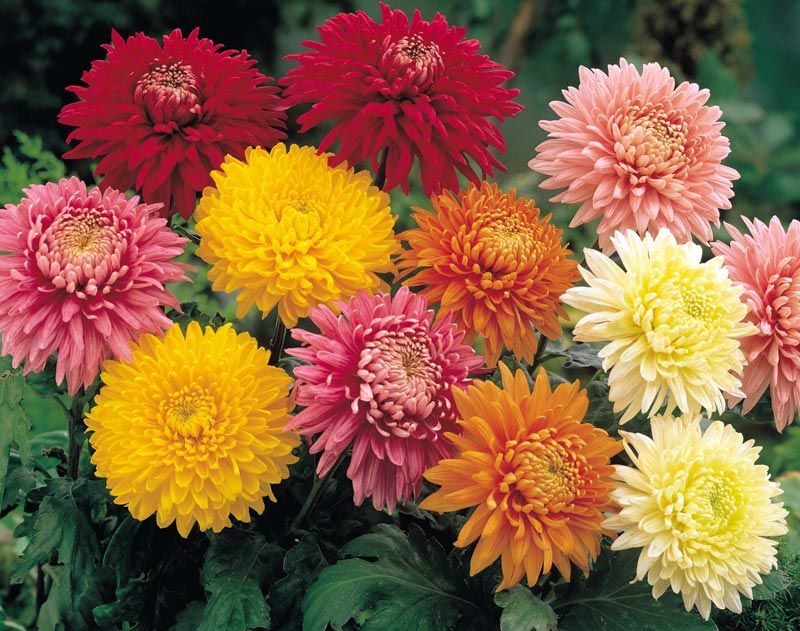
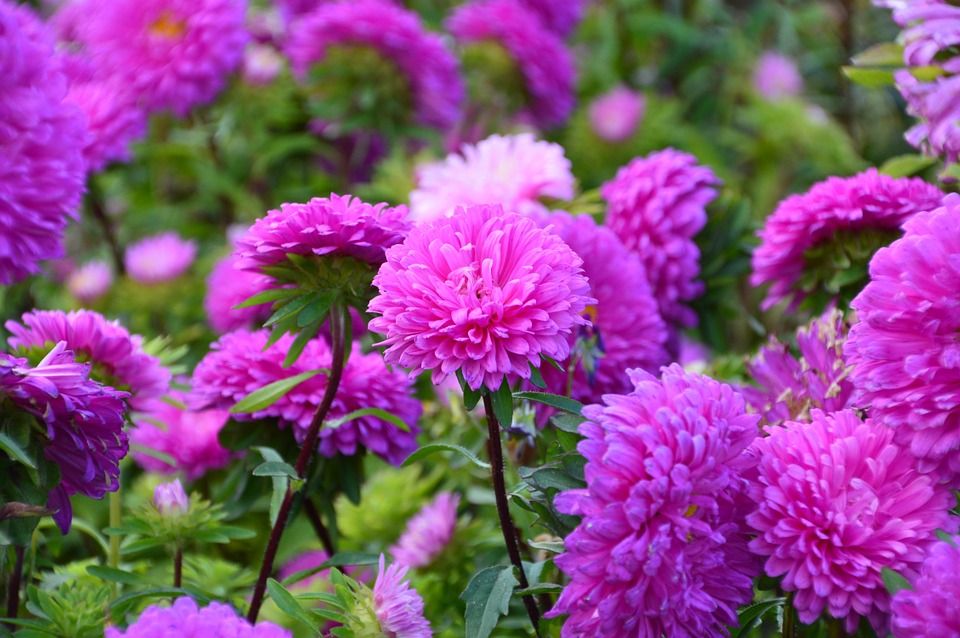
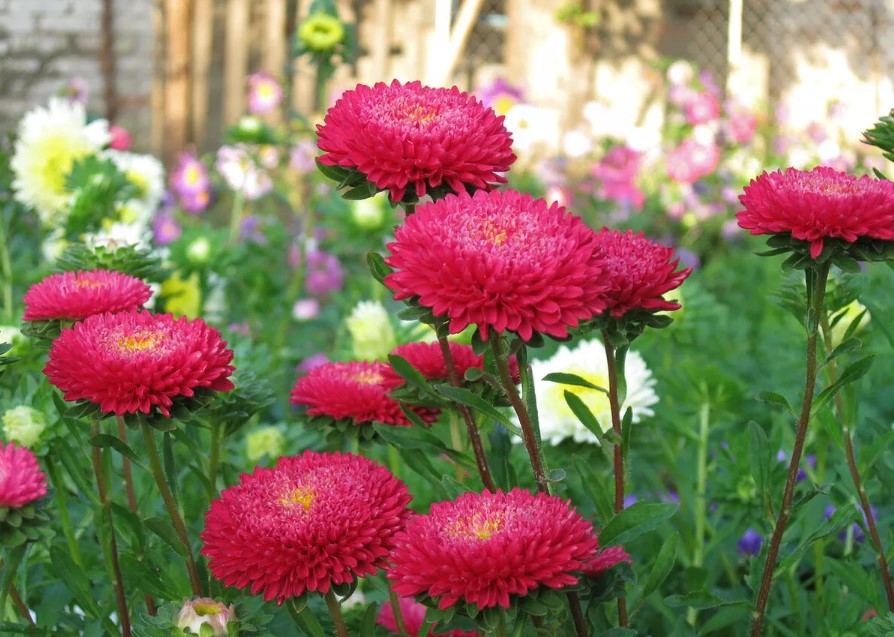
Aster annual and perennial
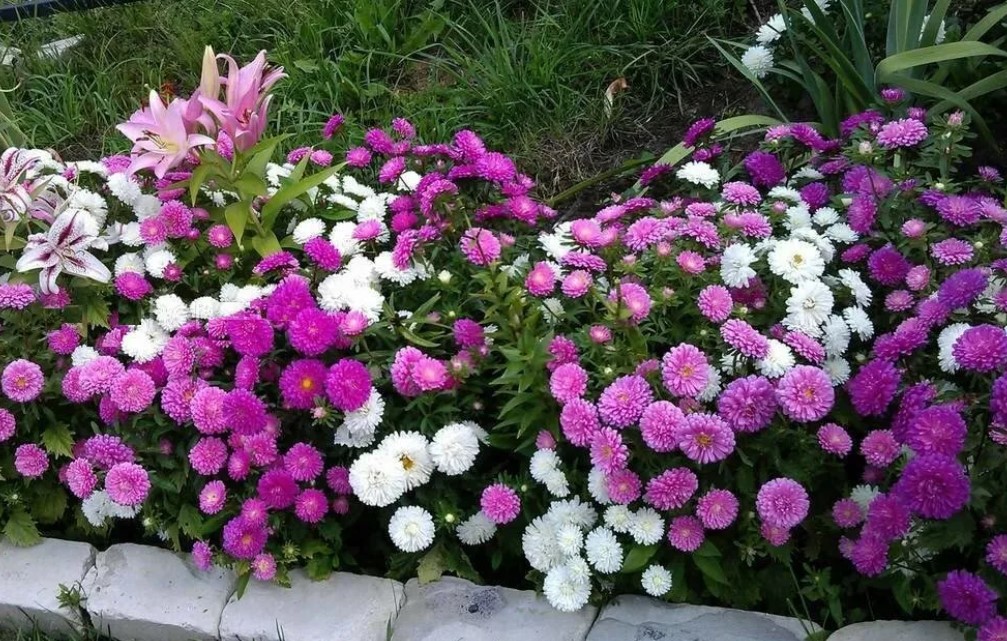
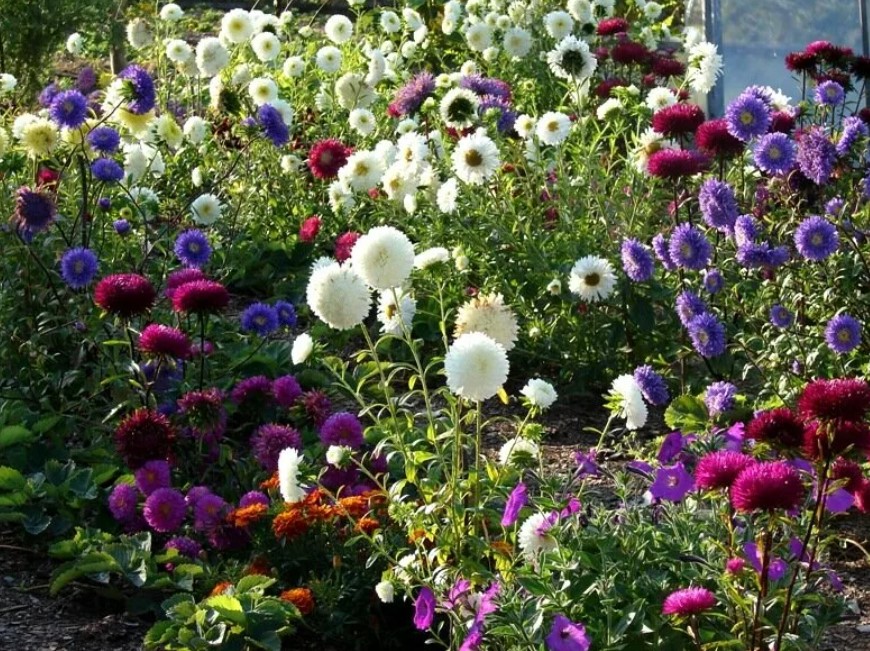
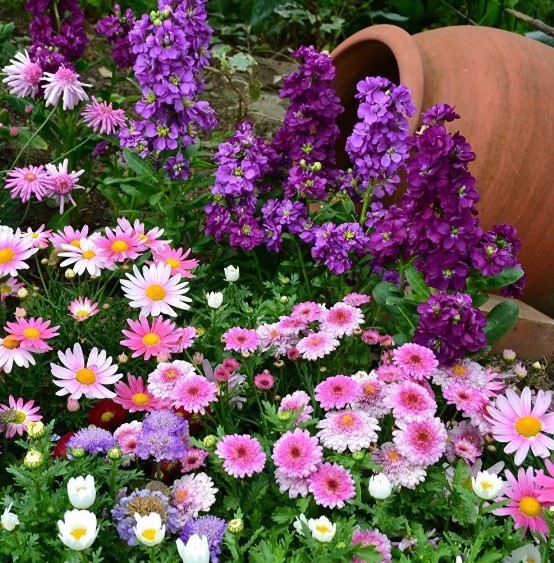
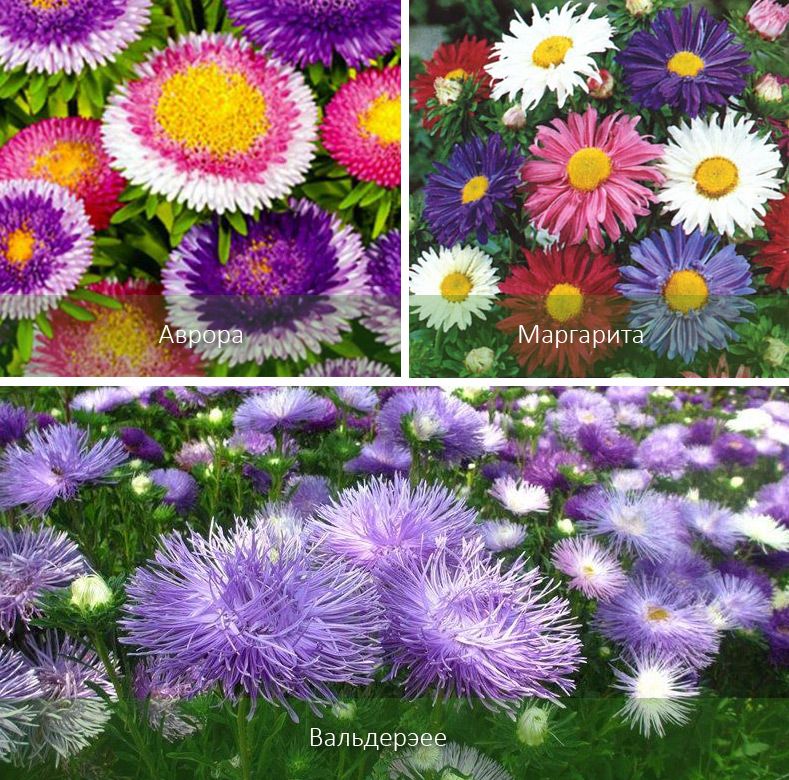
It can be annual or perennial, with branched or solitary stems. Flowers are ray, tubular, or transitional, and can be flat or resemble fluffy balls.
The height of the shoots and their color depend on the aster variety. Direct sowing is suitable for warmer regions, where the soil has warmed to 12°C by April and the seeds can be safely planted outdoors.
In other regions asters They are grown using seedlings. The seeds are sown in mid-spring, and within a month the seedlings can be transplanted into the flowerbed.
Photo gallery
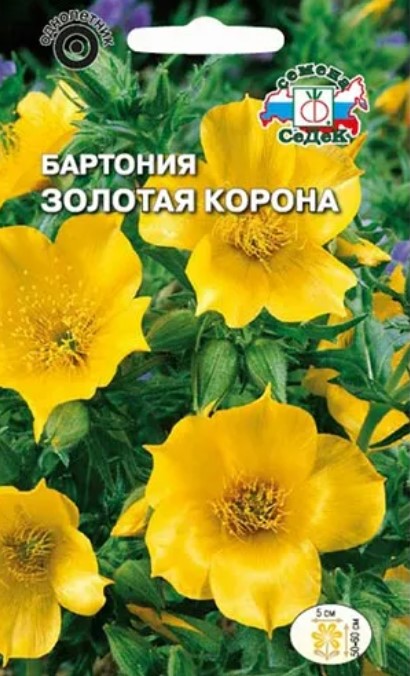
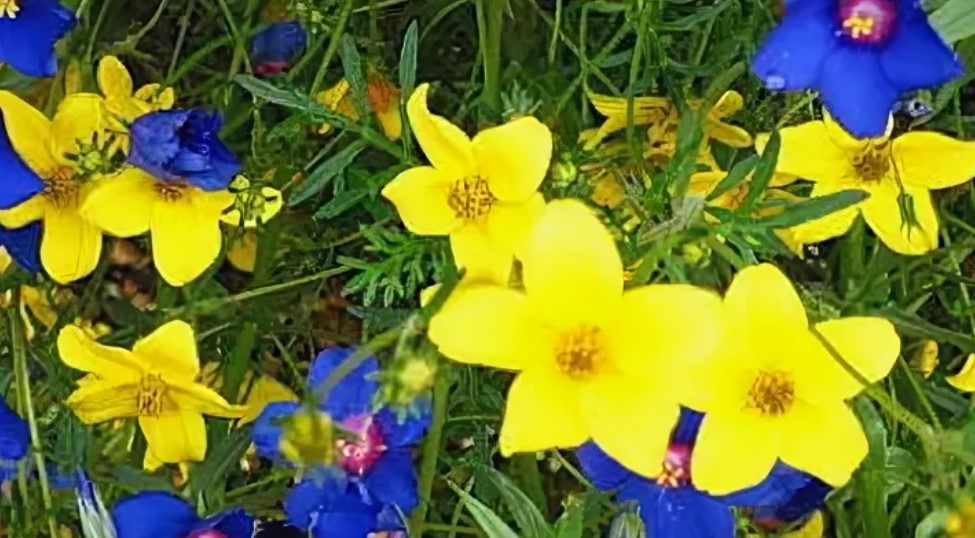
Bartonia
The plant can be a shrub, subshrub, or herb. The shoots range in height from 25 to 80 cm. It has few leaves, and the flowers are solitary or clustered in inflorescences, reaching up to 5 cm in diameter. The color varies by variety. In cloudy weather, the bartonia does not open its inflorescences.
Seeds can be planted outdoors in mid-May, but seedlings are a better choice. Seeds are sown in April, and seedlings emerge within four days. In mid-May, the seedlings can be transplanted to the flowerbed, leaving 20 cm between them.
Photo gallery
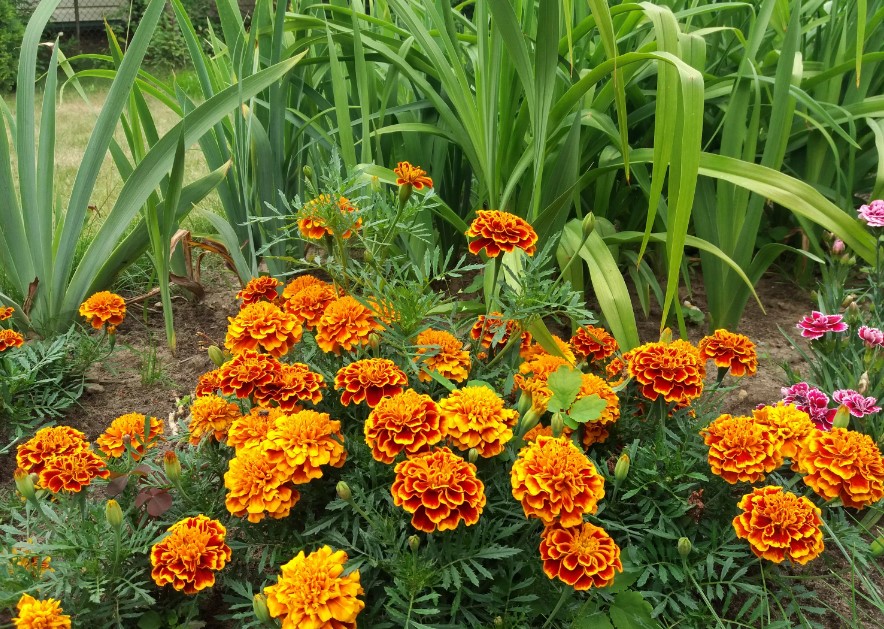
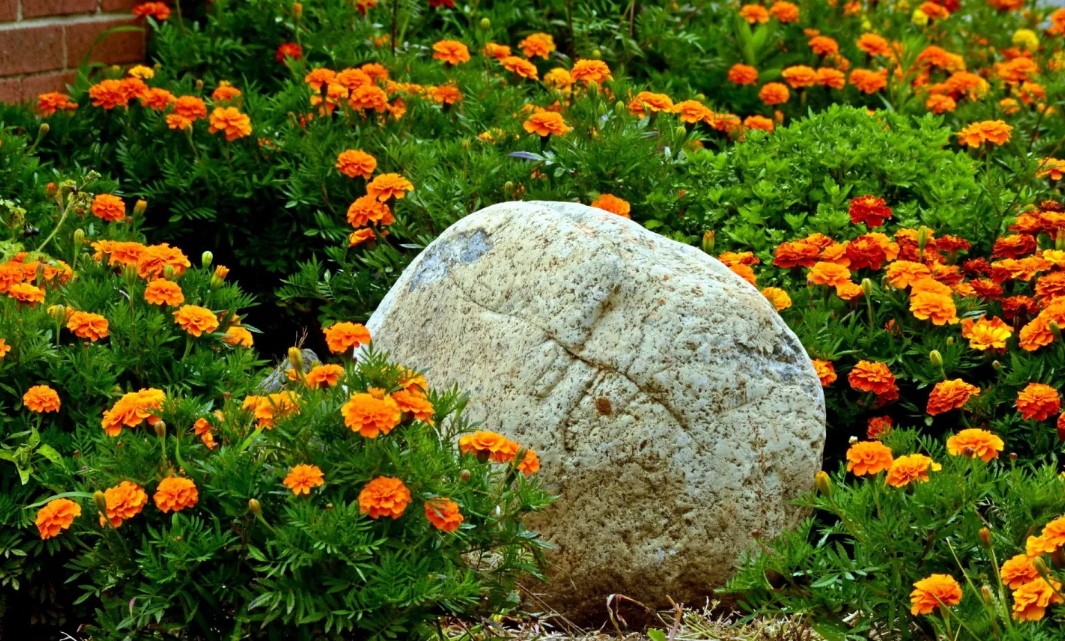
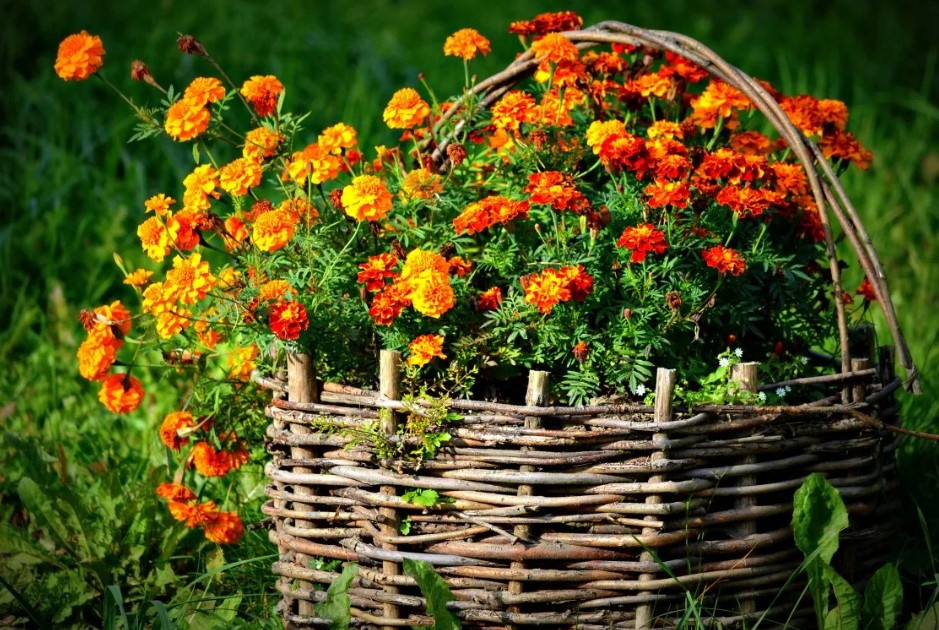
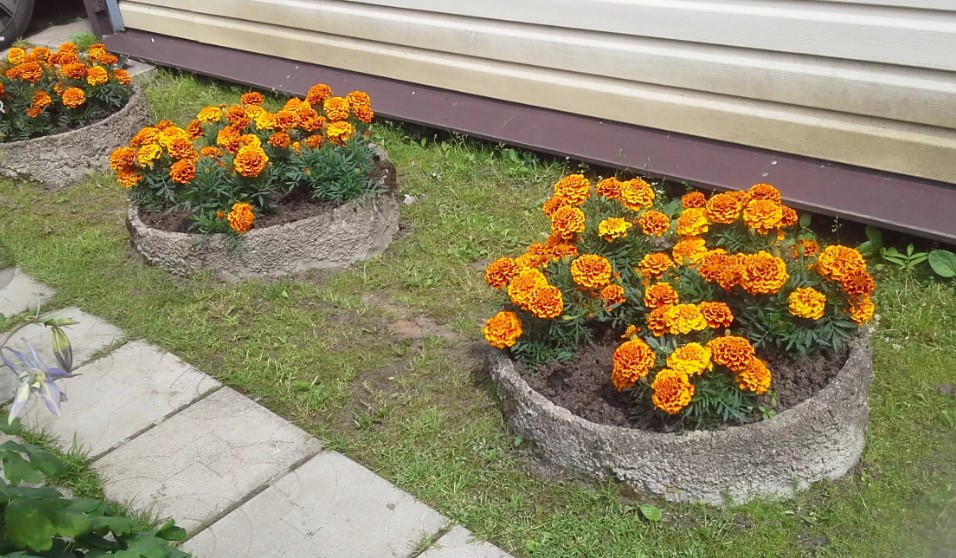
Marigold
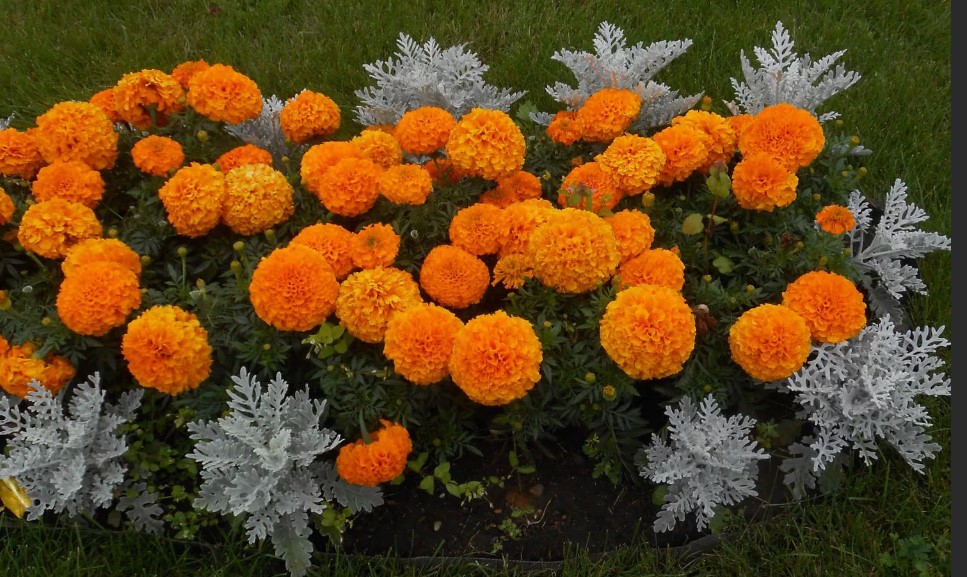
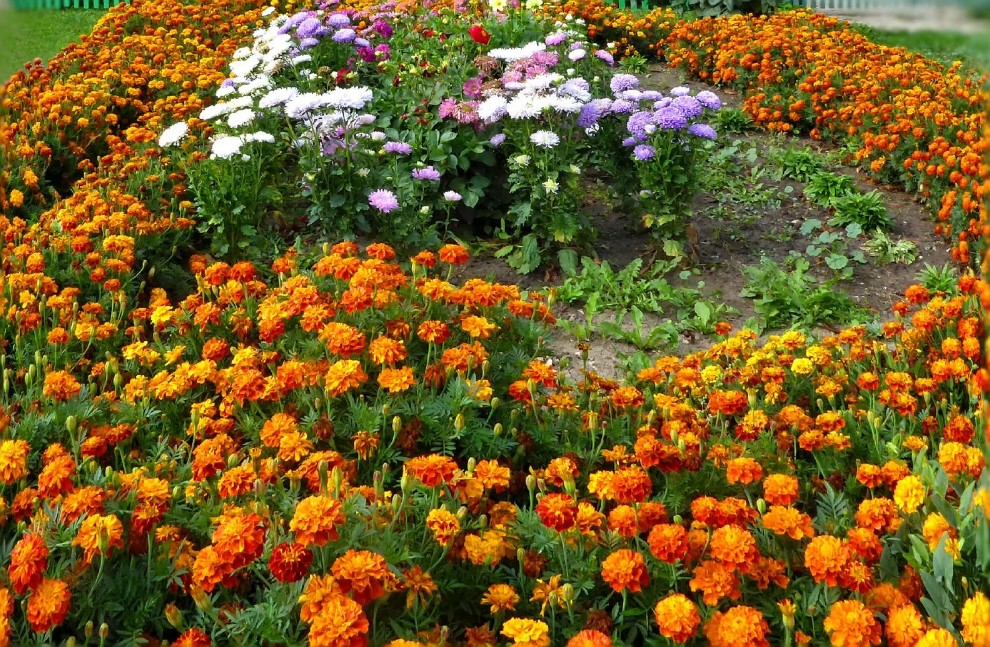
Into open ground marigold Marigolds are planted in warmer regions, otherwise they will take too long to germinate and bloom poorly. In most regions, marigolds are grown from seedlings. Seeds are sown from late March to early April, and a little later, in northern regions, at the end of April.
Seedlings will appear in 5-7 days, and after another 1.5-2 months, the flowers can be transplanted outdoors, where they will bloom quite quickly. The color of the inflorescences and the height of the shoots depend on the variety: there are double varieties, tall varieties, dwarf varieties, large-flowered varieties, small varieties, and so on.
Photo gallery
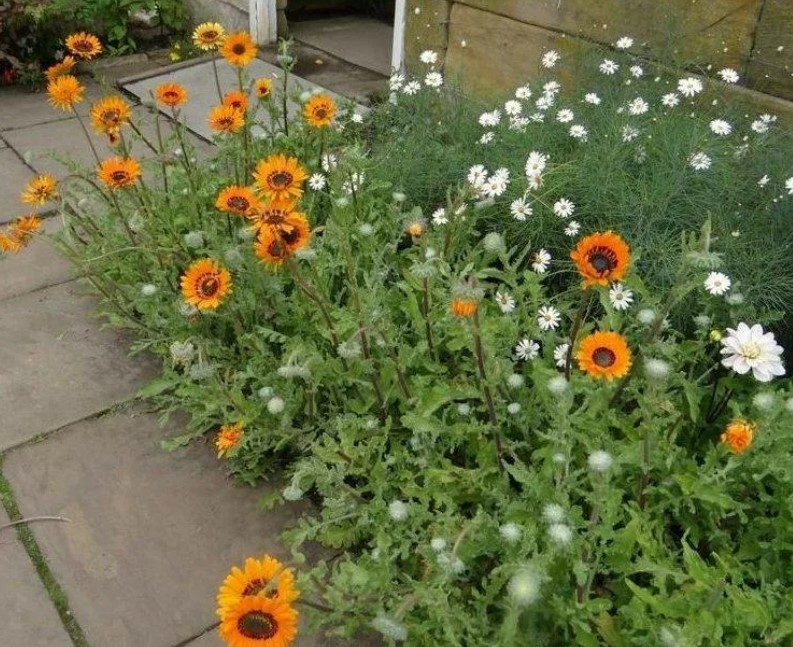
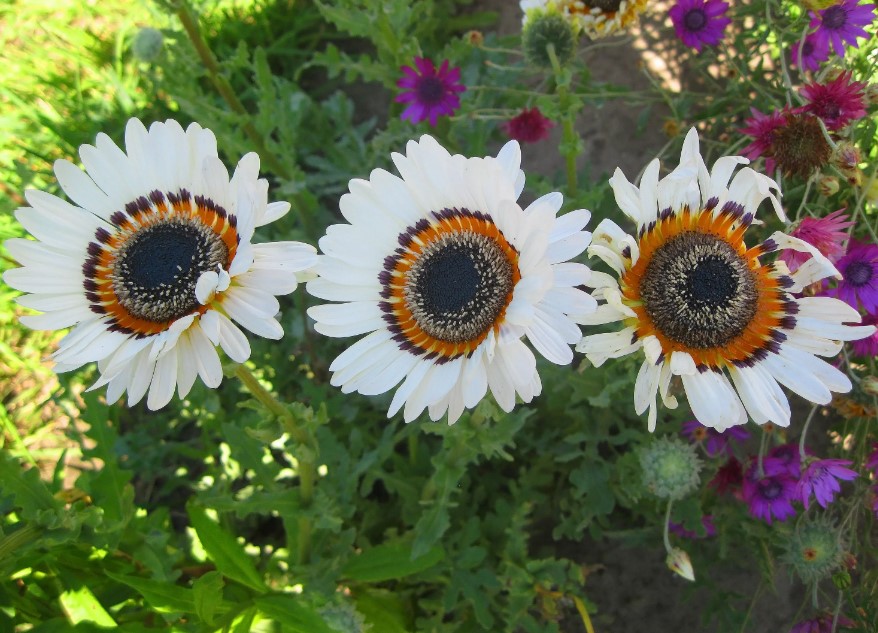
Venidium
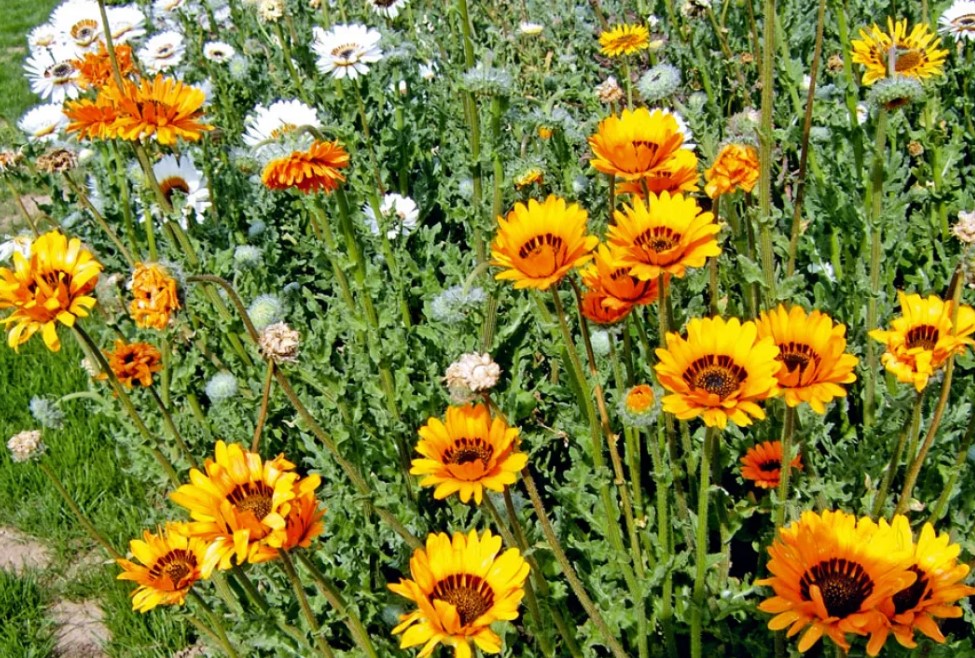
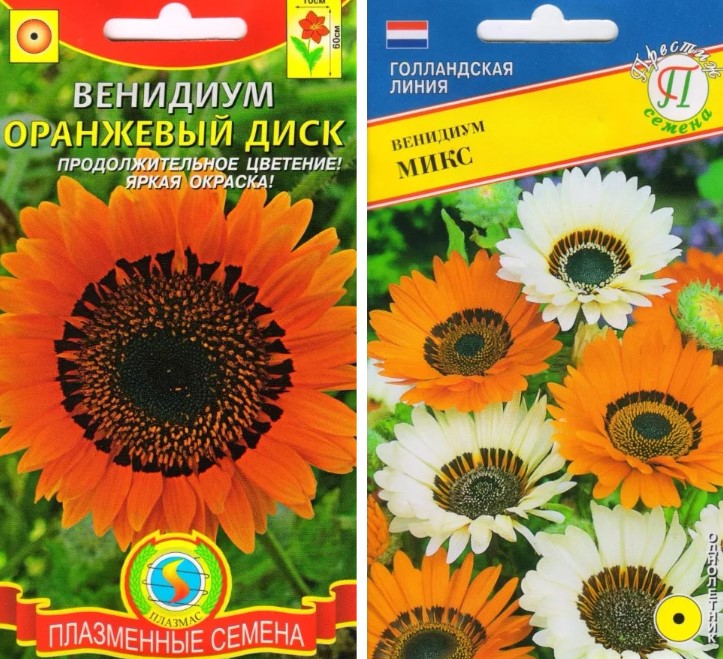
Another name for Venidum is African Daisy. Its coloring is predominantly orange-yellow, and the leaves are dissected or lobed.
Seeds for seedlings are sown in March; their germination rate is low, so they need to be planted fairly densely. For those seeking autumn blooms, sowing seeds in April is suitable. Seedlings may appear in 2-3 weeks, and in May, the seedlings should be transplanted into the flowerbed.
Sowing in open ground can be carried out when the soil warms up to +15 °C and there is no threat of night frosts.
Photo gallery
Viola
Belonging to the violet family, the shoots can range from 15 to 30 cm in length, and the appearance and color of the inflorescences depend on the variety. Flowering lasts from April until mid-autumn.
In late February or early March, sow the seeds for seedlings; flowering will begin three months after the sprouts emerge. Seeds are planted outdoors in late May or early June, but flowering will not occur until August or September.
Photo gallery
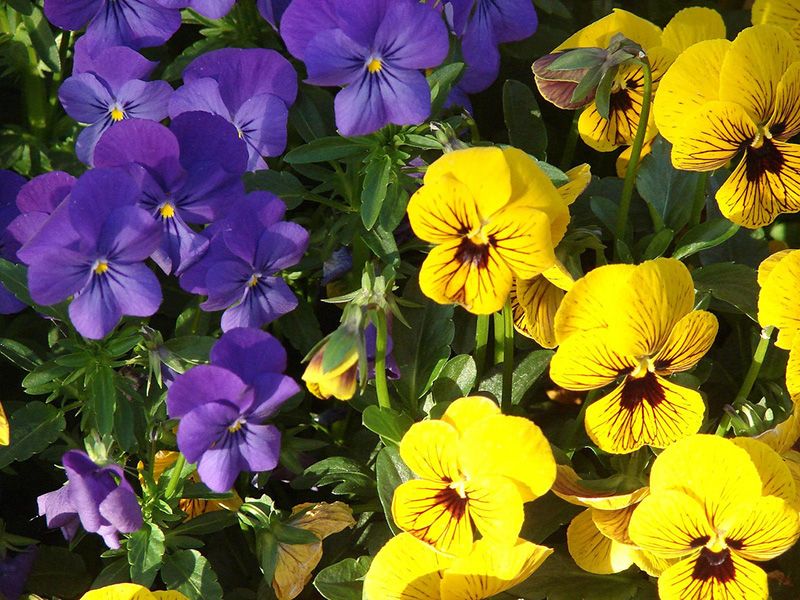
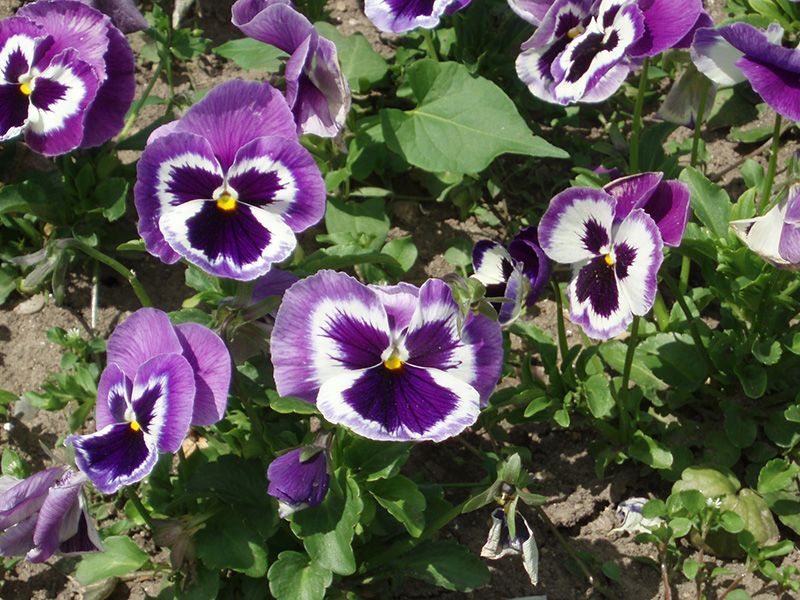
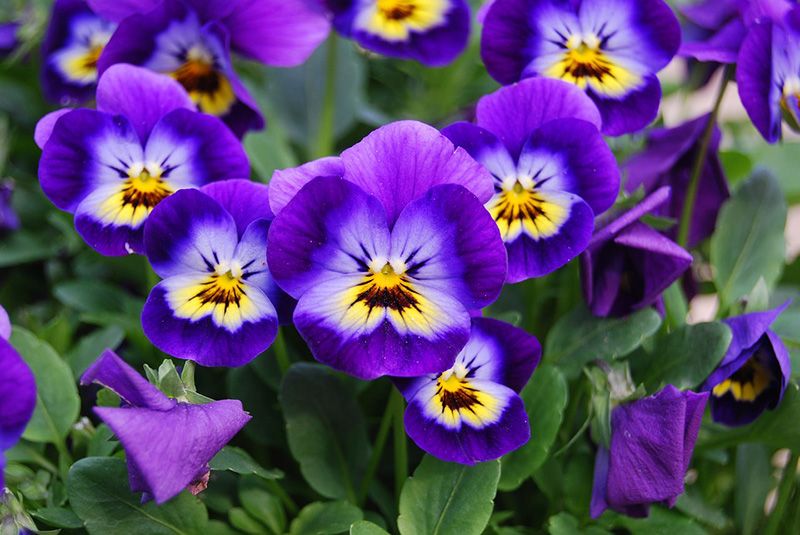
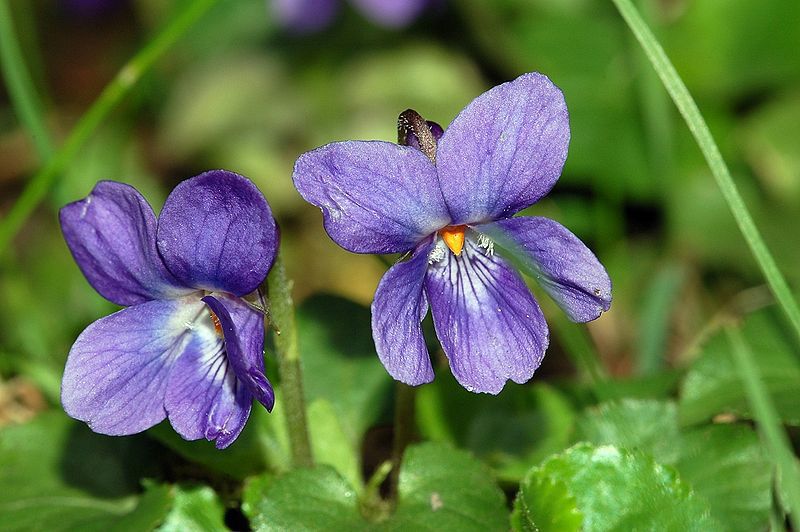

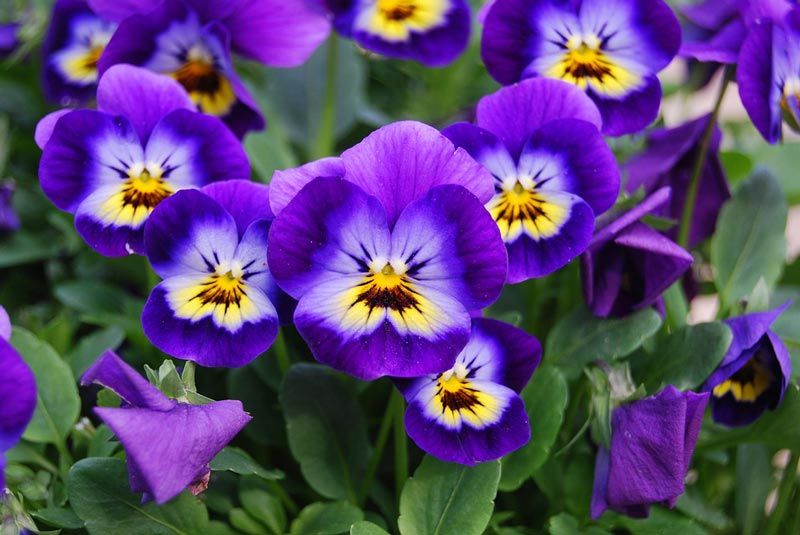
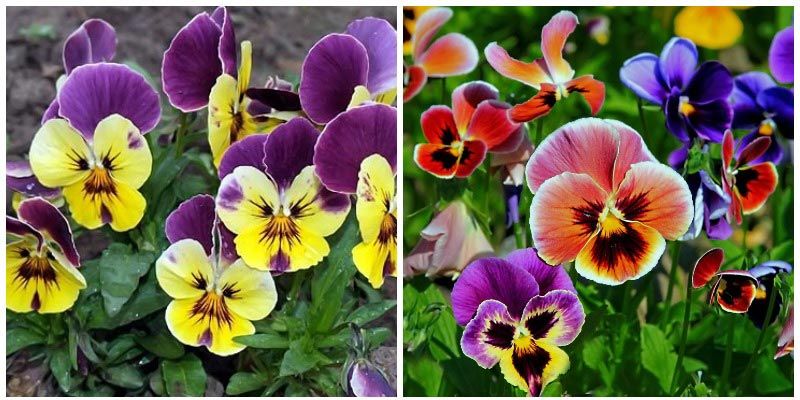
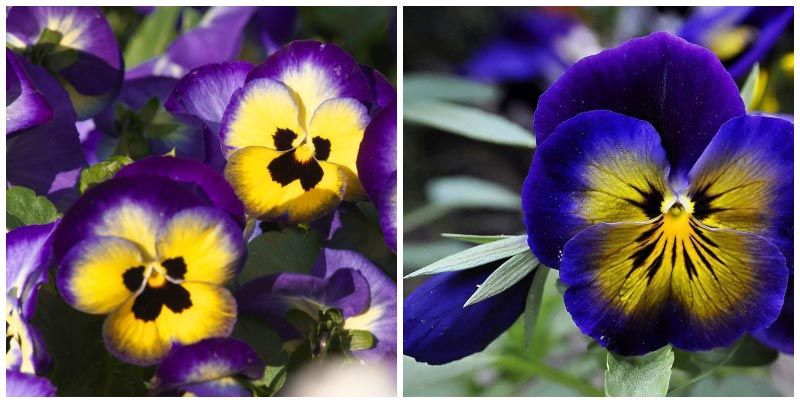
More about one- and two-year-old violets (pansies), about the perennial horned viola, fragrant violet in the garden, as well as about the large number of species and varieties of violets, read on our website.
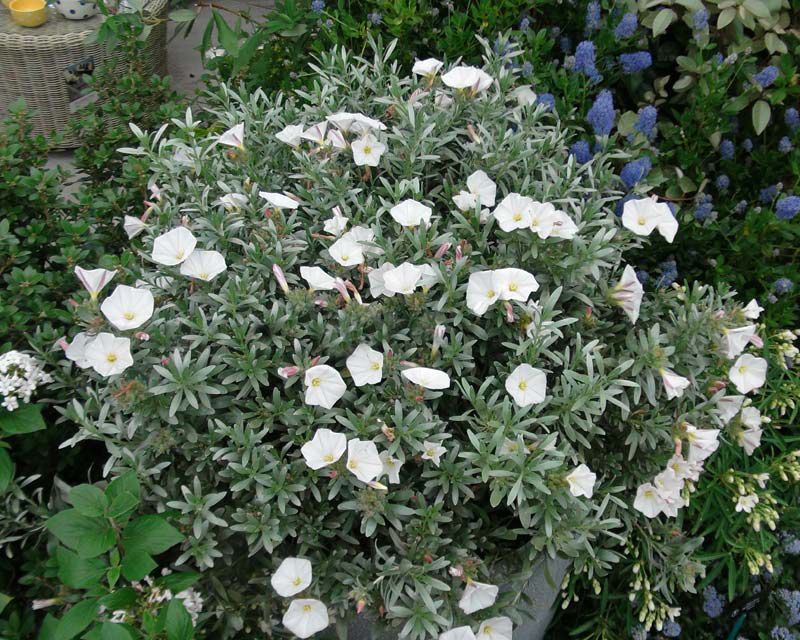
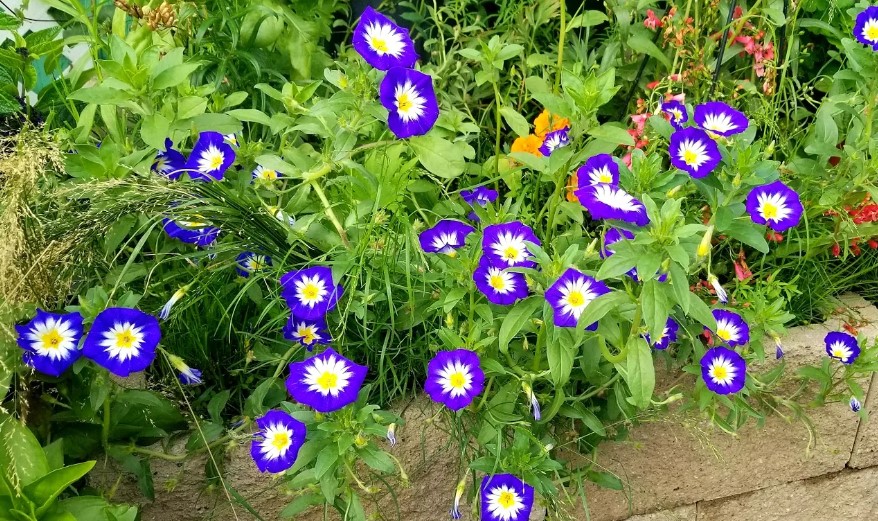
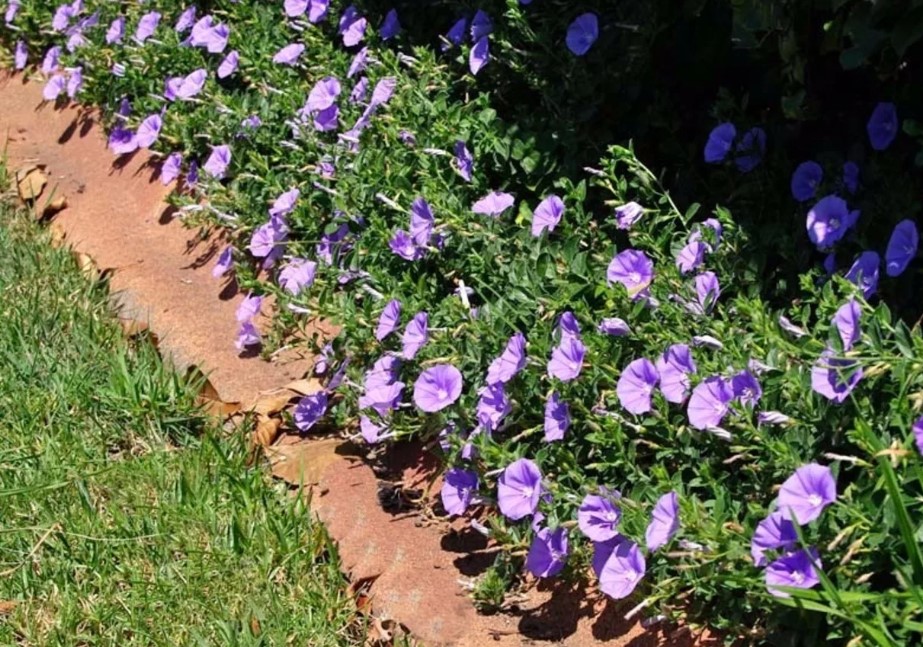
Bindweed
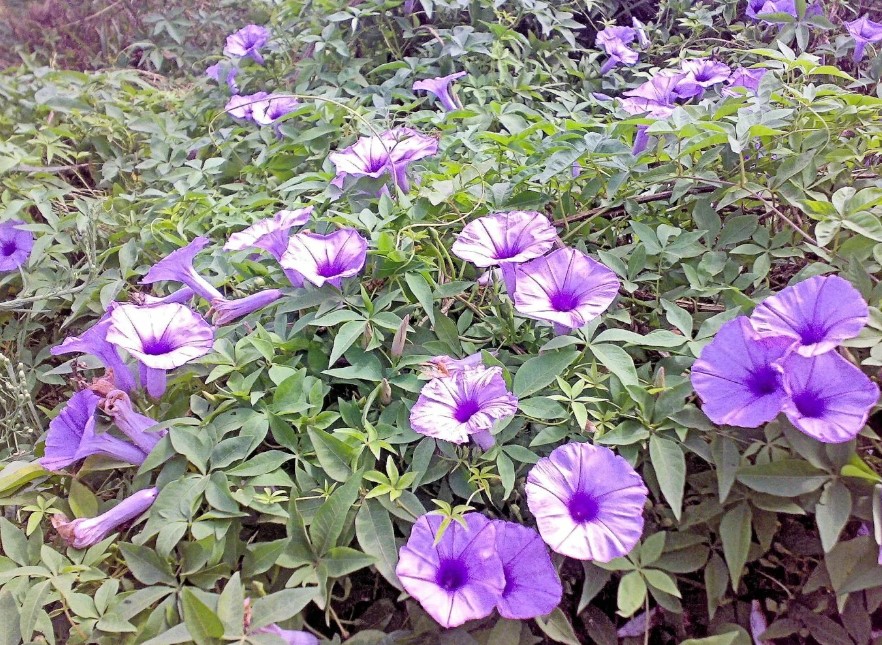
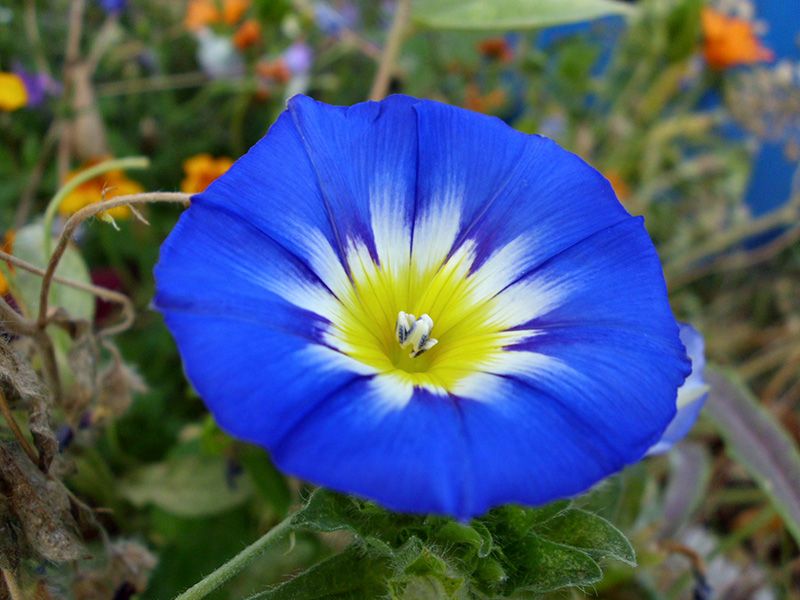
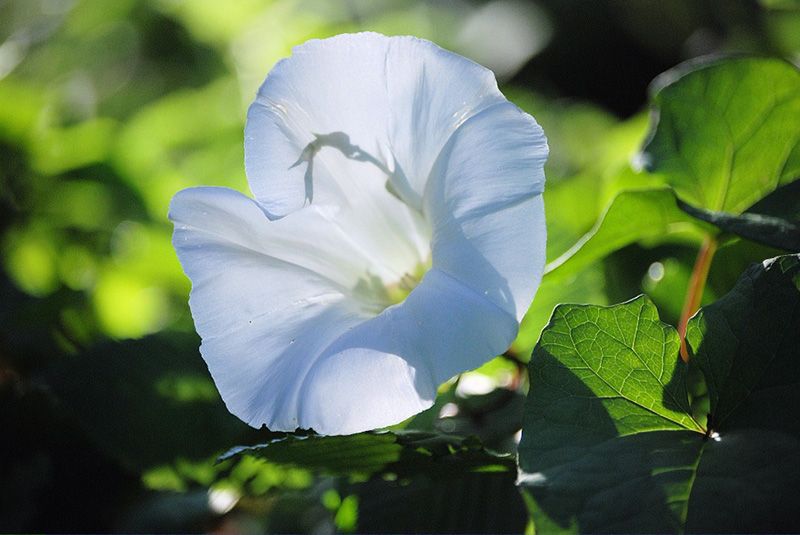
Belonging to the Convolvulaceae family, the plant is also called "birch" due to its distinctive leaves. The shoots reach 4 meters in height, the stems are mostly prostrate, and the flowers are bell-shaped with faintly defined lobes. The flowers open only in clear weather, and their color varies depending on the variety.
Seeds can be planted outdoors only when there is no threat of frost. In most regions, this period falls in late May.
To get early flowering Bindweed It can be grown using seedlings; for this, the seeds are sown in mid-March, and in May they are transferred to the flowerbed.
Photo gallery
Chinese carnation
The flower height typically does not exceed 30 cm, and the flowers are fluffy and voluminous; double varieties are especially beautiful. The color of the petals will depend on the variety chosen.
Carnation flowering does not depend on the planting method, so it is planted either directly in open ground or through seedlings.
In open ground, the planting time depends on the region. The soil should warm to 15°C, and the air temperature should not drop below 15…20°C. Seedlings will emerge after 3 weeks, and thinning should be done.
Carnations are sown for seedlings in April and transferred to the permanent garden bed when the soil warms to 12°C. Leave a distance of about 25 cm between the plants.
Photo gallery
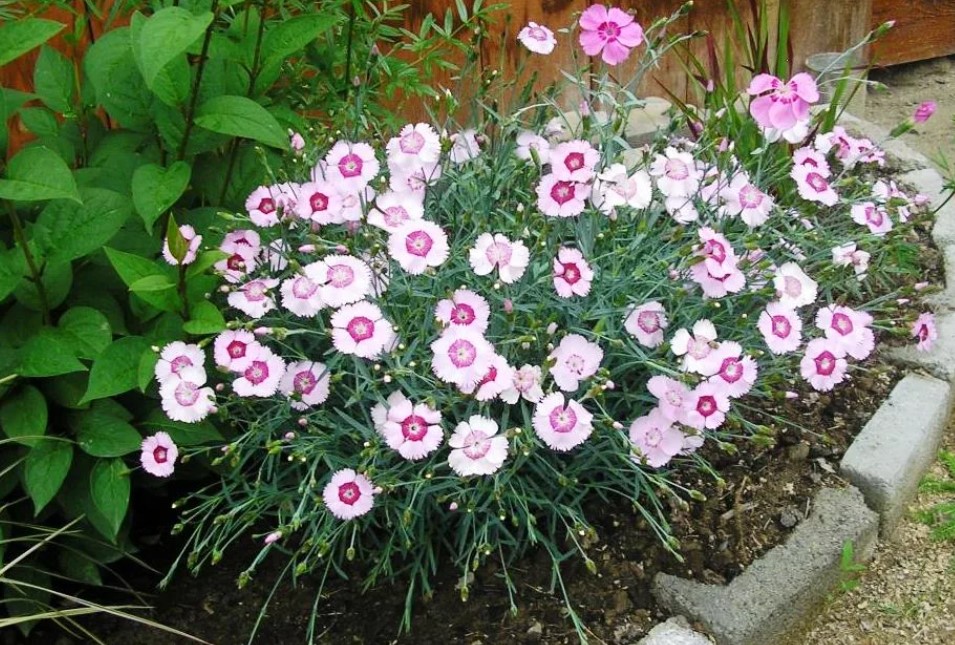
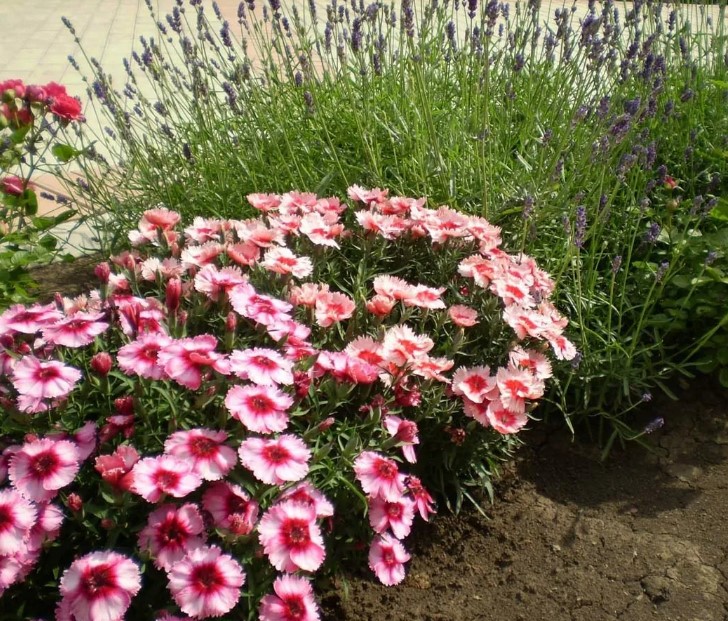
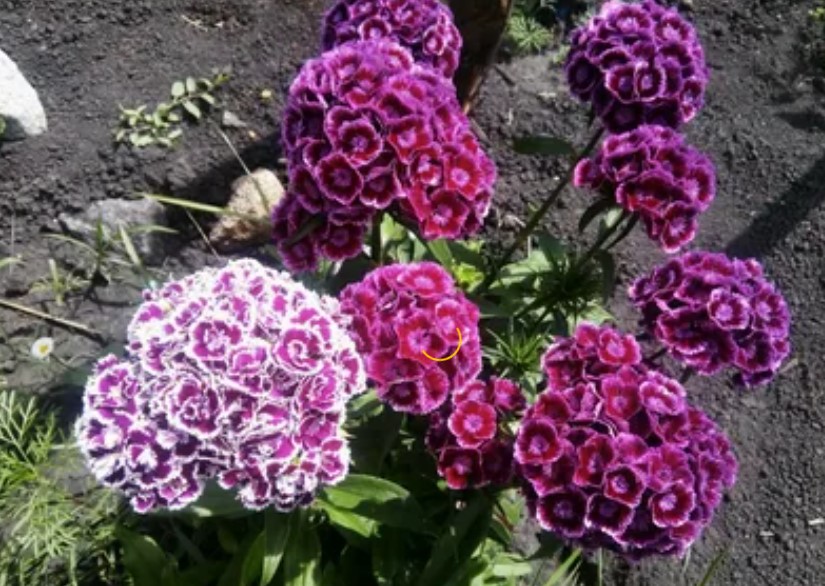
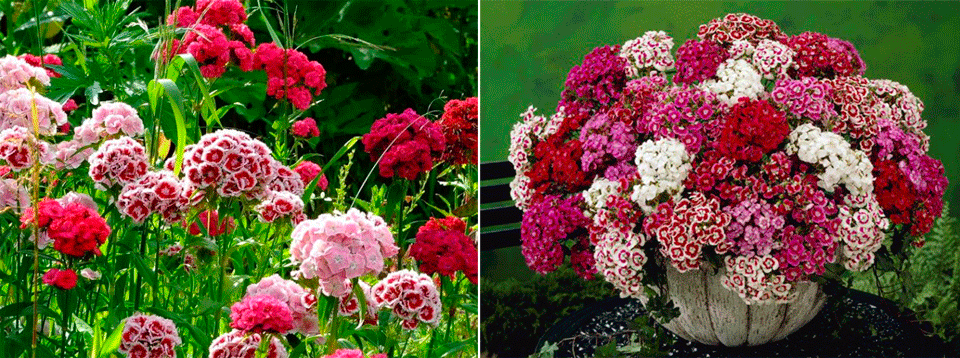
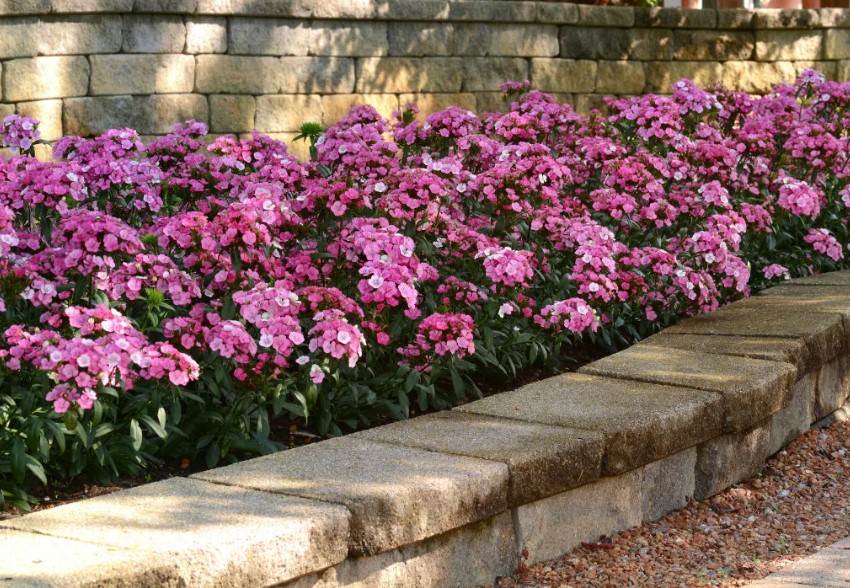
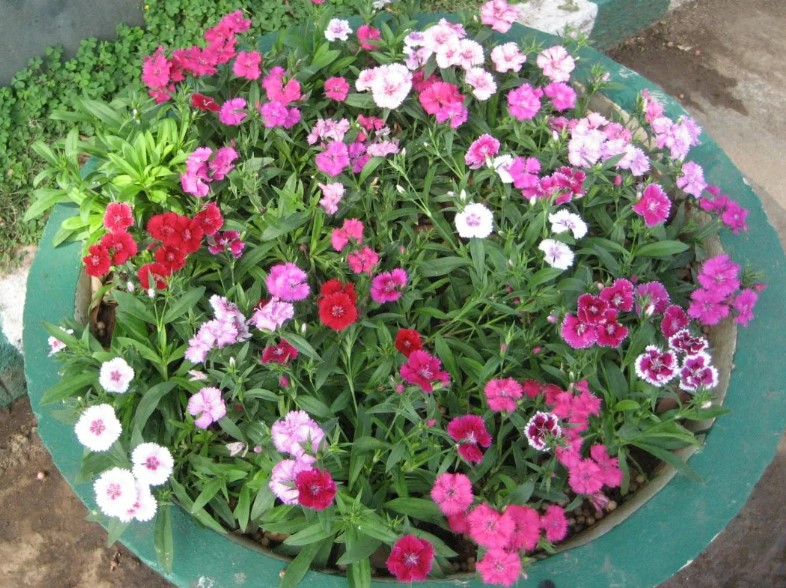
There are many species and varieties carnation: Chinese carnation, Shabo, grasshopper, Turkish.
Interesting! Perennial flowers for the garden.
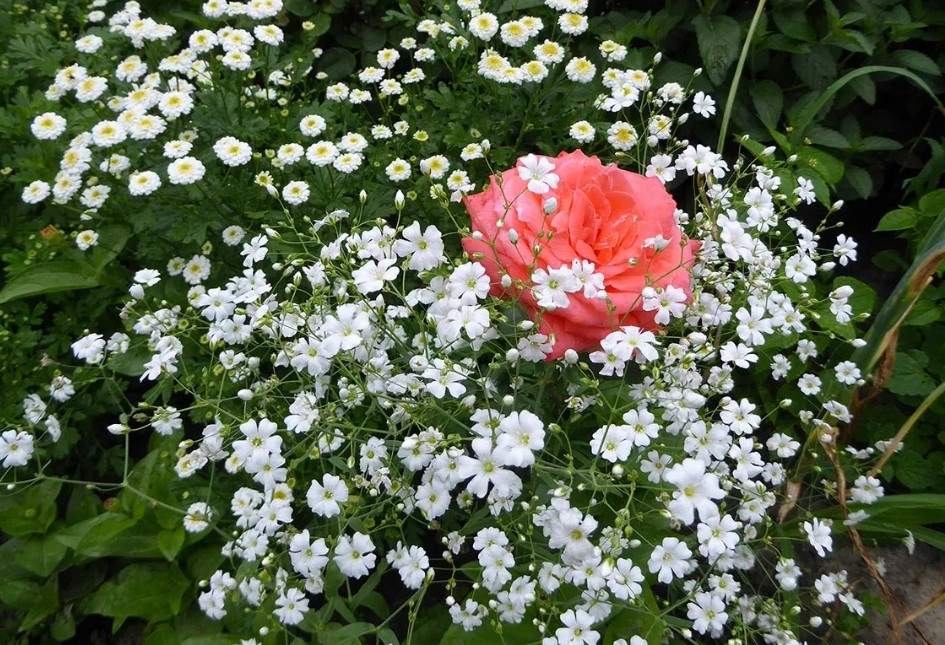
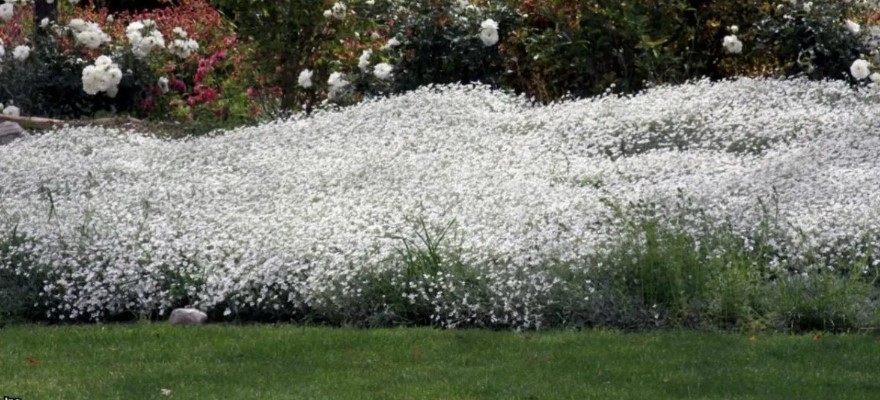
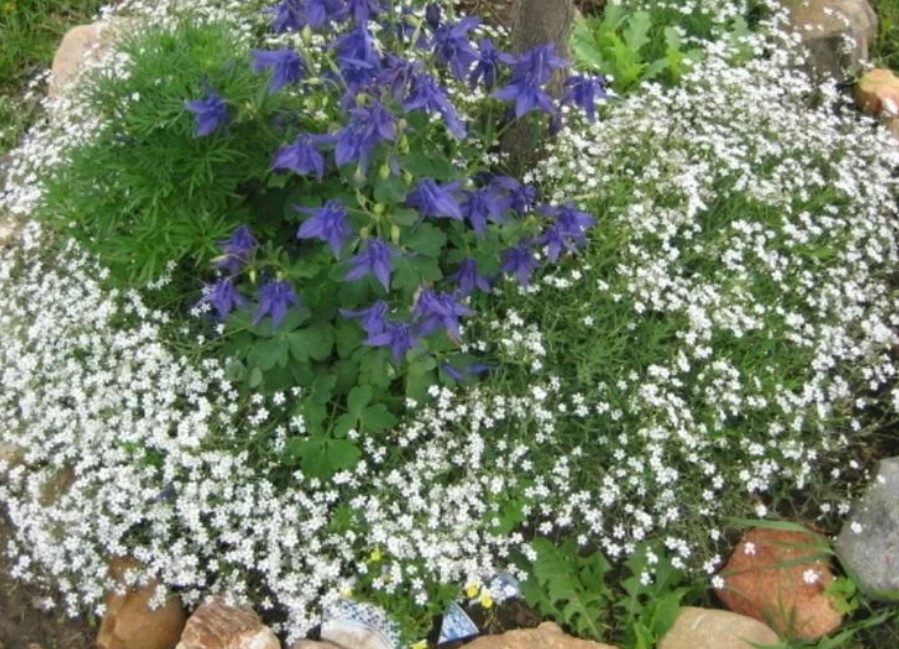
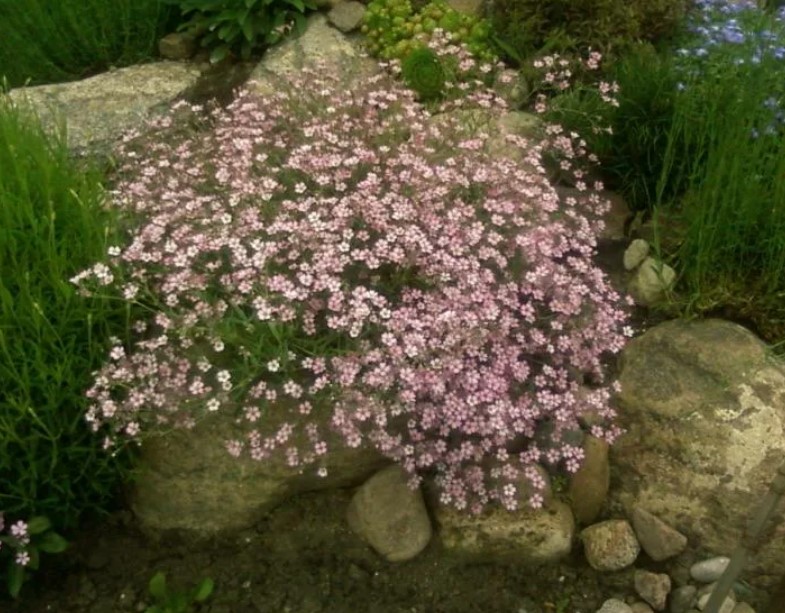
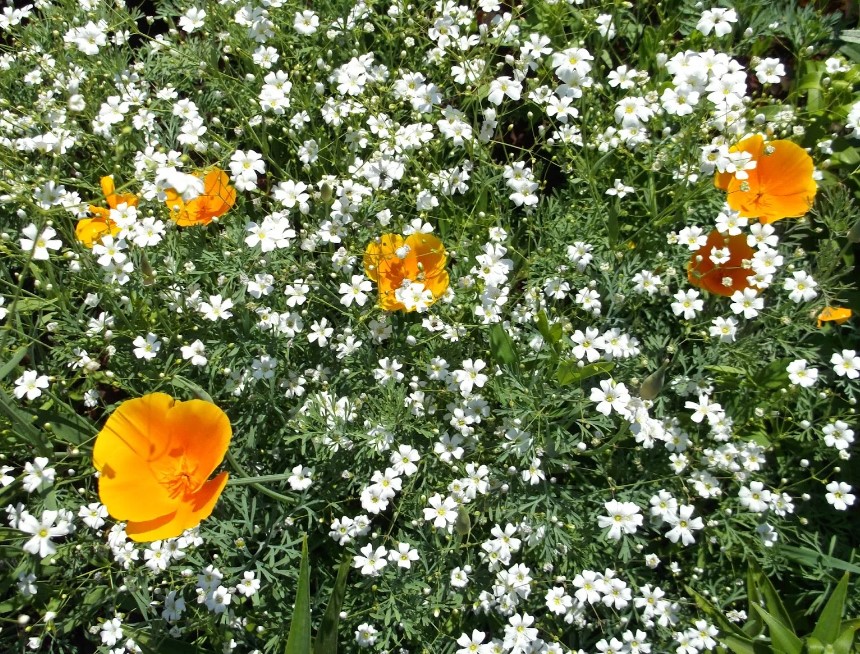
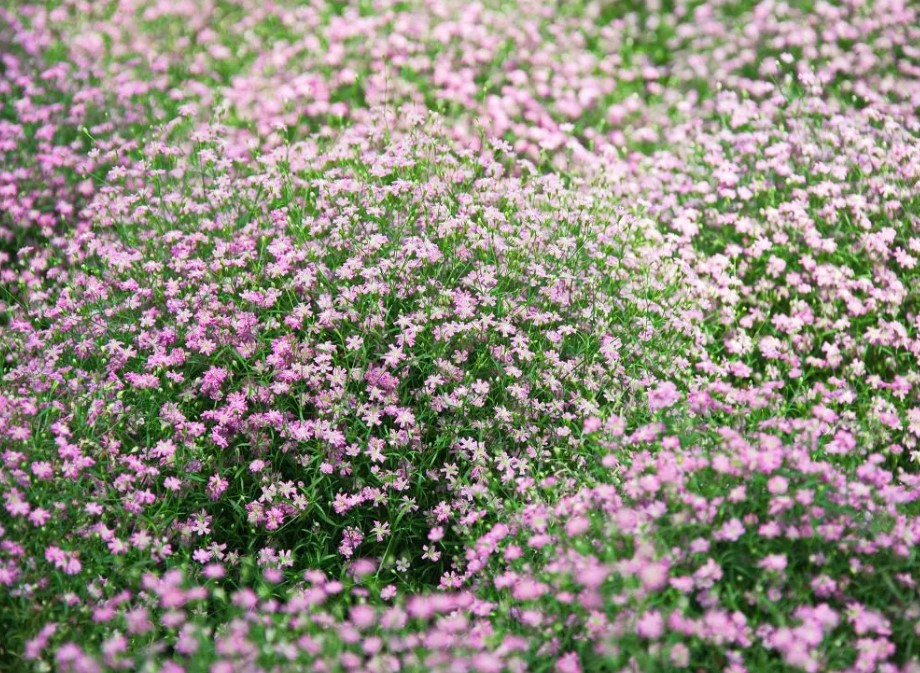
Gypsophila
Gypsophila prefers calcareous soils. It has vibrant leaves and simple, small, mostly white inflorescences. The shoots reach 50 cm in height.
Into open ground Gypsophila It's best to sow seeds first in a seedbed in early spring. In southern regions, you can sow the seeds directly into the permanent flowerbed, as long as the soil temperature there doesn't drop below 14°C.
Gypsophila seedlings are sown in late March; sprouts appear within 3-4 days. It is advisable to use peat pots for germination, as the plant has delicate roots and does not tolerate transplanting well.
Photo gallery
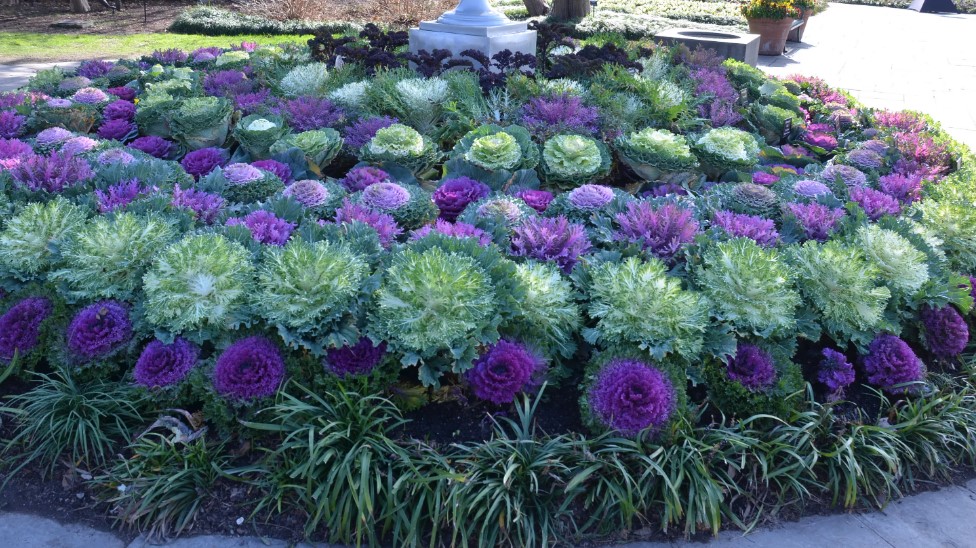
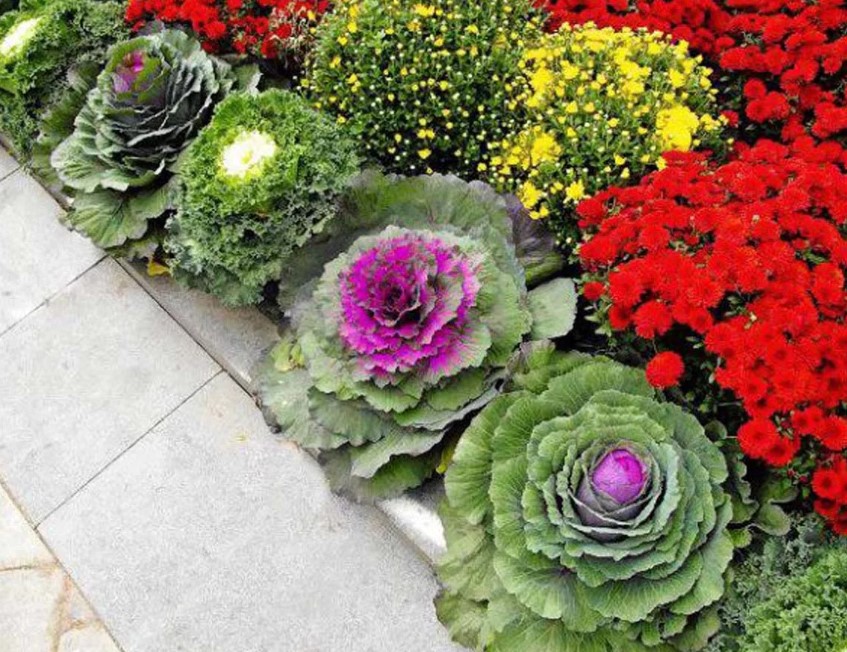
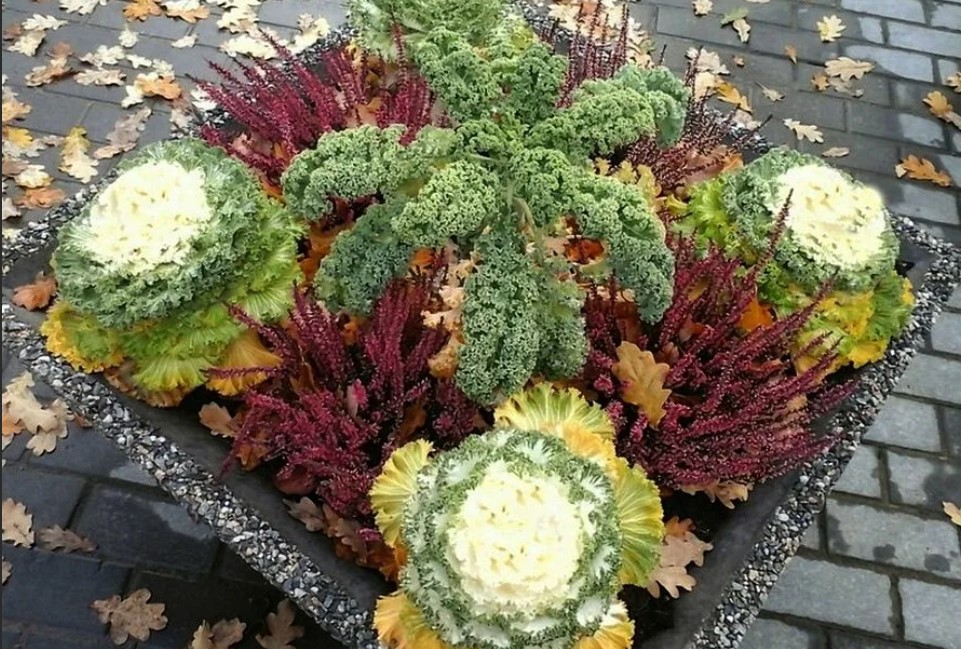
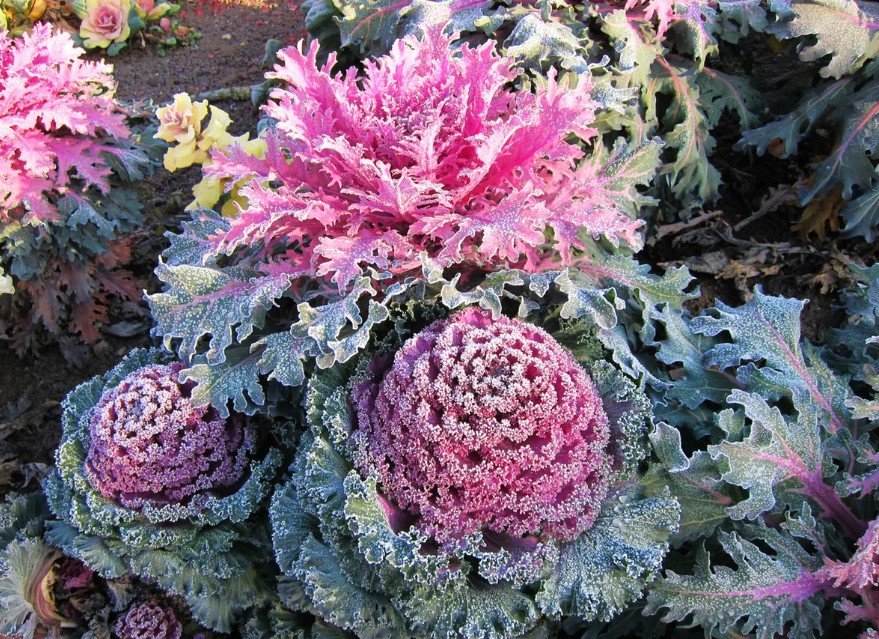
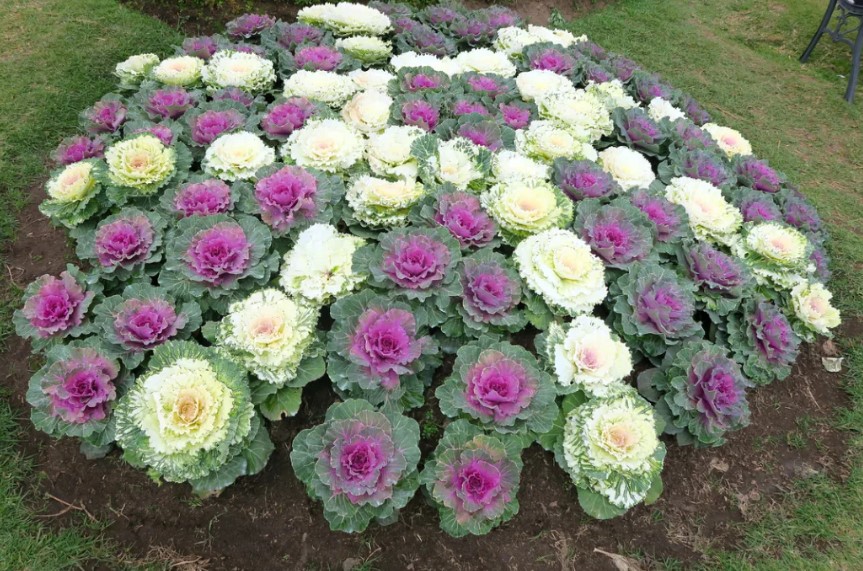
Ornamental cabbage
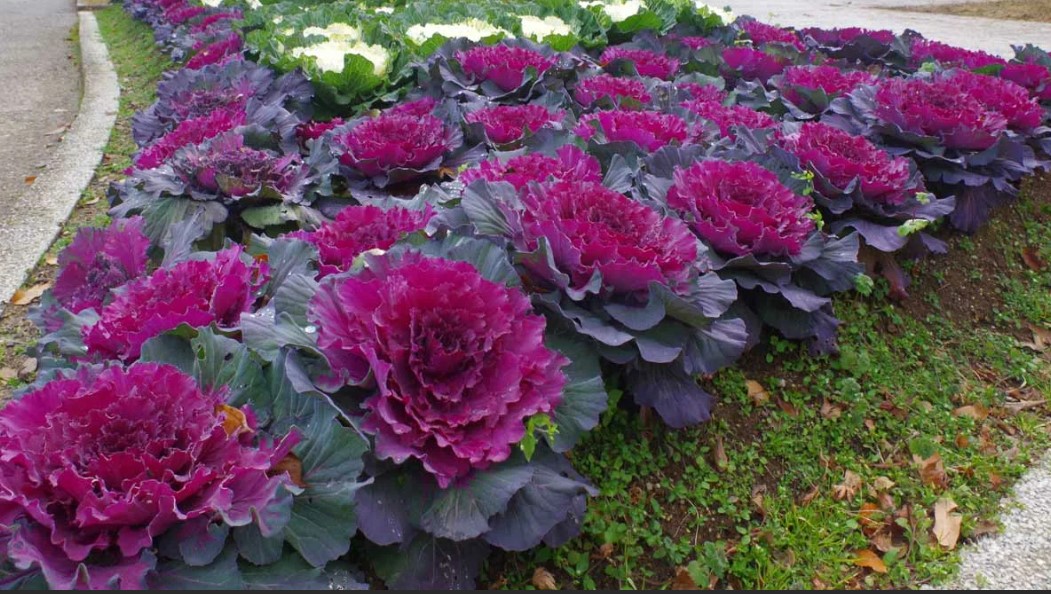
Belongs to the Cruciferae family and is quite edible after the onset of autumn frosts; before this time, the leaves may taste bitter.
It's used to decorate flower beds thanks to its vibrant rosette, reminiscent of an exotic flower. The leaves, also known as "petals," come in a variety of shades and shapes: smooth, ribbed, dissected, and so on.
Seeds for seedlings are sown in March, ready to be planted in flower beds by the end of May. If desired, the seeds can be sown directly into open ground or in a greenhouse, provided the soil temperature remains at least 12°C.
Ornamental cabbage It tolerates transplantation well thanks to its powerful root system and looks more impressive in well-lit beds.
Photo gallery
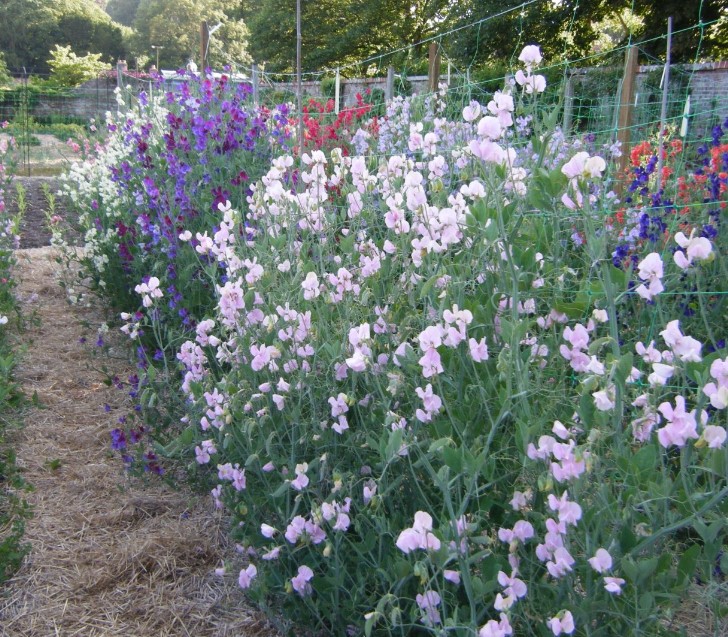
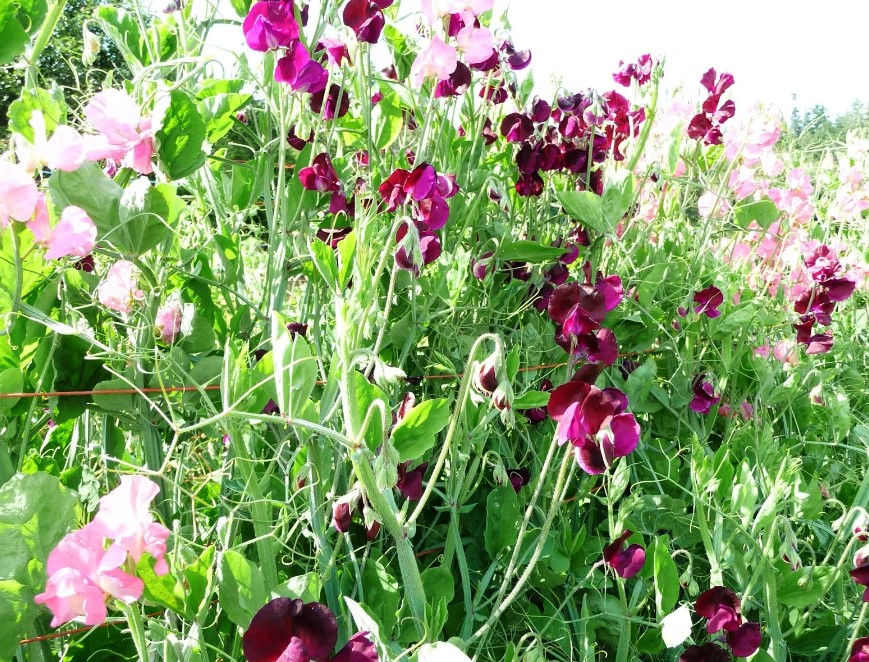
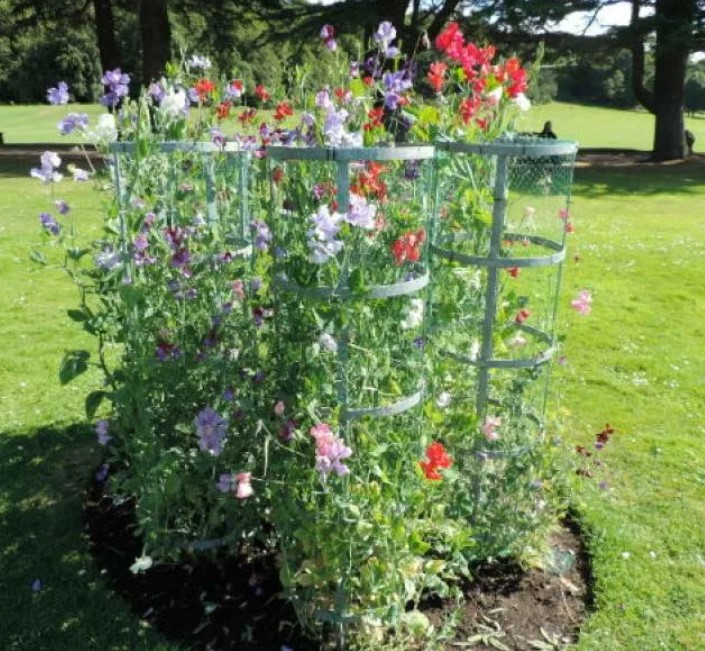
Sweet pea
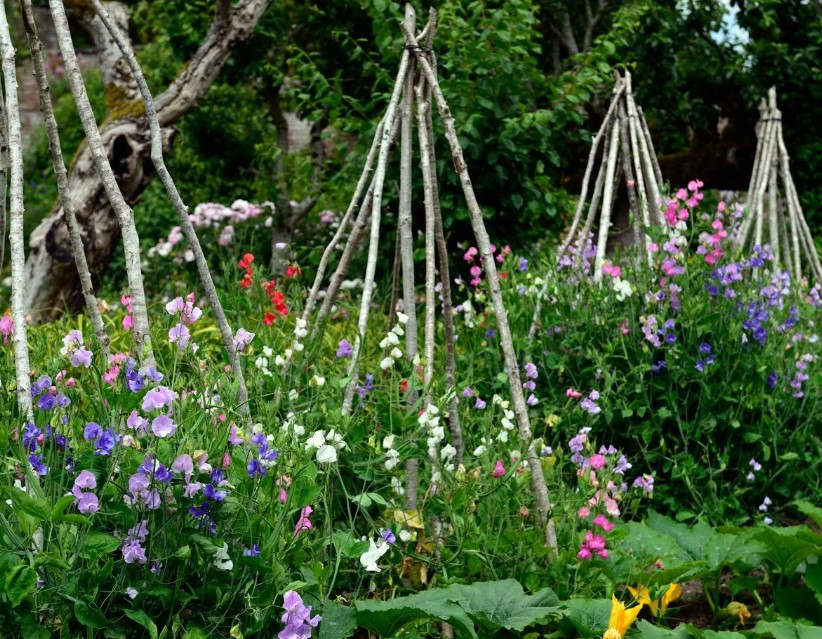
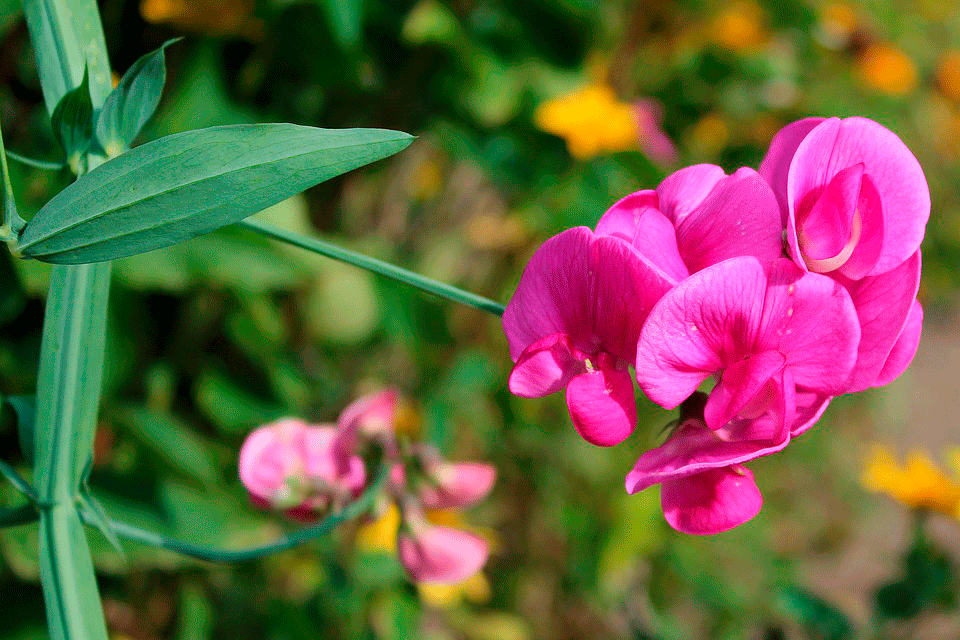
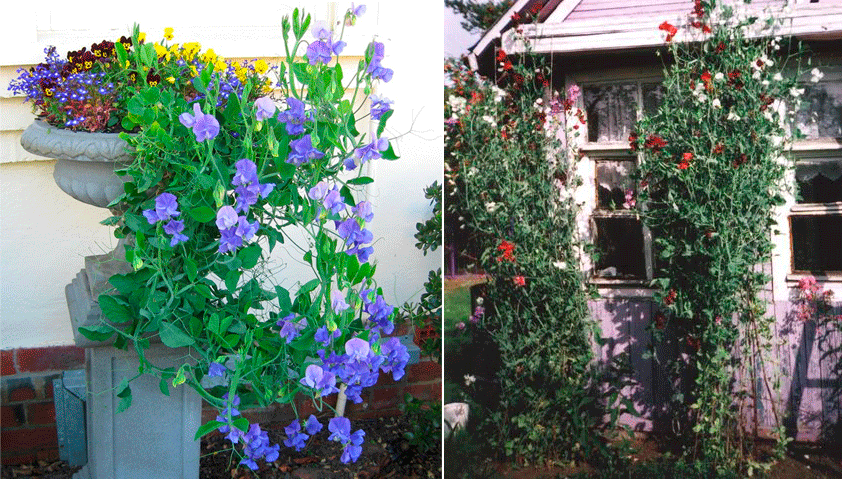
There are approximately 1,000 varieties of this flower, all of which share the same characteristics: paripinnate leaves, climbing shoots, and tendrils. Flowers can have a variety of colors, depending on the cultivar.
Sweet pea In southern regions, peas can be planted directly in open ground at the end of April. In northern and temperate regions, it's best to grow peas from seedlings, sowing the seeds in early March. In May, the flowers are transferred to a permanent bed, with careful planning of the support system.
Photo gallery
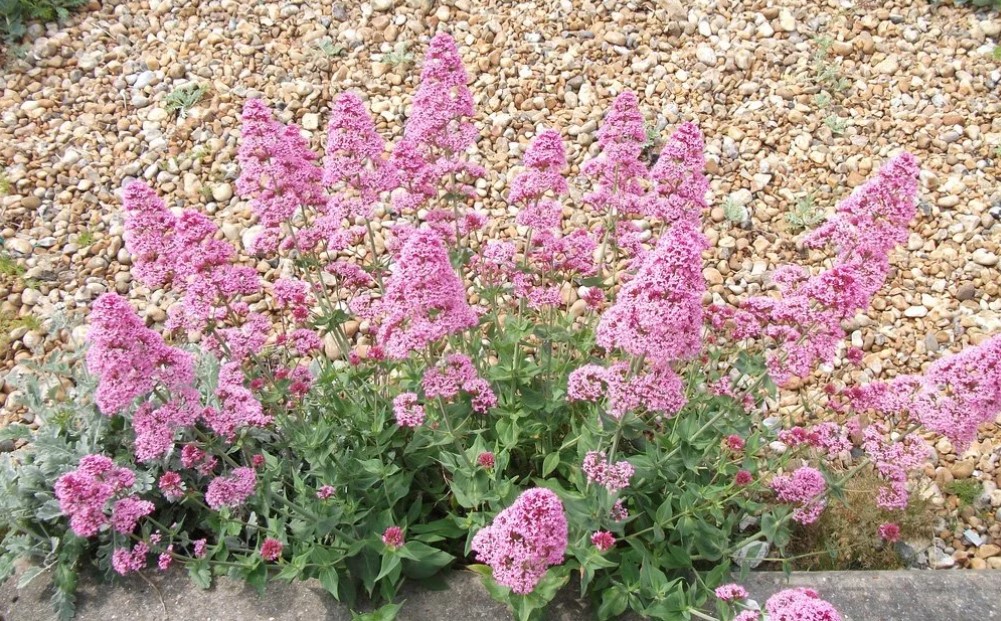
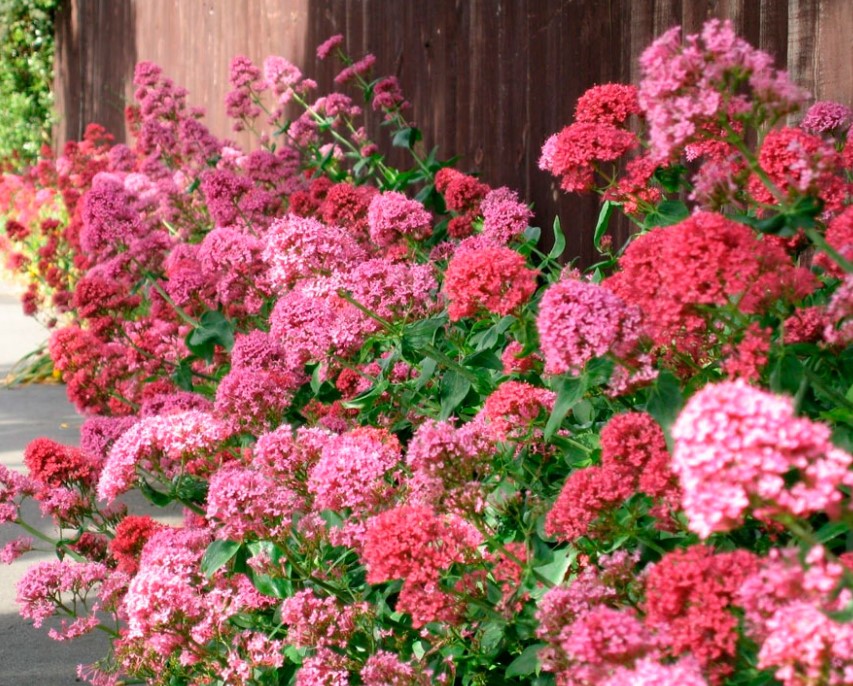
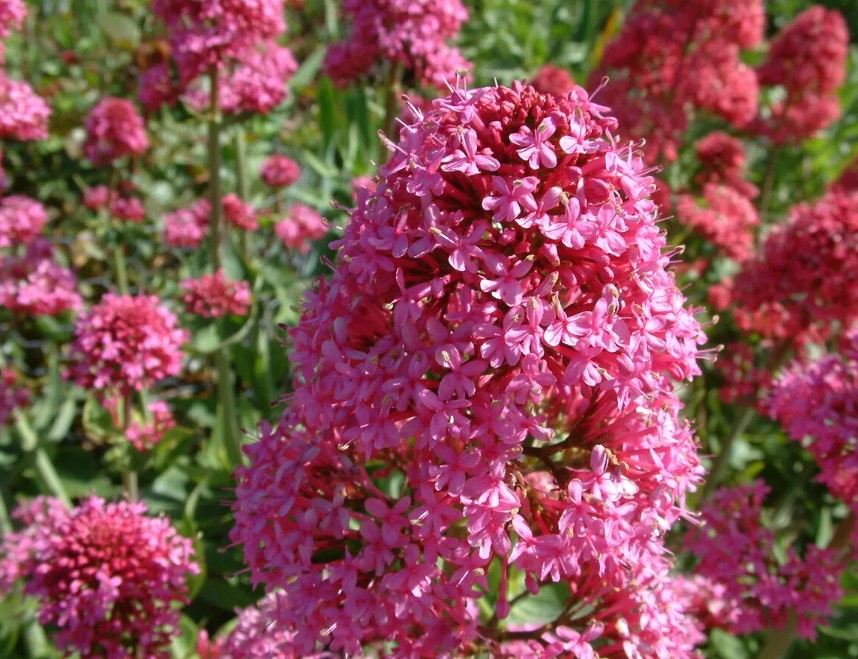
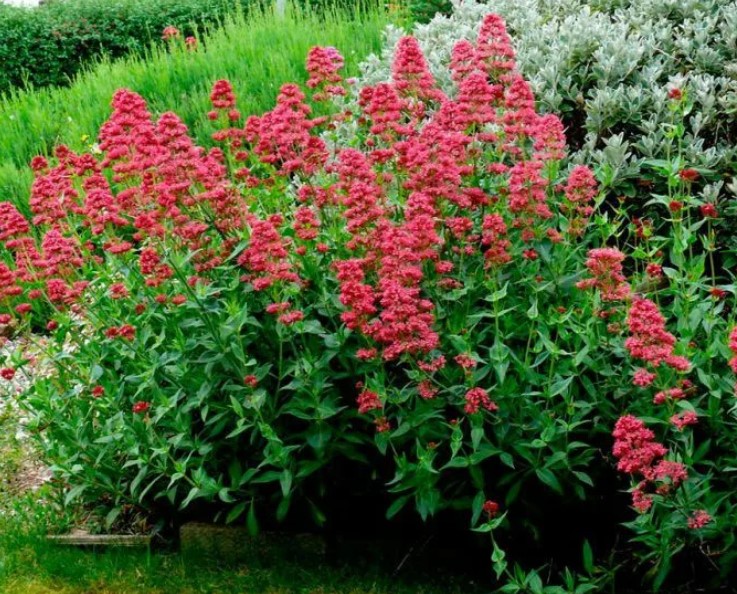
Kentrantus
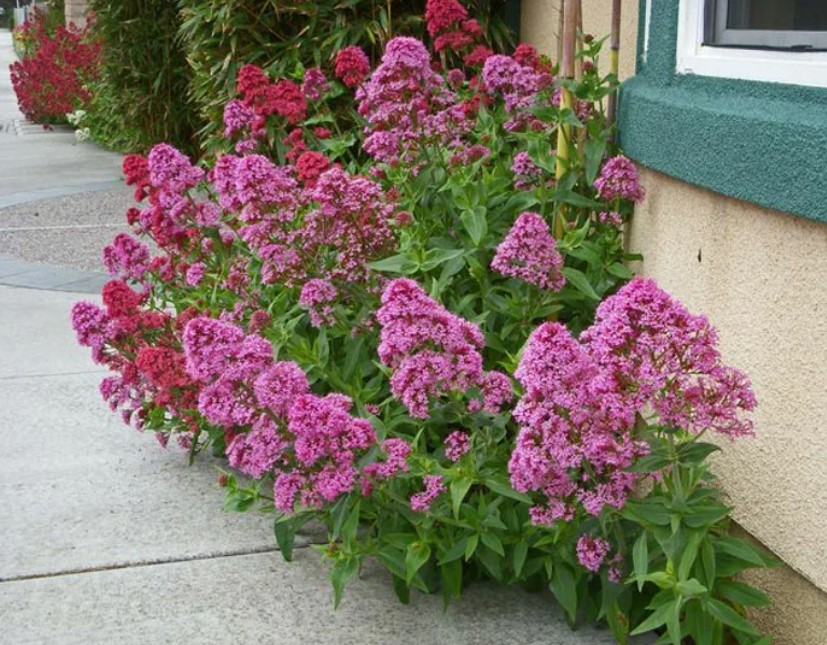
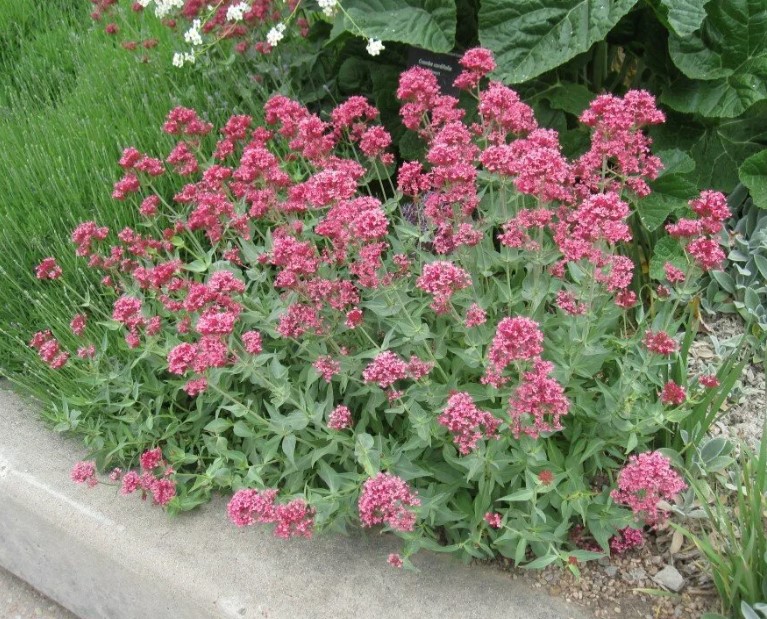
Belongs to the Valerian family, but has no medicinal properties. The stems are branched and lush, and the plant grows into a bushy plant up to 60 cm tall. Small inflorescences in shades of pink and red form at the tops of the shoots. The first flush of flowering occurs in June-July, the second flush in August-September.
Kentrantus It grows well by self-seeding; if necessary, seeds can be sown outdoors in April. However, in most regions, it is grown from seedlings. To obtain seedlings, begin sowing in March, placing 1-2 seeds in each cup. In May, the seedlings can be transplanted to a permanent bed.
Photo gallery
Clarkia
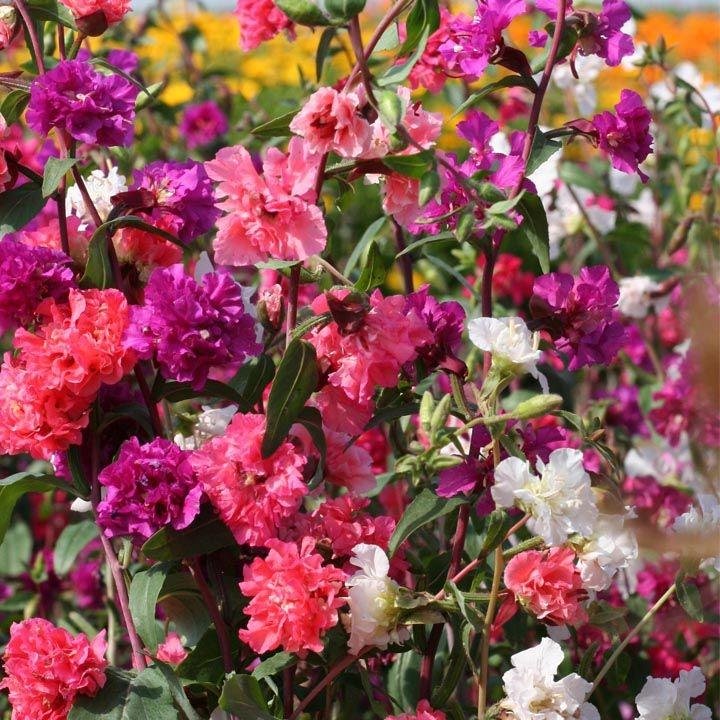
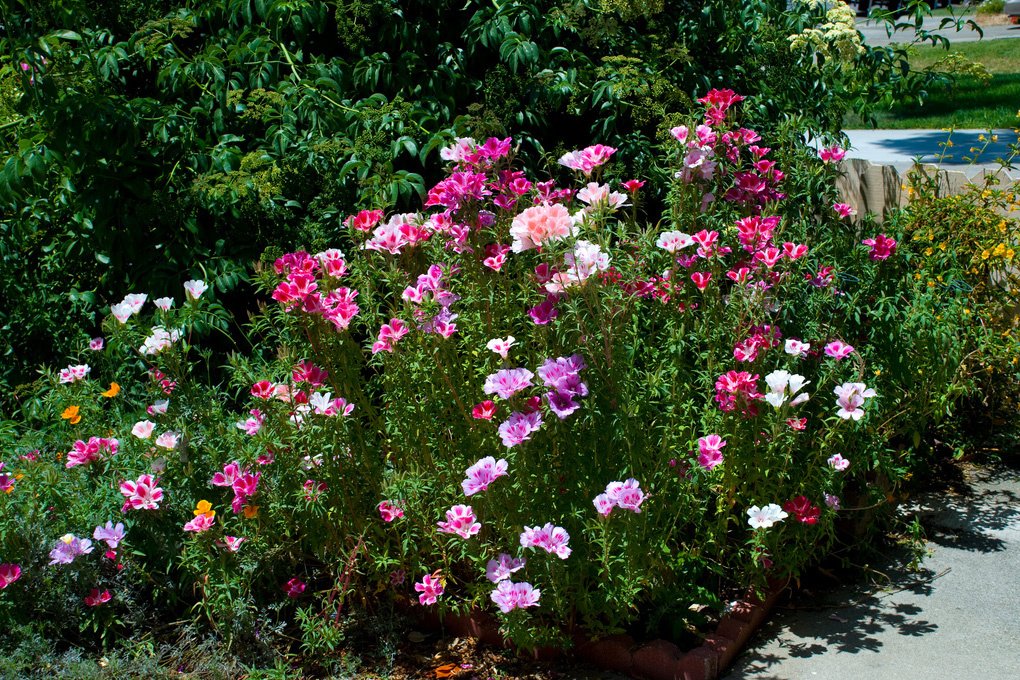
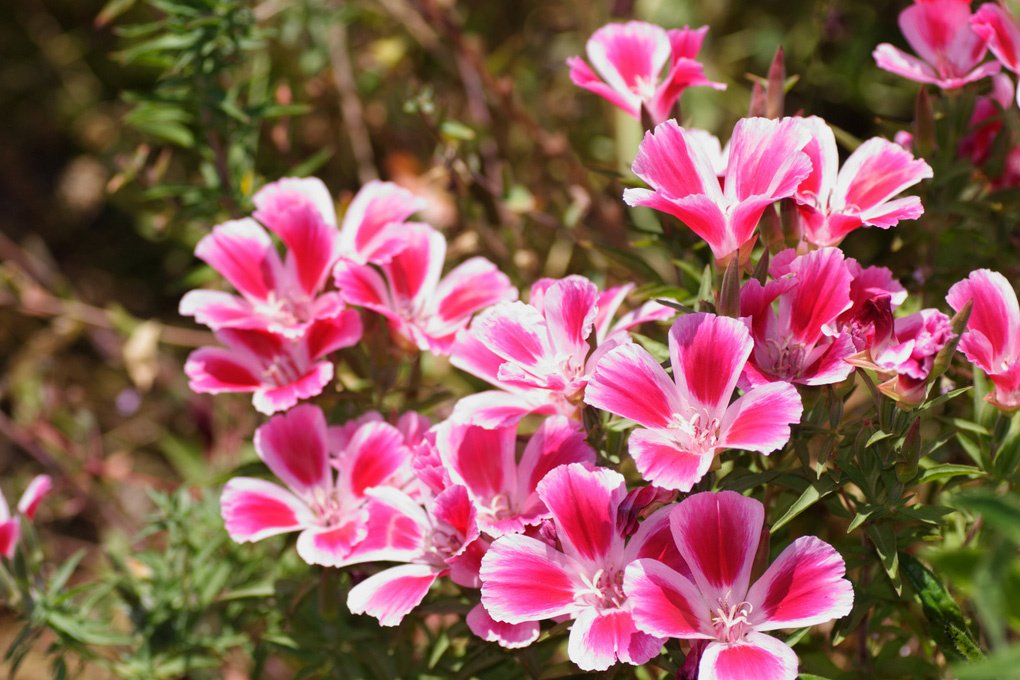
Belonging to the Onagraceae family, there are approximately 40 varieties. The shoots reach approximately 1 m in height, with elongated, bright green leaves. The inflorescences are racemose, the color depending on the cultivar. The flower diameter is 3.5-4 cm.
Seeds are sown directly into open ground in late April or early May. For seedlings, sowing begins in March, so that the flowers can be transplanted to the flowerbed in May.
Photo gallery
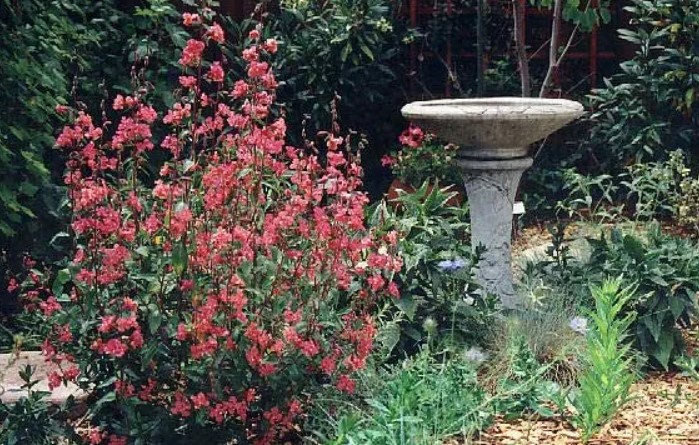
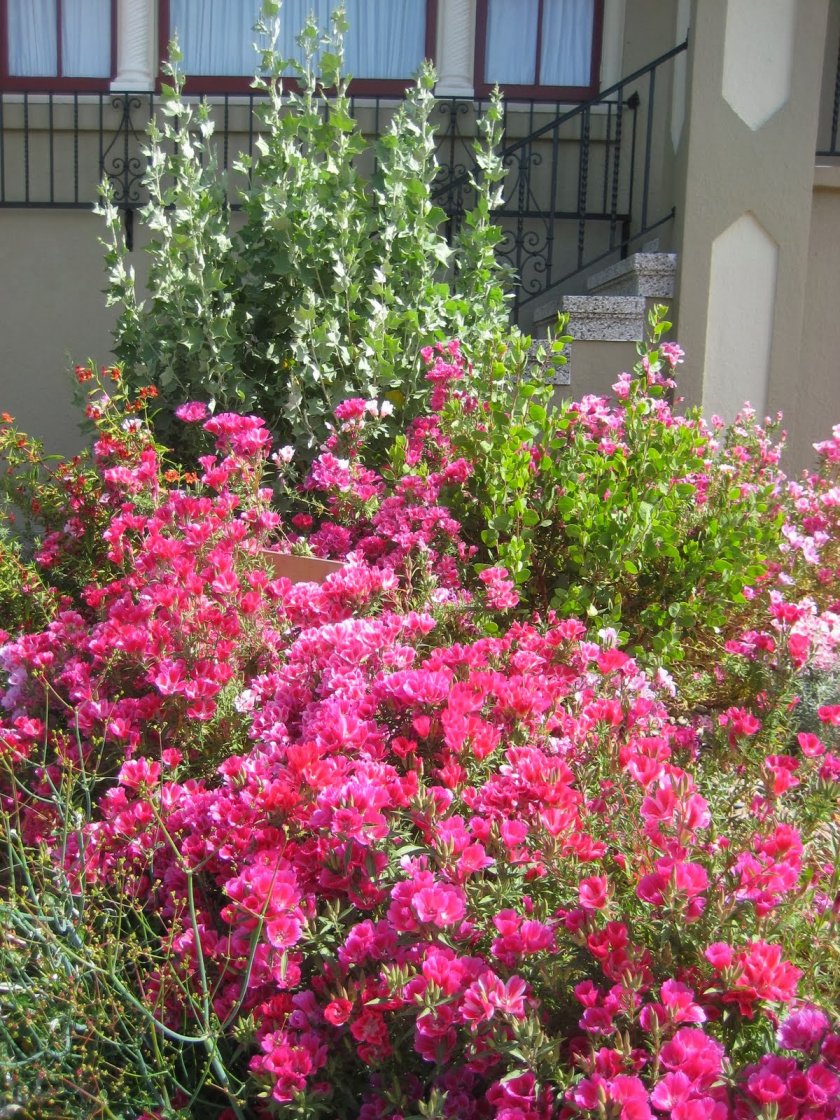
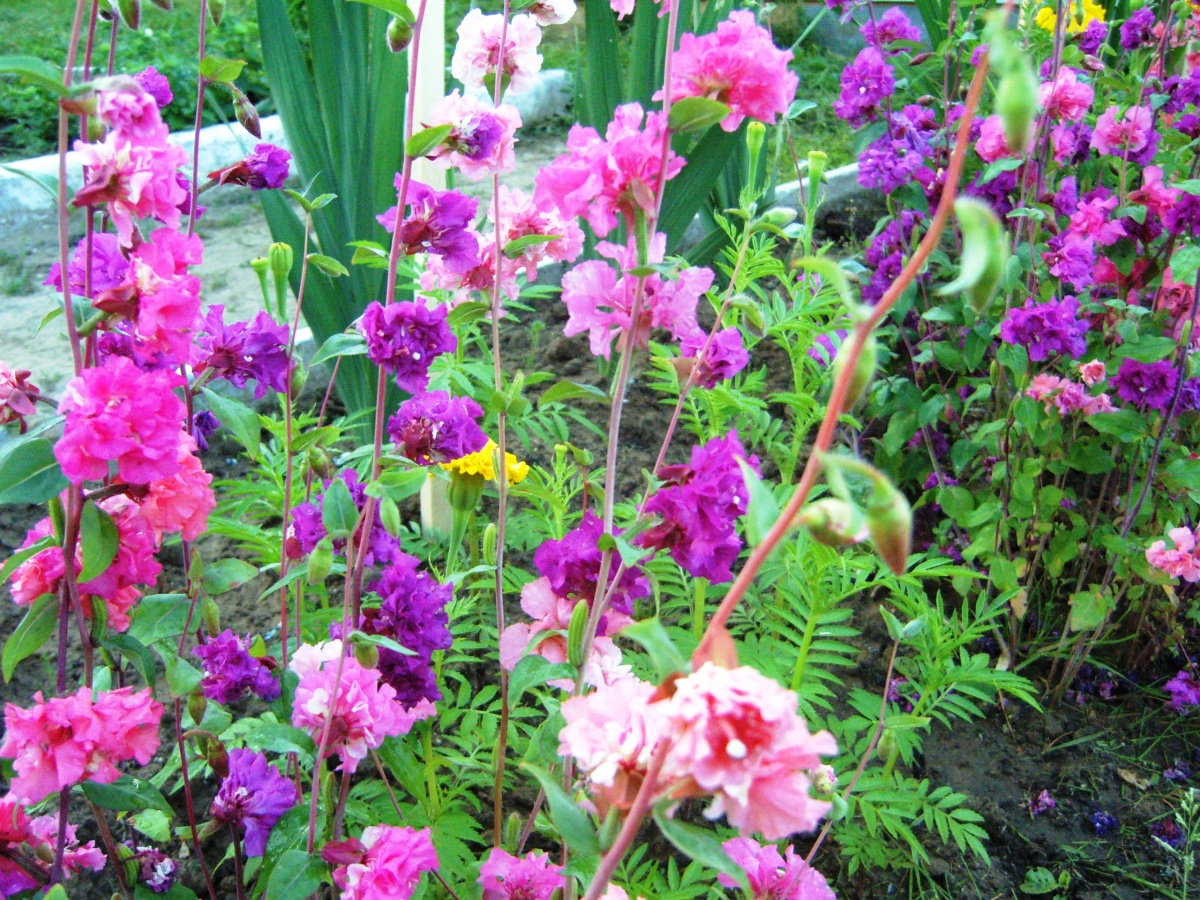
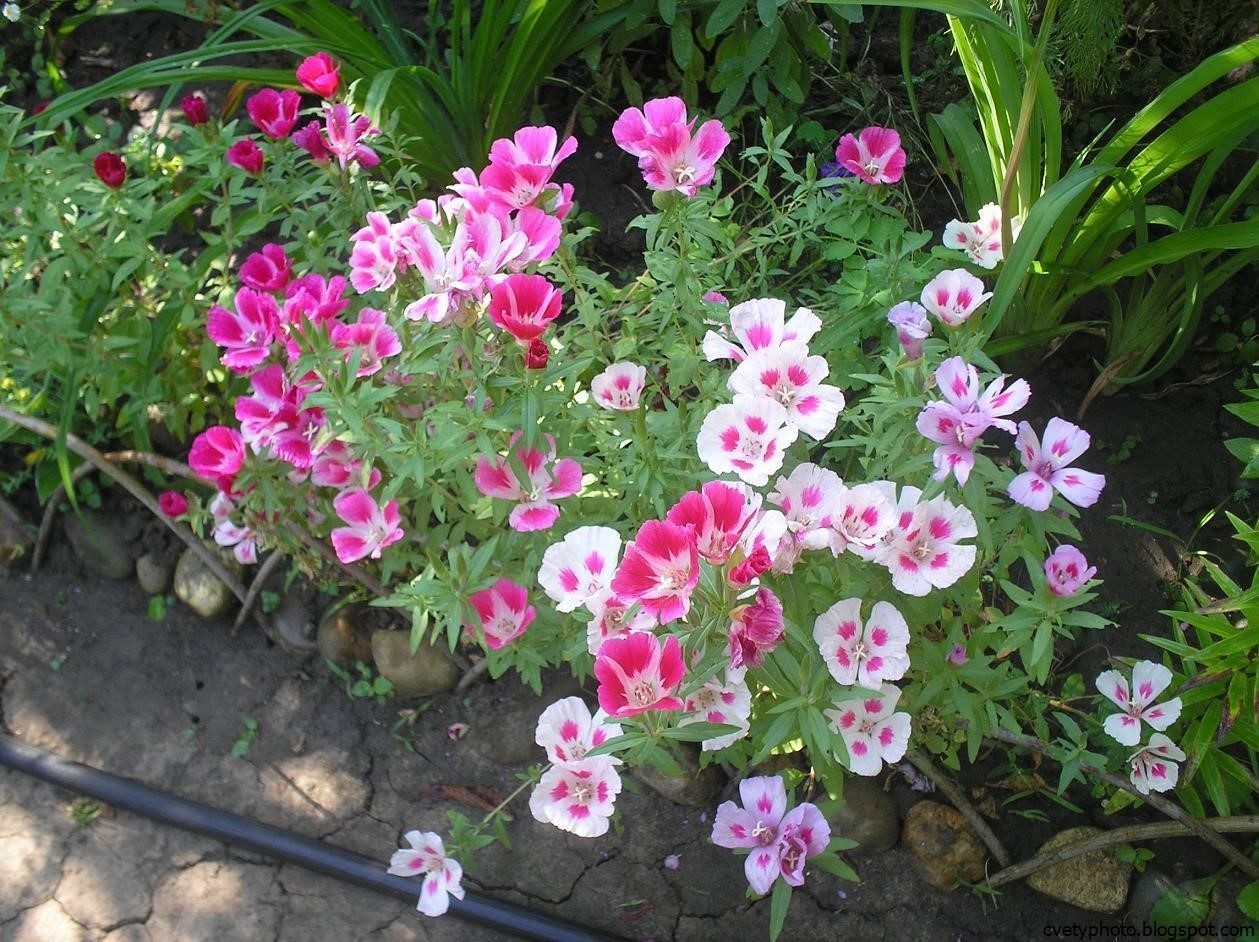
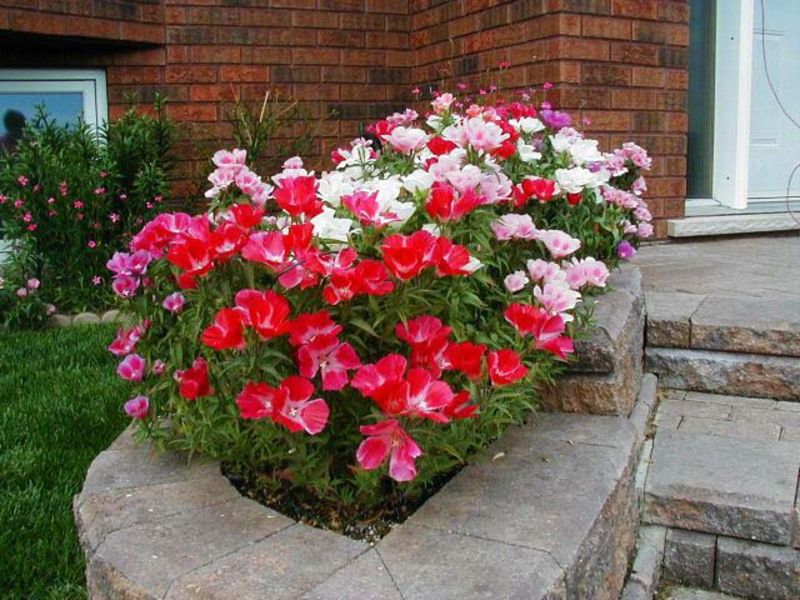
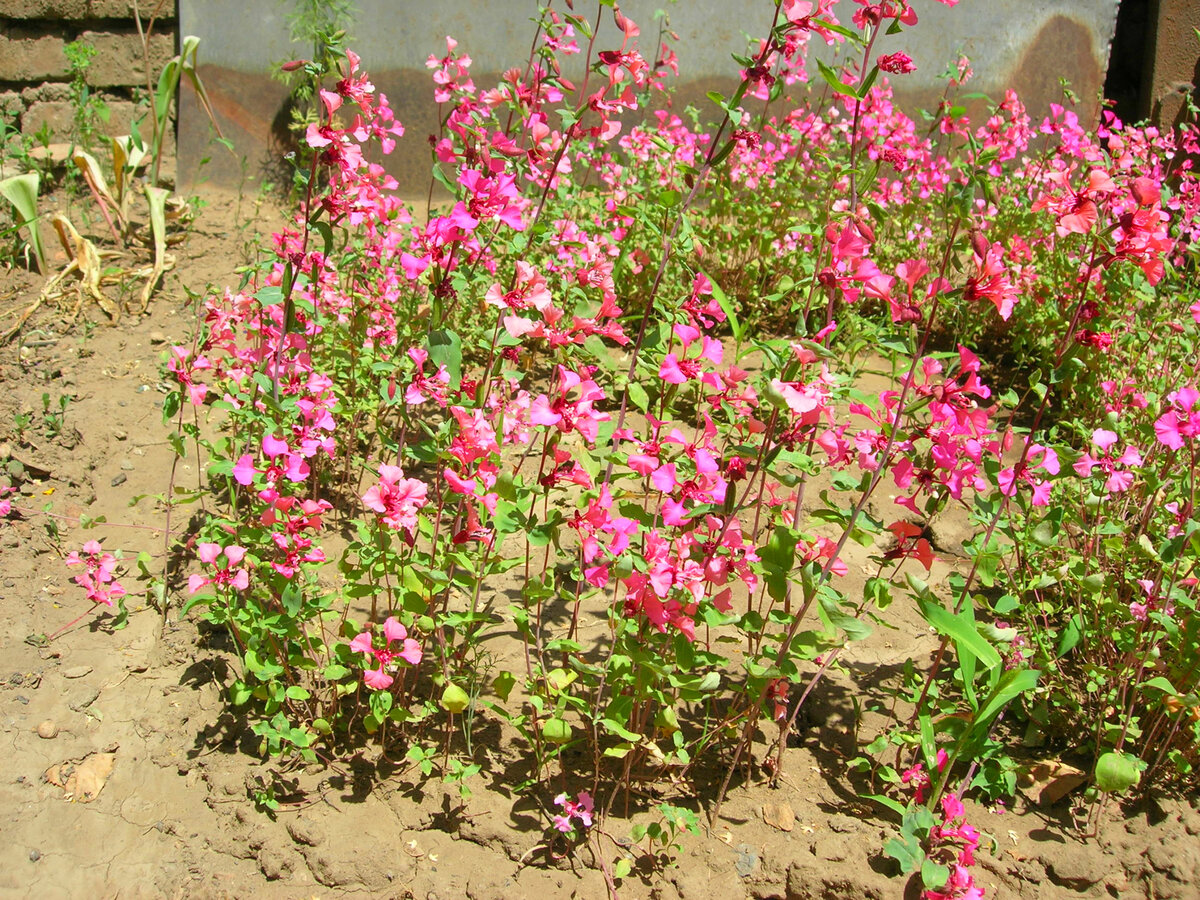
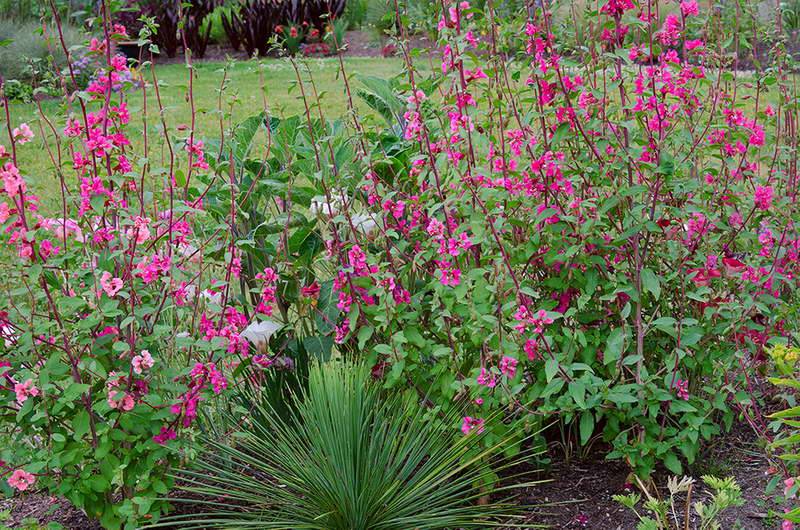
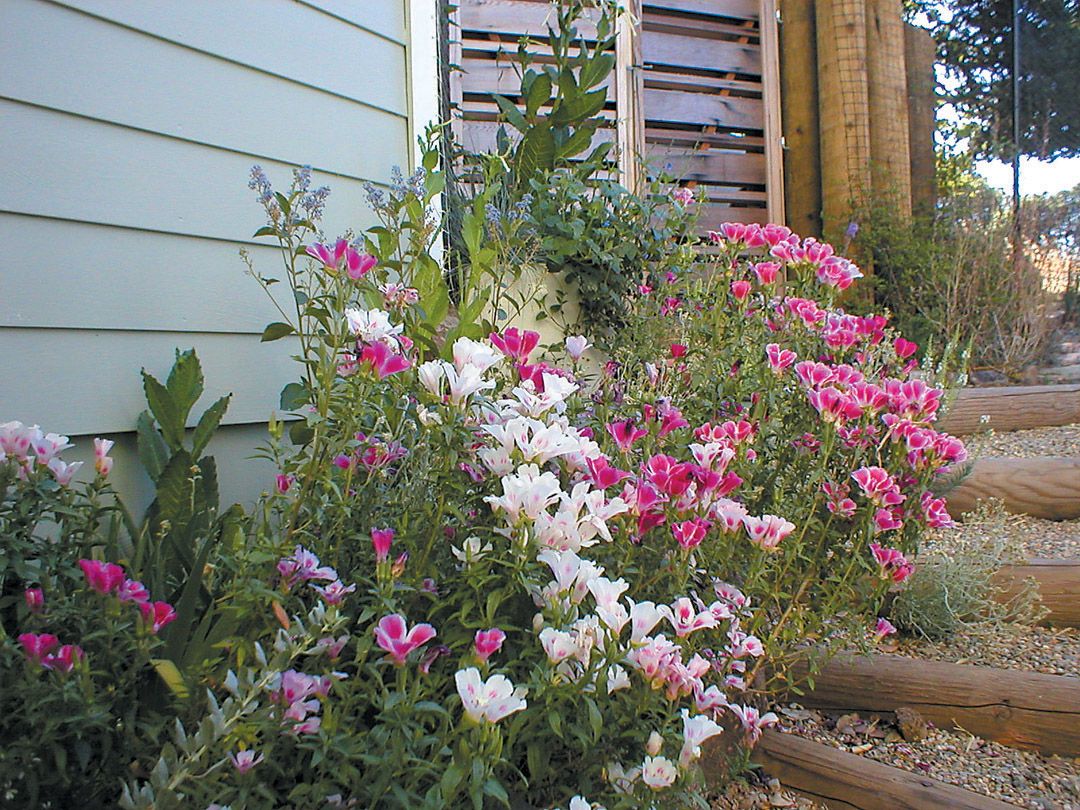
About Clarkia elegans, other species and varieties on the website Top.tomathouse.com.
Coreopsis
This self-sowing flower has a daisy-like appearance, but its flowers are predominantly yellow-orange. The shoots reach 40 cm in height and are easy to grow, so it easily takes root even after being sown directly into the ground. This is done in the first half of May, or in the second half of April in southern regions.
To grow seedlings, seeds begin to germinate from mid-March to the first ten days of April. After 1.5-2 months, the seedlings can be planted in an outdoor flowerbed.
Photo gallery
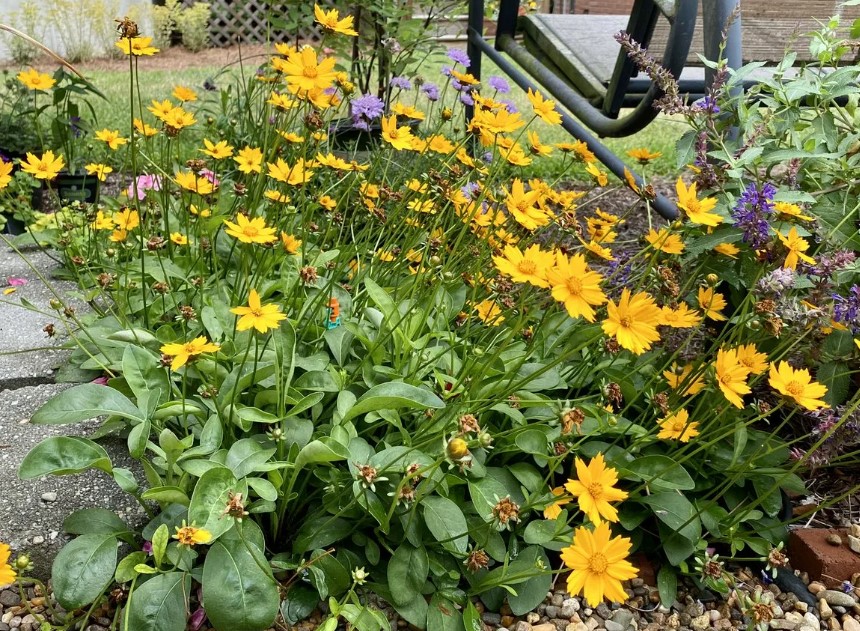
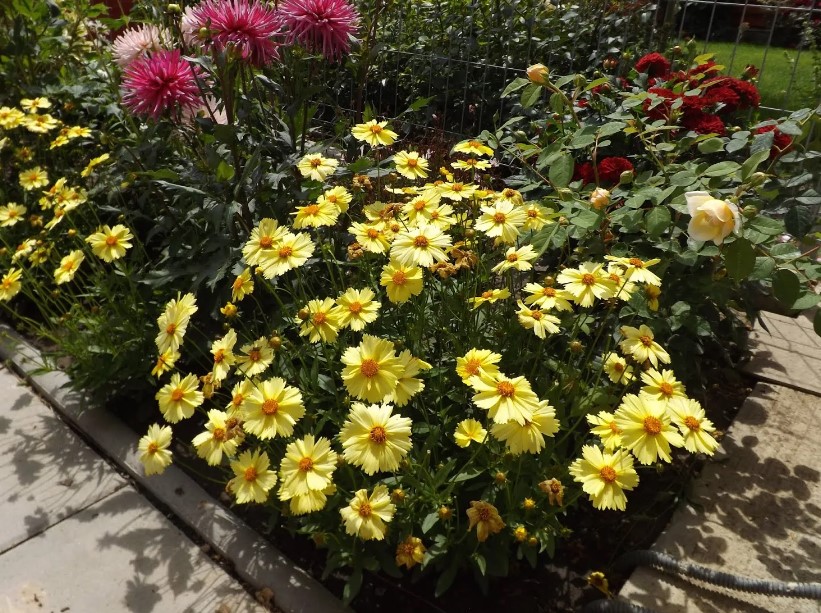
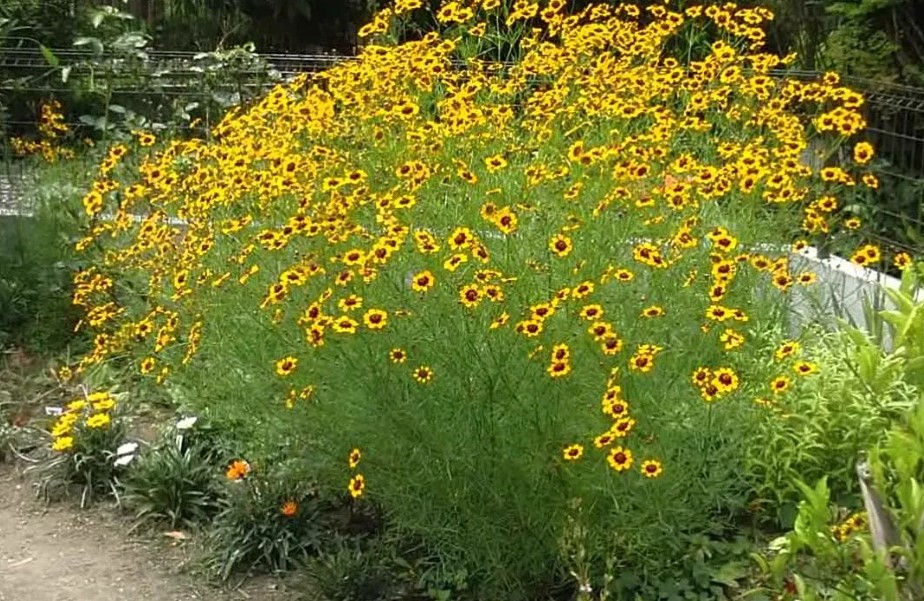
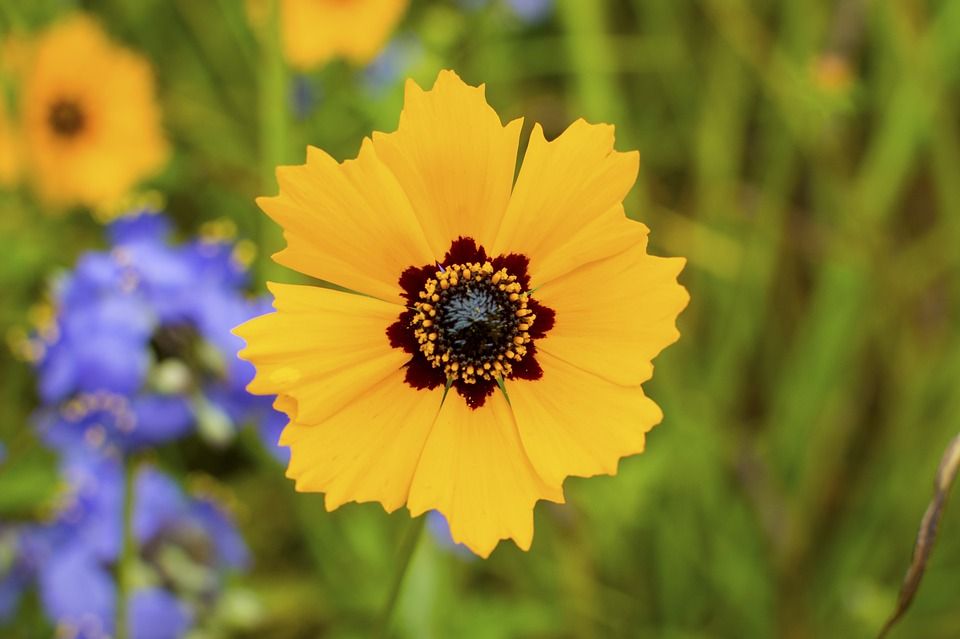
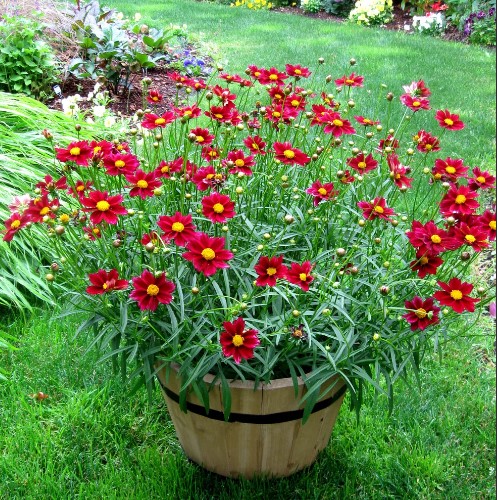
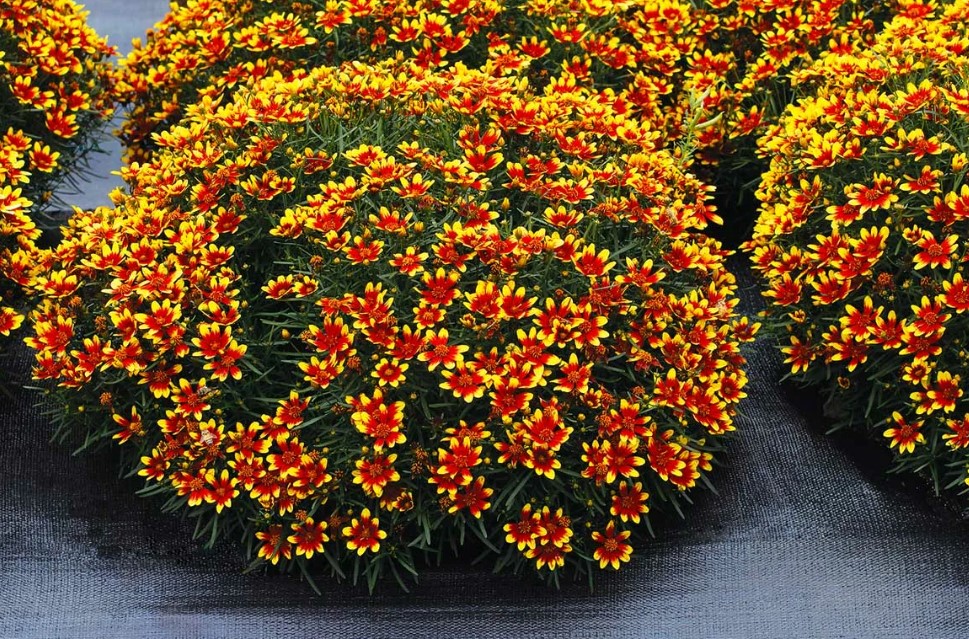
Find out more about coreopsis.
Cosmos
This flower is also known as the "Mexican Aster." It's an extremely easy-to-grow plant, suitable even for novice gardeners.
The stems are elastic, erect, from 50 to 150 cm in height. The flowers are large, up to 12 cm in diameter, the color can be from white to purple depending on the variety.
Seeds in open ground cosmosPlant in late May or early June, initially covering the bed to protect it from cold snaps. In southern regions, planting times may be delayed by 2-3 weeks.
Seeds are sown from seedlings in late March to early April. The seedlings are transplanted to a permanent bed in the second half of May, when the soil has warmed to 12°C.
Photo gallery
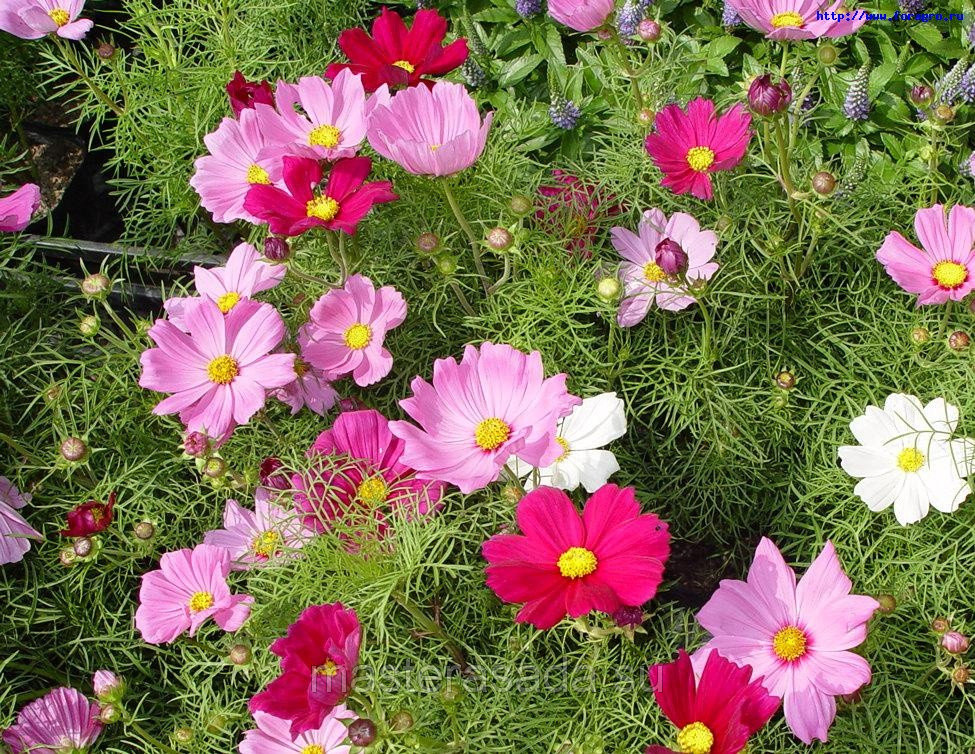
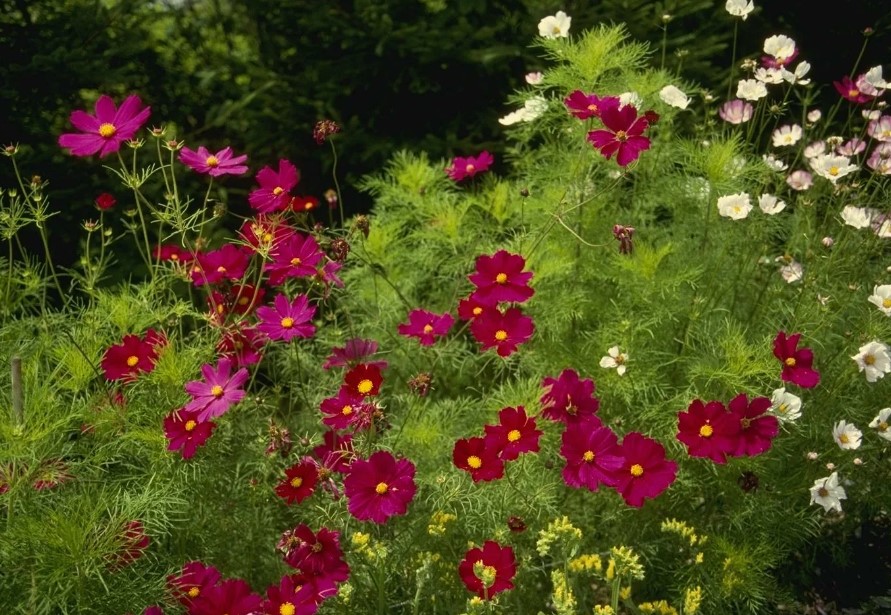
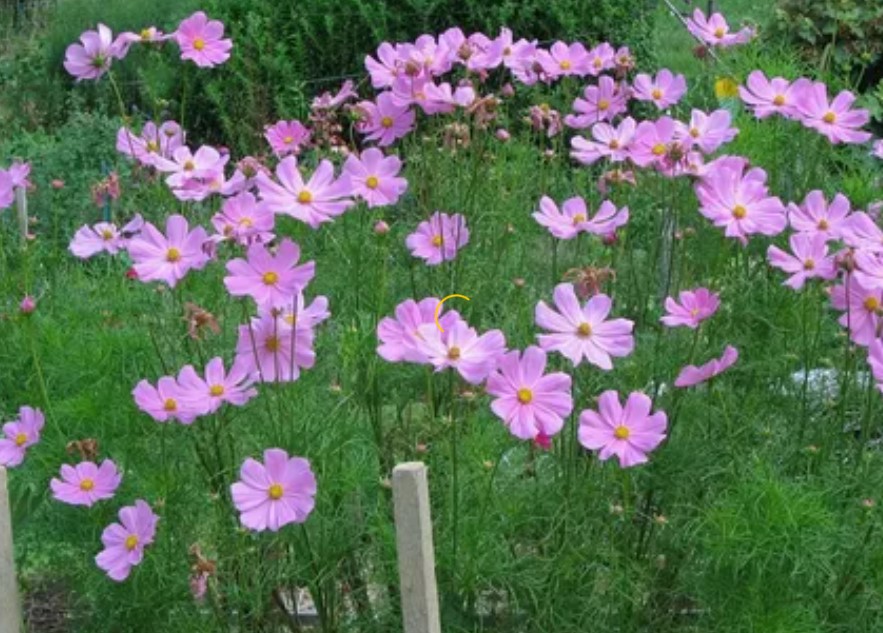
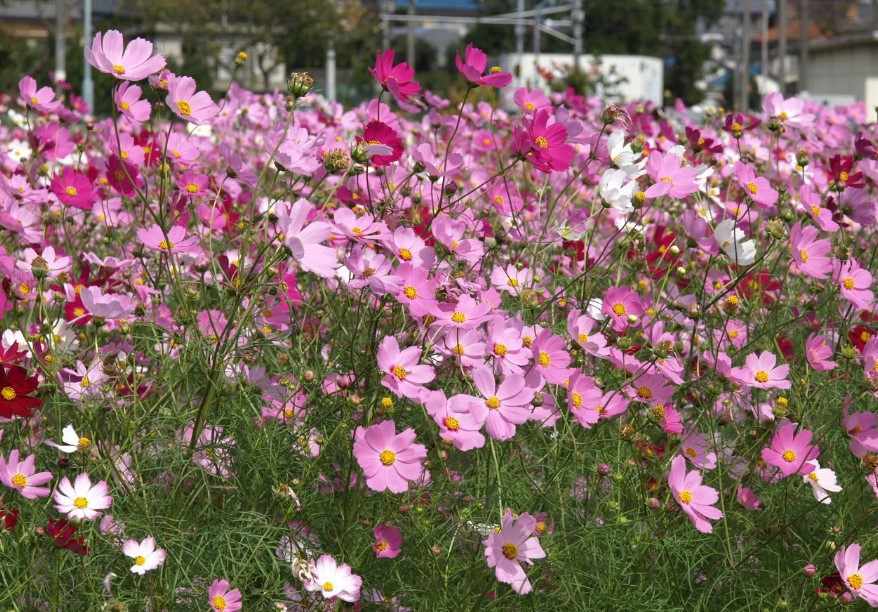
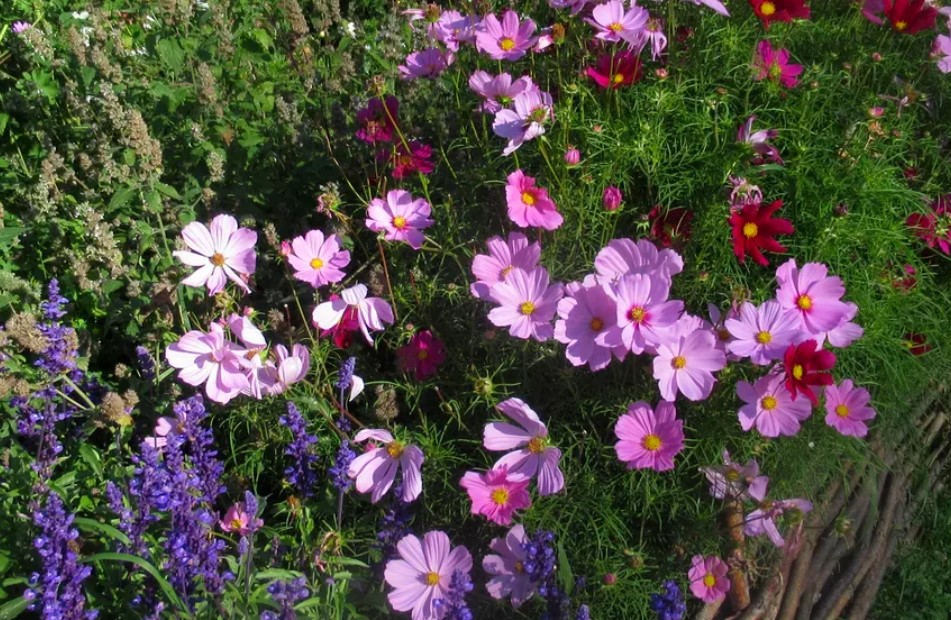
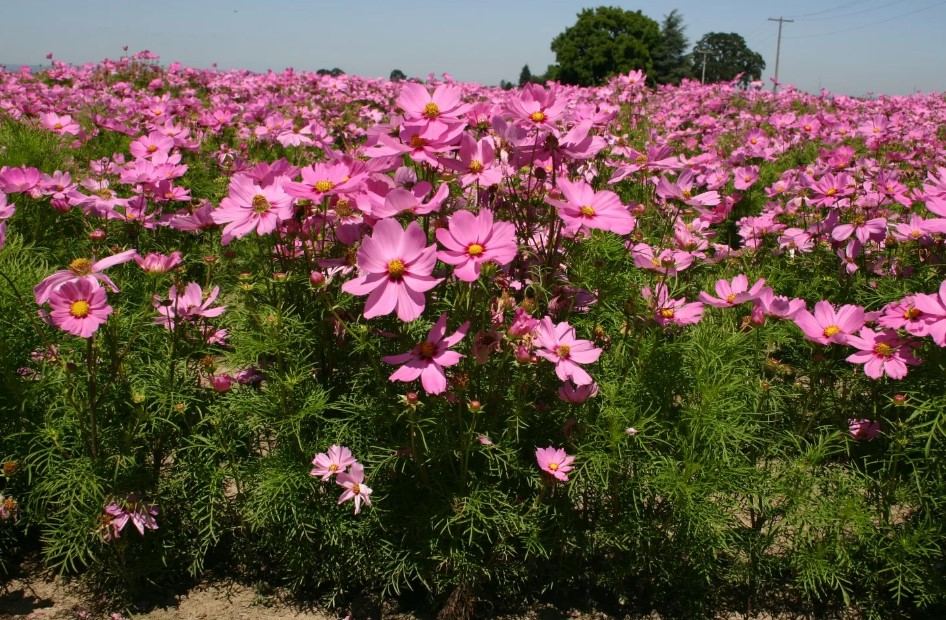
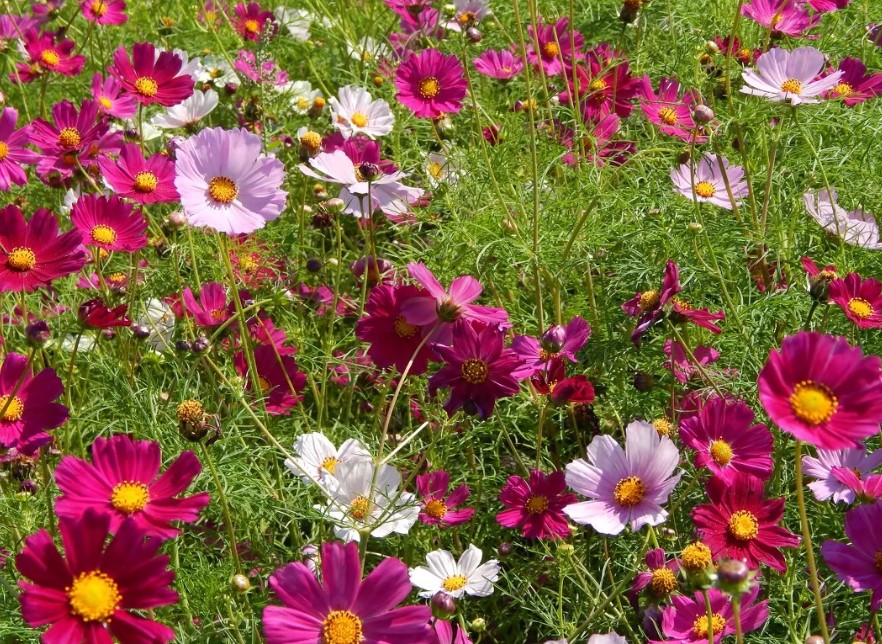
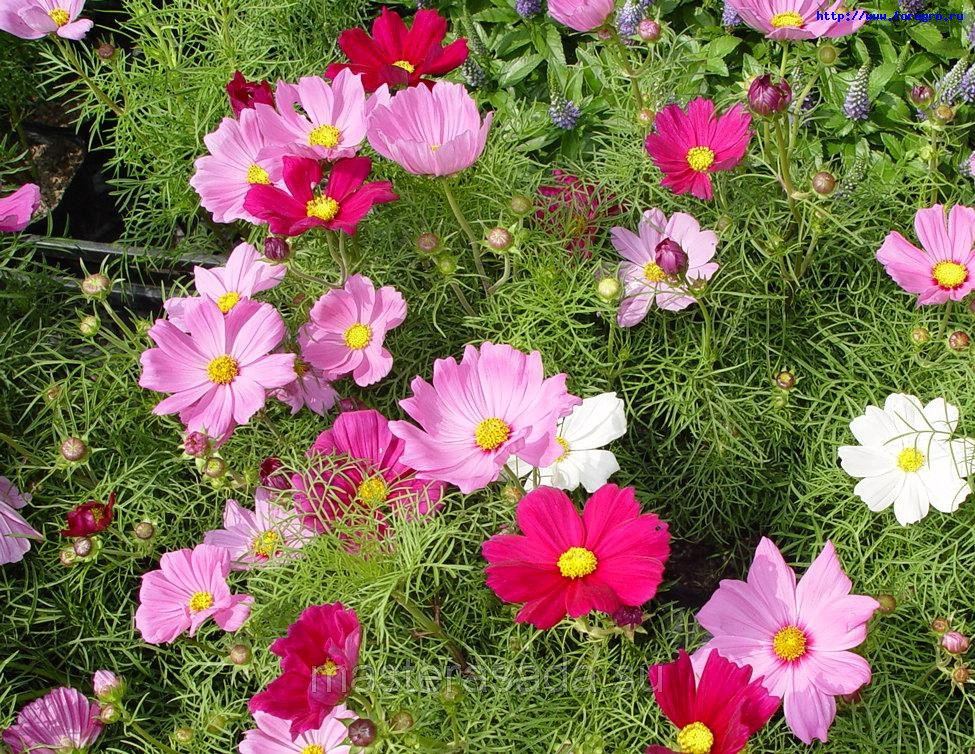
U cosmos many beautiful varieties: chocolate, terry, Sensation and others.
Lavatera
The plant belongs to the Malvaceae family. The shoots range in height from 50 to 200 cm. The leaves are large and lobed. The crown is robust, covered with buds up to 10 cm in diameter. The petals can be yellow, pink, white, ruby, or purple. Flowering lasts from June to October.
Seeds can be sown directly into open ground, which is done in the second half of May. When sowing seedlings, work begins in the second half of March, so that the flowers can be planted outdoors in the third ten days of May.
Photo gallery
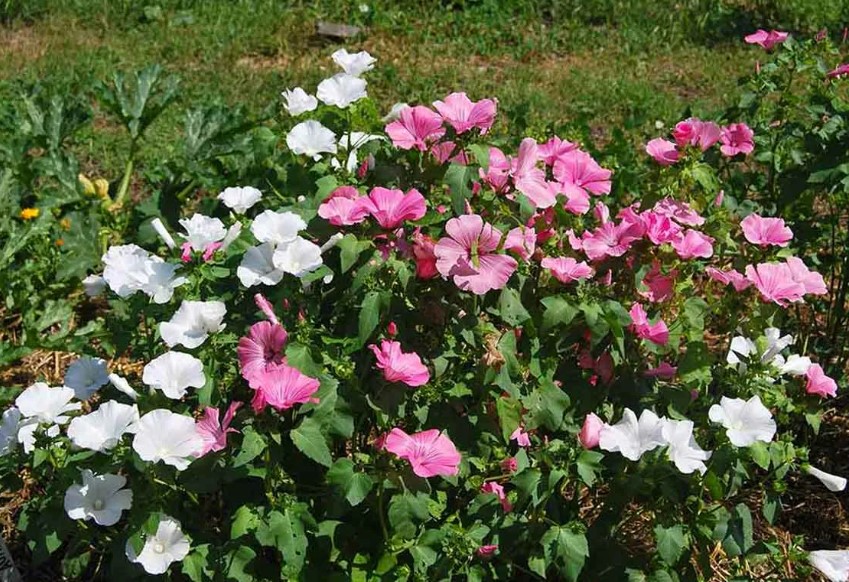
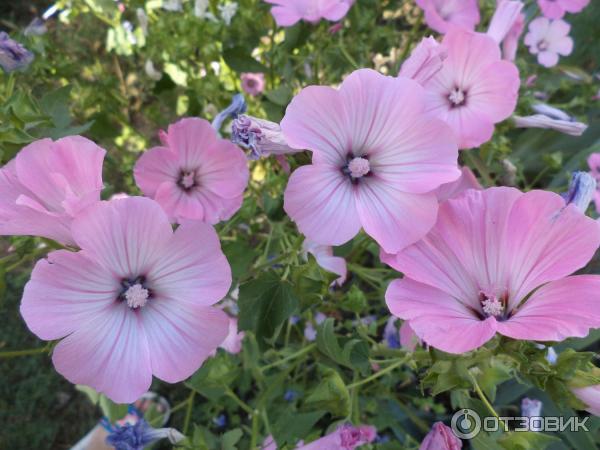
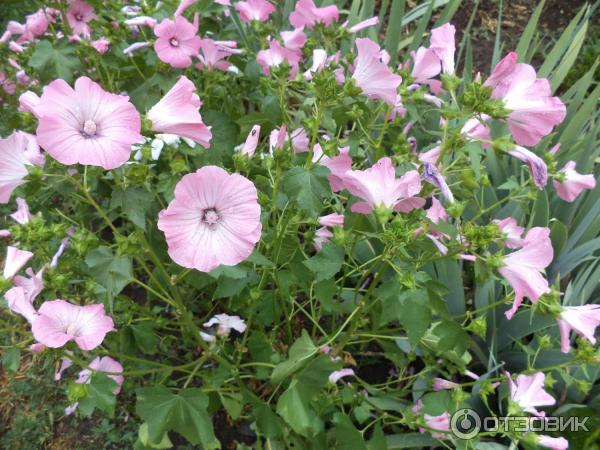
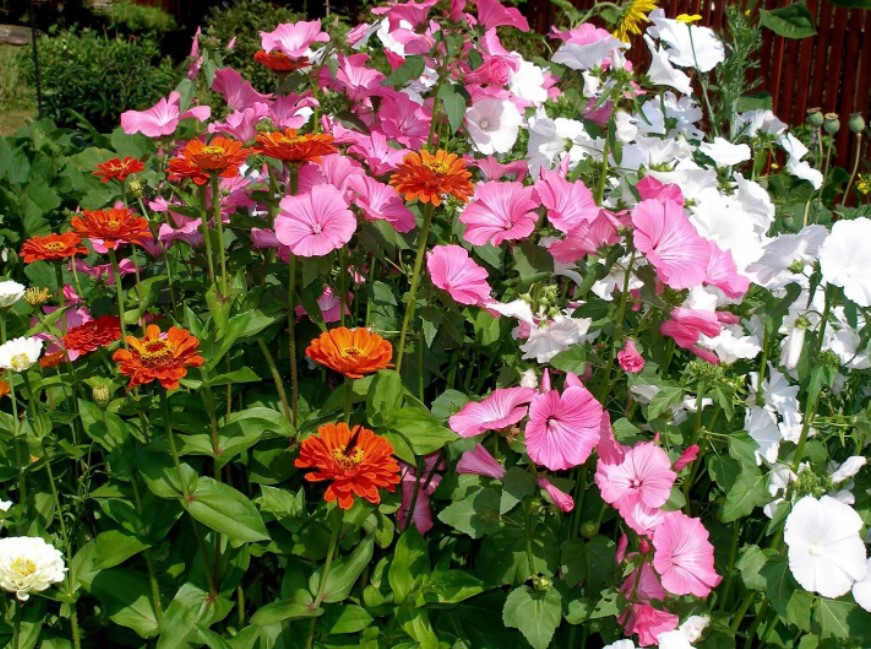
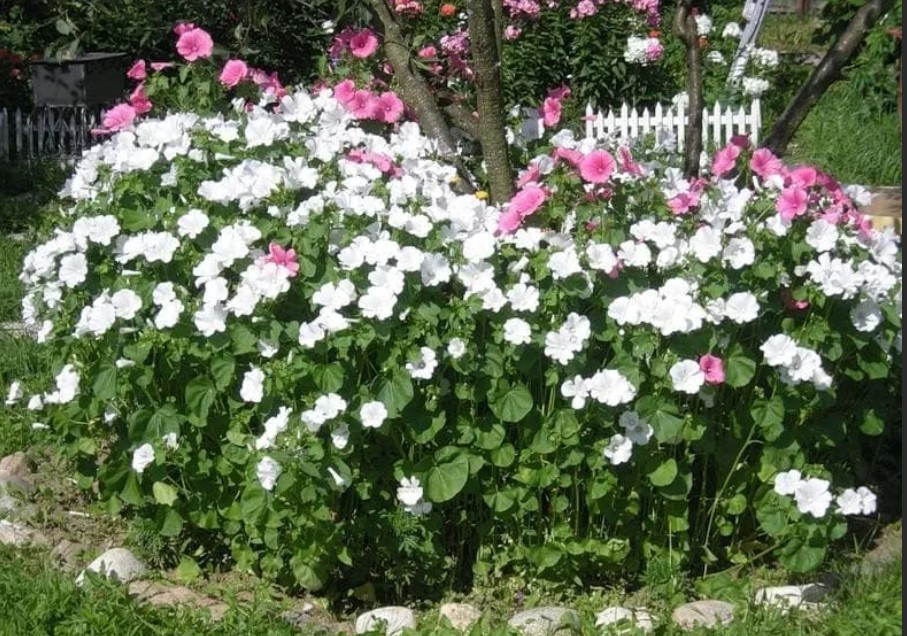
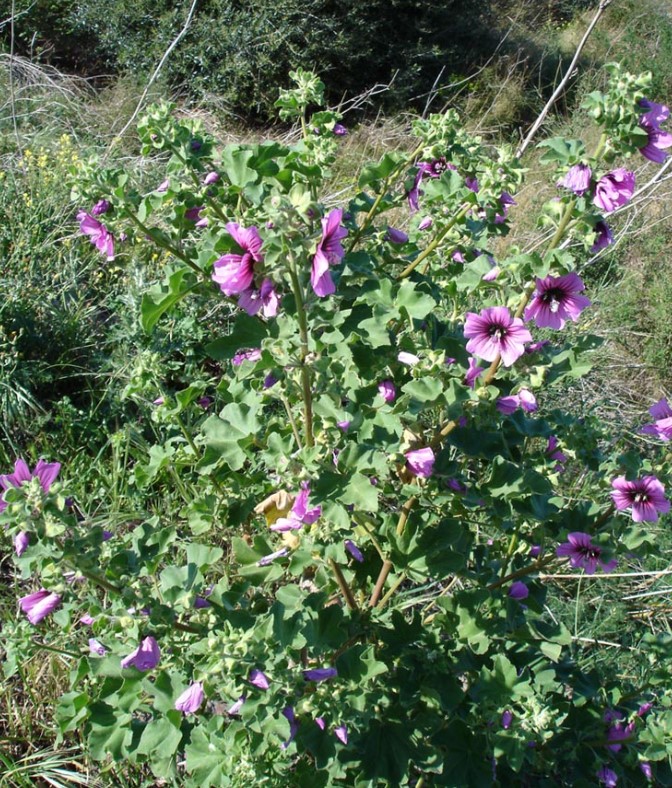
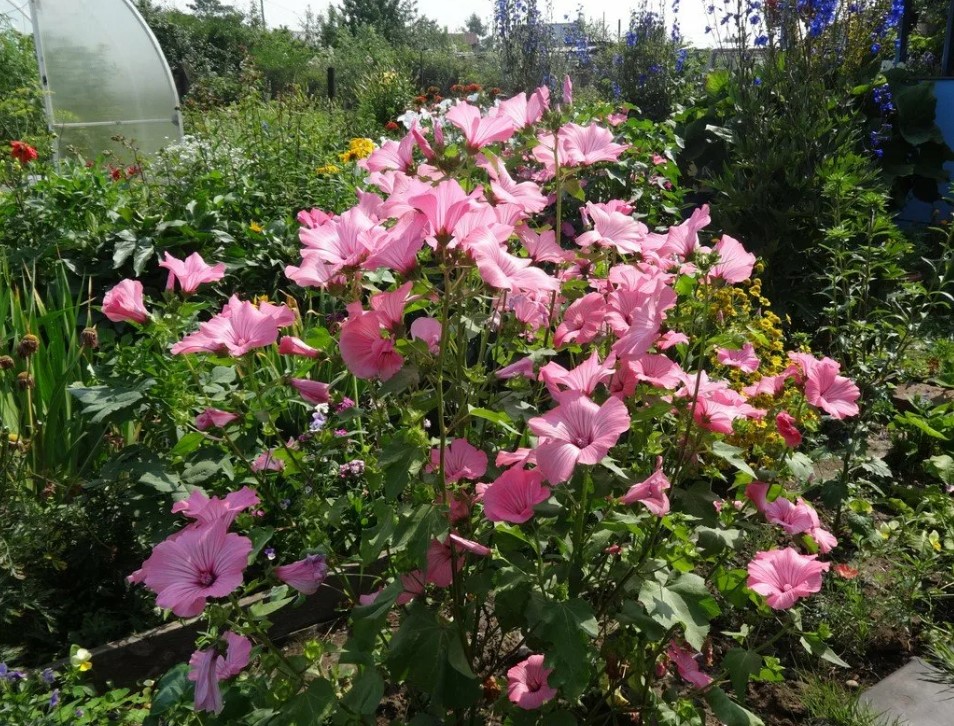
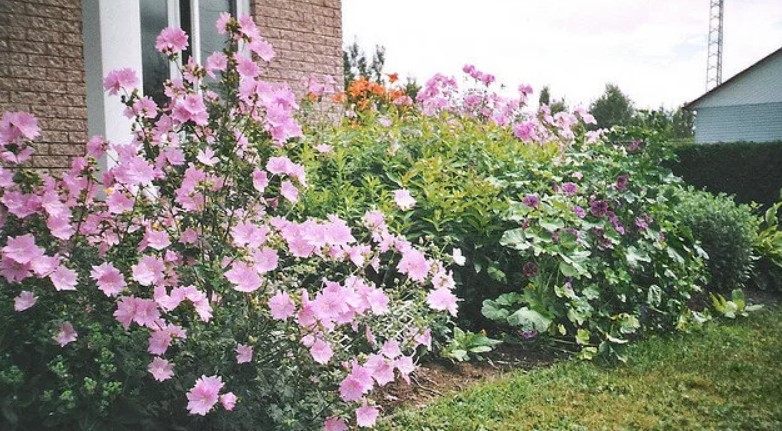
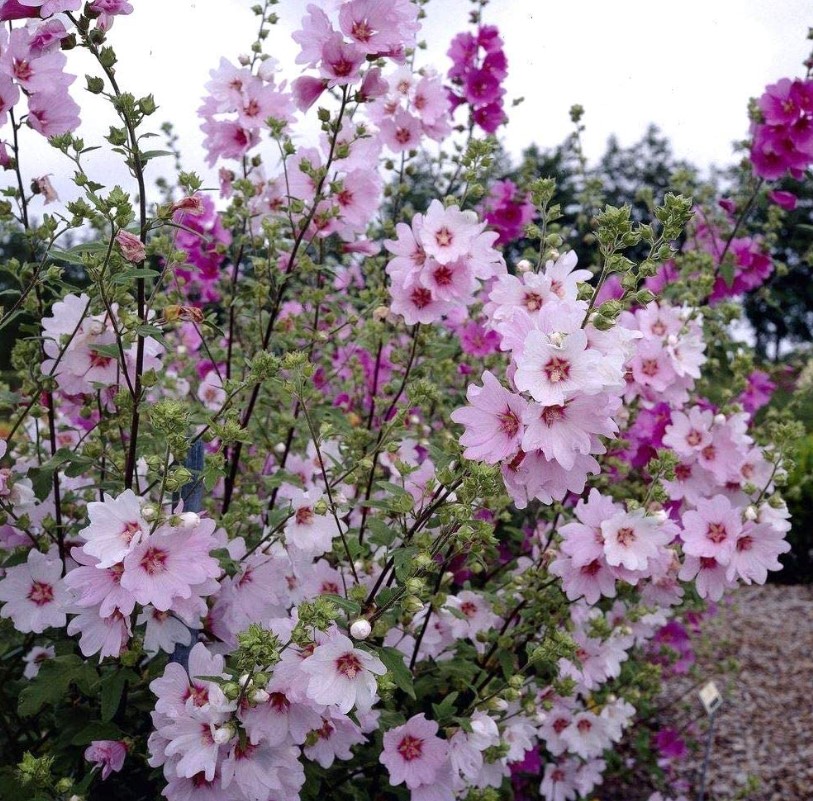
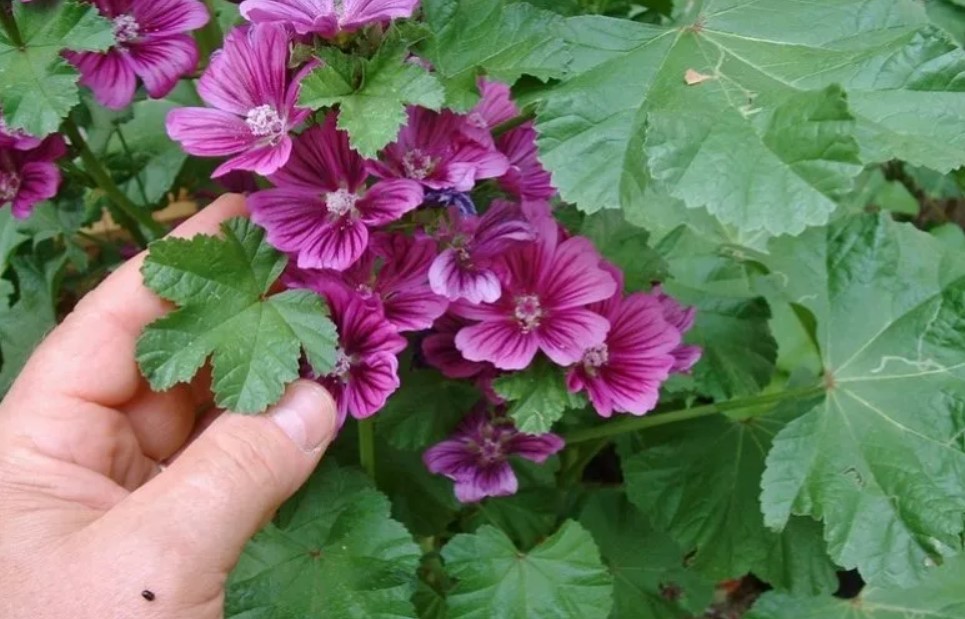
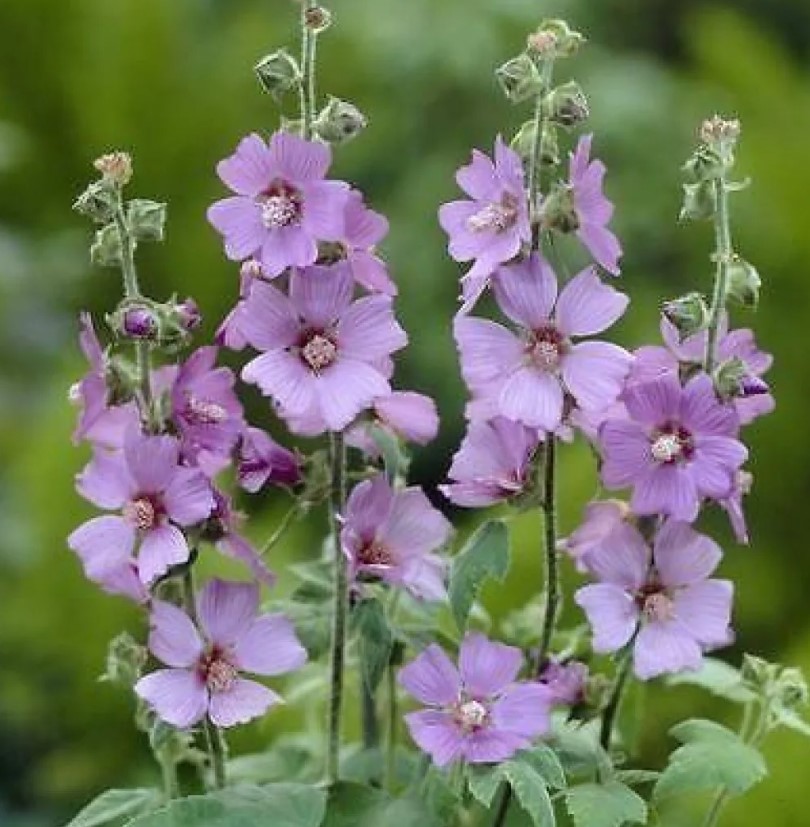
U lavaters there are many species and varieties, it can be perennial, annual.
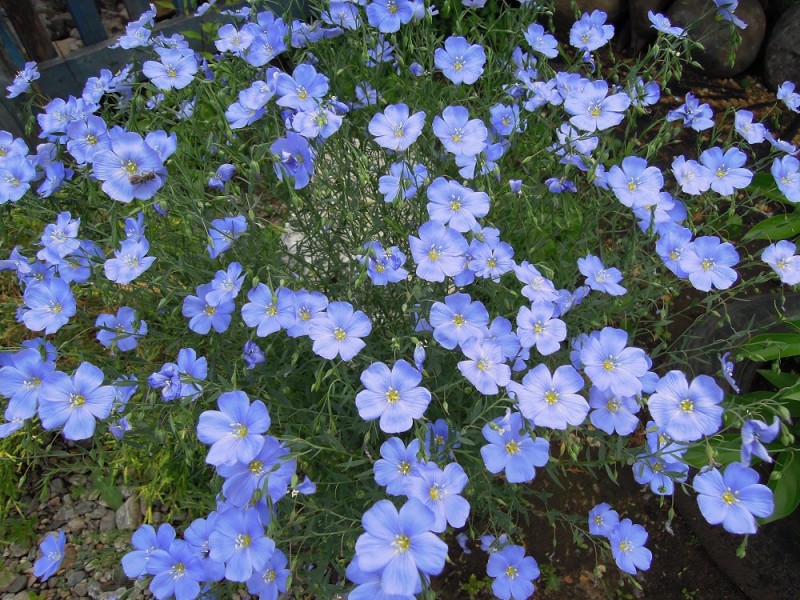
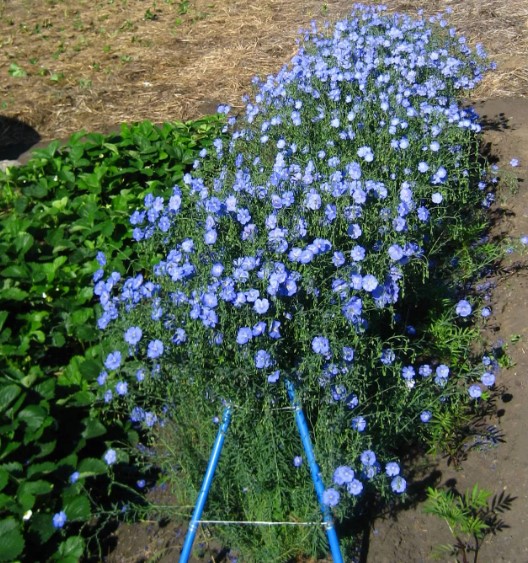
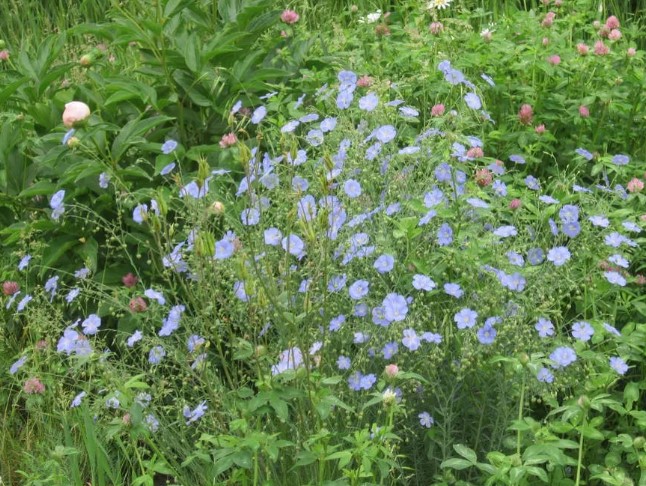
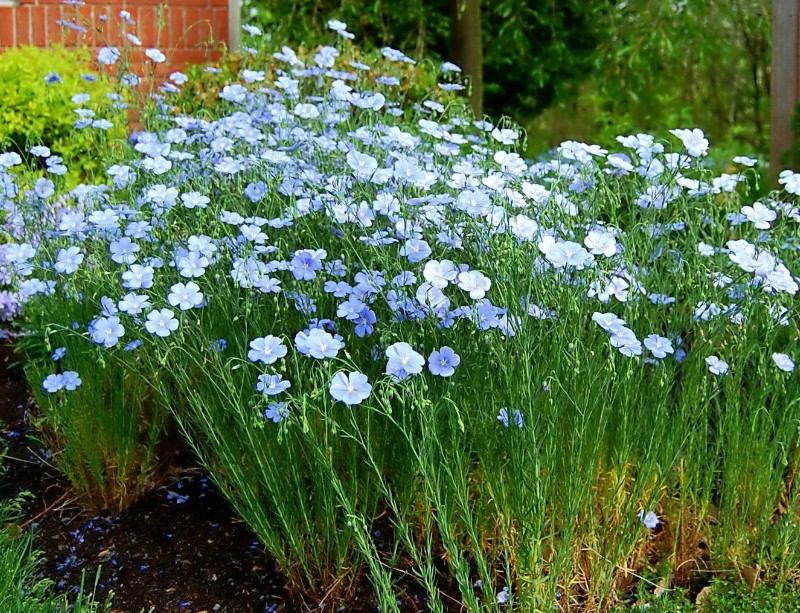
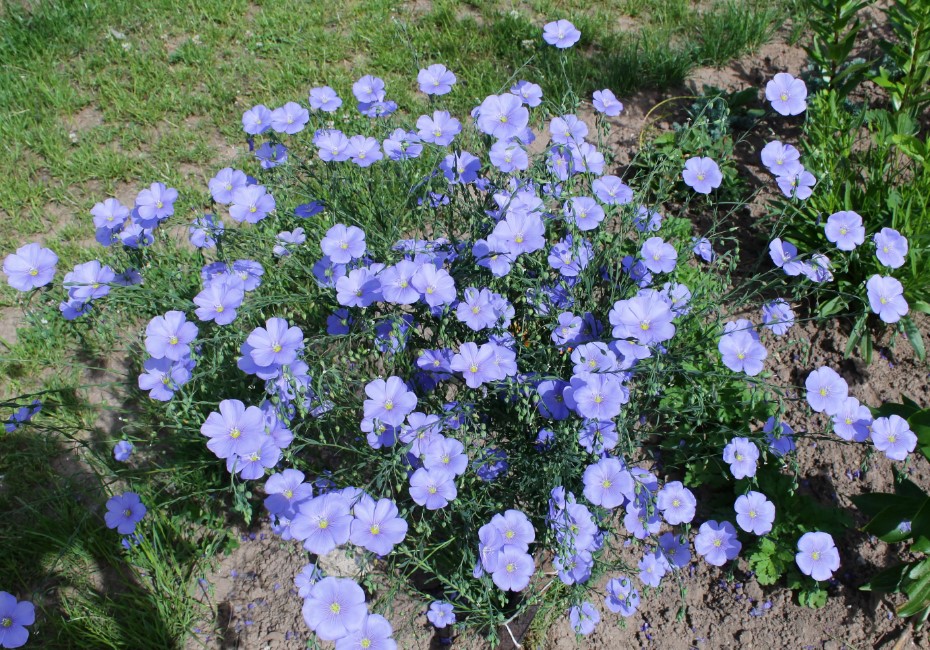
Flax
Low-growing, compact bushes no more than 50 cm tall. Flowers vary in size, from small to large. Color: bluish, pinkish, or white.
Flax does not tolerate waterlogged soil, so it should not be planted in areas where moisture stagnates.
Seeds can be sown directly into the ground from late April to early May, leaving 20 cm between rows. Flax is resistant to short-term frosts down to -3°C.
If desired, you can grow it using seedlings. Sowing is done in mid-March. It is advisable to plant the seeds directly in separate containers to make it easier to transplant them in mid-May.
Photo gallery
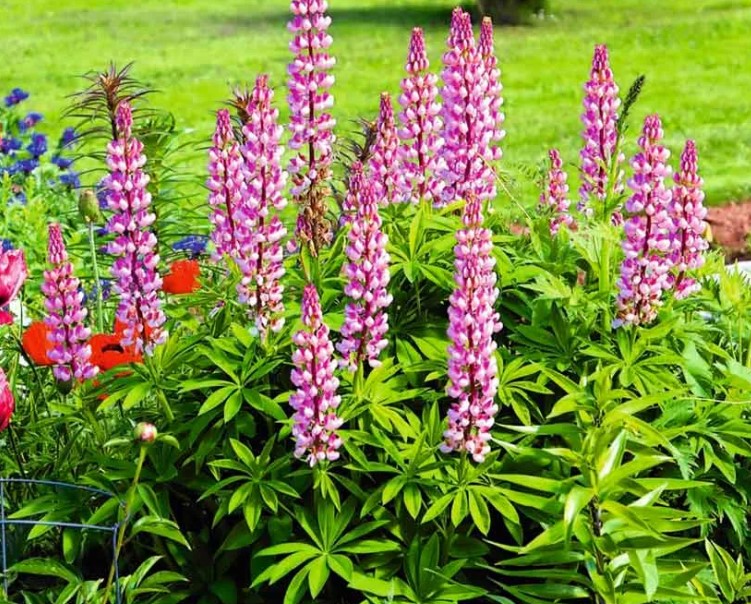
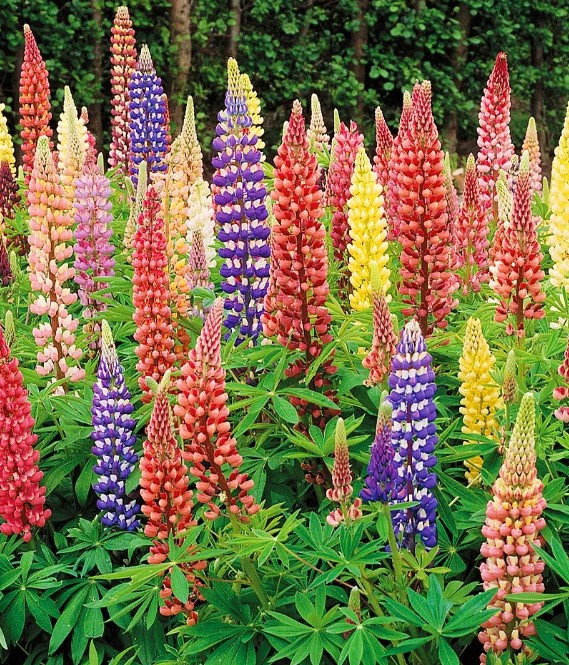
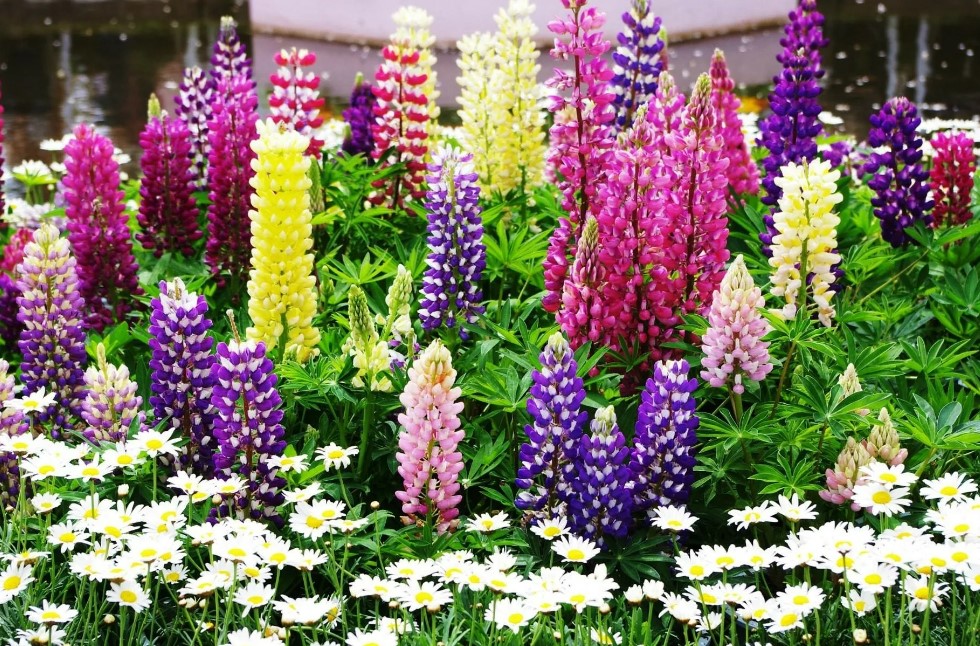
Lupine
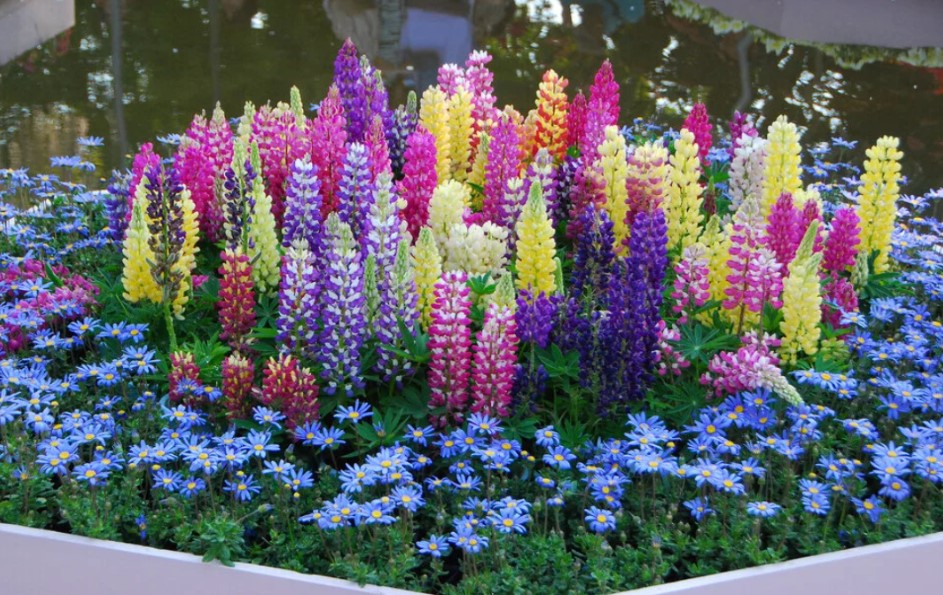
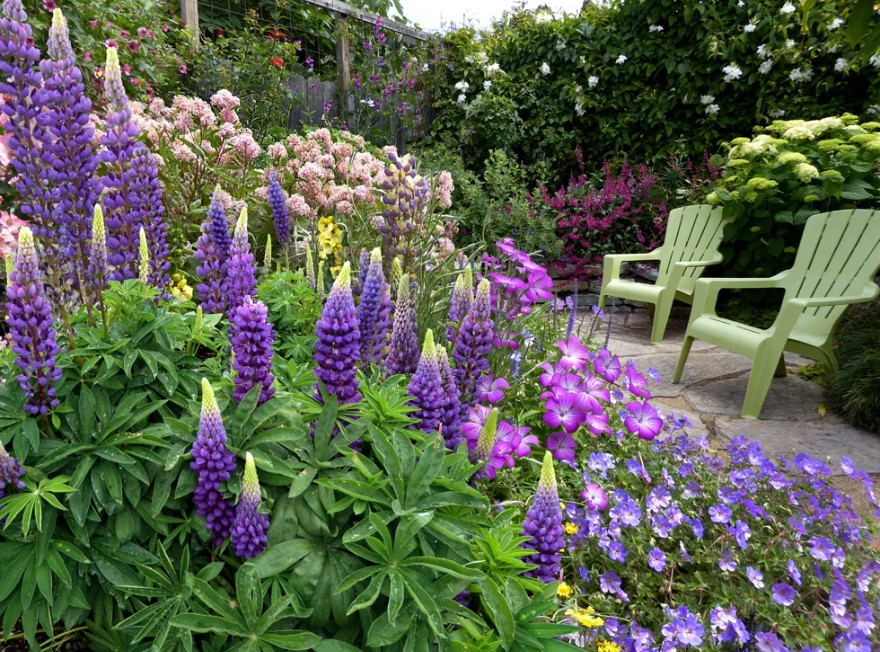
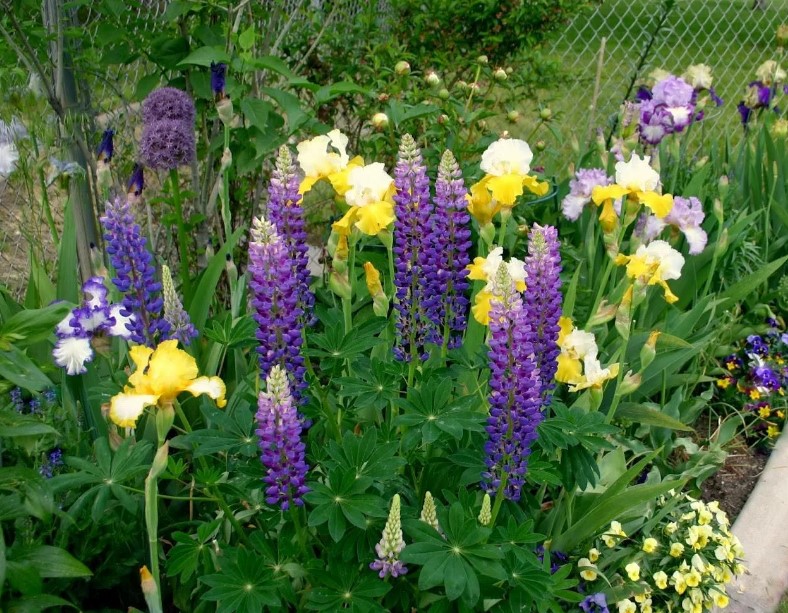
Belonging to the legume family, it is distinguished by its well-developed root system. The shoots reach 50-120 cm in height. Flowers come in a variety of shades, and the palette can vary even on a single plant.
In warmer regions, seeds can be planted directly in open ground, covered with plastic. However, it is best to use the seedling method, Lupines They will bloom faster and be stronger. Seeds for seedlings are planted at the end of February. It is advisable to use deep peat pots, as the central root is very long and can be easily damaged during transplanting.
Photo gallery
Pyrethrum
Another name for this flower is Persian chamomile. It is distinguished by its upright stem, 50 to 70 cm tall, and large buds, 3 to 6 cm in diameter. The flower can be white with a bright center or bluish-lilac.
The flowering period begins in June and lasts about a month.
Seeds are sown for seedlings in early March; the first shoots appear within a week, and in mid-March the flowers are moved to a permanent outdoor flowerbed.
Seeds are sown in open ground at the end of May - beginning of June; after the seedlings appear, the flowers are thinned out, leaving a gap of 20 cm between them.
Photo gallery
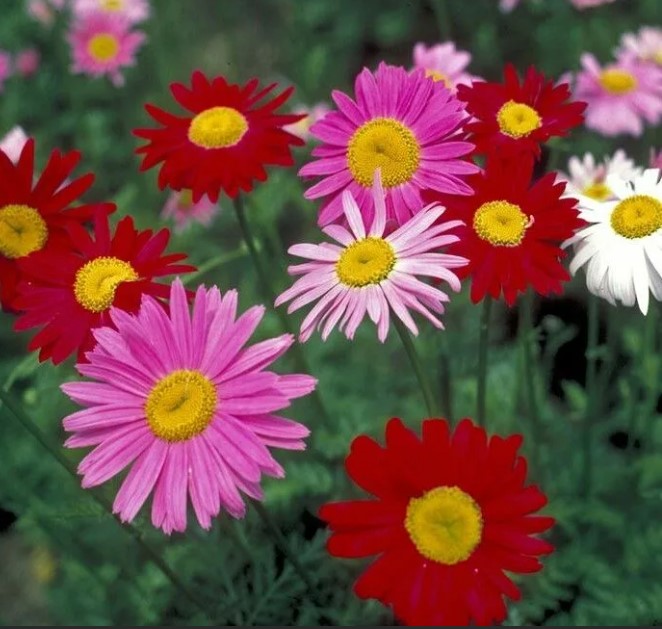
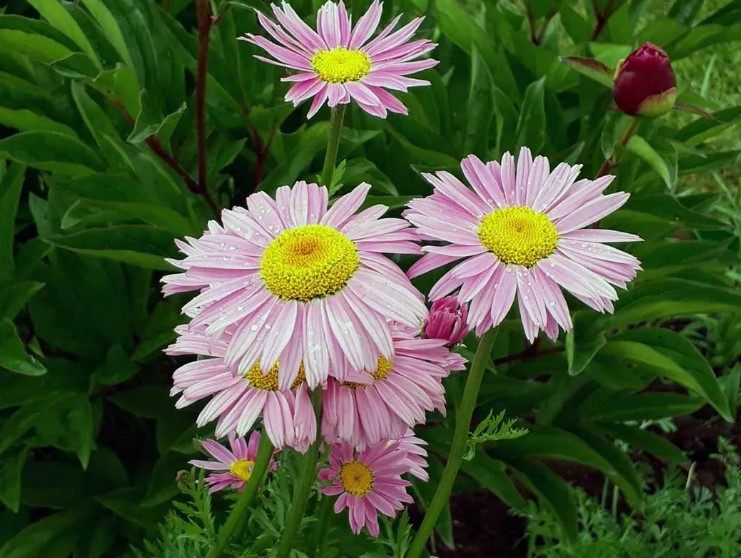
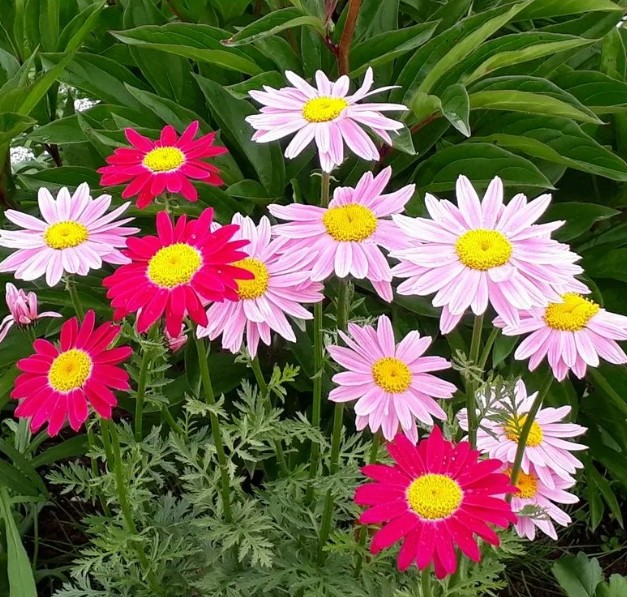
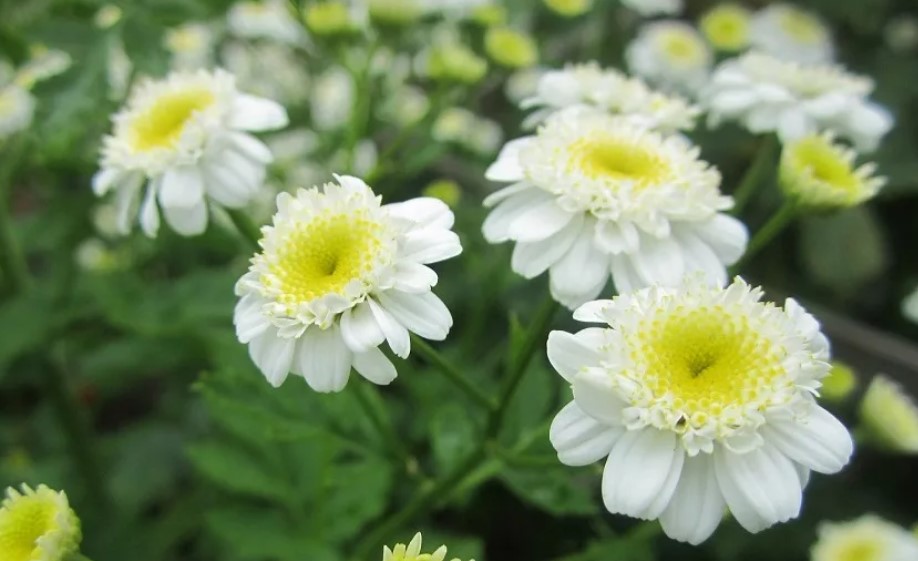
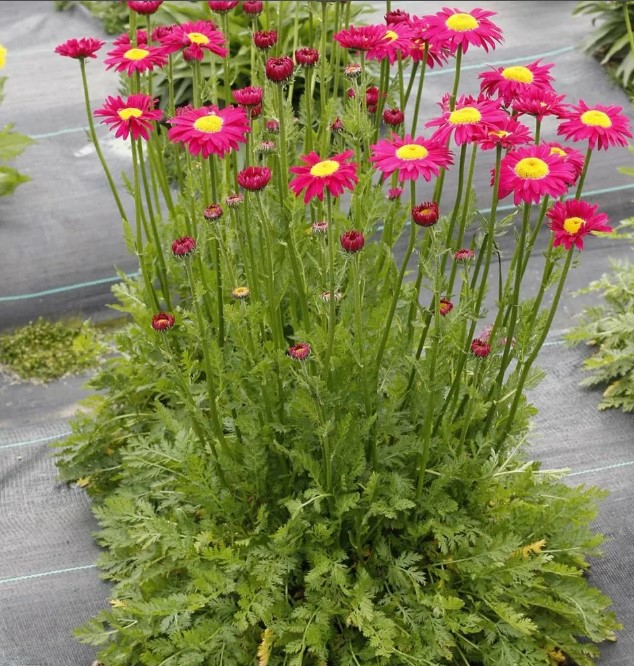
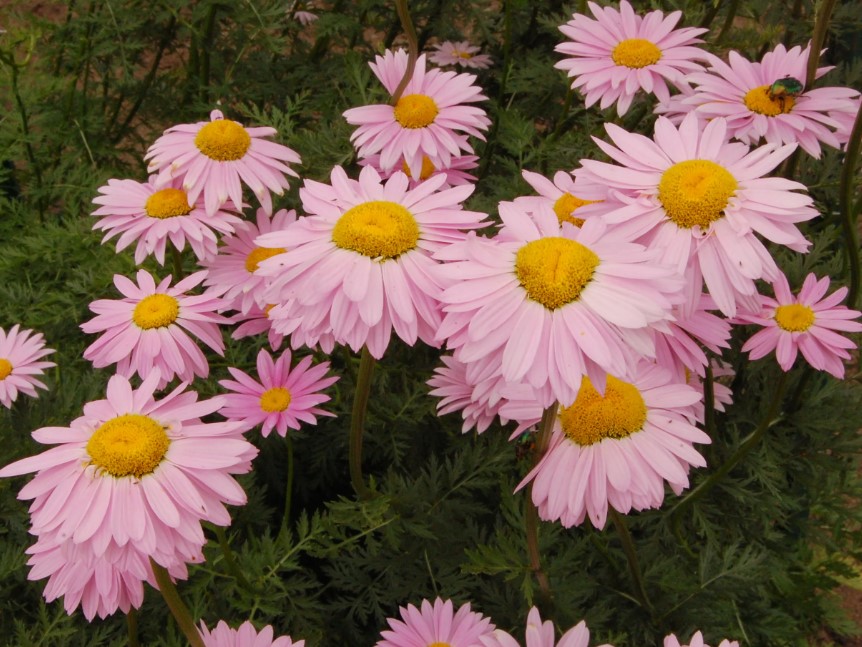
You know that pyrethrum is called not only Persian, but also Dalmatian chamomile?
Mallow (mallow)
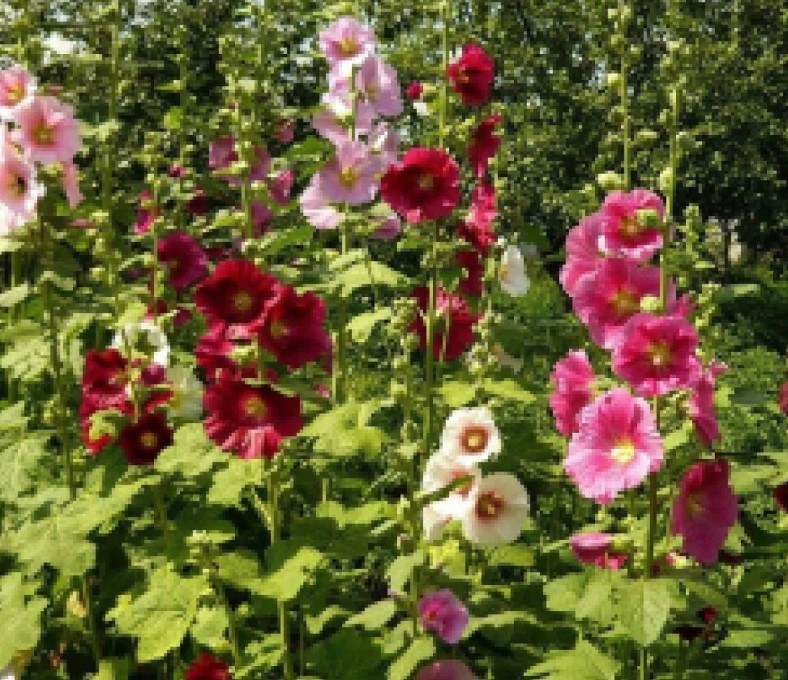
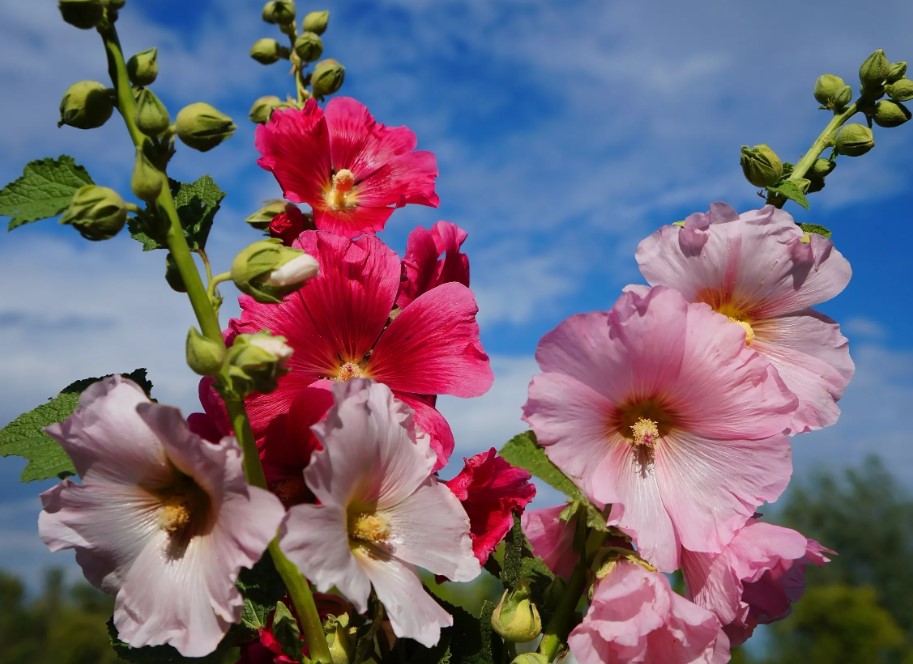
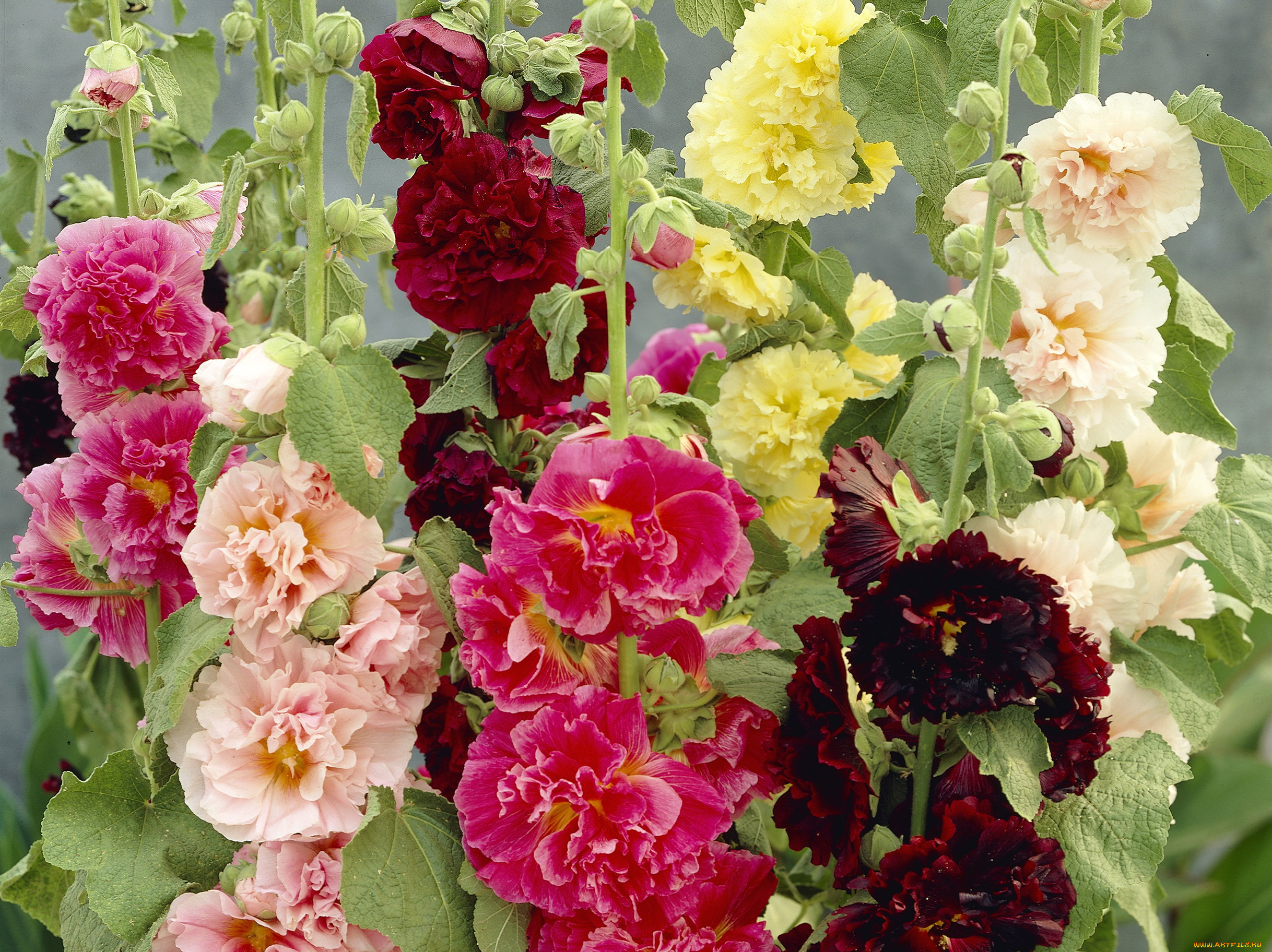
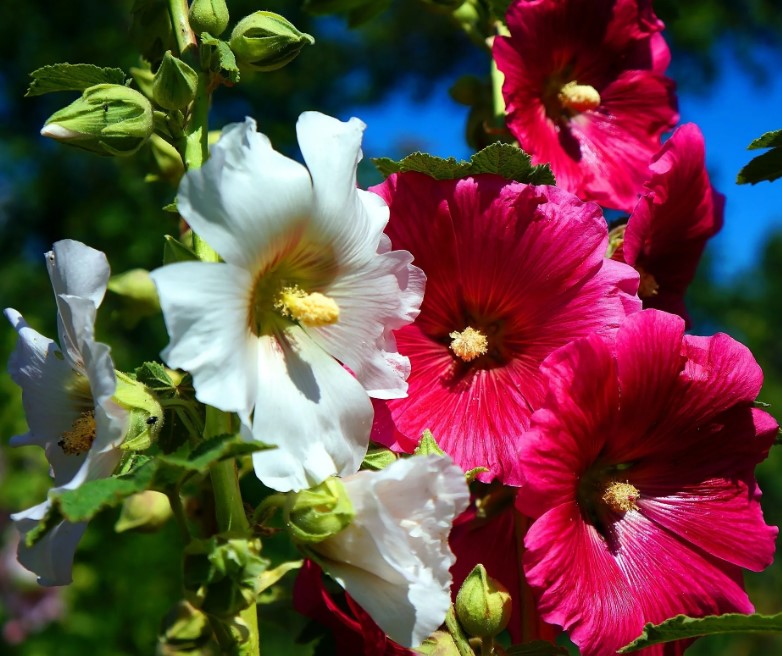
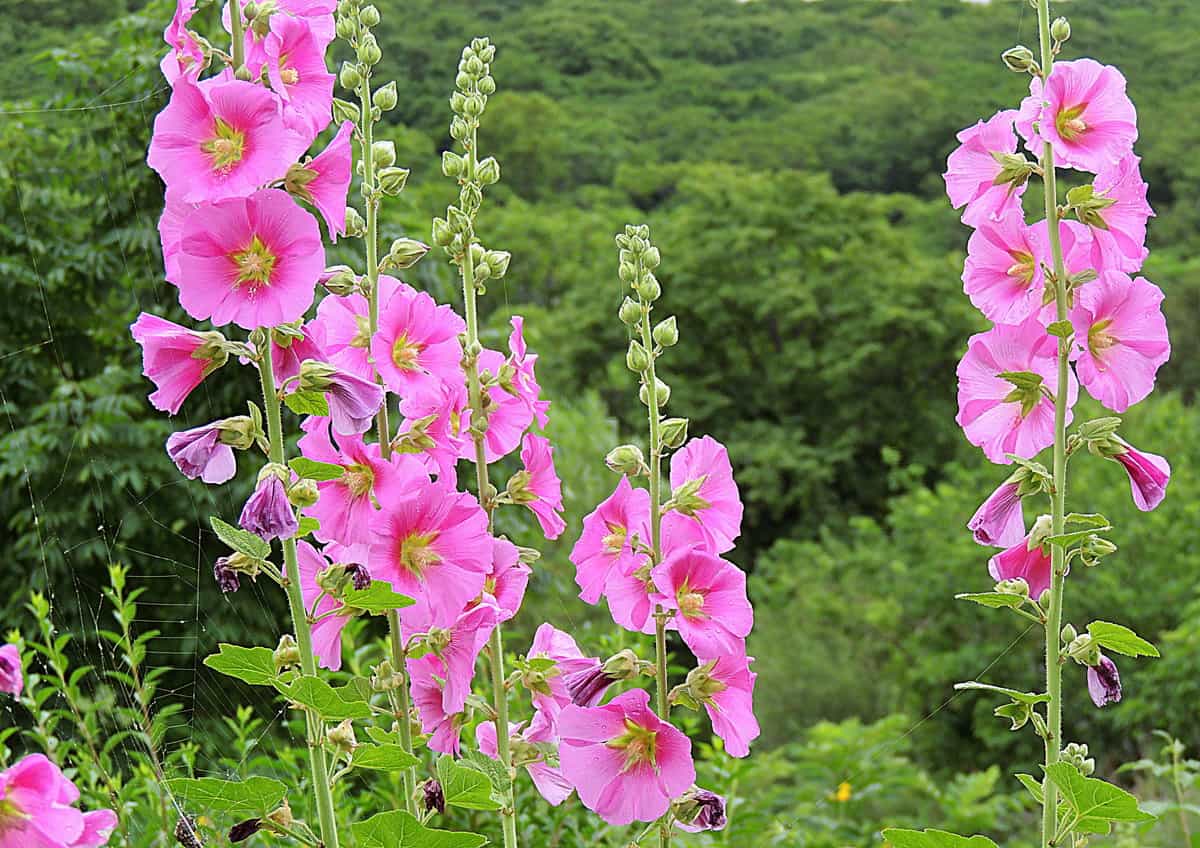
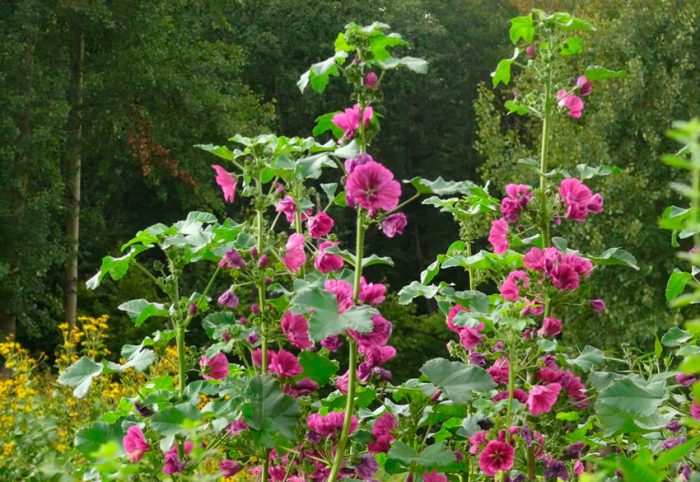
Sometimes Mallow It's often confused with hollyhock, but it's important to understand that these are two completely different plants. The height of the shoots depends on the variety and can range from 30 to 120 cm. The flowers are bell-shaped with large sepals in a variety of shades.
In the south of the country, mallow can be sown directly into open ground, after the soil warms to 12–14°C. In other regions, the seedling method is preferable, with seeds sown indoors in February–March. By May, the seedlings will be ready to be transplanted to a permanent flowerbed.
Photo gallery
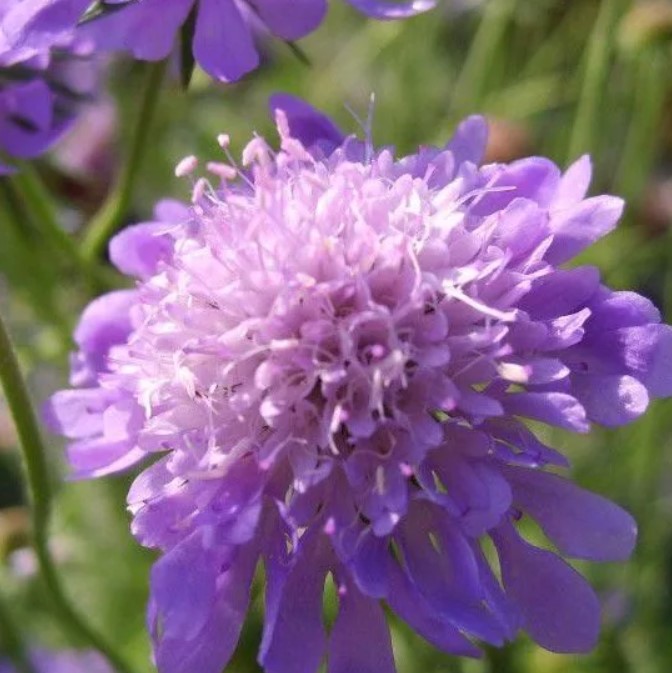
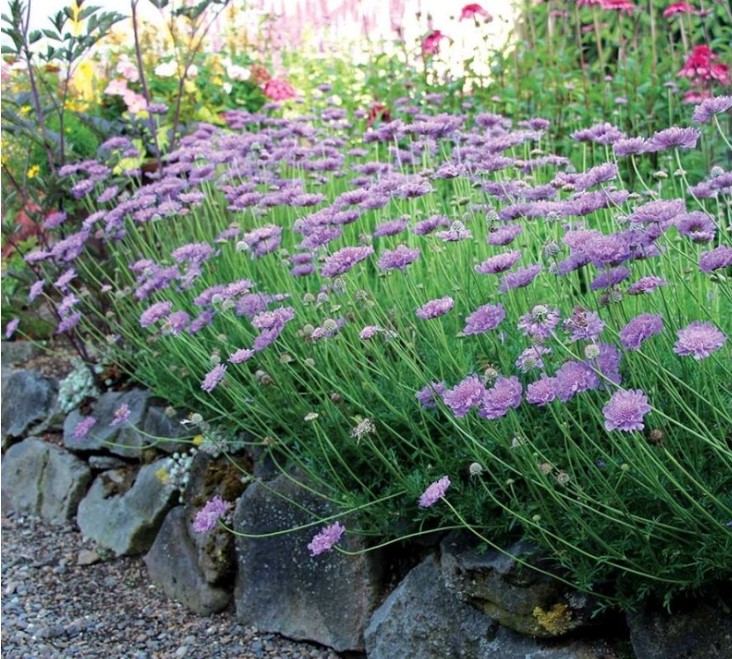
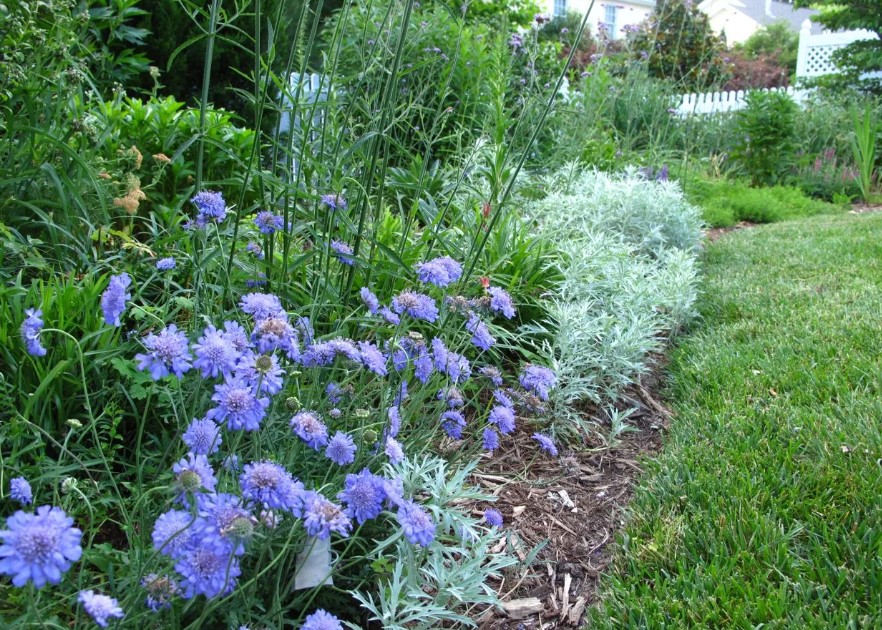
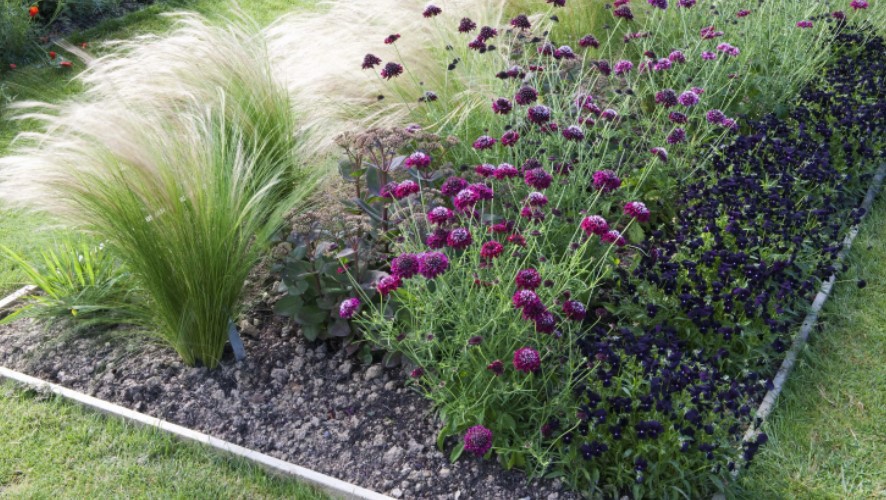
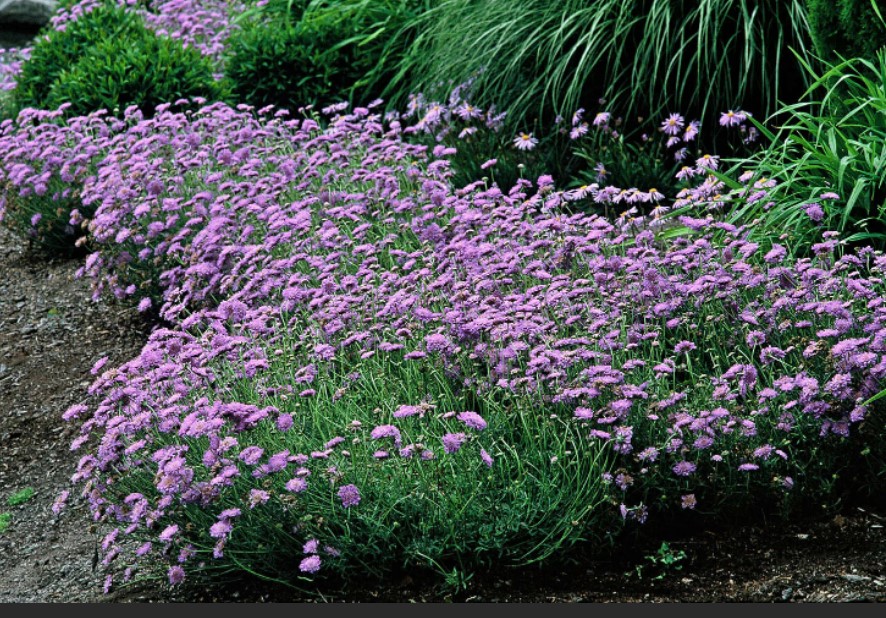
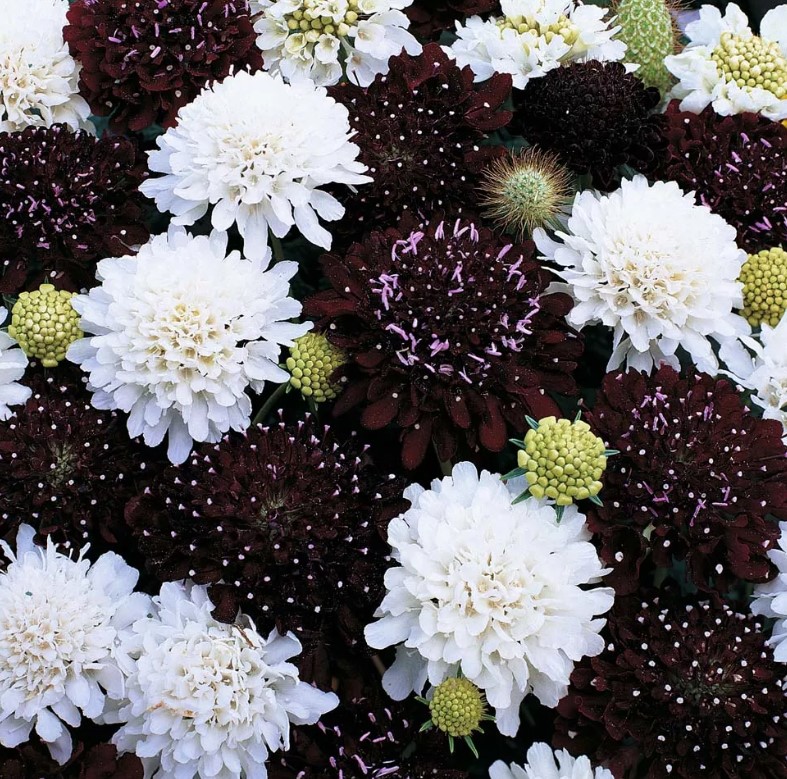
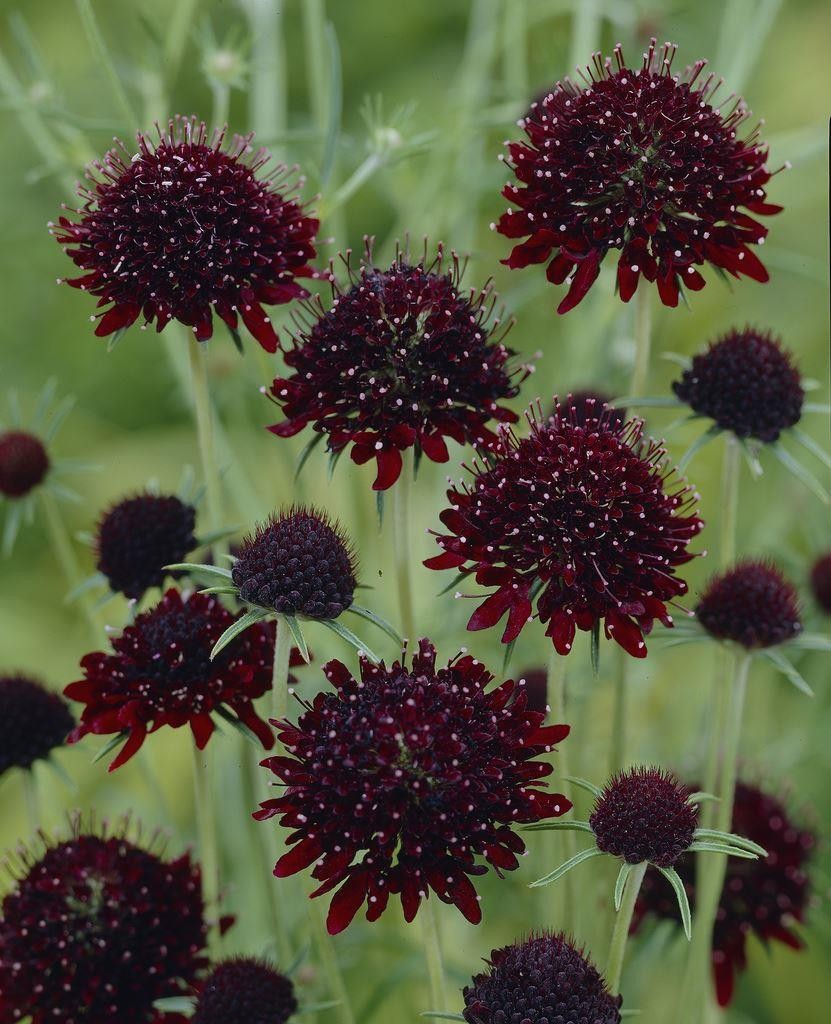
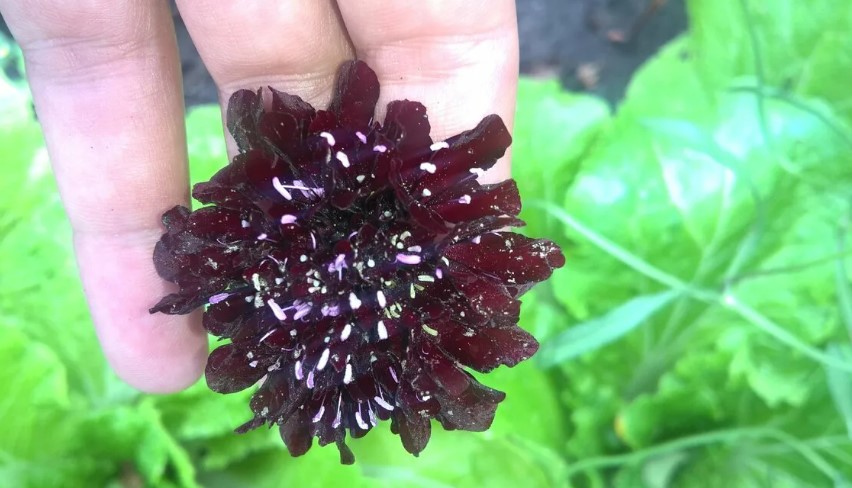
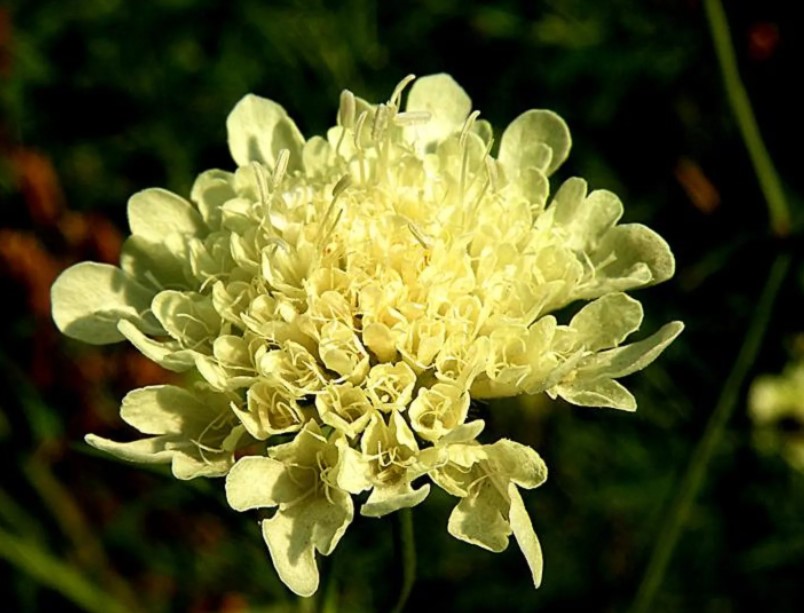
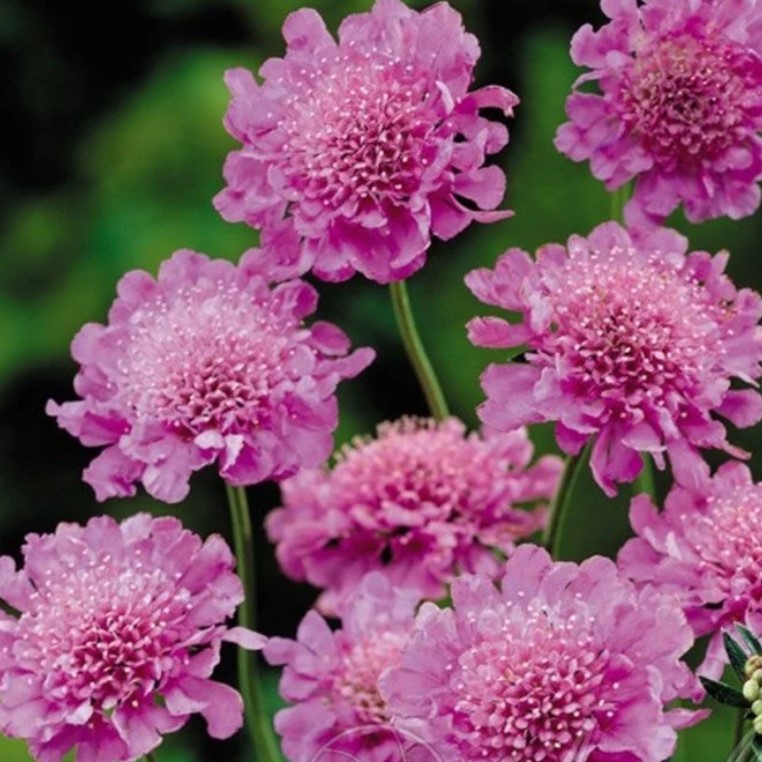
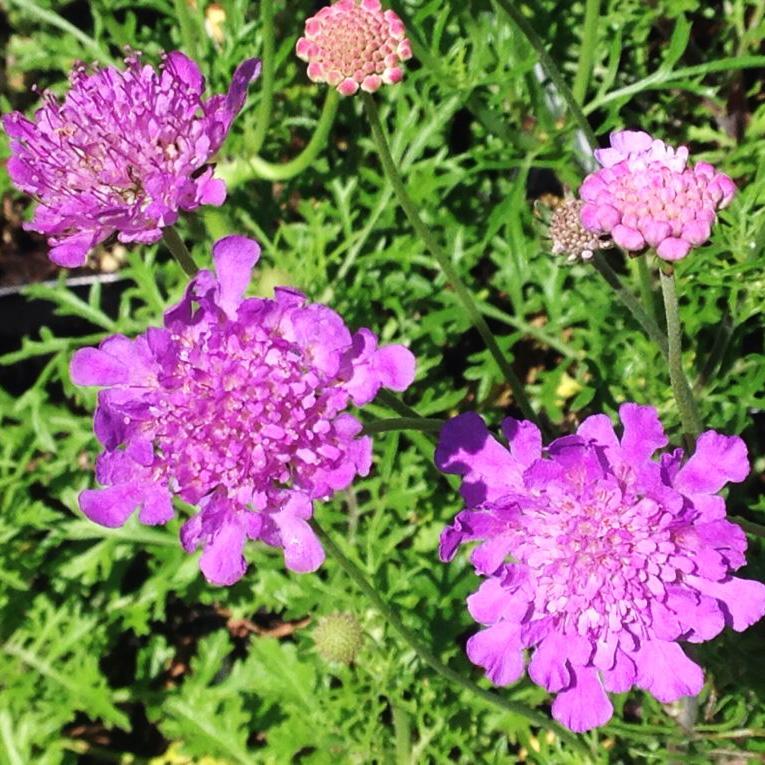
Scabious
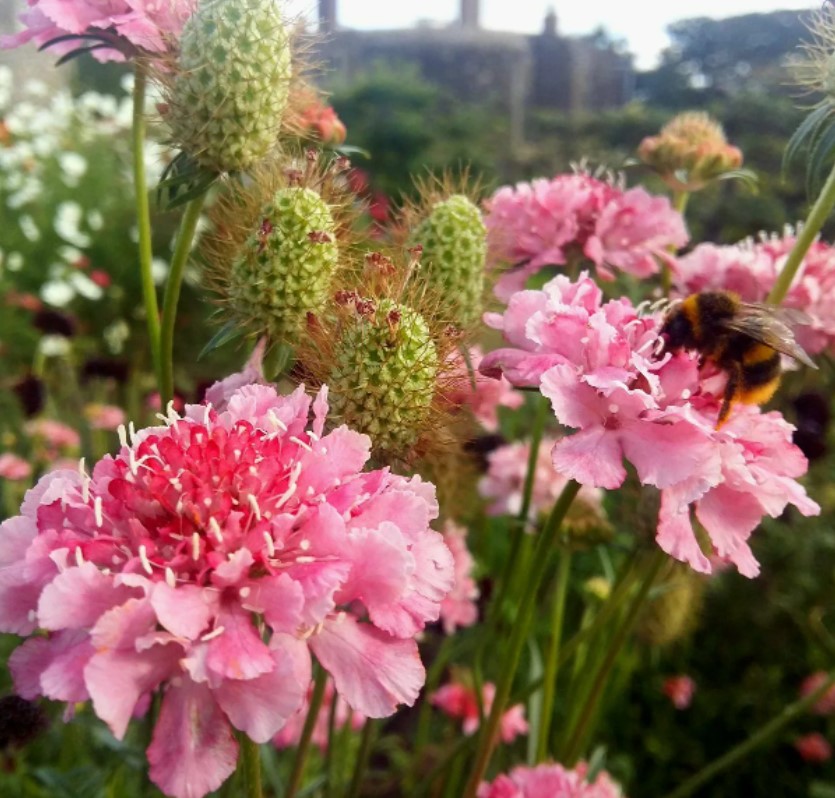
The plant belongs to the Honeysuckle family. It is a shrub up to 100 cm tall, with erect shoots that can become woody at the base. The leaves are serrated or pinnate, and the flowers are arranged in balls or heads of varying shades, depending on the variety.
You can start growing using the seedling method. Scabiosa In March-April, after the seedlings emerge, thinning is carried out. Strong seedlings can be transferred to the flowerbed in May.
Open-ground sowing is done in early to mid-May, when the soil has warmed up sufficiently. Initially, the seedlings will need to be covered at night.
Photo gallery
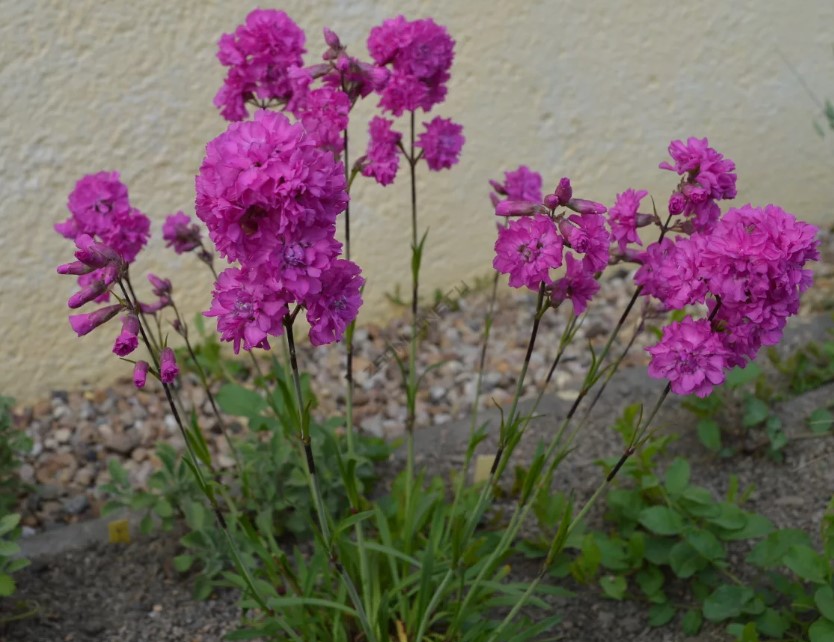
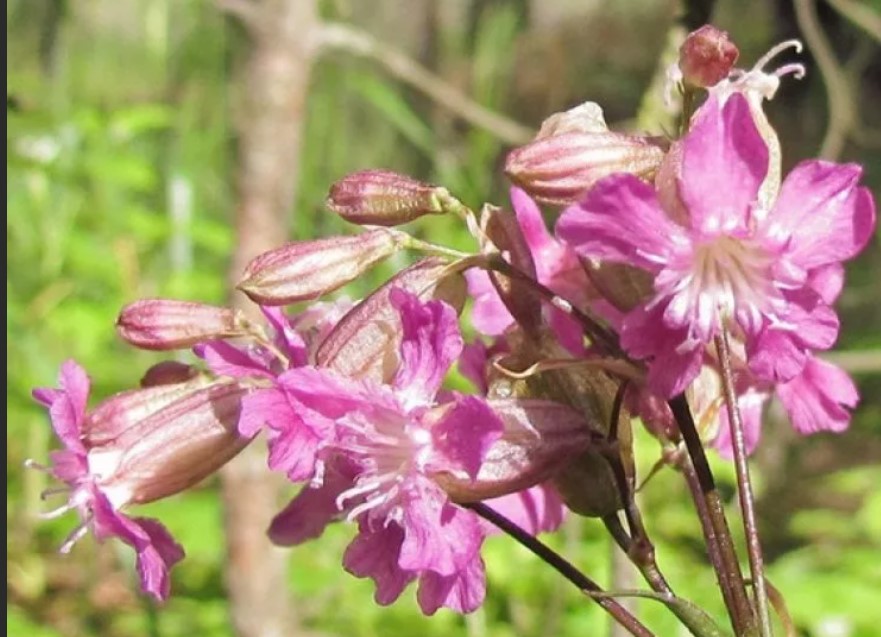
Lychnis
Belongs to the Caryophyllaceae family. The shoots are tall, and their surface may be covered with a fuzz or sticky substance. The inflorescences are usually racemose, and the flowers may be smooth or double.
Seeds can be sown in a well-lit area in early May, when the soil warms to 12°C. Before sowing, it's advisable to treat them with a growth stimulant to ensure better germination. The first shoots appear in 13-15 days. Initially, it's recommended to cover the seedlings with plastic wrap overnight to prevent frost damage.
The most efficient way to grow Smolka Using seedlings. Sowing occurs in March, preferably using individual cups containing 2-3 seeds. In the second half of May, the seedlings can be transplanted to their permanent beds.
Photo gallery
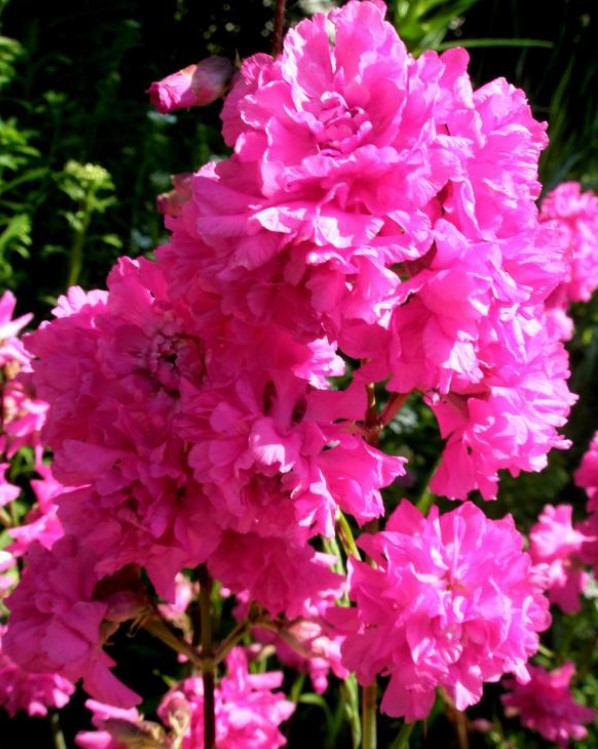
Review
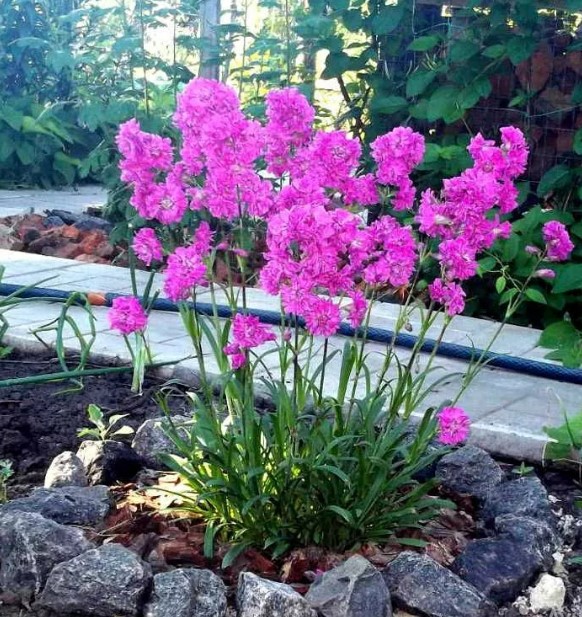
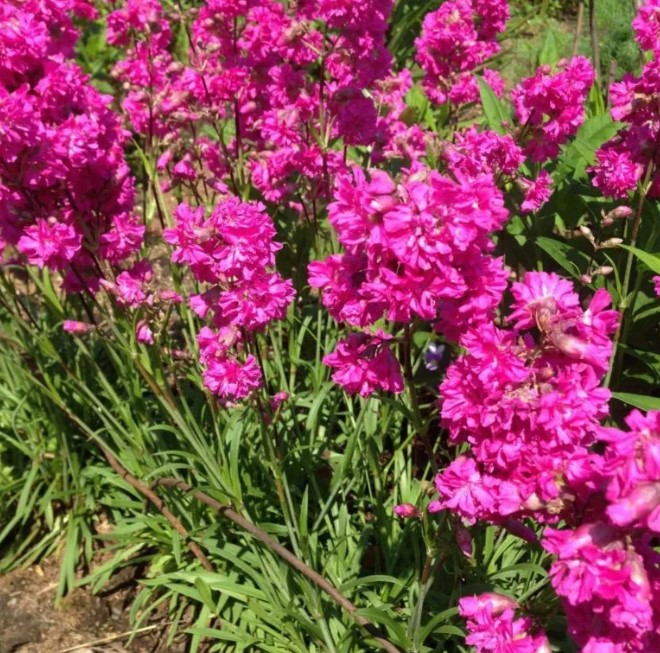
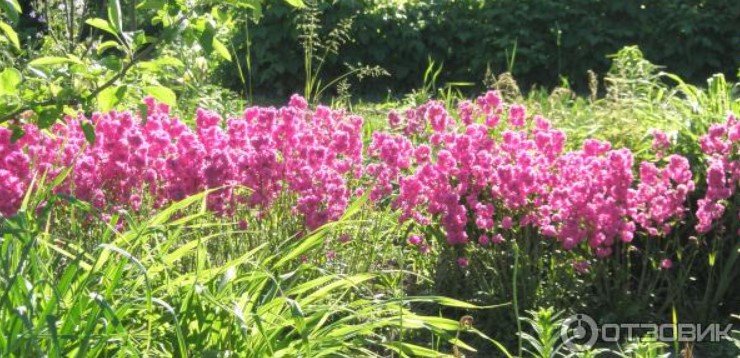
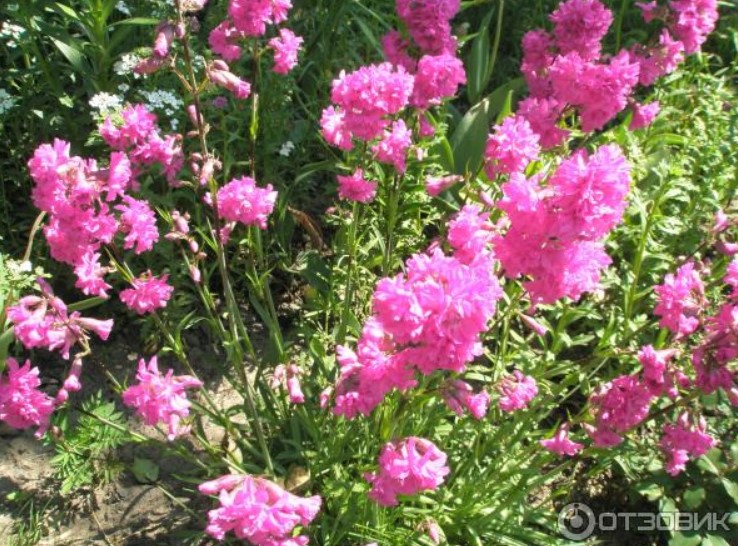
Garden sage comes in both regular and double varieties. Both are a vibrant crimson color. Double garden sage will enhance any flowerbed or garden plot. It looks incredibly impressive both individually and in groups.
Prefers well-lit locations and tolerates drought, but requires watering for abundant flowering. Propagated vegetatively, it's best planted in spring. It blooms between May and June. After flowering, the stems are cut back, leaving decorative foliage.
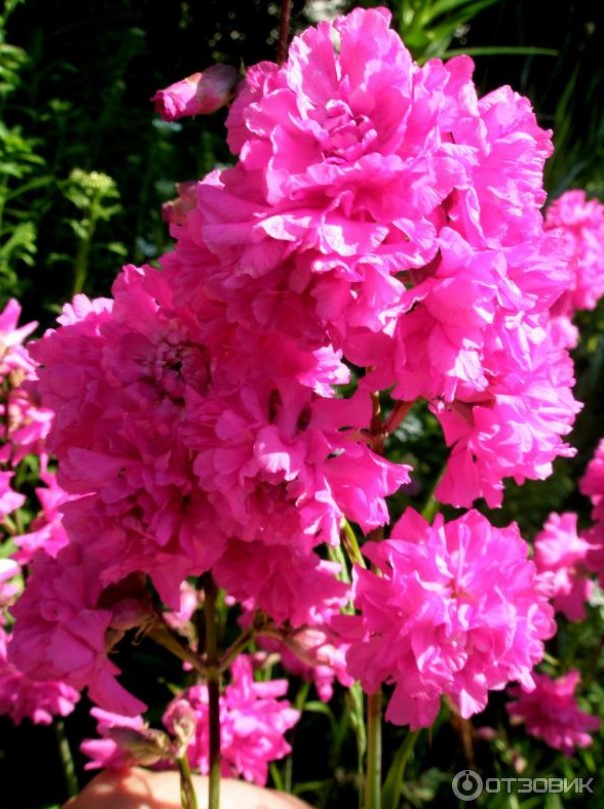
This is what this beauty looks like up close:
The plant height is 30–40 cm. The scent is weak, but the originality of the flower more than makes up for this shortcoming.
Overall, it’s a great idea for decorating a flower bed!
Ursinia
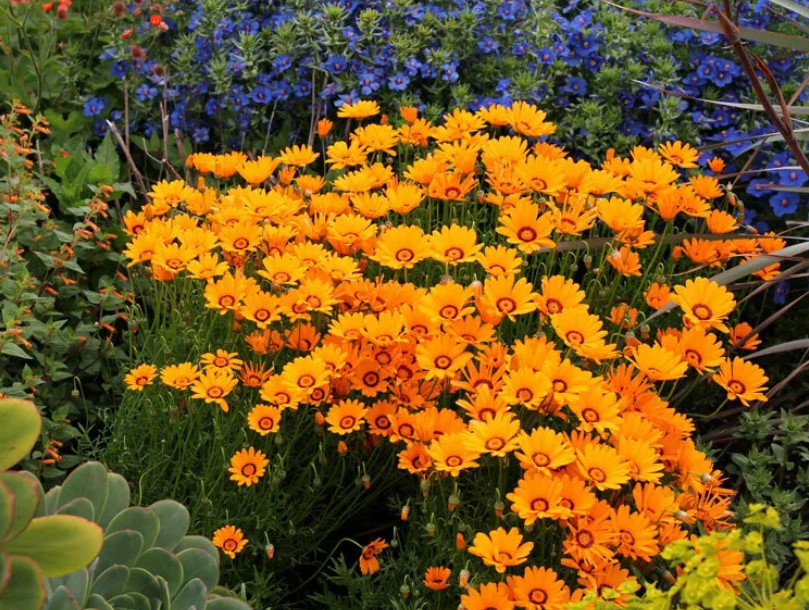
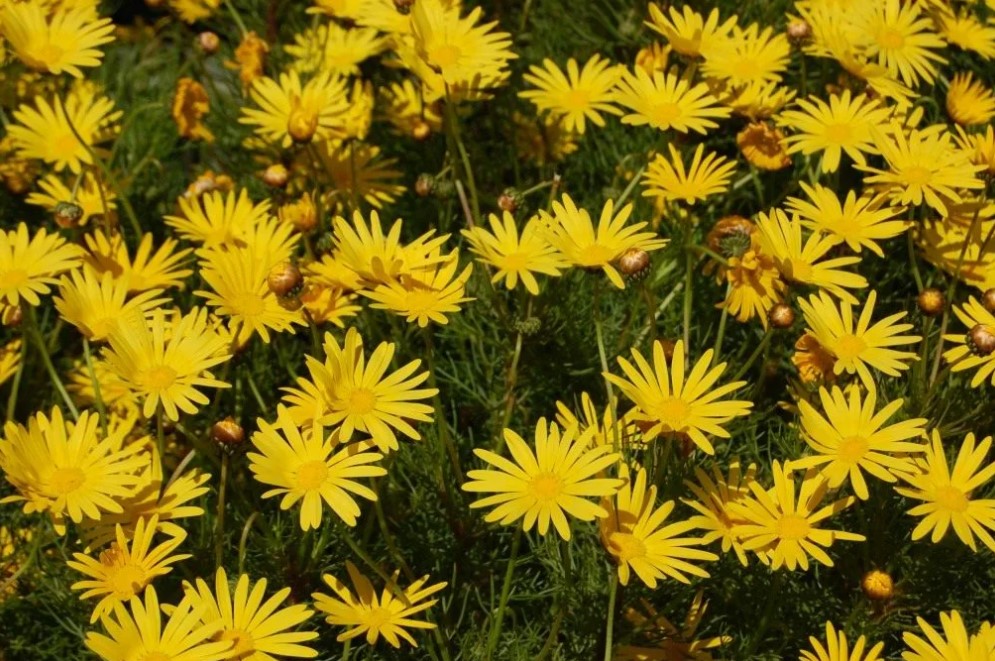
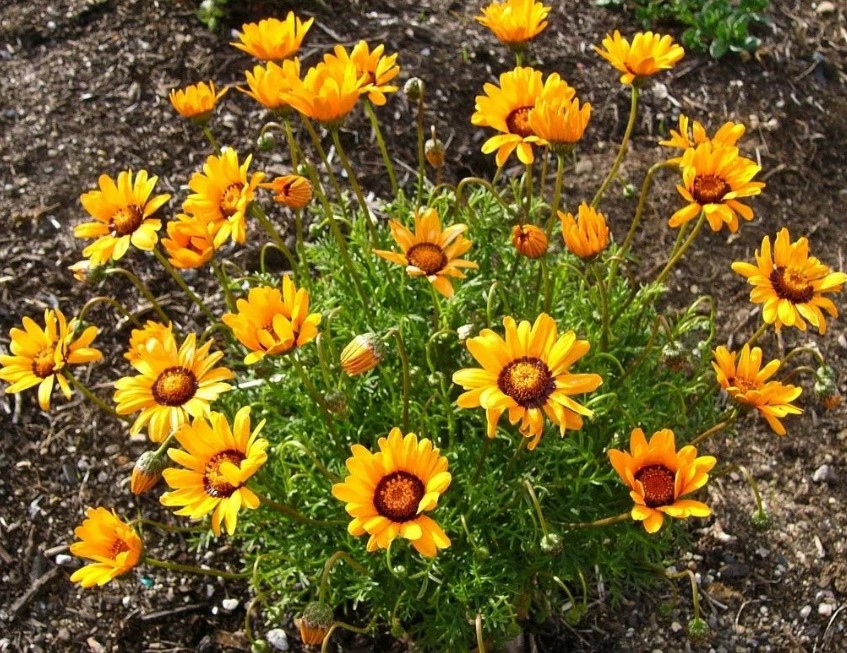
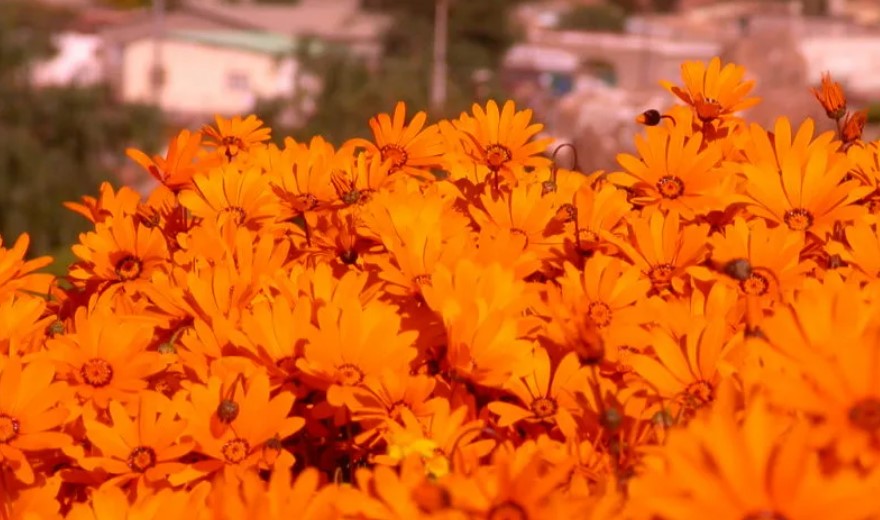
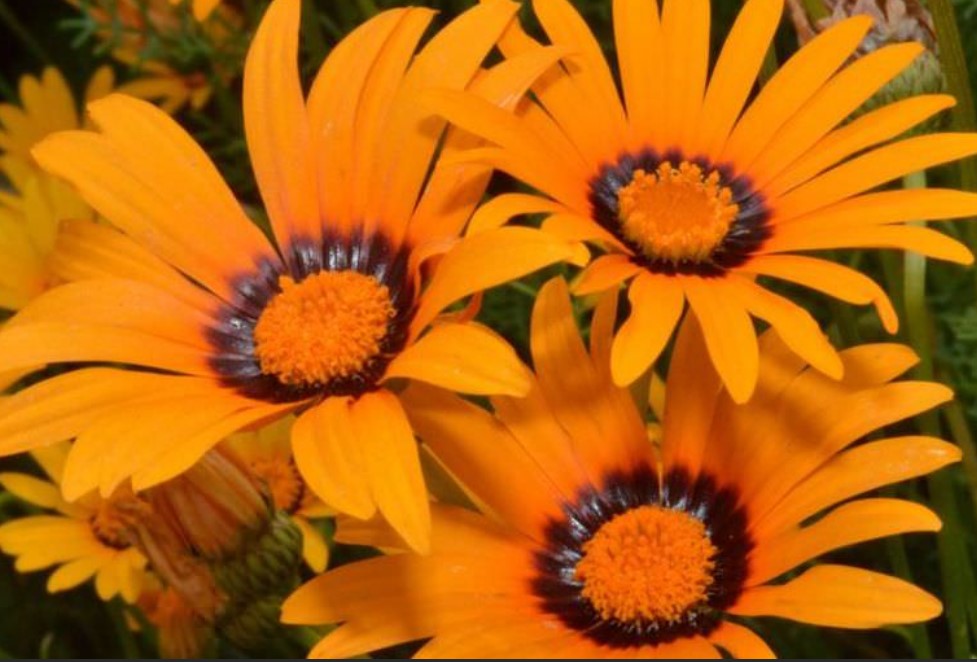
In our country, the plant is also known as "Klinousik." It grows as sprawling bushes with bare or pubescent stems covered in bright, daisy-like flowers. The petal color varies depending on the variety. Each plant can produce up to 25 flowers at a time.
Most often, seeds are sown directly into the soil in the second half of April; in the south, sowing can begin in March. Sow densely, and thin out after the seedlings emerge.
The area should be illuminated and the soil well-drained.
You can grow the flower using seedlings; in this case, the seeds should be sown in the first half of March or even at the end of February. They can be transplanted to the permanent bed in the second half of May.
Photo gallery
Review
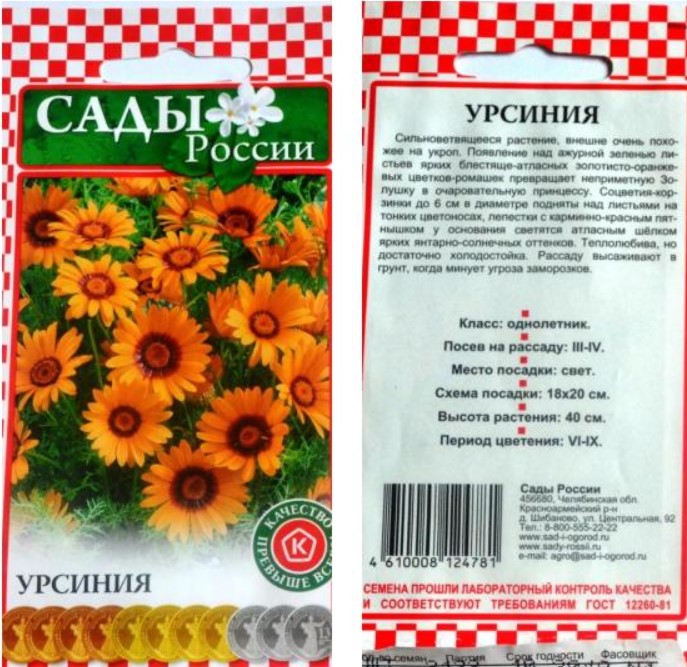
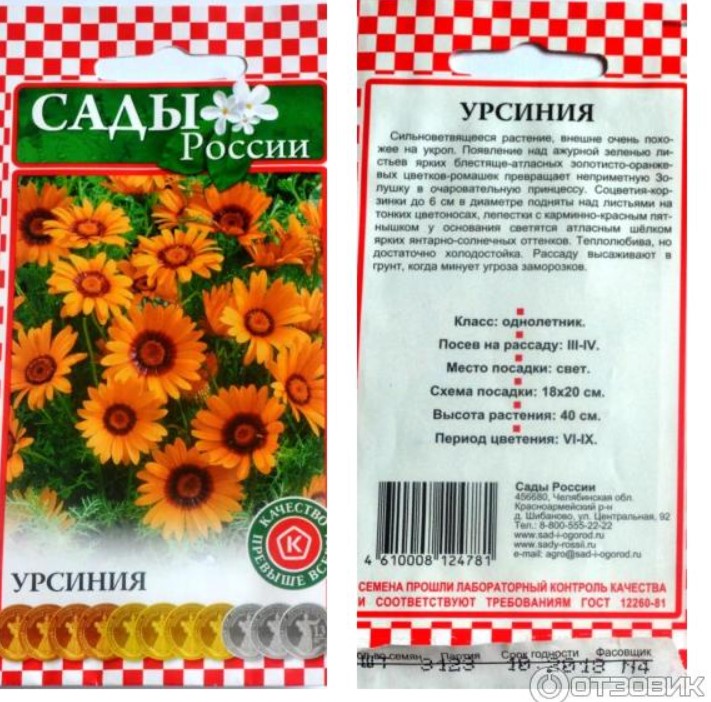
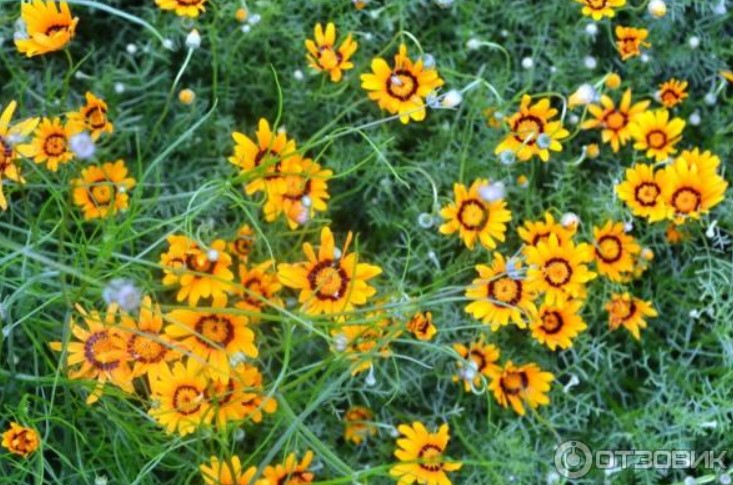
An exotic beauty, reminiscent of a daisy, but with a vibrant, original coloring. I ordered it from the online store "Gardens of Russia." The package lists the plant name "Ursinia" and a description. I'm often curious about the origin of the flower's name. Of course, the internet is our friend. This easy-to-care-for annual is unique to Russia; in its native land, it's a perennial.
Ursinia is a genus of plants in the Asteraceae family, native to the wild primarily on the African continent. There, it grows wild in fields, and its vibrant color earns it the nickname "treasure of the fields." Ursinia was named after the German scientist Johann Heinrich Ursinus.
Ursinia, like all annuals, is propagated by seed. Seeds can be sown directly into the ground or grown from seedlings. Both methods are effective, but keep in mind that the seedling method will cause the plant to bloom a week earlier.
Ursinia requires a sunny location, then it will gift your garden with continuous, bright, abundantly flowering beauty all summer long.
Ursinia's foliage resembles dill sprigs. It grows up to 40 cm tall. It looks beautiful in outdoor planters, balcony boxes, pots, and planters. It makes a wonderful addition to a loggia, terrace, or any sunny spot in your garden.
The most important advantage of this plant is its long flowering period. It begins blooming from early June until the first frost.
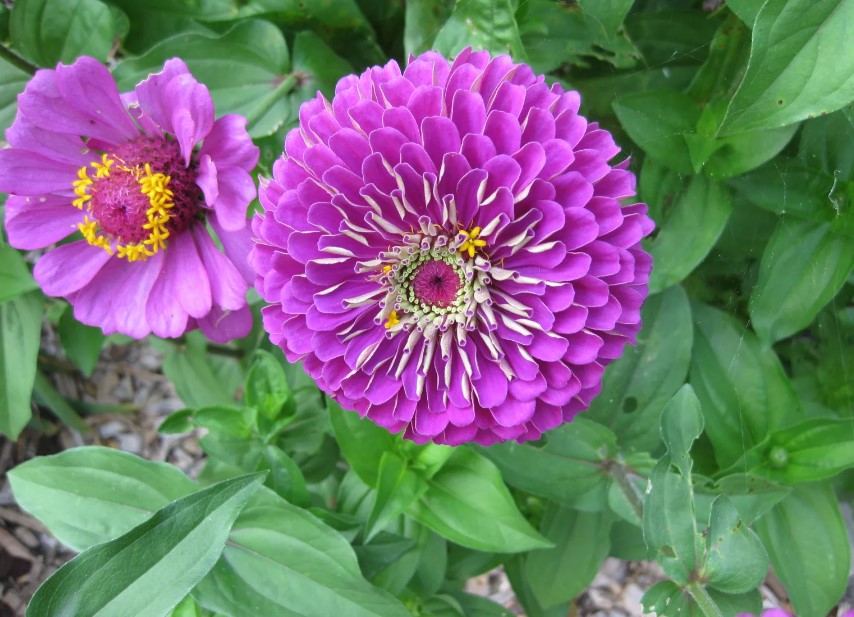
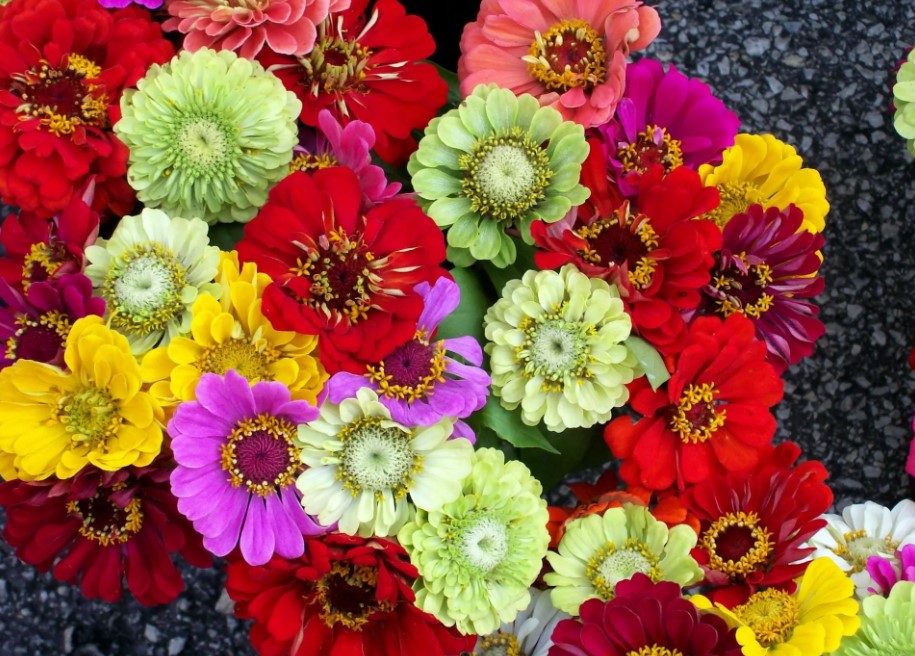
Zinnia
The flowers are distinguished by sturdy stems crowned with multicolored, fluffy flower caps. The color and height of the plants depend on the variety chosen; the shoots are covered with a fine down, and the inflorescences range from 5 to 12 cm in diameter.
Zinnias You can plant seeds directly into open ground in late spring, when the soil warms to 15°C. Choose a well-lit, wind-protected spot in the garden. The darker the flowers, the smaller the buds will be.
For lush blooms, it's recommended to plant zinnias from seedlings in March-April. In the second half of May, the flowers can be transplanted outdoors.
Photo gallery